

MAYA_
41k Posts

MAYA_
 Square Verified+
Report
Block User
Alhamdulillah always and forever.

DUSK Holder
Frequent Trader
4 Years
1.1K+ Following
46.1K+ Followers
202.3K+ Liked
Posts
All
Quotes
Videos
Live
·
--
Bullish
When shopping in Japan, you no longer need to worry about exchanging local currency or dealing with credit card exchange fees. This is because Binance Pay has now integrated with PayPay, a popular payment network in Japan. Thanks to the HIVEX system, you can make direct payments using the USDT held in your wallet. Hmm, the best part is that even though you pay in crypto, local shopkeepers receive their payment in Japanese Yen (JPY). Consequently, merchants face no hassle regarding cryptocurrency. Using crypto for everyday purchases once seemed like a mere fantasy, but this serves as a fantastic example of how rapidly the practical use of crypto is spreading across Asia 🚀
$BNB
{future}(BNBUSDT)
$BTC
{future}(BTCUSDT)
$ETH
{future}(ETHUSDT)
#CEARenamesToBNBStandardUnderBNC #Binance @CZ @heyi
When shopping in Japan, you no longer need to worry about exchanging local currency or dealing with credit card exchange fees. This is because Binance Pay has now integrated with PayPay, a popular payment network in Japan. Thanks to the HIVEX system, you can make direct payments using the USDT held in your wallet. Hmm, the best part is that even though you pay in crypto, local shopkeepers receive their payment in Japanese Yen (JPY). Consequently, merchants face no hassle regarding cryptocurrency. Using crypto for everyday purchases once seemed like a mere fantasy, but this serves as a fantastic example of how rapidly the practical use of crypto is spreading across Asia 🚀
$BNB
$BTC
$ETH
#CEARenamesToBNBStandardUnderBNC #Binance @CZ @Yi He
$BNB
$BTC
$ETH
#CEARenamesToBNBStandardUnderBNC #Binance @CZ @Yi He

2
226
·
--
Tom Lee, co-founder of Fundstrat and a well-known market analyst, recently stated that the crypto market has entered a "bull market" phase.
He based this long-term bullish forecast on several major institutional catalysts and the recent market dynamics of Bitcoin and Ethereum. However, it is worth noting that Tom Lee is widely recognized in Wall Street and crypto circles as a prominent bullish analyst. Since markets are inherently volatile, it is crucial to conduct your own research and practice proper risk management before making any trading decisions based on such hype or predictions.
$NVDA.US $GOOGL.US
Tom Lee, co-founder of Fundstrat and a well-known market analyst, recently stated that the crypto market has entered a "bull market" phase.
He based this long-term bullish forecast on several major institutional catalysts and the recent market dynamics of Bitcoin and Ethereum. However, it is worth noting that Tom Lee is widely recognized in Wall Street and crypto circles as a prominent bullish analyst. Since markets are inherently volatile, it is crucial to conduct your own research and practice proper risk management before making any trading decisions based on such hype or predictions.
$NVDA.US $GOOGL.US
He based this long-term bullish forecast on several major institutional catalysts and the recent market dynamics of Bitcoin and Ethereum. However, it is worth noting that Tom Lee is widely recognized in Wall Street and crypto circles as a prominent bullish analyst. Since markets are inherently volatile, it is crucial to conduct your own research and practice proper risk management before making any trading decisions based on such hype or predictions.
$NVDA.US $GOOGL.US

3
514
·
--

Article
IS BTC REALLY READY TO BREAK THE RANGE OR IS THIS ANOTHER TRAP ?I mean.....
Looking at BTC right now, one question keeps coming to mind: are we truly on the verge of a major move, or is the price just wearing everyone out within this narrow $83K–$85K range?
The situation is quite peculiar.
BTC has once again defended the lower end of the range. Buyers stepped in around $83K and held the price up. However, I’m pausing here because defending the lows doesn't automatically guarantee an upward continuation.
Still...
If buyers can genuinely hold this level, my eyes will immediately turn toward the range high.
Meaning, another push toward $85K.
And this is where the psychology gets interesting.
Those repeatedly shorting within this range are likely banking on a rejection at the lows. If the price moves back toward $85K, many of them might have their stop-losses placed just above that area. Consequently, even a small push could force some short positions to close.
This is the kind of scenario where the price can catch many people on the wrong side of the trade without needing to travel very far.
I’m not saying this will happen for sure; rather, that’s exactly why I find the setup interesting.
First, a push toward the highs...
Then, if liquidity is swept there, the price could drop back into the range.
And that raises the real question: is BTC aiming to sweep the entire range from the opposite side?
Because if it drops below $83K, the picture becomes far more intriguing.
There is a significant liquidity cluster there. At the same time, the previous range highs are nearby—a potential zone for a retest as support.
The convergence of these two factors is what stands out to me.
If the price moves toward $85K first, hunts some shorts, then drops to sweep liquidity below $83K—that wouldn't just be random volatility. To me, at least, it would look like a very deliberate move. And if buyers can absorb that downside sweep, it could set the stage for a major move towards the $90K region.
However, there is a catch here.
It is very easy to spin a nice narrative—the range low holds, then the high is tested, followed by a liquidity sweep, and finally a move to $90K.
The market, of course, doesn't follow a script.
Right now, the clearest thing about BTC is that the price remains stuck between $83K and $85K. Until either end of this range is decisively reclaimed or lost, I am not inclined to place too much importance on the price action in between.
Maybe the high comes first.
Maybe the low comes first.
And perhaps the most annoying possibility is that the price might just chop around for a while before moving in either direction.
So, my focus is primarily on the two extremes of the range: how the price behaves above $85K, and how buyers react if it drops below $83K.
Ultimately, knowing where the liquidity lies is one thing.
But what the price actually does when it gets there—that is what truly matters.
$BTC
{future}(BTCUSDT)
#
IS BTC REALLY READY TO BREAK THE RANGE OR IS THIS ANOTHER TRAP ?
I mean.....
Looking at BTC right now, one question keeps coming to mind: are we truly on the verge of a major move, or is the price just wearing everyone out within this narrow $83K–$85K range?
The situation is quite peculiar.
BTC has once again defended the lower end of the range. Buyers stepped in around $83K and held the price up. However, I’m pausing here because defending the lows doesn't automatically guarantee an upward continuation.
Still...
If buyers can genuinely hold this level, my eyes will immediately turn toward the range high.
Meaning, another push toward $85K.
And this is where the psychology gets interesting.
Those repeatedly shorting within this range are likely banking on a rejection at the lows. If the price moves back toward $85K, many of them might have their stop-losses placed just above that area. Consequently, even a small push could force some short positions to close.
This is the kind of scenario where the price can catch many people on the wrong side of the trade without needing to travel very far.
I’m not saying this will happen for sure; rather, that’s exactly why I find the setup interesting.
First, a push toward the highs...
Then, if liquidity is swept there, the price could drop back into the range.
And that raises the real question: is BTC aiming to sweep the entire range from the opposite side?
Because if it drops below $83K, the picture becomes far more intriguing.
There is a significant liquidity cluster there. At the same time, the previous range highs are nearby—a potential zone for a retest as support.
The convergence of these two factors is what stands out to me.
If the price moves toward $85K first, hunts some shorts, then drops to sweep liquidity below $83K—that wouldn't just be random volatility. To me, at least, it would look like a very deliberate move. And if buyers can absorb that downside sweep, it could set the stage for a major move towards the $90K region.
However, there is a catch here.
It is very easy to spin a nice narrative—the range low holds, then the high is tested, followed by a liquidity sweep, and finally a move to $90K.
The market, of course, doesn't follow a script.
Right now, the clearest thing about BTC is that the price remains stuck between $83K and $85K. Until either end of this range is decisively reclaimed or lost, I am not inclined to place too much importance on the price action in between.
Maybe the high comes first.
Maybe the low comes first.
And perhaps the most annoying possibility is that the price might just chop around for a while before moving in either direction.
So, my focus is primarily on the two extremes of the range: how the price behaves above $85K, and how buyers react if it drops below $83K.
Ultimately, knowing where the liquidity lies is one thing.
But what the price actually does when it gets there—that is what truly matters.
$BTC
#
Looking at BTC right now, one question keeps coming to mind: are we truly on the verge of a major move, or is the price just wearing everyone out within this narrow $83K–$85K range?
The situation is quite peculiar.
BTC has once again defended the lower end of the range. Buyers stepped in around $83K and held the price up. However, I’m pausing here because defending the lows doesn't automatically guarantee an upward continuation.
Still...
If buyers can genuinely hold this level, my eyes will immediately turn toward the range high.
Meaning, another push toward $85K.
And this is where the psychology gets interesting.
Those repeatedly shorting within this range are likely banking on a rejection at the lows. If the price moves back toward $85K, many of them might have their stop-losses placed just above that area. Consequently, even a small push could force some short positions to close.
This is the kind of scenario where the price can catch many people on the wrong side of the trade without needing to travel very far.
I’m not saying this will happen for sure; rather, that’s exactly why I find the setup interesting.
First, a push toward the highs...
Then, if liquidity is swept there, the price could drop back into the range.
And that raises the real question: is BTC aiming to sweep the entire range from the opposite side?
Because if it drops below $83K, the picture becomes far more intriguing.
There is a significant liquidity cluster there. At the same time, the previous range highs are nearby—a potential zone for a retest as support.
The convergence of these two factors is what stands out to me.
If the price moves toward $85K first, hunts some shorts, then drops to sweep liquidity below $83K—that wouldn't just be random volatility. To me, at least, it would look like a very deliberate move. And if buyers can absorb that downside sweep, it could set the stage for a major move towards the $90K region.
However, there is a catch here.
It is very easy to spin a nice narrative—the range low holds, then the high is tested, followed by a liquidity sweep, and finally a move to $90K.
The market, of course, doesn't follow a script.
Right now, the clearest thing about BTC is that the price remains stuck between $83K and $85K. Until either end of this range is decisively reclaimed or lost, I am not inclined to place too much importance on the price action in between.
Maybe the high comes first.
Maybe the low comes first.
And perhaps the most annoying possibility is that the price might just chop around for a while before moving in either direction.
So, my focus is primarily on the two extremes of the range: how the price behaves above $85K, and how buyers react if it drops below $83K.
Ultimately, knowing where the liquidity lies is one thing.
But what the price actually does when it gets there—that is what truly matters.
$BTC
#
2
224
·
--
Bullish
$RECALL LONGED 🚀
SPOT BUY 🟢
{future}(RECALLUSDT)
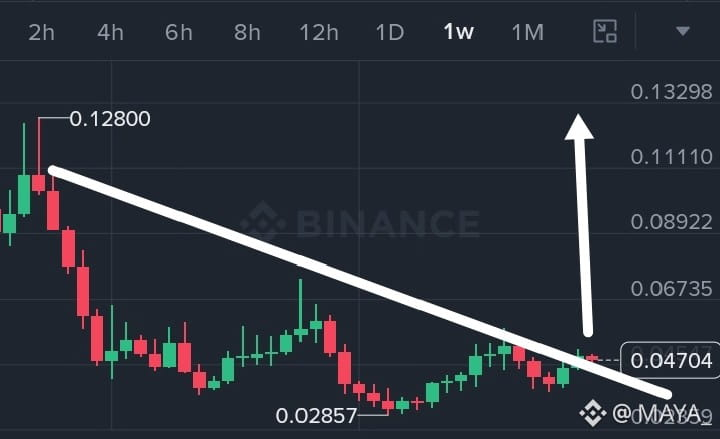
$RECALL is sitting right around $0.047, testing that long-term descending trendline on the weekly chart. I’ve taken a long here, but I’m not treating the breakout as confirmed yet. If price can reclaim and hold above this trendline, I’d be watching the $0.067 area first, then potentially $0.09 – $0.11.
Still keeping risk in mind👈
$RECALL LONGED 🚀
SPOT BUY 🟢
$RECALL is sitting right around $0.047, testing that long-term descending trendline on the weekly chart. I’ve taken a long here, but I’m not treating the breakout as confirmed yet. If price can reclaim and hold above this trendline, I’d be watching the $0.067 area first, then potentially $0.09 – $0.11.
Still keeping risk in mind👈
SPOT BUY 🟢
$RECALL is sitting right around $0.047, testing that long-term descending trendline on the weekly chart. I’ve taken a long here, but I’m not treating the breakout as confirmed yet. If price can reclaim and hold above this trendline, I’d be watching the $0.067 area first, then potentially $0.09 – $0.11.
Still keeping risk in mind👈
3
662
·
--
$ESPORTS BREAKOUT 🚀🟢
SPOT BUY 🟢
{future}(ESPORTSUSDT)
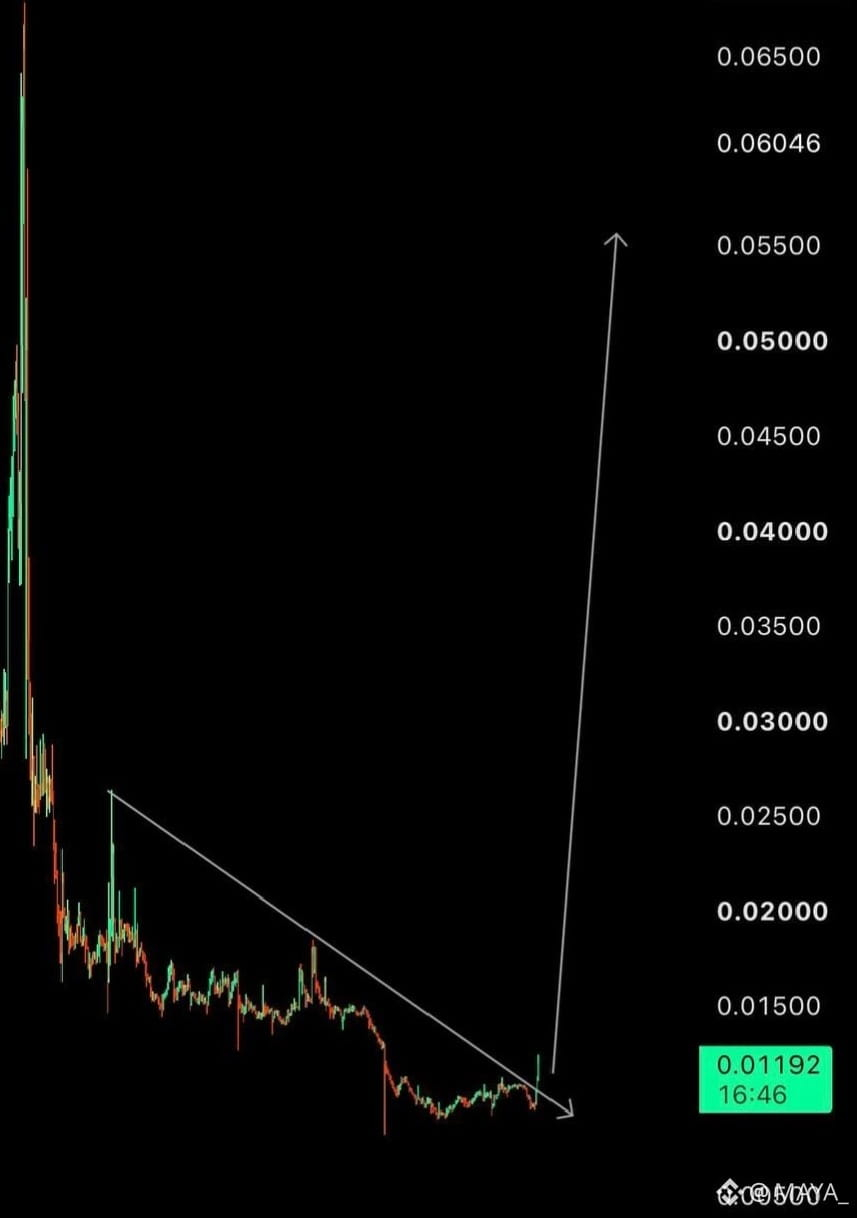
$ESPORTS is finally breaking out of the long-term descending trendline, and this move is starting to look interesting.
Price is around $0.0119 right now. If the breakout holds and momentum continues, I’m watching the $0.015–$0.020 area first, with the chart pointing toward $0.055.
Confirmation matters here✅
$ESPORTS BREAKOUT 🚀🟢
SPOT BUY 🟢
$ESPORTS is finally breaking out of the long-term descending trendline, and this move is starting to look interesting.
Price is around $0.0119 right now. If the breakout holds and momentum continues, I’m watching the $0.015–$0.020 area first, with the chart pointing toward $0.055.
Confirmation matters here✅
SPOT BUY 🟢
$ESPORTS is finally breaking out of the long-term descending trendline, and this move is starting to look interesting.
Price is around $0.0119 right now. If the breakout holds and momentum continues, I’m watching the $0.015–$0.020 area first, with the chart pointing toward $0.055.
Confirmation matters here✅
4
1k
·
--
#XRPUpdate
D’CENT Wallet Hack : Over 12.4 Million $XRP Stolen
{future}(XRPUSDT)
This is a major incident. Reports indicate that hackers have stolen more than 12.4 million XRP from over 7,000 D’CENT app wallets.
It has also come to light that users holding assets in Bitcoin, Ethereum, and Stellar have been affected. Approximately 6.3 million of the stolen XRP has already been moved to the Ethereum network via cross-chain swaps. Security is now the top priority; if you use D’CENT, it is crucial to check the official security notice and transfer your funds from potentially compromised wallets to new ones using a fresh recovery phrase.
This incident serves as a reminder that owning a wallet does not eliminate risk entirely. In particular, a vulnerability within the wallet infrastructure can impact a large number of users simultaneously.
#XRPUpdate
D’CENT Wallet Hack : Over 12.4 Million $XRP Stolen
This is a major incident. Reports indicate that hackers have stolen more than 12.4 million XRP from over 7,000 D’CENT app wallets.
It has also come to light that users holding assets in Bitcoin, Ethereum, and Stellar have been affected. Approximately 6.3 million of the stolen XRP has already been moved to the Ethereum network via cross-chain swaps. Security is now the top priority; if you use D’CENT, it is crucial to check the official security notice and transfer your funds from potentially compromised wallets to new ones using a fresh recovery phrase.
This incident serves as a reminder that owning a wallet does not eliminate risk entirely. In particular, a vulnerability within the wallet infrastructure can impact a large number of users simultaneously.
D’CENT Wallet Hack : Over 12.4 Million $XRP Stolen
This is a major incident. Reports indicate that hackers have stolen more than 12.4 million XRP from over 7,000 D’CENT app wallets.
It has also come to light that users holding assets in Bitcoin, Ethereum, and Stellar have been affected. Approximately 6.3 million of the stolen XRP has already been moved to the Ethereum network via cross-chain swaps. Security is now the top priority; if you use D’CENT, it is crucial to check the official security notice and transfer your funds from potentially compromised wallets to new ones using a fresh recovery phrase.
This incident serves as a reminder that owning a wallet does not eliminate risk entirely. In particular, a vulnerability within the wallet infrastructure can impact a large number of users simultaneously.
5
483
·
--
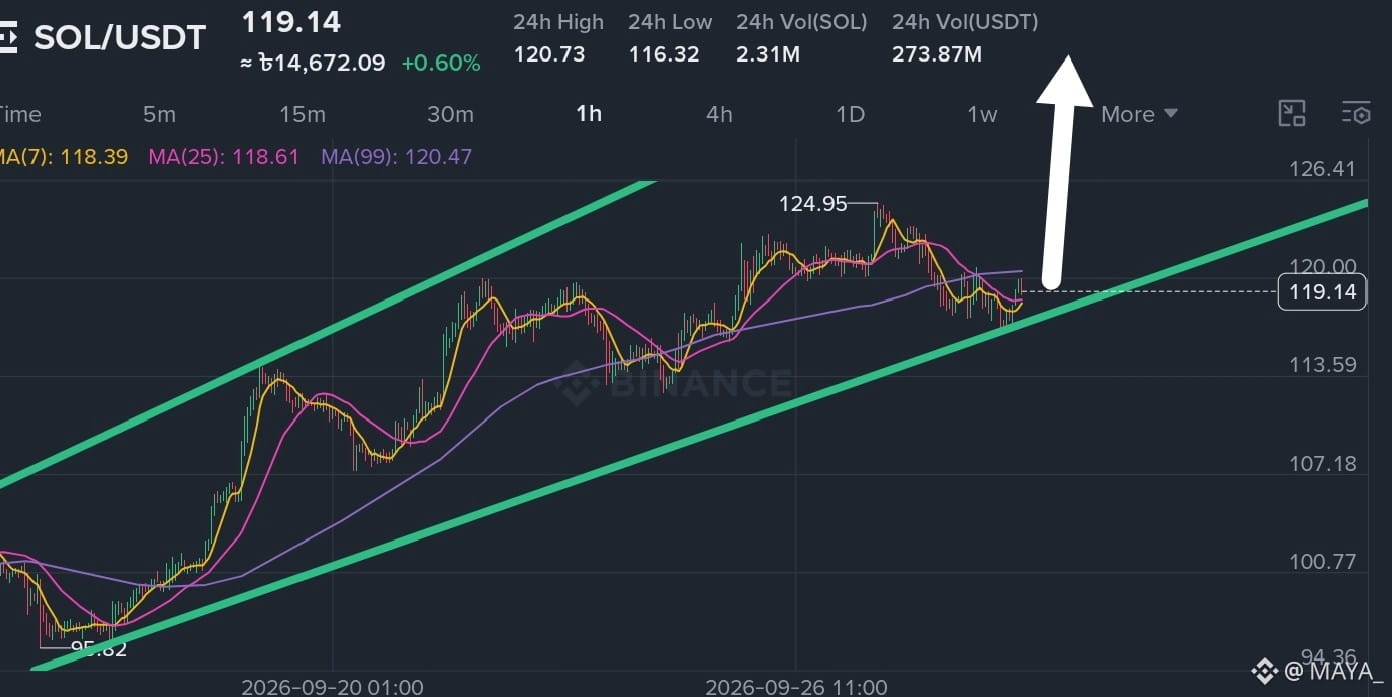
$SOL Long Entry 🟢
Target : 126 👈 🚀
$SOL Trade here👇👇👇👇
$SOL Long Entry 🟢
Target : 126 👈 🚀
$SOL Trade here👇👇👇👇
Target : 126 👈 🚀
$SOL Trade here👇👇👇👇
5
445
·
--
Verified
#StrategyAdds1666BTCHoldingsReach847666
One thing that caught my eye is that Michael Saylor and his company, Strategy, have once again purchased Bitcoin. According to SEC filings and Saylor's official announcement, they have added 1,665 BTC this time. The total expenditure was approximately $142.7 million, with an average purchase price of around $85,681 per Bitcoin.
Interestingly, while many are citing the figure as 1,666, the actual number is 1,665. Following this purchase, Strategy's total Bitcoin holdings now stand at 847,666 BTC.
What stands out most to me here is that they are continuing to accumulate BTC despite already holding such a massive amount. The question now is whether this buying activity signals even larger accumulation ahead, or if Strategy is simply maintaining its existing position. Only time will tell.
$BTC
{future}(BTCUSDT)
#StrategyAdds1666BTCHoldingsReach847666
One thing that caught my eye is that Michael Saylor and his company, Strategy, have once again purchased Bitcoin. According to SEC filings and Saylor's official announcement, they have added 1,665 BTC this time. The total expenditure was approximately $142.7 million, with an average purchase price of around $85,681 per Bitcoin.
Interestingly, while many are citing the figure as 1,666, the actual number is 1,665. Following this purchase, Strategy's total Bitcoin holdings now stand at 847,666 BTC.
What stands out most to me here is that they are continuing to accumulate BTC despite already holding such a massive amount. The question now is whether this buying activity signals even larger accumulation ahead, or if Strategy is simply maintaining its existing position. Only time will tell.
$BTC
One thing that caught my eye is that Michael Saylor and his company, Strategy, have once again purchased Bitcoin. According to SEC filings and Saylor's official announcement, they have added 1,665 BTC this time. The total expenditure was approximately $142.7 million, with an average purchase price of around $85,681 per Bitcoin.
Interestingly, while many are citing the figure as 1,666, the actual number is 1,665. Following this purchase, Strategy's total Bitcoin holdings now stand at 847,666 BTC.
What stands out most to me here is that they are continuing to accumulate BTC despite already holding such a massive amount. The question now is whether this buying activity signals even larger accumulation ahead, or if Strategy is simply maintaining its existing position. Only time will tell.
$BTC

3
326
·
--
Article
BTC LIQUIDITY GAME : WHICH SIDE GETS SWEPT FIRST ?I mean.....
There’s one thing I keep thinking about—will BTC make a decisive move in one direction right from here, or will it first lure everyone the wrong way at the start of the month?
Looking at the chart, the situation seems a bit peculiar to me right now.
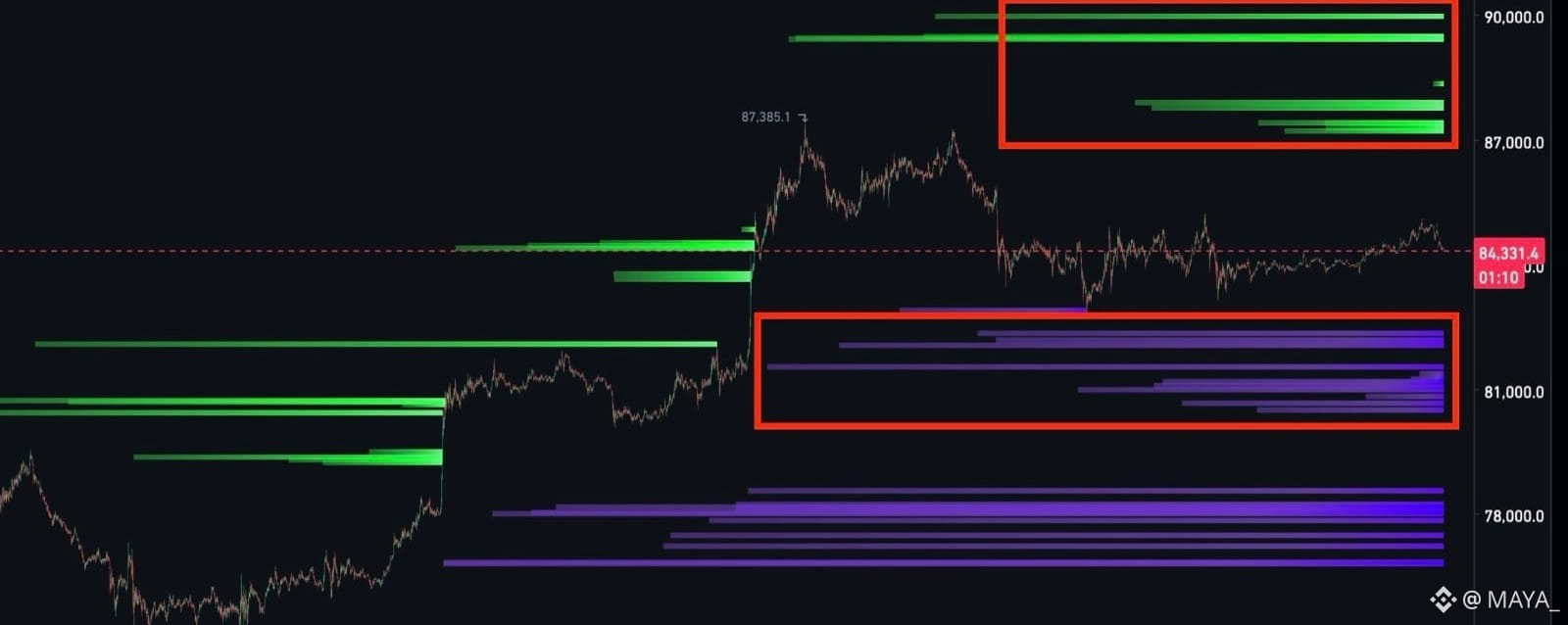
That’s because BTC is currently hovering between two major liquidity clusters. Above, there is liquidity sitting near the recent highs, ranging from roughly $87K to $90K. Meanwhile, the cluster below—around the $80K–$81K mark—appears significantly larger.
Interestingly, that lower region is also where the recent breakout occurred. This means if the price drops back there, it’s not just about sweeping liquidity; the validity of the entire breakout itself would come into question.
This is the specific aspect that has me thinking.
With the new monthly open approaching, price action at the start of the month can be deceptive; the initial candles might suggest a clear direction, only for the reality to turn out quite different. I’m not saying this will happen, but if BTC sweeps liquidity in one direction first and then undergoes a sharp reversal, the positioning of these two clusters becomes very interesting. For instance, suppose BTC rallies toward $87K–$90K first; after clearing that upper liquidity, the price could then turn downward to retest the $80K–$81K level.
The reverse scenario is also possible.
The $80K–$81K level gets swept first—leading everyone to believe the breakout has failed and a downtrend is starting—only for the price to reverse from there and head back toward $87K or $90K.
For some reason, this second scenario keeps playing on my mind. Often, when the market consensus leans heavily toward one direction, the liquidity actually lies on the opposite side.
Ultimately, though, the real clue likely lies in where BTC breaks out.
If the price makes a strong return above $85.6K, my focus will shift to the $87K–$90K zone. I’ll be watching closely to see how the price reacts once it gets there. And if the $83K level is decisively lost, a retest of the $80K–$81K range will seem much more likely.
In other words, rather than trying to make a prediction while sitting in the middle, it is easier to simply watch how the price reacts at these two levels:
How it reacts if it moves up.
How it holds if it moves down.
One more thing—I don't believe the initial move is necessarily the "real" move. Sometimes, the first push serves merely to clear out market positioning before the actual move begins.
That is why I will view the first few moves of the new month with a degree of skepticism.
There is no need to jump to conclusions the moment a level is touched. Whether BTC sweeps liquidity at $87K first or heads toward the $80K–$81K range—that sequence will likely be the key to understanding the next major move.
Right now, the most interesting question for me is simply this—
Which side's liquidity will BTC sweep first?
$BTC
BTC LIQUIDITY GAME : WHICH SIDE GETS SWEPT FIRST ?
I mean.....
There’s one thing I keep thinking about—will BTC make a decisive move in one direction right from here, or will it first lure everyone the wrong way at the start of the month?
Looking at the chart, the situation seems a bit peculiar to me right now.
That’s because BTC is currently hovering between two major liquidity clusters. Above, there is liquidity sitting near the recent highs, ranging from roughly $87K to $90K. Meanwhile, the cluster below—around the $80K–$81K mark—appears significantly larger.
Interestingly, that lower region is also where the recent breakout occurred. This means if the price drops back there, it’s not just about sweeping liquidity; the validity of the entire breakout itself would come into question.
This is the specific aspect that has me thinking.
With the new monthly open approaching, price action at the start of the month can be deceptive; the initial candles might suggest a clear direction, only for the reality to turn out quite different. I’m not saying this will happen, but if BTC sweeps liquidity in one direction first and then undergoes a sharp reversal, the positioning of these two clusters becomes very interesting. For instance, suppose BTC rallies toward $87K–$90K first; after clearing that upper liquidity, the price could then turn downward to retest the $80K–$81K level.
The reverse scenario is also possible.
The $80K–$81K level gets swept first—leading everyone to believe the breakout has failed and a downtrend is starting—only for the price to reverse from there and head back toward $87K or $90K.
For some reason, this second scenario keeps playing on my mind. Often, when the market consensus leans heavily toward one direction, the liquidity actually lies on the opposite side.
Ultimately, though, the real clue likely lies in where BTC breaks out.
If the price makes a strong return above $85.6K, my focus will shift to the $87K–$90K zone. I’ll be watching closely to see how the price reacts once it gets there. And if the $83K level is decisively lost, a retest of the $80K–$81K range will seem much more likely.
In other words, rather than trying to make a prediction while sitting in the middle, it is easier to simply watch how the price reacts at these two levels:
How it reacts if it moves up.
How it holds if it moves down.
One more thing—I don't believe the initial move is necessarily the "real" move. Sometimes, the first push serves merely to clear out market positioning before the actual move begins.
That is why I will view the first few moves of the new month with a degree of skepticism.
There is no need to jump to conclusions the moment a level is touched. Whether BTC sweeps liquidity at $87K first or heads toward the $80K–$81K range—that sequence will likely be the key to understanding the next major move.
Right now, the most interesting question for me is simply this—
Which side's liquidity will BTC sweep first?
$BTC
There’s one thing I keep thinking about—will BTC make a decisive move in one direction right from here, or will it first lure everyone the wrong way at the start of the month?
Looking at the chart, the situation seems a bit peculiar to me right now.
That’s because BTC is currently hovering between two major liquidity clusters. Above, there is liquidity sitting near the recent highs, ranging from roughly $87K to $90K. Meanwhile, the cluster below—around the $80K–$81K mark—appears significantly larger.
Interestingly, that lower region is also where the recent breakout occurred. This means if the price drops back there, it’s not just about sweeping liquidity; the validity of the entire breakout itself would come into question.
This is the specific aspect that has me thinking.
With the new monthly open approaching, price action at the start of the month can be deceptive; the initial candles might suggest a clear direction, only for the reality to turn out quite different. I’m not saying this will happen, but if BTC sweeps liquidity in one direction first and then undergoes a sharp reversal, the positioning of these two clusters becomes very interesting. For instance, suppose BTC rallies toward $87K–$90K first; after clearing that upper liquidity, the price could then turn downward to retest the $80K–$81K level.
The reverse scenario is also possible.
The $80K–$81K level gets swept first—leading everyone to believe the breakout has failed and a downtrend is starting—only for the price to reverse from there and head back toward $87K or $90K.
For some reason, this second scenario keeps playing on my mind. Often, when the market consensus leans heavily toward one direction, the liquidity actually lies on the opposite side.
Ultimately, though, the real clue likely lies in where BTC breaks out.
If the price makes a strong return above $85.6K, my focus will shift to the $87K–$90K zone. I’ll be watching closely to see how the price reacts once it gets there. And if the $83K level is decisively lost, a retest of the $80K–$81K range will seem much more likely.
In other words, rather than trying to make a prediction while sitting in the middle, it is easier to simply watch how the price reacts at these two levels:
How it reacts if it moves up.
How it holds if it moves down.
One more thing—I don't believe the initial move is necessarily the "real" move. Sometimes, the first push serves merely to clear out market positioning before the actual move begins.
That is why I will view the first few moves of the new month with a degree of skepticism.
There is no need to jump to conclusions the moment a level is touched. Whether BTC sweeps liquidity at $87K first or heads toward the $80K–$81K range—that sequence will likely be the key to understanding the next major move.
Right now, the most interesting question for me is simply this—
Which side's liquidity will BTC sweep first?
$BTC
7
906

·
--
30D trade $NEAR 139.6 USDT
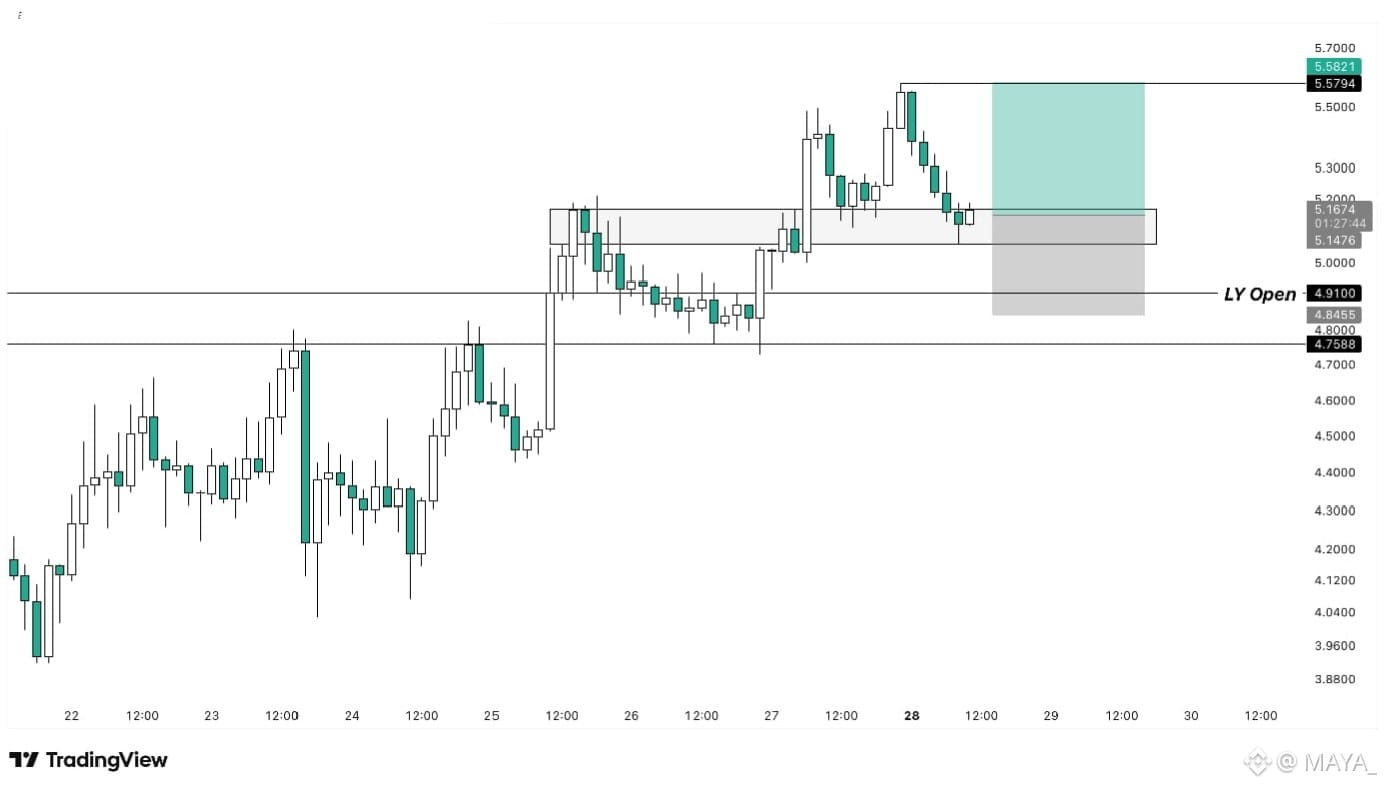
$NEAR : SWEEP & BOUNCE SETUP
{future}(NEARUSDT)
$NEAR just swept the lows and is now bouncing, while price is still holding the support zone. That part definitely caught my attention. The bigger picture also looks pretty strong, with NEAR still moving within an overall uptrend. So from a chart perspective, this kind of setup can make sense if the support continues to hold.
Personally, I don’t usually trade setups like this, especially without clearer confirmation. But I can see why someone would consider it here.
If you’re looking for an entry, this is one possible way the setup could play out. Just keep the invalidation level clear and don’t chase the bounce.
$NEAR : SWEEP & BOUNCE SETUP
$NEAR just swept the lows and is now bouncing, while price is still holding the support zone. That part definitely caught my attention. The bigger picture also looks pretty strong, with NEAR still moving within an overall uptrend. So from a chart perspective, this kind of setup can make sense if the support continues to hold.
Personally, I don’t usually trade setups like this, especially without clearer confirmation. But I can see why someone would consider it here.
If you’re looking for an entry, this is one possible way the setup could play out. Just keep the invalidation level clear and don’t chase the bounce.
$NEAR just swept the lows and is now bouncing, while price is still holding the support zone. That part definitely caught my attention. The bigger picture also looks pretty strong, with NEAR still moving within an overall uptrend. So from a chart perspective, this kind of setup can make sense if the support continues to hold.
Personally, I don’t usually trade setups like this, especially without clearer confirmation. But I can see why someone would consider it here.
If you’re looking for an entry, this is one possible way the setup could play out. Just keep the invalidation level clear and don’t chase the bounce.
2
376
·
--
Verified
30D trade $NEAR 139.6 USDT
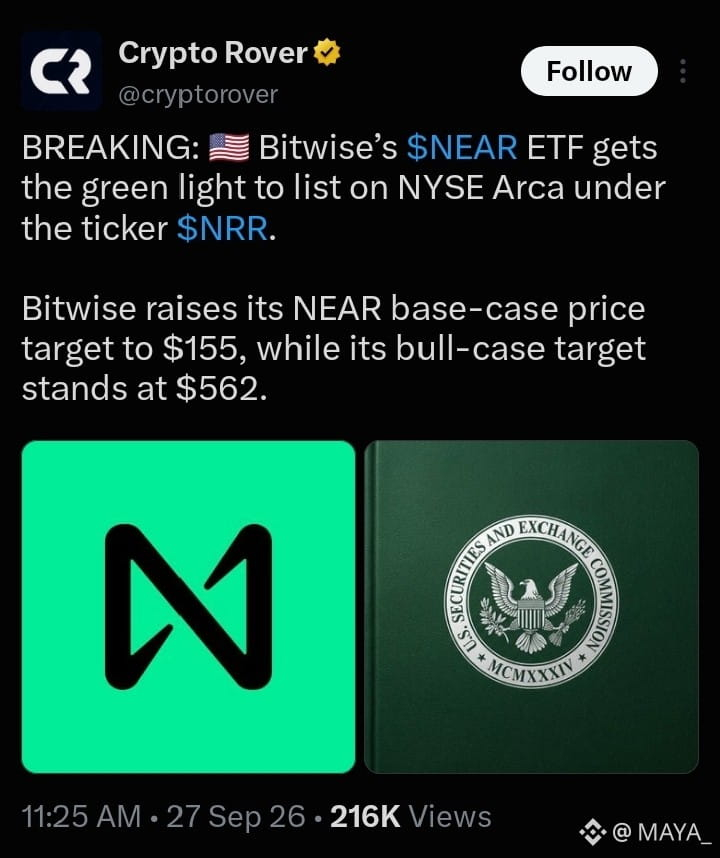
Buzz around $NEAR Bitwise $NEAR ETF gets the green light in the US🟢
Great news for the crypto world: Bitwise's $NEAR ETF has received official approval to list on the renowned NYSE Arca stock exchange in the US. It will now be available for trading by stock market investors under the ticker symbol $NRR. Following this historic approval, Bitwise has released its new price targets/forecasts:
Base-Case Target: $155 (under normal market conditions) 🚀 Bull-Case Target: $562 (at the peak of a bull market)
What does this mean and how is it impacting the market? 1. Institutional Money Inflow: Major stock market investors can now invest in NEAR through this ETF without the hassle of managing private wallets. 2. Market Sentiment: The impact of the news is already visible on the charts! NEAR has rebounded from the bearish zone and is displaying strong bullish momentum. With the path cleared for massive capital inflow from the stock market, sentiment regarding the NEAR Protocol is extremely optimistic. What is your target for the long-term bull cycle? Let us know in the comments! 👇
#Near
Buzz around $NEAR Bitwise $NEAR ETF gets the green light in the US🟢
Great news for the crypto world: Bitwise's $NEAR ETF has received official approval to list on the renowned NYSE Arca stock exchange in the US. It will now be available for trading by stock market investors under the ticker symbol $NRR. Following this historic approval, Bitwise has released its new price targets/forecasts:
Base-Case Target: $155 (under normal market conditions) 🚀 Bull-Case Target: $562 (at the peak of a bull market)
What does this mean and how is it impacting the market? 1. Institutional Money Inflow: Major stock market investors can now invest in NEAR through this ETF without the hassle of managing private wallets. 2. Market Sentiment: The impact of the news is already visible on the charts! NEAR has rebounded from the bearish zone and is displaying strong bullish momentum. With the path cleared for massive capital inflow from the stock market, sentiment regarding the NEAR Protocol is extremely optimistic. What is your target for the long-term bull cycle? Let us know in the comments! 👇
#Near
Great news for the crypto world: Bitwise's $NEAR ETF has received official approval to list on the renowned NYSE Arca stock exchange in the US. It will now be available for trading by stock market investors under the ticker symbol $NRR. Following this historic approval, Bitwise has released its new price targets/forecasts:
Base-Case Target: $155 (under normal market conditions) 🚀 Bull-Case Target: $562 (at the peak of a bull market)
What does this mean and how is it impacting the market? 1. Institutional Money Inflow: Major stock market investors can now invest in NEAR through this ETF without the hassle of managing private wallets. 2. Market Sentiment: The impact of the news is already visible on the charts! NEAR has rebounded from the bearish zone and is displaying strong bullish momentum. With the path cleared for massive capital inflow from the stock market, sentiment regarding the NEAR Protocol is extremely optimistic. What is your target for the long-term bull cycle? Let us know in the comments! 👇
#Near

3
595
·
--
Article
BTC PLAN FOR THE COMING WEEKSI mean.....
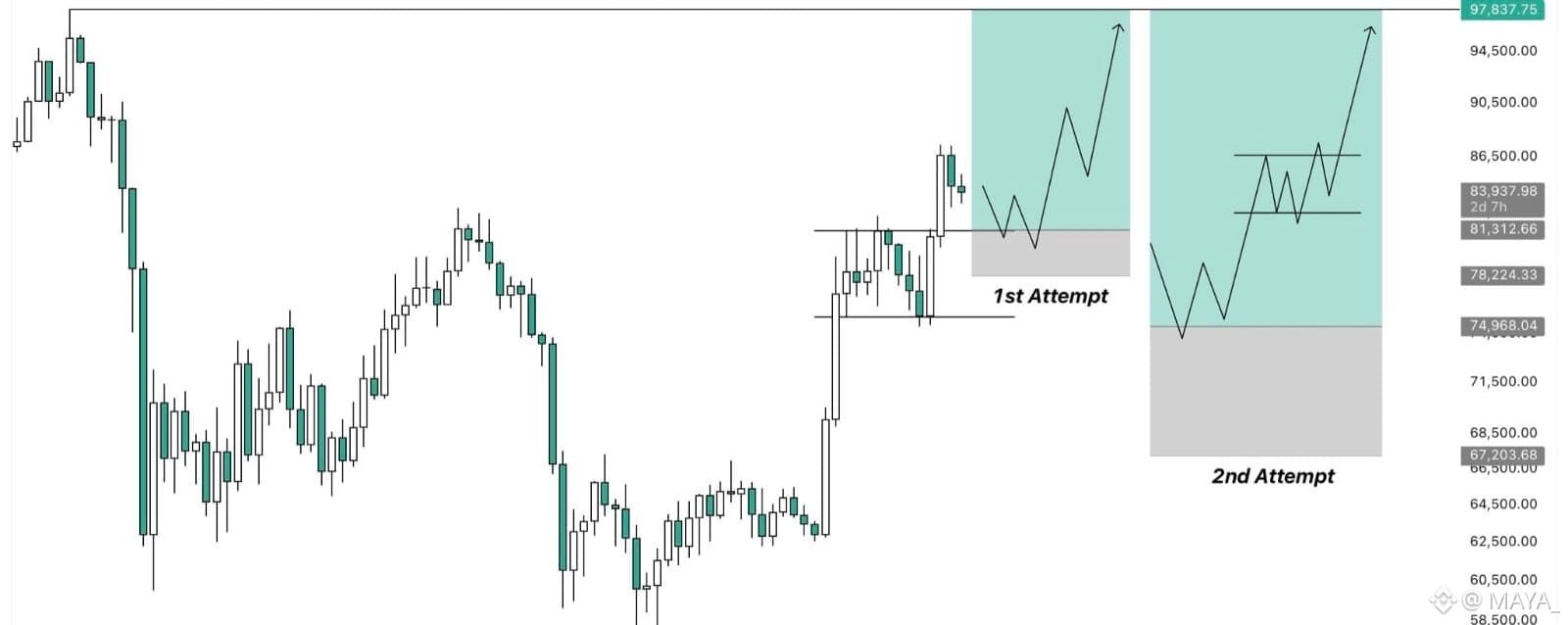
I’ve been thinking about something—if BTC heads back towards $90K from here, is it really necessary to look for a short? Or is it easier to just let the price come to a level I prefer?
I’m opting for the latter right now.
I have no intention of taking a short position until there’s another push towards $90K. Waiting for a clear level feels more logical to me than constantly opening positions in the middle of the range.
And my first level isn't too far off.
$81.3K.
This is where BTC could retest the area of its recent breakout. If the price returns to the level above the previous range highs and attempts to hold it, I’d look to go long.
This is definitely an aggressive setup for me.
Since the entry is relatively high and the stop-loss would be tighter, I’d have to accept a loss and exit if I’m wrong. There’s no room here to hold onto the position while hoping it might bounce back.
But the really interesting part likely comes after that.
Let’s say it fails to hold $81.3K.
The price drops further.
I wouldn't scrap the entire idea. Instead, my second long entry would be around $75K. That’s actually my main area of interest; for some reason, the $75K region appeals to me more. If BTC drops there, it wouldn't just be another dip—I’d be looking to see if a new "higher low" forms at that level.
This is where the psychological aspect comes in.
After a breakout, people generally react in one of two ways. Some think, "I missed it; I need to get in at any price."
Others wait and observe—thinking, "Okay, if the market is truly strong, how does it behave during the retest?"
I prefer the second approach.
Because there’s no need to constantly chase BTC.
It would be great if the setup works out at $81.3K. If that doesn't happen, I can wait for the lower level. Also, my invalidation point is much clearer below $75K. If the price drops below the area just under the 2021 ATH—specifically where the highs of the bottoming range were—then this swing-long idea of mine will no longer be valid. I need to make one thing clear here: I am not saying BTC will definitely go to $81.3K or $75K. The market moves in its own way. My job is simply to identify levels where I already know what I want to do if the price reaches them.
Right now, I’m basically considering two potential scenarios.
The first is a retest of $81.3K.
If that fails, the second is around $75K.
Interestingly, I’m not getting frustrated at the prospect of the first trade not happening. That’s because the lower entry could actually be the primary swing opportunity for me.
So, for now, I’m not chasing a short at $90K.
I’m waiting.
I can’t control where the price goes, but I can decide in advance where I want to react.
That’s pretty much my plan for BTC at the moment.
$BTC
BTC PLAN FOR THE COMING WEEKS
I mean.....
I’ve been thinking about something—if BTC heads back towards $90K from here, is it really necessary to look for a short? Or is it easier to just let the price come to a level I prefer?
I’m opting for the latter right now.
I have no intention of taking a short position until there’s another push towards $90K. Waiting for a clear level feels more logical to me than constantly opening positions in the middle of the range.
And my first level isn't too far off.
$81.3K.
This is where BTC could retest the area of its recent breakout. If the price returns to the level above the previous range highs and attempts to hold it, I’d look to go long.
This is definitely an aggressive setup for me.
Since the entry is relatively high and the stop-loss would be tighter, I’d have to accept a loss and exit if I’m wrong. There’s no room here to hold onto the position while hoping it might bounce back.
But the really interesting part likely comes after that.
Let’s say it fails to hold $81.3K.
The price drops further.
I wouldn't scrap the entire idea. Instead, my second long entry would be around $75K. That’s actually my main area of interest; for some reason, the $75K region appeals to me more. If BTC drops there, it wouldn't just be another dip—I’d be looking to see if a new "higher low" forms at that level.
This is where the psychological aspect comes in.
After a breakout, people generally react in one of two ways. Some think, "I missed it; I need to get in at any price."
Others wait and observe—thinking, "Okay, if the market is truly strong, how does it behave during the retest?"
I prefer the second approach.
Because there’s no need to constantly chase BTC.
It would be great if the setup works out at $81.3K. If that doesn't happen, I can wait for the lower level. Also, my invalidation point is much clearer below $75K. If the price drops below the area just under the 2021 ATH—specifically where the highs of the bottoming range were—then this swing-long idea of mine will no longer be valid. I need to make one thing clear here: I am not saying BTC will definitely go to $81.3K or $75K. The market moves in its own way. My job is simply to identify levels where I already know what I want to do if the price reaches them.
Right now, I’m basically considering two potential scenarios.
The first is a retest of $81.3K.
If that fails, the second is around $75K.
Interestingly, I’m not getting frustrated at the prospect of the first trade not happening. That’s because the lower entry could actually be the primary swing opportunity for me.
So, for now, I’m not chasing a short at $90K.
I’m waiting.
I can’t control where the price goes, but I can decide in advance where I want to react.
That’s pretty much my plan for BTC at the moment.
$BTC
I’ve been thinking about something—if BTC heads back towards $90K from here, is it really necessary to look for a short? Or is it easier to just let the price come to a level I prefer?
I’m opting for the latter right now.
I have no intention of taking a short position until there’s another push towards $90K. Waiting for a clear level feels more logical to me than constantly opening positions in the middle of the range.
And my first level isn't too far off.
$81.3K.
This is where BTC could retest the area of its recent breakout. If the price returns to the level above the previous range highs and attempts to hold it, I’d look to go long.
This is definitely an aggressive setup for me.
Since the entry is relatively high and the stop-loss would be tighter, I’d have to accept a loss and exit if I’m wrong. There’s no room here to hold onto the position while hoping it might bounce back.
But the really interesting part likely comes after that.
Let’s say it fails to hold $81.3K.
The price drops further.
I wouldn't scrap the entire idea. Instead, my second long entry would be around $75K. That’s actually my main area of interest; for some reason, the $75K region appeals to me more. If BTC drops there, it wouldn't just be another dip—I’d be looking to see if a new "higher low" forms at that level.
This is where the psychological aspect comes in.
After a breakout, people generally react in one of two ways. Some think, "I missed it; I need to get in at any price."
Others wait and observe—thinking, "Okay, if the market is truly strong, how does it behave during the retest?"
I prefer the second approach.
Because there’s no need to constantly chase BTC.
It would be great if the setup works out at $81.3K. If that doesn't happen, I can wait for the lower level. Also, my invalidation point is much clearer below $75K. If the price drops below the area just under the 2021 ATH—specifically where the highs of the bottoming range were—then this swing-long idea of mine will no longer be valid. I need to make one thing clear here: I am not saying BTC will definitely go to $81.3K or $75K. The market moves in its own way. My job is simply to identify levels where I already know what I want to do if the price reaches them.
Right now, I’m basically considering two potential scenarios.
The first is a retest of $81.3K.
If that fails, the second is around $75K.
Interestingly, I’m not getting frustrated at the prospect of the first trade not happening. That’s because the lower entry could actually be the primary swing opportunity for me.
So, for now, I’m not chasing a short at $90K.
I’m waiting.
I can’t control where the price goes, but I can decide in advance where I want to react.
That’s pretty much my plan for BTC at the moment.
$BTC
3
247
·
--
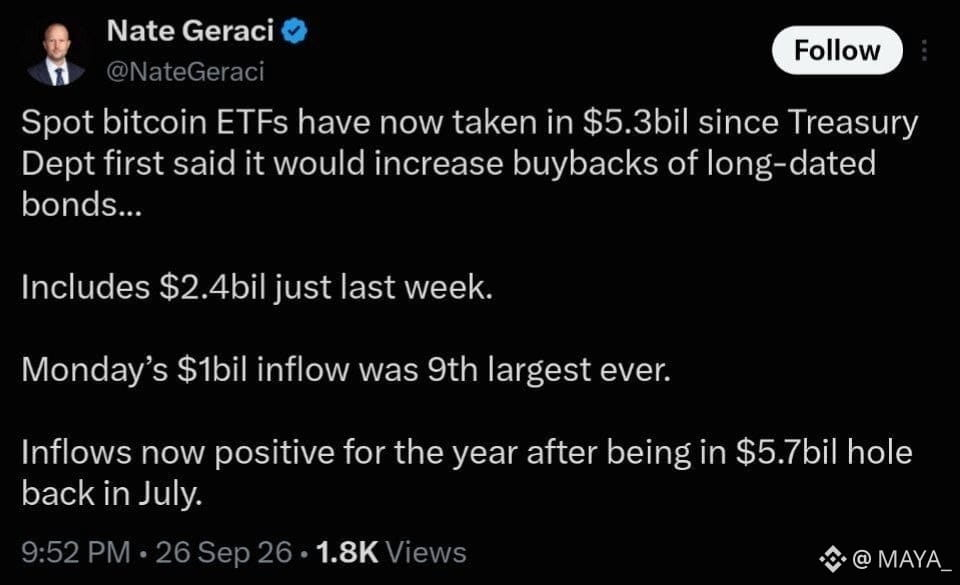
Nate Geraci, an #etf expert and co-founder of the ETF Institute, shared this information on the social media platform X.
👉NATE GERACI: Bitcoin ETFs have pulled in $5.3B since the US Treasury said it would buy back more long-term bonds, including the $2.4B last week alone.
Positive shifts were observed in the crypto market following the US Treasury Department's announcement regarding the repurchase of long-term government bonds. Market analysis indicates that spot Bitcoin ETFs have since attracted a total net inflow of $5.3 billion, with $2.4 billion flowing in during the last week alone.
$BTC
{future}(BTCUSDT)
$ETH
{future}(ETHUSDT)
$BNB
{future}(BNBUSDT)
Nate Geraci, an #etf expert and co-founder of the ETF Institute, shared this information on the social media platform X.
👉NATE GERACI: Bitcoin ETFs have pulled in $5.3B since the US Treasury said it would buy back more long-term bonds, including the $2.4B last week alone.
Positive shifts were observed in the crypto market following the US Treasury Department's announcement regarding the repurchase of long-term government bonds. Market analysis indicates that spot Bitcoin ETFs have since attracted a total net inflow of $5.3 billion, with $2.4 billion flowing in during the last week alone.
$BTC
$ETH
$BNB
👉NATE GERACI: Bitcoin ETFs have pulled in $5.3B since the US Treasury said it would buy back more long-term bonds, including the $2.4B last week alone.
Positive shifts were observed in the crypto market following the US Treasury Department's announcement regarding the repurchase of long-term government bonds. Market analysis indicates that spot Bitcoin ETFs have since attracted a total net inflow of $5.3 billion, with $2.4 billion flowing in during the last week alone.
$BTC
$ETH
$BNB
4
427
·
--
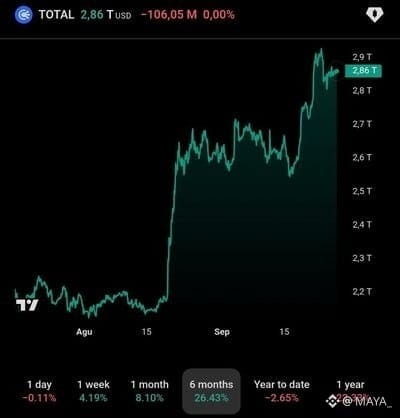
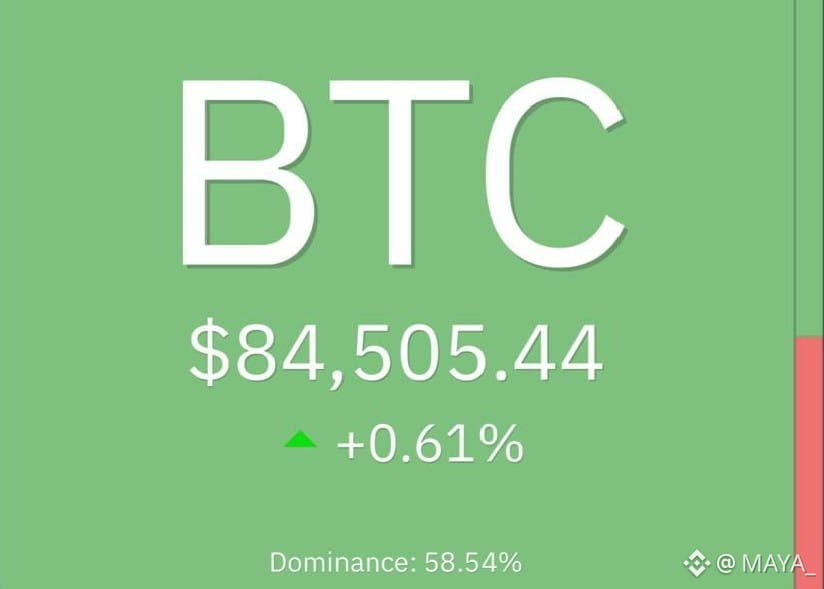
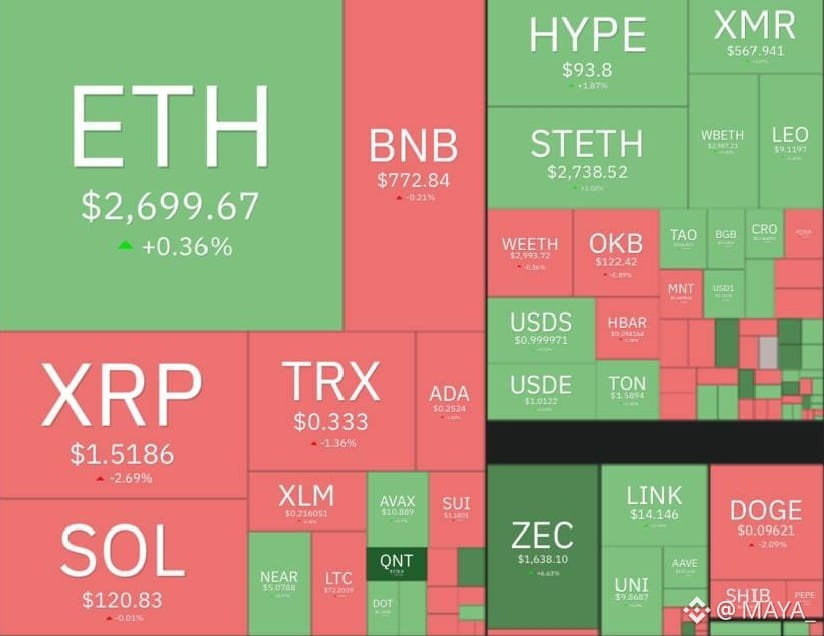
Crypto market has added around $650B in market value over the past 6 months. That’s a pretty big move in a relatively short time. Momentum has clearly picked up, but after such expansion, volatility can still surprise.
$NVDAB $AAPLB $GOOGL.US
Crypto market has added around $650B in market value over the past 6 months. That’s a pretty big move in a relatively short time. Momentum has clearly picked up, but after such expansion, volatility can still surprise.
$NVDAB $AAPLB $GOOGL.US
$NVDAB $AAPLB $GOOGL.US
5
371
·
--
Bearish
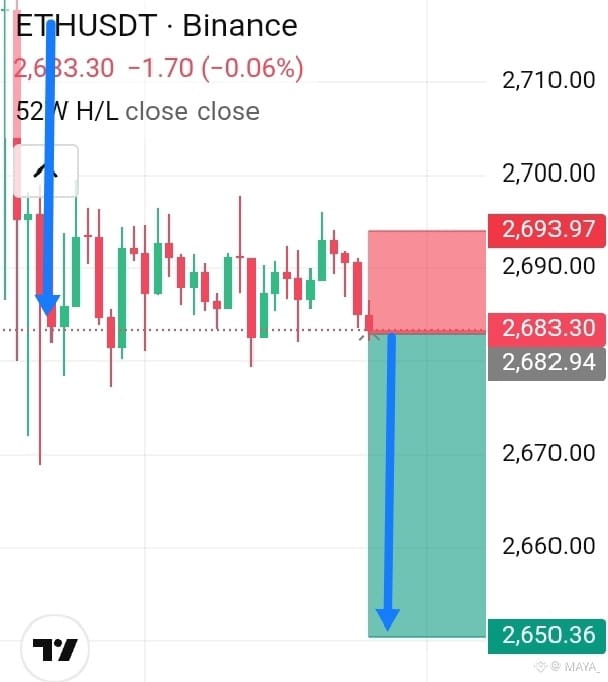
$ETH is approaching a major resistance zone, so I’m keeping a close eye on the reaction here. A clear rejection could bring a pullback, while a clean breakout would change the setup.
{future}(ETHUSDT)
$ETH is approaching a major resistance zone, so I’m keeping a close eye on the reaction here. A clear rejection could bring a pullback, while a clean breakout would change the setup.
6
1.1k
Log in to explore more content
Join global crypto users on Binance Square
⚡️ Get latest and useful information about crypto.
💬 Trusted by the world’s largest crypto exchange.
👍 Discover real insights from verified creators.
Email / Phone number
Trending Topics
QNTRises287%
1,690 views
111 Discussing
#QNTRises287%
🚀 QNT +287% — a move that demands attention.
A rally this sharp can reflect a sudden shift in market sentiment, liquidity, and trading activity. But after a vertical move, volatility can expand quickly.
My takeaway: don’t chase the candle—watch volume, liquidity, and whether QNT can sustain the breakout. 📊
#QNTRises287% #QNT #Crypto #Binance
$QNT
PALASH5
·0 Likes
·238 views
TrumpRejectsAIRulesForVoluntaryAudits
6,094 views
263 Discussing
BitgetHotWalletBreachTiedToThirdPartySecurityFlaw
3,072 views
204 Discussing