

Mastering Crypto
16k Posts
Mastering Crypto
 Square Verified+
Report
Block User
Twitter(X) @ MasteringCrypt

Creator Awards 2024

Traders League Badge Expert

#BinanceTurns7 task 2
Open Trade
High-Frequency Trader
4.5 Years
241 Following
398.8K+ Followers
241.2K+ Liked
5 Badges
Posts
Portfolio
All
Quotes
Videos
Live
PINNED
Unlock $1000 USDT Daily With Futures 🗝
Not one… not two…
FOUR trades. All were green.💚
[Join My Premium Club For Highly Profitable Trades](https://app.binance.com/uni-qr/group-chat-landing?channelToken=jMv1tS4NA7v8KtC8c1jFqw&type=1&entrySource=sharing_link)
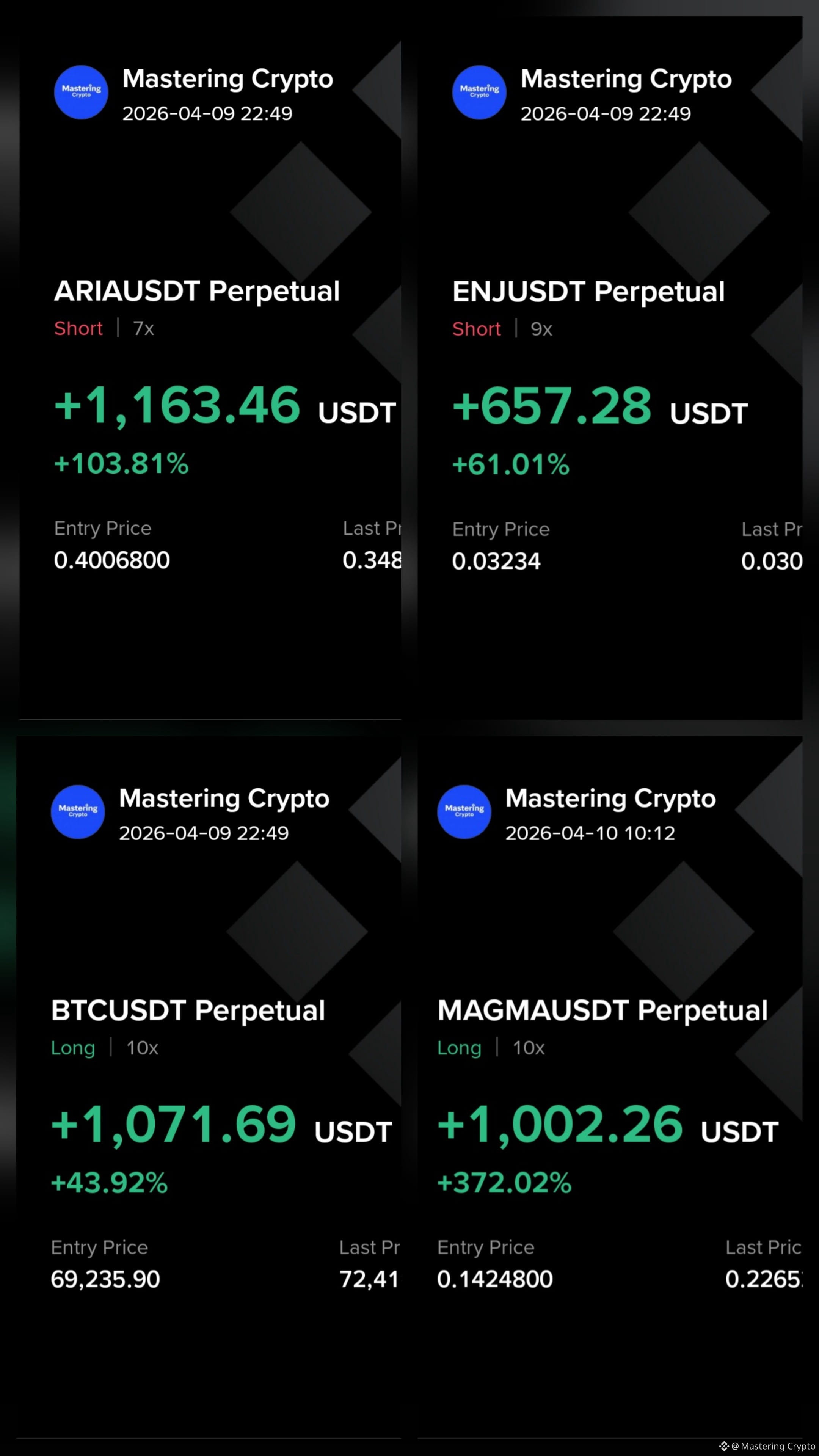
$ARIA short… +$1,163 ✅
$BTC long… +$1,071 ✅
$ENJ short… +$657 ✅
$MAGMA long… +$1,002 ✅
That's over $3,800 in a single day 👀
And every single one of these…
was shared inside my Premium Group
before it happened. 🤝
If you're still trading alone…
still staring at charts for hours…
still ending the day in red…
I want to ask you something honestly…
How long are you going to keep doing this? 💀
Because while you were losing…
my members were printing.
Not because they're lucky…
not because they're experts…
Some of them were complete beginners
just weeks ago 😏
The difference?
They stopped guessing…
and started following a system that works.
Every single day inside my group👇🏻
Real trade setups before the move ✅
Entry, TP, SL… everything clear ✅
Futures trading explained simply ✅
Results like these… daily 💰
No confusion. No noise.
Just clean trades and real profits.
If you're tired of losses…
tired of watching others win…
tired of not knowing what you're doing…
This is your moment 👀
Spots are limited…
and they're filling fast 🚨
The question is simple…
are you going to keep losing alone…
or start winning with us? 💯
{future}(ARIAUSDT)
{future}(BTCUSDT)
{future}(ENJUSDT)
#freedomofmoney #CZonTBPNInterview
Unlock $1000 USDT Daily With Futures 🗝
Not one… not two…
FOUR trades. All were green.💚
Join My Premium Club For Highly Profitable Trades
$ARIA short… +$1,163 ✅
$BTC long… +$1,071 ✅
$ENJ short… +$657 ✅
$MAGMA long… +$1,002 ✅
That's over $3,800 in a single day 👀
And every single one of these…
was shared inside my Premium Group
before it happened. 🤝
If you're still trading alone…
still staring at charts for hours…
still ending the day in red…
I want to ask you something honestly…
How long are you going to keep doing this? 💀
Because while you were losing…
my members were printing.
Not because they're lucky…
not because they're experts…
Some of them were complete beginners
just weeks ago 😏
The difference?
They stopped guessing…
and started following a system that works.
Every single day inside my group👇🏻
Real trade setups before the move ✅
Entry, TP, SL… everything clear ✅
Futures trading explained simply ✅
Results like these… daily 💰
No confusion. No noise.
Just clean trades and real profits.
If you're tired of losses…
tired of watching others win…
tired of not knowing what you're doing…
This is your moment 👀
Spots are limited…
and they're filling fast 🚨
The question is simple…
are you going to keep losing alone…
or start winning with us? 💯
#freedomofmoney #CZonTBPNInterview
Not one… not two…
FOUR trades. All were green.💚
Join My Premium Club For Highly Profitable Trades
$ARIA short… +$1,163 ✅
$BTC long… +$1,071 ✅
$ENJ short… +$657 ✅
$MAGMA long… +$1,002 ✅
That's over $3,800 in a single day 👀
And every single one of these…
was shared inside my Premium Group
before it happened. 🤝
If you're still trading alone…
still staring at charts for hours…
still ending the day in red…
I want to ask you something honestly…
How long are you going to keep doing this? 💀
Because while you were losing…
my members were printing.
Not because they're lucky…
not because they're experts…
Some of them were complete beginners
just weeks ago 😏
The difference?
They stopped guessing…
and started following a system that works.
Every single day inside my group👇🏻
Real trade setups before the move ✅
Entry, TP, SL… everything clear ✅
Futures trading explained simply ✅
Results like these… daily 💰
No confusion. No noise.
Just clean trades and real profits.
If you're tired of losses…
tired of watching others win…
tired of not knowing what you're doing…
This is your moment 👀
Spots are limited…
and they're filling fast 🚨
The question is simple…
are you going to keep losing alone…
or start winning with us? 💯
#freedomofmoney #CZonTBPNInterview
79
3
71
9.1k
PINNED
Enjoy high class trading signals and generate more revenue with less risk on Binance Futures. 📈
[Join here 👈](https://app.binance.com/uni-qr/group-chat-landing?channelToken=jMv1tS4NA7v8KtC8c1jFqw&type=1&entrySource=sharing_link)
Join my premium group and support Mastering Crypto Ecosystem on Binance.
You will get all trading related help and early signals to maximize your profits.
Stop losing and start making real cash 💸
Enjoy high class trading signals and generate more revenue with less risk on Binance Futures. 📈
Join here 👈
Join my premium group and support Mastering Crypto Ecosystem on Binance.
You will get all trading related help and early signals to maximize your profits.
Stop losing and start making real cash 💸
Join here 👈
Join my premium group and support Mastering Crypto Ecosystem on Binance.
You will get all trading related help and early signals to maximize your profits.
Stop losing and start making real cash 💸
29
1
45
859
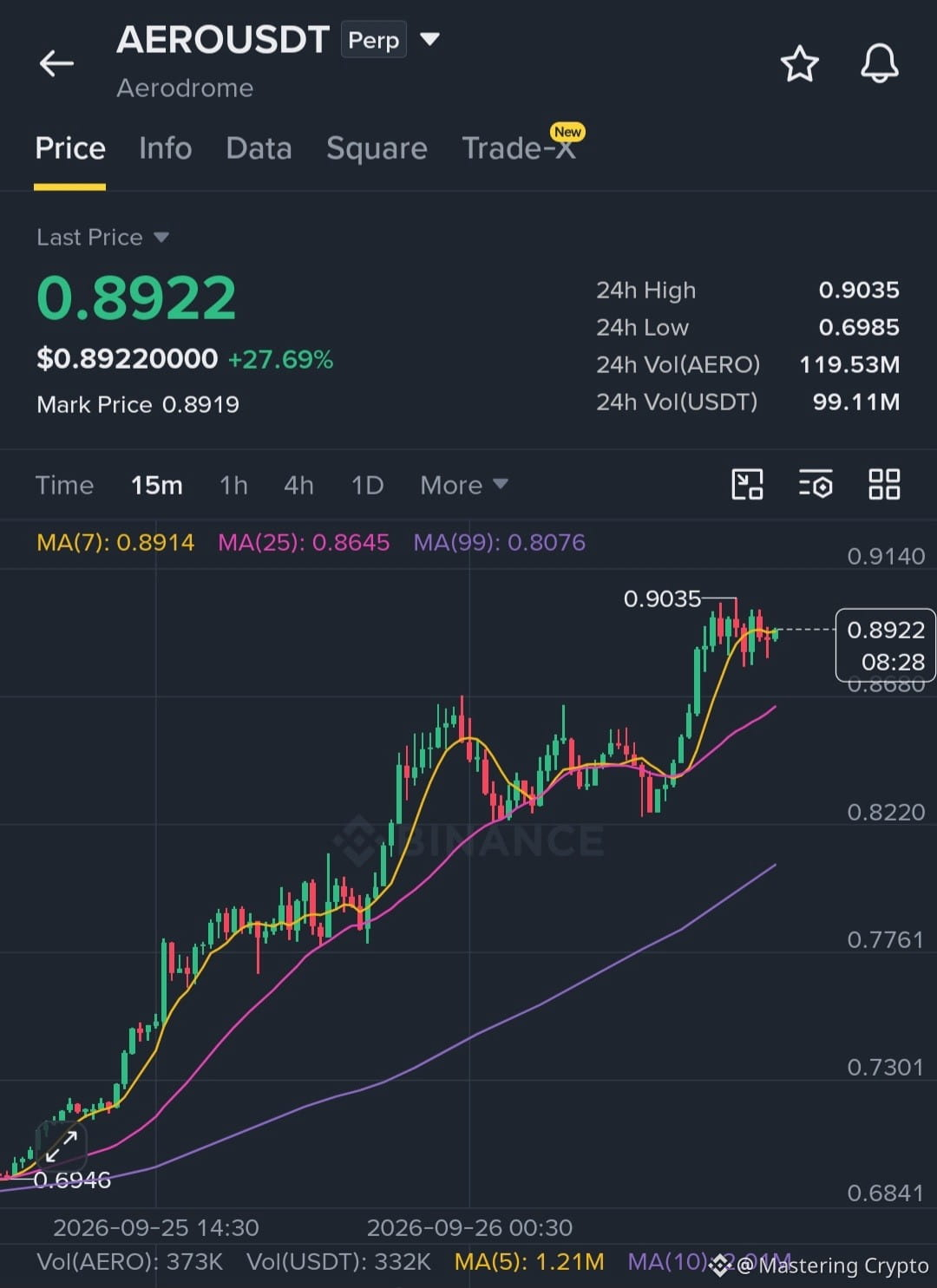
$AERO is flying into higher levels 🛸
Long $AERO
Entry: 0.870 – 0.890
SL: 0.850
TP1: 0.9200
TP2: 0.9550
TP3: 0.9950
TP4: 0.1080
Trade $AERO here 👇
{future}(AEROUSDT)
$AERO is flying into higher levels 🛸
Long $AERO
Entry: 0.870 – 0.890
SL: 0.850
TP1: 0.9200
TP2: 0.9550
TP3: 0.9950
TP4: 0.1080
Trade $AERO here 👇
Long $AERO
Entry: 0.870 – 0.890
SL: 0.850
TP1: 0.9200
TP2: 0.9550
TP3: 0.9950
TP4: 0.1080
Trade $AERO here 👇
320
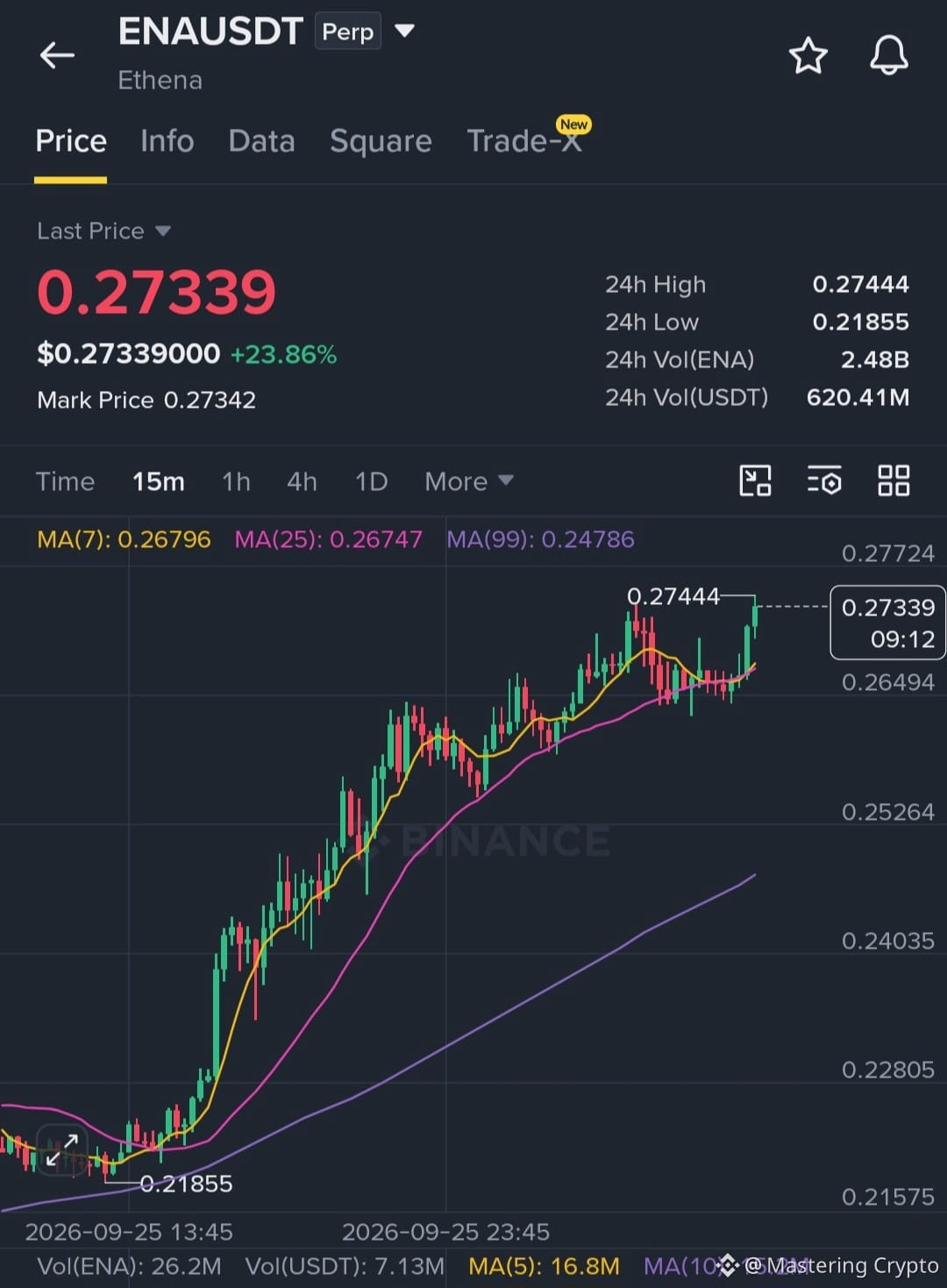
$ENA is now getting totally out of control Guy's
Long $ENA
Entry: 0.2620 – 0.2720
SL: 0.2500
TP1: 0.2780
TP2: 0.2850
TP3: 0.2950
TP4: 0.3100
📩 DM me to know how to join my Binance Group Chat and together win every trade.
Trade $ENA here 👇
{future}(ENAUSDT)
$ENA is now getting totally out of control Guy's
Long $ENA
Entry: 0.2620 – 0.2720
SL: 0.2500
TP1: 0.2780
TP2: 0.2850
TP3: 0.2950
TP4: 0.3100
📩 DM me to know how to join my Binance Group Chat and together win every trade.
Trade $ENA here 👇
Long $ENA
Entry: 0.2620 – 0.2720
SL: 0.2500
TP1: 0.2780
TP2: 0.2850
TP3: 0.2950
TP4: 0.3100
📩 DM me to know how to join my Binance Group Chat and together win every trade.
Trade $ENA here 👇
5
713
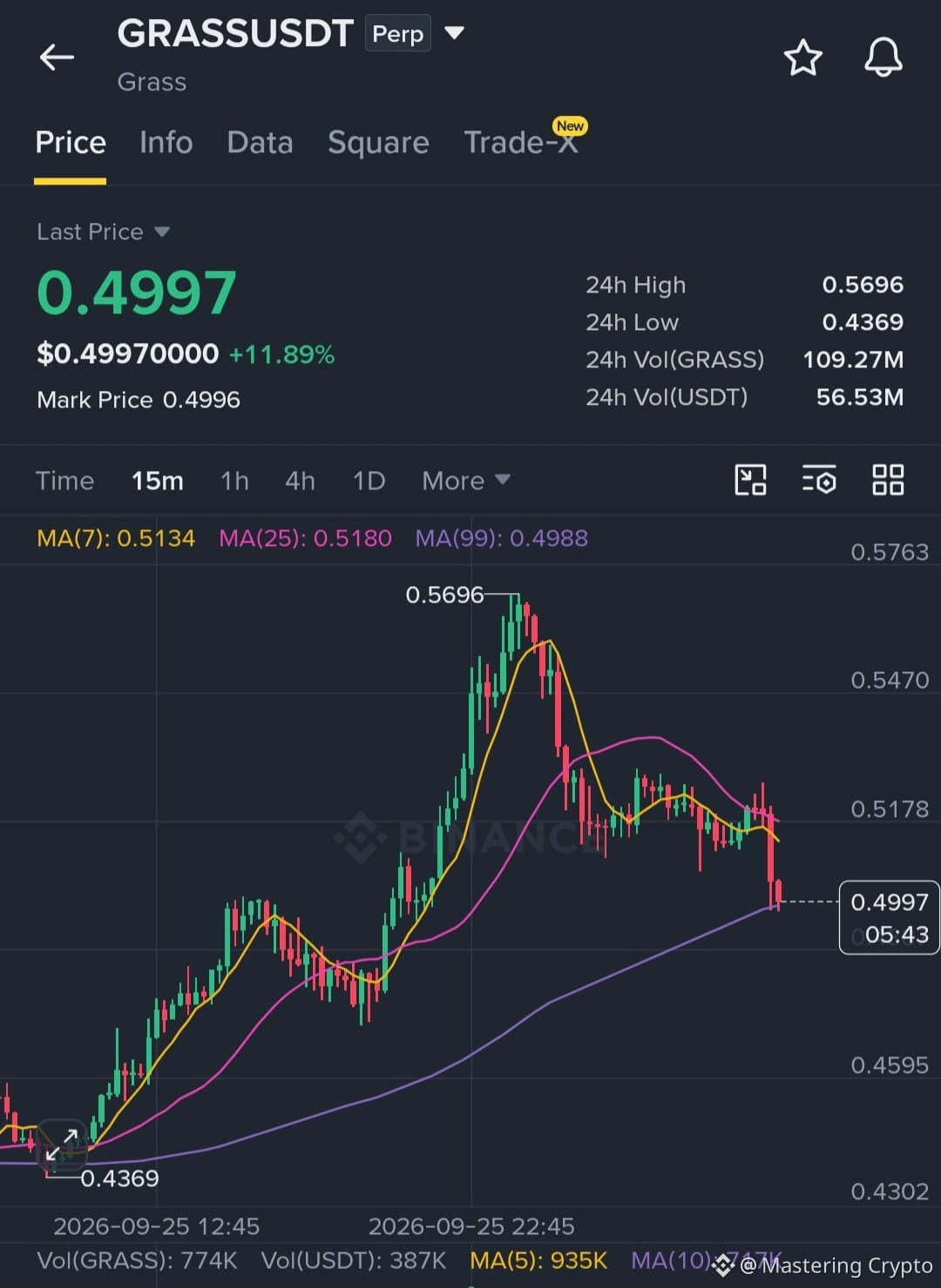
$GRASS is now losing momentum badly
Short $GRASS
Entry: 0.50 – 0.55
SL: 0.65
TP1: 0.4850
TP2: 0.4500
TP3: 0.4000
TP4: 0.3500
📩 DM me to know how to join my Binance Group Chat and together win every trade.
Trade $GRASS here 👇
{future}(GRASSUSDT)
$GRASS is now losing momentum badly
Short $GRASS
Entry: 0.50 – 0.55
SL: 0.65
TP1: 0.4850
TP2: 0.4500
TP3: 0.4000
TP4: 0.3500
📩 DM me to know how to join my Binance Group Chat and together win every trade.
Trade $GRASS here 👇
Short $GRASS
Entry: 0.50 – 0.55
SL: 0.65
TP1: 0.4850
TP2: 0.4500
TP3: 0.4000
TP4: 0.3500
📩 DM me to know how to join my Binance Group Chat and together win every trade.
Trade $GRASS here 👇
437
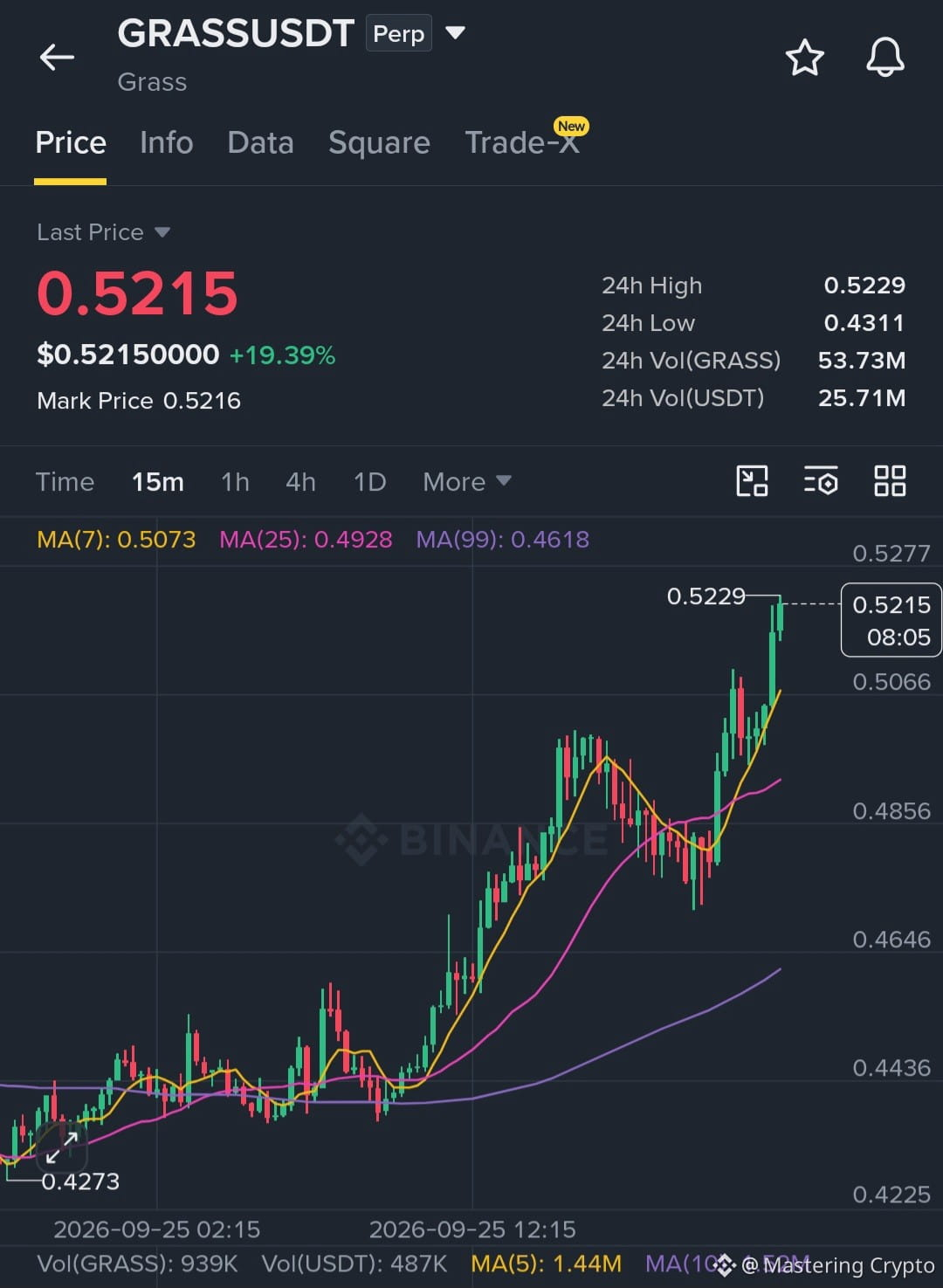
$GRASS chasing higher levels
Long $GRASS
Entry: 0.5050 – 0.5200
SL: 0.4900
TP1: 0.5300
TP2: 0.5450
TP3: 0.5600
TP4: 0.5800
📩 DM me to know how to join my Binance Group Chat and together win every trade.
Trade $GRASS here 👇
{future}(GRASSUSDT)
$GRASS chasing higher levels
Long $GRASS
Entry: 0.5050 – 0.5200
SL: 0.4900
TP1: 0.5300
TP2: 0.5450
TP3: 0.5600
TP4: 0.5800
📩 DM me to know how to join my Binance Group Chat and together win every trade.
Trade $GRASS here 👇
Long $GRASS
Entry: 0.5050 – 0.5200
SL: 0.4900
TP1: 0.5300
TP2: 0.5450
TP3: 0.5600
TP4: 0.5800
📩 DM me to know how to join my Binance Group Chat and together win every trade.
Trade $GRASS here 👇
4
1.1k
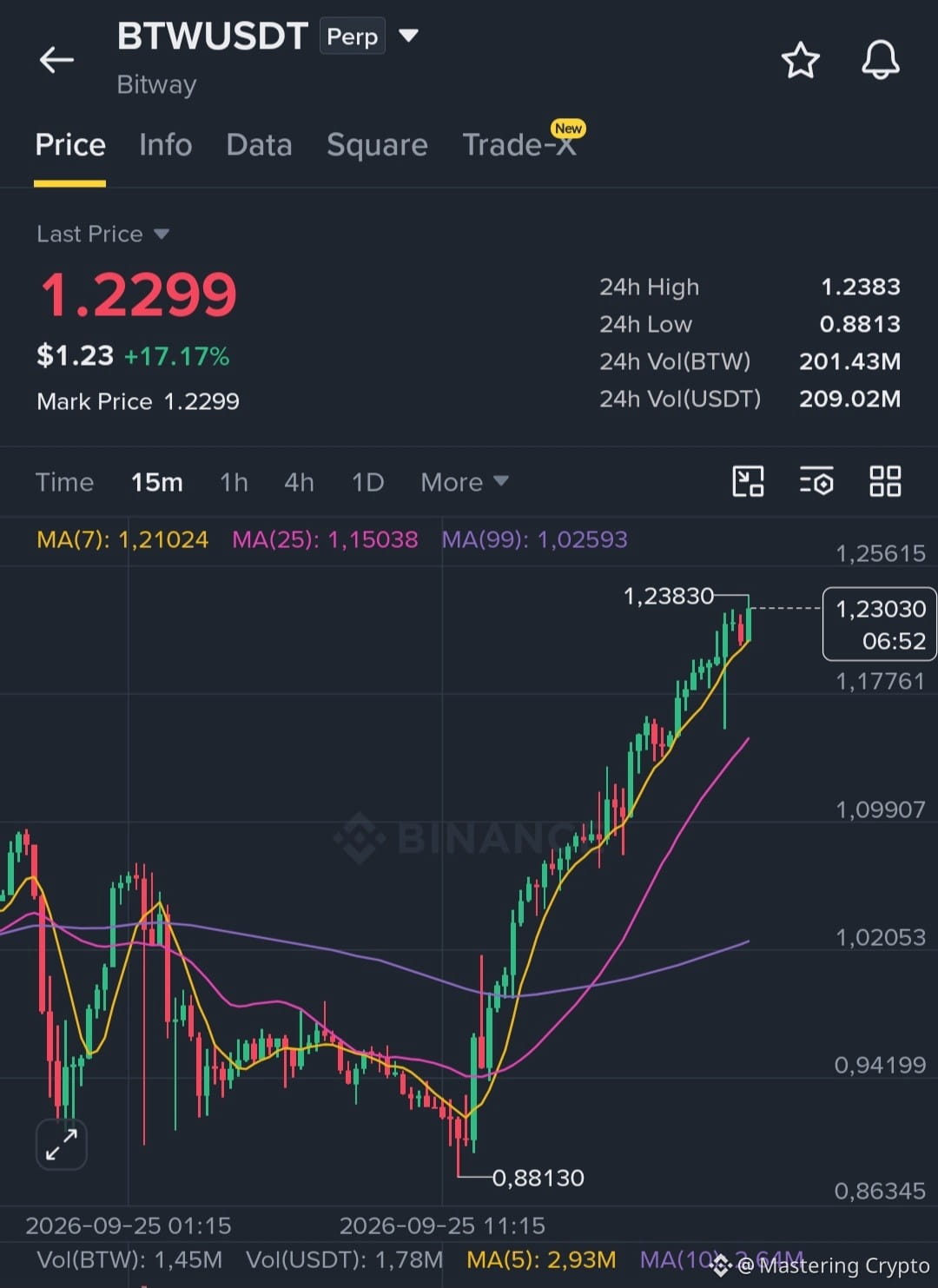
$BTW is now setting up the biggest bullish trap so Guy’s we will chase big short here
Short $BTW
Entry: 1.28 – 1.38
SL: 1.55
TP1: 1.20
TP2: 1.15
TP3: 1.05
TP4: 0.95
📩 DM me to know how to join my Binance Group Chat and together win every trade.
Trade $BTW here 👇
{future}(BTWUSDT)
$BTW is now setting up the biggest bullish trap so Guy’s we will chase big short here
Short $BTW
Entry: 1.28 – 1.38
SL: 1.55
TP1: 1.20
TP2: 1.15
TP3: 1.05
TP4: 0.95
📩 DM me to know how to join my Binance Group Chat and together win every trade.
Trade $BTW here 👇
Short $BTW
Entry: 1.28 – 1.38
SL: 1.55
TP1: 1.20
TP2: 1.15
TP3: 1.05
TP4: 0.95
📩 DM me to know how to join my Binance Group Chat and together win every trade.
Trade $BTW here 👇
2
921
🚨 Hip Hip Hurray Guy's ! We did it again and this time very very big 🚀
$ONDO long trade hit all TPs successfully and still chasing hard 🤑
Imagine making an entry using my early long call, look how much the price jumped 💰
Everyone was giving you the short trade call only Mastering gave you the right long one and see at the results clearly🚀
My Binance Group chat members are growing daily with high quality trade setups like this 👌
Join my Binance group chat and enjoy daily trade setups to grow your capital with proper risk management 🫂
$ONDO has now changed the path and next update will be given exclusively in my Binance group chat so better chase now or regret later 💯
$ONDO long trade setup 👇
🚨 Hip Hip Hurray Guy's ! We did it again and this time very very big 🚀
$ONDO long trade hit all TPs successfully and still chasing hard 🤑
Imagine making an entry using my early long call, look how much the price jumped 💰
Everyone was giving you the short trade call only Mastering gave you the right long one and see at the results clearly🚀
My Binance Group chat members are growing daily with high quality trade setups like this 👌
Join my Binance group chat and enjoy daily trade setups to grow your capital with proper risk management 🫂
$ONDO has now changed the path and next update will be given exclusively in my Binance group chat so better chase now or regret later 💯
$ONDO long trade setup 👇
$ONDO long trade hit all TPs successfully and still chasing hard 🤑
Imagine making an entry using my early long call, look how much the price jumped 💰
Everyone was giving you the short trade call only Mastering gave you the right long one and see at the results clearly🚀
My Binance Group chat members are growing daily with high quality trade setups like this 👌
Join my Binance group chat and enjoy daily trade setups to grow your capital with proper risk management 🫂
$ONDO has now changed the path and next update will be given exclusively in my Binance group chat so better chase now or regret later 💯
$ONDO long trade setup 👇
Mastering Crypto
·
--
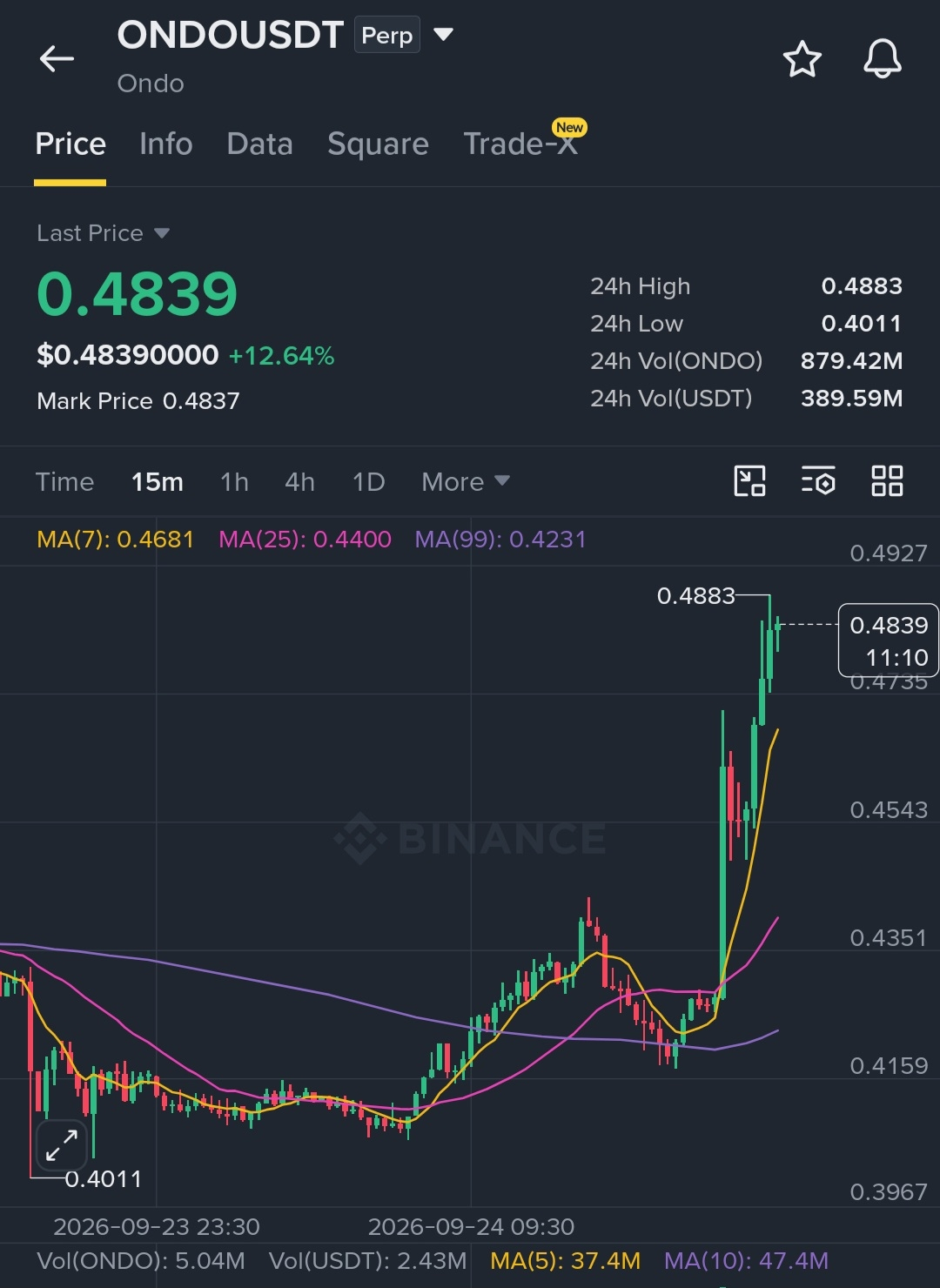
$ONDO is cooking something big so Guy's let's chase a big long here
Long $ONDO
Entry: 0.4700 – 0.4820
SL: 0.4500
TP1: 0.4900
TP2: 0.5050
TP3: 0.5250
TP4: 0.5500
📩 DM me to know how to join my Binance Group Chat and together win every trade.
Trade $ONDO here 👇
Long $ONDO
Entry: 0.4700 – 0.4820
SL: 0.4500
TP1: 0.4900
TP2: 0.5050
TP3: 0.5250
TP4: 0.5500
📩 DM me to know how to join my Binance Group Chat and together win every trade.
Trade $ONDO here 👇
493
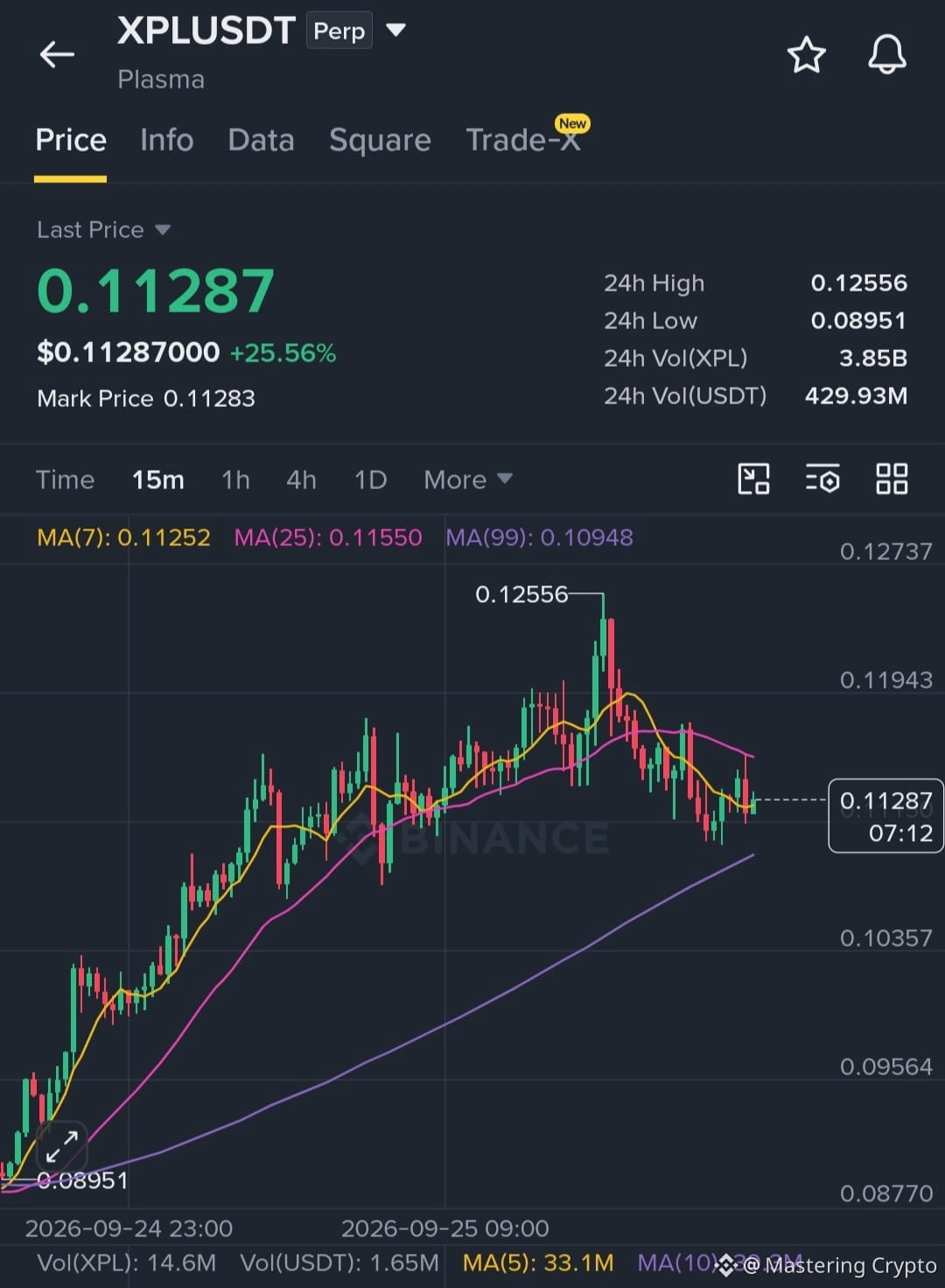
🚨 $XPL is stuck in the distribution zone
Short $XPL
Entry: 0.115 – 0.125
SL: 0.135
TP1: 0.111
TP2: 0.106
TP3: 0.096
TP4: 0.086
📩 DM me to know how to join my Binance Group Chat and together win every trade.
Trade $XPL here 👇
{future}(XPLUSDT)
🚨 $XPL is stuck in the distribution zone
Short $XPL
Entry: 0.115 – 0.125
SL: 0.135
TP1: 0.111
TP2: 0.106
TP3: 0.096
TP4: 0.086
📩 DM me to know how to join my Binance Group Chat and together win every trade.
Trade $XPL here 👇
Short $XPL
Entry: 0.115 – 0.125
SL: 0.135
TP1: 0.111
TP2: 0.106
TP3: 0.096
TP4: 0.086
📩 DM me to know how to join my Binance Group Chat and together win every trade.
Trade $XPL here 👇
430
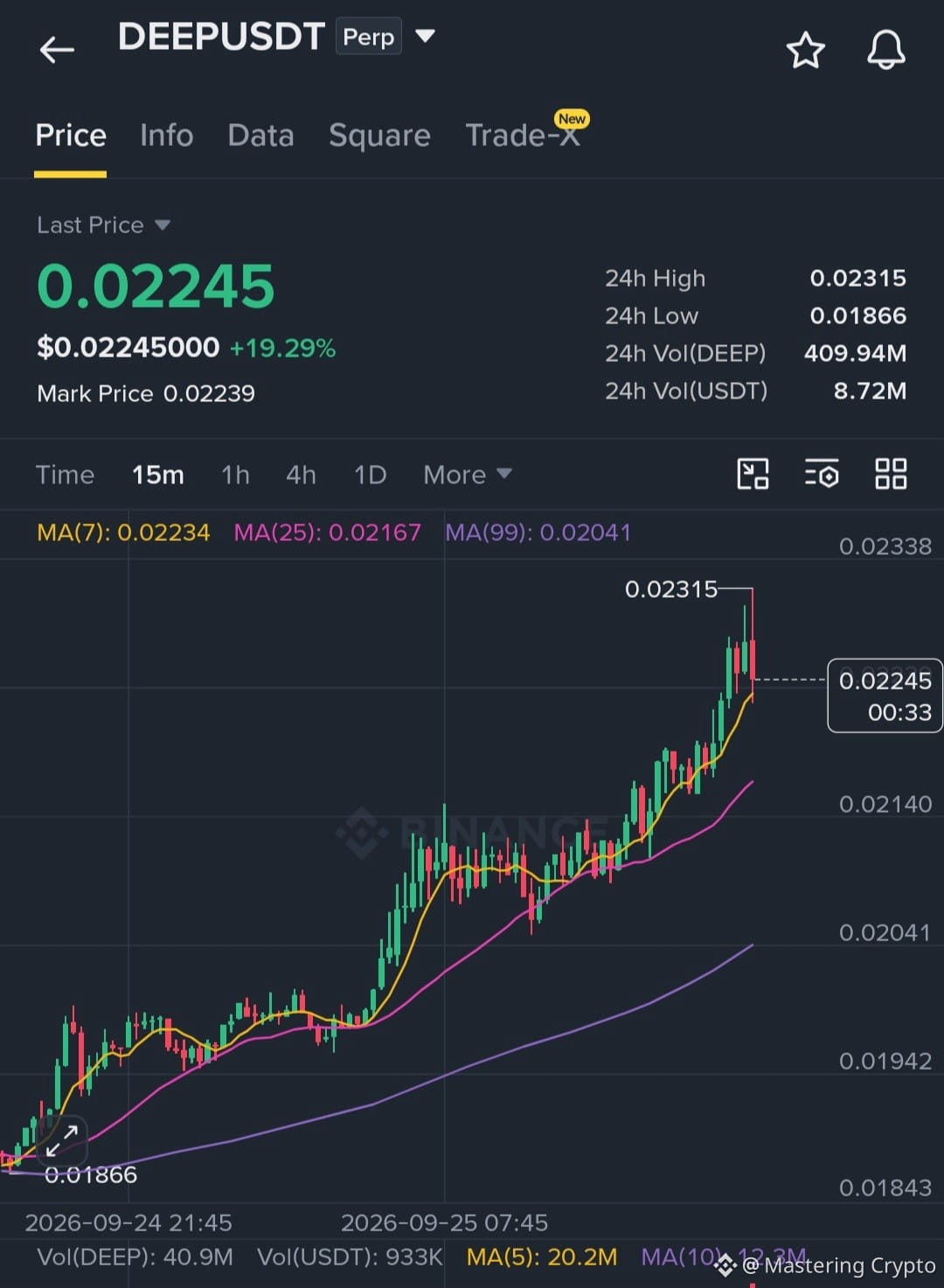
$DEEP is building serious momentum
Long $DEEP
Entry: 0.0210 – 0.0220
SL: 0.02000
TP1: 0.02300
TP2: 0.02400
TP3: 0.02500
TP4: 0.02650
📩 DM me to know how to join my Binance Group Chat and together win every trade.
Trade $DEEP here 👇
{future}(DEEPUSDT)
$DEEP is building serious momentum
Long $DEEP
Entry: 0.0210 – 0.0220
SL: 0.02000
TP1: 0.02300
TP2: 0.02400
TP3: 0.02500
TP4: 0.02650
📩 DM me to know how to join my Binance Group Chat and together win every trade.
Trade $DEEP here 👇
Long $DEEP
Entry: 0.0210 – 0.0220
SL: 0.02000
TP1: 0.02300
TP2: 0.02400
TP3: 0.02500
TP4: 0.02650
📩 DM me to know how to join my Binance Group Chat and together win every trade.
Trade $DEEP here 👇
569
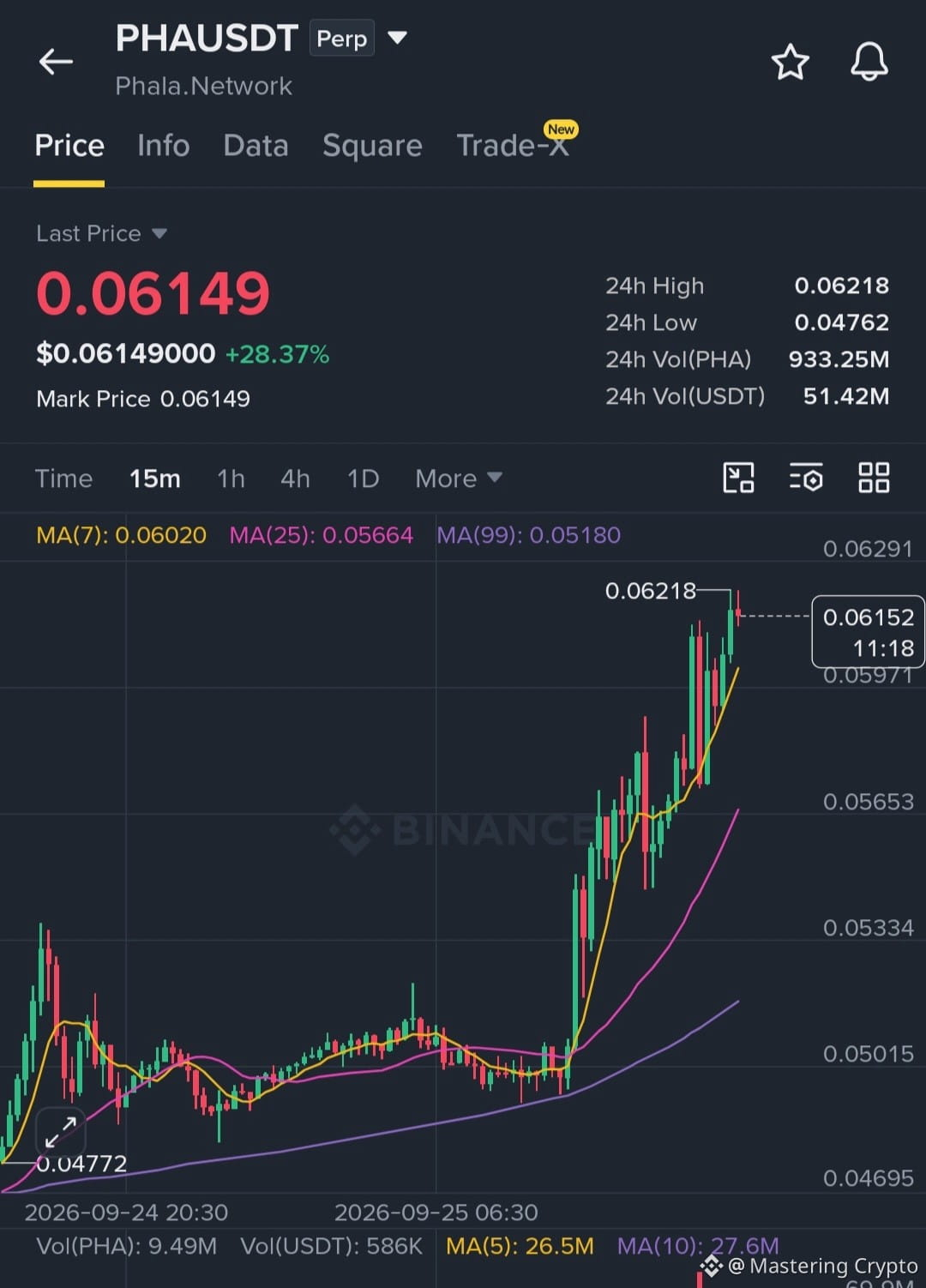
$PHA is hitting high resistance zone
Short $PHA
Entry: 0.0640 – 0.070
SL: 0.075
TP1: 0.0595
TP2: 0.0560
TP3: 0.0525
TP4: 0.0450
📩 DM me to know how to join my Binance Group Chat and together win every trade.
Trade $PHA here 👇
{future}(PHAUSDT)
$PHA is hitting high resistance zone
Short $PHA
Entry: 0.0640 – 0.070
SL: 0.075
TP1: 0.0595
TP2: 0.0560
TP3: 0.0525
TP4: 0.0450
📩 DM me to know how to join my Binance Group Chat and together win every trade.
Trade $PHA here 👇
Short $PHA
Entry: 0.0640 – 0.070
SL: 0.075
TP1: 0.0595
TP2: 0.0560
TP3: 0.0525
TP4: 0.0450
📩 DM me to know how to join my Binance Group Chat and together win every trade.
Trade $PHA here 👇
6
3
574
🚨 Banger Calls Banger Profits! We did it again and this time super big 💯
$LSK short trade hit TP3 successfully and still chasing hard 🤑
Imagine making an entry using my early short call, look how much the price dumped 💰
Everyone was giving you the long trade call only Mastering gave you the right short one and see at the results clearly🚀
My Binance Group chat members are growing daily with high quality trade setups like this 👌
Join my Binance group chat and enjoy daily trade setups to grow your capital with proper risk management 🫂
$LSK is still bearish and next update will be given exclusively in my Binance group chat so better chase now or regret later 💯
Chase $LSK short trade setup here 👇
🚨 Banger Calls Banger Profits! We did it again and this time super big 💯
$LSK short trade hit TP3 successfully and still chasing hard 🤑
Imagine making an entry using my early short call, look how much the price dumped 💰
Everyone was giving you the long trade call only Mastering gave you the right short one and see at the results clearly🚀
My Binance Group chat members are growing daily with high quality trade setups like this 👌
Join my Binance group chat and enjoy daily trade setups to grow your capital with proper risk management 🫂
$LSK is still bearish and next update will be given exclusively in my Binance group chat so better chase now or regret later 💯
Chase $LSK short trade setup here 👇
$LSK short trade hit TP3 successfully and still chasing hard 🤑
Imagine making an entry using my early short call, look how much the price dumped 💰
Everyone was giving you the long trade call only Mastering gave you the right short one and see at the results clearly🚀
My Binance Group chat members are growing daily with high quality trade setups like this 👌
Join my Binance group chat and enjoy daily trade setups to grow your capital with proper risk management 🫂
$LSK is still bearish and next update will be given exclusively in my Binance group chat so better chase now or regret later 💯
Chase $LSK short trade setup here 👇
Mastering Crypto
·
--
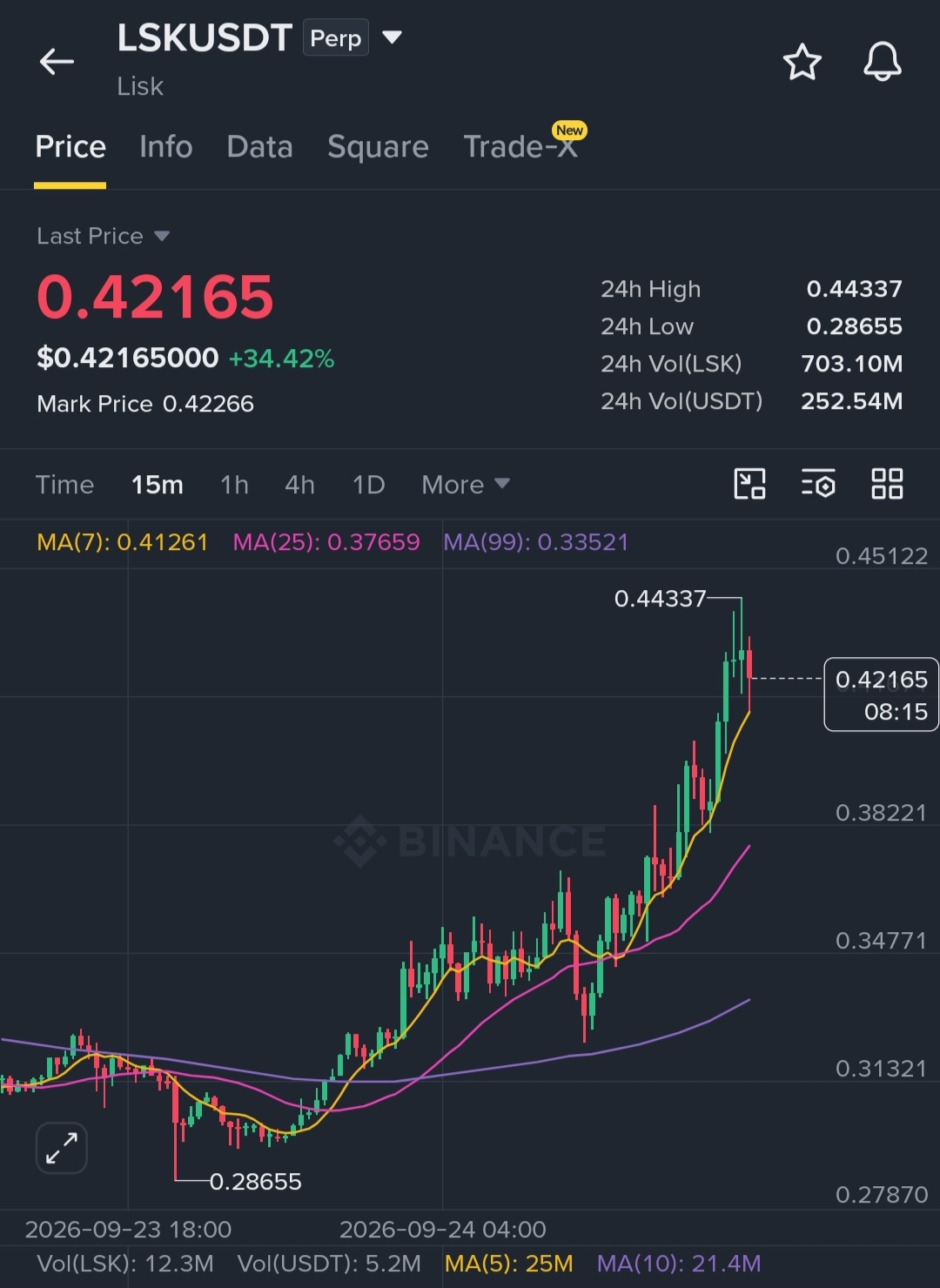
$LSK big correction incoming
Short $LSK
Entry: 0.42 – 0.46
SL: 0.50
TP1: 0.405
TP2: 0.385
TP3: 0.345
TP4: 0.285
📩 DM me to know how to join my Binance Group Chat and together win every trade.
Trade $LSK here 👇
Short $LSK
Entry: 0.42 – 0.46
SL: 0.50
TP1: 0.405
TP2: 0.385
TP3: 0.345
TP4: 0.285
📩 DM me to know how to join my Binance Group Chat and together win every trade.
Trade $LSK here 👇
318
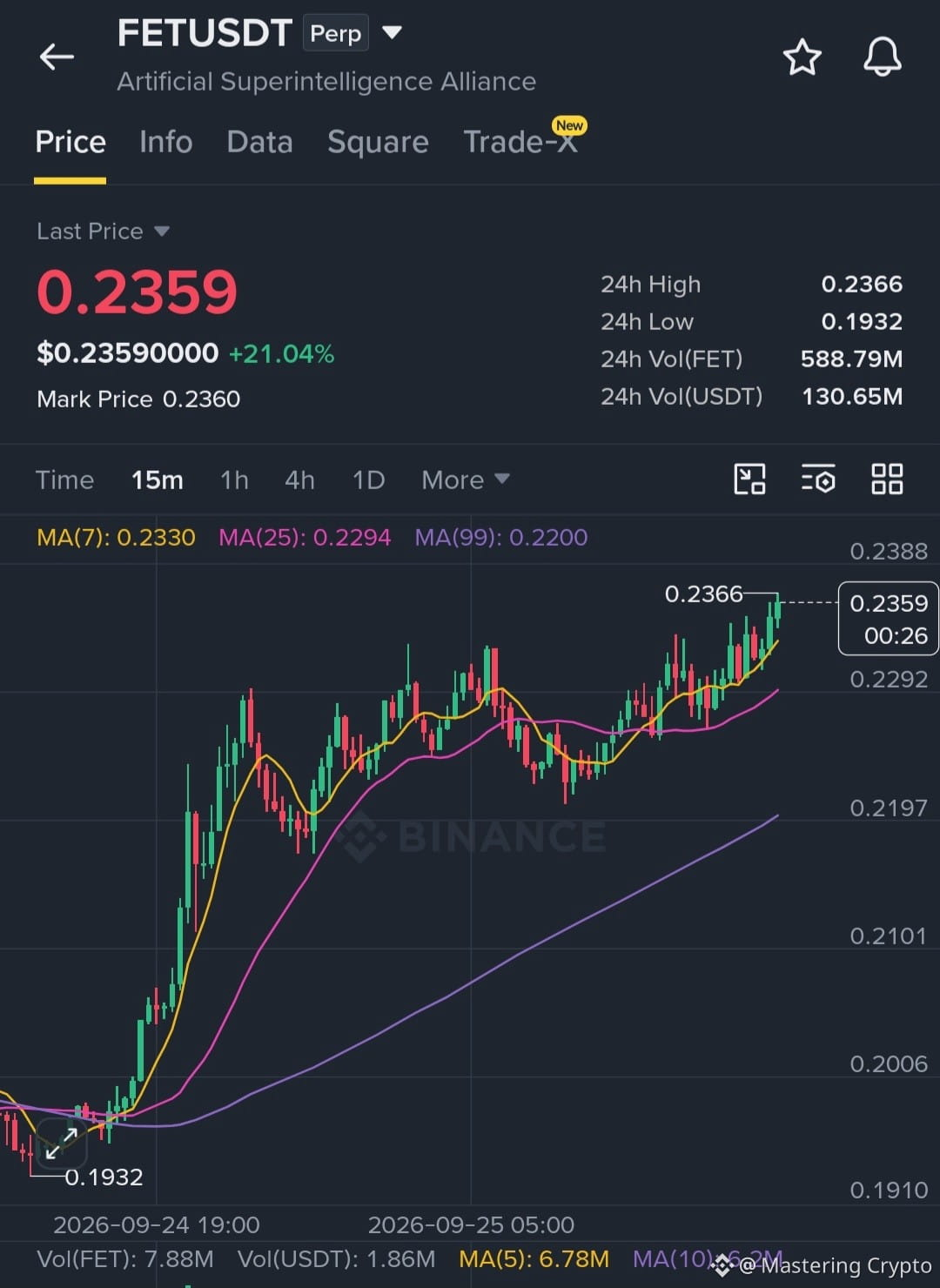
$FET is getting out of control Guy's so let's chase a long here
Long $FET
Entry: 0.2300 – 0.2340
SL: 0.2240
TP1: 0.2400
TP2: 0.2470
TP3: 0.2550
TP4: 0.2650
📩 DM me to know how to join my Binance Group Chat and together win every trade.
Trade $FET here 👇
{future}(FETUSDT)
$FET is getting out of control Guy's so let's chase a long here
Long $FET
Entry: 0.2300 – 0.2340
SL: 0.2240
TP1: 0.2400
TP2: 0.2470
TP3: 0.2550
TP4: 0.2650
📩 DM me to know how to join my Binance Group Chat and together win every trade.
Trade $FET here 👇
Long $FET
Entry: 0.2300 – 0.2340
SL: 0.2240
TP1: 0.2400
TP2: 0.2470
TP3: 0.2550
TP4: 0.2650
📩 DM me to know how to join my Binance Group Chat and together win every trade.
Trade $FET here 👇
737
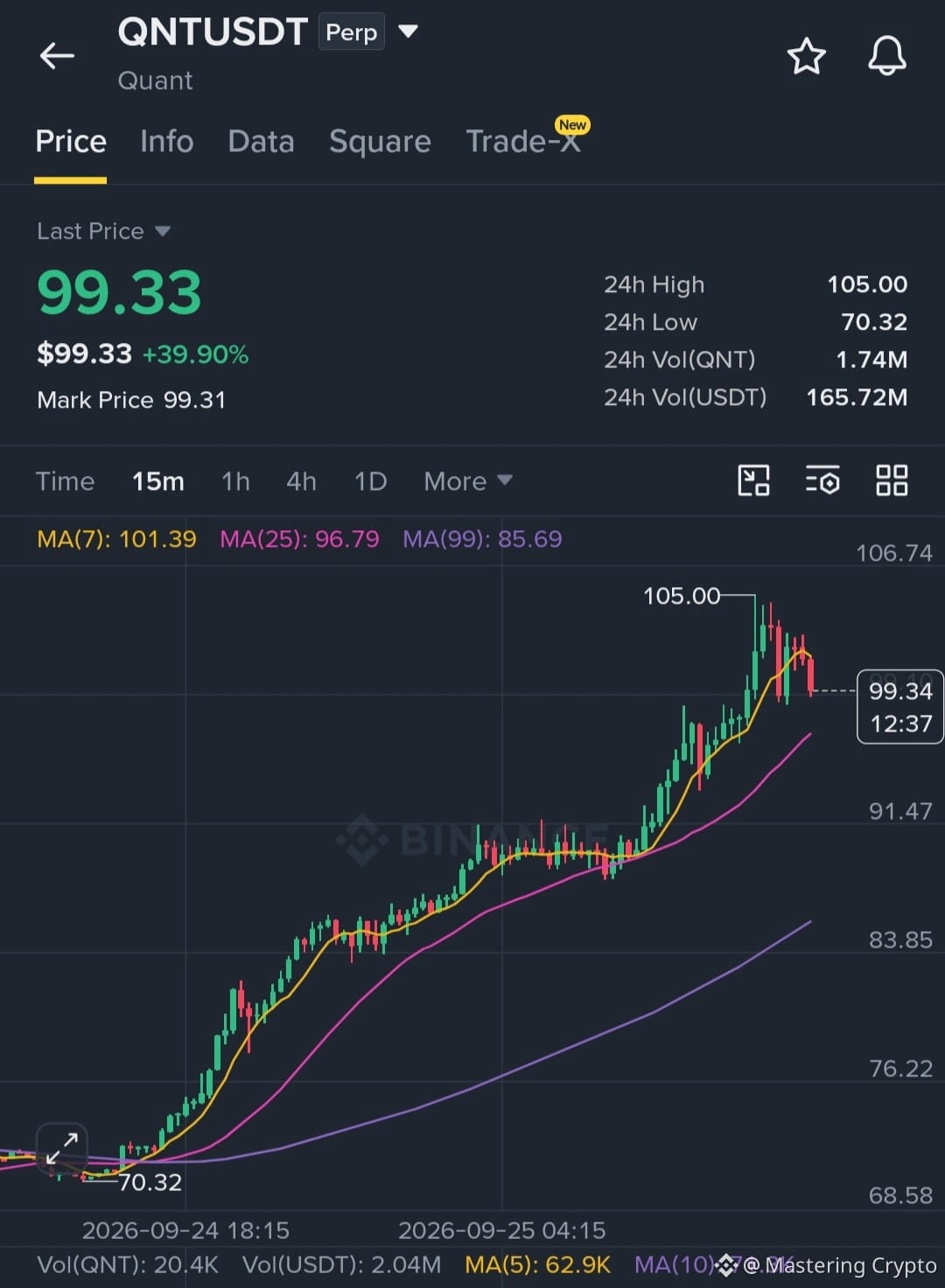
$QNT is setting up big bullish trap
Short $QNT
Entry: 102.00 – 112.00
SL: 118.20
TP1: 97.00
TP2: 94.50
TP3: 90.50
TP4: 85.50
📩 DM me to know how to join my Binance Group Chat and together win every trade.
Trade $QNT here 👇
{future}(QNTUSDT)
$QNT is setting up big bullish trap
Short $QNT
Entry: 102.00 – 112.00
SL: 118.20
TP1: 97.00
TP2: 94.50
TP3: 90.50
TP4: 85.50
📩 DM me to know how to join my Binance Group Chat and together win every trade.
Trade $QNT here 👇
Short $QNT
Entry: 102.00 – 112.00
SL: 118.20
TP1: 97.00
TP2: 94.50
TP3: 90.50
TP4: 85.50
📩 DM me to know how to join my Binance Group Chat and together win every trade.
Trade $QNT here 👇
573
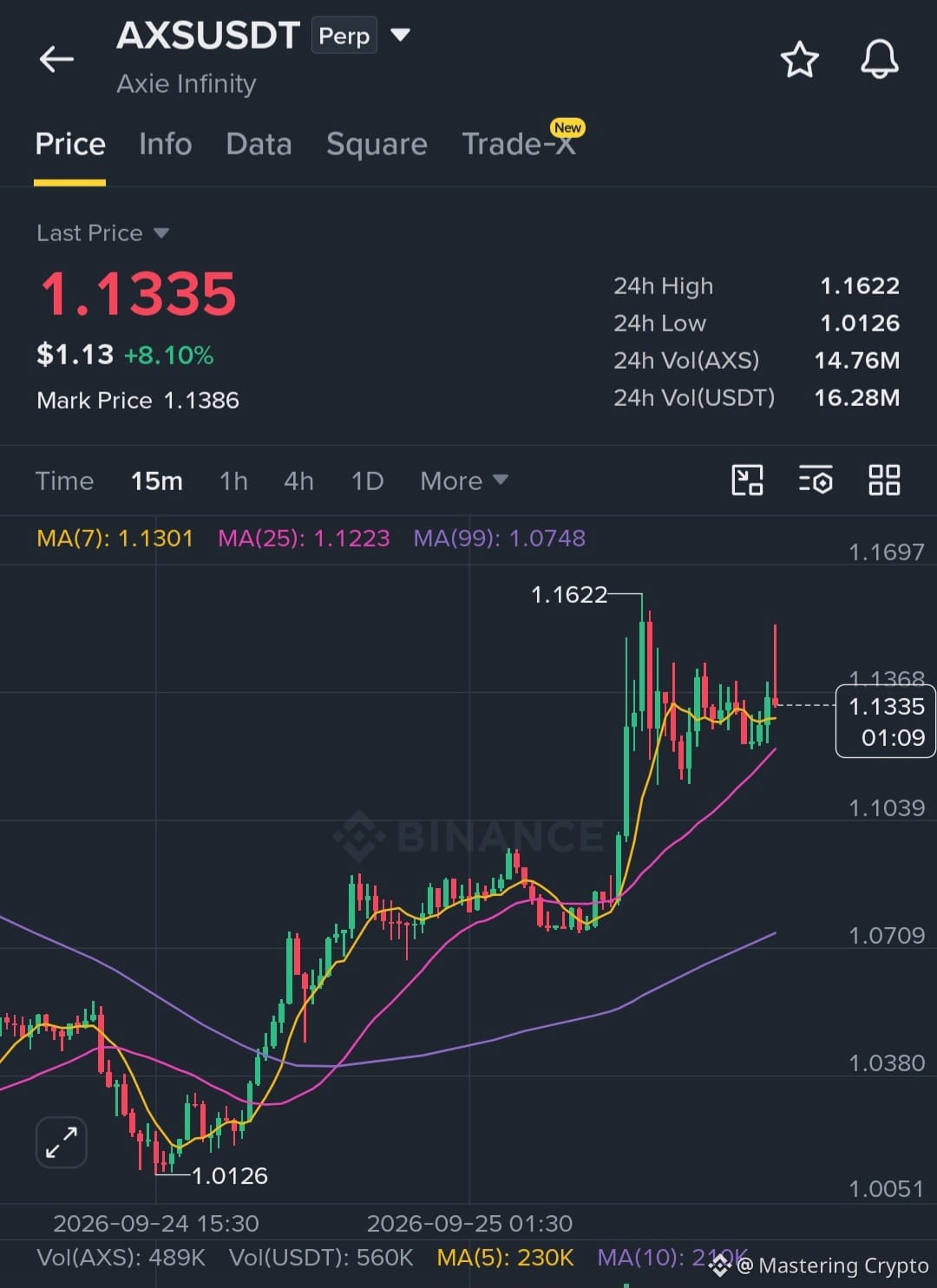
$AXS gonna break distribution zone harder
Long $AXS
Entry: 1.06 – 1.12
SL: 1.02
TP1: 1.16
TP2: 1.20
TP3: 1.30
TP4: 1.40
📩 DM me to know how to join my Binance Group Chat and together win every trade.
Trade $AXS here 👇
{future}(AXSUSDT)
$AXS gonna break distribution zone harder
Long $AXS
Entry: 1.06 – 1.12
SL: 1.02
TP1: 1.16
TP2: 1.20
TP3: 1.30
TP4: 1.40
📩 DM me to know how to join my Binance Group Chat and together win every trade.
Trade $AXS here 👇
Long $AXS
Entry: 1.06 – 1.12
SL: 1.02
TP1: 1.16
TP2: 1.20
TP3: 1.30
TP4: 1.40
📩 DM me to know how to join my Binance Group Chat and together win every trade.
Trade $AXS here 👇
1
545
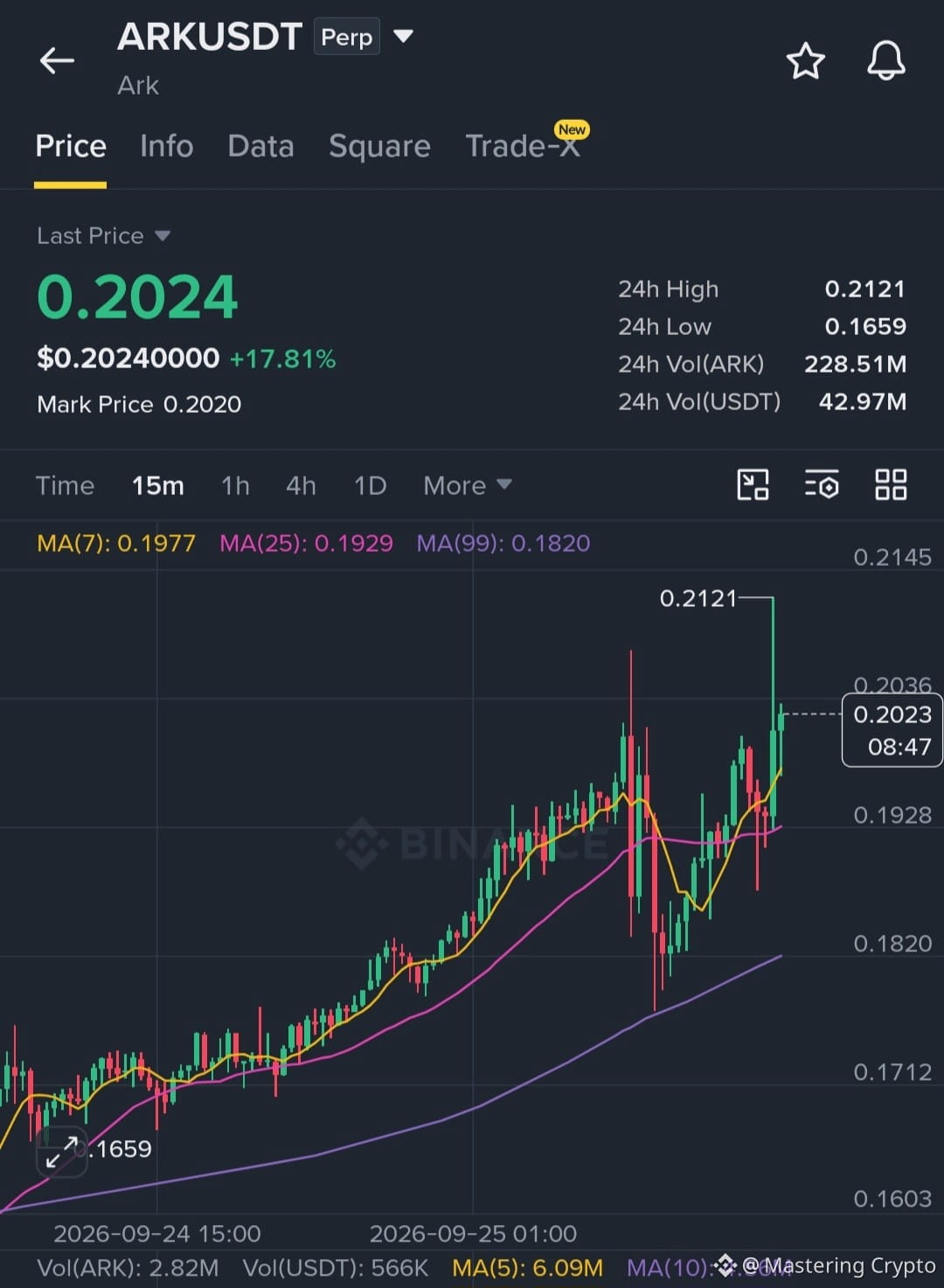
$ARK is planning something big this time
Long $ARK
Entry: 0.1920 – 0.2020
SL: 0.1800
TP1: 0.2120
TP2: 0.2200
TP3: 0.2300
TP4: 0.2450
📩 DM me to know how to join my Binance Group Chat and together win every trade.
Trade $ARK here 👇
{future}(ARKUSDT)
$ARK is planning something big this time
Long $ARK
Entry: 0.1920 – 0.2020
SL: 0.1800
TP1: 0.2120
TP2: 0.2200
TP3: 0.2300
TP4: 0.2450
📩 DM me to know how to join my Binance Group Chat and together win every trade.
Trade $ARK here 👇
Long $ARK
Entry: 0.1920 – 0.2020
SL: 0.1800
TP1: 0.2120
TP2: 0.2200
TP3: 0.2300
TP4: 0.2450
📩 DM me to know how to join my Binance Group Chat and together win every trade.
Trade $ARK here 👇
2
838
🚨 How Bitget Hack Actually Happened?
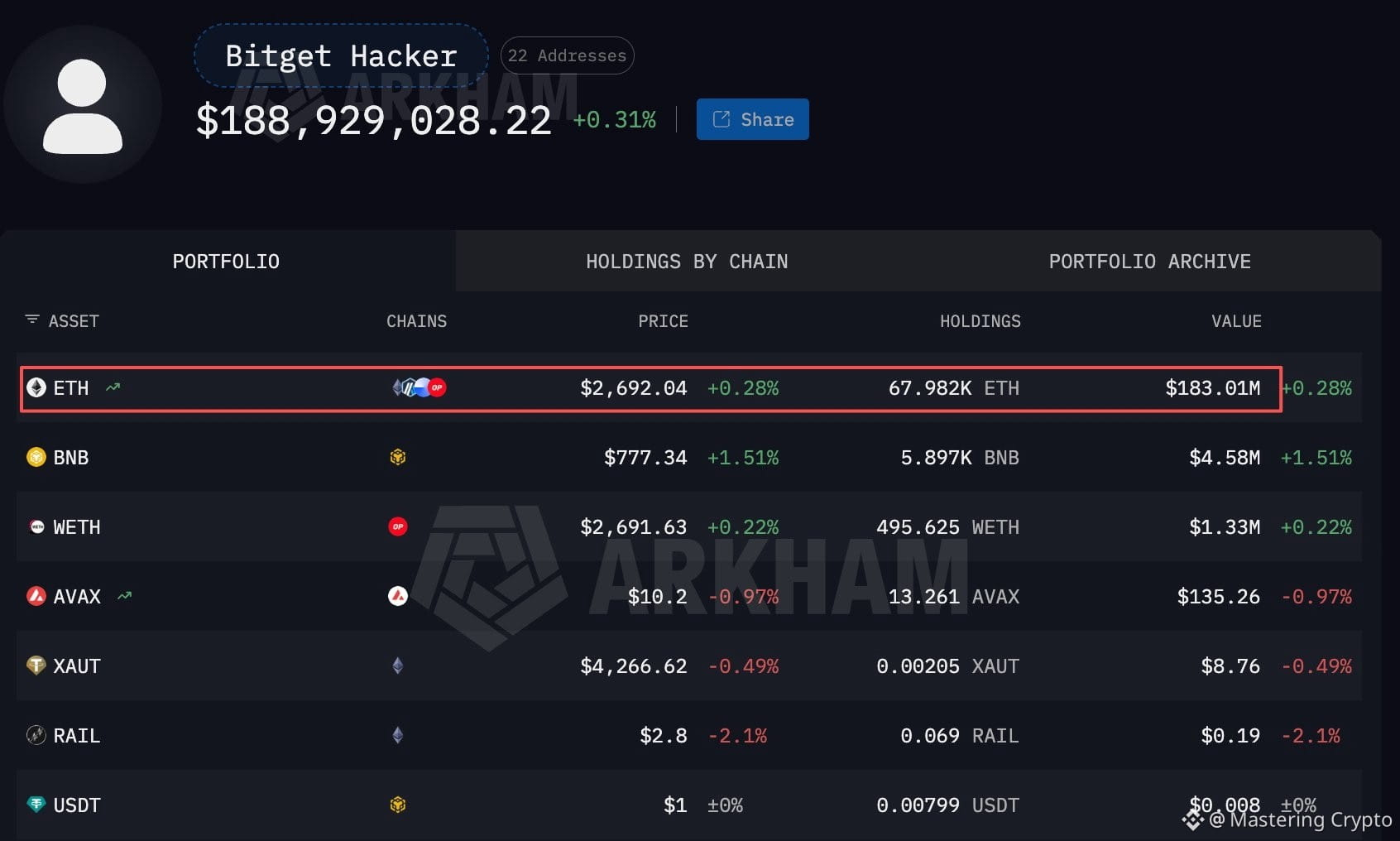
Today, the crypto market woke up to some scary news that Bitget confirmed a security breach involving approximately $351.6 million in crypto assets.
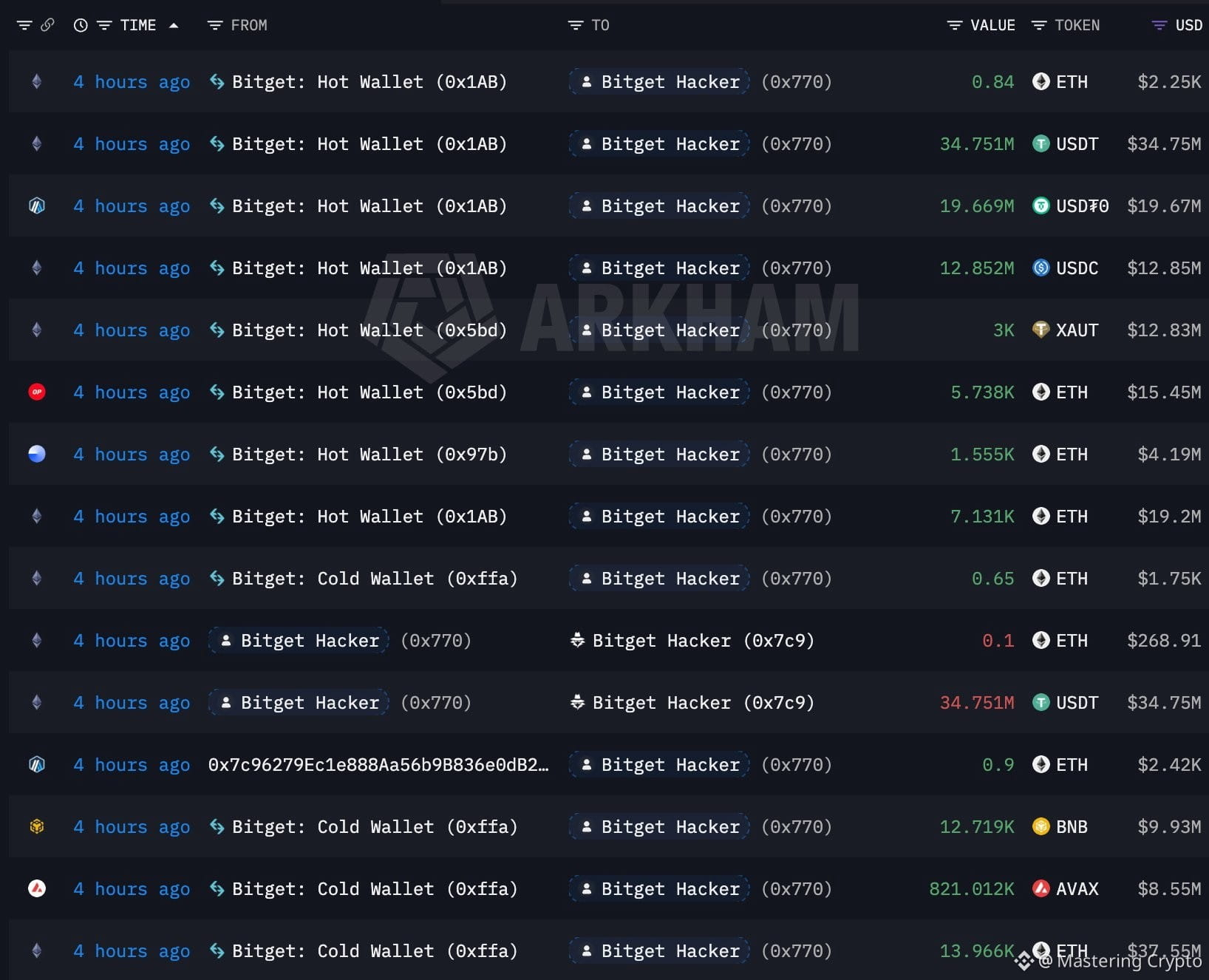
The unusual activity was first spotted on-chain, with large amounts of $ETH , USDT, USDC, $BNB , $AVAX and other assets moving out of wallets linked to Bitget. Bitget later confirmed that unauthorized transfers had occurred from part of its hot and warm wallet infrastructure.
Bitget says its cold wallets were not affected and user account balances remain accurate. The exchange has temporarily paused withdrawals while its security team investigates and has contacted law enforcement and blockchain security firms.
Bitget also says the affected amount is covered by its User Protection Fund, which currently holds more than $464 million. So, according to the exchange, the incident should not result in users losing their funds.
But honestly, this is still a serious wake up call.
Whenever hundreds of millions of dollars can move from an exchange's wallet infrastructure without authorization, it reminds us that crypto security isn't just about private keys anymore. Exchanges have huge backend systems, signing infrastructure and operational layers, and any weak point can potentially become an attack surface.
There are also reports that the attackers moved and swapped the stolen assets across different chains, making on chain tracking and recovery a race against time. Investigators are still working to determine exactly how the breach happened.
🚨 How Bitget Hack Actually Happened?
Today, the crypto market woke up to some scary news that Bitget confirmed a security breach involving approximately $351.6 million in crypto assets.
The unusual activity was first spotted on-chain, with large amounts of $ETH , USDT, USDC, $BNB , $AVAX and other assets moving out of wallets linked to Bitget. Bitget later confirmed that unauthorized transfers had occurred from part of its hot and warm wallet infrastructure.
Bitget says its cold wallets were not affected and user account balances remain accurate. The exchange has temporarily paused withdrawals while its security team investigates and has contacted law enforcement and blockchain security firms.
Bitget also says the affected amount is covered by its User Protection Fund, which currently holds more than $464 million. So, according to the exchange, the incident should not result in users losing their funds.
But honestly, this is still a serious wake up call.
Whenever hundreds of millions of dollars can move from an exchange's wallet infrastructure without authorization, it reminds us that crypto security isn't just about private keys anymore. Exchanges have huge backend systems, signing infrastructure and operational layers, and any weak point can potentially become an attack surface.
There are also reports that the attackers moved and swapped the stolen assets across different chains, making on chain tracking and recovery a race against time. Investigators are still working to determine exactly how the breach happened.
Today, the crypto market woke up to some scary news that Bitget confirmed a security breach involving approximately $351.6 million in crypto assets.
The unusual activity was first spotted on-chain, with large amounts of $ETH , USDT, USDC, $BNB , $AVAX and other assets moving out of wallets linked to Bitget. Bitget later confirmed that unauthorized transfers had occurred from part of its hot and warm wallet infrastructure.
Bitget says its cold wallets were not affected and user account balances remain accurate. The exchange has temporarily paused withdrawals while its security team investigates and has contacted law enforcement and blockchain security firms.
Bitget also says the affected amount is covered by its User Protection Fund, which currently holds more than $464 million. So, according to the exchange, the incident should not result in users losing their funds.
But honestly, this is still a serious wake up call.
Whenever hundreds of millions of dollars can move from an exchange's wallet infrastructure without authorization, it reminds us that crypto security isn't just about private keys anymore. Exchanges have huge backend systems, signing infrastructure and operational layers, and any weak point can potentially become an attack surface.
There are also reports that the attackers moved and swapped the stolen assets across different chains, making on chain tracking and recovery a race against time. Investigators are still working to determine exactly how the breach happened.
2
7
3.8k
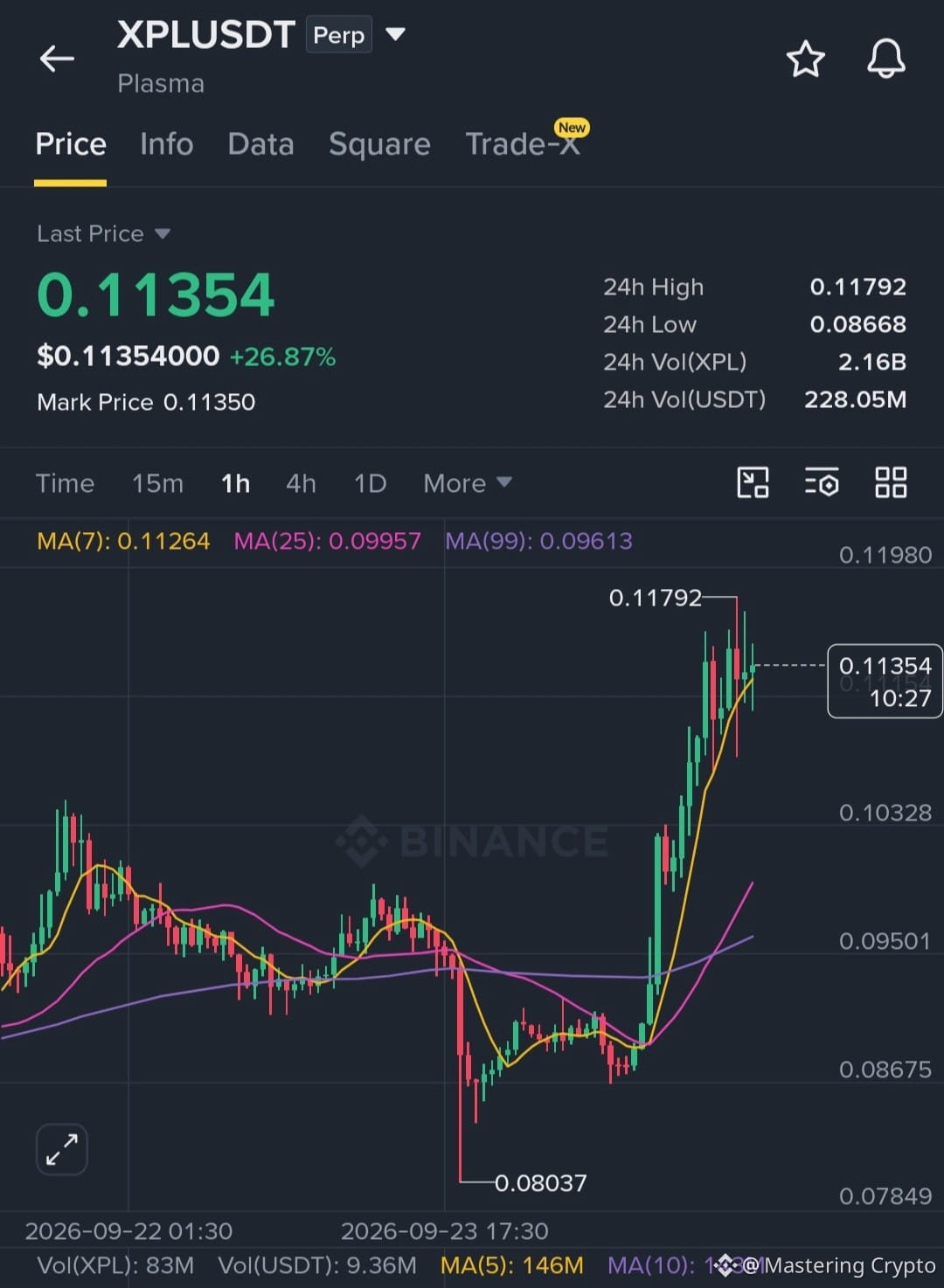
$XPL is chasing higher levels this time with hard momentum
Long $XPL
Entry: 0.108 – 0.1135
SL: 0.1000
TP1: 0.1160
TP2: 0.1200
TP3: 0.1250
TP4: 0.1350
📩 DM me to know how to join my Binance Group Chat and together win every trade.
Trade $XPL here 👇
{future}(XPLUSDT)
$XPL is chasing higher levels this time with hard momentum
Long $XPL
Entry: 0.108 – 0.1135
SL: 0.1000
TP1: 0.1160
TP2: 0.1200
TP3: 0.1250
TP4: 0.1350
📩 DM me to know how to join my Binance Group Chat and together win every trade.
Trade $XPL here 👇
Long $XPL
Entry: 0.108 – 0.1135
SL: 0.1000
TP1: 0.1160
TP2: 0.1200
TP3: 0.1250
TP4: 0.1350
📩 DM me to know how to join my Binance Group Chat and together win every trade.
Trade $XPL here 👇
718
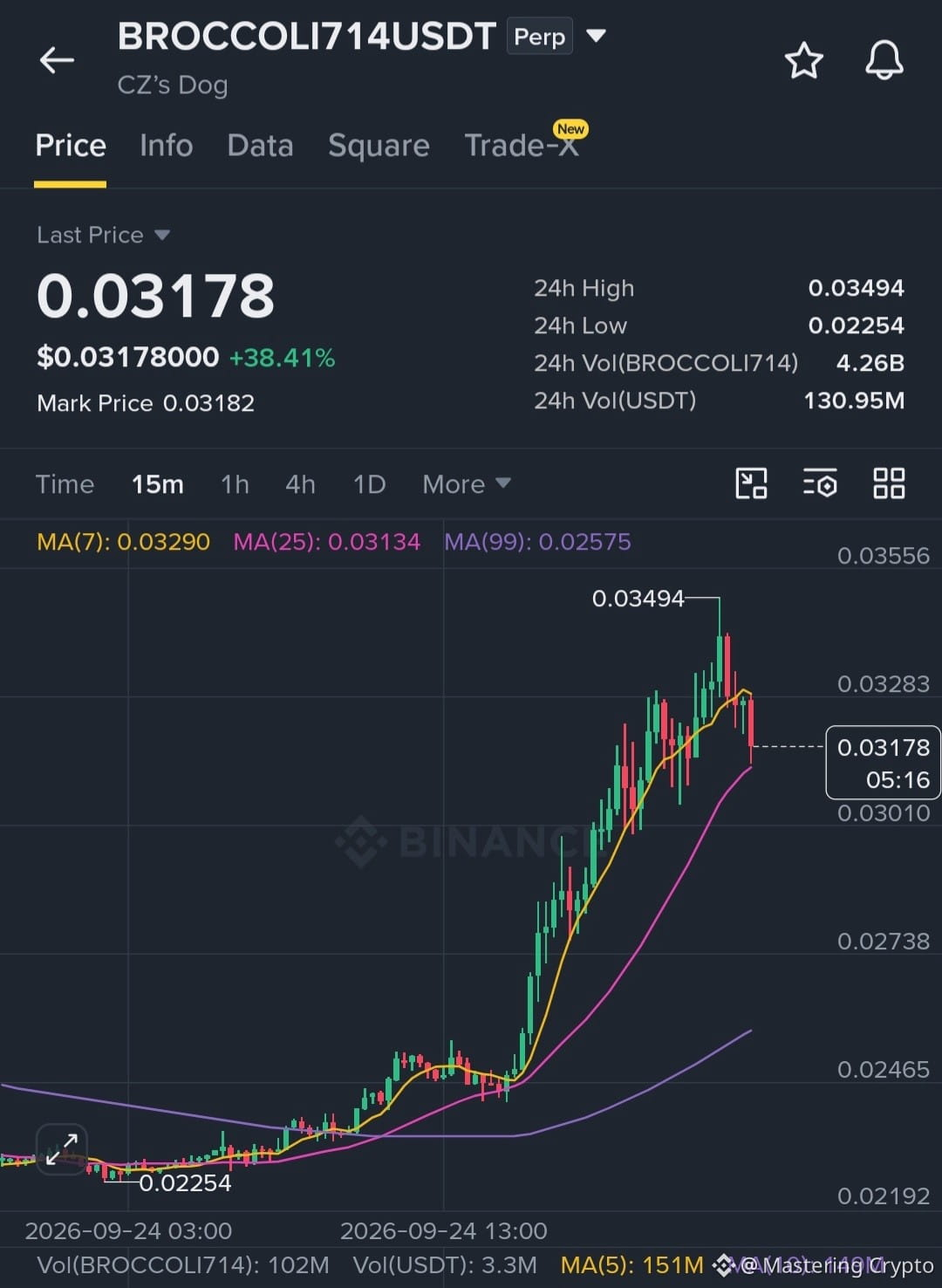
$BROCCOLI714 is stuck in distribution zone
Short $BROCCOLI714
Entry: 0.03180 – 0.03300
SL: 0.03650
TP1: 0.03050
TP2: 0.02900
TP3: 0.02750
TP4: 0.02580
📩 DM me to know how to join my Binance Group Chat and together win every trade.
Trade $BROCCOLI714 here 👇
{future}(BROCCOLI714USDT)
$BROCCOLI714 is stuck in distribution zone
Short $BROCCOLI714
Entry: 0.03180 – 0.03300
SL: 0.03650
TP1: 0.03050
TP2: 0.02900
TP3: 0.02750
TP4: 0.02580
📩 DM me to know how to join my Binance Group Chat and together win every trade.
Trade $BROCCOLI714 here 👇
Short $BROCCOLI714
Entry: 0.03180 – 0.03300
SL: 0.03650
TP1: 0.03050
TP2: 0.02900
TP3: 0.02750
TP4: 0.02580
📩 DM me to know how to join my Binance Group Chat and together win every trade.
Trade $BROCCOLI714 here 👇
2
3
1k
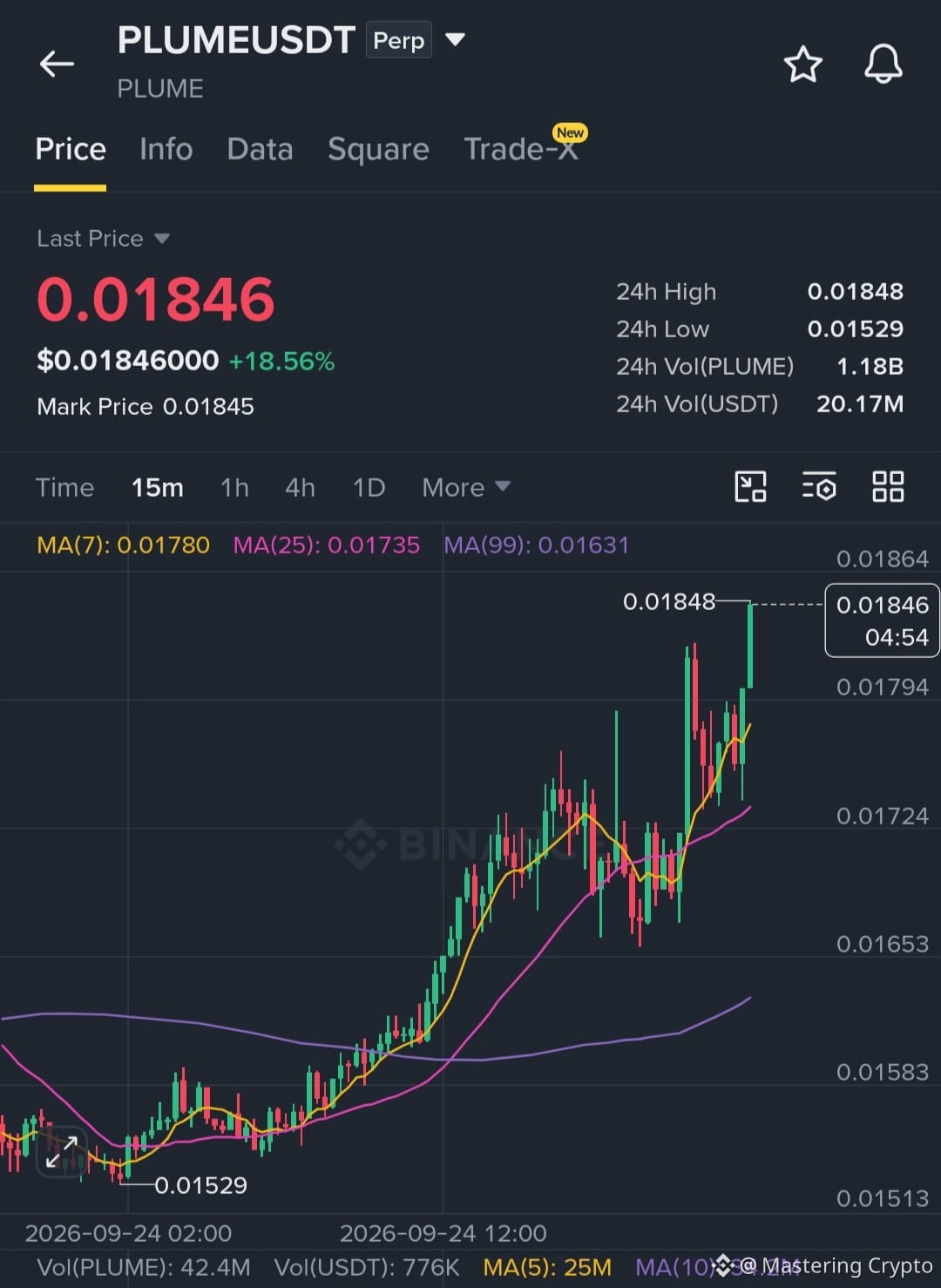
$PLUME is getting out of control Guy's so let's chase big long here
Long $PLUME
Entry: 0.0175 – 0.0185
SL: 0.01720
TP1: 0.01950
TP2: 0.02050
TP3: 0.02250
TP4: 0.02500
📩 DM me to know how to join my Binance Group Chat and together win every trade.
Trade $PLUME here 👇
{future}(PLUMEUSDT)
$PLUME is getting out of control Guy's so let's chase big long here
Long $PLUME
Entry: 0.0175 – 0.0185
SL: 0.01720
TP1: 0.01950
TP2: 0.02050
TP3: 0.02250
TP4: 0.02500
📩 DM me to know how to join my Binance Group Chat and together win every trade.
Trade $PLUME here 👇
Long $PLUME
Entry: 0.0175 – 0.0185
SL: 0.01720
TP1: 0.01950
TP2: 0.02050
TP3: 0.02250
TP4: 0.02500
📩 DM me to know how to join my Binance Group Chat and together win every trade.
Trade $PLUME here 👇
697
Log in to explore more content
Join global crypto users on Binance Square
⚡️ Get latest and useful information about crypto.
💬 Trusted by the world’s largest crypto exchange.
👍 Discover real insights from verified creators.
Email / Phone number
Trending Topics
CircleMints500MUSDCOnSolana
4 views
11 Discussing
#CircleMints500MUSDCOnSolana
🚨 JUST IN: Circle Mints $500M USDC on Solana.
💰 $500 MILLION in fresh USDC liquidity has been minted on Solana.
Why it matters 👇
• More stablecoin liquidity entering the Solana ecosystem
• Potentially deeper DEX liquidity
• More capital available for DeFi and payments
• Solana’s stablecoin supply is already near record levels
🔥 Is this fresh liquidity preparing for the **next crypto move**?
Bullish for SOL? 👀
#Circle #USDC #Solana $SOL
Faizan Crypto Learner
·0 Likes
·15 views
PolymarketBankFailureBetsDrawFDICConcern
7,795 views
302 Discussing
BlackRockBuildsTokenizedPortfoliosForOndo
5,877 views
212 Discussing