

Peter_Parker0
19.1k Posts

Peter_Parker0
 Square Verified+
Report
Block User
Crypto trader|Market sniper Spot & Futures| TA wizard | Risk-first Altcoin gems|Bullish vibes only #CryptoTrading $BTC|Twitter|Cryptocobain032
Open Trade
High-Frequency Trader
2.5 Years
719 Following
45.8K+ Followers
48.9K+ Liked
Posts
Portfolio
All
Quotes
Videos
Live
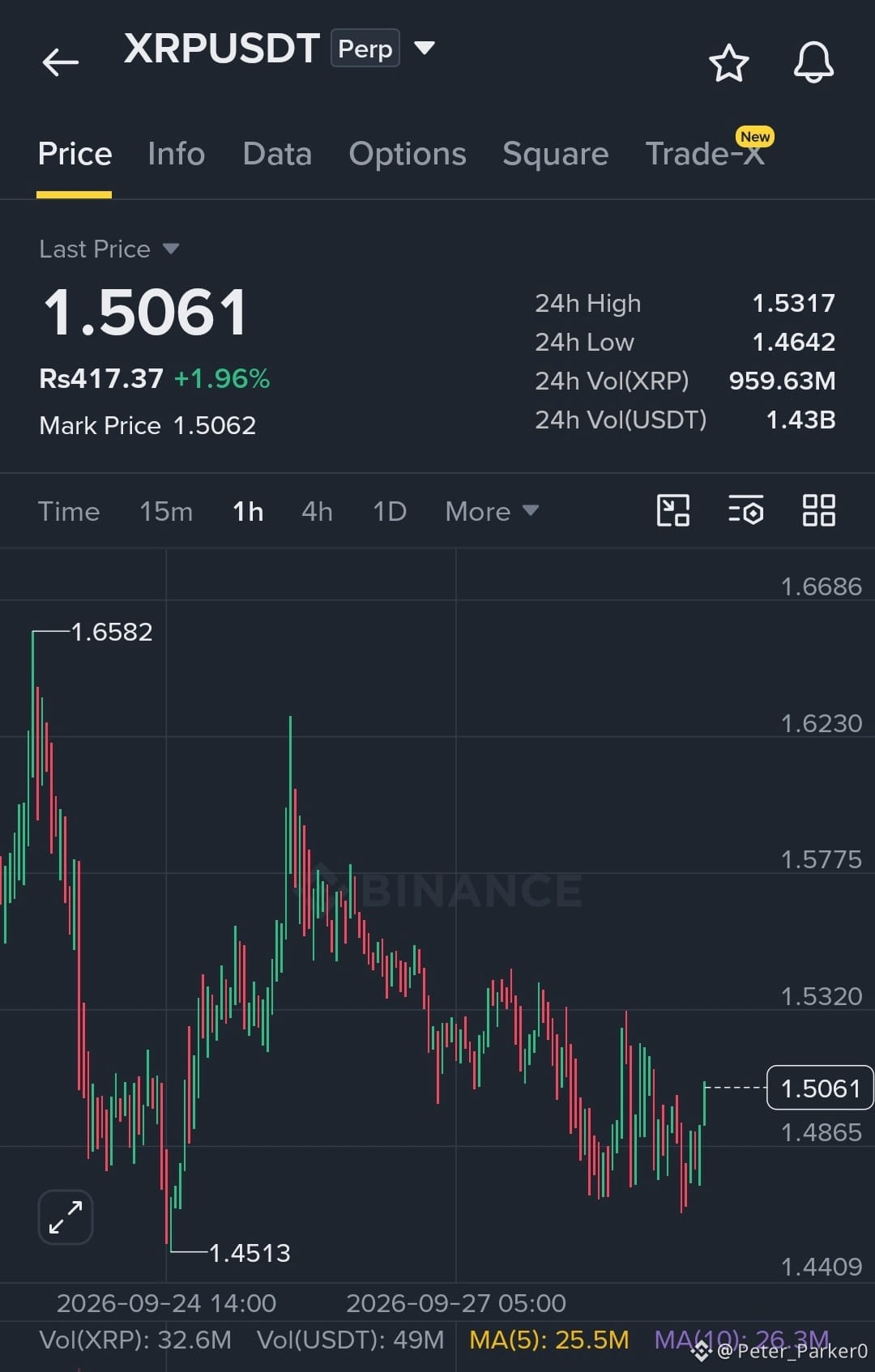
$XRP — Buyers are stepping back in.
After holding the $1.46–$1.48 area, XRP is showing a fresh bounce around $1.50. The 1H chart is still choppy, so I’d want confirmation before chasing the move.
LONG SETUP
Entry: $1.495 – $1.510
TP1: $1.532
TP2: $1.575
TP3: $1.620
SL: $1.462
Bias: Bullish
Invalidation: 1H close below $1.46
A clean reclaim of $1.53 with strong buying volume could open the next leg higher. If $1.46 breaks, the long setup is invalid — no need to force the trade.
Let’s go $XRP 🚀
$XRP — Buyers are stepping back in.
After holding the $1.46–$1.48 area, XRP is showing a fresh bounce around $1.50. The 1H chart is still choppy, so I’d want confirmation before chasing the move.
LONG SETUP
Entry: $1.495 – $1.510
TP1: $1.532
TP2: $1.575
TP3: $1.620
SL: $1.462
Bias: Bullish
Invalidation: 1H close below $1.46
A clean reclaim of $1.53 with strong buying volume could open the next leg higher. If $1.46 breaks, the long setup is invalid — no need to force the trade.
Let’s go $XRP 🚀
After holding the $1.46–$1.48 area, XRP is showing a fresh bounce around $1.50. The 1H chart is still choppy, so I’d want confirmation before chasing the move.
LONG SETUP
Entry: $1.495 – $1.510
TP1: $1.532
TP2: $1.575
TP3: $1.620
SL: $1.462
Bias: Bullish
Invalidation: 1H close below $1.46
A clean reclaim of $1.53 with strong buying volume could open the next leg higher. If $1.46 breaks, the long setup is invalid — no need to force the trade.
Let’s go $XRP 🚀
1
66
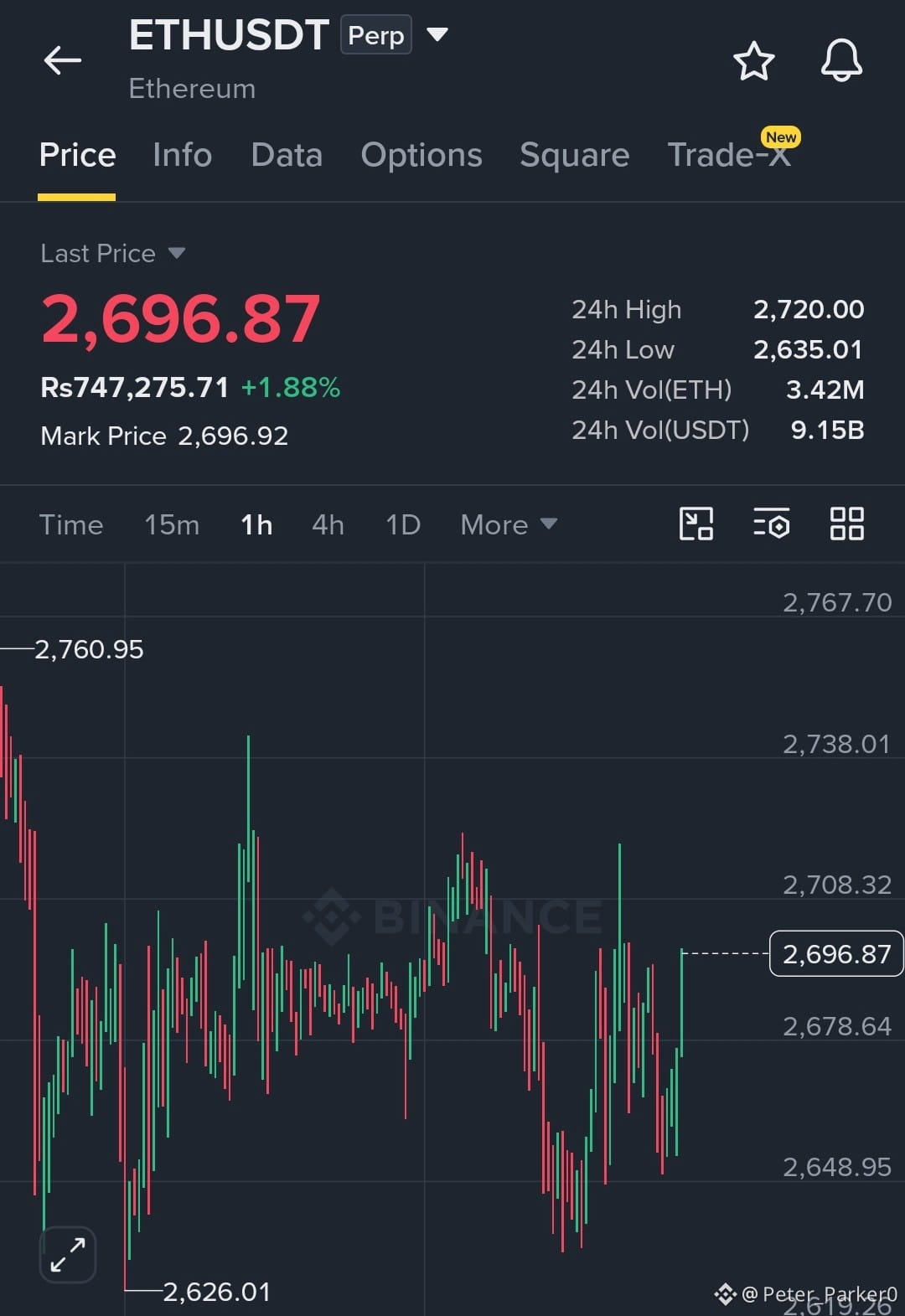
🚀 COME ON GUYS, LET’S TRADE LONG ON $ETH !
ETH is showing a solid recovery on the 1H chart, bouncing from the $2,635 area and reclaiming $2,680. Buyers are stepping back in, but $2,708–$2,720 remains the key resistance zone.
$ETH LONG SETUP
Entry: $2,680 – $2,695
TP1: $2,708
TP2: $2,720
TP3: $2,750
SL: $2,645
The setup stays bullish while ETH holds above the $2,680 support area. I’d want to see buyers defend the entry zone before adding size. A clean break and hold above $2,720 could strengthen the continuation move.
Trade with a plan — if confirmation fails, sitting out is better than forcing it.
Let’s see what $ETH does next.
{future}(ETHUSDT)
#UKFCAWinsCourtOrderToRecover851400Pounds #OpenAIDelaysGPT6.1OverSafetyIssues
🚀 COME ON GUYS, LET’S TRADE LONG ON $ETH !
ETH is showing a solid recovery on the 1H chart, bouncing from the $2,635 area and reclaiming $2,680. Buyers are stepping back in, but $2,708–$2,720 remains the key resistance zone.
$ETH LONG SETUP
Entry: $2,680 – $2,695
TP1: $2,708
TP2: $2,720
TP3: $2,750
SL: $2,645
The setup stays bullish while ETH holds above the $2,680 support area. I’d want to see buyers defend the entry zone before adding size. A clean break and hold above $2,720 could strengthen the continuation move.
Trade with a plan — if confirmation fails, sitting out is better than forcing it.
Let’s see what $ETH does next.
#UKFCAWinsCourtOrderToRecover851400Pounds #OpenAIDelaysGPT6.1OverSafetyIssues
ETH is showing a solid recovery on the 1H chart, bouncing from the $2,635 area and reclaiming $2,680. Buyers are stepping back in, but $2,708–$2,720 remains the key resistance zone.
$ETH LONG SETUP
Entry: $2,680 – $2,695
TP1: $2,708
TP2: $2,720
TP3: $2,750
SL: $2,645
The setup stays bullish while ETH holds above the $2,680 support area. I’d want to see buyers defend the entry zone before adding size. A clean break and hold above $2,720 could strengthen the continuation move.
Trade with a plan — if confirmation fails, sitting out is better than forcing it.
Let’s see what $ETH does next.
#UKFCAWinsCourtOrderToRecover851400Pounds #OpenAIDelaysGPT6.1OverSafetyIssues
2
125
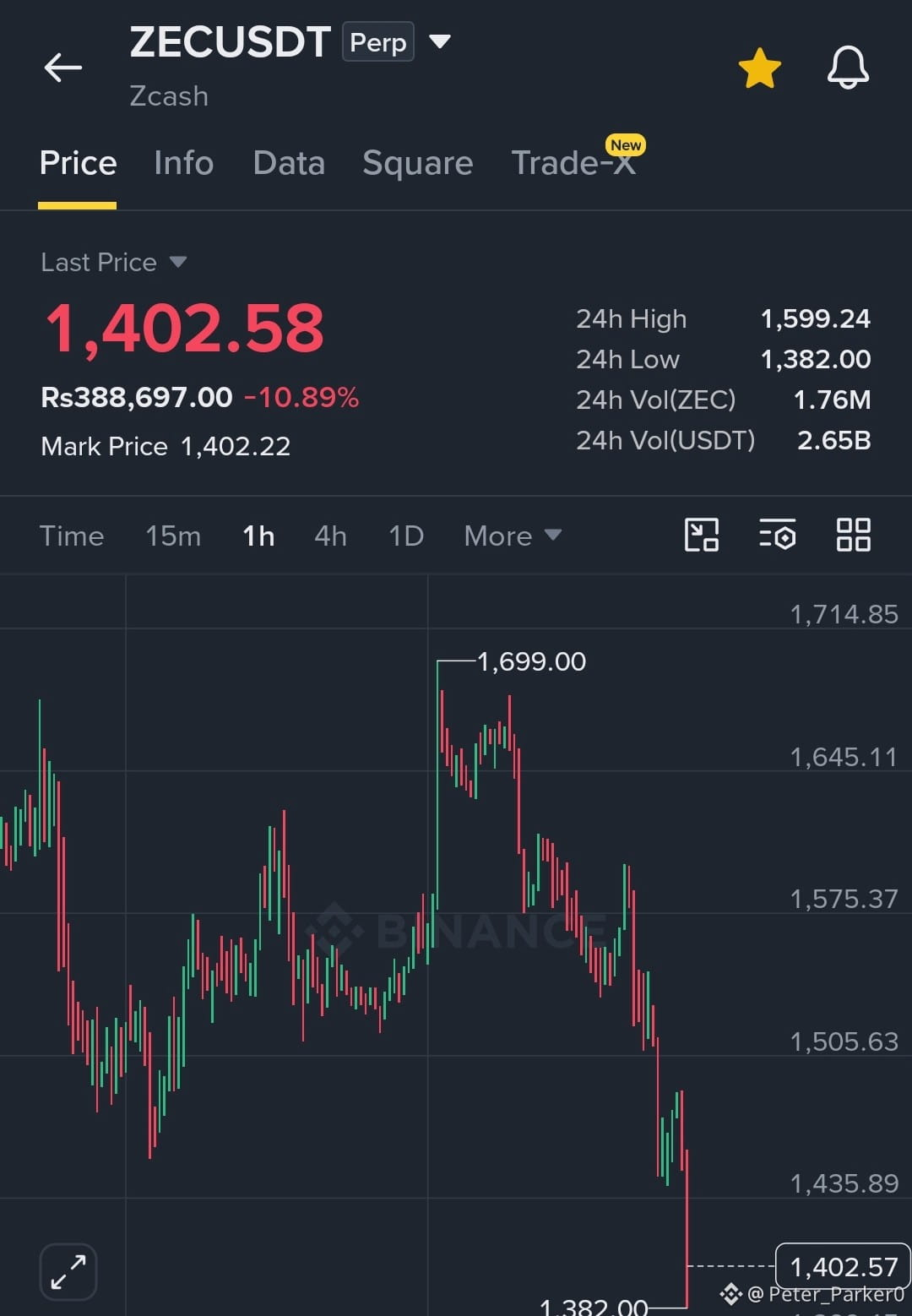
$ZEC JUST GOT WRECKED 😳
From $1,699 → $1,402 in a brutal drop.
That’s nearly 18% wiped out from the recent high, while the 1H chart is showing clear selling pressure. Sellers completely took control after the rejection near $1,700.
The crazy part? $1,382 is now the key level to watch.
If buyers defend it, we could see a relief bounce. If it breaks cleanly, the downside could open further.
ZEC really said: “$1,699 was nice… back to reality.” 😅
What level are you watching next?
#UKFCAWinsCourtOrderToRecover851400Pounds
#ChainlinkLaunchesCCIP2WithEnterpriseVerification #QNTFallsOver40%FromMorningHigh #USDTAdds845900HoldersInPast7Days #BitgetDetailsSecurityIncidentTimeline
$ZEC JUST GOT WRECKED 😳
From $1,699 → $1,402 in a brutal drop.
That’s nearly 18% wiped out from the recent high, while the 1H chart is showing clear selling pressure. Sellers completely took control after the rejection near $1,700.
The crazy part? $1,382 is now the key level to watch.
If buyers defend it, we could see a relief bounce. If it breaks cleanly, the downside could open further.
ZEC really said: “$1,699 was nice… back to reality.” 😅
What level are you watching next?
#UKFCAWinsCourtOrderToRecover851400Pounds
#ChainlinkLaunchesCCIP2WithEnterpriseVerification #QNTFallsOver40%FromMorningHigh #USDTAdds845900HoldersInPast7Days #BitgetDetailsSecurityIncidentTimeline
From $1,699 → $1,402 in a brutal drop.
That’s nearly 18% wiped out from the recent high, while the 1H chart is showing clear selling pressure. Sellers completely took control after the rejection near $1,700.
The crazy part? $1,382 is now the key level to watch.
If buyers defend it, we could see a relief bounce. If it breaks cleanly, the downside could open further.
ZEC really said: “$1,699 was nice… back to reality.” 😅
What level are you watching next?
#UKFCAWinsCourtOrderToRecover851400Pounds
#ChainlinkLaunchesCCIP2WithEnterpriseVerification #QNTFallsOver40%FromMorningHigh #USDTAdds845900HoldersInPast7Days #BitgetDetailsSecurityIncidentTimeline
510
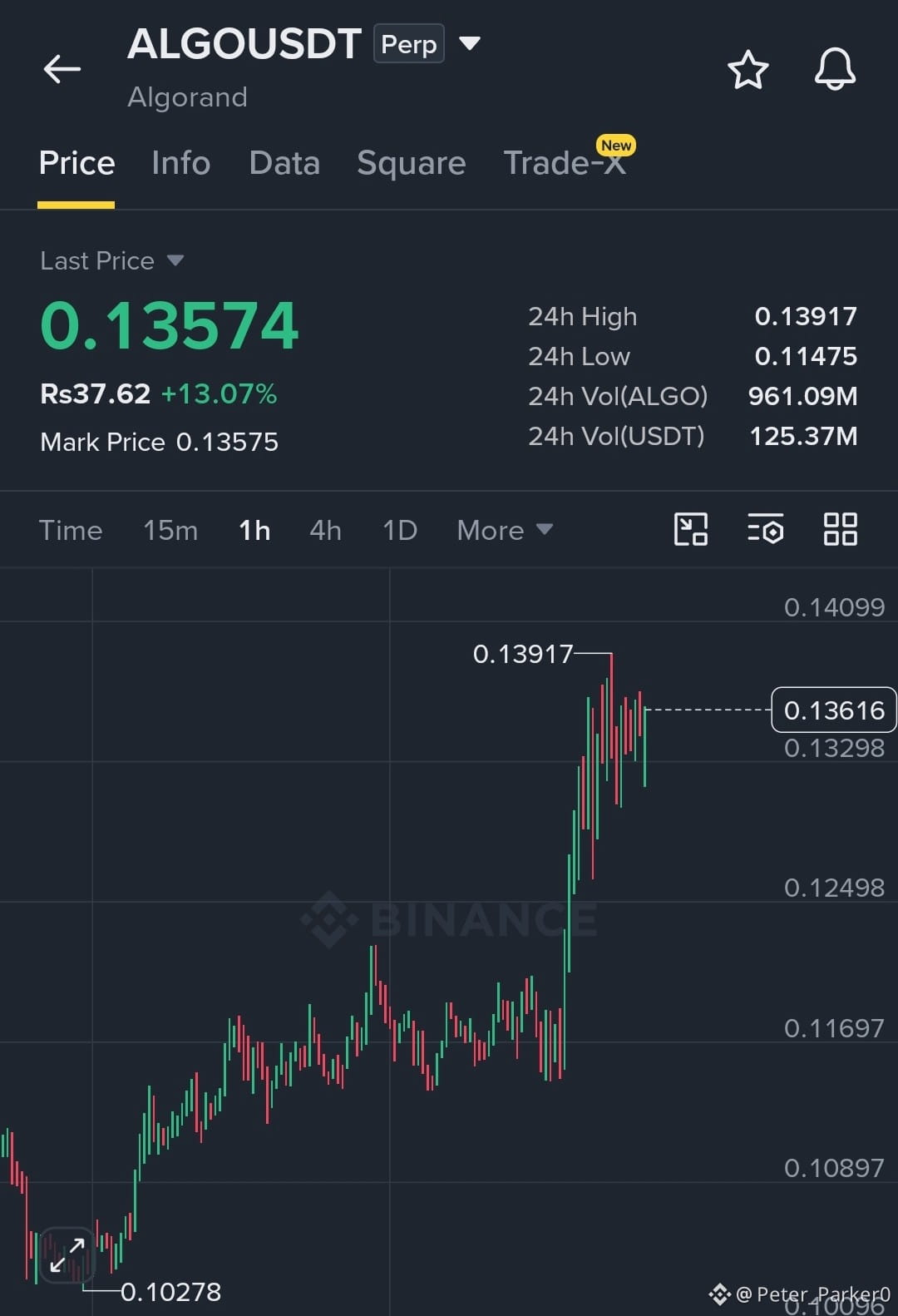
Guys I'm going Long on $ALGO
Entry ⛔ 0.13573
TP1/ 0.14 TP2/ 0.147
SL 0.12
Let's trade on $ALGO
Guys I'm going Long on $ALGO
Entry ⛔ 0.13573
TP1/ 0.14 TP2/ 0.147
SL 0.12
Let's trade on $ALGO
Entry ⛔ 0.13573
TP1/ 0.14 TP2/ 0.147
SL 0.12
Let's trade on $ALGO
1
351
AMC LONG SETUP — buyers just woke up.
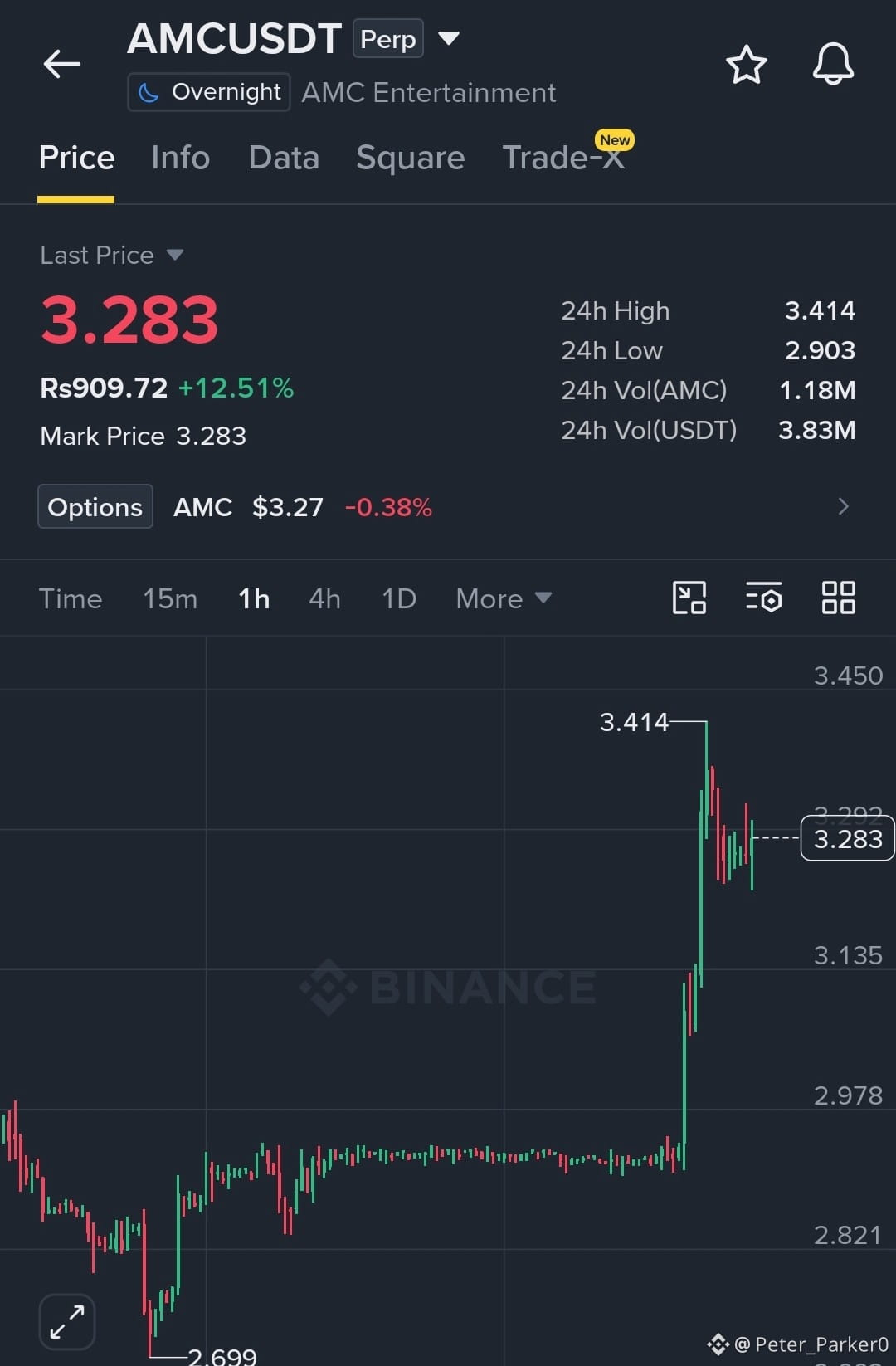
AMC is trading around $3.283, up over 12% after a sharp breakout from the $2.90 area. Price pushed to $3.414 before pulling back, and the current consolidation is holding near the breakout zone.
Long Entry: $3.25–$3.30
TP1: $3.40
TP2: $3.55
TP3: $3.70
SL: $3.10
I’m watching for buyers to defend $3.25 and reclaim $3.40 with strength. If $3.10 breaks and holds below, the setup is invalidated.
I’m going long on AMC — confirmation matters.
$NMR
{future}(NMRUSDT)
$MarsCoin
{future}(MARSCOINUSDT)
$AMC
{future}(AMCUSDT)
AMC LONG SETUP — buyers just woke up.
AMC is trading around $3.283, up over 12% after a sharp breakout from the $2.90 area. Price pushed to $3.414 before pulling back, and the current consolidation is holding near the breakout zone.
Long Entry: $3.25–$3.30
TP1: $3.40
TP2: $3.55
TP3: $3.70
SL: $3.10
I’m watching for buyers to defend $3.25 and reclaim $3.40 with strength. If $3.10 breaks and holds below, the setup is invalidated.
I’m going long on AMC — confirmation matters.
$NMR
$MarsCoin
$AMC
AMC is trading around $3.283, up over 12% after a sharp breakout from the $2.90 area. Price pushed to $3.414 before pulling back, and the current consolidation is holding near the breakout zone.
Long Entry: $3.25–$3.30
TP1: $3.40
TP2: $3.55
TP3: $3.70
SL: $3.10
I’m watching for buyers to defend $3.25 and reclaim $3.40 with strength. If $3.10 breaks and holds below, the setup is invalidated.
I’m going long on AMC — confirmation matters.
$NMR
$MarsCoin
$AMC
1
530
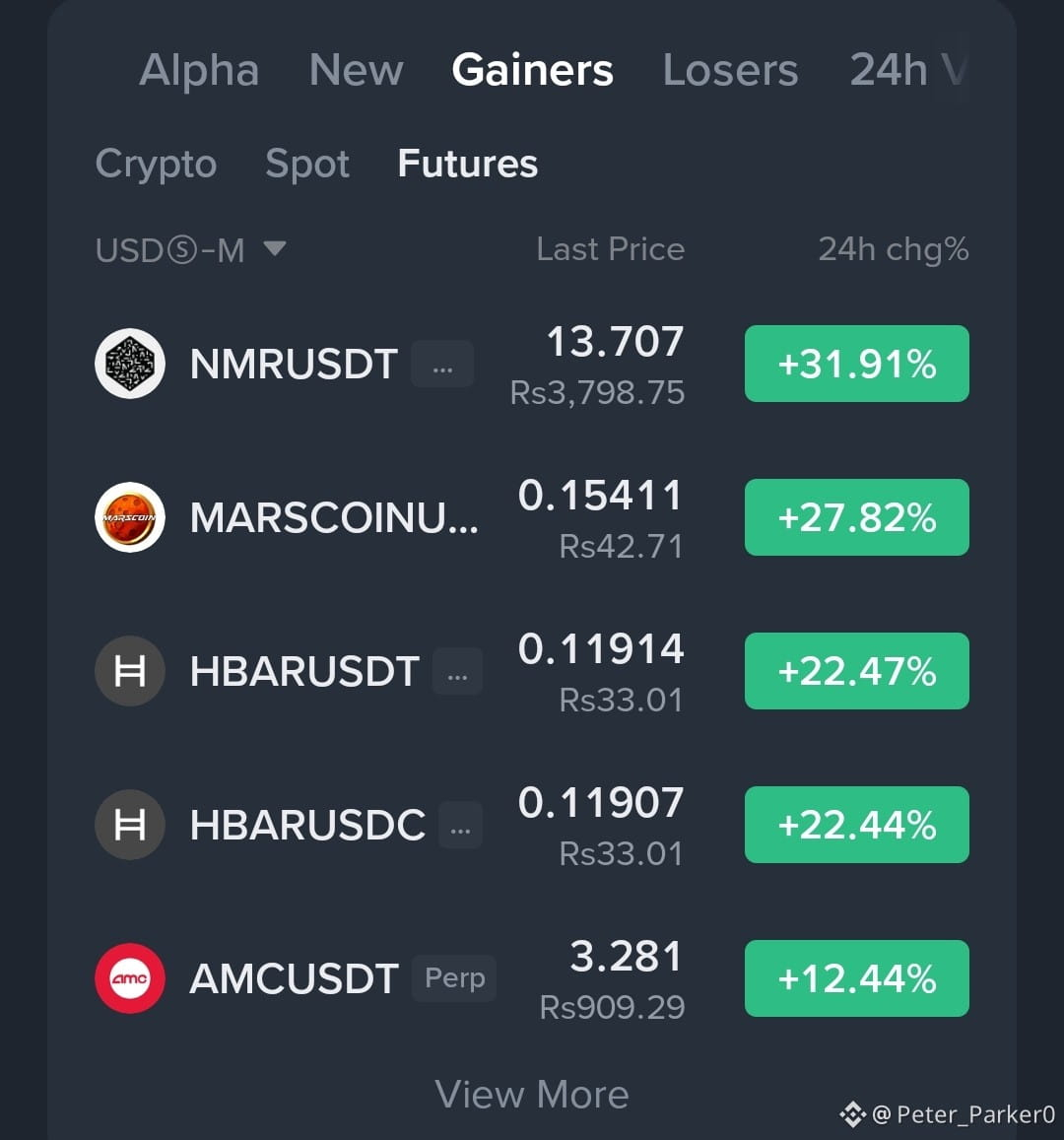
🚨 TODAY’S FUTURES GAINERS ARE GOING CRAZY!
The market just flipped into thrilling momentum mode — and these names are standing out:
🔥 $NMR USDT → +31.91%
🔥 $MARSCOIN → +27.82%
🔥 HBARUSDT → +22.47%
🔥 HBARUSDC → +22.44%
⚡ $AMC
{future}(AMCUSDT)
USDT → +12.44%
The shocking part? NMR is leading the board with a massive 30%+ daily move, while HBAR is also ripping higher.
Fresh market data continues to show HBAR, NMR and MARSCOIN among the strongest futures movers, although exact percentages can change quickly.
Momentum is clearly here — but after moves this sharp, volatility can hit just as fast.
Which gainer are you watching today? 👀
🚨 TODAY’S FUTURES GAINERS ARE GOING CRAZY!
The market just flipped into thrilling momentum mode — and these names are standing out:
🔥 $NMR USDT → +31.91%
🔥 $MARSCOIN → +27.82%
🔥 HBARUSDT → +22.47%
🔥 HBARUSDC → +22.44%
⚡ $AMC
USDT → +12.44%
The shocking part? NMR is leading the board with a massive 30%+ daily move, while HBAR is also ripping higher.
Fresh market data continues to show HBAR, NMR and MARSCOIN among the strongest futures movers, although exact percentages can change quickly.
Momentum is clearly here — but after moves this sharp, volatility can hit just as fast.
Which gainer are you watching today? 👀
The market just flipped into thrilling momentum mode — and these names are standing out:
🔥 $NMR USDT → +31.91%
🔥 $MARSCOIN → +27.82%
🔥 HBARUSDT → +22.47%
🔥 HBARUSDC → +22.44%
⚡ $AMC
USDT → +12.44%
The shocking part? NMR is leading the board with a massive 30%+ daily move, while HBAR is also ripping higher.
Fresh market data continues to show HBAR, NMR and MARSCOIN among the strongest futures movers, although exact percentages can change quickly.
Momentum is clearly here — but after moves this sharp, volatility can hit just as fast.
Which gainer are you watching today? 👀
2
928
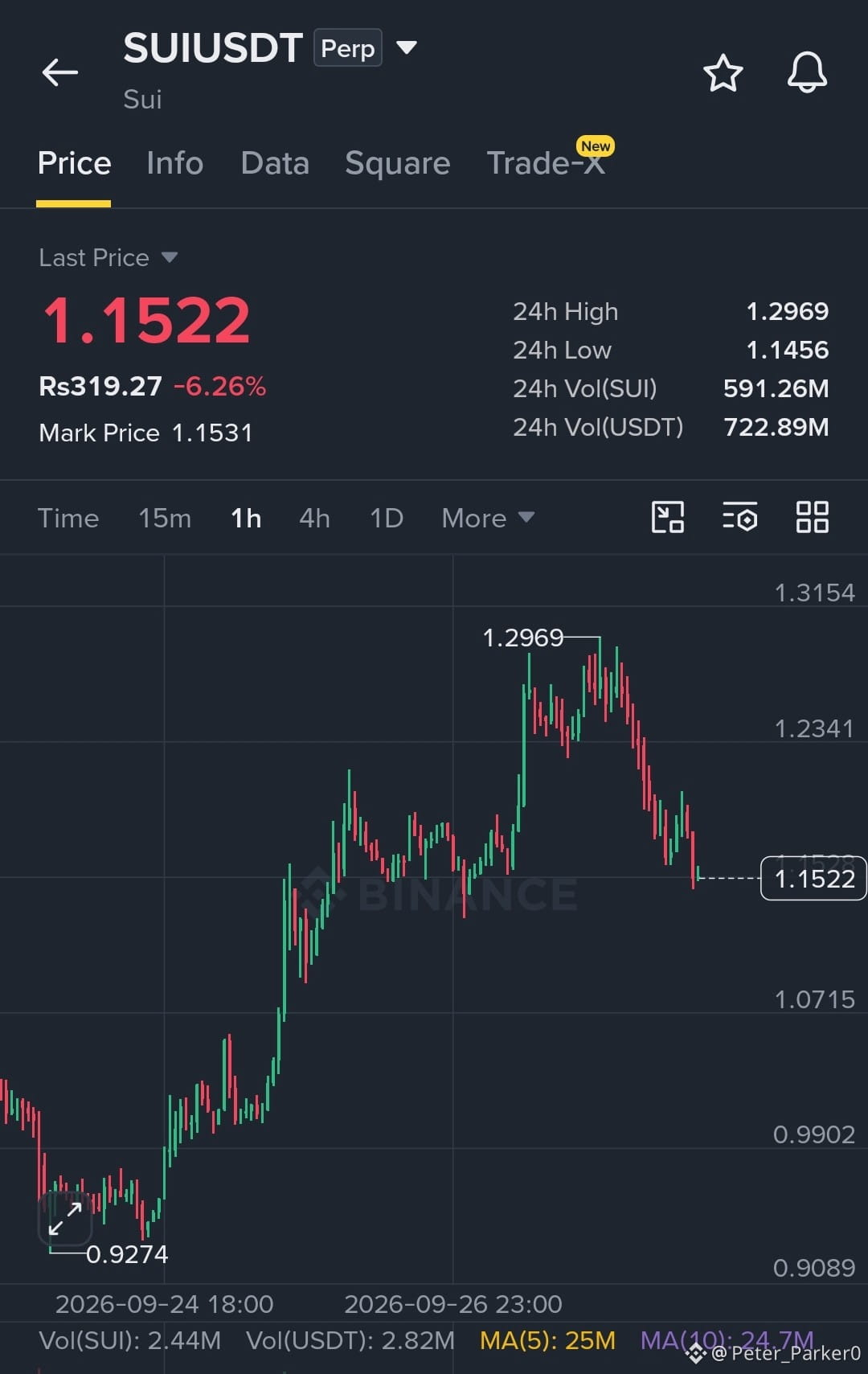
$SUI RETEST PLAYED OUT EXACTLY AS EXPECTED
SUI faced a strong rejection from the $1.30 resistance, and the correction phase has now pushed price back toward the $1.15 area.
I clearly mentioned earlier that if $1.30 failed to break, a drop toward $1.15–$1.20 would be a normal and healthy retest before the next major move.
That is exactly what happened.
Current Price: $1.158
Resistance: $1.30
Retest Zone: $1.15–$1.20
No surprise here. The market simply completed the correction we were expecting. Now the reaction around this support zone will be important for SUI’s next direction.
Trade on $SUI
{spot}(SUIUSDT)
#ChainlinkLaunchesCCIP2WithEnterpriseVerification
$SUI RETEST PLAYED OUT EXACTLY AS EXPECTED
SUI faced a strong rejection from the $1.30 resistance, and the correction phase has now pushed price back toward the $1.15 area.
I clearly mentioned earlier that if $1.30 failed to break, a drop toward $1.15–$1.20 would be a normal and healthy retest before the next major move.
That is exactly what happened.
Current Price: $1.158
Resistance: $1.30
Retest Zone: $1.15–$1.20
No surprise here. The market simply completed the correction we were expecting. Now the reaction around this support zone will be important for SUI’s next direction.
Trade on $SUI
#ChainlinkLaunchesCCIP2WithEnterpriseVerification
SUI faced a strong rejection from the $1.30 resistance, and the correction phase has now pushed price back toward the $1.15 area.
I clearly mentioned earlier that if $1.30 failed to break, a drop toward $1.15–$1.20 would be a normal and healthy retest before the next major move.
That is exactly what happened.
Current Price: $1.158
Resistance: $1.30
Retest Zone: $1.15–$1.20
No surprise here. The market simply completed the correction we were expecting. Now the reaction around this support zone will be important for SUI’s next direction.
Trade on $SUI
#ChainlinkLaunchesCCIP2WithEnterpriseVerification
267
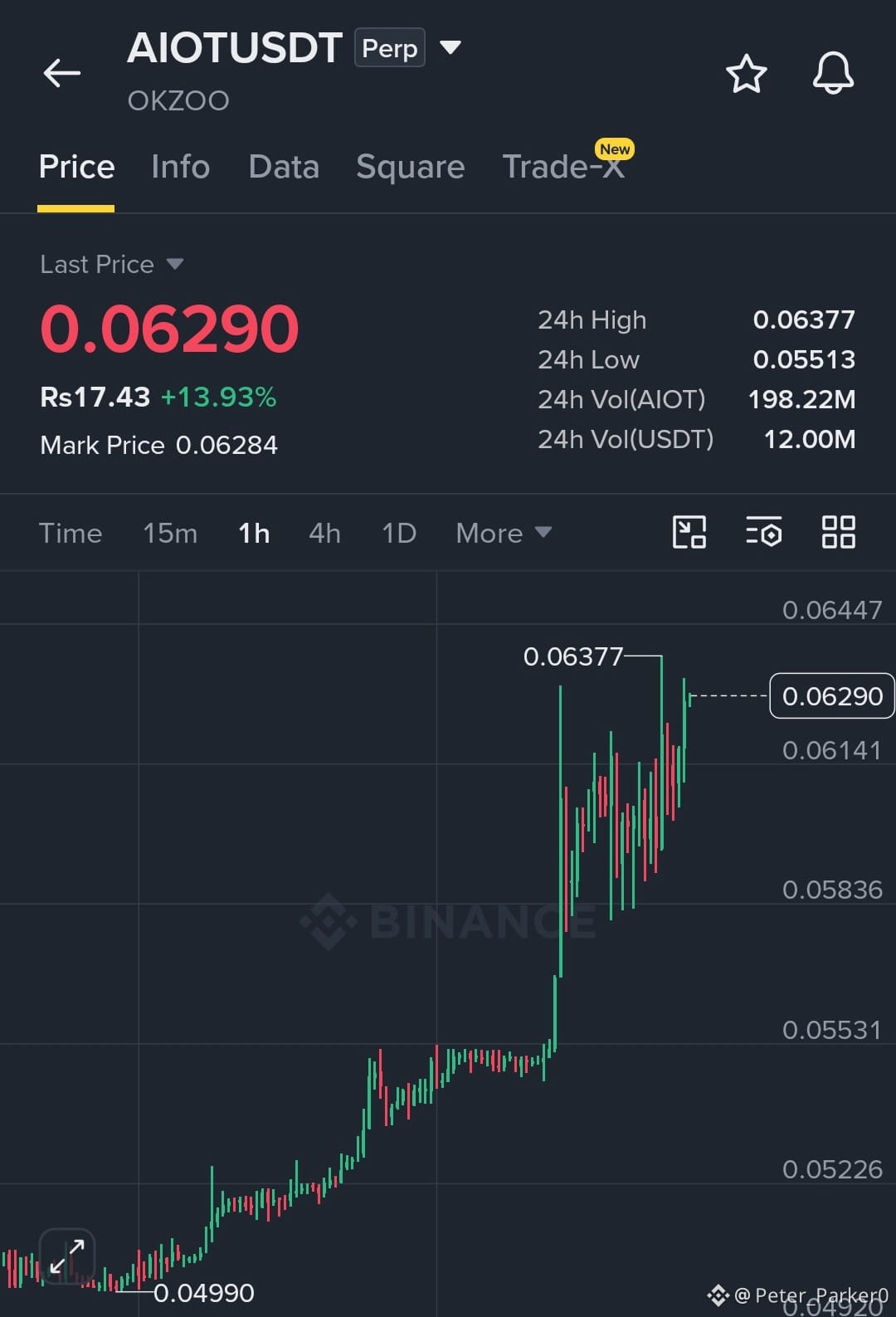
Guyss....$AIOT is showing strong bullish momentum after breaking above the $0.060 zone. The next major resistance is around $0.0638–$0.0644. If buyers break and hold above this area, another strong move higher can follow. Long setup.
Entry: $0.0615 - $0.0630
TP: $0.0645 - $0.0660 - $0.0680 - $0.0700
SL: $0.0590
$AIOT
{future}(AIOTUSDT)
Guyss....$AIOT is showing strong bullish momentum after breaking above the $0.060 zone. The next major resistance is around $0.0638–$0.0644. If buyers break and hold above this area, another strong move higher can follow. Long setup.
Entry: $0.0615 - $0.0630
TP: $0.0645 - $0.0660 - $0.0680 - $0.0700
SL: $0.0590
$AIOT
Entry: $0.0615 - $0.0630
TP: $0.0645 - $0.0660 - $0.0680 - $0.0700
SL: $0.0590
$AIOT
65
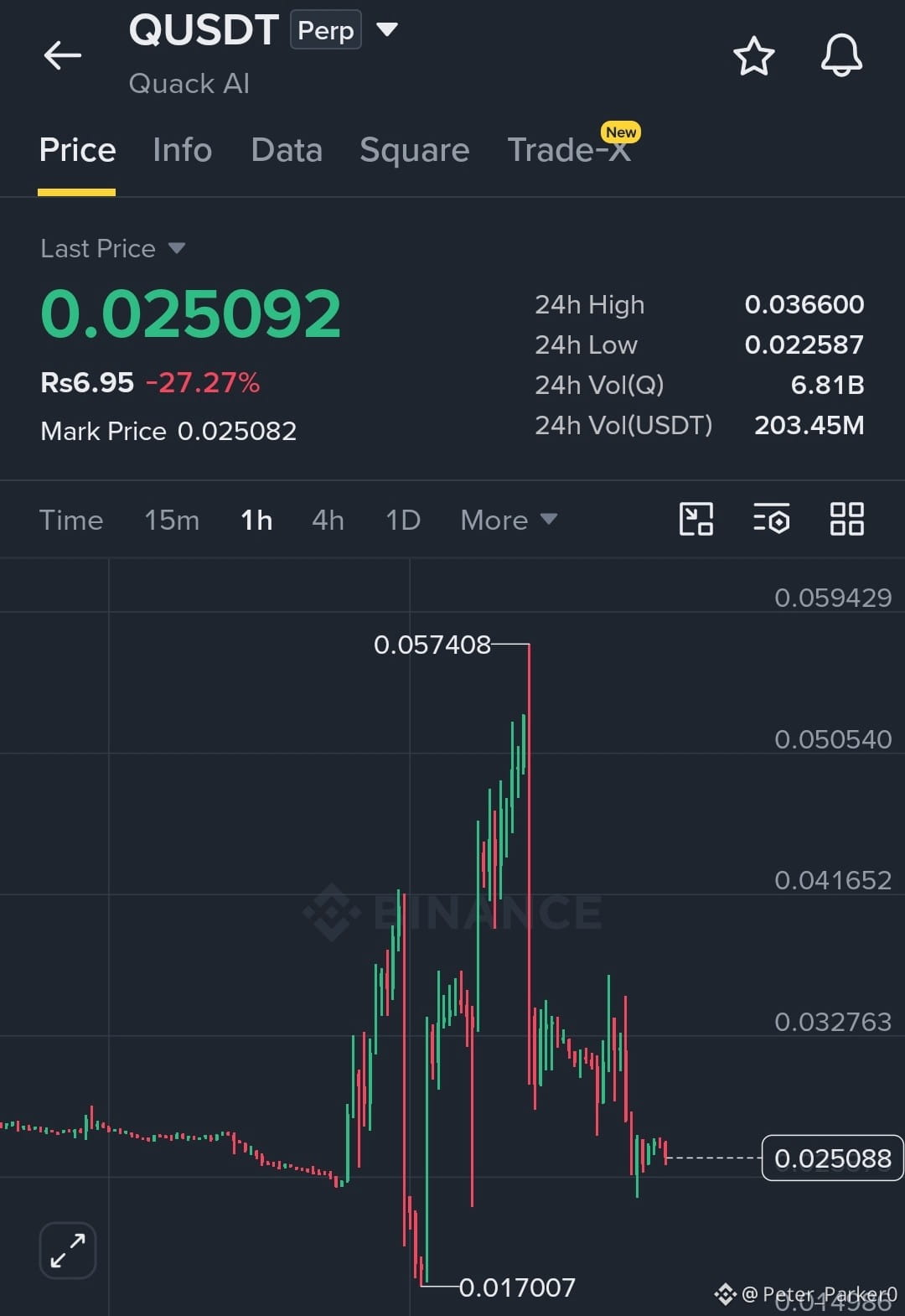
$Q — Rejection may lead to further downside.
I'm going
Short $Q
Entry: 0.0250–0.0260
SL: 0.0283
TP1: 0.0226
TP2: 0.0200
TP3: 0.0161
Price rejected the spike near 0.0574. If 0.0250 breaks, downside toward 0.0226 is possible.
Trade $Q here 👇
{future}(QUSDT)
$Q — Rejection may lead to further downside.
I'm going
Short $Q
Entry: 0.0250–0.0260
SL: 0.0283
TP1: 0.0226
TP2: 0.0200
TP3: 0.0161
Price rejected the spike near 0.0574. If 0.0250 breaks, downside toward 0.0226 is possible.
Trade $Q here 👇
I'm going
Short $Q
Entry: 0.0250–0.0260
SL: 0.0283
TP1: 0.0226
TP2: 0.0200
TP3: 0.0161
Price rejected the spike near 0.0574. If 0.0250 breaks, downside toward 0.0226 is possible.
Trade $Q here 👇
41
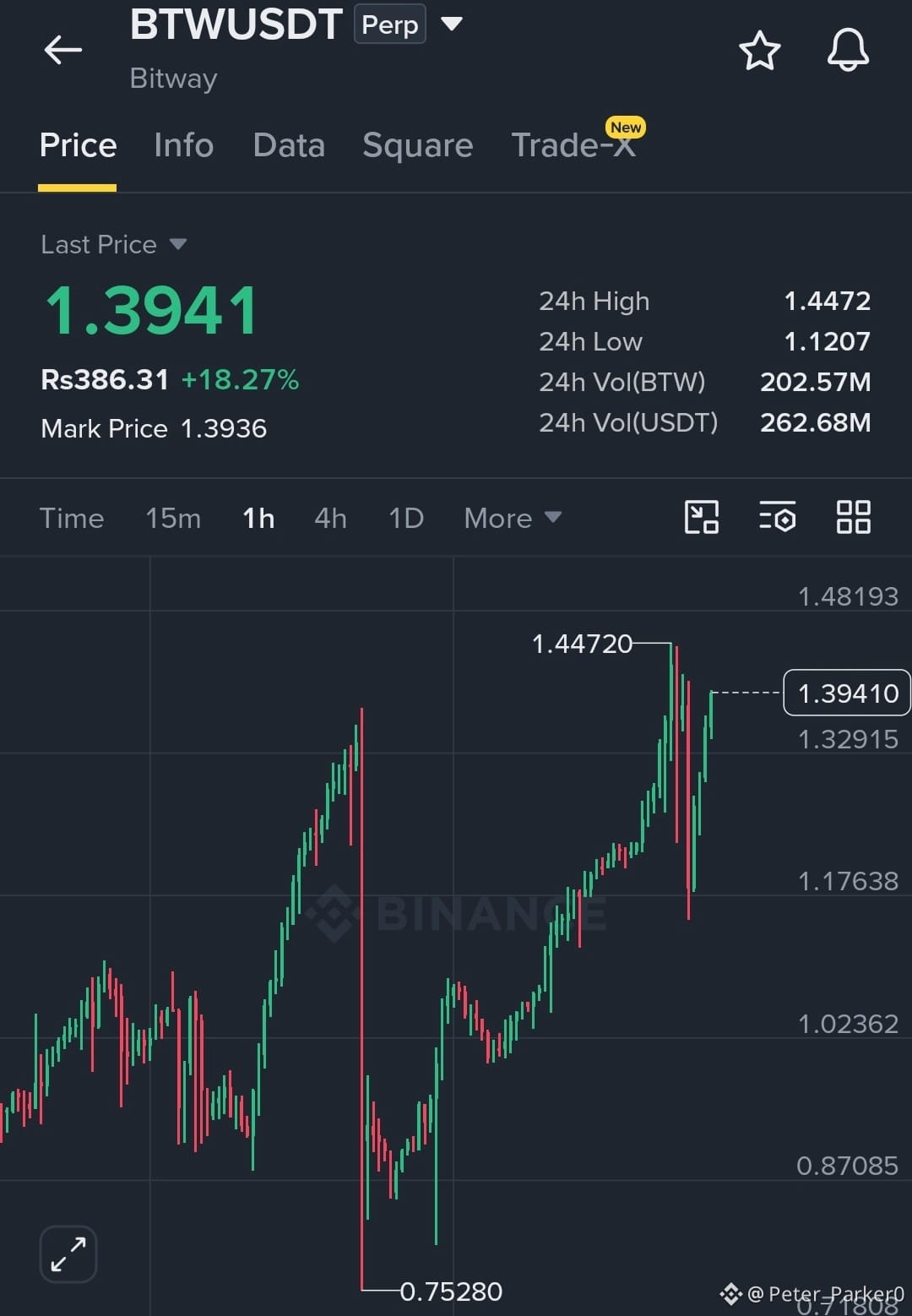
$BTW buyers are stepping back in after the sharp dip.
Entry: $1.34 – $1.38
TP1: $1.43 | TP2: $1.49 | TP3: $1.55
SL: $1.18
Price has reclaimed the $1.30 area and is holding above it, suggesting buyers are defending the recovery. If momentum continues, the next upside levels come into focus.
A sustained move below $1.30 would weaken the bullish structure, while $1.18 is the setup invalidation level.
$BTW
{future}(BTWUSDT)
#USDTAdds845900HoldersInPast7Days
$BTW buyers are stepping back in after the sharp dip.
Entry: $1.34 – $1.38
TP1: $1.43 | TP2: $1.49 | TP3: $1.55
SL: $1.18
Price has reclaimed the $1.30 area and is holding above it, suggesting buyers are defending the recovery. If momentum continues, the next upside levels come into focus.
A sustained move below $1.30 would weaken the bullish structure, while $1.18 is the setup invalidation level.
$BTW
#USDTAdds845900HoldersInPast7Days
Entry: $1.34 – $1.38
TP1: $1.43 | TP2: $1.49 | TP3: $1.55
SL: $1.18
Price has reclaimed the $1.30 area and is holding above it, suggesting buyers are defending the recovery. If momentum continues, the next upside levels come into focus.
A sustained move below $1.30 would weaken the bullish structure, while $1.18 is the setup invalidation level.
$BTW
#USDTAdds845900HoldersInPast7Days
1
81
Guysssssss.
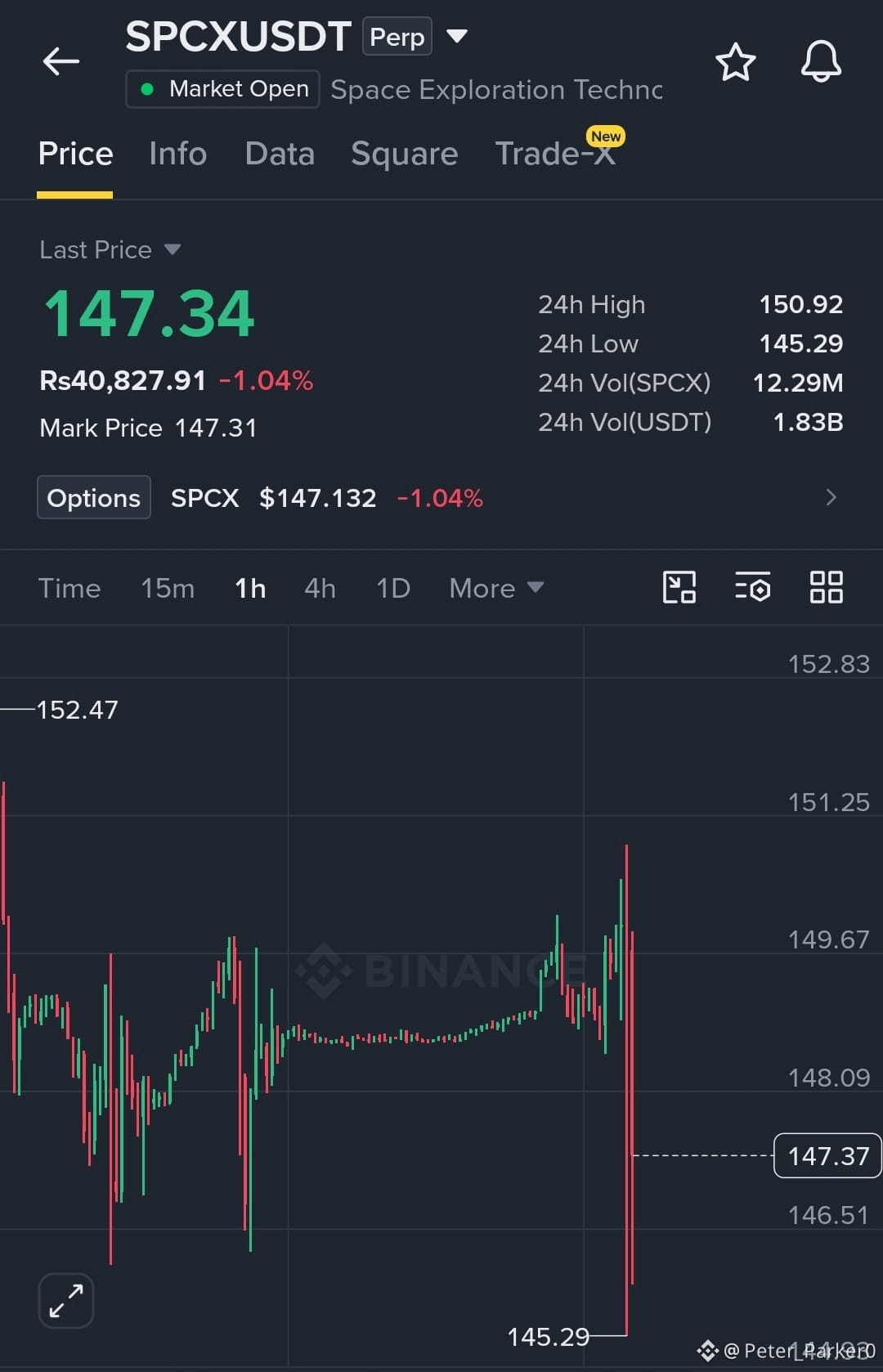
$SPCX setup big short again , make money later
Stoploss : 150
Take profit : 140
Short $SPCX now 👇
{future}(SPCXUSDT)
#BitgetDetailsSecurityIncidentTimeline
Guysssssss.
$SPCX setup big short again , make money later
Stoploss : 150
Take profit : 140
Short $SPCX now 👇
#BitgetDetailsSecurityIncidentTimeline
$SPCX setup big short again , make money later
Stoploss : 150
Take profit : 140
Short $SPCX now 👇
#BitgetDetailsSecurityIncidentTimeline
412
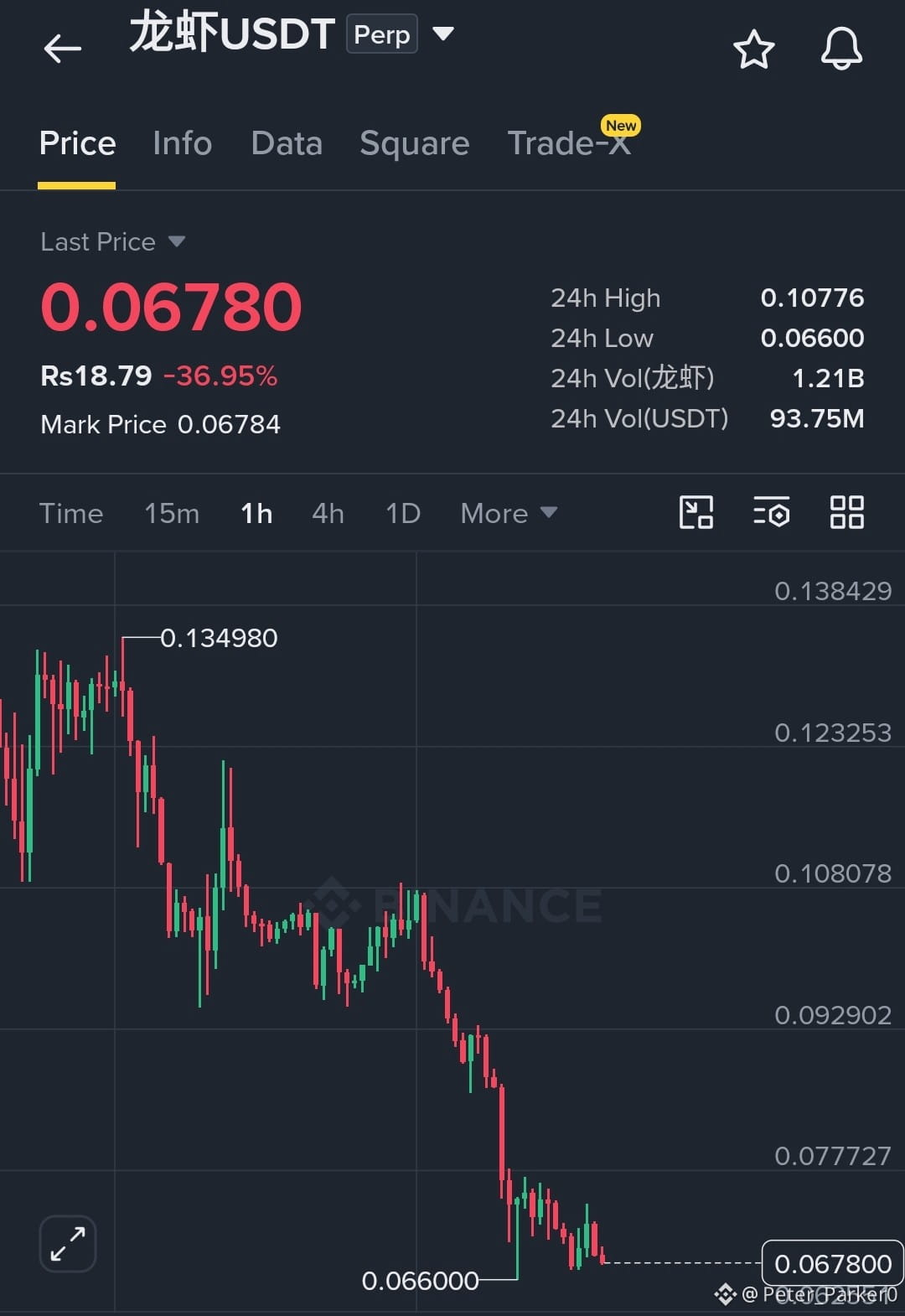
$龙虾 — SELLERS ARE PRESSING THE BREAKDOWN
The chart is showing increasing downside pressure, with $0.0660 acting as the key line between stabilization and another leg lower. I’d look for rejection inside the entry area before considering the short rather than chasing the move.
🔻 Bias: Short
📍 Entry: $0.0670 – $0.0690
🛑 SL: $0.0727
🎯 TP1: $0.0600
🎯 TP2: $0.0520
🎯 TP3: $0.0450
A decisive move under $0.0660 would strengthen the bearish setup and could expose the lower targets. If price instead recovers and reclaims $0.0785, the short thesis is invalidated.
Trade $龙虾 with discipline.
{future}(龙虾USDT)
#ChainlinkLaunchesCCIP2WithEnterpriseVerification
$龙虾 — SELLERS ARE PRESSING THE BREAKDOWN
The chart is showing increasing downside pressure, with $0.0660 acting as the key line between stabilization and another leg lower. I’d look for rejection inside the entry area before considering the short rather than chasing the move.
🔻 Bias: Short
📍 Entry: $0.0670 – $0.0690
🛑 SL: $0.0727
🎯 TP1: $0.0600
🎯 TP2: $0.0520
🎯 TP3: $0.0450
A decisive move under $0.0660 would strengthen the bearish setup and could expose the lower targets. If price instead recovers and reclaims $0.0785, the short thesis is invalidated.
Trade $龙虾 with discipline.
#ChainlinkLaunchesCCIP2WithEnterpriseVerification
The chart is showing increasing downside pressure, with $0.0660 acting as the key line between stabilization and another leg lower. I’d look for rejection inside the entry area before considering the short rather than chasing the move.
🔻 Bias: Short
📍 Entry: $0.0670 – $0.0690
🛑 SL: $0.0727
🎯 TP1: $0.0600
🎯 TP2: $0.0520
🎯 TP3: $0.0450
A decisive move under $0.0660 would strengthen the bearish setup and could expose the lower targets. If price instead recovers and reclaims $0.0785, the short thesis is invalidated.
Trade $龙虾 with discipline.
#ChainlinkLaunchesCCIP2WithEnterpriseVerification
1
883
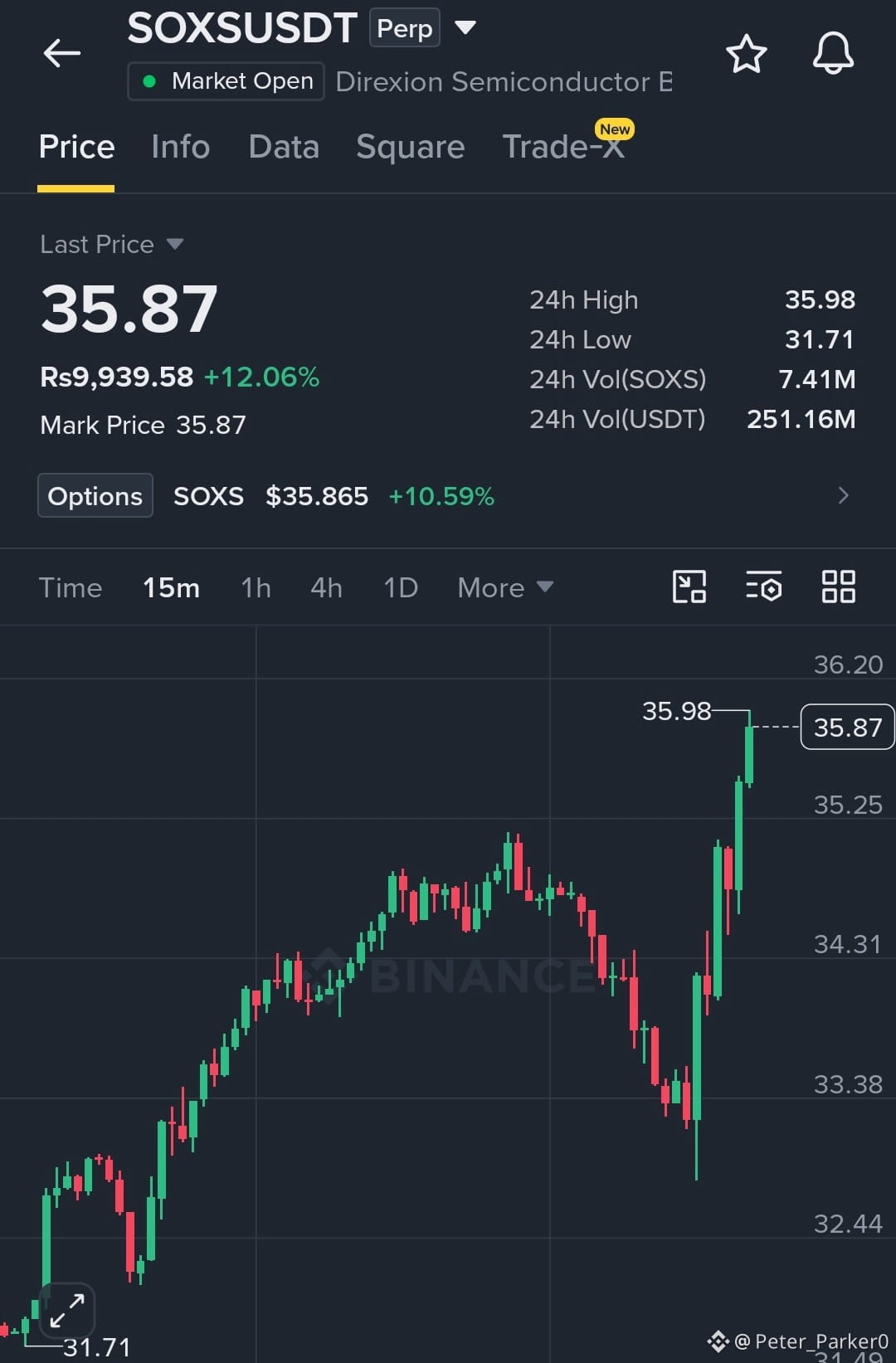
$SOXS LONG SETUP — BUYERS ARE TAKING CONTROL
SOXS is holding strong around $35.69 after a sharp 11.56% move. Price is staying above the $34.80 area, keeping the short-term bullish structure intact.
📍 Entry Zone: $34.80 – $36.10
🎯 TP1: $38.45
🎯 TP2: $42.15
🛑 Stop Loss: $29.50
⚡ Leverage: 10x
The key level to watch is the $34.80–$36.10 zone. If buyers continue defending this area and momentum remains strong, the move toward the upside targets can stay in play. A sustained break below the setup zone would weaken the bullish thesis.
Trade with discipline and manage risk carefully.
$SOXS
{future}(SOXSUSDT)
#USDTAdds845900HoldersInPast7Days
$SOXS LONG SETUP — BUYERS ARE TAKING CONTROL
SOXS is holding strong around $35.69 after a sharp 11.56% move. Price is staying above the $34.80 area, keeping the short-term bullish structure intact.
📍 Entry Zone: $34.80 – $36.10
🎯 TP1: $38.45
🎯 TP2: $42.15
🛑 Stop Loss: $29.50
⚡ Leverage: 10x
The key level to watch is the $34.80–$36.10 zone. If buyers continue defending this area and momentum remains strong, the move toward the upside targets can stay in play. A sustained break below the setup zone would weaken the bullish thesis.
Trade with discipline and manage risk carefully.
$SOXS
#USDTAdds845900HoldersInPast7Days
SOXS is holding strong around $35.69 after a sharp 11.56% move. Price is staying above the $34.80 area, keeping the short-term bullish structure intact.
📍 Entry Zone: $34.80 – $36.10
🎯 TP1: $38.45
🎯 TP2: $42.15
🛑 Stop Loss: $29.50
⚡ Leverage: 10x
The key level to watch is the $34.80–$36.10 zone. If buyers continue defending this area and momentum remains strong, the move toward the upside targets can stay in play. A sustained break below the setup zone would weaken the bullish thesis.
Trade with discipline and manage risk carefully.
$SOXS
#USDTAdds845900HoldersInPast7Days

485
Guyssssss...
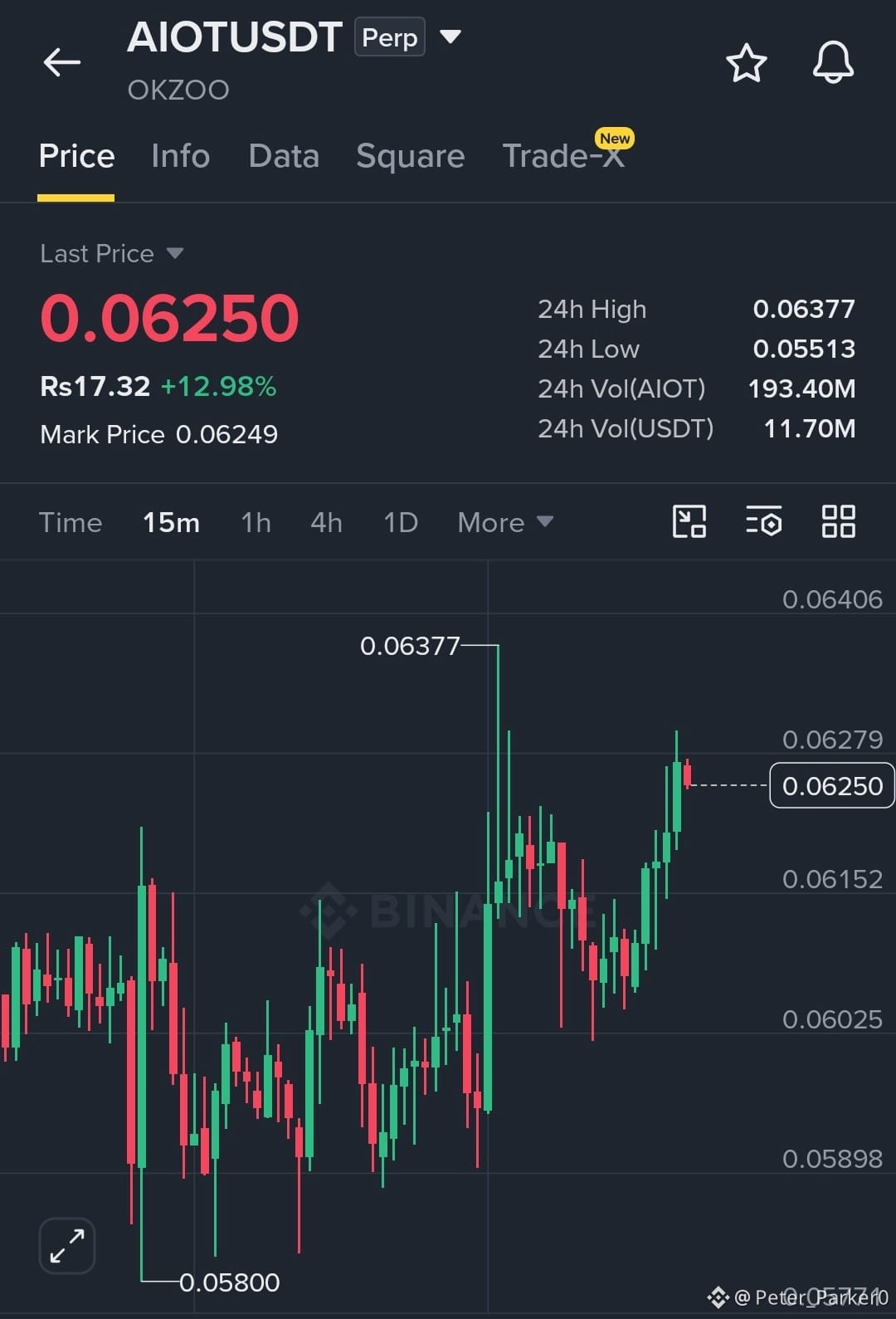
🔥 $AIOT big long from now 🔥
Entry: 0.06249–0.06271
SL: 0.05773
TP1: 0.07436
TP2: 0.08336
TP3: 0.08647
Long $AIOT
{future}(AIOTUSDT)
Guyssssss...
🔥 $AIOT big long from now 🔥
Entry: 0.06249–0.06271
SL: 0.05773
TP1: 0.07436
TP2: 0.08336
TP3: 0.08647
Long $AIOT
🔥 $AIOT big long from now 🔥
Entry: 0.06249–0.06271
SL: 0.05773
TP1: 0.07436
TP2: 0.08336
TP3: 0.08647
Long $AIOT
126
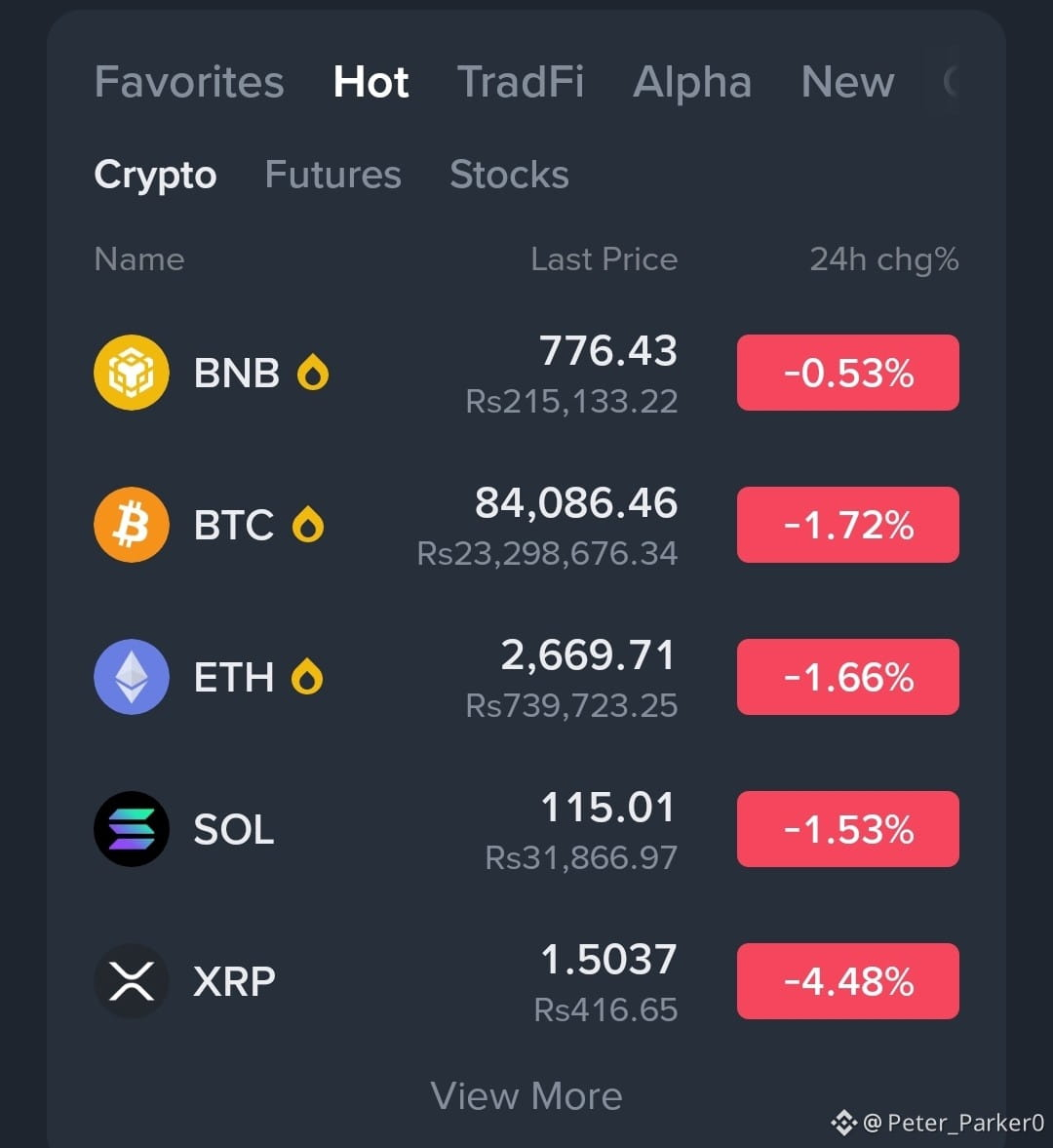
🚨 MARKET UPDATE — SELLERS ARE STEPPING IN
The board is flashing red across the majors right now.
$BTC -1.72%
$ETH : -1.66%
$SOL : -1.53%
#xrp : -4.48%
#BNB : -0.53%
The biggest move here is clearly XRP, dropping nearly 4.5% in 24H, while BTC and ETH are also losing ground.
This is the kind of market where chasing random green candles can get dangerous. If BTC keeps weakening, altcoins could see even sharper reactions.
For me, the key thing to watch is whether buyers can reclaim lost levels or whether this selling pressure continues to build.
Stay patient. Let the market show its hand first.
What are you watching most closely right now — BTC, ETH, SOL, or XRP?
#BinanceWillListHyperliquid(HYPE)
#FedOctoberRateHikeOddsRiseTo69.7%
🚨 MARKET UPDATE — SELLERS ARE STEPPING IN
The board is flashing red across the majors right now.
$BTC -1.72%
$ETH : -1.66%
$SOL : -1.53%
#xrp : -4.48%
#BNB : -0.53%
The biggest move here is clearly XRP, dropping nearly 4.5% in 24H, while BTC and ETH are also losing ground.
This is the kind of market where chasing random green candles can get dangerous. If BTC keeps weakening, altcoins could see even sharper reactions.
For me, the key thing to watch is whether buyers can reclaim lost levels or whether this selling pressure continues to build.
Stay patient. Let the market show its hand first.
What are you watching most closely right now — BTC, ETH, SOL, or XRP?
#BinanceWillListHyperliquid(HYPE)
#FedOctoberRateHikeOddsRiseTo69.7%
The board is flashing red across the majors right now.
$BTC -1.72%
$ETH : -1.66%
$SOL : -1.53%
#xrp : -4.48%
#BNB : -0.53%
The biggest move here is clearly XRP, dropping nearly 4.5% in 24H, while BTC and ETH are also losing ground.
This is the kind of market where chasing random green candles can get dangerous. If BTC keeps weakening, altcoins could see even sharper reactions.
For me, the key thing to watch is whether buyers can reclaim lost levels or whether this selling pressure continues to build.
Stay patient. Let the market show its hand first.
What are you watching most closely right now — BTC, ETH, SOL, or XRP?
#BinanceWillListHyperliquid(HYPE)
#FedOctoberRateHikeOddsRiseTo69.7%
202
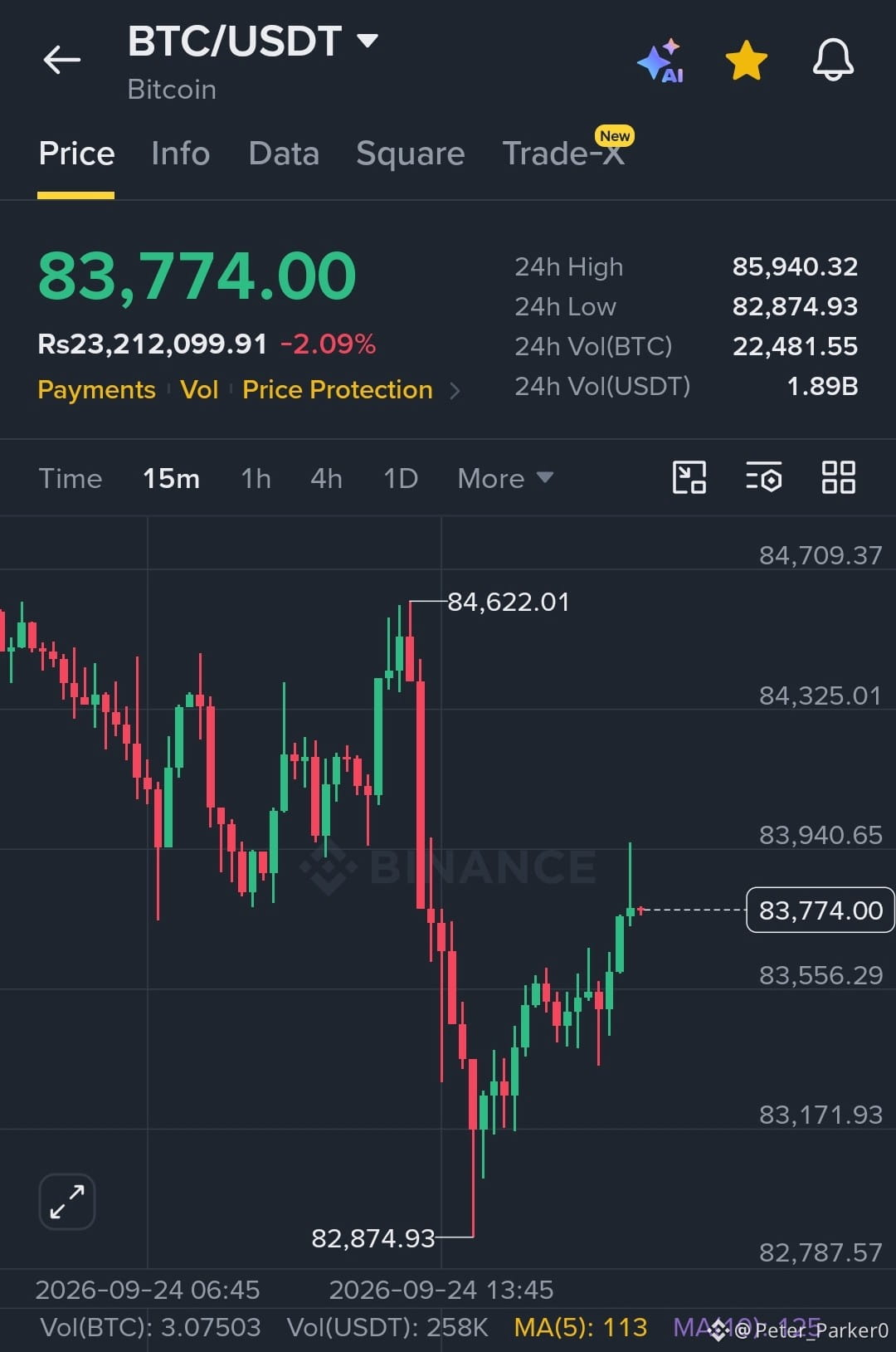
$BTC — Rebound Into Resistance
BTC is recovering from the sharp drop to $82,874, but the bounce is now pushing into the $83,940 area. On the 15m chart, I’d watch for rejection here rather than chase the recovery.
SHORT SETUP Entry Zone: $83,850 – $83,950
SL: $84,180
TP1: $83,550
TP2: $83,200
TP3: $82,900
Risk/Reward: Up to ~1:3
Invalidation: 15m close above $84,180
I’d wait for a clear bearish candle/rejection around the entry zone before entering. If BTC reclaims resistance with strong momentum, I’d stay out instead of forcing the short.
What level are you watching most closely?
$BTC
{future}(BTCUSDT)
$SOL
{future}(SOLUSDT)
$BTC — Rebound Into Resistance
BTC is recovering from the sharp drop to $82,874, but the bounce is now pushing into the $83,940 area. On the 15m chart, I’d watch for rejection here rather than chase the recovery.
SHORT SETUP Entry Zone: $83,850 – $83,950
SL: $84,180
TP1: $83,550
TP2: $83,200
TP3: $82,900
Risk/Reward: Up to ~1:3
Invalidation: 15m close above $84,180
I’d wait for a clear bearish candle/rejection around the entry zone before entering. If BTC reclaims resistance with strong momentum, I’d stay out instead of forcing the short.
What level are you watching most closely?
$BTC
$SOL
BTC is recovering from the sharp drop to $82,874, but the bounce is now pushing into the $83,940 area. On the 15m chart, I’d watch for rejection here rather than chase the recovery.
SHORT SETUP Entry Zone: $83,850 – $83,950
SL: $84,180
TP1: $83,550
TP2: $83,200
TP3: $82,900
Risk/Reward: Up to ~1:3
Invalidation: 15m close above $84,180
I’d wait for a clear bearish candle/rejection around the entry zone before entering. If BTC reclaims resistance with strong momentum, I’d stay out instead of forcing the short.
What level are you watching most closely?
$BTC
$SOL

223
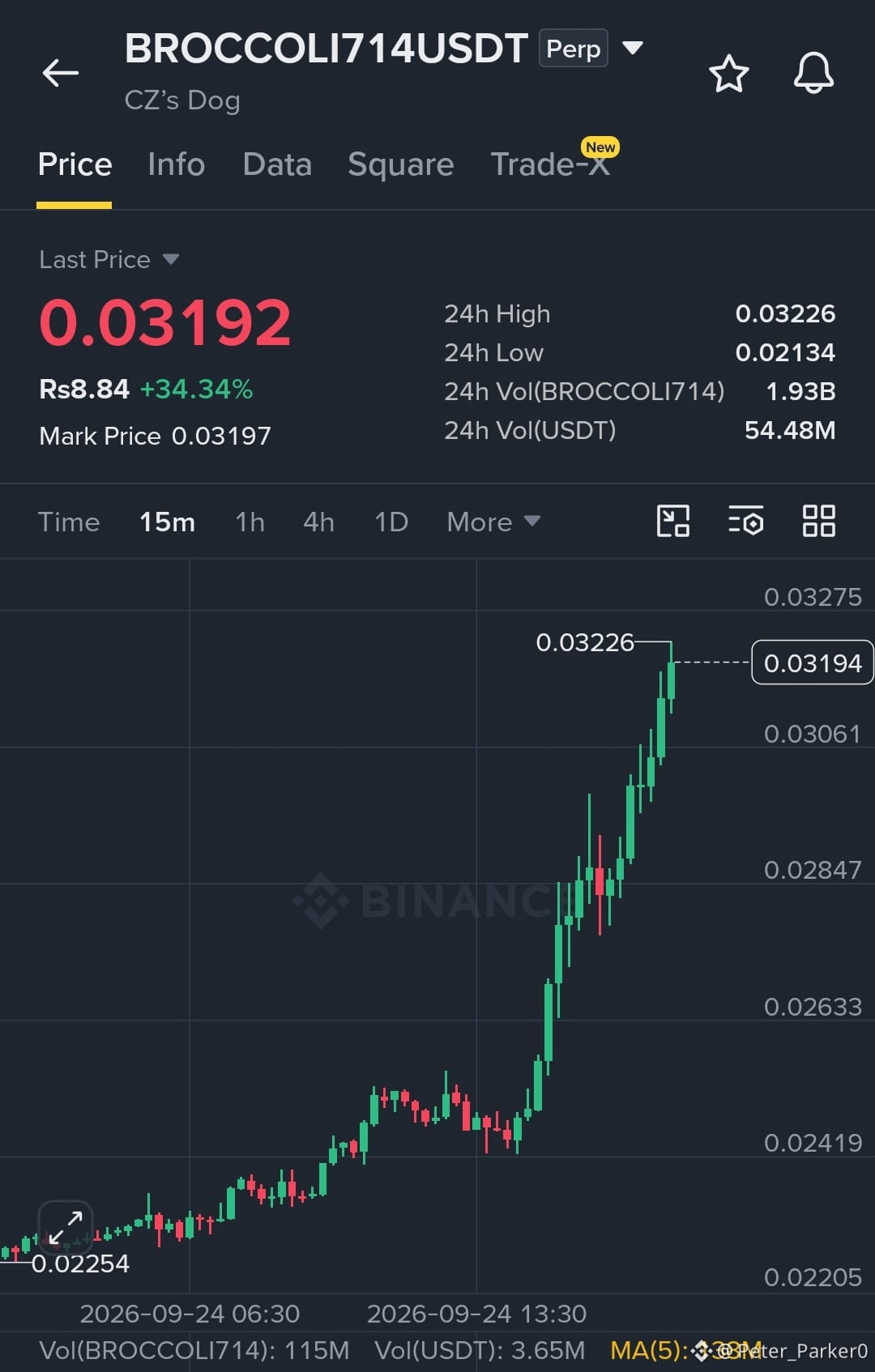
🚨 $BROCCOLI714 USDT — THIS MOVE IS GETTING EXTREME
BROCCOLI714 is ripping higher with a clean 15M bullish structure, now trading around 0.03192 after tagging 0.03226. Price has pushed through every nearby resistance level, but after a +34% move, chasing the top is risky.
BROCCOLI714 — LONG WATCH
Entry Zone: 0.03040 – 0.03100
TP1: 0.03220
TP2: 0.03350
TP3: 0.03500
SL: 0.02940
The chart shows strong consecutive green candles and expanding momentum. I’d rather wait for a pullback into the 0.03040–0.03100 area and look for buyers to defend it before considering an entry. If price loses 0.02940, the bullish setup is invalid.
The important thing now isn’t simply the +34% gain — it’s whether buyers can turn the breakout area into support.
Momentum is strong. Confirmation still matters.
{future}(BROCCOLI714USDT)
#US10YTreasuryYieldHits19YearHigh #USWeighsPromotingDollarStablecoinsAbroad #US30YearYieldHighestSince2004 #FedOctoberRateHikeOddsRiseTo69.7% #BinanceWillListHyperliquid(HYPE) $LSK
{future}(LSKUSDT)
🚨 $BROCCOLI714 USDT — THIS MOVE IS GETTING EXTREME
BROCCOLI714 is ripping higher with a clean 15M bullish structure, now trading around 0.03192 after tagging 0.03226. Price has pushed through every nearby resistance level, but after a +34% move, chasing the top is risky.
BROCCOLI714 — LONG WATCH
Entry Zone: 0.03040 – 0.03100
TP1: 0.03220
TP2: 0.03350
TP3: 0.03500
SL: 0.02940
The chart shows strong consecutive green candles and expanding momentum. I’d rather wait for a pullback into the 0.03040–0.03100 area and look for buyers to defend it before considering an entry. If price loses 0.02940, the bullish setup is invalid.
The important thing now isn’t simply the +34% gain — it’s whether buyers can turn the breakout area into support.
Momentum is strong. Confirmation still matters.
#US10YTreasuryYieldHits19YearHigh #USWeighsPromotingDollarStablecoinsAbroad #US30YearYieldHighestSince2004 #FedOctoberRateHikeOddsRiseTo69.7% #BinanceWillListHyperliquid(HYPE) $LSK
BROCCOLI714 is ripping higher with a clean 15M bullish structure, now trading around 0.03192 after tagging 0.03226. Price has pushed through every nearby resistance level, but after a +34% move, chasing the top is risky.
BROCCOLI714 — LONG WATCH
Entry Zone: 0.03040 – 0.03100
TP1: 0.03220
TP2: 0.03350
TP3: 0.03500
SL: 0.02940
The chart shows strong consecutive green candles and expanding momentum. I’d rather wait for a pullback into the 0.03040–0.03100 area and look for buyers to defend it before considering an entry. If price loses 0.02940, the bullish setup is invalid.
The important thing now isn’t simply the +34% gain — it’s whether buyers can turn the breakout area into support.
Momentum is strong. Confirmation still matters.
#US10YTreasuryYieldHits19YearHigh #USWeighsPromotingDollarStablecoinsAbroad #US30YearYieldHighestSince2004 #FedOctoberRateHikeOddsRiseTo69.7% #BinanceWillListHyperliquid(HYPE) $LSK
2
474
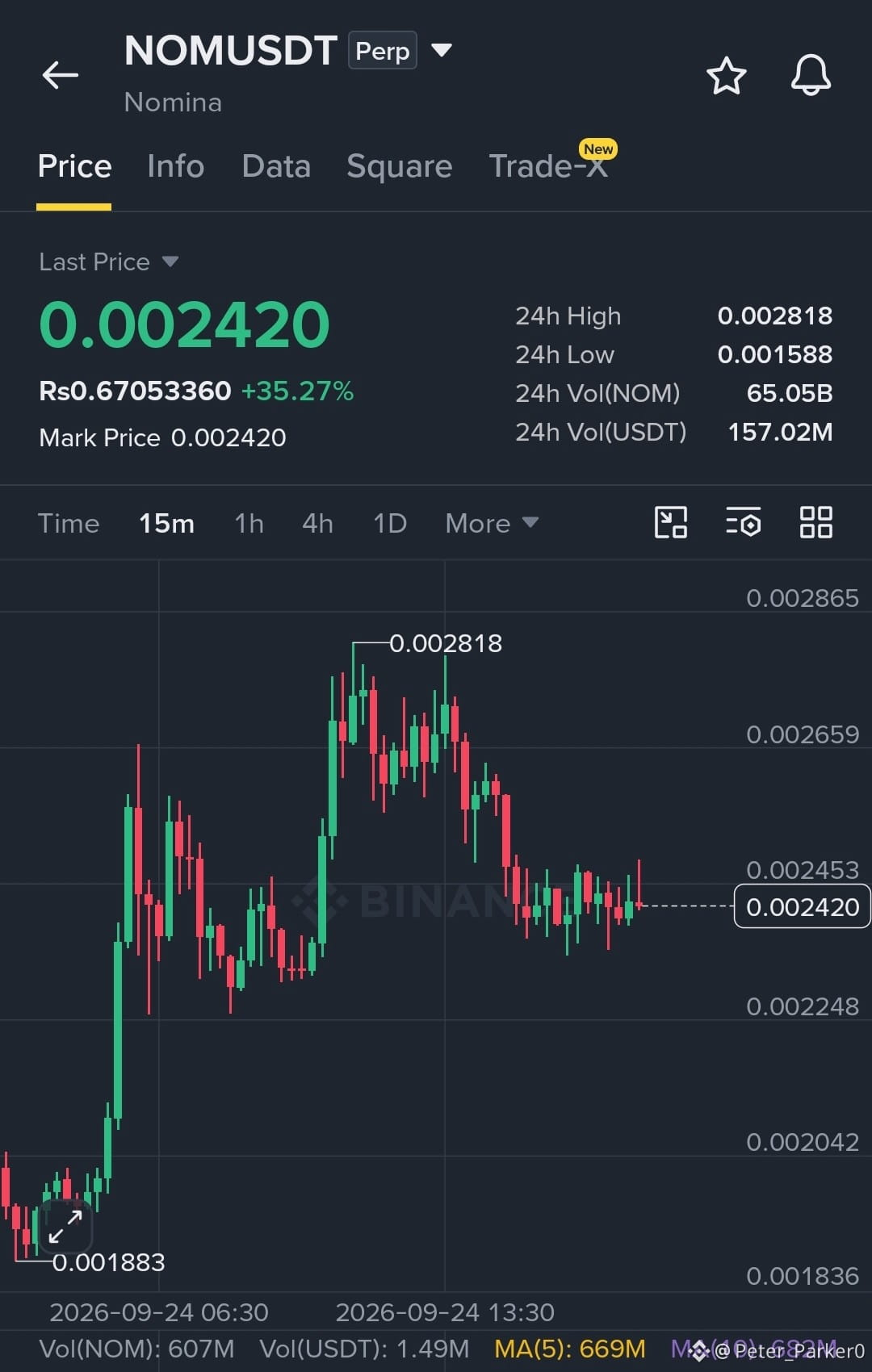
🚨 $NOM USDT — MOMENTUM IS COOLING AFTER THE SPIKE
NOM just delivered a massive move, reaching 0.002818, but the 15M chart now shows price pulling back and consolidating around 0.00242. Buyers are still defending the 0.00235–0.00240 area, while 0.00245–0.00250 is the first zone that needs to be reclaimed for momentum to strengthen again.
NOMUSDT — LONG WATCH
Entry Zone: 0.00238 – 0.00243
TP1: 0.00250
TP2: 0.00265
TP3: 0.00280
SL: 0.00230
The key here is confirmation. I’d want to see a clean 15M breakout above 0.00245–0.00250 with stronger volume, rather than chasing the current candle. If support breaks and price starts closing below 0.00230, the long idea is invalid.
After a +35% daily move, volatility can be extreme, so position sizing matters.
Watch the levels, not the hype.
{future}(NOMUSDT)
#US10YTreasuryYieldHits19YearHigh #USWeighsPromotingDollarStablecoinsAbroad #US30YearYieldHighestSince2004 #FedOctoberRateHikeOddsRiseTo69.7% #BinanceWillListHyperliquid(HYPE) $ZEC
{future}(ZECUSDT)
$NIL
{future}(NILUSDT)
🚨 $NOM USDT — MOMENTUM IS COOLING AFTER THE SPIKE
NOM just delivered a massive move, reaching 0.002818, but the 15M chart now shows price pulling back and consolidating around 0.00242. Buyers are still defending the 0.00235–0.00240 area, while 0.00245–0.00250 is the first zone that needs to be reclaimed for momentum to strengthen again.
NOMUSDT — LONG WATCH
Entry Zone: 0.00238 – 0.00243
TP1: 0.00250
TP2: 0.00265
TP3: 0.00280
SL: 0.00230
The key here is confirmation. I’d want to see a clean 15M breakout above 0.00245–0.00250 with stronger volume, rather than chasing the current candle. If support breaks and price starts closing below 0.00230, the long idea is invalid.
After a +35% daily move, volatility can be extreme, so position sizing matters.
Watch the levels, not the hype.
#US10YTreasuryYieldHits19YearHigh #USWeighsPromotingDollarStablecoinsAbroad #US30YearYieldHighestSince2004 #FedOctoberRateHikeOddsRiseTo69.7% #BinanceWillListHyperliquid(HYPE) $ZEC
$NIL
NOM just delivered a massive move, reaching 0.002818, but the 15M chart now shows price pulling back and consolidating around 0.00242. Buyers are still defending the 0.00235–0.00240 area, while 0.00245–0.00250 is the first zone that needs to be reclaimed for momentum to strengthen again.
NOMUSDT — LONG WATCH
Entry Zone: 0.00238 – 0.00243
TP1: 0.00250
TP2: 0.00265
TP3: 0.00280
SL: 0.00230
The key here is confirmation. I’d want to see a clean 15M breakout above 0.00245–0.00250 with stronger volume, rather than chasing the current candle. If support breaks and price starts closing below 0.00230, the long idea is invalid.
After a +35% daily move, volatility can be extreme, so position sizing matters.
Watch the levels, not the hype.
#US10YTreasuryYieldHits19YearHigh #USWeighsPromotingDollarStablecoinsAbroad #US30YearYieldHighestSince2004 #FedOctoberRateHikeOddsRiseTo69.7% #BinanceWillListHyperliquid(HYPE) $ZEC
$NIL
1
467
🚨 MARKET UPDATE — GAINERS WATCH 🚨
The Futures Gainers board is heating up fast, and these moves definitely deserve attention.
🔥 $NOM USDT: +35.83% — $0.002430
🔥 $BROCCOLI714 ...: +33.59% — $0.03182
🔥 $NIL USDT: +31.62% — $0.11975
🔥 LSKUSDT: +23.56% — $0.39337
🔥 ARXUSDT: +16.64% — $0.2503
That’s a serious burst of momentum across multiple names. But remember, after a move this sharp, chasing green candles can be dangerous. The interesting part now is whether buyers can hold the breakout levels or whether early buyers start taking profits.
I’d be watching these for volume, pullback strength, and whether price can build a new support zone instead of immediately giving back the move.
Big gains get attention… but holding those gains is where the real story starts.
Which one are you watching most closely? 👀
#BinanceWillListHyperliquid(HYPE) #FedOctoberRateHikeOddsRiseTo69.7% #US30YearYieldHighestSince2004 #USWeighsPromotingDollarStablecoinsAbroad #US10YTreasuryYieldHits19YearHigh
🚨 MARKET UPDATE — GAINERS WATCH 🚨
The Futures Gainers board is heating up fast, and these moves definitely deserve attention.
🔥 $NOM USDT: +35.83% — $0.002430
🔥 $BROCCOLI714 ...: +33.59% — $0.03182
🔥 $NIL USDT: +31.62% — $0.11975
🔥 LSKUSDT: +23.56% — $0.39337
🔥 ARXUSDT: +16.64% — $0.2503
That’s a serious burst of momentum across multiple names. But remember, after a move this sharp, chasing green candles can be dangerous. The interesting part now is whether buyers can hold the breakout levels or whether early buyers start taking profits.
I’d be watching these for volume, pullback strength, and whether price can build a new support zone instead of immediately giving back the move.
Big gains get attention… but holding those gains is where the real story starts.
Which one are you watching most closely? 👀
#BinanceWillListHyperliquid(HYPE) #FedOctoberRateHikeOddsRiseTo69.7% #US30YearYieldHighestSince2004 #USWeighsPromotingDollarStablecoinsAbroad #US10YTreasuryYieldHits19YearHigh
The Futures Gainers board is heating up fast, and these moves definitely deserve attention.
🔥 $NOM USDT: +35.83% — $0.002430
🔥 $BROCCOLI714 ...: +33.59% — $0.03182
🔥 $NIL USDT: +31.62% — $0.11975
🔥 LSKUSDT: +23.56% — $0.39337
🔥 ARXUSDT: +16.64% — $0.2503
That’s a serious burst of momentum across multiple names. But remember, after a move this sharp, chasing green candles can be dangerous. The interesting part now is whether buyers can hold the breakout levels or whether early buyers start taking profits.
I’d be watching these for volume, pullback strength, and whether price can build a new support zone instead of immediately giving back the move.
Big gains get attention… but holding those gains is where the real story starts.
Which one are you watching most closely? 👀
#BinanceWillListHyperliquid(HYPE) #FedOctoberRateHikeOddsRiseTo69.7% #US30YearYieldHighestSince2004 #USWeighsPromotingDollarStablecoinsAbroad #US10YTreasuryYieldHits19YearHigh
BROCCOLI7...: +33.59%
0%
NILUSDT: +31.62%
0%
🔥 ARXUSDT: +16.64%
0%
🔥 LSKUSDT: +23.56%
0%
0 votes • Voting closed
206
🚨 THE FUTURES GAINERS ARE GOING CRAZY!
Some serious moves showing up on the board right now.
🔥 $NIL USDT +45.47% — massive momentum
🔥 NOMUSDT +39.10% — another explosive move
⚡ $TAKE USDT +20.86%
⚡ $BTW USDT +18.84%
⚡ SAGAUSDT +17.35%
The interesting part isn’t just the green numbers — it’s how quickly these moves have developed. When several futures pairs start printing double-digit gains together, volatility can expand fast and liquidity can get aggressive.
But remember: big pumps can also mean big pullbacks. Chasing a candle after a vertical move can be dangerous. I’d rather wait for a clean retest, watch whether buyers actually defend the new support, and only then consider a setup.
NIL +45% is definitely the number that grabs attention. 👀
Which one are you watching next — NIL, NOM, TAKE, BTW, or SAGA?
#DollarIndexReclaims101 #BCHJumps28%OnCMEFuturesListing #US10YTreasuryYieldHits19YearHigh #USWeighsPromotingDollarStablecoinsAbroad #CardanoJoinsX402PaymentStandard
🚨 THE FUTURES GAINERS ARE GOING CRAZY!
Some serious moves showing up on the board right now.
🔥 $NIL USDT +45.47% — massive momentum
🔥 NOMUSDT +39.10% — another explosive move
⚡ $TAKE USDT +20.86%
⚡ $BTW USDT +18.84%
⚡ SAGAUSDT +17.35%
The interesting part isn’t just the green numbers — it’s how quickly these moves have developed. When several futures pairs start printing double-digit gains together, volatility can expand fast and liquidity can get aggressive.
But remember: big pumps can also mean big pullbacks. Chasing a candle after a vertical move can be dangerous. I’d rather wait for a clean retest, watch whether buyers actually defend the new support, and only then consider a setup.
NIL +45% is definitely the number that grabs attention. 👀
Which one are you watching next — NIL, NOM, TAKE, BTW, or SAGA?
#DollarIndexReclaims101 #BCHJumps28%OnCMEFuturesListing #US10YTreasuryYieldHits19YearHigh #USWeighsPromotingDollarStablecoinsAbroad #CardanoJoinsX402PaymentStandard
Some serious moves showing up on the board right now.
🔥 $NIL USDT +45.47% — massive momentum
🔥 NOMUSDT +39.10% — another explosive move
⚡ $TAKE USDT +20.86%
⚡ $BTW USDT +18.84%
⚡ SAGAUSDT +17.35%
The interesting part isn’t just the green numbers — it’s how quickly these moves have developed. When several futures pairs start printing double-digit gains together, volatility can expand fast and liquidity can get aggressive.
But remember: big pumps can also mean big pullbacks. Chasing a candle after a vertical move can be dangerous. I’d rather wait for a clean retest, watch whether buyers actually defend the new support, and only then consider a setup.
NIL +45% is definitely the number that grabs attention. 👀
Which one are you watching next — NIL, NOM, TAKE, BTW, or SAGA?
#DollarIndexReclaims101 #BCHJumps28%OnCMEFuturesListing #US10YTreasuryYieldHits19YearHigh #USWeighsPromotingDollarStablecoinsAbroad #CardanoJoinsX402PaymentStandard

🔥 NILUSDT +45.47%
25%
⚡ TAKEUSDT +20.86%
25%
⚡ BTWUSDT +18.84%
13%
⚡ SAGAUSDT +17.35%
37%
16 votes • Voting closed
2.1k
Log in to explore more content
Join global crypto users on Binance Square
⚡️ Get latest and useful information about crypto.
💬 Trusted by the world’s largest crypto exchange.
👍 Discover real insights from verified creators.
Email / Phone number