
0xDryas
62 Posts

0xDryas
Report
Block User
不做方向判断。收益来自三类结构性错配:跨所同资产价差、资金费率期限结构、机制崩溃后的清算残留......
确定性来自机制失败,不来自情绪
(非投资建议)
5 Following
65 Followers
20 Liked
Posts
All
Quotes
PINNED
·
--
Holy shit, the market maker is manipulating things again. AKE fell 28% in a day, then bounced 23%, while funding got even more extreme
AKE completed a full cycle in a single day.
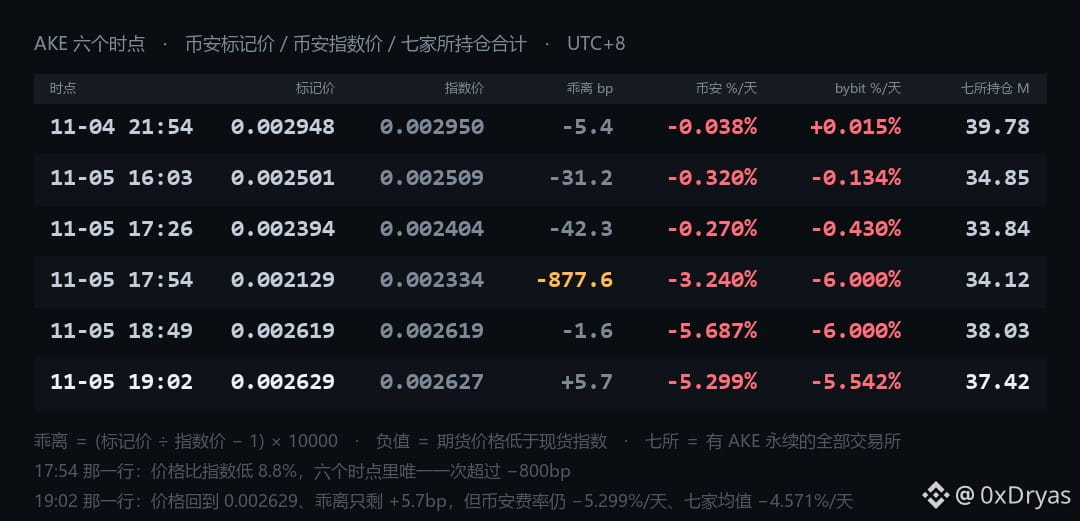
Binance mark price:
11-04 21:54 0.002948
11-05 16:03 0.002501 −15.2%
11-05 17:26 0.002394
11-05 17:54 0.002129 ← Bottom
11-05 18:49 0.002619 +23.0%
11-05 19:02 0.002629
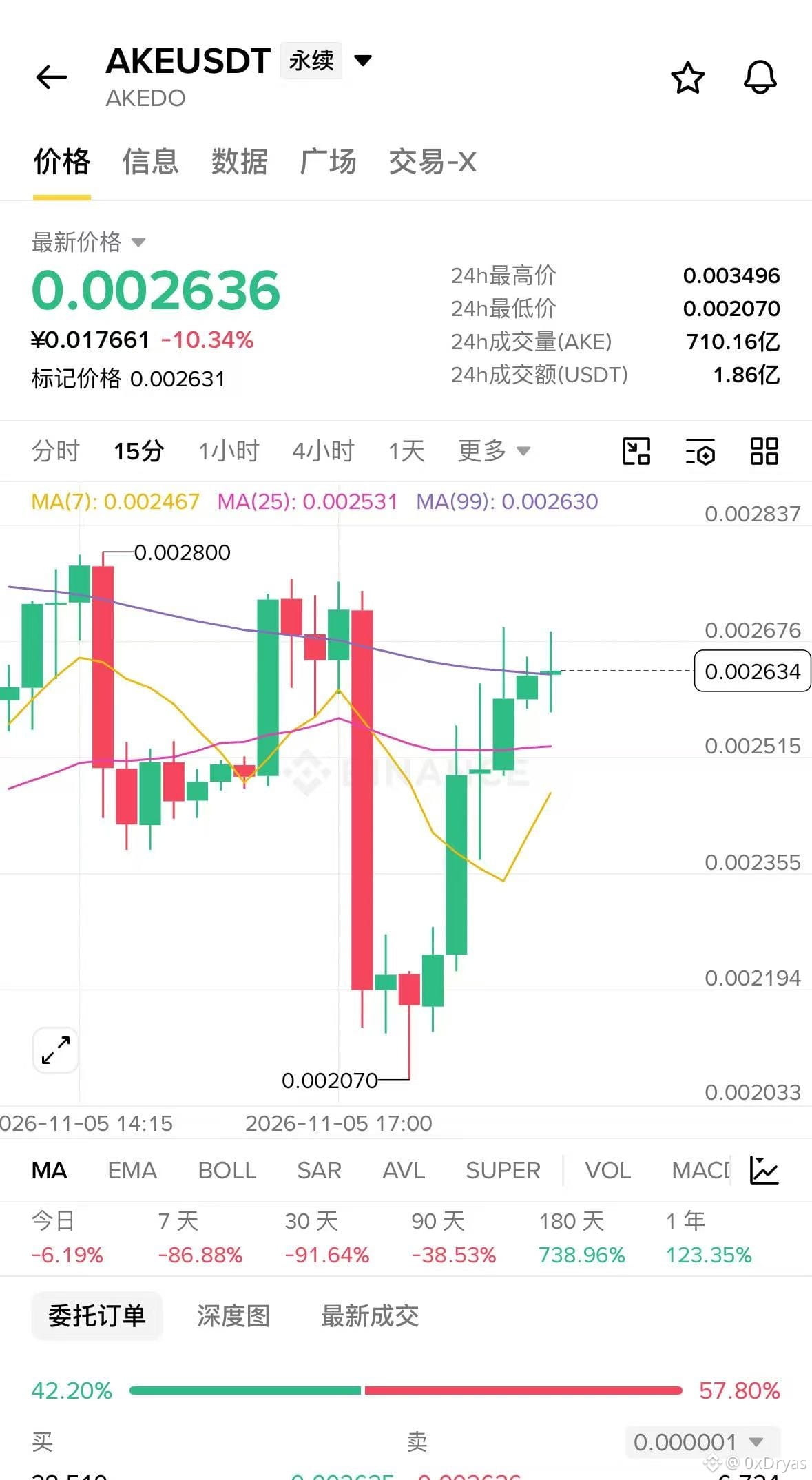
From yesterday, it fell 27.8% to its low. From the low, it bounced 23.0% in a little over an hour.
It’s still 10.8% below yesterday’s price.
People trading futures usually look at this figure to judge whether anyone was forcibly liquidated. At the same time, across the entire market, among 2,311 contracts with open interest over $1 million, the median deviation was 6.3bp and the 99th percentile was 65bp.
AKE was at −877.6bp. The top six were all AKE—seven exchanges simultaneously drove its price 7% to 9% below the index.
This doesn’t mean “this coin is 8.8% cheaper.”
It means someone was forced to trade at a price 8.8% below what it “should be worth” during that minute. Liquidation orders don’t care about the price, only whether there’s enough margin.
Then there’s the funding rate
On Binance, AKE’s funding rate:
21:54 −0.038%/day
16:03 −0.320%
17:26 −0.270%
17:54 −3.240%
18:49 −5.687%
19:02 −5.299%
The price bottomed at 17:54; the funding rate peaked at 18:49.
Bybit was even more extreme: at 17:54, it hit −2.000000%/8 hours, three times a day—that’s −6.000%/day.
{future}(AKEUSDT)
Then it bounced 23%, and open interest rose from 34.12M to 38.03M, adding back 3.91M.
When the price rises and open interest rises, there’s only one explanation: new money has come in.
Holy shit, the market maker is manipulating things again. AKE fell 28% in a day, then bounced 23%, while funding got even more extreme
AKE completed a full cycle in a single day.
Binance mark price:
11-04 21:54 0.002948
11-05 16:03 0.002501 −15.2%
11-05 17:26 0.002394
11-05 17:54 0.002129 ← Bottom
11-05 18:49 0.002619 +23.0%
11-05 19:02 0.002629
From yesterday, it fell 27.8% to its low. From the low, it bounced 23.0% in a little over an hour.
It’s still 10.8% below yesterday’s price.
People trading futures usually look at this figure to judge whether anyone was forcibly liquidated. At the same time, across the entire market, among 2,311 contracts with open interest over $1 million, the median deviation was 6.3bp and the 99th percentile was 65bp.
AKE was at −877.6bp. The top six were all AKE—seven exchanges simultaneously drove its price 7% to 9% below the index.
This doesn’t mean “this coin is 8.8% cheaper.”
It means someone was forced to trade at a price 8.8% below what it “should be worth” during that minute. Liquidation orders don’t care about the price, only whether there’s enough margin.
Then there’s the funding rate
On Binance, AKE’s funding rate:
21:54 −0.038%/day
16:03 −0.320%
17:26 −0.270%
17:54 −3.240%
18:49 −5.687%
19:02 −5.299%
The price bottomed at 17:54; the funding rate peaked at 18:49.
Bybit was even more extreme: at 17:54, it hit −2.000000%/8 hours, three times a day—that’s −6.000%/day.
Then it bounced 23%, and open interest rose from 34.12M to 38.03M, adding back 3.91M.
When the price rises and open interest rises, there’s only one explanation: new money has come in.
7
4
1.7k
·
--
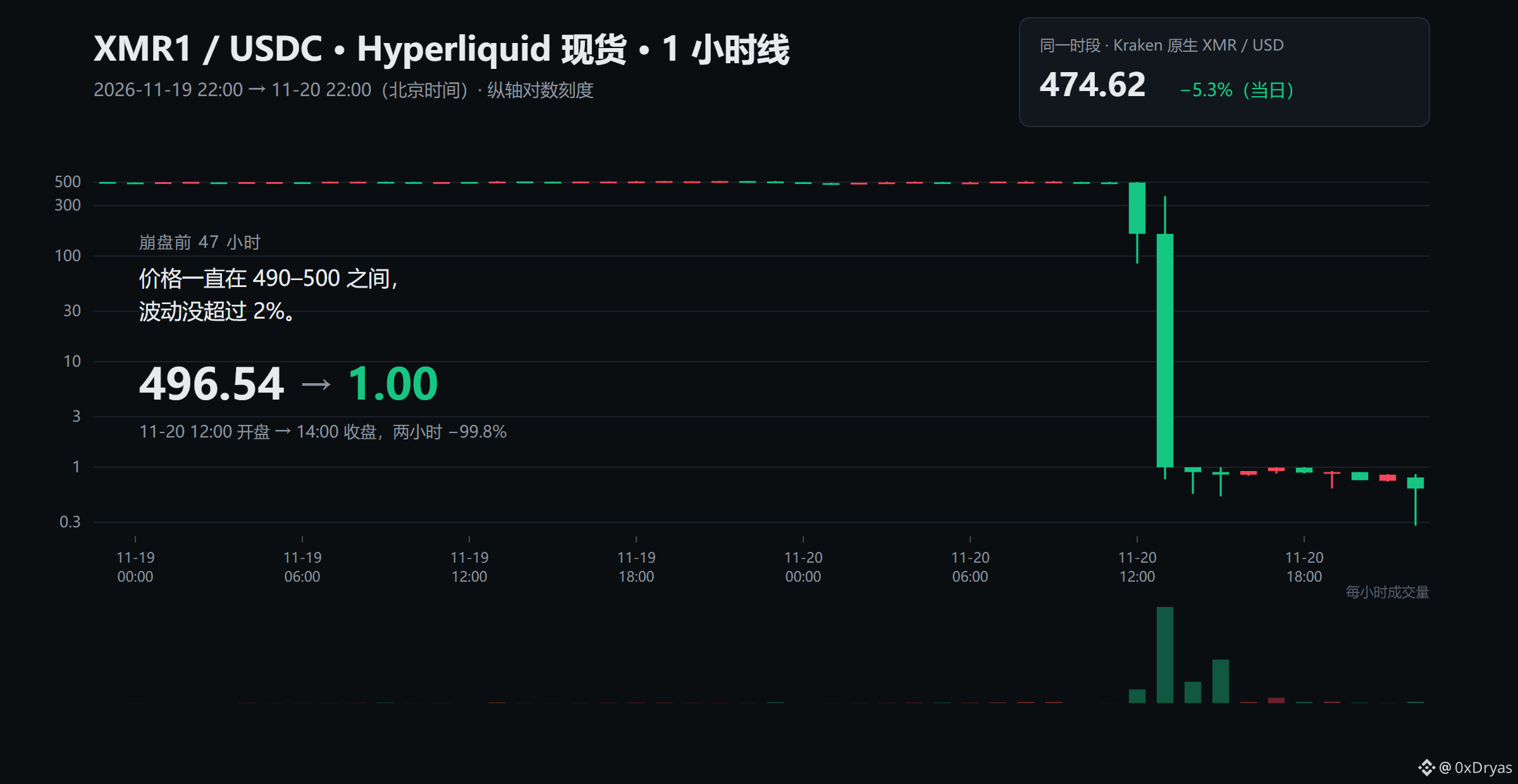
Today, a market-making address mistook a Monero bridge token for native Monero with the same name and executed a hedged arbitrage trade. It took in 8,652 XMR1 at $469.67 each, spending $4.06 million. At the same time, it flipped its Monero perpetual position from long 6,321 coins to short 1,427—a textbook hedging move. But it lost $4 million in one go.
{future}(XMRUSDT)
A lesson learned: reviewing addresses alone won’t prevent this kind of incident. Tokens, swaps, and redemptions all need to be reviewed.
Today, a market-making address mistook a Monero bridge token for native Monero with the same name and executed a hedged arbitrage trade. It took in 8,652 XMR1 at $469.67 each, spending $4.06 million. At the same time, it flipped its Monero perpetual position from long 6,321 coins to short 1,427—a textbook hedging move. But it lost $4 million in one go.
A lesson learned: reviewing addresses alone won’t prevent this kind of incident. Tokens, swaps, and redemptions all need to be reviewed.
A lesson learned: reviewing addresses alone won’t prevent this kind of incident. Tokens, swaps, and redemptions all need to be reviewed.
266
·
--
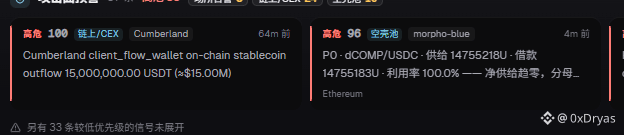
The monitoring dashboard and alerts are refreshing so fast they’re about to catch fire. Which institutions will tonight’s plunge sacrifice this time?
The monitoring dashboard and alerts are refreshing so fast they’re about to catch fire. Which institutions will tonight’s plunge sacrifice this time?

1k
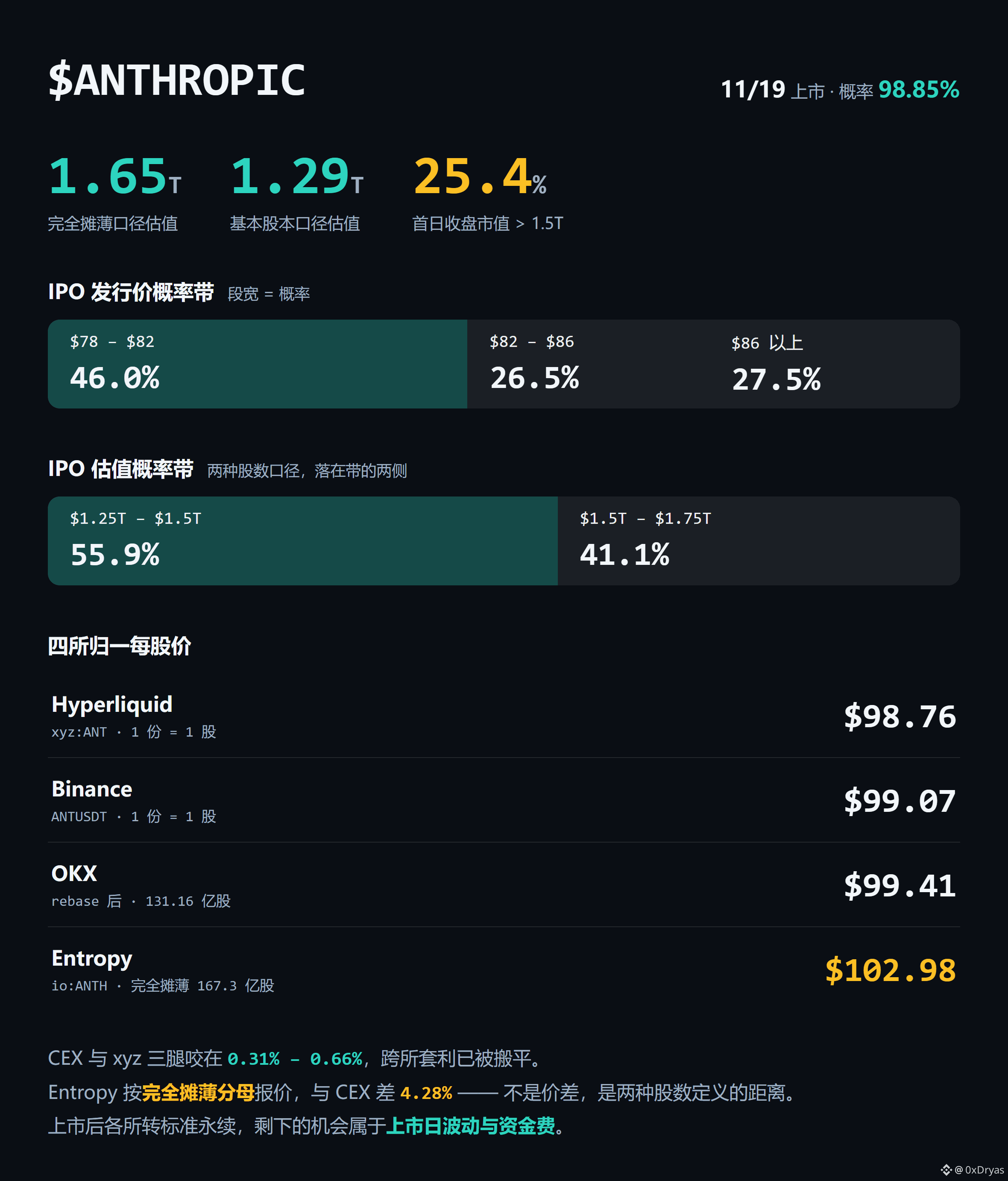
·
--
Partly True
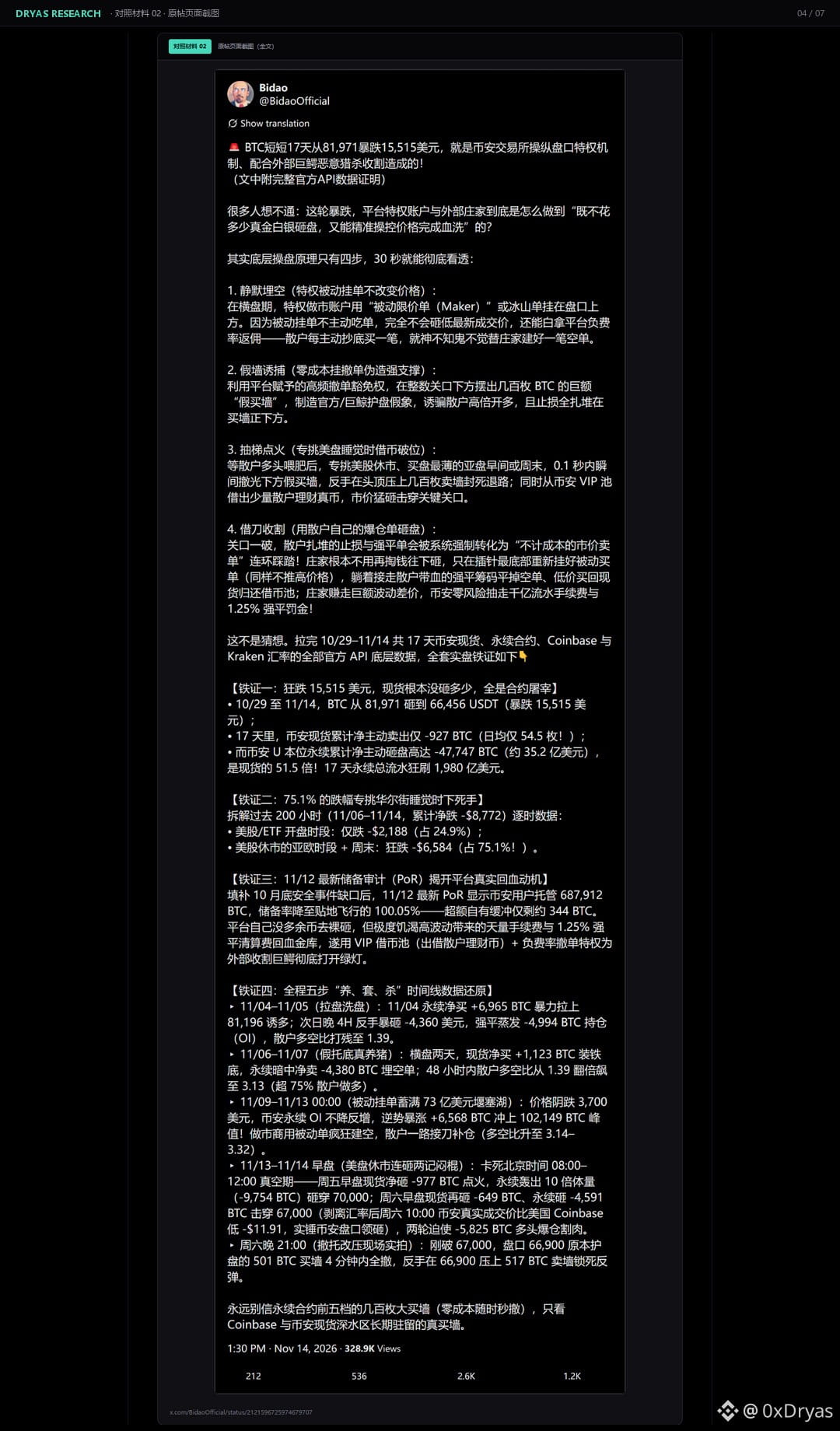
Down 24% in 17 days: A point-by-point fact-check of an allegation of “exchange collusion and manipulation”
Down 24% in 17 days: A point-by-point fact-check of an allegation of “exchange collusion and manipulation”
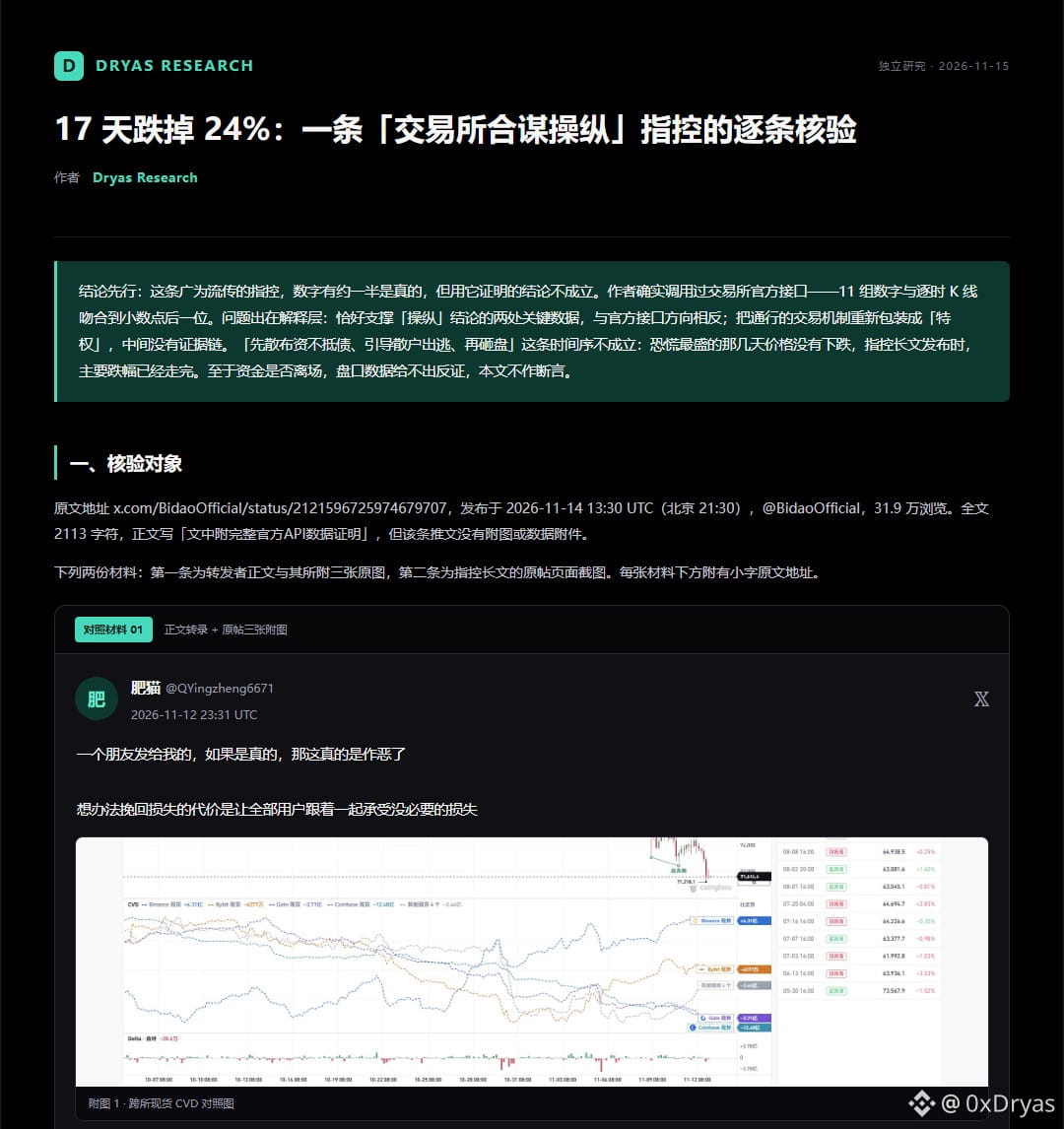
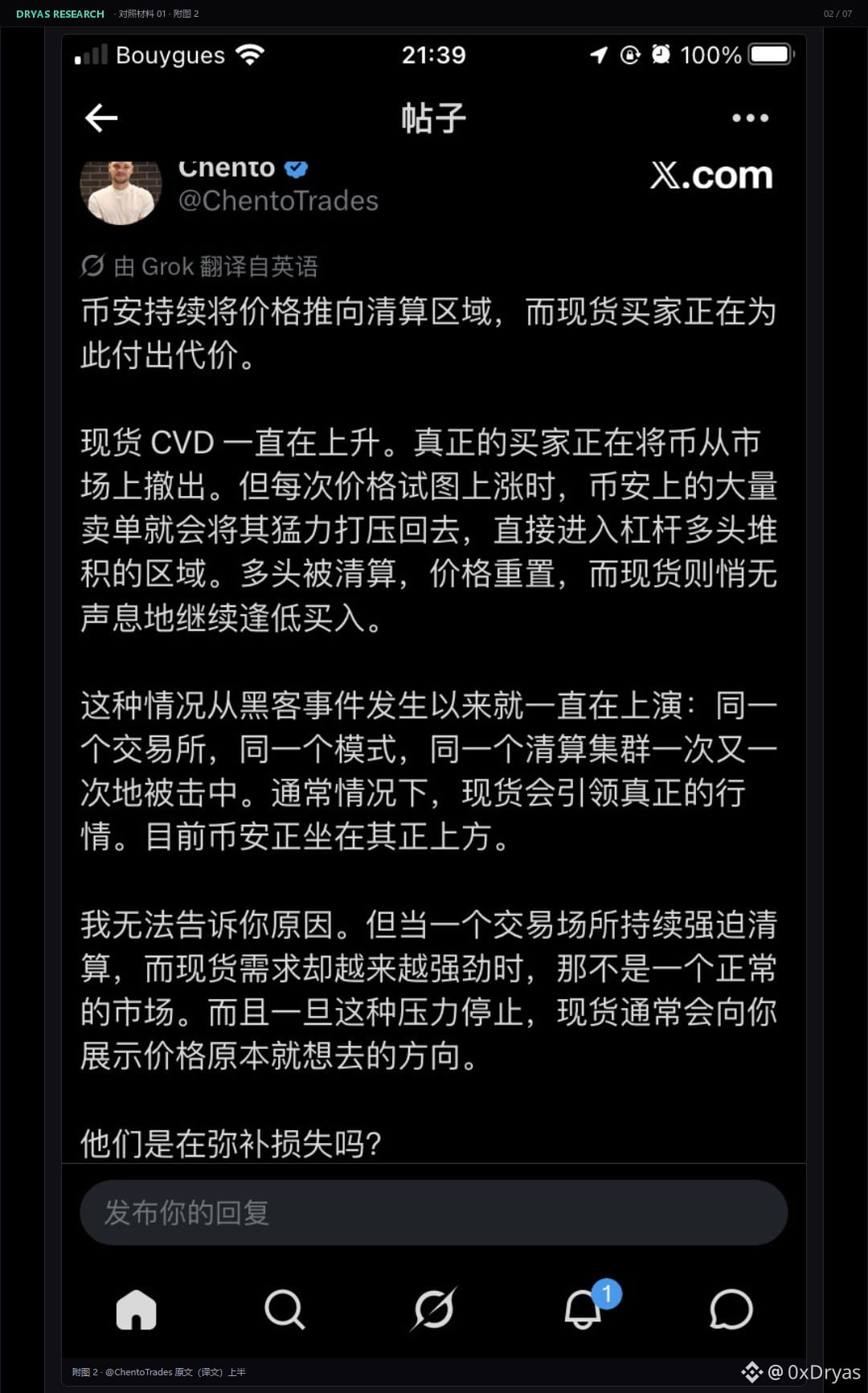
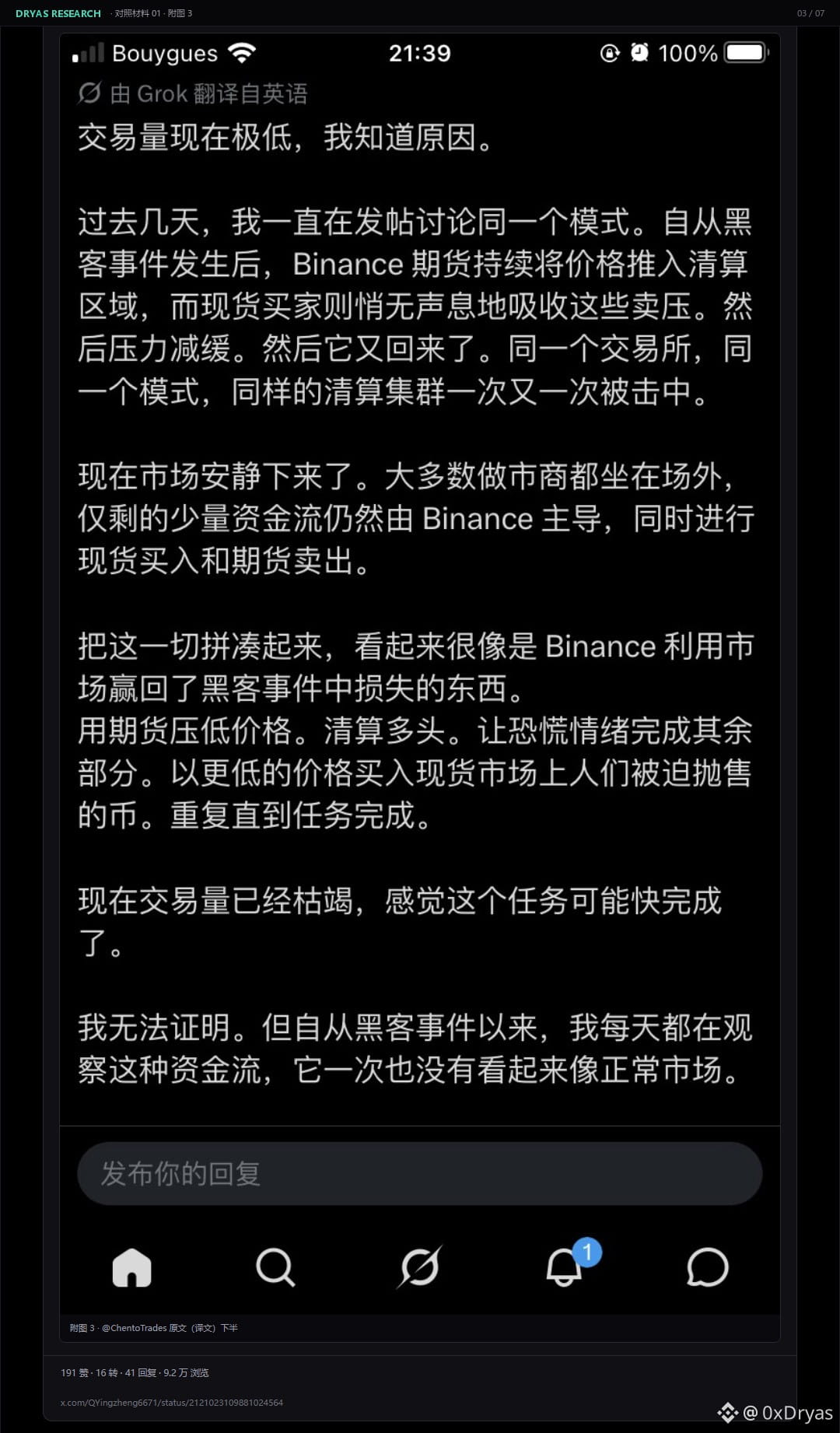
561

·
--
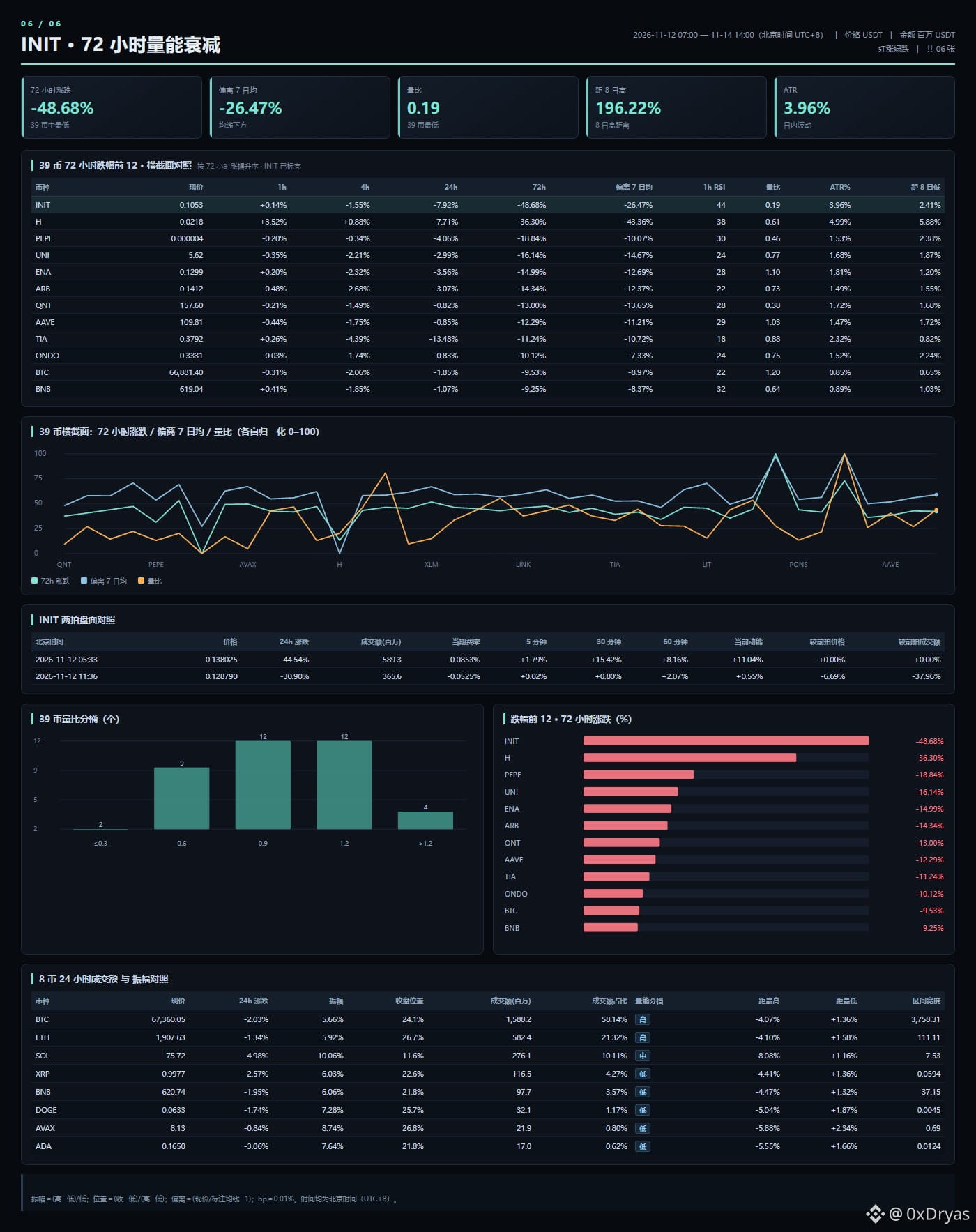
INIT is down 48.68% over 72 hours, 26.47% below the 7-day average, with the volume ratio down to just 0.19, and 196.22% below the 8-day high.
The 24-hour loss narrowed from -44.54% to -30.90%. The price hasn't recovered, but trading volume collapsed first. That's a lack of buyers, not a discount.
The opportunity only appears when the volume ratio climbs back above 1 and buyers step in with real money. Until then, any bounce near the 7-day average is still a bear-market rally. If 0.105 breaks, even this small discount won't hold.
{future}(INITUSDT)
INIT is down 48.68% over 72 hours, 26.47% below the 7-day average, with the volume ratio down to just 0.19, and 196.22% below the 8-day high.
The 24-hour loss narrowed from -44.54% to -30.90%. The price hasn't recovered, but trading volume collapsed first. That's a lack of buyers, not a discount.
The opportunity only appears when the volume ratio climbs back above 1 and buyers step in with real money. Until then, any bounce near the 7-day average is still a bear-market rally. If 0.105 breaks, even this small discount won't hold.
771
·
--
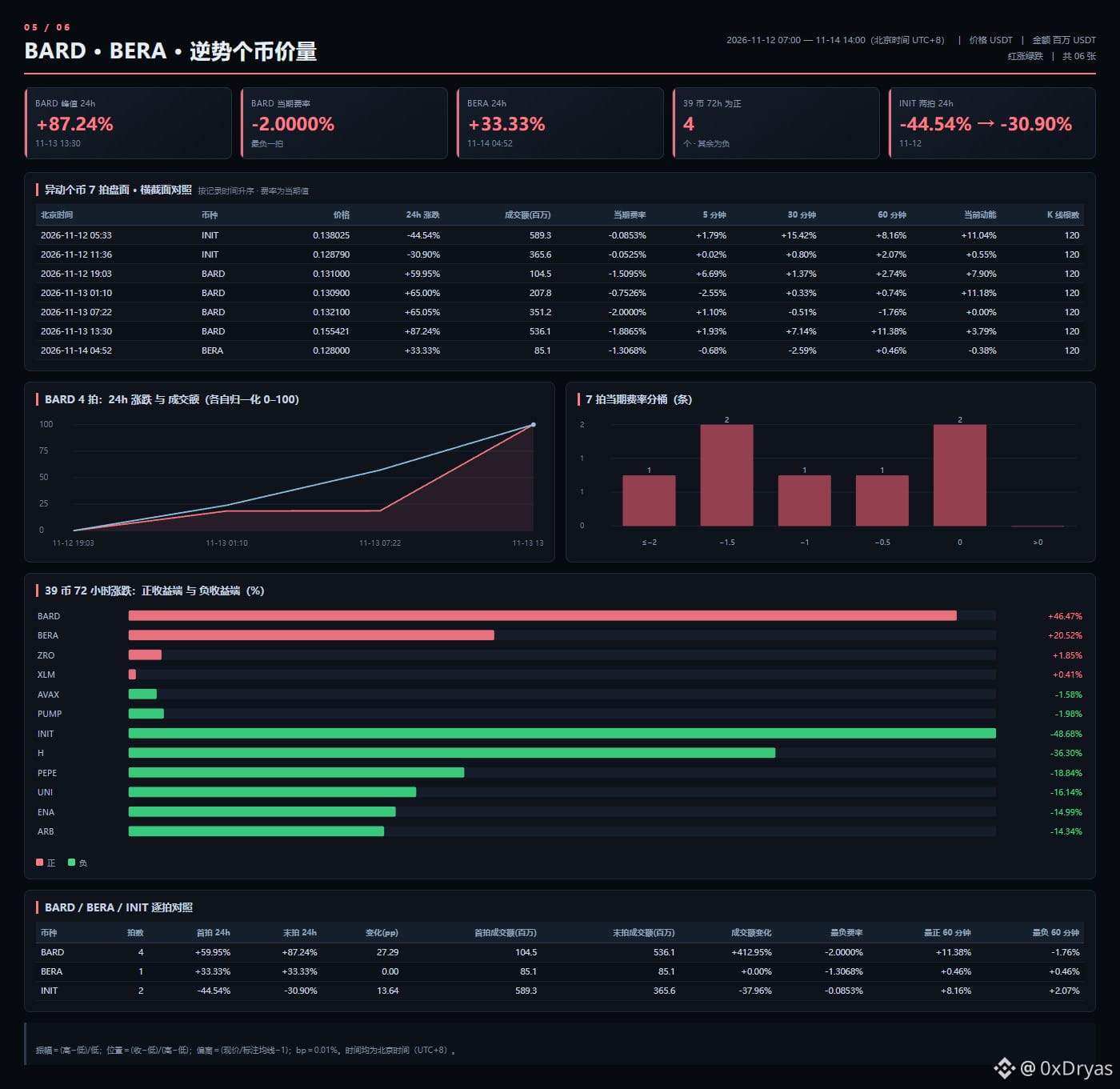
Of 39 coins, only 4 are still in the green over the past 72 hours. BARD is up 87.24% in a day, and BERA is up 33.33%—money is piling into a tiny handful of tokens. BARD’s current funding rate is -2.0000%, meaning shorts are paying longs. It’s clear who’s paying whom: holding the side that collects funding is more worthwhile than trying to call the top, but the day the rate turns positive is the end.
{future}(BARDUSDT)
Don’t enter above 0.155. There’s only another leg up if 0.13 holds on a retest; if 0.13 breaks, everything before that was just paper gains.
Of 39 coins, only 4 are still in the green over the past 72 hours. BARD is up 87.24% in a day, and BERA is up 33.33%—money is piling into a tiny handful of tokens. BARD’s current funding rate is -2.0000%, meaning shorts are paying longs. It’s clear who’s paying whom: holding the side that collects funding is more worthwhile than trying to call the top, but the day the rate turns positive is the end.
Don’t enter above 0.155. There’s only another leg up if 0.13 holds on a retest; if 0.13 breaks, everything before that was just paper gains.
Don’t enter above 0.155. There’s only another leg up if 0.13 holds on a retest; if 0.13 breaks, everything before that was just paper gains.
1.5k
·
--
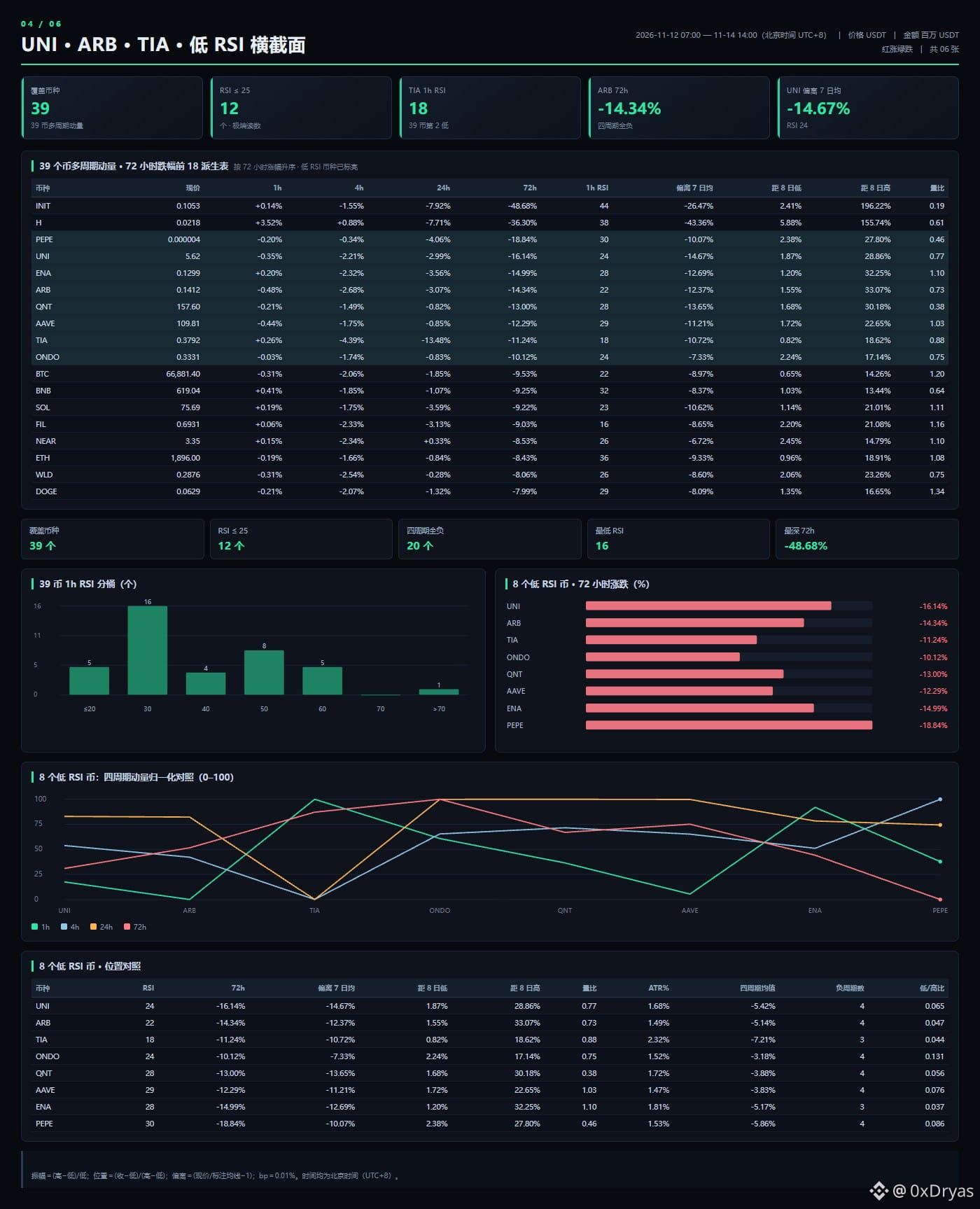
Of the 39 coins, 12 have a 1-hour RSI below 25. TIA is at 18, with a low of 16; UNI is down 16.14% over 72 hours and 14.67% below its 7-day average, while ARB is negative across all four timeframes.
This kind of uniformity doesn't mean we've hit bottom—the leverage hasn't been flushed out. The real opportunity comes when they diverge: whichever one turns positive across all four timeframes first will have the most upside. Until they collectively reclaim the moving average, any rebound near the 7-day average is money for the bears.
{future}(UNIUSDT)
Of the 39 coins, 12 have a 1-hour RSI below 25. TIA is at 18, with a low of 16; UNI is down 16.14% over 72 hours and 14.67% below its 7-day average, while ARB is negative across all four timeframes.
This kind of uniformity doesn't mean we've hit bottom—the leverage hasn't been flushed out. The real opportunity comes when they diverge: whichever one turns positive across all four timeframes first will have the most upside. Until they collectively reclaim the moving average, any rebound near the 7-day average is money for the bears.
This kind of uniformity doesn't mean we've hit bottom—the leverage hasn't been flushed out. The real opportunity comes when they diverge: whichever one turns positive across all four timeframes first will have the most upside. Until they collectively reclaim the moving average, any rebound near the 7-day average is money for the bears.
757
·
--
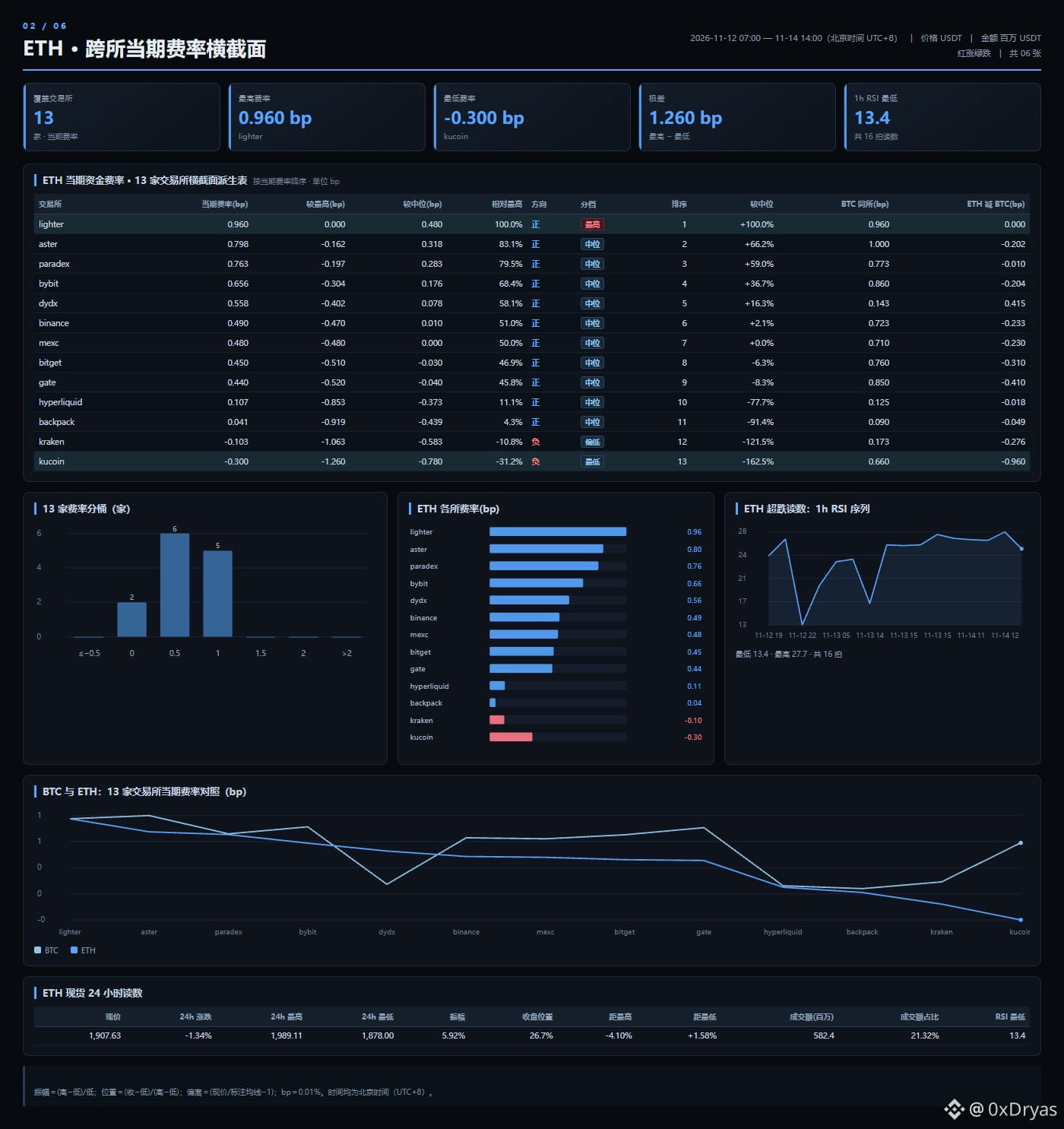
ETH is at 1,907.63, with a 1-hour RSI of 13.4; oversold is only what it looks like on the surface. Current funding rates across 13 exchanges show Lighter charging 0.960 bp and KuCoin paying -0.300 bp—a 1.260 bp extreme spread, positive on one side and negative on the other: longs are paying on one exchange, shorts on the other. The opportunity is this 1.260 bp dislocation, not guessing the direction. Don’t talk about going long until it reclaims 1,989.11; if 1,878.00 breaks, even the mispricing is gone.
{future}(ETHUSDT)
ETH is at 1,907.63, with a 1-hour RSI of 13.4; oversold is only what it looks like on the surface. Current funding rates across 13 exchanges show Lighter charging 0.960 bp and KuCoin paying -0.300 bp—a 1.260 bp extreme spread, positive on one side and negative on the other: longs are paying on one exchange, shorts on the other. The opportunity is this 1.260 bp dislocation, not guessing the direction. Don’t talk about going long until it reclaims 1,989.11; if 1,878.00 breaks, even the mispricing is gone.
1
409
·
--
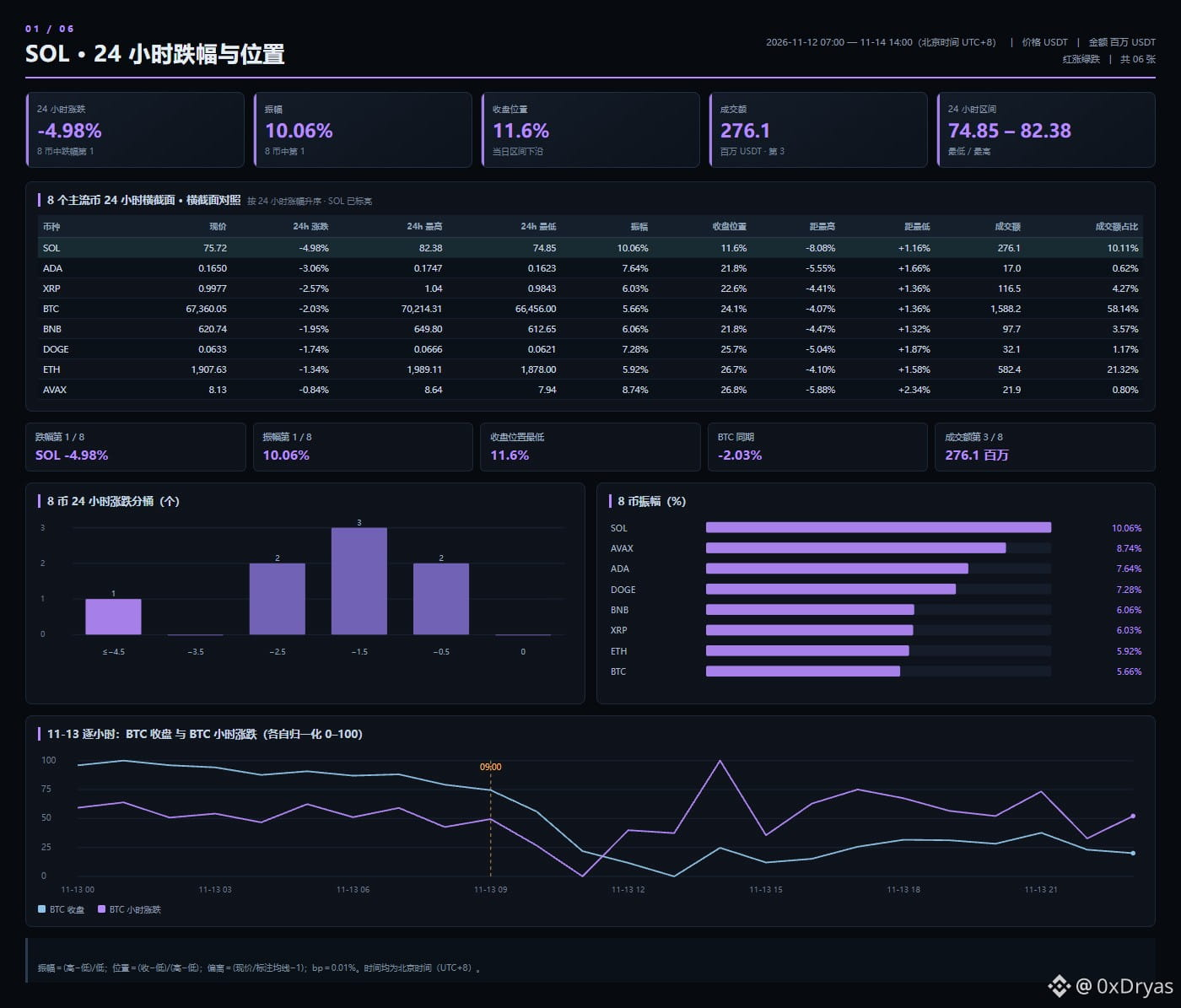
SOL fell 4.98% in a day. At 75.72, it closed just 11.6% of the way up the 74.85–82.38 range, with a 10.06% intraday swing. BTC was down just 2.03% over the same period, making SOL the hardest hit of the eight major coins. That gap is where the money is: high-beta assets get drained first, and they’re often the first to rebound, too. Relative strength like this doesn’t even out in a day; there’s still more to play out over the next few days. If SOL can’t reclaim 82.38 on a bounce, that leg belongs to the bears; only if it holds above 82.38 does the bullish leg get its turn.
{future}(SOLUSDT)
SOL fell 4.98% in a day. At 75.72, it closed just 11.6% of the way up the 74.85–82.38 range, with a 10.06% intraday swing. BTC was down just 2.03% over the same period, making SOL the hardest hit of the eight major coins. That gap is where the money is: high-beta assets get drained first, and they’re often the first to rebound, too. Relative strength like this doesn’t even out in a day; there’s still more to play out over the next few days. If SOL can’t reclaim 82.38 on a bounce, that leg belongs to the bears; only if it holds above 82.38 does the bullish leg get its turn.
417
·
--
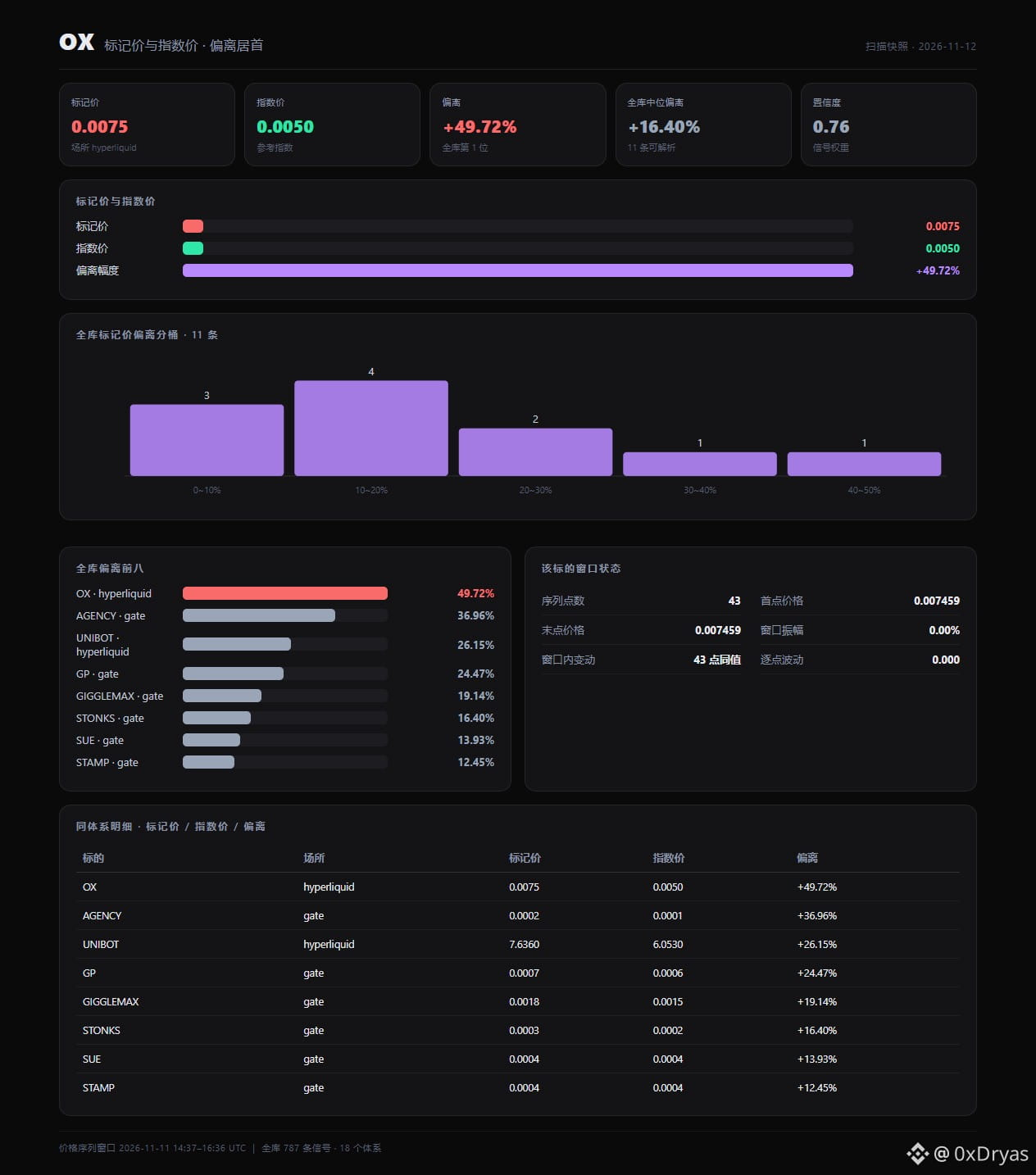
OX’s mark price on Hyperliquid is 0.0075, versus an index price of 0.0050—a 49.72% deviation, the highest among the 11 similar deviations found. The median is only 16.40%. A thin order book and a contaminated index, and next thing you know, a string of short positions gets squeezed out at the mark price—exactly like what happened with JELLY. Wait until the liquidations are over and the mark price falls back toward the index, then follow along for a short stretch. Keep the position small enough that even a wick won’t matter.
OX’s mark price on Hyperliquid is 0.0075, versus an index price of 0.0050—a 49.72% deviation, the highest among the 11 similar deviations found. The median is only 16.40%. A thin order book and a contaminated index, and next thing you know, a string of short positions gets squeezed out at the mark price—exactly like what happened with JELLY. Wait until the liquidations are over and the mark price falls back toward the index, then follow along for a short stretch. Keep the position small enough that even a wick won’t matter.
35
·
--
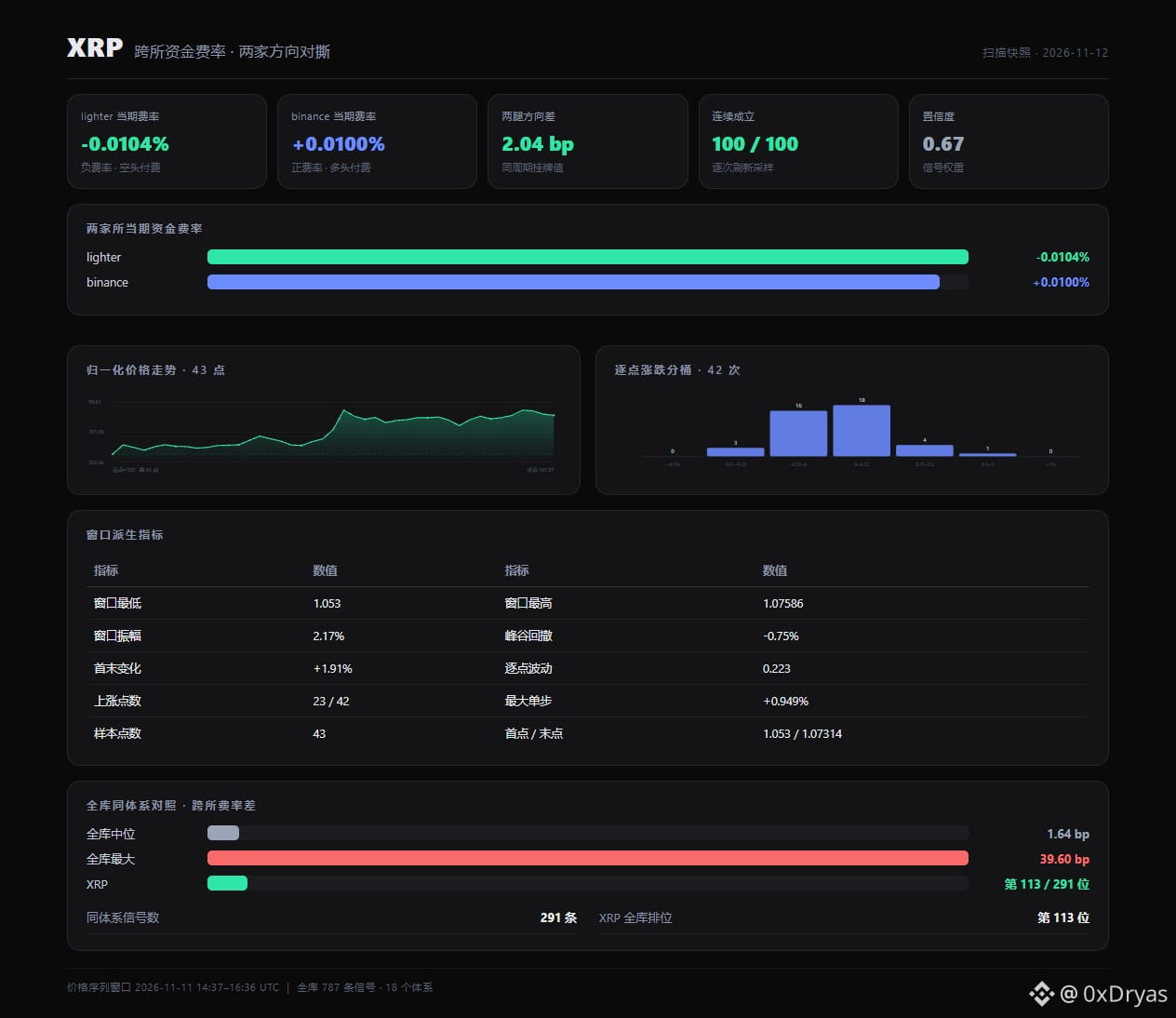
XRP is at -0.0104% on Lighter and +0.0100% on Binance. The rates haven’t flipped direction once in 100 refreshes. When the funding rate is negative, shorts pay longs; when it’s positive, the reverse is true. So you can go long on Lighter and short on Binance to collect funding on both sides. The spread isn’t huge, but it’s steady.
{future}(XRPUSDT)
XRP is at -0.0104% on Lighter and +0.0100% on Binance. The rates haven’t flipped direction once in 100 refreshes. When the funding rate is negative, shorts pay longs; when it’s positive, the reverse is true. So you can go long on Lighter and short on Binance to collect funding on both sides. The spread isn’t huge, but it’s steady.
349
·
--
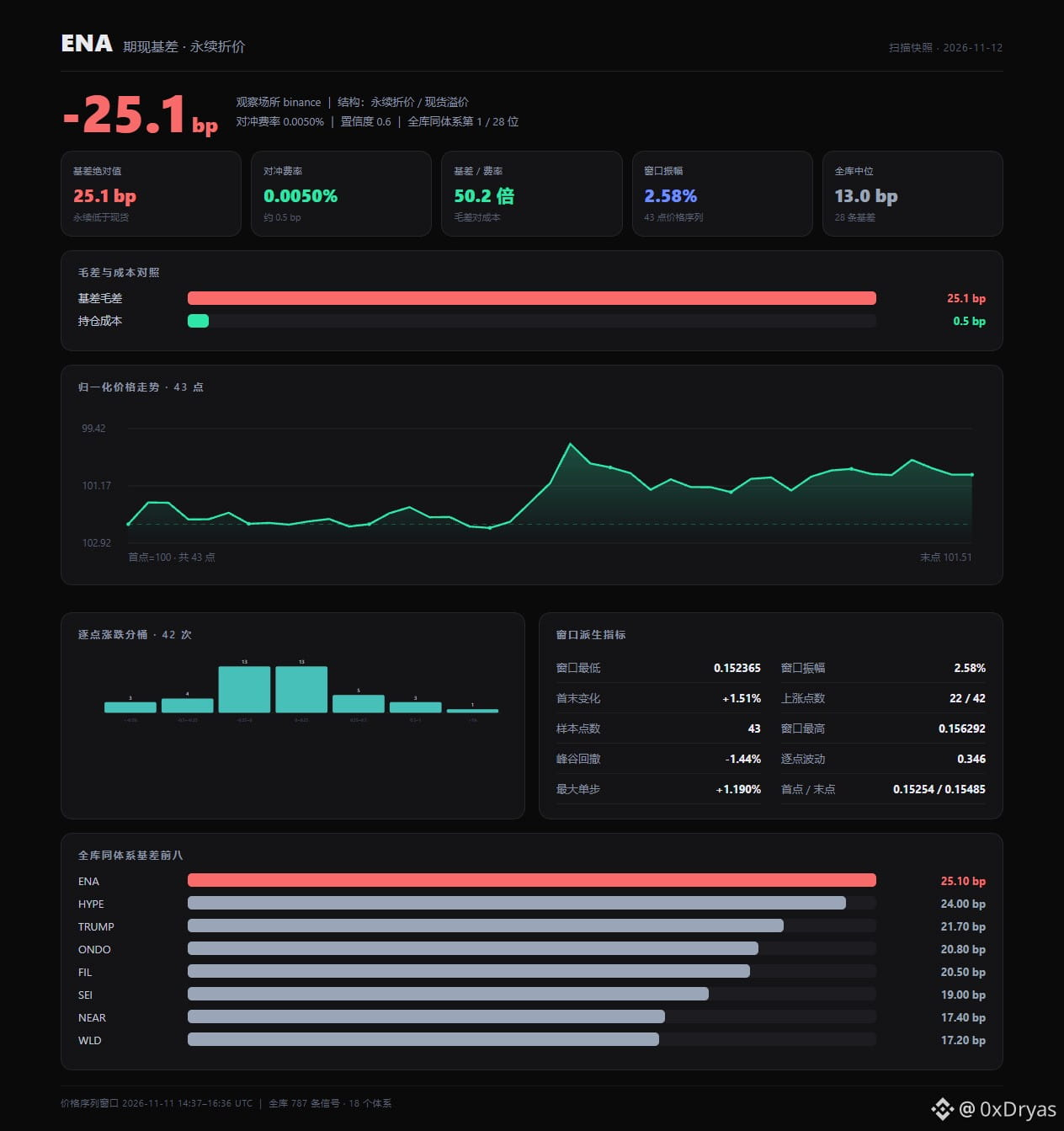
ENA perpetuals on Binance are 25.1 basis points cheaper than spot—the largest spread among the 28 basis spreads I scanned, with a median of just 13.0. Sell spot and buy perpetuals to lock in both sides, then wait for the basis to converge. The holding cost is only 0.0050%.
{future}(ENAUSDT)
ENA perpetuals on Binance are 25.1 basis points cheaper than spot—the largest spread among the 28 basis spreads I scanned, with a median of just 13.0. Sell spot and buy perpetuals to lock in both sides, then wait for the basis to converge. The holding cost is only 0.0050%.
1
1.2k
·
--
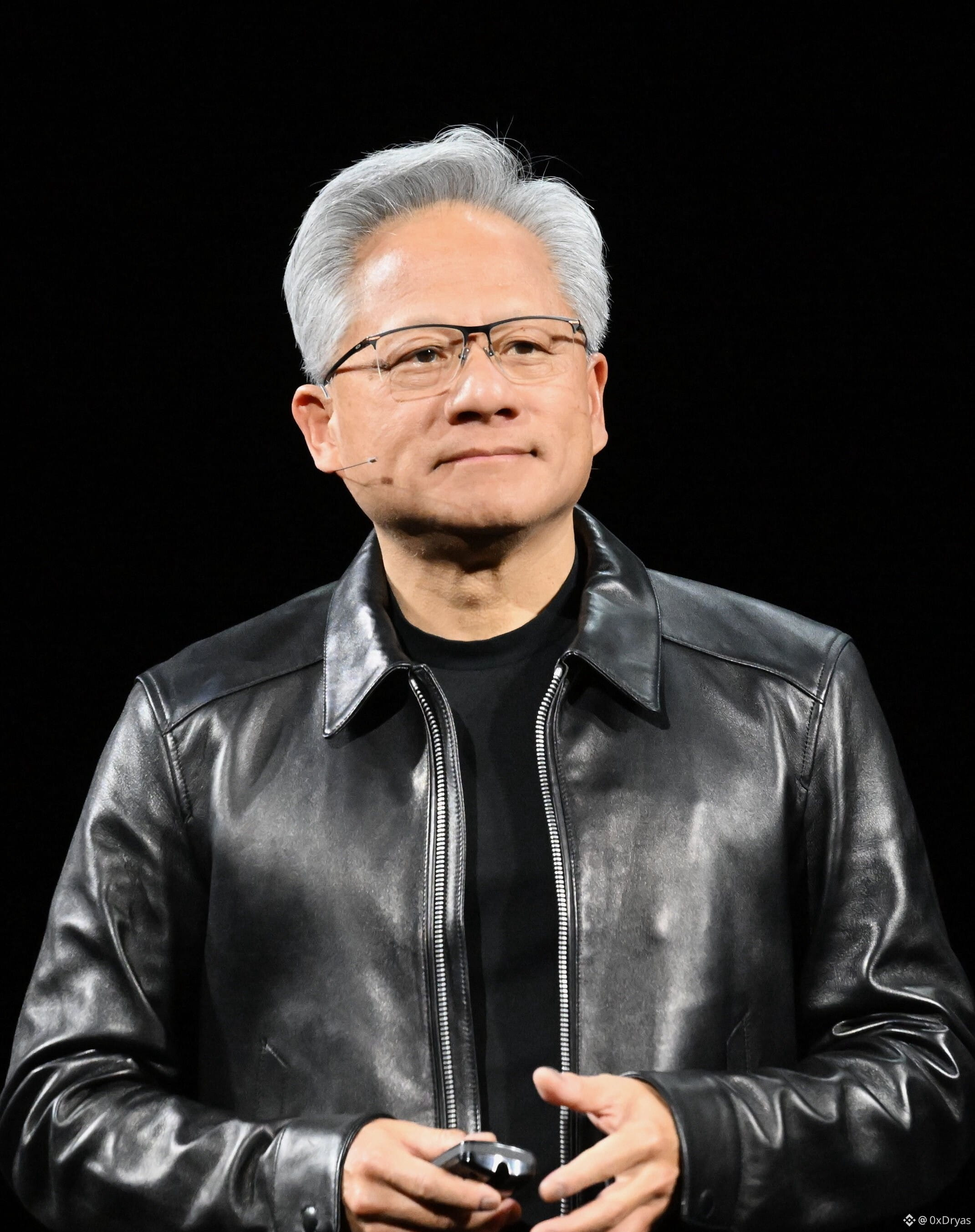
Hi everyone, I'm Jensen Huang.
I've just been fired by Nvidia's board, so to make ends meet, I'm livestreaming to sell off my leftover graphics cards.
As soon as I start the stream, I say, “Hey, folks!”
The comments are flooded with: “Where are the drivers?” “Are these refurbished mining cards?” “Can you issue an invoice, boss?”
I say, “I don't have a company anymore. All I've got are leftover graphics cards.”
The comments get even more excited: “So, can they fry an egg?” I demonstrate right then and there: the graphics card runs at full load, the egg is cooked, and the comments flood with “So cool!” The livestream is filled with cheerful vibes.
I check the sales backstage: the leather jackets are all sold out, but nobody's bought a graphics card.

652
·
--
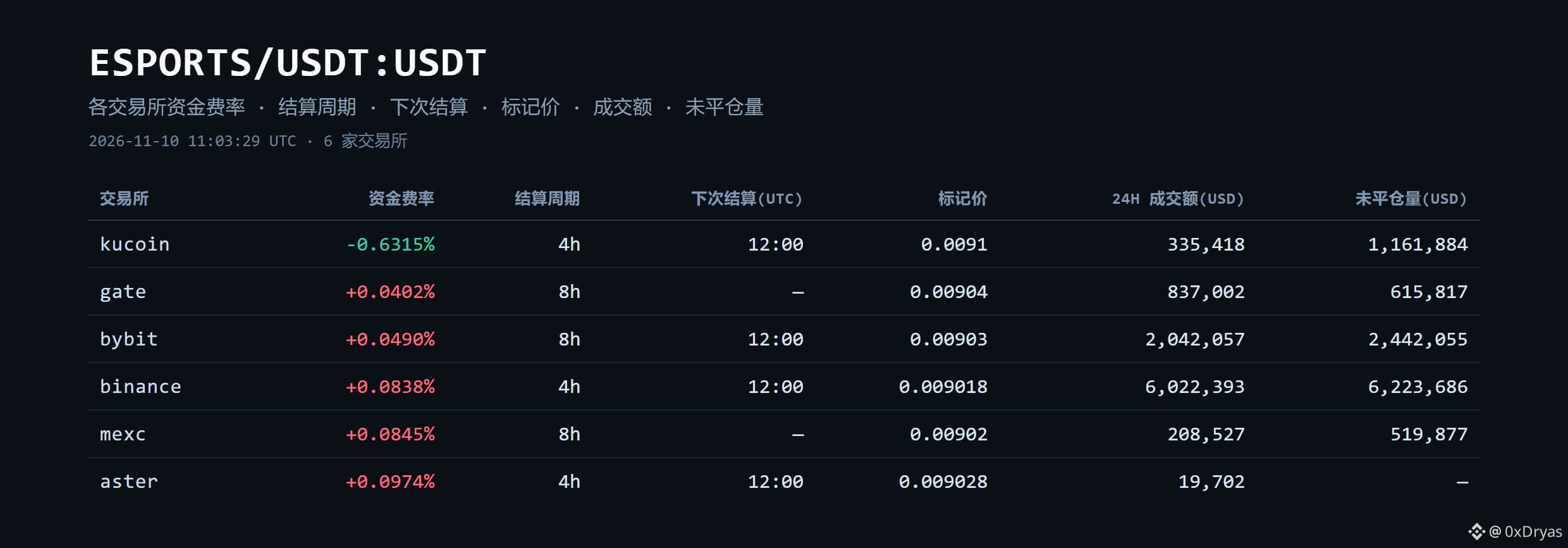
ESPORTS: For the same 4h contract, Kucoin −0.63%, Binance +0.08%, Aster +0.10% — shorts pay on one side, longs pay on the other; the positions directly clash.
Long Kucoin, short Binance: both legs collect. Lock in the price and it's pure spread.
How much you can capture is shown by the trading volume: Kucoin 24h 330k, Aster 19k. Fat gross spread, thin order book.
{future}(ESPORTSUSDT)
ESPORTS: For the same 4h contract, Kucoin −0.63%, Binance +0.08%, Aster +0.10% — shorts pay on one side, longs pay on the other; the positions directly clash.
Long Kucoin, short Binance: both legs collect. Lock in the price and it's pure spread.
How much you can capture is shown by the trading volume: Kucoin 24h 330k, Aster 19k. Fat gross spread, thin order book.
Long Kucoin, short Binance: both legs collect. Lock in the price and it's pure spread.
How much you can capture is shown by the trading volume: Kucoin 24h 330k, Aster 19k. Fat gross spread, thin order book.
407
·
--
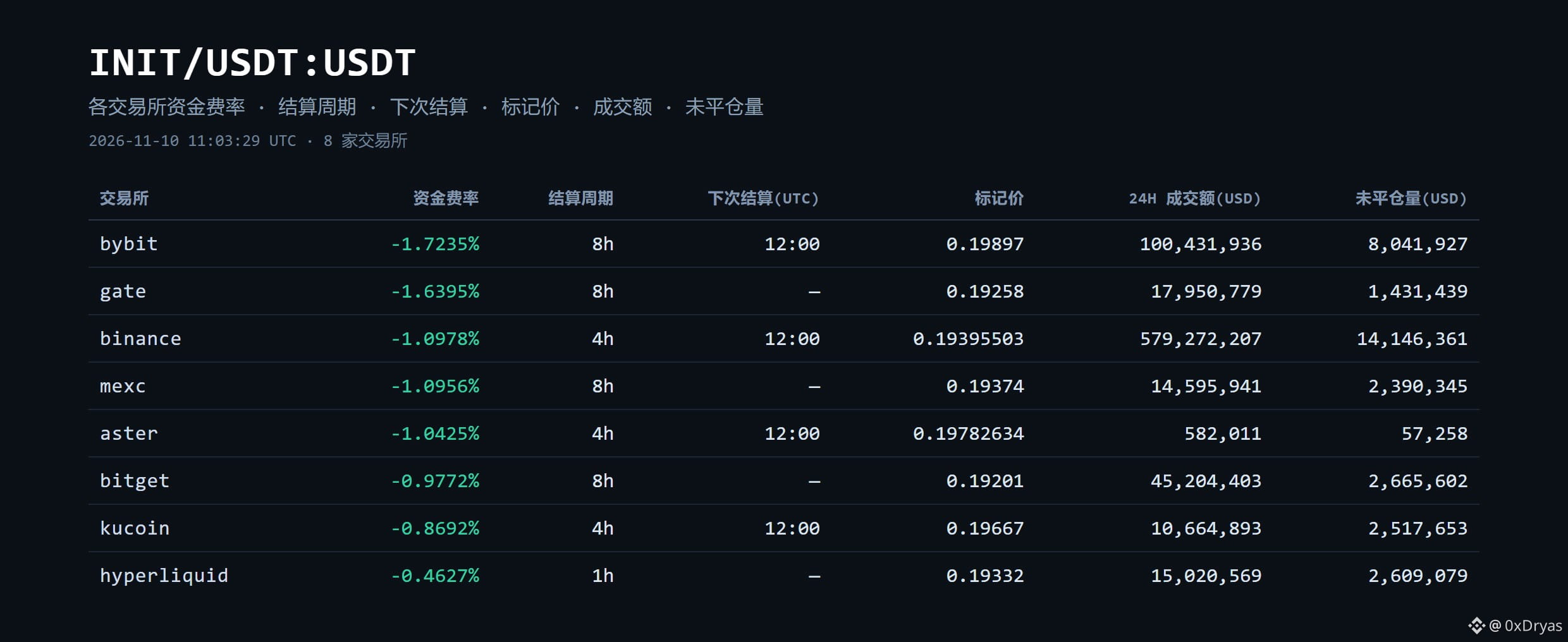
INIT: All eight exchanges have negative funding rates, with shorts lining up to pay longs. Bybit −1.7235%, Binance −1.0978%, Hyperliquid −0.4627%—the steepest rate pays out 1.72% per interval.
The setup is straightforward: pick contracts with the same funding interval, go long where longs collect the most and short where shorts pay the least, hedge out price exposure, and pocket the difference.
But
{future}(INITUSDT)
8h / 4h / 1h intervals are mixed together; compare the wrong intervals and you’ll end up paying out of pocket. When rates flip, the one collecting money immediately becomes the one paying.
INIT: All eight exchanges have negative funding rates, with shorts lining up to pay longs. Bybit −1.7235%, Binance −1.0978%, Hyperliquid −0.4627%—the steepest rate pays out 1.72% per interval.
The setup is straightforward: pick contracts with the same funding interval, go long where longs collect the most and short where shorts pay the least, hedge out price exposure, and pocket the difference.
But
8h / 4h / 1h intervals are mixed together; compare the wrong intervals and you’ll end up paying out of pocket. When rates flip, the one collecting money immediately becomes the one paying.
330
·
--
Verified
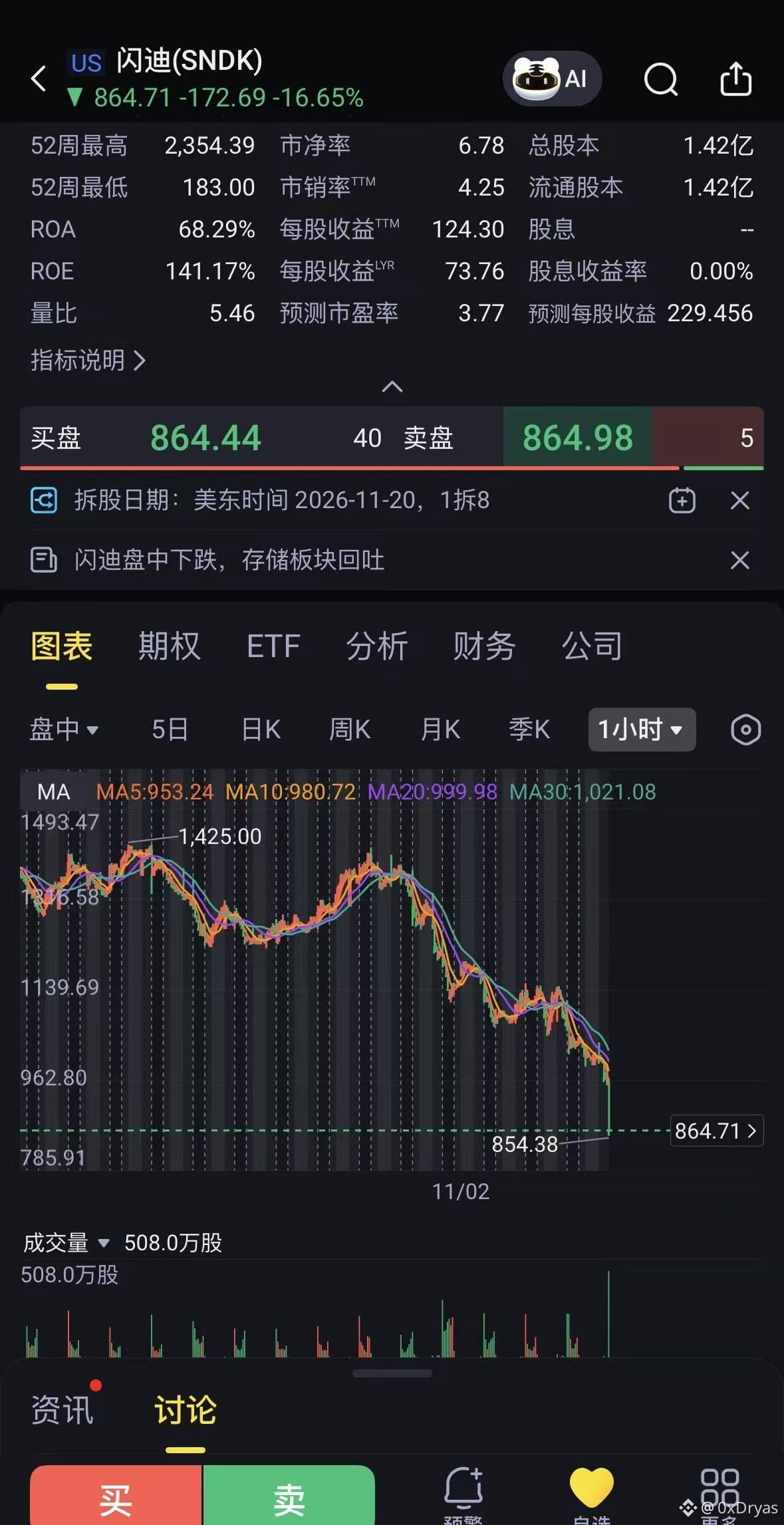
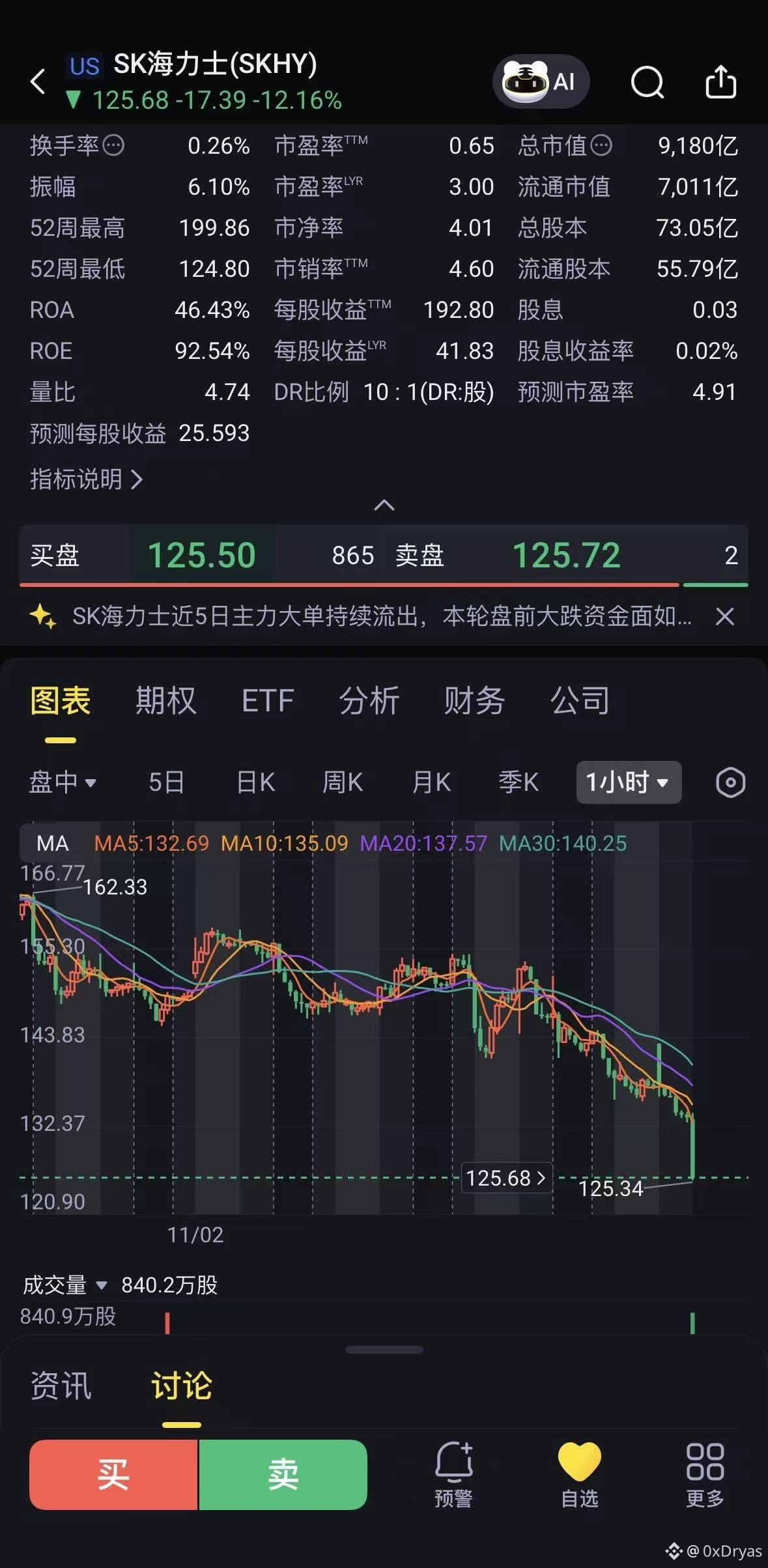
AI stocks plunged sharply tonight, especially SanDisk #SNDK and SK Hynix #SKHY , along with other AI infrastructure stocks, which fell by more than 10% across the board.
That was because the Democrats won a decisive victory in the U.S. midterm elections, acting as a catalyst that ignited long-standing market concerns and doubts about an AI investment bubble.
The Democrats' policy priorities lean toward clean energy subsidies and Medicaid, while AI data centers, power generation, defense, and finance—areas covered by Trump’s policies—face tighter regulation.
You may want to consider industries promoted by the Democrats, including solar energy, healthcare, and consumer goods.
{future}(SKHYUSDT)
{future}(SNDKUSDT)
(By contrast, the Republicans tend to favor expanding the development of defense, traditional energy such as oil and natural gas, and military technology.)
AI stocks plunged sharply tonight, especially SanDisk #SNDK and SK Hynix #SKHY , along with other AI infrastructure stocks, which fell by more than 10% across the board.
That was because the Democrats won a decisive victory in the U.S. midterm elections, acting as a catalyst that ignited long-standing market concerns and doubts about an AI investment bubble.
The Democrats' policy priorities lean toward clean energy subsidies and Medicaid, while AI data centers, power generation, defense, and finance—areas covered by Trump’s policies—face tighter regulation.
You may want to consider industries promoted by the Democrats, including solar energy, healthcare, and consumer goods.
(By contrast, the Republicans tend to favor expanding the development of defense, traditional energy such as oil and natural gas, and military technology.)
581
·
--
Partly True
Tencent and Xiaomi perpetuals are on Binance】
Hong Kong stocks trade for only five and a half hours a day. As perpetuals, they keep moving in the early hours of Beijing time, on weekends, and when the Hong Kong market is closed.
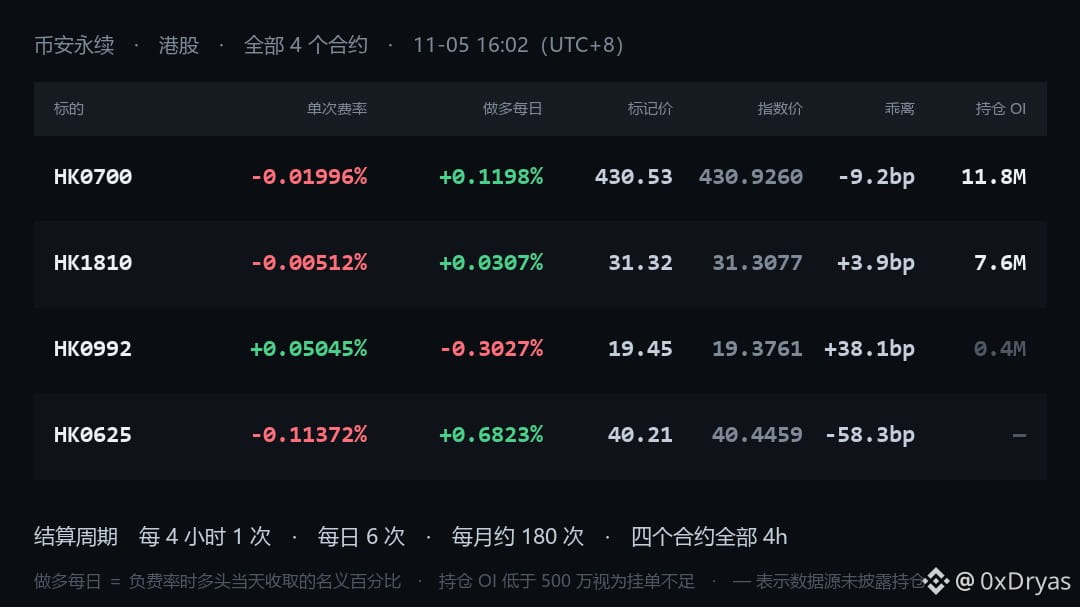
It’s 16:02 Beijing time now — two minutes after the Hong Kong Stock Exchange just closed. These four Hong Kong stock contracts on Binance have only made it through one morning of trading.
Same set of assets, one negative and one positive
Binance lists just four Hong Kong stock perpetuals, all here:
· Tencent HK0700: −0.01996% / 4 hours; going long earns 0.1198% a day, 44% annualized, with $11.85 million in open interest
· Xiaomi HK1810: −0.00512% / 4 hours; going long earns 0.0307% a day, 11% annualized, with $7.61 million in open interest
· Lenovo HK0992: +0.05045% / 4 hours; going long pays 0.3027% a day, −110% annualized, with $380,000 in open interest
· HK0625: −0.11372% / 4 hours; going long earns 0.6823% a day — but the data source doesn’t show its open interest. Daily trading volume is only 488,000, and there’s nobody to take the other side
The fourth one has the juiciest numbers, but it’s also the only one you can’t trade. No matter how high the rate is, if nobody takes your order, it’s worth zero.
On the same day, in the same market, one contract pays you, one is almost flat, one costs you, and one is impossible to trade. It’s not about whether the companies are good or bad; it’s about how many shorts there are in each contract.
Why such a big difference?
First, capacity. Tencent has $11.85 million in open interest, Xiaomi $7.61 million, and Lenovo $380,000. Lenovo’s figure is just a fraction of Tencent’s — even a high rate can’t make up for the lack of capacity.
Second, how many shorts there are. After the Hong Kong market closes, the perpetuals keep trading. During that time, there’s no spot market to take the other side, so the contract with more crowded positions is the one that pays.
Third, price. Tencent’s mark price is 9 basis points below the index, so it’s trading at a discount; Xiaomi is at a premium. A discount indicates that shorts are pushing the price down.
If you’re going to trade
For Tencent, going long earns 0.1198% a day, 44% annualized, with $11.85 million in open interest and $8.69 million in daily trading volume. Trading a few hundred thousand dollars’ worth is fine.
These contracts settle every 4 hours, six times a day; the U.S. stock contracts settle every 8 hours, three times a day. So always quote the rate per settlement — the annualized figure is what you get by extrapolating that rate.
{future}(HK0992USDT)
{future}(HK1810USDT)
{future}(HK0700USDT)
Tencent and Xiaomi perpetuals are on Binance】
Hong Kong stocks trade for only five and a half hours a day. As perpetuals, they keep moving in the early hours of Beijing time, on weekends, and when the Hong Kong market is closed.
It’s 16:02 Beijing time now — two minutes after the Hong Kong Stock Exchange just closed. These four Hong Kong stock contracts on Binance have only made it through one morning of trading.
Same set of assets, one negative and one positive
Binance lists just four Hong Kong stock perpetuals, all here:
· Tencent HK0700: −0.01996% / 4 hours; going long earns 0.1198% a day, 44% annualized, with $11.85 million in open interest
· Xiaomi HK1810: −0.00512% / 4 hours; going long earns 0.0307% a day, 11% annualized, with $7.61 million in open interest
· Lenovo HK0992: +0.05045% / 4 hours; going long pays 0.3027% a day, −110% annualized, with $380,000 in open interest
· HK0625: −0.11372% / 4 hours; going long earns 0.6823% a day — but the data source doesn’t show its open interest. Daily trading volume is only 488,000, and there’s nobody to take the other side
The fourth one has the juiciest numbers, but it’s also the only one you can’t trade. No matter how high the rate is, if nobody takes your order, it’s worth zero.
On the same day, in the same market, one contract pays you, one is almost flat, one costs you, and one is impossible to trade. It’s not about whether the companies are good or bad; it’s about how many shorts there are in each contract.
Why such a big difference?
First, capacity. Tencent has $11.85 million in open interest, Xiaomi $7.61 million, and Lenovo $380,000. Lenovo’s figure is just a fraction of Tencent’s — even a high rate can’t make up for the lack of capacity.
Second, how many shorts there are. After the Hong Kong market closes, the perpetuals keep trading. During that time, there’s no spot market to take the other side, so the contract with more crowded positions is the one that pays.
Third, price. Tencent’s mark price is 9 basis points below the index, so it’s trading at a discount; Xiaomi is at a premium. A discount indicates that shorts are pushing the price down.
If you’re going to trade
For Tencent, going long earns 0.1198% a day, 44% annualized, with $11.85 million in open interest and $8.69 million in daily trading volume. Trading a few hundred thousand dollars’ worth is fine.
These contracts settle every 4 hours, six times a day; the U.S. stock contracts settle every 8 hours, three times a day. So always quote the rate per settlement — the annualized figure is what you get by extrapolating that rate.
1
1
1.3k
Log in to explore more content
Join global crypto users on Binance Square
⚡️ Get latest and useful information about crypto.
💬 Trusted by the world’s largest crypto exchange.
👍 Discover real insights from verified creators.
Email / Phone number
Trending Topics
AnthropicBreaksBelowIPOPriceAmidAISlump
970 views
47 Discussing
TradFi News | Micron, Nvidia Lead AI Stock Slide as VIX Jumps Above 32 and Anthropic Falls Below IPO Price
Binance News
·11 Likes
·1.8k views
Bitcoin'sReboundFadesBelow$60K
47,047 views
262 Discussing
WillMarketsStageAThanksgivingReliefRally?
456,180 views
3,073 Discussing