

Htp96
5.3k Posts

Htp96
Report
Block User
We are the Vietnamese non-profit crypto community that helps Vietnamese people
X (Twitter) : @htp96_community
Open Trade

BNB Holder
Frequent Trader
8.4 Years
132 Following
24.2K+ Followers
14.6K+ Liked
Posts
Portfolio
All
Quotes
Videos
Live
PINNED
·
--
Bullish
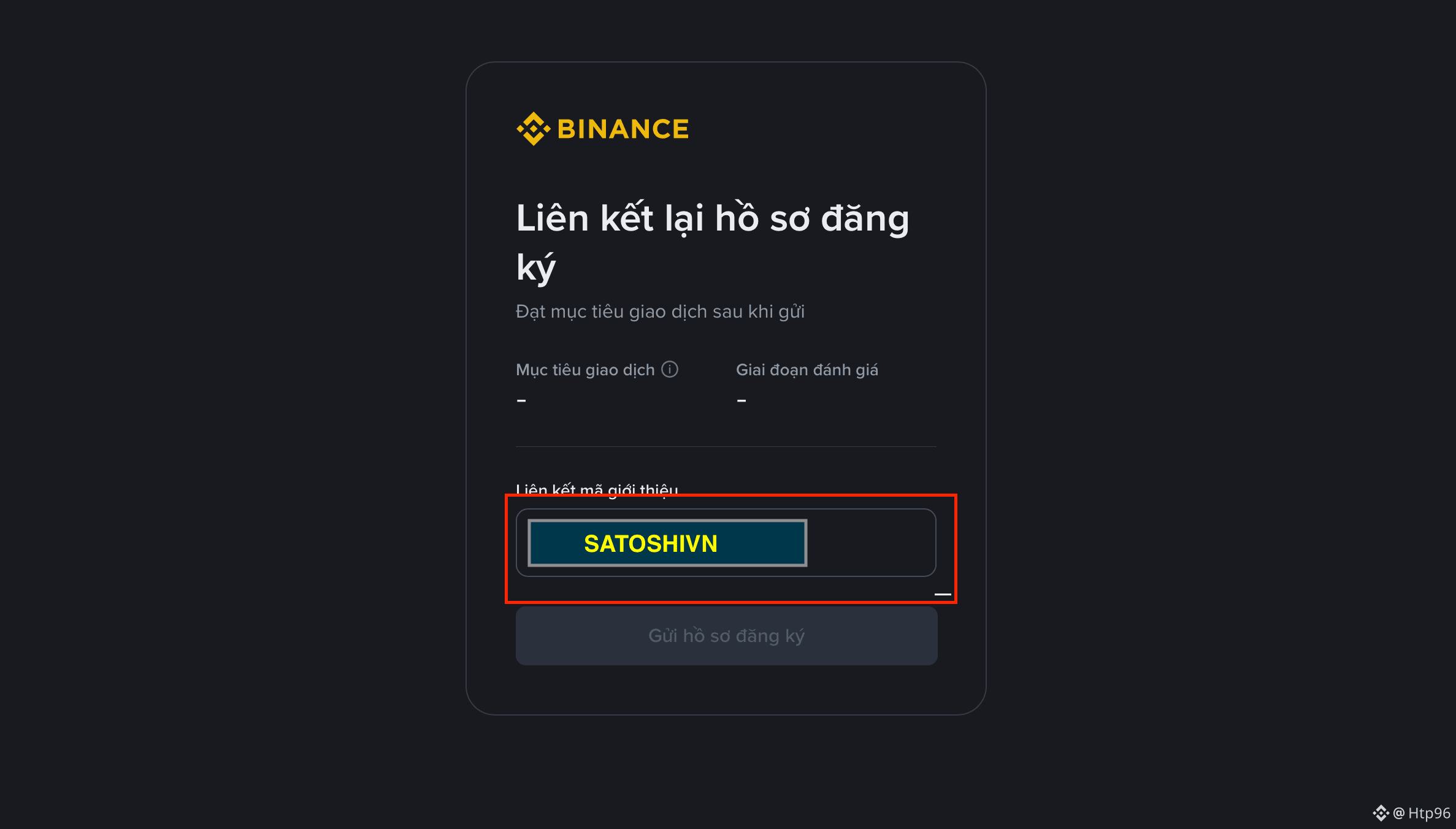
If you and your friends are using Binance and want to switch to ref to get a trading fee refund, then do it this way nhé.
However, not every account can be switched over.
You guys follow the steps below to receive the refund, nhé:
Step 1: Go to 👉 [TẠI ĐÂY](https://www.binance.com/activity/referral/bind-ref?ref=SATOSHIVN)
Step 2: Then enter the code: SATOSHIVN (mandatory)
But the condition is a bit difficult: beforehand, your account must have never referred anyone before. Can you check and see if you have?
If you and your friends are using Binance and want to switch to ref to get a trading fee refund, then do it this way nhé.
However, not every account can be switched over.
You guys follow the steps below to receive the refund, nhé:
Step 1: Go to 👉 TẠI ĐÂY
Step 2: Then enter the code: SATOSHIVN (mandatory)
But the condition is a bit difficult: beforehand, your account must have never referred anyone before. Can you check and see if you have?
However, not every account can be switched over.
You guys follow the steps below to receive the refund, nhé:
Step 1: Go to 👉 TẠI ĐÂY
Step 2: Then enter the code: SATOSHIVN (mandatory)
But the condition is a bit difficult: beforehand, your account must have never referred anyone before. Can you check and see if you have?
3
5
1.3k
PINNED
·
--

Article
Guide to Trading Fee Rebates on Binance 2026Hey fam, if you're trading on Binance and want to snag up to 40% rebate on trading fees in 2026, follow these steps:
⭐1. Spot & Futures Trading Fee Rebate
First, register for a Binance account or link your account using the referral link
HERE
👉 Then, enter the referral code: SATOSHIVN
Once linked successfully, you can claim trading fee rebates for both Spot and Futures.
Note: If your account can't be linked, it might have been registered with a different referral code before. In that case, just
Guide to Trading Fee Rebates on Binance 2026
Hey fam, if you're trading on Binance and want to snag up to 40% rebate on trading fees in 2026, follow these steps:
⭐1. Spot & Futures Trading Fee Rebate
First, register for a Binance account or link your account using the referral link
HERE
👉 Then, enter the referral code: SATOSHIVN
Once linked successfully, you can claim trading fee rebates for both Spot and Futures.
Note: If your account can't be linked, it might have been registered with a different referral code before. In that case, just
⭐1. Spot & Futures Trading Fee Rebate
First, register for a Binance account or link your account using the referral link
HERE
👉 Then, enter the referral code: SATOSHIVN
Once linked successfully, you can claim trading fee rebates for both Spot and Futures.
Note: If your account can't be linked, it might have been registered with a different referral code before. In that case, just
2
2
3k

·
--
Bullish
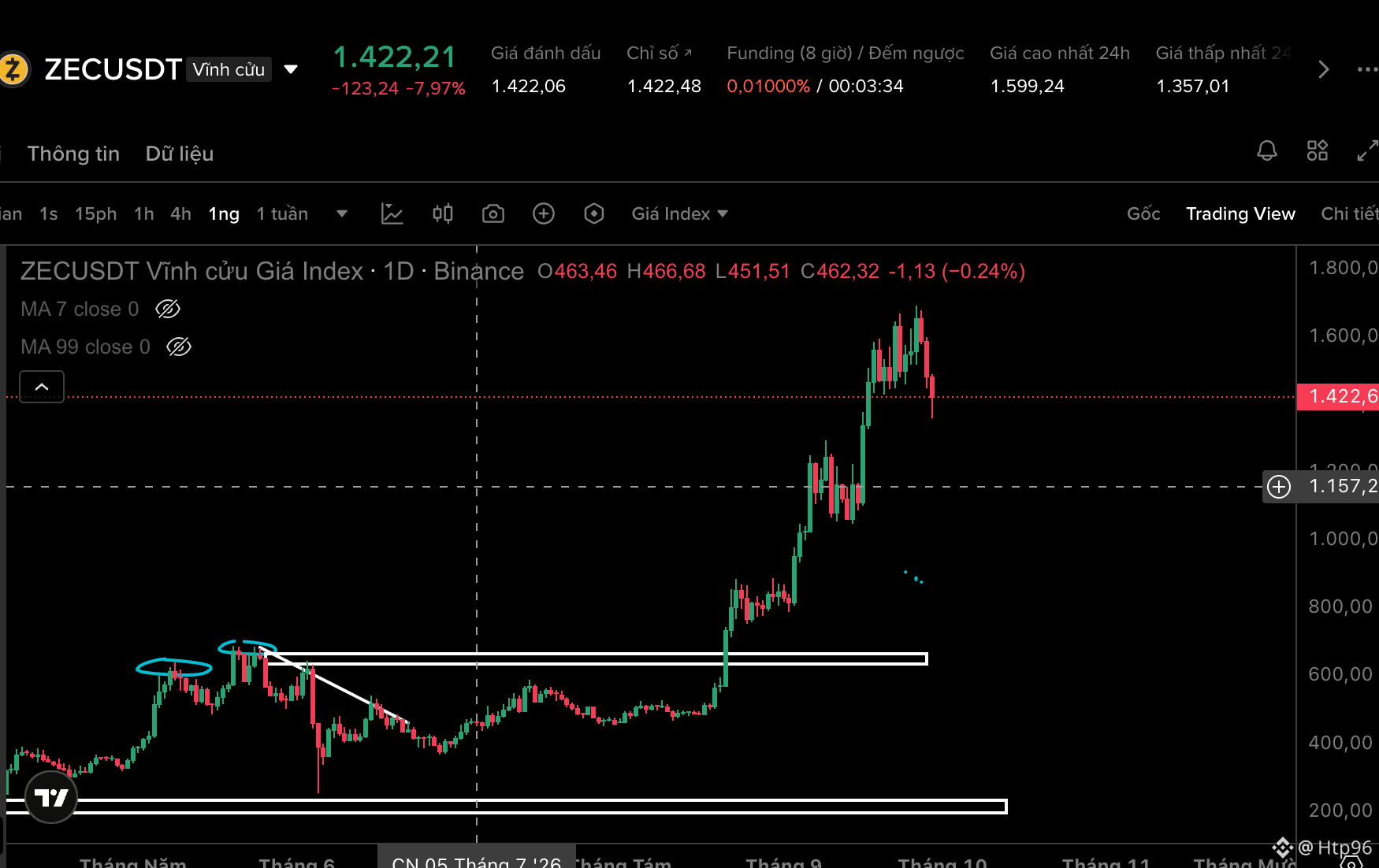
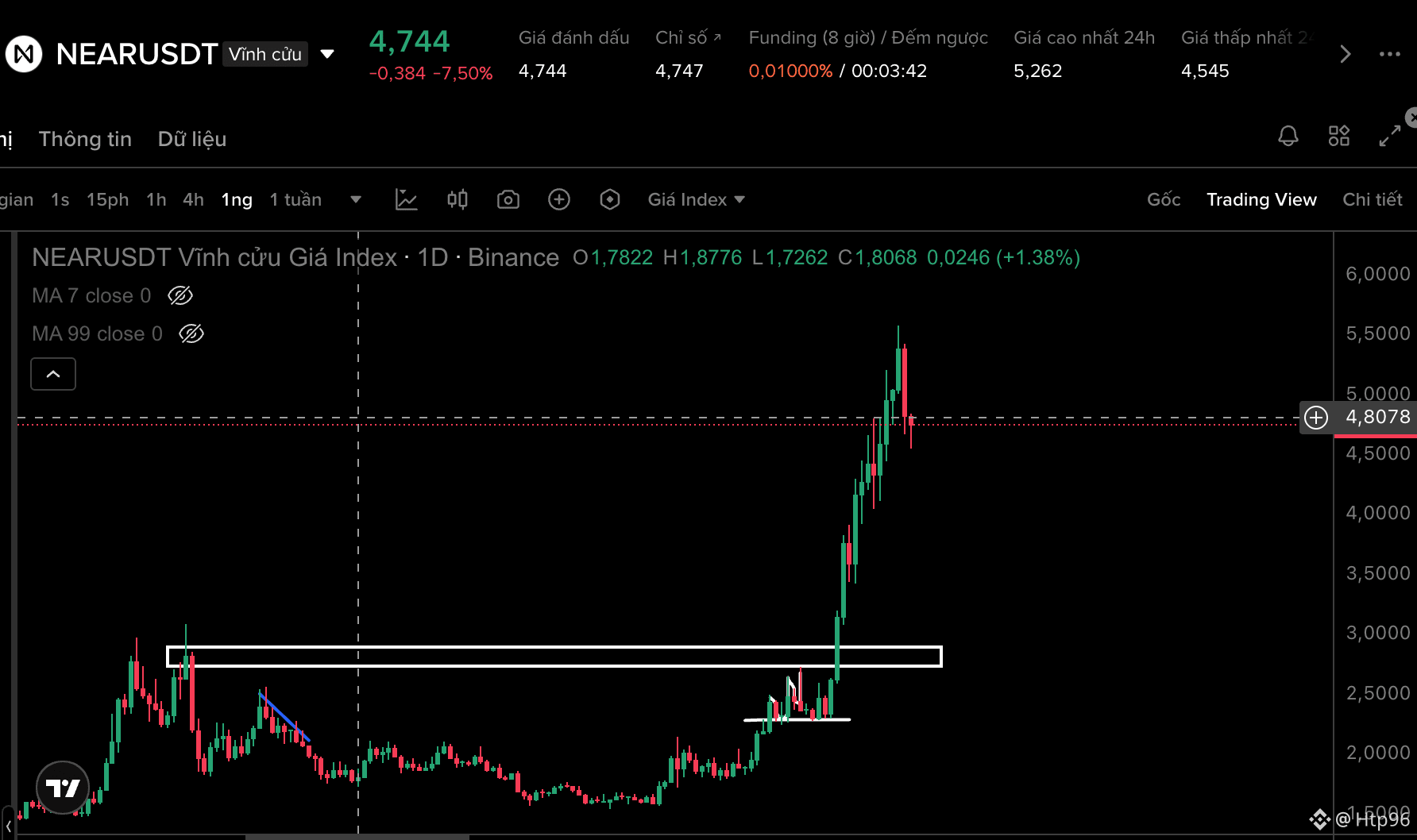
During this adjustment phase, $NEAR or $ZEC will be the strongest bounce, guys.
Also, keep an eye on these memes from Trung—these might have a good rebound if the market rebounds.
Also, guys, join the group here to get rewards
👇👇
[https://app.binance.com/uni-qr/WCshoh58](https://app.binance.com/uni-qr/WCshoh58)
During this adjustment phase, $NEAR or $ZEC will be the strongest bounce, guys.
Also, keep an eye on these memes from Trung—these might have a good rebound if the market rebounds.
Also, guys, join the group here to get rewards
👇👇
https://app.binance.com/uni-qr/WCshoh58
Also, keep an eye on these memes from Trung—these might have a good rebound if the market rebounds.
Also, guys, join the group here to get rewards
👇👇
https://app.binance.com/uni-qr/WCshoh58
1
5
2.8k
·
--
Bullish
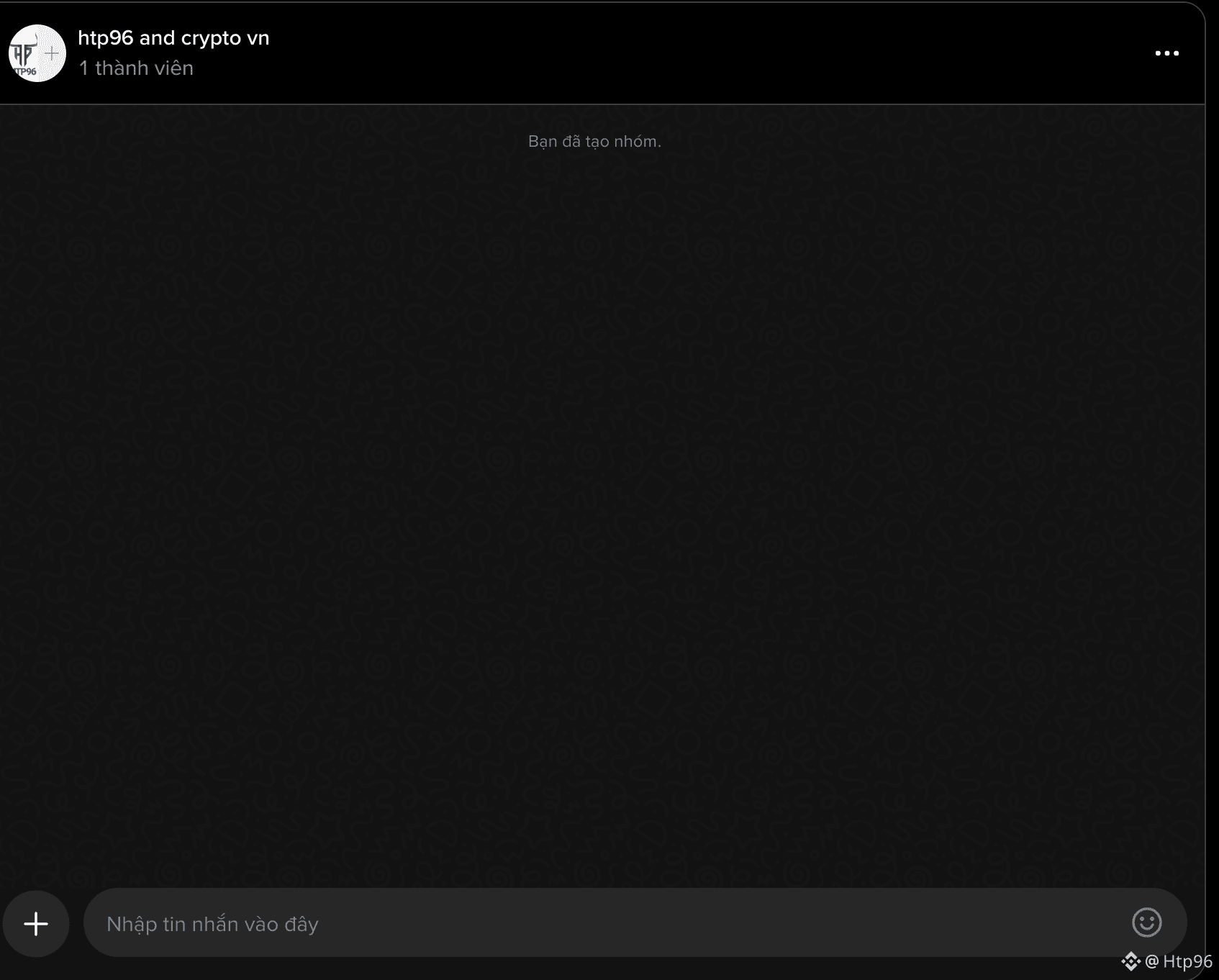
I just created a group, the goal is to reach 1K members this week
If we reach 1K, there will be rewards for everyone in the group.
Brothers, join in and invite more friends to join with you too—so we can get the reward sooner.
JOIN HERE
[https://app.binance.com/uni-qr/BfWUBcLY](https://app.binance.com/uni-qr/BfWUBcLY)
I just created a group, the goal is to reach 1K members this week
If we reach 1K, there will be rewards for everyone in the group.
Brothers, join in and invite more friends to join with you too—so we can get the reward sooner.
JOIN HERE
https://app.binance.com/uni-qr/BfWUBcLY
If we reach 1K, there will be rewards for everyone in the group.
Brothers, join in and invite more friends to join with you too—so we can get the reward sooner.
JOIN HERE
https://app.binance.com/uni-qr/BfWUBcLY
5
967
·
--
Bearish
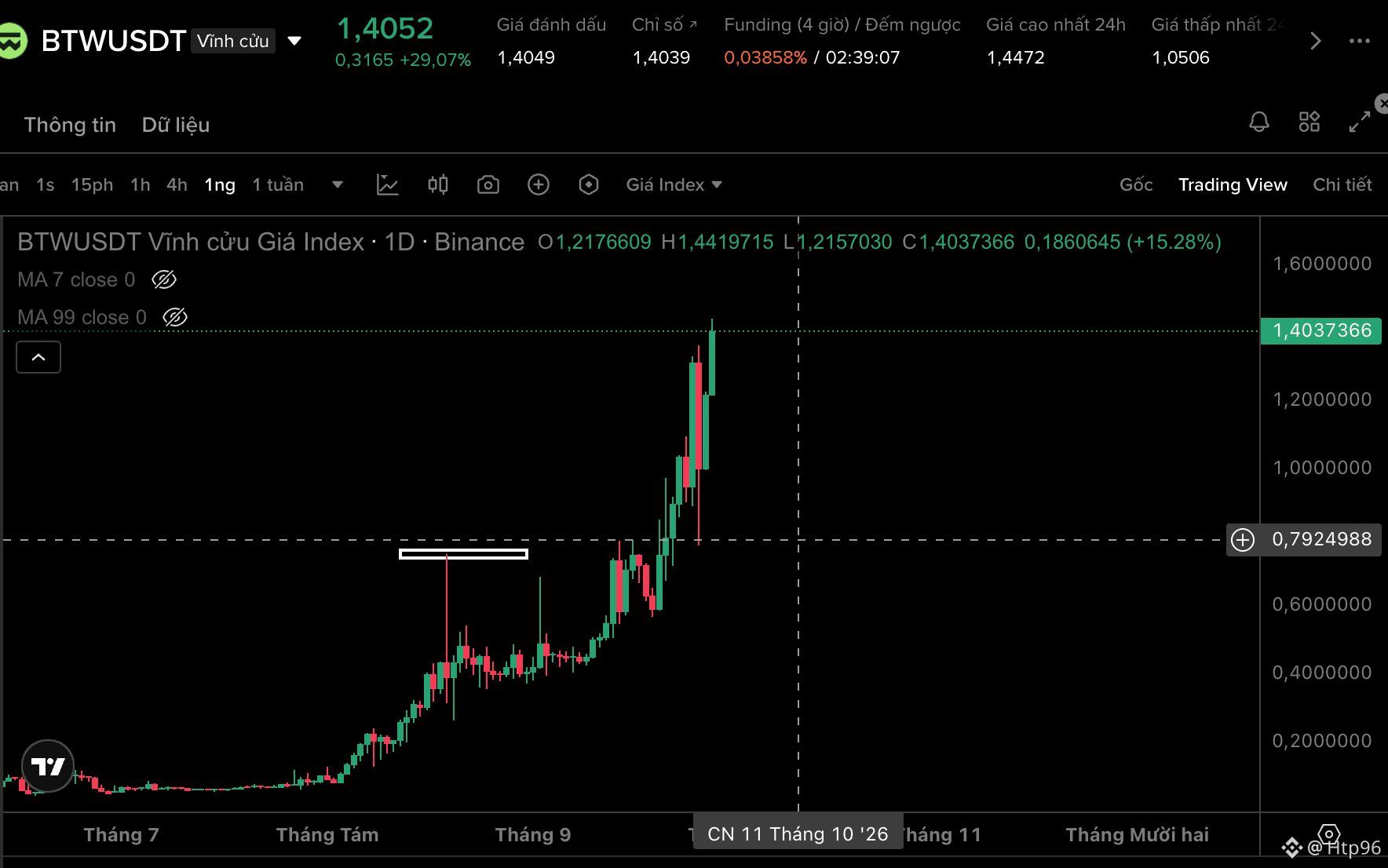
$BTW con this ability can kill another one then split the sml is beautiful
Any brothers here waiting to enter a short on this one then come in down below nhé
👇👇
{future}(BTWUSDT)
$BTW con this ability can kill another one then split the sml is beautiful
Any brothers here waiting to enter a short on this one then come in down below nhé
👇👇
Any brothers here waiting to enter a short on this one then come in down below nhé
👇👇
1
2
2.1k
·
--
Bearish
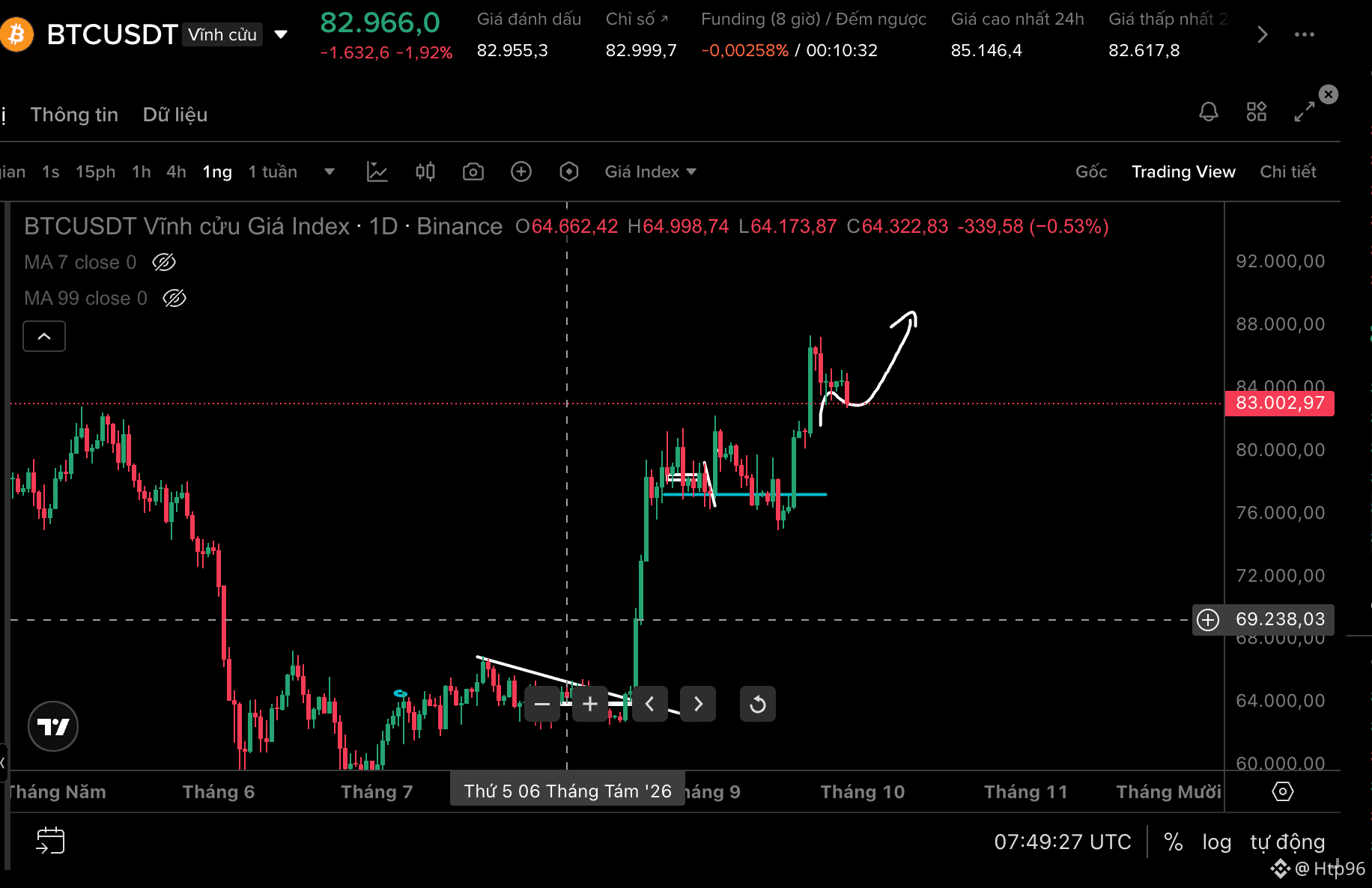
This dip seems quite good to me. If we don’t adjust it, trading altcoins would be quite difficult.
Since we have to buy in after it rises, optimizing profit is quite hard.
Some coins are still much stronger than $BTC .
Now all we need is for BTC to rebound, and most of them will rebound stronger than Bitcoin.
$BTC
👇
{future}(BTCUSDT)
This dip seems quite good to me. If we don’t adjust it, trading altcoins would be quite difficult.
Since we have to buy in after it rises, optimizing profit is quite hard.
Some coins are still much stronger than $BTC .
Now all we need is for BTC to rebound, and most of them will rebound stronger than Bitcoin.
$BTC
👇
Since we have to buy in after it rises, optimizing profit is quite hard.
Some coins are still much stronger than $BTC .
Now all we need is for BTC to rebound, and most of them will rebound stronger than Bitcoin.
$BTC
👇
5
5
6.5k
·
--
Bullish
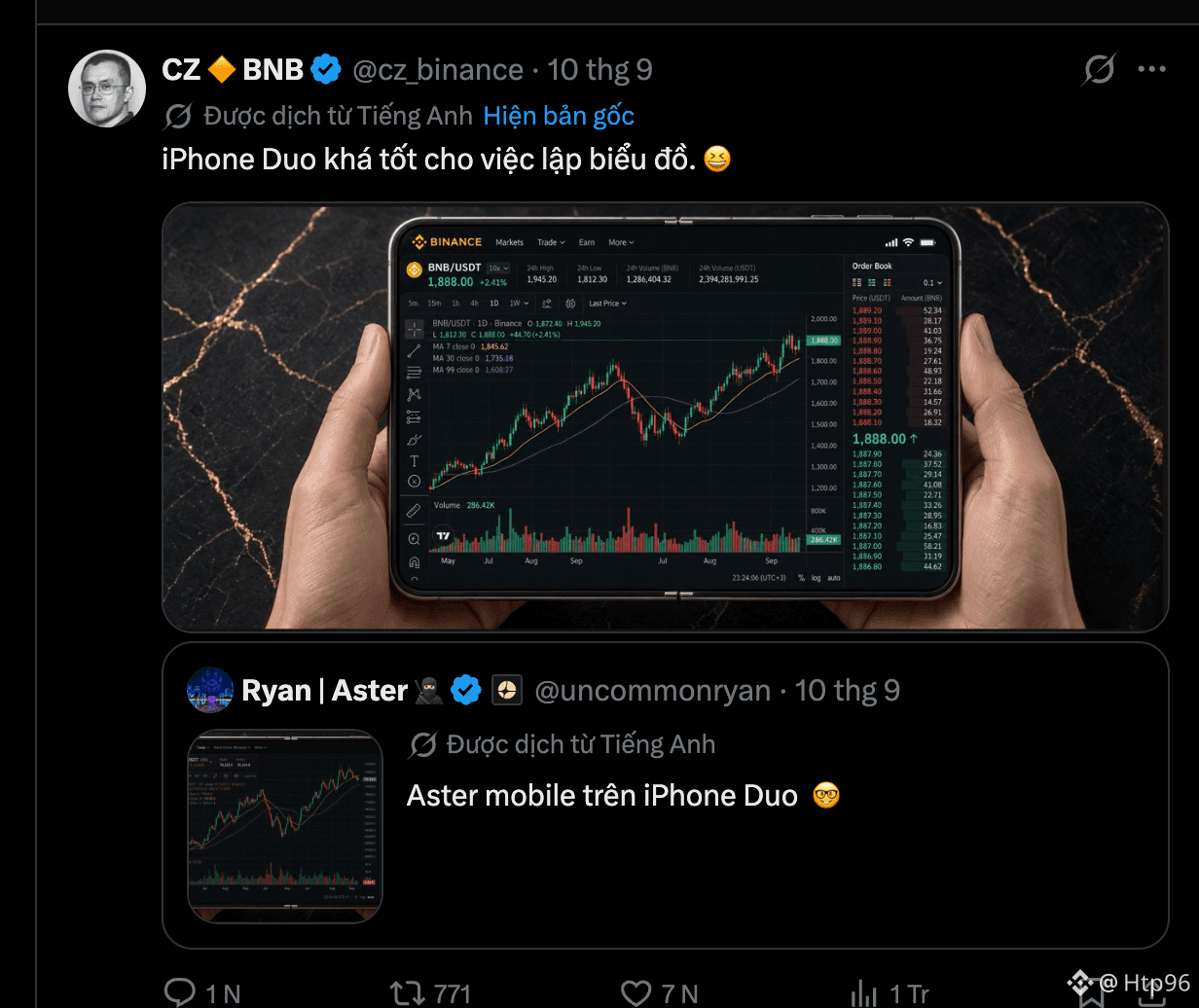
$BNB hiện đang quanh 777 if timing anh trai CZ thì tiềm năng dài hạn có thể 1888
To achieve this, I really hope we’ll have uptober, guys, right?
Is there anyone here holding BNB?
👇
{future}(BNBUSDT)
$BNB hiện đang quanh 777 if timing anh trai CZ thì tiềm năng dài hạn có thể 1888
To achieve this, I really hope we’ll have uptober, guys, right?
Is there anyone here holding BNB?
👇
To achieve this, I really hope we’ll have uptober, guys, right?
Is there anyone here holding BNB?
👇
1
4
4.3k
·
--
Bullish
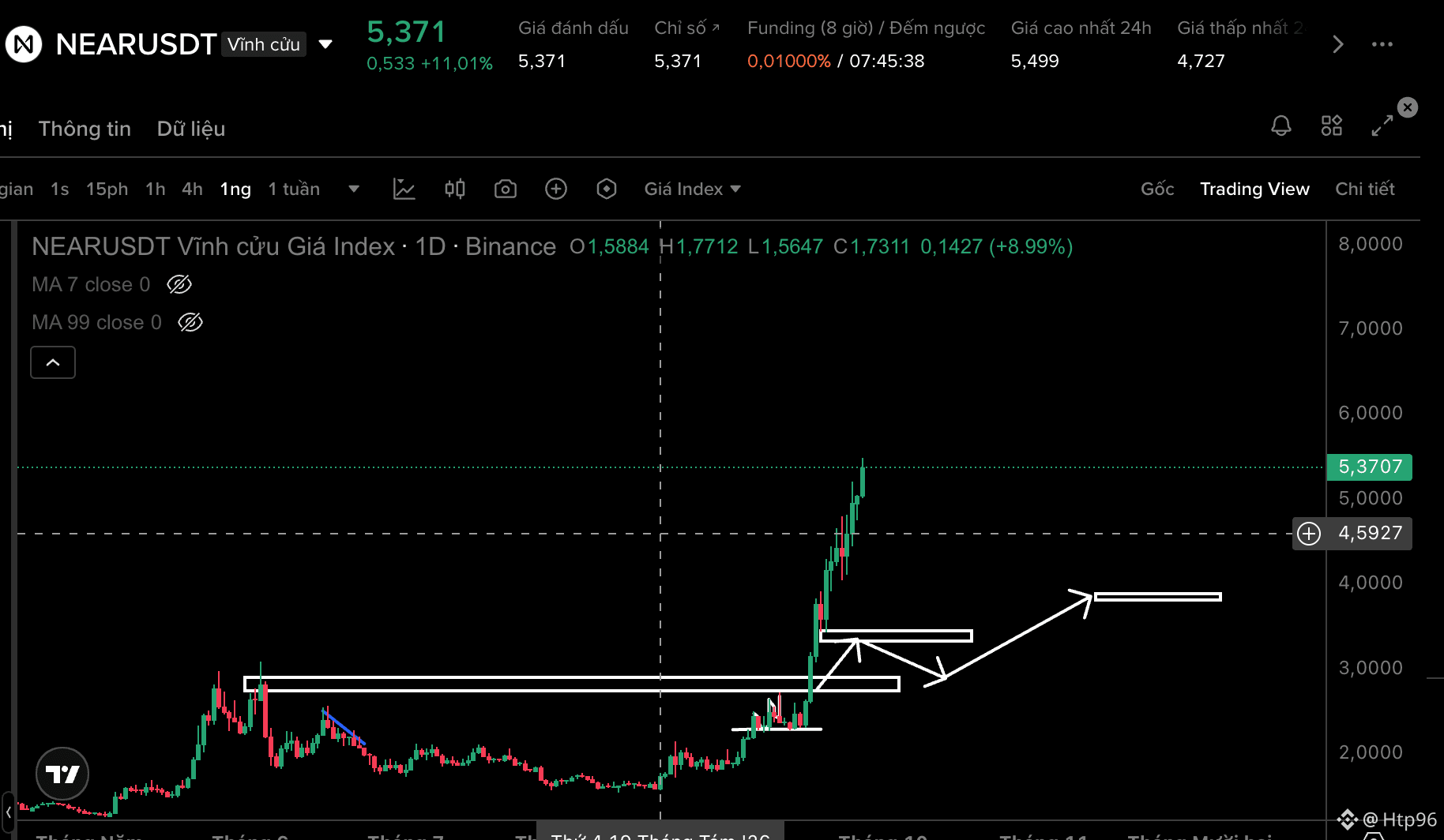
$NEAR vẫn có chưa dấu hiệu ngừng lại anh em !
At this time, it’s probably that most brothers who held are unable to hold on; most have already taken profit. In there, there is me as well.
If $ZEC keeps pumping, then maybe we could still see “near” pump and FOMO continue to rise. Even though near is pumping, on the nearchain side, the waves are rather weak.
Whoever is waiting for a strong “Con bay” move based on near, come in below nhé
$NEAR
{future}(NEARUSDT)
$NEAR vẫn có chưa dấu hiệu ngừng lại anh em !
At this time, it’s probably that most brothers who held are unable to hold on; most have already taken profit. In there, there is me as well.
If $ZEC keeps pumping, then maybe we could still see “near” pump and FOMO continue to rise. Even though near is pumping, on the nearchain side, the waves are rather weak.
Whoever is waiting for a strong “Con bay” move based on near, come in below nhé
$NEAR
At this time, it’s probably that most brothers who held are unable to hold on; most have already taken profit. In there, there is me as well.
If $ZEC keeps pumping, then maybe we could still see “near” pump and FOMO continue to rise. Even though near is pumping, on the nearchain side, the waves are rather weak.
Whoever is waiting for a strong “Con bay” move based on near, come in below nhé
$NEAR
12
3
9.7k
·
--
Bullish
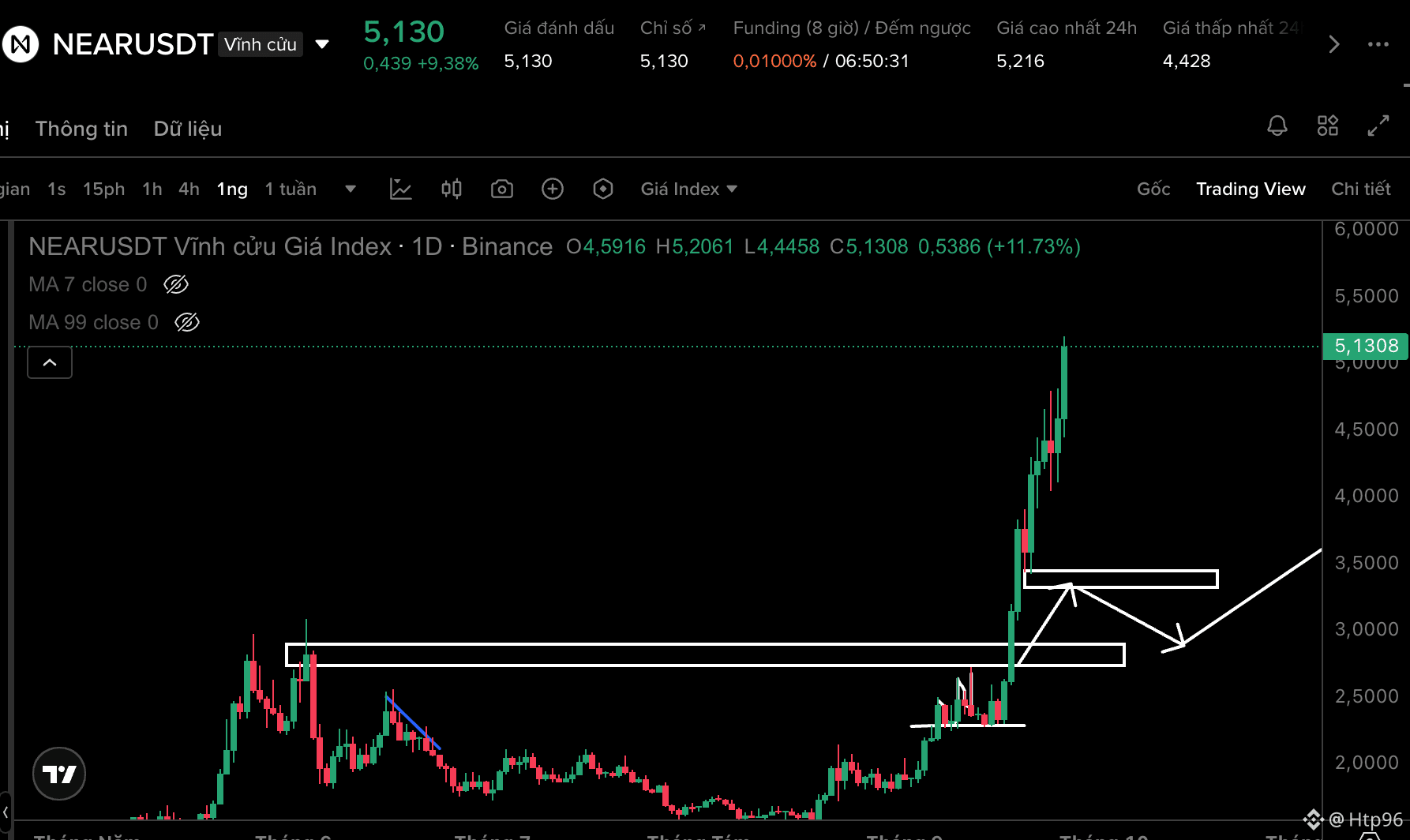
Do you think brothers $NEAR can reach the highest level of all time again?
👇👇
{future}(NEARUSDT)
Do you think brothers $NEAR can reach the highest level of all time again?
👇👇
👇👇
3
3.5k
·
--
Bullish
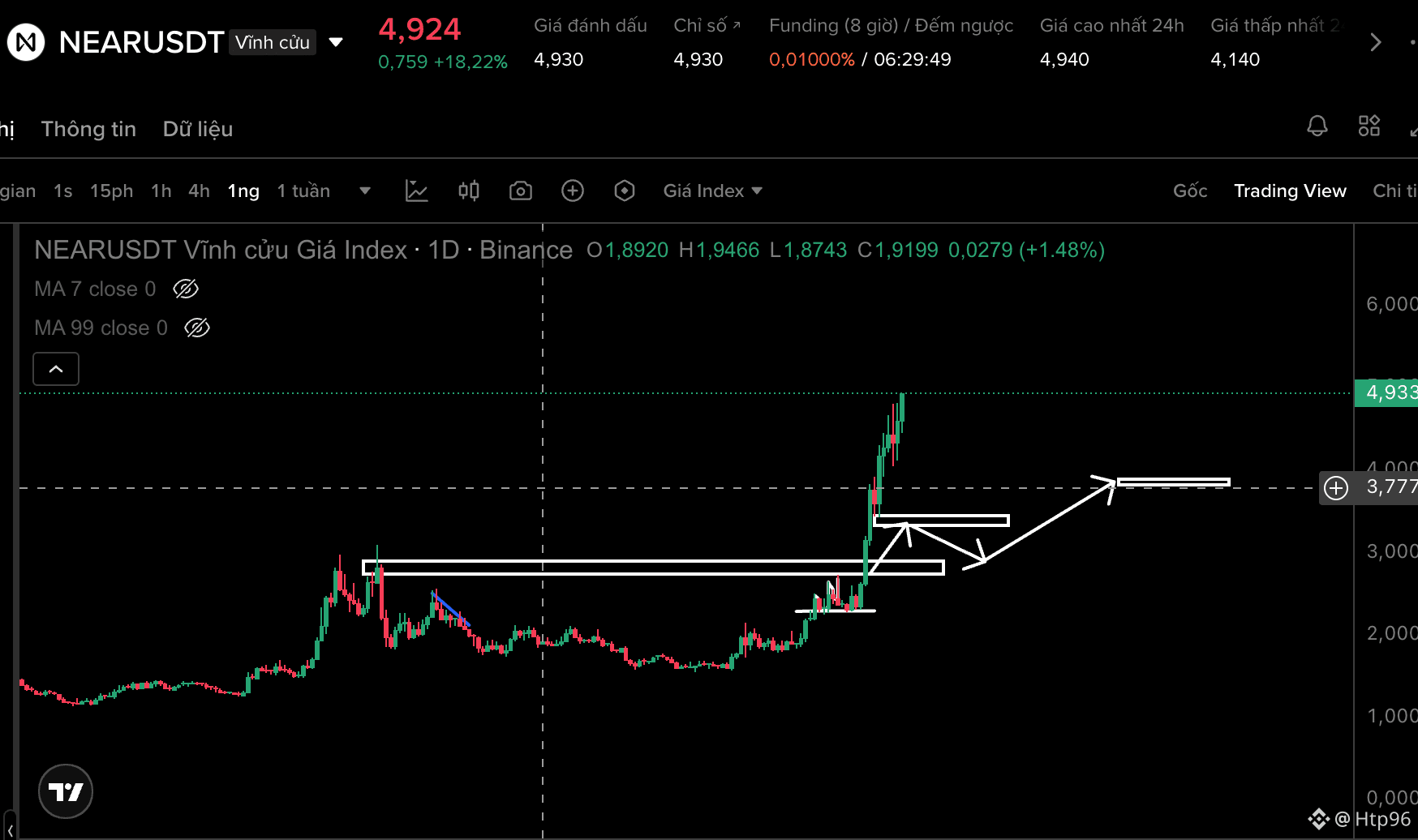
$NEAR keep pumping up to the 5$ mark, bro—I'm cashing out now, no losses!!
But it's fine; when it's time to hunt the setup on the Near chain, right??
If anyone's waiting for the drop on the Near chain, come in here
$NEAR keep pumping up to the 5$ mark, bro—I'm cashing out now, no losses!!
But it's fine; when it's time to hunt the setup on the Near chain, right??
If anyone's waiting for the drop on the Near chain, come in here
But it's fine; when it's time to hunt the setup on the Near chain, right??
If anyone's waiting for the drop on the Near chain, come in here
6
4
9.4k
·
--
Bullish
In May 2019, Binance was hacked and lost approximately 7,000 $BTC
(equivalent to about $40 million at the time) from its hot wallet.
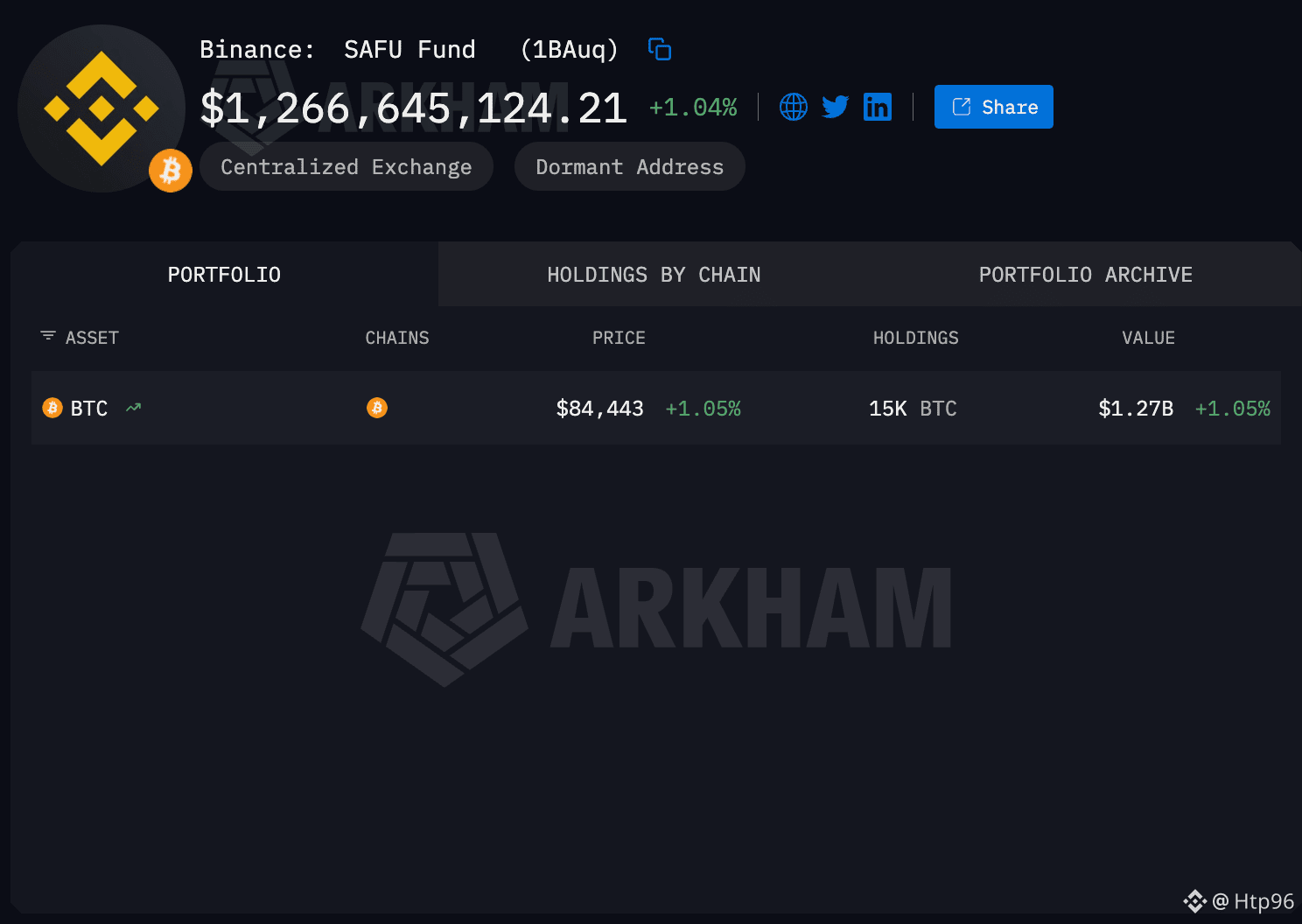
Binance currently maintains the SAFU fund with a value of over $1 billion as reserves against potential risks.
Since that incident, Binance has not suffered any other major hacks.
Binance’s security team is currently working with bitget
to help address the recent incident.
This is one of the more positive moments in the crypto space.
$BTC
{future}(BTCUSDT)
In May 2019, Binance was hacked and lost approximately 7,000 $BTC
(equivalent to about $40 million at the time) from its hot wallet.
Binance currently maintains the SAFU fund with a value of over $1 billion as reserves against potential risks.
Since that incident, Binance has not suffered any other major hacks.
Binance’s security team is currently working with bitget
to help address the recent incident.
This is one of the more positive moments in the crypto space.
$BTC
(equivalent to about $40 million at the time) from its hot wallet.
Binance currently maintains the SAFU fund with a value of over $1 billion as reserves against potential risks.
Since that incident, Binance has not suffered any other major hacks.
Binance’s security team is currently working with bitget
to help address the recent incident.
This is one of the more positive moments in the crypto space.
$BTC
4
6
5.9k
·
--
Bullish
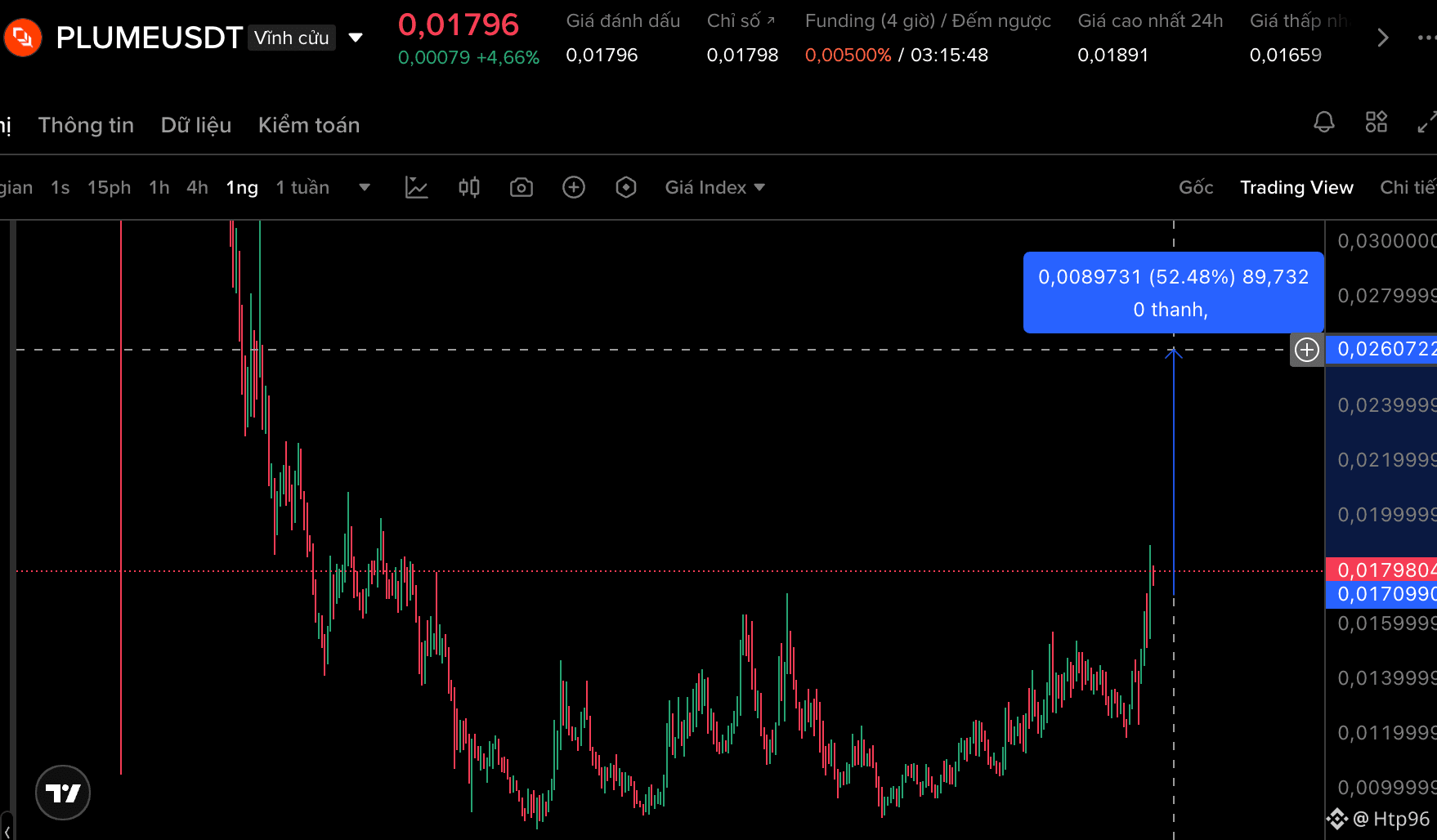
Trend RWA is getting cashflow outside $ONDO đ and has already pumped—so guys, you can take a look at a few more coins too.
Here there are $PLUME or $MANTRA —guys can follow, but for me this trend is only short-term, so don’t hold.
The market is having FUD, so guys should be careful/refrain. I have a group of friends—could join below 👇👇 {future}(PLUMEUSDT)
Trend RWA is getting cashflow outside $ONDO đ and has already pumped—so guys, you can take a look at a few more coins too.
Here there are $PLUME or $MANTRA —guys can follow, but for me this trend is only short-term, so don’t hold.
The market is having FUD, so guys should be careful/refrain. I have a group of friends—could join below 👇👇
Here there are $PLUME or $MANTRA —guys can follow, but for me this trend is only short-term, so don’t hold.
The market is having FUD, so guys should be careful/refrain. I have a group of friends—could join below 👇👇
1
2.8k
·
--
Bullish
Verified
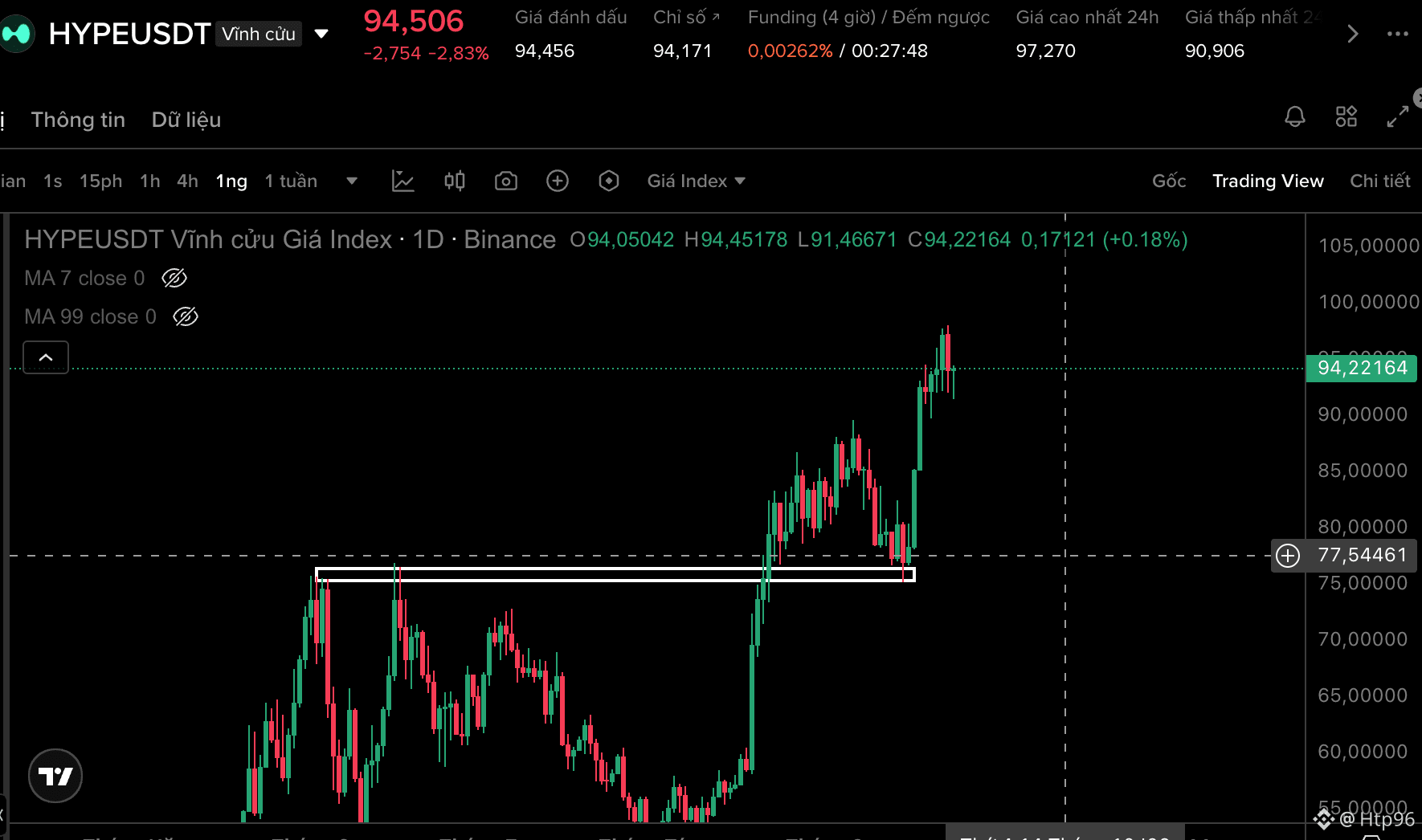
Finally Binance has also listed spot $HYPE
For those who don’t know, currently $HYPE is almost unbeatable in the DEX market share.
The biggest massive volume on Peprdex
From what I’ve seen, when it comes to spot listing, there’s a high chance it will correct around $HYPE , folks.
$HYPE
{future}(HYPEUSDT)
Finally Binance has also listed spot $HYPE
For those who don’t know, currently $HYPE is almost unbeatable in the DEX market share.
The biggest massive volume on Peprdex
From what I’ve seen, when it comes to spot listing, there’s a high chance it will correct around $HYPE , folks.
$HYPE
For those who don’t know, currently $HYPE is almost unbeatable in the DEX market share.
The biggest massive volume on Peprdex
From what I’ve seen, when it comes to spot listing, there’s a high chance it will correct around $HYPE , folks.
$HYPE
1.7k
·
--
Bullish
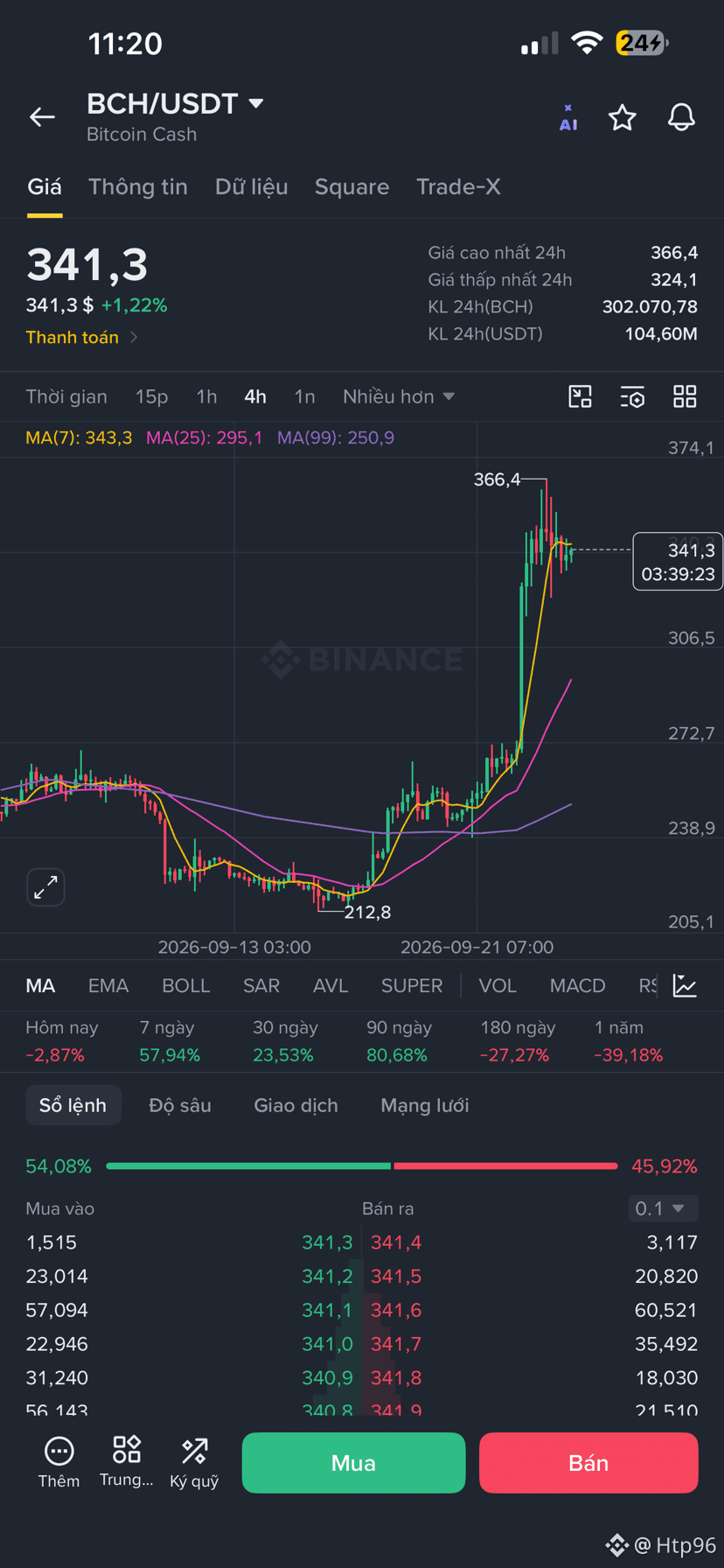
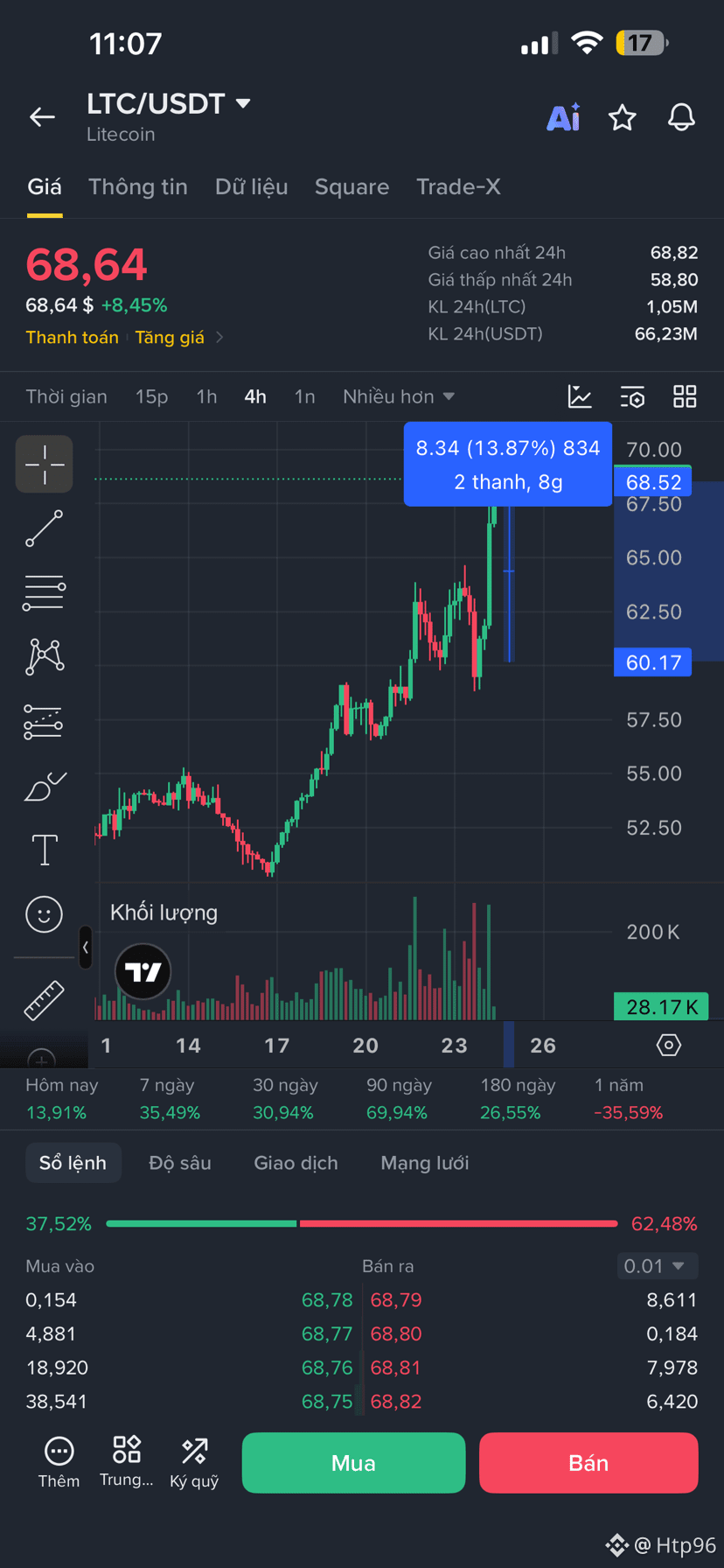
Trend POW stay strong, brothers!
$BCH back strong now to $LTC also pump along
There might be one more on the same table that the brothers haven’t pumped yet
What one do you think it is??
$LTC
{future}(LTCUSDT)
Trend POW stay strong, brothers!
$BCH back strong now to $LTC also pump along
There might be one more on the same table that the brothers haven’t pumped yet
What one do you think it is??
$LTC
$BCH back strong now to $LTC also pump along
There might be one more on the same table that the brothers haven’t pumped yet
What one do you think it is??
$LTC
9
3
6.3k
·
--
Bearish
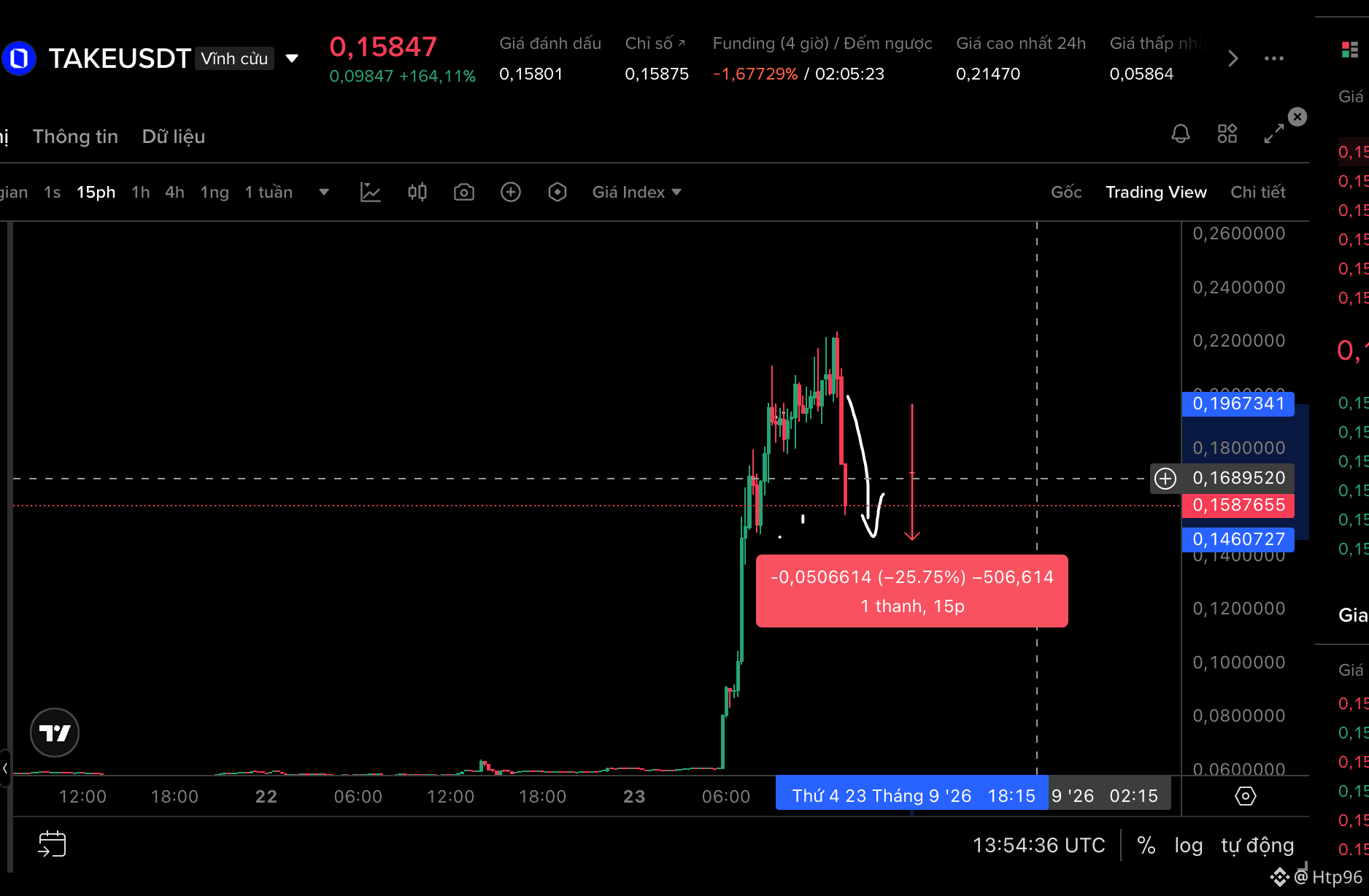
$TAKE This one 10x’d from the bottom. Anyone who went heavy volume is left with nothing.
I only sized small on this and made a little.
Group members should grab some too. Pump and dump is still strong at this level, so only play small size.
Join the group below.
$TAKE
{future}(TAKEUSDT)
$TAKE This one 10x’d from the bottom. Anyone who went heavy volume is left with nothing.
I only sized small on this and made a little.
Group members should grab some too. Pump and dump is still strong at this level, so only play small size.
Join the group below.
$TAKE
I only sized small on this and made a little.
Group members should grab some too. Pump and dump is still strong at this level, so only play small size.
Join the group below.
$TAKE
1
581
·
--
Bullish
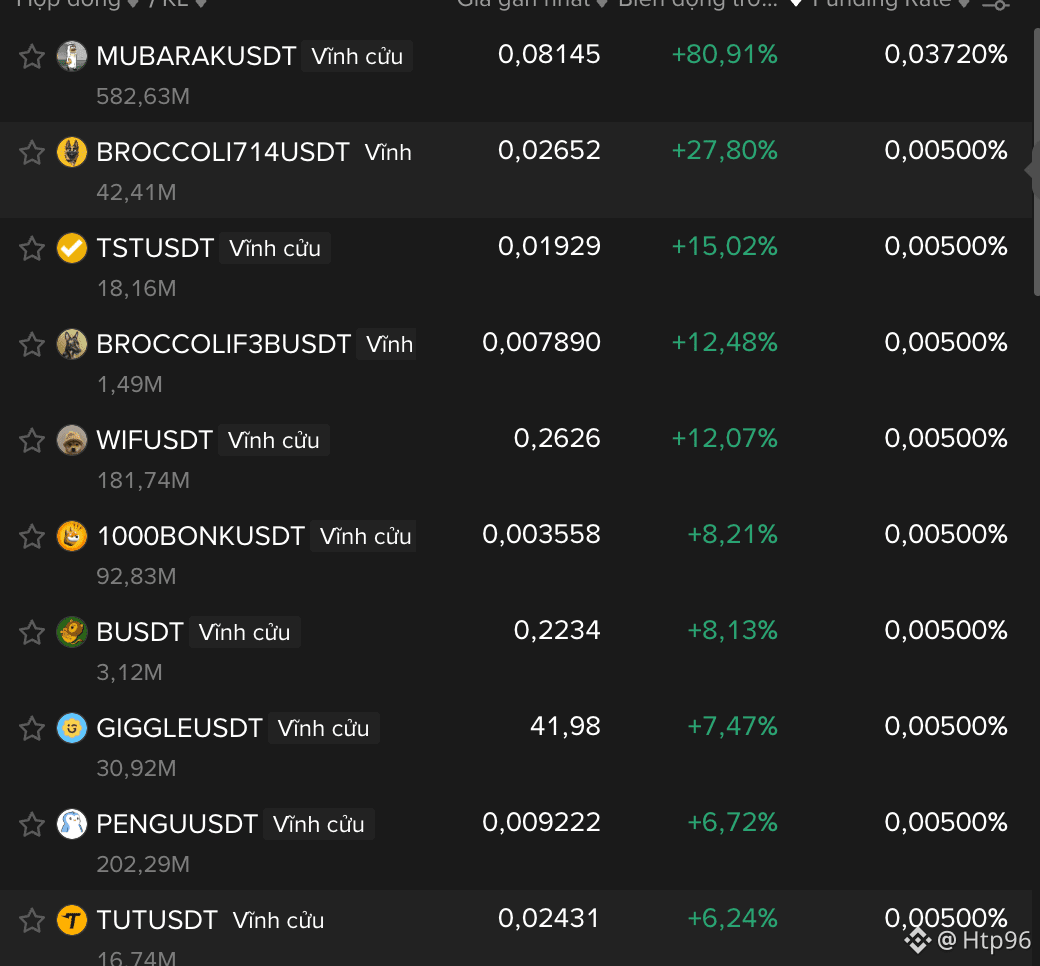
$MUBARAK đã x3 from the bottom in the right season, uptrend MM is trying to push as fast as possible.
Just go with the money flow, brothers—if we have the timing, hopefully you’ll see it too.
At this time, try to play fast to get out USDT quickly. Usually around the Mid-Autumn Festival, the market often throws an unexpected curveball.
BROTHERS WHO WANT TO RECEIVE A FREE BINANCE REFUND, FOLLOW HERE.
[https://www.binance.com/vi/square/post/345982123700050](https://www.binance.com/vi/square/post/345982123700050)
$MUBARAK
{future}(MUBARAKUSDT)
$MUBARAK đã x3 from the bottom in the right season, uptrend MM is trying to push as fast as possible.
Just go with the money flow, brothers—if we have the timing, hopefully you’ll see it too.
At this time, try to play fast to get out USDT quickly. Usually around the Mid-Autumn Festival, the market often throws an unexpected curveball.
BROTHERS WHO WANT TO RECEIVE A FREE BINANCE REFUND, FOLLOW HERE.
https://www.binance.com/vi/square/post/345982123700050
$MUBARAK
Just go with the money flow, brothers—if we have the timing, hopefully you’ll see it too.
At this time, try to play fast to get out USDT quickly. Usually around the Mid-Autumn Festival, the market often throws an unexpected curveball.
BROTHERS WHO WANT TO RECEIVE A FREE BINANCE REFUND, FOLLOW HERE.
https://www.binance.com/vi/square/post/345982123700050
$MUBARAK
2.7k
·
--
Bullish
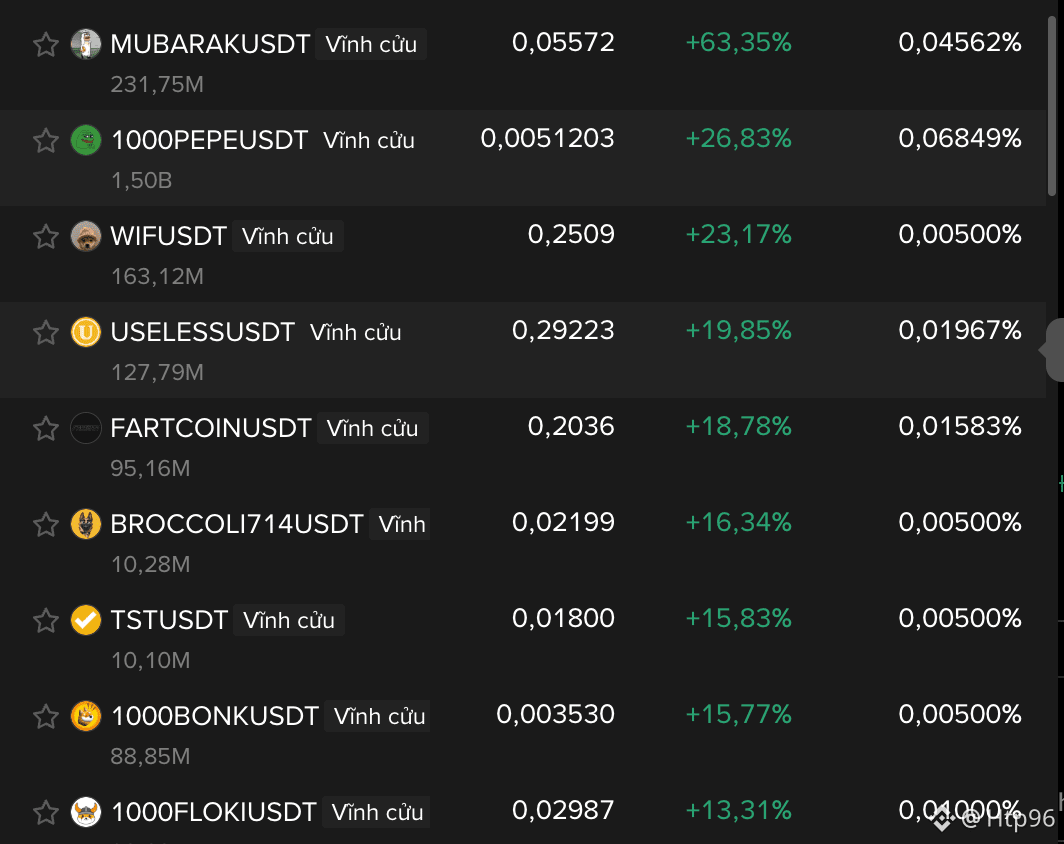
Today I’m focusing on the meme crew on BSC, brothers!!
PEPE finished its live yesterday, and then it pumped strongly
On BNB Chain, memes on CEX right now have a Mubak pump of 60%
There’s a good chance there will be a few meme coins pumping together in the same segment
Let’s start with the letter T—what coin is it, brothers?
Today I’m focusing on the meme crew on BSC, brothers!!
PEPE finished its live yesterday, and then it pumped strongly
On BNB Chain, memes on CEX right now have a Mubak pump of 60%
There’s a good chance there will be a few meme coins pumping together in the same segment
Let’s start with the letter T—what coin is it, brothers?
PEPE finished its live yesterday, and then it pumped strongly
On BNB Chain, memes on CEX right now have a Mubak pump of 60%
There’s a good chance there will be a few meme coins pumping together in the same segment
Let’s start with the letter T—what coin is it, brothers?
3
2
3k
·
--
Bullish
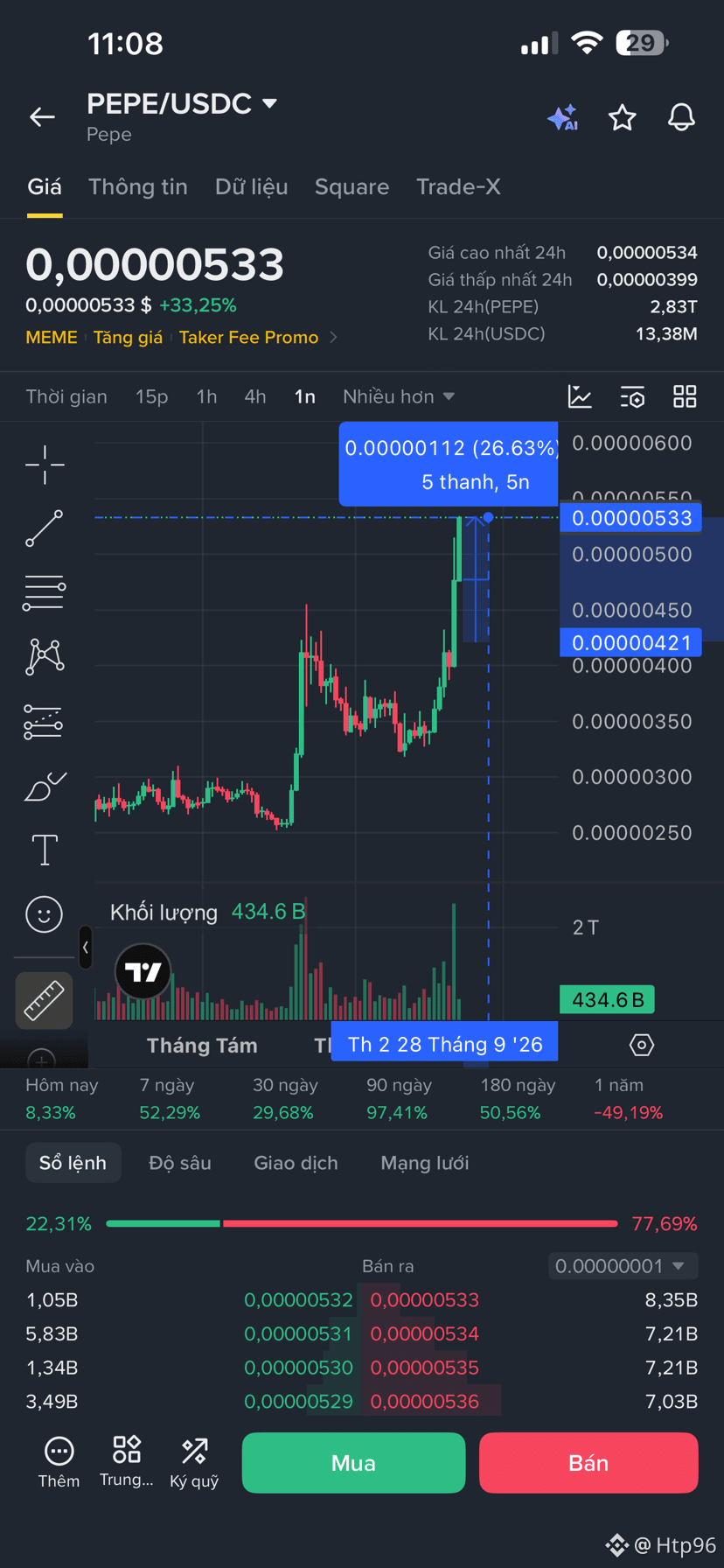
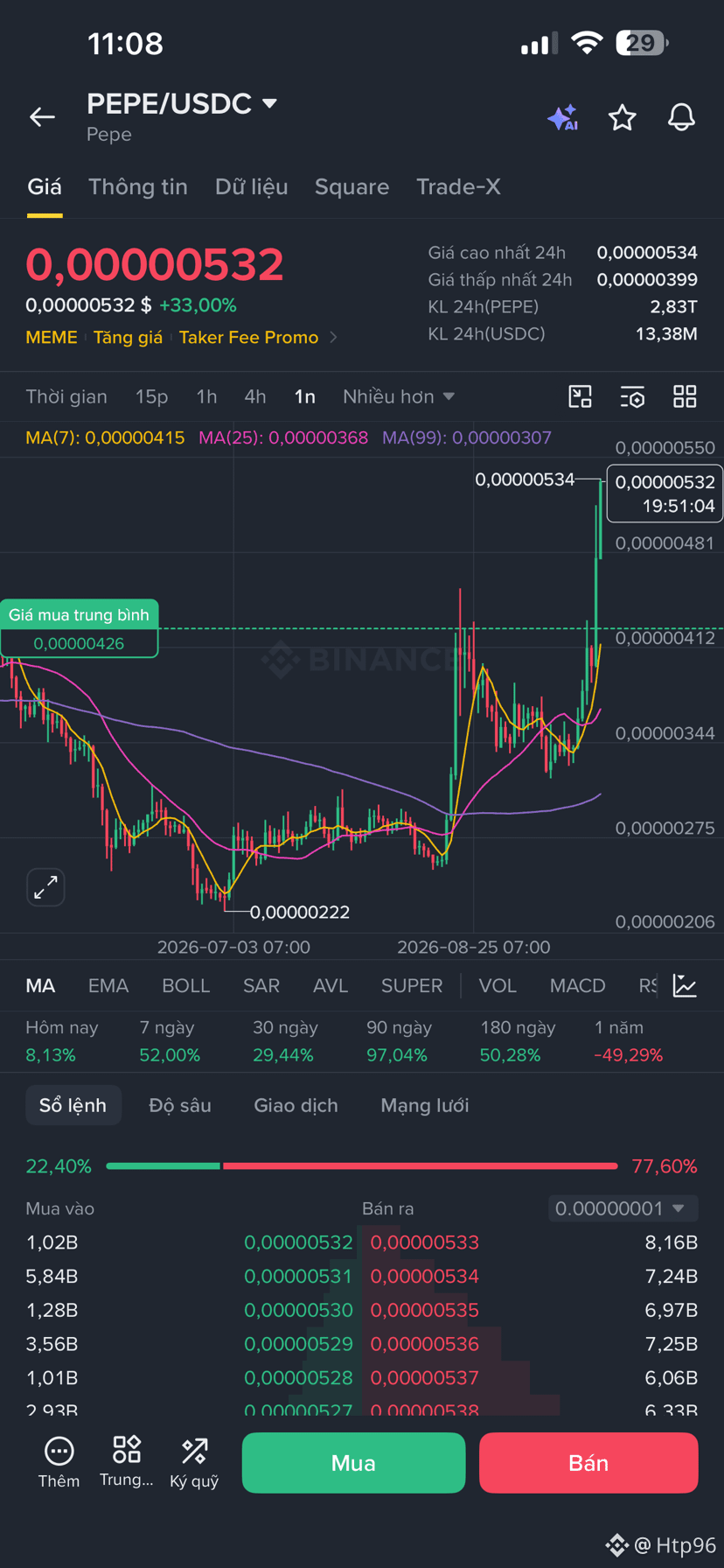
Just after going live, $PEPE pumped 20%.
Damn, since it’s an uptrend season, grab it fast.
I’m continuing to hunt for ships, guys.
Take advantage and milk this wave out into USDT—that’s the best. If you guys are waiting for the ship, join below.
$PEPE
{spot}(PEPEUSDT)
Just after going live, $PEPE pumped 20%.
Damn, since it’s an uptrend season, grab it fast.
I’m continuing to hunt for ships, guys.
Take advantage and milk this wave out into USDT—that’s the best. If you guys are waiting for the ship, join below.
$PEPE
Damn, since it’s an uptrend season, grab it fast.
I’m continuing to hunt for ships, guys.
Take advantage and milk this wave out into USDT—that’s the best. If you guys are waiting for the ship, join below.
$PEPE
5
2.2k
Log in to explore more content
Join global crypto users on Binance Square
⚡️ Get latest and useful information about crypto.
💬 Trusted by the world’s largest crypto exchange.
👍 Discover real insights from verified creators.
Email / Phone number
Trending Topics
QNTRises287%
771 views
75 Discussing
#qntrises287%
🚨 $QNT JUST EXPLODED +287%! 🚀🔥
Quant is making a massive move, sending traders into full FOMO mode. 👀
📈 +287% SURGE
🔥 Momentum accelerating
🐂 Bulls taking control
🎯 Now the BIG question: WHAT’S NEXT?
After a move this explosive, traders are watching closely to see whether $QNT can keep the bullish trend going or enter a cooldown.
NEW ATH NEXT? 👀🚀
👇 What’s your next $QNT target?
#QNT #Quant #crypto
Faizan Crypto Learner
·0 Likes
·161 views
TrumpRejectsAIRulesForVoluntaryAudits
4,486 views
233 Discussing
BitgetHotWalletBreachTiedToThirdPartySecurityFlaw
2,253 views
176 Discussing