
F_A_T_E_M_A
14k Posts

F_A_T_E_M_A
 Square Verified+
Report
Block User
🚀 Crypto Analyst, Trader & Creator 📈
Open Trade
High-Frequency Trader
1.7 Years
243 Following
36.5K+ Followers
19.1K+ Liked
Posts
Portfolio
All
Quotes
Videos
Live
PINNED
·
--
$TRUMP
{future}(TRUMPUSDT)
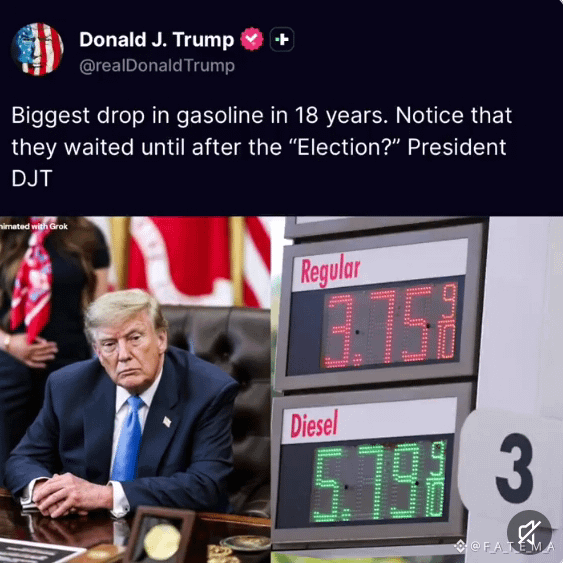
🚨 JUST IN: President Trump exposes that gas prices just dropped the MOST IN 18 YEARS and suspiciously waited just for the midterms to end
"Biggest drop in gasoline in 18 years. Notice that they waited until after the “Election?” President DJT"
Imagine that.
They go down RIGHT after Dems win everything they want
Trump's plan on energy prices is WORKING.
#USGovernment #worldnewswithfatema
$TRUMP
🚨 JUST IN: President Trump exposes that gas prices just dropped the MOST IN 18 YEARS and suspiciously waited just for the midterms to end
"Biggest drop in gasoline in 18 years. Notice that they waited until after the “Election?” President DJT"
Imagine that.
They go down RIGHT after Dems win everything they want
Trump's plan on energy prices is WORKING.
#USGovernment #worldnewswithfatema
7
25
29.5k
PINNED
·
--
#sxt $SXT
🚀 Space and Time (SXT) Creator Campaign is Live!
Space and Time is the powerful Microsoft-backed blockchain delivering verifiable data for AI, tokenization, and DeFi.
I'm super excited to participate in this incredible CreatorPad campaign!
📊 Check out my SXT trade setup & position here:
$SXT @SpaceandTimeDB
#sxt $SXT
🚀 Space and Time (SXT) Creator Campaign is Live!
Space and Time is the powerful Microsoft-backed blockchain delivering verifiable data for AI, tokenization, and DeFi.
I'm super excited to participate in this incredible CreatorPad campaign!
📊 Check out my SXT trade setup & position here:
$SXT @SpaceandTime
9
2
8
121
·
--
$BTC
{future}(BTCUSDT)
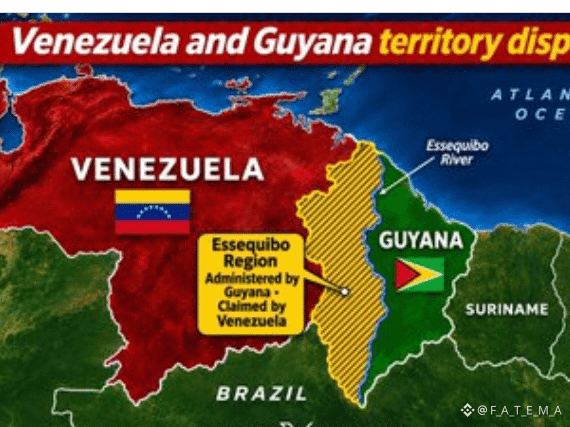
🇺🇸🇻🇪🇬🇾 White House STUNS Guyana with talks over Venezuela's claim to its territory
Former State Dept. policy chief Jeremy Lewin reportedly suggested the U.S. could help negotiate Venezuela's territorial claims over Guyana.
It left Guyanese officials so alarmed they sought clarification from other U.S. officials.
Lewin says the White House instructed him to explore the possibility of territorial negotiations.
Venezuela claims ownership of Guyana's oil-rich Essequibo region; it makes up TWO-THIRDS of Guyana's territory.
But Guyana insists the land is sovereign territory and rejects Venezuela's claims.
Greenland, Ukraine, Gaza, Panama, and now Guyana. The U.S. needs to stop acting like it can deal land like a deck of cards.
Source: Reuters
#CryptoNews🚀🔥 #worldnewswithfatema
$BTC
🇺🇸🇻🇪🇬🇾 White House STUNS Guyana with talks over Venezuela's claim to its territory
Former State Dept. policy chief Jeremy Lewin reportedly suggested the U.S. could help negotiate Venezuela's territorial claims over Guyana.
It left Guyanese officials so alarmed they sought clarification from other U.S. officials.
Lewin says the White House instructed him to explore the possibility of territorial negotiations.
Venezuela claims ownership of Guyana's oil-rich Essequibo region; it makes up TWO-THIRDS of Guyana's territory.
But Guyana insists the land is sovereign territory and rejects Venezuela's claims.
Greenland, Ukraine, Gaza, Panama, and now Guyana. The U.S. needs to stop acting like it can deal land like a deck of cards.
Source: Reuters
#CryptoNews🚀🔥 #worldnewswithfatema
222
·
--
Article
What happens to markets if the US caps interest rates like Japan did?$BTC
#WillFedHike50bps
The US 10-year yield has risen above 5%.
US Treasury Secretary Bessent wants to bring that yield down.
The Treasury is buying back long-term bonds.
Yet in Japan, the cost of taking the same path was paid years later through a decline in the yen's value.
I'll show you what happened in Japan, where the US stands, and what it means for markets.
At the start of 2013, prices in Japan weren't rising; they had been falling for years.
The government asked the central bank to take more decisive action to stop prices from falling. The central bank adopted a 2% inflation target.
A few months later, it also greatly expanded its purchases of government bonds. Years passed, but inflation still didn't reach 2%.
In 2016, the central bank went even further and made a promise to the market.
Under that promise, the 10-year yield would stay around zero. Whenever the yield threatened to rise above that ceiling, the central bank would buy bonds and push it back down.
Keeping that promise wasn't difficult for a long time, because interest rates were low around the world, too.
So when did the problem begin?
In 2022, the world changed. Because of rising inflation, the US rapidly raised interest rates, and the country's 10-year yield rose above 4%.
Japan, however, did not go back on its promise. The central bank increased its purchases to maintain the ceiling, and by the end of that year, it held more than half of all government bonds.
Suppressing interest rates like this was like squeezing a balloon in one spot. The spot you squeeze pushes inward, and the balloon expands somewhere else.
Interest rates stayed put, and the pressure shifted to the yen.
The yen fell to its lowest level against the dollar since 1990. Japan also intervened in the market for the first time in a long while to support the yen.
As the yen weakened, imported energy and food became even more expensive.
The central bank relaxed the ceiling at the end of 2022 and removed it entirely in March 2024.
Japan did not experience a debt crisis on this path. Today, the central bank does not cap long-term interest rates and is reducing its bond purchases.
Now let's look at the US side.
As US debt grows, every increase in interest rates puts more pressure on the budget.
In August, the Treasury increased the amount of long-term bonds it was buying back.
The yield fell that day. The next day, it rose again.
In September, the Treasury increased its buybacks once more.
The yield nevertheless kept rising and reached its highest level since 2002 in early October.
Why weren't the buybacks enough?
Because these purchases are very small compared with the US's total debt. The Treasury is also funding these purchases by taking on new, short-term debt.
This is like paying off a credit card balance with another card. The debt moves around, but it doesn't shrink.
In Japan, by contrast, the central bank had bought the bonds, and it could expand its purchases as much as it wanted. To do this, the central bank doesn't borrow from the market; it creates the money it needs.
In the US, the Fed is not buying long-term bonds.
What's more, as short-term debt grows, the Treasury's interest burden becomes increasingly tied to the Fed's interest rate.
That's why Bessent's statement on November 13 matters. He said it would be a mistake for the Fed to raise interest rates too much.
In his view, a shock in energy is what is driving inflation up.
The Fed responded immediately. One of the Fed's regional presidents said price increases couldn't be explained by oil alone.
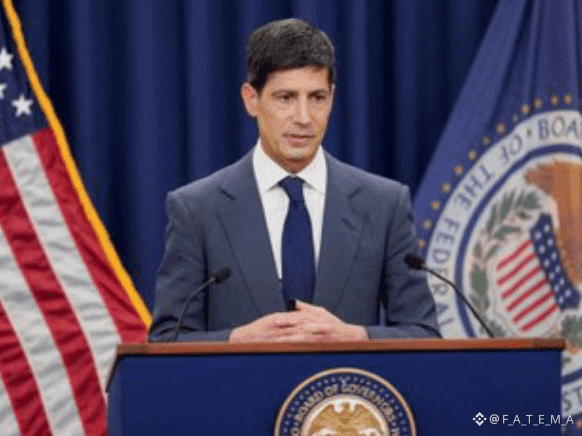
Fed Chair Warsh also opposes the Fed suppressing interest rates by buying bonds.
So there are two sides at the table. The Treasury wants to keep long-term interest rates low, while the Fed is not taking that path for now.
In Japan, too, the process began in 2013 with a similar appeal from the government to the central bank. There, the central bank heeded that appeal.
The difference is significant. Prices were falling in Japan, while inflation in the US was already above target.
This disagreement between the Treasury and the Fed is nothing new for the US.
In 1942, the Fed capped the long-term interest rate at 2.5% to keep the cost of financing the war low.
When the war ended, the Treasury wanted the cap to remain, and it did. Meanwhile, price controls were lifted, and prices rose by nearly 20% in a year.
Someone holding government bonds was earning 2.5% a year. They were gaining on paper but losing out when they went shopping.
By 1951, the Fed wanted to get rid of that cap. The US president, however, announced that the Fed had promised to keep interest rates low.
One of the Fed's officials gave the meeting notes to the press, showing that no such promise had been made.
A few weeks later, the cap was removed, and the Fed began setting interest rates again.
So what do these two stories tell us?
Interest rates can be capped. But the cost of that cap doesn't disappear; it shows up in the value of money.
In my view, the Fed's stance will determine what happens next in the US.
If the Fed sides with the government, interest rates will fall, but the cost will show up in the dollar's value. That's what happened in Japan.
If the Fed chooses its own path, markets will set interest rates, and the US will have to pay more to carry its debt. That's also what happened in 1951.
During the years when Japan suppressed interest rates, the stock market surpassed its previous all-time high, while the yen weakened.
If the US takes that path, we could see a similar picture in markets. As money becomes cheaper, stocks generally rise, while money itself loses value.
If you hold dollars, this story is your story, too.
The signs to watch are clear.
The first is AI investment.
AI was expected to boost productivity and lower prices. Warsh shares that view.
Yet the opposite is happening today. Data centers are creating huge demand for electricity, chips, and construction, pushing prices up.
According to many Fed officials, the productivity benefits will come later, but the upward pressure on prices has already arrived. As these investments continue, the likelihood of the Fed raising interest rates grows.
AI companies are also drawing large amounts of liquidity out of the market.
Anthropic held the largest IPO in history this week, and investors lined up to buy shares.
This money comes from the same investors who lend to the US Treasury. The Treasury is now also competing with AI companies for their money.
I think this situation will put the Treasury and the Fed increasingly at odds.
The second is the words the Fed chooses.
The Fed is expected to raise interest rates in December. What matters is which words accompany the decision.
In the minutes of the October meeting, some Fed members discussed splitting bond purchases into two categories.
One was purchases to lower interest rates, and the other was purchases to keep the market functioning properly.
If the Fed buys long-term bonds one day, I think it will cite keeping the market functioning properly as the reason. If that phrase becomes more common in the Fed's statements, the door to those purchases will open, too.
The third is the dollar.
If the dollar also loses value as the Treasury increases its buybacks, that means the cost is showing up in the currency.
When these signs all point in the same direction, the US will have taken another step down Japan's path.
In 1974, economist Milton Friedman gave this cost a name.
Inflation is the only tax that can be imposed without passing a law.
This is my personal analysis.
#CryptoNewss
#worldnewswithfatema
What happens to markets if the US caps interest rates like Japan did?
$BTC
#WillFedHike50bps
The US 10-year yield has risen above 5%.
US Treasury Secretary Bessent wants to bring that yield down.
The Treasury is buying back long-term bonds.
Yet in Japan, the cost of taking the same path was paid years later through a decline in the yen's value.
I'll show you what happened in Japan, where the US stands, and what it means for markets.
At the start of 2013, prices in Japan weren't rising; they had been falling for years.
The government asked the central bank to take more decisive action to stop prices from falling. The central bank adopted a 2% inflation target.
A few months later, it also greatly expanded its purchases of government bonds. Years passed, but inflation still didn't reach 2%.
In 2016, the central bank went even further and made a promise to the market.
Under that promise, the 10-year yield would stay around zero. Whenever the yield threatened to rise above that ceiling, the central bank would buy bonds and push it back down.
Keeping that promise wasn't difficult for a long time, because interest rates were low around the world, too.
So when did the problem begin?
In 2022, the world changed. Because of rising inflation, the US rapidly raised interest rates, and the country's 10-year yield rose above 4%.
Japan, however, did not go back on its promise. The central bank increased its purchases to maintain the ceiling, and by the end of that year, it held more than half of all government bonds.
Suppressing interest rates like this was like squeezing a balloon in one spot. The spot you squeeze pushes inward, and the balloon expands somewhere else.
Interest rates stayed put, and the pressure shifted to the yen.
The yen fell to its lowest level against the dollar since 1990. Japan also intervened in the market for the first time in a long while to support the yen.
As the yen weakened, imported energy and food became even more expensive.
The central bank relaxed the ceiling at the end of 2022 and removed it entirely in March 2024.
Japan did not experience a debt crisis on this path. Today, the central bank does not cap long-term interest rates and is reducing its bond purchases.
Now let's look at the US side.
As US debt grows, every increase in interest rates puts more pressure on the budget.
In August, the Treasury increased the amount of long-term bonds it was buying back.
The yield fell that day. The next day, it rose again.
In September, the Treasury increased its buybacks once more.
The yield nevertheless kept rising and reached its highest level since 2002 in early October.
Why weren't the buybacks enough?
Because these purchases are very small compared with the US's total debt. The Treasury is also funding these purchases by taking on new, short-term debt.
This is like paying off a credit card balance with another card. The debt moves around, but it doesn't shrink.
In Japan, by contrast, the central bank had bought the bonds, and it could expand its purchases as much as it wanted. To do this, the central bank doesn't borrow from the market; it creates the money it needs.
In the US, the Fed is not buying long-term bonds.
What's more, as short-term debt grows, the Treasury's interest burden becomes increasingly tied to the Fed's interest rate.
That's why Bessent's statement on November 13 matters. He said it would be a mistake for the Fed to raise interest rates too much.
In his view, a shock in energy is what is driving inflation up.
The Fed responded immediately. One of the Fed's regional presidents said price increases couldn't be explained by oil alone.
Fed Chair Warsh also opposes the Fed suppressing interest rates by buying bonds.
So there are two sides at the table. The Treasury wants to keep long-term interest rates low, while the Fed is not taking that path for now.
In Japan, too, the process began in 2013 with a similar appeal from the government to the central bank. There, the central bank heeded that appeal.
The difference is significant. Prices were falling in Japan, while inflation in the US was already above target.
This disagreement between the Treasury and the Fed is nothing new for the US.
In 1942, the Fed capped the long-term interest rate at 2.5% to keep the cost of financing the war low.
When the war ended, the Treasury wanted the cap to remain, and it did. Meanwhile, price controls were lifted, and prices rose by nearly 20% in a year.
Someone holding government bonds was earning 2.5% a year. They were gaining on paper but losing out when they went shopping.
By 1951, the Fed wanted to get rid of that cap. The US president, however, announced that the Fed had promised to keep interest rates low.
One of the Fed's officials gave the meeting notes to the press, showing that no such promise had been made.
A few weeks later, the cap was removed, and the Fed began setting interest rates again.
So what do these two stories tell us?
Interest rates can be capped. But the cost of that cap doesn't disappear; it shows up in the value of money.
In my view, the Fed's stance will determine what happens next in the US.
If the Fed sides with the government, interest rates will fall, but the cost will show up in the dollar's value. That's what happened in Japan.
If the Fed chooses its own path, markets will set interest rates, and the US will have to pay more to carry its debt. That's also what happened in 1951.
During the years when Japan suppressed interest rates, the stock market surpassed its previous all-time high, while the yen weakened.
If the US takes that path, we could see a similar picture in markets. As money becomes cheaper, stocks generally rise, while money itself loses value.
If you hold dollars, this story is your story, too.
The signs to watch are clear.
The first is AI investment.
AI was expected to boost productivity and lower prices. Warsh shares that view.
Yet the opposite is happening today. Data centers are creating huge demand for electricity, chips, and construction, pushing prices up.
According to many Fed officials, the productivity benefits will come later, but the upward pressure on prices has already arrived. As these investments continue, the likelihood of the Fed raising interest rates grows.
AI companies are also drawing large amounts of liquidity out of the market.
Anthropic held the largest IPO in history this week, and investors lined up to buy shares.
This money comes from the same investors who lend to the US Treasury. The Treasury is now also competing with AI companies for their money.
I think this situation will put the Treasury and the Fed increasingly at odds.
The second is the words the Fed chooses.
The Fed is expected to raise interest rates in December. What matters is which words accompany the decision.
In the minutes of the October meeting, some Fed members discussed splitting bond purchases into two categories.
One was purchases to lower interest rates, and the other was purchases to keep the market functioning properly.
If the Fed buys long-term bonds one day, I think it will cite keeping the market functioning properly as the reason. If that phrase becomes more common in the Fed's statements, the door to those purchases will open, too.
The third is the dollar.
If the dollar also loses value as the Treasury increases its buybacks, that means the cost is showing up in the currency.
When these signs all point in the same direction, the US will have taken another step down Japan's path.
In 1974, economist Milton Friedman gave this cost a name.
Inflation is the only tax that can be imposed without passing a law.
This is my personal analysis.
#CryptoNewss
#worldnewswithfatema
91
·
--
$BTC
{future}(BTCUSDT)
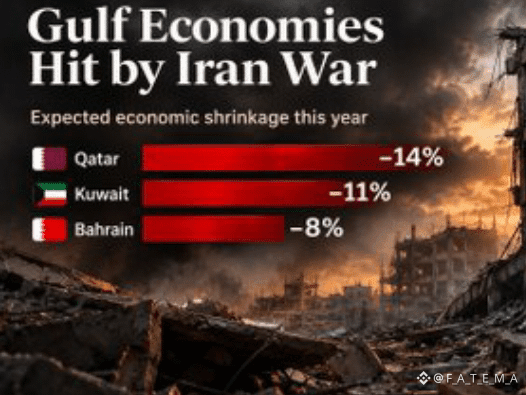
🇮🇷 The Iran war could cost Gulf economies $790 billion by 2030.
That's how much the six Gulf states are expected to lose in economic output over five years. Another $200 billion in physical damage comes on top.
The war has hit oil and gas exports hard. Qatar's economy could shrink 14% this year, Kuwait's 11% and Bahrain's 8%.
And now Gulf governments could face a combined $475 billion budget deficit by 2030.
Even some of the world's richest oil-producing countries may have to borrow heavily to cover their losses.
Source: bne IntelliNews
#worldnewswithfatema
$BTC
🇮🇷 The Iran war could cost Gulf economies $790 billion by 2030.
That's how much the six Gulf states are expected to lose in economic output over five years. Another $200 billion in physical damage comes on top.
The war has hit oil and gas exports hard. Qatar's economy could shrink 14% this year, Kuwait's 11% and Bahrain's 8%.
And now Gulf governments could face a combined $475 billion budget deficit by 2030.
Even some of the world's richest oil-producing countries may have to borrow heavily to cover their losses.
Source: bne IntelliNews
#worldnewswithfatema
144
·
--
$BTC
🇺🇸 ANOTHER ONE: JPMorgan Chase says outside vendors were hit by a CYBERATTACK that may have exposed customer names and emails.
The bank says its own services were not disrupted and that the incident is unrelated to the online banking problems some customers ran into earlier this week.
Those earlier issues were blamed on a software bug.
Chase hasn’t named the vendors or said when the attack happened, but it plans to contact affected customers and offer credit monitoring where needed.
Source: ABC News
#CryptoNews #worldnewswithfatema

83
·
--
$SPCXB
{spot}(SPCXBUSDT)
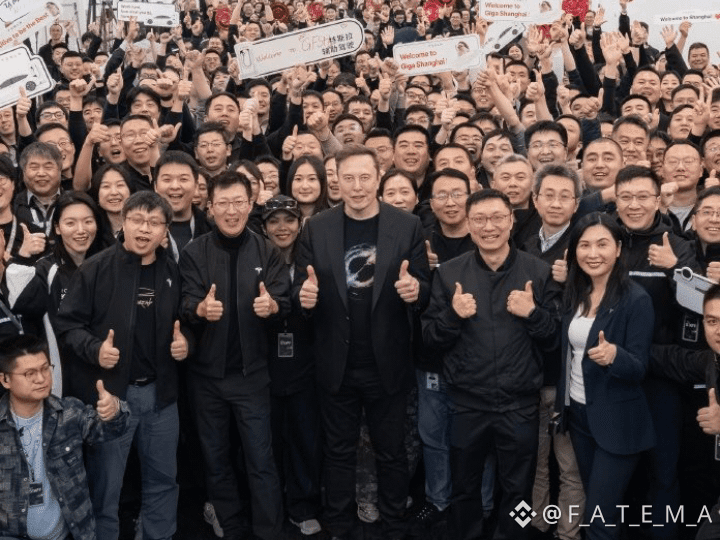
🇨🇳 Elon makes SURPRISE visit to Tesla's Shanghai Gigafactory
He reportedly flew in from Shenzhen to personally thank Tesla's China and Asia-Pacific teams.
Elon discussed the company's ambitions for Full Self-Driving (FSD) technology and its Optimus humanoid robots.
“Let's make the future look like the future."
How badass to be part of a team working on tech that's changing the world... 🌏
Source: online News portal
#CryptoNews #worldnewswithfatema
$SPCXB
🇨🇳 Elon makes SURPRISE visit to Tesla's Shanghai Gigafactory
He reportedly flew in from Shenzhen to personally thank Tesla's China and Asia-Pacific teams.
Elon discussed the company's ambitions for Full Self-Driving (FSD) technology and its Optimus humanoid robots.
“Let's make the future look like the future."
How badass to be part of a team working on tech that's changing the world... 🌏
Source: online News portal
#CryptoNews #worldnewswithfatema
100
·
--
$TRUMP
{future}(TRUMPUSDT)
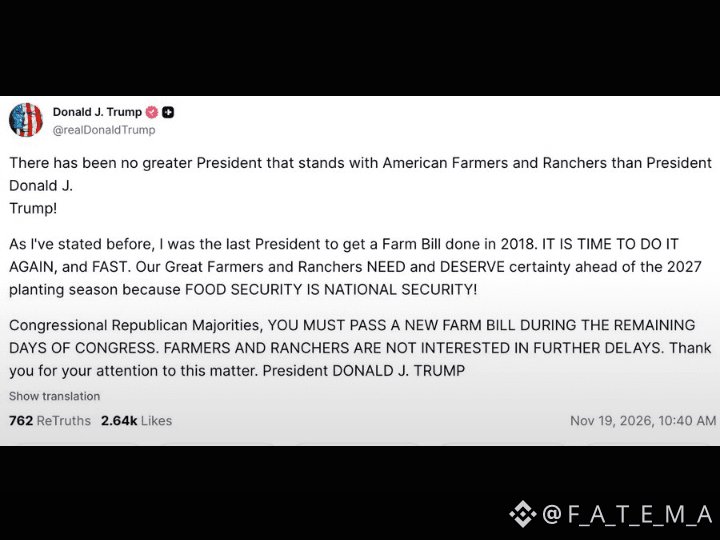
🇺🇸 Trump DEMANDS Republicans pass a new Farm Bill before Congress runs out of time!
He's calling on Republican majorities in Congress to approve new agricultural legislation ahead of the 2027 planting season* warning that American farmers and ranchers cannot afford further delays.
“FOOD SECURITY IS NATIONAL SECURITY!”
Trump pointed to the 2018 Farm Bill, signed during his first term, and insisted that Congress act quickly.
Source: Truth Social
#USGovernment #worldnewswithfatema
$TRUMP
🇺🇸 Trump DEMANDS Republicans pass a new Farm Bill before Congress runs out of time!
He's calling on Republican majorities in Congress to approve new agricultural legislation ahead of the 2027 planting season* warning that American farmers and ranchers cannot afford further delays.
“FOOD SECURITY IS NATIONAL SECURITY!”
Trump pointed to the 2018 Farm Bill, signed during his first term, and insisted that Congress act quickly.
Source: Truth Social
#USGovernment #worldnewswithfatema
1
185
·
--
#WillFedHike50bps
🚨 December could be the Fed's last rate hike.
While everyone is expecting more hikes in 2027, several economic risks suggest the Fed may have to stop much sooner.
And there are 4 major reasons for this:
1. Inflation: November CPI could come in at 0% or even -0.1% month-over-month. Falling oil and gasoline prices could help bring inflation down.
2. Housing: Mortgage rates are already around 7.4%-7.5%, while home sales are falling. More hikes could push housing into a crisis similar to that of 2007-2008.
3. AI slowdown: AI investment has contributed roughly one-third of U.S. growth. But AI stocks are falling, borrowing costs are rising, and further hikes could seriously hurt GDP.
4. Iran war: Democrats are planning to put an end to the Iran war in Jan 2027. If the war ends and oil shipments through the Strait of Hormuz recover, energy prices could fall further, easing inflation pressure.
The Fed's dot plot suggested cuts at the beginning of 2026, but the opposite happened.
The same could happen in 2027.
Instead of more hikes, the Fed may be forced to pause or even cut rates to prevent a recession.
$BTC
{future}(BTCUSDT)
#WillFedHike50bps
🚨 December could be the Fed's last rate hike.
While everyone is expecting more hikes in 2027, several economic risks suggest the Fed may have to stop much sooner.
And there are 4 major reasons for this:
1. Inflation: November CPI could come in at 0% or even -0.1% month-over-month. Falling oil and gasoline prices could help bring inflation down.
2. Housing: Mortgage rates are already around 7.4%-7.5%, while home sales are falling. More hikes could push housing into a crisis similar to that of 2007-2008.
3. AI slowdown: AI investment has contributed roughly one-third of U.S. growth. But AI stocks are falling, borrowing costs are rising, and further hikes could seriously hurt GDP.
4. Iran war: Democrats are planning to put an end to the Iran war in Jan 2027. If the war ends and oil shipments through the Strait of Hormuz recover, energy prices could fall further, easing inflation pressure.
The Fed's dot plot suggested cuts at the beginning of 2026, but the opposite happened.
The same could happen in 2027.
Instead of more hikes, the Fed may be forced to pause or even cut rates to prevent a recession.
$BTC
75
·
--
$SPCXB
{spot}(SPCXBUSDT)
$ANTHROPIC
🚨 THE LAST TIME THIS HAPPENED, INVESTORS LOST 33% IN A MONTH...
IT HAPPENS AGAIN TOMORROW!
Anthropic lists on Nasdaq.
Up to $64B in public shares.
Another $26B to Nvidia, Microsoft, Google, and 4 others.
That money has to come from somewhere.
THE VACUUM...
Funds don't have $90B sitting idle.
They sell what they own to buy in.
→ Analysts expect chip and software stocks to get sold first
→ Only 6% of the company is for sale
→ A tiny float plus huge demand means violent swings both ways
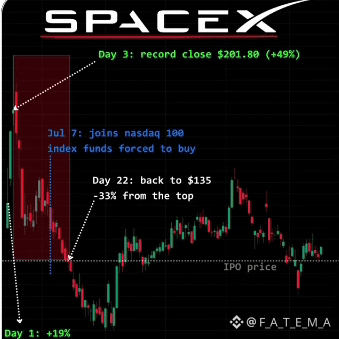
LAST TIME WE SAW THIS SPACEX:
→ Day 1: +19%
→ 3 sessions later: a record close at $201.80
→ 1 month later: $135.27, back at its IPO price. −33% from the top.
The pop paid the early buyers.
The people who chased it paid for the pop.
BUT HERE'S THE BIGGEST QUESTION:
IF INDEX FUNDS ARE FORCED TO BUY $19 BILLION OF ANTHROPIC, WHY WOULD THE PRICE EVER DROP?
Because SpaceX had the same setup:
→ It joined the Nasdaq 100 on July 7
→ Index funds had to buy billions
→ That same day it closed below its first-day open
→ Over the next 6 sessions it fell another 15%
The forced buying was priced in before it happened.
The people who bought for it were left holding.
THE DATES:
→ Tomorrow: the vacuum
→ Next 2-4 weeks: the SpaceX test, pop or drop
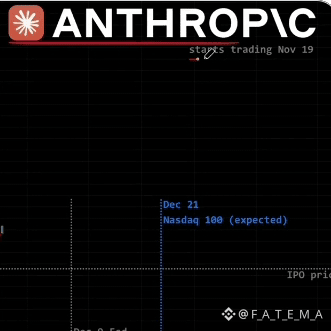
→ Dec 21: index funds are expected to be forced to buy
Notifs on if you care about ur port.
#CryptoNewss #worldnewswithfatema
$SPCXB
$ANTHROPIC
🚨 THE LAST TIME THIS HAPPENED, INVESTORS LOST 33% IN A MONTH...
IT HAPPENS AGAIN TOMORROW!
Anthropic lists on Nasdaq.
Up to $64B in public shares.
Another $26B to Nvidia, Microsoft, Google, and 4 others.
That money has to come from somewhere.
THE VACUUM...
Funds don't have $90B sitting idle.
They sell what they own to buy in.
→ Analysts expect chip and software stocks to get sold first
→ Only 6% of the company is for sale
→ A tiny float plus huge demand means violent swings both ways
LAST TIME WE SAW THIS SPACEX:
→ Day 1: +19%
→ 3 sessions later: a record close at $201.80
→ 1 month later: $135.27, back at its IPO price. −33% from the top.
The pop paid the early buyers.
The people who chased it paid for the pop.
BUT HERE'S THE BIGGEST QUESTION:
IF INDEX FUNDS ARE FORCED TO BUY $19 BILLION OF ANTHROPIC, WHY WOULD THE PRICE EVER DROP?
Because SpaceX had the same setup:
→ It joined the Nasdaq 100 on July 7
→ Index funds had to buy billions
→ That same day it closed below its first-day open
→ Over the next 6 sessions it fell another 15%
The forced buying was priced in before it happened.
The people who bought for it were left holding.
THE DATES:
→ Tomorrow: the vacuum
→ Next 2-4 weeks: the SpaceX test, pop or drop
→ Dec 21: index funds are expected to be forced to buy
Notifs on if you care about ur port.
#CryptoNewss #worldnewswithfatema
1
24
·
--
$NVDAB
{spot}(NVDABUSDT)
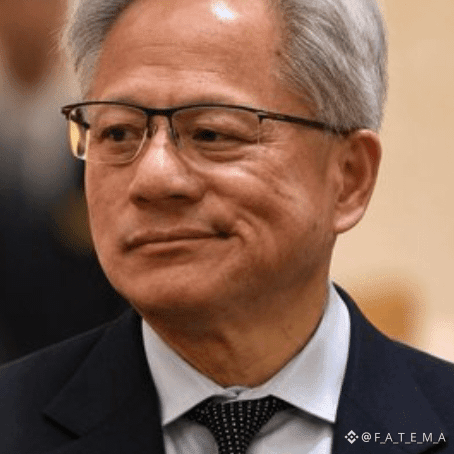
🚨 BREAKING: NVIDIA FACES 10-DAY COUNTDOWN AS HACKERS THREATEN MASSIVE DATA LEAK.
Notorious ransomware group 'The Gentlemen' claims to have breached Nvidia, threatening to leak allegedly stolen data within 10 days.
Here's everything we know and what it means.
#CryptoNews
$NVDAB
🚨 BREAKING: NVIDIA FACES 10-DAY COUNTDOWN AS HACKERS THREATEN MASSIVE DATA LEAK.
Notorious ransomware group 'The Gentlemen' claims to have breached Nvidia, threatening to leak allegedly stolen data within 10 days.
Here's everything we know and what it means.
#CryptoNews
🚨 BREAKING: NVIDIA FACES 10-DAY COUNTDOWN AS HACKERS THREATEN MASSIVE DATA LEAK.
Notorious ransomware group 'The Gentlemen' claims to have breached Nvidia, threatening to leak allegedly stolen data within 10 days.
Here's everything we know and what it means.
#CryptoNews
452
·
--
$BTC
{future}(BTCUSDT)
#WillFedHike50bps
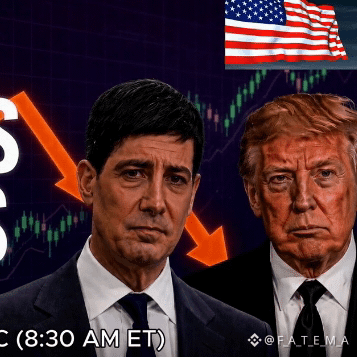
🚨 JOBLESS CLAIMS HIT TODAY. A STRONG NUMBER CAN KEEP THE FED HIKING.
US Initial Jobless Claims at 13:30 UTC (8:30 AM ET).
Expected: 197K
IF CLAIMS < 197K → MARKET DUMPS
IF CLAIMS = 197K → NOTHING CHANGES NEAR-TERM
IF CLAIMS > 197K → MARKET PUMPS
After hot CPI, the market is now pricing a December hike at 100%. A 25 bps hike is at 90.7%, and a 50 bps hike has already jumped to 9.3%.
The FOMC minutes added fuel: almost all officials expect more hikes, and a couple even floated a move bigger than 25 bps in December.
A strong labor market keeps the Fed on this path.
Over 12 years in these markets.
#USGovernment #worldnewswithfatema
$BTC
#WillFedHike50bps
🚨 JOBLESS CLAIMS HIT TODAY. A STRONG NUMBER CAN KEEP THE FED HIKING.
US Initial Jobless Claims at 13:30 UTC (8:30 AM ET).
Expected: 197K
IF CLAIMS < 197K → MARKET DUMPS
IF CLAIMS = 197K → NOTHING CHANGES NEAR-TERM
IF CLAIMS > 197K → MARKET PUMPS
After hot CPI, the market is now pricing a December hike at 100%. A 25 bps hike is at 90.7%, and a 50 bps hike has already jumped to 9.3%.
The FOMC minutes added fuel: almost all officials expect more hikes, and a couple even floated a move bigger than 25 bps in December.
A strong labor market keeps the Fed on this path.
Over 12 years in these markets.
#USGovernment #worldnewswithfatema
3
190
·
--
$TRUMP
{future}(TRUMPUSDT)
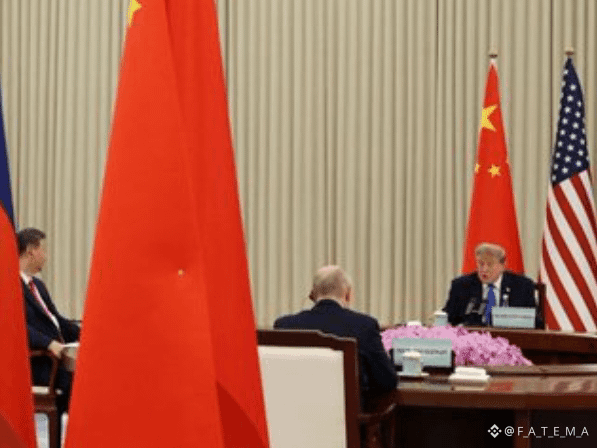
🚨🇺🇸🇨🇳🇷🇺 The meeting between Trump, china president and Putin has ended after 1.5 hours, per Chinese state media.
Prior to the highly-anticipated talks, the leaders delivered opening remarks, saying they'd discuss nuclear disarmament, the Ukraine war, and other topics.
They also emphasized the need for more engagement, as the 3 most nuclear-armed nations on Earth.
They hold an estimated 11,000+ nuclear warheads combined, enough to destroy every major city on Earth multiple times over, and then some.
Source: CNN
#USGovernment
#worldnewswithfatema
$TRUMP
🚨🇺🇸🇨🇳🇷🇺 The meeting between Trump, china president and Putin has ended after 1.5 hours, per Chinese state media.
Prior to the highly-anticipated talks, the leaders delivered opening remarks, saying they'd discuss nuclear disarmament, the Ukraine war, and other topics.
They also emphasized the need for more engagement, as the 3 most nuclear-armed nations on Earth.
They hold an estimated 11,000+ nuclear warheads combined, enough to destroy every major city on Earth multiple times over, and then some.
Source: CNN
#USGovernment
#worldnewswithfatema
33
·
--
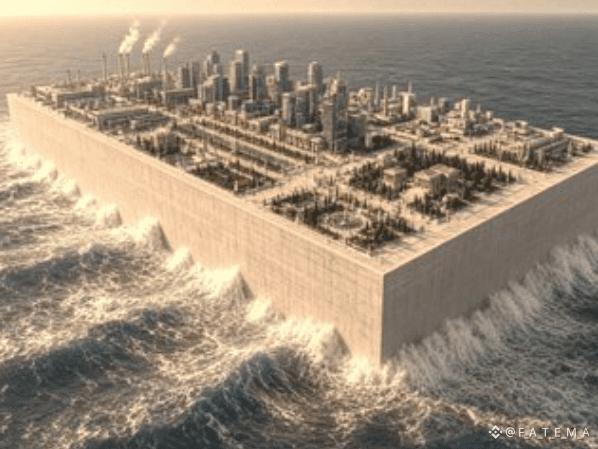
🚨🇺🇸 AMAZING: Palmer Luckey, co-founder of Anduril, says he wants to develop a seastead called SLAB with a 1,000-year design life...
"Me and a few close friends cashed it up at a $1B valuation back in 2017, and while it still has a long way to go, there has been significant progress towards my goal of reviving manifest destiny and westward expansion.
At a time when most of the seasteading community wanted to escape the US and smoke pot, this was the one project explicitly designed to make America stronger, a relief valve for ill considered or outdated rules and regulations."
He says media outlets "got wind" of it, and plan on calling it his "floating AI datacenter project," and that's why he's going public about it.
This honestly looks so freaking cool... 😮
Source: PalmerLuckey
#USGovernment
#worldnewswithfatema
$BNB
82
·
--
$BTC
{future}(BTCUSDT)
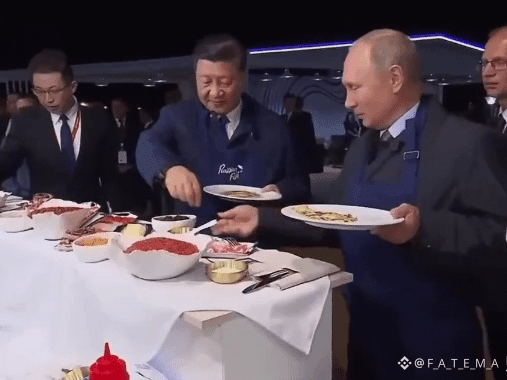
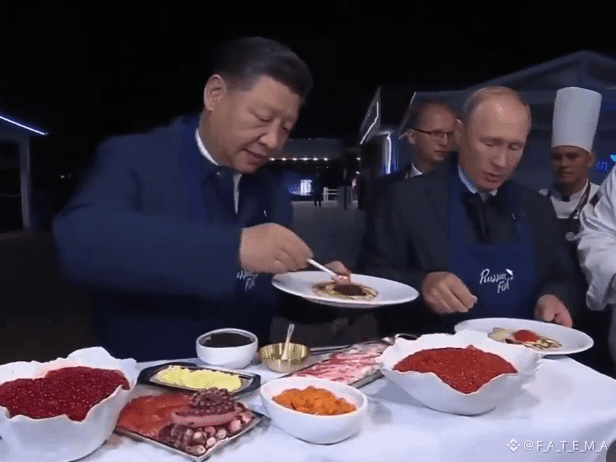
Once upon a time in Russia’s Far East, 2018
Presidents Vladimir Putin and Chinese president rolled up their sleeves and made pancakes together – topped with red and black caviar, of course 🇷🇺🇨🇳
#worldnewswithfatema
$BTC
Once upon a time in Russia’s Far East, 2018
Presidents Vladimir Putin and Chinese president rolled up their sleeves and made pancakes together – topped with red and black caviar, of course 🇷🇺🇨🇳
#worldnewswithfatema
Once upon a time in Russia’s Far East, 2018
Presidents Vladimir Putin and Chinese president rolled up their sleeves and made pancakes together – topped with red and black caviar, of course 🇷🇺🇨🇳
#worldnewswithfatema

1
111
·
--
$TRUMP
{future}(TRUMPUSDT)
🚨🇺🇸 Democrats move to CUT OFF funding for Trump's Iran war without pulling the plug on the government
Congress must pass a funding bill by December 11.
Democrats are debating whether to block war funding now or wait until they control Congress in January.
Senators Warren, Duckworth and Gillibrand have proposed barring Pentagon spending on operations against Iran without congressional authorization.
Duckworth also wants Hegseth to disclose war costs, casualties and depleted munitions.
But Rep. Rosa DeLauro warns that a shutdown won't stop the war.
Democrats face a difficult choice: defund the war without shutting down Washington.
Source: Washington Times
#USGovernment #worldnewswithfatema
$TRUMP
🚨🇺🇸 Democrats move to CUT OFF funding for Trump's Iran war without pulling the plug on the government
Congress must pass a funding bill by December 11.
Democrats are debating whether to block war funding now or wait until they control Congress in January.
Senators Warren, Duckworth and Gillibrand have proposed barring Pentagon spending on operations against Iran without congressional authorization.
Duckworth also wants Hegseth to disclose war costs, casualties and depleted munitions.
But Rep. Rosa DeLauro warns that a shutdown won't stop the war.
Democrats face a difficult choice: defund the war without shutting down Washington.
Source: Washington Times
#USGovernment #worldnewswithfatema

1
3
3.4k
·
--
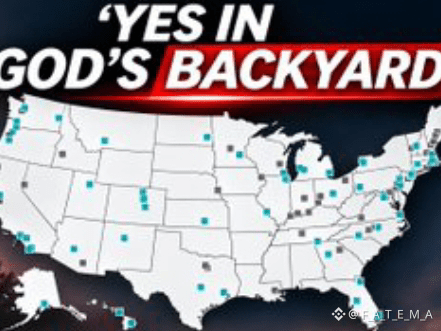
🇺🇸 American churches are turning their unused land into AFFORDABLE HOUSING!
The movement is called YIGBY, short for “Yes in God's Backyard.”
In Brooklyn, a church recently opened 385 affordable apartments through a $270 million project.
The site will eventually accommodate around 2,000 homes.
Other churches are converting old buildings and parking lots into housing for low-income families and seniors.
California alone has an estimated 47,000 acres of developable faith-owned land.
As housing costs soar, America's churches are finding a new way to serve their communities.
Source: WSJ
$TRUMP
{future}(TRUMPUSDT)
#USGovernment #worldnewswithfatema
🇺🇸 American churches are turning their unused land into AFFORDABLE HOUSING!
The movement is called YIGBY, short for “Yes in God's Backyard.”
In Brooklyn, a church recently opened 385 affordable apartments through a $270 million project.
The site will eventually accommodate around 2,000 homes.
Other churches are converting old buildings and parking lots into housing for low-income families and seniors.
California alone has an estimated 47,000 acres of developable faith-owned land.
As housing costs soar, America's churches are finding a new way to serve their communities.
Source: WSJ
$TRUMP
#USGovernment #worldnewswithfatema
390
·
--
$ANTHROPIC
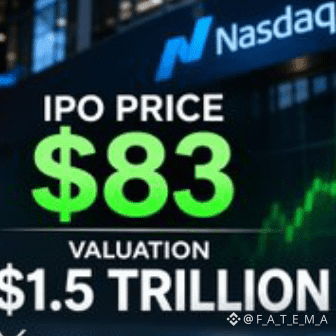
🤖🇺🇸 Anthropic sets IPO price at $83 as AI giant prepares for WALL STREET DEBUT
The business behind Claude priced its shares above its initial $70–$78 range. The IPO reportedly values Anthropic at around $1.5 TRILLION.
Shares begin trading tomorrow on Nasdaq under the ticker ANT.
Anthropic needs A LOT of money for chips, computing power, and electricity.
The company has borrowed funds to pay for its infrastructure, with lenders able to convert that debt into company shares later. It currently is ~$6.2 BILLION in debt.
But even with BILLIONS IN DEBT, investors are still eager to buy into Anthropic and bet on AI's future.
Sources: NYT, Reuters, AP
#FOMCMinutesHighlightAIDebtRisks #AnthropicIPOTestsInvestorAppetiteForAI
#WillFedHike50bps #CryptoNewss #worldnewswithfatema

3
260
·
--
$BTC
{future}(BTCUSDT)
🚨🇺🇸🇨🇴 Hegseth CUTS SHORT Colombia visit after Bogotá rejects Trump's anti-cartel military plan!
President Abelardo De La Espriella supports cooperation with Washington.
But he lacks congressional approval for U.S. airstrikes and ground operations.
The rejection reportedly forced Hegseth to shorten his visit.
It also deals a setback to Trump's plans for expanded anti-cartel operations in Latin America.
Even Colombia's Trump-aligned president faces domestic limits on U.S. military action.
Source: NYT
#USGovernment #worldnewswithfatema
$BTC
🚨🇺🇸🇨🇴 Hegseth CUTS SHORT Colombia visit after Bogotá rejects Trump's anti-cartel military plan!
President Abelardo De La Espriella supports cooperation with Washington.
But he lacks congressional approval for U.S. airstrikes and ground operations.
The rejection reportedly forced Hegseth to shorten his visit.
It also deals a setback to Trump's plans for expanded anti-cartel operations in Latin America.
Even Colombia's Trump-aligned president faces domestic limits on U.S. military action.
Source: NYT
#USGovernment #worldnewswithfatema

1
203
·
--
$TRUMP
{future}(TRUMPUSDT)
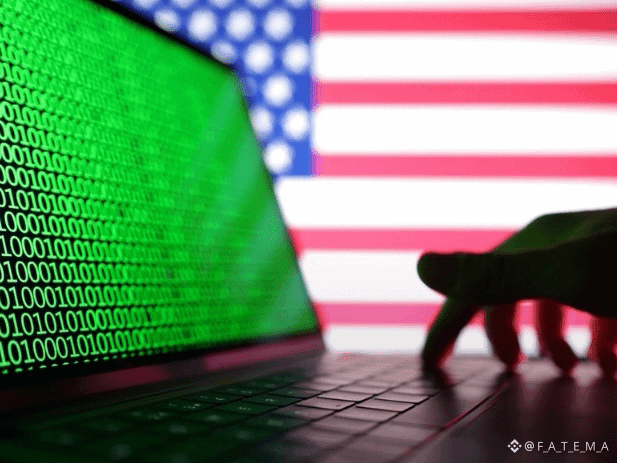
🚨Something strange has been happening in America over the past few days..
Since last Thursday, a new system has been going down every so often:
🔴 Thursday: Microsoft, Outlook and Teams went down
🔴 Friday: All flights at U.S. airports were grounded for more than 4 hours, the longest disruption since 9/11. They said the cause was a router problem.
🔴 Monday: Banks, login and transfer problems at the largest U.S. banks
JPMorgan Chase
Bank of America
Wells Fargo
U.S. Bank
🔴 Monday: United Airlines, an outage that halted all its departures for an hour and a half.
🔴 Tuesday: The National Security Agency (NSA) announces that its classified internal network has gone down.
🔴 Tuesday: Outages affecting a number of Apple services.
And the official explanation?
There is no cyberattack...
Each outage had a different cause, and the explanation didn't convince everyone..
The well-known Republican senator (Josh Hawley) said:
The router story is hard to believe, and if all this is a coincidence, it's the greatest coincidence in history.
Former White House press secretary (Karoline Leavitt) said:
I've started checking my bank account with some anxiety. I'm calling on the White House to tell us what's happening. We want transparency.
The timing of all this is strange and striking...
Trump is now heading to a summit with the Chinese president and Putin in China.
And during all this, the following happened:
🔴 A cyberattack breached websites used by 178 organizations, including Zoom, CNN, BBC, and Fox News.
🔴 The FBI warned of hackers using AI tools to carry out automated cyberattacks against companies around the world.
🔴 Before that, hackers breached supermarket refrigeration systems in Europe and raised the temperature of the refrigerators to as high as 50 degrees, spoiling tons of food.
#USGovernment #worldnewswithfatema
$TRUMP
🚨Something strange has been happening in America over the past few days..
Since last Thursday, a new system has been going down every so often:
🔴 Thursday: Microsoft, Outlook and Teams went down
🔴 Friday: All flights at U.S. airports were grounded for more than 4 hours, the longest disruption since 9/11. They said the cause was a router problem.
🔴 Monday: Banks, login and transfer problems at the largest U.S. banks
JPMorgan Chase
Bank of America
Wells Fargo
U.S. Bank
🔴 Monday: United Airlines, an outage that halted all its departures for an hour and a half.
🔴 Tuesday: The National Security Agency (NSA) announces that its classified internal network has gone down.
🔴 Tuesday: Outages affecting a number of Apple services.
And the official explanation?
There is no cyberattack...
Each outage had a different cause, and the explanation didn't convince everyone..
The well-known Republican senator (Josh Hawley) said:
The router story is hard to believe, and if all this is a coincidence, it's the greatest coincidence in history.
Former White House press secretary (Karoline Leavitt) said:
I've started checking my bank account with some anxiety. I'm calling on the White House to tell us what's happening. We want transparency.
The timing of all this is strange and striking...
Trump is now heading to a summit with the Chinese president and Putin in China.
And during all this, the following happened:
🔴 A cyberattack breached websites used by 178 organizations, including Zoom, CNN, BBC, and Fox News.
🔴 The FBI warned of hackers using AI tools to carry out automated cyberattacks against companies around the world.
🔴 Before that, hackers breached supermarket refrigeration systems in Europe and raised the temperature of the refrigerators to as high as 50 degrees, spoiling tons of food.
#USGovernment #worldnewswithfatema
1
521
Log in to explore more content
Join global crypto users on Binance Square
⚡️ Get latest and useful information about crypto.
💬 Trusted by the world’s largest crypto exchange.
👍 Discover real insights from verified creators.
Email / Phone number
Trending Topics
IsAnthropic’s$1.5TMarketCapJustified?
7,455 views
68 Discussing
Anthropic Set to Open at $105 in Record Nasdaq Debut
Binance News
·10 Likes
·9.7k views
BTCRemainsUnderPressureAfterHawkishFOMCMinutes
210,514 views
1,994 Discussing
NvidiaBoardReportedlySplitOverHuang’sReturn
102,599 views
1,066 Discussing