
AFx_Crypto
7.4k Posts

AFx_Crypto
 Square Verified
Report
Block User
Top Crypto Degen || Web3 Ambassador || Binance Creator || Hype Master || X..@AFx_Crypto
2.1K+ Following
38.1K+ Followers
23.0K+ Liked
Posts
All
Quotes
Videos
Live
·
--
NVIDIA CEO Jensen Huang Addresses Employees After Reinstatement
NVIDIA CEO Jensen Huang reportedly apologized to employees during an all-hands meeting, just one day after being reinstated as CEO.
According to Bloomberg, Huang acknowledged his mistakes and told staff that he is attending daily therapy sessions, which he says have been helping him.
He also addressed concerns about his demanding management style and its impact on employees.
The situation highlights an important side of leadership: professional success is not just about business performance, but also about accountability, communication and how leaders treat their teams.
Even at the highest level of the tech industry, leadership comes with personal responsibility.
Source: Bloomberg
DYOR. NFA.

1
137
·
--
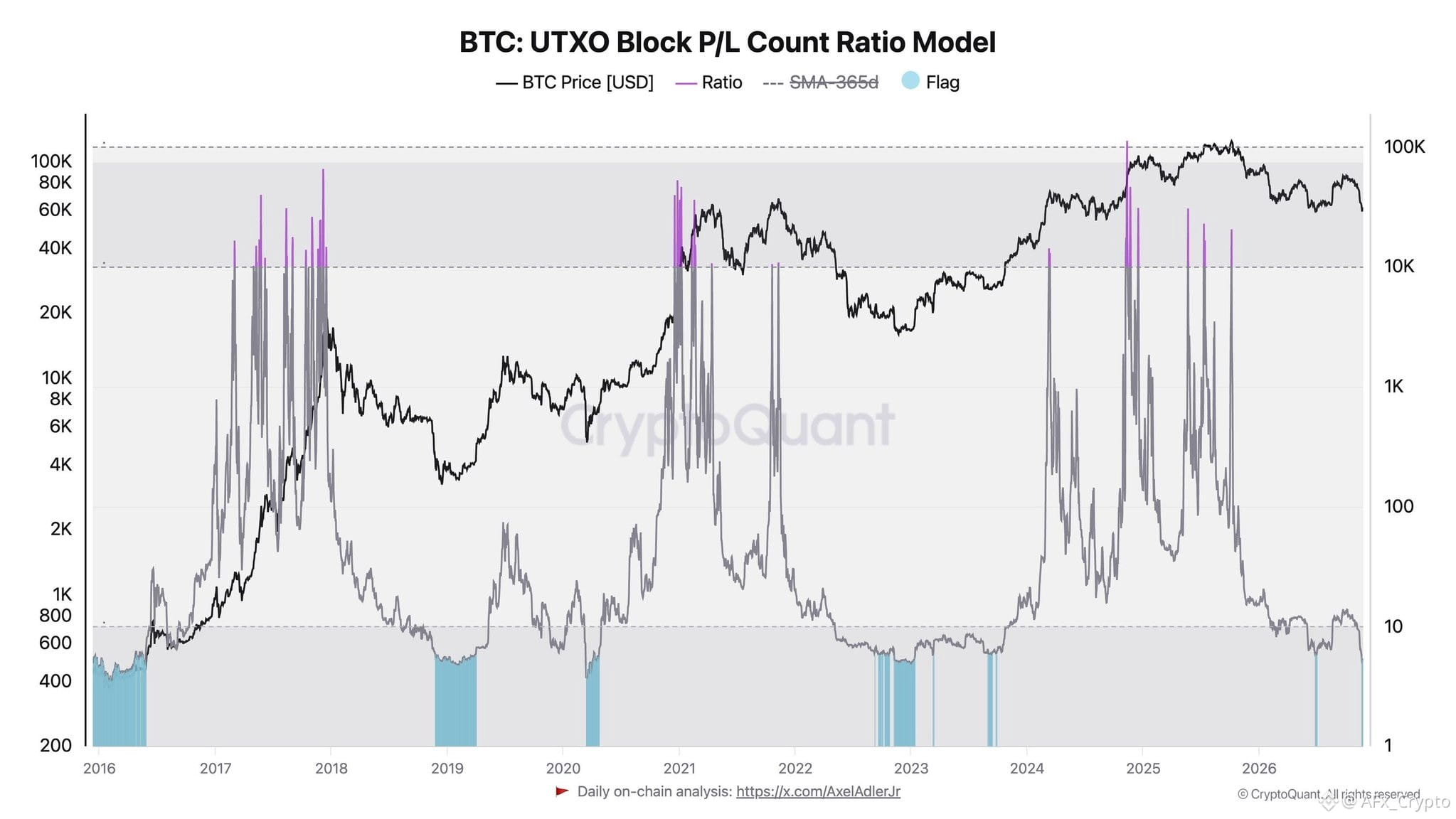
Bitcoin Investors Face Historic Capitulation Pressure
CryptoQuant CEO Ki Young Ju says Bitcoin investors are underwater at levels historically associated with market capitulation.
This suggests that a significant portion of BTC holders are facing unrealized losses, increasing pressure on market sentiment.
When investors remain underwater for an extended period, fear and uncertainty can lead to further selling. However, periods of extreme capitulation have also appeared near important market turning points in previous cycles.
The key question now is whether selling pressure will continue or gradually begin to weaken.
Historical patterns offer useful context, but they do not guarantee that Bitcoin has reached its bottom.
DYOR. NFA.
$BTC
{future}(BTCUSDT)
Bitcoin Investors Face Historic Capitulation Pressure
CryptoQuant CEO Ki Young Ju says Bitcoin investors are underwater at levels historically associated with market capitulation.
This suggests that a significant portion of BTC holders are facing unrealized losses, increasing pressure on market sentiment.
When investors remain underwater for an extended period, fear and uncertainty can lead to further selling. However, periods of extreme capitulation have also appeared near important market turning points in previous cycles.
The key question now is whether selling pressure will continue or gradually begin to weaken.
Historical patterns offer useful context, but they do not guarantee that Bitcoin has reached its bottom.
DYOR. NFA.
$BTC
37
·
--
Binance Helps Europol Trace $28.5M in Crypto Linked to Illegal IPTV Networks
#Binance has joined Europol, INTERPOL and law enforcement agencies from 11 countries in an international operation targeting illegal IPTV services.
The investigation traced more than $28.5 million in cryptocurrency transactions connected to illegal streaming activities. Authorities also identified 321 websites and disrupted 57 illegal IPTV services.
Binance contributed blockchain investigation expertise to help track suspicious crypto transactions and identify connections between wallets and illegal operations.
This case highlights an important aspect of blockchain technology: crypto transactions can be traced, and transparent blockchain records can support investigations against financial crime.
As crypto adoption grows, cooperation between exchanges and law enforcement agencies will remain important for building a safer digital ecosystem.
DYOR. NFA.
#BitcoinAndStocksSlipAgainAmidTrump’sTariffPlans



446
·
--
Anthropic Shares Fall Below IPO Price as Early Investors Face Heavy Paper Losses
Anthropic shares have dropped below their $83 IPO price, reversing much of the excitement surrounding the company's market debut.
The stock had reached $115.10 on its first trading day, but the recent decline has erased those early gains.
Meanwhile, the company's seven co-founders reportedly sold approximately $1.96 billion worth of shares at the IPO price.
Estimates suggest that first-day buyers are now facing around $11.5 billion in paper losses, while the value of the founders' remaining holdings has declined by roughly $52 billion from its peak.
This highlights an important reality of financial markets: even major AI companies with strong investor interest are not immune to valuation pressure.
An impressive IPO debut does not guarantee long-term market performance. Ultimately, investor confidence must be supported by business growth, profitability, and sustainable value.
DYOR. Not financial advice.
89
·
--
Bitcoin's Recovery Is Facing a Bigger Test: Real Buying Demand
Bitcoin is attempting to stabilize around the $60,000–$61,000 zone after its recent sharp correction. However, a price rebound alone does not confirm that the market has regained strength.
The bigger concern is institutional capital. US spot Bitcoin ETFs recorded approximately $1.79 billion in net outflows last week, marking their fourth consecutive week of withdrawals.
Another important factor is the difference between short-term buying activity and genuine spot demand. Short liquidations can push prices higher temporarily, but sustained recovery requires fresh capital entering the market.
What matters next?
→ BTC holding the $60,000 support area.
→ A sustained recovery above $63,000–$65,000.
→ ETF flows turning positive again.
→ Stronger spot buying rather than a rally driven mainly by derivatives.
My Take:
The next important signal for Bitcoin may not be another price bounce. It may be the return of consistent institutional demand.
Until that happens, the market needs to prove that this recovery has real strength behind it.
DYOR. NFA.
#NVDASoarsOnJensenReturn $BTC
58
·
--
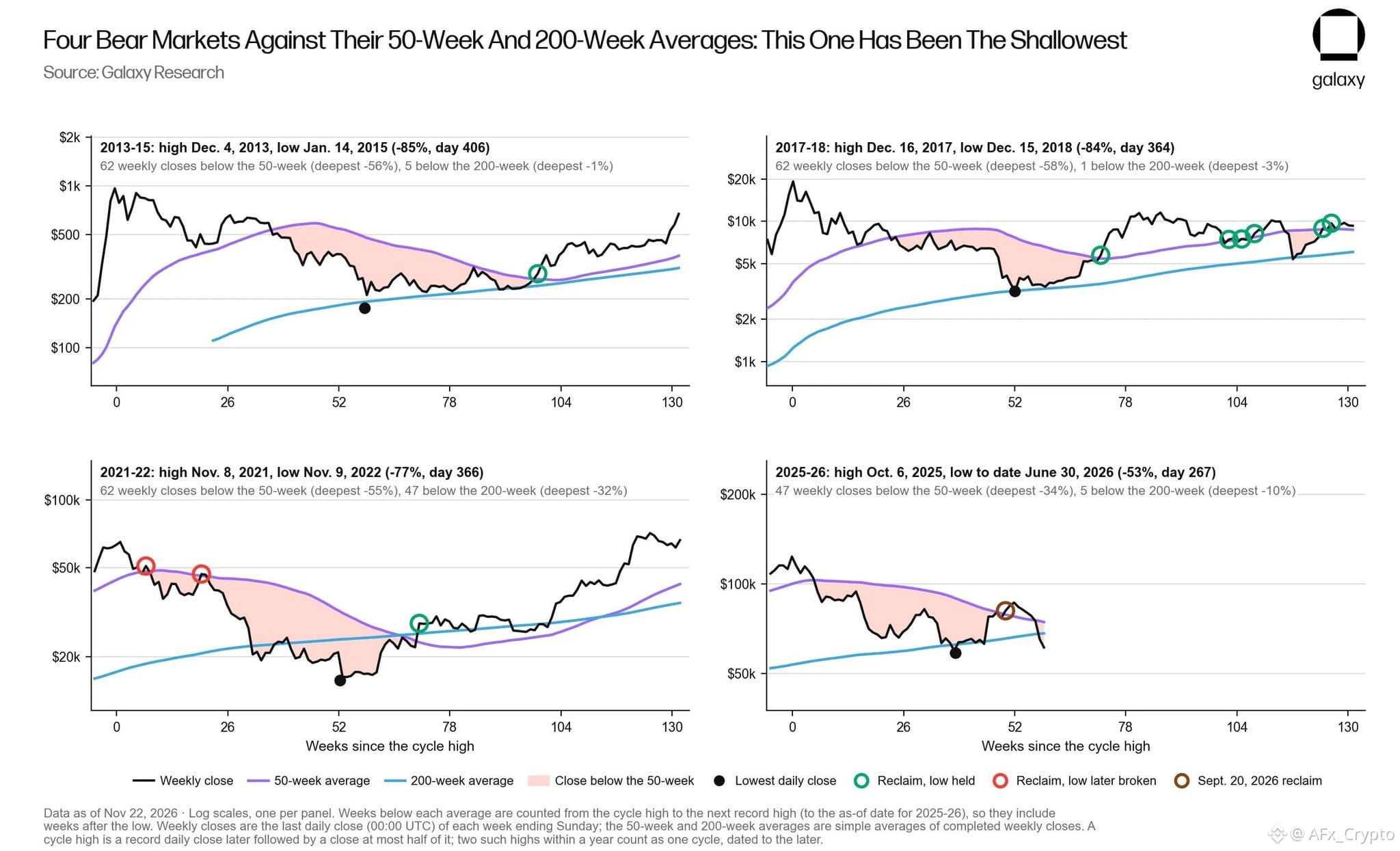
Bitcoin’s Current Bear Market Is Historically Shallow
Galaxy’s Alex Thorn highlights that Bitcoin has declined approximately 53% from its peak in the current bear market.
This is significantly less than previous major cycles, where Bitcoin recorded drawdowns of around 77% to 85%.
The comparison shows that the current correction has been relatively mild by historical standards. However, a smaller decline does not guarantee that the bottom is in or that further downside is impossible.
Bitcoin’s next move will depend on how market demand, investor sentiment, and broader conditions develop.
Historical comparisons offer useful context, but they do not guarantee future price performance.
DYOR. NFA.
#NVIDIAReinstatesJensenHuangasCEO #WillMarketsStageAThanksgivingReliefRally? $BTC
{spot}(BTCUSDT)
Bitcoin’s Current Bear Market Is Historically Shallow
Galaxy’s Alex Thorn highlights that Bitcoin has declined approximately 53% from its peak in the current bear market.
This is significantly less than previous major cycles, where Bitcoin recorded drawdowns of around 77% to 85%.
The comparison shows that the current correction has been relatively mild by historical standards. However, a smaller decline does not guarantee that the bottom is in or that further downside is impossible.
Bitcoin’s next move will depend on how market demand, investor sentiment, and broader conditions develop.
Historical comparisons offer useful context, but they do not guarantee future price performance.
DYOR. NFA.
#NVIDIAReinstatesJensenHuangasCEO #WillMarketsStageAThanksgivingReliefRally? $BTC
1
101
·
--
Nvidia CEO Jensen Huang reportedly disclosed additional personal affairs to the company's board, beyond the two previously reported, before the board voted to reinstate him, according to the Wall Street Journal.
The development adds another layer to the controversy surrounding Nvidia's leadership. The board ultimately decided to bring Huang back, making its confidence in his leadership an important part of the story.
The report highlights how corporate leadership decisions can extend beyond business performance and involve questions of transparency, accountability, and trust.
#NVIDIAReinstatesJensenHuangasCEO


125
·
--
Chainalysis is using AI-powered investigation technology to trace billions of dollars in crypto stolen during the Binance hack.
The investigation follows funds across nearly a dozen blockchains, as attackers used automated transfers and cross-chain bridges to move stolen assets.
This highlights how AI is becoming an important tool in blockchain security. Tracking suspicious transactions across multiple networks is complex, but advanced analytics can help investigators follow the money more efficiently.
As crypto adoption grows, stronger security and smarter investigation tools will become increasingly important for protecting the ecosystem.
159
·
--
#Binance has brought in three independent security firms, Mandiant, SlowMist, and Verichains, to review its security procedures.
This is an important step toward strengthening platform security and maintaining user confidence. Independent reviews can help identify potential weaknesses, assess existing safeguards, and improve security standards.
In the crypto industry, trust is built through transparency, accountability, and continuous improvements in security.
Security is not a one-time effort; it requires constant attention.

122
·
--
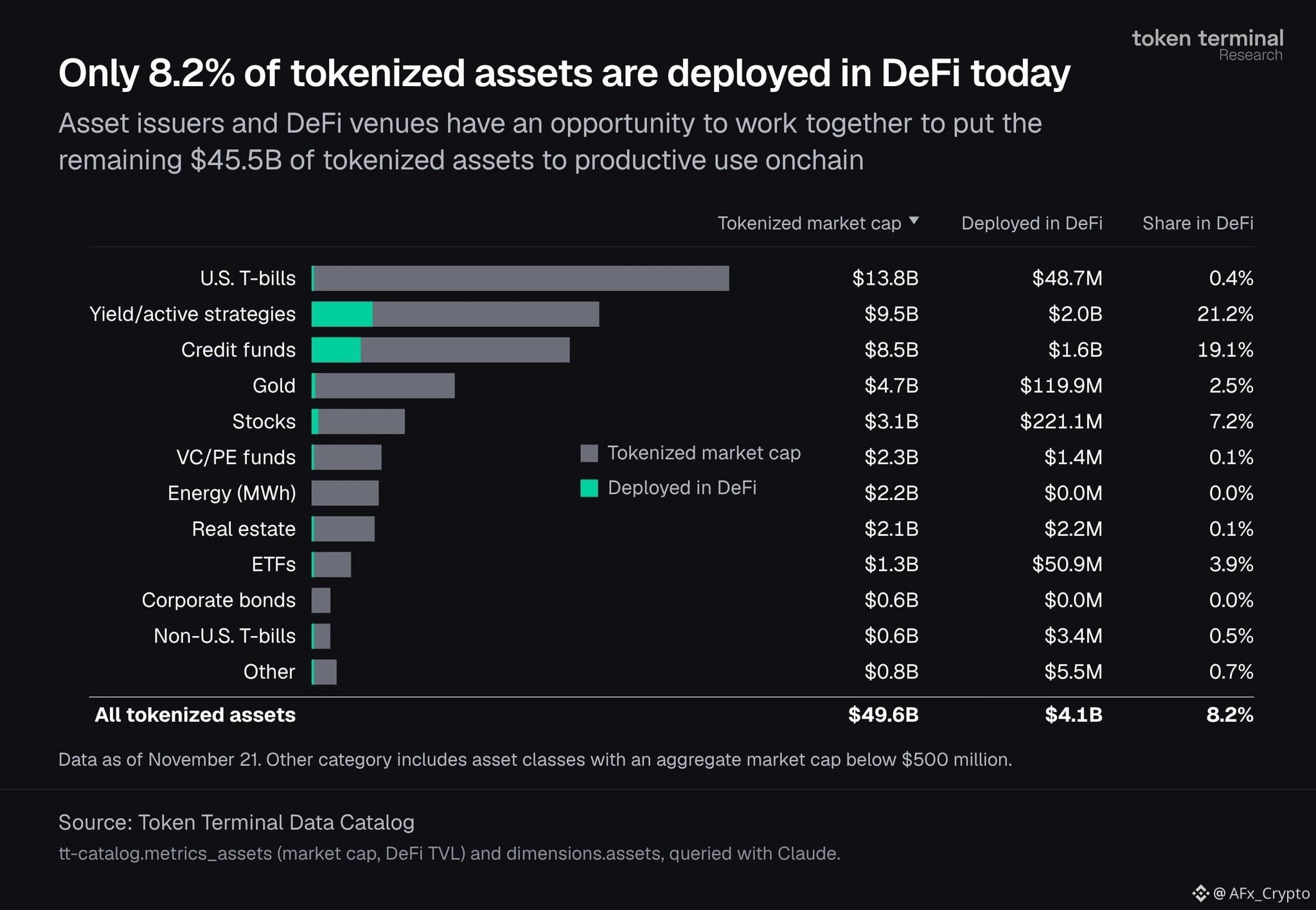
Tokenized real-world assets are growing, but their adoption in DeFi remains relatively low.
According to Token Terminal, the total tokenized asset market stands at $49.6 billion, yet only 8.2% is deployed in DeFi. This means approximately $45.5 billion has not yet entered DeFi applications.
This highlights a major gap between bringing traditional assets onchain and actually putting them to work in decentralized finance.
As infrastructure, liquidity and regulatory clarity improve, integrating more tokenized assets into DeFi could become an important driver of future growth.
The next phase of RWA adoption may depend not just on tokenization, but on real utility.
#WillMarketsStageAThanksgivingReliefRally?
141
·
--
Crypto ETF Flows Show Diverging Investor Sentiment
The latest weekly spot ETF data highlights a difference in institutional demand across major cryptocurrencies.
Bitcoin ETFs recorded approximately $1.25 billion in net outflows, while Ethereum ETFs saw $221.68 million leave their funds. XRP ETFs also recorded $11.21 million in outflows.
Solana moved in the opposite direction, attracting around $4.61 million in fresh capital.
This suggests that institutional investors are showing selective interest rather than increasing exposure across the entire crypto market.
Bitcoin and Ethereum are facing selling pressure through ETFs, while Solana is showing relative strength in fund flows.
However, ETF outflows do not automatically mean prices will decline, and inflows alone cannot guarantee a rally.
The coming weeks will be important in determining whether this trend continues or institutional demand starts recovering across the broader market.
#Bitcoin #Ethereum
Not financial advice. Always do your own research.
$BTC
{spot}(BTCUSDT)
$ETH
{spot}(ETHUSDT)
Crypto ETF Flows Show Diverging Investor Sentiment
The latest weekly spot ETF data highlights a difference in institutional demand across major cryptocurrencies.
Bitcoin ETFs recorded approximately $1.25 billion in net outflows, while Ethereum ETFs saw $221.68 million leave their funds. XRP ETFs also recorded $11.21 million in outflows.
Solana moved in the opposite direction, attracting around $4.61 million in fresh capital.
This suggests that institutional investors are showing selective interest rather than increasing exposure across the entire crypto market.
Bitcoin and Ethereum are facing selling pressure through ETFs, while Solana is showing relative strength in fund flows.
However, ETF outflows do not automatically mean prices will decline, and inflows alone cannot guarantee a rally.
The coming weeks will be important in determining whether this trend continues or institutional demand starts recovering across the broader market.
#Bitcoin #Ethereum
Not financial advice. Always do your own research.
$BTC
$ETH
137
·
--
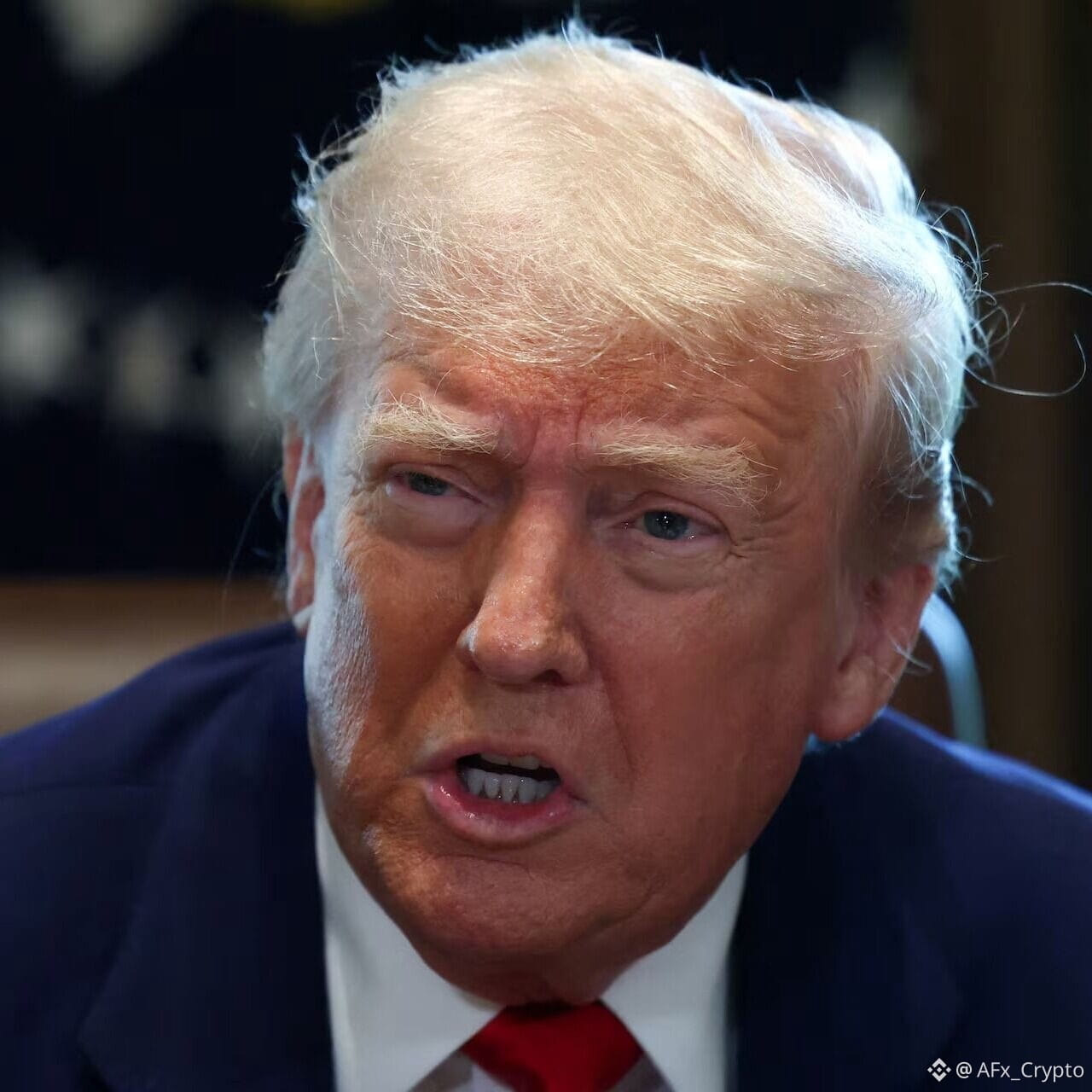
🇺🇸 Trump Comments on U.S. Markets and Oil Prices
President Donald Trump says he had predicted a decline in the stock market if Democrats won the midterm elections. He also claims oil prices have since recorded a historic drop.
His remarks have brought renewed attention to the relationship between political developments, financial markets, and energy prices.
However, market movements are influenced by several factors, including economic conditions, investor sentiment, and global oil supply and demand.
Political statements aside, market performance and economic data remain the key indicators to watch.
#WillMarketsStageAThanksgivingReliefRally?
455
·
--
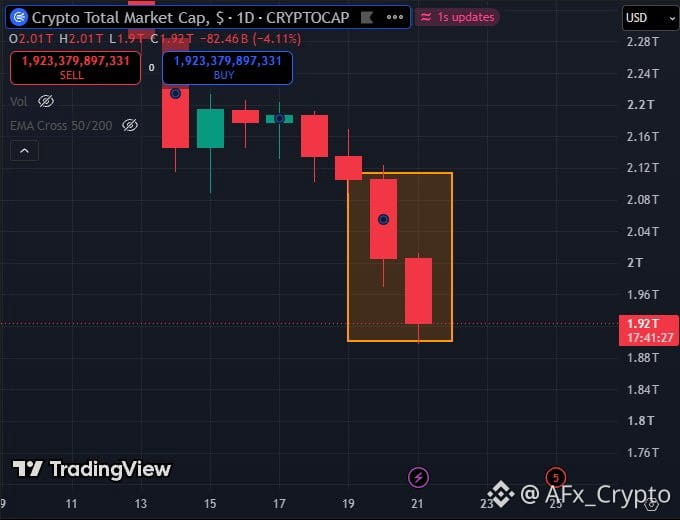
The crypto market has lost approximately $200 billion in total market value in less than 24 hours, highlighting the scale of the recent sell-off.
Bitcoin, Ethereum, and other major cryptocurrencies are facing significant selling pressure as market sentiment weakens.
This sharp decline is a reminder of how quickly market conditions can change. The coming sessions will be important in determining whether buyers step in or further downside follows.
Always manage risk and make decisions based on your own research.
#CanBTCReboundAfterFallingBelow60K?
242
·
--
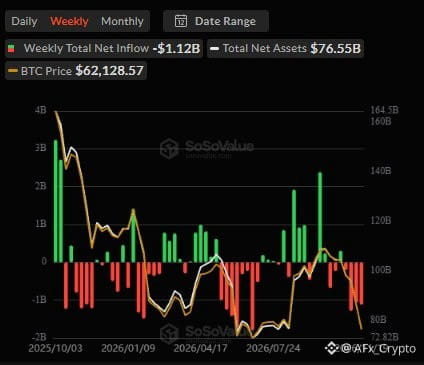
#Bitcoin ETFs Face Four Consecutive Weeks of Outflows
U.S. spot Bitcoin ETFs have recorded four straight weeks of net outflows, with approximately $1.25 billion withdrawn during the latest week.
This continued outflow highlights weakening demand for Bitcoin ETF exposure and adds pressure to the market's short-term sentiment.
However, ETF flows can change quickly. The coming weeks will be important to see whether institutional demand returns or selling pressure continues.
ETF flows remain an important indicator to watch when assessing Bitcoin market sentiment.
DYOR. NFA.
#CanBTCReboundAfterFallingBelow60K? $BTC
{spot}(BTCUSDT)
#Bitcoin ETFs Face Four Consecutive Weeks of Outflows
U.S. spot Bitcoin ETFs have recorded four straight weeks of net outflows, with approximately $1.25 billion withdrawn during the latest week.
This continued outflow highlights weakening demand for Bitcoin ETF exposure and adds pressure to the market's short-term sentiment.
However, ETF flows can change quickly. The coming weeks will be important to see whether institutional demand returns or selling pressure continues.
ETF flows remain an important indicator to watch when assessing Bitcoin market sentiment.
DYOR. NFA.
#CanBTCReboundAfterFallingBelow60K? $BTC
122
·
--
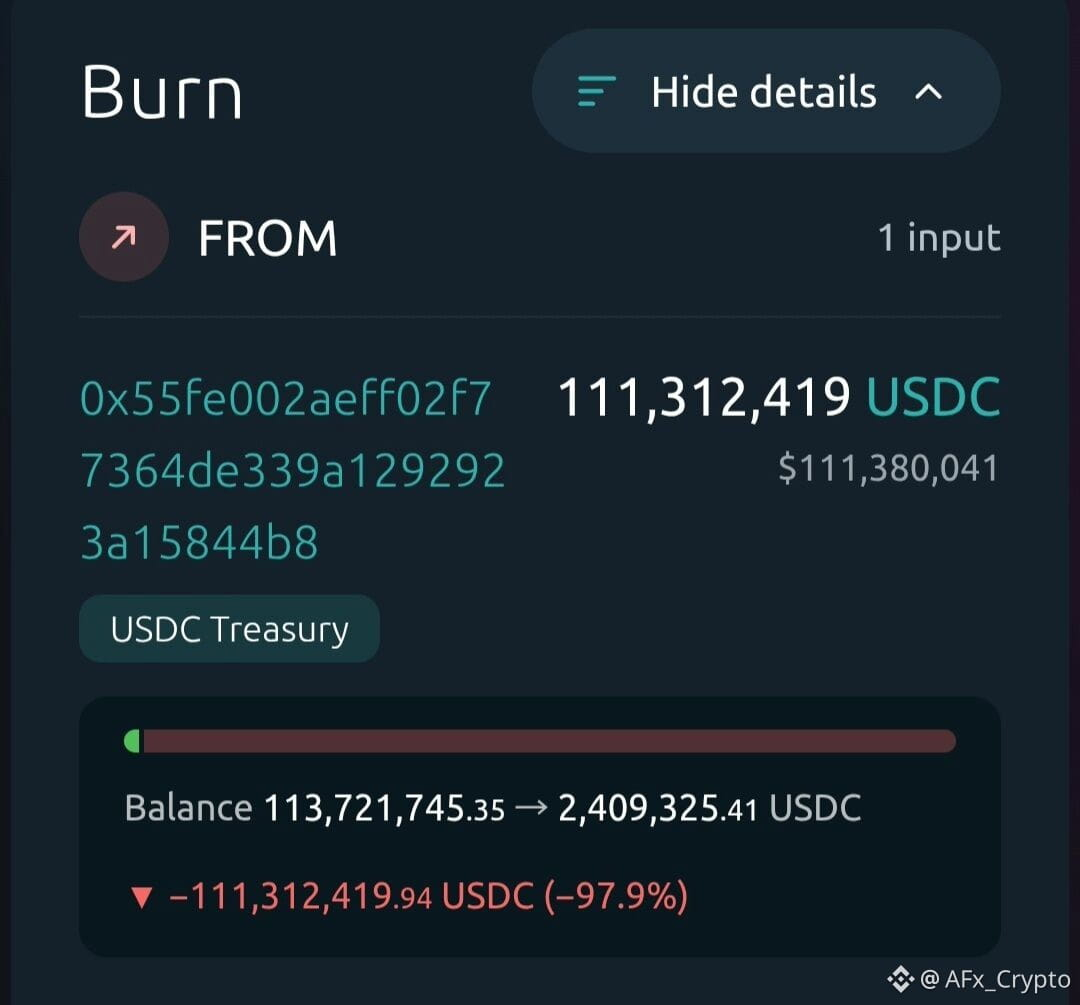
111.3 Million USDC Burned
A large USDC burn has caught attention after 111,312,419 USDC, worth approximately $111.3 million, was removed from circulation.
Token burns are part of stablecoin supply management and can happen for several reasons, including redemptions and liquidity adjustments.
However, a large burn does not automatically indicate bullish market sentiment. The bigger picture depends on overall supply, demand, and stablecoin activity.
An interesting on-chain development worth watching.
#CanBTCReboundAfterFallingBelow60K?
295
·
--
Verified
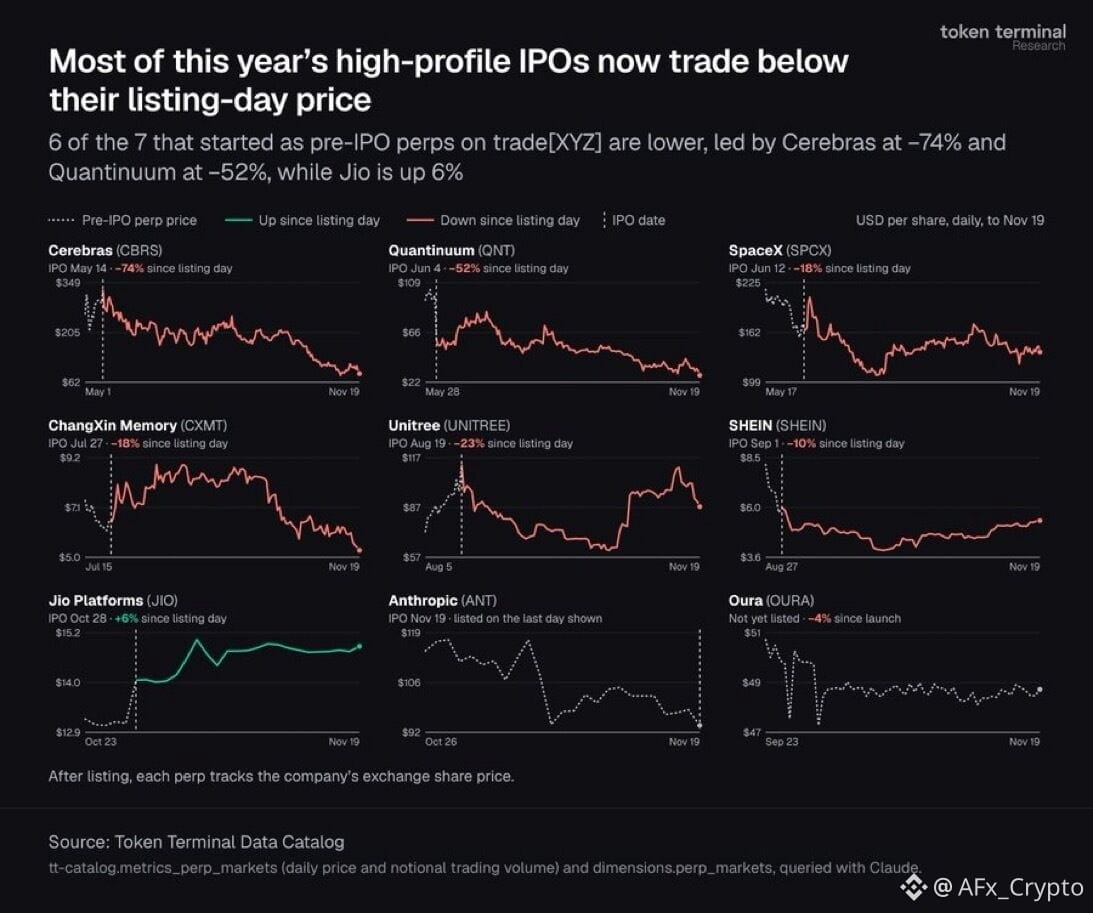
2026 IPOs Face a Difficult Market Reality
Many of 2026’s major IPOs are struggling to maintain their initial market valuations, with several companies now trading below their listing-day prices, according to Token Terminal.
Cerebras and Quantinuum have seen particularly sharp declines, while Jio Platforms has managed to remain in positive territory.
This highlights an important reality of the IPO market: strong investor interest during a public listing does not always translate into long-term price performance.
Market expectations, company valuations, investor demand, and overall market conditions all play a role in determining what happens after an IPO.
For investors, looking beyond the excitement of a listing is just as important as evaluating the company itself.
DYOR. NFA.
#CanBTCReboundAfterFallingBelow60K?
950
·
--
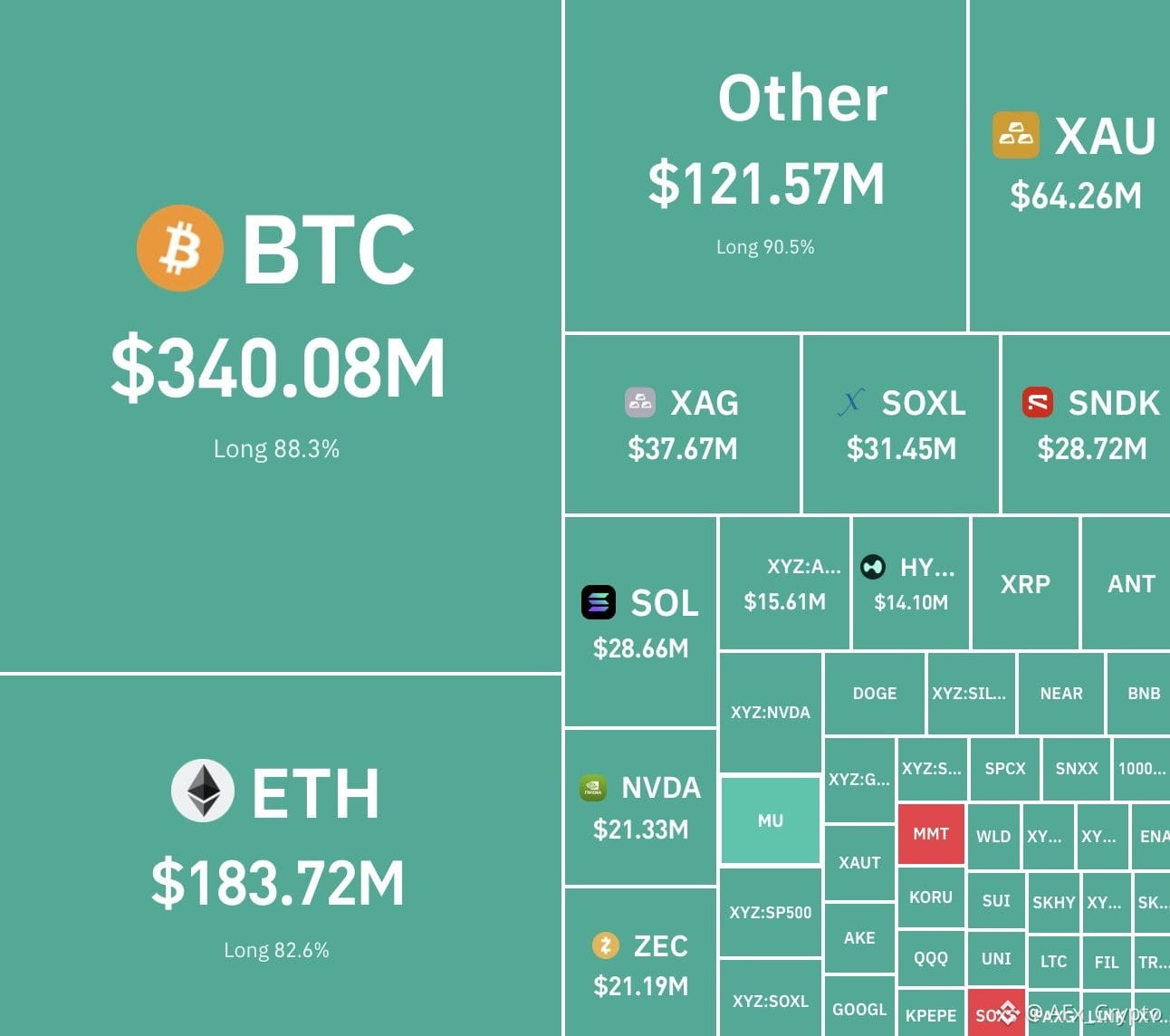
Crypto Market Sees Over $1.09 Billion in Liquidations
The crypto market has experienced another major wave of liquidations, with more than $1.09 billion in leveraged positions wiped out over the past 24 hours, according to CoinGlass.
Around 219,096 traders were affected as market volatility triggered forced position closures.
This highlights how quickly leverage can turn against traders, especially during periods of sharp price movements. Both long and short positions can face serious risks when the market moves unexpectedly.
Events like this are a reminder that managing risk and using leverage carefully are essential in crypto trading.
Always do your own research and understand the risks before trading.
#CanBTCReboundAfterFallingBelow60K?
1
1
1.2k
·
--
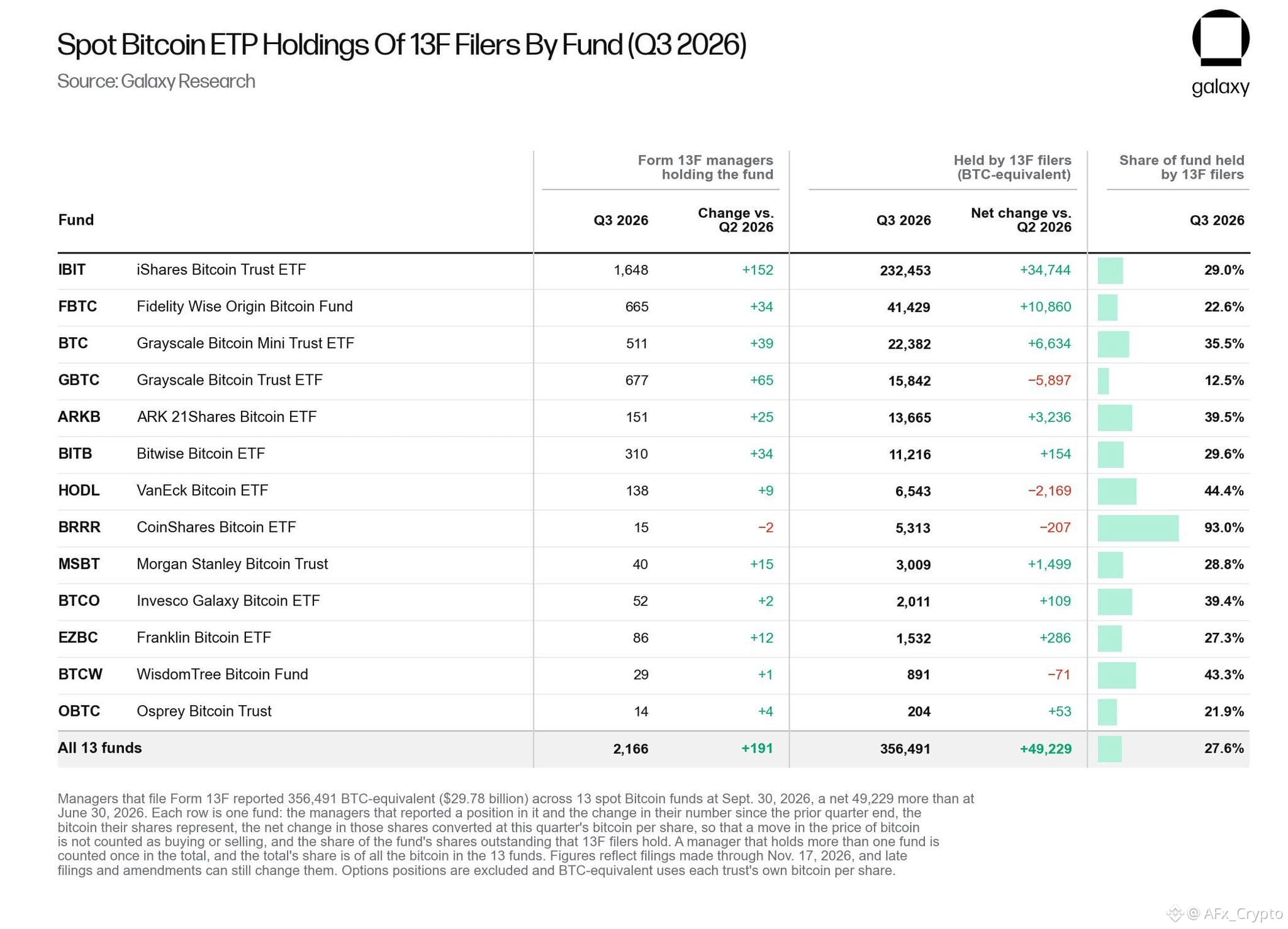
Institutional interest in Bitcoin continues to grow.
According to Galaxy’s Alex Thorn, institutions held a record 356,491 BTC, worth approximately $29.8 billion, through US spot Bitcoin ETFs.
During Q3 2026, institutional holdings increased by 49,229 BTC, marking the largest quarterly accumulation since Q2 2025.
This is an important development for Bitcoin because it highlights how traditional financial institutions are increasingly gaining exposure to BTC through regulated investment products.
The bigger picture is not just about how much Bitcoin institutions are buying, but how their role in the market continues to evolve.
Institutional demand remains an important trend to watch.
$BTC
{spot}(BTCUSDT)
DYOR. NFA.
Institutional interest in Bitcoin continues to grow.
According to Galaxy’s Alex Thorn, institutions held a record 356,491 BTC, worth approximately $29.8 billion, through US spot Bitcoin ETFs.
During Q3 2026, institutional holdings increased by 49,229 BTC, marking the largest quarterly accumulation since Q2 2025.
This is an important development for Bitcoin because it highlights how traditional financial institutions are increasingly gaining exposure to BTC through regulated investment products.
The bigger picture is not just about how much Bitcoin institutions are buying, but how their role in the market continues to evolve.
Institutional demand remains an important trend to watch.
$BTC
DYOR. NFA.
1
192
·
--
CZ Highlights Why Scarce Assets Matter as Anthropic IPO Draws Attention
The expected Anthropic IPO is bringing renewed attention to a bigger economic question: what happens when large amounts of wealth enter the financial system?
#Binance founder CZ shared a brief but interesting perspective, suggesting that inflation could follow and that holding assets with limited supply may be worth considering.
His comment highlights an important distinction between assets that can be issued in unlimited quantities and those with a fixed or restricted supply.
Bitcoin is a clear example. Its maximum supply is capped at 21 million BTC, making scarcity a fundamental part of its design.
However, limited supply alone does not guarantee price appreciation. Demand, market conditions, liquidity and investor confidence also play important roles.
The bigger takeaway is that understanding monetary supply and purchasing power matters just as much as following market prices.
Scarcity is not a guarantee of value, but it is an important factor worth understanding.
DYOR. NFA.
#NvidiaBoardReportedlySplitOverHuang’sReturn


2
465
·
--
Anthropic’s Nasdaq Debut Could Bring a New Wave of Options Activity
Anthropic is preparing for its Nasdaq stock debut under the ticker ANT, and attention is already shifting toward its options market.
Cboe Global Markets is expected to begin listing options on Anthropic shares on November 23, subject to the required approvals and OCC certification.
The expected launch could attract strong interest from traders looking to gain exposure to one of the most closely watched companies in the AI industry.
What makes this development interesting is the timing. Anthropic is entering the public market at a time when artificial intelligence remains a major focus for investors. Its options market could add another layer of trading activity, allowing participants to take positions on future price movements or manage their exposure.
However, strong demand does not automatically mean the stock will move higher. Options trading can also bring increased volatility and significant risks, particularly during the early days of a new listing.
Anthropic's market debut will be worth watching, not just for its valuation but also for how investors respond to the growing business of artificial intelligence.
The real question is whether market interest will translate into sustained investor confidence.
DYOR. Not financial advice.
#AnthropicGrayMarketSharesPointTo22%To26%Gains
541
Log in to explore more content
Join global crypto users on Binance Square
⚡️ Get latest and useful information about crypto.
💬 Trusted by the world’s largest crypto exchange.
👍 Discover real insights from verified creators.
Email / Phone number
Trending Topics
BitcoinAndStocksSlipAgainAmidTrump’sTariffPlans
9,790 views
201 Discussing
U.S. Plans New Tariffs on China, EU and Others; Bitcoin Slips Below $60,000 and Nasdaq Falls 1.5%
Binance News
·5 Likes
·2.8k views
JensenHuangSaysNvidiaDoesn’tNeedASuccessionPlan
9,262 views
145 Discussing
AnthropicBreaksBelowIPOPriceAmidAISlump
100,610 views
907 Discussing