
Emmaa alex02
11k Posts

Emmaa alex02
 Square Verified+
Report
Block User
crypto learning /Binance update I Bigneer -Frindly/No financial Advice 🌸
808 Following
37.5K+ Followers
25.8K+ Liked
Posts
All
Quotes
Live
PINNED
·
--
One thing I find interesting,As a content creator, I love exploring projects that are building real technology instead of simply
following market hype. One project that caught my attention is @SpaceandTimeDB
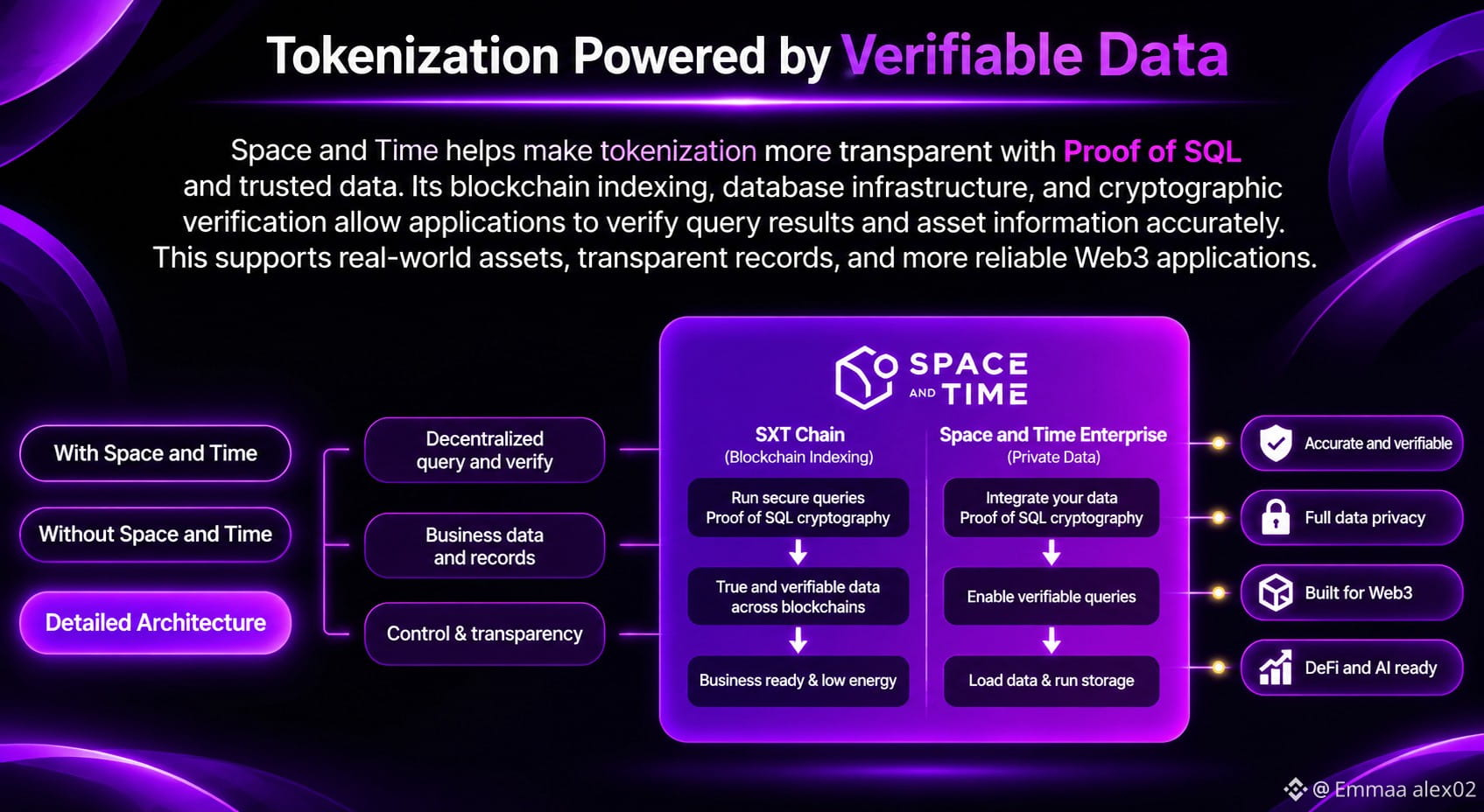
Tokenization is becoming an important part of the digital economy, but there is one thing we should never overlook: trustworthy data.
Imagine turning real-world assets like property into digital tokens. How can applications verify ownership records, transactions, and asset information with confidence?
This is where @SpaceandTimeDB brings an interesting solution. Its Proof of SQL technology allows applications to verify SQL query results using cryptographic proofs.
This creates opportunities for more transparent and reliable tokenization applications, where data can be checked rather than blindly trusted.
I believe the future of Web3 needs more than digital assets. It needs verifiable information behind every important decision.
What do you think matters most for tokenization: transparency or data verification?
#sxt $SXT @SpaceandTimeDB
One thing I find interesting,As a content creator, I love exploring projects that are building real technology instead of simply
following market hype. One project that caught my attention is @SpaceandTime
Tokenization is becoming an important part of the digital economy, but there is one thing we should never overlook: trustworthy data.
Imagine turning real-world assets like property into digital tokens. How can applications verify ownership records, transactions, and asset information with confidence?
This is where @SpaceandTime brings an interesting solution. Its Proof of SQL technology allows applications to verify SQL query results using cryptographic proofs.
This creates opportunities for more transparent and reliable tokenization applications, where data can be checked rather than blindly trusted.
I believe the future of Web3 needs more than digital assets. It needs verifiable information behind every important decision.
What do you think matters most for tokenization: transparency or data verification?
#sxt $SXT @SpaceandTime
6
1
6
374
PINNED
·
--
$TRUMP
{future}(TRUMPUSDT)
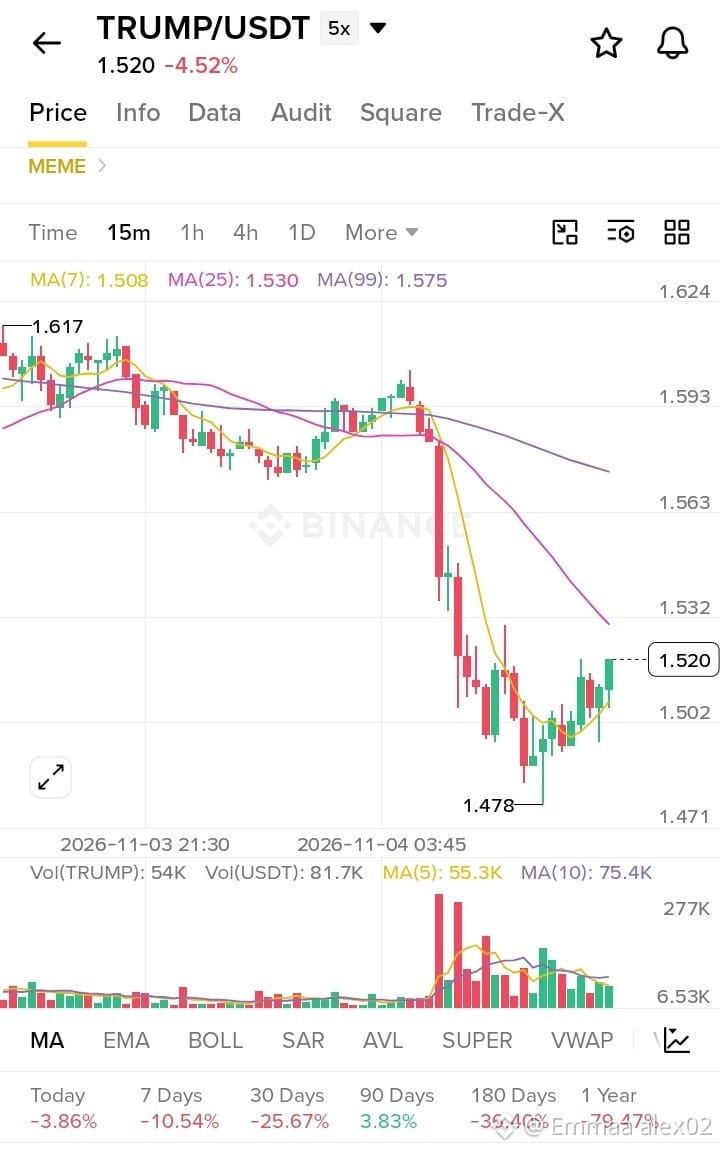
$TRUMP is showing a small recovery after
a sharp drop! 📉
Buyers need to prove their strength.
HOLD or SELL? 👀
#TRUMP #PEPE #BONKUSDT #CryptoMarket
$TRUMP
$TRUMP is showing a small recovery after
a sharp drop! 📉
Buyers need to prove their strength.
HOLD or SELL? 👀
#TRUMP #PEPE #BONKUSDT #CryptoMarket
$TRUMP is showing a small recovery after
a sharp drop! 📉
Buyers need to prove their strength.
HOLD or SELL? 👀
#TRUMP #PEPE #BONKUSDT #CryptoMarket
37
7
81
215.8k
·
--
$AAPLB
$AAPLB

PINDI BOY PK²⁵
·
--
Why DeFi Needs Verifiable Data – A Perspective from the Market
After following crypto markets and exploring blockchain technologies, one thing has become increasingly clear to me: DeFi needs more than just access to data. It needs data that can actually be verified.
This is where @SpaceandTime brings an interesting solution.
Its Proof of SQL technology uses Zero-Knowledge Proofs to make database queries cryptographically verifiable. Instead of simply trusting database results, developers can verify how information was processed.
Think about lending protocols, collateral checks, user balances, and historical transactions. All these operations depend on reliable information. Even a small data issue can create serious problems for a DeFi application.
What I find interesting is how $SXT supports an ecosystem focused on connecting on-chain blockchain history with off-chain datasets, creating new possibilities for smarter and more transparent DeFi applications.
However, I don't believe any technology removes every risk. Data quality, smart contract vulnerabilities, and security still matter.
My personal take: DeFi needs to move beyond simply providing information. It needs infrastructure that can prove why that information should be trusted. That's the real importance of what
@SpaceandTime is building.
#SXT

215

·
--
🚨 Trump Pushes Back Against Netanyahu!
A reported disagreement between Washington and Tel Aviv could become a major geopolitical development.
Trump is reportedly resisting pressure from Netanyahu to resume military strikes against Iran. This could reduce immediate escalation fears and influence oil, gold, and crypto market sentiment.
Traders are watching closely. Will diplomacy calm markets, or bring more uncertainty?
What’s your take? 👇
{future}(TRUMPUSDT)
{future}(BTCUSDT)
{future}(XAUTUSDT)
#USPPIMissMayEaseBTCPressure #BitcoinCoreDisclosesTorTrafficVulnerability #WhatWillDriveCryptoandStocks’NextRebound? #BitcoinBreaksBelow200WeekMovingAverage
🚨 Trump Pushes Back Against Netanyahu!
A reported disagreement between Washington and Tel Aviv could become a major geopolitical development.
Trump is reportedly resisting pressure from Netanyahu to resume military strikes against Iran. This could reduce immediate escalation fears and influence oil, gold, and crypto market sentiment.
Traders are watching closely. Will diplomacy calm markets, or bring more uncertainty?
What’s your take? 👇
#USPPIMissMayEaseBTCPressure #BitcoinCoreDisclosesTorTrafficVulnerability #WhatWillDriveCryptoandStocks’NextRebound? #BitcoinBreaksBelow200WeekMovingAverage

2
799
·
--
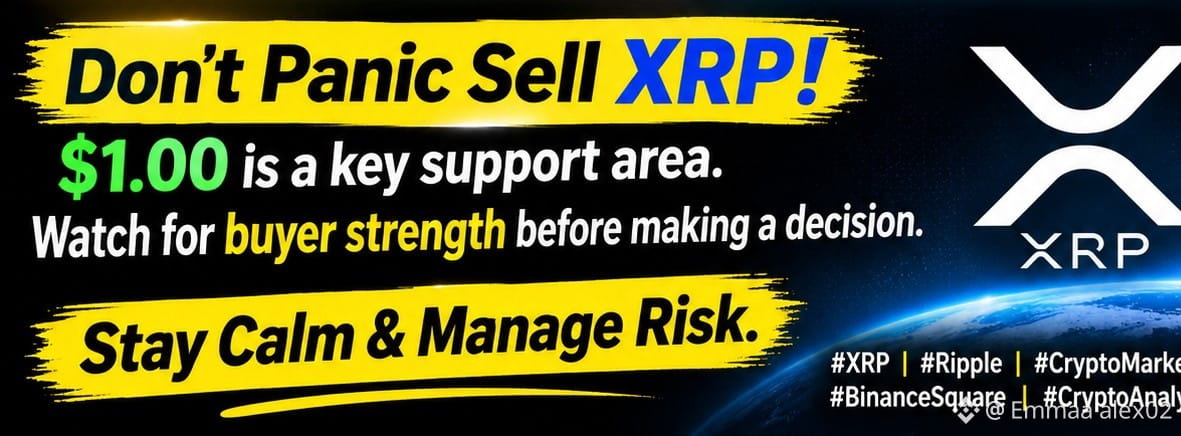
Don't panic sell XRP! $1.00
is a key support area.
Watch for buyer strength before making a decision. Stay calm and manage risk.
#XRP #CryptoAnalysis
{future}(XRPUSDT)
Don't panic sell XRP! $1.00
is a key support area.
Watch for buyer strength before making a decision. Stay calm and manage risk.
#XRP #CryptoAnalysis
is a key support area.
Watch for buyer strength before making a decision. Stay calm and manage risk.
#XRP #CryptoAnalysis
2
553
·
--
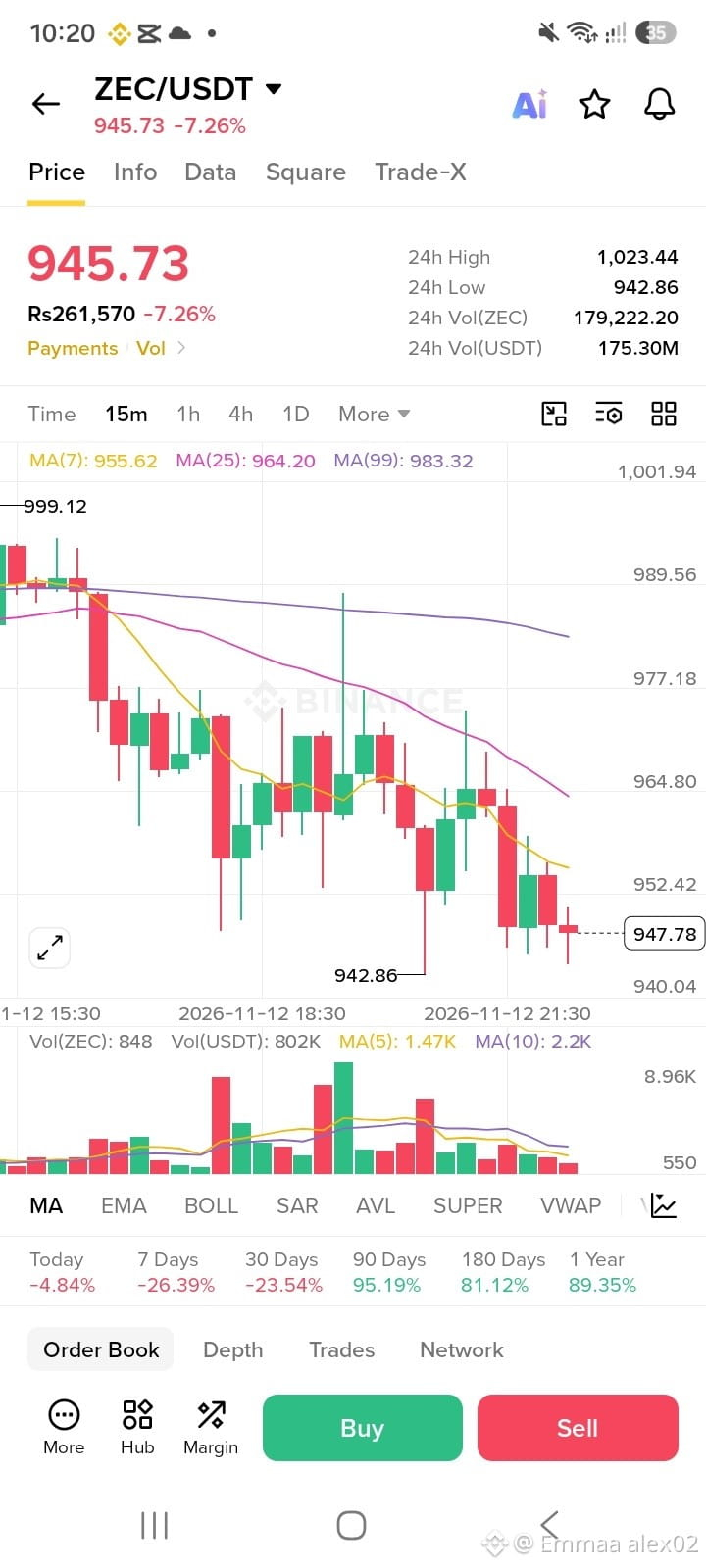
🚨 $ZEC drops 7.26% to $945.73!
Support: $942.86
Resistance: $955
Will buyers defend support or push lower? 👀
#ZEC #Crypto #altcoins #BinanceSquare
$ZEC
🚨 $ZEC drops 7.26% to $945.73!
Support: $942.86
Resistance: $955
Will buyers defend support or push lower? 👀
#ZEC #Crypto #altcoins #BinanceSquare
$ZEC
Support: $942.86
Resistance: $955
Will buyers defend support or push lower? 👀
#ZEC #Crypto #altcoins #BinanceSquare
$ZEC
2
3
811
·
--
🚀 Market Momentum Is Building!
$JCT is up around 12%, while $INTCB is also holding green. 👀
Is this the start of a stronger recovery, or just a short-term bounce?
What’s your view Bullish or Bearish? 👇
#JCT #INTCB #CryptoMarket #Binance #trading
{spot}(INTCBUSDT)
{future}(JCTUSDT)
🚀 Market Momentum Is Building!
$JCT is up around 12%, while $INTCB is also holding green. 👀
Is this the start of a stronger recovery, or just a short-term bounce?
What’s your view Bullish or Bearish? 👇
#JCT #INTCB #CryptoMarket #Binance #trading
$JCT is up around 12%, while $INTCB is also holding green. 👀
Is this the start of a stronger recovery, or just a short-term bounce?
What’s your view Bullish or Bearish? 👇
#JCT #INTCB #CryptoMarket #Binance #trading
1
1
759
·
--
{future}(TRUMPUSDT)
🇺🇸 THE POLITICAL BATTLE AFTER TRUMP IS ALREADY BEGINNING!
Trump still has two years left in the White House, but Republicans are already looking toward the 2028 presidential election.
JD Vance blames the Iran war for the midterm losses, Ted Cruz highlights the rising cost of living, and Ron DeSantis describes the defeat as an extinction-level event.
Three politicians, three different explanations, and one big question: Who will shape the future of the Republican Party?
My Analysis:
The growing disagreement shows that the fight for political influence is already underway. Vance, Cruz, and DeSantis may all have ambitions for 2028, but their biggest challenge will be winning public support.
Trump's political legacy could become one of the biggest issues in the next presidential race.
For crypto investors, future US leadership also matters because government policies can influence digital asset regulation and market confidence.
Who do you think has the strongest chance of shaping the Republican Party after Trump? 👀
#Trump #GovernmentAccountability

1
4
2.8k
·
--
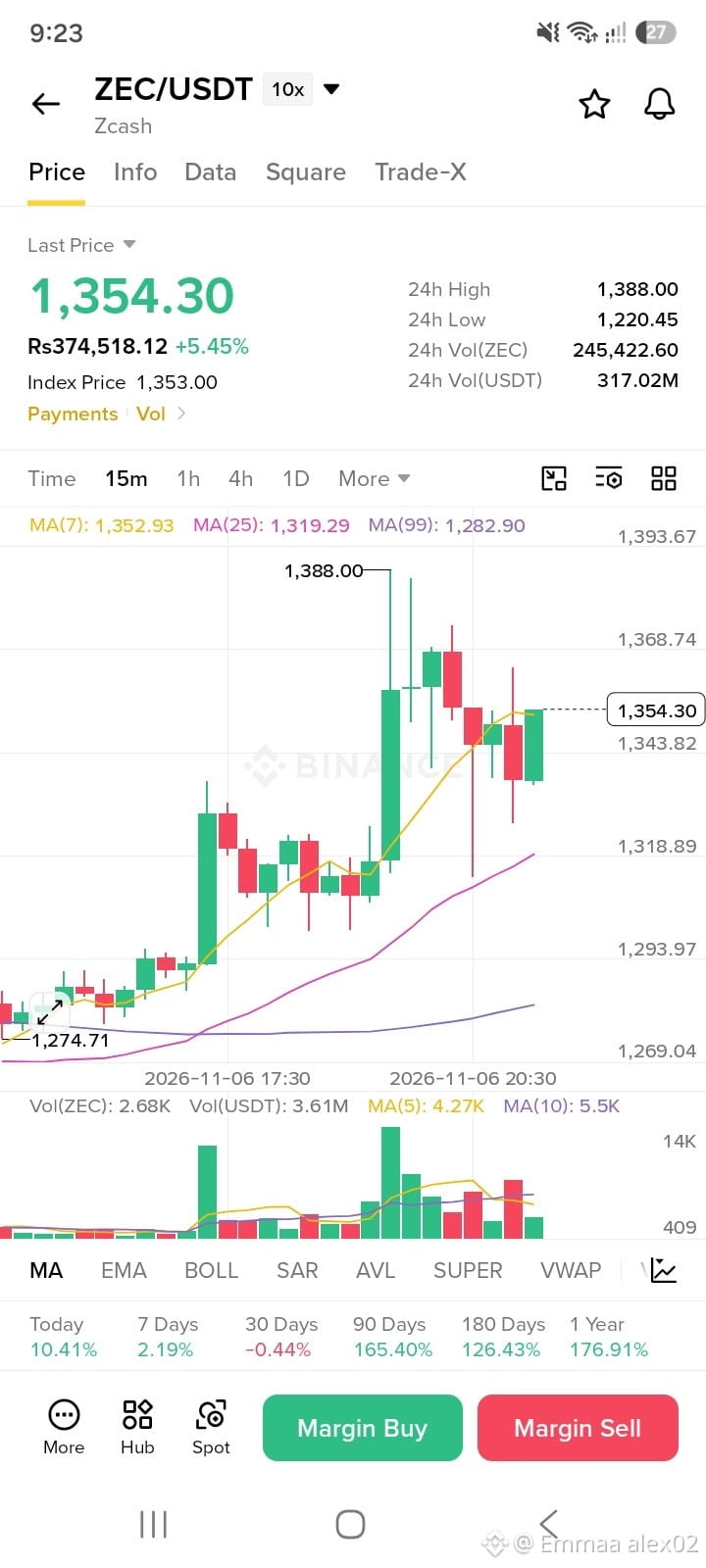
🚀 $ZEC is holding strong!
Resistance: $1,368–$1,388
Support: $1,319
{future}(ZECUSDT)
Can buyers push ZEC higher? 👀
#ZEC #Zcash #TechnicalAnalysis #BinanceSquare
🚀 $ZEC is holding strong!
Resistance: $1,368–$1,388
Support: $1,319
Can buyers push ZEC higher? 👀
#ZEC #Zcash #TechnicalAnalysis #BinanceSquare
Resistance: $1,368–$1,388
Support: $1,319
Can buyers push ZEC higher? 👀
#ZEC #Zcash #TechnicalAnalysis #BinanceSquare
3
4
630
·
--
The real opportunity is where genuine buying pressure meets strong market momentum. 👀📊
$TRUMP has the attention, but can $PEPE deliver stronger follow-through?
I'm watching price action, buyer strength, and volume before making a move. No hype, just market signals.
Which one looks more promising to you
or $PEPE? 👇
#TRUMP #PEPE #CryptoAnalysis #MarketMomentum #BinanceSquare
$TRUMP
The real opportunity is where genuine buying pressure meets strong market momentum. 👀📊
$TRUMP has the attention, but can $PEPE deliver stronger follow-through?
I'm watching price action, buyer strength, and volume before making a move. No hype, just market signals.
Which one looks more promising to you
or $PEPE ? 👇
#TRUMP #PEPE #CryptoAnalysis #MarketMomentum #BinanceSquare
$TRUMP
$TRUMP has the attention, but can $PEPE deliver stronger follow-through?
I'm watching price action, buyer strength, and volume before making a move. No hype, just market signals.
Which one looks more promising to you
or $PEPE ? 👇
#TRUMP #PEPE #CryptoAnalysis #MarketMomentum #BinanceSquare
$TRUMP
2
2
8
931
·
--
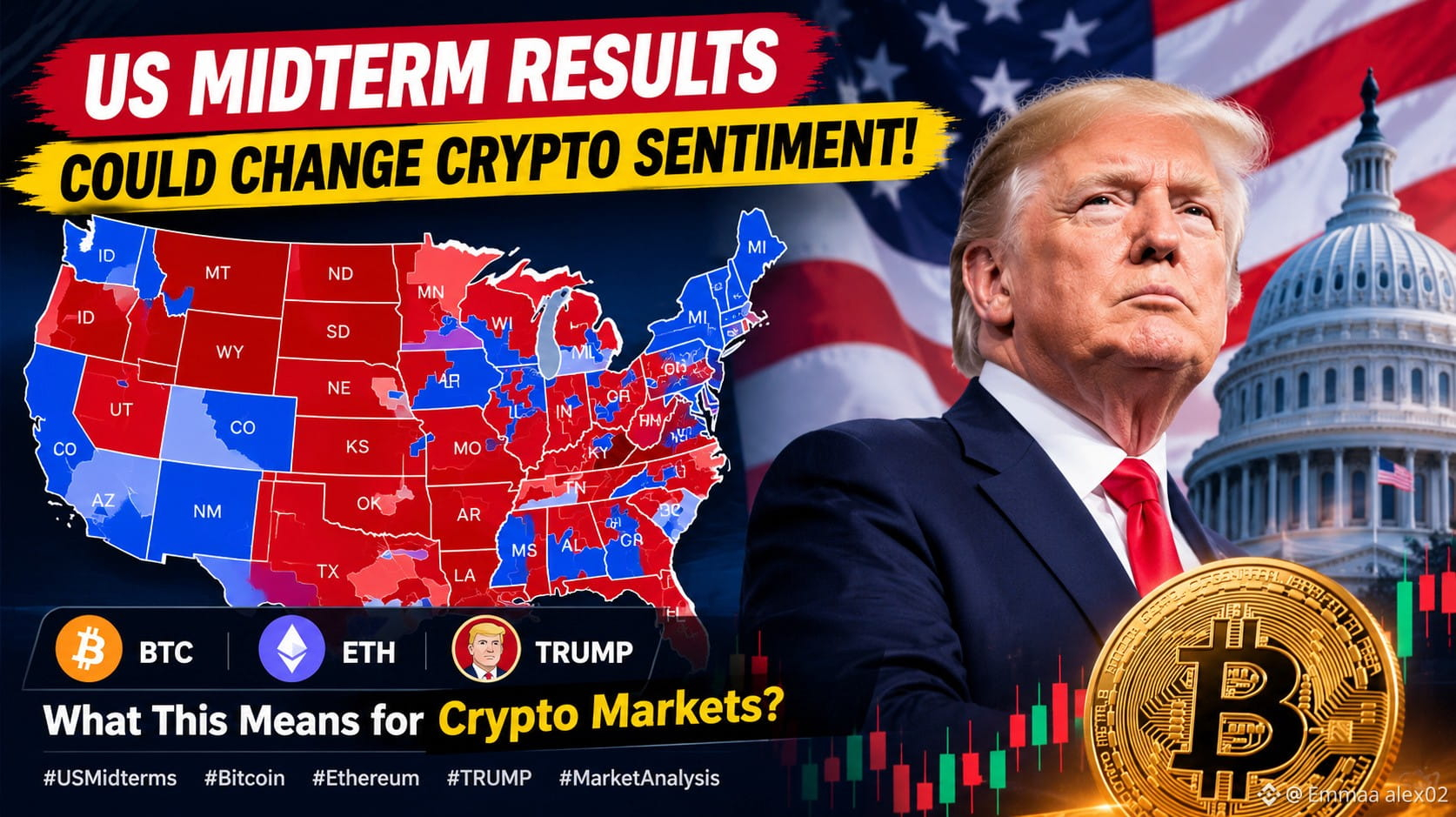
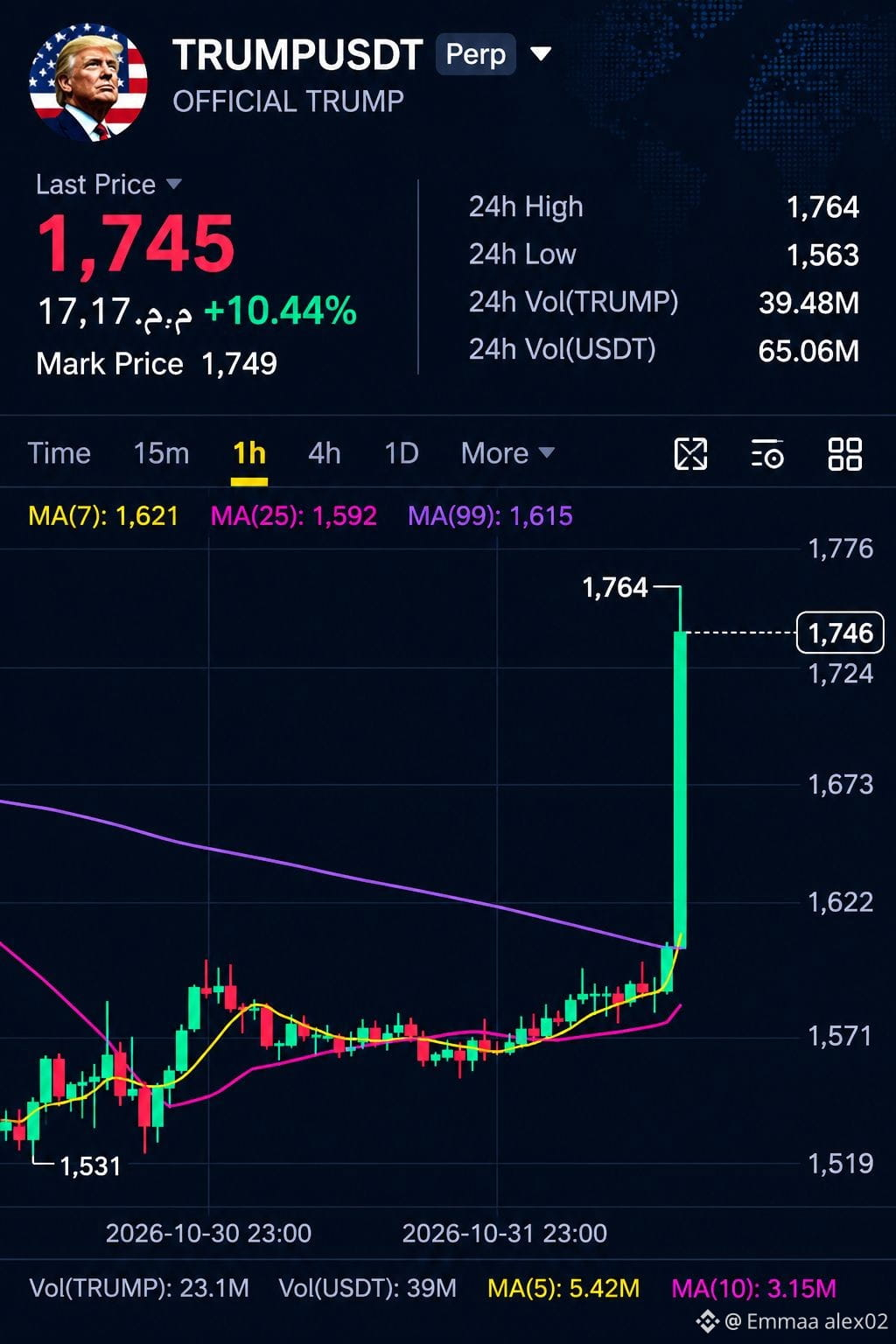
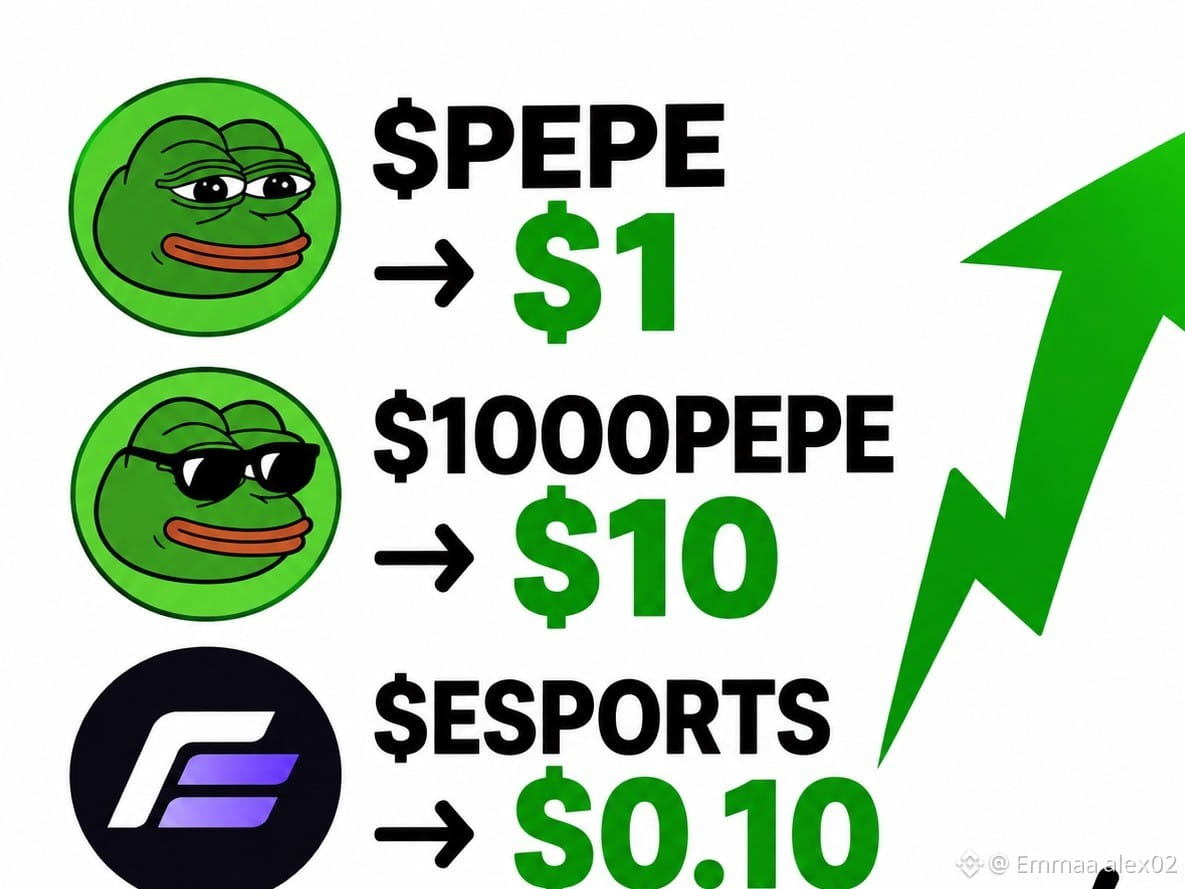
🚨 US Midterm Results Could Change Crypto Sentiment!
Democrats have secured Senate control and are moving closer to a House majority. This could bring major changes to US crypto policy and regulatory discussions.
For $BTC, $ETH, and $TRUMP, political uncertainty may increase volatility. However, a market reaction doesn't automatically mean a bearish trend.
I'm watching how investors respond and waiting for confirmation from price action and volume.
Do you think this political shift will be bearish for crypto? 👀
#Bitcoin #Ethereum #TRUMP #MarketAnalysis
$BTC $ETH
🚨 US Midterm Results Could Change Crypto Sentiment!
Democrats have secured Senate control and are moving closer to a House majority. This could bring major changes to US crypto policy and regulatory discussions.
For $BTC , $ETH , and $TRUMP, political uncertainty may increase volatility. However, a market reaction doesn't automatically mean a bearish trend.
I'm watching how investors respond and waiting for confirmation from price action and volume.
Do you think this political shift will be bearish for crypto? 👀
#Bitcoin #Ethereum #TRUMP #MarketAnalysis
$BTC $ETH
8
929
·
--
🚨 Middle East Tensions: Is November 4 a Date to Watch?
Reports circulating about a possible conflict after the U.S. midterm elections have caught my attention. But I haven’t verified the original MS NOW report, so I wouldn’t treat
November 4 as a confirmed date for war.
For crypto, the bigger concern is uncertainty. If tensions escalate, gold and silver could attract safe-haven demand, while Bitcoin and other risk assets may face volatility.
But the actual reaction will depend on how events unfold.
I’m watching the news closely rather than making trades based on an unconfirmed warning.
Do you think markets are already pricing in geopolitical risk, or could we see another sharp move?
#HeYiSaysWithdrawalsExpectedtoResumeWithin42Hours #IntelHasItsWorstDaySince1974 m#TRMCambodianTRMCasionAsionReceived $1.07BInCrypto #USDCCirculationFallsAbout800MInSevenDays
$TRUMP $XAU $XAG

2
1.2k
·
--
$FET
{future}(FETUSDT)
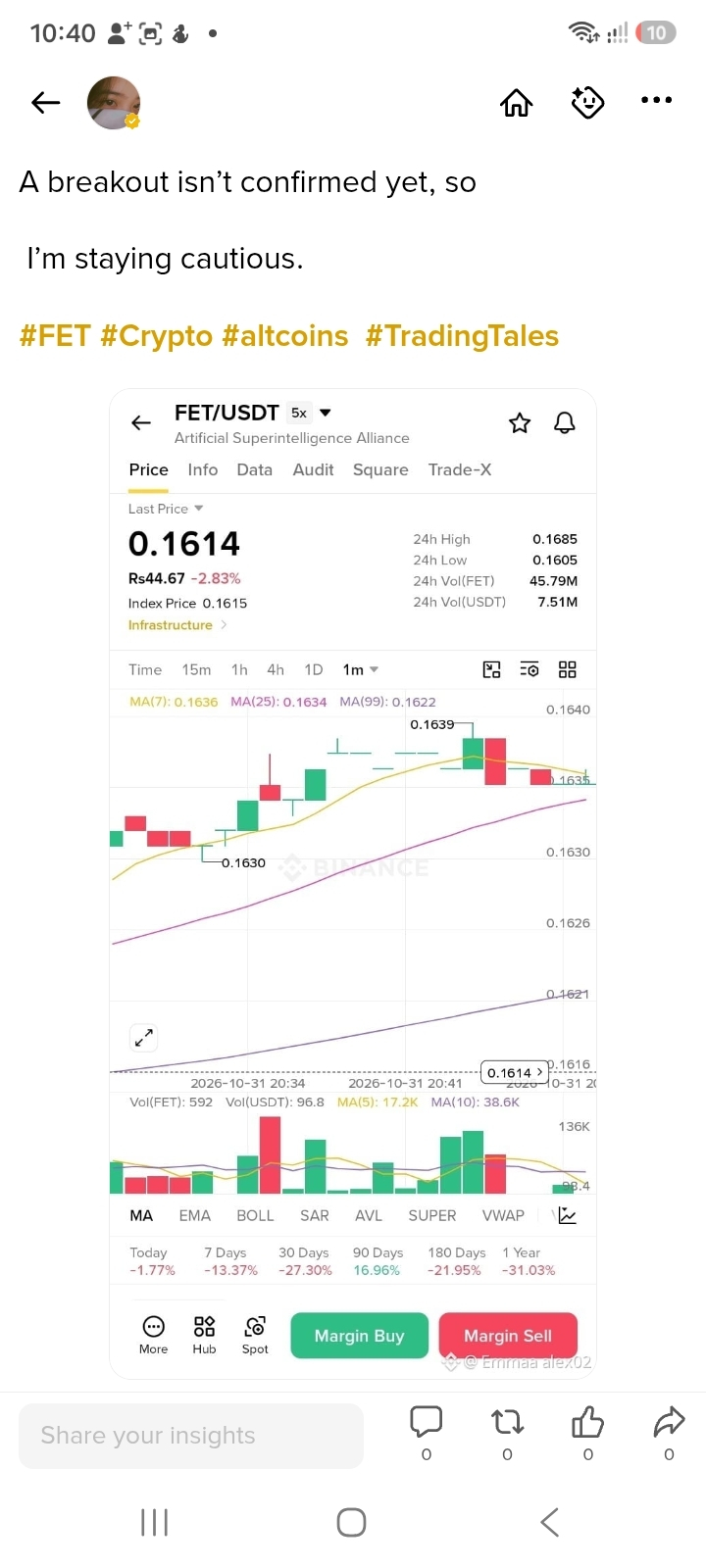
$FET is trading at $0.1614,
and buyers are trying to hold
$0.1605. I’m watching
$0.1639 next.
A breakout isn’t confirmed yet, so
I’m staying cautious.
#FET #Crypto #altcoins #TradingTales
$FET
$FET is trading at $0.1614,
and buyers are trying to hold
$0.1605. I’m watching
$0.1639 next.
A breakout isn’t confirmed yet, so
I’m staying cautious.
#FET #Crypto #altcoins #TradingTales
$FET is trading at $0.1614,
and buyers are trying to hold
$0.1605. I’m watching
$0.1639 next.
A breakout isn’t confirmed yet, so
I’m staying cautious.
#FET #Crypto #altcoins #TradingTales
2
800
·
--
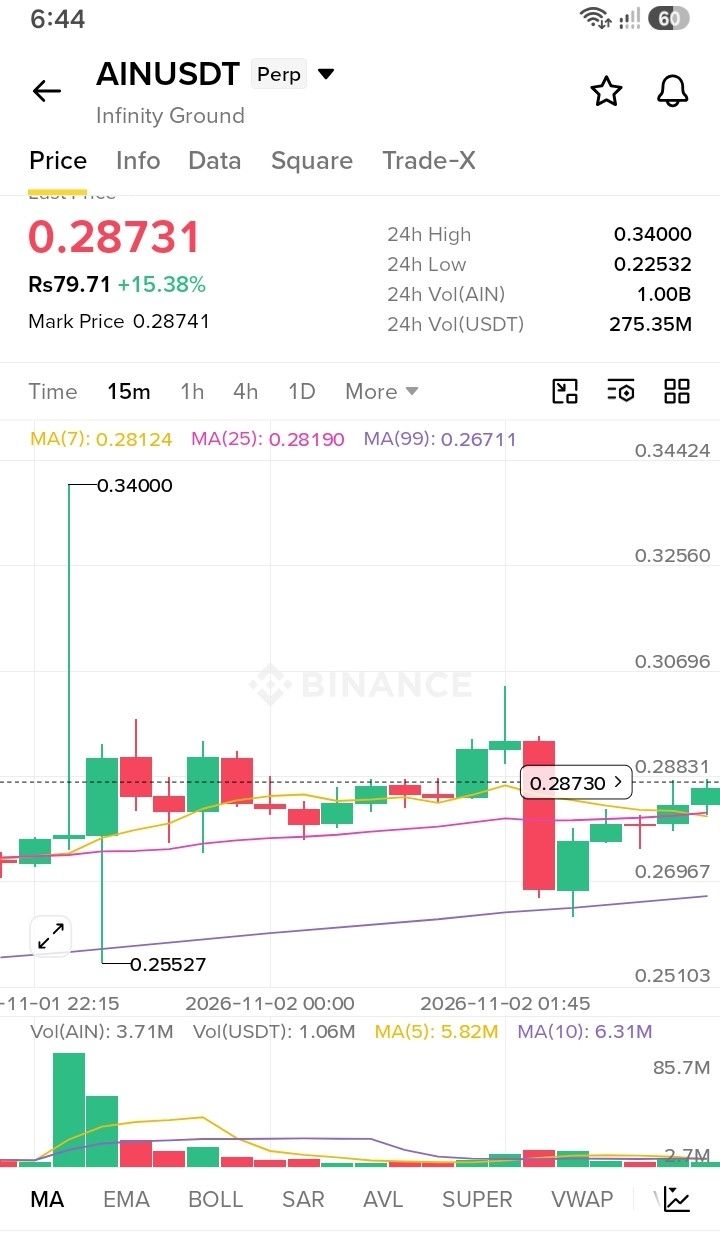
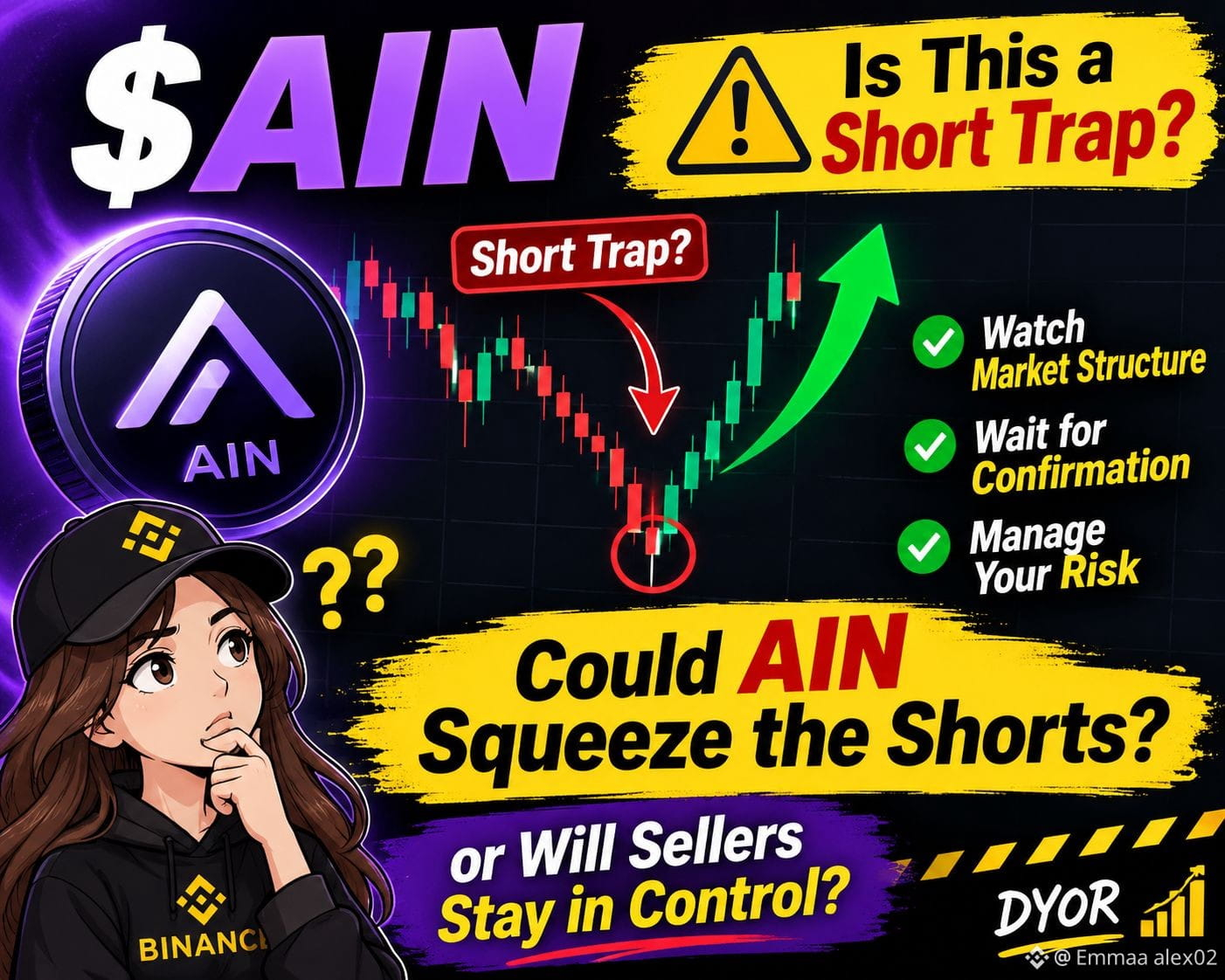
$AIN Is This a Short Trap?
AIN is showing a pattern that short sellers should watch closely. A sharp drop can attract more short positions, but a sudden price recovery may trigger liquidations and push the price higher.
This is why I’m watching the market structure before taking a position. A falling price alone is not enough to confirm a short opportunity.
Could AIN squeeze the shorts, or will sellers maintain control?
#CryptoTradin #marketanalysis. #binancesqua #RiskManagement
$AIN
3
774
·
--

1.3k
31
66
1.3k
·
--
Partly True
Pyth Network is expanding beyond traditional oracle services, bringing reliable financial data to more institutions and blockchain markets.
With 710+ businesses using its data and over $3.25T in cumulative volume secured, its growth is worth watching.
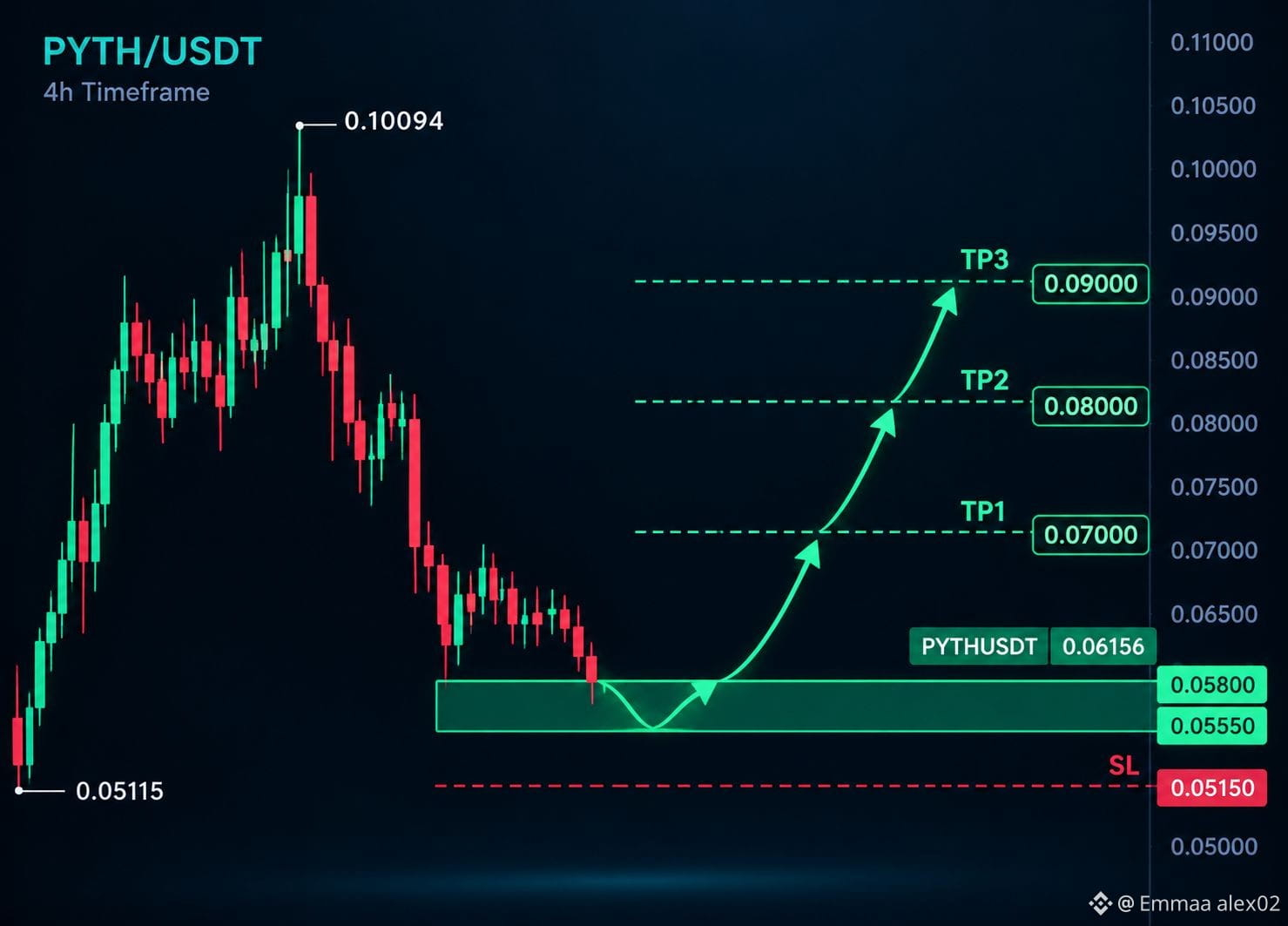
On the chart, $PYTH is trading around the $0.059–$0.061
zone after a strong correction. Buyers need to push above
$0.063–$0.065 to show stronger recovery.
If support at $0.058 breaks, further downside pressure could follow.
I'm watching this level closely before the next move. 👀
#PYTH #crypt #BinanceSquare
$PYTH
3
853
Log in to explore more content
Join global crypto users on Binance Square
⚡️ Get latest and useful information about crypto.
💬 Trusted by the world’s largest crypto exchange.
👍 Discover real insights from verified creators.
Email / Phone number
Trending Topics
CryptoSelloffTriggersMultipleWhaleLiquidations
217,103 views
1,922 Discussing
Crypto Liquidations Top $2B in 24 Hours as 329,000 Traders Are Wiped Out
Binance News
·40 Likes
·59.4k views
USSpotXRPETFsSeeLargestWeeklyOutflowIn8Months
184,489 views
1,629 Discussing
WillFOMCMinutesReinforceRateHikeExpectations?
61,174 views
806 Discussing