
Elowen 洞察
6.3k Posts

Elowen 洞察
Report
Block User
Dreamer Footprint | Writer's Whisper | Drifting Commas | Chances Orbits |
281 Following
14.9K+ Followers
4.2K+ Liked
Posts
All
Quotes
·
--
Every successful crypto investor starts with curiosity, patience, and a willingness to learn.
Don't chase every trend. Understand the market, manage your risks, and stay consistent.
In crypto, discipline matters more than hype. 📈
#Binance #Crypto #Bitcoin#BinancePick
Every successful crypto investor starts with curiosity, patience, and a willingness to learn.
Don't chase every trend. Understand the market, manage your risks, and stay consistent.
In crypto, discipline matters more than hype. 📈
#Binance #Crypto #Bitcoin#BinancePick
Don't chase every trend. Understand the market, manage your risks, and stay consistent.
In crypto, discipline matters more than hype. 📈
#Binance #Crypto #Bitcoin#BinancePick
5
·
--
The market rewards knowledge, patience, and continuous learning. 🚀
Strong research means looking beyond headlines and understanding the bigger financial picture.
What's one thing you always check when analyzing a company's performance?
#Binance #Finance #Crypto#BinancePick
The market rewards knowledge, patience, and continuous learning. 🚀
Strong research means looking beyond headlines and understanding the bigger financial picture.
What's one thing you always check when analyzing a company's performance?
#Binance #Finance #Crypto#BinancePick
Strong research means looking beyond headlines and understanding the bigger financial picture.
What's one thing you always check when analyzing a company's performance?
#Binance #Finance #Crypto#BinancePick
11
·
--
Bitcoin never moves in isolation. 🌍
Market sentiment, institutional activity, liquidity, and global economic news all influence the bigger picture.
Understanding the fundamentals matters more than following every market move.
Stay informed. Think independently. ₿
#Binance #Bitcoin #Crypto #BTC #BinancePick #BinancePick
Market sentiment, institutional activity, liquidity, and global economic news all influence the bigger picture.
Understanding the fundamentals matters more than following every market move.
Stay informed. Think independently. ₿
#Binance #Bitcoin #Crypto #BTC #BinancePick #BinancePick
9
·
--
One thing I enjoy about Web3 is that there’s always something new to explore. 🔍
Binance Picks gives me another reason to discover projects, learn about their ideas, and follow developments across the crypto ecosystem.
I believe staying curious is important, but understanding a project before forming an opinion matters even more. Research first, learn continuously, and never let hype make decisions for you.
What do you look for first when exploring a new crypto project? 👇
#Binance #BinancePicks #crypto #Web3 #dyor #BinancePick
11
·
--
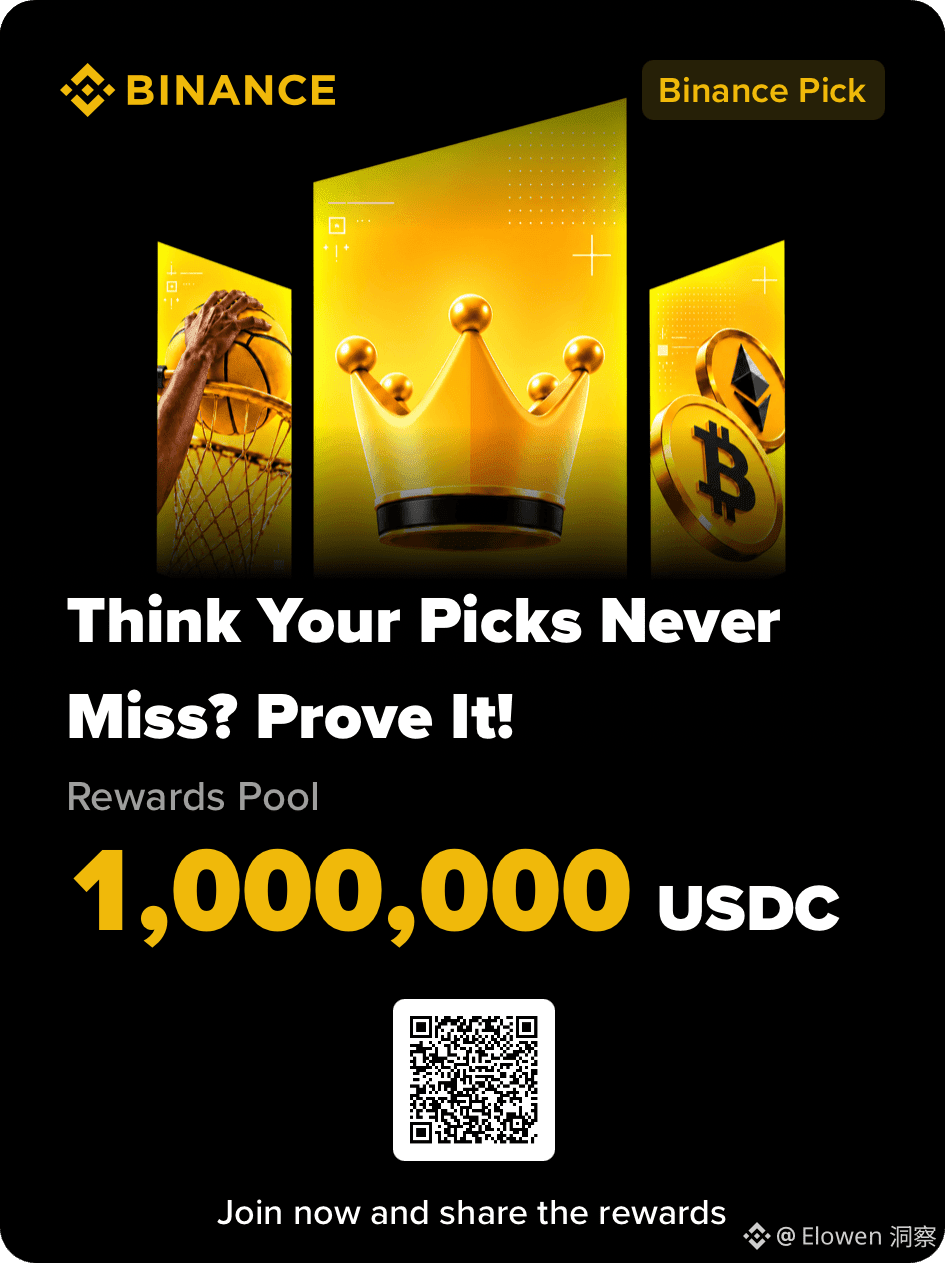
The crypto space keeps evolving, and there’s always something new to learn. 🚀
I like exploring Binance Picks because discovering projects can be a good starting point for learning more about the ideas and developments shaping Web3.
Of course, every project deserves a closer look. Understanding its purpose, researching the team, and checking the details matter more than simply following the hype.
Stay curious, keep learning, and always DYOR. 💛
What makes you interested in exploring a new project?
#Binance #BinancePicks #CryptoCommunity #BinancePick
15
·
--
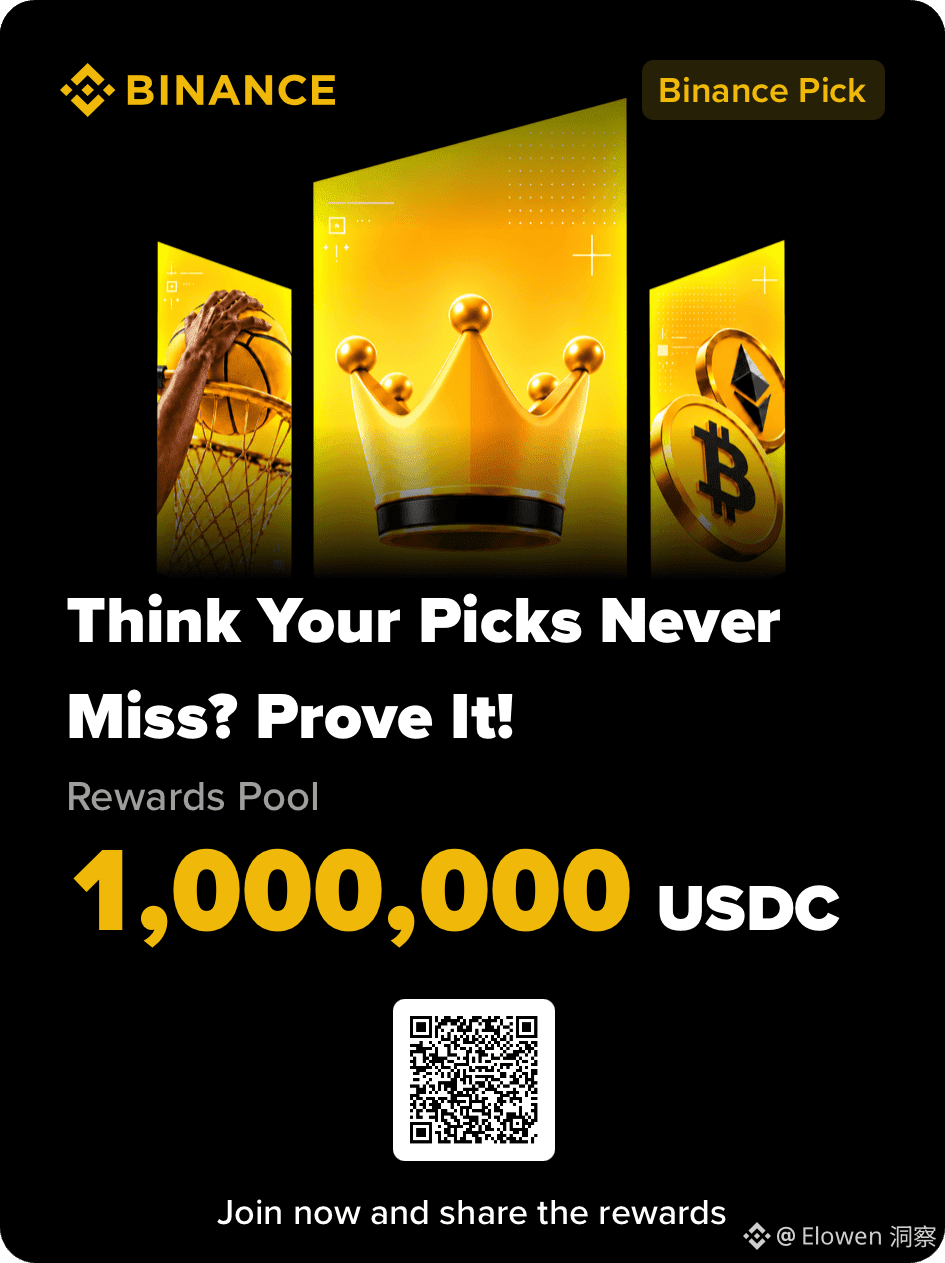
#BinancePick Another day to learn, participate, and improve my predictions! 📈
Binance Pick Season 1 makes the journey more exciting. Let’s keep showing up and tracking our progress. 🚀
#BinancePick #Binance #BinanceSquare
#BinancePick Another day to learn, participate, and improve my predictions! 📈
Binance Pick Season 1 makes the journey more exciting. Let’s keep showing up and tracking our progress. 🚀
#BinancePick #Binance #BinanceSquare
Binance Pick Season 1 makes the journey more exciting. Let’s keep showing up and tracking our progress. 🚀
#BinancePick #Binance #BinanceSquare
13
·
--
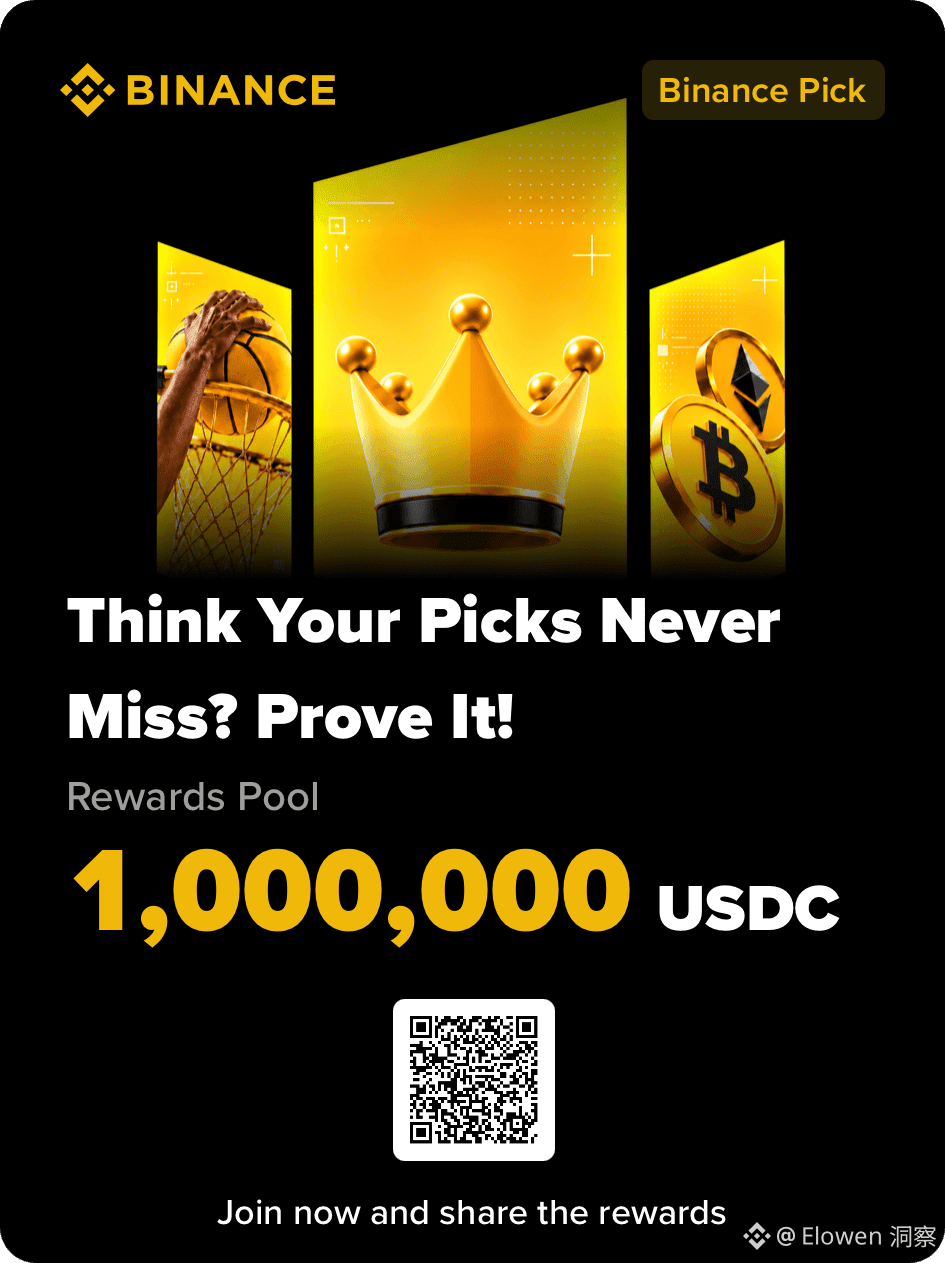
Binance Picks Season 1 is all about staying curious and exploring new opportunities. 💛 Research first, understand the market, and keep learning!
#BinancePick #BinancePick
Binance Picks Season 1 is all about staying curious and exploring new opportunities. 💛 Research first, understand the market, and keep learning!
#BinancePick #BinancePick
#BinancePick #BinancePick
4
·
--
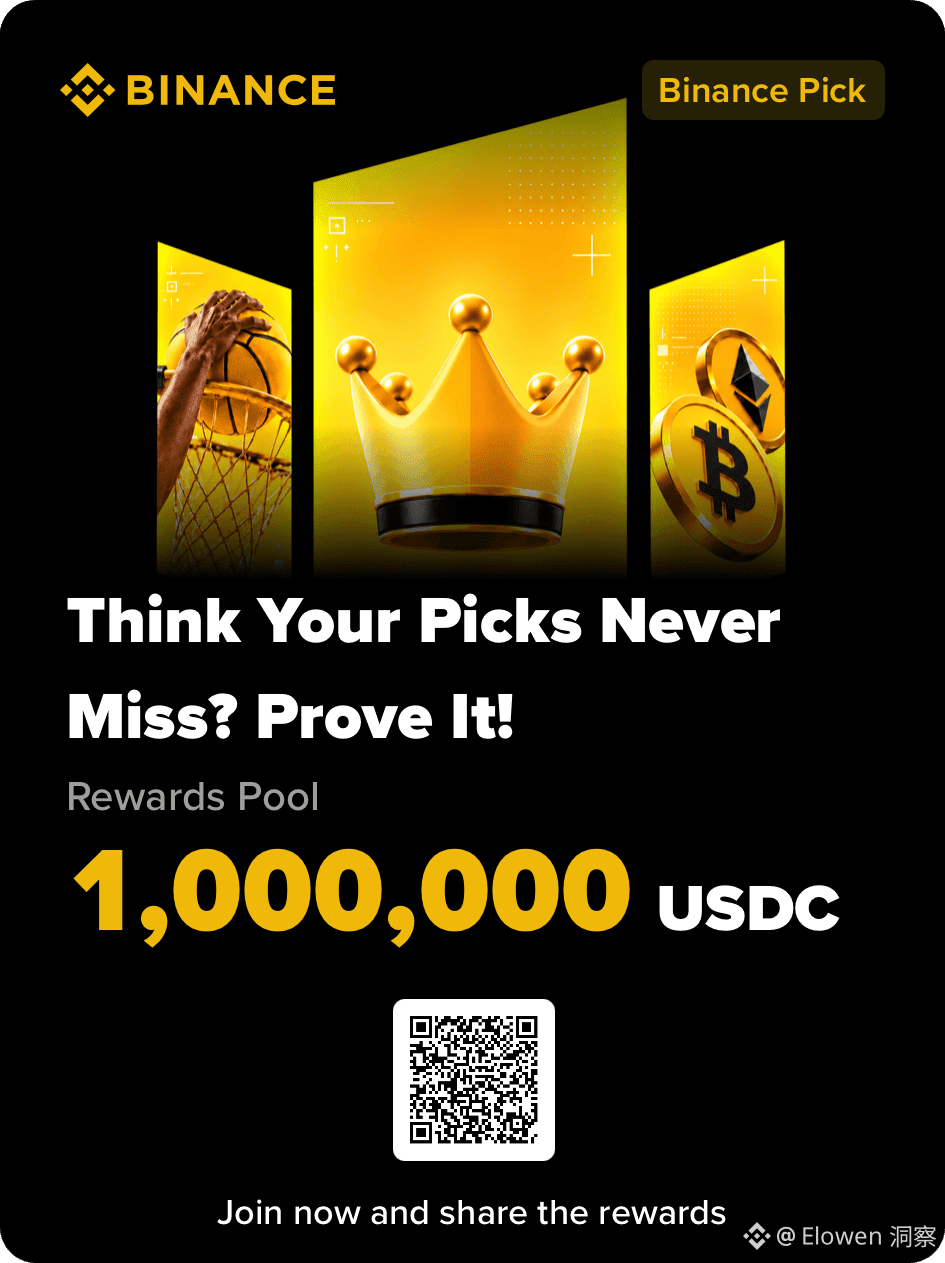
💛 Small Actions Matter in Binance Pick!
Did you know daily check-ins can help you qualify for participation rewards? 🎯
Complete at least 5 check-ins during Season 1 to meet one of the eligibility requirements.
Stay consistent, explore the tasks, and keep learning! 🚀
#BinancePick #BinanceSquare #BinancePick
Did you know daily check-ins can help you qualify for participation rewards? 🎯
Complete at least 5 check-ins during Season 1 to meet one of the eligibility requirements.
Stay consistent, explore the tasks, and keep learning! 🚀
#BinancePick #BinanceSquare #BinancePick
6
·
--
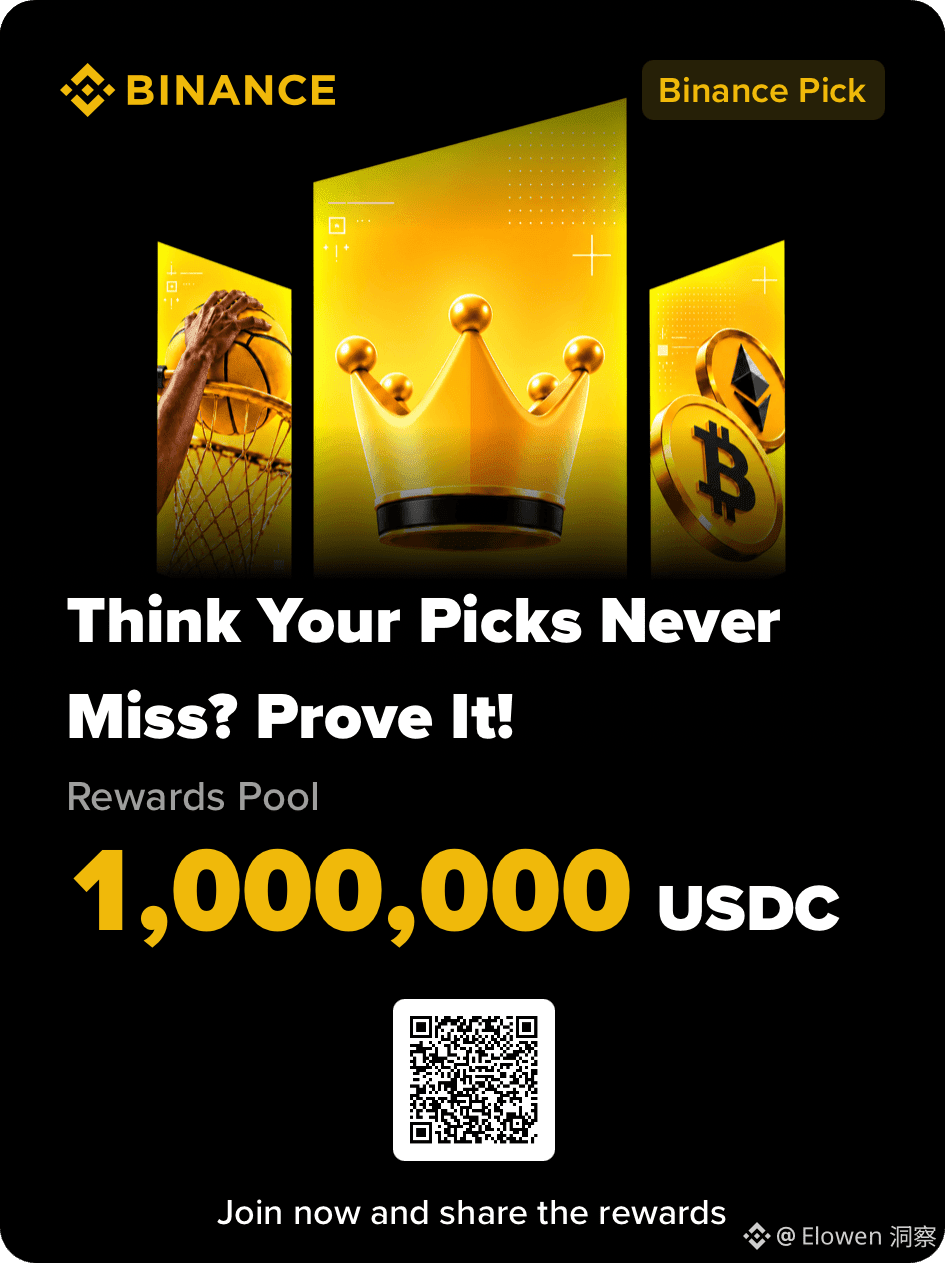
🚀 Binance Pick Season 1 is getting interesting!
Complete daily tasks, collect scores, and explore prediction markets across sports, esports, and finance.
Consistency matters, but understanding the rules matters even more! 💛
#BinancePick #BinanceSquare #BinancePick
🚀 Binance Pick Season 1 is getting interesting!
Complete daily tasks, collect scores, and explore prediction markets across sports, esports, and finance.
Consistency matters, but understanding the rules matters even more! 💛
#BinancePick #BinanceSquare #BinancePick
Complete daily tasks, collect scores, and explore prediction markets across sports, esports, and finance.
Consistency matters, but understanding the rules matters even more! 💛
#BinancePick #BinanceSquare #BinancePick
1
23
·
--
🌙 Good Night, Crypto Family! 💛✨
Success doesn't happen overnight. Stay patient, keep learning, and never give up on your dreams. 🚀
Tomorrow brings new opportunities! 💪
$TSLAB $KMNO $AAPLB
#GoodNight #BinanceSquareFamily #KeepGrowing
🌙 Good Night, Crypto Family! 💛✨
Success doesn't happen overnight. Stay patient, keep learning, and never give up on your dreams. 🚀
Tomorrow brings new opportunities! 💪
$TSLAB $KMNO $AAPLB
#GoodNight #BinanceSquareFamily #KeepGrowing
Success doesn't happen overnight. Stay patient, keep learning, and never give up on your dreams. 🚀
Tomorrow brings new opportunities! 💪
$TSLAB $KMNO $AAPLB
#GoodNight #BinanceSquareFamily #KeepGrowing
1
156
·
--
Bearish
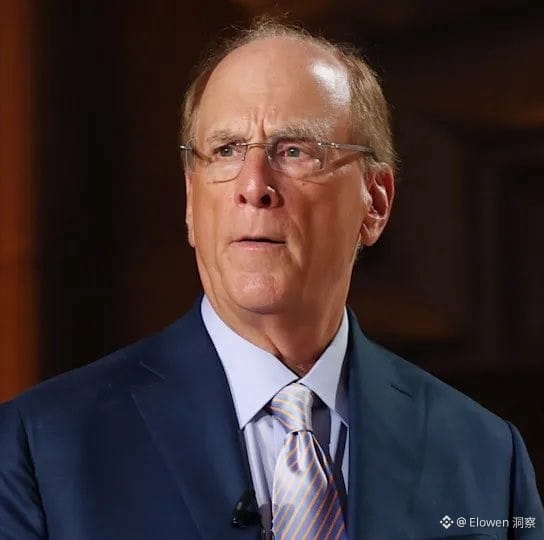
🚨 JUST IN: BlackRock and other Bitcoin ETF issuers have sold $635.5 million worth of BTC.
#BitcoinHashrateHitsSevenMonthHigh
🚨 JUST IN: BlackRock and other Bitcoin ETF issuers have sold $635.5 million worth of BTC.
#BitcoinHashrateHitsSevenMonthHigh
#BitcoinHashrateHitsSevenMonthHigh

70
·
--
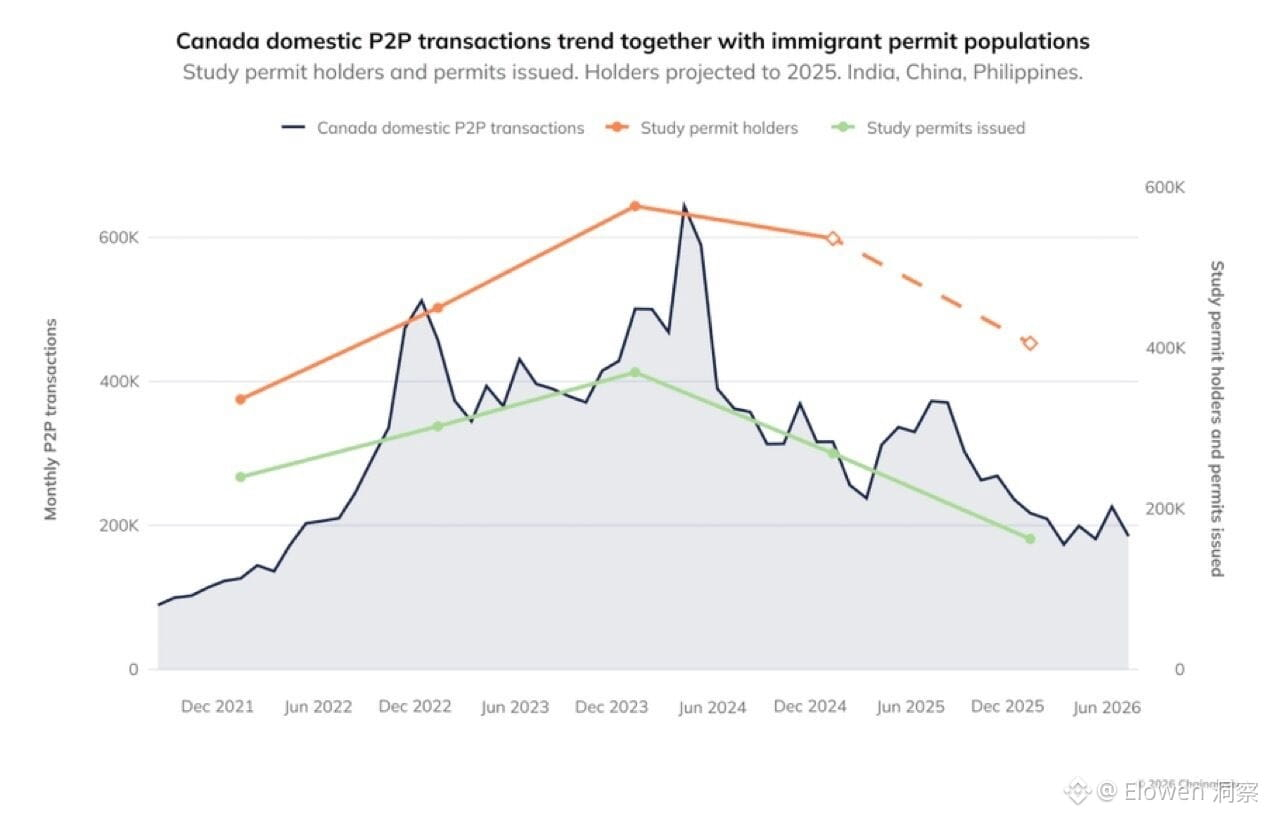
🇨🇦 UPDATE: Canada’s monthly P2P crypto transactions reached nearly 650,000 in spring 2024, then declined alongside the drop in study permit issuance, according to Chainalysis.
#EarningsSeason #ZcashDevelopersConfirmNovemberDateForNU7Upgrade
🇨🇦 UPDATE: Canada’s monthly P2P crypto transactions reached nearly 650,000 in spring 2024, then declined alongside the drop in study permit issuance, according to Chainalysis.
#EarningsSeason #ZcashDevelopersConfirmNovemberDateForNU7Upgrade
#EarningsSeason #ZcashDevelopersConfirmNovemberDateForNU7Upgrade
100
·
--
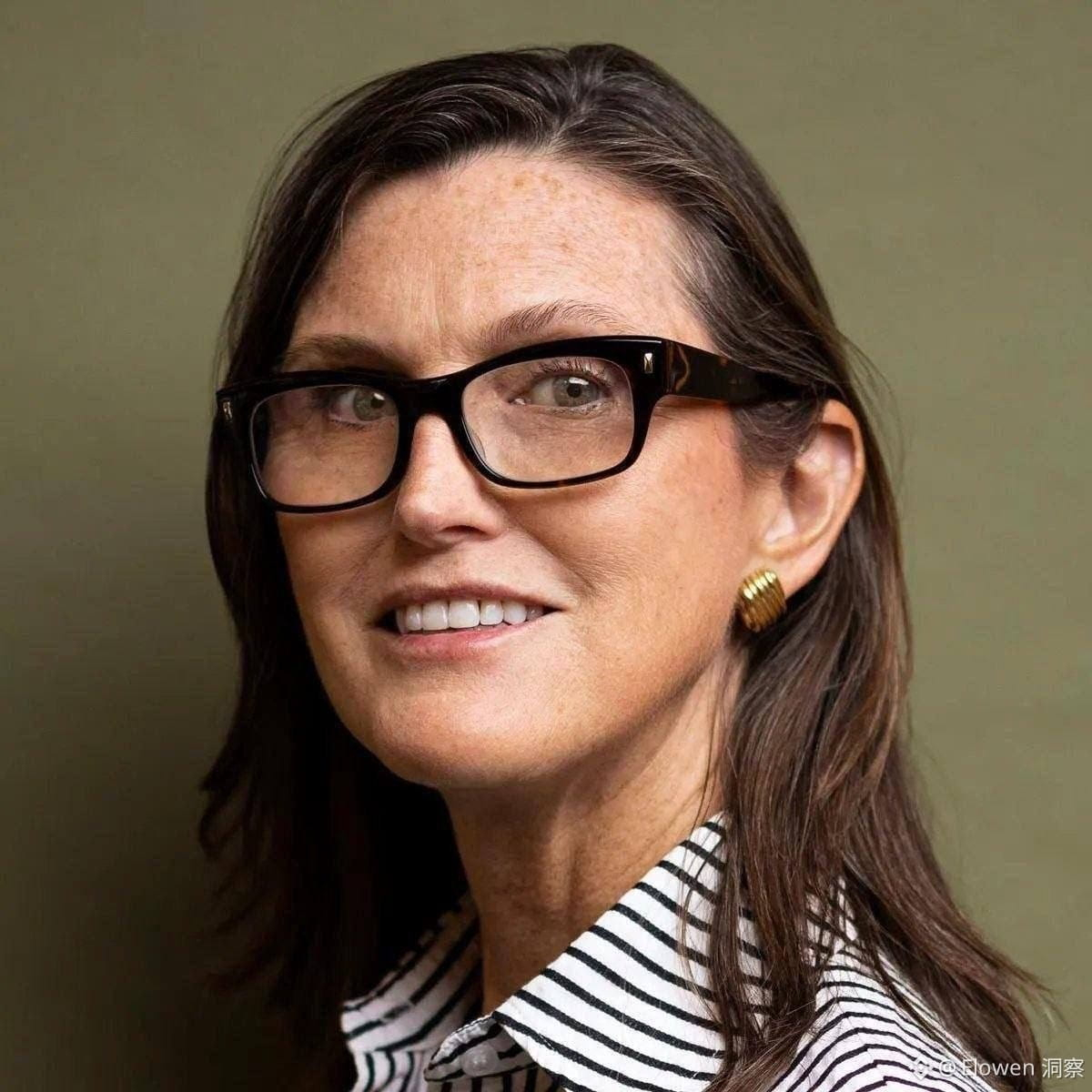
🔥 BULLISH: Ark Invest, led by Cathie Wood, sees $TSLA potentially hitting $5,000 by 2031 in its bull-case scenario, while its bear-case target stands at $3,300.
#EarningsSeason #SwitzerlandApprovesFirstBitcoinETF
🔥 BULLISH: Ark Invest, led by Cathie Wood, sees $TSLA potentially hitting $5,000 by 2031 in its bull-case scenario, while its bear-case target stands at $3,300.
#EarningsSeason #SwitzerlandApprovesFirstBitcoinETF
#EarningsSeason #SwitzerlandApprovesFirstBitcoinETF
124
·
--
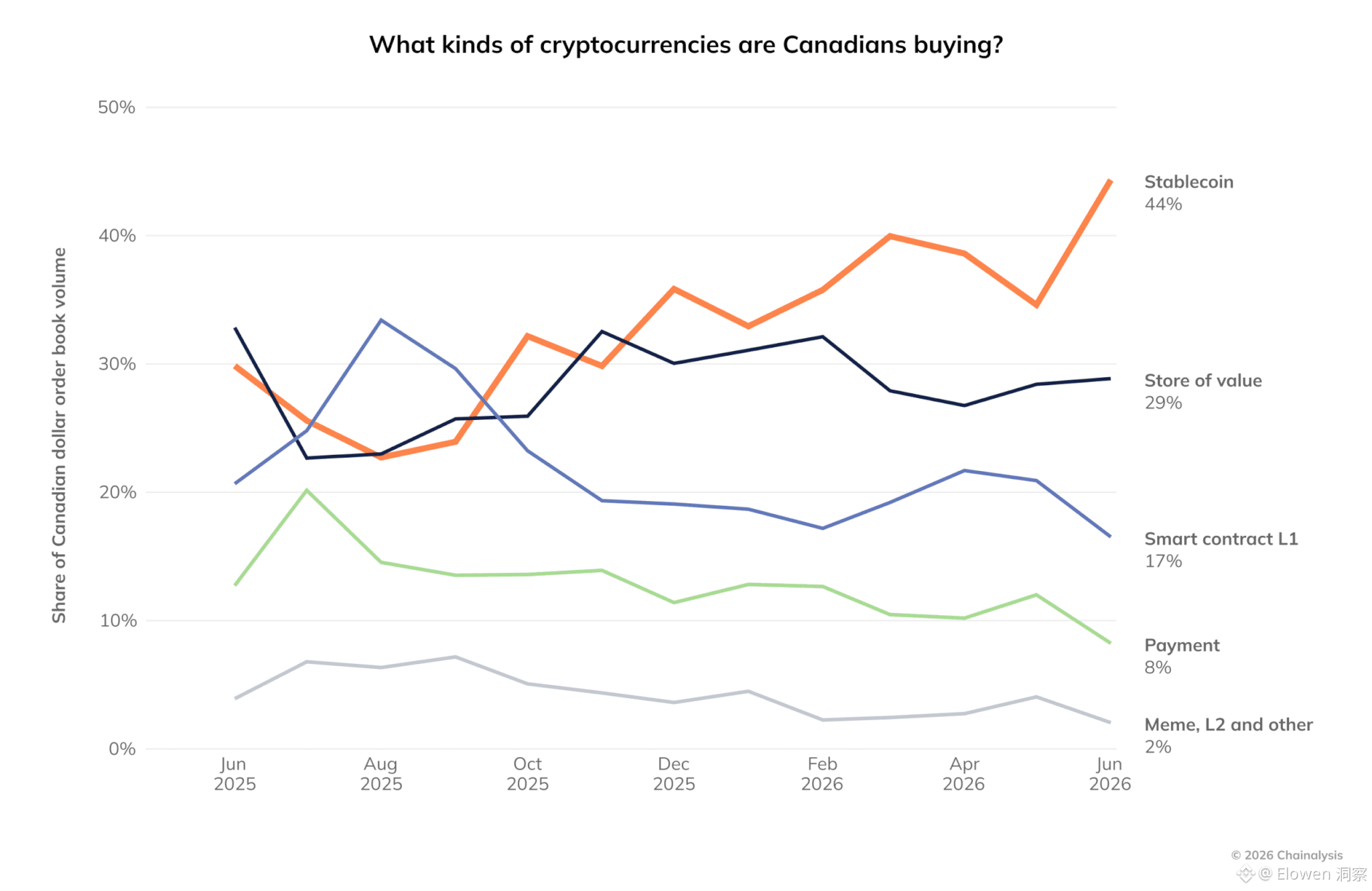
🇨🇦 UPDATE: Stablecoins accounted for 44% of crypto order book volume in Canadian dollars in June 2026, rising from 30% in June 2025. USDC led the stablecoin category, according to Chainalysis.
#JapanFSAPublishesOnChainFinanceForumMinutes #BankOfRussiaSaysSelfCustodyBanStartsJuly2027
🇨🇦 UPDATE: Stablecoins accounted for 44% of crypto order book volume in Canadian dollars in June 2026, rising from 30% in June 2025. USDC led the stablecoin category, according to Chainalysis.
#JapanFSAPublishesOnChainFinanceForumMinutes #BankOfRussiaSaysSelfCustodyBanStartsJuly2027
#JapanFSAPublishesOnChainFinanceForumMinutes #BankOfRussiaSaysSelfCustodyBanStartsJuly2027
107
·
--
Would you let an AI assistant spend money on your behalf?
I'd let one research a topic or organize my workflow. But give it unrestricted access to my wallet? Not a chance.
That's why @GoKiteAI caught my attention.
A lot of conversations about AI agents focus on what they can do. I think the harder question is what they should be allowed to do without asking us every single time.
Imagine I'm preparing an educational video. My AI assistant needs access to a paid research API. Having to approve every tiny transaction interrupts the workflow. But handing over full control is an even worse idea.
Kite Passport offers a different approach: authorize a spending session with defined limits. For example, I could hypothetically allow a $10 total budget, cap each payment at $2, and set the permission to expire after 30 minutes.
The agent could then pay compatible services within those boundaries instead of repeatedly asking for approval. Kite also supports x402, a payment flow where an online service can request payment as part of an API interaction.
What interests me isn't the transaction itself. It's the possibility of combining automation with clear human control.
Still, I have questions.
What happens if an agent pays for the wrong data? Or if a service accepts payment but delivers something useless? Spending limits can restrict losses, but they don't automatically solve questions of quality, accountability, or disputes.
That's the real test for projects building the agent economy: not just whether AI can pay, but whether people can confidently delegate small tasks and understand what happened afterwards.
I see Kite as an attempt to build that missing infrastructure, not proof that every issue is already solved.
If you had to give an AI assistant a small spending allowance, what task would you trust it with first?
$KITE #KiteBBW
Would you let an AI assistant spend money on your behalf?
I'd let one research a topic or organize my workflow. But give it unrestricted access to my wallet? Not a chance.
That's why @KITE AI 中文 caught my attention.
A lot of conversations about AI agents focus on what they can do. I think the harder question is what they should be allowed to do without asking us every single time.
Imagine I'm preparing an educational video. My AI assistant needs access to a paid research API. Having to approve every tiny transaction interrupts the workflow. But handing over full control is an even worse idea.
Kite Passport offers a different approach: authorize a spending session with defined limits. For example, I could hypothetically allow a $10 total budget, cap each payment at $2, and set the permission to expire after 30 minutes.
The agent could then pay compatible services within those boundaries instead of repeatedly asking for approval. Kite also supports x402, a payment flow where an online service can request payment as part of an API interaction.
What interests me isn't the transaction itself. It's the possibility of combining automation with clear human control.
Still, I have questions.
What happens if an agent pays for the wrong data? Or if a service accepts payment but delivers something useless? Spending limits can restrict losses, but they don't automatically solve questions of quality, accountability, or disputes.
That's the real test for projects building the agent economy: not just whether AI can pay, but whether people can confidently delegate small tasks and understand what happened afterwards.
I see Kite as an attempt to build that missing infrastructure, not proof that every issue is already solved.
If you had to give an AI assistant a small spending allowance, what task would you trust it with first?
$KITE #KiteBBW

1
1
96
·
--
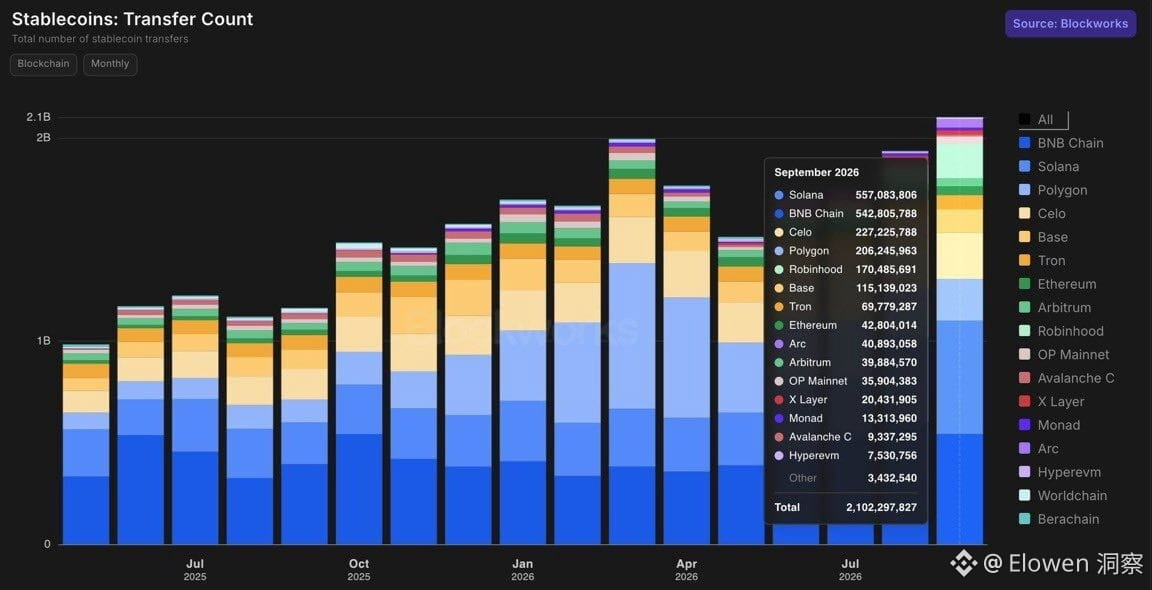
🔥 BIG: Solana takes the lead in stablecoin transfers! With a record 557M transfers in September, it narrowly beats BNB Chain’s 543M by just 14M. 🚀$SOL #DeepSeekReleasesUpdatedAIModel #solana
🔥 BIG: Solana takes the lead in stablecoin transfers! With a record 557M transfers in September, it narrowly beats BNB Chain’s 543M by just 14M. 🚀$SOL #DeepSeekReleasesUpdatedAIModel #solana
95
·
--
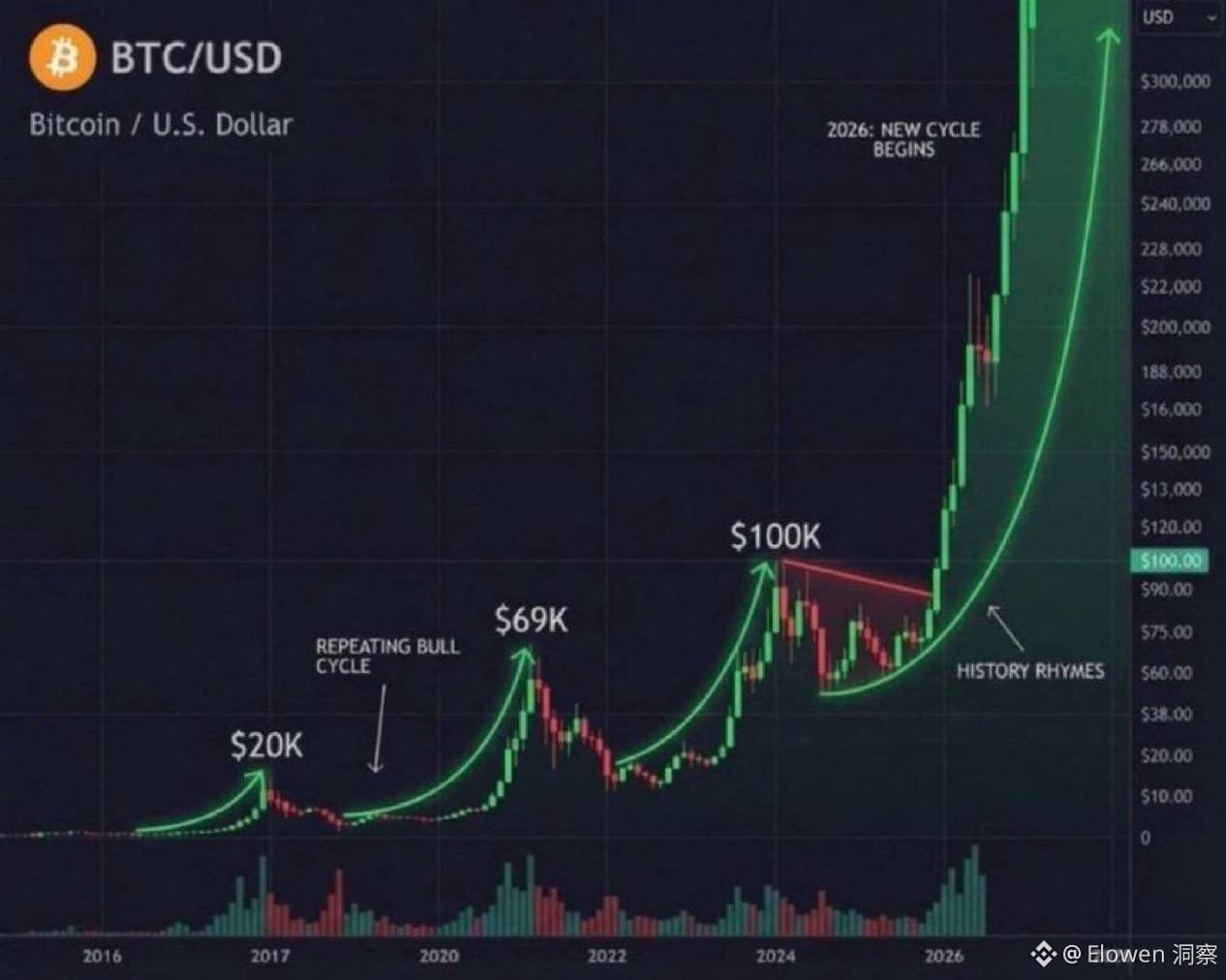
🚀 BITCOIN COULD HIT $300,000!
Stay prepared. The next big move could be closer than you think! 👀
#ETHDropsBelow2400USDT #BTC $BTC
🚀 BITCOIN COULD HIT $300,000!
Stay prepared. The next big move could be closer than you think! 👀
#ETHDropsBelow2400USDT #BTC $BTC
Stay prepared. The next big move could be closer than you think! 👀
#ETHDropsBelow2400USDT #BTC $BTC
1
111
·
--
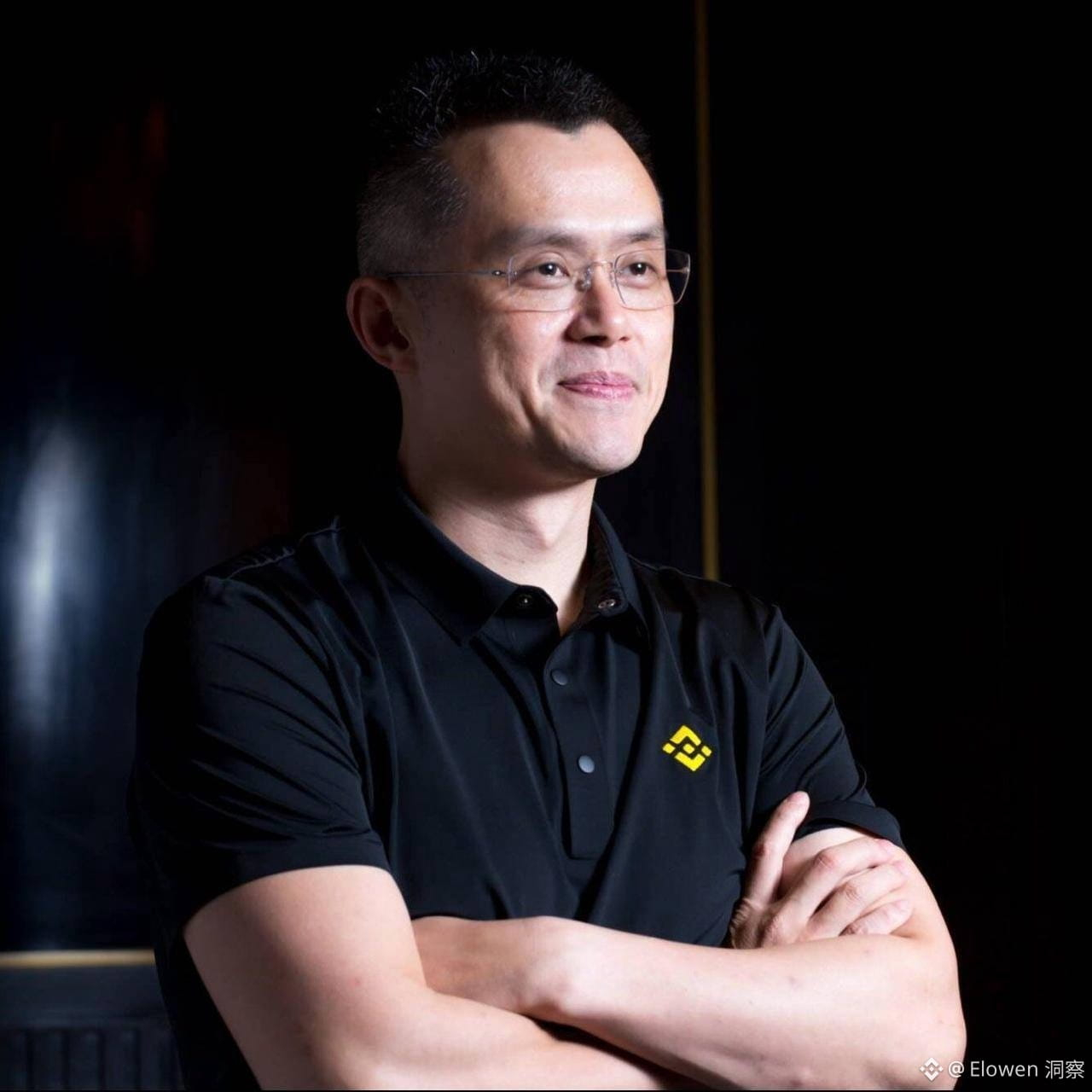
🚨 TODAY: CZ denies that his X post led to the removal of Solana’s Shanghai ad, stating it was taken down within 10 minutes well before he even saw it.
#BitcoinShortTermHoldersReach4.08MBTC
🚨 TODAY: CZ denies that his X post led to the removal of Solana’s Shanghai ad, stating it was taken down within 10 minutes well before he even saw it.
#BitcoinShortTermHoldersReach4.08MBTC
#BitcoinShortTermHoldersReach4.08MBTC
149
·
--
The more I read about Babylon, the more I appreciate its approach. It's not trying to change what Bitcoin is...it builds on what Bitcoin already does best. #baby $BABY
The more I read about Babylon, the more I appreciate its approach. It's not trying to change what Bitcoin is...it builds on what Bitcoin already does best. #baby $BABY

Bilal sami
·
--
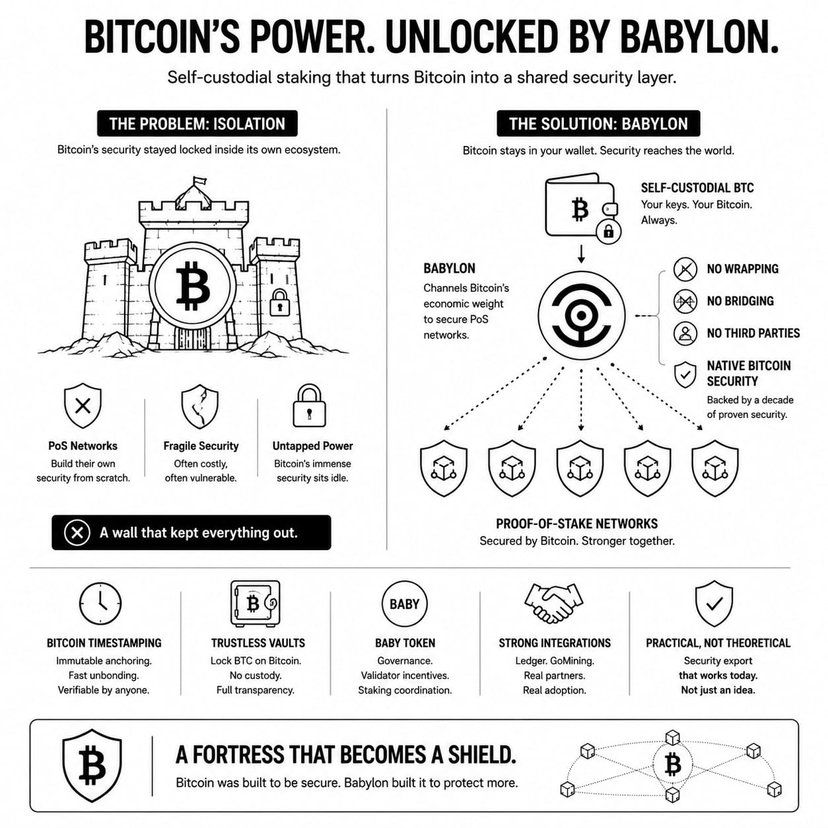
The first time I read about BabyLon, I expected a Wrapped BTC gimmick. What I found was a staking mechanism that never asks for your keys. But the deeper I went, the more I realized Babylon wasn't just solving staking. It was solving a much older problem: BitcoIn's isolation. For over a decade, Bitcoin has been the strongest, most secure chain in existence. Yet that security stayed locked inside its own ecosystem. Proof of Stake networks Scrambled to build their own security from scratch, often fragile, while Bitcoin's immense power sat idle. Babylon unlOcks that isolation. It allows Bitcoin holders to stake their $BTC in a self custodial way and then channels that economic weight to secure other proof of stake chains. Your Bitcoin stays in your wallet. No wrapping. No bridging. Yet its security radiates outward, protecting networks that desperately need it. Babylon turns Bitcoin from a solitary fortress into a guardian that can watch over an entire ecosystem. The mechanIsm relies on Bitcoin's own timestamping to anchor staking contracts with immutable precision. Fast unbonding, verifiable by anyone, is built into that same clock. The BABY token coordinates governance and validator incentives, but the hard security guarantee rests on Bitcoin's decade-long track record. Trustless Bitcoin Vaults and integrations with Ledger and GoMining make this security export practical, not theoretical. For years, Bitcoin's strength was seen as a wall that kept everything out. Babylon showed it could be a shield that protects everything else. That reframe changes what Bitcoin is capable of. If your Bitcoin could secure not just your wealth but entire networks, would you still call it just digital gold?
@BabylonLabs_io #baby $BABY
@BabylonLabs_io #baby $BABY
1
4
111
Log in to explore more content
Join global crypto users on Binance Square
⚡️ Get latest and useful information about crypto.
💬 Trusted by the world’s largest crypto exchange.
👍 Discover real insights from verified creators.
Email / Phone number
Trending Topics
BitcoinRebounds$75KAsChipsLead
12,451 views
175 Discussing
Market Watch | Bitcoin Rebounds to $75,600 After Dip Below $75,000 as Chip Stocks Lead Rally on Jobs Beat
Binance News
·17 Likes
·5.3k views
JobsReportRaisesHikeOdds
161,043 views
1,381 Discussing
US Data Center Rules May Constrain AI Expansion
24,850 views
133 Discussing