
Eddie Walker
8.2k Posts

Eddie Walker
 Square Verified+
Report
Block User
No excuses,Just progress X: @Eddie_Walker_
Frequent Trader
2.6 Years
24 Following
34.0K+ Followers
59.5K+ Liked
Posts
All
Quotes
Live
PINNED
·
--
Bullish
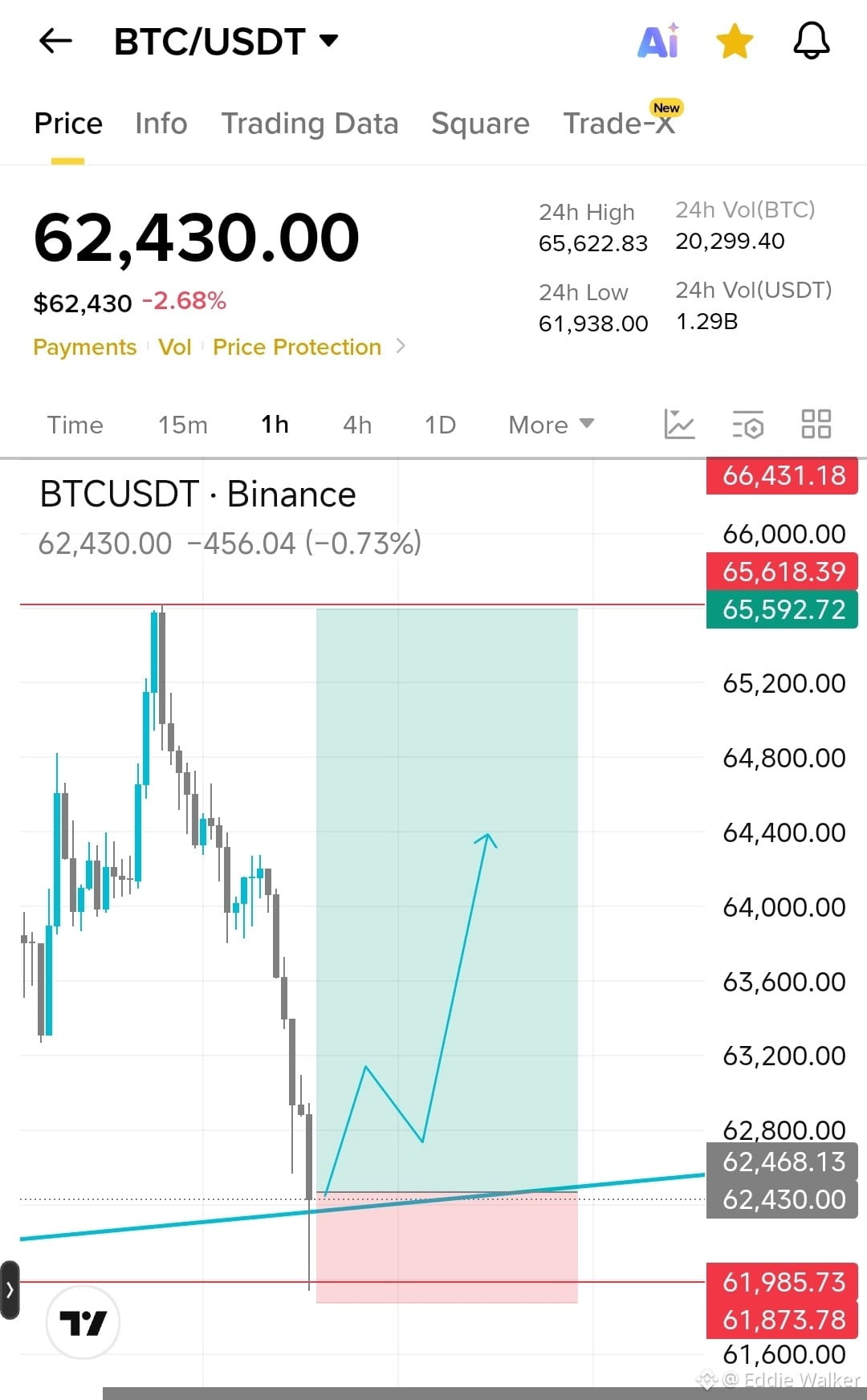
$BTC / USDT Long Setup
Entry: $62,300 – $62,600
Stop Loss: $61,850
TP1: $63,200
TP2: $64,300
TP3: $65,500 – $65,600
BTC is sitting near trendline/support. If buyers defend this zone, a bounce toward $64K–$65.5K is possible. But if $61.8K breaks, setup is invalid.
$BTC / USDT Long Setup
Entry: $62,300 – $62,600
Stop Loss: $61,850
TP1: $63,200
TP2: $64,300
TP3: $65,500 – $65,600
BTC is sitting near trendline/support. If buyers defend this zone, a bounce toward $64K–$65.5K is possible. But if $61.8K breaks, setup is invalid.
Entry: $62,300 – $62,600
Stop Loss: $61,850
TP1: $63,200
TP2: $64,300
TP3: $65,500 – $65,600
BTC is sitting near trendline/support. If buyers defend this zone, a bounce toward $64K–$65.5K is possible. But if $61.8K breaks, setup is invalid.
68
91
86.8k
·
--
Bullish
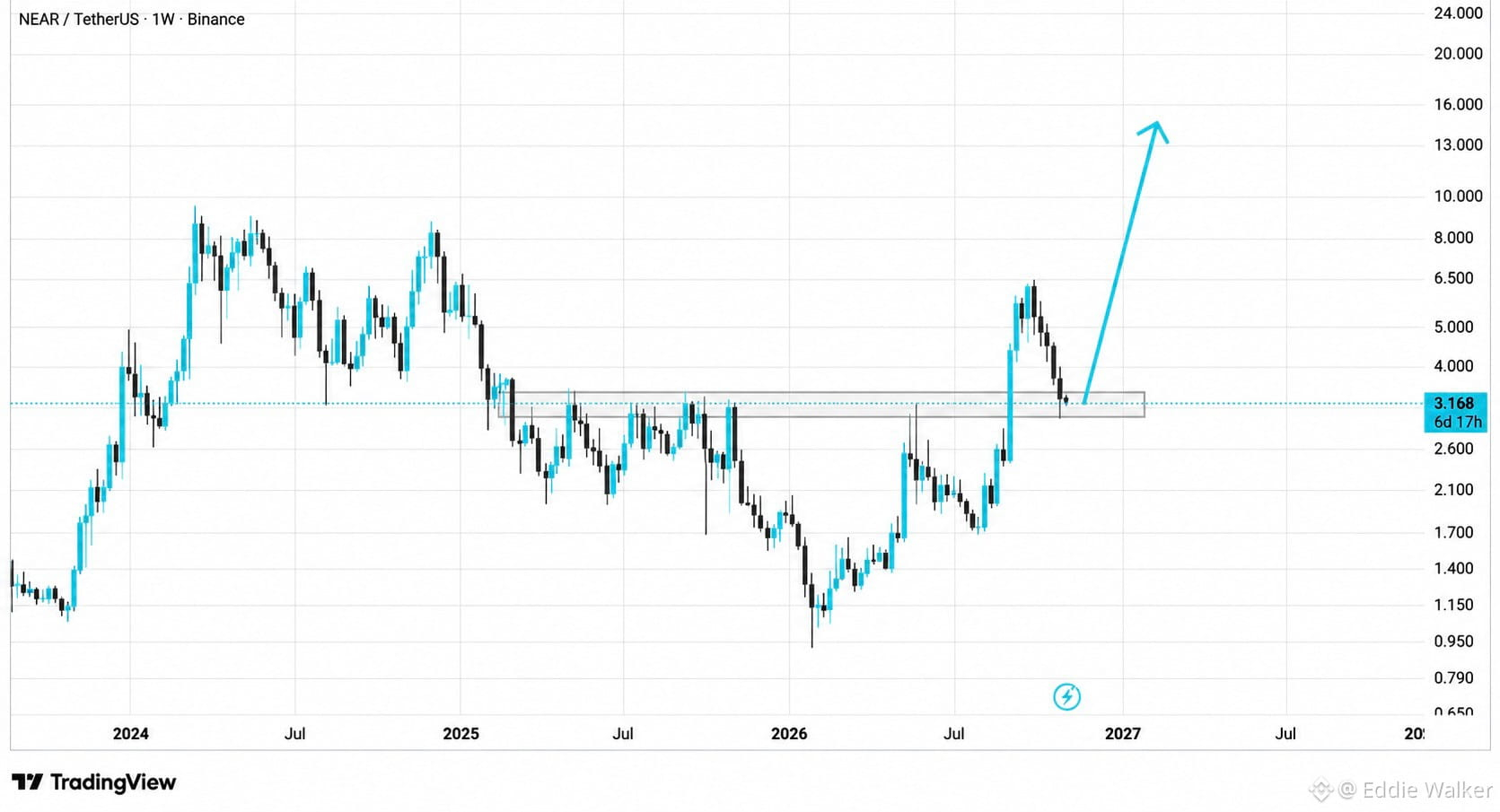
$NEAR is sitting right at a major weekly support flip zone.
A strong bounce from here could set the stage for a much bigger move.
This is where things could get interesting.
#Near #A Packed Week of Earnings and Data Tests Markets
$NEAR is sitting right at a major weekly support flip zone.
A strong bounce from here could set the stage for a much bigger move.
This is where things could get interesting.
#Near #A Packed Week of Earnings and Data Tests Markets
A strong bounce from here could set the stage for a much bigger move.
This is where things could get interesting.
#Near #A Packed Week of Earnings and Data Tests Markets
8
11
246
·
--
Bullish
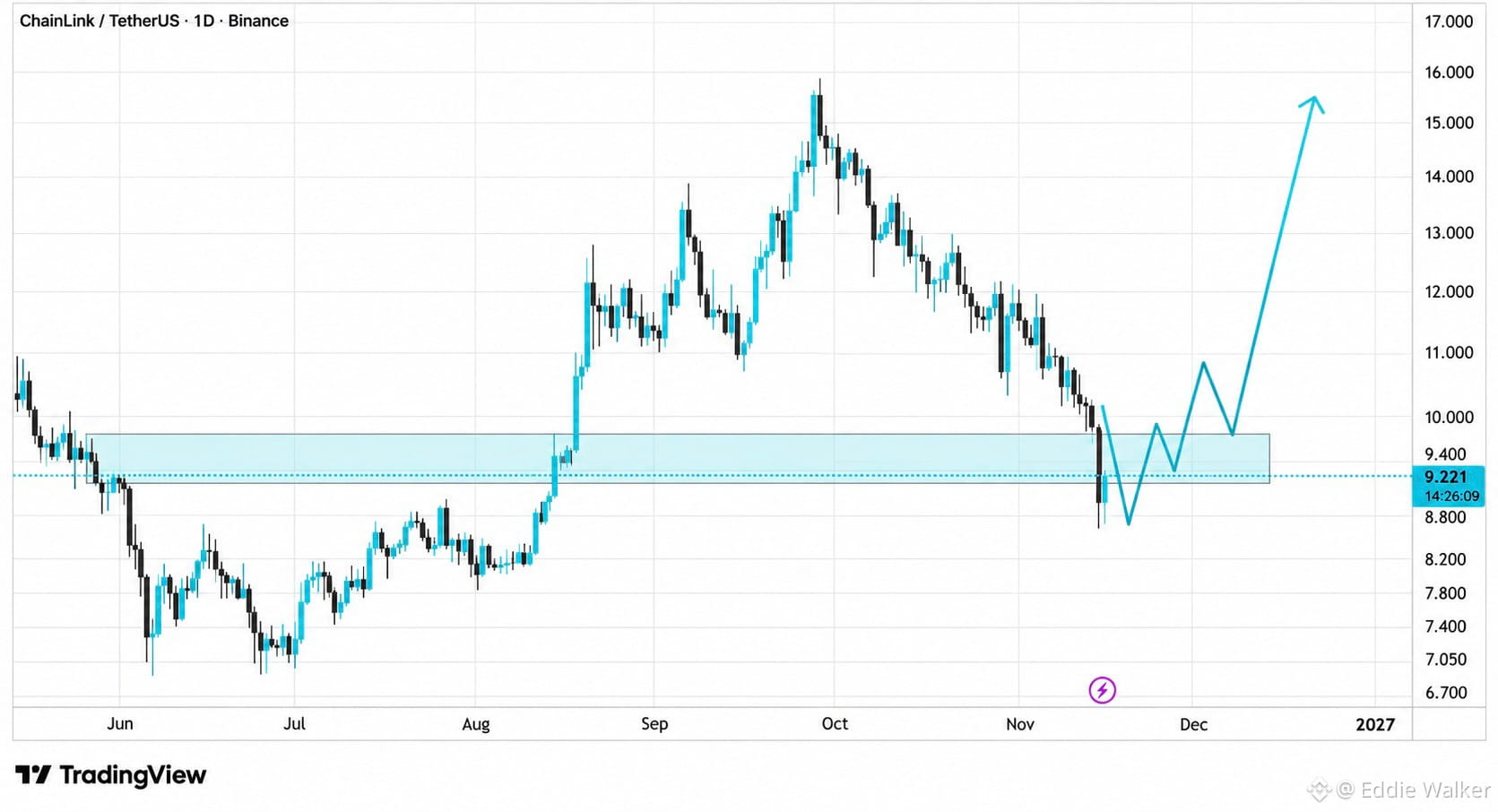
$LINK is testing a major demand zone after sweeping lower liquidity.
A strong reclaim here could open the door for a reversal toward higher levels.
Watching this zone closely.
#LINK #CryptoSelloffTriggersMultipleWhaleLiquidations
$LINK is testing a major demand zone after sweeping lower liquidity.
A strong reclaim here could open the door for a reversal toward higher levels.
Watching this zone closely.
#LINK #CryptoSelloffTriggersMultipleWhaleLiquidations
A strong reclaim here could open the door for a reversal toward higher levels.
Watching this zone closely.
#LINK #CryptoSelloffTriggersMultipleWhaleLiquidations
10
20
23.4k
·
--
Bullish
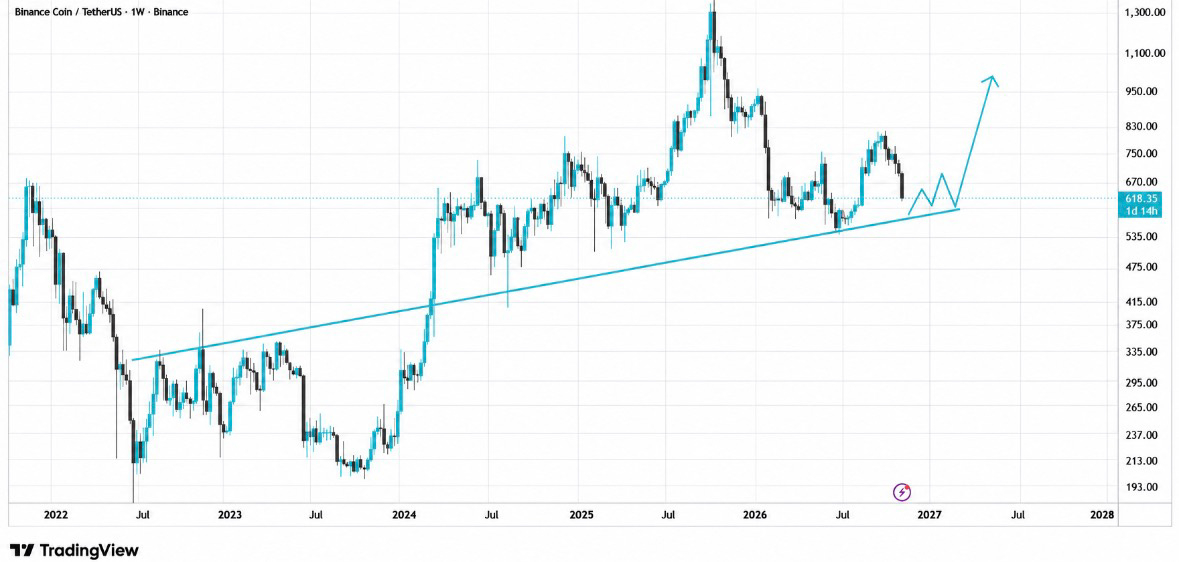
$BNB is approaching a key support zone around $600.
The long-term ascending trendline is still intact.
If buyers defend this level, a move towards $750 and $950 could follow.
Watching this setup closely.
#BNB #WhatWillDriveCryptoandStocks’NextRebound?
$BNB is approaching a key support zone around $600.
The long-term ascending trendline is still intact.
If buyers defend this level, a move towards $750 and $950 could follow.
Watching this setup closely.
#BNB #WhatWillDriveCryptoandStocks’NextRebound?
The long-term ascending trendline is still intact.
If buyers defend this level, a move towards $750 and $950 could follow.
Watching this setup closely.
#BNB #WhatWillDriveCryptoandStocks’NextRebound?
12
30
22.3k
·
--
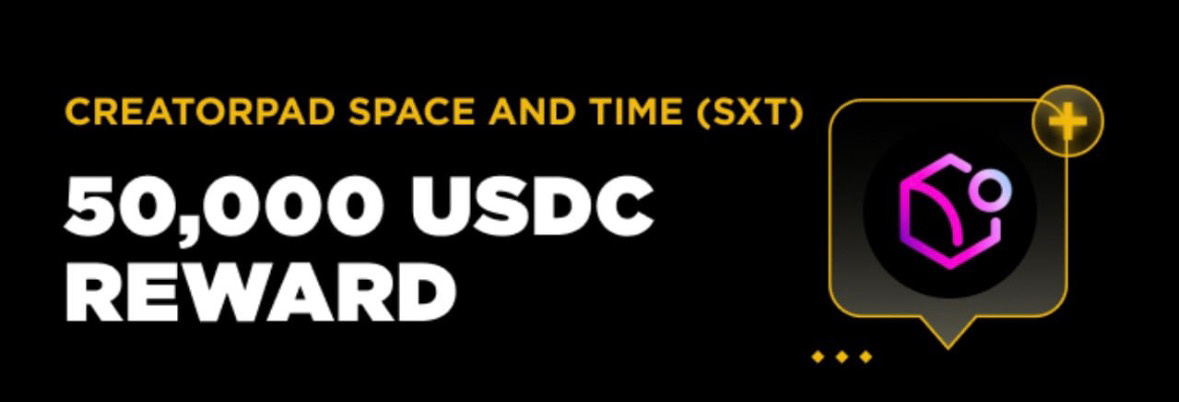
Binance Square has another campaign worth checking out! 👀
This time, @SpaceandTimeDB is bringing a 50,000 USDC reward pool for eligible creators.
Getting involved is pretty simple:
• Follow Space and Time on X and Binance Square
• Make an $SXT spot or futures trade worth at least $20
• Share your trade and post about Space and Time through CreatorPad using #SXT
Just make sure your Binance Square account meets the campaign eligibility requirements.
40,000 USDC is allocated to eligible task participants, with another 10,000 USDC for the top 100 qualifying traders by PnL.
[Join here](https://www.binance.com/en/square/creatorpad/sxt)
Binance Square has another campaign worth checking out! 👀
This time, @SpaceandTime is bringing a 50,000 USDC reward pool for eligible creators.
Getting involved is pretty simple:
• Follow Space and Time on X and Binance Square
• Make an $SXT spot or futures trade worth at least $20
• Share your trade and post about Space and Time through CreatorPad using #SXT
Just make sure your Binance Square account meets the campaign eligibility requirements.
40,000 USDC is allocated to eligible task participants, with another 10,000 USDC for the top 100 qualifying traders by PnL.
Join here
12
20
6.9k
·
--
Verified
Trading multiple markets shouldn’t mean juggling multiple platforms.
That’s what caught my attention about @Aevoxyz
Crypto perps, options, equity perps, and commodities, all accessible through one trading platform.
But here’s where it gets interesting.
One account. One collateral pool. More flexibility to manage different strategies without constantly moving funds around.
And with Portfolio Margin, eligible traders can potentially reduce margin requirements when their positions offset each other.
For serious traders, capital efficiency matters just as much as finding the right entry.
Less friction. More control. More room to execute.
That’s why I think #aevo deserves a closer look.
Trading multiple markets shouldn’t mean juggling multiple platforms.
That’s what caught my attention about @Aevo
Crypto perps, options, equity perps, and commodities, all accessible through one trading platform.
But here’s where it gets interesting.
One account. One collateral pool. More flexibility to manage different strategies without constantly moving funds around.
And with Portfolio Margin, eligible traders can potentially reduce margin requirements when their positions offset each other.
For serious traders, capital efficiency matters just as much as finding the right entry.
Less friction. More control. More room to execute.
That’s why I think #aevo deserves a closer look.

8
13
4.7k
·
--
Verified
Something about the connection between AI agents and blockchain data made me look a little closer at @SpaceandTimeDB
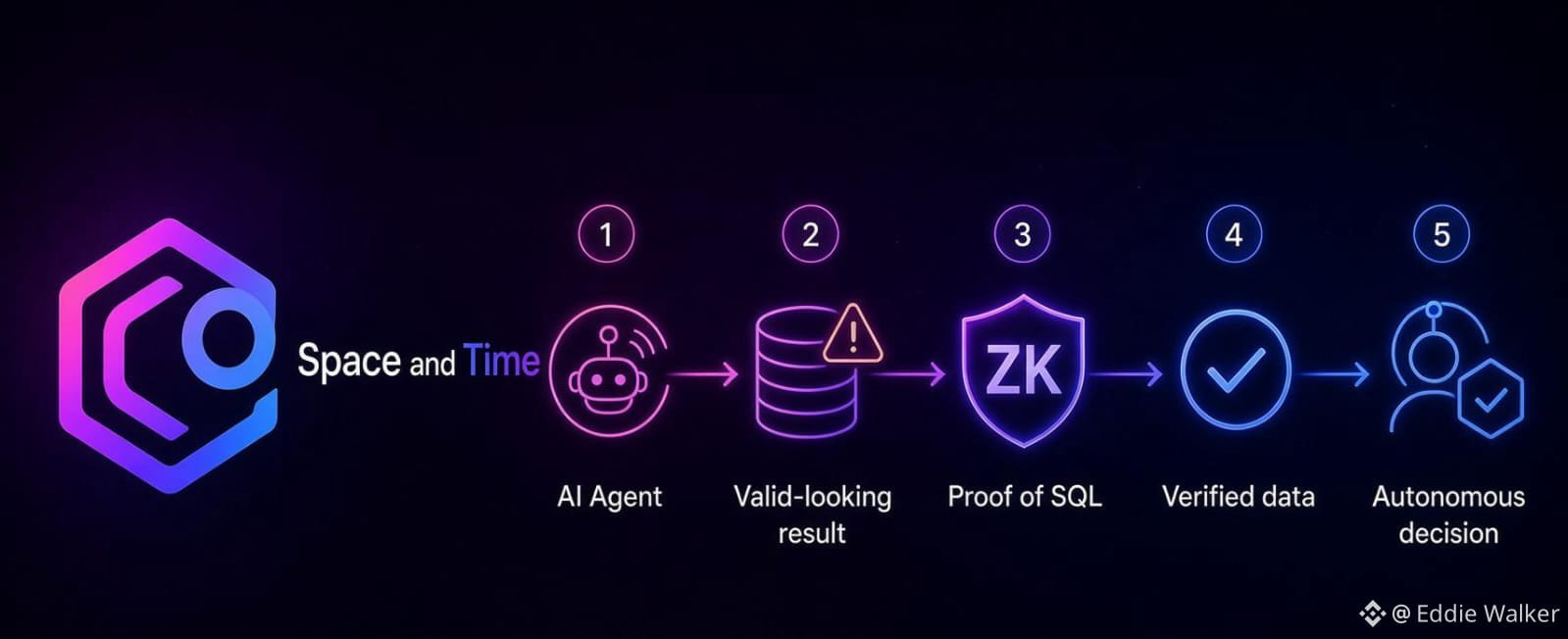
An AI agent might receive a perfectly valid-looking database result and act on it without knowing whether the information was ever correct in the first place. I've been paying more attention to this gap.
Proof of SQL is an interesting part of Space and Time's approach. Rather than asking an application to accept a query result on trust, it provides a ZK proof that lets the result and query execution be verified.
I keep coming back to the AI side of this. If an agent is making decisions automatically, bad input doesn't necessarily stop at one incorrect answer. It can lead to an incorrect action.
Giving AI access to more data is one challenge. Making that data verifiable is another, and probably a less visible one.
I keep wondering whether verifiable data will become a necessity as AI agents start making more decisions without human supervision.
Will AI agents ever be truly reliable without verifiable data?
#sxt $SXT
Something about the connection between AI agents and blockchain data made me look a little closer at @SpaceandTime
An AI agent might receive a perfectly valid-looking database result and act on it without knowing whether the information was ever correct in the first place. I've been paying more attention to this gap.
Proof of SQL is an interesting part of Space and Time's approach. Rather than asking an application to accept a query result on trust, it provides a ZK proof that lets the result and query execution be verified.
I keep coming back to the AI side of this. If an agent is making decisions automatically, bad input doesn't necessarily stop at one incorrect answer. It can lead to an incorrect action.
Giving AI access to more data is one challenge. Making that data verifiable is another, and probably a less visible one.
I keep wondering whether verifiable data will become a necessity as AI agents start making more decisions without human supervision.
Will AI agents ever be truly reliable without verifiable data?
#sxt $SXT
8
13
2.7k
·
--
Verified
The next big shift in finance isn’t just about trading, It’s about the data powering every trade.
And that’s where @PythNetwork is making some serious moves.
Think about it. Every trade, liquidation, and settlement depends on accurate, real time prices.
Now look at Pyth’s numbers:
→ $3.25T+ in cumulative volume secured
→ 710+ businesses using its data
→ 125+ institutional data publishers
That’s not a small footprint.
As crypto, RWAs, commodities, and prediction markets move toward 24/7 trading, reliable price data becomes even more important.
And Pyth is positioning itself right at the center of it all.
The more markets move onchain, the more this infrastructure matters.
$PYTH is definitely one to keep on the radar.
#PythNetwork #AnthropicRejectsIPODelayValuationinQuestion
The next big shift in finance isn’t just about trading, It’s about the data powering every trade.
And that’s where @Pyth Network is making some serious moves.
Think about it. Every trade, liquidation, and settlement depends on accurate, real time prices.
Now look at Pyth’s numbers:
→ $3.25T+ in cumulative volume secured
→ 710+ businesses using its data
→ 125+ institutional data publishers
That’s not a small footprint.
As crypto, RWAs, commodities, and prediction markets move toward 24/7 trading, reliable price data becomes even more important.
And Pyth is positioning itself right at the center of it all.
The more markets move onchain, the more this infrastructure matters.
$PYTH is definitely one to keep on the radar.
#PythNetwork #AnthropicRejectsIPODelayValuationinQuestion
9
22
5.8k
·
--
Bullish
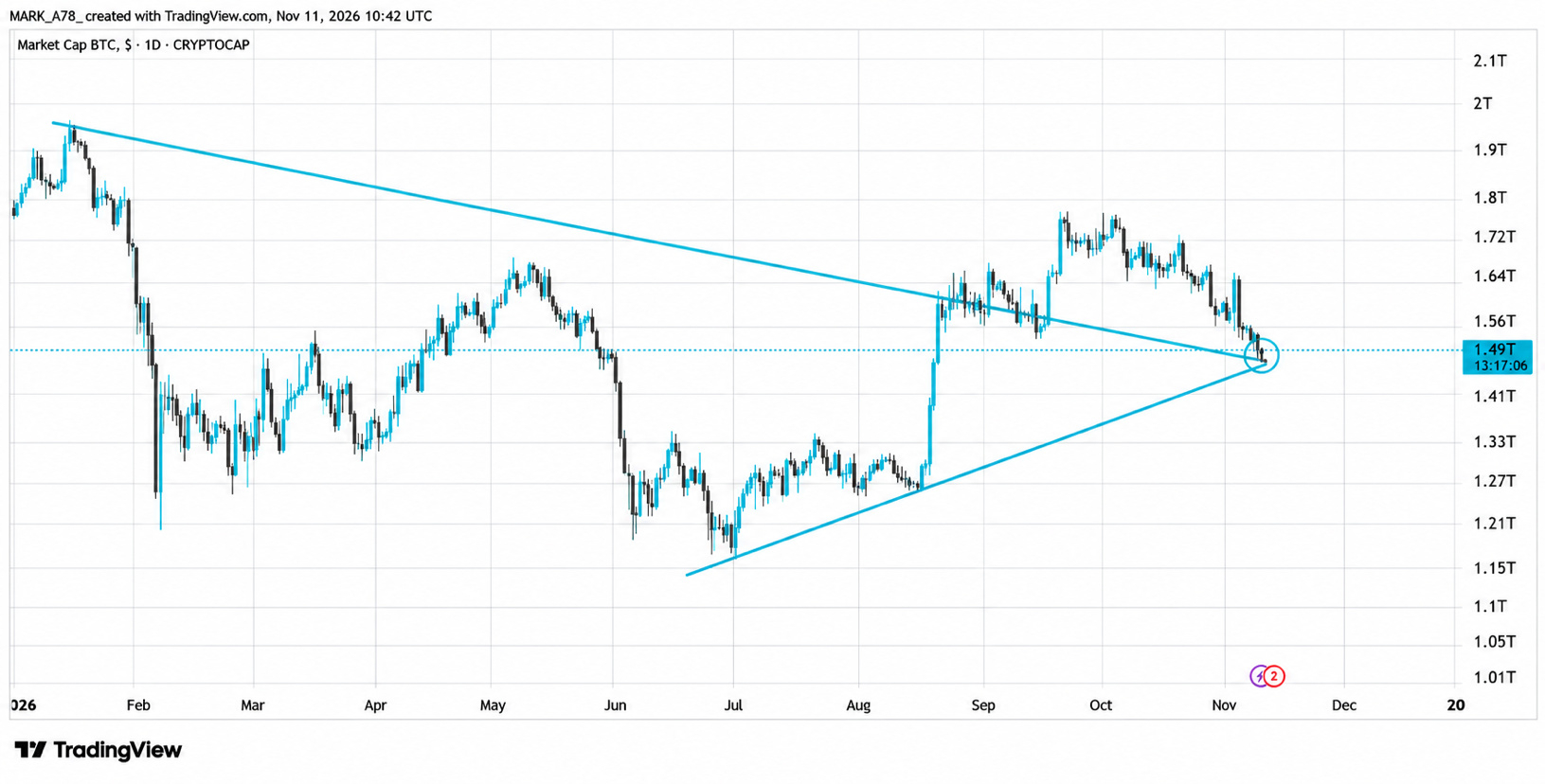
$BTC market cap is right at a key trendline intersection.
Price is getting squeezed, and a bigger move could be coming soon.
Watching closely for the next breakout.
#Btc #HotCPIDecemberHikePriced
$BTC market cap is right at a key trendline intersection.
Price is getting squeezed, and a bigger move could be coming soon.
Watching closely for the next breakout.
#Btc #HotCPIDecemberHikePriced
Price is getting squeezed, and a bigger move could be coming soon.
Watching closely for the next breakout.
#Btc #HotCPIDecemberHikePriced
15
16
4k
·
--
Bullish
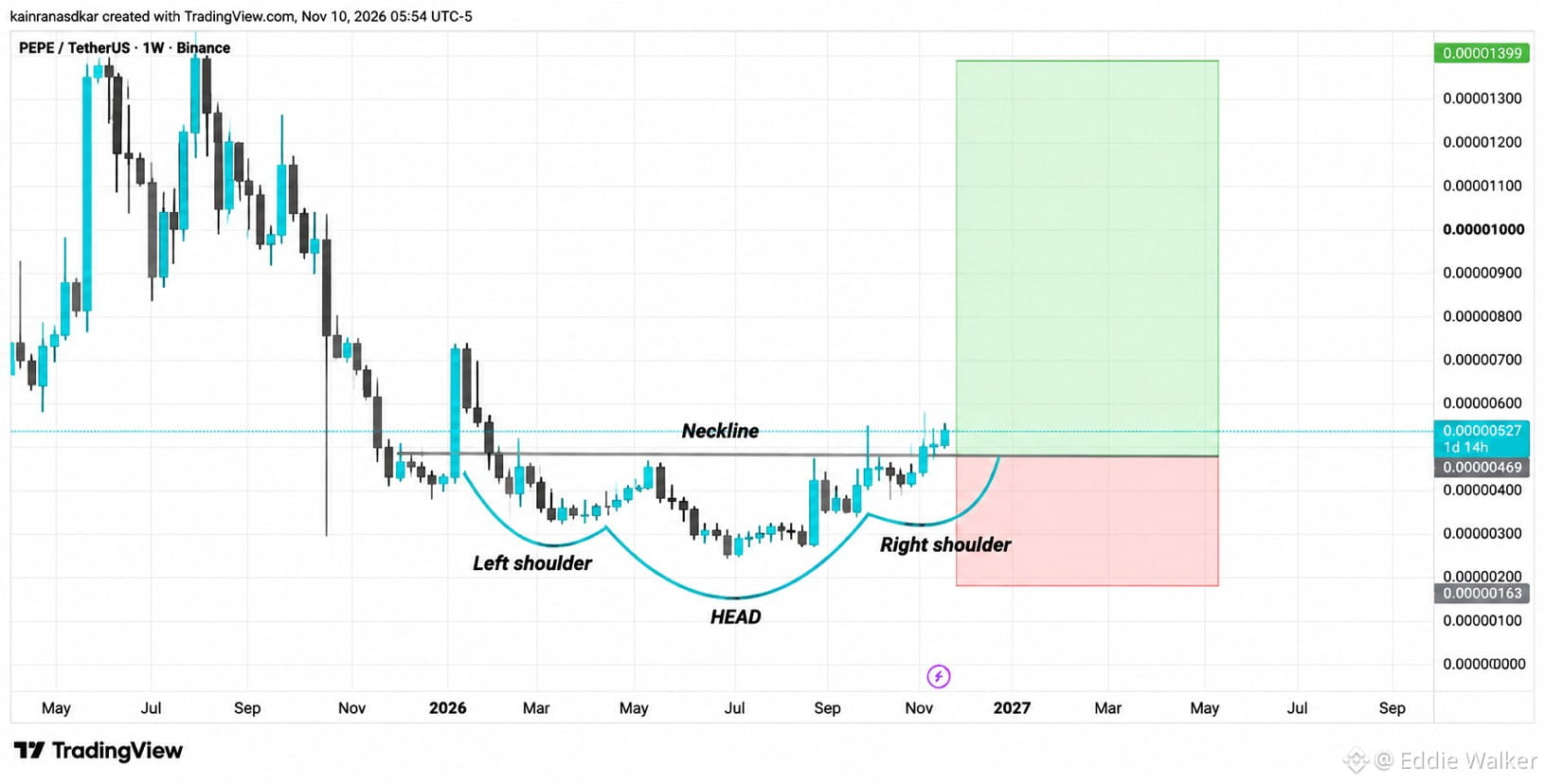
$PEPE is looking ready for something big!
A massive inverse head and shoulders breakout on the weekly chart.
As long as the neckline holds, the next bullish wave could be explosive.
#PEPE #CPITestsDecemberRateOutlook
$PEPE is looking ready for something big!
A massive inverse head and shoulders breakout on the weekly chart.
As long as the neckline holds, the next bullish wave could be explosive.
#PEPE #CPITestsDecemberRateOutlook
A massive inverse head and shoulders breakout on the weekly chart.
As long as the neckline holds, the next bullish wave could be explosive.
#PEPE #CPITestsDecemberRateOutlook
17
3
76
60.5k
·
--
Bullish
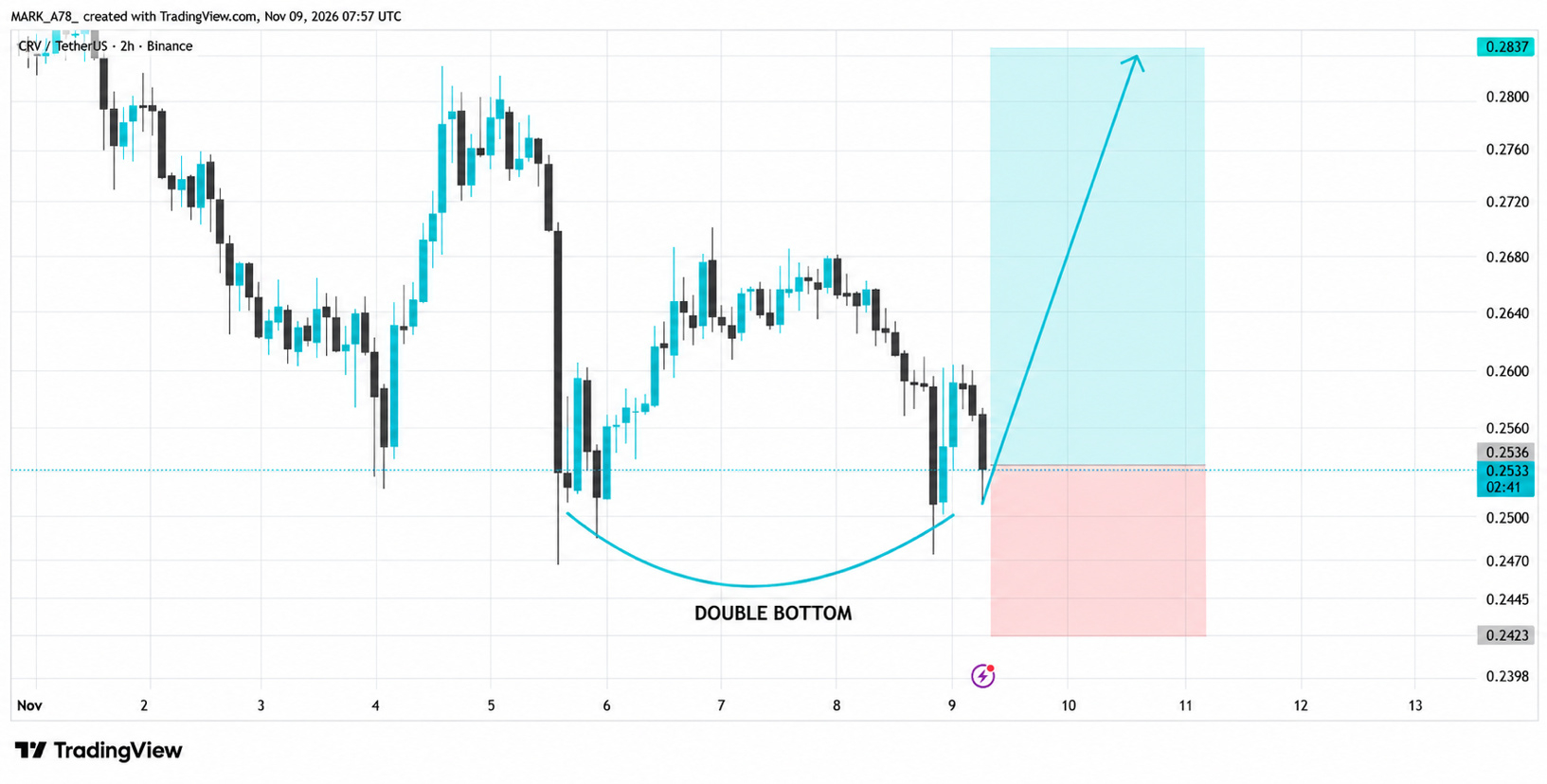
BREAKOUT LOADING FOR $CRV ?
A strong double bottom is taking shape, and buyers are defending key support.
If bulls take control, $0.2837 could be the next big target.
This move could get interesting fast.
#CRV #NvidiaInvestigatesAfterHuang’sAffairApology
BREAKOUT LOADING FOR $CRV ?
A strong double bottom is taking shape, and buyers are defending key support.
If bulls take control, $0.2837 could be the next big target.
This move could get interesting fast.
#CRV #NvidiaInvestigatesAfterHuang’sAffairApology
A strong double bottom is taking shape, and buyers are defending key support.
If bulls take control, $0.2837 could be the next big target.
This move could get interesting fast.
#CRV #NvidiaInvestigatesAfterHuang’sAffairApology
9
10
4.2k
·
--
Bullish
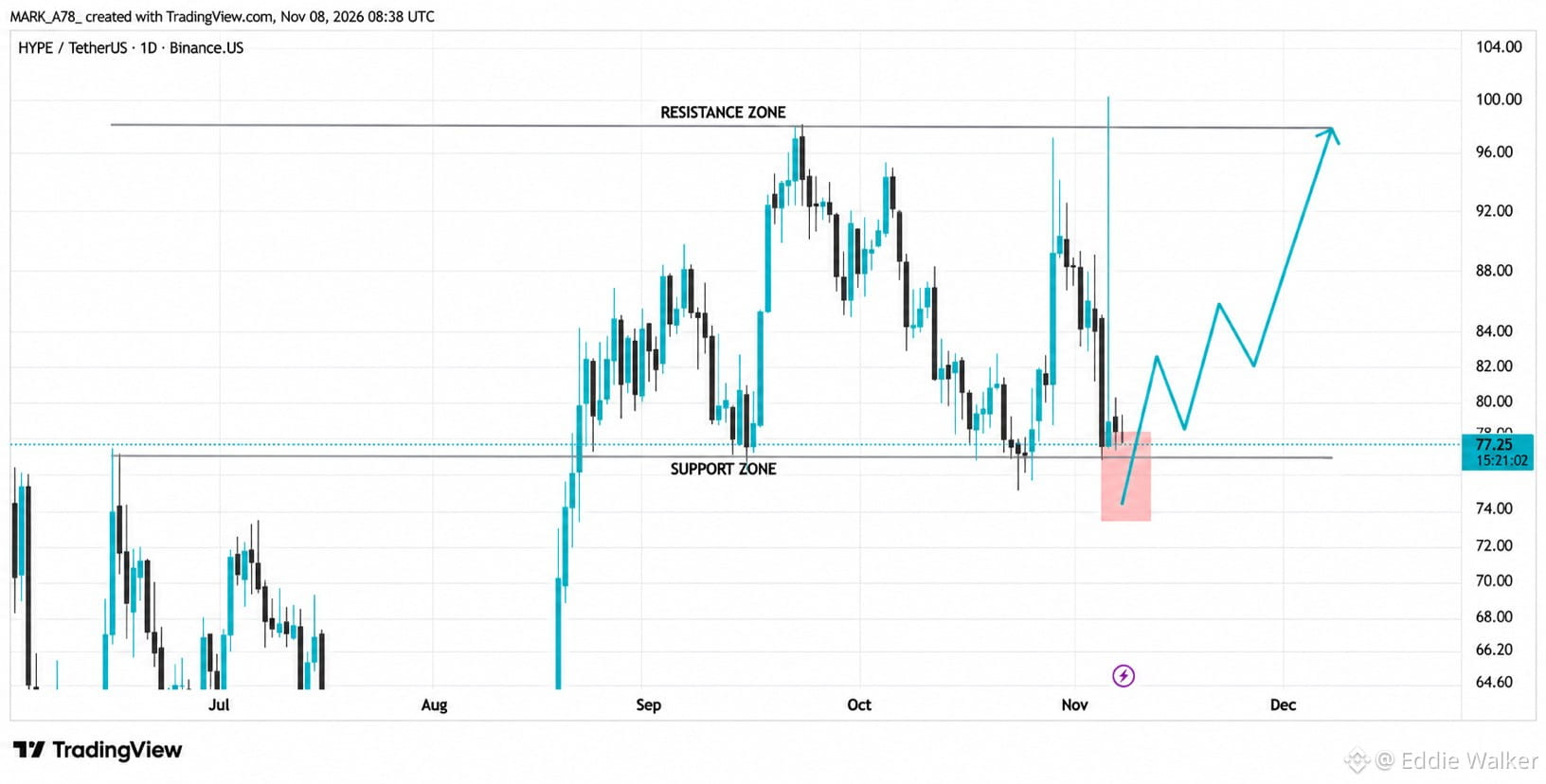
$HYPE is sitting at a key support zone around $76–$77.
I’m watching for a possible dip toward $73–$74 before a recovery.
If buyers step in, we could see a move toward $82, $86, and eventually the $98 resistance zone.
For now, patience is key. Let’s see how price reacts at support.
#hype #JobsReportRaisesHikeOdds
I’m watching for a possible dip toward $73–$74 before a recovery.
If buyers step in, we could see a move toward $82, $86, and eventually the $98 resistance zone.
For now, patience is key. Let’s see how price reacts at support.
#hype #JobsReportRaisesHikeOdds
18
2
39
72.9k
·
--
Bullish
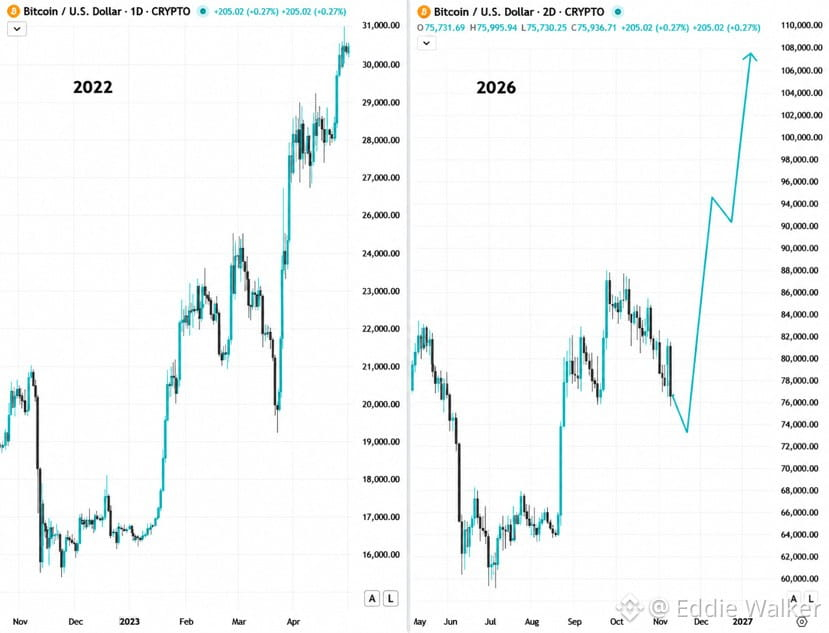
$BTC is showing a familiar pattern.
The shift from bearish to bullish momentum looks strikingly similar to the last cycle.
History may not repeat exactly, but this setup is worth watching closely.
#Btc #JobsReportRaisesHikeOdds #CPITestsDecemberRateOutlook
$BTC is showing a familiar pattern.
The shift from bearish to bullish momentum looks strikingly similar to the last cycle.
History may not repeat exactly, but this setup is worth watching closely.
#Btc #JobsReportRaisesHikeOdds #CPITestsDecemberRateOutlook
The shift from bearish to bullish momentum looks strikingly similar to the last cycle.
History may not repeat exactly, but this setup is worth watching closely.
#Btc #JobsReportRaisesHikeOdds #CPITestsDecemberRateOutlook
22
26
15.7k
·
--
Verified
This is exactly why @Aevoxyz keeps catching my attention.
Imagine trading crypto perps, options, stocks, and commodities without constantly moving your capital between platforms.
One account. One collateral pool. More flexibility.
And with Portfolio Margin, eligible traders can make better use of positions that offset each other.
For active traders, this kind of setup makes a real difference.
Less juggling, more focus on the actual trades.
Aevo is building the kind of trading experience I’d love to see become the standard.
#aevo
This is exactly why @Aevo keeps catching my attention.
Imagine trading crypto perps, options, stocks, and commodities without constantly moving your capital between platforms.
One account. One collateral pool. More flexibility.
And with Portfolio Margin, eligible traders can make better use of positions that offset each other.
For active traders, this kind of setup makes a real difference.
Less juggling, more focus on the actual trades.
Aevo is building the kind of trading experience I’d love to see become the standard.
#aevo

13
16
7.7k
·
--
Bullish
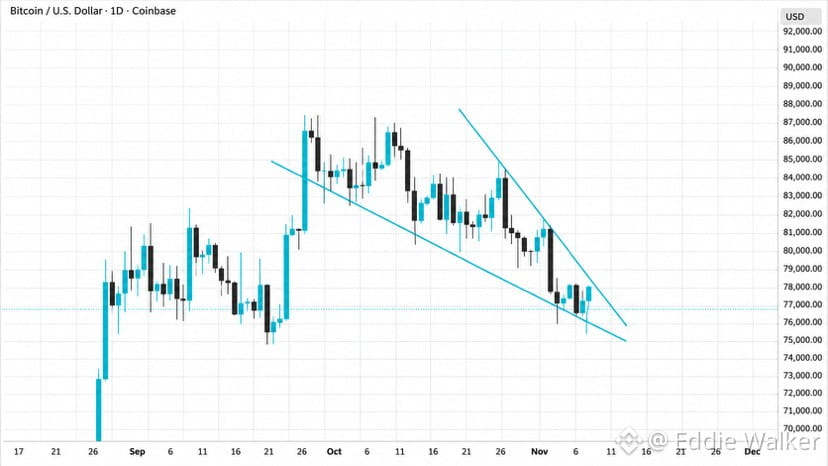
3
4
1.7k
·
--
Verified
Privacy in crypto is becoming more than just hiding data, and @Midnight_Network is a good example.
It’s a standalone Layer 1 built around giving users control over what they share.
→ Selective disclosure for KYC and compliance
→ Privacy for payments, banking, and RWAs
→ $NIGHT and DUST dual-token model
What caught my attention?
Google Cloud, MoneyGram, eToro, and Worldpay are part of its validator ecosystem, while Monument Bank is working to tokenize up to £250M in deposits.
Privacy isn’t about hiding everything. It’s about sharing only what’s necessary.
That’s why Midnight is worth watching.
#MidnightNetwork #BinanceRestores28FiatWithdrawals
Privacy in crypto is becoming more than just hiding data, and @Midnight Network is a good example.
It’s a standalone Layer 1 built around giving users control over what they share.
→ Selective disclosure for KYC and compliance
→ Privacy for payments, banking, and RWAs
→ $NIGHT and DUST dual-token model
What caught my attention?
Google Cloud, MoneyGram, eToro, and Worldpay are part of its validator ecosystem, while Monument Bank is working to tokenize up to £250M in deposits.
Privacy isn’t about hiding everything. It’s about sharing only what’s necessary.
That’s why Midnight is worth watching.
#MidnightNetwork #BinanceRestores28FiatWithdrawals
NIGHT-12.79%
GOOGUS-2.84%
14
13
7.7k
·
--
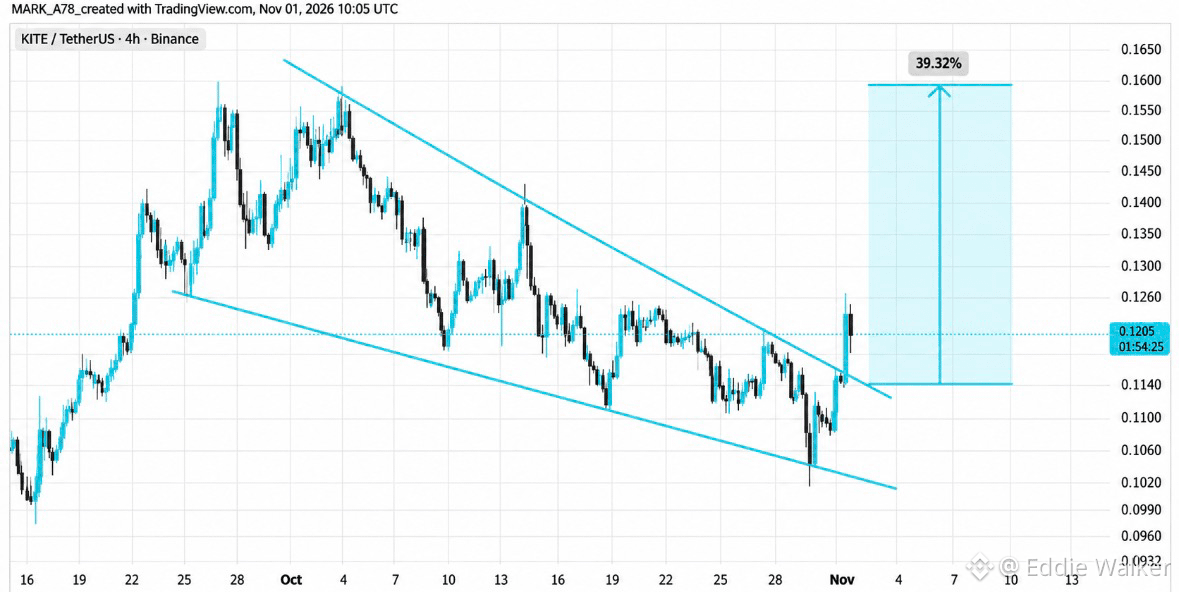
$KITE is breaking out of its falling wedge after weeks of consolidation.
If bulls hold this breakout, a strong rally toward $0.160 could be next.
Nearly 39% upside potential from the breakout zone.
#Kite #BinanceToResumePhaseOneOfWithdrawals
$KITE is breaking out of its falling wedge after weeks of consolidation.
If bulls hold this breakout, a strong rally toward $0.160 could be next.
Nearly 39% upside potential from the breakout zone.
#Kite #BinanceToResumePhaseOneOfWithdrawals
If bulls hold this breakout, a strong rally toward $0.160 could be next.
Nearly 39% upside potential from the breakout zone.
#Kite #BinanceToResumePhaseOneOfWithdrawals
1
3
1.7k
·
--
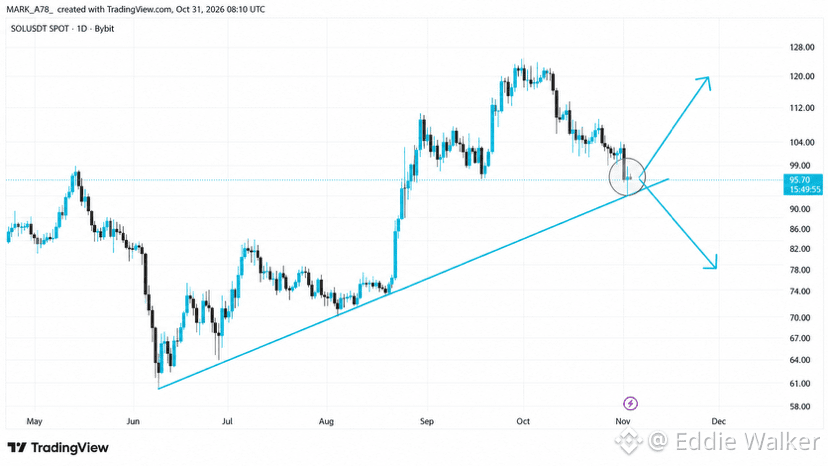
$SOL is sitting right on its daily ascending trendline support.
A bounce from here could push it back toward higher levels, but losing this support could open the door for another drop.
This level is worth watching closely.
#SOL #HeYiSaysWithdrawalsExpectedtoResumeWithin42Hours
$SOL is sitting right on its daily ascending trendline support.
A bounce from here could push it back toward higher levels, but losing this support could open the door for another drop.
This level is worth watching closely.
#SOL #HeYiSaysWithdrawalsExpectedtoResumeWithin42Hours
A bounce from here could push it back toward higher levels, but losing this support could open the door for another drop.
This level is worth watching closely.
#SOL #HeYiSaysWithdrawalsExpectedtoResumeWithin42Hours
9
9
12.4k
·
--
Partly True
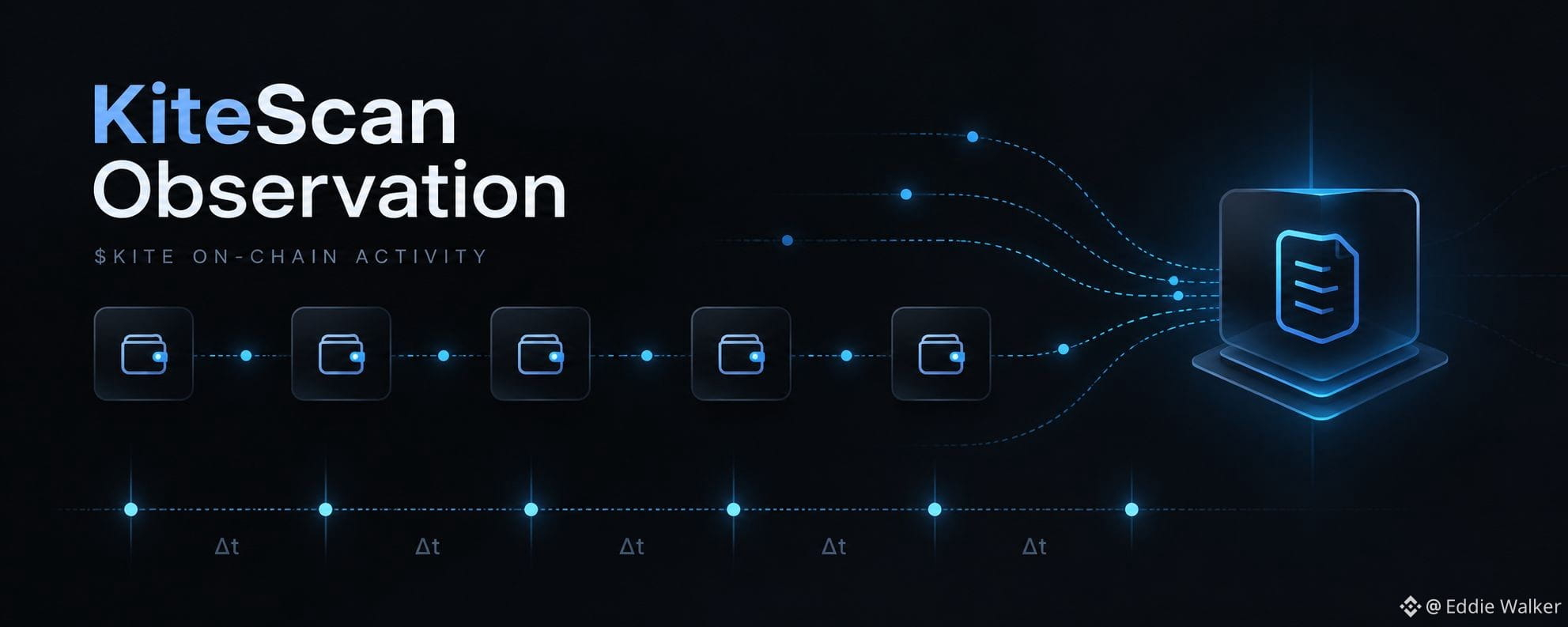
Spent an evening looking through KiteScan activity and came away with more questions than answers.
Kite’s documentation describes payment channels where opening and closing happen on-chain, while thousands of smaller updates can happen off-chain.
That makes transaction counts a tricky way to judge actual agent adoption.
One thing caught my attention in the October 28–29 activity window.
A public tracker collecting KiteScan data recorded 2,133 sampled transactions involving the WKITE contract over 24 hours, compared with 608 involving SimplePair.
WKITE contract:
https://kitescan.ai/token/0xcc788DC0486CD2BaacFf287eea1902cc09FbA570
Activity data:
https://coins.madebypets.com/kite/live
What stood out wasn’t the size of the numbers. It was how much visible activity involved familiar token infrastructure rather than clearly identifiable agent payments.
I can’t tell how many of those interactions came from actual autonomous agents, ordinary users, or automated scripts. The sample doesn’t establish unique wallet counts either.
Small confession: I used to judge a chain by its daily transaction count. Looking at Kite made me rethink that.
A busy network is one thing. Independent agents repeatedly paying for real services is another.
For $KITE , that’s the distinction I’d like to understand better.
The infrastructure is there, and transactions are happening. Whether those transactions reflect meaningful agent adoption is still an open question.
#KiteBBW
5
7
2.7k
·
--
Bullish
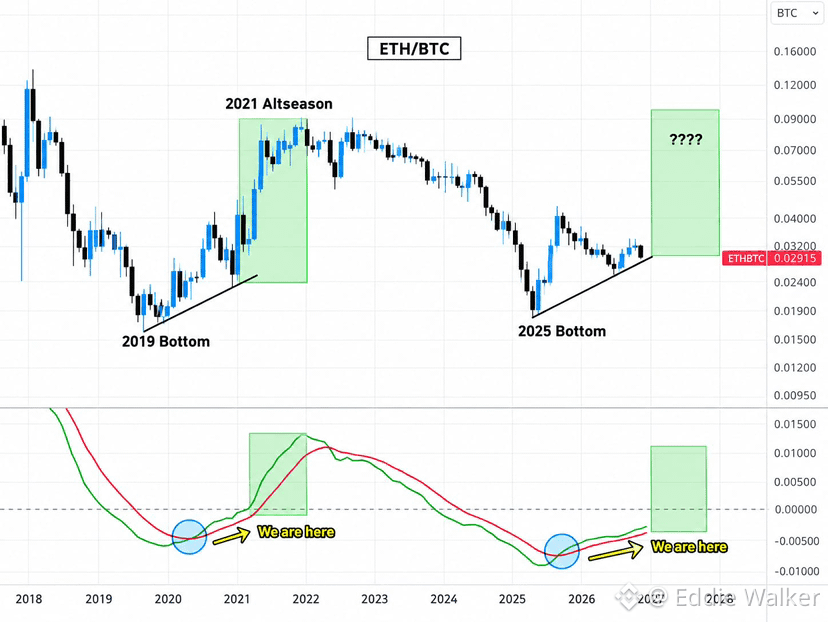
$ETH / $BTC is showing a familiar setup.
A similar pattern in 2020 led to the massive 2021 altseason.
Could history repeat itself in 2027?
Altcoins might be gearing up for something big.
#BTC #ETH
$ETH / $BTC is showing a familiar setup.
A similar pattern in 2020 led to the massive 2021 altseason.
Could history repeat itself in 2027?
Altcoins might be gearing up for something big.
#BTC #ETH
A similar pattern in 2020 led to the massive 2021 altseason.
Could history repeat itself in 2027?
Altcoins might be gearing up for something big.
#BTC #ETH
2
3
1.6k
Log in to explore more content
Join global crypto users on Binance Square
⚡️ Get latest and useful information about crypto.
💬 Trusted by the world’s largest crypto exchange.
👍 Discover real insights from verified creators.
Email / Phone number
Trending Topics
A Packed Week of Earnings and Data Tests Markets
43,871 views
312 Discussing
🚨🇺🇸 BIG WEEK AHEAD FOR THE MARKETS!
Markets are pricing in a Fed rate hike in December and $BTC could see some big moves next week.
Here's what's coming:
• Monday: Fed Chair Warsh speaks
• Tuesday: US Retail Sales + $NVDA earnings
• Wednesday: FOMC Minutes
• Thursday: Jobless Claims + Philly Fed Index
• Friday: Consumer Sentiment + Fed speeches
All eyes on $BTC as another important week begins.
#bitcoin
Mookie
·12 Likes
·5.8k views
AnthropicIPOTestsInvestorAppetiteForAI
61,603 views
1,037 Discussing
BitcoinExtendsLosingStreakToSixWeeks
22,278 views
384 Discussing