

EMINENCE_23
321 Posts

EMINENCE_23
Report
Block User
follow me, I I share crypto news ✅. some concepts to help you learn better 📖📚

Level 1 Creator
Open Trade
Frequent Trader
4.7 Years
62 Following
1.5K+ Followers
4.0K+ Liked
1 Badges
Posts
Portfolio
All
Quotes
Videos
PINNED
·
--

Article
France vs X (formerly Twitter): the judicial harassment that turns into a settling of scoresThe major clash between France and X, Elon Musk's social network, culminated this week with a police raid at X's Paris offices on February 3, 2026, and the summons of the world's richest man to appear before the French justice system on April 20, 2026.
📌 What France accuses X of
French justice and certain politicians have compiled a list of grievances against X, going well beyond simple moderation criticisms:
1. Algorithm manipulation and foreign interference.
France vs X (formerly Twitter): the judicial harassment that turns into a settling of scores
The major clash between France and X, Elon Musk's social network, culminated this week with a police raid at X's Paris offices on February 3, 2026, and the summons of the world's richest man to appear before the French justice system on April 20, 2026.
📌 What France accuses X of
French justice and certain politicians have compiled a list of grievances against X, going well beyond simple moderation criticisms:
1. Algorithm manipulation and foreign interference.
📌 What France accuses X of
French justice and certain politicians have compiled a list of grievances against X, going well beyond simple moderation criticisms:
1. Algorithm manipulation and foreign interference.
11
9
13
1.7k
·
--
🌕✨ A Binance Mooncake made for the Mid-Autumn spirit! 💛
I wanted to blend the warmth of the moon, the beauty of tradition, and the Binance identity into one special creation. 🥮🟡
May this moon bring good fortune, prosperity, and a brighter Web3 journey for us all. 🌙🚀
#BinanceMidAutumn #BinanceSquareTG
🌕✨ A Binance Mooncake made for the Mid-Autumn spirit! 💛
I wanted to blend the warmth of the moon, the beauty of tradition, and the Binance identity into one special creation. 🥮🟡
May this moon bring good fortune, prosperity, and a brighter Web3 journey for us all. 🌙🚀
#BinanceMidAutumn #BinanceSquareTG
I wanted to blend the warmth of the moon, the beauty of tradition, and the Binance identity into one special creation. 🥮🟡
May this moon bring good fortune, prosperity, and a brighter Web3 journey for us all. 🌙🚀
#BinanceMidAutumn #BinanceSquareTG

117
·
--
9 years of building trust, innovation, and opportunity. Happy Birthday, Binance! 💛🚀
9 years of building trust, innovation, and opportunity. Happy Birthday, Binance! 💛🚀

Sunshine 🔶
·
--
𝐃𝐚𝐲 𝟖 𝐂𝐡𝐚𝐥𝐥𝐞𝐧𝐠𝐞: 𝐌𝐚𝐤𝐞 𝐭𝐡𝐞 𝟗 𝐒𝐡𝐢𝐧𝐞! 🎨
Turn the 9 into Art.
𝐌𝐞𝐜𝐡𝐚𝐧𝐢𝐜𝐬:
1️⃣ Use the provided photo as your template. Turn the number 9 into your own creative anniversary design and add a special message for Binance.
2️⃣ Share your finished design in the comments with #ShineForBinance9 and RT/share my challenge post.
3️⃣ Make sure to follow the full mechanics and fill out the form to complete your entry.
Form link here
Make the 9 shine for a chance to get #Binance swag! 🎁
Turn the 9 into Art.
𝐌𝐞𝐜𝐡𝐚𝐧𝐢𝐜𝐬:
1️⃣ Use the provided photo as your template. Turn the number 9 into your own creative anniversary design and add a special message for Binance.
2️⃣ Share your finished design in the comments with #ShineForBinance9 and RT/share my challenge post.
3️⃣ Make sure to follow the full mechanics and fill out the form to complete your entry.
Form link here
Make the 9 shine for a chance to get #Binance swag! 🎁

92
·
--
Let's Shine
Let's Shine
Sunshine 🔶
·
--
𝐃𝐚𝐲 𝟓 𝐂𝐡𝐚𝐥𝐥𝐞𝐧𝐠𝐞: 𝐂𝐮𝐩 𝐒𝐡𝐮𝐟𝐟𝐥𝐞 𝐂𝐡𝐚𝐥𝐥𝐞𝐧𝐠𝐞 🥤
Can you find the 9?
𝐌𝐞𝐜𝐡𝐚𝐧𝐢𝐜𝐬:
1️⃣ Watch the video and guess where the number 9 is: Left, Middle, or Right?
2️⃣ Comment your answer with #ShineForBinance9 and RT/share my challenge post.
3️⃣ Make sure to follow the full mechanics and fill out the form to complete your entry.
Form link here
#Binance swag might find its way to you too! 🎁
Can you find the 9?
𝐌𝐞𝐜𝐡𝐚𝐧𝐢𝐜𝐬:
1️⃣ Watch the video and guess where the number 9 is: Left, Middle, or Right?
2️⃣ Comment your answer with #ShineForBinance9 and RT/share my challenge post.
3️⃣ Make sure to follow the full mechanics and fill out the form to complete your entry.
Form link here
#Binance swag might find its way to you too! 🎁
10
·
--
it's done ✅
#ShineForBinance9
it's done ✅
#ShineForBinance9
#ShineForBinance9
Sunshine 🔶
·
--
𝐃𝐚𝐲 𝟒 𝐂𝐡𝐚𝐥𝐥𝐞𝐧𝐠𝐞: 𝐒𝐮𝐧𝐬𝐡𝐢𝐧𝐞 𝐂𝐡𝐚𝐫𝐭 𝐇𝐮𝐧𝐭
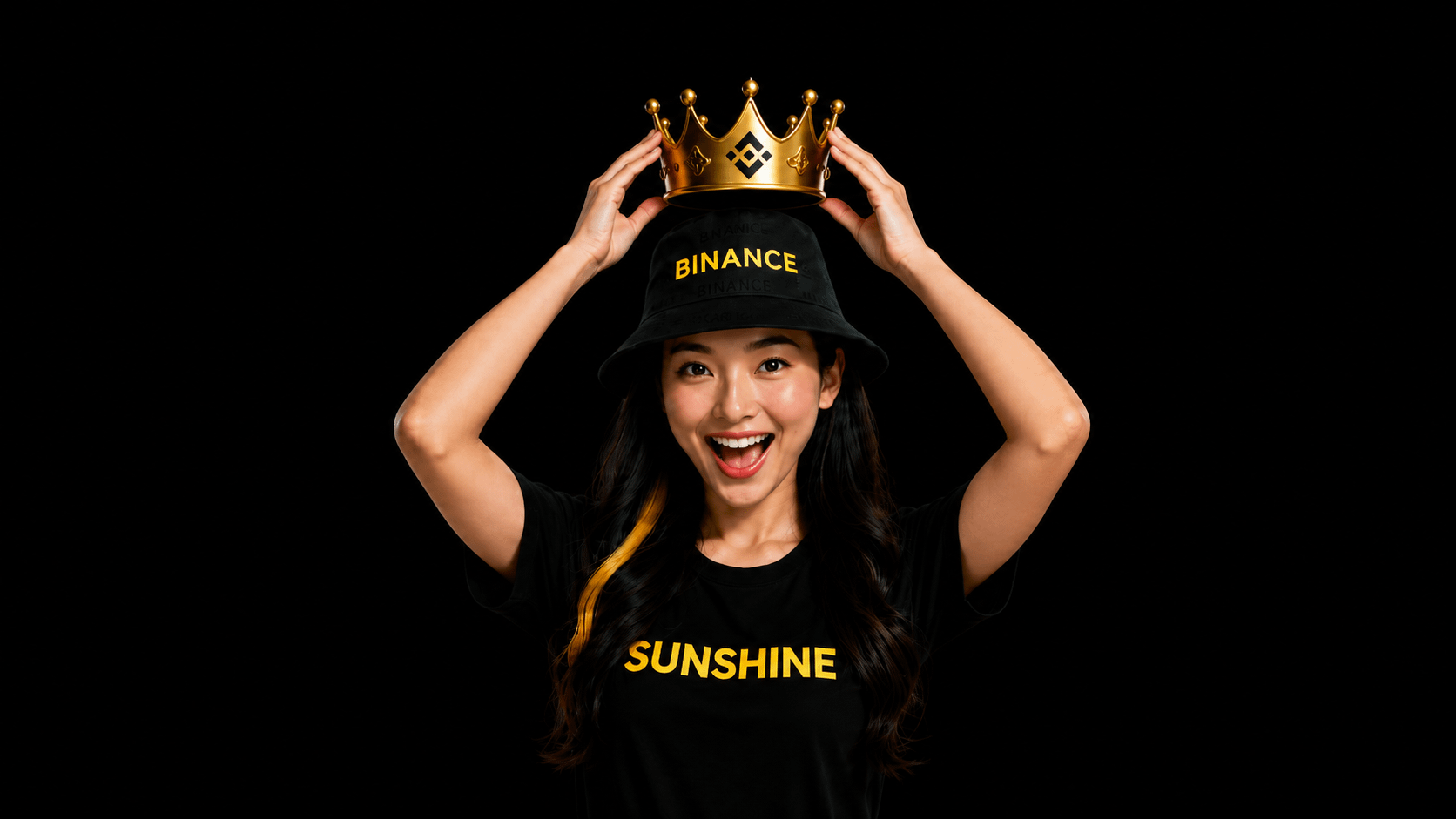
Can you spot a crown 👑 in the BTC chart?
𝐌𝐞𝐜𝐡𝐚𝐧𝐢𝐜𝐬:
1️⃣ Open the BTC chart on Binance and look for a candle or pattern that looks like a 👑
2️⃣ Screenshot it, post it in the comments with #ShineForBinance9 and RT/share my challenge post.
Reminder: Do not share UID, balance, or private account details.
3️⃣ Make sure to follow the mechanics and fill out the form to complete your entry.
Form link here
Get a chance to receive exclusive #Binance swag! 🎁
Can you spot a crown 👑 in the BTC chart?
𝐌𝐞𝐜𝐡𝐚𝐧𝐢𝐜𝐬:
1️⃣ Open the BTC chart on Binance and look for a candle or pattern that looks like a 👑
2️⃣ Screenshot it, post it in the comments with #ShineForBinance9 and RT/share my challenge post.
Reminder: Do not share UID, balance, or private account details.
3️⃣ Make sure to follow the mechanics and fill out the form to complete your entry.
Form link here
Get a chance to receive exclusive #Binance swag! 🎁
11
·
--
That's good
#ShineForBinance9
That's good
#ShineForBinance9
#ShineForBinance9
Sunshine 🔶
·
--
𝐃𝐚𝐲 𝟑 𝐂𝐡𝐚𝐥𝐥𝐞𝐧𝐠𝐞: 𝐃𝐞𝐜𝐨𝐝𝐞 𝐭𝐡𝐞 𝐄𝐦𝐨𝐣𝐢, 𝐆𝐮𝐞𝐬𝐬 𝐭𝐡𝐞 𝐂𝐫𝐲𝐩𝐭𝐨 𝐖𝐨𝐫𝐝! 🕵️♀️
𝗠𝗲𝗰𝗵𝗮𝗻𝗶𝗰𝘀:
1️⃣ Take the challenge 👇
Crack the code here
2️⃣ Comment #ShineForBinance9 on my challenge posts.
3️⃣ RT/share the challenge post.
Make sure to follow the full mechanics.
Get a chance to receive exclusive #Binance swag!
𝗠𝗲𝗰𝗵𝗮𝗻𝗶𝗰𝘀:
1️⃣ Take the challenge 👇
Crack the code here
2️⃣ Comment #ShineForBinance9 on my challenge posts.
3️⃣ RT/share the challenge post.
Make sure to follow the full mechanics.
Get a chance to receive exclusive #Binance swag!
10
·
--
Join the Binance 2026 Football Challenge!
Football fans, don’t miss the Pick & Win event on Binance! Predict match outcomes, earn rewards, and make every game more exciting. Today's challenge asks whether Mexico will defeat South Korea. Simply choose your prediction and participate with the community.
Why join? ✅ Easy to participate
✅ Exciting football-themed rewards
✅ Test your prediction skills
✅ Engage with football and crypto enthusiasts worldwide
Invite your friends and fellow football fans to join the challenge. Let’s enjoy the tournament together, support our favorite teams, and see who can make the best predictions!
#BinancePickAndWin
Join the Binance 2026 Football Challenge!
Football fans, don’t miss the Pick & Win event on Binance! Predict match outcomes, earn rewards, and make every game more exciting. Today's challenge asks whether Mexico will defeat South Korea. Simply choose your prediction and participate with the community.
Why join? ✅ Easy to participate
✅ Exciting football-themed rewards
✅ Test your prediction skills
✅ Engage with football and crypto enthusiasts worldwide
Invite your friends and fellow football fans to join the challenge. Let’s enjoy the tournament together, support our favorite teams, and see who can make the best predictions!
#BinancePickAndWin
Football fans, don’t miss the Pick & Win event on Binance! Predict match outcomes, earn rewards, and make every game more exciting. Today's challenge asks whether Mexico will defeat South Korea. Simply choose your prediction and participate with the community.
Why join? ✅ Easy to participate
✅ Exciting football-themed rewards
✅ Test your prediction skills
✅ Engage with football and crypto enthusiasts worldwide
Invite your friends and fellow football fans to join the challenge. Let’s enjoy the tournament together, support our favorite teams, and see who can make the best predictions!
#BinancePickAndWin

1
119
·
--
Football is all about passion, strategy, and making the right call at the right moment. That’s why I’m joining the challenge, making my match predictions, and putting my football knowledge to the test.
Every game is a new opportunity, and every correct pick brings me one step closer to the rewards. Let’s see how far my predictions can go!
#BinancePickAndWin
Football is all about passion, strategy, and making the right call at the right moment. That’s why I’m joining the challenge, making my match predictions, and putting my football knowledge to the test.
Every game is a new opportunity, and every correct pick brings me one step closer to the rewards. Let’s see how far my predictions can go!
#BinancePickAndWin
Every game is a new opportunity, and every correct pick brings me one step closer to the rewards. Let’s see how far my predictions can go!
#BinancePickAndWin

158
·
--
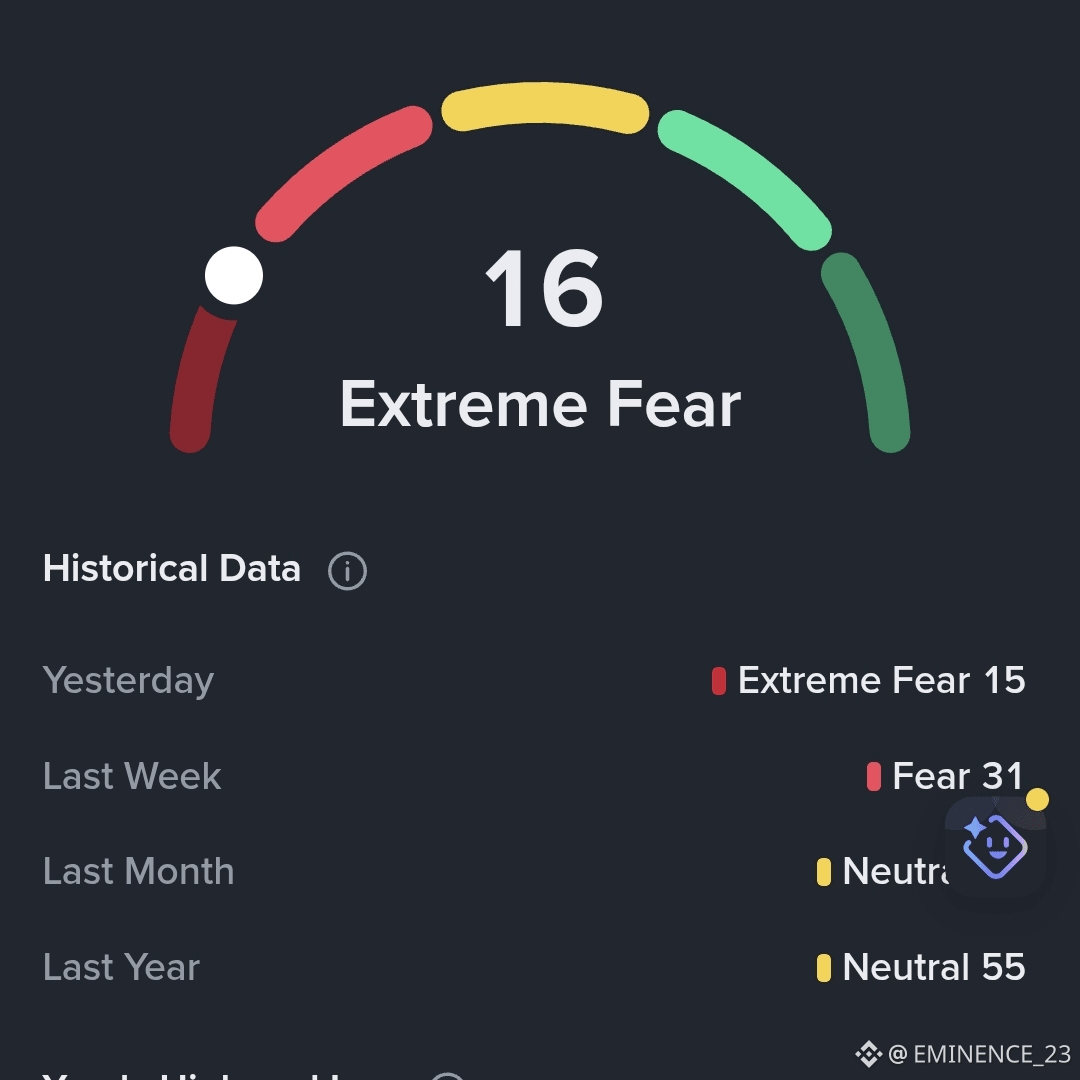
🚨 Fear & Greed Index: 16 (Extreme Fear)
Fear is dominating the market right now. Historically, extreme fear often appears near periods of oversold conditions.
Stay calm, manage your risk, and focus on the long term.
$BTC
#fearandgreedindex #DYOR
🚨 Fear & Greed Index: 16 (Extreme Fear)
Fear is dominating the market right now. Historically, extreme fear often appears near periods of oversold conditions.
Stay calm, manage your risk, and focus on the long term.
$BTC
#fearandgreedindex #DYOR
Fear is dominating the market right now. Historically, extreme fear often appears near periods of oversold conditions.
Stay calm, manage your risk, and focus on the long term.
$BTC
#fearandgreedindex #DYOR
173
·
--
Article
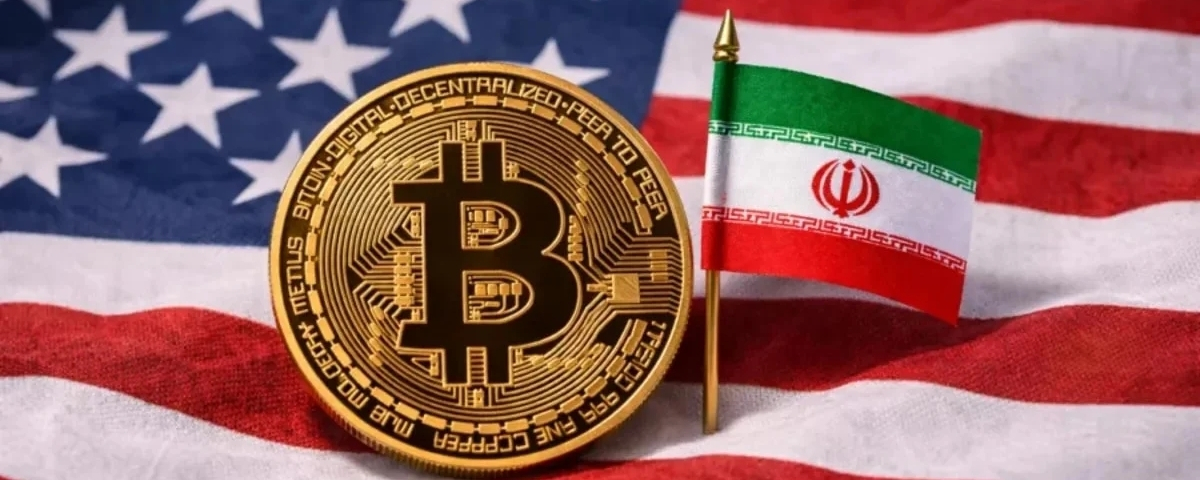
U.S.-Iran Negotiations Cause Volatility, Bitcoin Faces Short-Term PressureLast Friday, Dell triggered an Al trading surge, pushing all three major U.S. stock indices to new highs. The S&P 500 extended its nine-week winning streak, the longest in over two years, while the Nasdaq rose nearly 25% over the past two months. At the same time, President Trump announced that he would make a final decision regarding the Iran conflict, causing oil prices to fall, U.S. Treasuries to rise, and the U.S. dollar to weaken. Both the 10-year Treasury yield and the U.S. Dollar Index hit two-week lows. Over the weekend, U.S.-Iran negotiations failed to reach an agreement on schedule, extending talks by another week. As a result, Bitcoin's rebound momentum could not be sustained, failing to hold above the $74,000 level. In the short term, BTC remains range-bound, fluctuating between $73,000 and $74,000.
Market Insights
The CFTC released 24/7 trading guidance and approved Kalshi to launch a perpetual futures product referencing Bitcoin spot prices, marking a move toward a fully localized, around-the-clock crypto derivatives market in the U.S. Clearer regulatory frameworks are expected to attract U.S. users and liquidity that previously flowed offshore, while enhancing institutional participation, capital efficiency, and risk management capabilities. With multiple firms planning to launch CFTC-regulated perpetual contracts within the next 30 days, the U.S. market may enter a new cycle of derivatives expansion. Meanwhile, the crypto market rebounded overall. HYPE surged on continued inflows into the Hyperliquid ETF, reaching new all-time highs; BNB and the broader BNB ecosystem strengthened, driven by Binance's upcoming products and securities tokenization expectations; XLM rose sharply after integrating with DTCC's tokenized securities platform, reflecting ongoing market focus on trading infrastructure, derivatives, and asset tokenization sectors.
Macroeconomics
U.S.-Iran Situation: After meeting with advisors on Friday, President Trump revised the proposed U.S.-Iran agreement, extending the negotiation timeline by another week. He tightened provisions intended to end the Iran conflict, including modifying Iran's enriched uranium stockpile handling and reopening of the Strait of Hormuz clauses. The memorandum provides a 60-day negotiation window, with the U.S. committing to fully unfreeze $12 billion in Iranian assets, while Iran would gain exclusive authority over vessel passage through the Strait of Hormuz. U.S. Defense Secretary Pete Hegseth stated at the Shangri-La Dialogue that military action would resume if negotiations fail.
Industry Events
CFTC releases 24/7 trading guidance, officially opening the crypto perpetual futures market; SpaceX holds 18,712 BTC, valued at $1.3 billionNomura Laser Digital receives preliminary approval for a U.S. national trust bank charterCosmos cross-chain bridge Gravity Bridge loses $5.4 million to a hack, announces service suspensionPolymarket launches perpetual futures testing, initially supporting five traditional financial instruments and BTCKalshi launches the U.S. Power Index (KPOW)Robinhood integrates the "Trump Account" investment programVietnam Ministry of Finance proposes allowing SMEs to use digital assets, virtual assets, and intellectual property as collateral for bank loans; proposal included in the SME Support Law draft amendment
Alpha Project Performance
HYPE: Hyperliquid ETF net inflows for 13 consecutive trading days, accumulating $136 million. Continued inflows pushed HYPE above $70, reaching a new all-time high.
PLAY: SodaBot partners with PlaysOut; PlaysOut's Hybrid SDK officially launches, allowing mini-games, short dramas, and interactive content to be quickly embedded in high-traffic apps, expanding the Web3 gaming ecosystem. Token rises over 88%.
HOME: Full Send Seoul activity continues to heat up; market attention and on-chain activity significantly increase. Daily trading volume rises more than 5x, pushing the token up over 36%.
XLM: Stellar integrates with DTCC tokenized securities platform, while market expectations for Stellar's asset tokenization ecosystem increase. Coupled with a prior suspected hacker-linked address purchasing ~$23 million, XLM rises over 70% in the past week.
BNB / Binance Life: Market expects Binance to launch U.S. stock trading and securities tokenization products on June 1, driving BNB above $720; related concept token "Binance Life" rises over 22%, reaching a new all-time high.
Outlook for the Week
June 1: U.S. May ISM Manufacturing Index; NVIDIA GTC Conference; EIGEN unlocks 5.17% circulating supply (~$8.4668 million)
June 2: 2026 FOMC voter, Cleveland Fed President Harker speaks on monetary policy; Microsoft annual developer conference, expected Al model releases; Eurozone May CPI final reading; ENA unlocks 1.23% circulating supply (~$9.696 million)
June 3: U.S. May ADP employment change; U.S. May ISM Non-Manufacturing Index; U.S. Treasury Secretary Bassett attends Senate hearing on budget; Bank of Japan Governor Ueda speaks
June 4: SpaceX IPO roadshow begins; U.S. initial jobless claims for week ending May 30; Broadcom, Ciena, C3.ai earnings release
June 5: U.S. May unemployment rate; U.S. May nonfarm payroll change; 2027 FOMC voter, San Francisco Fed President Daly speaks
June 6: U.S. April consumer credit change; MYX unlocks 9.48% circulating supply (~$3.6679 million)
TBD: U.S.-Iran situation developments
#BTC $BTC
U.S.-Iran Negotiations Cause Volatility, Bitcoin Faces Short-Term Pressure
Last Friday, Dell triggered an Al trading surge, pushing all three major U.S. stock indices to new highs. The S&P 500 extended its nine-week winning streak, the longest in over two years, while the Nasdaq rose nearly 25% over the past two months. At the same time, President Trump announced that he would make a final decision regarding the Iran conflict, causing oil prices to fall, U.S. Treasuries to rise, and the U.S. dollar to weaken. Both the 10-year Treasury yield and the U.S. Dollar Index hit two-week lows. Over the weekend, U.S.-Iran negotiations failed to reach an agreement on schedule, extending talks by another week. As a result, Bitcoin's rebound momentum could not be sustained, failing to hold above the $74,000 level. In the short term, BTC remains range-bound, fluctuating between $73,000 and $74,000.
Market Insights
The CFTC released 24/7 trading guidance and approved Kalshi to launch a perpetual futures product referencing Bitcoin spot prices, marking a move toward a fully localized, around-the-clock crypto derivatives market in the U.S. Clearer regulatory frameworks are expected to attract U.S. users and liquidity that previously flowed offshore, while enhancing institutional participation, capital efficiency, and risk management capabilities. With multiple firms planning to launch CFTC-regulated perpetual contracts within the next 30 days, the U.S. market may enter a new cycle of derivatives expansion. Meanwhile, the crypto market rebounded overall. HYPE surged on continued inflows into the Hyperliquid ETF, reaching new all-time highs; BNB and the broader BNB ecosystem strengthened, driven by Binance's upcoming products and securities tokenization expectations; XLM rose sharply after integrating with DTCC's tokenized securities platform, reflecting ongoing market focus on trading infrastructure, derivatives, and asset tokenization sectors.
Macroeconomics
U.S.-Iran Situation: After meeting with advisors on Friday, President Trump revised the proposed U.S.-Iran agreement, extending the negotiation timeline by another week. He tightened provisions intended to end the Iran conflict, including modifying Iran's enriched uranium stockpile handling and reopening of the Strait of Hormuz clauses. The memorandum provides a 60-day negotiation window, with the U.S. committing to fully unfreeze $12 billion in Iranian assets, while Iran would gain exclusive authority over vessel passage through the Strait of Hormuz. U.S. Defense Secretary Pete Hegseth stated at the Shangri-La Dialogue that military action would resume if negotiations fail.
Industry Events
CFTC releases 24/7 trading guidance, officially opening the crypto perpetual futures market; SpaceX holds 18,712 BTC, valued at $1.3 billionNomura Laser Digital receives preliminary approval for a U.S. national trust bank charterCosmos cross-chain bridge Gravity Bridge loses $5.4 million to a hack, announces service suspensionPolymarket launches perpetual futures testing, initially supporting five traditional financial instruments and BTCKalshi launches the U.S. Power Index (KPOW)Robinhood integrates the "Trump Account" investment programVietnam Ministry of Finance proposes allowing SMEs to use digital assets, virtual assets, and intellectual property as collateral for bank loans; proposal included in the SME Support Law draft amendment
Alpha Project Performance
HYPE: Hyperliquid ETF net inflows for 13 consecutive trading days, accumulating $136 million. Continued inflows pushed HYPE above $70, reaching a new all-time high.
PLAY: SodaBot partners with PlaysOut; PlaysOut's Hybrid SDK officially launches, allowing mini-games, short dramas, and interactive content to be quickly embedded in high-traffic apps, expanding the Web3 gaming ecosystem. Token rises over 88%.
HOME: Full Send Seoul activity continues to heat up; market attention and on-chain activity significantly increase. Daily trading volume rises more than 5x, pushing the token up over 36%.
XLM: Stellar integrates with DTCC tokenized securities platform, while market expectations for Stellar's asset tokenization ecosystem increase. Coupled with a prior suspected hacker-linked address purchasing ~$23 million, XLM rises over 70% in the past week.
BNB / Binance Life: Market expects Binance to launch U.S. stock trading and securities tokenization products on June 1, driving BNB above $720; related concept token "Binance Life" rises over 22%, reaching a new all-time high.
Outlook for the Week
June 1: U.S. May ISM Manufacturing Index; NVIDIA GTC Conference; EIGEN unlocks 5.17% circulating supply (~$8.4668 million)
June 2: 2026 FOMC voter, Cleveland Fed President Harker speaks on monetary policy; Microsoft annual developer conference, expected Al model releases; Eurozone May CPI final reading; ENA unlocks 1.23% circulating supply (~$9.696 million)
June 3: U.S. May ADP employment change; U.S. May ISM Non-Manufacturing Index; U.S. Treasury Secretary Bassett attends Senate hearing on budget; Bank of Japan Governor Ueda speaks
June 4: SpaceX IPO roadshow begins; U.S. initial jobless claims for week ending May 30; Broadcom, Ciena, C3.ai earnings release
June 5: U.S. May unemployment rate; U.S. May nonfarm payroll change; 2027 FOMC voter, San Francisco Fed President Daly speaks
June 6: U.S. April consumer credit change; MYX unlocks 9.48% circulating supply (~$3.6679 million)
TBD: U.S.-Iran situation developments
#BTC $BTC
Market Insights
The CFTC released 24/7 trading guidance and approved Kalshi to launch a perpetual futures product referencing Bitcoin spot prices, marking a move toward a fully localized, around-the-clock crypto derivatives market in the U.S. Clearer regulatory frameworks are expected to attract U.S. users and liquidity that previously flowed offshore, while enhancing institutional participation, capital efficiency, and risk management capabilities. With multiple firms planning to launch CFTC-regulated perpetual contracts within the next 30 days, the U.S. market may enter a new cycle of derivatives expansion. Meanwhile, the crypto market rebounded overall. HYPE surged on continued inflows into the Hyperliquid ETF, reaching new all-time highs; BNB and the broader BNB ecosystem strengthened, driven by Binance's upcoming products and securities tokenization expectations; XLM rose sharply after integrating with DTCC's tokenized securities platform, reflecting ongoing market focus on trading infrastructure, derivatives, and asset tokenization sectors.
Macroeconomics
U.S.-Iran Situation: After meeting with advisors on Friday, President Trump revised the proposed U.S.-Iran agreement, extending the negotiation timeline by another week. He tightened provisions intended to end the Iran conflict, including modifying Iran's enriched uranium stockpile handling and reopening of the Strait of Hormuz clauses. The memorandum provides a 60-day negotiation window, with the U.S. committing to fully unfreeze $12 billion in Iranian assets, while Iran would gain exclusive authority over vessel passage through the Strait of Hormuz. U.S. Defense Secretary Pete Hegseth stated at the Shangri-La Dialogue that military action would resume if negotiations fail.
Industry Events
CFTC releases 24/7 trading guidance, officially opening the crypto perpetual futures market; SpaceX holds 18,712 BTC, valued at $1.3 billionNomura Laser Digital receives preliminary approval for a U.S. national trust bank charterCosmos cross-chain bridge Gravity Bridge loses $5.4 million to a hack, announces service suspensionPolymarket launches perpetual futures testing, initially supporting five traditional financial instruments and BTCKalshi launches the U.S. Power Index (KPOW)Robinhood integrates the "Trump Account" investment programVietnam Ministry of Finance proposes allowing SMEs to use digital assets, virtual assets, and intellectual property as collateral for bank loans; proposal included in the SME Support Law draft amendment
Alpha Project Performance
HYPE: Hyperliquid ETF net inflows for 13 consecutive trading days, accumulating $136 million. Continued inflows pushed HYPE above $70, reaching a new all-time high.
PLAY: SodaBot partners with PlaysOut; PlaysOut's Hybrid SDK officially launches, allowing mini-games, short dramas, and interactive content to be quickly embedded in high-traffic apps, expanding the Web3 gaming ecosystem. Token rises over 88%.
HOME: Full Send Seoul activity continues to heat up; market attention and on-chain activity significantly increase. Daily trading volume rises more than 5x, pushing the token up over 36%.
XLM: Stellar integrates with DTCC tokenized securities platform, while market expectations for Stellar's asset tokenization ecosystem increase. Coupled with a prior suspected hacker-linked address purchasing ~$23 million, XLM rises over 70% in the past week.
BNB / Binance Life: Market expects Binance to launch U.S. stock trading and securities tokenization products on June 1, driving BNB above $720; related concept token "Binance Life" rises over 22%, reaching a new all-time high.
Outlook for the Week
June 1: U.S. May ISM Manufacturing Index; NVIDIA GTC Conference; EIGEN unlocks 5.17% circulating supply (~$8.4668 million)
June 2: 2026 FOMC voter, Cleveland Fed President Harker speaks on monetary policy; Microsoft annual developer conference, expected Al model releases; Eurozone May CPI final reading; ENA unlocks 1.23% circulating supply (~$9.696 million)
June 3: U.S. May ADP employment change; U.S. May ISM Non-Manufacturing Index; U.S. Treasury Secretary Bassett attends Senate hearing on budget; Bank of Japan Governor Ueda speaks
June 4: SpaceX IPO roadshow begins; U.S. initial jobless claims for week ending May 30; Broadcom, Ciena, C3.ai earnings release
June 5: U.S. May unemployment rate; U.S. May nonfarm payroll change; 2027 FOMC voter, San Francisco Fed President Daly speaks
June 6: U.S. April consumer credit change; MYX unlocks 9.48% circulating supply (~$3.6679 million)
TBD: U.S.-Iran situation developments
#BTC $BTC
310
·
--
Bullish
Navigating DeFi can sometimes feel overly complex, but @GeniusOfficial is building tools that work for everyone from beginners to seasoned traders. Their Genius Terminal is an aggregator that connects over 300 decentralized exchanges (DEXs) into one unified dashboard.
What makes this project stand out is how it bridges two worlds. You retain total control of your assets in your own wallet (self-custody), but you get the fast execution and deep liquidity usually only found on centralized platforms. It removes the typical friction of decentralized trading.
Let’s say you need to execute a large buy order for a token with average liquidity. On a standard DEX, this would cause massive price slippage and attract MEV bots that front-run your transaction, costing you money.
Using Genius’s Ghost Orders, your trade is executed with complete privacy. The algorithm routes the order without broadcasting your exact intentions to the public mempool. This protects your capital from manipulation and ensures a better entry price.
The technology backing $GENIUS offers practical utility for the entire market.
#genius $GENIUS
Navigating DeFi can sometimes feel overly complex, but @GeniusOfficial is building tools that work for everyone from beginners to seasoned traders. Their Genius Terminal is an aggregator that connects over 300 decentralized exchanges (DEXs) into one unified dashboard.
What makes this project stand out is how it bridges two worlds. You retain total control of your assets in your own wallet (self-custody), but you get the fast execution and deep liquidity usually only found on centralized platforms. It removes the typical friction of decentralized trading.
Let’s say you need to execute a large buy order for a token with average liquidity. On a standard DEX, this would cause massive price slippage and attract MEV bots that front-run your transaction, costing you money.
Using Genius’s Ghost Orders, your trade is executed with complete privacy. The algorithm routes the order without broadcasting your exact intentions to the public mempool. This protects your capital from manipulation and ensures a better entry price.
The technology backing $GENIUS offers practical utility for the entire market.
#genius $GENIUS
What makes this project stand out is how it bridges two worlds. You retain total control of your assets in your own wallet (self-custody), but you get the fast execution and deep liquidity usually only found on centralized platforms. It removes the typical friction of decentralized trading.
Let’s say you need to execute a large buy order for a token with average liquidity. On a standard DEX, this would cause massive price slippage and attract MEV bots that front-run your transaction, costing you money.
Using Genius’s Ghost Orders, your trade is executed with complete privacy. The algorithm routes the order without broadcasting your exact intentions to the public mempool. This protects your capital from manipulation and ensures a better entry price.
The technology backing $GENIUS offers practical utility for the entire market.
#genius $GENIUS

130
·
--
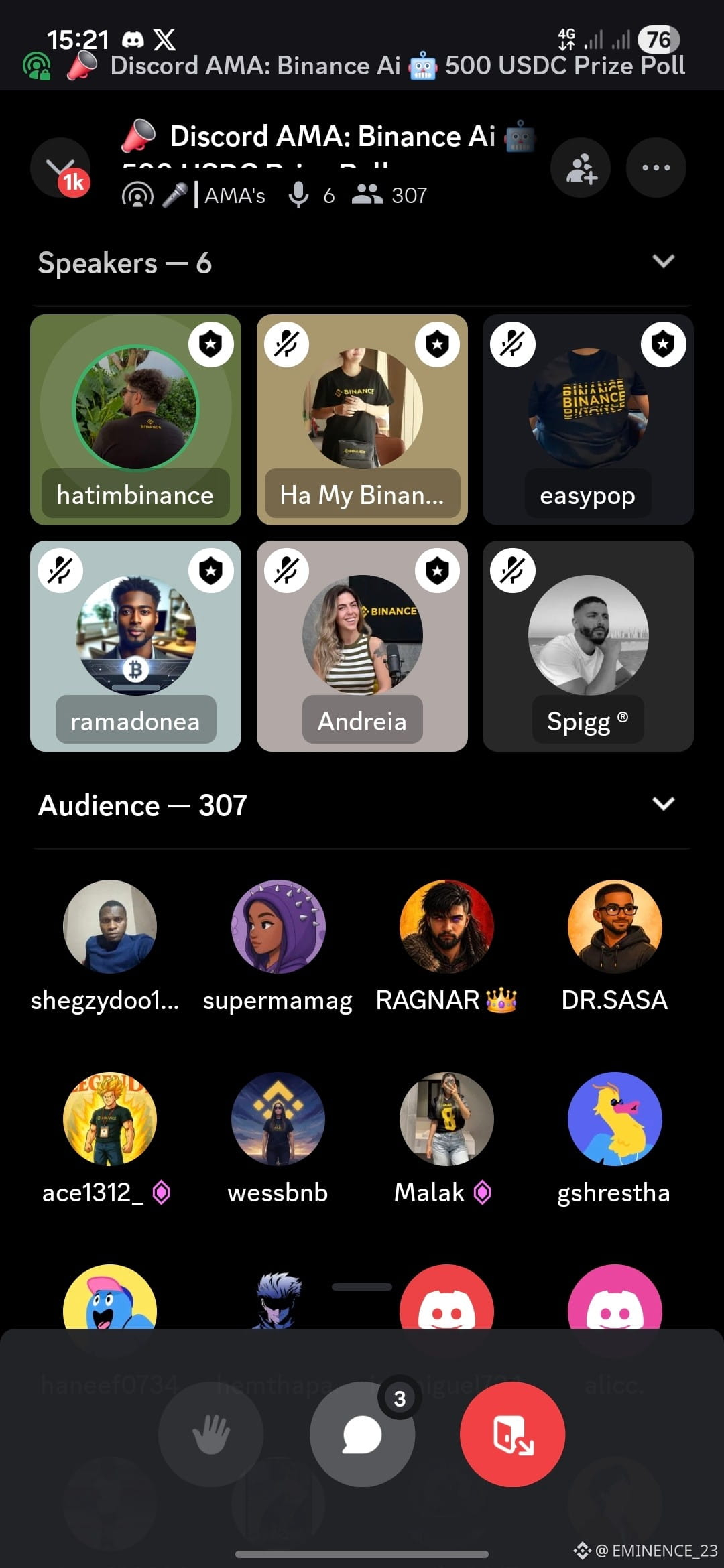
Just wrapped up the Binance AI AMA; here’s what actually matters:
Binance is clearly moving beyond simple trading platforms into intelligent ecosystems.
🔹 Binance AI is about automation + decision support — reducing emotional trading and improving execution quality.
🔹 Pro tools are evolving toward more data-driven strategies, not just indicators but actionable insights.
🔹 Agentic Wallets are the real game changer: wallets that can act on your behalf (execute, optimize, interact with protocols autonomously).
Key takeaway:
We’re shifting from manual trading → assisted trading → autonomous finance.
This isn’t just a feature update, it’s a structural shift in how users interact with crypto.
Excited to see how this impacts retail vs pro traders in the next cycle.
Join the binance discord : https://discord.com/invite/binanceofficial
#BinanceAI
Just wrapped up the Binance AI AMA; here’s what actually matters:
Binance is clearly moving beyond simple trading platforms into intelligent ecosystems.
🔹 Binance AI is about automation + decision support — reducing emotional trading and improving execution quality.
🔹 Pro tools are evolving toward more data-driven strategies, not just indicators but actionable insights.
🔹 Agentic Wallets are the real game changer: wallets that can act on your behalf (execute, optimize, interact with protocols autonomously).
Key takeaway:
We’re shifting from manual trading → assisted trading → autonomous finance.
This isn’t just a feature update, it’s a structural shift in how users interact with crypto.
Excited to see how this impacts retail vs pro traders in the next cycle.
Join the binance discord : https://discord.com/invite/binanceofficial
#BinanceAI
Binance is clearly moving beyond simple trading platforms into intelligent ecosystems.
🔹 Binance AI is about automation + decision support — reducing emotional trading and improving execution quality.
🔹 Pro tools are evolving toward more data-driven strategies, not just indicators but actionable insights.
🔹 Agentic Wallets are the real game changer: wallets that can act on your behalf (execute, optimize, interact with protocols autonomously).
Key takeaway:
We’re shifting from manual trading → assisted trading → autonomous finance.
This isn’t just a feature update, it’s a structural shift in how users interact with crypto.
Excited to see how this impacts retail vs pro traders in the next cycle.
Join the binance discord : https://discord.com/invite/binanceofficial
#BinanceAI
196
·
--
Let's goooooo guys
Let's goooooo guys


Binance TG Community
·
--
Bullish#BinanceSquareTG Earth day GIVEAWAY 🌱 … it’s time to log off and touch some grass. To enjoy, we’re giving away $10 $USDC to 100 winners. Total prize pool $ 1000
🔸 Follow @Binance TG Community ( Square )
🔸 Like this post and repost
🔸 Post a pic of you touching grass 🌿 and comment #BinanceSquareTG
🔸Proof required. No grass = no win. Go outside. We’ll wait.
🔸 Fill out the survey and see T&C : click here
Top 100 responses win. Creativity counts. Let your voice lead the celebration. 🌿🌿🌿 Good luck
🔸 Follow @Binance TG Community ( Square )
🔸 Like this post and repost
🔸 Post a pic of you touching grass 🌿 and comment #BinanceSquareTG
🔸Proof required. No grass = no win. Go outside. We’ll wait.
🔸 Fill out the survey and see T&C : click here
Top 100 responses win. Creativity counts. Let your voice lead the celebration. 🌿🌿🌿 Good luck

16
·
--
Bullish
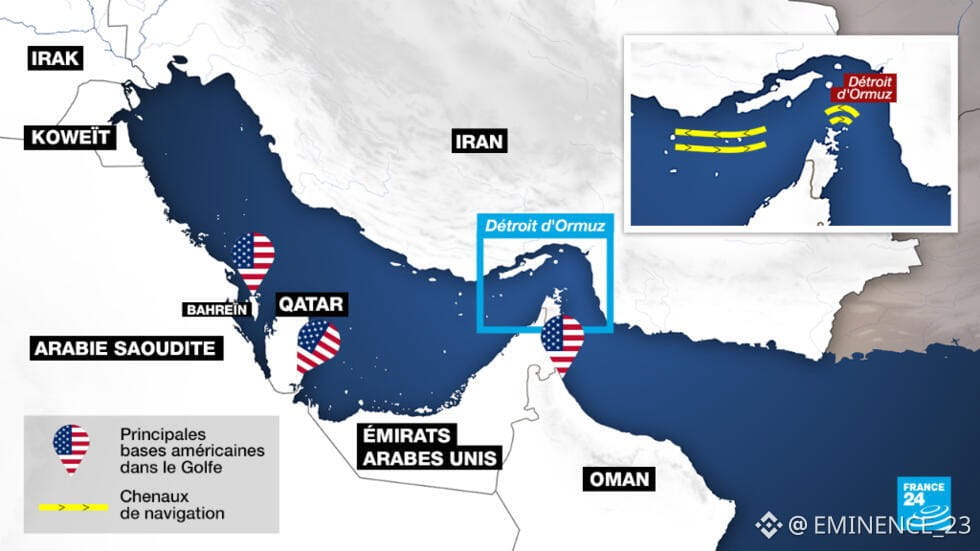
Strait of Hormuz Crisis — Real-Time Market Impact
The situation is escalating fast: after the collapse of US–Iran talks, a naval blockade has been launched, triggering an immediate shock across global markets. Oil just surged above $100, with physical barrels approaching $150, while global equities are turning risk-off and volatility is rising sharply. This isn’t just geopolitics, it’s a direct disruption of a route that carries ~20% of global oil supply, meaning inflation pressure and supply chain stress are now back at the center of the macro landscape.
Crypto is already reacting and this is the key takeaway: Bitcoin dropped toward $70K as oil spiked and markets shifted into panic mode, confirming that crypto still behaves like a risk asset during liquidity shocks. Short term, this is bearish (inflation ↑, rates ↑, liquidity ↓). But structurally, this crisis is accelerating a deeper shift: geopolitical fragmentation, sanctions, and even early signs of oil-related transactions using crypto rails are reinforcing the long-term thesis of Bitcoin as a neutral financial system.
$BTC #US-IranTalksFailToReachAgreement
Strait of Hormuz Crisis — Real-Time Market Impact
The situation is escalating fast: after the collapse of US–Iran talks, a naval blockade has been launched, triggering an immediate shock across global markets. Oil just surged above $100, with physical barrels approaching $150, while global equities are turning risk-off and volatility is rising sharply. This isn’t just geopolitics, it’s a direct disruption of a route that carries ~20% of global oil supply, meaning inflation pressure and supply chain stress are now back at the center of the macro landscape.
Crypto is already reacting and this is the key takeaway: Bitcoin dropped toward $70K as oil spiked and markets shifted into panic mode, confirming that crypto still behaves like a risk asset during liquidity shocks. Short term, this is bearish (inflation ↑, rates ↑, liquidity ↓). But structurally, this crisis is accelerating a deeper shift: geopolitical fragmentation, sanctions, and even early signs of oil-related transactions using crypto rails are reinforcing the long-term thesis of Bitcoin as a neutral financial system.
$BTC #US-IranTalksFailToReachAgreement
The situation is escalating fast: after the collapse of US–Iran talks, a naval blockade has been launched, triggering an immediate shock across global markets. Oil just surged above $100, with physical barrels approaching $150, while global equities are turning risk-off and volatility is rising sharply. This isn’t just geopolitics, it’s a direct disruption of a route that carries ~20% of global oil supply, meaning inflation pressure and supply chain stress are now back at the center of the macro landscape.
Crypto is already reacting and this is the key takeaway: Bitcoin dropped toward $70K as oil spiked and markets shifted into panic mode, confirming that crypto still behaves like a risk asset during liquidity shocks. Short term, this is bearish (inflation ↑, rates ↑, liquidity ↓). But structurally, this crisis is accelerating a deeper shift: geopolitical fragmentation, sanctions, and even early signs of oil-related transactions using crypto rails are reinforcing the long-term thesis of Bitcoin as a neutral financial system.
$BTC #US-IranTalksFailToReachAgreement
28
·
--
let's goooooo
let's goooooo

Binance Angels
·
--
We’re 200K strong. Now we want to hear from you.🎉
Tell us ✨What your favorite Binance product is and why you would recommend it to a new Binancian ? 💛 and win your share of $2000 in USDC. Use #BinanceSquareTG
🔸 Follow @BinanceAngel square account
🔸 Like this post and repost
🔸 Comment/post: ✨What your favorite #Binance product is and why you would recommend it to a new Binancian ?
🔸 Fill out the survey: here
Top 200 responses win. Creativity counts. Let your voice lead the celebration. 😇
$BNB
Tell us ✨What your favorite Binance product is and why you would recommend it to a new Binancian ? 💛 and win your share of $2000 in USDC. Use #BinanceSquareTG
🔸 Follow @BinanceAngel square account
🔸 Like this post and repost
🔸 Comment/post: ✨What your favorite #Binance product is and why you would recommend it to a new Binancian ?
🔸 Fill out the survey: here
Top 200 responses win. Creativity counts. Let your voice lead the celebration. 😇
$BNB
19
·
--
Article
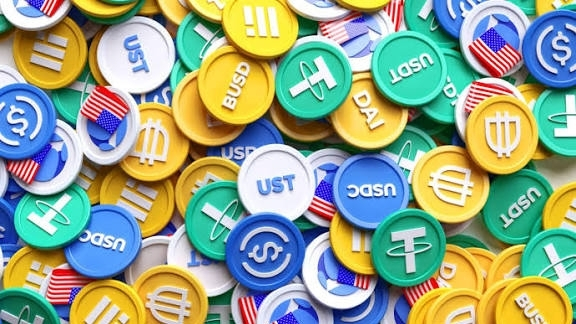
Stablecoins: Anatomy, Regulation and Future of Digital MoneyStablecoins are digital assets engineered to preserve a stable value, typically pegged to a fiat currency such as the US dollar. Their core purpose is to inject price stability into a highly volatile crypto ecosystem.
Why are they essential?
Stablecoins act as the “digital dollar” of crypto infrastructure. They are the plumbing that enables:
Trading (quoted pairs)Payments and cross-border transfersOn-chain liquidityDecentralized finance (DeFi)Corporate treasury use
The Four Major Types of Stablecoins
A. Fiat-backed Stablecoins
Principle: Each token is backed 1:1 by reserves in traditional currencies (cash, bank deposits, short-term government securities).
Examples major players: USDT (Tether) – the largest by market cap and widely present on exchanges; USDC (Circle) – known for stronger transparency and regulatory posture; EUROe (Membrane Finance) – an early euro stablecoin under MiCA; EURC (Circle) – Circle’s euro product.
Parity maintenance: arbitrage enforces the peg:
If price < $1 → traders buy on market and redeem with issuer for $1 (profit capture)
If price > $1 → traders mint at $1 and sell on market This arbitrage loop holds only if the issuer honor redemptions.
B. Crypto-collateralized Stablecoins
Principle: Users lock crypto collateral (ETH, BTC, etc.) in smart contracts to mint stablecoins; over-collateralization (e.g., 150%+) absorbs volatility.
Examples: DAI (MakerDAO) – the best known, collateralized by ETH, USDC and other assets; LUSD (Liquity) – interest-free, ETH collateral only.
Parity maintenance: liquidations and arbitrage. If collateral value falls, liquidation bots sell collateral to cover debt; if stablecoin < $1, borrowers can repay debt and burn tokens, shrinking supply.
Advantage: on-chain transparency and decentralization.
Drawback: capital-inefficient due to required over-collateralization.
C. Commodity-backed Stablecoins
Principle: Backed by physical assets (e.g., gold).
Examples: PAXG (Paxos Gold) – token representing one troy ounce of fine gold; XAUT (Tether Gold).
Mechanics: tokens represent legal claim on stored bullion; redemptions in physical gold typically require high minimums. Use case: on-chain exposure to commodities without custody logistics.
D. Algorithmic Stablecoins (No or Minimal Collateral)
Principle: Supply is programmatically adjusted to target the peg.
Mechanics:
If price < $1 → protocol reduces supply (burn) to increase scarcity
If price > $1 → protocol mints to dilute value
Examples and cautionary cases: FRAX (hybrid model), the collapse of UST/LUNA (Terra), and rebasing tokens like AMPL.
Why they often fail: reflexivity. Loss of confidence triggers selling; the protocol expands supply to prop the peg, which can accelerate the collapse — the so-called “death spiral.”
2. Risks and Failure Modes
Reserve opacity or poor custody (fiat-backed risk)
Collateral volatility and liquidation cascades (crypto-backed risk)
Governance failure, oracle manipulation, smart-contract bugs
Run risk and contagion for algorithmic models
Regulatory and counterparty risk (banking relationships, reserve rehypothecation)
3. Regulatory Focus: MiCA in Europe
The Markets in Crypto-Assets (MiCA) framework, effective 2025, is the most comprehensive global regime for stablecoins. It separates two main categories and imposes strict requirements.
Categories & requirements
EMT (e-money token / fiat-backed):
1:1 backing with high-quality liquid assets (cash, bank deposits, short-term sovereign debt)
Prohibition on lending or rehypothecation of reserves
Minimum own funds for issuers; ring-fencing of reserves in insolvency
Redemption at par at any time, no exit fees, defined timelines
Monthly disclosure of reserve composition; annual audit; detailed whitepaper
ART / crypto-backed types:
Additional stress tests and limits on reserve diversification
Stronger governance and liquidity controls
Systemic designation
Stablecoins that are large, widely held, or deeply interconnected can be labeled “significant,” triggering direct supervision by the EBA (European Banking Authority) and higher capital, resilience and audit standards.
Market impact
MiCA tightens the operating environment for issuers targeting EU users. Non-compliant issuers risk market exclusion; the regime favors bank-like, transparent stablecoins and should increase institutional confidence.
4. Stablecoin Use Cases
Exchange liquidity and quoted trading pairs
On-chain payments and settlement rails
Cross-border corporate treasury and stable value transfer
DeFi primitives: lending, AMMs, yield strategies
Programmable cash for tokenized finance
5. Design Trade-Offs
Centralization vs. decentralization (efficiency, regulatory compliance)
Capital efficiency vs. resilience (algorithmic models vs. collateralization)
Transparency vs. operational complexity (on-chain proofs vs. off-chain reserves)
Conclusion
Stablecoins are the invisible infrastructure of crypto finance. The sector has evolved from risky algorithmic experiments toward designs that prioritize resilience, transparency, and compliance. With MiCA in force, regulated fiat-backed stablecoins will likely become the institutional bridge between traditional finance and blockchain rails. For traders and treasury managers, mastering stablecoin mechanics is a non-negotiable requirement: it underpins liquidity, custody risk, and platform stability (e.g., Binance).
#StablecoinRevolution
Stablecoins: Anatomy, Regulation and Future of Digital Money
Stablecoins are digital assets engineered to preserve a stable value, typically pegged to a fiat currency such as the US dollar. Their core purpose is to inject price stability into a highly volatile crypto ecosystem.
Why are they essential?
Stablecoins act as the “digital dollar” of crypto infrastructure. They are the plumbing that enables:
Trading (quoted pairs)Payments and cross-border transfersOn-chain liquidityDecentralized finance (DeFi)Corporate treasury use
The Four Major Types of Stablecoins
A. Fiat-backed Stablecoins
Principle: Each token is backed 1:1 by reserves in traditional currencies (cash, bank deposits, short-term government securities).
Examples major players: USDT (Tether) – the largest by market cap and widely present on exchanges; USDC (Circle) – known for stronger transparency and regulatory posture; EUROe (Membrane Finance) – an early euro stablecoin under MiCA; EURC (Circle) – Circle’s euro product.
Parity maintenance: arbitrage enforces the peg:
If price < $1 → traders buy on market and redeem with issuer for $1 (profit capture)
If price > $1 → traders mint at $1 and sell on market This arbitrage loop holds only if the issuer honor redemptions.
B. Crypto-collateralized Stablecoins
Principle: Users lock crypto collateral (ETH, BTC, etc.) in smart contracts to mint stablecoins; over-collateralization (e.g., 150%+) absorbs volatility.
Examples: DAI (MakerDAO) – the best known, collateralized by ETH, USDC and other assets; LUSD (Liquity) – interest-free, ETH collateral only.
Parity maintenance: liquidations and arbitrage. If collateral value falls, liquidation bots sell collateral to cover debt; if stablecoin < $1, borrowers can repay debt and burn tokens, shrinking supply.
Advantage: on-chain transparency and decentralization.
Drawback: capital-inefficient due to required over-collateralization.
C. Commodity-backed Stablecoins
Principle: Backed by physical assets (e.g., gold).
Examples: PAXG (Paxos Gold) – token representing one troy ounce of fine gold; XAUT (Tether Gold).
Mechanics: tokens represent legal claim on stored bullion; redemptions in physical gold typically require high minimums. Use case: on-chain exposure to commodities without custody logistics.
D. Algorithmic Stablecoins (No or Minimal Collateral)
Principle: Supply is programmatically adjusted to target the peg.
Mechanics:
If price < $1 → protocol reduces supply (burn) to increase scarcity
If price > $1 → protocol mints to dilute value
Examples and cautionary cases: FRAX (hybrid model), the collapse of UST/LUNA (Terra), and rebasing tokens like AMPL.
Why they often fail: reflexivity. Loss of confidence triggers selling; the protocol expands supply to prop the peg, which can accelerate the collapse — the so-called “death spiral.”
2. Risks and Failure Modes
Reserve opacity or poor custody (fiat-backed risk)
Collateral volatility and liquidation cascades (crypto-backed risk)
Governance failure, oracle manipulation, smart-contract bugs
Run risk and contagion for algorithmic models
Regulatory and counterparty risk (banking relationships, reserve rehypothecation)
3. Regulatory Focus: MiCA in Europe
The Markets in Crypto-Assets (MiCA) framework, effective 2025, is the most comprehensive global regime for stablecoins. It separates two main categories and imposes strict requirements.
Categories & requirements
EMT (e-money token / fiat-backed):
1:1 backing with high-quality liquid assets (cash, bank deposits, short-term sovereign debt)
Prohibition on lending or rehypothecation of reserves
Minimum own funds for issuers; ring-fencing of reserves in insolvency
Redemption at par at any time, no exit fees, defined timelines
Monthly disclosure of reserve composition; annual audit; detailed whitepaper
ART / crypto-backed types:
Additional stress tests and limits on reserve diversification
Stronger governance and liquidity controls
Systemic designation
Stablecoins that are large, widely held, or deeply interconnected can be labeled “significant,” triggering direct supervision by the EBA (European Banking Authority) and higher capital, resilience and audit standards.
Market impact
MiCA tightens the operating environment for issuers targeting EU users. Non-compliant issuers risk market exclusion; the regime favors bank-like, transparent stablecoins and should increase institutional confidence.
4. Stablecoin Use Cases
Exchange liquidity and quoted trading pairs
On-chain payments and settlement rails
Cross-border corporate treasury and stable value transfer
DeFi primitives: lending, AMMs, yield strategies
Programmable cash for tokenized finance
5. Design Trade-Offs
Centralization vs. decentralization (efficiency, regulatory compliance)
Capital efficiency vs. resilience (algorithmic models vs. collateralization)
Transparency vs. operational complexity (on-chain proofs vs. off-chain reserves)
Conclusion
Stablecoins are the invisible infrastructure of crypto finance. The sector has evolved from risky algorithmic experiments toward designs that prioritize resilience, transparency, and compliance. With MiCA in force, regulated fiat-backed stablecoins will likely become the institutional bridge between traditional finance and blockchain rails. For traders and treasury managers, mastering stablecoin mechanics is a non-negotiable requirement: it underpins liquidity, custody risk, and platform stability (e.g., Binance).
#StablecoinRevolution
Why are they essential?
Stablecoins act as the “digital dollar” of crypto infrastructure. They are the plumbing that enables:
Trading (quoted pairs)Payments and cross-border transfersOn-chain liquidityDecentralized finance (DeFi)Corporate treasury use
The Four Major Types of Stablecoins
A. Fiat-backed Stablecoins
Principle: Each token is backed 1:1 by reserves in traditional currencies (cash, bank deposits, short-term government securities).
Examples major players: USDT (Tether) – the largest by market cap and widely present on exchanges; USDC (Circle) – known for stronger transparency and regulatory posture; EUROe (Membrane Finance) – an early euro stablecoin under MiCA; EURC (Circle) – Circle’s euro product.
Parity maintenance: arbitrage enforces the peg:
If price < $1 → traders buy on market and redeem with issuer for $1 (profit capture)
If price > $1 → traders mint at $1 and sell on market This arbitrage loop holds only if the issuer honor redemptions.
B. Crypto-collateralized Stablecoins
Principle: Users lock crypto collateral (ETH, BTC, etc.) in smart contracts to mint stablecoins; over-collateralization (e.g., 150%+) absorbs volatility.
Examples: DAI (MakerDAO) – the best known, collateralized by ETH, USDC and other assets; LUSD (Liquity) – interest-free, ETH collateral only.
Parity maintenance: liquidations and arbitrage. If collateral value falls, liquidation bots sell collateral to cover debt; if stablecoin < $1, borrowers can repay debt and burn tokens, shrinking supply.
Advantage: on-chain transparency and decentralization.
Drawback: capital-inefficient due to required over-collateralization.
C. Commodity-backed Stablecoins
Principle: Backed by physical assets (e.g., gold).
Examples: PAXG (Paxos Gold) – token representing one troy ounce of fine gold; XAUT (Tether Gold).
Mechanics: tokens represent legal claim on stored bullion; redemptions in physical gold typically require high minimums. Use case: on-chain exposure to commodities without custody logistics.
D. Algorithmic Stablecoins (No or Minimal Collateral)
Principle: Supply is programmatically adjusted to target the peg.
Mechanics:
If price < $1 → protocol reduces supply (burn) to increase scarcity
If price > $1 → protocol mints to dilute value
Examples and cautionary cases: FRAX (hybrid model), the collapse of UST/LUNA (Terra), and rebasing tokens like AMPL.
Why they often fail: reflexivity. Loss of confidence triggers selling; the protocol expands supply to prop the peg, which can accelerate the collapse — the so-called “death spiral.”
2. Risks and Failure Modes
Reserve opacity or poor custody (fiat-backed risk)
Collateral volatility and liquidation cascades (crypto-backed risk)
Governance failure, oracle manipulation, smart-contract bugs
Run risk and contagion for algorithmic models
Regulatory and counterparty risk (banking relationships, reserve rehypothecation)
3. Regulatory Focus: MiCA in Europe
The Markets in Crypto-Assets (MiCA) framework, effective 2025, is the most comprehensive global regime for stablecoins. It separates two main categories and imposes strict requirements.
Categories & requirements
EMT (e-money token / fiat-backed):
1:1 backing with high-quality liquid assets (cash, bank deposits, short-term sovereign debt)
Prohibition on lending or rehypothecation of reserves
Minimum own funds for issuers; ring-fencing of reserves in insolvency
Redemption at par at any time, no exit fees, defined timelines
Monthly disclosure of reserve composition; annual audit; detailed whitepaper
ART / crypto-backed types:
Additional stress tests and limits on reserve diversification
Stronger governance and liquidity controls
Systemic designation
Stablecoins that are large, widely held, or deeply interconnected can be labeled “significant,” triggering direct supervision by the EBA (European Banking Authority) and higher capital, resilience and audit standards.
Market impact
MiCA tightens the operating environment for issuers targeting EU users. Non-compliant issuers risk market exclusion; the regime favors bank-like, transparent stablecoins and should increase institutional confidence.
4. Stablecoin Use Cases
Exchange liquidity and quoted trading pairs
On-chain payments and settlement rails
Cross-border corporate treasury and stable value transfer
DeFi primitives: lending, AMMs, yield strategies
Programmable cash for tokenized finance
5. Design Trade-Offs
Centralization vs. decentralization (efficiency, regulatory compliance)
Capital efficiency vs. resilience (algorithmic models vs. collateralization)
Transparency vs. operational complexity (on-chain proofs vs. off-chain reserves)
Conclusion
Stablecoins are the invisible infrastructure of crypto finance. The sector has evolved from risky algorithmic experiments toward designs that prioritize resilience, transparency, and compliance. With MiCA in force, regulated fiat-backed stablecoins will likely become the institutional bridge between traditional finance and blockchain rails. For traders and treasury managers, mastering stablecoin mechanics is a non-negotiable requirement: it underpins liquidity, custody risk, and platform stability (e.g., Binance).
#StablecoinRevolution
234
·
--
Bullish
Bitcoin: Green Comeback in March?
Bitcoin is holding above $60,000 and even bouncing back despite a tense macro backdrop, including the recent conflict between Iran and the United States. That resilience is a constructive signal.
However, Bitcoin closed February down 15%. Since October 2025, not a single month has ended in positive territory for BTC.
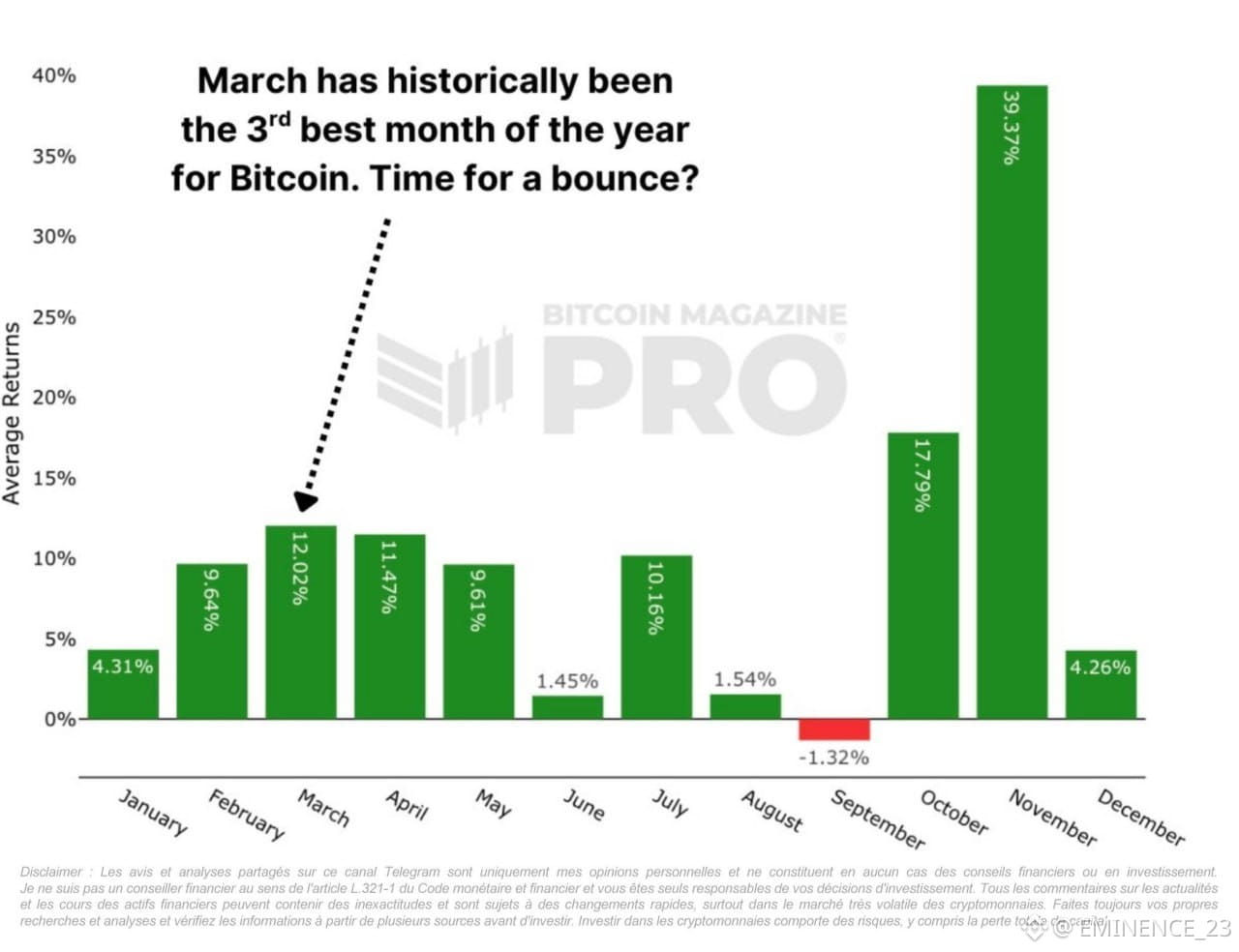
But March could shift momentum. Historically, it’s the third-best performing month of the year for Bitcoin.
On average, March delivers a +12% gain.
The question now: seasonal tailwind$ or another fake breakout?
$BTC
Bitcoin: Green Comeback in March?
Bitcoin is holding above $60,000 and even bouncing back despite a tense macro backdrop, including the recent conflict between Iran and the United States. That resilience is a constructive signal.
However, Bitcoin closed February down 15%. Since October 2025, not a single month has ended in positive territory for BTC.
But March could shift momentum. Historically, it’s the third-best performing month of the year for Bitcoin.
On average, March delivers a +12% gain.
The question now: seasonal tailwind$ or another fake breakout?
$BTC
Bitcoin is holding above $60,000 and even bouncing back despite a tense macro backdrop, including the recent conflict between Iran and the United States. That resilience is a constructive signal.
However, Bitcoin closed February down 15%. Since October 2025, not a single month has ended in positive territory for BTC.
But March could shift momentum. Historically, it’s the third-best performing month of the year for Bitcoin.
On average, March delivers a +12% gain.
The question now: seasonal tailwind$ or another fake breakout?
$BTC
1
1
292
·
--
Bullish
💸 Bitcoin: Don’t Ignore This Signal
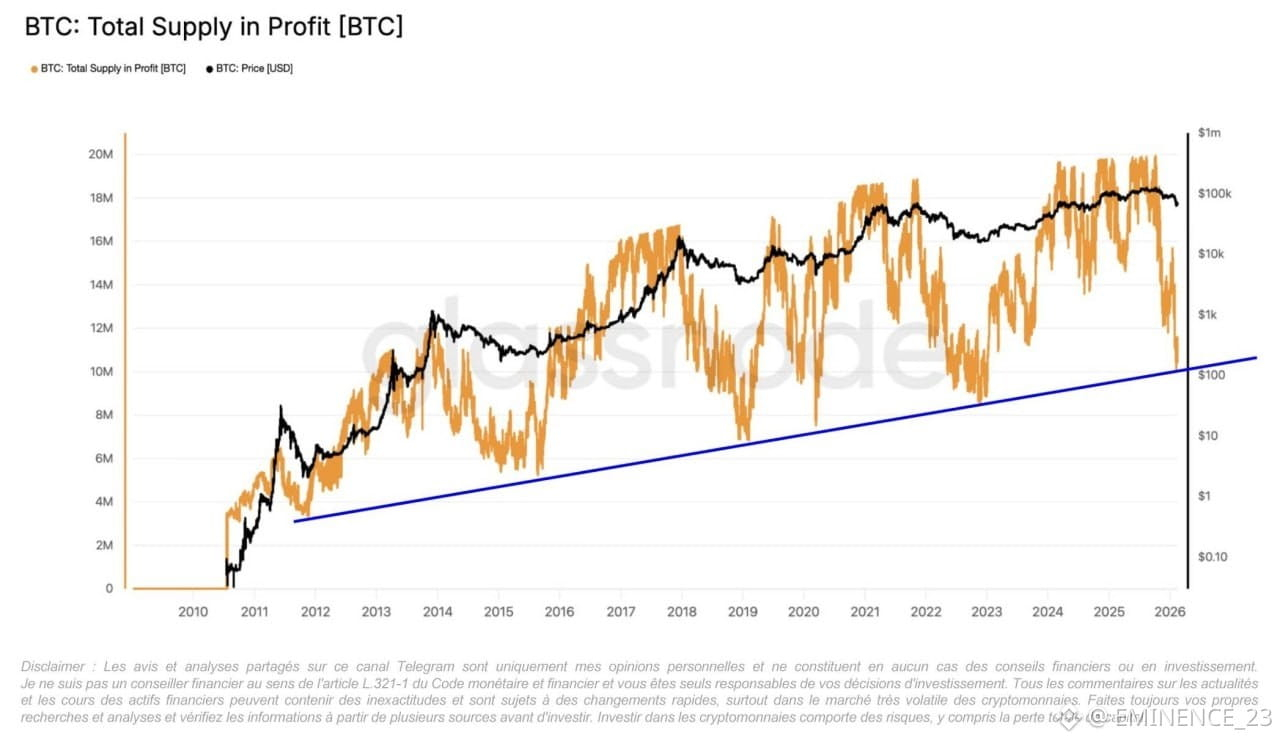
Thanks to blockchain transparency, we can track powerful on-chain metrics — one of the most relevant being the percentage of BTC supply in profit.
📊 Here’s why it matters.
Historically, Bitcoin tends to form a bottom when the “BTC in profit” metric (orange line) revisits its long-term ascending trendline (blue line).
👉 After the recent sharp drop, the amount of BTC in profit has significantly declined. The orange curve is now back near that structural support trendline.
This suggests a potential capitulation phase.
If this metric holds true, Bitcoin could be approaching a macro bottom.
💸 Bitcoin: Don’t Ignore This Signal
Thanks to blockchain transparency, we can track powerful on-chain metrics — one of the most relevant being the percentage of BTC supply in profit.
📊 Here’s why it matters.
Historically, Bitcoin tends to form a bottom when the “BTC in profit” metric (orange line) revisits its long-term ascending trendline (blue line).
👉 After the recent sharp drop, the amount of BTC in profit has significantly declined. The orange curve is now back near that structural support trendline.
This suggests a potential capitulation phase.
If this metric holds true, Bitcoin could be approaching a macro bottom.
Thanks to blockchain transparency, we can track powerful on-chain metrics — one of the most relevant being the percentage of BTC supply in profit.
📊 Here’s why it matters.
Historically, Bitcoin tends to form a bottom when the “BTC in profit” metric (orange line) revisits its long-term ascending trendline (blue line).
👉 After the recent sharp drop, the amount of BTC in profit has significantly declined. The orange curve is now back near that structural support trendline.
This suggests a potential capitulation phase.
If this metric holds true, Bitcoin could be approaching a macro bottom.
41
·
--
🔍 Bottom potential for Bitcoin?
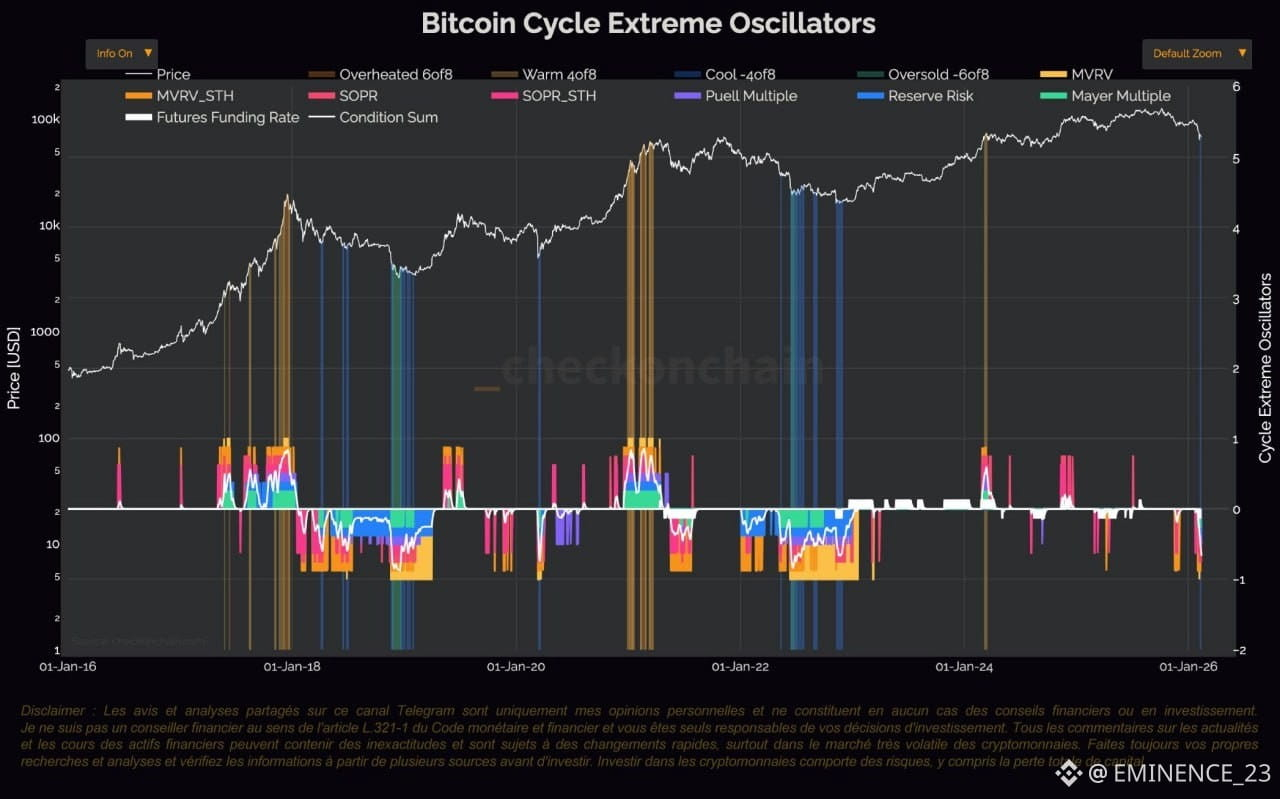
Today's indicator incorporates well-known on-chain metrics such as SOPR, the Puell Multiple, MVRV, and it also uses funding rates, which reflect the sentiment of traders…
👉 The indicator is blue again, signaling that selling pressure is potentially decreasing.
Historically, bottoms (or bounces) form under these conditions!
So, after a bearish phase, is it time for BTC to build a market low?
Tell me what you think right here 👇
🔜 Yes, it seems like the bulls are going to take the advantage = 👍
🔜 No, I think the decline is not over = 😱
🔍 Bottom potential for Bitcoin?
Today's indicator incorporates well-known on-chain metrics such as SOPR, the Puell Multiple, MVRV, and it also uses funding rates, which reflect the sentiment of traders…
👉 The indicator is blue again, signaling that selling pressure is potentially decreasing.
Historically, bottoms (or bounces) form under these conditions!
So, after a bearish phase, is it time for BTC to build a market low?
Tell me what you think right here 👇
🔜 Yes, it seems like the bulls are going to take the advantage = 👍
🔜 No, I think the decline is not over = 😱
Today's indicator incorporates well-known on-chain metrics such as SOPR, the Puell Multiple, MVRV, and it also uses funding rates, which reflect the sentiment of traders…
👉 The indicator is blue again, signaling that selling pressure is potentially decreasing.
Historically, bottoms (or bounces) form under these conditions!
So, after a bearish phase, is it time for BTC to build a market low?
Tell me what you think right here 👇
🔜 Yes, it seems like the bulls are going to take the advantage = 👍
🔜 No, I think the decline is not over = 😱
98
·
--
Bearish
Bitcoin: bottom in this zone?
The price of Bitcoin has decreased by about 50% since the peak marked around $126,000.
But after this drop, has Bitcoin finally completed its correction?
According to data from Alphractal, there is no solid support around $60,000...
As in 2022, the price of $BTC could build a bottom around these key levels:
👉 realized price at $55,000
👉 investor price at $50,000
👉 CVDD at $49,000
👉 LTH realized price at $44,000
If BTC replicates the pattern of 2022, we should be close to a bottom!
Bitcoin: bottom in this zone?
The price of Bitcoin has decreased by about 50% since the peak marked around $126,000.
But after this drop, has Bitcoin finally completed its correction?
According to data from Alphractal, there is no solid support around $60,000...
As in 2022, the price of $BTC could build a bottom around these key levels:
👉 realized price at $55,000
👉 investor price at $50,000
👉 CVDD at $49,000
👉 LTH realized price at $44,000
If BTC replicates the pattern of 2022, we should be close to a bottom!
The price of Bitcoin has decreased by about 50% since the peak marked around $126,000.
But after this drop, has Bitcoin finally completed its correction?
According to data from Alphractal, there is no solid support around $60,000...
As in 2022, the price of $BTC could build a bottom around these key levels:
👉 realized price at $55,000
👉 investor price at $50,000
👉 CVDD at $49,000
👉 LTH realized price at $44,000
If BTC replicates the pattern of 2022, we should be close to a bottom!
84
Log in to explore more content
Join global crypto users on Binance Square
⚡️ Get latest and useful information about crypto.
💬 Trusted by the world’s largest crypto exchange.
👍 Discover real insights from verified creators.
Email / Phone number