

Crypto Miners
1.1k Posts

Crypto Miners
Report
Block User
Bridging information and opportunity | Real-time crypto news, market insights, and industry coverage | Not financial advice | Stacking $BTC $ETH #BNB $TON $SOL

Macro KOL

BNB Holder
Occasional Trader
5.6 Years
127 Following
13.9K+ Followers
38.4K+ Liked
1 Badges
Posts
All
Quotes
Videos
PINNED
Partly True
We feel like most people still see #Binance as just a crypto exchange… but that take already feels kinda outdated.
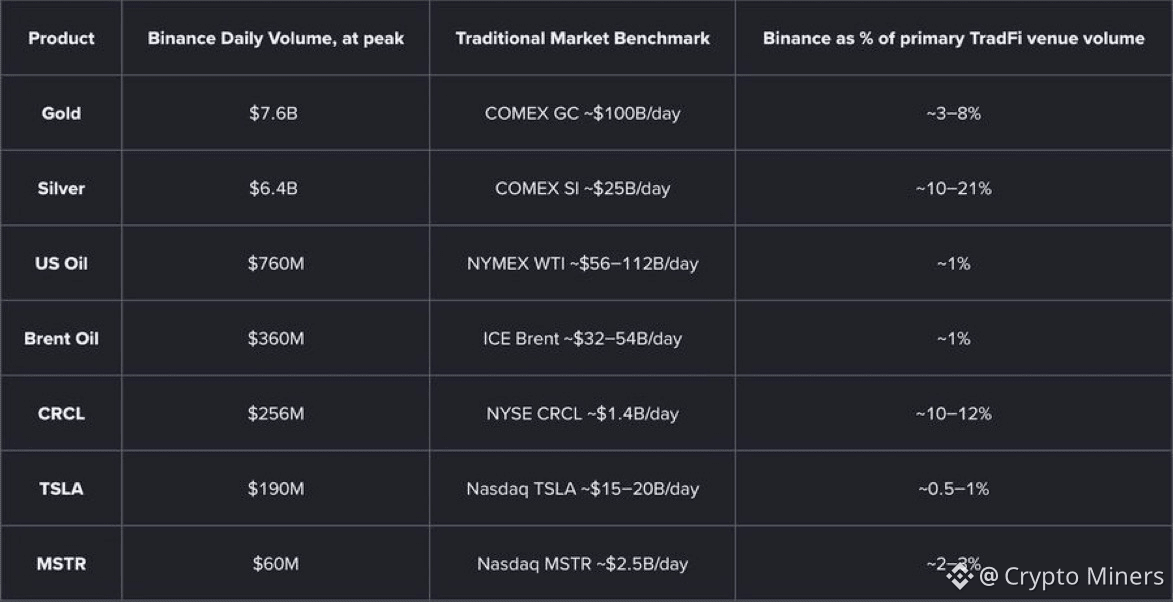
Like, in just 90 days, it went from basically zero to doing around $7.6B daily in gold and $6.4B in silver. That’s not normal growth, that’s the kind of shift where you start asking where price discovery is actually happening now.
And the crazy part is, those numbers aren’t small in a “crypto” sense, they’re big even compared to traditional exchanges. It’s already doing multiples of places like MCX, DGCX, TOCOM, and even touching a noticeable share of SHFE. At that point, it’s not experimenting with TradFi… it’s operating at that level.
But what really clicked for us is the 24/7 angle.
News breaks at random times. Weekends, late nights, whenever. Traditional markets just… wait. But here, people are already trading, already reacting, already setting expectations before those markets even open. That kind of changes how everything gets priced globally.
And then you realize it’s not just about one asset anymore.
You’ve got crypto, gold, silver, oil, even equities, all sitting in the same place. No jumping between platforms, no fragmented setups. Just one continuous market where you can actually think in terms of a full portfolio instead of isolated trades.
Plus there’s this whole CeFi + DeFi overlap happening in the background. Liquid markets on one side, on-chain RWAs growing fast on the other. That combo of liquidity + programmability is kinda new if you think about how TradFi usually works.
Feels like the line between crypto and traditional finance isn’t something that’s coming later… it’s already getting blurry.
Anyway, worth paying attention to.
Trade the world, 24/7.
We feel like most people still see #Binance as just a crypto exchange… but that take already feels kinda outdated.
Like, in just 90 days, it went from basically zero to doing around $7.6B daily in gold and $6.4B in silver. That’s not normal growth, that’s the kind of shift where you start asking where price discovery is actually happening now.
And the crazy part is, those numbers aren’t small in a “crypto” sense, they’re big even compared to traditional exchanges. It’s already doing multiples of places like MCX, DGCX, TOCOM, and even touching a noticeable share of SHFE. At that point, it’s not experimenting with TradFi… it’s operating at that level.
But what really clicked for us is the 24/7 angle.
News breaks at random times. Weekends, late nights, whenever. Traditional markets just… wait. But here, people are already trading, already reacting, already setting expectations before those markets even open. That kind of changes how everything gets priced globally.
And then you realize it’s not just about one asset anymore.
You’ve got crypto, gold, silver, oil, even equities, all sitting in the same place. No jumping between platforms, no fragmented setups. Just one continuous market where you can actually think in terms of a full portfolio instead of isolated trades.
Plus there’s this whole CeFi + DeFi overlap happening in the background. Liquid markets on one side, on-chain RWAs growing fast on the other. That combo of liquidity + programmability is kinda new if you think about how TradFi usually works.
Feels like the line between crypto and traditional finance isn’t something that’s coming later… it’s already getting blurry.
Anyway, worth paying attention to.
Trade the world, 24/7.
Like, in just 90 days, it went from basically zero to doing around $7.6B daily in gold and $6.4B in silver. That’s not normal growth, that’s the kind of shift where you start asking where price discovery is actually happening now.
And the crazy part is, those numbers aren’t small in a “crypto” sense, they’re big even compared to traditional exchanges. It’s already doing multiples of places like MCX, DGCX, TOCOM, and even touching a noticeable share of SHFE. At that point, it’s not experimenting with TradFi… it’s operating at that level.
But what really clicked for us is the 24/7 angle.
News breaks at random times. Weekends, late nights, whenever. Traditional markets just… wait. But here, people are already trading, already reacting, already setting expectations before those markets even open. That kind of changes how everything gets priced globally.
And then you realize it’s not just about one asset anymore.
You’ve got crypto, gold, silver, oil, even equities, all sitting in the same place. No jumping between platforms, no fragmented setups. Just one continuous market where you can actually think in terms of a full portfolio instead of isolated trades.
Plus there’s this whole CeFi + DeFi overlap happening in the background. Liquid markets on one side, on-chain RWAs growing fast on the other. That combo of liquidity + programmability is kinda new if you think about how TradFi usually works.
Feels like the line between crypto and traditional finance isn’t something that’s coming later… it’s already getting blurry.
Anyway, worth paying attention to.
Trade the world, 24/7.
14
3
126
36.9k
PINNED

Article
Binance Feed - A Comprehensive Crypto News AggregatorBinance Feed - A Comprehensive Crypto News Aggregator
If you're a crypto enthusiast, staying up to date with the latest news and updates in the industry is crucial. That's where Binance Feed comes in - a comprehensive news aggregator that covers everything from market analysis to project updates.
Here are some key features and benefits of Binance Feed: Personalized News Feed - You can customize your news feed by selecting the topics you're interested in, such as Bitcoin, DeFi, or NFTs. This ensures that you only see the news that matters to you.
Real-Time Updates - Binance Feed is updated in real-time, so you'll never miss out on breaking news or market movements.
Reliable Sources - Binance Feed sources its news from reputable and reliable sources in the industry, so you can trust the information you're getting.02:38 PM
Multilingual Support - Binance Feed supports multiple languages, including English, Chinese, Spanish, and more, making it accessible to a global audience.02:38 PM
Community Engagement - Binance Feed allows users to engage with the news by commenting and sharing their thoughts. This creates a community-driven platform where users can share insights and opinions.02:38 PM
Mobile App - Binance Feed is available as a mobile app, so you can stay up to date on the go.02:39 PM
Whether you're a seasoned trader or just starting out in the crypto world, Binance Feed is an invaluable tool for staying informed and making informed decisions. So, if you haven't already, check out Binance Feed today and start customizing your news feed to stay on top of the latest in the crypto world!
Binance Feed - A Comprehensive Crypto News Aggregator
Binance Feed - A Comprehensive Crypto News Aggregator
If you're a crypto enthusiast, staying up to date with the latest news and updates in the industry is crucial. That's where Binance Feed comes in - a comprehensive news aggregator that covers everything from market analysis to project updates.
Here are some key features and benefits of Binance Feed: Personalized News Feed - You can customize your news feed by selecting the topics you're interested in, such as Bitcoin, DeFi, or NFTs. This ensures that you only see the news that matters to you.
Real-Time Updates - Binance Feed is updated in real-time, so you'll never miss out on breaking news or market movements.
Reliable Sources - Binance Feed sources its news from reputable and reliable sources in the industry, so you can trust the information you're getting.02:38 PM
Multilingual Support - Binance Feed supports multiple languages, including English, Chinese, Spanish, and more, making it accessible to a global audience.02:38 PM
Community Engagement - Binance Feed allows users to engage with the news by commenting and sharing their thoughts. This creates a community-driven platform where users can share insights and opinions.02:38 PM
Mobile App - Binance Feed is available as a mobile app, so you can stay up to date on the go.02:39 PM
Whether you're a seasoned trader or just starting out in the crypto world, Binance Feed is an invaluable tool for staying informed and making informed decisions. So, if you haven't already, check out Binance Feed today and start customizing your news feed to stay on top of the latest in the crypto world!
If you're a crypto enthusiast, staying up to date with the latest news and updates in the industry is crucial. That's where Binance Feed comes in - a comprehensive news aggregator that covers everything from market analysis to project updates.
Here are some key features and benefits of Binance Feed: Personalized News Feed - You can customize your news feed by selecting the topics you're interested in, such as Bitcoin, DeFi, or NFTs. This ensures that you only see the news that matters to you.
Real-Time Updates - Binance Feed is updated in real-time, so you'll never miss out on breaking news or market movements.
Reliable Sources - Binance Feed sources its news from reputable and reliable sources in the industry, so you can trust the information you're getting.02:38 PM
Multilingual Support - Binance Feed supports multiple languages, including English, Chinese, Spanish, and more, making it accessible to a global audience.02:38 PM
Community Engagement - Binance Feed allows users to engage with the news by commenting and sharing their thoughts. This creates a community-driven platform where users can share insights and opinions.02:38 PM
Mobile App - Binance Feed is available as a mobile app, so you can stay up to date on the go.02:39 PM
Whether you're a seasoned trader or just starting out in the crypto world, Binance Feed is an invaluable tool for staying informed and making informed decisions. So, if you haven't already, check out Binance Feed today and start customizing your news feed to stay on top of the latest in the crypto world!
1
93
1.3k
Verified
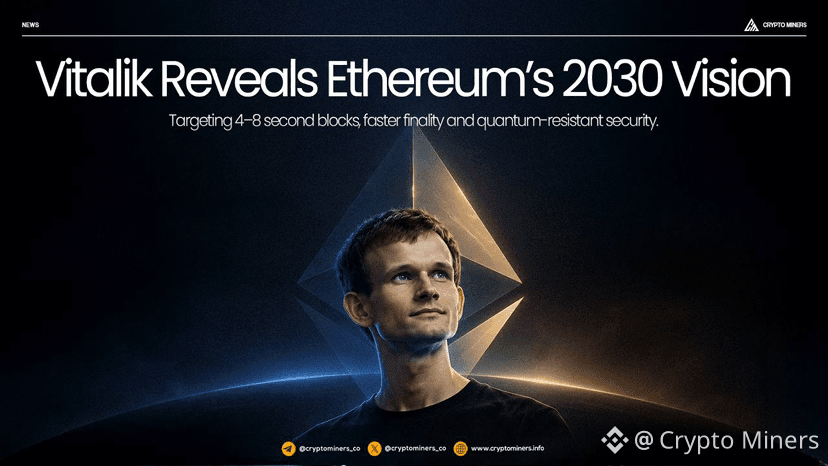
Vitalik Outlines Ethereum’s Roadmap to 2030
Ethereum could reach 4–8 second block slots and 8–32 second finality by 2030, according to Vitalik Buterin.
He says Hegota, planned for 2027, could be Ethereum’s last conventional fork before the network shifts towards recursive STARKs, automated formal verification and quantum-resistant cryptography.
The roadmap also includes using cryptographic proofs and PeerDAS to reduce how much data nodes need to download and verify.
“It’s really not just a blockchain anymore,” Buterin said.
Vitalik Outlines Ethereum’s Roadmap to 2030
Ethereum could reach 4–8 second block slots and 8–32 second finality by 2030, according to Vitalik Buterin.
He says Hegota, planned for 2027, could be Ethereum’s last conventional fork before the network shifts towards recursive STARKs, automated formal verification and quantum-resistant cryptography.
The roadmap also includes using cryptographic proofs and PeerDAS to reduce how much data nodes need to download and verify.
“It’s really not just a blockchain anymore,” Buterin said.
Ethereum could reach 4–8 second block slots and 8–32 second finality by 2030, according to Vitalik Buterin.
He says Hegota, planned for 2027, could be Ethereum’s last conventional fork before the network shifts towards recursive STARKs, automated formal verification and quantum-resistant cryptography.
The roadmap also includes using cryptographic proofs and PeerDAS to reduce how much data nodes need to download and verify.
“It’s really not just a blockchain anymore,” Buterin said.
1
6
4.4k
Brazil to Report $10K+ Self-Custody Crypto Transfers
Brazil’s Central Bank will require regulated crypto firms to report virtual asset transfers of $10,000 or more to or from self-custody wallets to Coaf starting October 1, 2026.
The rule is a reporting requirement, not a ban or transaction limit, and applies in both directions between regulated platforms and self-custody wallets.
A separate measure taking effect in January 2027 will allow qualifying transfers to self-custody wallets to be held for up to 24 hours for fraud-risk analysis.
Brazil to Report $10K+ Self-Custody Crypto Transfers
Brazil’s Central Bank will require regulated crypto firms to report virtual asset transfers of $10,000 or more to or from self-custody wallets to Coaf starting October 1, 2026.
The rule is a reporting requirement, not a ban or transaction limit, and applies in both directions between regulated platforms and self-custody wallets.
A separate measure taking effect in January 2027 will allow qualifying transfers to self-custody wallets to be held for up to 24 hours for fraud-risk analysis.
Brazil’s Central Bank will require regulated crypto firms to report virtual asset transfers of $10,000 or more to or from self-custody wallets to Coaf starting October 1, 2026.
The rule is a reporting requirement, not a ban or transaction limit, and applies in both directions between regulated platforms and self-custody wallets.
A separate measure taking effect in January 2027 will allow qualifying transfers to self-custody wallets to be held for up to 24 hours for fraud-risk analysis.

2
219
Everyone’s been talking about bringing real-world assets on-chain, but what happens once they get there?
That’s where things are starting to get interesting.
According to Binance Research, the tokenized RWA market has reached $34.18B, up 85.2% YTD. Tokenized equities alone have grown 390.4%, while bond and money-market funds now account for $18.29B.
And despite all that growth, only around 0.01% of the underlying traditional markets have been tokenized.
But putting more assets on-chain is only half the story. The other half is getting people to actually use them.
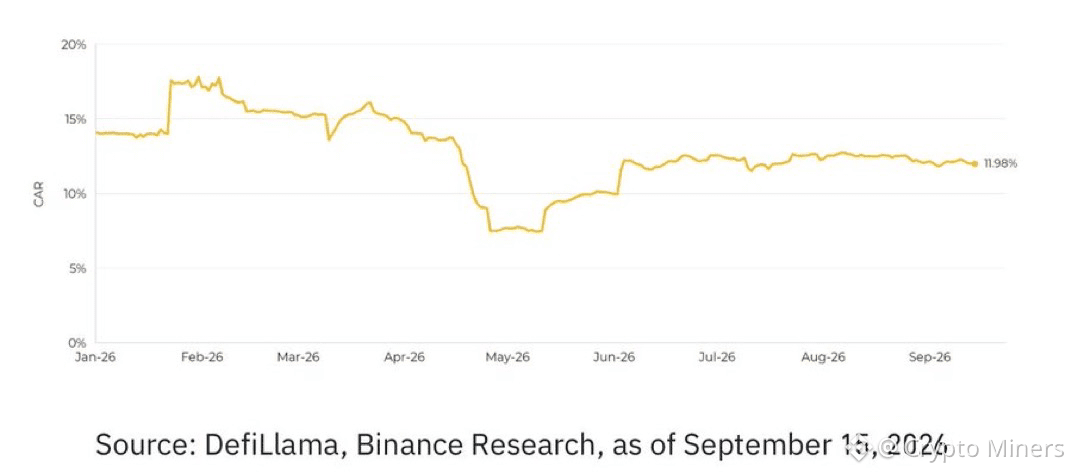
Binance Research introduces two metrics to track this shift. PAR measures how much of a market has been tokenized, while CAR measures how much of that capital is being used in on-chain financial applications.
Right now, the overall capital activation rate is around 12%. In other words, only about $12 out of every $100 in tracked tokenized assets is being put to work.
Tokenized equities are already showing signs of change.
Their activation rate has risen from 1.95% to 7.54% YTD. Of the equity value deployed in DeFi, 65.4% is in liquidity pools and another 28.1% is in lending.
And the potential impact of higher utilization is worth looking at.
Under Binance Research’s base scenario for 2030, around $349B in equities could be tokenized. At a 10% activation rate, that translates to $34.94B in deployed capital.
Increase that rate to 20%, and deployed capital nearly doubles to $69.87B without bringing any additional assets on-chain.
That’s what makes this next phase of RWA interesting.
It’s no longer just about how many assets can be tokenized. It’s about how much of that capital can actually be used for trading, lending, liquidity and collateral.
The assets are coming on-chain. Now the focus is shifting to what people can do with them.
Worth reading the full @BinanceResearch report for a closer look at the numbers and what this activation phase could mean for RWA.
Everyone’s been talking about bringing real-world assets on-chain, but what happens once they get there?
That’s where things are starting to get interesting.
According to Binance Research, the tokenized RWA market has reached $34.18B, up 85.2% YTD. Tokenized equities alone have grown 390.4%, while bond and money-market funds now account for $18.29B.
And despite all that growth, only around 0.01% of the underlying traditional markets have been tokenized.
But putting more assets on-chain is only half the story. The other half is getting people to actually use them.
Binance Research introduces two metrics to track this shift. PAR measures how much of a market has been tokenized, while CAR measures how much of that capital is being used in on-chain financial applications.
Right now, the overall capital activation rate is around 12%. In other words, only about $12 out of every $100 in tracked tokenized assets is being put to work.
Tokenized equities are already showing signs of change.
Their activation rate has risen from 1.95% to 7.54% YTD. Of the equity value deployed in DeFi, 65.4% is in liquidity pools and another 28.1% is in lending.
And the potential impact of higher utilization is worth looking at.
Under Binance Research’s base scenario for 2030, around $349B in equities could be tokenized. At a 10% activation rate, that translates to $34.94B in deployed capital.
Increase that rate to 20%, and deployed capital nearly doubles to $69.87B without bringing any additional assets on-chain.
That’s what makes this next phase of RWA interesting.
It’s no longer just about how many assets can be tokenized. It’s about how much of that capital can actually be used for trading, lending, liquidity and collateral.
The assets are coming on-chain. Now the focus is shifting to what people can do with them.
Worth reading the full @BinanceResearch report for a closer look at the numbers and what this activation phase could mean for RWA.
That’s where things are starting to get interesting.
According to Binance Research, the tokenized RWA market has reached $34.18B, up 85.2% YTD. Tokenized equities alone have grown 390.4%, while bond and money-market funds now account for $18.29B.
And despite all that growth, only around 0.01% of the underlying traditional markets have been tokenized.
But putting more assets on-chain is only half the story. The other half is getting people to actually use them.
Binance Research introduces two metrics to track this shift. PAR measures how much of a market has been tokenized, while CAR measures how much of that capital is being used in on-chain financial applications.
Right now, the overall capital activation rate is around 12%. In other words, only about $12 out of every $100 in tracked tokenized assets is being put to work.
Tokenized equities are already showing signs of change.
Their activation rate has risen from 1.95% to 7.54% YTD. Of the equity value deployed in DeFi, 65.4% is in liquidity pools and another 28.1% is in lending.
And the potential impact of higher utilization is worth looking at.
Under Binance Research’s base scenario for 2030, around $349B in equities could be tokenized. At a 10% activation rate, that translates to $34.94B in deployed capital.
Increase that rate to 20%, and deployed capital nearly doubles to $69.87B without bringing any additional assets on-chain.
That’s what makes this next phase of RWA interesting.
It’s no longer just about how many assets can be tokenized. It’s about how much of that capital can actually be used for trading, lending, liquidity and collateral.
The assets are coming on-chain. Now the focus is shifting to what people can do with them.
Worth reading the full @BinanceResearch report for a closer look at the numbers and what this activation phase could mean for RWA.
1
247
Solana Foundation Hires Binance and Polygon Veterans
The Solana Foundation has appointed former Binance executive @RachelConlan as chief strategy officer and former Polygon Labs executive @proofofjamal as general manager of payments.
Conlan will lead institutional partnerships and ecosystem growth, while Raees will work with payment companies and enterprises to expand Solana’s use in global payments.
The appointments come as Solana reports more than $5 trillion in stablecoin transaction volume this year, with real-world assets on the network exceeding $4.5 billion and tokenized equity supply topping $620 million.
The foundation is looking to turn growing institutional interest into real-world adoption, particularly across payments and onchain financial services.
Solana Foundation Hires Binance and Polygon Veterans
The Solana Foundation has appointed former Binance executive @RachelConlan as chief strategy officer and former Polygon Labs executive @proofofjamal as general manager of payments.
Conlan will lead institutional partnerships and ecosystem growth, while Raees will work with payment companies and enterprises to expand Solana’s use in global payments.
The appointments come as Solana reports more than $5 trillion in stablecoin transaction volume this year, with real-world assets on the network exceeding $4.5 billion and tokenized equity supply topping $620 million.
The foundation is looking to turn growing institutional interest into real-world adoption, particularly across payments and onchain financial services.
The Solana Foundation has appointed former Binance executive @RachelConlan as chief strategy officer and former Polygon Labs executive @proofofjamal as general manager of payments.
Conlan will lead institutional partnerships and ecosystem growth, while Raees will work with payment companies and enterprises to expand Solana’s use in global payments.
The appointments come as Solana reports more than $5 trillion in stablecoin transaction volume this year, with real-world assets on the network exceeding $4.5 billion and tokenized equity supply topping $620 million.
The foundation is looking to turn growing institutional interest into real-world adoption, particularly across payments and onchain financial services.

1
144
Binance Buys $100M Stake in Circle
@binance has invested $100 million in @circle as part of a new five-year partnership to expand $USDC adoption across its platform.
Circle issued Binance 1.24 million Class A shares at $80.84 each in a private placement that closed on September 17.
Under the expanded deal, Binance will promote USDC while Circle will pay Binance a monthly incentive fee tied to the amount of USDC held through its Modular Smart Contract Wallet infrastructure.
Binance’s shares are subject to a two-year lock-up, with customary exceptions.
The new agreement replaces the companies’ previous USDC partnerships and is designed to expand access to dollar-based financial services globally.
Binance Buys $100M Stake in Circle
@binance has invested $100 million in @circle as part of a new five-year partnership to expand $USDC adoption across its platform.
Circle issued Binance 1.24 million Class A shares at $80.84 each in a private placement that closed on September 17.
Under the expanded deal, Binance will promote USDC while Circle will pay Binance a monthly incentive fee tied to the amount of USDC held through its Modular Smart Contract Wallet infrastructure.
Binance’s shares are subject to a two-year lock-up, with customary exceptions.
The new agreement replaces the companies’ previous USDC partnerships and is designed to expand access to dollar-based financial services globally.
@binance has invested $100 million in @circle as part of a new five-year partnership to expand $USDC adoption across its platform.
Circle issued Binance 1.24 million Class A shares at $80.84 each in a private placement that closed on September 17.
Under the expanded deal, Binance will promote USDC while Circle will pay Binance a monthly incentive fee tied to the amount of USDC held through its Modular Smart Contract Wallet infrastructure.
Binance’s shares are subject to a two-year lock-up, with customary exceptions.
The new agreement replaces the companies’ previous USDC partnerships and is designed to expand access to dollar-based financial services globally.

1
1
367
Bitcoin is now an option for Toyota buyers in Bolivia.
TOYOSA, Toyota’s official distributor in Bolivia, has added $BTC alongside bolivianos, U.S. dollars and $USDT as a payment option.
BitGo is providing the wallet and custody infrastructure, while Towerbank handles transaction processing.
TOYOSA has accepted USDT since 2025, so Bitcoin is being added to an existing crypto payment setup.
The exact $BTC settlement process hasn’t been disclosed yet, including whether TOYOSA keeps the Bitcoin or converts it.
Bitcoin is now an option for Toyota buyers in Bolivia.
TOYOSA, Toyota’s official distributor in Bolivia, has added $BTC alongside bolivianos, U.S. dollars and $USDT as a payment option.
BitGo is providing the wallet and custody infrastructure, while Towerbank handles transaction processing.
TOYOSA has accepted USDT since 2025, so Bitcoin is being added to an existing crypto payment setup.
The exact $BTC settlement process hasn’t been disclosed yet, including whether TOYOSA keeps the Bitcoin or converts it.
TOYOSA, Toyota’s official distributor in Bolivia, has added $BTC alongside bolivianos, U.S. dollars and $USDT as a payment option.
BitGo is providing the wallet and custody infrastructure, while Towerbank handles transaction processing.
TOYOSA has accepted USDT since 2025, so Bitcoin is being added to an existing crypto payment setup.
The exact $BTC settlement process hasn’t been disclosed yet, including whether TOYOSA keeps the Bitcoin or converts it.

1
378
Apple is hiring for stablecoin expertise
Apple is looking for a Financial Product Strategy Lead for Apple Pay, working with the Apple Card and Apple Cash teams on payment strategy, new products, growth and partnerships.
The job listing mentions stablecoins, tokenized deposits and blockchain technology among the preferred qualifications.
The role pays up to $280,000 in base salary.
This doesn’t mean Apple Pay is getting stablecoins. Apple hasn’t announced any stablecoin support or a tokenized Apple Cash product.
Still, seeing stablecoins listed in a role within Apple’s payments team is pretty interesting.
Apple is hiring for stablecoin expertise
Apple is looking for a Financial Product Strategy Lead for Apple Pay, working with the Apple Card and Apple Cash teams on payment strategy, new products, growth and partnerships.
The job listing mentions stablecoins, tokenized deposits and blockchain technology among the preferred qualifications.
The role pays up to $280,000 in base salary.
This doesn’t mean Apple Pay is getting stablecoins. Apple hasn’t announced any stablecoin support or a tokenized Apple Cash product.
Still, seeing stablecoins listed in a role within Apple’s payments team is pretty interesting.
Apple is looking for a Financial Product Strategy Lead for Apple Pay, working with the Apple Card and Apple Cash teams on payment strategy, new products, growth and partnerships.
The job listing mentions stablecoins, tokenized deposits and blockchain technology among the preferred qualifications.
The role pays up to $280,000 in base salary.
This doesn’t mean Apple Pay is getting stablecoins. Apple hasn’t announced any stablecoin support or a tokenized Apple Cash product.
Still, seeing stablecoins listed in a role within Apple’s payments team is pretty interesting.

1
248
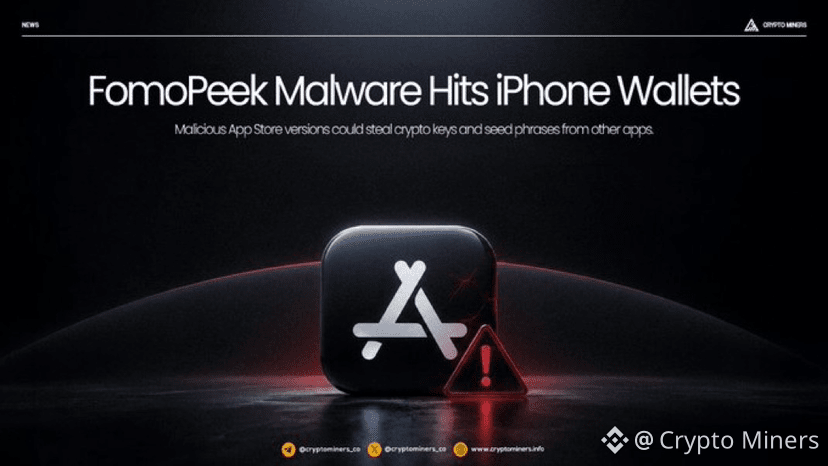
Malicious Crypto App Found on Apple’s App Store
FomoPeek versions 1.1 and 1.2 contained hidden iOS kernel-exploit malware that could escape the sandbox and access private keys, seed phrases and data from other apps.
The app posed as a read-only whale tracker for Solana, Ethereum and TRON. Version 1.0 was clean, while the malware appeared on September 9 and was removed in version 1.3 on September 17.
SlowMist found the malware could target at least 19 wallet and notes apps and remotely upload stolen data. SlowMist and OKX issued an alert on September 19 after reports of multiple victims, with Binance Wallet and Gate also warning users.
Anyone who installed 1.1 or 1.2 should treat their wallet keys and seed phrases as compromised, create a new wallet on a clean device and move remaining assets. Uninstalling the app or updating iOS alone does not undo previous access.
Malicious Crypto App Found on Apple’s App Store
FomoPeek versions 1.1 and 1.2 contained hidden iOS kernel-exploit malware that could escape the sandbox and access private keys, seed phrases and data from other apps.
The app posed as a read-only whale tracker for Solana, Ethereum and TRON. Version 1.0 was clean, while the malware appeared on September 9 and was removed in version 1.3 on September 17.
SlowMist found the malware could target at least 19 wallet and notes apps and remotely upload stolen data. SlowMist and OKX issued an alert on September 19 after reports of multiple victims, with Binance Wallet and Gate also warning users.
Anyone who installed 1.1 or 1.2 should treat their wallet keys and seed phrases as compromised, create a new wallet on a clean device and move remaining assets. Uninstalling the app or updating iOS alone does not undo previous access.
FomoPeek versions 1.1 and 1.2 contained hidden iOS kernel-exploit malware that could escape the sandbox and access private keys, seed phrases and data from other apps.
The app posed as a read-only whale tracker for Solana, Ethereum and TRON. Version 1.0 was clean, while the malware appeared on September 9 and was removed in version 1.3 on September 17.
SlowMist found the malware could target at least 19 wallet and notes apps and remotely upload stolen data. SlowMist and OKX issued an alert on September 19 after reports of multiple victims, with Binance Wallet and Gate also warning users.
Anyone who installed 1.1 or 1.2 should treat their wallet keys and seed phrases as compromised, create a new wallet on a clean device and move remaining assets. Uninstalling the app or updating iOS alone does not undo previous access.
1
214
CFTC Sends Crypto Rules to White House for Review
The CFTC has submitted a crypto market-structure rulemaking package to the White House for review, two days after the CLARITY Act stalled in the Senate.
OIRA received the package, titled “Regulation Crypto Asset Transactions and Regulation Crypto Asset Markets,” on September 17.
It is still at the prerule stage, meaning no proposed rule has been published and the actual text remains private.
The CFTC is moving under its existing Commodity Exchange Act authority, so the rulemaking would not replace CLARITY or give the agency all the additional powers the legislation would have provided.
Next comes OIRA review, followed by a potential CFTC vote, public comment period and eventual final rulemaking.
Until the draft is released, the exact assets, markets and activities it would cover remain unknown.
CFTC Sends Crypto Rules to White House for Review
The CFTC has submitted a crypto market-structure rulemaking package to the White House for review, two days after the CLARITY Act stalled in the Senate.
OIRA received the package, titled “Regulation Crypto Asset Transactions and Regulation Crypto Asset Markets,” on September 17.
It is still at the prerule stage, meaning no proposed rule has been published and the actual text remains private.
The CFTC is moving under its existing Commodity Exchange Act authority, so the rulemaking would not replace CLARITY or give the agency all the additional powers the legislation would have provided.
Next comes OIRA review, followed by a potential CFTC vote, public comment period and eventual final rulemaking.
Until the draft is released, the exact assets, markets and activities it would cover remain unknown.
The CFTC has submitted a crypto market-structure rulemaking package to the White House for review, two days after the CLARITY Act stalled in the Senate.
OIRA received the package, titled “Regulation Crypto Asset Transactions and Regulation Crypto Asset Markets,” on September 17.
It is still at the prerule stage, meaning no proposed rule has been published and the actual text remains private.
The CFTC is moving under its existing Commodity Exchange Act authority, so the rulemaking would not replace CLARITY or give the agency all the additional powers the legislation would have provided.
Next comes OIRA review, followed by a potential CFTC vote, public comment period and eventual final rulemaking.
Until the draft is released, the exact assets, markets and activities it would cover remain unknown.

315
Tokenized equities used to be a simple story about how many stocks are on-chain
that’s not the story anymore
active tokenized equity market cap is up 314% YTD to $4B. trading volume grew 33x from $237M in January to $7.9B in August
turnover went from 0.23x of market cap to 2.14x
the assets aren’t just being issued. they’re being traded
where that activity happens has changed fast too. bStocks and Robinhood went from 0.8% of tracked issuer volume in June to 87.8% in September MTD
$BNB Chain and Robinhood Chain also went from 2.3% of tracked chain volume to 83% in August
and the users aren’t necessarily coming from nowhere
58.5% of early bStocks users had already traded perpetuals or direct equities on Binance. existing trading relationships are becoming the acquisition channel
then comes the utility
DeFi TVL for tokenized equities is up 1,242% YTD to $289.1M. on bStocks, borrowing against collateral rose from 5.5% to 46.2% of deposits
these stocks aren’t just sitting in wallets. they’re being used as collateral, deployed in DeFi and traded against other tokens
stock-paired meme markets also generated around $5.4B across BNB Chain and Robinhood Chain since late July
according to @BinanceResearch, the takeaway is simple
the race is no longer about who tokenizes the most stocks
it’s about who can turn distribution into recurring liquidity and real on-chain use
Binance is already showing what that can look like, with existing users moving from perpetuals and direct equities into bStocks, while tokenized stocks are also being used for borrowing and DeFi
the next phase is making these assets useful beyond simply holding them!
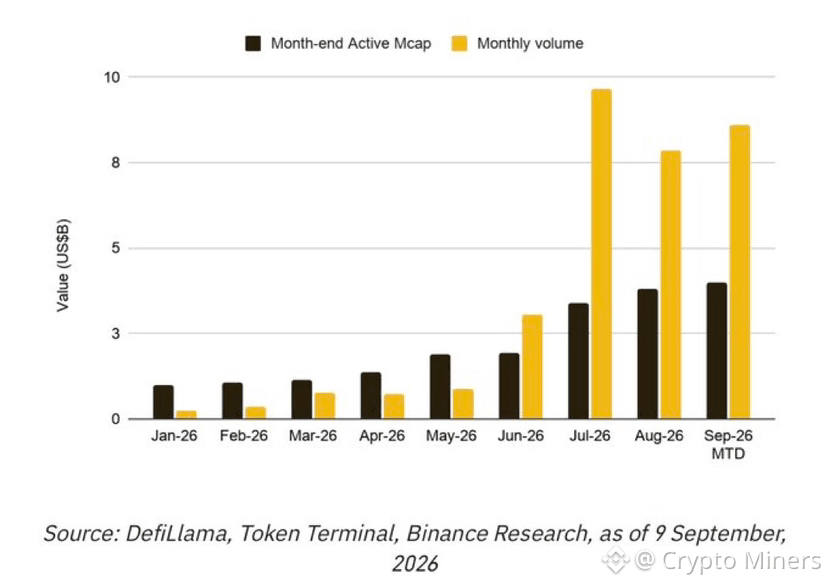
Tokenized equities used to be a simple story about how many stocks are on-chain
that’s not the story anymore
active tokenized equity market cap is up 314% YTD to $4B. trading volume grew 33x from $237M in January to $7.9B in August
turnover went from 0.23x of market cap to 2.14x
the assets aren’t just being issued. they’re being traded
where that activity happens has changed fast too. bStocks and Robinhood went from 0.8% of tracked issuer volume in June to 87.8% in September MTD
$BNB Chain and Robinhood Chain also went from 2.3% of tracked chain volume to 83% in August
and the users aren’t necessarily coming from nowhere
58.5% of early bStocks users had already traded perpetuals or direct equities on Binance. existing trading relationships are becoming the acquisition channel
then comes the utility
DeFi TVL for tokenized equities is up 1,242% YTD to $289.1M. on bStocks, borrowing against collateral rose from 5.5% to 46.2% of deposits
these stocks aren’t just sitting in wallets. they’re being used as collateral, deployed in DeFi and traded against other tokens
stock-paired meme markets also generated around $5.4B across BNB Chain and Robinhood Chain since late July
according to @BinanceResearch, the takeaway is simple
the race is no longer about who tokenizes the most stocks
it’s about who can turn distribution into recurring liquidity and real on-chain use
Binance is already showing what that can look like, with existing users moving from perpetuals and direct equities into bStocks, while tokenized stocks are also being used for borrowing and DeFi
the next phase is making these assets useful beyond simply holding them!
that’s not the story anymore
active tokenized equity market cap is up 314% YTD to $4B. trading volume grew 33x from $237M in January to $7.9B in August
turnover went from 0.23x of market cap to 2.14x
the assets aren’t just being issued. they’re being traded
where that activity happens has changed fast too. bStocks and Robinhood went from 0.8% of tracked issuer volume in June to 87.8% in September MTD
$BNB Chain and Robinhood Chain also went from 2.3% of tracked chain volume to 83% in August
and the users aren’t necessarily coming from nowhere
58.5% of early bStocks users had already traded perpetuals or direct equities on Binance. existing trading relationships are becoming the acquisition channel
then comes the utility
DeFi TVL for tokenized equities is up 1,242% YTD to $289.1M. on bStocks, borrowing against collateral rose from 5.5% to 46.2% of deposits
these stocks aren’t just sitting in wallets. they’re being used as collateral, deployed in DeFi and traded against other tokens
stock-paired meme markets also generated around $5.4B across BNB Chain and Robinhood Chain since late July
according to @BinanceResearch, the takeaway is simple
the race is no longer about who tokenizes the most stocks
it’s about who can turn distribution into recurring liquidity and real on-chain use
Binance is already showing what that can look like, with existing users moving from perpetuals and direct equities into bStocks, while tokenized stocks are also being used for borrowing and DeFi
the next phase is making these assets useful beyond simply holding them!
1
3
416
Vitalik Says AI Could Strengthen Crypto Security
Vitalik Buterin says AI could make crypto security more defense favoring by helping prove that entire programs and code are secure through mathematical verification.
Vitalik said people who continue to hold crypto, including himself with around 90% of his net worth, are effectively betting on this shift in cybersecurity.
He also argued that blockchains, particularly those focused on scalability and privacy, have no long term future without provably secure software.
Vitalik Says AI Could Strengthen Crypto Security
Vitalik Buterin says AI could make crypto security more defense favoring by helping prove that entire programs and code are secure through mathematical verification.
Vitalik said people who continue to hold crypto, including himself with around 90% of his net worth, are effectively betting on this shift in cybersecurity.
He also argued that blockchains, particularly those focused on scalability and privacy, have no long term future without provably secure software.
Vitalik Buterin says AI could make crypto security more defense favoring by helping prove that entire programs and code are secure through mathematical verification.
Vitalik said people who continue to hold crypto, including himself with around 90% of his net worth, are effectively betting on this shift in cybersecurity.
He also argued that blockchains, particularly those focused on scalability and privacy, have no long term future without provably secure software.

2
220
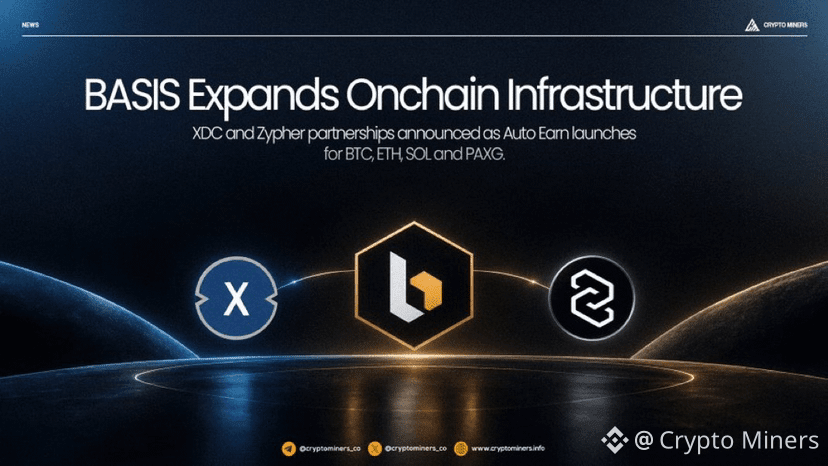
BASIS Expands With XDC and Zypher Partnerships
BASIS has announced a partnership with XDC Network, a collaboration with Zypher DAO and the launch of Auto Earn for $BTC, $ETH, $SOL and $PAXG users.
The XDC partnership will explore stablecoin yield, real-world assets and trade finance, while the Zypher collaboration will focus on verifiable AI, zero-knowledge technology and onchain asset management.
Auto Earn automatically restakes eligible unclaimed staking rewards into users’ existing positions every Monday at 00:00 UTC. It does not create a new position, add a lock-up or change the original maturity date.
The feature is enabled by default and can be turned off in account settings.
BASIS Expands With XDC and Zypher Partnerships
BASIS has announced a partnership with XDC Network, a collaboration with Zypher DAO and the launch of Auto Earn for $BTC, $ETH, $SOL and $PAXG users.
The XDC partnership will explore stablecoin yield, real-world assets and trade finance, while the Zypher collaboration will focus on verifiable AI, zero-knowledge technology and onchain asset management.
Auto Earn automatically restakes eligible unclaimed staking rewards into users’ existing positions every Monday at 00:00 UTC. It does not create a new position, add a lock-up or change the original maturity date.
The feature is enabled by default and can be turned off in account settings.
BASIS has announced a partnership with XDC Network, a collaboration with Zypher DAO and the launch of Auto Earn for $BTC, $ETH, $SOL and $PAXG users.
The XDC partnership will explore stablecoin yield, real-world assets and trade finance, while the Zypher collaboration will focus on verifiable AI, zero-knowledge technology and onchain asset management.
Auto Earn automatically restakes eligible unclaimed staking rewards into users’ existing positions every Monday at 00:00 UTC. It does not create a new position, add a lock-up or change the original maturity date.
The feature is enabled by default and can be turned off in account settings.
1
309
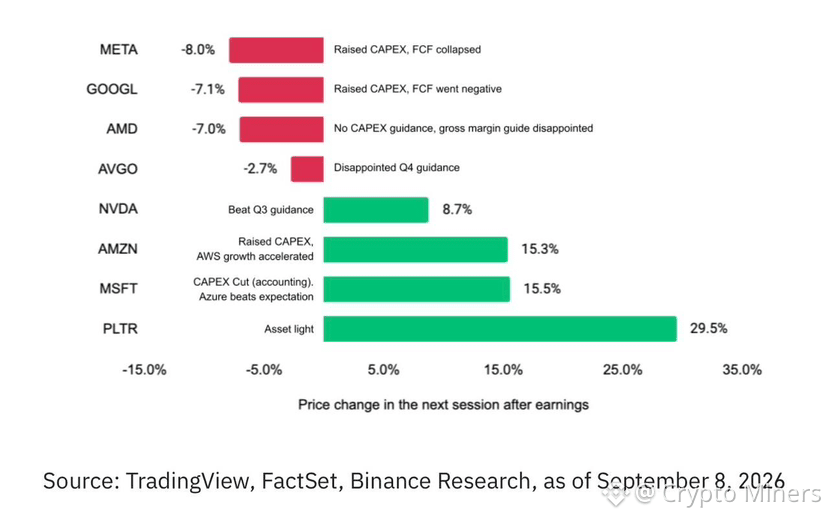
something changed in how the market’s grading AI spending this earnings season, and it’s worth understanding before writing off the next CAPEX headline you see
Alphabet raised its spending guidance and fell 7%, even with cloud growing 82%. a few days later Amazon raised CAPEX to $220B and rose 15%, because AWS reaccelerated to 37%. Microsoft’s commercial backlog hit $678B and it had its biggest one-day gain since 2008
same decision, three different outcomes
so it’s clearly not the spending itself getting punished or rewarded
look at the backdrop and it starts to make sense. CAPEX across the biggest cloud operators is now around 105% of operating cash flow, up from 41% in 2023
the five largest hyperscalers went from +$246B free cash flow in 2024 to roughly -$37B this year, the first negative year of the cycle. debt now funds 32% of that spending, up from just 9%
the market has stopped taking the backlog at face value
Google Cloud is sitting on $514B, Oracle on $638B, but Oracle’s own disclosures show only about 12% converts within 12 months
the demand is real. the timeline just isn’t what the headline number implies
that’s the filter now
not who’s spending the most, but who can prove it turns into revenue
and the trade itself is quietly broadening because of it. the Magnificent Seven’s index weight slipped from 35.3% to 33.2%, while the Russell 2000 is up 19.12% YTD against Nasdaq’s 13.46%
money is spreading into industrials, power and other second-order names instead of piling deeper into the same megacaps
Binance investors were already moving this way. direct equity holders cut hardware exposure from about 16% to under 8% between June and September, shifting into software and capital markets
there’s also a more direct way to position around the theme, with pre-IPO perpetuals on Binance offering exposure to Anthropic and OpenAI
the AI trade is moving into its conversion phase
worth reading the full research if this is a trade you're watching closely, because conversion looks like the thing deciding who wins from here
something changed in how the market’s grading AI spending this earnings season, and it’s worth understanding before writing off the next CAPEX headline you see
Alphabet raised its spending guidance and fell 7%, even with cloud growing 82%. a few days later Amazon raised CAPEX to $220B and rose 15%, because AWS reaccelerated to 37%. Microsoft’s commercial backlog hit $678B and it had its biggest one-day gain since 2008
same decision, three different outcomes
so it’s clearly not the spending itself getting punished or rewarded
look at the backdrop and it starts to make sense. CAPEX across the biggest cloud operators is now around 105% of operating cash flow, up from 41% in 2023
the five largest hyperscalers went from +$246B free cash flow in 2024 to roughly -$37B this year, the first negative year of the cycle. debt now funds 32% of that spending, up from just 9%
the market has stopped taking the backlog at face value
Google Cloud is sitting on $514B, Oracle on $638B, but Oracle’s own disclosures show only about 12% converts within 12 months
the demand is real. the timeline just isn’t what the headline number implies
that’s the filter now
not who’s spending the most, but who can prove it turns into revenue
and the trade itself is quietly broadening because of it. the Magnificent Seven’s index weight slipped from 35.3% to 33.2%, while the Russell 2000 is up 19.12% YTD against Nasdaq’s 13.46%
money is spreading into industrials, power and other second-order names instead of piling deeper into the same megacaps
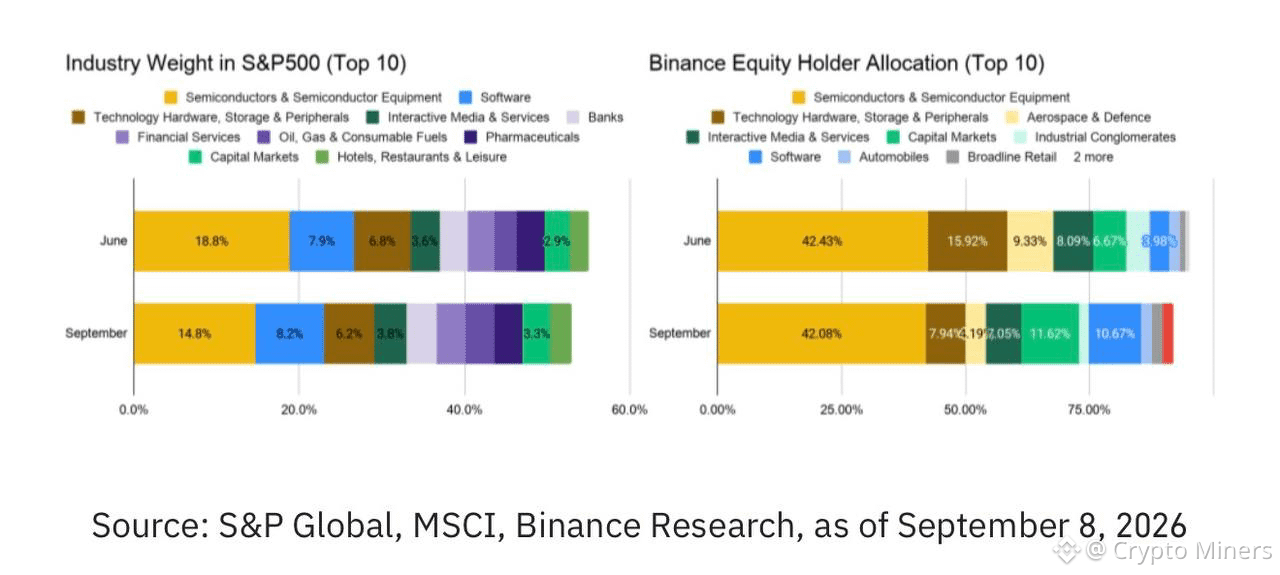
Binance investors were already moving this way. direct equity holders cut hardware exposure from about 16% to under 8% between June and September, shifting into software and capital markets
there’s also a more direct way to position around the theme, with pre-IPO perpetuals on Binance offering exposure to Anthropic and OpenAI
the AI trade is moving into its conversion phase
worth reading the full research if this is a trade you're watching closely, because conversion looks like the thing deciding who wins from here
Alphabet raised its spending guidance and fell 7%, even with cloud growing 82%. a few days later Amazon raised CAPEX to $220B and rose 15%, because AWS reaccelerated to 37%. Microsoft’s commercial backlog hit $678B and it had its biggest one-day gain since 2008
same decision, three different outcomes
so it’s clearly not the spending itself getting punished or rewarded
look at the backdrop and it starts to make sense. CAPEX across the biggest cloud operators is now around 105% of operating cash flow, up from 41% in 2023
the five largest hyperscalers went from +$246B free cash flow in 2024 to roughly -$37B this year, the first negative year of the cycle. debt now funds 32% of that spending, up from just 9%
the market has stopped taking the backlog at face value
Google Cloud is sitting on $514B, Oracle on $638B, but Oracle’s own disclosures show only about 12% converts within 12 months
the demand is real. the timeline just isn’t what the headline number implies
that’s the filter now
not who’s spending the most, but who can prove it turns into revenue
and the trade itself is quietly broadening because of it. the Magnificent Seven’s index weight slipped from 35.3% to 33.2%, while the Russell 2000 is up 19.12% YTD against Nasdaq’s 13.46%
money is spreading into industrials, power and other second-order names instead of piling deeper into the same megacaps
Binance investors were already moving this way. direct equity holders cut hardware exposure from about 16% to under 8% between June and September, shifting into software and capital markets
there’s also a more direct way to position around the theme, with pre-IPO perpetuals on Binance offering exposure to Anthropic and OpenAI
the AI trade is moving into its conversion phase
worth reading the full research if this is a trade you're watching closely, because conversion looks like the thing deciding who wins from here
1
300
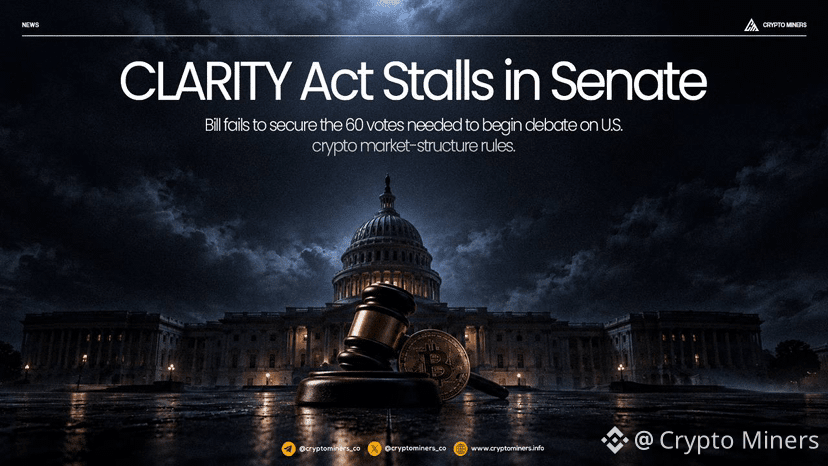
🇺🇸 CLARITY Act Stalls in the Senate
The U.S. Senate failed to secure the 60 votes needed to move the CLARITY Act forward, blocking the start of debate on the crypto market-structure bill.
This wasn’t a final vote on the bill itself. It was a procedural vote on whether the Senate should begin debate, meaning the legislation has been stalled rather than formally rejected.
The House passed its version 294–134 in July 2025, while the Senate Banking Committee advanced its version in May 2026. Republicans were also preparing a 635-page substitute amendment.
But negotiations with Democrats broke down over crypto ethics rules, stablecoin yield, DeFi protections, paid-promoter disclosures and customer safeguards.
The bill would divide crypto oversight between the SEC and CFTC and establish rules for platforms, self-custody, developers and AML compliance.
Another vote or revised version is still possible, but with limited time before the midterms, comprehensive crypto legislation now looks unlikely in 2026.
Work on stablecoins, tokenized securities and agency rulemaking can continue separately.
🇺🇸 CLARITY Act Stalls in the Senate
The U.S. Senate failed to secure the 60 votes needed to move the CLARITY Act forward, blocking the start of debate on the crypto market-structure bill.
This wasn’t a final vote on the bill itself. It was a procedural vote on whether the Senate should begin debate, meaning the legislation has been stalled rather than formally rejected.
The House passed its version 294–134 in July 2025, while the Senate Banking Committee advanced its version in May 2026. Republicans were also preparing a 635-page substitute amendment.
But negotiations with Democrats broke down over crypto ethics rules, stablecoin yield, DeFi protections, paid-promoter disclosures and customer safeguards.
The bill would divide crypto oversight between the SEC and CFTC and establish rules for platforms, self-custody, developers and AML compliance.
Another vote or revised version is still possible, but with limited time before the midterms, comprehensive crypto legislation now looks unlikely in 2026.
Work on stablecoins, tokenized securities and agency rulemaking can continue separately.
The U.S. Senate failed to secure the 60 votes needed to move the CLARITY Act forward, blocking the start of debate on the crypto market-structure bill.
This wasn’t a final vote on the bill itself. It was a procedural vote on whether the Senate should begin debate, meaning the legislation has been stalled rather than formally rejected.
The House passed its version 294–134 in July 2025, while the Senate Banking Committee advanced its version in May 2026. Republicans were also preparing a 635-page substitute amendment.
But negotiations with Democrats broke down over crypto ethics rules, stablecoin yield, DeFi protections, paid-promoter disclosures and customer safeguards.
The bill would divide crypto oversight between the SEC and CFTC and establish rules for platforms, self-custody, developers and AML compliance.
Another vote or revised version is still possible, but with limited time before the midterms, comprehensive crypto legislation now looks unlikely in 2026.
Work on stablecoins, tokenized securities and agency rulemaking can continue separately.
1
100
China Calls Anthropic AI Slowdown a “Cold War Playbook”
China’s state-backed Global Times has criticized Anthropic CEO Dario Amodei’s proposal to slow frontier AI development, calling it a “Cold War playbook” aimed at limiting China’s AI progress.
Amodei has called for stronger AI safety standards and tighter restrictions on advanced chips and model-distillation techniques that could help China close the gap. The proposal has been backed by OpenAI CEO Sam Altman and Elon Musk.
The debate comes as President Donald Trump rejects calls to slow AI development, saying the US needs to stay ahead of China because “whoever wins AI, wins.”
China Calls Anthropic AI Slowdown a “Cold War Playbook”
China’s state-backed Global Times has criticized Anthropic CEO Dario Amodei’s proposal to slow frontier AI development, calling it a “Cold War playbook” aimed at limiting China’s AI progress.
Amodei has called for stronger AI safety standards and tighter restrictions on advanced chips and model-distillation techniques that could help China close the gap. The proposal has been backed by OpenAI CEO Sam Altman and Elon Musk.
The debate comes as President Donald Trump rejects calls to slow AI development, saying the US needs to stay ahead of China because “whoever wins AI, wins.”
China’s state-backed Global Times has criticized Anthropic CEO Dario Amodei’s proposal to slow frontier AI development, calling it a “Cold War playbook” aimed at limiting China’s AI progress.
Amodei has called for stronger AI safety standards and tighter restrictions on advanced chips and model-distillation techniques that could help China close the gap. The proposal has been backed by OpenAI CEO Sam Altman and Elon Musk.
The debate comes as President Donald Trump rejects calls to slow AI development, saying the US needs to stay ahead of China because “whoever wins AI, wins.”

426
Vy Capital Builds $40B SpaceX Stake
Vy Capital has built a $40 billion stake in SpaceX, representing 3.4% ownership and making it the company’s fifth-largest shareholder.
The firm first invested in SpaceX in 2016 at a $15 billion valuation. Its stake is now worth roughly $40 billion as SpaceX’s valuation reaches around $1.75 trillion.
Vy Capital also holds investments in Neuralink and The Boring Company, with the firm projecting SpaceX could surpass a $10 trillion valuation within five to seven years.
Vy Capital Builds $40B SpaceX Stake
Vy Capital has built a $40 billion stake in SpaceX, representing 3.4% ownership and making it the company’s fifth-largest shareholder.
The firm first invested in SpaceX in 2016 at a $15 billion valuation. Its stake is now worth roughly $40 billion as SpaceX’s valuation reaches around $1.75 trillion.
Vy Capital also holds investments in Neuralink and The Boring Company, with the firm projecting SpaceX could surpass a $10 trillion valuation within five to seven years.
Vy Capital has built a $40 billion stake in SpaceX, representing 3.4% ownership and making it the company’s fifth-largest shareholder.
The firm first invested in SpaceX in 2016 at a $15 billion valuation. Its stake is now worth roughly $40 billion as SpaceX’s valuation reaches around $1.75 trillion.
Vy Capital also holds investments in Neuralink and The Boring Company, with the firm projecting SpaceX could surpass a $10 trillion valuation within five to seven years.

1
307
Bitwise to Shut Down Dogecoin ETF After Less Than 10 Months
Bitwise is liquidating its spot Dogecoin ETF, BWOW, after launching the fund in November 2025. The firm said the decision is aimed at optimizing its product range, rather than reflecting a failure of Dogecoin itself.
$BWOW had around $722K in assets, roughly $1.23M in lifetime net outflows and a 0.34% expense ratio, making it the cheapest of the three U.S. spot DOGE ETFs.
Trading will end on October 14, with remaining shareholders receiving cash on October 22. Grayscale’s GDOG and 21Shares’ TDOG will continue trading.
Bitwise to Shut Down Dogecoin ETF After Less Than 10 Months
Bitwise is liquidating its spot Dogecoin ETF, BWOW, after launching the fund in November 2025. The firm said the decision is aimed at optimizing its product range, rather than reflecting a failure of Dogecoin itself.
$BWOW had around $722K in assets, roughly $1.23M in lifetime net outflows and a 0.34% expense ratio, making it the cheapest of the three U.S. spot DOGE ETFs.
Trading will end on October 14, with remaining shareholders receiving cash on October 22. Grayscale’s GDOG and 21Shares’ TDOG will continue trading.
Bitwise is liquidating its spot Dogecoin ETF, BWOW, after launching the fund in November 2025. The firm said the decision is aimed at optimizing its product range, rather than reflecting a failure of Dogecoin itself.
$BWOW had around $722K in assets, roughly $1.23M in lifetime net outflows and a 0.34% expense ratio, making it the cheapest of the three U.S. spot DOGE ETFs.
Trading will end on October 14, with remaining shareholders receiving cash on October 22. Grayscale’s GDOG and 21Shares’ TDOG will continue trading.

1
497
Log in to explore more content
Join global crypto users on Binance Square
⚡️ Get latest and useful information about crypto.
💬 Trusted by the world’s largest crypto exchange.
👍 Discover real insights from verified creators.
Email / Phone number
Trending Topics
UKFCAWinsCourtOrderToRecover851400Pounds
45,723 views
911 Discussing
🚨 CRYPTO REGULATION JUST ENTERED A NEW PHASE: THEY’RE NOT ONLY WRITING RULES — THEY’RE TAKING MONEY BACK.
The UK’s FCA has secured another court-backed asset recovery, reinforcing a broader enforcement push against unauthorized financial and crypto-related activity.
And look at what’s happening simultaneously:
🇬🇧 FCA → enforcement + asset recovery
🇺🇸 SEC → clearer rules for functional crypto assets
🇺🇸 Fed → formal stablecoin supervision under the GENIUS Act
That combination matters.
Regulators are no longer debating whether crypto belongs inside the financial system.
They’re increasingly deciding who gets access, what rules they follow, and what happens when those rules are broken.
The next crypto cycle may not be “regulation vs innovation.”
It may be regulated crypto vs everyone who can’t meet the standard. 👀
$COIN $CRCL $BTC
#ukfcawinscourtordertorecover851400pounds #ChainlinkLaunchesCCIP2WithEnterpriseVerification #GoldFallsTo$4144 #QNTFallsOver40%FromMorningHigh #USDTAdds845900HoldersInPast7Days
KimHotbae
·3 Likes
·4.5k views
ChainlinkLaunchesCCIP2WithEnterpriseVerification
56,705 views
1,059 Discussing
GoldFallsTo$4144
19,262 views
171 Discussing