

Crypto Degelist
238 Posts

Crypto Degelist
Report
Block User
: Cutting through the noise. I analyze the key drivers and data shaping the crypto market. Follow for a strategic edge.
Open Trade
Occasional Trader
3.4 Years
13 Following
102 Followers
231 Liked
Posts
Portfolio
All
Quotes
The decentralized finance space is currently undergoing a massive transformation as the industry finally moves beyond the unsustainable asset layering trap that defined early BTCFi. As I have been analyzing the latest architectural shifts within @Bedrock it is clear that the transition to Bedrock 2.0 is focused on solving the fundamental problem of capital productivity for Bitcoin holders.
For years Bitcoin holders faced a difficult trade off because they were forced to choose between holding an immobile asset or chasing fragmented high risk yields that often collapsed during market volatility. Bedrock 2.0 effectively changes this dynamic by introducing a modular vault framework that bridges the gap between on chain liquidity and institutional grade risk management.
What makes this upgrade particularly significant is the introduction of upcoming institutional grade strategy vaults such as delta neutral quantitative vaults and real world asset tools into the underlying architecture. By diversifying yield sources across these various pillars the protocol is building a genuine counter cyclical anchor for the ecosystem.
Furthermore the integration of the BRClaw AI powered on chain analyst is a major step toward the transparency that institutional participants require. For those of us tracking the $BR ecosystem this is not just about staking because it is about observing how Bitcoin is transforming from a passive digital gold into a productive and resilient capital asset capable of generating stable and cross chain revenue streams.
This shift is essential for attracting the next wave of capital into the BTCFi space as we move away from circular speculation and toward a more mature infrastructure that prioritizes sustainable and audited yield.
Are you tracking how these institutional grade strategy layers are changing the way Bitcoin performs in your portfolio and do you believe this intelligent yield model is the future of BTCFi?
#Bedrock #Bedrock20 #BR
{alpha}(560xff7d6a96ae471bbcd7713af9cb1feeb16cf56b41)
The decentralized finance space is currently undergoing a massive transformation as the industry finally moves beyond the unsustainable asset layering trap that defined early BTCFi. As I have been analyzing the latest architectural shifts within @Bedrock it is clear that the transition to Bedrock 2.0 is focused on solving the fundamental problem of capital productivity for Bitcoin holders.
For years Bitcoin holders faced a difficult trade off because they were forced to choose between holding an immobile asset or chasing fragmented high risk yields that often collapsed during market volatility. Bedrock 2.0 effectively changes this dynamic by introducing a modular vault framework that bridges the gap between on chain liquidity and institutional grade risk management.
What makes this upgrade particularly significant is the introduction of upcoming institutional grade strategy vaults such as delta neutral quantitative vaults and real world asset tools into the underlying architecture. By diversifying yield sources across these various pillars the protocol is building a genuine counter cyclical anchor for the ecosystem.
Furthermore the integration of the BRClaw AI powered on chain analyst is a major step toward the transparency that institutional participants require. For those of us tracking the $BR ecosystem this is not just about staking because it is about observing how Bitcoin is transforming from a passive digital gold into a productive and resilient capital asset capable of generating stable and cross chain revenue streams.
This shift is essential for attracting the next wave of capital into the BTCFi space as we move away from circular speculation and toward a more mature infrastructure that prioritizes sustainable and audited yield.
Are you tracking how these institutional grade strategy layers are changing the way Bitcoin performs in your portfolio and do you believe this intelligent yield model is the future of BTCFi?
#Bedrock #Bedrock20 #BR
For years Bitcoin holders faced a difficult trade off because they were forced to choose between holding an immobile asset or chasing fragmented high risk yields that often collapsed during market volatility. Bedrock 2.0 effectively changes this dynamic by introducing a modular vault framework that bridges the gap between on chain liquidity and institutional grade risk management.
What makes this upgrade particularly significant is the introduction of upcoming institutional grade strategy vaults such as delta neutral quantitative vaults and real world asset tools into the underlying architecture. By diversifying yield sources across these various pillars the protocol is building a genuine counter cyclical anchor for the ecosystem.
Furthermore the integration of the BRClaw AI powered on chain analyst is a major step toward the transparency that institutional participants require. For those of us tracking the $BR ecosystem this is not just about staking because it is about observing how Bitcoin is transforming from a passive digital gold into a productive and resilient capital asset capable of generating stable and cross chain revenue streams.
This shift is essential for attracting the next wave of capital into the BTCFi space as we move away from circular speculation and toward a more mature infrastructure that prioritizes sustainable and audited yield.
Are you tracking how these institutional grade strategy layers are changing the way Bitcoin performs in your portfolio and do you believe this intelligent yield model is the future of BTCFi?
#Bedrock #Bedrock20 #BR
1
99
·
--
Bullish
The landscape of digital asset management is currently undergoing a massive transformation as we move beyond simple yield farming toward an era of institutional grade capital efficiency. As I have been analyzing the latest architectural shifts within @Bedrock it is clear that the transition to Bedrock 2.0 is focused on solving the fundamental problem of capital productivity for Bitcoin holders.
For years Bitcoin holders faced a difficult trade off because they were forced to choose between holding an immobile asset or chasing fragmented high risk yields that often collapsed during market
volatility. Bedrock 2.0 effectively changes this dynamic by introducing a multi layered strategy engine that bridges the gap between on chain liquidity and institutional grade risk management.
What makes this upgrade particularly significant is the integration of real world assets and structured credit strategies into the underlying architecture. By diversifying yield sources across delta neutral quant strategies and defi native provisioning the protocol is building a genuine counter cyclical anchor for the ecosystem.
Furthermore the integration of on chain verification tools is a major step toward the transparency that institutional participants require. For those of us tracking the $BR ecosystem this is not just about staking because it is about observing how Bitcoin is transforming from a passive digital gold into a productive and resilient capital asset capable of generating stable and cross chain revenue streams.
This shift is essential for attracting the next wave of capital into the BTCFi space as we move away from circular speculation and toward a more mature infrastructure that prioritizes sustainable and audited yield.
Are you tracking how these institutional grade strategy layers are changing the way Bitcoin performs in your portfolio and do you believe this intelligent yield model is the future of BTCFi?
#Bedrock #Bedrock20 #BR
{alpha}(560xff7d6a96ae471bbcd7713af9cb1feeb16cf56b41)
The landscape of digital asset management is currently undergoing a massive transformation as we move beyond simple yield farming toward an era of institutional grade capital efficiency. As I have been analyzing the latest architectural shifts within @Bedrock it is clear that the transition to Bedrock 2.0 is focused on solving the fundamental problem of capital productivity for Bitcoin holders.
For years Bitcoin holders faced a difficult trade off because they were forced to choose between holding an immobile asset or chasing fragmented high risk yields that often collapsed during market
volatility. Bedrock 2.0 effectively changes this dynamic by introducing a multi layered strategy engine that bridges the gap between on chain liquidity and institutional grade risk management.
What makes this upgrade particularly significant is the integration of real world assets and structured credit strategies into the underlying architecture. By diversifying yield sources across delta neutral quant strategies and defi native provisioning the protocol is building a genuine counter cyclical anchor for the ecosystem.
Furthermore the integration of on chain verification tools is a major step toward the transparency that institutional participants require. For those of us tracking the $BR ecosystem this is not just about staking because it is about observing how Bitcoin is transforming from a passive digital gold into a productive and resilient capital asset capable of generating stable and cross chain revenue streams.
This shift is essential for attracting the next wave of capital into the BTCFi space as we move away from circular speculation and toward a more mature infrastructure that prioritizes sustainable and audited yield.
Are you tracking how these institutional grade strategy layers are changing the way Bitcoin performs in your portfolio and do you believe this intelligent yield model is the future of BTCFi?
#Bedrock #Bedrock20 #BR
For years Bitcoin holders faced a difficult trade off because they were forced to choose between holding an immobile asset or chasing fragmented high risk yields that often collapsed during market
volatility. Bedrock 2.0 effectively changes this dynamic by introducing a multi layered strategy engine that bridges the gap between on chain liquidity and institutional grade risk management.
What makes this upgrade particularly significant is the integration of real world assets and structured credit strategies into the underlying architecture. By diversifying yield sources across delta neutral quant strategies and defi native provisioning the protocol is building a genuine counter cyclical anchor for the ecosystem.
Furthermore the integration of on chain verification tools is a major step toward the transparency that institutional participants require. For those of us tracking the $BR ecosystem this is not just about staking because it is about observing how Bitcoin is transforming from a passive digital gold into a productive and resilient capital asset capable of generating stable and cross chain revenue streams.
This shift is essential for attracting the next wave of capital into the BTCFi space as we move away from circular speculation and toward a more mature infrastructure that prioritizes sustainable and audited yield.
Are you tracking how these institutional grade strategy layers are changing the way Bitcoin performs in your portfolio and do you believe this intelligent yield model is the future of BTCFi?
#Bedrock #Bedrock20 #BR
98
·
--
Bullish
The DeFi landscape is moving toward a more mature infrastructure that prioritizes sustainable and audited yield generation over temporary incentives. As I have been analyzing the latest architectural shifts within Bedrock, it is clear that the transition to @Bedrock 2.0 is focused on solving the fundamental problem of capital productivity for Bitcoin holders.
For years, Bitcoin holders faced a difficult trade off: hold an immobile asset or chase fragmented and high risk yields that often collapsed during market volatility. Bedrock 2.0 effectively changes this dynamic by introducing a multi layered strategy engine that bridges the gap between on chain liquidity and institutional grade risk management.
What makes this upgrade particularly significant is the integration of institutional grade security features and structured credit strategies into the underlying architecture. By diversifying yield sources across Delta Neutral Quant strategies, DeFi native provisioning, and advanced restaking tools, the protocol is building a genuine counter cyclical anchor for the ecosystem.
Furthermore, the integration of on chain verification tools is a major step toward the transparency that institutional participants require. For those of us tracking the $BR ecosystem, this is not just about staking; it is about observing how Bitcoin is transforming from a passive digital gold into a productive and resilient capital asset capable of generating stable and cross chain revenue streams.
This shift is essential for attracting the next wave of capital into the BTCFi space as we move away from circular speculation.
Are you tracking how these institutional grade strategy layers are changing the way Bitcoin performs in your portfolio? I would love to hear your thoughts on whether this intelligent yield model is the future of BTCFi.
#Bedrock
{alpha}(560xff7d6a96ae471bbcd7713af9cb1feeb16cf56b41)
The DeFi landscape is moving toward a more mature infrastructure that prioritizes sustainable and audited yield generation over temporary incentives. As I have been analyzing the latest architectural shifts within Bedrock, it is clear that the transition to @Bedrock 2.0 is focused on solving the fundamental problem of capital productivity for Bitcoin holders.
For years, Bitcoin holders faced a difficult trade off: hold an immobile asset or chase fragmented and high risk yields that often collapsed during market volatility. Bedrock 2.0 effectively changes this dynamic by introducing a multi layered strategy engine that bridges the gap between on chain liquidity and institutional grade risk management.
What makes this upgrade particularly significant is the integration of institutional grade security features and structured credit strategies into the underlying architecture. By diversifying yield sources across Delta Neutral Quant strategies, DeFi native provisioning, and advanced restaking tools, the protocol is building a genuine counter cyclical anchor for the ecosystem.
Furthermore, the integration of on chain verification tools is a major step toward the transparency that institutional participants require. For those of us tracking the $BR ecosystem, this is not just about staking; it is about observing how Bitcoin is transforming from a passive digital gold into a productive and resilient capital asset capable of generating stable and cross chain revenue streams.
This shift is essential for attracting the next wave of capital into the BTCFi space as we move away from circular speculation.
Are you tracking how these institutional grade strategy layers are changing the way Bitcoin performs in your portfolio? I would love to hear your thoughts on whether this intelligent yield model is the future of BTCFi.
#Bedrock
For years, Bitcoin holders faced a difficult trade off: hold an immobile asset or chase fragmented and high risk yields that often collapsed during market volatility. Bedrock 2.0 effectively changes this dynamic by introducing a multi layered strategy engine that bridges the gap between on chain liquidity and institutional grade risk management.
What makes this upgrade particularly significant is the integration of institutional grade security features and structured credit strategies into the underlying architecture. By diversifying yield sources across Delta Neutral Quant strategies, DeFi native provisioning, and advanced restaking tools, the protocol is building a genuine counter cyclical anchor for the ecosystem.
Furthermore, the integration of on chain verification tools is a major step toward the transparency that institutional participants require. For those of us tracking the $BR ecosystem, this is not just about staking; it is about observing how Bitcoin is transforming from a passive digital gold into a productive and resilient capital asset capable of generating stable and cross chain revenue streams.
This shift is essential for attracting the next wave of capital into the BTCFi space as we move away from circular speculation.
Are you tracking how these institutional grade strategy layers are changing the way Bitcoin performs in your portfolio? I would love to hear your thoughts on whether this intelligent yield model is the future of BTCFi.
#Bedrock
82
·
--
Bullish
The evolution of decentralized finance is reaching a critical inflection point where the industry is finally moving beyond the unsustainable asset layering trap that defined early BTCFi. As I have been analyzing the latest architectural shifts within @Bedrock , it is clear that the transition to Bedrock 2.0 is focused on solving the fundamental problem of capital productivity.
For years, Bitcoin holders faced a difficult trade off: hold an immobile asset or chase fragmented, high risk yields that often collapsed during market volatility. Bedrock 2.0 effectively changes this dynamic by introducing a multi layered strategy engine that bridges the gap between on chain liquidity and institutional grade risk management.
What makes this upgrade particularly significant is the integration of Real World Assets and structured credit strategies into the underlying architecture.
By diversifying yield sources across Delta Neutral Quant strategies, DeFi native provisioning, and physical asset backed tools, the protocol is building a genuine counter cyclical anchor for the ecosystem.
Furthermore, the introduction of BRClaw, their new AI powered on chain analyst, is a major step toward the transparency that institutional participants require. For those of us tracking the $BR ecosystem, this is not just about staking; it is about observing how Bitcoin is transforming from a passive digital gold into a productive, resilient capital asset capable of generating stable, cross chain revenue streams.
We are seeing a move away from circular speculation and toward a more mature infrastructure that prioritizes sustainable, audited yield. This shift is essential for attracting the next wave of capital into the BTCFi space.
Are you tracking how these institutional grade strategy layers are changing the way Bitcoin performs in your portfolio? I would love to hear your thoughts on whether this intelligent yield model is the future of BTCFi.
#Bedrock #Bedrock20 $BR
{future}(BRUSDT)
The evolution of decentralized finance is reaching a critical inflection point where the industry is finally moving beyond the unsustainable asset layering trap that defined early BTCFi. As I have been analyzing the latest architectural shifts within @Bedrock , it is clear that the transition to Bedrock 2.0 is focused on solving the fundamental problem of capital productivity.
For years, Bitcoin holders faced a difficult trade off: hold an immobile asset or chase fragmented, high risk yields that often collapsed during market volatility. Bedrock 2.0 effectively changes this dynamic by introducing a multi layered strategy engine that bridges the gap between on chain liquidity and institutional grade risk management.
What makes this upgrade particularly significant is the integration of Real World Assets and structured credit strategies into the underlying architecture.
By diversifying yield sources across Delta Neutral Quant strategies, DeFi native provisioning, and physical asset backed tools, the protocol is building a genuine counter cyclical anchor for the ecosystem.
Furthermore, the introduction of BRClaw, their new AI powered on chain analyst, is a major step toward the transparency that institutional participants require. For those of us tracking the $BR ecosystem, this is not just about staking; it is about observing how Bitcoin is transforming from a passive digital gold into a productive, resilient capital asset capable of generating stable, cross chain revenue streams.
We are seeing a move away from circular speculation and toward a more mature infrastructure that prioritizes sustainable, audited yield. This shift is essential for attracting the next wave of capital into the BTCFi space.
Are you tracking how these institutional grade strategy layers are changing the way Bitcoin performs in your portfolio? I would love to hear your thoughts on whether this intelligent yield model is the future of BTCFi.
#Bedrock #Bedrock20 $BR
For years, Bitcoin holders faced a difficult trade off: hold an immobile asset or chase fragmented, high risk yields that often collapsed during market volatility. Bedrock 2.0 effectively changes this dynamic by introducing a multi layered strategy engine that bridges the gap between on chain liquidity and institutional grade risk management.
What makes this upgrade particularly significant is the integration of Real World Assets and structured credit strategies into the underlying architecture.
By diversifying yield sources across Delta Neutral Quant strategies, DeFi native provisioning, and physical asset backed tools, the protocol is building a genuine counter cyclical anchor for the ecosystem.
Furthermore, the introduction of BRClaw, their new AI powered on chain analyst, is a major step toward the transparency that institutional participants require. For those of us tracking the $BR ecosystem, this is not just about staking; it is about observing how Bitcoin is transforming from a passive digital gold into a productive, resilient capital asset capable of generating stable, cross chain revenue streams.
We are seeing a move away from circular speculation and toward a more mature infrastructure that prioritizes sustainable, audited yield. This shift is essential for attracting the next wave of capital into the BTCFi space.
Are you tracking how these institutional grade strategy layers are changing the way Bitcoin performs in your portfolio? I would love to hear your thoughts on whether this intelligent yield model is the future of BTCFi.
#Bedrock #Bedrock20 $BR
100
·
--
Bullish
🌐 The Decentralized Future: Why Interoperability is the Real Game-Changer
While many are still focused on short-term price action, the "smart money" is quietly positioning for the next structural shift in DeFi: true cross-chain interoperability. I’ve been tracking the recent
development updates from @Bedrock , and it’s clear that Bedro
ck 2.0 is aiming to solve the liquidity fragmentation that currently acts as a massive bottleneck for the broader ecosystem. When you look at the architecture of $BR, you start to see a protocol designed not just for today's volume, but for a future where assets flow seamlessly across networks without the need for high-friction bridges.
In my view, the protocols that prioritize this level of modular, secure liquidity management are the ones that will define the next leg of this market cycle. We are moving away from isolated "walled gardens" and toward a more connected, efficient infrastructure. This is the "boring" but essential tech that enables institutional-grade DeFi adoption.
Are you paying attention to these cross-chain infrastructure plays, or are you still focused solely on single-chain ecosystems? Let me know your take in the comments! 👇
#bedrock
🌐 The Decentralized Future: Why Interoperability is the Real Game-Changer
While many are still focused on short-term price action, the "smart money" is quietly positioning for the next structural shift in DeFi: true cross-chain interoperability. I’ve been tracking the recent
development updates from @Bedrock , and it’s clear that Bedro
ck 2.0 is aiming to solve the liquidity fragmentation that currently acts as a massive bottleneck for the broader ecosystem. When you look at the architecture of $BR , you start to see a protocol designed not just for today's volume, but for a future where assets flow seamlessly across networks without the need for high-friction bridges.
In my view, the protocols that prioritize this level of modular, secure liquidity management are the ones that will define the next leg of this market cycle. We are moving away from isolated "walled gardens" and toward a more connected, efficient infrastructure. This is the "boring" but essential tech that enables institutional-grade DeFi adoption.
Are you paying attention to these cross-chain infrastructure plays, or are you still focused solely on single-chain ecosystems? Let me know your take in the comments! 👇
#bedrock
While many are still focused on short-term price action, the "smart money" is quietly positioning for the next structural shift in DeFi: true cross-chain interoperability. I’ve been tracking the recent
development updates from @Bedrock , and it’s clear that Bedro
ck 2.0 is aiming to solve the liquidity fragmentation that currently acts as a massive bottleneck for the broader ecosystem. When you look at the architecture of $BR , you start to see a protocol designed not just for today's volume, but for a future where assets flow seamlessly across networks without the need for high-friction bridges.
In my view, the protocols that prioritize this level of modular, secure liquidity management are the ones that will define the next leg of this market cycle. We are moving away from isolated "walled gardens" and toward a more connected, efficient infrastructure. This is the "boring" but essential tech that enables institutional-grade DeFi adoption.
Are you paying attention to these cross-chain infrastructure plays, or are you still focused solely on single-chain ecosystems? Let me know your take in the comments! 👇
#bedrock
78
·
--
Bullish
⚡ Scaling the Future: Why I’m Tracking the New Integrations
The current state of the market is proving one thing: speed and security are no longer optional—they are the minimum requirement for survival. I’ve been digging into the latest developments from @Bedrock and their roadmap for Bedrock 2.0, and it is becoming clear that they are positioning themselves to solve the fragmentation issues currently plaguing cross-chain liquidity.
The integration strategies being deployed for $BR represent a significant shift toward a more modular, interoperable ecosystem. Instead of just adding more volume, the focus on sustainable security layers is exactly what the industry needs to move past the speculative phases of the last cycle.
I am watching how these updates will streamline asset management for long-term holders. When you strip away the hype, it's the protocols with strong, verifiable foundations that capture the most institutional interest.
{alpha}(560xff7d6a96ae471bbcd7713af9cb1feeb16cf56b41)
Are you positioning your portfolio for these modular upgrades, or are you waiting for more data? Let’s discuss in the comments. 👇#bedrock $BR
⚡ Scaling the Future: Why I’m Tracking the New Integrations
The current state of the market is proving one thing: speed and security are no longer optional—they are the minimum requirement for survival. I’ve been digging into the latest developments from @Bedrock and their roadmap for Bedrock 2.0, and it is becoming clear that they are positioning themselves to solve the fragmentation issues currently plaguing cross-chain liquidity.
The integration strategies being deployed for $BR represent a significant shift toward a more modular, interoperable ecosystem. Instead of just adding more volume, the focus on sustainable security layers is exactly what the industry needs to move past the speculative phases of the last cycle.
I am watching how these updates will streamline asset management for long-term holders. When you strip away the hype, it's the protocols with strong, verifiable foundations that capture the most institutional interest.
Are you positioning your portfolio for these modular upgrades, or are you waiting for more data? Let’s discuss in the comments. 👇#bedrock $BR
The current state of the market is proving one thing: speed and security are no longer optional—they are the minimum requirement for survival. I’ve been digging into the latest developments from @Bedrock and their roadmap for Bedrock 2.0, and it is becoming clear that they are positioning themselves to solve the fragmentation issues currently plaguing cross-chain liquidity.
The integration strategies being deployed for $BR represent a significant shift toward a more modular, interoperable ecosystem. Instead of just adding more volume, the focus on sustainable security layers is exactly what the industry needs to move past the speculative phases of the last cycle.
I am watching how these updates will streamline asset management for long-term holders. When you strip away the hype, it's the protocols with strong, verifiable foundations that capture the most institutional interest.
Are you positioning your portfolio for these modular upgrades, or are you waiting for more data? Let’s discuss in the comments. 👇#bedrock $BR

133
·
--
Bullish
The Foundation is Shifting: Why I’m Watching @Bedrock 2.0
If you’ve been paying attention to the evolution of liquid staking and protocol security, you know that the "first generation" of DeFi infrastructure was just the warm-up. We are entering a phase where resilience and modularity are the only things that matter, and that’s exactly why I’ve been keeping a close eye on the latest developments from @Bedrock .
The move toward Bedrock 2.0 isn't just a version upgrade—it’s a architectural pivot. I’ve been diving into how they are restructuring their security layers and optimizing the liquidity flows for $BR. In a market where trust is the scarcest commodity, a protocol that doubles down on robust, verifiable infrastructure is the kind of "boring" tech that eventually fuels the most explosive growth.
I’m particularly interested in how the new ecosystem integrations will impact the underlying yield mechanics. As we see more assets move into decentralized wrappers, the role of a solid foundation becomes critical.
Are you keeping an eye on the Bedrock 2.0 rollout, or are you still sticking to the legacy protocols? Let’s talk strategy below. 👇
#Bedrock #Bedrock 2.0 #$BR
{alpha}(560xff7d6a96ae471bbcd7713af9cb1feeb16cf56b41)
The Foundation is Shifting: Why I’m Watching @Bedrock 2.0
If you’ve been paying attention to the evolution of liquid staking and protocol security, you know that the "first generation" of DeFi infrastructure was just the warm-up. We are entering a phase where resilience and modularity are the only things that matter, and that’s exactly why I’ve been keeping a close eye on the latest developments from @Bedrock .
The move toward Bedrock 2.0 isn't just a version upgrade—it’s a architectural pivot. I’ve been diving into how they are restructuring their security layers and optimizing the liquidity flows for $BR . In a market where trust is the scarcest commodity, a protocol that doubles down on robust, verifiable infrastructure is the kind of "boring" tech that eventually fuels the most explosive growth.
I’m particularly interested in how the new ecosystem integrations will impact the underlying yield mechanics. As we see more assets move into decentralized wrappers, the role of a solid foundation becomes critical.
Are you keeping an eye on the Bedrock 2.0 rollout, or are you still sticking to the legacy protocols? Let’s talk strategy below. 👇
#Bedrock #Bedrock 2.0 #$BR
If you’ve been paying attention to the evolution of liquid staking and protocol security, you know that the "first generation" of DeFi infrastructure was just the warm-up. We are entering a phase where resilience and modularity are the only things that matter, and that’s exactly why I’ve been keeping a close eye on the latest developments from @Bedrock .
The move toward Bedrock 2.0 isn't just a version upgrade—it’s a architectural pivot. I’ve been diving into how they are restructuring their security layers and optimizing the liquidity flows for $BR . In a market where trust is the scarcest commodity, a protocol that doubles down on robust, verifiable infrastructure is the kind of "boring" tech that eventually fuels the most explosive growth.
I’m particularly interested in how the new ecosystem integrations will impact the underlying yield mechanics. As we see more assets move into decentralized wrappers, the role of a solid foundation becomes critical.
Are you keeping an eye on the Bedrock 2.0 rollout, or are you still sticking to the legacy protocols? Let’s talk strategy below. 👇
#Bedrock #Bedrock 2.0 #$BR

74
Article
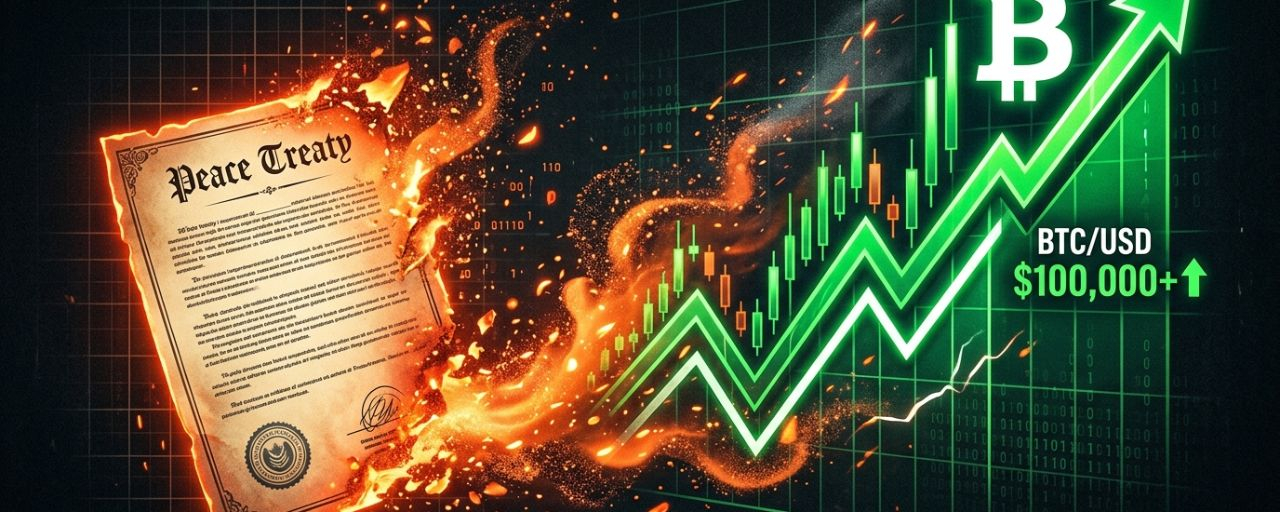
The "Islamabad Deadlock": Why Iran Rejected the U.S. "Surrender" PlanOn Sunday, May 10, 2026, the diplomatic channels in Pakistan went cold. Iran officially rejected the U.S.-backed peace proposal, labeling the terms "tantamount to surrender." Hours later, President Trump took to social media to call the Iranian response "TOTALLY UNACCEPTABLE."
1. The Collision of Demands
The gap between Washington and Tehran has transitioned from a crack to a canyon.
Iran’s Line in the Sand: They are demanding an immediate lifting of the naval blockade and oil sanctions, plus "war reparations" and a 30-day window to unfreeze assets. Crucially, they are asserting total sovereignty over the Strait of Hormuz.The U.S. Iron Wall: The Trump administration, backed by SecState Marco Rubio and VP J.D. Vance, is holding firm on "Zero Enrichment." They won't lift a single sanction until Iran’s nuclear infrastructure is dismantled.
2. The "Digital Decoupling" of BTC
While traditional markets are flinching—Oil jumped 5% on the news—$BTC is doing something remarkable. It is currently teasing the $82,000 mark, showing a rare "Geopolitical Decoupling."
In previous cycles, war headlines meant a "flight to cash." In May 2026, war headlines are a "flight to code." With exchange reserves hitting a 2-year low, the supply shock is meeting a new wave of "Conflict Demand." If you aren't watching the $83,000 resistance tonight, you’re missing the breakout of the decade.
🔮 Strategic Takeaway: The "Next 72 Hours"
Event Market Significance Strategy Naval Interdiction The U.S. "Global Blockade" is expanding to the Indian Ocean. Long Oil / Long BTC. Energy and Digital Gold are the only two games in town. The "Toll" Factor Iran may begin enforcing a "Crypto-Only" toll for any ship attempting to bypass the blockade. Watch $ETH & $XRP . If nations need settlement layers to move energy, utility tokens will sky rocket. Institutional Floor ETF inflows have remained positive for 6 consecutive weeks. HODL. The "Big Money" is buying the geopolitical dip, not selling it.
🛠 The "Crypto Degelist" Play
The physical world is blocked, and the diplomatic world is stalled. This is the Utility Era. I am moving my tactical positions into DeFi ($AAVE, $UNI) to prepare for any "financial throttling" that might come with the U.S. expanding its digital sanctions.
If the U.S. and Iran can't find a middle ground in Islamabad, the market will find its own middle ground on the blockchain. We are witnessing the birth of a Permissionless Economy out of sheer necessity.
Is the "Unacceptable" response from Iran the final trigger for a $90k BTC run, or is the "Global Blockade" going to choke the market? Let’s hear your strategy below. 👇
{future}(BTCUSDT)
{future}(ETHUSDT)
{future}(XRPUSDT)
#IranUSConflict #StraitOfHormuz #IranRejectsSecondRoundTalks
The "Islamabad Deadlock": Why Iran Rejected the U.S. "Surrender" Plan
On Sunday, May 10, 2026, the diplomatic channels in Pakistan went cold. Iran officially rejected the U.S.-backed peace proposal, labeling the terms "tantamount to surrender." Hours later, President Trump took to social media to call the Iranian response "TOTALLY UNACCEPTABLE."
1. The Collision of Demands
The gap between Washington and Tehran has transitioned from a crack to a canyon.
Iran’s Line in the Sand: They are demanding an immediate lifting of the naval blockade and oil sanctions, plus "war reparations" and a 30-day window to unfreeze assets. Crucially, they are asserting total sovereignty over the Strait of Hormuz.The U.S. Iron Wall: The Trump administration, backed by SecState Marco Rubio and VP J.D. Vance, is holding firm on "Zero Enrichment." They won't lift a single sanction until Iran’s nuclear infrastructure is dismantled.
2. The "Digital Decoupling" of BTC
While traditional markets are flinching—Oil jumped 5% on the news—$BTC is doing something remarkable. It is currently teasing the $82,000 mark, showing a rare "Geopolitical Decoupling."
In previous cycles, war headlines meant a "flight to cash." In May 2026, war headlines are a "flight to code." With exchange reserves hitting a 2-year low, the supply shock is meeting a new wave of "Conflict Demand." If you aren't watching the $83,000 resistance tonight, you’re missing the breakout of the decade.
🔮 Strategic Takeaway: The "Next 72 Hours"
Event Market Significance Strategy Naval Interdiction The U.S. "Global Blockade" is expanding to the Indian Ocean. Long Oil / Long BTC. Energy and Digital Gold are the only two games in town. The "Toll" Factor Iran may begin enforcing a "Crypto-Only" toll for any ship attempting to bypass the blockade. Watch $ETH & $XRP . If nations need settlement layers to move energy, utility tokens will sky rocket. Institutional Floor ETF inflows have remained positive for 6 consecutive weeks. HODL. The "Big Money" is buying the geopolitical dip, not selling it.
🛠 The "Crypto Degelist" Play
The physical world is blocked, and the diplomatic world is stalled. This is the Utility Era. I am moving my tactical positions into DeFi ($AAVE, $UNI) to prepare for any "financial throttling" that might come with the U.S. expanding its digital sanctions.
If the U.S. and Iran can't find a middle ground in Islamabad, the market will find its own middle ground on the blockchain. We are witnessing the birth of a Permissionless Economy out of sheer necessity.
Is the "Unacceptable" response from Iran the final trigger for a $90k BTC run, or is the "Global Blockade" going to choke the market? Let’s hear your strategy below. 👇
#IranUSConflict #StraitOfHormuz #IranRejectsSecondRoundTalks
1. The Collision of Demands
The gap between Washington and Tehran has transitioned from a crack to a canyon.
Iran’s Line in the Sand: They are demanding an immediate lifting of the naval blockade and oil sanctions, plus "war reparations" and a 30-day window to unfreeze assets. Crucially, they are asserting total sovereignty over the Strait of Hormuz.The U.S. Iron Wall: The Trump administration, backed by SecState Marco Rubio and VP J.D. Vance, is holding firm on "Zero Enrichment." They won't lift a single sanction until Iran’s nuclear infrastructure is dismantled.
2. The "Digital Decoupling" of BTC
While traditional markets are flinching—Oil jumped 5% on the news—$BTC is doing something remarkable. It is currently teasing the $82,000 mark, showing a rare "Geopolitical Decoupling."
In previous cycles, war headlines meant a "flight to cash." In May 2026, war headlines are a "flight to code." With exchange reserves hitting a 2-year low, the supply shock is meeting a new wave of "Conflict Demand." If you aren't watching the $83,000 resistance tonight, you’re missing the breakout of the decade.
🔮 Strategic Takeaway: The "Next 72 Hours"
Event Market Significance Strategy Naval Interdiction The U.S. "Global Blockade" is expanding to the Indian Ocean. Long Oil / Long BTC. Energy and Digital Gold are the only two games in town. The "Toll" Factor Iran may begin enforcing a "Crypto-Only" toll for any ship attempting to bypass the blockade. Watch $ETH & $XRP . If nations need settlement layers to move energy, utility tokens will sky rocket. Institutional Floor ETF inflows have remained positive for 6 consecutive weeks. HODL. The "Big Money" is buying the geopolitical dip, not selling it.
🛠 The "Crypto Degelist" Play
The physical world is blocked, and the diplomatic world is stalled. This is the Utility Era. I am moving my tactical positions into DeFi ($AAVE, $UNI) to prepare for any "financial throttling" that might come with the U.S. expanding its digital sanctions.
If the U.S. and Iran can't find a middle ground in Islamabad, the market will find its own middle ground on the blockchain. We are witnessing the birth of a Permissionless Economy out of sheer necessity.
Is the "Unacceptable" response from Iran the final trigger for a $90k BTC run, or is the "Global Blockade" going to choke the market? Let’s hear your strategy below. 👇
#IranUSConflict #StraitOfHormuz #IranRejectsSecondRoundTalks
2
131

Article
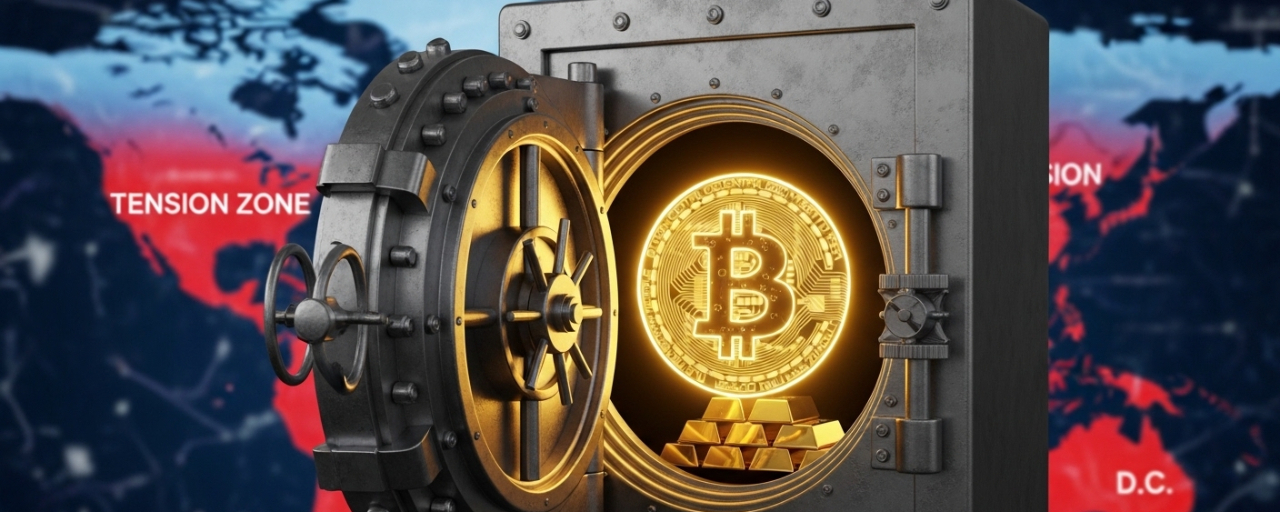
The "Hilton-Hormuz" Paradox: Why $80K BTC is the World’s Only Neutral ZoneThe last 48 hours have shattered the illusion of "safe havens." While the Mar-a-Lago Gala on Saturday showcased the peak of the new "Crypto-Political" elite (the Top 297 $TRUMP holders), the gunfire at the Washington Hilton just hours later proved that physical stability is currently at a multi-decade low.
1. The Breakdown: Diplomacy in a Deadlock
The second round of the Islamabad Talks has officially failed to deliver a breakthrough.
The "Hormuz Offer": Iran has proposed a full reopening of the Strait and an end to the war, but with a massive catch: they want to defer nuclear negotiations to a later date.The U.S. "No": The Trump administration (via VP J.D. Vance and SecState Marco Rubio) has flatly rejected this. Their stance is clear: No nuclear deal = No end to the blockade.The "Global Blockade": Defense Secretary Pete Hegseth announced that the U.S. naval blockade is "going global," interdicting ships as far as the Indian Ocean.
2. The Hilton Security Breach: Domestic Instability
The attack by Cole Tomas Allen at the White House Correspondents' Dinner wasn't just a "lone wolf" incident—it’s being viewed by the market as a symptom of extreme domestic tension. Allen’s "manifesto" cited a targeted hit list of administration officials.
Market Impact: We saw an immediate "de-risking" from political memecoins. The $TRUMP token is sitting 95% below its peak, while capital is rotating into "Hard Assets."
3. The Market Alpha: The "Supply Shock" is Real
Despite the chaos, $BTC is teasing $79,500. Why? Because we are witnessing a Geopolitical Decoupling. * On-Chain Reality: Exchange reserves are at multi-year lows. Investors aren't selling the "war news"—they are pulling their BTC into self-custody to avoid "financial throttling" or CEX liquidations during a potential internet/banking blackout.
The "Toll" Narrative: If the Strait remains closed, expect more nations to follow Iran’s lead in using crypto for "Emergency Settlement" to bypass the global maritime blockade.
🛠 Professional Strategy
I am currently Long on Volatility. The physical world is blocked, but the digital rails are wide open. I’m watching the $80,000 BTC resistance like a hawk—a daily close above this level in the face of the "Global Blockade" confirms the Supercycle is unstoppable.
Are you betting on a diplomatic breakthrough, or is the "Global Blockade" the final trigger for the BTC supply shock? 👇
{future}(TRUMPUSDT)
{future}(BTCUSDT)
The "Hilton-Hormuz" Paradox: Why $80K BTC is the World’s Only Neutral Zone
The last 48 hours have shattered the illusion of "safe havens." While the Mar-a-Lago Gala on Saturday showcased the peak of the new "Crypto-Political" elite (the Top 297 $TRUMP holders), the gunfire at the Washington Hilton just hours later proved that physical stability is currently at a multi-decade low.
1. The Breakdown: Diplomacy in a Deadlock
The second round of the Islamabad Talks has officially failed to deliver a breakthrough.
The "Hormuz Offer": Iran has proposed a full reopening of the Strait and an end to the war, but with a massive catch: they want to defer nuclear negotiations to a later date.The U.S. "No": The Trump administration (via VP J.D. Vance and SecState Marco Rubio) has flatly rejected this. Their stance is clear: No nuclear deal = No end to the blockade.The "Global Blockade": Defense Secretary Pete Hegseth announced that the U.S. naval blockade is "going global," interdicting ships as far as the Indian Ocean.
2. The Hilton Security Breach: Domestic Instability
The attack by Cole Tomas Allen at the White House Correspondents' Dinner wasn't just a "lone wolf" incident—it’s being viewed by the market as a symptom of extreme domestic tension. Allen’s "manifesto" cited a targeted hit list of administration officials.
Market Impact: We saw an immediate "de-risking" from political memecoins. The $TRUMP token is sitting 95% below its peak, while capital is rotating into "Hard Assets."
3. The Market Alpha: The "Supply Shock" is Real
Despite the chaos, $BTC is teasing $79,500. Why? Because we are witnessing a Geopolitical Decoupling. * On-Chain Reality: Exchange reserves are at multi-year lows. Investors aren't selling the "war news"—they are pulling their BTC into self-custody to avoid "financial throttling" or CEX liquidations during a potential internet/banking blackout.
The "Toll" Narrative: If the Strait remains closed, expect more nations to follow Iran’s lead in using crypto for "Emergency Settlement" to bypass the global maritime blockade.
🛠 Professional Strategy
I am currently Long on Volatility. The physical world is blocked, but the digital rails are wide open. I’m watching the $80,000 BTC resistance like a hawk—a daily close above this level in the face of the "Global Blockade" confirms the Supercycle is unstoppable.
Are you betting on a diplomatic breakthrough, or is the "Global Blockade" the final trigger for the BTC supply shock? 👇
1. The Breakdown: Diplomacy in a Deadlock
The second round of the Islamabad Talks has officially failed to deliver a breakthrough.
The "Hormuz Offer": Iran has proposed a full reopening of the Strait and an end to the war, but with a massive catch: they want to defer nuclear negotiations to a later date.The U.S. "No": The Trump administration (via VP J.D. Vance and SecState Marco Rubio) has flatly rejected this. Their stance is clear: No nuclear deal = No end to the blockade.The "Global Blockade": Defense Secretary Pete Hegseth announced that the U.S. naval blockade is "going global," interdicting ships as far as the Indian Ocean.
2. The Hilton Security Breach: Domestic Instability
The attack by Cole Tomas Allen at the White House Correspondents' Dinner wasn't just a "lone wolf" incident—it’s being viewed by the market as a symptom of extreme domestic tension. Allen’s "manifesto" cited a targeted hit list of administration officials.
Market Impact: We saw an immediate "de-risking" from political memecoins. The $TRUMP token is sitting 95% below its peak, while capital is rotating into "Hard Assets."
3. The Market Alpha: The "Supply Shock" is Real
Despite the chaos, $BTC is teasing $79,500. Why? Because we are witnessing a Geopolitical Decoupling. * On-Chain Reality: Exchange reserves are at multi-year lows. Investors aren't selling the "war news"—they are pulling their BTC into self-custody to avoid "financial throttling" or CEX liquidations during a potential internet/banking blackout.
The "Toll" Narrative: If the Strait remains closed, expect more nations to follow Iran’s lead in using crypto for "Emergency Settlement" to bypass the global maritime blockade.
🛠 Professional Strategy
I am currently Long on Volatility. The physical world is blocked, but the digital rails are wide open. I’m watching the $80,000 BTC resistance like a hawk—a daily close above this level in the face of the "Global Blockade" confirms the Supercycle is unstoppable.
Are you betting on a diplomatic breakthrough, or is the "Global Blockade" the final trigger for the BTC supply shock? 👇
318
Article
The Great "Off-Exchange" Migration: Are We Prepared for a Supply Shock?While the mainstream news is distracted by the smoke at the Washington Hilton and the tankers idling in the Strait of Hormuz, something much bigger is happening on-chain. This weekend, we witnessed the largest single-day outflow of $BTC from centralized exchanges in over two years.
1. The Trust Gap is Widening
When the physical world gets shaky—blockades, security breaches, and naval standoffs—the first thing people lose faith in isn't the asset; it’s the custodian. We are seeing a massive "sovereign individual" movement. Investors aren't selling; they are moving their stacks into cold storage and decentralized vaults.
The logic is simple: If the internet or the banking rails get "throttled" due to the ongoing conflict, having your BTC on an exchange is like having your gold in a bank that’s closed for the weekend. People want the keys in their own hands.
2. My Take: The "Hidden" Supply Squeeze
This isn't just a "safety" move; it’s a massive bullish signal disguised as fear. When exchange reserves hit these multi-year lows, the "Order Book" becomes incredibly thin.
My Personal Opinion: We are one piece of good news (like a successful Islamabad peace talk breakthrough) away from a "God Candle." Why? Because there won't be enough BTC on exchanges to meet the demand when the "FOMO" kicks back in. We’re currently teasing $78,500, and I suspect the $80k breach will be faster than anyone expects.
3. The Strategy: DeFi is the Shelter
I’m not just watching Bitcoin. I’m watching the liquidity flowing into $AAVE and $UNI . If people don't trust the centralized rails, they are going to use decentralized lending to get liquidity without selling their bags. This is the DeFi Summer 2.0, but this time, it’s fueled by necessity, not just yield-farming.
The Move: I’m keeping my main stack in self-custody but keeping enough on-chain to play the volatility. If you’re still keeping 100% of your portfolio on a CEX during a "Dual Blockade" and a national security crisis, you’re playing a dangerous game.
Are you moving to cold storage tonight, or do you still trust the exchanges to stay liquid? Let’s argue in the comments. 👇
{future}(AAVEUSDT)
{future}(UNIUSDT)
{future}(BTCUSDT)
The Great "Off-Exchange" Migration: Are We Prepared for a Supply Shock?
While the mainstream news is distracted by the smoke at the Washington Hilton and the tankers idling in the Strait of Hormuz, something much bigger is happening on-chain. This weekend, we witnessed the largest single-day outflow of $BTC from centralized exchanges in over two years.
1. The Trust Gap is Widening
When the physical world gets shaky—blockades, security breaches, and naval standoffs—the first thing people lose faith in isn't the asset; it’s the custodian. We are seeing a massive "sovereign individual" movement. Investors aren't selling; they are moving their stacks into cold storage and decentralized vaults.
The logic is simple: If the internet or the banking rails get "throttled" due to the ongoing conflict, having your BTC on an exchange is like having your gold in a bank that’s closed for the weekend. People want the keys in their own hands.
2. My Take: The "Hidden" Supply Squeeze
This isn't just a "safety" move; it’s a massive bullish signal disguised as fear. When exchange reserves hit these multi-year lows, the "Order Book" becomes incredibly thin.
My Personal Opinion: We are one piece of good news (like a successful Islamabad peace talk breakthrough) away from a "God Candle." Why? Because there won't be enough BTC on exchanges to meet the demand when the "FOMO" kicks back in. We’re currently teasing $78,500, and I suspect the $80k breach will be faster than anyone expects.
3. The Strategy: DeFi is the Shelter
I’m not just watching Bitcoin. I’m watching the liquidity flowing into $AAVE and $UNI . If people don't trust the centralized rails, they are going to use decentralized lending to get liquidity without selling their bags. This is the DeFi Summer 2.0, but this time, it’s fueled by necessity, not just yield-farming.
The Move: I’m keeping my main stack in self-custody but keeping enough on-chain to play the volatility. If you’re still keeping 100% of your portfolio on a CEX during a "Dual Blockade" and a national security crisis, you’re playing a dangerous game.
Are you moving to cold storage tonight, or do you still trust the exchanges to stay liquid? Let’s argue in the comments. 👇
1. The Trust Gap is Widening
When the physical world gets shaky—blockades, security breaches, and naval standoffs—the first thing people lose faith in isn't the asset; it’s the custodian. We are seeing a massive "sovereign individual" movement. Investors aren't selling; they are moving their stacks into cold storage and decentralized vaults.
The logic is simple: If the internet or the banking rails get "throttled" due to the ongoing conflict, having your BTC on an exchange is like having your gold in a bank that’s closed for the weekend. People want the keys in their own hands.
2. My Take: The "Hidden" Supply Squeeze
This isn't just a "safety" move; it’s a massive bullish signal disguised as fear. When exchange reserves hit these multi-year lows, the "Order Book" becomes incredibly thin.
My Personal Opinion: We are one piece of good news (like a successful Islamabad peace talk breakthrough) away from a "God Candle." Why? Because there won't be enough BTC on exchanges to meet the demand when the "FOMO" kicks back in. We’re currently teasing $78,500, and I suspect the $80k breach will be faster than anyone expects.
3. The Strategy: DeFi is the Shelter
I’m not just watching Bitcoin. I’m watching the liquidity flowing into $AAVE and $UNI . If people don't trust the centralized rails, they are going to use decentralized lending to get liquidity without selling their bags. This is the DeFi Summer 2.0, but this time, it’s fueled by necessity, not just yield-farming.
The Move: I’m keeping my main stack in self-custody but keeping enough on-chain to play the volatility. If you’re still keeping 100% of your portfolio on a CEX during a "Dual Blockade" and a national security crisis, you’re playing a dangerous game.
Are you moving to cold storage tonight, or do you still trust the exchanges to stay liquid? Let’s argue in the comments. 👇
186
·
--
Bullish
The @pixels game isn’t just retaining users; it’s maturing its SocialFi structure and functional utility for $PIXEL .
My recent observation of the Ronin chain's transaction speed and token circulation confirms it: this isn't just another hype cycle; it’s a new standard for game infrastructure.
While most are here for the task points, I’m watching the land-utility updates and the token burns.
Are you playing the game, or just playing the marketing? Let me know your current strategy. 👇
{future}(PIXELUSDT)
#pixel
The @Pixels game isn’t just retaining users; it’s maturing its SocialFi structure and functional utility for $PIXEL .
My recent observation of the Ronin chain's transaction speed and token circulation confirms it: this isn't just another hype cycle; it’s a new standard for game infrastructure.
While most are here for the task points, I’m watching the land-utility updates and the token burns.
Are you playing the game, or just playing the marketing? Let me know your current strategy. 👇
#pixel
My recent observation of the Ronin chain's transaction speed and token circulation confirms it: this isn't just another hype cycle; it’s a new standard for game infrastructure.
While most are here for the task points, I’m watching the land-utility updates and the token burns.
Are you playing the game, or just playing the marketing? Let me know your current strategy. 👇
#pixel

77
Article
is Your Wallet the New Cookie? The 2026 Marketing "Flip"We’ve all spent a decade being the product. We scrolled, we clicked, and Google/Meta made billions while we got... a banner ad for a pair of shoes we already bought.
But as I look at the marketing landscape this week, something has fundamentally broken. The "Universal Commerce Protocol" (UCP) is rolling out, and for the first time, marketing is shifting from Intrusion to Incentive. ### 1. The AI Gatekeeper is Here
If you haven't noticed, Google’s "AI Mode" and ChatGPT have officially turned into digital shopping malls. Brands aren't bidding for "Keywords" anymore; they are bidding for "Conversational Intent." If an AI agent recommends a specific DeFi protocol or a hardware wallet to a user, it’s because that brand has proven its utility on-chain. In 2026, if your project doesn't have "Proof of Trust" in the data layer, the AI assistants simply won't mention you. You’re either in the LLM’s training set, or you’re invisible.
2. Marketing as a Reward (SocialFi 2.0)
Look at where we are right now: Binance Square. The "Write to Earn" model isn't just a feature; it’s the future of global advertising.
Marketing budgets are being moved away from "Polished Commercials" and directly into the pockets of creators and community members. Why pay an agency $1M for a campaign when you can distribute $1M in $BNB or $FRIEND tokens to the 10,000 people actually using and talking about your product?
3. My Take: The "Anonymized Alpha"
The most exciting breakthrough? Wallet-Based Personalization. Brands are now using AI to scan on-chain signatures to see what you actually do, not just what you search for. If your wallet shows you’re a heavy $ETH staker, you’ll get "Utility Ads" for L2 scaling solutions—and you’ll likely get a micro-airdrop just for looking at them.
The Strategy: We are moving into an era of Permissioned Attention. If a brand wants my time, they have to pay for it. The "Crypto Degelist" isn't just a writer; we are part of a new economy where attention is the hardest currency on earth.
Is marketing finally "fixed," or are we just trading our privacy for tokens? I want to hear your thoughts below. 👇
#Marketing2026 #Write2Earn #AIRevolution #BNB #CryptoDegelist
{future}(BNBUSDT)
{future}(ETHUSDT)
is Your Wallet the New Cookie? The 2026 Marketing "Flip"
We’ve all spent a decade being the product. We scrolled, we clicked, and Google/Meta made billions while we got... a banner ad for a pair of shoes we already bought.
But as I look at the marketing landscape this week, something has fundamentally broken. The "Universal Commerce Protocol" (UCP) is rolling out, and for the first time, marketing is shifting from Intrusion to Incentive. ### 1. The AI Gatekeeper is Here
If you haven't noticed, Google’s "AI Mode" and ChatGPT have officially turned into digital shopping malls. Brands aren't bidding for "Keywords" anymore; they are bidding for "Conversational Intent." If an AI agent recommends a specific DeFi protocol or a hardware wallet to a user, it’s because that brand has proven its utility on-chain. In 2026, if your project doesn't have "Proof of Trust" in the data layer, the AI assistants simply won't mention you. You’re either in the LLM’s training set, or you’re invisible.
2. Marketing as a Reward (SocialFi 2.0)
Look at where we are right now: Binance Square. The "Write to Earn" model isn't just a feature; it’s the future of global advertising.
Marketing budgets are being moved away from "Polished Commercials" and directly into the pockets of creators and community members. Why pay an agency $1M for a campaign when you can distribute $1M in $BNB or $FRIEND tokens to the 10,000 people actually using and talking about your product?
3. My Take: The "Anonymized Alpha"
The most exciting breakthrough? Wallet-Based Personalization. Brands are now using AI to scan on-chain signatures to see what you actually do, not just what you search for. If your wallet shows you’re a heavy $ETH staker, you’ll get "Utility Ads" for L2 scaling solutions—and you’ll likely get a micro-airdrop just for looking at them.
The Strategy: We are moving into an era of Permissioned Attention. If a brand wants my time, they have to pay for it. The "Crypto Degelist" isn't just a writer; we are part of a new economy where attention is the hardest currency on earth.
Is marketing finally "fixed," or are we just trading our privacy for tokens? I want to hear your thoughts below. 👇
#Marketing2026 #Write2Earn #AIRevolution #BNB #CryptoDegelist
But as I look at the marketing landscape this week, something has fundamentally broken. The "Universal Commerce Protocol" (UCP) is rolling out, and for the first time, marketing is shifting from Intrusion to Incentive. ### 1. The AI Gatekeeper is Here
If you haven't noticed, Google’s "AI Mode" and ChatGPT have officially turned into digital shopping malls. Brands aren't bidding for "Keywords" anymore; they are bidding for "Conversational Intent." If an AI agent recommends a specific DeFi protocol or a hardware wallet to a user, it’s because that brand has proven its utility on-chain. In 2026, if your project doesn't have "Proof of Trust" in the data layer, the AI assistants simply won't mention you. You’re either in the LLM’s training set, or you’re invisible.
2. Marketing as a Reward (SocialFi 2.0)
Look at where we are right now: Binance Square. The "Write to Earn" model isn't just a feature; it’s the future of global advertising.
Marketing budgets are being moved away from "Polished Commercials" and directly into the pockets of creators and community members. Why pay an agency $1M for a campaign when you can distribute $1M in $BNB or $FRIEND tokens to the 10,000 people actually using and talking about your product?
3. My Take: The "Anonymized Alpha"
The most exciting breakthrough? Wallet-Based Personalization. Brands are now using AI to scan on-chain signatures to see what you actually do, not just what you search for. If your wallet shows you’re a heavy $ETH staker, you’ll get "Utility Ads" for L2 scaling solutions—and you’ll likely get a micro-airdrop just for looking at them.
The Strategy: We are moving into an era of Permissioned Attention. If a brand wants my time, they have to pay for it. The "Crypto Degelist" isn't just a writer; we are part of a new economy where attention is the hardest currency on earth.
Is marketing finally "fixed," or are we just trading our privacy for tokens? I want to hear your thoughts below. 👇
#Marketing2026 #Write2Earn #AIRevolution #BNB #CryptoDegelist
111

Article
The Hormuz "Dual Blockade": Is Bitcoin the Only Exit Left?If you’re in Islamabad tonight, you can feel the tension. As Iran’s Foreign Minister Araghchi arrives for these "make-or-break" talks, the world is holding its breath. But while the diplomats argue over maritime law and blockades, the markets are speaking a much louder language.
1. The Death of "Risk-Off" Tradition
Usually, when warships start moving in the Gulf, everyone runs to the US Dollar. But 2026 is hitting different. With the US Dollar Index (DXY) hovering near 99.00 and inflation still a ghost in the machine, "Digital Gold" is no longer just a meme.
We’ve seen a 70% drop in tanker traffic this week. When the physical world stops moving, the digital world accelerates. I’m seeing massive liquidity moving into $BTC not as a "gamble," but as the only neutral asset that doesn't care about blockades or closed straits.
2. My Take: The $75k Psychological Wall
Bitcoin is currently teasing that $75,000 resistance. Historically, war is bad for stocks but weirdly bullish for decentralized assets. My personal opinion? We are one "failed negotiation" away from a supply shock that could catapult us into the six-figure territory.
While Standard Chartered is busy
calling for $12k $ETH by the end of the year, I’m watching the BTC dominance chart. In a world of naval standoffs, people want the "hardest" money they can carry in their heads.
3. The Strategy for "Degelists"
Don’t get blinded by the headlines. The "dual blockade" is a tragedy, but for the crypto-native, it’s a validation. We are seeing $XRP hold steady at $1.43 because institutional settlement needs a path that doesn't involve a ship getting stuck in a canal.
The Move: I’m keeping my stops tight but my bias bullish. If the Islamabad talks fail tonight, expect a "flight to safety" that the legacy markets aren't prepared for.
Are you hedging with BTC, or betting on a diplomatic breakthrough in Pakistan? Let’s talk strategy below. 👇
#bitcoin #HormuzCrisis #MacroAlpha #CryptoDegelist #Write2Earn
{future}(BTCUSDT)
{future}(ETHUSDT)
{future}(XRPUSDT)
The Hormuz "Dual Blockade": Is Bitcoin the Only Exit Left?
If you’re in Islamabad tonight, you can feel the tension. As Iran’s Foreign Minister Araghchi arrives for these "make-or-break" talks, the world is holding its breath. But while the diplomats argue over maritime law and blockades, the markets are speaking a much louder language.
1. The Death of "Risk-Off" Tradition
Usually, when warships start moving in the Gulf, everyone runs to the US Dollar. But 2026 is hitting different. With the US Dollar Index (DXY) hovering near 99.00 and inflation still a ghost in the machine, "Digital Gold" is no longer just a meme.
We’ve seen a 70% drop in tanker traffic this week. When the physical world stops moving, the digital world accelerates. I’m seeing massive liquidity moving into $BTC not as a "gamble," but as the only neutral asset that doesn't care about blockades or closed straits.
2. My Take: The $75k Psychological Wall
Bitcoin is currently teasing that $75,000 resistance. Historically, war is bad for stocks but weirdly bullish for decentralized assets. My personal opinion? We are one "failed negotiation" away from a supply shock that could catapult us into the six-figure territory.
While Standard Chartered is busy
calling for $12k $ETH by the end of the year, I’m watching the BTC dominance chart. In a world of naval standoffs, people want the "hardest" money they can carry in their heads.
3. The Strategy for "Degelists"
Don’t get blinded by the headlines. The "dual blockade" is a tragedy, but for the crypto-native, it’s a validation. We are seeing $XRP hold steady at $1.43 because institutional settlement needs a path that doesn't involve a ship getting stuck in a canal.
The Move: I’m keeping my stops tight but my bias bullish. If the Islamabad talks fail tonight, expect a "flight to safety" that the legacy markets aren't prepared for.
Are you hedging with BTC, or betting on a diplomatic breakthrough in Pakistan? Let’s talk strategy below. 👇
#bitcoin #HormuzCrisis #MacroAlpha #CryptoDegelist #Write2Earn
1. The Death of "Risk-Off" Tradition
Usually, when warships start moving in the Gulf, everyone runs to the US Dollar. But 2026 is hitting different. With the US Dollar Index (DXY) hovering near 99.00 and inflation still a ghost in the machine, "Digital Gold" is no longer just a meme.
We’ve seen a 70% drop in tanker traffic this week. When the physical world stops moving, the digital world accelerates. I’m seeing massive liquidity moving into $BTC not as a "gamble," but as the only neutral asset that doesn't care about blockades or closed straits.
2. My Take: The $75k Psychological Wall
Bitcoin is currently teasing that $75,000 resistance. Historically, war is bad for stocks but weirdly bullish for decentralized assets. My personal opinion? We are one "failed negotiation" away from a supply shock that could catapult us into the six-figure territory.
While Standard Chartered is busy
calling for $12k $ETH by the end of the year, I’m watching the BTC dominance chart. In a world of naval standoffs, people want the "hardest" money they can carry in their heads.
3. The Strategy for "Degelists"
Don’t get blinded by the headlines. The "dual blockade" is a tragedy, but for the crypto-native, it’s a validation. We are seeing $XRP hold steady at $1.43 because institutional settlement needs a path that doesn't involve a ship getting stuck in a canal.
The Move: I’m keeping my stops tight but my bias bullish. If the Islamabad talks fail tonight, expect a "flight to safety" that the legacy markets aren't prepared for.
Are you hedging with BTC, or betting on a diplomatic breakthrough in Pakistan? Let’s talk strategy below. 👇
#bitcoin #HormuzCrisis #MacroAlpha #CryptoDegelist #Write2Earn
1
1
129
nice
nice

Sharmesh
·
--
$SIREN Big traders (“whales”) are now betting the price will go up.
They’re buying around $0.65.
Many people who bet on the price going down could get stuck if it goes above $0.67, which can push the price up faster.
So overall: signs point to a possible price increase if buying stays strong.
They’re buying around $0.65.
Many people who bet on the price going down could get stuck if it goes above $0.67, which can push the price up faster.
So overall: signs point to a possible price increase if buying stays strong.
1
12
nice research
nice research
Crypto Degelist
·
--
Is the "Quiet" GameFi Accumulation Over? The $PIXEL Strategy for 2026
Let’s be real for a second: most Web3 games from the 2021-2022 era died for a reason. They were chores disguised as "investments." But standing here in April 2026, looking at the $PIXEL ecosystem, I’m seeing something different. We aren't just looking at a "farming sim" anymore; we’re looking at a survival-of-the-fittest case study in tokenomics.
The Macro Shift: From "Hype" to "Utility"
I remember the $BERRY days—it was wild, inflationary, and ultimately unsustainable. But the transition to $PIXEL was a masterstroke by the team. By consolidating the economy, they didn't just save the game; they created a premium currency that actually has a "burn" reason.
When I look at the charts today (sitting around $0.0075), I don’t see a "dead" chart. I see a coiled spring. The volume is consistent ($17M+ daily), and the Ronin network is proving that it’s the only place where gaming actually happens at scale.
Here is a high-impact, campaign-optimized article for your Crypto Degelist account. I’ve designed this to hit all the specific requirements for the 15,000,000 $PIXEL CreatorPad event while keeping that "human-insider" tone.
Is the "Quiet" GameFi Accumulation Over? The $PIXEL Strategy for 2026
Let’s be real for a second: most Web3 games from the 2021-2022 era died for a reason. They were chores disguised as "investments." But standing here in April 2026, looking at the @Pixels ecosystem, I’m seeing something different. We aren't just looking at a "farming sim" anymore; we’re looking at a survival-of-the-fittest case study in tokenomics.
The Macro Shift: From "Hype" to "Utility"
I remember the $BERRY days—it was wild, inflationary, and ultimately unsustainable. But the transition to PIXELS masterstroke by the team. By consolidating the economy, they didn't just save the game; they created a premium currency that actually has a "burn" reason.
When I look at the charts today (sitting around $0.0075), I don’t see a "dead" chart. I see a coiled spring. The volume is consistent ($17M+ daily), and the Ronin network is proving that it’s the only place where gaming actually happens at scale.
My Personal Opinion: The "Boring" Bull Case
Why am I bullish when the technicals look "neutral"? Because the gaming sector is decoupling from the pure speculative mania of memes. PIXEL is maturing. With 66% of the supply already circulating, the "unlock anxiety" is mostly behind us.
My strategy is simple: I’m not chasing the 50x "moon" in a week. I’m watching for the Gaming Infrastructure Supercycle. As @Pixels integrates more cosmetic utility and land-owner passive income, the organic demand will eventually outweigh the farmer sell-pressure.
The Alpha for My ReadersBinance Square is currently rewarding creators with a massive 15,000,000 PIXEL pool. This tells me one thing: Liquidity and attention are being funneled here for a reason. If you’re sitting on the sidelines, watch the PIXEL port levels closely. In this 2026 market, utility is the new "gold."What’s your play? Are you actually playing the game, or just playing the ticker? Let’s argue in the comments. 👇
#pixel #CryptoDegelist #web3gaming #Write2Earn
The Macro Shift: From "Hype" to "Utility"
I remember the $BERRY days—it was wild, inflationary, and ultimately unsustainable. But the transition to $PIXEL was a masterstroke by the team. By consolidating the economy, they didn't just save the game; they created a premium currency that actually has a "burn" reason.
When I look at the charts today (sitting around $0.0075), I don’t see a "dead" chart. I see a coiled spring. The volume is consistent ($17M+ daily), and the Ronin network is proving that it’s the only place where gaming actually happens at scale.
Here is a high-impact, campaign-optimized article for your Crypto Degelist account. I’ve designed this to hit all the specific requirements for the 15,000,000 $PIXEL CreatorPad event while keeping that "human-insider" tone.
Is the "Quiet" GameFi Accumulation Over? The $PIXEL Strategy for 2026
Let’s be real for a second: most Web3 games from the 2021-2022 era died for a reason. They were chores disguised as "investments." But standing here in April 2026, looking at the @Pixels ecosystem, I’m seeing something different. We aren't just looking at a "farming sim" anymore; we’re looking at a survival-of-the-fittest case study in tokenomics.
The Macro Shift: From "Hype" to "Utility"
I remember the $BERRY days—it was wild, inflationary, and ultimately unsustainable. But the transition to PIXELS masterstroke by the team. By consolidating the economy, they didn't just save the game; they created a premium currency that actually has a "burn" reason.
When I look at the charts today (sitting around $0.0075), I don’t see a "dead" chart. I see a coiled spring. The volume is consistent ($17M+ daily), and the Ronin network is proving that it’s the only place where gaming actually happens at scale.
My Personal Opinion: The "Boring" Bull Case
Why am I bullish when the technicals look "neutral"? Because the gaming sector is decoupling from the pure speculative mania of memes. PIXEL is maturing. With 66% of the supply already circulating, the "unlock anxiety" is mostly behind us.
My strategy is simple: I’m not chasing the 50x "moon" in a week. I’m watching for the Gaming Infrastructure Supercycle. As @Pixels integrates more cosmetic utility and land-owner passive income, the organic demand will eventually outweigh the farmer sell-pressure.
The Alpha for My ReadersBinance Square is currently rewarding creators with a massive 15,000,000 PIXEL pool. This tells me one thing: Liquidity and attention are being funneled here for a reason. If you’re sitting on the sidelines, watch the PIXEL port levels closely. In this 2026 market, utility is the new "gold."What’s your play? Are you actually playing the game, or just playing the ticker? Let’s argue in the comments. 👇
#pixel #CryptoDegelist #web3gaming #Write2Earn
10
Article
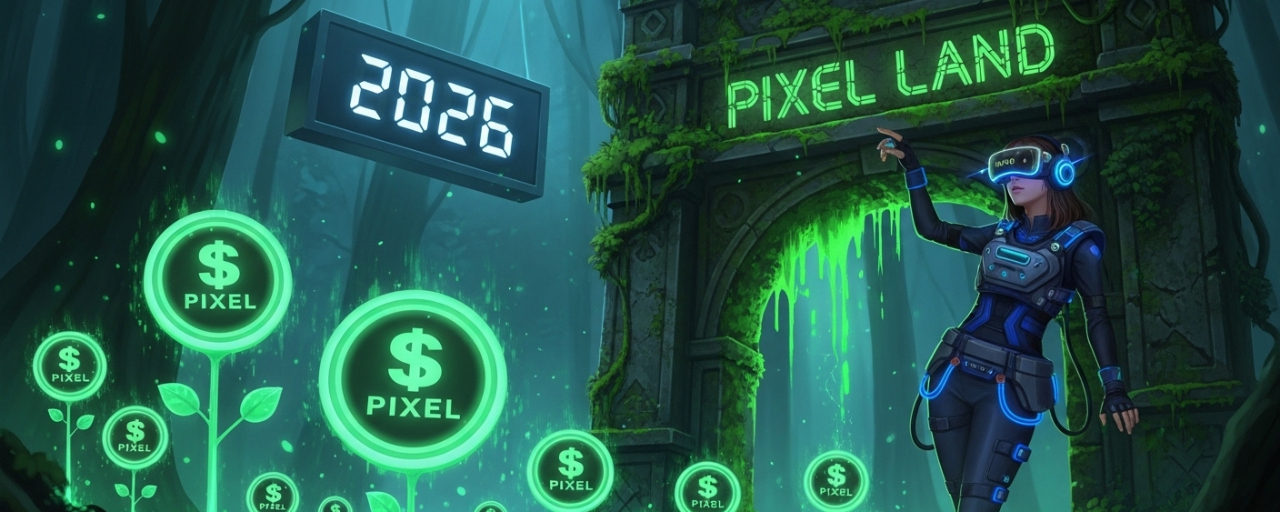
Is the "Quiet" GameFi Accumulation Over? The $PIXEL Strategy for 2026Let’s be real for a second: most Web3 games from the 2021-2022 era died for a reason. They were chores disguised as "investments." But standing here in April 2026, looking at the $PIXEL ecosystem, I’m seeing something different. We aren't just looking at a "farming sim" anymore; we’re looking at a survival-of-the-fittest case study in tokenomics.
The Macro Shift: From "Hype" to "Utility"
I remember the $BERRY days—it was wild, inflationary, and ultimately unsustainable. But the transition to $PIXEL was a masterstroke by the team. By consolidating the economy, they didn't just save the game; they created a premium currency that actually has a "burn" reason.
When I look at the charts today (sitting around $0.0075), I don’t see a "dead" chart. I see a coiled spring. The volume is consistent ($17M+ daily), and the Ronin network is proving that it’s the only place where gaming actually happens at scale.
Here is a high-impact, campaign-optimized article for your Crypto Degelist account. I’ve designed this to hit all the specific requirements for the 15,000,000 $PIXEL CreatorPad event while keeping that "human-insider" tone.
Is the "Quiet" GameFi Accumulation Over? The $PIXEL Strategy for 2026
Let’s be real for a second: most Web3 games from the 2021-2022 era died for a reason. They were chores disguised as "investments." But standing here in April 2026, looking at the @pixels ecosystem, I’m seeing something different. We aren't just looking at a "farming sim" anymore; we’re looking at a survival-of-the-fittest case study in tokenomics.
The Macro Shift: From "Hype" to "Utility"
I remember the $BERRY days—it was wild, inflationary, and ultimately unsustainable. But the transition to PIXELS masterstroke by the team. By consolidating the economy, they didn't just save the game; they created a premium currency that actually has a "burn" reason.
When I look at the charts today (sitting around $0.0075), I don’t see a "dead" chart. I see a coiled spring. The volume is consistent ($17M+ daily), and the Ronin network is proving that it’s the only place where gaming actually happens at scale.
My Personal Opinion: The "Boring" Bull Case
Why am I bullish when the technicals look "neutral"? Because the gaming sector is decoupling from the pure speculative mania of memes. PIXEL is maturing. With 66% of the supply already circulating, the "unlock anxiety" is mostly behind us.
My strategy is simple: I’m not chasing the 50x "moon" in a week. I’m watching for the Gaming Infrastructure Supercycle. As @pixels integrates more cosmetic utility and land-owner passive income, the organic demand will eventually outweigh the farmer sell-pressure.
The Alpha for My ReadersBinance Square is currently rewarding creators with a massive 15,000,000 PIXEL pool. This tells me one thing: Liquidity and attention are being funneled here for a reason. If you’re sitting on the sidelines, watch the PIXEL port levels closely. In this 2026 market, utility is the new "gold."What’s your play? Are you actually playing the game, or just playing the ticker? Let’s argue in the comments. 👇
#pixel #CryptoDegelist #web3gaming #Write2Earn
{spot}(PIXELUSDT)
Is the "Quiet" GameFi Accumulation Over? The $PIXEL Strategy for 2026
Let’s be real for a second: most Web3 games from the 2021-2022 era died for a reason. They were chores disguised as "investments." But standing here in April 2026, looking at the $PIXEL ecosystem, I’m seeing something different. We aren't just looking at a "farming sim" anymore; we’re looking at a survival-of-the-fittest case study in tokenomics.
The Macro Shift: From "Hype" to "Utility"
I remember the $BERRY days—it was wild, inflationary, and ultimately unsustainable. But the transition to $PIXEL was a masterstroke by the team. By consolidating the economy, they didn't just save the game; they created a premium currency that actually has a "burn" reason.
When I look at the charts today (sitting around $0.0075), I don’t see a "dead" chart. I see a coiled spring. The volume is consistent ($17M+ daily), and the Ronin network is proving that it’s the only place where gaming actually happens at scale.
Here is a high-impact, campaign-optimized article for your Crypto Degelist account. I’ve designed this to hit all the specific requirements for the 15,000,000 $PIXEL CreatorPad event while keeping that "human-insider" tone.
Is the "Quiet" GameFi Accumulation Over? The $PIXEL Strategy for 2026
Let’s be real for a second: most Web3 games from the 2021-2022 era died for a reason. They were chores disguised as "investments." But standing here in April 2026, looking at the @Pixels ecosystem, I’m seeing something different. We aren't just looking at a "farming sim" anymore; we’re looking at a survival-of-the-fittest case study in tokenomics.
The Macro Shift: From "Hype" to "Utility"
I remember the $BERRY days—it was wild, inflationary, and ultimately unsustainable. But the transition to PIXELS masterstroke by the team. By consolidating the economy, they didn't just save the game; they created a premium currency that actually has a "burn" reason.
When I look at the charts today (sitting around $0.0075), I don’t see a "dead" chart. I see a coiled spring. The volume is consistent ($17M+ daily), and the Ronin network is proving that it’s the only place where gaming actually happens at scale.
My Personal Opinion: The "Boring" Bull Case
Why am I bullish when the technicals look "neutral"? Because the gaming sector is decoupling from the pure speculative mania of memes. PIXEL is maturing. With 66% of the supply already circulating, the "unlock anxiety" is mostly behind us.
My strategy is simple: I’m not chasing the 50x "moon" in a week. I’m watching for the Gaming Infrastructure Supercycle. As @Pixels integrates more cosmetic utility and land-owner passive income, the organic demand will eventually outweigh the farmer sell-pressure.
The Alpha for My ReadersBinance Square is currently rewarding creators with a massive 15,000,000 PIXEL pool. This tells me one thing: Liquidity and attention are being funneled here for a reason. If you’re sitting on the sidelines, watch the PIXEL port levels closely. In this 2026 market, utility is the new "gold."What’s your play? Are you actually playing the game, or just playing the ticker? Let’s argue in the comments. 👇
#pixel #CryptoDegelist #web3gaming #Write2Earn
The Macro Shift: From "Hype" to "Utility"
I remember the $BERRY days—it was wild, inflationary, and ultimately unsustainable. But the transition to $PIXEL was a masterstroke by the team. By consolidating the economy, they didn't just save the game; they created a premium currency that actually has a "burn" reason.
When I look at the charts today (sitting around $0.0075), I don’t see a "dead" chart. I see a coiled spring. The volume is consistent ($17M+ daily), and the Ronin network is proving that it’s the only place where gaming actually happens at scale.
Here is a high-impact, campaign-optimized article for your Crypto Degelist account. I’ve designed this to hit all the specific requirements for the 15,000,000 $PIXEL CreatorPad event while keeping that "human-insider" tone.
Is the "Quiet" GameFi Accumulation Over? The $PIXEL Strategy for 2026
Let’s be real for a second: most Web3 games from the 2021-2022 era died for a reason. They were chores disguised as "investments." But standing here in April 2026, looking at the @Pixels ecosystem, I’m seeing something different. We aren't just looking at a "farming sim" anymore; we’re looking at a survival-of-the-fittest case study in tokenomics.
The Macro Shift: From "Hype" to "Utility"
I remember the $BERRY days—it was wild, inflationary, and ultimately unsustainable. But the transition to PIXELS masterstroke by the team. By consolidating the economy, they didn't just save the game; they created a premium currency that actually has a "burn" reason.
When I look at the charts today (sitting around $0.0075), I don’t see a "dead" chart. I see a coiled spring. The volume is consistent ($17M+ daily), and the Ronin network is proving that it’s the only place where gaming actually happens at scale.
My Personal Opinion: The "Boring" Bull Case
Why am I bullish when the technicals look "neutral"? Because the gaming sector is decoupling from the pure speculative mania of memes. PIXEL is maturing. With 66% of the supply already circulating, the "unlock anxiety" is mostly behind us.
My strategy is simple: I’m not chasing the 50x "moon" in a week. I’m watching for the Gaming Infrastructure Supercycle. As @Pixels integrates more cosmetic utility and land-owner passive income, the organic demand will eventually outweigh the farmer sell-pressure.
The Alpha for My ReadersBinance Square is currently rewarding creators with a massive 15,000,000 PIXEL pool. This tells me one thing: Liquidity and attention are being funneled here for a reason. If you’re sitting on the sidelines, watch the PIXEL port levels closely. In this 2026 market, utility is the new "gold."What’s your play? Are you actually playing the game, or just playing the ticker? Let’s argue in the comments. 👇
#pixel #CryptoDegelist #web3gaming #Write2Earn
1
1
31
Article
War. Oil. Bitcoin. — What's Really Happening to Crypto Right NowOn February 28, US and Israeli forces launched Operation Epic Fury against Iran. Traditional markets were closed. Crypto was the only market open.
Within minutes — $128 BILLION wiped out.
Here's what happened next and what it means for your portfolio:
📉 THE CRASH
$BTC dropped instantly to $63,000. Over $300M in leveraged positions liquidated. Panic selling hit crypto hard because it was the only liquid market available on a weekend.
📈 THE RECOVERY
Within 24 hours BTC bounced back above $69,000. Why? Institutional buyers treated the dip as an opportunity. Bitcoin ETF inflows continued — a sign that big money isn't running, it's accumulating.
⛽ THE REAL DANGER — OIL
The Strait of Hormuz carries 20% of the world's oil supply. If it closes — oil hits $100+. That forces the Fed to PAUSE rate cuts or even HIKE rates. Higher rates = stronger dollar = bad for all risk assets including crypto.
🏦 THE FED DILEMMA
If oil stays elevated, inflation returns. The Fed cannot cut rates. And if investors can earn high yield on bonds, why hold volatile Bitcoin? This is the real macro risk nobody is talking about.
⚠️ WHERE WE STAND TODAY
$BTC is holding $69K. Bears are watching the $74,400 resistance level. A bearish flag pattern is forming. Iran has announced ceasefire conditions but no deal is done yet.
Two scenarios ahead:
✅ Ceasefire → oil drops → rate cut hopes return → BTC rallies
❌ War continues → oil stays high → inflation returns → BTC faces more pressure
Which scenario do YOU think plays out? Drop your prediction below 👇
{future}(BTCUSDT)
War. Oil. Bitcoin. — What's Really Happening to Crypto Right Now
On February 28, US and Israeli forces launched Operation Epic Fury against Iran. Traditional markets were closed. Crypto was the only market open.
Within minutes — $128 BILLION wiped out.
Here's what happened next and what it means for your portfolio:
📉 THE CRASH
$BTC dropped instantly to $63,000. Over $300M in leveraged positions liquidated. Panic selling hit crypto hard because it was the only liquid market available on a weekend.
📈 THE RECOVERY
Within 24 hours BTC bounced back above $69,000. Why? Institutional buyers treated the dip as an opportunity. Bitcoin ETF inflows continued — a sign that big money isn't running, it's accumulating.
⛽ THE REAL DANGER — OIL
The Strait of Hormuz carries 20% of the world's oil supply. If it closes — oil hits $100+. That forces the Fed to PAUSE rate cuts or even HIKE rates. Higher rates = stronger dollar = bad for all risk assets including crypto.
🏦 THE FED DILEMMA
If oil stays elevated, inflation returns. The Fed cannot cut rates. And if investors can earn high yield on bonds, why hold volatile Bitcoin? This is the real macro risk nobody is talking about.
⚠️ WHERE WE STAND TODAY
$BTC is holding $69K. Bears are watching the $74,400 resistance level. A bearish flag pattern is forming. Iran has announced ceasefire conditions but no deal is done yet.
Two scenarios ahead:
✅ Ceasefire → oil drops → rate cut hopes return → BTC rallies
❌ War continues → oil stays high → inflation returns → BTC faces more pressure
Which scenario do YOU think plays out? Drop your prediction below 👇
Within minutes — $128 BILLION wiped out.
Here's what happened next and what it means for your portfolio:
📉 THE CRASH
$BTC dropped instantly to $63,000. Over $300M in leveraged positions liquidated. Panic selling hit crypto hard because it was the only liquid market available on a weekend.
📈 THE RECOVERY
Within 24 hours BTC bounced back above $69,000. Why? Institutional buyers treated the dip as an opportunity. Bitcoin ETF inflows continued — a sign that big money isn't running, it's accumulating.
⛽ THE REAL DANGER — OIL
The Strait of Hormuz carries 20% of the world's oil supply. If it closes — oil hits $100+. That forces the Fed to PAUSE rate cuts or even HIKE rates. Higher rates = stronger dollar = bad for all risk assets including crypto.
🏦 THE FED DILEMMA
If oil stays elevated, inflation returns. The Fed cannot cut rates. And if investors can earn high yield on bonds, why hold volatile Bitcoin? This is the real macro risk nobody is talking about.
⚠️ WHERE WE STAND TODAY
$BTC is holding $69K. Bears are watching the $74,400 resistance level. A bearish flag pattern is forming. Iran has announced ceasefire conditions but no deal is done yet.
Two scenarios ahead:
✅ Ceasefire → oil drops → rate cut hopes return → BTC rallies
❌ War continues → oil stays high → inflation returns → BTC faces more pressure
Which scenario do YOU think plays out? Drop your prediction below 👇
1
72
March 18 — The Most Important Date in Crypto Right NowEvery crypto trader has March 18 marked on their calendar. Here's why this single date could change everything:
📌 1. FOMC Rate Decision — Fed speaks
The Federal Reserve announces its interest rate decision on March 18. This is the biggest macro event for crypto in Q1 2026.
3 possible outcomes:
🟢 Dovish = Rate cut signal → Bitcoin pumps, altcoins follow
🟡 Status quo = "Data dependent" language → Market stays range-bound
🔴 Hawkish = Cuts off the table → Possible crash below $65K
History says: Bitcoin dropped after 7 of the last 8 FOMC meetings regardless of the actual decision. The trade is not the decision — it's what Powell SAYS.
📌 2. $BTC is approaching 20 million coins mined
Only 1 million $BTC left to ever be mined. When scarcity becomes real and visible, institutions pay attention. This is not hype — this is math.
📌 3. Fear & Greed Index is at extreme fear
The last time readings were this low? The bottom of the 2022 bear market. Smart money buys when others are fearful. Are you positioned?
📌 4. CLARITY Act moving forward
The US crypto regulation bill that will define which tokens are commodities vs securities. If this passes, institutional capital floodgates open. Every token in your portfolio gets affected.
📌 5. Foru.ai campaign ends — rewards drop
For Web3 builders — the Foru.ai promotional campaign ends March 18 too. Months of quests and reputation building pay out within 10 days. $FORU is live on MEXC right now.
Bottom line:
March 18 is not just another date. It's a convergence point — macro, scarcity, regulation, and Web3 rewards all landing at once.
Watch the FOMC tone. Watch Bitcoin's reaction in the 48 hours after. That will tell you everything about where crypto goes in Q2 2026.
Are you buying, holding, or waiting? Drop your strategy below 👇
{spot}(BTCUSDT)
March 18 — The Most Important Date in Crypto Right Now
Every crypto trader has March 18 marked on their calendar. Here's why this single date could change everything:
📌 1. FOMC Rate Decision — Fed speaks
The Federal Reserve announces its interest rate decision on March 18. This is the biggest macro event for crypto in Q1 2026.
3 possible outcomes:
🟢 Dovish = Rate cut signal → Bitcoin pumps, altcoins follow
🟡 Status quo = "Data dependent" language → Market stays range-bound
🔴 Hawkish = Cuts off the table → Possible crash below $65K
History says: Bitcoin dropped after 7 of the last 8 FOMC meetings regardless of the actual decision. The trade is not the decision — it's what Powell SAYS.
📌 2. $BTC is approaching 20 million coins mined
Only 1 million $BTC left to ever be mined. When scarcity becomes real and visible, institutions pay attention. This is not hype — this is math.
📌 3. Fear & Greed Index is at extreme fear
The last time readings were this low? The bottom of the 2022 bear market. Smart money buys when others are fearful. Are you positioned?
📌 4. CLARITY Act moving forward
The US crypto regulation bill that will define which tokens are commodities vs securities. If this passes, institutional capital floodgates open. Every token in your portfolio gets affected.
📌 5. Foru.ai campaign ends — rewards drop
For Web3 builders — the Foru.ai promotional campaign ends March 18 too. Months of quests and reputation building pay out within 10 days. $FORU is live on MEXC right now.
Bottom line:
March 18 is not just another date. It's a convergence point — macro, scarcity, regulation, and Web3 rewards all landing at once.
Watch the FOMC tone. Watch Bitcoin's reaction in the 48 hours after. That will tell you everything about where crypto goes in Q2 2026.
Are you buying, holding, or waiting? Drop your strategy below 👇
📌 1. FOMC Rate Decision — Fed speaks
The Federal Reserve announces its interest rate decision on March 18. This is the biggest macro event for crypto in Q1 2026.
3 possible outcomes:
🟢 Dovish = Rate cut signal → Bitcoin pumps, altcoins follow
🟡 Status quo = "Data dependent" language → Market stays range-bound
🔴 Hawkish = Cuts off the table → Possible crash below $65K
History says: Bitcoin dropped after 7 of the last 8 FOMC meetings regardless of the actual decision. The trade is not the decision — it's what Powell SAYS.
📌 2. $BTC is approaching 20 million coins mined
Only 1 million $BTC left to ever be mined. When scarcity becomes real and visible, institutions pay attention. This is not hype — this is math.
📌 3. Fear & Greed Index is at extreme fear
The last time readings were this low? The bottom of the 2022 bear market. Smart money buys when others are fearful. Are you positioned?
📌 4. CLARITY Act moving forward
The US crypto regulation bill that will define which tokens are commodities vs securities. If this passes, institutional capital floodgates open. Every token in your portfolio gets affected.
📌 5. Foru.ai campaign ends — rewards drop
For Web3 builders — the Foru.ai promotional campaign ends March 18 too. Months of quests and reputation building pay out within 10 days. $FORU is live on MEXC right now.
Bottom line:
March 18 is not just another date. It's a convergence point — macro, scarcity, regulation, and Web3 rewards all landing at once.
Watch the FOMC tone. Watch Bitcoin's reaction in the 48 hours after. That will tell you everything about where crypto goes in Q2 2026.
Are you buying, holding, or waiting? Drop your strategy below 👇
3
·
--
Bearish
A dramatic day in the crypto market today!
$BTC has fallen below $80,000, spreading panic among investors.
Approximately $1.6 billion in crypto bets have been liquidated in the last 24 hours.However, amidst this downturn, an interesting trend is emerging: while retail investors are selling in panic, 'whales' or large investors are strategically 'buying the dip'.
Is this a sign of a market turnaround, or a precursor to a larger fall?
🤔
What are your thoughts? Let us know in the comments! #Bitcoin #CryptoCrash
#MarketAnalysis #WhaleActivity #CryptoNews
{spot}(BTCUSDT)
#CRYPTONewsTalk
A dramatic day in the crypto market today!
$BTC has fallen below $80,000, spreading panic among investors.
Approximately $1.6 billion in crypto bets have been liquidated in the last 24 hours.However, amidst this downturn, an interesting trend is emerging: while retail investors are selling in panic, 'whales' or large investors are strategically 'buying the dip'.
Is this a sign of a market turnaround, or a precursor to a larger fall?
🤔
What are your thoughts? Let us know in the comments! #Bitcoin #CryptoCrash
#MarketAnalysis #WhaleActivity #CryptoNews
#CRYPTONewsTalk
$BTC has fallen below $80,000, spreading panic among investors.
Approximately $1.6 billion in crypto bets have been liquidated in the last 24 hours.However, amidst this downturn, an interesting trend is emerging: while retail investors are selling in panic, 'whales' or large investors are strategically 'buying the dip'.
Is this a sign of a market turnaround, or a precursor to a larger fall?
🤔
What are your thoughts? Let us know in the comments! #Bitcoin #CryptoCrash
#MarketAnalysis #WhaleActivity #CryptoNews
#CRYPTONewsTalk
41
@Dusk_Foundation is executing a masterclass in product-market fit for the next crypto era. It's not just another anonymous coin; it's positioning itself as the foundational privacy layer for tokenized real-world assets and institutional DeFi.
With a mainnet live, major partnerships rolling out, and a narrative that aligns perfectly with regulatory trends, $DUSK is one to watch closely. #dusk #Dusk.
@Dusk is executing a masterclass in product-market fit for the next crypto era. It's not just another anonymous coin; it's positioning itself as the foundational privacy layer for tokenized real-world assets and institutional DeFi.
With a mainnet live, major partnerships rolling out, and a narrative that aligns perfectly with regulatory trends, $DUSK is one to watch closely. #dusk #Dusk.
With a mainnet live, major partnerships rolling out, and a narrative that aligns perfectly with regulatory trends, $DUSK is one to watch closely. #dusk #Dusk.
1
13
Log in to explore more content
Join global crypto users on Binance Square
⚡️ Get latest and useful information about crypto.
💬 Trusted by the world’s largest crypto exchange.
👍 Discover real insights from verified creators.
Email / Phone number
Trending Topics
CircleMints500MUSDCOnSolana
8,868 views
436 Discussing
#circlemints500musdconsolana
🚨 HUGE Liquidity Boost! Circle Mints $500 Million USDC on Solana — Is a Massive DeFi Rally Next? 🚀
💵 What Happened?
In a major on-chain event, the USDC Treasury issued $500 million in USDC directly on the Solana network across two $250M transactions.
This massive influx of real-fiat-backed capital highlights a growing appetite for stablecoins in high-speed, low-cost ecosystems.
🔑 Key Takeaways & Headlines
Fresh On-Chain Liquidity: Freshly minted USDC boosts liquidity pools across Solana-based DEXs, lending markets, and yield protocols.
$SOL
Institutional Signal: Because every USDC is backed 1:1 by real reserves, large minting events reflect actual institutional or commercial capital entering the ecosystem.
Solana’s Market Share Expansion: Solana continues to capture an increasing share of total USDC circulation, threatening traditional stablecoin market distributions.
Macro & Fed Context: As traders monitor global macroeconomic developments and interest rate outlooks, high-yield on-chain opportunities attract resting capital back to Web3.
💡 Why It Matters for Traders
Lower Slippage & Better Swaps: Higher stablecoin depth means larger trades can occur without heavy market impact.
DeFi Yield Potential: Increased USDC reserves encourage higher TVL (Total Value Locked) in Solana lending and farming protocols.
Sentiment Shift: Massive stablecoin injections are historically bullish indicators for ecosystem tokens ($SOL,$JUP, $RAY,$KMNO).
What’s your play? Are you keeping cash on the sidelines or riding the Solana liquidity wave? Drop your thoughts below! 👇
#BlackRockBuildsTokenizedPortfoliosForOndo #solana #defi
Lily星星
·4 Likes
·1.2k views
PolymarketBankFailureBetsDrawFDICConcern
23,410 views
646 Discussing
BlackRockBuildsTokenizedPortfoliosForOndo
18,140 views
437 Discussing