

小恐龙说趋势
440 Posts
 LIVE
LIVE小恐龙说趋势
Report
Block User
6 Following
2.0K+ Followers
2.3K Liked
Posts
All
Live
·
--
#zcash现货etf首现周度净流出9360万美元
Two weeks ago, it pulled in $98.2 million—ranked No. 1 across the entire crypto ETF market. This week, however, it saw a net outflow of $93.6 million—the Zcash ETF’s first-ever pattern of “only out, never in” 🦖
[💡 群里更新数据解读](https://app.binance.com/uni-qr/JpwCPfBj)
Grayscale’s Zcash spot ETF (ticker: ZCSH) has, since its launch in August, recorded its first weekly net outflow. This week, $93.6 million was redeemed. Meanwhile, over the same period, ZEC’s price slid from about $1,585 at the start of the week to around $1,300. Money flows and price—first time pointing in the same direction.
The details are even more straightforward: as of October 3, ZEC was trading around $1,308, down about 17.5% over the week, and retreating roughly 23% from its recent high of $1,690. According to SoSoValue data, this ETF hasn’t posted any single-day net inflow since September 22. The redemptions have been consecutive, not a one-off transaction 💰.
The contrast is stark: two weeks ago, ZCSH attracted $98.2 million in a single week—the largest inflow among all crypto ETFs that week. Going from inflow champion to the main outflow driver, the fund’s flow direction flipped by nearly $190 million. And remember, Zcash has gained over 20x this year—ETF inflows are one of the key fuels behind this leg of the rally. With the fuel being withdrawn in the opposite direction, the price naturally loses a pillar ⚠️.
But don’t put all the blame on the ETF. The report is clear: redemptions can explain some of the pressure, but they can’t explain the entire drop. What you really need to watch is the price itself: the $1,270 to $1,300 area below is where recent buyers have been stepping in. On the four-hour chart, the longer-term moving averages are also hovering around this level. As long as it holds, there’s reason to expect a rebound; if it breaks, the next reference point is $1,155—about 12% lower than the current price 📉.
Upward, short-term selling pressure is starting to ease. There may be a chance to bounce first toward $1,320 to $1,360. If it can reclaim and hold above $1,380 to $1,425, then the logic of challenging $1,500 in the latter part of October would be back on track. In one sentence: this round is “a two-legged story”—the privacy-coin narrative and ETF funds are walking on two legs, and now the funds’ leg is the first to feel weak.
Do you think this move in ZEC is a deep overextension correction, or that the market has truly topped? Let’s discuss in the comments.
Click your avatar to watch the livestream
Every day, I’ll take you through Zcash highlights—more than just reporting what happened, I’ll help you understand the underlying logic and opportunities 👀🚀
#zcash现货etf首现周度净流出9360万美元
Two weeks ago, it pulled in $98.2 million—ranked No. 1 across the entire crypto ETF market. This week, however, it saw a net outflow of $93.6 million—the Zcash ETF’s first-ever pattern of “only out, never in” 🦖
💡 群里更新数据解读
Grayscale’s Zcash spot ETF (ticker: ZCSH) has, since its launch in August, recorded its first weekly net outflow. This week, $93.6 million was redeemed. Meanwhile, over the same period, ZEC’s price slid from about $1,585 at the start of the week to around $1,300. Money flows and price—first time pointing in the same direction.
The details are even more straightforward: as of October 3, ZEC was trading around $1,308, down about 17.5% over the week, and retreating roughly 23% from its recent high of $1,690. According to SoSoValue data, this ETF hasn’t posted any single-day net inflow since September 22. The redemptions have been consecutive, not a one-off transaction 💰.
The contrast is stark: two weeks ago, ZCSH attracted $98.2 million in a single week—the largest inflow among all crypto ETFs that week. Going from inflow champion to the main outflow driver, the fund’s flow direction flipped by nearly $190 million. And remember, Zcash has gained over 20x this year—ETF inflows are one of the key fuels behind this leg of the rally. With the fuel being withdrawn in the opposite direction, the price naturally loses a pillar ⚠️.
But don’t put all the blame on the ETF. The report is clear: redemptions can explain some of the pressure, but they can’t explain the entire drop. What you really need to watch is the price itself: the $1,270 to $1,300 area below is where recent buyers have been stepping in. On the four-hour chart, the longer-term moving averages are also hovering around this level. As long as it holds, there’s reason to expect a rebound; if it breaks, the next reference point is $1,155—about 12% lower than the current price 📉.
Upward, short-term selling pressure is starting to ease. There may be a chance to bounce first toward $1,320 to $1,360. If it can reclaim and hold above $1,380 to $1,425, then the logic of challenging $1,500 in the latter part of October would be back on track. In one sentence: this round is “a two-legged story”—the privacy-coin narrative and ETF funds are walking on two legs, and now the funds’ leg is the first to feel weak.
Do you think this move in ZEC is a deep overextension correction, or that the market has truly topped? Let’s discuss in the comments.
Click your avatar to watch the livestream
Every day, I’ll take you through Zcash highlights—more than just reporting what happened, I’ll help you understand the underlying logic and opportunities 👀🚀
Two weeks ago, it pulled in $98.2 million—ranked No. 1 across the entire crypto ETF market. This week, however, it saw a net outflow of $93.6 million—the Zcash ETF’s first-ever pattern of “only out, never in” 🦖
💡 群里更新数据解读
Grayscale’s Zcash spot ETF (ticker: ZCSH) has, since its launch in August, recorded its first weekly net outflow. This week, $93.6 million was redeemed. Meanwhile, over the same period, ZEC’s price slid from about $1,585 at the start of the week to around $1,300. Money flows and price—first time pointing in the same direction.
The details are even more straightforward: as of October 3, ZEC was trading around $1,308, down about 17.5% over the week, and retreating roughly 23% from its recent high of $1,690. According to SoSoValue data, this ETF hasn’t posted any single-day net inflow since September 22. The redemptions have been consecutive, not a one-off transaction 💰.
The contrast is stark: two weeks ago, ZCSH attracted $98.2 million in a single week—the largest inflow among all crypto ETFs that week. Going from inflow champion to the main outflow driver, the fund’s flow direction flipped by nearly $190 million. And remember, Zcash has gained over 20x this year—ETF inflows are one of the key fuels behind this leg of the rally. With the fuel being withdrawn in the opposite direction, the price naturally loses a pillar ⚠️.
But don’t put all the blame on the ETF. The report is clear: redemptions can explain some of the pressure, but they can’t explain the entire drop. What you really need to watch is the price itself: the $1,270 to $1,300 area below is where recent buyers have been stepping in. On the four-hour chart, the longer-term moving averages are also hovering around this level. As long as it holds, there’s reason to expect a rebound; if it breaks, the next reference point is $1,155—about 12% lower than the current price 📉.
Upward, short-term selling pressure is starting to ease. There may be a chance to bounce first toward $1,320 to $1,360. If it can reclaim and hold above $1,380 to $1,425, then the logic of challenging $1,500 in the latter part of October would be back on track. In one sentence: this round is “a two-legged story”—the privacy-coin narrative and ETF funds are walking on two legs, and now the funds’ leg is the first to feel weak.
Do you think this move in ZEC is a deep overextension correction, or that the market has truly topped? Let’s discuss in the comments.
Click your avatar to watch the livestream
Every day, I’ll take you through Zcash highlights—more than just reporting what happened, I’ll help you understand the underlying logic and opportunities 👀🚀
178
·
--
#比特币涨至8.65万美元后回落
$70 turns into $1.7 million—over 20,000x gain. A Bitcoin wallet that has been asleep for 15 years suddenly woke up 🦖
[🤔 有想法进群聊](https://app.binance.com/uni-qr/JpwCPfBj)
According to on-chain analytics platform Onchain Lens, an address that hasn’t moved for more than 15 years just transferred out 20.43 BTC, worth about $1.7 million at current prices. These coins were likely bought around May 2011, when Bitcoin was only $3 to $4 per coin—costing roughly $70 total. That means holding them for more than 20,000 times their original value. On-chain records also show that, in earlier years, this address had interacted with wallets from old platforms like Mt. Gox—that was the wildest era for Bitcoin.
The way it moved is also very deliberate: 20.43 BTC were sent in two transactions. The 10.33 BTC portion (currently about $863,000) was received earliest on May 8, 2011, and the 10.10 BTC portion (about $844,000) was received on May 1.
As it “woke” after 15 years, its first move was to split it up.
And this isn’t a one-off. On September 5, 12 old wallets mined in March 2010—each holding 50 BTC—moved a total of 600 BTC at once. Galaxy Research then identified 4 more addresses that had been dormant for over ten years, with a combined transfer of 1,971.03 BTC from September 6 to 22. On September 19, a wallet from 2011 sent out 100 BTC (about $8.09 million). Three days later, an address that had been inactive since July 2012 transferred 600 BTC (about $51.9 million) 🐋.
Put simply: the old whales are waking up in a group, and the market’s first reaction is often, “They’re going to dump.” But the real signal may not be coming from the sellers—it may be the absence of buyers. CryptoQuant analyst Darkfost points out that Bitcoin is increasingly being dominated by derivatives contracts; spot demand is weak. The ratio of spot to derivatives trading among top exchanges is only about 0.12. He calls spot trading “the missing puzzle piece”—a rebound propped up by contracts. If spot doesn’t step in, it can easily fall apart ⚠️.
Another set of data is also worth watching. Santiment reports that whale and shark addresses holding between 10 and 10,000 BTC saw a net increase of 41,025 coins in 10 days. Their holdings have returned to 13.64 million BTC, representing 67.93%—the highest since the surge in mid-August. Meanwhile, small retail wallets with below 0.01 BTC basically haven’t moved. In other words, big money is quietly replenishing, while retail traders are still standing by.
Bitcoin’s current price is about $84,934, up 1.10% over the past 24 hours, still trading sideways within the pullback range around $86.5k 📈.
Do you think these 15-year-dormant coins are about to be cashed out—or are veteran players just switching wallets? Let’s discuss in the comments.
Click the profile picture to watch the livestream
Every day, I’ll help you track Bitcoin trends—more than just news about what happened, it also shows you the logic and opportunities behind it 👀🚀
#比特币涨至8.65万美元后回落
$70 turns into $1.7 million—over 20,000x gain. A Bitcoin wallet that has been asleep for 15 years suddenly woke up 🦖
🤔 有想法进群聊
According to on-chain analytics platform Onchain Lens, an address that hasn’t moved for more than 15 years just transferred out 20.43 BTC, worth about $1.7 million at current prices. These coins were likely bought around May 2011, when Bitcoin was only $3 to $4 per coin—costing roughly $70 total. That means holding them for more than 20,000 times their original value. On-chain records also show that, in earlier years, this address had interacted with wallets from old platforms like Mt. Gox—that was the wildest era for Bitcoin.
The way it moved is also very deliberate: 20.43 BTC were sent in two transactions. The 10.33 BTC portion (currently about $863,000) was received earliest on May 8, 2011, and the 10.10 BTC portion (about $844,000) was received on May 1.
As it “woke” after 15 years, its first move was to split it up.
And this isn’t a one-off. On September 5, 12 old wallets mined in March 2010—each holding 50 BTC—moved a total of 600 BTC at once. Galaxy Research then identified 4 more addresses that had been dormant for over ten years, with a combined transfer of 1,971.03 BTC from September 6 to 22. On September 19, a wallet from 2011 sent out 100 BTC (about $8.09 million). Three days later, an address that had been inactive since July 2012 transferred 600 BTC (about $51.9 million) 🐋.
Put simply: the old whales are waking up in a group, and the market’s first reaction is often, “They’re going to dump.” But the real signal may not be coming from the sellers—it may be the absence of buyers. CryptoQuant analyst Darkfost points out that Bitcoin is increasingly being dominated by derivatives contracts; spot demand is weak. The ratio of spot to derivatives trading among top exchanges is only about 0.12. He calls spot trading “the missing puzzle piece”—a rebound propped up by contracts. If spot doesn’t step in, it can easily fall apart ⚠️.
Another set of data is also worth watching. Santiment reports that whale and shark addresses holding between 10 and 10,000 BTC saw a net increase of 41,025 coins in 10 days. Their holdings have returned to 13.64 million BTC, representing 67.93%—the highest since the surge in mid-August. Meanwhile, small retail wallets with below 0.01 BTC basically haven’t moved. In other words, big money is quietly replenishing, while retail traders are still standing by.
Bitcoin’s current price is about $84,934, up 1.10% over the past 24 hours, still trading sideways within the pullback range around $86.5k 📈.
Do you think these 15-year-dormant coins are about to be cashed out—or are veteran players just switching wallets? Let’s discuss in the comments.
Click the profile picture to watch the livestream
Every day, I’ll help you track Bitcoin trends—more than just news about what happened, it also shows you the logic and opportunities behind it 👀🚀
$70 turns into $1.7 million—over 20,000x gain. A Bitcoin wallet that has been asleep for 15 years suddenly woke up 🦖
🤔 有想法进群聊
According to on-chain analytics platform Onchain Lens, an address that hasn’t moved for more than 15 years just transferred out 20.43 BTC, worth about $1.7 million at current prices. These coins were likely bought around May 2011, when Bitcoin was only $3 to $4 per coin—costing roughly $70 total. That means holding them for more than 20,000 times their original value. On-chain records also show that, in earlier years, this address had interacted with wallets from old platforms like Mt. Gox—that was the wildest era for Bitcoin.
The way it moved is also very deliberate: 20.43 BTC were sent in two transactions. The 10.33 BTC portion (currently about $863,000) was received earliest on May 8, 2011, and the 10.10 BTC portion (about $844,000) was received on May 1.
As it “woke” after 15 years, its first move was to split it up.
And this isn’t a one-off. On September 5, 12 old wallets mined in March 2010—each holding 50 BTC—moved a total of 600 BTC at once. Galaxy Research then identified 4 more addresses that had been dormant for over ten years, with a combined transfer of 1,971.03 BTC from September 6 to 22. On September 19, a wallet from 2011 sent out 100 BTC (about $8.09 million). Three days later, an address that had been inactive since July 2012 transferred 600 BTC (about $51.9 million) 🐋.
Put simply: the old whales are waking up in a group, and the market’s first reaction is often, “They’re going to dump.” But the real signal may not be coming from the sellers—it may be the absence of buyers. CryptoQuant analyst Darkfost points out that Bitcoin is increasingly being dominated by derivatives contracts; spot demand is weak. The ratio of spot to derivatives trading among top exchanges is only about 0.12. He calls spot trading “the missing puzzle piece”—a rebound propped up by contracts. If spot doesn’t step in, it can easily fall apart ⚠️.
Another set of data is also worth watching. Santiment reports that whale and shark addresses holding between 10 and 10,000 BTC saw a net increase of 41,025 coins in 10 days. Their holdings have returned to 13.64 million BTC, representing 67.93%—the highest since the surge in mid-August. Meanwhile, small retail wallets with below 0.01 BTC basically haven’t moved. In other words, big money is quietly replenishing, while retail traders are still standing by.
Bitcoin’s current price is about $84,934, up 1.10% over the past 24 hours, still trading sideways within the pullback range around $86.5k 📈.
Do you think these 15-year-dormant coins are about to be cashed out—or are veteran players just switching wallets? Let’s discuss in the comments.
Click the profile picture to watch the livestream
Every day, I’ll help you track Bitcoin trends—more than just news about what happened, it also shows you the logic and opportunities behind it 👀🚀

112
·
--
1 billion XRP just got unlocked, and 700 million were moved back into the vault the same day—so the sell pressure the market was waiting for didn’t show up 🦖
[👥 一起来群里抬杠](https://app.binance.com/uni-qr/JpwCPfBj)
Ripple followed its old playbook and unlocked 1 billion XRP at the start of the month in four tranches (400M, 200M, 300M, 100M). But almost at the same time, it moved 700M of those—worth about $1.05 billion at the time—back into two new custodial agreements (400M + 300M).
In one sentence: the only amount that truly stayed outside custody and may enter circulation is 300M XRP. And XRP’s current price is hovering around $1.49—repeatedly testing the $1.54 to $1.59 zone, but it still hasn’t managed to hold.
This custody mechanism has been in place since 2017: at the beginning of each month, up to 1 billion can be unlocked, and in most months Ripple returns the bulk back to its original vault. The goal is to avoid dumping the whole batch into the market at once. After this latest move, about 31.845 billion XRP remain locked in the custody accounts—whether supply is loosening or tightening depends on this “net change,” not the headline “unlocked 1 billion.”
My take: the market is too used to shouting about sell pressure based on the total “unlocked 1 billion,” without factoring in the net added amount—the additional 300M (about $450M). Even this small loosening is unlikely to, by itself, flip the trend; the real driver is whether price can chew through the $1.59 level.
From a technical perspective, $1.54 to $1.59 is a clear supply zone. On Sep 23 it surged to $1.65, and on Sep 25 it hit $1.62—both times it got rejected, suggesting overhead trapped-supply isn’t light. Downside, $1.44 to $1.47 is the first support; if that breaks, the next levels are $1.39 and $1.29. Analysts treat $1.59 as the signal line: if daily or weekly candles close above it, there’s a chance to reach $1.75. If support breaks, the pullback could go deeper.⚠️
What to watch isn’t “how much gets unlocked,” but “how much net increases into circulation,” and whether $1.59 can actually be reclaimed and held.📈
Do you think XRP can stand above $1.59 this time, or will it dip back to $1.44 first? Let’s discuss in the comments.
Click the avatar to watch the live stream
Every day, I’ll keep you on top of XRP highlights—not just what happened in the news, but also the logic and opportunities behind it 👀🚀
1 billion XRP just got unlocked, and 700 million were moved back into the vault the same day—so the sell pressure the market was waiting for didn’t show up 🦖
👥 一起来群里抬杠
Ripple followed its old playbook and unlocked 1 billion XRP at the start of the month in four tranches (400M, 200M, 300M, 100M). But almost at the same time, it moved 700M of those—worth about $1.05 billion at the time—back into two new custodial agreements (400M + 300M).
In one sentence: the only amount that truly stayed outside custody and may enter circulation is 300M XRP. And XRP’s current price is hovering around $1.49—repeatedly testing the $1.54 to $1.59 zone, but it still hasn’t managed to hold.
This custody mechanism has been in place since 2017: at the beginning of each month, up to 1 billion can be unlocked, and in most months Ripple returns the bulk back to its original vault. The goal is to avoid dumping the whole batch into the market at once. After this latest move, about 31.845 billion XRP remain locked in the custody accounts—whether supply is loosening or tightening depends on this “net change,” not the headline “unlocked 1 billion.”
My take: the market is too used to shouting about sell pressure based on the total “unlocked 1 billion,” without factoring in the net added amount—the additional 300M (about $450M). Even this small loosening is unlikely to, by itself, flip the trend; the real driver is whether price can chew through the $1.59 level.
From a technical perspective, $1.54 to $1.59 is a clear supply zone. On Sep 23 it surged to $1.65, and on Sep 25 it hit $1.62—both times it got rejected, suggesting overhead trapped-supply isn’t light. Downside, $1.44 to $1.47 is the first support; if that breaks, the next levels are $1.39 and $1.29. Analysts treat $1.59 as the signal line: if daily or weekly candles close above it, there’s a chance to reach $1.75. If support breaks, the pullback could go deeper.⚠️
What to watch isn’t “how much gets unlocked,” but “how much net increases into circulation,” and whether $1.59 can actually be reclaimed and held.📈
Do you think XRP can stand above $1.59 this time, or will it dip back to $1.44 first? Let’s discuss in the comments.
Click the avatar to watch the live stream
Every day, I’ll keep you on top of XRP highlights—not just what happened in the news, but also the logic and opportunities behind it 👀🚀
👥 一起来群里抬杠
Ripple followed its old playbook and unlocked 1 billion XRP at the start of the month in four tranches (400M, 200M, 300M, 100M). But almost at the same time, it moved 700M of those—worth about $1.05 billion at the time—back into two new custodial agreements (400M + 300M).
In one sentence: the only amount that truly stayed outside custody and may enter circulation is 300M XRP. And XRP’s current price is hovering around $1.49—repeatedly testing the $1.54 to $1.59 zone, but it still hasn’t managed to hold.
This custody mechanism has been in place since 2017: at the beginning of each month, up to 1 billion can be unlocked, and in most months Ripple returns the bulk back to its original vault. The goal is to avoid dumping the whole batch into the market at once. After this latest move, about 31.845 billion XRP remain locked in the custody accounts—whether supply is loosening or tightening depends on this “net change,” not the headline “unlocked 1 billion.”
My take: the market is too used to shouting about sell pressure based on the total “unlocked 1 billion,” without factoring in the net added amount—the additional 300M (about $450M). Even this small loosening is unlikely to, by itself, flip the trend; the real driver is whether price can chew through the $1.59 level.
From a technical perspective, $1.54 to $1.59 is a clear supply zone. On Sep 23 it surged to $1.65, and on Sep 25 it hit $1.62—both times it got rejected, suggesting overhead trapped-supply isn’t light. Downside, $1.44 to $1.47 is the first support; if that breaks, the next levels are $1.39 and $1.29. Analysts treat $1.59 as the signal line: if daily or weekly candles close above it, there’s a chance to reach $1.75. If support breaks, the pullback could go deeper.⚠️
What to watch isn’t “how much gets unlocked,” but “how much net increases into circulation,” and whether $1.59 can actually be reclaimed and held.📈
Do you think XRP can stand above $1.59 this time, or will it dip back to $1.44 first? Let’s discuss in the comments.
Click the avatar to watch the live stream
Every day, I’ll keep you on top of XRP highlights—not just what happened in the news, but also the logic and opportunities behind it 👀🚀

94
·
--
Six global systemically important banks all approached the same exchange at the same time—but what they’re really discussing are two words that truly matter, hidden in “consultant” 🦖
[⚡ 有大动静群里说](https://app.binance.com/uni-qr/JpwCPfBj)
Here’s what’s going on: a leading U.S. exchange has openly admitted that it’s working with advisers from six “global systemically important banks” (G-SIBs) with the goal of expanding its exposure to Bitcoin. G-SIBs are the list of the world’s most core, most interconnected banks identified by the Financial Stability Board (FSB), and there are only around 30 in the world. Having six show up at once means one-fifth of the “top list” is sitting at the same table at the same time 📈
But there’s a key premise that must be made clear: the claim comes from the exchange itself, not from the banks, and it doesn’t name which six banks they are. No deal structure, no amounts, no products, no timetable.
Why are the words “consultant” so critical? An adviser at a G-SIB might only be helping clients with feasibility studies, running models, or representing a client with authorization—this is completely different from a bank using its own balance sheet to buy Bitcoin, or making capital-allocation decisions that way. Because G-SIBs face higher capital requirements and stricter regulatory constraints, if they really wanted to hold Bitcoin themselves, they would have to go through far more extensive regulatory procedures than just “consultant discussions” ⚖️
So why were they being approached? In recent years, the exchange has been laying out institutional infrastructure widely: international exchanges, custody, and a derivatives pipeline obtained through the acquisition of Deribit. For banks, custody, prime brokerage, over-the-counter derivatives, and even Bitcoin-collateralized lending are all routes to obtain exposure without “directly holding Bitcoin”—and there aren’t many counterparties that can offer all of these at once.
⚠️ A bucket of cold water: there are lots of deals like this every year, and only a few actually materialize. The truly important things to watch are three questions—whether these six will be named, whether there will be a first disclosure of capital/transaction size, and whether regulators grant approval in advance. Until those three points are clearly established, it’s more like a “scouting trip” than an “entry” into the market.
My view: Bitcoin surged intraday to $87,229 and then pulled back; the current price is around $85,000, and in the past 24 hours it’s only up 0.18%. Based on price alone, it’s hard to tell a brand-new story. The CLARITY Act just failed by a vote of 49 to 50, and the SEC and the CFTC are each scrambling to release their own rules. This exchange chose that window to float the story—it’s not only applying pressure on regulators, it’s also giving the institutional side a chance to stake a position.
How many of these six banks do you think will ultimately actually put Bitcoin onto their own balance sheet? Chat in the comments.
Click the avatar to watch the live stream
Every day, I’ll help you follow Bitcoin headlines—not just what happens in the news, but also how to understand the underlying logic and opportunities 👀🚀
Six global systemically important banks all approached the same exchange at the same time—but what they’re really discussing are two words that truly matter, hidden in “consultant” 🦖
⚡ 有大动静群里说
Here’s what’s going on: a leading U.S. exchange has openly admitted that it’s working with advisers from six “global systemically important banks” (G-SIBs) with the goal of expanding its exposure to Bitcoin. G-SIBs are the list of the world’s most core, most interconnected banks identified by the Financial Stability Board (FSB), and there are only around 30 in the world. Having six show up at once means one-fifth of the “top list” is sitting at the same table at the same time 📈
But there’s a key premise that must be made clear: the claim comes from the exchange itself, not from the banks, and it doesn’t name which six banks they are. No deal structure, no amounts, no products, no timetable.
Why are the words “consultant” so critical? An adviser at a G-SIB might only be helping clients with feasibility studies, running models, or representing a client with authorization—this is completely different from a bank using its own balance sheet to buy Bitcoin, or making capital-allocation decisions that way. Because G-SIBs face higher capital requirements and stricter regulatory constraints, if they really wanted to hold Bitcoin themselves, they would have to go through far more extensive regulatory procedures than just “consultant discussions” ⚖️
So why were they being approached? In recent years, the exchange has been laying out institutional infrastructure widely: international exchanges, custody, and a derivatives pipeline obtained through the acquisition of Deribit. For banks, custody, prime brokerage, over-the-counter derivatives, and even Bitcoin-collateralized lending are all routes to obtain exposure without “directly holding Bitcoin”—and there aren’t many counterparties that can offer all of these at once.
⚠️ A bucket of cold water: there are lots of deals like this every year, and only a few actually materialize. The truly important things to watch are three questions—whether these six will be named, whether there will be a first disclosure of capital/transaction size, and whether regulators grant approval in advance. Until those three points are clearly established, it’s more like a “scouting trip” than an “entry” into the market.
My view: Bitcoin surged intraday to $87,229 and then pulled back; the current price is around $85,000, and in the past 24 hours it’s only up 0.18%. Based on price alone, it’s hard to tell a brand-new story. The CLARITY Act just failed by a vote of 49 to 50, and the SEC and the CFTC are each scrambling to release their own rules. This exchange chose that window to float the story—it’s not only applying pressure on regulators, it’s also giving the institutional side a chance to stake a position.
How many of these six banks do you think will ultimately actually put Bitcoin onto their own balance sheet? Chat in the comments.
Click the avatar to watch the live stream
Every day, I’ll help you follow Bitcoin headlines—not just what happens in the news, but also how to understand the underlying logic and opportunities 👀🚀
⚡ 有大动静群里说
Here’s what’s going on: a leading U.S. exchange has openly admitted that it’s working with advisers from six “global systemically important banks” (G-SIBs) with the goal of expanding its exposure to Bitcoin. G-SIBs are the list of the world’s most core, most interconnected banks identified by the Financial Stability Board (FSB), and there are only around 30 in the world. Having six show up at once means one-fifth of the “top list” is sitting at the same table at the same time 📈
But there’s a key premise that must be made clear: the claim comes from the exchange itself, not from the banks, and it doesn’t name which six banks they are. No deal structure, no amounts, no products, no timetable.
Why are the words “consultant” so critical? An adviser at a G-SIB might only be helping clients with feasibility studies, running models, or representing a client with authorization—this is completely different from a bank using its own balance sheet to buy Bitcoin, or making capital-allocation decisions that way. Because G-SIBs face higher capital requirements and stricter regulatory constraints, if they really wanted to hold Bitcoin themselves, they would have to go through far more extensive regulatory procedures than just “consultant discussions” ⚖️
So why were they being approached? In recent years, the exchange has been laying out institutional infrastructure widely: international exchanges, custody, and a derivatives pipeline obtained through the acquisition of Deribit. For banks, custody, prime brokerage, over-the-counter derivatives, and even Bitcoin-collateralized lending are all routes to obtain exposure without “directly holding Bitcoin”—and there aren’t many counterparties that can offer all of these at once.
⚠️ A bucket of cold water: there are lots of deals like this every year, and only a few actually materialize. The truly important things to watch are three questions—whether these six will be named, whether there will be a first disclosure of capital/transaction size, and whether regulators grant approval in advance. Until those three points are clearly established, it’s more like a “scouting trip” than an “entry” into the market.
My view: Bitcoin surged intraday to $87,229 and then pulled back; the current price is around $85,000, and in the past 24 hours it’s only up 0.18%. Based on price alone, it’s hard to tell a brand-new story. The CLARITY Act just failed by a vote of 49 to 50, and the SEC and the CFTC are each scrambling to release their own rules. This exchange chose that window to float the story—it’s not only applying pressure on regulators, it’s also giving the institutional side a chance to stake a position.
How many of these six banks do you think will ultimately actually put Bitcoin onto their own balance sheet? Chat in the comments.
Click the avatar to watch the live stream
Every day, I’ll help you follow Bitcoin headlines—not just what happens in the news, but also how to understand the underlying logic and opportunities 👀🚀

246
·
--
#比特币冲击8.7万美元遇阻回落 #美联储10月加息概率降至17%
Job data turns cold; Bitcoin surges to $87,229 in one breath, then bounces back off that wall above $87,000 🦖
[🕐 最新解读群里更新](https://app.binance.com/uni-qr/JpwCPfBj)
On Friday, the U.S. September non-farm employment report added only 29,000 jobs, while the market expected 84,000; the prior figure was also cut from 162,000 to 133,000—this is the third weakest employment report this year. Traders reacted faster than anyone: the probability of the Fed hiking rates by 25 bps in October was 64% a week ago, but it has now fallen to 18%.
These numbers instantly ignited risk assets. The S&P 500 rose 1%📈, and the Nasdaq gained 1.8%. Bitcoin in intraday trading tapped as high as $87,229—just a breath away from a new eight-month high. The yield on the 30-year U.S. Treasury pulled back to 5.573%, and the 10-year fell to 5.2%—remember, just on Wednesday, both had printed new 24-year highs.
But Bitcoin couldn’t hold its ground. CoinGlass’s liquidation heatmap shows a thick wall of sell orders sitting above $87,300. The price hits it and retreats; by the time of writing, it had already dropped back below $86,000 📉. It surged hard, then fell just as fast. Since late September, every time Bitcoin has edged toward a new high, it has been pinned down by exchange limit-order walls—this time, it was $87,300.
Let’s translate it plainly: the market’s focus is no longer on whether to hike, but on whether it can still hike. Softer employment and falling yields are supposed to be a tailwind for overvalued risk assets. QCP Capital puts it very directly—the recent Treasury rebound and repair is currently Bitcoin’s “cleanest upward catalyst,” and the resilience Bitcoin has shown in the face of real-rate shocks even outweighs gold. Trader Aksel Kibar also believes the daily support at $82,800 has already been retested and held.
But let’s pour some cold water: weak non-farm employment doesn’t mean rate cuts—it only means “one less hike.” The real variable is the upcoming inflation data and what Fed officials say. If their wording turns more hawkish than market expectations, this yield-driven rebound could be quite fragile.
Do you think the $87,229 move is the start of a reversal, or yet another false breakout? Chat in the comments.
Click the avatar to watch the live stream
Every day, I’ll keep you updated on Bitcoin hotspots—not just what’s happening in the news, but also how to understand the logic and the opportunities behind it 👀🚀
#比特币冲击8.7万美元遇阻回落 #美联储10月加息概率降至17%
Job data turns cold; Bitcoin surges to $87,229 in one breath, then bounces back off that wall above $87,000 🦖
🕐 最新解读群里更新
On Friday, the U.S. September non-farm employment report added only 29,000 jobs, while the market expected 84,000; the prior figure was also cut from 162,000 to 133,000—this is the third weakest employment report this year. Traders reacted faster than anyone: the probability of the Fed hiking rates by 25 bps in October was 64% a week ago, but it has now fallen to 18%.
These numbers instantly ignited risk assets. The S&P 500 rose 1%📈, and the Nasdaq gained 1.8%. Bitcoin in intraday trading tapped as high as $87,229—just a breath away from a new eight-month high. The yield on the 30-year U.S. Treasury pulled back to 5.573%, and the 10-year fell to 5.2%—remember, just on Wednesday, both had printed new 24-year highs.
But Bitcoin couldn’t hold its ground. CoinGlass’s liquidation heatmap shows a thick wall of sell orders sitting above $87,300. The price hits it and retreats; by the time of writing, it had already dropped back below $86,000 📉. It surged hard, then fell just as fast. Since late September, every time Bitcoin has edged toward a new high, it has been pinned down by exchange limit-order walls—this time, it was $87,300.
Let’s translate it plainly: the market’s focus is no longer on whether to hike, but on whether it can still hike. Softer employment and falling yields are supposed to be a tailwind for overvalued risk assets. QCP Capital puts it very directly—the recent Treasury rebound and repair is currently Bitcoin’s “cleanest upward catalyst,” and the resilience Bitcoin has shown in the face of real-rate shocks even outweighs gold. Trader Aksel Kibar also believes the daily support at $82,800 has already been retested and held.
But let’s pour some cold water: weak non-farm employment doesn’t mean rate cuts—it only means “one less hike.” The real variable is the upcoming inflation data and what Fed officials say. If their wording turns more hawkish than market expectations, this yield-driven rebound could be quite fragile.
Do you think the $87,229 move is the start of a reversal, or yet another false breakout? Chat in the comments.
Click the avatar to watch the live stream
Every day, I’ll keep you updated on Bitcoin hotspots—not just what’s happening in the news, but also how to understand the logic and the opportunities behind it 👀🚀
Job data turns cold; Bitcoin surges to $87,229 in one breath, then bounces back off that wall above $87,000 🦖
🕐 最新解读群里更新
On Friday, the U.S. September non-farm employment report added only 29,000 jobs, while the market expected 84,000; the prior figure was also cut from 162,000 to 133,000—this is the third weakest employment report this year. Traders reacted faster than anyone: the probability of the Fed hiking rates by 25 bps in October was 64% a week ago, but it has now fallen to 18%.
These numbers instantly ignited risk assets. The S&P 500 rose 1%📈, and the Nasdaq gained 1.8%. Bitcoin in intraday trading tapped as high as $87,229—just a breath away from a new eight-month high. The yield on the 30-year U.S. Treasury pulled back to 5.573%, and the 10-year fell to 5.2%—remember, just on Wednesday, both had printed new 24-year highs.
But Bitcoin couldn’t hold its ground. CoinGlass’s liquidation heatmap shows a thick wall of sell orders sitting above $87,300. The price hits it and retreats; by the time of writing, it had already dropped back below $86,000 📉. It surged hard, then fell just as fast. Since late September, every time Bitcoin has edged toward a new high, it has been pinned down by exchange limit-order walls—this time, it was $87,300.
Let’s translate it plainly: the market’s focus is no longer on whether to hike, but on whether it can still hike. Softer employment and falling yields are supposed to be a tailwind for overvalued risk assets. QCP Capital puts it very directly—the recent Treasury rebound and repair is currently Bitcoin’s “cleanest upward catalyst,” and the resilience Bitcoin has shown in the face of real-rate shocks even outweighs gold. Trader Aksel Kibar also believes the daily support at $82,800 has already been retested and held.
But let’s pour some cold water: weak non-farm employment doesn’t mean rate cuts—it only means “one less hike.” The real variable is the upcoming inflation data and what Fed officials say. If their wording turns more hawkish than market expectations, this yield-driven rebound could be quite fragile.
Do you think the $87,229 move is the start of a reversal, or yet another false breakout? Chat in the comments.
Click the avatar to watch the live stream
Every day, I’ll keep you updated on Bitcoin hotspots—not just what’s happening in the news, but also how to understand the logic and the opportunities behind it 👀🚀
267
·
--
#比特币涨至8.65万美元后回落
Bitcoin screeches to a halt around $865,000, but a niche indicator quietly climbs to 61—money is starting to move out of Bitcoin 🦖
[🔭 进群看资金去哪](https://app.binance.com/uni-qr/JpwCPfBj)
Over the past few days, after Bitcoin surged to the $865k area and then pulled back, it dropped about 1.7% over 24 hours. But what’s really worth watching isn’t the price—it’s CoinMarketCap’s “Altseason Index” (ASI), which has risen to 61 📈, clearly higher than the low point seen during Bitcoin’s solo rally earlier this summer. This index measures how many of the top 100 coins are outperforming Bitcoin. A reading of 61 means the market is shifting from “only Bitcoin is going up” to “everyone’s rising together,” though it’s still some distance from the full altseason threshold of 75.
Glassnode’s capital-flow data points in the same direction: the ratio of total market spot trading volume to Bitcoin spot trading volume has rebounded from Bitcoin-dominant lows back into the 3x–4x range. Historically, when this ratio climbs, it often corresponds to phases where altcoins outperform Bitcoin. In the derivatives space, Coinalyze’s open-interest share chart shows Bitcoin’s portion slipping, while the combined share of altcoins is moving toward 40%.
There’s also action on-chain. CryptoQuant reports that the seven-day cumulative number of transactions for altcoin inflows has been rising—especially concentrated on a major exchange—while, over the same period, Bitcoin’s price has stayed high and roughly sideways 💰. When money doesn’t move much at elevated levels but starts probing elsewhere, it’s often an early sign the market is looking for “the next story.”
Specifically: XRP is around $1.53. It has regained the 50-day, 100-day, and 200-day moving averages; RSI is about 59.5, indicating healthy upside that’s not in overbought territory. The first two overhead resistance levels are $1.54 and $1.82; above that are the supply zones at $2.42 and $2.70. Solana, thanks to its trading depth and ETF expectations, is usually the earliest to attract this kind of capital; Cardano looks more like it’s playing catch-up.
My take: this looks more like an “early altseason” than the late-stage frenzy where small caps run wild in 2021. With the ASI hovering near 60 and Bitcoin’s market share not yet truly breaking down, it suggests capital is being dispersed in a probing way—not abandoning Bitcoin. What to watch is whether the ASI can keep pushing toward 75, and whether Bitcoin can hold the $85k zone. If it holds, the rotation likely continues; if Bitcoin breaks down, altcoins often fall faster than everyone else.
Do you have more Bitcoin right now, or more altcoins? Head to the comments and let me know which chain you’re more bullish on. Click your profile photo to watch the livestream.
Every day, I’ll take you through altcoin hotspots—not just what’s happening in the news, but the logic and opportunities behind it 👀🚀
#比特币涨至8.65万美元后回落
Bitcoin screeches to a halt around $865,000, but a niche indicator quietly climbs to 61—money is starting to move out of Bitcoin 🦖
🔭 进群看资金去哪
Over the past few days, after Bitcoin surged to the $865k area and then pulled back, it dropped about 1.7% over 24 hours. But what’s really worth watching isn’t the price—it’s CoinMarketCap’s “Altseason Index” (ASI), which has risen to 61 📈, clearly higher than the low point seen during Bitcoin’s solo rally earlier this summer. This index measures how many of the top 100 coins are outperforming Bitcoin. A reading of 61 means the market is shifting from “only Bitcoin is going up” to “everyone’s rising together,” though it’s still some distance from the full altseason threshold of 75.
Glassnode’s capital-flow data points in the same direction: the ratio of total market spot trading volume to Bitcoin spot trading volume has rebounded from Bitcoin-dominant lows back into the 3x–4x range. Historically, when this ratio climbs, it often corresponds to phases where altcoins outperform Bitcoin. In the derivatives space, Coinalyze’s open-interest share chart shows Bitcoin’s portion slipping, while the combined share of altcoins is moving toward 40%.
There’s also action on-chain. CryptoQuant reports that the seven-day cumulative number of transactions for altcoin inflows has been rising—especially concentrated on a major exchange—while, over the same period, Bitcoin’s price has stayed high and roughly sideways 💰. When money doesn’t move much at elevated levels but starts probing elsewhere, it’s often an early sign the market is looking for “the next story.”
Specifically: XRP is around $1.53. It has regained the 50-day, 100-day, and 200-day moving averages; RSI is about 59.5, indicating healthy upside that’s not in overbought territory. The first two overhead resistance levels are $1.54 and $1.82; above that are the supply zones at $2.42 and $2.70. Solana, thanks to its trading depth and ETF expectations, is usually the earliest to attract this kind of capital; Cardano looks more like it’s playing catch-up.
My take: this looks more like an “early altseason” than the late-stage frenzy where small caps run wild in 2021. With the ASI hovering near 60 and Bitcoin’s market share not yet truly breaking down, it suggests capital is being dispersed in a probing way—not abandoning Bitcoin. What to watch is whether the ASI can keep pushing toward 75, and whether Bitcoin can hold the $85k zone. If it holds, the rotation likely continues; if Bitcoin breaks down, altcoins often fall faster than everyone else.
Do you have more Bitcoin right now, or more altcoins? Head to the comments and let me know which chain you’re more bullish on. Click your profile photo to watch the livestream.
Every day, I’ll take you through altcoin hotspots—not just what’s happening in the news, but the logic and opportunities behind it 👀🚀
Bitcoin screeches to a halt around $865,000, but a niche indicator quietly climbs to 61—money is starting to move out of Bitcoin 🦖
🔭 进群看资金去哪
Over the past few days, after Bitcoin surged to the $865k area and then pulled back, it dropped about 1.7% over 24 hours. But what’s really worth watching isn’t the price—it’s CoinMarketCap’s “Altseason Index” (ASI), which has risen to 61 📈, clearly higher than the low point seen during Bitcoin’s solo rally earlier this summer. This index measures how many of the top 100 coins are outperforming Bitcoin. A reading of 61 means the market is shifting from “only Bitcoin is going up” to “everyone’s rising together,” though it’s still some distance from the full altseason threshold of 75.
Glassnode’s capital-flow data points in the same direction: the ratio of total market spot trading volume to Bitcoin spot trading volume has rebounded from Bitcoin-dominant lows back into the 3x–4x range. Historically, when this ratio climbs, it often corresponds to phases where altcoins outperform Bitcoin. In the derivatives space, Coinalyze’s open-interest share chart shows Bitcoin’s portion slipping, while the combined share of altcoins is moving toward 40%.
There’s also action on-chain. CryptoQuant reports that the seven-day cumulative number of transactions for altcoin inflows has been rising—especially concentrated on a major exchange—while, over the same period, Bitcoin’s price has stayed high and roughly sideways 💰. When money doesn’t move much at elevated levels but starts probing elsewhere, it’s often an early sign the market is looking for “the next story.”
Specifically: XRP is around $1.53. It has regained the 50-day, 100-day, and 200-day moving averages; RSI is about 59.5, indicating healthy upside that’s not in overbought territory. The first two overhead resistance levels are $1.54 and $1.82; above that are the supply zones at $2.42 and $2.70. Solana, thanks to its trading depth and ETF expectations, is usually the earliest to attract this kind of capital; Cardano looks more like it’s playing catch-up.
My take: this looks more like an “early altseason” than the late-stage frenzy where small caps run wild in 2021. With the ASI hovering near 60 and Bitcoin’s market share not yet truly breaking down, it suggests capital is being dispersed in a probing way—not abandoning Bitcoin. What to watch is whether the ASI can keep pushing toward 75, and whether Bitcoin can hold the $85k zone. If it holds, the rotation likely continues; if Bitcoin breaks down, altcoins often fall faster than everyone else.
Do you have more Bitcoin right now, or more altcoins? Head to the comments and let me know which chain you’re more bullish on. Click your profile photo to watch the livestream.
Every day, I’ll take you through altcoin hotspots—not just what’s happening in the news, but the logic and opportunities behind it 👀🚀

19
·
--
#比特币涨至8.65万美元后回落
Bitcoin is up 9% in a month and 40% in a quarter, yet at the $87,000 doorstep it has been stopped for the third time 🦖
[📊 进群看每日策略](https://app.binance.com/uni-qr/JpwCPfBj)
Over the past 24 hours, Bitcoin has pulled back by about 1.7%. But if you zoom out, the monthly trend is still up by roughly 9%, the third quarter has gained over 40%, and this dip is accompanied by expanding trading volume—not a slow bleed from people losing interest. The real variable comes from the macro picture: in the U.S., September nonfarm payrolls added only 29,000 jobs, and the unemployment rate rose to 4.2%, a clear cooling signal. Last month, the Federal Reserve already raised rates to 3.75%–4.00%, and the probability of another hike in October has been pushed down by the market to about 17%.📉
But the price hasn’t surged upward in line with “waning rate-hike pressure.” The $85,000–$87,000 area has gradually transformed from a sporadic short-term roadblock into a steady ceiling. Bitcoin has probed the $87,000 line multiple times and still hasn’t produced a solid, effective breakout. Once this door is cleared and the market gets above it, attention will shift back to $90,000 and even higher, the $95,000–$100,000 range. If it can’t break through, then it will only keep grinding in place.
The bulls aren’t without ammunition. In Q3, U.S. spot Bitcoin ETFs saw net inflows of about $6.34 billion, setting the highest quarterly record in 2026. In the same period, Bitcoin rose more than 40%. While there was a net outflow of nearly $149 million on September 30, it quickly reverted back to positive on October 1. The real hidden risk is on the holder side—short-term holders’ unrealized profits are approaching the highest level in nearly two years. As soon as the price pushes closer to the resistance zone again, selling pressure to lock in gains could show up at any time.⚠️
My take: this doesn’t look like the trend breaking down. It’s more like, “it’s up too fast, and nobody wants to buy at this price.” Institutional funds like ETFs are the hardest support in this leg—but their habit is to buy on pullbacks, not to do the work of breaking through for you. So the $85,000–$87,000 door essentially determines the short-term direction: if it breaks above, $90,000 is just the starting point; if it doesn’t, digesting floating profit through consolidation is the best-case script.
📈 Three things worth watching: the Federal Reserve’s next rate-meeting tone, ETF daily fund flows, and whether short-term holders have started accelerating their sell orders.
Do you think this move is a pullback before the breakout, or is the rebound already over? Let’s discuss in the comments. Click the avatar to watch the live stream.
Every day I’ll keep you on top of Bitcoin’s hot topics—more than just news, I’ll help you understand the logic and opportunities behind it 👀🚀
#比特币涨至8.65万美元后回落
Bitcoin is up 9% in a month and 40% in a quarter, yet at the $87,000 doorstep it has been stopped for the third time 🦖
📊 进群看每日策略
Over the past 24 hours, Bitcoin has pulled back by about 1.7%. But if you zoom out, the monthly trend is still up by roughly 9%, the third quarter has gained over 40%, and this dip is accompanied by expanding trading volume—not a slow bleed from people losing interest. The real variable comes from the macro picture: in the U.S., September nonfarm payrolls added only 29,000 jobs, and the unemployment rate rose to 4.2%, a clear cooling signal. Last month, the Federal Reserve already raised rates to 3.75%–4.00%, and the probability of another hike in October has been pushed down by the market to about 17%.📉
But the price hasn’t surged upward in line with “waning rate-hike pressure.” The $85,000–$87,000 area has gradually transformed from a sporadic short-term roadblock into a steady ceiling. Bitcoin has probed the $87,000 line multiple times and still hasn’t produced a solid, effective breakout. Once this door is cleared and the market gets above it, attention will shift back to $90,000 and even higher, the $95,000–$100,000 range. If it can’t break through, then it will only keep grinding in place.
The bulls aren’t without ammunition. In Q3, U.S. spot Bitcoin ETFs saw net inflows of about $6.34 billion, setting the highest quarterly record in 2026. In the same period, Bitcoin rose more than 40%. While there was a net outflow of nearly $149 million on September 30, it quickly reverted back to positive on October 1. The real hidden risk is on the holder side—short-term holders’ unrealized profits are approaching the highest level in nearly two years. As soon as the price pushes closer to the resistance zone again, selling pressure to lock in gains could show up at any time.⚠️
My take: this doesn’t look like the trend breaking down. It’s more like, “it’s up too fast, and nobody wants to buy at this price.” Institutional funds like ETFs are the hardest support in this leg—but their habit is to buy on pullbacks, not to do the work of breaking through for you. So the $85,000–$87,000 door essentially determines the short-term direction: if it breaks above, $90,000 is just the starting point; if it doesn’t, digesting floating profit through consolidation is the best-case script.
📈 Three things worth watching: the Federal Reserve’s next rate-meeting tone, ETF daily fund flows, and whether short-term holders have started accelerating their sell orders.
Do you think this move is a pullback before the breakout, or is the rebound already over? Let’s discuss in the comments. Click the avatar to watch the live stream.
Every day I’ll keep you on top of Bitcoin’s hot topics—more than just news, I’ll help you understand the logic and opportunities behind it 👀🚀
Bitcoin is up 9% in a month and 40% in a quarter, yet at the $87,000 doorstep it has been stopped for the third time 🦖
📊 进群看每日策略
Over the past 24 hours, Bitcoin has pulled back by about 1.7%. But if you zoom out, the monthly trend is still up by roughly 9%, the third quarter has gained over 40%, and this dip is accompanied by expanding trading volume—not a slow bleed from people losing interest. The real variable comes from the macro picture: in the U.S., September nonfarm payrolls added only 29,000 jobs, and the unemployment rate rose to 4.2%, a clear cooling signal. Last month, the Federal Reserve already raised rates to 3.75%–4.00%, and the probability of another hike in October has been pushed down by the market to about 17%.📉
But the price hasn’t surged upward in line with “waning rate-hike pressure.” The $85,000–$87,000 area has gradually transformed from a sporadic short-term roadblock into a steady ceiling. Bitcoin has probed the $87,000 line multiple times and still hasn’t produced a solid, effective breakout. Once this door is cleared and the market gets above it, attention will shift back to $90,000 and even higher, the $95,000–$100,000 range. If it can’t break through, then it will only keep grinding in place.
The bulls aren’t without ammunition. In Q3, U.S. spot Bitcoin ETFs saw net inflows of about $6.34 billion, setting the highest quarterly record in 2026. In the same period, Bitcoin rose more than 40%. While there was a net outflow of nearly $149 million on September 30, it quickly reverted back to positive on October 1. The real hidden risk is on the holder side—short-term holders’ unrealized profits are approaching the highest level in nearly two years. As soon as the price pushes closer to the resistance zone again, selling pressure to lock in gains could show up at any time.⚠️
My take: this doesn’t look like the trend breaking down. It’s more like, “it’s up too fast, and nobody wants to buy at this price.” Institutional funds like ETFs are the hardest support in this leg—but their habit is to buy on pullbacks, not to do the work of breaking through for you. So the $85,000–$87,000 door essentially determines the short-term direction: if it breaks above, $90,000 is just the starting point; if it doesn’t, digesting floating profit through consolidation is the best-case script.
📈 Three things worth watching: the Federal Reserve’s next rate-meeting tone, ETF daily fund flows, and whether short-term holders have started accelerating their sell orders.
Do you think this move is a pullback before the breakout, or is the rebound already over? Let’s discuss in the comments. Click the avatar to watch the live stream.
Every day I’ll keep you on top of Bitcoin’s hot topics—more than just news, I’ll help you understand the logic and opportunities behind it 👀🚀

1
169
·
--
#比特币冲击8.7万美元遇阻回落
30,000 BTC were dumped by whales at the highs; the $87,000 hurdle once again pushed BTC back 🦖🐋
[📣 盘面异动群里喊](https://app.binance.com/uni-qr/JpwCPfBj)
After Bitcoin surged to around $87,220 on October 3, it was rejected and pulled back to about $84,575; on-chain data shows that in this failed breakout, large holders collectively sold over 30,000 BTC.
$87,000 isn’t just a random number—it’s the upper edge of this two-week ranging channel, and also the ceiling for this rebound. It surged up, then got sold back down, and price simply scattered back into the box.
Next, what really needs to be watched is $82,500 💥. It’s not merely a round-number level: the lower band of the Bollinger Bands sits around $82,362, and CoinGlass’s liquidation dense zone is concentrated between $82,600 and $82,800; further down, around $82,000, there’s another cluster. With three signals stacking in the same area, it means that once this line breaks, passive stop-losses and forced liquidations may be triggered at the same time—amplifying the downside. Conversely, as long as it holds, the market remains in a range.
Upside pressure also isn’t absent. Glassnode plots the cost basis of buyers from the last 6 to 12 months at around $89,000, meaning any rebound will first run into the break-even sell pressure from this group—price can rise, but as it climbs further, more people will unload. ⚠️
My translation: This is neither a “bull market is over” signal nor a “buy the dip” signal—it’s more like “chasing turnover at the highs.” The fact that whales are willing to reduce positions around the $87,000 line suggests they’d rather realize gains than believe the market will break through directly; and although price hasn’t collapsed, it has retreated back to the middle of the channel, implying spot buying is still there.
In one sentence: The short-term tug-of-war is between $82,500 and $89,000; the real direction will only be clear once one side is broken. 📊
Do you think this move is whales distributing at the highs and prices will go higher afterward, or will it first pull back to $82,500? Let’s discuss in the comments.
Click the avatar to watch the livestream 👀
Every day, I’ll help you track Bitcoin hotspots—not just what’s happening in the news, but also the underlying logic and opportunities behind it 👀🚀
#比特币冲击8.7万美元遇阻回落
30,000 BTC were dumped by whales at the highs; the $87,000 hurdle once again pushed BTC back 🦖🐋
📣 盘面异动群里喊
After Bitcoin surged to around $87,220 on October 3, it was rejected and pulled back to about $84,575; on-chain data shows that in this failed breakout, large holders collectively sold over 30,000 BTC.
$87,000 isn’t just a random number—it’s the upper edge of this two-week ranging channel, and also the ceiling for this rebound. It surged up, then got sold back down, and price simply scattered back into the box.
Next, what really needs to be watched is $82,500 💥. It’s not merely a round-number level: the lower band of the Bollinger Bands sits around $82,362, and CoinGlass’s liquidation dense zone is concentrated between $82,600 and $82,800; further down, around $82,000, there’s another cluster. With three signals stacking in the same area, it means that once this line breaks, passive stop-losses and forced liquidations may be triggered at the same time—amplifying the downside. Conversely, as long as it holds, the market remains in a range.
Upside pressure also isn’t absent. Glassnode plots the cost basis of buyers from the last 6 to 12 months at around $89,000, meaning any rebound will first run into the break-even sell pressure from this group—price can rise, but as it climbs further, more people will unload. ⚠️
My translation: This is neither a “bull market is over” signal nor a “buy the dip” signal—it’s more like “chasing turnover at the highs.” The fact that whales are willing to reduce positions around the $87,000 line suggests they’d rather realize gains than believe the market will break through directly; and although price hasn’t collapsed, it has retreated back to the middle of the channel, implying spot buying is still there.
In one sentence: The short-term tug-of-war is between $82,500 and $89,000; the real direction will only be clear once one side is broken. 📊
Do you think this move is whales distributing at the highs and prices will go higher afterward, or will it first pull back to $82,500? Let’s discuss in the comments.
Click the avatar to watch the livestream 👀
Every day, I’ll help you track Bitcoin hotspots—not just what’s happening in the news, but also the underlying logic and opportunities behind it 👀🚀
30,000 BTC were dumped by whales at the highs; the $87,000 hurdle once again pushed BTC back 🦖🐋
📣 盘面异动群里喊
After Bitcoin surged to around $87,220 on October 3, it was rejected and pulled back to about $84,575; on-chain data shows that in this failed breakout, large holders collectively sold over 30,000 BTC.
$87,000 isn’t just a random number—it’s the upper edge of this two-week ranging channel, and also the ceiling for this rebound. It surged up, then got sold back down, and price simply scattered back into the box.
Next, what really needs to be watched is $82,500 💥. It’s not merely a round-number level: the lower band of the Bollinger Bands sits around $82,362, and CoinGlass’s liquidation dense zone is concentrated between $82,600 and $82,800; further down, around $82,000, there’s another cluster. With three signals stacking in the same area, it means that once this line breaks, passive stop-losses and forced liquidations may be triggered at the same time—amplifying the downside. Conversely, as long as it holds, the market remains in a range.
Upside pressure also isn’t absent. Glassnode plots the cost basis of buyers from the last 6 to 12 months at around $89,000, meaning any rebound will first run into the break-even sell pressure from this group—price can rise, but as it climbs further, more people will unload. ⚠️
My translation: This is neither a “bull market is over” signal nor a “buy the dip” signal—it’s more like “chasing turnover at the highs.” The fact that whales are willing to reduce positions around the $87,000 line suggests they’d rather realize gains than believe the market will break through directly; and although price hasn’t collapsed, it has retreated back to the middle of the channel, implying spot buying is still there.
In one sentence: The short-term tug-of-war is between $82,500 and $89,000; the real direction will only be clear once one side is broken. 📊
Do you think this move is whales distributing at the highs and prices will go higher afterward, or will it first pull back to $82,500? Let’s discuss in the comments.
Click the avatar to watch the livestream 👀
Every day, I’ll help you track Bitcoin hotspots—not just what’s happening in the news, but also the underlying logic and opportunities behind it 👀🚀

26
·
--
9.8 trillion dollars on the table—global asset management leader BlackRock goes first: putting an entire investment portfolio into a token 🦖
[📈 进群一起分析行情](https://app.binance.com/uni-qr/JpwCPfBj)
On October 3, BlackRock teamed up with tokenization platform Ondo Finance to launch three “smart investment portfolios”—high yield, diversified growth, and high growth. Each portfolio has been packaged into a token that can be traded on-chain. This is the first time that what’s been moved on-chain isn’t a single stock or fund, but the investment strategy itself as a whole.
Why is this worth stopping to look at? Because until now, the main battleground for tokenization has been “individual assets”: Treasury bond funds, private credit, stocks, and ETFs. This time, what’s been put on-chain is an entire basket of allocation solutions.
Numbers best explain the scale behind it. In wealth management, this kind of “pre-built portfolio” (model portfolios) already managed about $9.8 trillion as of June this year, according to Broadridge. In its latest report, Pantera summarized this shift in a single line: from “single securities” to “on-chain portfolios.”
Others have started down this road too. In August, Bitwise partnered with an exchange and Glider, backed by a16z, to launch automated tokenized portfolio management. The two approaches differ slightly: Ondo packages the entire portfolio exposure into a transferable token; Bitwise keeps the tokenized individual stocks in the user’s own wallet, with software handling automatic rebalancing.
Aside from the differences, the direction is the same: portfolio management itself is becoming a piece of software that can run directly on on-chain assets.
Translate the weight behind this. It’s not that “BlackRock has launched another product”—it’s that the next step in tokenization has been laid out on the table. Step one is moving assets on-chain; step two is recombining the tokenized assets, rebalancing in real time; and finally customizing it to each person’s goals and tax situation. ARK Invest’s CEO Tom Staudt put it plainly this time: it’s easy for AI to tell you what a perfect portfolio is—but if you can’t buy those assets, everything is essentially zero.
Of course, we’re still some distance from the endgame: the on-chain asset pool isn’t broad enough yet, and the infrastructure for prime brokers hasn’t been fully built out. Ondo’s own executives also admit this is a prerequisite 🔗
In the comments, let’s talk: if in the future your entire investment portfolio is a single token, would you dare to use it as collateral to borrow money? ⚖️
Click the avatar to watch the live stream
Every day, bring you updates on RWA tokenization hotspots—not just what’s happening in the news, but also the logic and opportunities behind it 👀🚀
9.8 trillion dollars on the table—global asset management leader BlackRock goes first: putting an entire investment portfolio into a token 🦖
📈 进群一起分析行情
On October 3, BlackRock teamed up with tokenization platform Ondo Finance to launch three “smart investment portfolios”—high yield, diversified growth, and high growth. Each portfolio has been packaged into a token that can be traded on-chain. This is the first time that what’s been moved on-chain isn’t a single stock or fund, but the investment strategy itself as a whole.
Why is this worth stopping to look at? Because until now, the main battleground for tokenization has been “individual assets”: Treasury bond funds, private credit, stocks, and ETFs. This time, what’s been put on-chain is an entire basket of allocation solutions.
Numbers best explain the scale behind it. In wealth management, this kind of “pre-built portfolio” (model portfolios) already managed about $9.8 trillion as of June this year, according to Broadridge. In its latest report, Pantera summarized this shift in a single line: from “single securities” to “on-chain portfolios.”
Others have started down this road too. In August, Bitwise partnered with an exchange and Glider, backed by a16z, to launch automated tokenized portfolio management. The two approaches differ slightly: Ondo packages the entire portfolio exposure into a transferable token; Bitwise keeps the tokenized individual stocks in the user’s own wallet, with software handling automatic rebalancing.
Aside from the differences, the direction is the same: portfolio management itself is becoming a piece of software that can run directly on on-chain assets.
Translate the weight behind this. It’s not that “BlackRock has launched another product”—it’s that the next step in tokenization has been laid out on the table. Step one is moving assets on-chain; step two is recombining the tokenized assets, rebalancing in real time; and finally customizing it to each person’s goals and tax situation. ARK Invest’s CEO Tom Staudt put it plainly this time: it’s easy for AI to tell you what a perfect portfolio is—but if you can’t buy those assets, everything is essentially zero.
Of course, we’re still some distance from the endgame: the on-chain asset pool isn’t broad enough yet, and the infrastructure for prime brokers hasn’t been fully built out. Ondo’s own executives also admit this is a prerequisite 🔗
In the comments, let’s talk: if in the future your entire investment portfolio is a single token, would you dare to use it as collateral to borrow money? ⚖️
Click the avatar to watch the live stream
Every day, bring you updates on RWA tokenization hotspots—not just what’s happening in the news, but also the logic and opportunities behind it 👀🚀
📈 进群一起分析行情
On October 3, BlackRock teamed up with tokenization platform Ondo Finance to launch three “smart investment portfolios”—high yield, diversified growth, and high growth. Each portfolio has been packaged into a token that can be traded on-chain. This is the first time that what’s been moved on-chain isn’t a single stock or fund, but the investment strategy itself as a whole.
Why is this worth stopping to look at? Because until now, the main battleground for tokenization has been “individual assets”: Treasury bond funds, private credit, stocks, and ETFs. This time, what’s been put on-chain is an entire basket of allocation solutions.
Numbers best explain the scale behind it. In wealth management, this kind of “pre-built portfolio” (model portfolios) already managed about $9.8 trillion as of June this year, according to Broadridge. In its latest report, Pantera summarized this shift in a single line: from “single securities” to “on-chain portfolios.”
Others have started down this road too. In August, Bitwise partnered with an exchange and Glider, backed by a16z, to launch automated tokenized portfolio management. The two approaches differ slightly: Ondo packages the entire portfolio exposure into a transferable token; Bitwise keeps the tokenized individual stocks in the user’s own wallet, with software handling automatic rebalancing.
Aside from the differences, the direction is the same: portfolio management itself is becoming a piece of software that can run directly on on-chain assets.
Translate the weight behind this. It’s not that “BlackRock has launched another product”—it’s that the next step in tokenization has been laid out on the table. Step one is moving assets on-chain; step two is recombining the tokenized assets, rebalancing in real time; and finally customizing it to each person’s goals and tax situation. ARK Invest’s CEO Tom Staudt put it plainly this time: it’s easy for AI to tell you what a perfect portfolio is—but if you can’t buy those assets, everything is essentially zero.
Of course, we’re still some distance from the endgame: the on-chain asset pool isn’t broad enough yet, and the infrastructure for prime brokers hasn’t been fully built out. Ondo’s own executives also admit this is a prerequisite 🔗
In the comments, let’s talk: if in the future your entire investment portfolio is a single token, would you dare to use it as collateral to borrow money? ⚖️
Click the avatar to watch the live stream
Every day, bring you updates on RWA tokenization hotspots—not just what’s happening in the news, but also the logic and opportunities behind it 👀🚀
168
·
--
#sec批准3倍杠杆比特币以太坊etp
The SEC has approved the first batch of 3x Bitcoin and 3x Ethereum ETF products in the U.S.—all 6 at once.🦖
[🔎 进群看完整分析](https://app.binance.com/uni-qr/JpwCPfBj)
On October 2, the SEC approved Cboe BZX’s listing application. Six triple-leveraged products cleared at the same time. Among them are the 3x Bitcoin ETF with ticker BITH and the 3x Ethereum ETF with ticker ETHK. The issuer is the VS Trust series under Volatility Shares. Cboe BZX submitted the proposal as early as August 10, VS Trust set up these six funds on August 11, and it received listing approval on October 2.
But there’s one key difference that many people may overlook: what was approved this time is the “exchange listing rules,” not “the products can start selling.” Fund registration becoming effective is a separate process, so there is no confirmed trading date yet. The next real thing to watch is the registration-effective documents for BITH and ETHK.
You also need to see what they actually buy. Neither fund directly holds Bitcoin or Ethereum. Instead, they use short-term futures: each month they roll contracts using a five-day window, and each day they move about 20% of the expiring position into a contract with a later expiration month. The goal is “3x the daily up and down.” Note: it’s “daily,” not “3x over the long term.”📈
The SEC itself warns in its filings: the long-term returns of leveraged products can be far from the stated multiple, and the more volatile the underlying, the more noticeable the deviation— even if the underlying asset returns to its starting point, you could still end up losing money. With 3x daily leverage, plus futures roll costs and daily compounding, this is a typical short-cycle trading instrument, not something meant for long-term allocation.⚖️
One more detail worth pondering: these six products span crypto, metals, crude oil, and natural gas. Bitcoin and Ethereum were approved in the same batch as gold, silver, crude oil, and natural gas.⚠️
My take: the real weight of this news isn’t “3x.” It’s that all six products were approved together, with crypto standing alongside traditional commodities. It shows the U.S. framework for leveraged exchange-traded products is already running—crypto is no longer being singled out for special treatment. But the more complex the product, the more it tests investors’ understanding of roll yield losses and daily compounding return drift. The approval opens the door for trading tools—not the door for “guaranteed easy wins.”
Let’s chat in the comments: has the 3x Bitcoin ETF officially gone live—will you trade it, or do you think 2x is already exciting enough?👀
#sec批准3倍杠杆比特币以太坊etp
The SEC has approved the first batch of 3x Bitcoin and 3x Ethereum ETF products in the U.S.—all 6 at once.🦖
🔎 进群看完整分析
On October 2, the SEC approved Cboe BZX’s listing application. Six triple-leveraged products cleared at the same time. Among them are the 3x Bitcoin ETF with ticker BITH and the 3x Ethereum ETF with ticker ETHK. The issuer is the VS Trust series under Volatility Shares. Cboe BZX submitted the proposal as early as August 10, VS Trust set up these six funds on August 11, and it received listing approval on October 2.
But there’s one key difference that many people may overlook: what was approved this time is the “exchange listing rules,” not “the products can start selling.” Fund registration becoming effective is a separate process, so there is no confirmed trading date yet. The next real thing to watch is the registration-effective documents for BITH and ETHK.
You also need to see what they actually buy. Neither fund directly holds Bitcoin or Ethereum. Instead, they use short-term futures: each month they roll contracts using a five-day window, and each day they move about 20% of the expiring position into a contract with a later expiration month. The goal is “3x the daily up and down.” Note: it’s “daily,” not “3x over the long term.”📈
The SEC itself warns in its filings: the long-term returns of leveraged products can be far from the stated multiple, and the more volatile the underlying, the more noticeable the deviation— even if the underlying asset returns to its starting point, you could still end up losing money. With 3x daily leverage, plus futures roll costs and daily compounding, this is a typical short-cycle trading instrument, not something meant for long-term allocation.⚖️
One more detail worth pondering: these six products span crypto, metals, crude oil, and natural gas. Bitcoin and Ethereum were approved in the same batch as gold, silver, crude oil, and natural gas.⚠️
My take: the real weight of this news isn’t “3x.” It’s that all six products were approved together, with crypto standing alongside traditional commodities. It shows the U.S. framework for leveraged exchange-traded products is already running—crypto is no longer being singled out for special treatment. But the more complex the product, the more it tests investors’ understanding of roll yield losses and daily compounding return drift. The approval opens the door for trading tools—not the door for “guaranteed easy wins.”
Let’s chat in the comments: has the 3x Bitcoin ETF officially gone live—will you trade it, or do you think 2x is already exciting enough?👀
The SEC has approved the first batch of 3x Bitcoin and 3x Ethereum ETF products in the U.S.—all 6 at once.🦖
🔎 进群看完整分析
On October 2, the SEC approved Cboe BZX’s listing application. Six triple-leveraged products cleared at the same time. Among them are the 3x Bitcoin ETF with ticker BITH and the 3x Ethereum ETF with ticker ETHK. The issuer is the VS Trust series under Volatility Shares. Cboe BZX submitted the proposal as early as August 10, VS Trust set up these six funds on August 11, and it received listing approval on October 2.
But there’s one key difference that many people may overlook: what was approved this time is the “exchange listing rules,” not “the products can start selling.” Fund registration becoming effective is a separate process, so there is no confirmed trading date yet. The next real thing to watch is the registration-effective documents for BITH and ETHK.
You also need to see what they actually buy. Neither fund directly holds Bitcoin or Ethereum. Instead, they use short-term futures: each month they roll contracts using a five-day window, and each day they move about 20% of the expiring position into a contract with a later expiration month. The goal is “3x the daily up and down.” Note: it’s “daily,” not “3x over the long term.”📈
The SEC itself warns in its filings: the long-term returns of leveraged products can be far from the stated multiple, and the more volatile the underlying, the more noticeable the deviation— even if the underlying asset returns to its starting point, you could still end up losing money. With 3x daily leverage, plus futures roll costs and daily compounding, this is a typical short-cycle trading instrument, not something meant for long-term allocation.⚖️
One more detail worth pondering: these six products span crypto, metals, crude oil, and natural gas. Bitcoin and Ethereum were approved in the same batch as gold, silver, crude oil, and natural gas.⚠️
My take: the real weight of this news isn’t “3x.” It’s that all six products were approved together, with crypto standing alongside traditional commodities. It shows the U.S. framework for leveraged exchange-traded products is already running—crypto is no longer being singled out for special treatment. But the more complex the product, the more it tests investors’ understanding of roll yield losses and daily compounding return drift. The approval opens the door for trading tools—not the door for “guaranteed easy wins.”
Let’s chat in the comments: has the 3x Bitcoin ETF officially gone live—will you trade it, or do you think 2x is already exciting enough?👀
52
·
--
#sec拟修订加密资产托管规则
In the past 90 years, Wall Street investment advisers have had to steer clear of crypto assets. Now, the SEC has put out a 760-page proposal that, for the first time, makes room for “self-custody of client Bitcoin.” 🦖
[🏛️ ⏰ 消息群里第一时间说](https://app.binance.com/uni-qr/JpwCPfBj)
On Thursday, October 1, the U.S. Securities and Exchange Commission (SEC) officially proposed new rules for the custody of crypto assets, citing the 1940 Investment Advisers Act and the 1940 Investment Company Act. The rules cover two types of entities: registered investment advisers, and regulated funds (registered investment companies and business development companies). The full proposal is 760 pages, and the public comment period is 60 days.
The most closely watched part is this: assuming a “qualified custodian cannot be found,” investment advisers may custody their clients’ crypto assets themselves. Note: this is “self-custody” in an asset-management sense—not the meaning commonly used in the crypto community. The threshold is very strict: the adviser must hold the private keys separately, must have the relevant professional capabilities, and must re-verify each quarter whether a custodian is willing to take over. SEC officials themselves admit that, once the new rules take effect, this scenario “will be very unusual”—it would likely only be used right after new coins are issued, before custodians have had time to support them.
Another provision is more practical for the industry: it allows state-chartered trust companies to act as qualified custodians.
SEC Chair Paul Atkins was very direct: the old custody rules only considered traditional assets, and that “is an untenable position in the 21st century.” The new rules aim to “sweep away the layer of gray uncertainty” created by custody rules that were formulated for a past era.
Zooming out on the timeline makes it even more interesting. This is already the final piece of the SEC’s crypto agenda. Last month came the “innovation exemption” (tokenized securities), and in August came Reg Crypto (digital-asset financing). The timing is also quite telling: it was released one day before Hester Peirce, the first head of the Crypto Working Group, left her post—described by industry as her “swansong.” After she left on Friday, the SEC had only two commissioners, and this week the regulator just lowered the quorum requirement from 3 to 2.
My take: this isn’t an “SEC pivot,” but an “SEC catch-up.” Crypto has become a trillion-dollar asset class, yet custody rules are still stuck in the paper-era. For institutions to comply and package coins into products, there was simply no proper pathway. The real question—and the real spotlight—will be during the 60-day comment period ahead: whether the two openings—“state trusts” and “quarterly re-verification”—turn this new rule into a door for crypto, or merely a crack.
Against the backdrop today: Bitcoin is trading around $84,500. On Thursday’s payrolls report, nonfarm added only 29,000 jobs, while the unemployment rate rose to 4.2%. The market has already priced in October rate hike odds of about 18%. With compliance easing and a more dovish macro narrative happening at the same time, that’s the true emotional backdrop for this move.
Comment section question: would you let an investment adviser “custody your Bitcoin themselves,” or would you rather pay a bit more and hand it over to a third-party custodian? ⚖️
Click the avatar to watch the live stream
Every day, I’ll keep you updated on crypto regulatory hotspots—not just what’s happening in the news, but also the logic and opportunities behind it 👀🚀
#sec拟修订加密资产托管规则
In the past 90 years, Wall Street investment advisers have had to steer clear of crypto assets. Now, the SEC has put out a 760-page proposal that, for the first time, makes room for “self-custody of client Bitcoin.” 🦖
🏛️ ⏰ 消息群里第一时间说
On Thursday, October 1, the U.S. Securities and Exchange Commission (SEC) officially proposed new rules for the custody of crypto assets, citing the 1940 Investment Advisers Act and the 1940 Investment Company Act. The rules cover two types of entities: registered investment advisers, and regulated funds (registered investment companies and business development companies). The full proposal is 760 pages, and the public comment period is 60 days.
The most closely watched part is this: assuming a “qualified custodian cannot be found,” investment advisers may custody their clients’ crypto assets themselves. Note: this is “self-custody” in an asset-management sense—not the meaning commonly used in the crypto community. The threshold is very strict: the adviser must hold the private keys separately, must have the relevant professional capabilities, and must re-verify each quarter whether a custodian is willing to take over. SEC officials themselves admit that, once the new rules take effect, this scenario “will be very unusual”—it would likely only be used right after new coins are issued, before custodians have had time to support them.
Another provision is more practical for the industry: it allows state-chartered trust companies to act as qualified custodians.
SEC Chair Paul Atkins was very direct: the old custody rules only considered traditional assets, and that “is an untenable position in the 21st century.” The new rules aim to “sweep away the layer of gray uncertainty” created by custody rules that were formulated for a past era.
Zooming out on the timeline makes it even more interesting. This is already the final piece of the SEC’s crypto agenda. Last month came the “innovation exemption” (tokenized securities), and in August came Reg Crypto (digital-asset financing). The timing is also quite telling: it was released one day before Hester Peirce, the first head of the Crypto Working Group, left her post—described by industry as her “swansong.” After she left on Friday, the SEC had only two commissioners, and this week the regulator just lowered the quorum requirement from 3 to 2.
My take: this isn’t an “SEC pivot,” but an “SEC catch-up.” Crypto has become a trillion-dollar asset class, yet custody rules are still stuck in the paper-era. For institutions to comply and package coins into products, there was simply no proper pathway. The real question—and the real spotlight—will be during the 60-day comment period ahead: whether the two openings—“state trusts” and “quarterly re-verification”—turn this new rule into a door for crypto, or merely a crack.
Against the backdrop today: Bitcoin is trading around $84,500. On Thursday’s payrolls report, nonfarm added only 29,000 jobs, while the unemployment rate rose to 4.2%. The market has already priced in October rate hike odds of about 18%. With compliance easing and a more dovish macro narrative happening at the same time, that’s the true emotional backdrop for this move.
Comment section question: would you let an investment adviser “custody your Bitcoin themselves,” or would you rather pay a bit more and hand it over to a third-party custodian? ⚖️
Click the avatar to watch the live stream
Every day, I’ll keep you updated on crypto regulatory hotspots—not just what’s happening in the news, but also the logic and opportunities behind it 👀🚀
In the past 90 years, Wall Street investment advisers have had to steer clear of crypto assets. Now, the SEC has put out a 760-page proposal that, for the first time, makes room for “self-custody of client Bitcoin.” 🦖
🏛️ ⏰ 消息群里第一时间说
On Thursday, October 1, the U.S. Securities and Exchange Commission (SEC) officially proposed new rules for the custody of crypto assets, citing the 1940 Investment Advisers Act and the 1940 Investment Company Act. The rules cover two types of entities: registered investment advisers, and regulated funds (registered investment companies and business development companies). The full proposal is 760 pages, and the public comment period is 60 days.
The most closely watched part is this: assuming a “qualified custodian cannot be found,” investment advisers may custody their clients’ crypto assets themselves. Note: this is “self-custody” in an asset-management sense—not the meaning commonly used in the crypto community. The threshold is very strict: the adviser must hold the private keys separately, must have the relevant professional capabilities, and must re-verify each quarter whether a custodian is willing to take over. SEC officials themselves admit that, once the new rules take effect, this scenario “will be very unusual”—it would likely only be used right after new coins are issued, before custodians have had time to support them.
Another provision is more practical for the industry: it allows state-chartered trust companies to act as qualified custodians.
SEC Chair Paul Atkins was very direct: the old custody rules only considered traditional assets, and that “is an untenable position in the 21st century.” The new rules aim to “sweep away the layer of gray uncertainty” created by custody rules that were formulated for a past era.
Zooming out on the timeline makes it even more interesting. This is already the final piece of the SEC’s crypto agenda. Last month came the “innovation exemption” (tokenized securities), and in August came Reg Crypto (digital-asset financing). The timing is also quite telling: it was released one day before Hester Peirce, the first head of the Crypto Working Group, left her post—described by industry as her “swansong.” After she left on Friday, the SEC had only two commissioners, and this week the regulator just lowered the quorum requirement from 3 to 2.
My take: this isn’t an “SEC pivot,” but an “SEC catch-up.” Crypto has become a trillion-dollar asset class, yet custody rules are still stuck in the paper-era. For institutions to comply and package coins into products, there was simply no proper pathway. The real question—and the real spotlight—will be during the 60-day comment period ahead: whether the two openings—“state trusts” and “quarterly re-verification”—turn this new rule into a door for crypto, or merely a crack.
Against the backdrop today: Bitcoin is trading around $84,500. On Thursday’s payrolls report, nonfarm added only 29,000 jobs, while the unemployment rate rose to 4.2%. The market has already priced in October rate hike odds of about 18%. With compliance easing and a more dovish macro narrative happening at the same time, that’s the true emotional backdrop for this move.
Comment section question: would you let an investment adviser “custody your Bitcoin themselves,” or would you rather pay a bit more and hand it over to a third-party custodian? ⚖️
Click the avatar to watch the live stream
Every day, I’ll keep you updated on crypto regulatory hotspots—not just what’s happening in the news, but also the logic and opportunities behind it 👀🚀
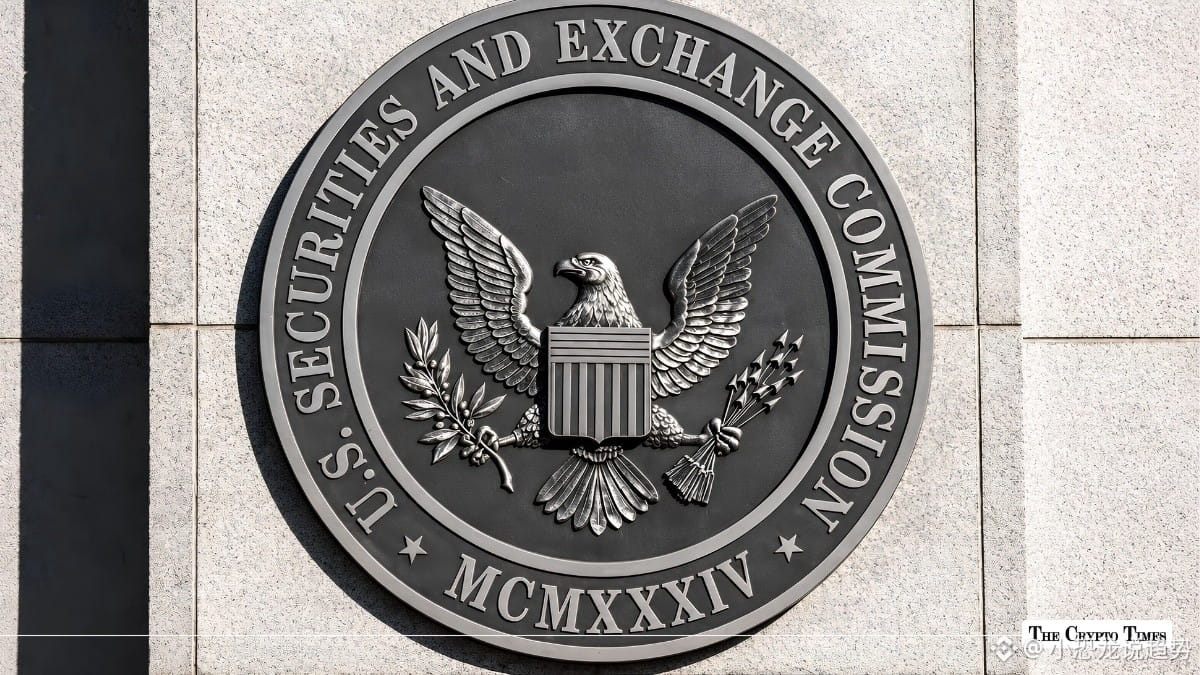
158
·
--
#美社区银行协会起诉occ加密银行牌照
Last month, the Senate was still 49 to 50—this month it went straight to court: the same group of community banks starts targeting the federal banking licenses of crypto companies ⚖️🦖
[🚨 行情变了群里说](https://app.binance.com/uni-qr/JpwCPfBj)
On Friday, October 2, the Independent Community Bankers Association (ICBA) sued the U.S. Office of the Comptroller of the Currency (OCC) in the U.S. District Court for the District of Columbia. The reason: the OCC allowed a batch of crypto companies to obtain “national trust bank” charters, exceeding the authority Congress granted it.
The wording is strong: Congress has never designed this charter as a “back door” for crypto companies to enter the banking system. They want the legitimacy that comes with a federal banking charter—but without having to take on obligations under the Community Reinvestment Act, consolidated/affiliate supervision, and capital and liquidity standards, and without buying FDIC deposit insurance. ICBA chair Rebeca Romero Rainey directly called it out: it places community banks at a “severe competitive disadvantage.”
But there’s a detail many people overlook: these trust charters originally can’t accept deposits or make loans, and they’re not the same as the core business of community banks. The OCC’s response was equally blunt—no comment on the lawsuit.
Zoom out on the timeline for clarity: these banks were deeply involved last month in blocking the Digital Asset Market Clarity Act (CLARITY), which ultimately failed 49 to 50 in the Senate. Now they’ve moved the fight from legislation to the courts. Those that have already obtained—or are close to obtaining—charters include a certain exchange, stablecoin issuer Circle, and another major exchange, while OCC current head Jonathan Gould has been steadily approving them since taking office.
My take: this isn’t an ordinary lawsuit—it’s a boundary dispute over “who’s allowed to touch the U.S. dollar system.” What banks really fear isn’t crypto custody today, but that tomorrow these licensed institutions will start handling payments and settlement, bypassing their deposit strongholds. In the short term, it has no direct impact on Bitcoin’s price—but if you’re watching the main thread of “crypto compliance,” this case is worth noting. It will determine whether licenses are issued fast or slow.
Comment section: do you think crypto companies should get federal banking charters, or should they accept full-spectrum regulation like banks? 🦕
Click the avatar to watch the livestream
Every day, I’ll help you track key crypto regulatory developments—not just what happened in the news, but also the logic and opportunities behind it 👀🚀
#美社区银行协会起诉occ加密银行牌照
Last month, the Senate was still 49 to 50—this month it went straight to court: the same group of community banks starts targeting the federal banking licenses of crypto companies ⚖️🦖
🚨 行情变了群里说
On Friday, October 2, the Independent Community Bankers Association (ICBA) sued the U.S. Office of the Comptroller of the Currency (OCC) in the U.S. District Court for the District of Columbia. The reason: the OCC allowed a batch of crypto companies to obtain “national trust bank” charters, exceeding the authority Congress granted it.
The wording is strong: Congress has never designed this charter as a “back door” for crypto companies to enter the banking system. They want the legitimacy that comes with a federal banking charter—but without having to take on obligations under the Community Reinvestment Act, consolidated/affiliate supervision, and capital and liquidity standards, and without buying FDIC deposit insurance. ICBA chair Rebeca Romero Rainey directly called it out: it places community banks at a “severe competitive disadvantage.”
But there’s a detail many people overlook: these trust charters originally can’t accept deposits or make loans, and they’re not the same as the core business of community banks. The OCC’s response was equally blunt—no comment on the lawsuit.
Zoom out on the timeline for clarity: these banks were deeply involved last month in blocking the Digital Asset Market Clarity Act (CLARITY), which ultimately failed 49 to 50 in the Senate. Now they’ve moved the fight from legislation to the courts. Those that have already obtained—or are close to obtaining—charters include a certain exchange, stablecoin issuer Circle, and another major exchange, while OCC current head Jonathan Gould has been steadily approving them since taking office.
My take: this isn’t an ordinary lawsuit—it’s a boundary dispute over “who’s allowed to touch the U.S. dollar system.” What banks really fear isn’t crypto custody today, but that tomorrow these licensed institutions will start handling payments and settlement, bypassing their deposit strongholds. In the short term, it has no direct impact on Bitcoin’s price—but if you’re watching the main thread of “crypto compliance,” this case is worth noting. It will determine whether licenses are issued fast or slow.
Comment section: do you think crypto companies should get federal banking charters, or should they accept full-spectrum regulation like banks? 🦕
Click the avatar to watch the livestream
Every day, I’ll help you track key crypto regulatory developments—not just what happened in the news, but also the logic and opportunities behind it 👀🚀
Last month, the Senate was still 49 to 50—this month it went straight to court: the same group of community banks starts targeting the federal banking licenses of crypto companies ⚖️🦖
🚨 行情变了群里说
On Friday, October 2, the Independent Community Bankers Association (ICBA) sued the U.S. Office of the Comptroller of the Currency (OCC) in the U.S. District Court for the District of Columbia. The reason: the OCC allowed a batch of crypto companies to obtain “national trust bank” charters, exceeding the authority Congress granted it.
The wording is strong: Congress has never designed this charter as a “back door” for crypto companies to enter the banking system. They want the legitimacy that comes with a federal banking charter—but without having to take on obligations under the Community Reinvestment Act, consolidated/affiliate supervision, and capital and liquidity standards, and without buying FDIC deposit insurance. ICBA chair Rebeca Romero Rainey directly called it out: it places community banks at a “severe competitive disadvantage.”
But there’s a detail many people overlook: these trust charters originally can’t accept deposits or make loans, and they’re not the same as the core business of community banks. The OCC’s response was equally blunt—no comment on the lawsuit.
Zoom out on the timeline for clarity: these banks were deeply involved last month in blocking the Digital Asset Market Clarity Act (CLARITY), which ultimately failed 49 to 50 in the Senate. Now they’ve moved the fight from legislation to the courts. Those that have already obtained—or are close to obtaining—charters include a certain exchange, stablecoin issuer Circle, and another major exchange, while OCC current head Jonathan Gould has been steadily approving them since taking office.
My take: this isn’t an ordinary lawsuit—it’s a boundary dispute over “who’s allowed to touch the U.S. dollar system.” What banks really fear isn’t crypto custody today, but that tomorrow these licensed institutions will start handling payments and settlement, bypassing their deposit strongholds. In the short term, it has no direct impact on Bitcoin’s price—but if you’re watching the main thread of “crypto compliance,” this case is worth noting. It will determine whether licenses are issued fast or slow.
Comment section: do you think crypto companies should get federal banking charters, or should they accept full-spectrum regulation like banks? 🦕
Click the avatar to watch the livestream
Every day, I’ll help you track key crypto regulatory developments—not just what happened in the news, but also the logic and opportunities behind it 👀🚀

131
·
--
The team has just unlocked 3.75 million of its own tokens’ collateral, planning to cash out in one go for $329 million—yet there’s only one “whale” taking the position 🐋
[🚨 行情变了群里说](https://app.binance.com/uni-qr/JpwCPfBj)
Hyperliquid’s official team (Hyperliquid Labs), in the project’s Discord, confirmed via co-founder iliensinc: 3.75 million HYPE have already had their collateral released. Based on the announced price, this is worth about $329 million. The tokens were packaged and sold to an institutional buyer through an over-the-counter (OTC) agreement, with it explicitly stated that they would not use open-market order book listings. After a seven-day unlock period, this batch of coins is expected to arrive around October 7.
When the news first broke, many token holders were shocked, but the market price barely moved: HYPE is trading at about $88, down only around 2% over the past 24 hours. From the all-time high of $97.96 set on September 23, it has only pulled back by roughly 10%. By market cap, HYPE is about $22.1 billion, holding steady at No. 10 on the crypto market-cap ranking, and it has also risen about 75% over the past year.
Why didn’t the sell pressure from more than $300 million “dig a hole”? Because OTC trades don’t go through the order book. Selling via exchange listings would directly match against buy orders, pushing the price down. With OTC, the buyer and seller negotiate the price privately, and the coins don’t flow into the market—so in the short term it’s relatively neutral for the order book. If the buyer is close to the spot price and remains bullish long term, it can even be seen as a form of endorsement. The real risk is on the other side: who the buyer is, what price the deal clears at, and whether there’s any lock-up period—none of that has been disclosed by the official team. A large holder who can flip at any time is completely different from a buyer who’s locked into the position. ⚠️
What you should focus on more is October itself. According to data providers, the early unlock size is about $856 million. This OTC batch is only a small part of that. However, Hyperliquid has a counterbalancing mechanism: the platform sets aside a portion of trading fees to continuously repurchase HYPE. The more active trading is, the stronger the “floor” force from buybacks. Next, it comes down to which side runs faster.
From a technical perspective, the prior high around $98 is the top level (the September 22 close high was $97.20). The first support line below is $86—price was also settled there on September 29, which was the Friday intraday low of $86.16. Below that are the 50-day moving average at $82, and around $77 near the breakout area from September 13 to 15. If it closes below $86, it effectively opens the door to $82 🦖
October 7 is a critical observation window: on-chain data will tell you whether these coins are simply moved into cold wallets or sent to exchanges. Do you think this is the team’s normal fulfillment, or a signal that “smart money” exited early? Let’s discuss in the comments. 📉
Click the avatar to watch the livestream
Every day, I’ll bring you attention to crypto market hot topics—not just what’s happening in the news, but also help you understand the logic and opportunities behind it 👀🚀
The team has just unlocked 3.75 million of its own tokens’ collateral, planning to cash out in one go for $329 million—yet there’s only one “whale” taking the position 🐋
🚨 行情变了群里说
Hyperliquid’s official team (Hyperliquid Labs), in the project’s Discord, confirmed via co-founder iliensinc: 3.75 million HYPE have already had their collateral released. Based on the announced price, this is worth about $329 million. The tokens were packaged and sold to an institutional buyer through an over-the-counter (OTC) agreement, with it explicitly stated that they would not use open-market order book listings. After a seven-day unlock period, this batch of coins is expected to arrive around October 7.
When the news first broke, many token holders were shocked, but the market price barely moved: HYPE is trading at about $88, down only around 2% over the past 24 hours. From the all-time high of $97.96 set on September 23, it has only pulled back by roughly 10%. By market cap, HYPE is about $22.1 billion, holding steady at No. 10 on the crypto market-cap ranking, and it has also risen about 75% over the past year.
Why didn’t the sell pressure from more than $300 million “dig a hole”? Because OTC trades don’t go through the order book. Selling via exchange listings would directly match against buy orders, pushing the price down. With OTC, the buyer and seller negotiate the price privately, and the coins don’t flow into the market—so in the short term it’s relatively neutral for the order book. If the buyer is close to the spot price and remains bullish long term, it can even be seen as a form of endorsement. The real risk is on the other side: who the buyer is, what price the deal clears at, and whether there’s any lock-up period—none of that has been disclosed by the official team. A large holder who can flip at any time is completely different from a buyer who’s locked into the position. ⚠️
What you should focus on more is October itself. According to data providers, the early unlock size is about $856 million. This OTC batch is only a small part of that. However, Hyperliquid has a counterbalancing mechanism: the platform sets aside a portion of trading fees to continuously repurchase HYPE. The more active trading is, the stronger the “floor” force from buybacks. Next, it comes down to which side runs faster.
From a technical perspective, the prior high around $98 is the top level (the September 22 close high was $97.20). The first support line below is $86—price was also settled there on September 29, which was the Friday intraday low of $86.16. Below that are the 50-day moving average at $82, and around $77 near the breakout area from September 13 to 15. If it closes below $86, it effectively opens the door to $82 🦖
October 7 is a critical observation window: on-chain data will tell you whether these coins are simply moved into cold wallets or sent to exchanges. Do you think this is the team’s normal fulfillment, or a signal that “smart money” exited early? Let’s discuss in the comments. 📉
Click the avatar to watch the livestream
Every day, I’ll bring you attention to crypto market hot topics—not just what’s happening in the news, but also help you understand the logic and opportunities behind it 👀🚀
🚨 行情变了群里说
Hyperliquid’s official team (Hyperliquid Labs), in the project’s Discord, confirmed via co-founder iliensinc: 3.75 million HYPE have already had their collateral released. Based on the announced price, this is worth about $329 million. The tokens were packaged and sold to an institutional buyer through an over-the-counter (OTC) agreement, with it explicitly stated that they would not use open-market order book listings. After a seven-day unlock period, this batch of coins is expected to arrive around October 7.
When the news first broke, many token holders were shocked, but the market price barely moved: HYPE is trading at about $88, down only around 2% over the past 24 hours. From the all-time high of $97.96 set on September 23, it has only pulled back by roughly 10%. By market cap, HYPE is about $22.1 billion, holding steady at No. 10 on the crypto market-cap ranking, and it has also risen about 75% over the past year.
Why didn’t the sell pressure from more than $300 million “dig a hole”? Because OTC trades don’t go through the order book. Selling via exchange listings would directly match against buy orders, pushing the price down. With OTC, the buyer and seller negotiate the price privately, and the coins don’t flow into the market—so in the short term it’s relatively neutral for the order book. If the buyer is close to the spot price and remains bullish long term, it can even be seen as a form of endorsement. The real risk is on the other side: who the buyer is, what price the deal clears at, and whether there’s any lock-up period—none of that has been disclosed by the official team. A large holder who can flip at any time is completely different from a buyer who’s locked into the position. ⚠️
What you should focus on more is October itself. According to data providers, the early unlock size is about $856 million. This OTC batch is only a small part of that. However, Hyperliquid has a counterbalancing mechanism: the platform sets aside a portion of trading fees to continuously repurchase HYPE. The more active trading is, the stronger the “floor” force from buybacks. Next, it comes down to which side runs faster.
From a technical perspective, the prior high around $98 is the top level (the September 22 close high was $97.20). The first support line below is $86—price was also settled there on September 29, which was the Friday intraday low of $86.16. Below that are the 50-day moving average at $82, and around $77 near the breakout area from September 13 to 15. If it closes below $86, it effectively opens the door to $82 🦖
October 7 is a critical observation window: on-chain data will tell you whether these coins are simply moved into cold wallets or sent to exchanges. Do you think this is the team’s normal fulfillment, or a signal that “smart money” exited early? Let’s discuss in the comments. 📉
Click the avatar to watch the livestream
Every day, I’ll bring you attention to crypto market hot topics—not just what’s happening in the news, but also help you understand the logic and opportunities behind it 👀🚀

49
·
--
When ETH is still about 46% below its all-time high, that batch of pixel avatars born in 2017 is instead going crazy with swapping hands..
A long-standing habit in the market is to first check whether the floor price has risen. But this time it’s the opposite—what moves first is trading volume, not price..
According to CryptoSlam, in the week of September 19 to September 26, CryptoPunks surged to the top of NFT series sales with about $8.2 million in trading volume—roughly 12 times the previous week..
The spark came from a big buy order around September 23. The buyer reportedly swept in about 63 Punks for roughly $6 million, and within two days lifted the floor price from about 29 ETH to about 34 ETH..
But zoom out, and the picture changes.. Over the past four weeks, the official marketplace accumulated about 4,490 ETH (about $12 million) in trading, with roughly half of it concentrated in those few days.. This isn’t a broad-based rally—it looks more like a pulse driven by a single large capital inflow..
Even more different is where the price is now.. The floor price is around 33 ETH (about $89,000), up roughly 30% from the start of the year, but still nearly 40% below the roughly 54 ETH level at the end of July 2025.. Meanwhile, ETH’s current price is about $2,690, which is about 46% lower than the all-time high from last August.. In past cycles, when Punk heats up, it’s basically followed by ETH—but this time, ETH hasn’t broken into a breakout trend, yet Punk is heating up first..
What’s really worth watching is how the money is getting in.. On October 1, the two rarest Punks traded within 12 hours for a combined at least about $3.9 million, and all of it was executed through an NFT lending platform’s “sell and repay” feature. The buyers used USDC, not ETH..
Paying with stablecoins carries more information than the trade size itself.. It’s more like someone wants exposure to Punks, but doesn’t want to take on ETH’s volatility at the same time—either it’s old money on-chain rotating positions, or it’s money coming through traditional channels looking for an asset that doesn’t rise and fall with the broader market..
There’s also an underlying shift that’s easy to miss.. Punks were created in 2017, when the ERC-721 standard didn’t exist yet, and many of them could only be traded in their own built-in market priced in ETH.. Now a set of new tools is layered on top of this old contract—using Punk as collateral for lending, matching brokers, buying and reallocating again.. Every Punk sitting in a loan means one fewer Punks supply is posted in the market, so the floor becomes naturally more sensitive..
My view is that the signal value of this round is bigger than the price value.. If this batch of old NFTs can keep increasing volume and transmit into broader bullish sentiment, what it’s reading isn’t NFTs themselves, but the leading edge of a rebound in on-chain risk appetite.. Conversely, if this is only a pulse amplified by a one-off sweep and lending tools, then it looks more like a carefully displayed sample than a trend itself..
What you truly need to watch is whether, over the coming weeks, trading volume can keep holding at a level detached from ETH..
When ETH is still about 46% below its all-time high, that batch of pixel avatars born in 2017 is instead going crazy with swapping hands..
A long-standing habit in the market is to first check whether the floor price has risen. But this time it’s the opposite—what moves first is trading volume, not price..
According to CryptoSlam, in the week of September 19 to September 26, CryptoPunks surged to the top of NFT series sales with about $8.2 million in trading volume—roughly 12 times the previous week..
The spark came from a big buy order around September 23. The buyer reportedly swept in about 63 Punks for roughly $6 million, and within two days lifted the floor price from about 29 ETH to about 34 ETH..
But zoom out, and the picture changes.. Over the past four weeks, the official marketplace accumulated about 4,490 ETH (about $12 million) in trading, with roughly half of it concentrated in those few days.. This isn’t a broad-based rally—it looks more like a pulse driven by a single large capital inflow..
Even more different is where the price is now.. The floor price is around 33 ETH (about $89,000), up roughly 30% from the start of the year, but still nearly 40% below the roughly 54 ETH level at the end of July 2025.. Meanwhile, ETH’s current price is about $2,690, which is about 46% lower than the all-time high from last August.. In past cycles, when Punk heats up, it’s basically followed by ETH—but this time, ETH hasn’t broken into a breakout trend, yet Punk is heating up first..
What’s really worth watching is how the money is getting in.. On October 1, the two rarest Punks traded within 12 hours for a combined at least about $3.9 million, and all of it was executed through an NFT lending platform’s “sell and repay” feature. The buyers used USDC, not ETH..
Paying with stablecoins carries more information than the trade size itself.. It’s more like someone wants exposure to Punks, but doesn’t want to take on ETH’s volatility at the same time—either it’s old money on-chain rotating positions, or it’s money coming through traditional channels looking for an asset that doesn’t rise and fall with the broader market..
There’s also an underlying shift that’s easy to miss.. Punks were created in 2017, when the ERC-721 standard didn’t exist yet, and many of them could only be traded in their own built-in market priced in ETH.. Now a set of new tools is layered on top of this old contract—using Punk as collateral for lending, matching brokers, buying and reallocating again.. Every Punk sitting in a loan means one fewer Punks supply is posted in the market, so the floor becomes naturally more sensitive..
My view is that the signal value of this round is bigger than the price value.. If this batch of old NFTs can keep increasing volume and transmit into broader bullish sentiment, what it’s reading isn’t NFTs themselves, but the leading edge of a rebound in on-chain risk appetite.. Conversely, if this is only a pulse amplified by a one-off sweep and lending tools, then it looks more like a carefully displayed sample than a trend itself..
What you truly need to watch is whether, over the coming weeks, trading volume can keep holding at a level detached from ETH..
A long-standing habit in the market is to first check whether the floor price has risen. But this time it’s the opposite—what moves first is trading volume, not price..
According to CryptoSlam, in the week of September 19 to September 26, CryptoPunks surged to the top of NFT series sales with about $8.2 million in trading volume—roughly 12 times the previous week..
The spark came from a big buy order around September 23. The buyer reportedly swept in about 63 Punks for roughly $6 million, and within two days lifted the floor price from about 29 ETH to about 34 ETH..
But zoom out, and the picture changes.. Over the past four weeks, the official marketplace accumulated about 4,490 ETH (about $12 million) in trading, with roughly half of it concentrated in those few days.. This isn’t a broad-based rally—it looks more like a pulse driven by a single large capital inflow..
Even more different is where the price is now.. The floor price is around 33 ETH (about $89,000), up roughly 30% from the start of the year, but still nearly 40% below the roughly 54 ETH level at the end of July 2025.. Meanwhile, ETH’s current price is about $2,690, which is about 46% lower than the all-time high from last August.. In past cycles, when Punk heats up, it’s basically followed by ETH—but this time, ETH hasn’t broken into a breakout trend, yet Punk is heating up first..
What’s really worth watching is how the money is getting in.. On October 1, the two rarest Punks traded within 12 hours for a combined at least about $3.9 million, and all of it was executed through an NFT lending platform’s “sell and repay” feature. The buyers used USDC, not ETH..
Paying with stablecoins carries more information than the trade size itself.. It’s more like someone wants exposure to Punks, but doesn’t want to take on ETH’s volatility at the same time—either it’s old money on-chain rotating positions, or it’s money coming through traditional channels looking for an asset that doesn’t rise and fall with the broader market..
There’s also an underlying shift that’s easy to miss.. Punks were created in 2017, when the ERC-721 standard didn’t exist yet, and many of them could only be traded in their own built-in market priced in ETH.. Now a set of new tools is layered on top of this old contract—using Punk as collateral for lending, matching brokers, buying and reallocating again.. Every Punk sitting in a loan means one fewer Punks supply is posted in the market, so the floor becomes naturally more sensitive..
My view is that the signal value of this round is bigger than the price value.. If this batch of old NFTs can keep increasing volume and transmit into broader bullish sentiment, what it’s reading isn’t NFTs themselves, but the leading edge of a rebound in on-chain risk appetite.. Conversely, if this is only a pulse amplified by a one-off sweep and lending tools, then it looks more like a carefully displayed sample than a trend itself..
What you truly need to watch is whether, over the coming weeks, trading volume can keep holding at a level detached from ETH..

86
·
--
The U.S. Senate stalled the crypto bill—and the market went absolutely wild: one token surged 104% in 15 days 📈
[⚡ 有大动静群里说](https://app.binance.com/uni-qr/JpwCPfBj)
Let’s get the facts straight. On September 15, the U.S. Senate failed to advance the CLARITY Act (a bill on crypto market structure). At the time, nearly everyone treated it as a major bearish signal. But in a memo dated September 30, Matt Hougan, Chief Investment Officer at Bitwise Asset Management, reached the exact opposite conclusion: the bill died—and instead it loosened restrictions for four categories of businesses, sending token prices and stock prices soaring together.
The four categories he singled out are: stablecoin platforms, legacy exchanges, tokenization businesses, and projects that use revenue to repurchase their own tokens. For stablecoins, Hougan directly called out one leading U.S. compliant exchange as the biggest winner—because the “balance rewards” that the bill intended to tighten were preserved. Legacy exchanges also kept the competitive advantages they might have had trimmed.
What makes the point most clearly is the numbers. From the September 15 vote to September 30, among the projects that repurchase tokens: NEAR rose 104%, Uniswap rose 49%, Pump rose 19%, Hyperliquid rose 15%, and Lighter rose 10%. Over the same window, Bitcoin rose only 8% and Ethereum rose 7% 🌊
Hougan’s takeaway was blunt: “Crypto traded long-term certainty for faster, better rules.” The logic is that in the legislative negotiations, the industry had already accepted the proposed limits; when the bill failed to pass, those limits never took effect. But the SEC moved faster instead—opening a five-year trial pathway for trading venues for tokenized U.S. stocks.
My view: this is a classic case of a “regulatory vacuum windfall”—don’t get too excited too soon. Hougan himself also warned that decisions made by regulators are far less stable than legislation. When the government changes hands in January 2029 and the SEC and CFTC get a new batch of tougher leaders, the direction could change overnight ⚠️
So I want to ask you: would you rather have rules that are faster now—but could change anytime—or rules that take longer, but can provide certainty for a decade?🦖
Let’s chat in the comments.
Click the avatar to watch the livestream
Every day, I’ll take you through crypto regulatory hot spots—not just what’s happening, but the logic and the opportunities behind it 👀🚀
The U.S. Senate stalled the crypto bill—and the market went absolutely wild: one token surged 104% in 15 days 📈
⚡ 有大动静群里说
Let’s get the facts straight. On September 15, the U.S. Senate failed to advance the CLARITY Act (a bill on crypto market structure). At the time, nearly everyone treated it as a major bearish signal. But in a memo dated September 30, Matt Hougan, Chief Investment Officer at Bitwise Asset Management, reached the exact opposite conclusion: the bill died—and instead it loosened restrictions for four categories of businesses, sending token prices and stock prices soaring together.
The four categories he singled out are: stablecoin platforms, legacy exchanges, tokenization businesses, and projects that use revenue to repurchase their own tokens. For stablecoins, Hougan directly called out one leading U.S. compliant exchange as the biggest winner—because the “balance rewards” that the bill intended to tighten were preserved. Legacy exchanges also kept the competitive advantages they might have had trimmed.
What makes the point most clearly is the numbers. From the September 15 vote to September 30, among the projects that repurchase tokens: NEAR rose 104%, Uniswap rose 49%, Pump rose 19%, Hyperliquid rose 15%, and Lighter rose 10%. Over the same window, Bitcoin rose only 8% and Ethereum rose 7% 🌊
Hougan’s takeaway was blunt: “Crypto traded long-term certainty for faster, better rules.” The logic is that in the legislative negotiations, the industry had already accepted the proposed limits; when the bill failed to pass, those limits never took effect. But the SEC moved faster instead—opening a five-year trial pathway for trading venues for tokenized U.S. stocks.
My view: this is a classic case of a “regulatory vacuum windfall”—don’t get too excited too soon. Hougan himself also warned that decisions made by regulators are far less stable than legislation. When the government changes hands in January 2029 and the SEC and CFTC get a new batch of tougher leaders, the direction could change overnight ⚠️
So I want to ask you: would you rather have rules that are faster now—but could change anytime—or rules that take longer, but can provide certainty for a decade?🦖
Let’s chat in the comments.
Click the avatar to watch the livestream
Every day, I’ll take you through crypto regulatory hot spots—not just what’s happening, but the logic and the opportunities behind it 👀🚀
⚡ 有大动静群里说
Let’s get the facts straight. On September 15, the U.S. Senate failed to advance the CLARITY Act (a bill on crypto market structure). At the time, nearly everyone treated it as a major bearish signal. But in a memo dated September 30, Matt Hougan, Chief Investment Officer at Bitwise Asset Management, reached the exact opposite conclusion: the bill died—and instead it loosened restrictions for four categories of businesses, sending token prices and stock prices soaring together.
The four categories he singled out are: stablecoin platforms, legacy exchanges, tokenization businesses, and projects that use revenue to repurchase their own tokens. For stablecoins, Hougan directly called out one leading U.S. compliant exchange as the biggest winner—because the “balance rewards” that the bill intended to tighten were preserved. Legacy exchanges also kept the competitive advantages they might have had trimmed.
What makes the point most clearly is the numbers. From the September 15 vote to September 30, among the projects that repurchase tokens: NEAR rose 104%, Uniswap rose 49%, Pump rose 19%, Hyperliquid rose 15%, and Lighter rose 10%. Over the same window, Bitcoin rose only 8% and Ethereum rose 7% 🌊
Hougan’s takeaway was blunt: “Crypto traded long-term certainty for faster, better rules.” The logic is that in the legislative negotiations, the industry had already accepted the proposed limits; when the bill failed to pass, those limits never took effect. But the SEC moved faster instead—opening a five-year trial pathway for trading venues for tokenized U.S. stocks.
My view: this is a classic case of a “regulatory vacuum windfall”—don’t get too excited too soon. Hougan himself also warned that decisions made by regulators are far less stable than legislation. When the government changes hands in January 2029 and the SEC and CFTC get a new batch of tougher leaders, the direction could change overnight ⚠️
So I want to ask you: would you rather have rules that are faster now—but could change anytime—or rules that take longer, but can provide certainty for a decade?🦖
Let’s chat in the comments.
Click the avatar to watch the livestream
Every day, I’ll take you through crypto regulatory hot spots—not just what’s happening, but the logic and the opportunities behind it 👀🚀

836
·
--
#g7拟释放最多1亿桶石油柴油储备
100 million barrels of crude oil and diesel—G7 pulls reserves out overnight to push down oil prices 🛢️
[🕐 最新解读群里更新](https://app.binance.com/uni-qr/JpwCPfBj)
On October 3, the G7 (the U.S., U.K., Canada, Japan, Germany, Italy, France, with the EU attending) announced through coordination via the International Energy Agency (IEA) that it would immediately release up to 100 million barrels of oil and diesel for a period of four months, with the first 20 days focusing on the delivery of a batch of diesel. The trigger is straightforward: the U.S. had previously threatened to ban diesel exports, pressuring Europe to take out its own stockpiles; ultimately, the agreement states that G7 members will not impose export restrictions on energy and energy products among themselves.
Once the news broke, Brent crude briefly fell below $100 per barrel, but by Friday night it rebounded to around $102. Keep in mind: before the U.S. and allies escalated actions against Iran, this price was near $73—meaning this round of oil prices is still about 40% higher than pre-war levels. There are also theories about the rebound: reports suggest Saudi Arabia might take action against Yemen’s Houthi forces, and attention is on the Strait of Mandeb; Kpler’s head of commodities research, Matt Smith, interpreted it this way ⚠️
Why does this matter to the crypto market? Because diesel isn’t ordinary. It supports freight transport and agriculture—when diesel rises, freight costs and food prices downstream follow. According to data from the UK’s RAC, UK diesel retail prices have first crossed £2 per liter.
My take: this G7 release from reserves is “treating the symptom”—it can suppress prices for a while, but it can’t relieve the structural tensions on the supply side. The real variable is still interest rates. In the U.S., September nonfarm payrolls rose by only 29,000 and the unemployment rate climbed to 4.2%. The market has already priced in the odds of an October Fed rate hike at around 18%; but if oil prices hold steady above $100, the risk of inflation returning could re-enter officials’ focus, and any “hold or cut” path could be disrupted 📈
For the crypto market, the chain is simple: energy → inflation → interest rates → the denominator of risk assets. Every jump in geopolitics and oil prices ultimately lands on Bitcoin in the form of “rate expectations” 🦖
Comment section: Do you think oil prices will surge back above $100, or is this spike already the last high?
Click the avatar to watch the live broadcast
Every day, I’ll keep you on top of energy and crypto hot topics—not just what’s happening in the news, but also how to understand the logic and opportunities behind it 👀🚀
#g7拟释放最多1亿桶石油柴油储备
100 million barrels of crude oil and diesel—G7 pulls reserves out overnight to push down oil prices 🛢️
🕐 最新解读群里更新
On October 3, the G7 (the U.S., U.K., Canada, Japan, Germany, Italy, France, with the EU attending) announced through coordination via the International Energy Agency (IEA) that it would immediately release up to 100 million barrels of oil and diesel for a period of four months, with the first 20 days focusing on the delivery of a batch of diesel. The trigger is straightforward: the U.S. had previously threatened to ban diesel exports, pressuring Europe to take out its own stockpiles; ultimately, the agreement states that G7 members will not impose export restrictions on energy and energy products among themselves.
Once the news broke, Brent crude briefly fell below $100 per barrel, but by Friday night it rebounded to around $102. Keep in mind: before the U.S. and allies escalated actions against Iran, this price was near $73—meaning this round of oil prices is still about 40% higher than pre-war levels. There are also theories about the rebound: reports suggest Saudi Arabia might take action against Yemen’s Houthi forces, and attention is on the Strait of Mandeb; Kpler’s head of commodities research, Matt Smith, interpreted it this way ⚠️
Why does this matter to the crypto market? Because diesel isn’t ordinary. It supports freight transport and agriculture—when diesel rises, freight costs and food prices downstream follow. According to data from the UK’s RAC, UK diesel retail prices have first crossed £2 per liter.
My take: this G7 release from reserves is “treating the symptom”—it can suppress prices for a while, but it can’t relieve the structural tensions on the supply side. The real variable is still interest rates. In the U.S., September nonfarm payrolls rose by only 29,000 and the unemployment rate climbed to 4.2%. The market has already priced in the odds of an October Fed rate hike at around 18%; but if oil prices hold steady above $100, the risk of inflation returning could re-enter officials’ focus, and any “hold or cut” path could be disrupted 📈
For the crypto market, the chain is simple: energy → inflation → interest rates → the denominator of risk assets. Every jump in geopolitics and oil prices ultimately lands on Bitcoin in the form of “rate expectations” 🦖
Comment section: Do you think oil prices will surge back above $100, or is this spike already the last high?
Click the avatar to watch the live broadcast
Every day, I’ll keep you on top of energy and crypto hot topics—not just what’s happening in the news, but also how to understand the logic and opportunities behind it 👀🚀
100 million barrels of crude oil and diesel—G7 pulls reserves out overnight to push down oil prices 🛢️
🕐 最新解读群里更新
On October 3, the G7 (the U.S., U.K., Canada, Japan, Germany, Italy, France, with the EU attending) announced through coordination via the International Energy Agency (IEA) that it would immediately release up to 100 million barrels of oil and diesel for a period of four months, with the first 20 days focusing on the delivery of a batch of diesel. The trigger is straightforward: the U.S. had previously threatened to ban diesel exports, pressuring Europe to take out its own stockpiles; ultimately, the agreement states that G7 members will not impose export restrictions on energy and energy products among themselves.
Once the news broke, Brent crude briefly fell below $100 per barrel, but by Friday night it rebounded to around $102. Keep in mind: before the U.S. and allies escalated actions against Iran, this price was near $73—meaning this round of oil prices is still about 40% higher than pre-war levels. There are also theories about the rebound: reports suggest Saudi Arabia might take action against Yemen’s Houthi forces, and attention is on the Strait of Mandeb; Kpler’s head of commodities research, Matt Smith, interpreted it this way ⚠️
Why does this matter to the crypto market? Because diesel isn’t ordinary. It supports freight transport and agriculture—when diesel rises, freight costs and food prices downstream follow. According to data from the UK’s RAC, UK diesel retail prices have first crossed £2 per liter.
My take: this G7 release from reserves is “treating the symptom”—it can suppress prices for a while, but it can’t relieve the structural tensions on the supply side. The real variable is still interest rates. In the U.S., September nonfarm payrolls rose by only 29,000 and the unemployment rate climbed to 4.2%. The market has already priced in the odds of an October Fed rate hike at around 18%; but if oil prices hold steady above $100, the risk of inflation returning could re-enter officials’ focus, and any “hold or cut” path could be disrupted 📈
For the crypto market, the chain is simple: energy → inflation → interest rates → the denominator of risk assets. Every jump in geopolitics and oil prices ultimately lands on Bitcoin in the form of “rate expectations” 🦖
Comment section: Do you think oil prices will surge back above $100, or is this spike already the last high?
Click the avatar to watch the live broadcast
Every day, I’ll keep you on top of energy and crypto hot topics—not just what’s happening in the news, but also how to understand the logic and opportunities behind it 👀🚀

99
·
--
#sec批准3倍杠杆比特币以太坊etp
Bitcoin is about 31% lower than its historical high in October 2025, yet the SEC first raised leverage to 3x 🦖
[📈 进群看今日思路](https://app.binance.com/uni-qr/JpwCPfBj)
First, let’s get the facts straight: according to disclosures from ETF Store’s president, followed by a Bloomberg analyst report, the U.S. SEC has approved the first batch of 3x leveraged Bitcoin ETFs and Ethereum ETFs for listing. As of the time of this release, the SEC website has not yet posted the corresponding official approval order; the issuing entities, ticker symbols, listing exchanges, and listing dates have also not been published. Therefore, the accurate description is “approved pending confirmation.” However, the direction is already very clear—if the official documents are obtained, this will be the highest leverage multiple ever allowed for a U.S. crypto ETF. The previous record capped at 2x (for example, the SUI 2x ETF on Nasdaq); before that was the first leveraged Bitcoin ETF.
What does 3x actually mean? It targets 3x of the daily gains and losses, not 3x of long-term returns. If Bitcoin rises 10% in a day, a 3x ETF would theoretically rise about 30%; if Bitcoin falls 10% in a day, the net asset value would drop by roughly 30% ⚠️. More importantly, it must rebalance every day: when prices swing back and forth, and by month-end the price hasn’t changed, your NAV may still be eroded little by little by “volatility drag.” The SEC and FINRA have repeatedly warned that these daily-reset leveraged products are suitable for short-term trading only, not for holding long term.
Let’s lay out the timeline: Cboe previously submitted 19b-4 proposals to list 3x leveraged Bitcoin and Ethereum ETFs and opened them for public comment; this report is effectively saying that this review process has been completed. At the same time, the CFTC is also moving forward on related arrangements for Bitcoin perpetual contracts. In other words, the U.S. is pushing the door toward the “financialization” of crypto assets further open.
My view: what’s most worth noting isn’t “3x” itself, but the regulator’s attitude. More than a month ago, crypto spot ETFs were still competing on fee rates; now even 3x leverage can clear the approval process, suggesting regulators are more willing to bring crypto into a framework of “compliant, tradable risk assets,” rather than keep it barred outside the door. But on the flip side, the risk is shifting to retail investors: 3x amplifies daily gains and losses—making profits fast and blow-ups fast too 💥. Right now, Bitcoin has just broken below $84,000, trading around $84,700, down about 1% over the past 24 hours. This kind of choppy environment is precisely where leverage is most likely to be repeatedly worn down 📉.
So the real question isn’t “is 3x good or bad,” but “who is using it.” Institutions use it for intraday hedging and directional positions; retail investors treat it as a substitute for long-term coin holding—the outcomes are usually different.
Would you use 3x leverage to bet on a short-term move, or do you think this is more like a pit prepared for retail investors? Let’s discuss in the comments
Click the avatar to watch the live stream
Every day, I’ll bring you the hot spots in Bitcoin and crypto regulation. Not only what’s happening in the news, but also help you understand the logic and opportunities behind it 👀🚀
#sec批准3倍杠杆比特币以太坊etp
Bitcoin is about 31% lower than its historical high in October 2025, yet the SEC first raised leverage to 3x 🦖
📈 进群看今日思路
First, let’s get the facts straight: according to disclosures from ETF Store’s president, followed by a Bloomberg analyst report, the U.S. SEC has approved the first batch of 3x leveraged Bitcoin ETFs and Ethereum ETFs for listing. As of the time of this release, the SEC website has not yet posted the corresponding official approval order; the issuing entities, ticker symbols, listing exchanges, and listing dates have also not been published. Therefore, the accurate description is “approved pending confirmation.” However, the direction is already very clear—if the official documents are obtained, this will be the highest leverage multiple ever allowed for a U.S. crypto ETF. The previous record capped at 2x (for example, the SUI 2x ETF on Nasdaq); before that was the first leveraged Bitcoin ETF.
What does 3x actually mean? It targets 3x of the daily gains and losses, not 3x of long-term returns. If Bitcoin rises 10% in a day, a 3x ETF would theoretically rise about 30%; if Bitcoin falls 10% in a day, the net asset value would drop by roughly 30% ⚠️. More importantly, it must rebalance every day: when prices swing back and forth, and by month-end the price hasn’t changed, your NAV may still be eroded little by little by “volatility drag.” The SEC and FINRA have repeatedly warned that these daily-reset leveraged products are suitable for short-term trading only, not for holding long term.
Let’s lay out the timeline: Cboe previously submitted 19b-4 proposals to list 3x leveraged Bitcoin and Ethereum ETFs and opened them for public comment; this report is effectively saying that this review process has been completed. At the same time, the CFTC is also moving forward on related arrangements for Bitcoin perpetual contracts. In other words, the U.S. is pushing the door toward the “financialization” of crypto assets further open.
My view: what’s most worth noting isn’t “3x” itself, but the regulator’s attitude. More than a month ago, crypto spot ETFs were still competing on fee rates; now even 3x leverage can clear the approval process, suggesting regulators are more willing to bring crypto into a framework of “compliant, tradable risk assets,” rather than keep it barred outside the door. But on the flip side, the risk is shifting to retail investors: 3x amplifies daily gains and losses—making profits fast and blow-ups fast too 💥. Right now, Bitcoin has just broken below $84,000, trading around $84,700, down about 1% over the past 24 hours. This kind of choppy environment is precisely where leverage is most likely to be repeatedly worn down 📉.
So the real question isn’t “is 3x good or bad,” but “who is using it.” Institutions use it for intraday hedging and directional positions; retail investors treat it as a substitute for long-term coin holding—the outcomes are usually different.
Would you use 3x leverage to bet on a short-term move, or do you think this is more like a pit prepared for retail investors? Let’s discuss in the comments
Click the avatar to watch the live stream
Every day, I’ll bring you the hot spots in Bitcoin and crypto regulation. Not only what’s happening in the news, but also help you understand the logic and opportunities behind it 👀🚀
Bitcoin is about 31% lower than its historical high in October 2025, yet the SEC first raised leverage to 3x 🦖
📈 进群看今日思路
First, let’s get the facts straight: according to disclosures from ETF Store’s president, followed by a Bloomberg analyst report, the U.S. SEC has approved the first batch of 3x leveraged Bitcoin ETFs and Ethereum ETFs for listing. As of the time of this release, the SEC website has not yet posted the corresponding official approval order; the issuing entities, ticker symbols, listing exchanges, and listing dates have also not been published. Therefore, the accurate description is “approved pending confirmation.” However, the direction is already very clear—if the official documents are obtained, this will be the highest leverage multiple ever allowed for a U.S. crypto ETF. The previous record capped at 2x (for example, the SUI 2x ETF on Nasdaq); before that was the first leveraged Bitcoin ETF.
What does 3x actually mean? It targets 3x of the daily gains and losses, not 3x of long-term returns. If Bitcoin rises 10% in a day, a 3x ETF would theoretically rise about 30%; if Bitcoin falls 10% in a day, the net asset value would drop by roughly 30% ⚠️. More importantly, it must rebalance every day: when prices swing back and forth, and by month-end the price hasn’t changed, your NAV may still be eroded little by little by “volatility drag.” The SEC and FINRA have repeatedly warned that these daily-reset leveraged products are suitable for short-term trading only, not for holding long term.
Let’s lay out the timeline: Cboe previously submitted 19b-4 proposals to list 3x leveraged Bitcoin and Ethereum ETFs and opened them for public comment; this report is effectively saying that this review process has been completed. At the same time, the CFTC is also moving forward on related arrangements for Bitcoin perpetual contracts. In other words, the U.S. is pushing the door toward the “financialization” of crypto assets further open.
My view: what’s most worth noting isn’t “3x” itself, but the regulator’s attitude. More than a month ago, crypto spot ETFs were still competing on fee rates; now even 3x leverage can clear the approval process, suggesting regulators are more willing to bring crypto into a framework of “compliant, tradable risk assets,” rather than keep it barred outside the door. But on the flip side, the risk is shifting to retail investors: 3x amplifies daily gains and losses—making profits fast and blow-ups fast too 💥. Right now, Bitcoin has just broken below $84,000, trading around $84,700, down about 1% over the past 24 hours. This kind of choppy environment is precisely where leverage is most likely to be repeatedly worn down 📉.
So the real question isn’t “is 3x good or bad,” but “who is using it.” Institutions use it for intraday hedging and directional positions; retail investors treat it as a substitute for long-term coin holding—the outcomes are usually different.
Would you use 3x leverage to bet on a short-term move, or do you think this is more like a pit prepared for retail investors? Let’s discuss in the comments
Click the avatar to watch the live stream
Every day, I’ll bring you the hot spots in Bitcoin and crypto regulation. Not only what’s happening in the news, but also help you understand the logic and opportunities behind it 👀🚀

302
·
--
Five-way collaboration, target mid-2027: Japan’s major brokerage wants to fit Uniswap into a compliant framework ⚖️
[📣 盘面异动群里喊](https://app.binance.com/uni-qr/JpwCPfBj)
On October 2, SMBC Nikko (the securities arm of the Sumitomo Mitsui Financial Group) and Uniswap Labs, Nethermind, Base, and the Nyx Foundation signed a memorandum of understanding to build a “DeFi portal compliant with Japanese regulation,” with a target completion date set for mid-2027. 🦖
First, make the nature clear: this is not an investment—it’s a statement of intent for cooperation. It upgrades the earlier two-party research between SMBC Nikko and Nethermind into a five-party division of labor: Nethermind will handle technical design and delivery (engineering, AI integration, and smart contract security); Uniswap Labs will provide protocol integration and liquidity deployment experience; Base will offer the deployment environment for Ethereum L2; Nyx Foundation will be responsible for market-making strategies and hook structure; and SMBC Nikko will lead regulatory communications and contribute to compliance, risk modeling, and portfolio management.
On the technical path, this portal will rely on Uniswap v4’s hook architecture to build “a liquidity pool that can be compliant”—that is, three categories of compliance controls built into the pool: identity verification, source-of-funds checks, and investor protection. Note the contrast here: DeFi originally sold the idea of “permissionless and identity-free,” but to enter the Japanese market, the prerequisite is precisely to put those controls back in. ⚠️
Timing also matters. In August 2026, Japan’s Financial Services Agency (FSA) specifically established a Crypto and Stablecoin division. Several major Japanese banks have set target dates for stablecoin trading rollout in March 2027. Meanwhile, on Base, the tokenized-stock DEX’s trading volume saw a day in September surpass $100 million. These three timelines point to the same thing.
But to be clear: there are currently no products live, and no FSA approval has been obtained. Even which tokens will be supported, customer thresholds, fees, and the minimum investment amount have not been published. Mid-2027 is a “goal,” not a “promise.” 📅
My take: the value of this news isn’t in short-term price movements, but in the direction it represents. Over the past two years, traditional finance’s attitude toward DeFi has largely been “start from scratch”—build their own chains and their own permissioned systems. Now, a major Japanese brokerage has chosen “to plug in directly,” adding compliance layers on top of public-chain protocols. Once this path works, it could easily become a template for other developed markets: not shutting down DeFi, but putting it inside the license framework.
For ordinary users, there’s nothing actionable in the short term; but it’s worth noting: the narrative of “compliant DeFi” in the next cycle may begin with this 2027 timeline.
Do you think DeFi being “absorbed into compliance” is a good thing or a bad thing? Share your thoughts in the comments.
Click the avatar to watch the live stream
Every day, bring you updates on crypto and institutional hot topics—not just what happens in the news, but also help you understand the logic and opportunities behind it 👀🚀
Five-way collaboration, target mid-2027: Japan’s major brokerage wants to fit Uniswap into a compliant framework ⚖️
📣 盘面异动群里喊
On October 2, SMBC Nikko (the securities arm of the Sumitomo Mitsui Financial Group) and Uniswap Labs, Nethermind, Base, and the Nyx Foundation signed a memorandum of understanding to build a “DeFi portal compliant with Japanese regulation,” with a target completion date set for mid-2027. 🦖
First, make the nature clear: this is not an investment—it’s a statement of intent for cooperation. It upgrades the earlier two-party research between SMBC Nikko and Nethermind into a five-party division of labor: Nethermind will handle technical design and delivery (engineering, AI integration, and smart contract security); Uniswap Labs will provide protocol integration and liquidity deployment experience; Base will offer the deployment environment for Ethereum L2; Nyx Foundation will be responsible for market-making strategies and hook structure; and SMBC Nikko will lead regulatory communications and contribute to compliance, risk modeling, and portfolio management.
On the technical path, this portal will rely on Uniswap v4’s hook architecture to build “a liquidity pool that can be compliant”—that is, three categories of compliance controls built into the pool: identity verification, source-of-funds checks, and investor protection. Note the contrast here: DeFi originally sold the idea of “permissionless and identity-free,” but to enter the Japanese market, the prerequisite is precisely to put those controls back in. ⚠️
Timing also matters. In August 2026, Japan’s Financial Services Agency (FSA) specifically established a Crypto and Stablecoin division. Several major Japanese banks have set target dates for stablecoin trading rollout in March 2027. Meanwhile, on Base, the tokenized-stock DEX’s trading volume saw a day in September surpass $100 million. These three timelines point to the same thing.
But to be clear: there are currently no products live, and no FSA approval has been obtained. Even which tokens will be supported, customer thresholds, fees, and the minimum investment amount have not been published. Mid-2027 is a “goal,” not a “promise.” 📅
My take: the value of this news isn’t in short-term price movements, but in the direction it represents. Over the past two years, traditional finance’s attitude toward DeFi has largely been “start from scratch”—build their own chains and their own permissioned systems. Now, a major Japanese brokerage has chosen “to plug in directly,” adding compliance layers on top of public-chain protocols. Once this path works, it could easily become a template for other developed markets: not shutting down DeFi, but putting it inside the license framework.
For ordinary users, there’s nothing actionable in the short term; but it’s worth noting: the narrative of “compliant DeFi” in the next cycle may begin with this 2027 timeline.
Do you think DeFi being “absorbed into compliance” is a good thing or a bad thing? Share your thoughts in the comments.
Click the avatar to watch the live stream
Every day, bring you updates on crypto and institutional hot topics—not just what happens in the news, but also help you understand the logic and opportunities behind it 👀🚀
📣 盘面异动群里喊
On October 2, SMBC Nikko (the securities arm of the Sumitomo Mitsui Financial Group) and Uniswap Labs, Nethermind, Base, and the Nyx Foundation signed a memorandum of understanding to build a “DeFi portal compliant with Japanese regulation,” with a target completion date set for mid-2027. 🦖
First, make the nature clear: this is not an investment—it’s a statement of intent for cooperation. It upgrades the earlier two-party research between SMBC Nikko and Nethermind into a five-party division of labor: Nethermind will handle technical design and delivery (engineering, AI integration, and smart contract security); Uniswap Labs will provide protocol integration and liquidity deployment experience; Base will offer the deployment environment for Ethereum L2; Nyx Foundation will be responsible for market-making strategies and hook structure; and SMBC Nikko will lead regulatory communications and contribute to compliance, risk modeling, and portfolio management.
On the technical path, this portal will rely on Uniswap v4’s hook architecture to build “a liquidity pool that can be compliant”—that is, three categories of compliance controls built into the pool: identity verification, source-of-funds checks, and investor protection. Note the contrast here: DeFi originally sold the idea of “permissionless and identity-free,” but to enter the Japanese market, the prerequisite is precisely to put those controls back in. ⚠️
Timing also matters. In August 2026, Japan’s Financial Services Agency (FSA) specifically established a Crypto and Stablecoin division. Several major Japanese banks have set target dates for stablecoin trading rollout in March 2027. Meanwhile, on Base, the tokenized-stock DEX’s trading volume saw a day in September surpass $100 million. These three timelines point to the same thing.
But to be clear: there are currently no products live, and no FSA approval has been obtained. Even which tokens will be supported, customer thresholds, fees, and the minimum investment amount have not been published. Mid-2027 is a “goal,” not a “promise.” 📅
My take: the value of this news isn’t in short-term price movements, but in the direction it represents. Over the past two years, traditional finance’s attitude toward DeFi has largely been “start from scratch”—build their own chains and their own permissioned systems. Now, a major Japanese brokerage has chosen “to plug in directly,” adding compliance layers on top of public-chain protocols. Once this path works, it could easily become a template for other developed markets: not shutting down DeFi, but putting it inside the license framework.
For ordinary users, there’s nothing actionable in the short term; but it’s worth noting: the narrative of “compliant DeFi” in the next cycle may begin with this 2027 timeline.
Do you think DeFi being “absorbed into compliance” is a good thing or a bad thing? Share your thoughts in the comments.
Click the avatar to watch the live stream
Every day, bring you updates on crypto and institutional hot topics—not just what happens in the news, but also help you understand the logic and opportunities behind it 👀🚀

440
·
--
#zcash较9月峰值回落21%
Privacy coins surged 253%—then got slashed by 21% within three days, but the signal you should worry about most isn’t in the price.
[💡 群里更新数据解读](https://app.binance.com/uni-qr/JpwCPfBj)
Zcash (ZEC) is currently at $1,333.50, down 7.29% on the day. From the late-September stage peak of $1,698, it has already pulled back about 21%. And this coin was driven from $480.72 all the way up to the high—an astounding 253% gain in the range. What’s being given back now is only a small slice of that wild run.🦖📉
First, see where the money went. The Grayscale Zcash ETF (ticker: ZCSH) recorded a single-day net outflow of $30.25 million on September 30, which is a rare pullback since it was listed on August 25. However, its cumulative net inflow is still around $268 million. On that same day, it also completed a 3-for-1 share split. In other words, the ETF funds aren’t fully retreating across the board—more like taking some profits first.
Now look at a subtler warning ⚠️. On September 24, an exchange was hacked for about $387 million (initial estimates were $351.6 million). On-chain sleuth ZachXBT later flagged 2,746 ZEC (about $3.9 million) as having flowed into Zcash’s shield pool from addresses linked to the hacker. The amount isn’t huge—but for a privacy coin trying to break into Wall Street’s spotlight, the label of being treated as a “money pipeline” is more damaging than a price pullback.
What about the technicals? RSI is only 50.2—completely neutral, neither overbought nor oversold. ADX is as high as 52, indicating this trend’s strength is extremely strong, but ADX is lagging; when the price falls, it can still hover at high levels. The 50-day moving average is still above the 200-day moving average, so the trend structure hasn’t broken. The key levels are very clear: if the daily close is below $1,233, the “golden zone” opens up. Conversely, as long as it reclaims $1,410.72 on a daily close, the uptrend is back on board.
My take: this looks more like a normal pullback after a fast surge—not a collapse. Back in June, ZEC was also smashed from $635 to $309, and afterward it still broke above $1,600. What matters isn’t how many points it dropped today, but whether ETF flows are continuously net outflows or just a one-day rebalancing. That number—more than anything—will determine whether this is a “board the train opportunity” or a “top signal.”
Do you think this is a board-the-train opportunity, or a top signal? Let’s discuss your position in the comments.
Click the avatar to watch the live stream. Every day, I’ll help you track privacy coins and ETF热点—not just what’s happening in the news, but also the logic and opportunities behind it 👀🚀
#zcash较9月峰值回落21%
Privacy coins surged 253%—then got slashed by 21% within three days, but the signal you should worry about most isn’t in the price.
💡 群里更新数据解读
Zcash (ZEC) is currently at $1,333.50, down 7.29% on the day. From the late-September stage peak of $1,698, it has already pulled back about 21%. And this coin was driven from $480.72 all the way up to the high—an astounding 253% gain in the range. What’s being given back now is only a small slice of that wild run.🦖📉
First, see where the money went. The Grayscale Zcash ETF (ticker: ZCSH) recorded a single-day net outflow of $30.25 million on September 30, which is a rare pullback since it was listed on August 25. However, its cumulative net inflow is still around $268 million. On that same day, it also completed a 3-for-1 share split. In other words, the ETF funds aren’t fully retreating across the board—more like taking some profits first.
Now look at a subtler warning ⚠️. On September 24, an exchange was hacked for about $387 million (initial estimates were $351.6 million). On-chain sleuth ZachXBT later flagged 2,746 ZEC (about $3.9 million) as having flowed into Zcash’s shield pool from addresses linked to the hacker. The amount isn’t huge—but for a privacy coin trying to break into Wall Street’s spotlight, the label of being treated as a “money pipeline” is more damaging than a price pullback.
What about the technicals? RSI is only 50.2—completely neutral, neither overbought nor oversold. ADX is as high as 52, indicating this trend’s strength is extremely strong, but ADX is lagging; when the price falls, it can still hover at high levels. The 50-day moving average is still above the 200-day moving average, so the trend structure hasn’t broken. The key levels are very clear: if the daily close is below $1,233, the “golden zone” opens up. Conversely, as long as it reclaims $1,410.72 on a daily close, the uptrend is back on board.
My take: this looks more like a normal pullback after a fast surge—not a collapse. Back in June, ZEC was also smashed from $635 to $309, and afterward it still broke above $1,600. What matters isn’t how many points it dropped today, but whether ETF flows are continuously net outflows or just a one-day rebalancing. That number—more than anything—will determine whether this is a “board the train opportunity” or a “top signal.”
Do you think this is a board-the-train opportunity, or a top signal? Let’s discuss your position in the comments.
Click the avatar to watch the live stream. Every day, I’ll help you track privacy coins and ETF热点—not just what’s happening in the news, but also the logic and opportunities behind it 👀🚀
Privacy coins surged 253%—then got slashed by 21% within three days, but the signal you should worry about most isn’t in the price.
💡 群里更新数据解读
Zcash (ZEC) is currently at $1,333.50, down 7.29% on the day. From the late-September stage peak of $1,698, it has already pulled back about 21%. And this coin was driven from $480.72 all the way up to the high—an astounding 253% gain in the range. What’s being given back now is only a small slice of that wild run.🦖📉
First, see where the money went. The Grayscale Zcash ETF (ticker: ZCSH) recorded a single-day net outflow of $30.25 million on September 30, which is a rare pullback since it was listed on August 25. However, its cumulative net inflow is still around $268 million. On that same day, it also completed a 3-for-1 share split. In other words, the ETF funds aren’t fully retreating across the board—more like taking some profits first.
Now look at a subtler warning ⚠️. On September 24, an exchange was hacked for about $387 million (initial estimates were $351.6 million). On-chain sleuth ZachXBT later flagged 2,746 ZEC (about $3.9 million) as having flowed into Zcash’s shield pool from addresses linked to the hacker. The amount isn’t huge—but for a privacy coin trying to break into Wall Street’s spotlight, the label of being treated as a “money pipeline” is more damaging than a price pullback.
What about the technicals? RSI is only 50.2—completely neutral, neither overbought nor oversold. ADX is as high as 52, indicating this trend’s strength is extremely strong, but ADX is lagging; when the price falls, it can still hover at high levels. The 50-day moving average is still above the 200-day moving average, so the trend structure hasn’t broken. The key levels are very clear: if the daily close is below $1,233, the “golden zone” opens up. Conversely, as long as it reclaims $1,410.72 on a daily close, the uptrend is back on board.
My take: this looks more like a normal pullback after a fast surge—not a collapse. Back in June, ZEC was also smashed from $635 to $309, and afterward it still broke above $1,600. What matters isn’t how many points it dropped today, but whether ETF flows are continuously net outflows or just a one-day rebalancing. That number—more than anything—will determine whether this is a “board the train opportunity” or a “top signal.”
Do you think this is a board-the-train opportunity, or a top signal? Let’s discuss your position in the comments.
Click the avatar to watch the live stream. Every day, I’ll help you track privacy coins and ETF热点—not just what’s happening in the news, but also the logic and opportunities behind it 👀🚀

91
·
--
Bitcoin is up 40 this season, and hackers also set a record: $1.26 billion drained in three months 💥
[📈 进群一起分析行情](https://app.binance.com/uni-qr/JpwCPfBj)
According to the latest statistics from blockchain security firm CertiK, in Q3 2026 there were a total of 247 security incidents in the crypto industry, with losses totaling $1.26 billion. September was the worst—99 incidents in a single month, the most since February 2025; the stolen amount was $768.5 million, setting the highest monthly figure for 2026. Extending the timeline, cumulative losses since the start of this year have already reached $2.68 billion.
The biggest single incident came from a vulnerability in an exchange, worth roughly $387 million—one case accounted for about a third of the quarter’s total losses 🦖
The contrast is right here. In the same quarter, Bitcoin rose by about 40%, spot ETFs pulled in tens of billions of dollars, and analysts’ wording was “a new bull market is here.” Money keeps pouring in—but the amount being scooped up is also setting fresh records at the same time.
Why weren’t institutions hit much this time? Senior analyst Nicolai Sondergaard at Nansen puts it plainly: most institutions buy regulated, standardized products that they can understand (ETFs, custody), and they don’t touch on-chain DeFi. In other words, most of the stolen funds happened on the side of retail users and on-chain protocols.
Even more worrying is insurance. A report from CoinGecko at the end of August showed on-chain crypto insurance underwriting capacity was only $130.2 million, down 20.2% from $163 million a year earlier—risk is rising, but the safety net is shrinking ⚠️ Sondergaard’s view is that reputational damage may be even bigger than the losses themselves. Repeated vulnerabilities could make institutions slow down, prompt regulators to get stricter, and push asset allocators to demand higher risk premiums.
Another new variable is AI. Security firm Blockaid expects multiple incidents involving AI agents. The most common technique is “prompt injection”—using hidden instructions to trick an AI agent into doing the attacker’s work. Finding vulnerabilities is shifting from “skilled engineers spending months” to “machines running by the hour.”
My take: the shortcoming of this bull run that’s being most underestimated isn’t regulation—it’s security. There’s another side to a bull market too: the economic incentives for attacks get stronger. As long as someone is willing to pay for stolen assets, vulnerabilities will be exploited again and again. For people who self-custody, what matters most isn’t chasing hotspots—it’s managing three things properly: permissions, private keys, and phishing.
Do you keep more of your assets on exchanges, or do you hold them in your own wallet? Let’s talk in the comments.
Click the avatar to watch the live stream
Every day, I’ll help you track crypto headlines—not just what happens in the news, but also the logic and opportunities behind it 👀🚀
Bitcoin is up 40 this season, and hackers also set a record: $1.26 billion drained in three months 💥
📈 进群一起分析行情
According to the latest statistics from blockchain security firm CertiK, in Q3 2026 there were a total of 247 security incidents in the crypto industry, with losses totaling $1.26 billion. September was the worst—99 incidents in a single month, the most since February 2025; the stolen amount was $768.5 million, setting the highest monthly figure for 2026. Extending the timeline, cumulative losses since the start of this year have already reached $2.68 billion.
The biggest single incident came from a vulnerability in an exchange, worth roughly $387 million—one case accounted for about a third of the quarter’s total losses 🦖
The contrast is right here. In the same quarter, Bitcoin rose by about 40%, spot ETFs pulled in tens of billions of dollars, and analysts’ wording was “a new bull market is here.” Money keeps pouring in—but the amount being scooped up is also setting fresh records at the same time.
Why weren’t institutions hit much this time? Senior analyst Nicolai Sondergaard at Nansen puts it plainly: most institutions buy regulated, standardized products that they can understand (ETFs, custody), and they don’t touch on-chain DeFi. In other words, most of the stolen funds happened on the side of retail users and on-chain protocols.
Even more worrying is insurance. A report from CoinGecko at the end of August showed on-chain crypto insurance underwriting capacity was only $130.2 million, down 20.2% from $163 million a year earlier—risk is rising, but the safety net is shrinking ⚠️ Sondergaard’s view is that reputational damage may be even bigger than the losses themselves. Repeated vulnerabilities could make institutions slow down, prompt regulators to get stricter, and push asset allocators to demand higher risk premiums.
Another new variable is AI. Security firm Blockaid expects multiple incidents involving AI agents. The most common technique is “prompt injection”—using hidden instructions to trick an AI agent into doing the attacker’s work. Finding vulnerabilities is shifting from “skilled engineers spending months” to “machines running by the hour.”
My take: the shortcoming of this bull run that’s being most underestimated isn’t regulation—it’s security. There’s another side to a bull market too: the economic incentives for attacks get stronger. As long as someone is willing to pay for stolen assets, vulnerabilities will be exploited again and again. For people who self-custody, what matters most isn’t chasing hotspots—it’s managing three things properly: permissions, private keys, and phishing.
Do you keep more of your assets on exchanges, or do you hold them in your own wallet? Let’s talk in the comments.
Click the avatar to watch the live stream
Every day, I’ll help you track crypto headlines—not just what happens in the news, but also the logic and opportunities behind it 👀🚀
📈 进群一起分析行情
According to the latest statistics from blockchain security firm CertiK, in Q3 2026 there were a total of 247 security incidents in the crypto industry, with losses totaling $1.26 billion. September was the worst—99 incidents in a single month, the most since February 2025; the stolen amount was $768.5 million, setting the highest monthly figure for 2026. Extending the timeline, cumulative losses since the start of this year have already reached $2.68 billion.
The biggest single incident came from a vulnerability in an exchange, worth roughly $387 million—one case accounted for about a third of the quarter’s total losses 🦖
The contrast is right here. In the same quarter, Bitcoin rose by about 40%, spot ETFs pulled in tens of billions of dollars, and analysts’ wording was “a new bull market is here.” Money keeps pouring in—but the amount being scooped up is also setting fresh records at the same time.
Why weren’t institutions hit much this time? Senior analyst Nicolai Sondergaard at Nansen puts it plainly: most institutions buy regulated, standardized products that they can understand (ETFs, custody), and they don’t touch on-chain DeFi. In other words, most of the stolen funds happened on the side of retail users and on-chain protocols.
Even more worrying is insurance. A report from CoinGecko at the end of August showed on-chain crypto insurance underwriting capacity was only $130.2 million, down 20.2% from $163 million a year earlier—risk is rising, but the safety net is shrinking ⚠️ Sondergaard’s view is that reputational damage may be even bigger than the losses themselves. Repeated vulnerabilities could make institutions slow down, prompt regulators to get stricter, and push asset allocators to demand higher risk premiums.
Another new variable is AI. Security firm Blockaid expects multiple incidents involving AI agents. The most common technique is “prompt injection”—using hidden instructions to trick an AI agent into doing the attacker’s work. Finding vulnerabilities is shifting from “skilled engineers spending months” to “machines running by the hour.”
My take: the shortcoming of this bull run that’s being most underestimated isn’t regulation—it’s security. There’s another side to a bull market too: the economic incentives for attacks get stronger. As long as someone is willing to pay for stolen assets, vulnerabilities will be exploited again and again. For people who self-custody, what matters most isn’t chasing hotspots—it’s managing three things properly: permissions, private keys, and phishing.
Do you keep more of your assets on exchanges, or do you hold them in your own wallet? Let’s talk in the comments.
Click the avatar to watch the live stream
Every day, I’ll help you track crypto headlines—not just what happens in the news, but also the logic and opportunities behind it 👀🚀

66
Log in to explore more content
Join global crypto users on Binance Square
⚡️ Get latest and useful information about crypto.
💬 Trusted by the world’s largest crypto exchange.
👍 Discover real insights from verified creators.
Email / Phone number
Trending Topics
ZcashETFPostsFirstWeeklyOutflow$93.6M
37,173 views
115 Discussing
#ZcashETFPostsFirstWeeklyOutflow$93.6M
🚨🚨🚨🚨🚨🚨🚨🚨🚨🚨🚨🚨🚨🚨✅ 🚨 ZCASH ETF FLOWS TURN NEGATIVE FOR THE FIRST TIME! 📉
$ZEC is facing a notable shift in institutional fund flows, with Zcash investment products recording their first weekly net outflow since launching in August.
According to fund-flow data, around $93.6M was withdrawn from Zcash products during the latest week, while ZEC price action also cooled significantly.
📊 WHAT HAPPENED?
• Weekly Zcash ETF outflow: $93.6M
• September 30 daily outflow: $30.25M
• ZCSH previously attracted around $98.2M in one week
• ZEC is trading near $1,300
• Recent high: around $1,690
• Weekly decline: roughly 17%+
🔍 LEVELS TO WATCH
🟢 Support: $1,280–$1,300
🔴 Resistance: $1,450–$1,500
The key question now is whether the $1,300 area can hold and attract fresh buyers.
Institutional flows will also be important. A return of consistent positive inflows could signal renewed confidence, while continued outflows may keep pressure on $ZEC .
👀 Is this simply profit-taking after ZEC’s huge rally, or could we see another deeper pullback before buyers return?
Share your view below. 👇
#Zcash #ZEC #ZcashETF #Crypto
#analysis
owhggwiohsjowve
·0 Likes
·172 views
GreekPoliceBustCryptoScamRingArrest17
83,409 views
723 Discussing
BitcoinRejectedAt$87K
125,848 views
173 Discussing