


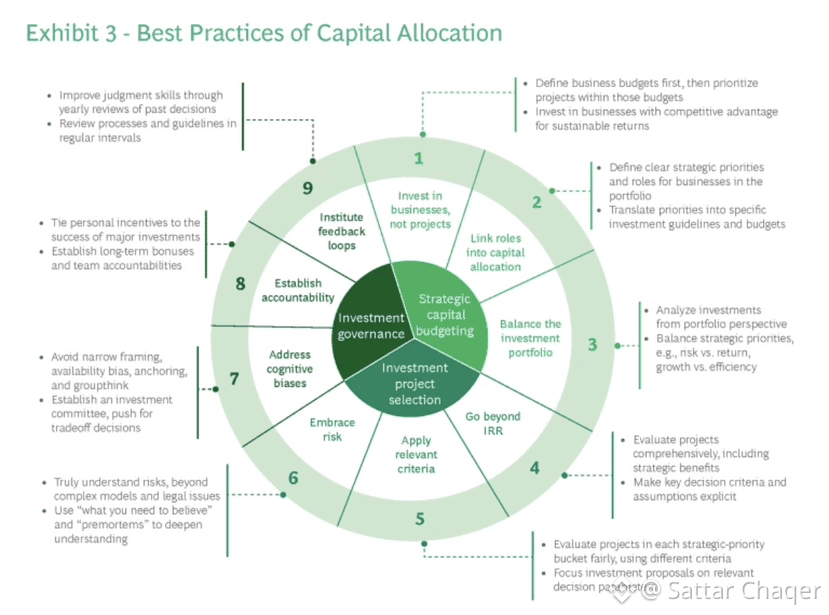
Many yield platforms are built around a simple assumption: capital and strategy should move together. Funds enter, a strategy executes, returns are produced, and users exit. On the surface, this looks efficient. In practice, it is the reason most yield systems struggle to scale or survive stress.
When capital and strategy are tightly coupled, every change becomes disruptive. A strategy update forces capital reallocation. A market shift pressures strategy design. A surge in inflows distorts execution quality. Instead of absorbing volatility, the system amplifies it.
This coupling creates fragility. Strategies become constrained by the behavior of capital rather than the conditions of the market. Capital becomes exposed to operational decisions it does not need to understand. Over time, performance depends less on strategy quality and more on timing, coordination, and user behavior.
This is where Lorenzo Portocol takes a different architectural path.
By separating capital allocation from strategy execution, Lorenzo treats yield as infrastructure rather than a campaign. Capital is organized into structured vaults with clear roles. Strategies operate as modular components that can be adjusted, replaced, or scaled without forcing capital to move each time conditions change.
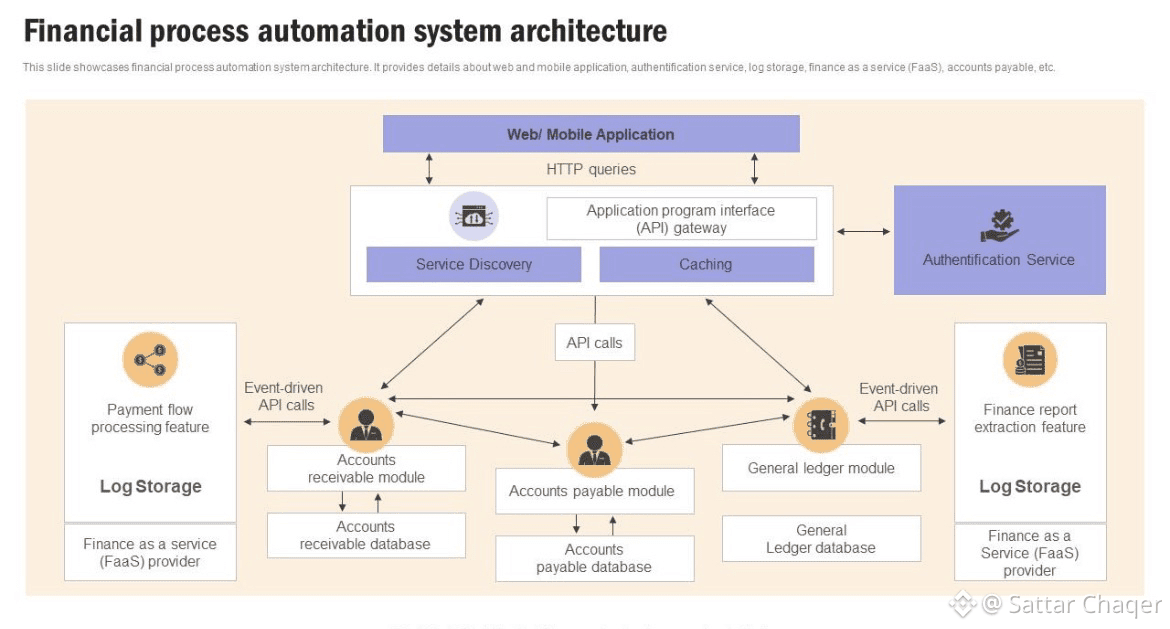
The result is stability through decoupling. Strategies can evolve without destabilizing the capital base. Capital can scale without degrading execution quality. Risk becomes easier to measure because responsibilities are clearly defined.
This structure also mirrors how mature financial systems operate off chain. Asset pools do not rewrite strategy logic every time markets shift. Strategies are evaluated, rotated, or retired without collapsing the underlying capital structure. Lorenzo brings that discipline on chain.
Yield systems fail not because yields disappear, but because their architecture cannot adapt. When capital and strategy are fused, flexibility becomes impossible. When they are separated, resilience emerges naturally.
In that sense, Lorenzo is not optimizing for short term returns. It is optimizing for longevity the ability to function across cycles, volatility regimes, and scale. That distinction is subtle, but it is where sustainable yield systems are ultimately decided.

