
Attention all whales, the market simultaneously shows four signals: technical risk control repeatedly rises and then sharply declines, main forces leaning bearish create a mixed battle between long and short, whales' long positions are raised in a staircase manner, and liquidity spikes first before retreating while the Gamma wall turns more positive. In conclusion: this is not a favorable situation, it's a 'rhythm game'—what matters is the position structure and hedging efficiency.
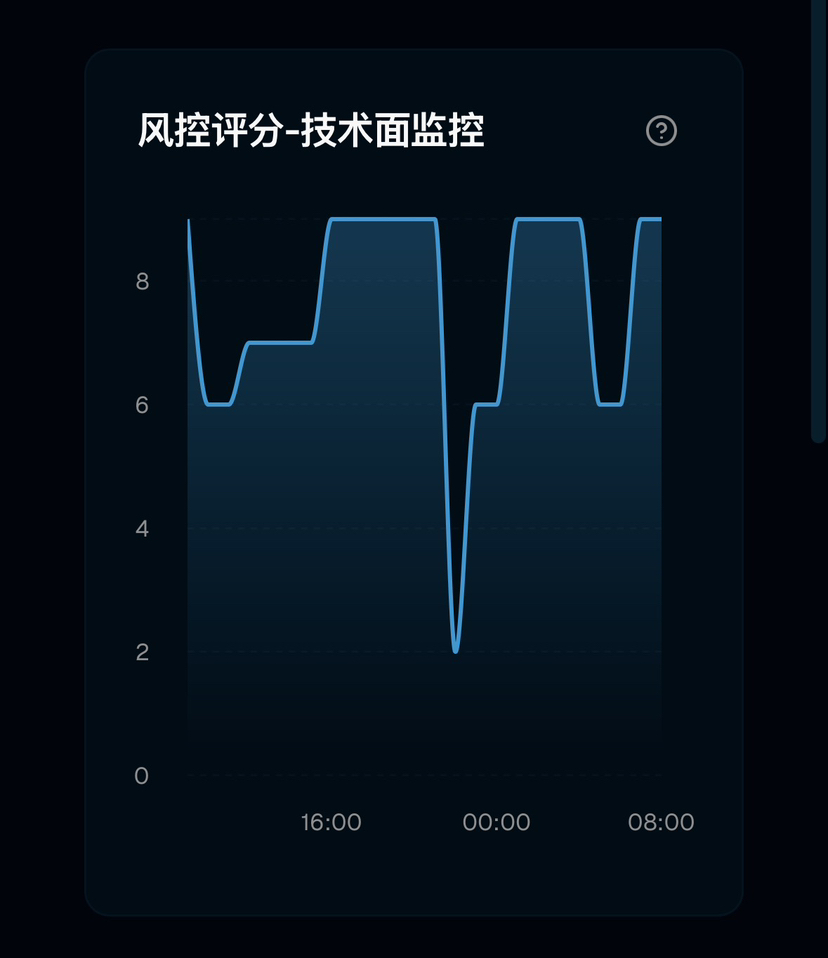
1) Technical Risk Control: High Position Repeatedly = Volatility Premium is Rising
The risk control score is being pulled back and forth in a high range, with a 'rapid downward insertion followed by a pullback' action occurring once in between. This structure usually implies that the market is using severe volatility to clean up leverage, hurting both the trend-chasers and bottom-fishers before giving a direction choice. For the whales, the most feared situation at this stage is 'heavy position one-way + high leverage', while the most suitable is 'core position + tactical position'.
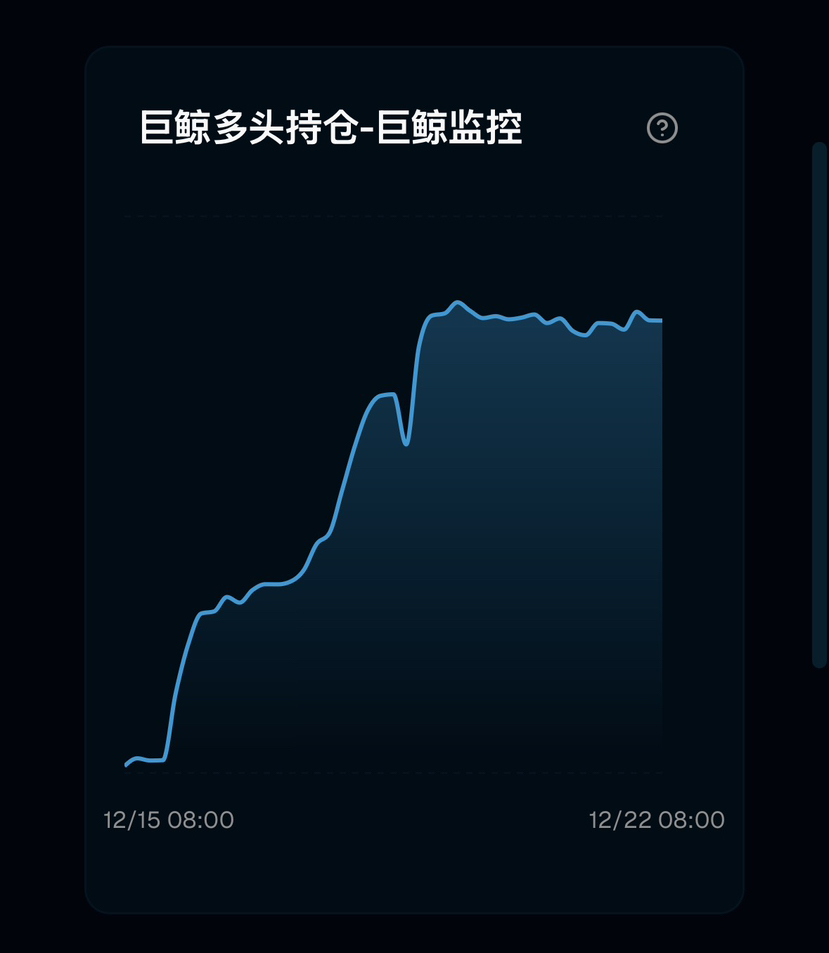
2) Whale bullish positions: after rising, consolidating = chips are 'waiting for a trigger'
The whale bullish position curve shows a significant rise, followed by a plateau and oscillation, indicating that large funds have already built their bottom/core positions, but are not in a hurry to chase prices in high volatility areas, instead waiting for a triggering condition (liquidity to give another push/market makers' Gamma to continue standing in line/risk control to confirm a pullback). This type of structure often corresponds to 'support below, requiring a catalyst above.'
3) M2 liquidity: high position pullback = upward push requires stronger catalysts
M2 liquidity curve initially pulls strong, then falls back and weakens, indicating that macro liquidity's 'tailwind push' on risk assets is diminishing. The impact on BTC is not an immediate reversal, but:
The upward push will rely more on events/emotions/structural squeezes (rather than mindlessly pushing all the way).
The probability of oscillation and washout increases, and pullbacks are more likely to occur at moments when 'everyone thinks a breakout is imminent.'
Therefore, what the whale needs to do is: set the offensive rhythm at 'confirmation of support after a pullback,' rather than at 'that push-up.'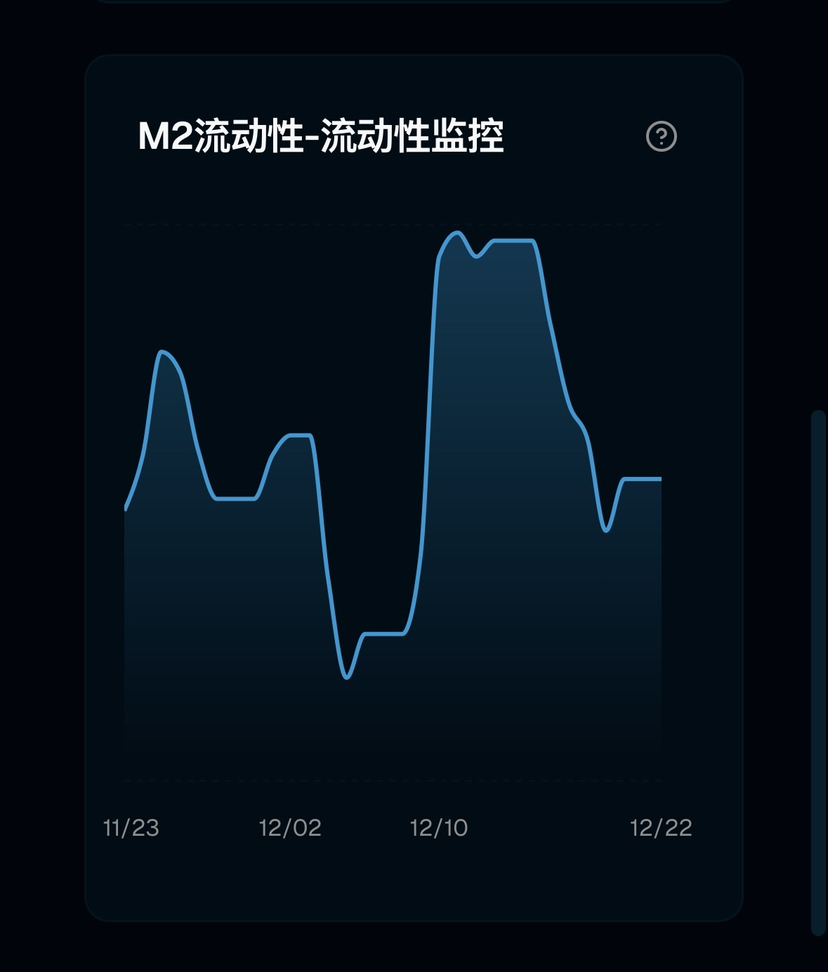
Whale Club - Official Account: Major Force Echo
4) Gamma wall (market makers): turning positive = oscillation stabilizes, turning negative = volatility amplifies
After emerging from a deeply negative Gamma stage, more positive Gamma pillars appear in the later stage, indicating that market makers' 'absorption capacity' for volatility is increasing (more like compressing volatility and making a range), which will bring two real outcomes:
the market is more likely to move in 'oscillating upward/high position consolidation' rather than accelerating in a straight line.
Once the pillar turns negative again, volatility will suddenly become 'messier,' easily leading to rapid spikes and cascading stop-losses.
Whales can treat Gamma as a 'weather vane': in a positive Gamma environment use 'range thinking + selling volatility/making structure,' in a negative Gamma environment use 'direction thinking + stronger hedging.'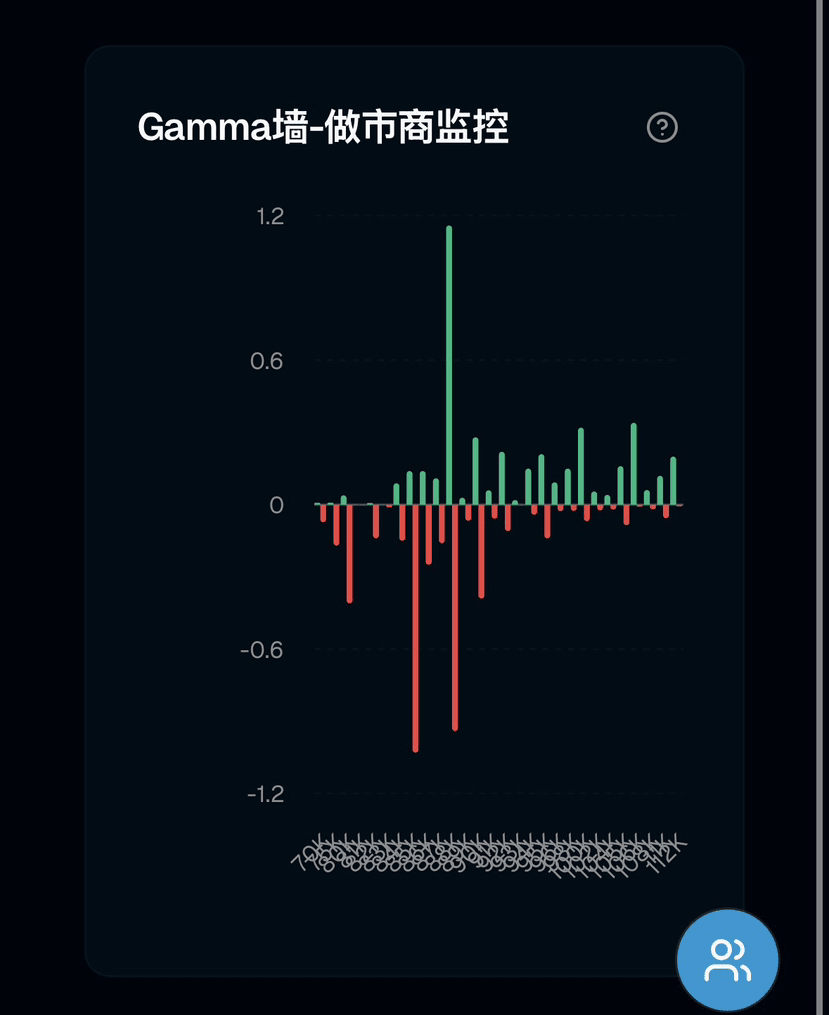
Whale Club - Official Account: Major Force Echo
5) String together the four signals: today resembles the structure of 'chaotic control of volatility' the most
The actions of the major force leaning bearish resemble 'suppressing prices and accumulating positions/manufacturing chaos,' but the whale bullish positions are rising, indicating that large funds have not been scared away; the drop in M2 means the upward push lacks sustained fuel; Gamma is slightly positive and compressing volatility. In summary:
It is highly unlikely to be a one-sided trend, but rather 'structural volatility within a range.'
Opportunities do not lie in chasing rises or falls, but in the three windows of 'pullback support,' 'squeeze trigger,' and 'risk control confirmation.'
Whale execution plan (not reporting ranges, only discussing strategies)
A) Wanting to seize direction: core long positions remain unchanged, flexible positions are only added during risk control pullbacks/confirmation of support; do not chase highs, rely on pullbacks to replenish positions.
B) To control pullbacks: use low-cost hedges (light leveraged shorts/options protection) to cover 'high-risk control periods,' turning pullbacks into manageable costs.
C) Wanting to seize volatility: in a slightly positive Gamma environment, it is more suitable to create 'range structures' (such as batch grids/selling volatility ideas), and once Gamma turns negative, immediately pull back, switching to 'direction + stop-loss discipline.'
D) Withdrawal conditions: risk control is once again maximized and whale positions are clearly weakening, while Gamma turns negative — when these three things are in sync, it is better to stay out of positions and wait for the next round.
A concluding remark
The advantage of the whale has never been 'bullish or bearish,' but rather 'looking at structure, managing positions, and using hedging to turn volatility into profit.'

