
Good evening, friends. I am Azu. The easiest pitfall in prediction markets is not betting on the wrong direction, but being led by the 'information flow'. You will find that many topics end up in heated debates, not because people have different judgments about the outcomes, but because the data source itself is being manipulated: someone uses a misleading screenshot, a modified announcement, or even a clipped live broadcast segment to push market sentiment in a certain direction; even worse, some 'manipulations' do not require hacking, they only need to create a narrative that is convincing enough and then wait for the oracle or settlement party to write it as a fact on the blockchain. In the age of information warfare, oracles must guard against not only hackers but also narrative pollution—because prediction markets have never been about 'betting on outcomes', they have evolved into 'betting on how facts are defined and proven', and the essence of your bet is paying for a certain fact determination mechanism.

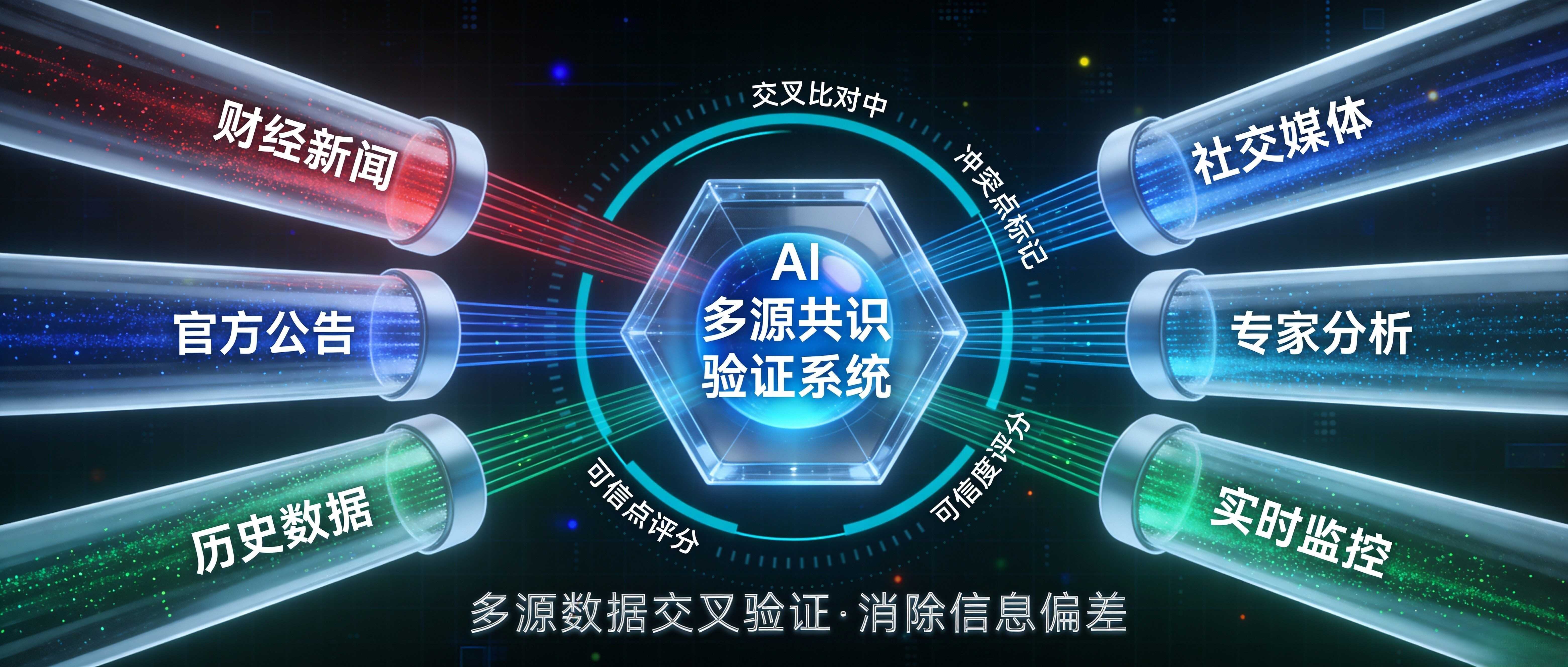
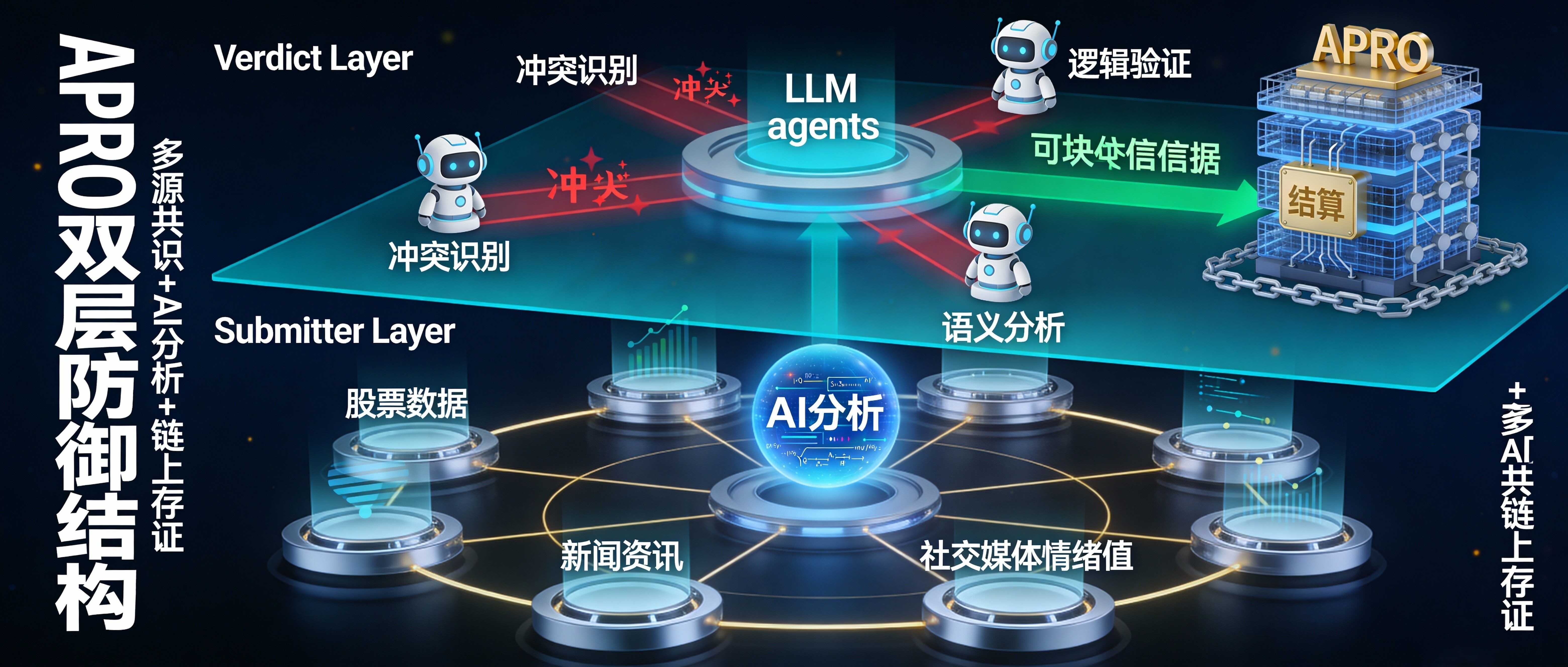
This is why I repeatedly say that multi-source consensus and AI semantic analysis are not just embellishments, but rather the underlying weapons for 'preventing rhythm manipulation.' If you rely on a single source, even if it seems authoritative, there will be risks of time lag, discrepancies in statements, and even temporary revisions; if you only look for 'surface consistency,' you can be deceived by false consensus in extreme moments. In the introduction of APRO in Binance Research, its core structure is explained very plainly: smart oracle nodes in the Submitter Layer verify data through multi-source consensus + AI analysis, while the Verdict Layer uses LLM-driven agents to handle conflicts between submissions, and finally aggregates and delivers the results to applications through on-chain settlement contracts. If you apply this design to the prediction market, it looks very much like 'first gathering information in a dispersed manner, then using a stronger semantic brain to break apart and refine the conflicts,' minimizing the space for being manipulated.
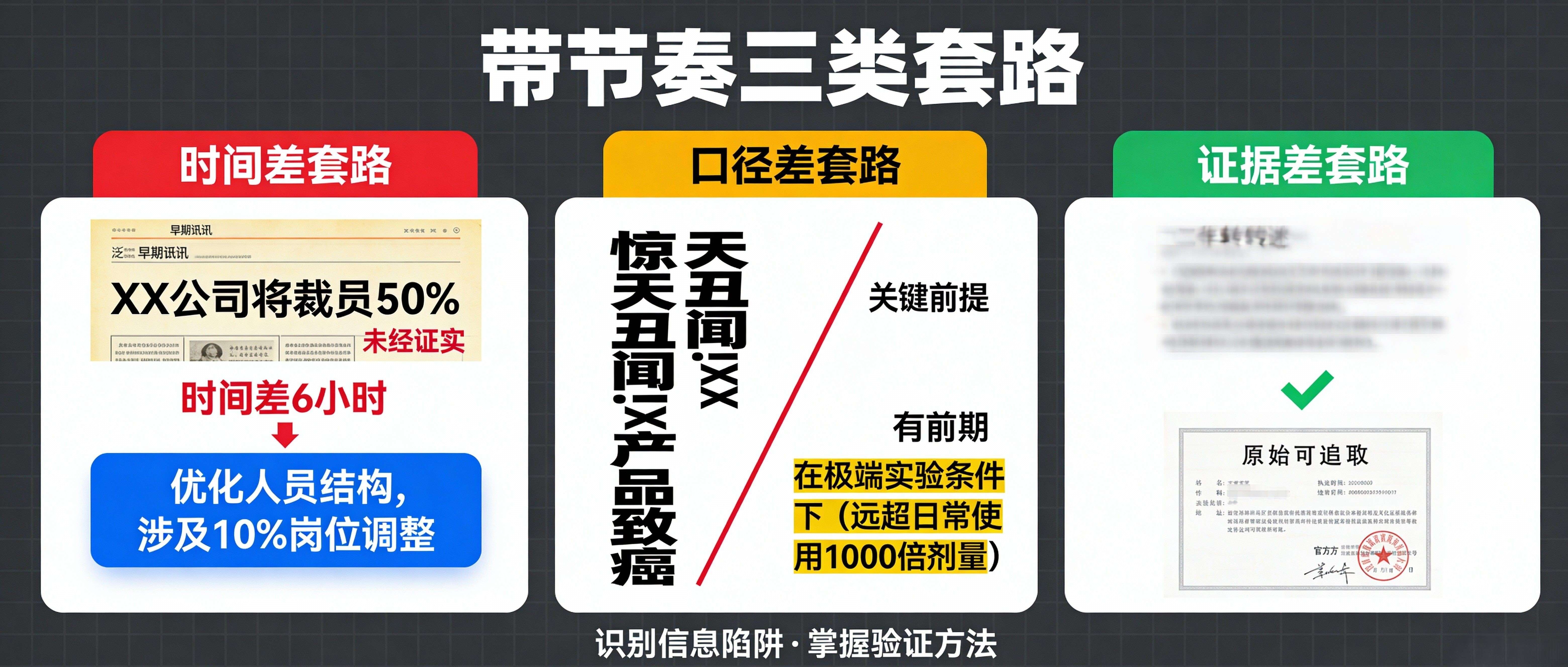
'Rhythm manipulation' commonly involves three types. The first type is time lag: early news breaks out first, followed by official revisions, additional conditions, or even retractions, but the market has already placed bets; the second type is discrepancy in statements: for the same event, media headlines are very comprehensive, but the body contains prerequisites, or it only cites anonymous sources; the third type is evidence deficiency: what you see is second-hand paraphrasing or screenshots, rather than traceable original documents. Traditional oracles are only good at moving numbers on-chain, but prediction markets need to 'move context on-chain,' and APRO emphasizes in some introductions that the Verdict Layer acts like the brain of the network, using semantic analysis to understand context and resolve data conflicts, such as distinguishing transient market noise from more credible trends, and making the process a traceable link (timestamp, signature, verifiable). In prediction market language, this means: it is not just asking 'is this statement true,' it is also asking 'under what context does this statement hold, how does it align with other evidence, and who should be trusted in conflicts.'
Thus, the rules have become very clear: if prediction markets are to expand to more complex events, platforms will increasingly rely on AI oracles to turn 'fact determination' into infrastructure, rather than relying on human arbitration to scale. You will see that the topic selection on platforms increasingly resembles writing contracts: propositions must be computable, sources must be verifiable, and conflicts must be manageable. Conversely, the competition among oracles will shift from 'who is faster' to 'who can better resist narrative pollution': can they cross-verify across sources, can they identify out-of-context quotations, can they provide more conservative conclusions or trigger stricter review processes when evidence is incomplete.
For users, this also explains a real-world issue: why high-quality data costs money and is often not cheap. Because what you are buying is not 'one answer'; you are buying a complete set of mechanisms that lower dispute costs: multi-source collection is a cost, cross-verification is a cost, conflict adjudication is a cost, traceability, and auditability are also costs. If you are unwilling to pay for data, the market will make you pay in another way — through wrong settlements, disputes, and volatility of 'reversal after being manipulated' to recoup costs. In other words, data fees are essentially buying 'a lower probability of being manipulated' and 'more interpretable settlement results,' which in the high-dispute environment of prediction markets, are often worth more than you might imagine.
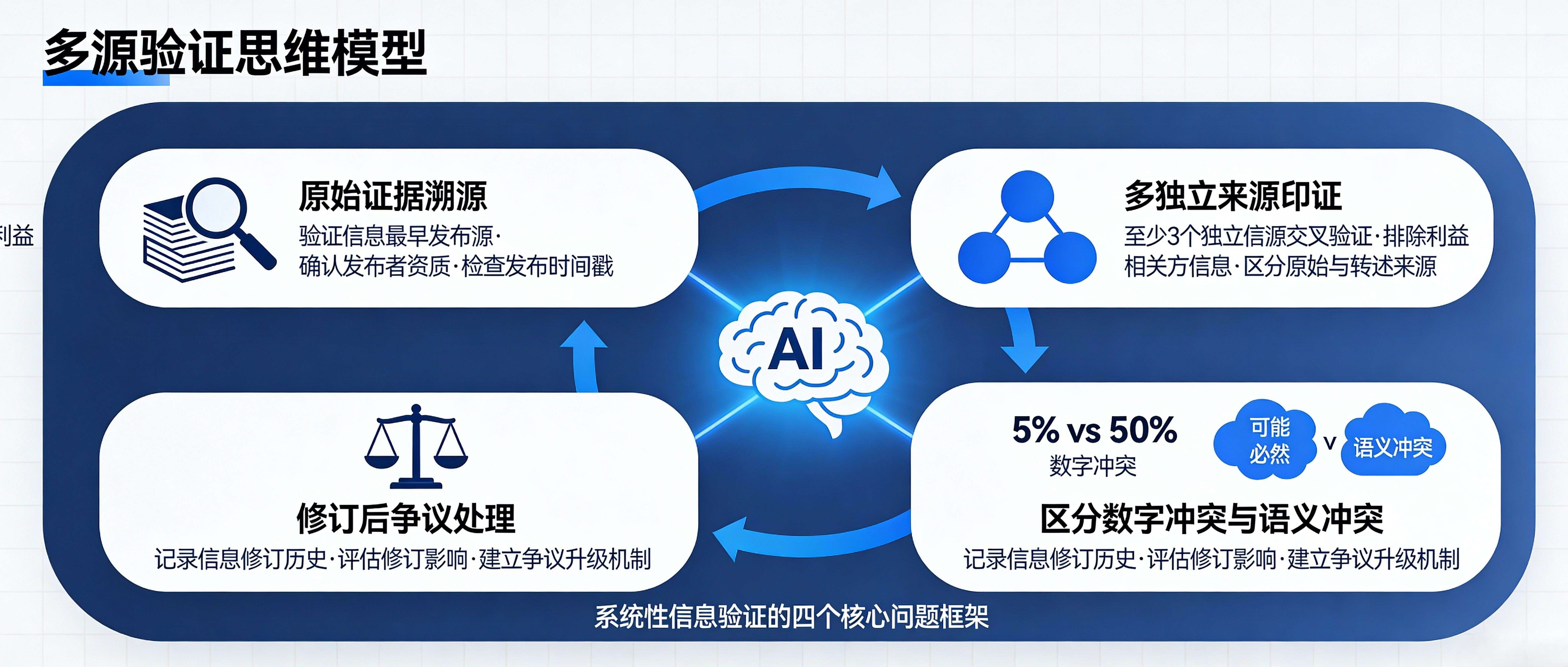
Finally, I give you a 'multi-source verification thinking model' that I use myself; you can directly use it to teach readers how to solve problems or use it as a foreshadowing for your subsequent content: when you see a popular prediction question, don’t rush to take sides; first think through four questions in your mind — what is the 'original evidence' of this information, can it be traced back to a verifiable source; besides this one source, are there at least two independent sources that can corroborate each other on key factual points; if different sources conflict, does the conflict occur on the 'numerical level' (how much is it) or the 'semantic level' (does it count as occurring, are the conditions satisfied), as semantic conflicts are often more dangerous than numerical conflicts; finally, ask the most critical question: if this information is later revised/withdrawn, does the settlement mechanism have the capability to identify version differences and handle disputes. If you cultivate the habit of asking these four questions, you will naturally understand why 'multi-source consensus + semantic adjudication' is the moat of prediction markets, and you will also better understand why platforms need designs like APRO that incorporate conflict resolution into the core of the network.
\u003cm-31/\u003e \u003cc-33/\u003e \u003ct-35/\u003e


