

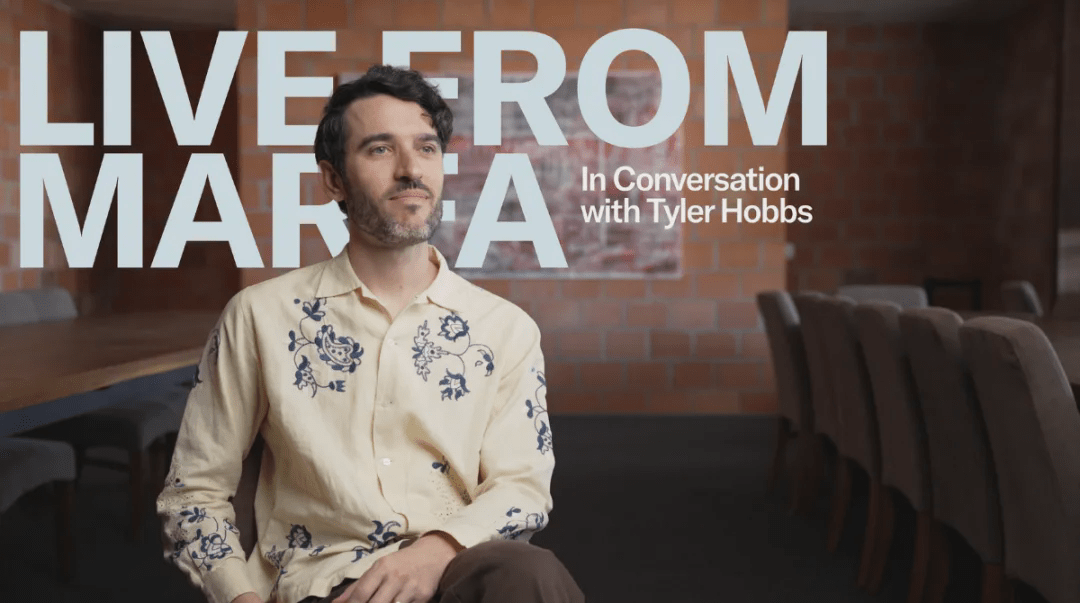
Few artists have had such a profound impact on the discussion of generative art as Tyler Hobbs. His work explores how algorithms reflect the imperfections of nature and emotion, transforming code into a medium that connects the digital and physical worlds.
This interview took place in the lobby of the Saint George Hotel during the Marfa Art Blocks weekend, where Tyler Hobbs shared his thoughts on the evolving position of generative art in culture, the balance between machine and human aesthetics, and the enduring allure of creating art in Marfa.
Note: For brevity and clarity, the content of this interview has been edited.
OpenSea:
You have devoted your life to exploring the effects produced by the collision of creativity and code. Stepping back, what aspects of generating art do you think reveal how we currently create art and seek meaning from it?
Tyler Hobbs:
Generative art reveals that the most wonderful or surprising things in art often emerge in unexpected ways. It helps artists relinquish control and let things happen naturally. The essence of generative art lies in creating in an unplanned way, and that is precisely where its charm lies.
Another important aspect is the use of code, which is the cornerstone of the modern construction of our surrounding world. For artists, it is crucial to create with contemporary materials, and code is undoubtedly one of them. Practicing code firsthand is essential for producing works that resonate with our current lives.
OpenSea:
You have described your art as a balance between the precision of machines and the warmth found in human imperfection. What draws you to this tension? How do you define the line between control and submission?
Tyler Hobbs:
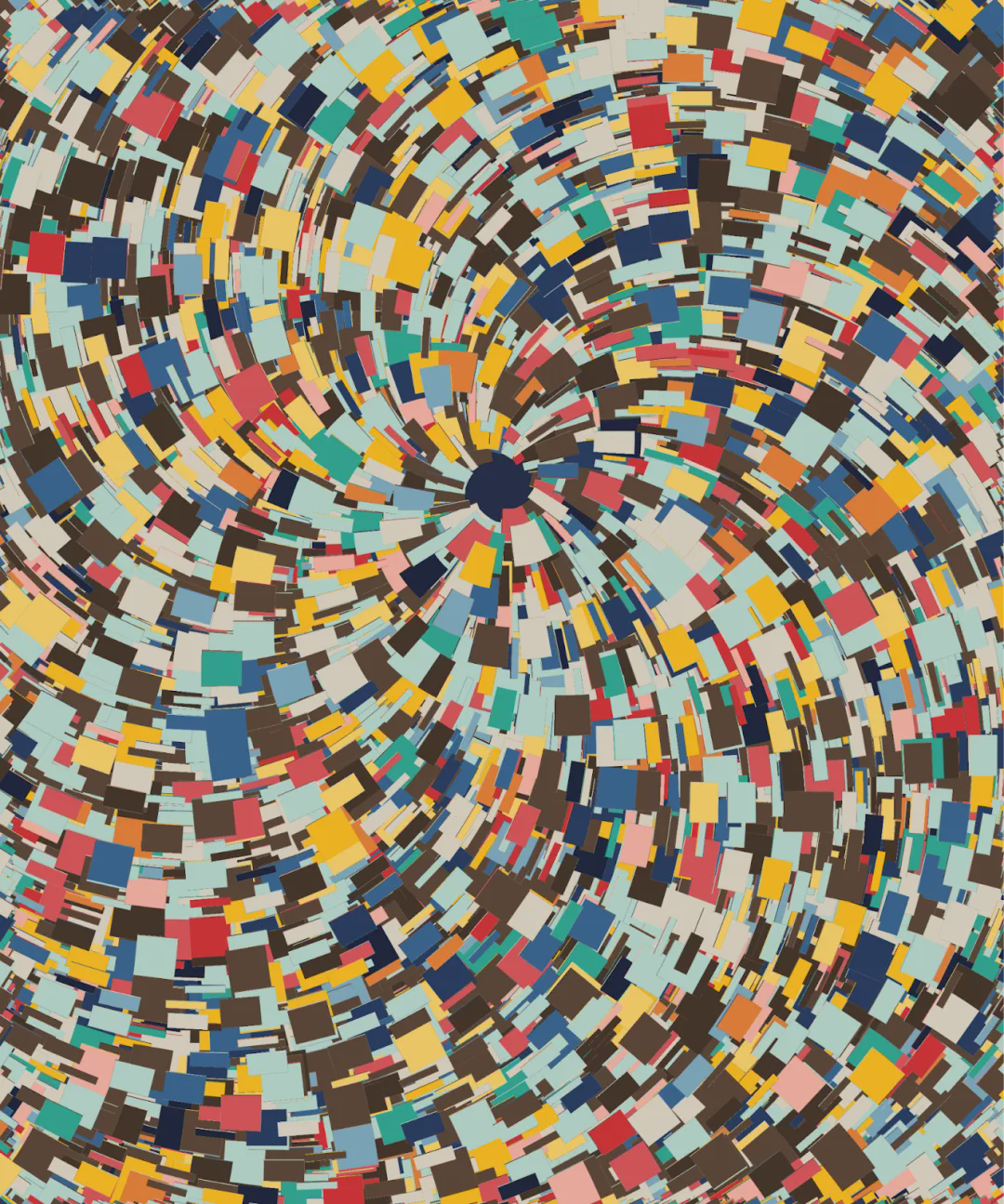
I like to maintain a balance in my work, reflecting both the cold, sharp, and precise aesthetics of computers, as well as the warmth, analog qualities, and sometimes painterly or slightly chaotic organic textures. I'm interested in the contrast between how things operate in a computer and how they naturally operate in the physical world. In my artistic creation, I often juxtapose these two to highlight their differences.
Combining them can create a unique and novel space. You gain ultimate precision from the computer while also experiencing the messy, imperfect qualities of the analog world. Introducing this diversity into digital aesthetics is fascinating because these qualities did not originally exist in digital aesthetics. The fusion of the two often yields surprising and satisfying results.
OpenSea:
Each of your projects explores a new way of collaboration, whether with collectors, with code, or with physical media. What factors are currently driving you to undertake this transformation?
Tyler Hobbs:
I often collaborate with others because I'm always trying different things. Collaborating is a great way to expand my horizons and enter new fields, whether the other party is a source of creativity or an expert in a new area. A lot of my drive comes from applying the ideas of generative art to new domains. Collaboration helps discover new uses for generative art, which excites me greatly.
OpenSea:
Although your works originate from code, many ultimately present in physical form, whether through a plotter or large installations. What do you think the physical elements bring to generative art?
Tyler Hobbs:
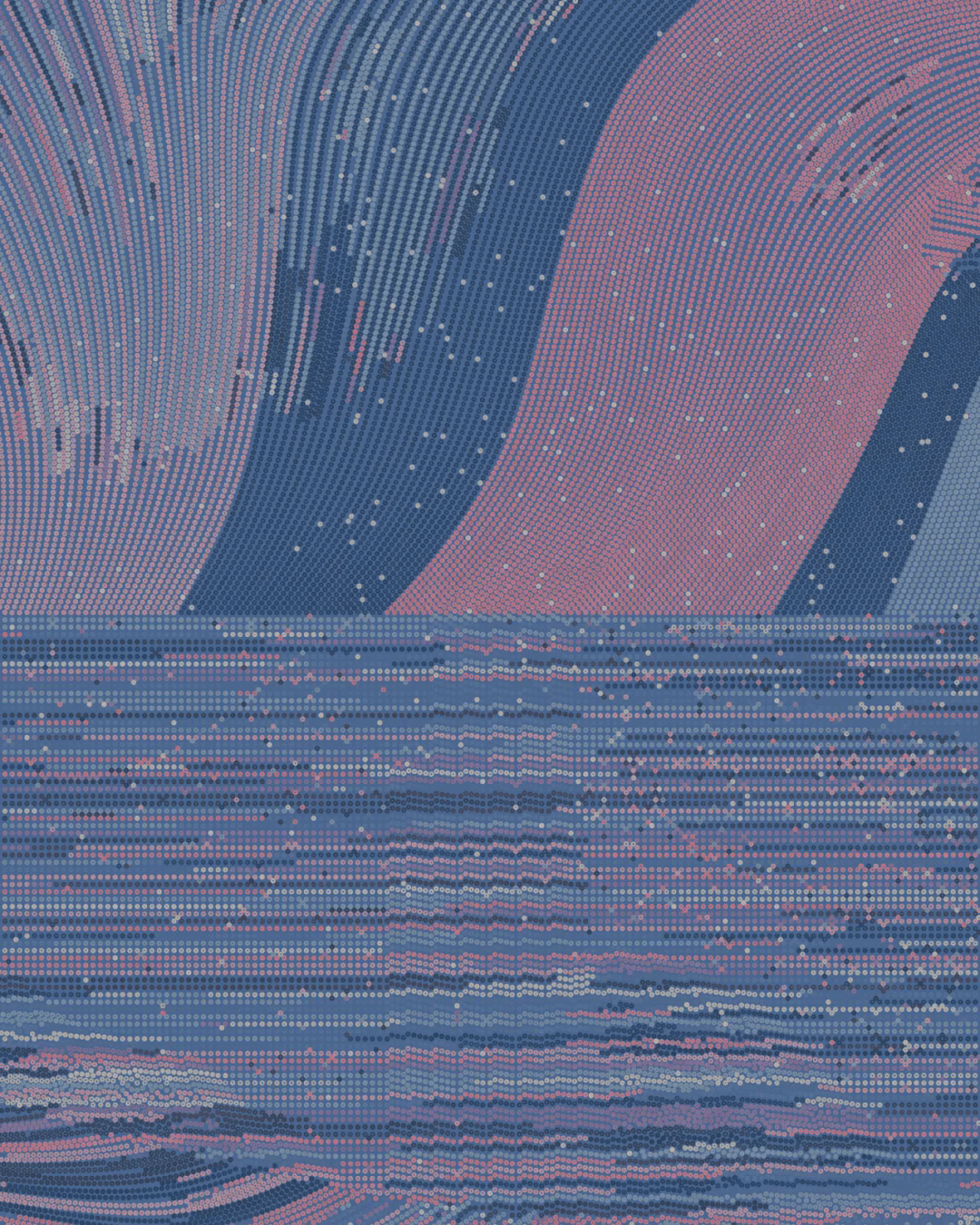
My artworks, though fundamentally digital, often manifest in physical form. I enjoy physical outputs because finely crafted physical works contain richness that is hard to achieve on screen. The more you observe closely, the more details worth appreciating you can find. You can walk around and appreciate the work from different angles.
It allows you to feel the scale of the work and the interaction with the body, which is difficult to achieve in digital art. Physical forms can bring richness that digital art cannot reach, but there are also limitations. Some things can be done in digital art but not in physical form. Combining the two is valuable. Some of my works ultimately present in physical form, while others remain in digital form, depending on the effect I want to achieve.
OpenSea:
That's very interesting, especially considering the size of the human body.
Tyler Hobbs:
As a physical artist, this can be quite frustrating. You can create a small sketch or a large oil painting, and people's interpretations of these works will differ based on size. But when you digitize the work, you lose that sense of proportion; all digital works look the same size. So it's hard to lose that sense of scale in the digital realm, while physical creation provides you with that tool.
OpenSea:
We resize digital artworks to match the dimensions of the screens we are viewing, whether it's a phone, iPad, or computer; the scaling is determined by us.
Tyler Hobbs:
Exactly.
OpenSea:
As an artist, scale can be used to alter the relationship between people and artworks. Generative art exists in a rapidly evolving digital environment with new tools, new blockchains, and new audiences. How do you view the permanence of this ever-changing art form?
Tyler Hobbs:
The permanence of digital art, especially generative art, is a tricky issue. Sometimes when you visit a museum, you see digital art from the 80s, 90s, or early 2000s, and you find that maintaining and exhibiting these works is a real challenge, because without proper preservation, the hardware, software, and knowledge needed to run these devices could all be lost.
Digital art seems easy to preserve, but in reality, it is one of the most challenging forms of art to preserve. Putting as many works as possible on the blockchain is an important step in ensuring their preservation. Handing over the code to someone who can maintain it and recording all relevant environmental information helps, but it is always an ongoing challenge that both artists and institutions must be aware of.
OpenSea:
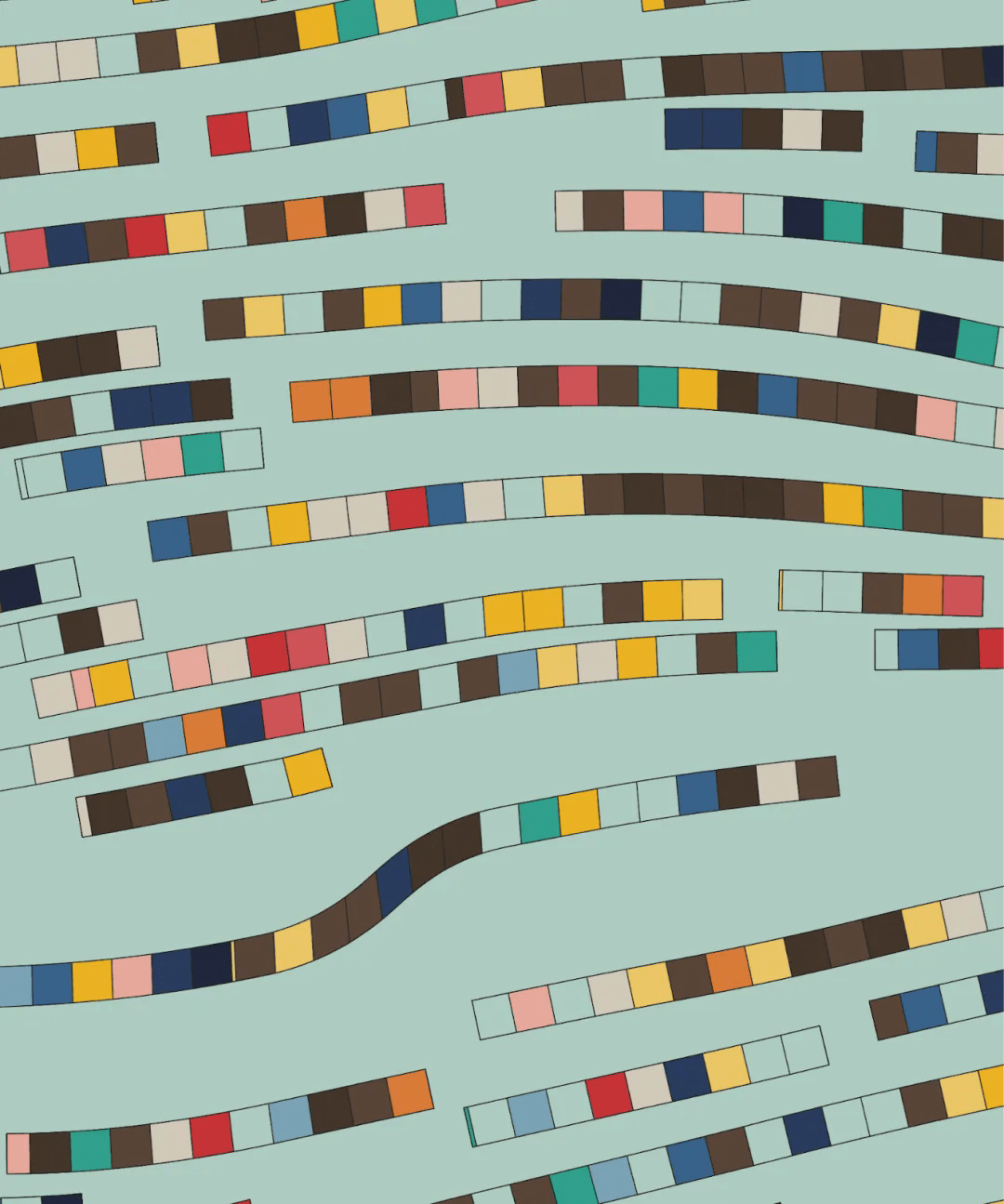
I went to the Los Angeles County Museum of Art (LACMA) with Erick [Calderon] and SquiggleDAO to see the Squiggles' works. They displayed these works on a screen in a digital art gallery. It's interesting to think about how we will exhibit these works in 10, 15, or even 20 years. Will we still present them on screens? Or will we achieve that through some kind of code? What will that look like?
Tyler Hobbs:
What will screens look like in 30 years? What will the resolution be? Are we discussing virtual reality or augmented reality? Will people say that graffiti was born in the era of 4K HD and 16:9 aspect ratio flat screens, so we should present it that way? It's hard to say; past media artists often paid great attention to the physical format of their works.
When you go to museums, you will find that many video art pieces use specific square CRT screens, which is exactly what the artist intended to present. The physical format itself is also part of the work, and for digital artists, it's crucial to think seriously about how the work is presented. Because even if the answers seem obvious now, they may not be so 20, 30, or even 100 years later. It's important to contemplate and document these issues.
OpenSea:
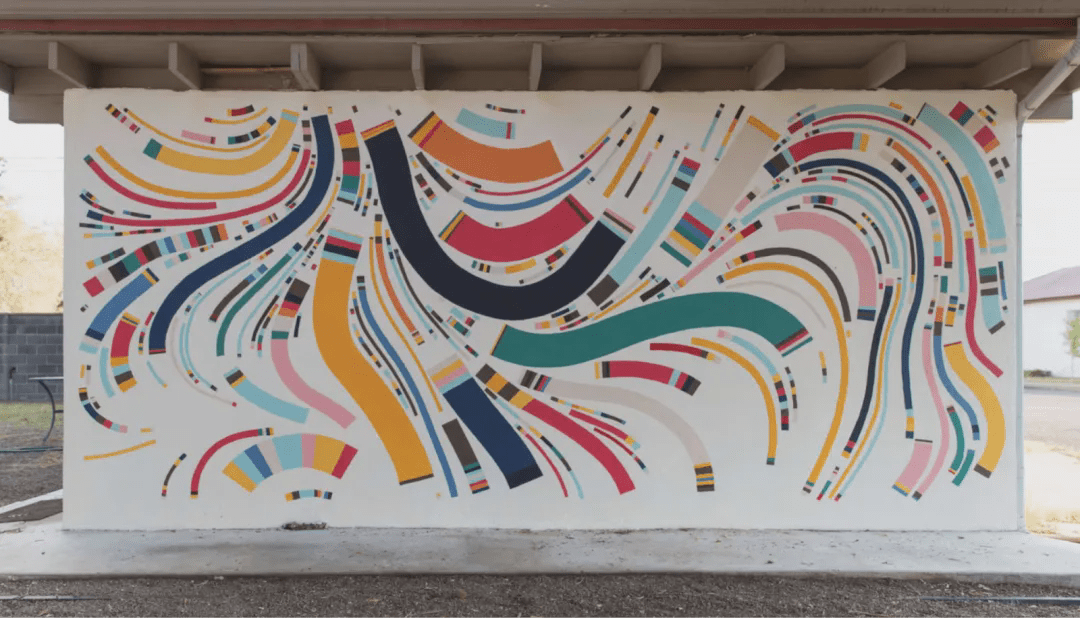
I completely agree. My last question is about your feelings regarding coming to Marfa. You and your family have ties here, but what does coming here mean to you? What special significance does this place hold for you? You also have a mural here, and I would love to hear the story behind that mural.
Tyler Hobbs:
Marfa is a very special place for me. I have been here a dozen times or so, and my great-grandparents had deep connections to this place. It is a magical place; I love the scenery here and its connection to art history, like the Judd Foundation and everything here.
For a long time, this place has attracted artists, and I am lucky to have created a mural near Art Blocks' home in 2021. A few years ago, I had my wedding here, so Marfa is a very special place for me; it has always held an important place in my heart.
OpenSea:
That's awesome! Also, you guys got married here, which is so cool. Was the wedding in town?
Tyler Hobbs:
Right by the highway, about ten minutes away, in a vast open field, the ceremony was held there. The view was broad, and nothing was visible. Our wedding banquet was in the banquet hall, and I also signed my marriage certificate there, so to be precise, I got married there.
OpenSea:
That's great, I love it.
Tyler Hobbs:
Coming back feels a bit like a wonderful journey, but yes.
OpenSea:
That's awesome, well, let's leave it here, thank you very much.
Tyler Hobbs:
You're welcome, that's amazing.
Disclaimer: This content is for reference only and should not be considered financial or trading advice. Mentioning specific projects, products, services, or tokens does not constitute endorsement, sponsorship, or recommendation by OpenSea. OpenSea does not guarantee the accuracy or completeness of the information provided. Readers should verify any statements in this article before taking any action; readers are responsible for conducting due diligence before making any decisions.
The OpenSea content you care about
Browse | Create | Buy | Sell | Auction

Follow and collect on OpenSea Binance channel
Stay updated