

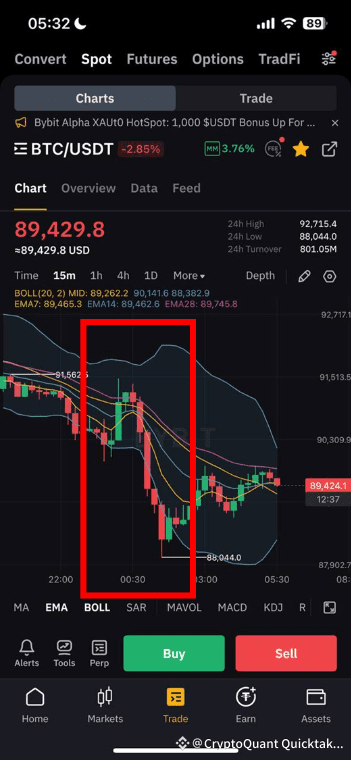
The recent sharp decline in Bitcoin appears to be a classic case of large players taking advantage of thin liquidity to trigger forced liquidations. With no significant fundamental catalyst, the drop was likely driven by structural weaknesses in the market—reduced liquidity and excessive leverage—allowing relatively small sell orders to cascade into large-scale liquidations. This type of setup has occurred repeatedly in the past and is something that can certainly happen again.
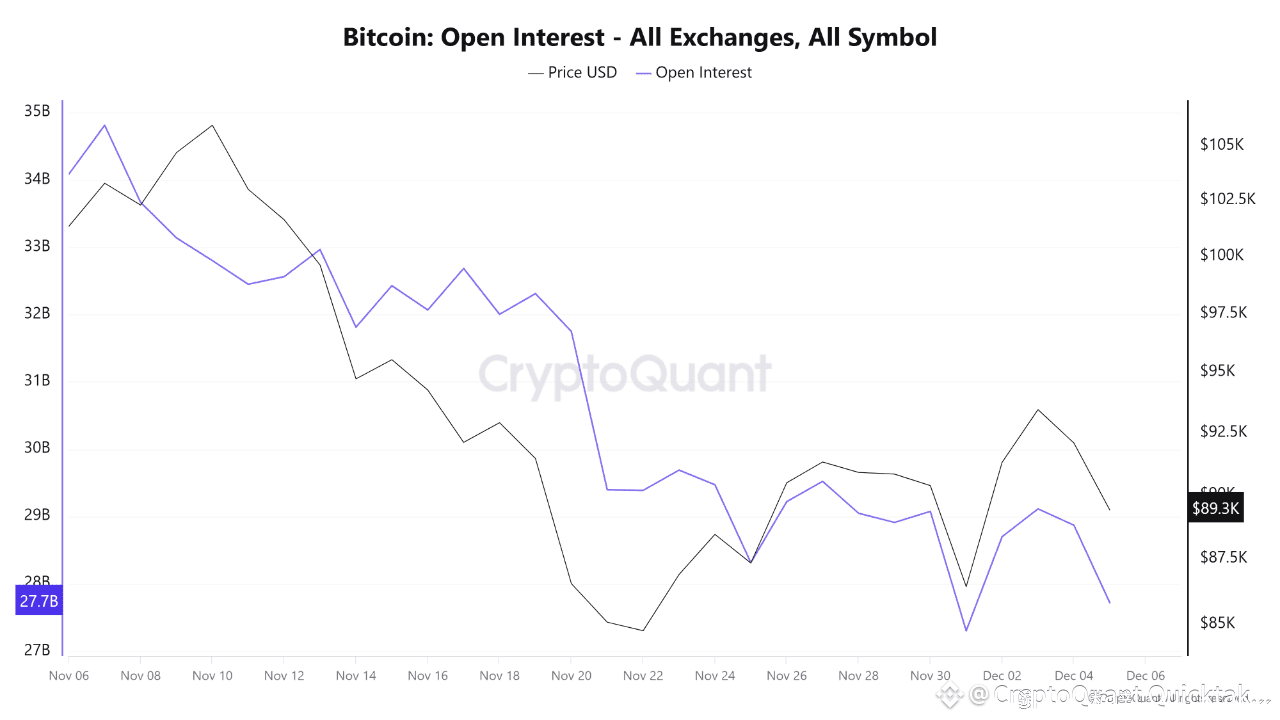
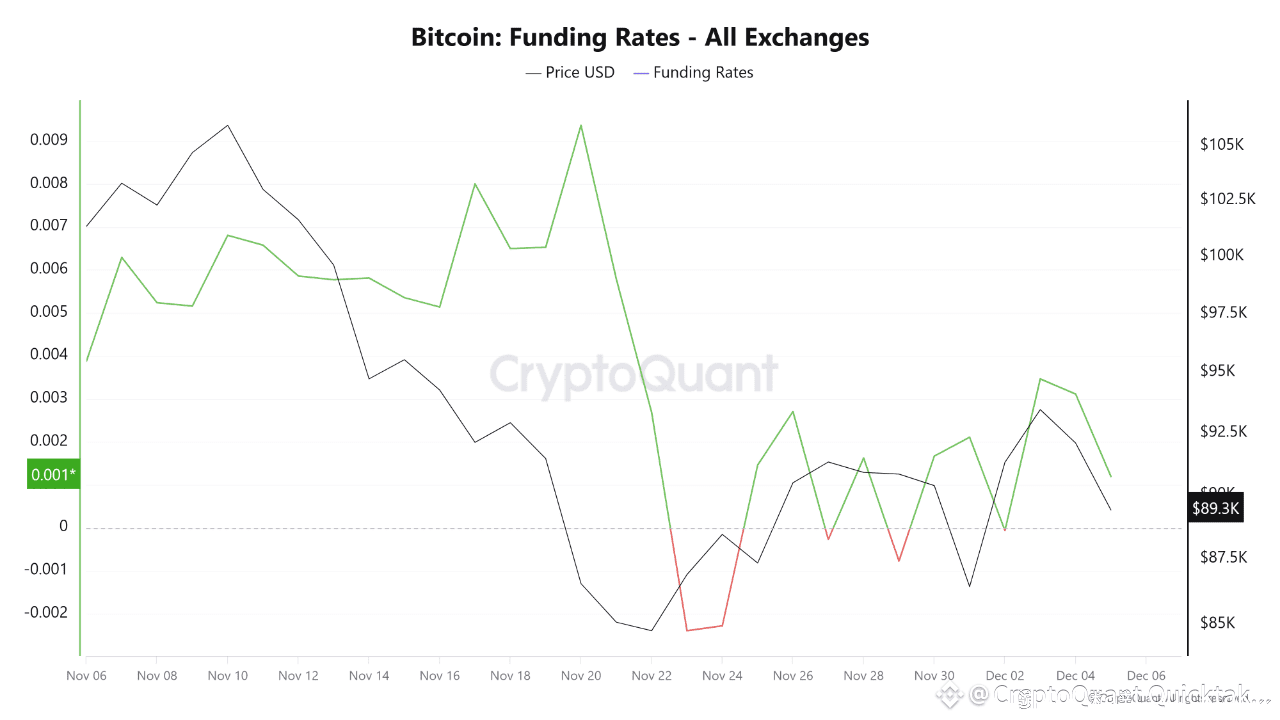
To detect these risks before they materialize, on-chain and derivatives data are essential. Two indicators stand out: Open Interest (OI) and the funding rate. When OI climbs to elevated levels, it signals that substantial leveraged positions are still open, making the market more vulnerable to liquidation cascades triggered by even minor volatility or news. At the same time, highly positive funding rates indicate an overheated environment where leveraged longs are paying a premium just to maintain their positions—conditions that attract opportunistic “whale” strategies.
Conversely, after a sharp sell-off, a significant drop in OI and a normalization or negative turn in funding rates may signal that the market has gone through a “leverage flush” and is transitioning into a healthier phase. In other words, the key is not simply reacting to market moves after they happen, but recognizing how much leverage has been loaded before it happens.
Data over emotion. Monitoring shifts in OI and funding rates is a critical component of risk management in a market where whale-driven swings are not the exception—but part of the landscape.
Written by XWIN Research Japan
