
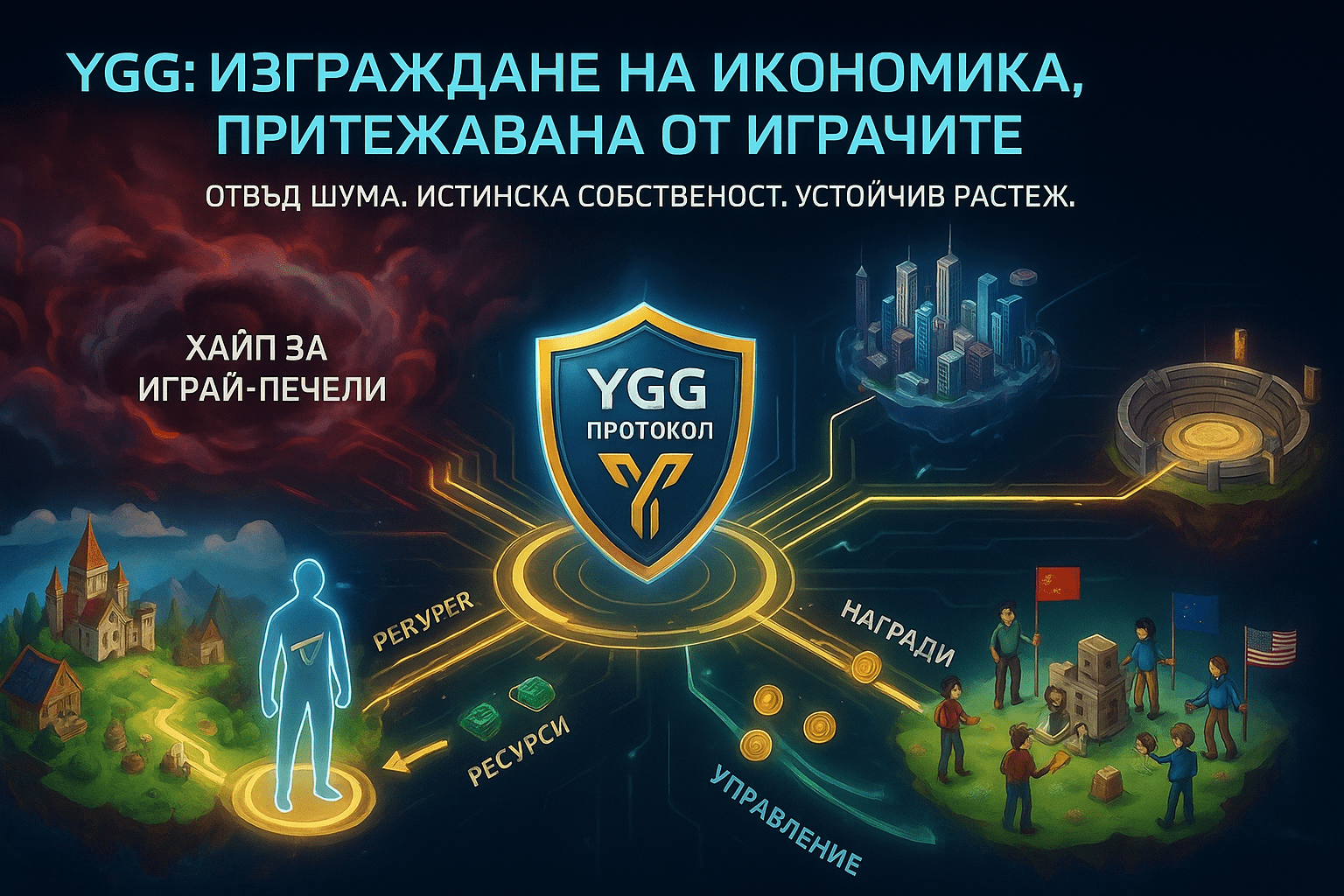
❓How YGG Is Redefining the Rules of Web3 Gaming (And Why Now Is the Moment).
🧏♂️Do you remember the crazy days of 'play-to-earn', when everything was just noise and speculation? Well, that era is over. While most of the gaming sector is licking its wounds after the brutal market cycles of volatility, one organization not only survived but quietly and methodically built the infrastructure of the future. Yield Guild Games (YGG) is entering a new, fundamentally different season of growth.
Forget about fragmented partnerships and quick profits. The conversation has shifted dramatically from hype to sustainable digital economies based on real ownership, true coordination, and long-term incentives. YGG is repositioning itself not just as a guild, but as the backbone of a global network owned by players. What we see today is a project that has stopped experimenting and has begun to shape a unified trajectory where identity, rewards, and community participation merge into a previously unseen structure.
If you're wondering where the next big wave in Web3 is, stop looking at the charts and look at the infrastructure being built right under our noses. Here are the five pillars of YGG's new revolution that are changing the game forever.
👇👇👇
⚙️ 1. From Guild to Protocol: The Engine of the New Economy.
The biggest catalyst shaping YGG today is not just a new game or partnership, but a fundamental technological change, the launch of the YGG Protocol. This is the moment when YGG stops being just a "players' association" and becomes an active, coordinated network standing between games and users.
This protocol introduces a system that connects player identities, reputation structures, quest layers, and reward distribution logic in a way that turns gameplay itself into a measurable economic contribution. Imagine it as an engine for activity, liquidity, and community value. The protocol allows quests in various games to be structured as economic missions, rewarding skilled players through automated on-chain verification.
Analysts observing YGG's latest movements are adamant: this protocol layer positions the guild as a critical bridge for liquidity and activity. This is exactly what gaming studios desperately need as they try to attract users to ecosystems that require constant engagement rather than one-off speculative cycles. This is the infrastructure that turns fun into a profession.
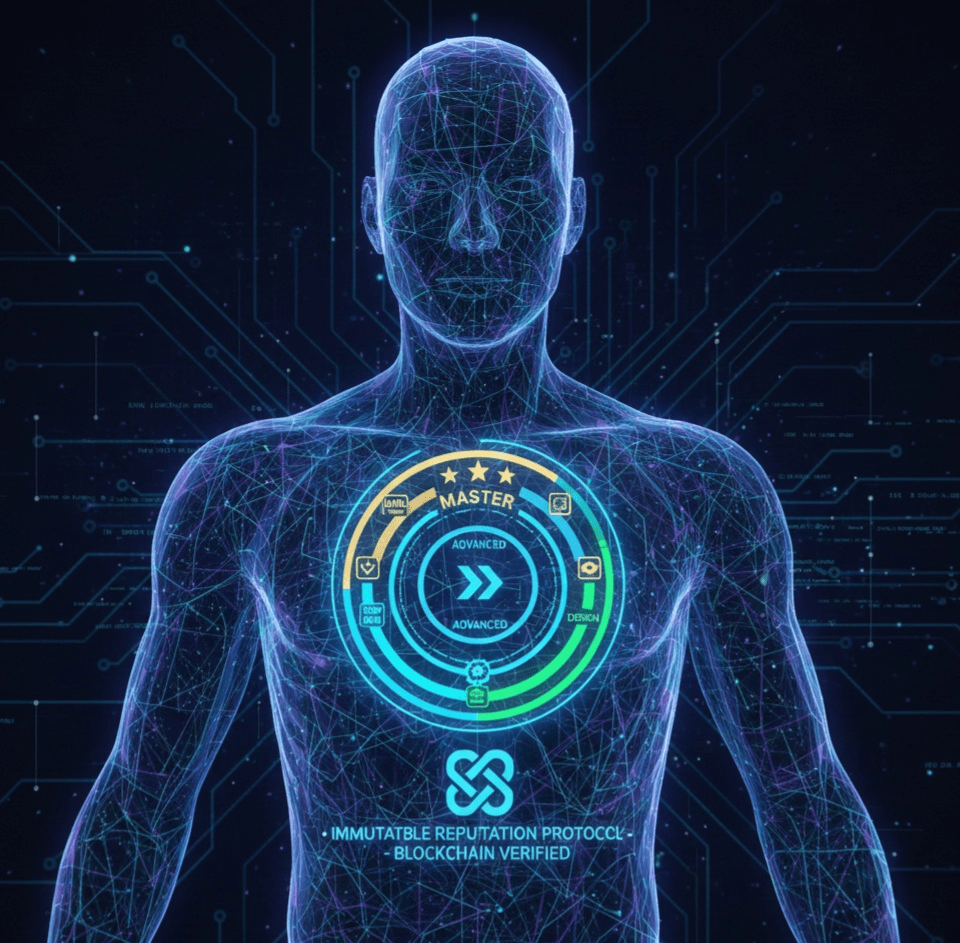
🆔 2. Your Gamer Soul Now Has a Price: The Rise of 'Soulbound' Reputation.
One of the most defining updates this season is the introduction of the YGG Soulbound Reputation System. This marks the end of anonymous farmers and bots. This system records player achievements and performance history across the broader YGG ecosystem.
Why is this revolutionary? Because this approach gives every user a permanent identity that CANNOT be traded, sold, or manipulated. This finally makes it possible to reward long-term commitment and quality engagement, rather than just those who have the most money to enter. This system is quickly becoming one of the most important elements of YGG's transformation, as it signals a future where gaming rewards shift from mere participation to verified contributions.
The result is beneficial for all parties: Developers gain access to players with measurable experience and proven skills, while players gain access to exclusive quests, rare rewards, and deeper engagement in the ecosystem. Market researchers highlight that YGG's reputation system is one of the few in the industry that can scale across multiple games while maintaining authenticity and verification of user behavior.
🤝 3. The Lifebuoy for Game Studios: Why Does Everyone Want Integration with YGG?
Another major narrative surrounding YGG is the growing interest among game studios to integrate with the guild's quest infrastructure. It is no longer about YGG begging for partnerships; studios are coming on their own. Numerous new partnerships have been announced with studios focused on RPGs, strategy titles, arena battles, and metaverse expansions.
The reason is simple but painful for the industry: Many of these studios struggled to retain users during market downturns. They increasingly see YGG not as just a promotional partner, but as a system that provides structured activity and economic incentives that keep players engaged long-term.
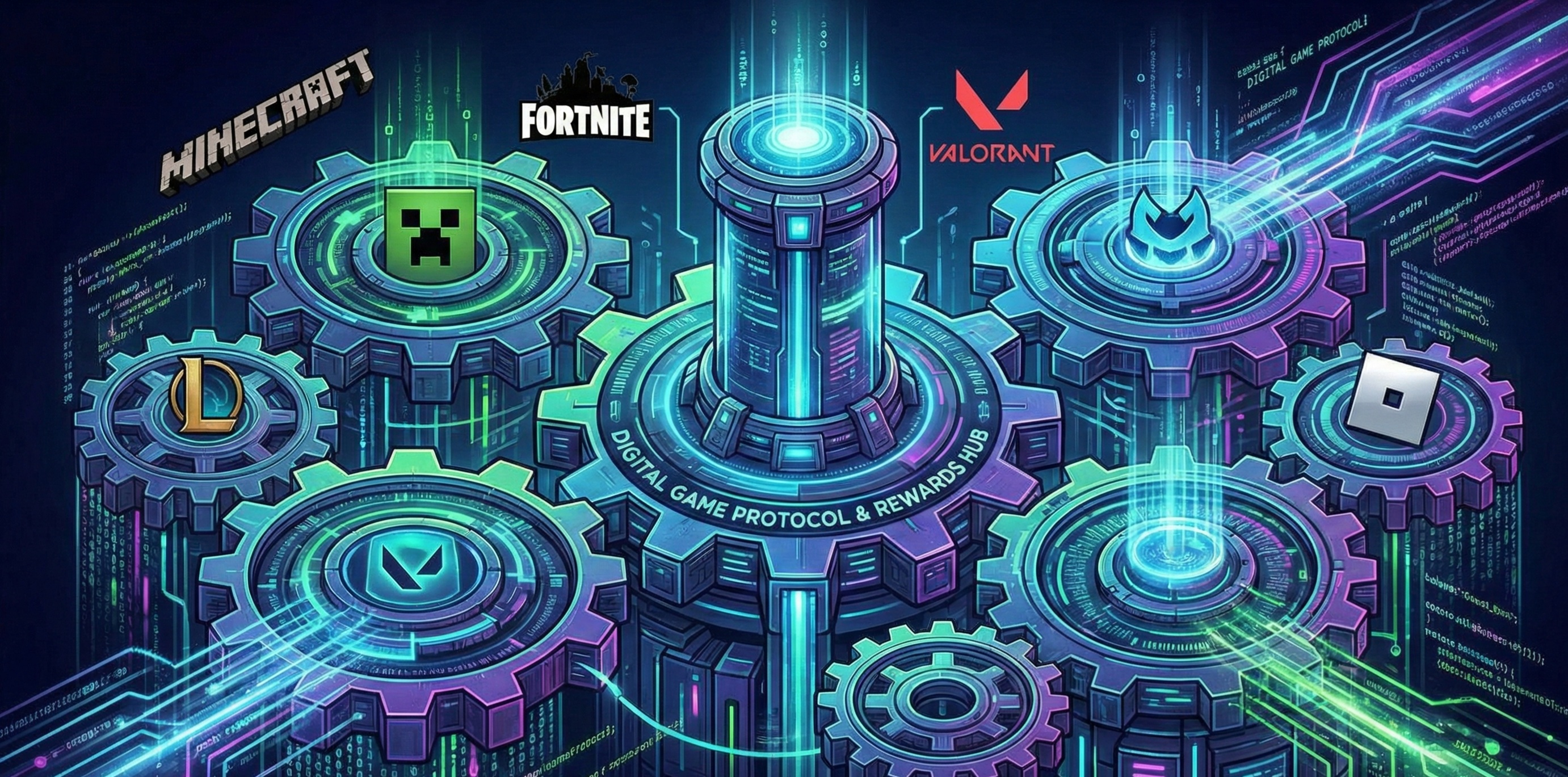
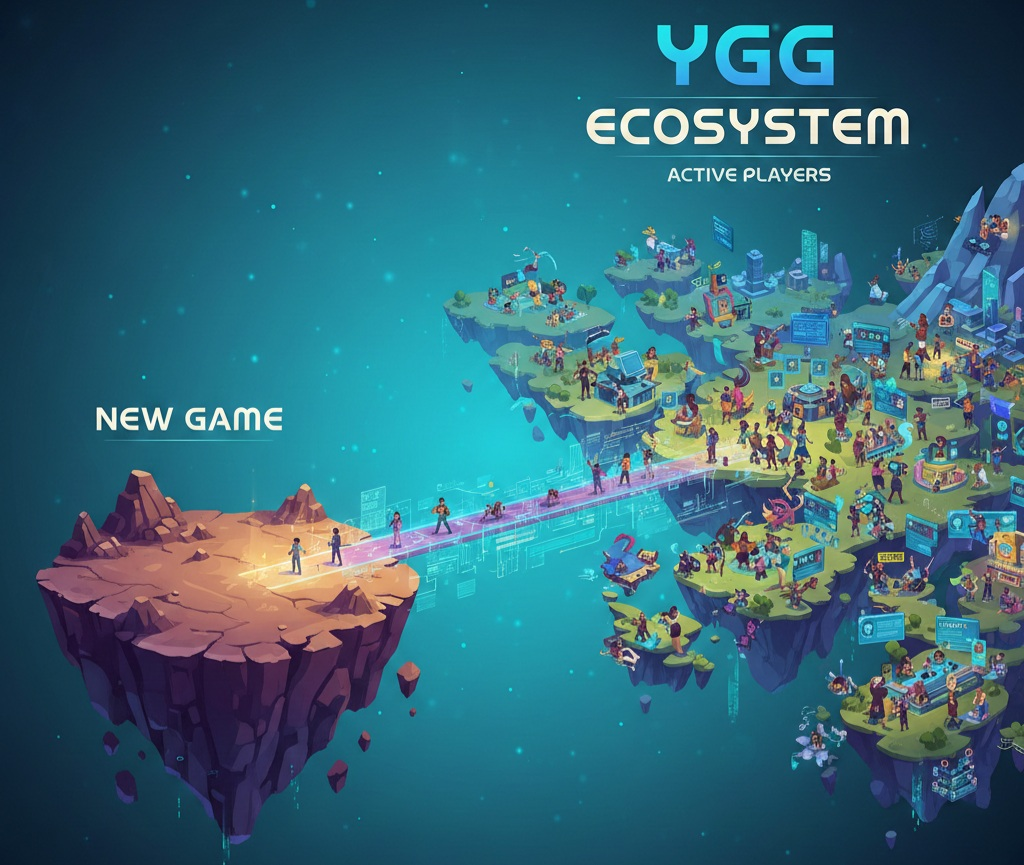
The YGG Quest system serves as a distribution engine for new games entering the Web3 space. It provides them access to motivated players who earn rewards not just for entering the game, but for demonstrating skills, consistency, and community participation. This shift transforms YGG into a key layer for growth for gaming projects that need an active community rather than passive token holders waiting for the next 'pump'.
🌐 4. One Identity, Countless Worlds: The Concept of 'Superquests'.
Perhaps the most powerful development in the evolution of YGG is its increasing alignment with the broader concept of 'Superquest'. This is the idea where multiple games and studios come together in a unified layer for rewards and activity.
This concept allows YGG to operate as a meta-layer of incentives and identity that stands ABOVE the games, shaping user flow and engagement across the landscape, rather than focusing solely on isolated partnerships. Superquests are already being tested in selected games, and early reports show higher conversion rates, stronger user retention, and more meaningful player activity.
This layer positions YGG as a new foundation for game distribution in Web3, where incentives, identity, and contributions form a continuous experience that travels from one game to another. Along with this, YGG enhances user tools and interfaces, allowing new players to join the ecosystem with minimal friction. The streamlined onboarding process with clear instructions for quests, wallets, and identity creation makes Web3 accessible to traditional gamers who otherwise would have given up in the face of complex mechanics.
🌐 5. The Return of the Legion: Regional Power and the New Role of the Token.
One of the strongest signals of YGG's revival is the return of community-led events and coordinated player missions that remind us of the early days of the guild, but now operate with more structure and higher scalability.
YGG now has better operational coordination in its regional branches, and these "sub-guilds" play a larger role in attracting new players while directing skilled users towards targeted quests for specific games. The reactivation of regional guilds reshapes YGG into a true global structure. These are not just members but operational components, content creators, trainers, competitive players, and quest leaders.
And here comes the most important thing for investors: The YGG token is also undergoing quiet but significant changes. As the protocol becomes increasingly central to activity in the ecosystem, the YGG token is positioned as a bridge for rewards, governance, and operations related to quests. More reward systems are structured through YGG, creating stable transactional demand. The connection between ecosystem activity and token utility tightens, reducing speculative discrepancies that often harm gaming tokens. The economic flow of YGG is becoming increasingly anchored in real user engagement.
@Yield Guild Games #YGGPlay $YGG
⚠️ This is not financial advice. The information is for analytical and educational purposes.
