

#oilheadsfordeepweeklyloss
oilheadsfordeepweeklyloss
50,475 views
278 Discussing
Hot
Latest


Verified
The U.S.-Iran peace deal is already starting to collapse.
Iran has officially suspended the entire 60-day negotiation process after accusing the U.S. of violating the agreement less than 24 hours after it was signed.
Vice President JD Vance has now canceled his Switzerland trip for the talks.
#OilHeadsForDeepWeeklyLoss $SPCX $BSB $SIREN #cryptofirst21
The U.S.-Iran peace deal is already starting to collapse.
Iran has officially suspended the entire 60-day negotiation process after accusing the U.S. of violating the agreement less than 24 hours after it was signed.
Vice President JD Vance has now canceled his Switzerland trip for the talks.
#OilHeadsForDeepWeeklyLoss $SPCX $BSB $SIREN #cryptofirst21
Iran has officially suspended the entire 60-day negotiation process after accusing the U.S. of violating the agreement less than 24 hours after it was signed.
Vice President JD Vance has now canceled his Switzerland trip for the talks.
#OilHeadsForDeepWeeklyLoss $SPCX $BSB $SIREN #cryptofirst21

13
1k

·
--
#oilheadsfordeepweeklyloss 🛢️ Oil Heads for Deep Weekly Loss
Crude oil prices are on track for a significant weekly decline, as easing geopolitical tensions, improving supply expectations, and reduced concerns about disruptions weigh on the energy market.
Key Highlights
📉 Oil set for a deep weekly loss
🛢️ Supply concerns continue to ease
🕊️ Geopolitical risk premium fades
🌍 Global energy markets stabilize
📊 Traders reassess demand and growth outlook
Why It Matters
Oil prices had previously been supported by fears of supply disruptions and geopolitical uncertainty. As those concerns ease, markets are removing some of the risk premium that had been built into crude prices.
Market Impact
📉 Pressure on energy prices and oil producers
💵 Lower fuel costs could help consumers
📊 Inflation concerns may moderate
🌍 Global markets welcome reduced energy volatility
Social Media Post
🚨 Oil Heads for Deep Weekly Loss
Crude oil is on track for a sharp weekly decline as supply concerns ease and geopolitical tensions show signs of cooling.
🛢️ Oil prices fall
📉 Deep weekly loss expected
🕊️ Risk premium fades
🌍 Energy markets stabilize
The move could help ease inflation pressures and provide relief for consumers and businesses worldwide.
#Oil #CrudeOil #Energy #Commodities #Markets #Inflation #Investing #Finance #Economy 🛢️📉🌍📊🚨
#oilheadsfordeepweeklyloss 🛢️ Oil Heads for Deep Weekly Loss
Crude oil prices are on track for a significant weekly decline, as easing geopolitical tensions, improving supply expectations, and reduced concerns about disruptions weigh on the energy market.
Key Highlights
📉 Oil set for a deep weekly loss
🛢️ Supply concerns continue to ease
🕊️ Geopolitical risk premium fades
🌍 Global energy markets stabilize
📊 Traders reassess demand and growth outlook
Why It Matters
Oil prices had previously been supported by fears of supply disruptions and geopolitical uncertainty. As those concerns ease, markets are removing some of the risk premium that had been built into crude prices.
Market Impact
📉 Pressure on energy prices and oil producers
💵 Lower fuel costs could help consumers
📊 Inflation concerns may moderate
🌍 Global markets welcome reduced energy volatility
Social Media Post
🚨 Oil Heads for Deep Weekly Loss
Crude oil is on track for a sharp weekly decline as supply concerns ease and geopolitical tensions show signs of cooling.
🛢️ Oil prices fall
📉 Deep weekly loss expected
🕊️ Risk premium fades
🌍 Energy markets stabilize
The move could help ease inflation pressures and provide relief for consumers and businesses worldwide.
#Oil #CrudeOil #Energy #Commodities #Markets #Inflation #Investing #Finance #Economy 🛢️📉🌍📊🚨
Crude oil prices are on track for a significant weekly decline, as easing geopolitical tensions, improving supply expectations, and reduced concerns about disruptions weigh on the energy market.
Key Highlights
📉 Oil set for a deep weekly loss
🛢️ Supply concerns continue to ease
🕊️ Geopolitical risk premium fades
🌍 Global energy markets stabilize
📊 Traders reassess demand and growth outlook
Why It Matters
Oil prices had previously been supported by fears of supply disruptions and geopolitical uncertainty. As those concerns ease, markets are removing some of the risk premium that had been built into crude prices.
Market Impact
📉 Pressure on energy prices and oil producers
💵 Lower fuel costs could help consumers
📊 Inflation concerns may moderate
🌍 Global markets welcome reduced energy volatility
Social Media Post
🚨 Oil Heads for Deep Weekly Loss
Crude oil is on track for a sharp weekly decline as supply concerns ease and geopolitical tensions show signs of cooling.
🛢️ Oil prices fall
📉 Deep weekly loss expected
🕊️ Risk premium fades
🌍 Energy markets stabilize
The move could help ease inflation pressures and provide relief for consumers and businesses worldwide.
#Oil #CrudeOil #Energy #Commodities #Markets #Inflation #Investing #Finance #Economy 🛢️📉🌍📊🚨
11
439

·
--
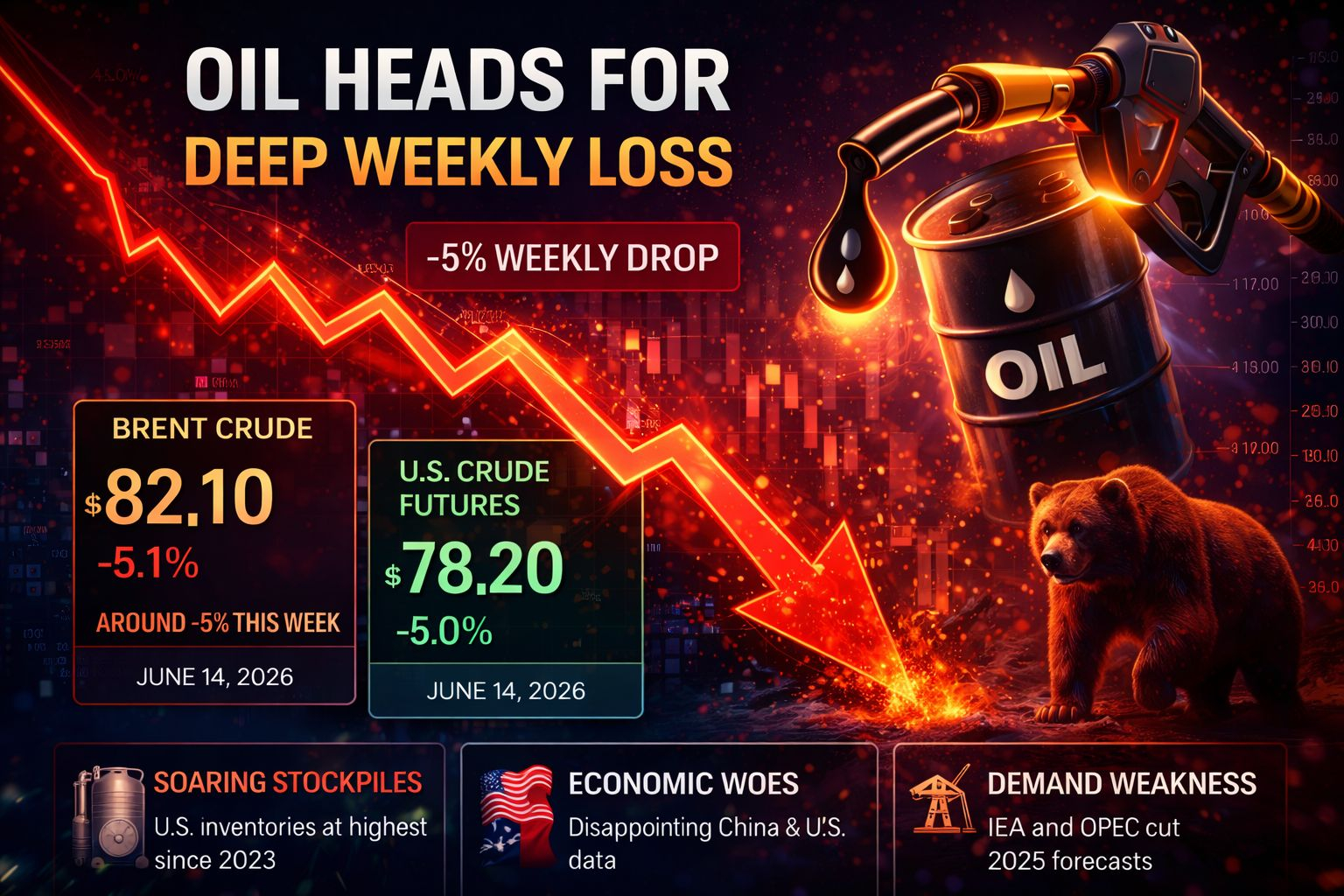
Brent dipped to $79/bbl and is on pace for a ~10 % weekly decline. The U.S.–Iran peace deal reopened the Strait of Hormuz; tankers that had been stuck for weeks are now sailing out, and Kuwait signaled higher output. With supply returning and demand concerns lingering, crude has wiped out gains since February and sits ~24 % below last month’s level. Expect volatility around OPEC+ policy signals and Middle East geopolitics.
#OilHeadsForDeepWeeklyLoss #Commodities #Hormuz $Brent $WTI $OIL @Square-Creator-74d40782d5e7 @Ouiea
Brent dipped to $79/bbl and is on pace for a ~10 % weekly decline. The U.S.–Iran peace deal reopened the Strait of Hormuz; tankers that had been stuck for weeks are now sailing out, and Kuwait signaled higher output. With supply returning and demand concerns lingering, crude has wiped out gains since February and sits ~24 % below last month’s level. Expect volatility around OPEC+ policy signals and Middle East geopolitics.
#OilHeadsForDeepWeeklyLoss #Commodities #Hormuz $Brent $WTI $OIL @OPEC @Iea
#OilHeadsForDeepWeeklyLoss #Commodities #Hormuz $Brent $WTI $OIL @OPEC @Iea
114

#OilHeadsForDeepWeeklyLoss OilHeadsForDeepWeeklyLoss means:
Oil prices are on track to finish the week with a big loss.
Simple breakdown:
Oil = crude oil prices
heads for = is moving toward / likely to end with
deep weekly loss = a large drop over the whole week
In plain English:
Oil has fallen a lot this week and may close the week sharply lower.
This usually suggests:
weaker demand expectations
recession/growth fears
oversupply concerns
stronger dollar
or easing geopolitical risk
If you want, I can also:
explain how this affects crypto and stocks
rewrite it as a news headline
translate it into Hindi/Urdu
explain whether it sounds bullish or bearish$CL
{future}(CLUSDT)
$BZ
{future}(BZUSDT)
$XAU
{future}(XAUUSDT)
@Binance_Announcement @Binance_News @Binance_Square_Official
#OilHeadsForDeepWeeklyLoss OilHeadsForDeepWeeklyLoss means:
Oil prices are on track to finish the week with a big loss.
Simple breakdown:
Oil = crude oil prices
heads for = is moving toward / likely to end with
deep weekly loss = a large drop over the whole week
In plain English:
Oil has fallen a lot this week and may close the week sharply lower.
This usually suggests:
weaker demand expectations
recession/growth fears
oversupply concerns
stronger dollar
or easing geopolitical risk
If you want, I can also:
explain how this affects crypto and stocks
rewrite it as a news headline
translate it into Hindi/Urdu
explain whether it sounds bullish or bearish$CL
$BZ
$XAU
@Binance Announcement @Binance News @Binance Square Official
Oil prices are on track to finish the week with a big loss.
Simple breakdown:
Oil = crude oil prices
heads for = is moving toward / likely to end with
deep weekly loss = a large drop over the whole week
In plain English:
Oil has fallen a lot this week and may close the week sharply lower.
This usually suggests:
weaker demand expectations
recession/growth fears
oversupply concerns
stronger dollar
or easing geopolitical risk
If you want, I can also:
explain how this affects crypto and stocks
rewrite it as a news headline
translate it into Hindi/Urdu
explain whether it sounds bullish or bearish$CL
$BZ
$XAU
@Binance Announcement @Binance News @Binance Square Official

1
352

·
--

Article
What Factors Are Driving the Decline in Crude Oil Prices This Week?Oil prices are heading for a significant weekly loss as traders react to a combination of supply-side developments, demand concerns, and shifting market sentiment. After weeks of volatility, crude oil markets have come under renewed pressure, pushing benchmark prices lower and raising questions about the near-term outlook for global energy markets.
One of the primary reasons for the decline is growing concern about global oil demand. Investors are increasingly worried that economic growth in major economies may slow in the coming months. Weaker manufacturing activity, softer consumer spending, and concerns about trade conditions have led many analysts to lower their forecasts for energy consumption. Since economic growth and oil demand are closely linked, any signs of a slowdown can quickly weigh on crude prices.$BTC
Another important factor is the perception of ample global oil supply. Several major producing countries continue to maintain strong output levels, while non-OPEC producers have expanded production capacity. Rising supplies from key oil-producing regions have eased fears of shortages and contributed to a more balanced market. When supply growth outpaces demand expectations, prices typically come under pressure.
Market participants are also closely monitoring decisions by the alliance between the Organization of the Petroleum Exporting Countries and its partners, commonly known as OPEC+. While the group has implemented production cuts in the past to support prices, traders remain uncertain about future policy decisions. Any indication that producers may increase output or fail to maintain strict production discipline can create downward pressure on crude markets.$USDC
The strength of the U.S. dollar has also played a role in oil's weekly decline. Because crude oil is priced globally in dollars, a stronger U.S. currency makes oil more expensive for buyers using other currencies. This can reduce international demand and place additional pressure on prices. Expectations regarding interest rates and monetary policy have therefore become increasingly important for energy traders.
Investor sentiment has shifted toward a more cautious stance as well. Financial markets have experienced periods of risk aversion, prompting some investors to reduce exposure to commodities and other cyclical assets. As concerns about economic growth increase, speculative buying in oil futures often decreases, contributing to lower prices.
Inventory data has further influenced market behavior. Reports showing stable or rising crude oil inventories suggest that supply remains sufficient to meet current demand. Higher stockpiles can signal weaker consumption or stronger production, both of which tend to weigh on prices. Traders closely watch inventory trends for clues about the overall balance of the oil market.$XAU
Geopolitical developments have also affected price movements. While geopolitical tensions often support oil prices due to concerns about supply disruptions, any signs of easing tensions can remove some of the risk premium embedded in crude markets. As fears of immediate supply interruptions fade, traders may become more focused on demand fundamentals.
Despite the recent decline, long-term oil market dynamics remain complex. Global energy demand continues to grow in many regions, and supply disruptions can emerge unexpectedly. However, this week's deep loss reflects a market currently focused on slowing demand growth, adequate supplies, and economic uncertainty.
Ultimately, oil's sharp weekly decline highlights the delicate balance between supply and demand. Until stronger signs of economic growth or tighter supplies emerge, crude oil prices may continue to face pressure from cautious investor sentiment and concerns about the global economic outlook.
#OilHeadsForDeepWeeklyLoss
{spot}(MUBUSDT)
{spot}(ETHUSDT)
{spot}(NVDABUSDT)
What Factors Are Driving the Decline in Crude Oil Prices This Week?
Oil prices are heading for a significant weekly loss as traders react to a combination of supply-side developments, demand concerns, and shifting market sentiment. After weeks of volatility, crude oil markets have come under renewed pressure, pushing benchmark prices lower and raising questions about the near-term outlook for global energy markets.
One of the primary reasons for the decline is growing concern about global oil demand. Investors are increasingly worried that economic growth in major economies may slow in the coming months. Weaker manufacturing activity, softer consumer spending, and concerns about trade conditions have led many analysts to lower their forecasts for energy consumption. Since economic growth and oil demand are closely linked, any signs of a slowdown can quickly weigh on crude prices.$BTC
Another important factor is the perception of ample global oil supply. Several major producing countries continue to maintain strong output levels, while non-OPEC producers have expanded production capacity. Rising supplies from key oil-producing regions have eased fears of shortages and contributed to a more balanced market. When supply growth outpaces demand expectations, prices typically come under pressure.
Market participants are also closely monitoring decisions by the alliance between the Organization of the Petroleum Exporting Countries and its partners, commonly known as OPEC+. While the group has implemented production cuts in the past to support prices, traders remain uncertain about future policy decisions. Any indication that producers may increase output or fail to maintain strict production discipline can create downward pressure on crude markets.$USDC
The strength of the U.S. dollar has also played a role in oil's weekly decline. Because crude oil is priced globally in dollars, a stronger U.S. currency makes oil more expensive for buyers using other currencies. This can reduce international demand and place additional pressure on prices. Expectations regarding interest rates and monetary policy have therefore become increasingly important for energy traders.
Investor sentiment has shifted toward a more cautious stance as well. Financial markets have experienced periods of risk aversion, prompting some investors to reduce exposure to commodities and other cyclical assets. As concerns about economic growth increase, speculative buying in oil futures often decreases, contributing to lower prices.
Inventory data has further influenced market behavior. Reports showing stable or rising crude oil inventories suggest that supply remains sufficient to meet current demand. Higher stockpiles can signal weaker consumption or stronger production, both of which tend to weigh on prices. Traders closely watch inventory trends for clues about the overall balance of the oil market.$XAU
Geopolitical developments have also affected price movements. While geopolitical tensions often support oil prices due to concerns about supply disruptions, any signs of easing tensions can remove some of the risk premium embedded in crude markets. As fears of immediate supply interruptions fade, traders may become more focused on demand fundamentals.
Despite the recent decline, long-term oil market dynamics remain complex. Global energy demand continues to grow in many regions, and supply disruptions can emerge unexpectedly. However, this week's deep loss reflects a market currently focused on slowing demand growth, adequate supplies, and economic uncertainty.
Ultimately, oil's sharp weekly decline highlights the delicate balance between supply and demand. Until stronger signs of economic growth or tighter supplies emerge, crude oil prices may continue to face pressure from cautious investor sentiment and concerns about the global economic outlook.
#OilHeadsForDeepWeeklyLoss
One of the primary reasons for the decline is growing concern about global oil demand. Investors are increasingly worried that economic growth in major economies may slow in the coming months. Weaker manufacturing activity, softer consumer spending, and concerns about trade conditions have led many analysts to lower their forecasts for energy consumption. Since economic growth and oil demand are closely linked, any signs of a slowdown can quickly weigh on crude prices.$BTC
Another important factor is the perception of ample global oil supply. Several major producing countries continue to maintain strong output levels, while non-OPEC producers have expanded production capacity. Rising supplies from key oil-producing regions have eased fears of shortages and contributed to a more balanced market. When supply growth outpaces demand expectations, prices typically come under pressure.
Market participants are also closely monitoring decisions by the alliance between the Organization of the Petroleum Exporting Countries and its partners, commonly known as OPEC+. While the group has implemented production cuts in the past to support prices, traders remain uncertain about future policy decisions. Any indication that producers may increase output or fail to maintain strict production discipline can create downward pressure on crude markets.$USDC
The strength of the U.S. dollar has also played a role in oil's weekly decline. Because crude oil is priced globally in dollars, a stronger U.S. currency makes oil more expensive for buyers using other currencies. This can reduce international demand and place additional pressure on prices. Expectations regarding interest rates and monetary policy have therefore become increasingly important for energy traders.
Investor sentiment has shifted toward a more cautious stance as well. Financial markets have experienced periods of risk aversion, prompting some investors to reduce exposure to commodities and other cyclical assets. As concerns about economic growth increase, speculative buying in oil futures often decreases, contributing to lower prices.
Inventory data has further influenced market behavior. Reports showing stable or rising crude oil inventories suggest that supply remains sufficient to meet current demand. Higher stockpiles can signal weaker consumption or stronger production, both of which tend to weigh on prices. Traders closely watch inventory trends for clues about the overall balance of the oil market.$XAU
Geopolitical developments have also affected price movements. While geopolitical tensions often support oil prices due to concerns about supply disruptions, any signs of easing tensions can remove some of the risk premium embedded in crude markets. As fears of immediate supply interruptions fade, traders may become more focused on demand fundamentals.
Despite the recent decline, long-term oil market dynamics remain complex. Global energy demand continues to grow in many regions, and supply disruptions can emerge unexpectedly. However, this week's deep loss reflects a market currently focused on slowing demand growth, adequate supplies, and economic uncertainty.
Ultimately, oil's sharp weekly decline highlights the delicate balance between supply and demand. Until stronger signs of economic growth or tighter supplies emerge, crude oil prices may continue to face pressure from cautious investor sentiment and concerns about the global economic outlook.
#OilHeadsForDeepWeeklyLoss
243

BANGER💥🚨 BREAKING: TRUMP ISSUES ULTIMATUM ON IRAN DEAL — MARKETS BRACE FOR HIGH-STAKES OUTCOME 🇺🇸🇮🇷⚠️
A major geopolitical development is unfolding as President Trump warns that military action remains a possibility if negotiations with Iran fail. At the same time, Washington has reportedly presented a new draft agreement aimed at securing a ceasefire, reopening the Strait of Hormuz, and easing sanctions in exchange for nuclear restrictions.
🌍 Why This Matters for Markets & Crypto:
⚔️ Military Escalation Risk
Trump's latest warning signals that the military option remains active if diplomacy breaks down. Traders are now forced to price in both a peaceful resolution and a potential regional conflict.
📄 New Deal Framework Emerges
The proposed US draft reportedly includes:
• Immediate ceasefire measures
• Reopening of the Strait of Hormuz
• Gradual sanctions relief
• Limits on Iran's nuclear activities
If accepted, this could significantly reduce geopolitical risk and improve global market sentiment.
🛢️ Strait of Hormuz Remains the Key Catalyst
Nearly one-fifth of global oil shipments pass through Hormuz. Any disruption could trigger a sharp spike in oil prices, inflation concerns, and risk-off behavior across global financial markets.
🇫🇷 Europe Preparing for Both Scenarios
France has pledged support for freedom of navigation and is exploring alternative energy export routes. This suggests European policymakers are actively preparing for either a successful agreement or a breakdown in negotiations.
📈 Bullish Scenario for Crypto
✅ Lower oil prices
✅ Reduced inflation pressure
✅ Improved risk appetite
✅ Stronger capital flows into Bitcoin and altcoins
📉 Bearish Scenario for Crypto
❌ Military escalation
❌ Oil price shock
❌ Rising inflation expectations
❌ Increased volatility across risk assets
🔥 The expected Geneva negotiations on Friday may become the most important macro event of the week. A successful agreement could fuel a broad risk-on rally, while failure could trigger significant turbulence across stocks, commodities, and crypto markets.
Watch Hormuz. Watch oil. Watch Bitcoin.
The next major market move could start there.
#ECBWunschCallsForJulyHikeIfDataWeakens #BTCBelowMinerProductionCost5Months #TeslaLagsSpaceXInIPOWeek #OilHeadsForDeepWeeklyLoss
#AsianStocksHitRecord
$SPCXB
{spot}(SPCXBUSDT)
$SPCXB
$SPCXB
BANGER💥
🚨 BREAKING: TRUMP ISSUES ULTIMATUM ON IRAN DEAL — MARKETS BRACE FOR HIGH-STAKES OUTCOME 🇺🇸🇮🇷⚠️
A major geopolitical development is unfolding as President Trump warns that military action remains a possibility if negotiations with Iran fail. At the same time, Washington has reportedly presented a new draft agreement aimed at securing a ceasefire, reopening the Strait of Hormuz, and easing sanctions in exchange for nuclear restrictions.
🌍 Why This Matters for Markets & Crypto:
⚔️ Military Escalation Risk
Trump's latest warning signals that the military option remains active if diplomacy breaks down. Traders are now forced to price in both a peaceful resolution and a potential regional conflict.
📄 New Deal Framework Emerges
The proposed US draft reportedly includes:
• Immediate ceasefire measures
• Reopening of the Strait of Hormuz
• Gradual sanctions relief
• Limits on Iran's nuclear activities
If accepted, this could significantly reduce geopolitical risk and improve global market sentiment.
🛢️ Strait of Hormuz Remains the Key Catalyst
Nearly one-fifth of global oil shipments pass through Hormuz. Any disruption could trigger a sharp spike in oil prices, inflation concerns, and risk-off behavior across global financial markets.
🇫🇷 Europe Preparing for Both Scenarios
France has pledged support for freedom of navigation and is exploring alternative energy export routes. This suggests European policymakers are actively preparing for either a successful agreement or a breakdown in negotiations.
📈 Bullish Scenario for Crypto
✅ Lower oil prices
✅ Reduced inflation pressure
✅ Improved risk appetite
✅ Stronger capital flows into Bitcoin and altcoins
📉 Bearish Scenario for Crypto
❌ Military escalation
❌ Oil price shock
❌ Rising inflation expectations
❌ Increased volatility across risk assets
🔥 The expected Geneva negotiations on Friday may become the most important macro event of the week. A successful agreement could fuel a broad risk-on rally, while failure could trigger significant turbulence across stocks, commodities, and crypto markets.
Watch Hormuz. Watch oil. Watch Bitcoin.
The next major market move could start there.
#ECBWunschCallsForJulyHikeIfDataWeakens #BTCBelowMinerProductionCost5Months #TeslaLagsSpaceXInIPOWeek #OilHeadsForDeepWeeklyLoss
#AsianStocksHitRecord
$SPCXB
$SPCXB
$SPCXB
A major geopolitical development is unfolding as President Trump warns that military action remains a possibility if negotiations with Iran fail. At the same time, Washington has reportedly presented a new draft agreement aimed at securing a ceasefire, reopening the Strait of Hormuz, and easing sanctions in exchange for nuclear restrictions.
🌍 Why This Matters for Markets & Crypto:
⚔️ Military Escalation Risk
Trump's latest warning signals that the military option remains active if diplomacy breaks down. Traders are now forced to price in both a peaceful resolution and a potential regional conflict.
📄 New Deal Framework Emerges
The proposed US draft reportedly includes:
• Immediate ceasefire measures
• Reopening of the Strait of Hormuz
• Gradual sanctions relief
• Limits on Iran's nuclear activities
If accepted, this could significantly reduce geopolitical risk and improve global market sentiment.
🛢️ Strait of Hormuz Remains the Key Catalyst
Nearly one-fifth of global oil shipments pass through Hormuz. Any disruption could trigger a sharp spike in oil prices, inflation concerns, and risk-off behavior across global financial markets.
🇫🇷 Europe Preparing for Both Scenarios
France has pledged support for freedom of navigation and is exploring alternative energy export routes. This suggests European policymakers are actively preparing for either a successful agreement or a breakdown in negotiations.
📈 Bullish Scenario for Crypto
✅ Lower oil prices
✅ Reduced inflation pressure
✅ Improved risk appetite
✅ Stronger capital flows into Bitcoin and altcoins
📉 Bearish Scenario for Crypto
❌ Military escalation
❌ Oil price shock
❌ Rising inflation expectations
❌ Increased volatility across risk assets
🔥 The expected Geneva negotiations on Friday may become the most important macro event of the week. A successful agreement could fuel a broad risk-on rally, while failure could trigger significant turbulence across stocks, commodities, and crypto markets.
Watch Hormuz. Watch oil. Watch Bitcoin.
The next major market move could start there.
#ECBWunschCallsForJulyHikeIfDataWeakens #BTCBelowMinerProductionCost5Months #TeslaLagsSpaceXInIPOWeek #OilHeadsForDeepWeeklyLoss
#AsianStocksHitRecord
$SPCXB
$SPCXB
$SPCXB
178

·
--
Bullish
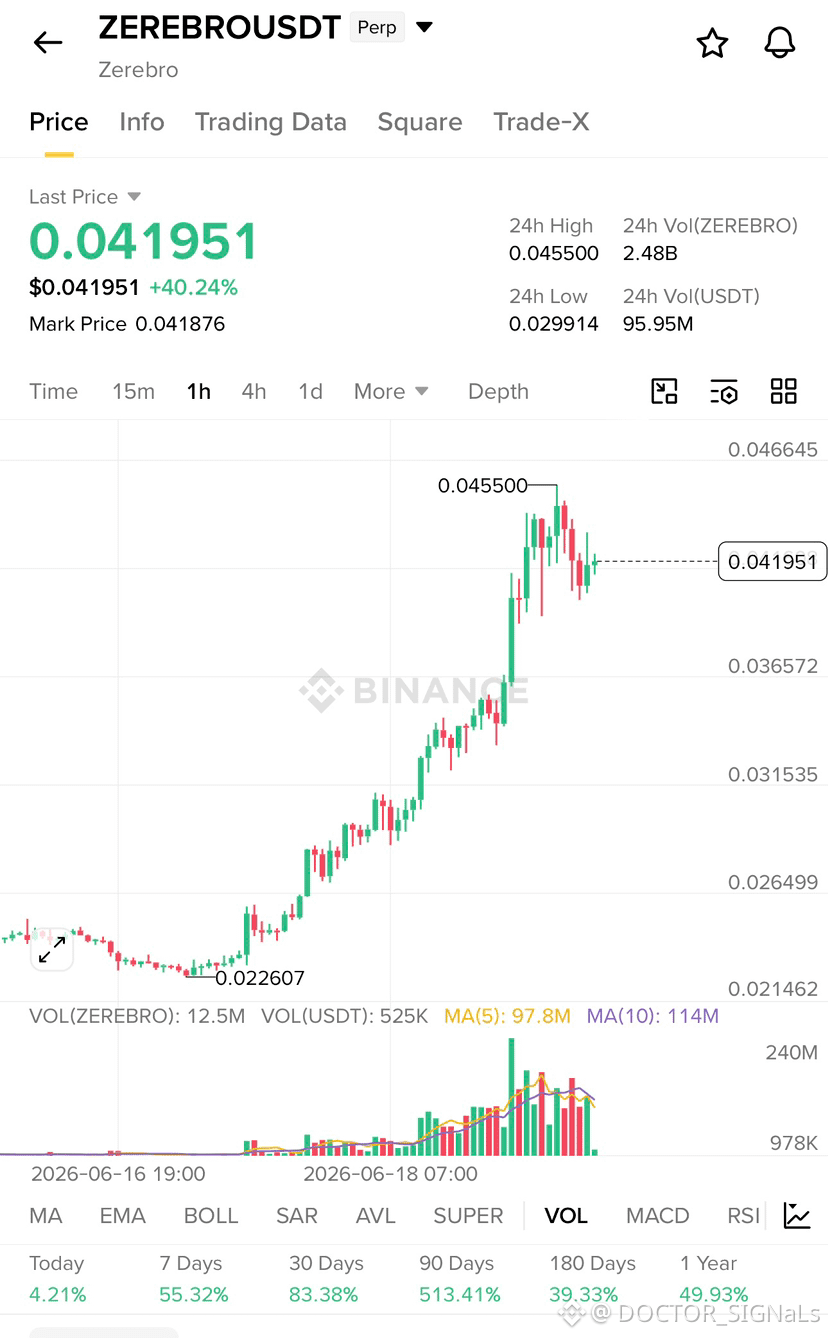
🚨 $ZEREBRO USDT READY FOR ANOTHER EXPLOSION?
📈 Entry: 0.0405 – 0.0420
🎯 TP1: 0.0445 ✅
🎯 TP2: 0.0475 🚀
🎯 TP3: 0.0520 🔥
🛑 SL: 0.0385
Strong volume, strong momentum, and a clean consolidation under resistance. Bulls are still defending the trend.
Who’s holding ZEREBRO? 👇
Follow @DOCTOR_SIGNALS for daily scalp signals, futures setups, and target updates. 🔥
#DOCTOR_SIGNaLs #AsianStocksHitRecord #OilHeadsForDeepWeeklyLoss #TeslaLagsSpaceXInIPOWeek #BTCBelowMinerProductionCost5Months $ZEREBRO
{future}(ZEREBROUSDT)
🚨 $ZEREBRO USDT READY FOR ANOTHER EXPLOSION?
📈 Entry: 0.0405 – 0.0420
🎯 TP1: 0.0445 ✅
🎯 TP2: 0.0475 🚀
🎯 TP3: 0.0520 🔥
🛑 SL: 0.0385
Strong volume, strong momentum, and a clean consolidation under resistance. Bulls are still defending the trend.
Who’s holding ZEREBRO? 👇
Follow @DOCTOR_SIGNALS for daily scalp signals, futures setups, and target updates. 🔥
#DOCTOR_SIGNaLs #AsianStocksHitRecord #OilHeadsForDeepWeeklyLoss #TeslaLagsSpaceXInIPOWeek #BTCBelowMinerProductionCost5Months $ZEREBRO
📈 Entry: 0.0405 – 0.0420
🎯 TP1: 0.0445 ✅
🎯 TP2: 0.0475 🚀
🎯 TP3: 0.0520 🔥
🛑 SL: 0.0385
Strong volume, strong momentum, and a clean consolidation under resistance. Bulls are still defending the trend.
Who’s holding ZEREBRO? 👇
Follow @DOCTOR_SIGNALS for daily scalp signals, futures setups, and target updates. 🔥
#DOCTOR_SIGNaLs #AsianStocksHitRecord #OilHeadsForDeepWeeklyLoss #TeslaLagsSpaceXInIPOWeek #BTCBelowMinerProductionCost5Months $ZEREBRO
1
93


$BASED
{future}(BASEDUSDT)
Update
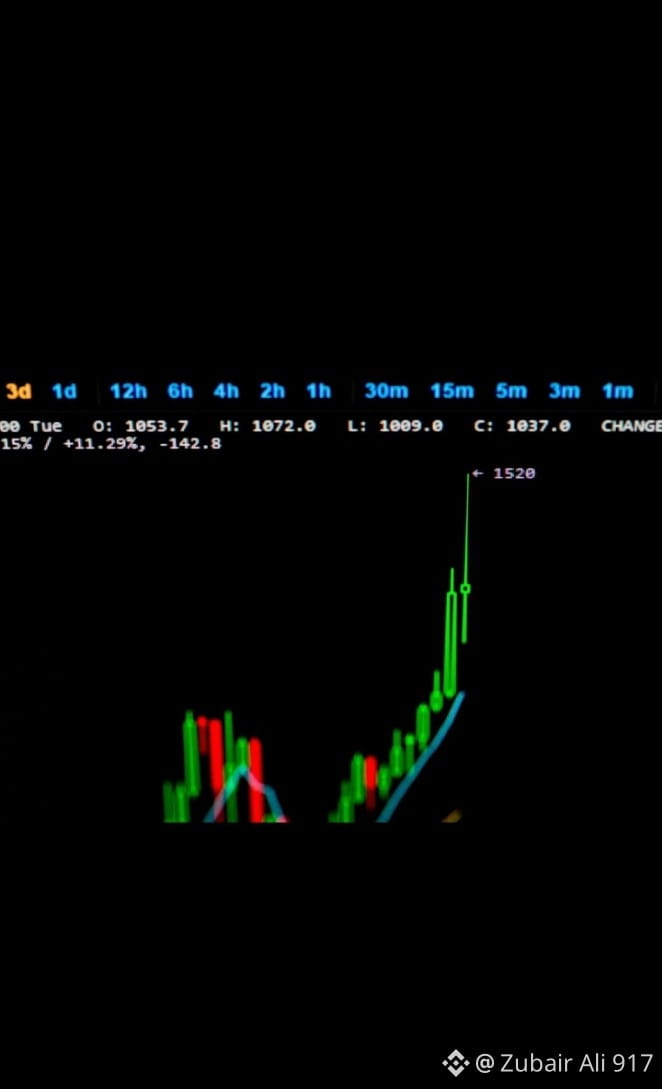
🔥 Market Cap: $29.49M
💰 Price: $0.10849 (Rs 30.18)
📈 24H Change: +40.54%
Today's standout gainer with explosive momentum!
#TeslaLagsSpaceXInIPOWeek #SOXRises6.4%ToRecordHigh #OilHeadsForDeepWeeklyLoss #StrategyHaltsSTRCATMProgram #SP500Gains1.1%
$BASED
Update
🔥 Market Cap: $29.49M
💰 Price: $0.10849 (Rs 30.18)
📈 24H Change: +40.54%
Today's standout gainer with explosive momentum!
#TeslaLagsSpaceXInIPOWeek #SOXRises6.4%ToRecordHigh #OilHeadsForDeepWeeklyLoss #StrategyHaltsSTRCATMProgram #SP500Gains1.1%
Update
🔥 Market Cap: $29.49M
💰 Price: $0.10849 (Rs 30.18)
📈 24H Change: +40.54%
Today's standout gainer with explosive momentum!
#TeslaLagsSpaceXInIPOWeek #SOXRises6.4%ToRecordHigh #OilHeadsForDeepWeeklyLoss #StrategyHaltsSTRCATMProgram #SP500Gains1.1%
136

$BTC – Short Market Analysis (June 2026)
Market Overview Bitcoin is currently trading around the $64,000–$67,000 range, recovering from recent volatility. The market has shown resilience after testing support near $60,000 and has recently benefited from improving investor sentiment. �
Wall Street Journal +1
Technical Outlook
Bullish Signal: BTC recently broke above the important $65,000 resistance level, suggesting renewed upward momentum. �
TrendXBit +1
Key Support: $62,000–$65,000 zone. A hold above this area keeps the bullish structure intact. �
TrendXBit
Key Resistance: $73,000–$74,000, near previous 2026 highs. �
TrendXBit
What Traders Are Watching
ETF flows and institutional demand.
Global economic policy and interest-rate expectations.
Geopolitical developments that can affect risk assets. �
Wall Street Journal +1
Conclusion The short-term trend remains cautiously bullish as long as Bitcoin stays above the $62K–$65K support zone. A sustained move above $67K could open the door for a retest of the $73K+ area, while a breakdown below support may lead to another test of lower levels. �
TrendXBit +1
*This is market analysis only, not financial advice.*
#TeslaLagsSpaceXInIPOWeek
#SOXRises6.4%ToRecordHigh
#OilHeadsForDeepWeeklyLoss
#StrategyHaltsSTRCATMProgram
$BTC – Short Market Analysis (June 2026)
Market Overview Bitcoin is currently trading around the $64,000–$67,000 range, recovering from recent volatility. The market has shown resilience after testing support near $60,000 and has recently benefited from improving investor sentiment. �
Wall Street Journal +1
Technical Outlook
Bullish Signal: BTC recently broke above the important $65,000 resistance level, suggesting renewed upward momentum. �
TrendXBit +1
Key Support: $62,000–$65,000 zone. A hold above this area keeps the bullish structure intact. �
TrendXBit
Key Resistance: $73,000–$74,000, near previous 2026 highs. �
TrendXBit
What Traders Are Watching
ETF flows and institutional demand.
Global economic policy and interest-rate expectations.
Geopolitical developments that can affect risk assets. �
Wall Street Journal +1
Conclusion The short-term trend remains cautiously bullish as long as Bitcoin stays above the $62K–$65K support zone. A sustained move above $67K could open the door for a retest of the $73K+ area, while a breakdown below support may lead to another test of lower levels. �
TrendXBit +1
*This is market analysis only, not financial advice.*
#TeslaLagsSpaceXInIPOWeek
#SOXRises6.4%ToRecordHigh
#OilHeadsForDeepWeeklyLoss
#StrategyHaltsSTRCATMProgram
Market Overview Bitcoin is currently trading around the $64,000–$67,000 range, recovering from recent volatility. The market has shown resilience after testing support near $60,000 and has recently benefited from improving investor sentiment. �
Wall Street Journal +1
Technical Outlook
Bullish Signal: BTC recently broke above the important $65,000 resistance level, suggesting renewed upward momentum. �
TrendXBit +1
Key Support: $62,000–$65,000 zone. A hold above this area keeps the bullish structure intact. �
TrendXBit
Key Resistance: $73,000–$74,000, near previous 2026 highs. �
TrendXBit
What Traders Are Watching
ETF flows and institutional demand.
Global economic policy and interest-rate expectations.
Geopolitical developments that can affect risk assets. �
Wall Street Journal +1
Conclusion The short-term trend remains cautiously bullish as long as Bitcoin stays above the $62K–$65K support zone. A sustained move above $67K could open the door for a retest of the $73K+ area, while a breakdown below support may lead to another test of lower levels. �
TrendXBit +1
*This is market analysis only, not financial advice.*
#TeslaLagsSpaceXInIPOWeek
#SOXRises6.4%ToRecordHigh
#OilHeadsForDeepWeeklyLoss
#StrategyHaltsSTRCATMProgram
69

·
--
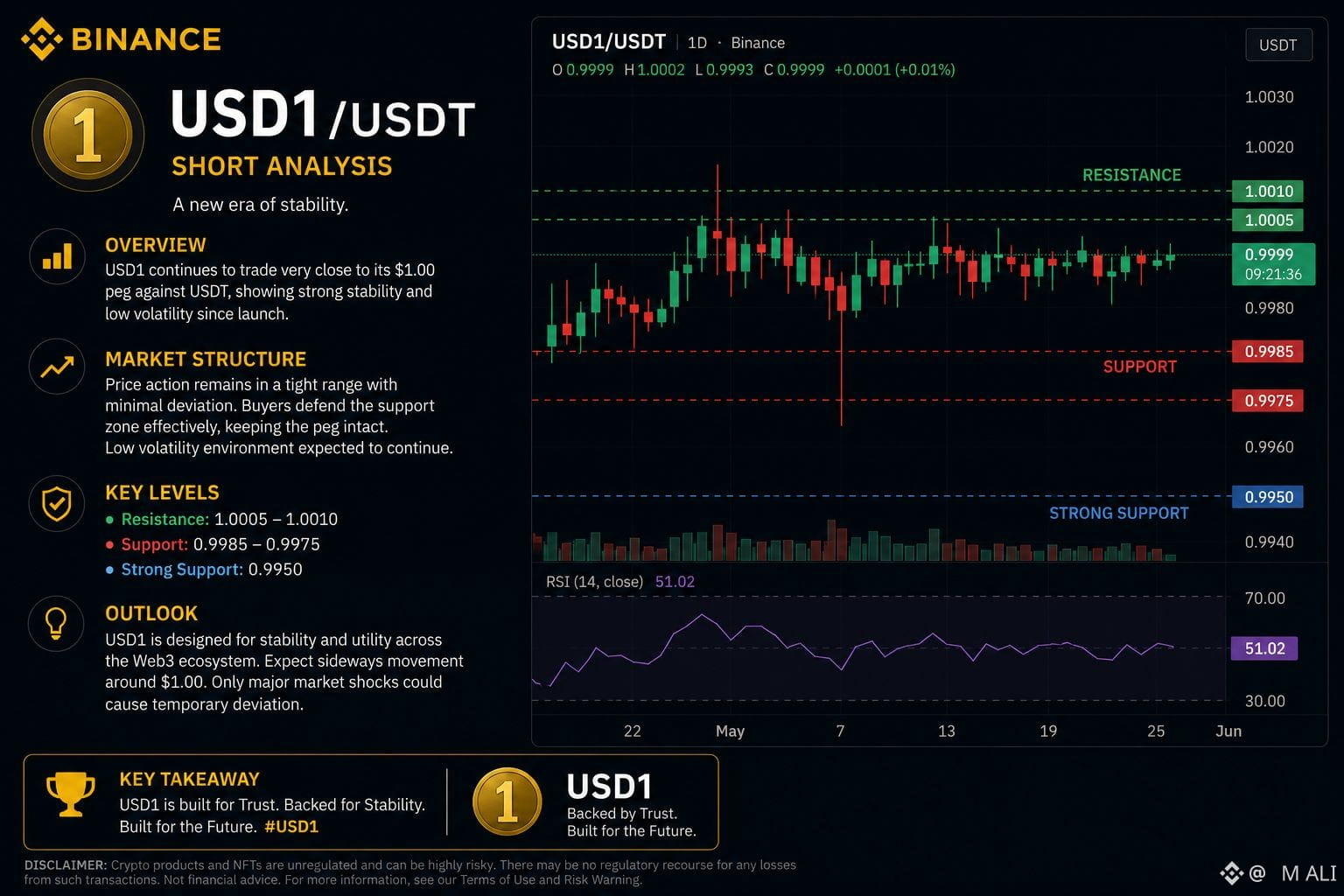
$USD1 is trading very close to its $1.00 peg against $USDT , showing strong early-stage stability and controlled price behavior.
{spot}(USD1USDT)
Market Structure:
Price action remains tightly compressed within a narrow range, indicating solid liquidity and active peg maintenance. Buyers consistently defend minor dips, preventing breakdowns.
Key Levels:
Resistance: 1.0005 – 1.0010
Support: 0.9985 – 0.9975
Strong Support: 0.9950
Outlook:
As a stablecoin, $USD1 is expected to continue moving sideways around $1.00. Volatility should remain minimal unless affected by external liquidity events or market stress.
Conclusion:
USD1 is positioning itself as a stable digital dollar alternative, suitable for low-risk trading pairs, hedging, and capital preservation.#TeslaLagsSpaceXInIPOWeek #StrategyHaltsSTRCATMProgram #OilHeadsForDeepWeeklyLoss #BTCBelowMinerProductionCost5Months
$USD1 is trading very close to its $1.00 peg against $USDT , showing strong early-stage stability and controlled price behavior.
Market Structure:
Price action remains tightly compressed within a narrow range, indicating solid liquidity and active peg maintenance. Buyers consistently defend minor dips, preventing breakdowns.
Key Levels:
Resistance: 1.0005 – 1.0010
Support: 0.9985 – 0.9975
Strong Support: 0.9950
Outlook:
As a stablecoin, $USD1 is expected to continue moving sideways around $1.00. Volatility should remain minimal unless affected by external liquidity events or market stress.
Conclusion:
USD1 is positioning itself as a stable digital dollar alternative, suitable for low-risk trading pairs, hedging, and capital preservation.#TeslaLagsSpaceXInIPOWeek #StrategyHaltsSTRCATMProgram #OilHeadsForDeepWeeklyLoss #BTCBelowMinerProductionCost5Months
Market Structure:
Price action remains tightly compressed within a narrow range, indicating solid liquidity and active peg maintenance. Buyers consistently defend minor dips, preventing breakdowns.
Key Levels:
Resistance: 1.0005 – 1.0010
Support: 0.9985 – 0.9975
Strong Support: 0.9950
Outlook:
As a stablecoin, $USD1 is expected to continue moving sideways around $1.00. Volatility should remain minimal unless affected by external liquidity events or market stress.
Conclusion:
USD1 is positioning itself as a stable digital dollar alternative, suitable for low-risk trading pairs, hedging, and capital preservation.#TeslaLagsSpaceXInIPOWeek #StrategyHaltsSTRCATMProgram #OilHeadsForDeepWeeklyLoss #BTCBelowMinerProductionCost5Months
124

·
--
Bearish
$BTW
LONG SETUP | PARABOLIC BREAKOUT
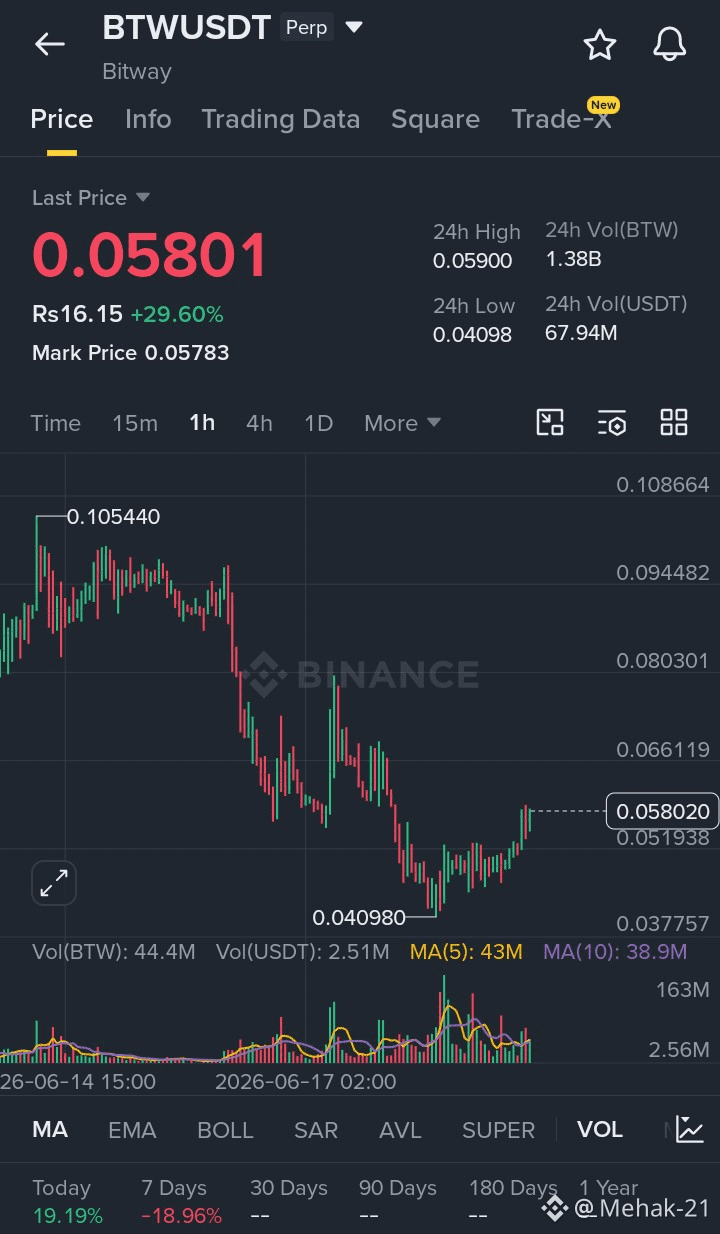
Price exploding +29.6% with massive volume – 1.38B 24H volume confirms institutional interest. Breaking through 0.05801 with momentum accelerating. MA(5) surging above MA(10) – bullish dominance established.
EP: 0.05801 - 0.05900
TP1: 0.06612
TP2: 0.08030
SL: 0.05194
Clear runaway rally structure. Break above 0.05900 triggers next leg higher. Tight stop below key support.
Execute with conviction.
$BTW
#OilHeadsForDeepWeeklyLoss #TeslaLagsSpaceXInIPOWeek
{future}(BTWUSDT)
$BTW
LONG SETUP | PARABOLIC BREAKOUT
Price exploding +29.6% with massive volume – 1.38B 24H volume confirms institutional interest. Breaking through 0.05801 with momentum accelerating. MA(5) surging above MA(10) – bullish dominance established.
EP: 0.05801 - 0.05900
TP1: 0.06612
TP2: 0.08030
SL: 0.05194
Clear runaway rally structure. Break above 0.05900 triggers next leg higher. Tight stop below key support.
Execute with conviction.
$BTW
#OilHeadsForDeepWeeklyLoss #TeslaLagsSpaceXInIPOWeek
LONG SETUP | PARABOLIC BREAKOUT
Price exploding +29.6% with massive volume – 1.38B 24H volume confirms institutional interest. Breaking through 0.05801 with momentum accelerating. MA(5) surging above MA(10) – bullish dominance established.
EP: 0.05801 - 0.05900
TP1: 0.06612
TP2: 0.08030
SL: 0.05194
Clear runaway rally structure. Break above 0.05900 triggers next leg higher. Tight stop below key support.
Execute with conviction.
$BTW
#OilHeadsForDeepWeeklyLoss #TeslaLagsSpaceXInIPOWeek
76

$ESPORTS $ESPORTS (Yooldo Games) Futures Setup
Like & Follow for more updates
📍 Entry: $0.100 – $0.105
🛑 Stop Loss: $0.092
🎯 Target 1: $0.120
🎯 Target 2: $0.135
🎯 Target 3: $0.150
Like & Follow for more updates
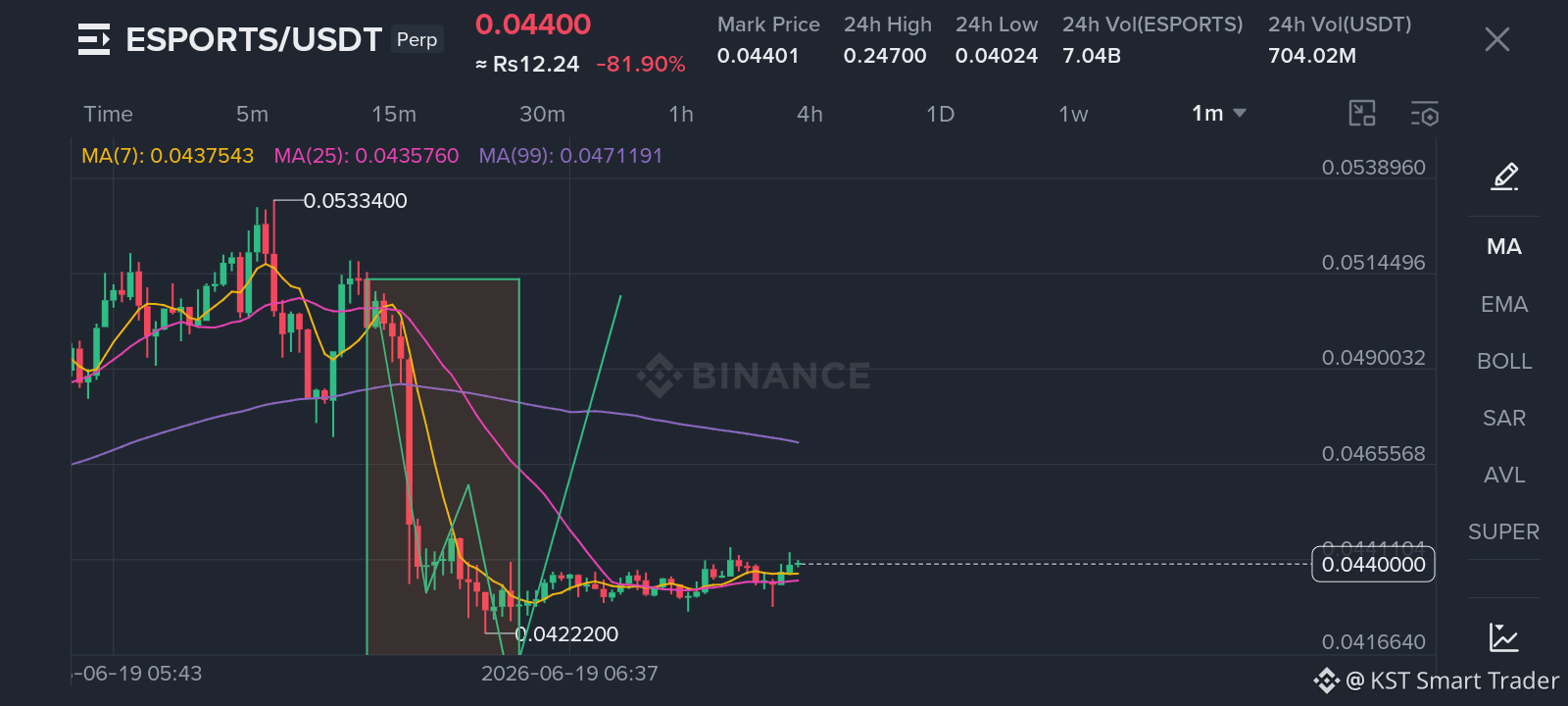
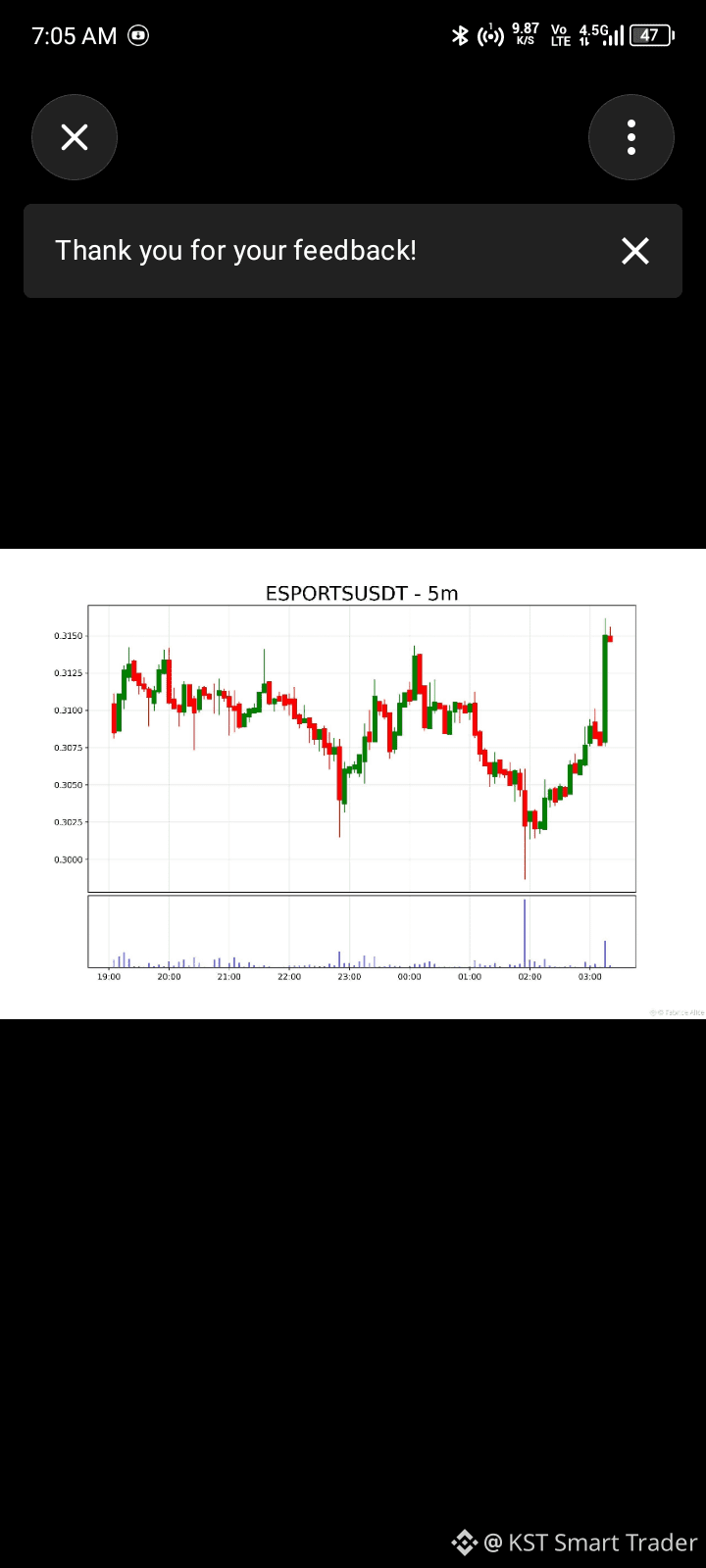
📊 ESPORTS is showing strong volatility after a sharp recovery from recent lows. A hold above the $0.10 zone could trigger another bullish leg toward the $0.12–$0.15 range. Recent market data shows elevated volume and active trading interest.
#TeslaLagsSpaceXInIPOWeek #SOXRises6.4%ToRecordHigh #OilHeadsForDeepWeeklyLoss
⚠️ Risk remains high due to recent large price swings, so use strict risk management.
👍 Like & Follow for more updates.
$ESPORTS $ESPORTS (Yooldo Games) Futures Setup
Like & Follow for more updates
📍 Entry: $0.100 – $0.105
🛑 Stop Loss: $0.092
🎯 Target 1: $0.120
🎯 Target 2: $0.135
🎯 Target 3: $0.150
Like & Follow for more updates
📊 ESPORTS is showing strong volatility after a sharp recovery from recent lows. A hold above the $0.10 zone could trigger another bullish leg toward the $0.12–$0.15 range. Recent market data shows elevated volume and active trading interest.
#TeslaLagsSpaceXInIPOWeek #SOXRises6.4%ToRecordHigh #OilHeadsForDeepWeeklyLoss
⚠️ Risk remains high due to recent large price swings, so use strict risk management.
👍 Like & Follow for more updates.
Like & Follow for more updates
📍 Entry: $0.100 – $0.105
🛑 Stop Loss: $0.092
🎯 Target 1: $0.120
🎯 Target 2: $0.135
🎯 Target 3: $0.150
Like & Follow for more updates
📊 ESPORTS is showing strong volatility after a sharp recovery from recent lows. A hold above the $0.10 zone could trigger another bullish leg toward the $0.12–$0.15 range. Recent market data shows elevated volume and active trading interest.
#TeslaLagsSpaceXInIPOWeek #SOXRises6.4%ToRecordHigh #OilHeadsForDeepWeeklyLoss
⚠️ Risk remains high due to recent large price swings, so use strict risk management.
👍 Like & Follow for more updates.
1
69

·
--
Bearish
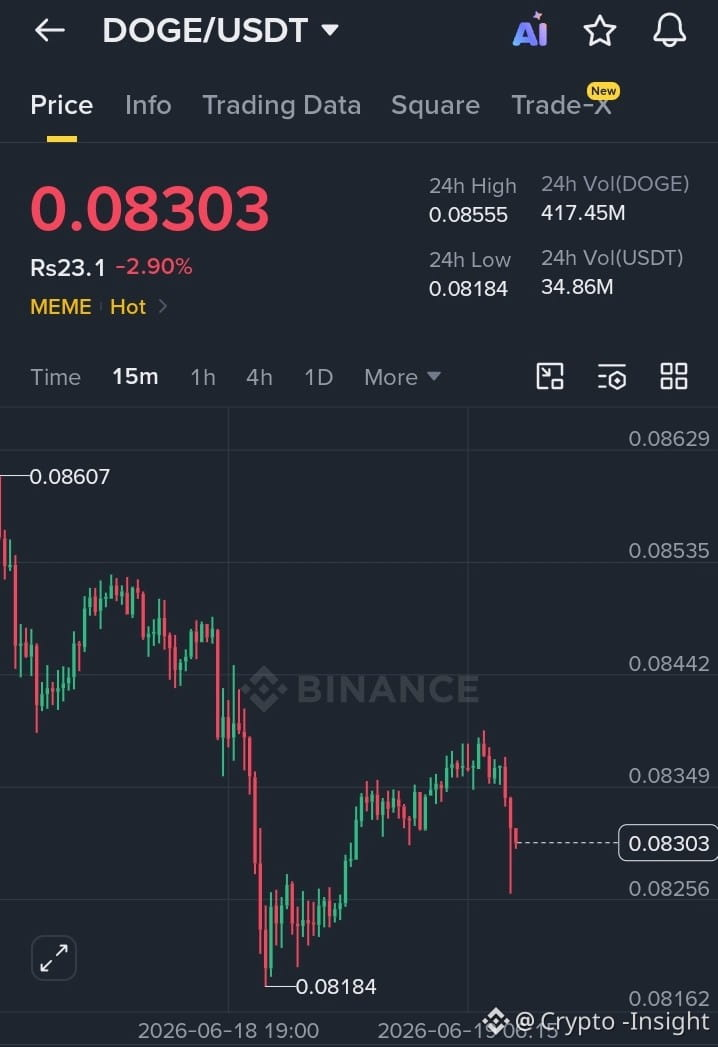
$DOGE /USDT UNDER PRESSURE — MEME KING FIGHTS TO HOLD SUPPORT! 🚨
is facing fresh selling pressure as the meme giant slips to 0.08303 USDT, recording a -2.90% decline in the last 24 hours. Despite the drop, market activity remains strong with 417.45M DOGE traded and 34.86M USDT turnover, showing that traders are still heavily engaged.
📊 DOGE/USDT Market Snapshot
• Current Price: 0.08303 USDT
• 24H High: 0.08555 USDT
• 24H Low: 0.08184 USDT
• 24H Change: -2.90%
• DOGE Volume: 417.45M
• USDT Volume: 34.86M
⚠️ Bears have pushed DOGE away from the 0.08555 USDT resistance zone, forcing price toward the critical 0.08184 USDT support level. Bulls must defend this area to prevent further downside pressure.
🔥 Meme coin markets are heating up as volatility returns. With hundreds of millions of DOGE moving across the market, one strong breakout or breakdown could trigger the next major wave.
⚡ The meme king is at a critical point. Volume is high, pressure is building, and traders are watching the next move.
DOGE is not sleeping. The next candle could decide the battle.
#SP500Gains1.1% #OilHeadsForDeepWeeklyLoss $DOGE
{spot}(DOGEUSDT)
$DOGE /USDT UNDER PRESSURE — MEME KING FIGHTS TO HOLD SUPPORT! 🚨
is facing fresh selling pressure as the meme giant slips to 0.08303 USDT, recording a -2.90% decline in the last 24 hours. Despite the drop, market activity remains strong with 417.45M DOGE traded and 34.86M USDT turnover, showing that traders are still heavily engaged.
📊 DOGE/USDT Market Snapshot
• Current Price: 0.08303 USDT
• 24H High: 0.08555 USDT
• 24H Low: 0.08184 USDT
• 24H Change: -2.90%
• DOGE Volume: 417.45M
• USDT Volume: 34.86M
⚠️ Bears have pushed DOGE away from the 0.08555 USDT resistance zone, forcing price toward the critical 0.08184 USDT support level. Bulls must defend this area to prevent further downside pressure.
🔥 Meme coin markets are heating up as volatility returns. With hundreds of millions of DOGE moving across the market, one strong breakout or breakdown could trigger the next major wave.
⚡ The meme king is at a critical point. Volume is high, pressure is building, and traders are watching the next move.
DOGE is not sleeping. The next candle could decide the battle.
#SP500Gains1.1% #OilHeadsForDeepWeeklyLoss $DOGE
is facing fresh selling pressure as the meme giant slips to 0.08303 USDT, recording a -2.90% decline in the last 24 hours. Despite the drop, market activity remains strong with 417.45M DOGE traded and 34.86M USDT turnover, showing that traders are still heavily engaged.
📊 DOGE/USDT Market Snapshot
• Current Price: 0.08303 USDT
• 24H High: 0.08555 USDT
• 24H Low: 0.08184 USDT
• 24H Change: -2.90%
• DOGE Volume: 417.45M
• USDT Volume: 34.86M
⚠️ Bears have pushed DOGE away from the 0.08555 USDT resistance zone, forcing price toward the critical 0.08184 USDT support level. Bulls must defend this area to prevent further downside pressure.
🔥 Meme coin markets are heating up as volatility returns. With hundreds of millions of DOGE moving across the market, one strong breakout or breakdown could trigger the next major wave.
⚡ The meme king is at a critical point. Volume is high, pressure is building, and traders are watching the next move.
DOGE is not sleeping. The next candle could decide the battle.
#SP500Gains1.1% #OilHeadsForDeepWeeklyLoss $DOGE
1
78

·
--
HYPE/USDT (20x leverage available), here is a defensive trade plan for a strong downtrend.
$HYPE
{future}(HYPEUSDT)
1. Market Context
· Price: $67.619 (Down -7.04% today).
· Trend: Strong bearish momentum. Price is trading below the Middle Band ($69.183) and well below the SuperTrend ($71.089), which is now acting as resistance.
· Key Levels:
· Resistance: $69.18** (Middle Band) and **$71.09 (SuperTrend).
· Support: $66.55** (24h Low) and **$65.51 (Lower Bollinger Band).
#OilHeadsForDeepWeeklyLoss
2. Strategy: Short Bounce (Sell the Rip)
The trend is clearly bearish. The best play is to short on a pullback to resistance levels.
· Entry Zone: $69.00 – $69.50 (Near the Middle Band).
· Stop Loss: $71.50 (Above the SuperTrend; invalidates the bearish thesis).
· Take Profit 1: $66.50 (24h Low).
· Take Profit 2: $65.50 (Lower Bollinger Band).
Risk/Reward:
· Risk: ~$2.50 (from $69.50 to $71.50).
· Reward: ~$3.00 (to $66.50) → R:R ≈ 1:1.2 (Acceptable).
---
3. Alternative: Aggressive Breakdown (Short)
If you prefer to chase momentum:
· Entry: Short on a break below $66.50 with high volume.
· Stop Loss: $68.00.
· Take Profit: $65.50, then $62.25 (next support level from the chart).
---
4. Risk Management (CRITICAL)
· Leverage: If using 20x, use 1x maximum.
· Reason: A 7% drop in a single day is massive. 20x leverage turns a 5% move into a 100% loss. Do not over-leverage.
· Position Size: Small (5-10% of portfolio). This is a high-volatility asset.
· Spot Alternative: If you don't short, wait for a bounce to $69 to sell existing holdings, or wait for a reversal above $71 before buying.
· Perpetual Note: Price matches spot almost exactly ($67.620 vs $67.619), meaning no funding rate advantage.
Recommendation: Sell on the bounce to $69.00 – $69.50. Do not buy here. The trend is down, and the MACD shows weakening momentum. If price breaks below $66.50, expect a fast drop to $65.50 or lower.
HYPE/USDT (20x leverage available), here is a defensive trade plan for a strong downtrend.
$HYPE
1. Market Context
· Price: $67.619 (Down -7.04% today).
· Trend: Strong bearish momentum. Price is trading below the Middle Band ($69.183) and well below the SuperTrend ($71.089), which is now acting as resistance.
· Key Levels:
· Resistance: $69.18** (Middle Band) and **$71.09 (SuperTrend).
· Support: $66.55** (24h Low) and **$65.51 (Lower Bollinger Band).
#OilHeadsForDeepWeeklyLoss
2. Strategy: Short Bounce (Sell the Rip)
The trend is clearly bearish. The best play is to short on a pullback to resistance levels.
· Entry Zone: $69.00 – $69.50 (Near the Middle Band).
· Stop Loss: $71.50 (Above the SuperTrend; invalidates the bearish thesis).
· Take Profit 1: $66.50 (24h Low).
· Take Profit 2: $65.50 (Lower Bollinger Band).
Risk/Reward:
· Risk: ~$2.50 (from $69.50 to $71.50).
· Reward: ~$3.00 (to $66.50) → R:R ≈ 1:1.2 (Acceptable).
---
3. Alternative: Aggressive Breakdown (Short)
If you prefer to chase momentum:
· Entry: Short on a break below $66.50 with high volume.
· Stop Loss: $68.00.
· Take Profit: $65.50, then $62.25 (next support level from the chart).
---
4. Risk Management (CRITICAL)
· Leverage: If using 20x, use 1x maximum.
· Reason: A 7% drop in a single day is massive. 20x leverage turns a 5% move into a 100% loss. Do not over-leverage.
· Position Size: Small (5-10% of portfolio). This is a high-volatility asset.
· Spot Alternative: If you don't short, wait for a bounce to $69 to sell existing holdings, or wait for a reversal above $71 before buying.
· Perpetual Note: Price matches spot almost exactly ($67.620 vs $67.619), meaning no funding rate advantage.
Recommendation: Sell on the bounce to $69.00 – $69.50. Do not buy here. The trend is down, and the MACD shows weakening momentum. If price breaks below $66.50, expect a fast drop to $65.50 or lower.
$HYPE
1. Market Context
· Price: $67.619 (Down -7.04% today).
· Trend: Strong bearish momentum. Price is trading below the Middle Band ($69.183) and well below the SuperTrend ($71.089), which is now acting as resistance.
· Key Levels:
· Resistance: $69.18** (Middle Band) and **$71.09 (SuperTrend).
· Support: $66.55** (24h Low) and **$65.51 (Lower Bollinger Band).
#OilHeadsForDeepWeeklyLoss
2. Strategy: Short Bounce (Sell the Rip)
The trend is clearly bearish. The best play is to short on a pullback to resistance levels.
· Entry Zone: $69.00 – $69.50 (Near the Middle Band).
· Stop Loss: $71.50 (Above the SuperTrend; invalidates the bearish thesis).
· Take Profit 1: $66.50 (24h Low).
· Take Profit 2: $65.50 (Lower Bollinger Band).
Risk/Reward:
· Risk: ~$2.50 (from $69.50 to $71.50).
· Reward: ~$3.00 (to $66.50) → R:R ≈ 1:1.2 (Acceptable).
---
3. Alternative: Aggressive Breakdown (Short)
If you prefer to chase momentum:
· Entry: Short on a break below $66.50 with high volume.
· Stop Loss: $68.00.
· Take Profit: $65.50, then $62.25 (next support level from the chart).
---
4. Risk Management (CRITICAL)
· Leverage: If using 20x, use 1x maximum.
· Reason: A 7% drop in a single day is massive. 20x leverage turns a 5% move into a 100% loss. Do not over-leverage.
· Position Size: Small (5-10% of portfolio). This is a high-volatility asset.
· Spot Alternative: If you don't short, wait for a bounce to $69 to sell existing holdings, or wait for a reversal above $71 before buying.
· Perpetual Note: Price matches spot almost exactly ($67.620 vs $67.619), meaning no funding rate advantage.
Recommendation: Sell on the bounce to $69.00 – $69.50. Do not buy here. The trend is down, and the MACD shows weakening momentum. If price breaks below $66.50, expect a fast drop to $65.50 or lower.
161

·
--
#TeslaLagsSpaceXInIPOWeek
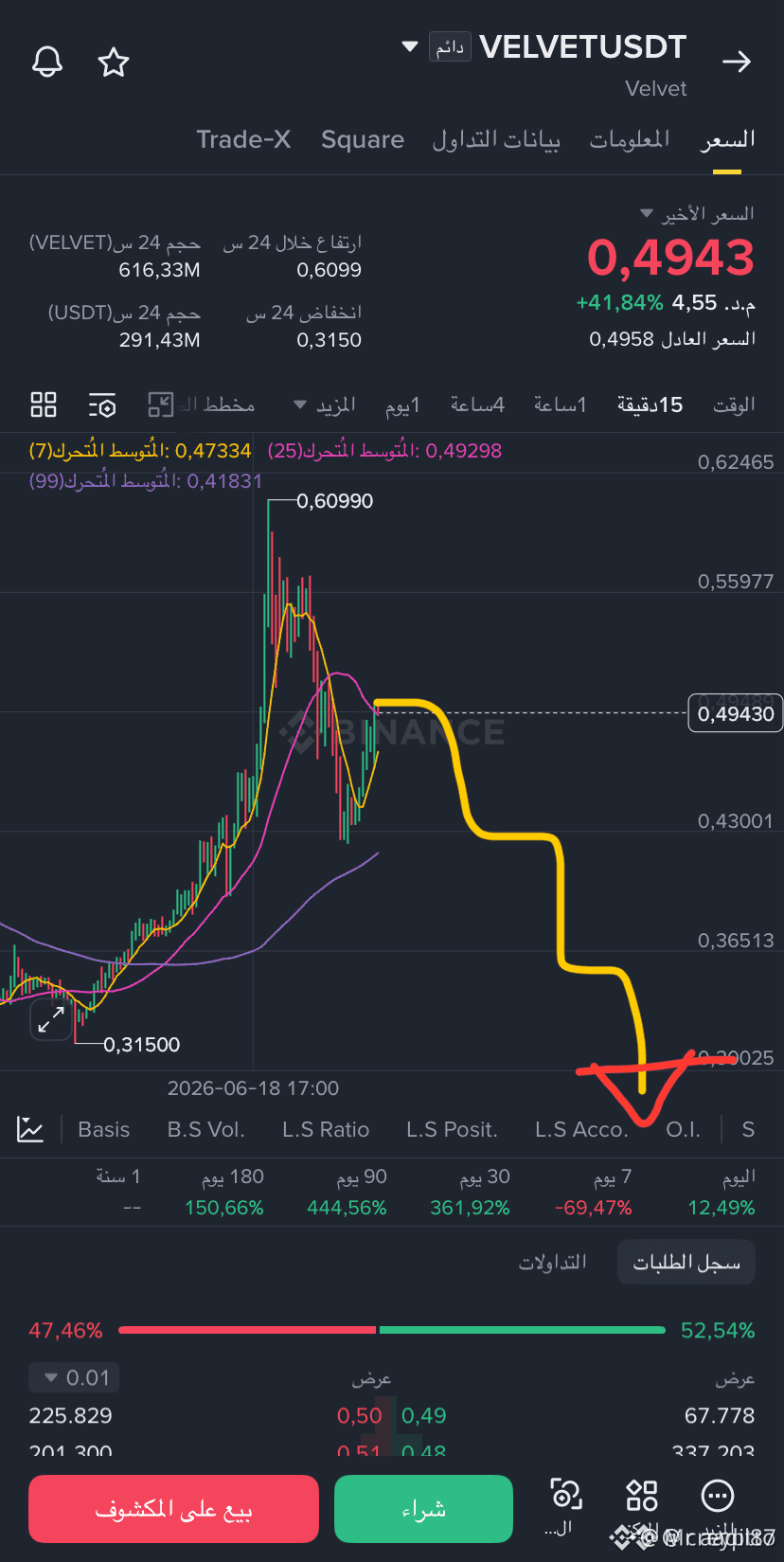
$VELVET This bounce is just a trap to lure traders into going long, get into a short position quickly, and anyone who thinks there's a real reversal should enter as a counterparty in the trade.
{future}(VELVETUSDT)
#SOXRises6.4%ToRecordHigh #OilHeadsForDeepWeeklyLoss #OilHeadsForDeepWeeklyLoss #StrategyHaltsSTRCATMProgram
#TeslaLagsSpaceXInIPOWeek
$VELVET This bounce is just a trap to lure traders into going long, get into a short position quickly, and anyone who thinks there's a real reversal should enter as a counterparty in the trade.
#SOXRises6.4%ToRecordHigh #OilHeadsForDeepWeeklyLoss #OilHeadsForDeepWeeklyLoss #StrategyHaltsSTRCATMProgram
$VELVET This bounce is just a trap to lure traders into going long, get into a short position quickly, and anyone who thinks there's a real reversal should enter as a counterparty in the trade.
#SOXRises6.4%ToRecordHigh #OilHeadsForDeepWeeklyLoss #OilHeadsForDeepWeeklyLoss #StrategyHaltsSTRCATMProgram
1
177

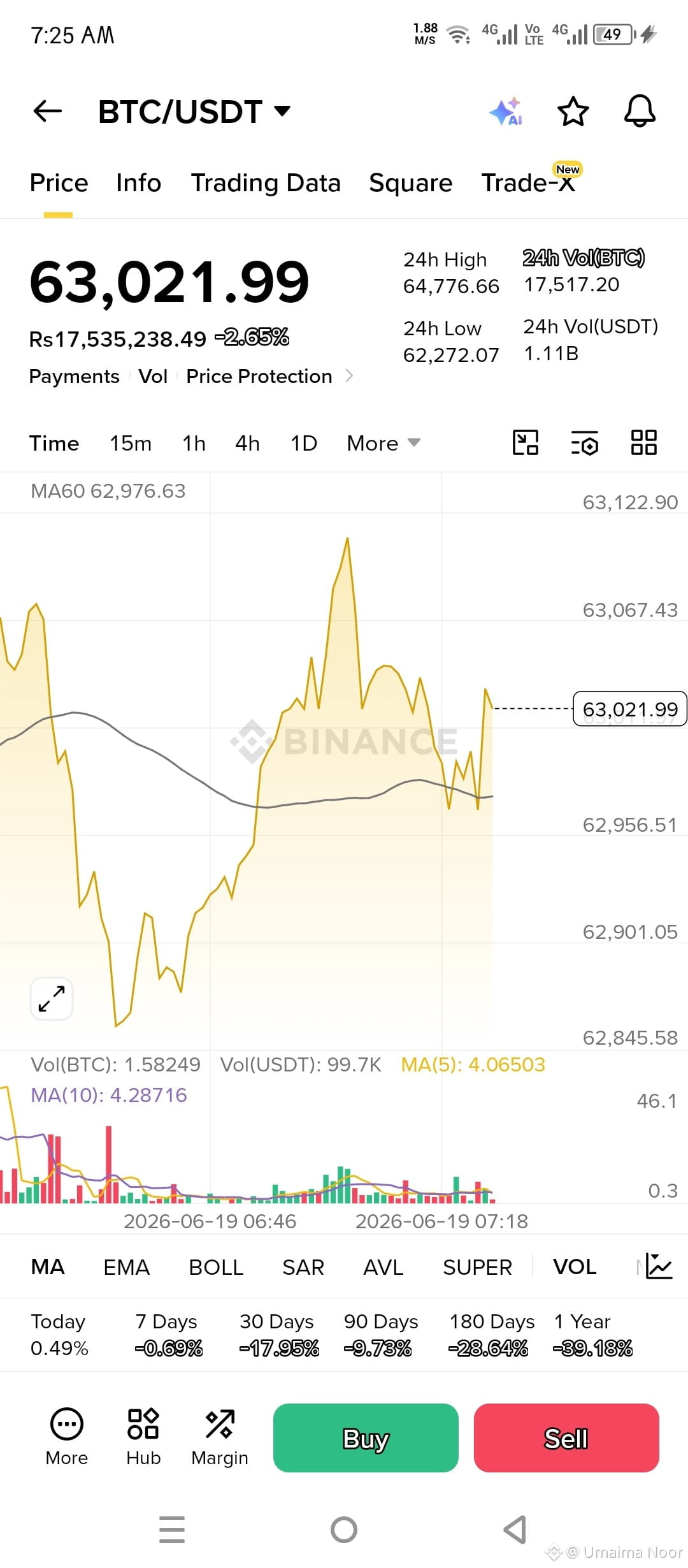
₿ Bitcoin is bleeding today — but is this the DIP to BUY? 🤔
📊 Price: $63,021 | Down -2.65% today
24h Range: $62,272 – $64,776
Volume: $1.11B USDT 💰
MA60 at $62,976 — price fighting to hold above it ⚔️
180 days down -28% — but BTC always comes back 👑
🎯 Key level to watch: $62,272 support
If it holds → bounce incoming 📈
If it breaks → more dip ahead ⚠️
Follow me for real-time BTC updates 🔔👇#OilHeadsForDeepWeeklyLoss $BTC
{spot}(BTCUSDT)
₿ Bitcoin is bleeding today — but is this the DIP to BUY? 🤔
📊 Price: $63,021 | Down -2.65% today
24h Range: $62,272 – $64,776
Volume: $1.11B USDT 💰
MA60 at $62,976 — price fighting to hold above it ⚔️
180 days down -28% — but BTC always comes back 👑
🎯 Key level to watch: $62,272 support
If it holds → bounce incoming 📈
If it breaks → more dip ahead ⚠️
Follow me for real-time BTC updates 🔔👇#OilHeadsForDeepWeeklyLoss $BTC
📊 Price: $63,021 | Down -2.65% today
24h Range: $62,272 – $64,776
Volume: $1.11B USDT 💰
MA60 at $62,976 — price fighting to hold above it ⚔️
180 days down -28% — but BTC always comes back 👑
🎯 Key level to watch: $62,272 support
If it holds → bounce incoming 📈
If it breaks → more dip ahead ⚠️
Follow me for real-time BTC updates 🔔👇#OilHeadsForDeepWeeklyLoss $BTC
1
106

·
--
What are you doing when the market is pumping? You chase in. What are you doing when the market is dumping? You cut out.
Then you realize, every time you chase, you're at the peak, and every time you cut, you're at the bottom. You suspect the market has surveillance, but it’s not watching you; it’s watching all the hands that can’t hold back. $HYPE
The market survives on this. It’s not in a hurry; it walks its own path every day. The one in a hurry is you—afraid of missing out, afraid of pullbacks, afraid of missing every single move. When you rush, your actions get twisted, your trades get messy, and your stop-losses become ineffective. So your money disappears.
I have a buddy who told me he lost 40%, and his biggest feeling isn’t pain; it’s feeling like a fool. He knows he should wait for signals, yet he can’t. He knows he shouldn’t chase highs, yet he can’t help it.
How do you break this? There’s only one way: engrave the word 'wait' in your mind. $ETH
Missing one opportunity won’t bring the sky down. Opening a messy trade is what really brings it down. The market isn’t lacking in opportunities; it’s lacking people who can wait for them. #OilHeadsForDeepWeeklyLoss $币安人生
When you can’t hold back your hands, think of this saying: whoever rushes, loses.
What are you doing when the market is pumping? You chase in. What are you doing when the market is dumping? You cut out.
Then you realize, every time you chase, you're at the peak, and every time you cut, you're at the bottom. You suspect the market has surveillance, but it’s not watching you; it’s watching all the hands that can’t hold back. $HYPE
The market survives on this. It’s not in a hurry; it walks its own path every day. The one in a hurry is you—afraid of missing out, afraid of pullbacks, afraid of missing every single move. When you rush, your actions get twisted, your trades get messy, and your stop-losses become ineffective. So your money disappears.
I have a buddy who told me he lost 40%, and his biggest feeling isn’t pain; it’s feeling like a fool. He knows he should wait for signals, yet he can’t. He knows he shouldn’t chase highs, yet he can’t help it.
How do you break this? There’s only one way: engrave the word 'wait' in your mind. $ETH
Missing one opportunity won’t bring the sky down. Opening a messy trade is what really brings it down. The market isn’t lacking in opportunities; it’s lacking people who can wait for them. #OilHeadsForDeepWeeklyLoss $币安人生
When you can’t hold back your hands, think of this saying: whoever rushes, loses.
Then you realize, every time you chase, you're at the peak, and every time you cut, you're at the bottom. You suspect the market has surveillance, but it’s not watching you; it’s watching all the hands that can’t hold back. $HYPE
The market survives on this. It’s not in a hurry; it walks its own path every day. The one in a hurry is you—afraid of missing out, afraid of pullbacks, afraid of missing every single move. When you rush, your actions get twisted, your trades get messy, and your stop-losses become ineffective. So your money disappears.
I have a buddy who told me he lost 40%, and his biggest feeling isn’t pain; it’s feeling like a fool. He knows he should wait for signals, yet he can’t. He knows he shouldn’t chase highs, yet he can’t help it.
How do you break this? There’s only one way: engrave the word 'wait' in your mind. $ETH
Missing one opportunity won’t bring the sky down. Opening a messy trade is what really brings it down. The market isn’t lacking in opportunities; it’s lacking people who can wait for them. #OilHeadsForDeepWeeklyLoss $币安人生
When you can’t hold back your hands, think of this saying: whoever rushes, loses.
311

·
--
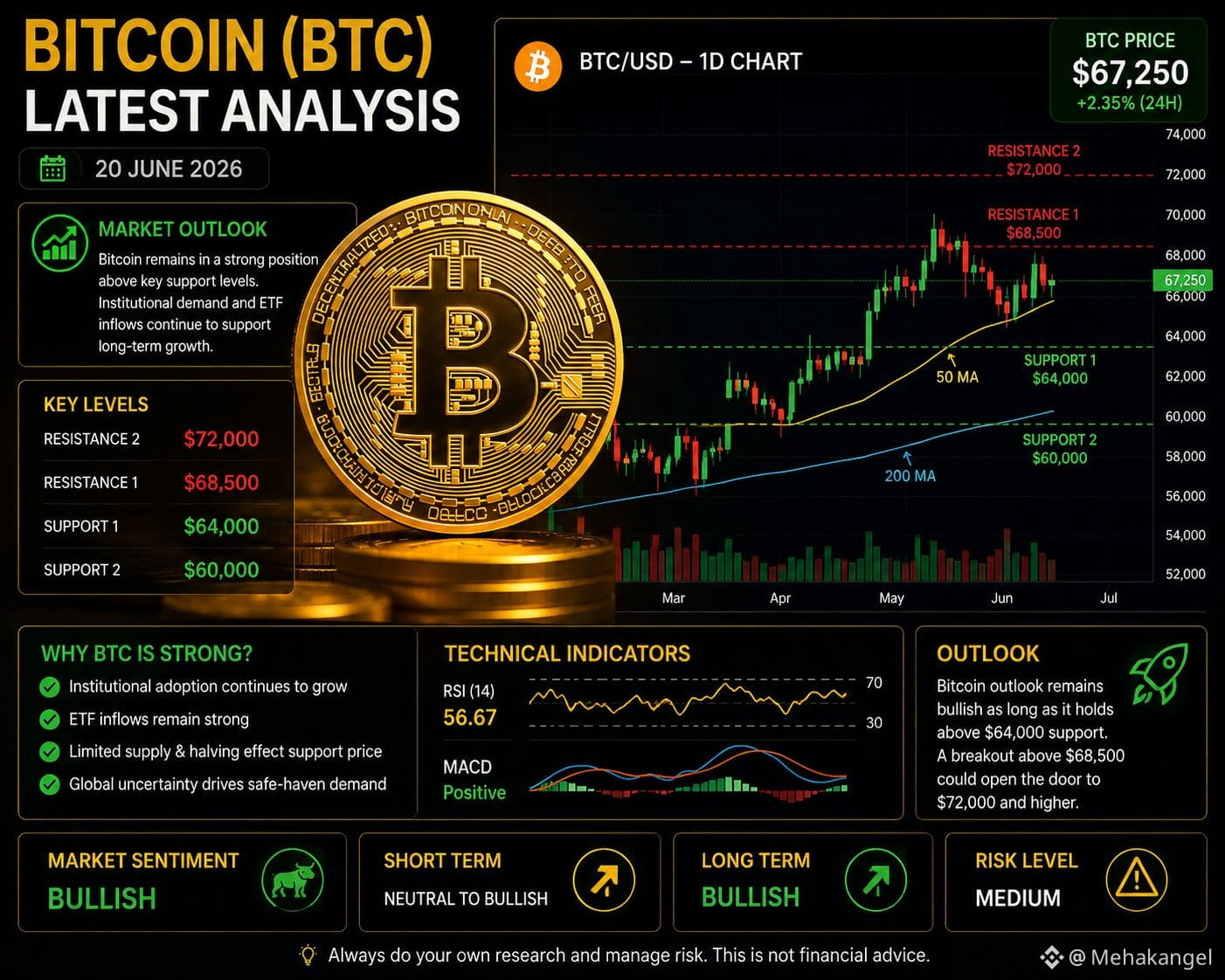
$BTC 🪙 Bitcoin (BTC) Latest Analysis – June 2026
🖼️ Your Bitcoin image:
�
📈 Short Analysis:
Bitcoin remains bullish in the long term as institutional demand and crypto adoption continue to grow. Buyers are defending key support levels, while traders are watching for a breakout that could push BTC toward new highs. However, short-term volatility is still expected due to market uncertainty and profit-taking.
Market Sentiment: 🟢 Bullish
Short-Term Outlook: 🟡 Neutral to Bullish
Long-Term Outlook: 🚀 Positive
💡 Bitcoin continues to be the strongest cryptocurrency, but investors should expect price swings and manage risk carefully.
#NasdaqEndsSessionUp2% #AsianStocksHitRecord #BTCBelowMinerProductionCost5Months #OilHeadsForDeepWeeklyLoss #StrategyHaltsSTRCATMProgram
$BTC 🪙 Bitcoin (BTC) Latest Analysis – June 2026
🖼️ Your Bitcoin image:
�
📈 Short Analysis:
Bitcoin remains bullish in the long term as institutional demand and crypto adoption continue to grow. Buyers are defending key support levels, while traders are watching for a breakout that could push BTC toward new highs. However, short-term volatility is still expected due to market uncertainty and profit-taking.
Market Sentiment: 🟢 Bullish
Short-Term Outlook: 🟡 Neutral to Bullish
Long-Term Outlook: 🚀 Positive
💡 Bitcoin continues to be the strongest cryptocurrency, but investors should expect price swings and manage risk carefully.
#NasdaqEndsSessionUp2% #AsianStocksHitRecord #BTCBelowMinerProductionCost5Months #OilHeadsForDeepWeeklyLoss #StrategyHaltsSTRCATMProgram
🖼️ Your Bitcoin image:
�
📈 Short Analysis:
Bitcoin remains bullish in the long term as institutional demand and crypto adoption continue to grow. Buyers are defending key support levels, while traders are watching for a breakout that could push BTC toward new highs. However, short-term volatility is still expected due to market uncertainty and profit-taking.
Market Sentiment: 🟢 Bullish
Short-Term Outlook: 🟡 Neutral to Bullish
Long-Term Outlook: 🚀 Positive
💡 Bitcoin continues to be the strongest cryptocurrency, but investors should expect price swings and manage risk carefully.
#NasdaqEndsSessionUp2% #AsianStocksHitRecord #BTCBelowMinerProductionCost5Months #OilHeadsForDeepWeeklyLoss #StrategyHaltsSTRCATMProgram
88

·
--
Bullish
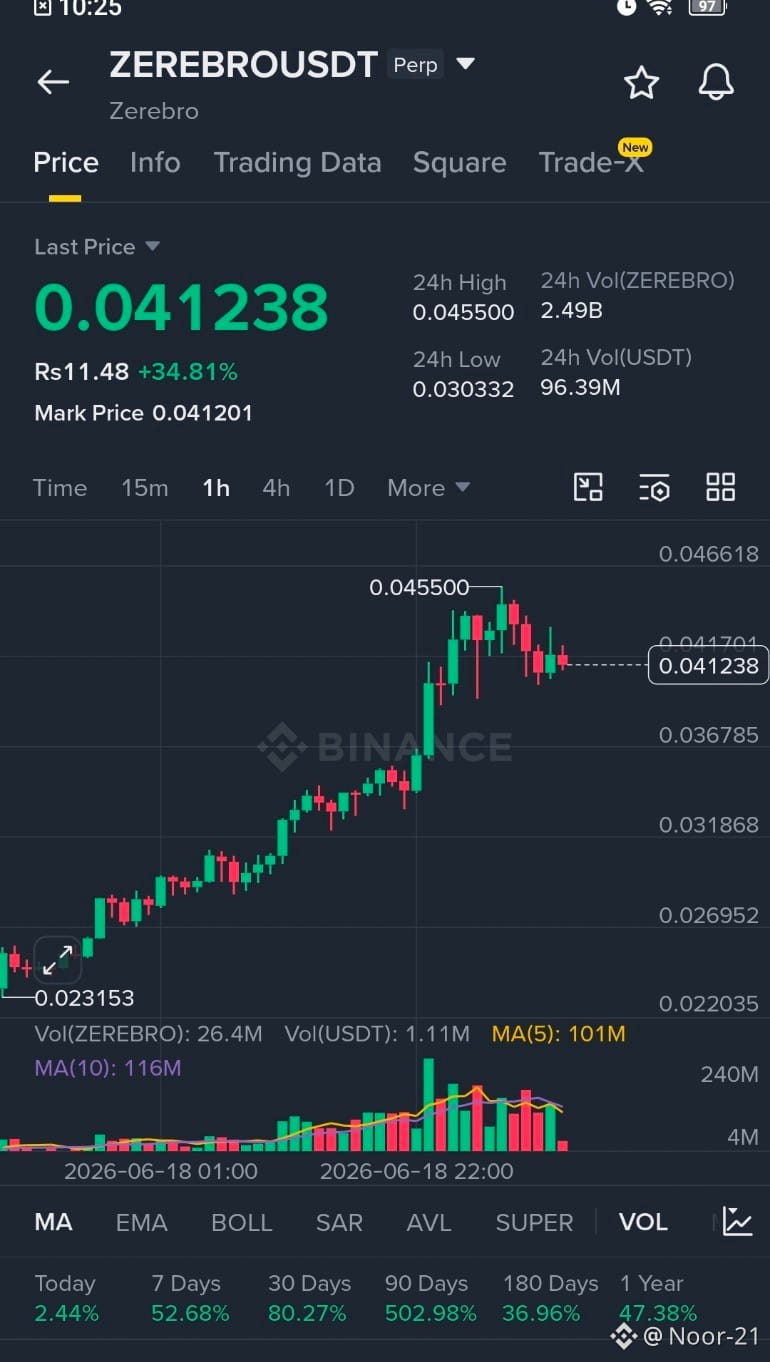
$ZEREBRO
SHORT SIGNAL – REJECTION AT RESISTANCE
Rejected perfectly at $0.0455 high. 52% weekly gain stalling. Heavy profit-taking volume. Lower highs forming on 4H. Momentum rolling over.
EP: 0.0410 – 0.0415
TP1: 0.0365
TP2: 0.0320
TP3: 0.0270
SL: 0.0460 (above swing high)
RISK: 1:2.8 R/R. Clear bearish divergence. Breakdown below 0.040 confirms flush.
Conviction: HIGH. Tight stop, let it breathe.
$ZEREBRO #StrategyHaltsSTRCATMProgram #OilHeadsForDeepWeeklyLoss
{future}(ZEREBROUSDT)
$ZEREBRO
SHORT SIGNAL – REJECTION AT RESISTANCE
Rejected perfectly at $0.0455 high. 52% weekly gain stalling. Heavy profit-taking volume. Lower highs forming on 4H. Momentum rolling over.
EP: 0.0410 – 0.0415
TP1: 0.0365
TP2: 0.0320
TP3: 0.0270
SL: 0.0460 (above swing high)
RISK: 1:2.8 R/R. Clear bearish divergence. Breakdown below 0.040 confirms flush.
Conviction: HIGH. Tight stop, let it breathe.
$ZEREBRO #StrategyHaltsSTRCATMProgram #OilHeadsForDeepWeeklyLoss
SHORT SIGNAL – REJECTION AT RESISTANCE
Rejected perfectly at $0.0455 high. 52% weekly gain stalling. Heavy profit-taking volume. Lower highs forming on 4H. Momentum rolling over.
EP: 0.0410 – 0.0415
TP1: 0.0365
TP2: 0.0320
TP3: 0.0270
SL: 0.0460 (above swing high)
RISK: 1:2.8 R/R. Clear bearish divergence. Breakdown below 0.040 confirms flush.
Conviction: HIGH. Tight stop, let it breathe.
$ZEREBRO #StrategyHaltsSTRCATMProgram #OilHeadsForDeepWeeklyLoss
63
Log in to explore more content
Join global crypto users on Binance Square
⚡️ Get latest and useful information about crypto.
💬 Trusted by the world’s largest crypto exchange.
👍 Discover real insights from verified creators.
Email / Phone number
Trending Topics
1
#FedMinutesFocusOnOctoberPause
175,562 views
1,328 Discussing
2
#BinanceLaunchesBinanceIntelligence
1.1M views
6,527 Discussing
3
#EvernorthDelaysNasdaqDebutToOct12
14,699 views
306 Discussing
4
#RobinhoodAdds$25MInBitcoinToBalanceSheet
3,477 views
74 Discussing
5
#SP500AndNasdaqHitRecordHighs
21,638 views
478 Discussing
6
#USMortgageRatesRiseTo7.49%
26,454 views
390 Discussing
7
#BTCFallsBelow$84K
129,617 views
236 Discussing
8
#DubaiVARAIssuesReserveAssetAuditCircular
47,379 views
958 Discussing
9
#SECApproves3XBitcoinETF
44,706 views
777 Discussing
10
#WinklevossFilesSpotZcashETFApplication
52,608 views
881 Discussing