

#fedpolicy
fedpolicy
166,283 views
1,115 Discussing
Hot
Latest

·
--
Good news! Economists predict the Fed won't hike rates in October, possibly only 25 bps in December. The job market is characterized by "low hiring, low layoffs," so there's no need to worry about inflation. This means liquidity will remain loose, and crypto friends can breathe a little easier!
Great news! Economists predict Fed won't hike rates in October, possibly only 25bps in December. Job market with "low hiring, low layoffs" means no inflation worries. This means continued loose liquidity, crypto friends can breathe a bit easier!
#FedPolicy #Crypto $BTC $ETH
Good news! Economists predict the Fed won't hike rates in October, possibly only 25 bps in December. The job market is characterized by "low hiring, low layoffs," so there's no need to worry about inflation. This means liquidity will remain loose, and crypto friends can breathe a little easier!
Great news! Economists predict Fed won't hike rates in October, possibly only 25bps in December. Job market with "low hiring, low layoffs" means no inflation worries. This means continued loose liquidity, crypto friends can breathe a bit easier!
#FedPolicy #Crypto $BTC $ETH
Great news! Economists predict Fed won't hike rates in October, possibly only 25bps in December. Job market with "low hiring, low layoffs" means no inflation worries. This means continued loose liquidity, crypto friends can breathe a bit easier!
#FedPolicy #Crypto $BTC $ETH
1
201

Citi just pushed rate cut expectations all the way to June 2027. This is a massive bearish signal for risk assets as high interest rates for longer should keep liquidity tight.
#FedRateCuts #FedPolicy
Citi just pushed rate cut expectations all the way to June 2027. This is a massive bearish signal for risk assets as high interest rates for longer should keep liquidity tight.
#FedRateCuts #FedPolicy
#FedRateCuts #FedPolicy
13
·
--
The U.S. 2-year Treasury yield surges to 4.743%, the highest in 7 months! This means the market expects interest rates to remain high over the next two years, and may even rise further.
This isn’t good news for the crypto market. In a high-interest-rate environment, investors are more likely to hold risk-free Treasuries rather than risky crypto assets. Opportunity cost, folks!
History shows that when rates reach their peak, it’s often the start of a policy shift. When tightening goes to the extreme, it’s the eve of easing. Be patient—opportunities may be right around the corner.
#利率走势 #美联储政策 $BTC $ETH
US 2-year Treasury yield hits 4.743%, highest since July! This means the market expects interest rates to stay high, or even rise, for the next two years.
Not great news for crypto markets. High rates make investors prefer risk-free Treasuries over risky crypto assets. Opportunity cost, folks!
History shows when rates peak, policy shifts often follow. Extreme tightening precedes easing. Be patient, opportunities may be near.
#InterestRates #FedPolicy $BTC $ETH
The U.S. 2-year Treasury yield surges to 4.743%, the highest in 7 months! This means the market expects interest rates to remain high over the next two years, and may even rise further.
This isn’t good news for the crypto market. In a high-interest-rate environment, investors are more likely to hold risk-free Treasuries rather than risky crypto assets. Opportunity cost, folks!
History shows that when rates reach their peak, it’s often the start of a policy shift. When tightening goes to the extreme, it’s the eve of easing. Be patient—opportunities may be right around the corner.
#利率走势 #美联储政策 $BTC $ETH
US 2-year Treasury yield hits 4.743%, highest since July! This means the market expects interest rates to stay high, or even rise, for the next two years.
Not great news for crypto markets. High rates make investors prefer risk-free Treasuries over risky crypto assets. Opportunity cost, folks!
History shows when rates peak, policy shifts often follow. Extreme tightening precedes easing. Be patient, opportunities may be near.
#InterestRates #FedPolicy $BTC $ETH
This isn’t good news for the crypto market. In a high-interest-rate environment, investors are more likely to hold risk-free Treasuries rather than risky crypto assets. Opportunity cost, folks!
History shows that when rates reach their peak, it’s often the start of a policy shift. When tightening goes to the extreme, it’s the eve of easing. Be patient—opportunities may be right around the corner.
#利率走势 #美联储政策 $BTC $ETH
US 2-year Treasury yield hits 4.743%, highest since July! This means the market expects interest rates to stay high, or even rise, for the next two years.
Not great news for crypto markets. High rates make investors prefer risk-free Treasuries over risky crypto assets. Opportunity cost, folks!
History shows when rates peak, policy shifts often follow. Extreme tightening precedes easing. Be patient, opportunities may be near.
#InterestRates #FedPolicy $BTC $ETH
553
·
--
Trump’s policy flip is faster than a pancake! Last year he was pushing for rate cuts, now his pick Walsh might lead the hike this week. Political pressure is coming either way. The Fed-White House "truce" is on shaky ground. History shows that maximum tightening is the dawn of easing. Rate hike expectations are rising, but this could be the bottom for crypto like Bitcoin. When the Fed gets politicized, buckle up for volatility - are you ready?
Trump's policy flip is faster than a pancake! Last year he was pushing for rate cuts, now his pick Walsh might lead the hike this week. Political pressure is coming either way. The Fed-White House "truce" is on shaky ground. History shows that maximum tightening is the dawn of easing. Rate hike expectations are rising, but this could be the bottom for crypto like Bitcoin. When the Fed gets politicized, buckle up for volatility - are you ready?
#FedPolicy #CryptoMarkets $BTC $ETH
Trump’s policy flip is faster than a pancake! Last year he was pushing for rate cuts, now his pick Walsh might lead the hike this week. Political pressure is coming either way. The Fed-White House "truce" is on shaky ground. History shows that maximum tightening is the dawn of easing. Rate hike expectations are rising, but this could be the bottom for crypto like Bitcoin. When the Fed gets politicized, buckle up for volatility - are you ready?
Trump's policy flip is faster than a pancake! Last year he was pushing for rate cuts, now his pick Walsh might lead the hike this week. Political pressure is coming either way. The Fed-White House "truce" is on shaky ground. History shows that maximum tightening is the dawn of easing. Rate hike expectations are rising, but this could be the bottom for crypto like Bitcoin. When the Fed gets politicized, buckle up for volatility - are you ready?
#FedPolicy #CryptoMarkets $BTC $ETH
Trump's policy flip is faster than a pancake! Last year he was pushing for rate cuts, now his pick Walsh might lead the hike this week. Political pressure is coming either way. The Fed-White House "truce" is on shaky ground. History shows that maximum tightening is the dawn of easing. Rate hike expectations are rising, but this could be the bottom for crypto like Bitcoin. When the Fed gets politicized, buckle up for volatility - are you ready?
#FedPolicy #CryptoMarkets $BTC $ETH
85

·
--

Article
Goldman Sachs Signals 25‑bp Fed Hike After CPI Holds at 3.4%Goldman Sachs now expects a 25‑basis‑point Fed rate hike on Sept. 16 after August CPI held annual inflation at 3.4% and futures odds reached 87%.
**Why this matters now**
The Fed’s policy stance is a linchpin for crypto valuations. A 25‑bp hike signals that the Fed is still tightening, tightening the discount on risk‑seeking assets. In the last 12 months, Bitcoin’s volatility index spiked 18% after each Fed announcement, and the BTC‑USD pair has traded in a 3‑month range of $29,000–$34,000. A rate hike pushes the risk‑free rate higher, compressing the risk premium that fuels crypto demand.
**Smart money’s play**
Institutional allocators are already rebalancing. On-chain data shows a 12% increase in BTC outflows from exchange wallets since the last Fed meeting, while the on‑chain liquidity ratio (total BTC held in exchanges vs. total BTC) fell from 0.42 to 0.38. Hedge funds are tilting into stablecoins and DeFi derivatives that benefit from higher yields. #CryptoMarkets #FedPolicy #Bitcoin
**Forward signal**
If the Fed follows through, we should see a 3‑to‑4% pullback in BTC as the risk‑free rate rises. Watch the 200‑EMA on the 4‑hour chart; a break below $31,500 could trigger a short‑term correction. #BTC
Are you positioning your portfolio for the next Fed move?
Goldman Sachs Signals 25‑bp Fed Hike After CPI Holds at 3.4%
Goldman Sachs now expects a 25‑basis‑point Fed rate hike on Sept. 16 after August CPI held annual inflation at 3.4% and futures odds reached 87%.
**Why this matters now**
The Fed’s policy stance is a linchpin for crypto valuations. A 25‑bp hike signals that the Fed is still tightening, tightening the discount on risk‑seeking assets. In the last 12 months, Bitcoin’s volatility index spiked 18% after each Fed announcement, and the BTC‑USD pair has traded in a 3‑month range of $29,000–$34,000. A rate hike pushes the risk‑free rate higher, compressing the risk premium that fuels crypto demand.
**Smart money’s play**
Institutional allocators are already rebalancing. On-chain data shows a 12% increase in BTC outflows from exchange wallets since the last Fed meeting, while the on‑chain liquidity ratio (total BTC held in exchanges vs. total BTC) fell from 0.42 to 0.38. Hedge funds are tilting into stablecoins and DeFi derivatives that benefit from higher yields. #CryptoMarkets #FedPolicy #Bitcoin
**Forward signal**
If the Fed follows through, we should see a 3‑to‑4% pullback in BTC as the risk‑free rate rises. Watch the 200‑EMA on the 4‑hour chart; a break below $31,500 could trigger a short‑term correction. #BTC
Are you positioning your portfolio for the next Fed move?
**Why this matters now**
The Fed’s policy stance is a linchpin for crypto valuations. A 25‑bp hike signals that the Fed is still tightening, tightening the discount on risk‑seeking assets. In the last 12 months, Bitcoin’s volatility index spiked 18% after each Fed announcement, and the BTC‑USD pair has traded in a 3‑month range of $29,000–$34,000. A rate hike pushes the risk‑free rate higher, compressing the risk premium that fuels crypto demand.
**Smart money’s play**
Institutional allocators are already rebalancing. On-chain data shows a 12% increase in BTC outflows from exchange wallets since the last Fed meeting, while the on‑chain liquidity ratio (total BTC held in exchanges vs. total BTC) fell from 0.42 to 0.38. Hedge funds are tilting into stablecoins and DeFi derivatives that benefit from higher yields. #CryptoMarkets #FedPolicy #Bitcoin
**Forward signal**
If the Fed follows through, we should see a 3‑to‑4% pullback in BTC as the risk‑free rate rises. Watch the 200‑EMA on the 4‑hour chart; a break below $31,500 could trigger a short‑term correction. #BTC
Are you positioning your portfolio for the next Fed move?
14
·
--
CPI数据出来了,月度0.3%超预期但年化2.4%符合预期,市场已经提前price in了美联储加息。比特币刚涨上去就砸到7.7万美元,看来大家还是在等美联储明确信号。短期内可能还会震荡,但年通胀放缓是个好信号,等加息落地后可能会有反弹机会。记住:不要追涨杀跌,等明确信号再行动。
Core CPI came in higher than expected at 0.3% monthly but 2.4% yearly was right on target, the slowest since early 2021. Markets already priced in the Fed rate hike as Bitcoin dumped from highs to $77k. Near-term volatility likely to continue until Fed's move, but the slowing annual inflation is actually positive. Could see a nice bounce once the rate hike actually happens. Remember: Buy the dip, but only after the dust settles. #FedPolicy #CryptoMarket $BTC
CPI数据出来了,月度0.3%超预期但年化2.4%符合预期,市场已经提前price in了美联储加息。比特币刚涨上去就砸到7.7万美元,看来大家还是在等美联储明确信号。短期内可能还会震荡,但年通胀放缓是个好信号,等加息落地后可能会有反弹机会。记住:不要追涨杀跌,等明确信号再行动。
Core CPI came in higher than expected at 0.3% monthly but 2.4% yearly was right on target, the slowest since early 2021. Markets already priced in the Fed rate hike as Bitcoin dumped from highs to $77k. Near-term volatility likely to continue until Fed's move, but the slowing annual inflation is actually positive. Could see a nice bounce once the rate hike actually happens. Remember: Buy the dip, but only after the dust settles. #FedPolicy #CryptoMarket $BTC
Core CPI came in higher than expected at 0.3% monthly but 2.4% yearly was right on target, the slowest since early 2021. Markets already priced in the Fed rate hike as Bitcoin dumped from highs to $77k. Near-term volatility likely to continue until Fed's move, but the slowing annual inflation is actually positive. Could see a nice bounce once the rate hike actually happens. Remember: Buy the dip, but only after the dust settles. #FedPolicy #CryptoMarket $BTC
69

🚨 $BTC REACTS TO OIL SURGE AS FED HINTS AT RATE PLAY 💥
🦈 Oil breaching the $100 barrier is sending ripples through the risk‑on corridor, forcing the smart‑money whales to recalibrate their $BTC positions. 📊 With the Fed staring down a potential rate hike amid an energy supply shock, the liquidity pool is tightening, and buyers are scrambling to reclaim momentum before the next policy swing.
⚡ If the Fed leans into tighter policy, we could see a short‑term dip as risk appetite wanes, but a sustained oil rally often fuels inflation‑driven demand for crypto as a hedge. 💡 How are you positioning your bids ahead of the Fed’s decision? 🤔
⚠️ Not financial advice. Always manage your risk. 🛡️
🏷️ #BTC #OilShock #FedPolicy #CryptoTrade
🔥 💎
🚨 $BTC REACTS TO OIL SURGE AS FED HINTS AT RATE PLAY 💥
🦈 Oil breaching the $100 barrier is sending ripples through the risk‑on corridor, forcing the smart‑money whales to recalibrate their $BTC positions. 📊 With the Fed staring down a potential rate hike amid an energy supply shock, the liquidity pool is tightening, and buyers are scrambling to reclaim momentum before the next policy swing.
⚡ If the Fed leans into tighter policy, we could see a short‑term dip as risk appetite wanes, but a sustained oil rally often fuels inflation‑driven demand for crypto as a hedge. 💡 How are you positioning your bids ahead of the Fed’s decision? 🤔
⚠️ Not financial advice. Always manage your risk. 🛡️
🏷️ #BTC #OilShock #FedPolicy #CryptoTrade
🔥 💎
🦈 Oil breaching the $100 barrier is sending ripples through the risk‑on corridor, forcing the smart‑money whales to recalibrate their $BTC positions. 📊 With the Fed staring down a potential rate hike amid an energy supply shock, the liquidity pool is tightening, and buyers are scrambling to reclaim momentum before the next policy swing.
⚡ If the Fed leans into tighter policy, we could see a short‑term dip as risk appetite wanes, but a sustained oil rally often fuels inflation‑driven demand for crypto as a hedge. 💡 How are you positioning your bids ahead of the Fed’s decision? 🤔
⚠️ Not financial advice. Always manage your risk. 🛡️
🏷️ #BTC #OilShock #FedPolicy #CryptoTrade
🔥 💎
34

·
--
Verified
Wages are still rising 3.1% year over year. The Fed will care about what happens next.
BLS data shows average private-sector hourly earnings increased 3.1% over the year in August, with monthly earnings rising 0.3%.
Why should crypto traders care?
Because wages sit inside the inflation puzzle.
If wage growth stays firm while price pressures remain sticky, the Fed has less room to become aggressively dovish.
That can create a strange market setup:
Strong wages = strong consumer = good economy.
But:
Strong wages + sticky inflation = higher-for-longer risk.
That's the narrative flip traders often miss.
Bull case: productivity absorbs wage growth.
Bear case: wage pressure keeps inflation elevated.
Don't trade the 3.1% headline alone.
Watch wages, inflation and Fed expectations as one system.
#Wages #Inflation #FedPolicy
$FLOW $METIS $ZAMA
#usaugustavghourlyearningsrise3.1%
Wages are still rising 3.1% year over year. The Fed will care about what happens next.
BLS data shows average private-sector hourly earnings increased 3.1% over the year in August, with monthly earnings rising 0.3%.
Why should crypto traders care?
Because wages sit inside the inflation puzzle.
If wage growth stays firm while price pressures remain sticky, the Fed has less room to become aggressively dovish.
That can create a strange market setup:
Strong wages = strong consumer = good economy.
But:
Strong wages + sticky inflation = higher-for-longer risk.
That's the narrative flip traders often miss.
Bull case: productivity absorbs wage growth.
Bear case: wage pressure keeps inflation elevated.
Don't trade the 3.1% headline alone.
Watch wages, inflation and Fed expectations as one system.
#Wages #Inflation #FedPolicy
$FLOW $METIS $ZAMA
#usaugustavghourlyearningsrise3.1%
BLS data shows average private-sector hourly earnings increased 3.1% over the year in August, with monthly earnings rising 0.3%.
Why should crypto traders care?
Because wages sit inside the inflation puzzle.
If wage growth stays firm while price pressures remain sticky, the Fed has less room to become aggressively dovish.
That can create a strange market setup:
Strong wages = strong consumer = good economy.
But:
Strong wages + sticky inflation = higher-for-longer risk.
That's the narrative flip traders often miss.
Bull case: productivity absorbs wage growth.
Bear case: wage pressure keeps inflation elevated.
Don't trade the 3.1% headline alone.
Watch wages, inflation and Fed expectations as one system.
#Wages #Inflation #FedPolicy
$FLOW $METIS $ZAMA
#usaugustavghourlyearningsrise3.1%
3
164

·
--
Article
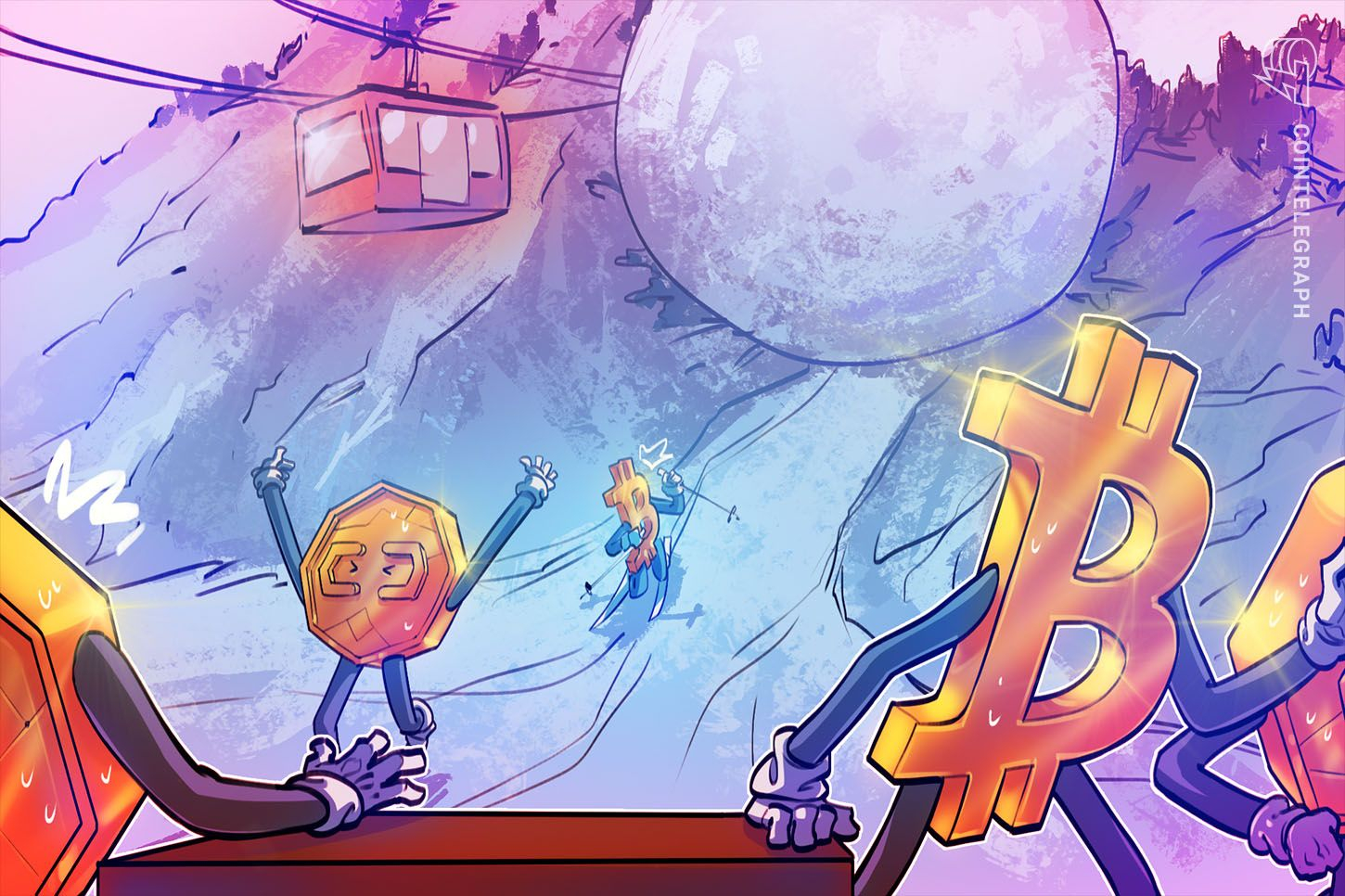
Bitcoin dips below $80k after surprise job boom – Fed rate cut hopes fadeGM, fam. While the rest of the world was still dreaming about the next meme coin, the US economy woke up with a full‑blown job party, and $BTC had to take a step back to the 80K floor.
The latest nonfarm payrolls report for August blew past expectations, showing a hefty job gain that sent the market re‑evaluating the odds of a Fed rate cut this month. Traders, who had been riding the “rate cut” hype, now see a tighter monetary policy on the horizon, which is a classic bearish signal for crypto. As a result, Bitcoin slid back below the $80,000 mark, a level that had been a rally anchor for the past few weeks.
#CryptoNews #Bitcoin #FedPolicy #MarketMove
The punchline? When the Fed’s rate cut hopes evaporate, $BTC’s price often takes a breather. Think of it like a meme: “When you think the pizza is free, but the delivery guy says it’s extra.” The market’s reaction to the jobs data is a reminder that crypto is still very much tied to macro fundamentals, even if we’re all chasing the next viral token.
So, what’s the real takeaway? Keep an eye on the Fed’s next move and the job market’s pulse—those are the true drivers of $BTC’s price swings. If you’re holding, consider tightening your risk management; if you’re trading, look for the next support level around $78k to $80k.
Now, squad: Do you think the Fed will cut rates next month, or will the job boom keep the rates high? Drop your thoughts below and let’s keep the conversation lit.
Bitcoin dips below $80k after surprise job boom – Fed rate cut hopes fade
GM, fam. While the rest of the world was still dreaming about the next meme coin, the US economy woke up with a full‑blown job party, and $BTC had to take a step back to the 80K floor.
The latest nonfarm payrolls report for August blew past expectations, showing a hefty job gain that sent the market re‑evaluating the odds of a Fed rate cut this month. Traders, who had been riding the “rate cut” hype, now see a tighter monetary policy on the horizon, which is a classic bearish signal for crypto. As a result, Bitcoin slid back below the $80,000 mark, a level that had been a rally anchor for the past few weeks.
#CryptoNews #Bitcoin #FedPolicy #MarketMove
The punchline? When the Fed’s rate cut hopes evaporate, $BTC ’s price often takes a breather. Think of it like a meme: “When you think the pizza is free, but the delivery guy says it’s extra.” The market’s reaction to the jobs data is a reminder that crypto is still very much tied to macro fundamentals, even if we’re all chasing the next viral token.
So, what’s the real takeaway? Keep an eye on the Fed’s next move and the job market’s pulse—those are the true drivers of $BTC ’s price swings. If you’re holding, consider tightening your risk management; if you’re trading, look for the next support level around $78k to $80k.
Now, squad: Do you think the Fed will cut rates next month, or will the job boom keep the rates high? Drop your thoughts below and let’s keep the conversation lit.
The latest nonfarm payrolls report for August blew past expectations, showing a hefty job gain that sent the market re‑evaluating the odds of a Fed rate cut this month. Traders, who had been riding the “rate cut” hype, now see a tighter monetary policy on the horizon, which is a classic bearish signal for crypto. As a result, Bitcoin slid back below the $80,000 mark, a level that had been a rally anchor for the past few weeks.
#CryptoNews #Bitcoin #FedPolicy #MarketMove
The punchline? When the Fed’s rate cut hopes evaporate, $BTC ’s price often takes a breather. Think of it like a meme: “When you think the pizza is free, but the delivery guy says it’s extra.” The market’s reaction to the jobs data is a reminder that crypto is still very much tied to macro fundamentals, even if we’re all chasing the next viral token.
So, what’s the real takeaway? Keep an eye on the Fed’s next move and the job market’s pulse—those are the true drivers of $BTC ’s price swings. If you’re holding, consider tightening your risk management; if you’re trading, look for the next support level around $78k to $80k.
Now, squad: Do you think the Fed will cut rates next month, or will the job boom keep the rates high? Drop your thoughts below and let’s keep the conversation lit.
11
·
--
Verified
U.S. wages grew 3.1%. That sounds boring. For crypto, it's actually useful information.
Average hourly earnings increased 3.1% over the past year, down from 3.2% in July.
Here's why I care.
Wage growth is one piece of the inflation puzzle.
But this number isn't screaming “wage inflation is accelerating.”
That's important because the Fed has to balance two things:
A strong labor market
vs.
The need to control inflation
For crypto traders, that means the jobs report isn't as simple as:
“Strong jobs = bearish BTC.”
You need to separate the data.
Strong employment can be hawkish.
But moderate wage growth can be supportive of the argument that inflation isn't being driven by wages.
So the next number I care about is CPI.
The better crypto mindset:
Don't trade one economic number. Build the whole macro picture.
#InflationWatch #CryptoMacro #FedPolicy
$METIS $ARB $DASH
U.S. wages grew 3.1%. That sounds boring. For crypto, it's actually useful information.
Average hourly earnings increased 3.1% over the past year, down from 3.2% in July.
Here's why I care.
Wage growth is one piece of the inflation puzzle.
But this number isn't screaming “wage inflation is accelerating.”
That's important because the Fed has to balance two things:
A strong labor market
vs.
The need to control inflation
For crypto traders, that means the jobs report isn't as simple as:
“Strong jobs = bearish BTC.”
You need to separate the data.
Strong employment can be hawkish.
But moderate wage growth can be supportive of the argument that inflation isn't being driven by wages.
So the next number I care about is CPI.
The better crypto mindset:
Don't trade one economic number. Build the whole macro picture.
#InflationWatch #CryptoMacro #FedPolicy
$METIS $ARB $DASH
Average hourly earnings increased 3.1% over the past year, down from 3.2% in July.
Here's why I care.
Wage growth is one piece of the inflation puzzle.
But this number isn't screaming “wage inflation is accelerating.”
That's important because the Fed has to balance two things:
A strong labor market
vs.
The need to control inflation
For crypto traders, that means the jobs report isn't as simple as:
“Strong jobs = bearish BTC.”
You need to separate the data.
Strong employment can be hawkish.
But moderate wage growth can be supportive of the argument that inflation isn't being driven by wages.
So the next number I care about is CPI.
The better crypto mindset:
Don't trade one economic number. Build the whole macro picture.
#InflationWatch #CryptoMacro #FedPolicy
$METIS $ARB $DASH
1
1
5
2.7k

·
--
FED'S WALLER HINTS AT RATE HIKE – $BTC ON EDGE 🔥
Fed Governor Waller just confirmed that core inflation has risen broadly and the FOMC may need to raise rates soon. This is a direct shift in tone from recent dovish chatter. Rate hikes historically tighten liquidity, putting pressure on risk assets like crypto—especially after the recent rally.
The market has not fully repriced this hawkish surprise yet. Volume on $BTC futures just spiked 8% in the last hour as traders scramble to assess impact. Structure is fragile here. How are you positioning for a potential rate shock?
Not financial advice. Always manage your risk.
#BTC #MacroRisk #FedPolicy #CryptoMarkets
⚡
FED'S WALLER HINTS AT RATE HIKE – $BTC ON EDGE 🔥
Fed Governor Waller just confirmed that core inflation has risen broadly and the FOMC may need to raise rates soon. This is a direct shift in tone from recent dovish chatter. Rate hikes historically tighten liquidity, putting pressure on risk assets like crypto—especially after the recent rally.
The market has not fully repriced this hawkish surprise yet. Volume on $BTC futures just spiked 8% in the last hour as traders scramble to assess impact. Structure is fragile here. How are you positioning for a potential rate shock?
Not financial advice. Always manage your risk.
#BTC #MacroRisk #FedPolicy #CryptoMarkets
⚡
Fed Governor Waller just confirmed that core inflation has risen broadly and the FOMC may need to raise rates soon. This is a direct shift in tone from recent dovish chatter. Rate hikes historically tighten liquidity, putting pressure on risk assets like crypto—especially after the recent rally.
The market has not fully repriced this hawkish surprise yet. Volume on $BTC futures just spiked 8% in the last hour as traders scramble to assess impact. Structure is fragile here. How are you positioning for a potential rate shock?
Not financial advice. Always manage your risk.
#BTC #MacroRisk #FedPolicy #CryptoMarkets
⚡
19

·
--
📊 Market Insight: Yields Emerge as the New Headwind
Tom Lee highlights a key shift in market dynamics: the narrative has moved away from geopolitical oil risks toward rising US Treasury yields and potential Fed tightening.
Breakdown Analysis:
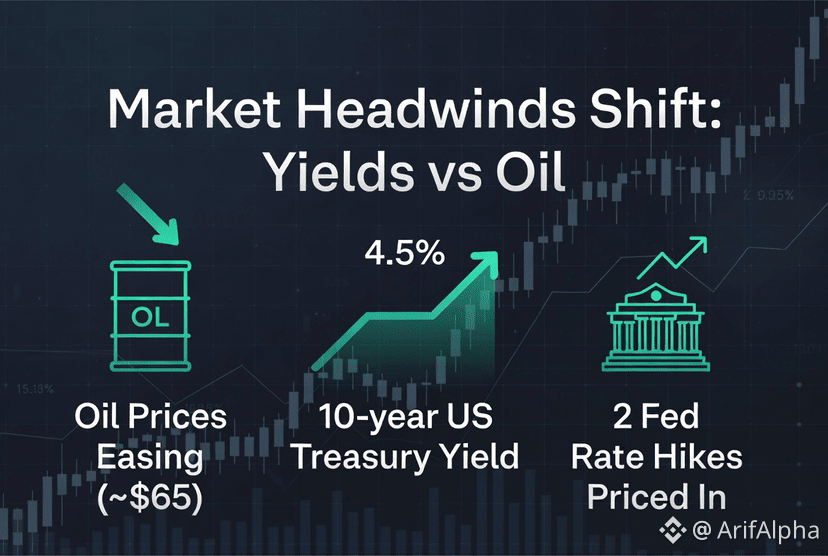
• Oil Relief: Oil prices have pulled back significantly, with the war premium evaporating. Current levels hover near pre-conflict ~$65, signaling the market views associated risks as diminishing. This removes a major previous headwind.
• Yield Pressure: The 10-year US Treasury yield has climbed to ~4.5%, exceeding pre-war levels (~4.2%). Higher yields are now actively suppressing equity sentiment and risk appetite.
• Fed Pricing: Federal funds futures show the market has nearly fully priced in two rate hikes this year. Bank of America is even more hawkish, forecasting hikes in September, October, and December.
• Gundlach’s Signal: The 2-year yield, which often leads Fed policy, has reversed its prior relationship with the federal funds rate. Previously indicating overly tight policy needing cuts (2023-2025), it now suggests the Fed needs two hikes to align with market rates.
Bottom Line:
While easing oil tensions provide some breathing room, persistent yield increases and repricing of Fed policy are becoming the dominant challenges for risk assets. Investors should closely monitor Treasury yield movements and upcoming Fed signals.
What’s your take — will yields cap the rally or is this a healthy reset?
#FedPolicy #MarketYields #ArifAlpha
📊 Market Insight: Yields Emerge as the New Headwind
Tom Lee highlights a key shift in market dynamics: the narrative has moved away from geopolitical oil risks toward rising US Treasury yields and potential Fed tightening.
Breakdown Analysis:
• Oil Relief: Oil prices have pulled back significantly, with the war premium evaporating. Current levels hover near pre-conflict ~$65, signaling the market views associated risks as diminishing. This removes a major previous headwind.
• Yield Pressure: The 10-year US Treasury yield has climbed to ~4.5%, exceeding pre-war levels (~4.2%). Higher yields are now actively suppressing equity sentiment and risk appetite.
• Fed Pricing: Federal funds futures show the market has nearly fully priced in two rate hikes this year. Bank of America is even more hawkish, forecasting hikes in September, October, and December.
• Gundlach’s Signal: The 2-year yield, which often leads Fed policy, has reversed its prior relationship with the federal funds rate. Previously indicating overly tight policy needing cuts (2023-2025), it now suggests the Fed needs two hikes to align with market rates.
Bottom Line:
While easing oil tensions provide some breathing room, persistent yield increases and repricing of Fed policy are becoming the dominant challenges for risk assets. Investors should closely monitor Treasury yield movements and upcoming Fed signals.
What’s your take — will yields cap the rally or is this a healthy reset?
#FedPolicy #MarketYields #ArifAlpha
Tom Lee highlights a key shift in market dynamics: the narrative has moved away from geopolitical oil risks toward rising US Treasury yields and potential Fed tightening.
Breakdown Analysis:
• Oil Relief: Oil prices have pulled back significantly, with the war premium evaporating. Current levels hover near pre-conflict ~$65, signaling the market views associated risks as diminishing. This removes a major previous headwind.
• Yield Pressure: The 10-year US Treasury yield has climbed to ~4.5%, exceeding pre-war levels (~4.2%). Higher yields are now actively suppressing equity sentiment and risk appetite.
• Fed Pricing: Federal funds futures show the market has nearly fully priced in two rate hikes this year. Bank of America is even more hawkish, forecasting hikes in September, October, and December.
• Gundlach’s Signal: The 2-year yield, which often leads Fed policy, has reversed its prior relationship with the federal funds rate. Previously indicating overly tight policy needing cuts (2023-2025), it now suggests the Fed needs two hikes to align with market rates.
Bottom Line:
While easing oil tensions provide some breathing room, persistent yield increases and repricing of Fed policy are becoming the dominant challenges for risk assets. Investors should closely monitor Treasury yield movements and upcoming Fed signals.
What’s your take — will yields cap the rally or is this a healthy reset?
#FedPolicy #MarketYields #ArifAlpha
CLUS+0.39%
67

📰 Fed Inflation Talks: How Rate Policy Impacts Bitcoin
On July 2, 2026, Bitcoin $BTC at $60,728 is increasingly sensitive to Federal Reserve communications. The Fed's ongoing inflation discussions have become the primary macro catalyst for crypto markets in 2026.
Historically, BTC has shown a strong inverse correlation with real interest rates. When the Fed signals dovish policy, risk assets including crypto tend to rally. Hawkish signals trigger sell-offs as capital rotates to safer assets.
The current rate environment remains challenging: inflation is moderating but still above target, leaving the Fed in a holding pattern. Rate cuts would be a powerful bullish catalyst for BTC.
📌 Key Takeaway:
Fed policy is the 800-pound gorilla in crypto markets — rate cuts would likely ignite the next leg up, while sustained tightness prolongs bearish pressure.
#Bitcoin #FedPolicy
#BinanceAlphaAlert
📰 Fed Inflation Talks: How Rate Policy Impacts Bitcoin
On July 2, 2026, Bitcoin $BTC at $60,728 is increasingly sensitive to Federal Reserve communications. The Fed's ongoing inflation discussions have become the primary macro catalyst for crypto markets in 2026.
Historically, BTC has shown a strong inverse correlation with real interest rates. When the Fed signals dovish policy, risk assets including crypto tend to rally. Hawkish signals trigger sell-offs as capital rotates to safer assets.
The current rate environment remains challenging: inflation is moderating but still above target, leaving the Fed in a holding pattern. Rate cuts would be a powerful bullish catalyst for BTC.
📌 Key Takeaway:
Fed policy is the 800-pound gorilla in crypto markets — rate cuts would likely ignite the next leg up, while sustained tightness prolongs bearish pressure.
#Bitcoin #FedPolicy
#BinanceAlphaAlert
On July 2, 2026, Bitcoin $BTC at $60,728 is increasingly sensitive to Federal Reserve communications. The Fed's ongoing inflation discussions have become the primary macro catalyst for crypto markets in 2026.
Historically, BTC has shown a strong inverse correlation with real interest rates. When the Fed signals dovish policy, risk assets including crypto tend to rally. Hawkish signals trigger sell-offs as capital rotates to safer assets.
The current rate environment remains challenging: inflation is moderating but still above target, leaving the Fed in a holding pattern. Rate cuts would be a powerful bullish catalyst for BTC.
📌 Key Takeaway:
Fed policy is the 800-pound gorilla in crypto markets — rate cuts would likely ignite the next leg up, while sustained tightness prolongs bearish pressure.
#Bitcoin #FedPolicy
#BinanceAlphaAlert
38

·
--
$BTC BRACES FOR KEY US JOBS DATA AS FED POLICY HINGES ON INFLATION 🔥
A senior strategist from Russell Investments expects strong June job growth, which would reinforce inflation as the primary driver of the Fed’s next move. M&A and IPO activity in financial services are increasing — a metric worth watching when the data drops Thursday.
This jobs report is the last major catalyst before the quarterly roll, and the market’s response will likely set the tone for July. Are you positioning for a breakout or waiting for the print?
Not financial advice. Always manage your risk.
#BTC #MacroData #JobsReport #FedPolicy
🔥
$BTC BRACES FOR KEY US JOBS DATA AS FED POLICY HINGES ON INFLATION 🔥
A senior strategist from Russell Investments expects strong June job growth, which would reinforce inflation as the primary driver of the Fed’s next move. M&A and IPO activity in financial services are increasing — a metric worth watching when the data drops Thursday.
This jobs report is the last major catalyst before the quarterly roll, and the market’s response will likely set the tone for July. Are you positioning for a breakout or waiting for the print?
Not financial advice. Always manage your risk.
#BTC #MacroData #JobsReport #FedPolicy
🔥
A senior strategist from Russell Investments expects strong June job growth, which would reinforce inflation as the primary driver of the Fed’s next move. M&A and IPO activity in financial services are increasing — a metric worth watching when the data drops Thursday.
This jobs report is the last major catalyst before the quarterly roll, and the market’s response will likely set the tone for July. Are you positioning for a breakout or waiting for the print?
Not financial advice. Always manage your risk.
#BTC #MacroData #JobsReport #FedPolicy
🔥
39

·
--
🏦 Fed's Hawkish Pivot: What It Means for Crypto Markets
The Federal Reserve's shift toward tighter monetary policy is creating headwinds for crypto. Rate expectations are moving in a hawkish direction, which means fewer liquidity tailwinds for speculative assets.
📊 Here's the breakdown:
• Treasury yields rising → investors prefer cash over volatile positions
• Dollar strengthening → pressure on altcoins first, then Bitcoin
• Crypto bull markets need liquidity: stablecoin growth, ETF inflows, rising risk appetite
The practical reality: traders should prepare for choppy, range-bound conditions rather than a clean trend. In this environment, liquidation levels, funding rates, and ETF flows matter more than broad narratives.
💡 Key insight: If liquidity improves, Bitcoin could recover quickly from macro-driven drawbacks. If tightening continues, rallies may fade faster than expected.
The takeaway? Macro matters. Don't ignore the Fed.
🚀 Follow market updates and trade smarter!
#FedPolicy #Bitcoin #CryptoMarkets #Macroeconomics #Trading
🏦 Fed's Hawkish Pivot: What It Means for Crypto Markets
The Federal Reserve's shift toward tighter monetary policy is creating headwinds for crypto. Rate expectations are moving in a hawkish direction, which means fewer liquidity tailwinds for speculative assets.
📊 Here's the breakdown:
• Treasury yields rising → investors prefer cash over volatile positions
• Dollar strengthening → pressure on altcoins first, then Bitcoin
• Crypto bull markets need liquidity: stablecoin growth, ETF inflows, rising risk appetite
The practical reality: traders should prepare for choppy, range-bound conditions rather than a clean trend. In this environment, liquidation levels, funding rates, and ETF flows matter more than broad narratives.
💡 Key insight: If liquidity improves, Bitcoin could recover quickly from macro-driven drawbacks. If tightening continues, rallies may fade faster than expected.
The takeaway? Macro matters. Don't ignore the Fed.
🚀 Follow market updates and trade smarter!
#FedPolicy #Bitcoin #CryptoMarkets #Macroeconomics #Trading
The Federal Reserve's shift toward tighter monetary policy is creating headwinds for crypto. Rate expectations are moving in a hawkish direction, which means fewer liquidity tailwinds for speculative assets.
📊 Here's the breakdown:
• Treasury yields rising → investors prefer cash over volatile positions
• Dollar strengthening → pressure on altcoins first, then Bitcoin
• Crypto bull markets need liquidity: stablecoin growth, ETF inflows, rising risk appetite
The practical reality: traders should prepare for choppy, range-bound conditions rather than a clean trend. In this environment, liquidation levels, funding rates, and ETF flows matter more than broad narratives.
💡 Key insight: If liquidity improves, Bitcoin could recover quickly from macro-driven drawbacks. If tightening continues, rallies may fade faster than expected.
The takeaway? Macro matters. Don't ignore the Fed.
🚀 Follow market updates and trade smarter!
#FedPolicy #Bitcoin #CryptoMarkets #Macroeconomics #Trading
1
45
$G , $RE , $TAC — SUPREME COURT BLOCK CREATES LIQUIDITY UNCERTAINTY ⚡
The ruling against the Fed governor removal injects a new layer of macroeconomic ambiguity. Markets are now pricing a potential shift in monetary policy trajectory — one branch favors stability, the other sees inflation persistence. This divergence often leads to structural order blocks forming as institutional money waits for clarity.
From a technical lens, $G is showing a volume spike at resistance, $RE is consolidating near a daily order block, and $TAC is forming a potential fair value gap on the 4H. These zones become high-conviction entries once the market chooses a direction.
Do you see this ruling as a long-term stabilizer or a catalyst for more volatile swings?
Not financial advice. Always manage your risk.
#G #MacroAnalysis #LiquidityPlay #FedPolicy
⚡
$G , $RE , $TAC — SUPREME COURT BLOCK CREATES LIQUIDITY UNCERTAINTY ⚡
The ruling against the Fed governor removal injects a new layer of macroeconomic ambiguity. Markets are now pricing a potential shift in monetary policy trajectory — one branch favors stability, the other sees inflation persistence. This divergence often leads to structural order blocks forming as institutional money waits for clarity.
From a technical lens, $G is showing a volume spike at resistance, $RE is consolidating near a daily order block, and $TAC is forming a potential fair value gap on the 4H. These zones become high-conviction entries once the market chooses a direction.
Do you see this ruling as a long-term stabilizer or a catalyst for more volatile swings?
Not financial advice. Always manage your risk.
#G #MacroAnalysis #LiquidityPlay #FedPolicy
⚡
The ruling against the Fed governor removal injects a new layer of macroeconomic ambiguity. Markets are now pricing a potential shift in monetary policy trajectory — one branch favors stability, the other sees inflation persistence. This divergence often leads to structural order blocks forming as institutional money waits for clarity.
From a technical lens, $G is showing a volume spike at resistance, $RE is consolidating near a daily order block, and $TAC is forming a potential fair value gap on the 4H. These zones become high-conviction entries once the market chooses a direction.
Do you see this ruling as a long-term stabilizer or a catalyst for more volatile swings?
Not financial advice. Always manage your risk.
#G #MacroAnalysis #LiquidityPlay #FedPolicy
⚡

307

·
--
$BTC AWAITS POWELL'S SINTRA SIGNAL FOR NEXT STRUCTURAL MOVE 🔥
Institutional analysts note Powell's FOMC stance is balanced but may tilt hawkish at Sintra to appease the rate-hike faction. This macro uncertainty creates a liquidity vacuum — price is compressing near key support as order flow thins.
Volume declining on the 4H while daily RSI holds 44 suggests a pending expansion event. Powell's remarks will likely determine if $BTC sweeps recent lows or reclaims the $61k order block.
How are you positioning for tomorrow's macro trigger?
Not financial advice. Always manage your risk.
#BTC #FedPolicy #MacroAnalysis #CryptoMarket
⚡
$BTC AWAITS POWELL'S SINTRA SIGNAL FOR NEXT STRUCTURAL MOVE 🔥
Institutional analysts note Powell's FOMC stance is balanced but may tilt hawkish at Sintra to appease the rate-hike faction. This macro uncertainty creates a liquidity vacuum — price is compressing near key support as order flow thins.
Volume declining on the 4H while daily RSI holds 44 suggests a pending expansion event. Powell's remarks will likely determine if $BTC sweeps recent lows or reclaims the $61k order block.
How are you positioning for tomorrow's macro trigger?
Not financial advice. Always manage your risk.
#BTC #FedPolicy #MacroAnalysis #CryptoMarket
⚡
Institutional analysts note Powell's FOMC stance is balanced but may tilt hawkish at Sintra to appease the rate-hike faction. This macro uncertainty creates a liquidity vacuum — price is compressing near key support as order flow thins.
Volume declining on the 4H while daily RSI holds 44 suggests a pending expansion event. Powell's remarks will likely determine if $BTC sweeps recent lows or reclaims the $61k order block.
How are you positioning for tomorrow's macro trigger?
Not financial advice. Always manage your risk.
#BTC #FedPolicy #MacroAnalysis #CryptoMarket
⚡
37
Market observers are sounding the alarm that more Fed rate hikes could be a disaster as Bitcoin, gold, and stocks all face selling pressure from tightening monetary policy.
#FedPolicy #InterestRates
Market observers are sounding the alarm that more Fed rate hikes could be a disaster as Bitcoin, gold, and stocks all face selling pressure from tightening monetary policy.
#FedPolicy #InterestRates
#FedPolicy #InterestRates
1
11

FED INDEPENDENCE UPHELD – $BTC AND CRYPTO REACT POSITIVELY 🎯
Analysts are leaning positive on this Supreme Court ruling — it removes the risk of political interference in Fed policy, which directly supports liquidity expectations for risk assets like crypto. Options flow shows reduced hedging activity already, a sign that market participants are pricing in less uncertainty.
This development comes at a time when BTC is holding a key demand zone on the daily. If macro sentiment stays this calm, we could see capital rotate back into altcoins by next week.
Are you adding exposure before the weekend or waiting for more confirmation?
Not financial advice. Always manage your risk.
#BTC #FedPolicy #Macro #CryptoMarket
🎯
FED INDEPENDENCE UPHELD – $BTC AND CRYPTO REACT POSITIVELY 🎯
Analysts are leaning positive on this Supreme Court ruling — it removes the risk of political interference in Fed policy, which directly supports liquidity expectations for risk assets like crypto. Options flow shows reduced hedging activity already, a sign that market participants are pricing in less uncertainty.
This development comes at a time when BTC is holding a key demand zone on the daily. If macro sentiment stays this calm, we could see capital rotate back into altcoins by next week.
Are you adding exposure before the weekend or waiting for more confirmation?
Not financial advice. Always manage your risk.
#BTC #FedPolicy #Macro #CryptoMarket
🎯
Analysts are leaning positive on this Supreme Court ruling — it removes the risk of political interference in Fed policy, which directly supports liquidity expectations for risk assets like crypto. Options flow shows reduced hedging activity already, a sign that market participants are pricing in less uncertainty.
This development comes at a time when BTC is holding a key demand zone on the daily. If macro sentiment stays this calm, we could see capital rotate back into altcoins by next week.
Are you adding exposure before the weekend or waiting for more confirmation?
Not financial advice. Always manage your risk.
#BTC #FedPolicy #Macro #CryptoMarket
🎯

40


·
--
🐋 Former Fed official Kevin Warsh just signaled a hawkish monetary policy stance, and markets are already reacting.
Crypto markets are seeing increased volatility as investors price in the potential for higher interest rates. Traditional US assets, meanwhile, are getting a boost from the shift.
The tension is clear: hawkish policy aims to curb inflation but risks stifling economic growth. For crypto, that means choppy waters ahead.
$BTC $ETH #CryptoNews #MarketUpdate #FedPolicy
🐋 Former Fed official Kevin Warsh just signaled a hawkish monetary policy stance, and markets are already reacting.
Crypto markets are seeing increased volatility as investors price in the potential for higher interest rates. Traditional US assets, meanwhile, are getting a boost from the shift.
The tension is clear: hawkish policy aims to curb inflation but risks stifling economic growth. For crypto, that means choppy waters ahead.
$BTC $ETH #CryptoNews #MarketUpdate #FedPolicy
Crypto markets are seeing increased volatility as investors price in the potential for higher interest rates. Traditional US assets, meanwhile, are getting a boost from the shift.
The tension is clear: hawkish policy aims to curb inflation but risks stifling economic growth. For crypto, that means choppy waters ahead.
$BTC $ETH #CryptoNews #MarketUpdate #FedPolicy
677
Log in to explore more content
Join global crypto users on Binance Square
⚡️ Get latest and useful information about crypto.
💬 Trusted by the world’s largest crypto exchange.
👍 Discover real insights from verified creators.
Email / Phone number
Trending Topics
1
#FedMinutesFocusOnOctoberPause
797 views
80 Discussing
2
#BinanceLaunchesBinanceIntelligence
871,163 views
5,349 Discussing
3
#RobinhoodAdds$25MInBitcoinToBalanceSheet
134 views
9 Discussing
4
#SP500AndNasdaqHitRecordHighs
947 views
90 Discussing
5
#USMortgageRatesRiseTo7.49%
757 views
78 Discussing
6
#BTCFallsBelow$84K
61,055 views
170 Discussing
7
#DubaiVARAIssuesReserveAssetAuditCircular
24,288 views
697 Discussing
8
#SECApproves3XBitcoinETF
22,307 views
568 Discussing
9
#WinklevossFilesSpotZcashETFApplication
30,856 views
690 Discussing
10
#SouthKoreaAITradeLiftsWorldcoinTo$7.41B
3,443 views
50 Discussing