

#elizabethwarren
elizabethwarren
85,572 views
198 Discussing
Hot
Latest

·
--
Bearish
🚨 I CAN’T BELIEVE WE’RE HERE. 😔
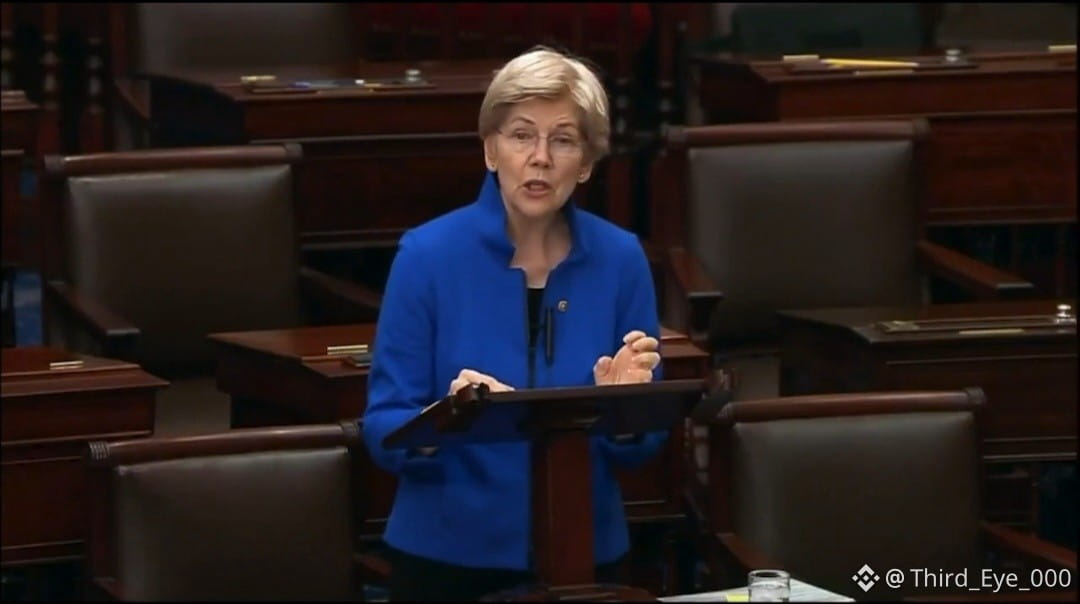
Sen. #ElizabethWarren has been one of the strongest voices AGAINST the #CLARITYAct — and today, the bill failed to get the 60 votes needed to advance in the #Senate .
Warren’s argument is that the bill could create serious financial-stability risks, weaken investor protections, leave major loopholes for crypto companies, and — in her view — allow a crypto-fueled economic crash to put ordinary Americans at risk.
She has also strongly criticized the bill over Trump-linked crypto interests, arguing that the legislation doesn’t go far enough to prevent public officials from benefiting from crypto ventures. The latest version added ethics provisions, but Democrats including Warren still considered them insufficient.
And honestly…
I’m hurt seeing CLARITY fail today. 😔
No doubt Elizabeth Warren’s role matters here. She has consistently pushed for tougher crypto regulation and has been one of the most vocal critics of the industry.
But I also think we have to be fair:
👉 She is NOT the only reason this failed.
Democratic opposition over ethics provisions, Republican–Democrat negotiations breaking down, banking concerns around stablecoins, and the inability to reach 60 votes all played a role.
Warren has also built a career around challenging Wall Street and pushing aggressive financial regulation — including her wealth-tax and Medicare-for-All proposals — some of which never became law.
My view?
⚠️ Protecting people from financial risk is important.
But blocking regulatory clarity can ALSO have consequences.
Crypto has already become too big to simply ignore.
Today feels like a setback.
Not the end.👁️
#FedRateWatch
$BTC || $BNB || $ETH
{future}(BNBUSDT)
{future}(BTCUSDT)
{future}(ETHUSDT)
🚨 I CAN’T BELIEVE WE’RE HERE. 😔
Sen. #ElizabethWarren has been one of the strongest voices AGAINST the #CLARITYAct — and today, the bill failed to get the 60 votes needed to advance in the #Senate .
Warren’s argument is that the bill could create serious financial-stability risks, weaken investor protections, leave major loopholes for crypto companies, and — in her view — allow a crypto-fueled economic crash to put ordinary Americans at risk.
She has also strongly criticized the bill over Trump-linked crypto interests, arguing that the legislation doesn’t go far enough to prevent public officials from benefiting from crypto ventures. The latest version added ethics provisions, but Democrats including Warren still considered them insufficient.
And honestly…
I’m hurt seeing CLARITY fail today. 😔
No doubt Elizabeth Warren’s role matters here. She has consistently pushed for tougher crypto regulation and has been one of the most vocal critics of the industry.
But I also think we have to be fair:
👉 She is NOT the only reason this failed.
Democratic opposition over ethics provisions, Republican–Democrat negotiations breaking down, banking concerns around stablecoins, and the inability to reach 60 votes all played a role.
Warren has also built a career around challenging Wall Street and pushing aggressive financial regulation — including her wealth-tax and Medicare-for-All proposals — some of which never became law.
My view?
⚠️ Protecting people from financial risk is important.
But blocking regulatory clarity can ALSO have consequences.
Crypto has already become too big to simply ignore.
Today feels like a setback.
Not the end.👁️
#FedRateWatch
$BTC || $BNB || $ETH
Sen. #ElizabethWarren has been one of the strongest voices AGAINST the #CLARITYAct — and today, the bill failed to get the 60 votes needed to advance in the #Senate .
Warren’s argument is that the bill could create serious financial-stability risks, weaken investor protections, leave major loopholes for crypto companies, and — in her view — allow a crypto-fueled economic crash to put ordinary Americans at risk.
She has also strongly criticized the bill over Trump-linked crypto interests, arguing that the legislation doesn’t go far enough to prevent public officials from benefiting from crypto ventures. The latest version added ethics provisions, but Democrats including Warren still considered them insufficient.
And honestly…
I’m hurt seeing CLARITY fail today. 😔
No doubt Elizabeth Warren’s role matters here. She has consistently pushed for tougher crypto regulation and has been one of the most vocal critics of the industry.
But I also think we have to be fair:
👉 She is NOT the only reason this failed.
Democratic opposition over ethics provisions, Republican–Democrat negotiations breaking down, banking concerns around stablecoins, and the inability to reach 60 votes all played a role.
Warren has also built a career around challenging Wall Street and pushing aggressive financial regulation — including her wealth-tax and Medicare-for-All proposals — some of which never became law.
My view?
⚠️ Protecting people from financial risk is important.
But blocking regulatory clarity can ALSO have consequences.
Crypto has already become too big to simply ignore.
Today feels like a setback.
Not the end.👁️
#FedRateWatch
$BTC || $BNB || $ETH
1
2
927

·
--
U.S. Senator Elizabeth Warren publicly opposes the “CLARITY Act,” saying that the latest ethics provisions have serious loopholes. #美国 #ElizabethWarren #Trump
U.S. Senator Elizabeth Warren publicly opposes the “CLARITY Act,” saying that the latest ethics provisions have serious loopholes. #美国 #ElizabethWarren #Trump
73

🚨 Warren vs Trump: Crypto Disclosure Battle Heats Up
Senator Elizabeth Warren has called on Donald Trump to publicly disclose cryptocurrency-related income ahead of a key legal deadline, intensifying political and financial scrutiny. The request follows reports of significant crypto-related gains and comes just before a crucial Senate vote on the CLARITY Act. As lawmakers debate the future of digital asset regulation, the outcome could have a major impact on investors, crypto companies, and the broader market. With politics and cryptocurrency colliding, all eyes are now on Washington. 📈🇺🇸
#CryptoNews #bitcoin #CryptoRegulation #CLARITYAct #ElizabethWarren
{future}(TRUMPUSDT)
$TRUMP #DonaldTrump #CryptoMarket #Blockchain #DigitalAssets #BTC #CryptoCommunity #MarketUpdate #USPolitics #CryptoInvesting #breakingnews 🚀
🚨 Warren vs Trump: Crypto Disclosure Battle Heats Up
Senator Elizabeth Warren has called on Donald Trump to publicly disclose cryptocurrency-related income ahead of a key legal deadline, intensifying political and financial scrutiny. The request follows reports of significant crypto-related gains and comes just before a crucial Senate vote on the CLARITY Act. As lawmakers debate the future of digital asset regulation, the outcome could have a major impact on investors, crypto companies, and the broader market. With politics and cryptocurrency colliding, all eyes are now on Washington. 📈🇺🇸
#CryptoNews #bitcoin #CryptoRegulation #CLARITYAct #ElizabethWarren
$TRUMP #DonaldTrump #CryptoMarket #Blockchain #DigitalAssets #BTC #CryptoCommunity #MarketUpdate #USPolitics #CryptoInvesting #breakingnews 🚀
Senator Elizabeth Warren has called on Donald Trump to publicly disclose cryptocurrency-related income ahead of a key legal deadline, intensifying political and financial scrutiny. The request follows reports of significant crypto-related gains and comes just before a crucial Senate vote on the CLARITY Act. As lawmakers debate the future of digital asset regulation, the outcome could have a major impact on investors, crypto companies, and the broader market. With politics and cryptocurrency colliding, all eyes are now on Washington. 📈🇺🇸
#CryptoNews #bitcoin #CryptoRegulation #CLARITYAct #ElizabethWarren
$TRUMP #DonaldTrump #CryptoMarket #Blockchain #DigitalAssets #BTC #CryptoCommunity #MarketUpdate #USPolitics #CryptoInvesting #breakingnews 🚀
1
20

·
--
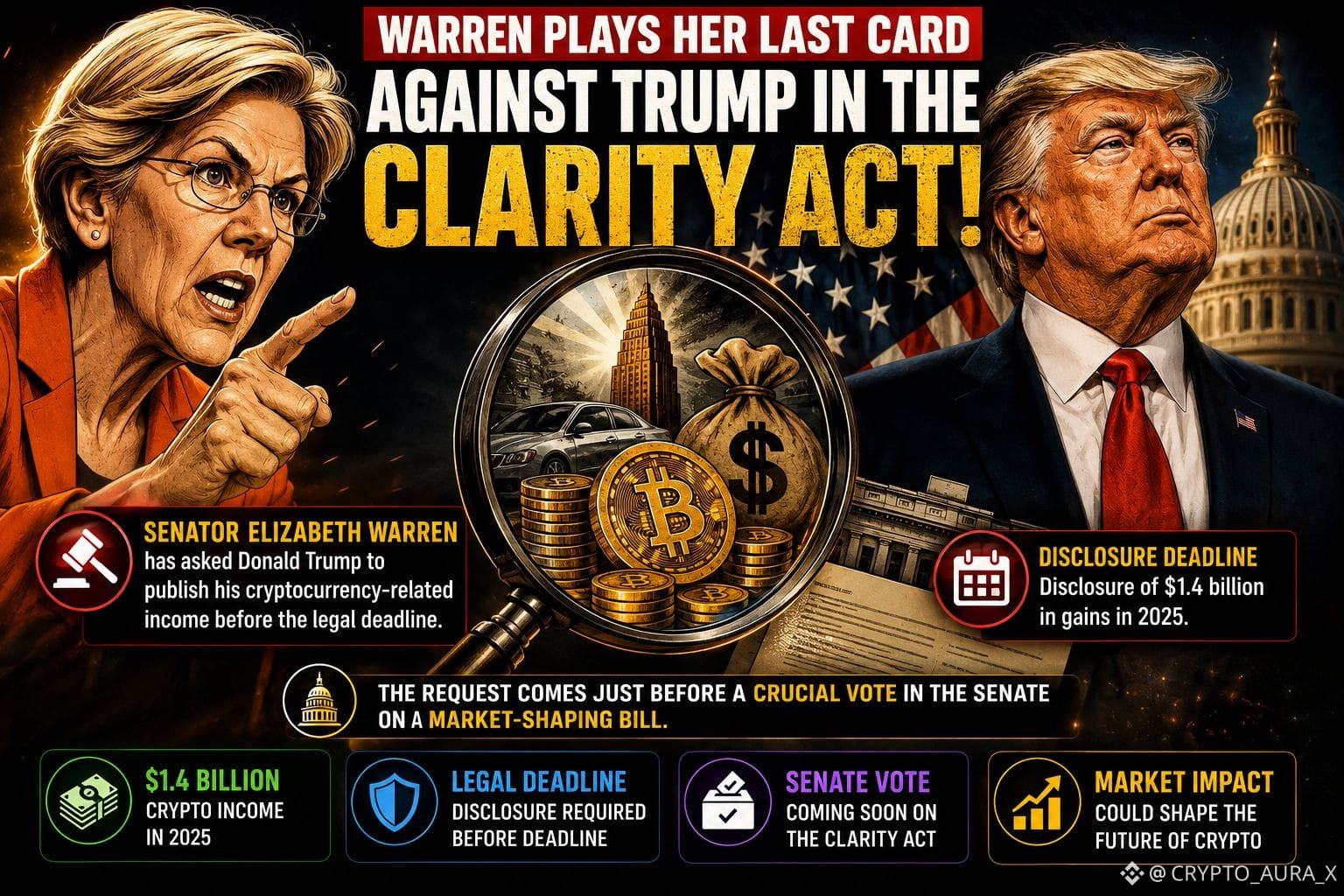
🏛️ 🇺🇸 Warren vs. Trump: Demands Accounting for $1.4 Billion in Crypto Profits Under the CLARITY Law 📜 🛑
U.S. Senator Elizabeth Warren sent a formal letter to President Donald Trump requesting a voluntary, detailed report on her cryptocurrency gains.
This comes after an annual financial disclosure revealed that her family’s crypto businesses generated the historic figure of $1.4 billion during her first year in office.
📊 Key points of the request:
📅 Deadline and scope: Warren is asking for updated financial data covering January 1 through July 15, 2026, with a publication deadline of July 23.
⚖️ The CLARITY Act debate: The request arises at a critical moment as the Senate debates the Clarity for Digital Asset Markets Act (CLARITY Act). Warren argues that allowing the presidential family to profit from the industry while its laws are being drafted creates a serious conflict of interest.
🌍 Suspicions of external influence: Democratic pressure increased after it became known that unidentified “third parties,” allegedly linked to firms in the United Arab Emirates, hold a 49% stake in World Liberty Financial, the Trump family’s crypto company.
💬 Do you think it’s acceptable for a sitting president to generate most of their private income through the crypto industry while their government regulates it? Share your thoughts below! 👇🔥
$BTC
{spot}(BTCUSDT)
$ETH
{spot}(ETHUSDT)
$BNB
{spot}(BNBUSDT)
#ElizabethWarren #DonaldTrump #CLARITYAct #WorldLibertyFinancial #SenateBanking
🏛️ 🇺🇸 Warren vs. Trump: Demands Accounting for $1.4 Billion in Crypto Profits Under the CLARITY Law 📜 🛑
U.S. Senator Elizabeth Warren sent a formal letter to President Donald Trump requesting a voluntary, detailed report on her cryptocurrency gains.
This comes after an annual financial disclosure revealed that her family’s crypto businesses generated the historic figure of $1.4 billion during her first year in office.
📊 Key points of the request:
📅 Deadline and scope: Warren is asking for updated financial data covering January 1 through July 15, 2026, with a publication deadline of July 23.
⚖️ The CLARITY Act debate: The request arises at a critical moment as the Senate debates the Clarity for Digital Asset Markets Act (CLARITY Act). Warren argues that allowing the presidential family to profit from the industry while its laws are being drafted creates a serious conflict of interest.
🌍 Suspicions of external influence: Democratic pressure increased after it became known that unidentified “third parties,” allegedly linked to firms in the United Arab Emirates, hold a 49% stake in World Liberty Financial, the Trump family’s crypto company.
💬 Do you think it’s acceptable for a sitting president to generate most of their private income through the crypto industry while their government regulates it? Share your thoughts below! 👇🔥
$BTC
$ETH
$BNB
#ElizabethWarren #DonaldTrump #CLARITYAct #WorldLibertyFinancial #SenateBanking
U.S. Senator Elizabeth Warren sent a formal letter to President Donald Trump requesting a voluntary, detailed report on her cryptocurrency gains.
This comes after an annual financial disclosure revealed that her family’s crypto businesses generated the historic figure of $1.4 billion during her first year in office.
📊 Key points of the request:
📅 Deadline and scope: Warren is asking for updated financial data covering January 1 through July 15, 2026, with a publication deadline of July 23.
⚖️ The CLARITY Act debate: The request arises at a critical moment as the Senate debates the Clarity for Digital Asset Markets Act (CLARITY Act). Warren argues that allowing the presidential family to profit from the industry while its laws are being drafted creates a serious conflict of interest.
🌍 Suspicions of external influence: Democratic pressure increased after it became known that unidentified “third parties,” allegedly linked to firms in the United Arab Emirates, hold a 49% stake in World Liberty Financial, the Trump family’s crypto company.
💬 Do you think it’s acceptable for a sitting president to generate most of their private income through the crypto industry while their government regulates it? Share your thoughts below! 👇🔥
$BTC
$ETH
$BNB
#ElizabethWarren #DonaldTrump #CLARITYAct #WorldLibertyFinancial #SenateBanking

507

·
--
Article
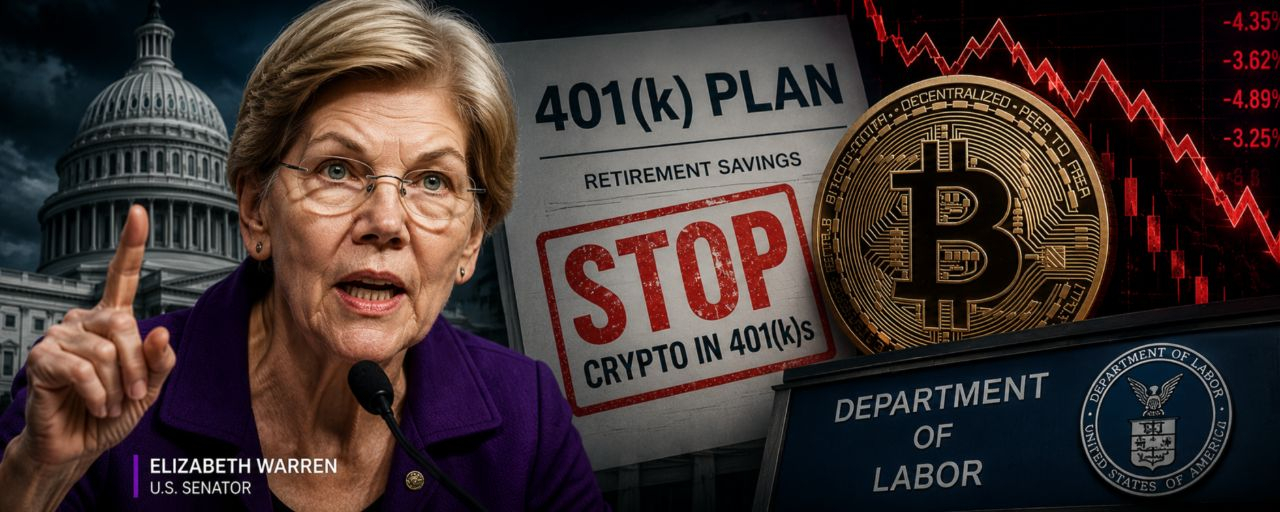
Battle Over Crypto in Retirement Plans: Warren Pushes for a Ban in 401(k)sQuick summary:
🔹 Democrats want to remove crypto investment options from retirement plans
🔹 They warn of high risk and potential losses for retirees
🔹 Up to $14.2 trillion in savings could be exposed
🔹 Trump’s crypto involvement adds political tension
Strong push to block crypto in retirement funds
A new political clash over cryptocurrencies is unfolding in Washington. A group of prominent Democrats—led by Senator Elizabeth Warren, along with Bernie Sanders and Representative Robert Scott—has urged the U.S. Department of Labor to halt a proposal that would allow crypto investments within 401(k) retirement plans.
According to them, such a move could expose millions of Americans to unnecessary financial risk.
Concerns over savings: Stability should come first
Lawmakers argue that retirement systems must prioritize safety, stability, and cost efficiency. In their view, cryptocurrencies fail to meet these standards.
They warn that opening these plans to alternative investments could expose a massive pool of capital—estimated at $14.2 trillion—to highly volatile assets.
“These investments are more complex, less transparent, and often more expensive than traditional options,” they stated. The result, they say, could be significant losses, especially for older investors who cannot afford major fluctuations.
Decision still pending: Labor Department under pressure
The debate comes shortly after the White House signaled earlier this year that it was open to including Bitcoin and other cryptocurrencies in retirement plans.
Now, the Department of Labor must decide whether to formally approve the proposal or step back under mounting political pressure.
Politics enters the debate: Trump under fire
The issue is not just about financial risk. Democrats are also sharply criticizing President Donald Trump’s involvement in the crypto industry.
They argue that potential conflicts of interest could lead to policies that benefit personal wealth rather than protect everyday workers and retirees.
They also point to reports suggesting that Trump’s family has accumulated billions in “paper wealth” through crypto-related ventures, further intensifying the controversy.
CLARITY Act faces resistance
The crypto debate is also spilling into broader legislation. The CLARITY Act, aimed at regulating digital assets, is facing resistance from Democrats due to the lack of strong ethical safeguards.
Without clear rules addressing conflicts of interest, support for the bill could remain limited.
Retirement future at a crossroads
This debate highlights how sensitive it is to merge cryptocurrencies with traditional financial systems. On one side stands innovation and the promise of higher returns; on the other, concerns about protecting the savings of millions.
#ElizabethWarren , #crypto , #Regulation , #USPolitics , #Investing
Stay one step ahead – follow our profile and stay informed about everything important in the world of cryptocurrencies.
Disclaimer:
The information and opinions presented in this article are for informational and educational purposes only and should not be considered financial or investment advice. Nothing on this page constitutes a recommendation to buy or sell any assets. Cryptocurrency investments are inherently risky and may result in financial loss. Always do your own research before making any investment decisions.
Battle Over Crypto in Retirement Plans: Warren Pushes for a Ban in 401(k)s
Quick summary:
🔹 Democrats want to remove crypto investment options from retirement plans
🔹 They warn of high risk and potential losses for retirees
🔹 Up to $14.2 trillion in savings could be exposed
🔹 Trump’s crypto involvement adds political tension
Strong push to block crypto in retirement funds
A new political clash over cryptocurrencies is unfolding in Washington. A group of prominent Democrats—led by Senator Elizabeth Warren, along with Bernie Sanders and Representative Robert Scott—has urged the U.S. Department of Labor to halt a proposal that would allow crypto investments within 401(k) retirement plans.
According to them, such a move could expose millions of Americans to unnecessary financial risk.
Concerns over savings: Stability should come first
Lawmakers argue that retirement systems must prioritize safety, stability, and cost efficiency. In their view, cryptocurrencies fail to meet these standards.
They warn that opening these plans to alternative investments could expose a massive pool of capital—estimated at $14.2 trillion—to highly volatile assets.
“These investments are more complex, less transparent, and often more expensive than traditional options,” they stated. The result, they say, could be significant losses, especially for older investors who cannot afford major fluctuations.
Decision still pending: Labor Department under pressure
The debate comes shortly after the White House signaled earlier this year that it was open to including Bitcoin and other cryptocurrencies in retirement plans.
Now, the Department of Labor must decide whether to formally approve the proposal or step back under mounting political pressure.
Politics enters the debate: Trump under fire
The issue is not just about financial risk. Democrats are also sharply criticizing President Donald Trump’s involvement in the crypto industry.
They argue that potential conflicts of interest could lead to policies that benefit personal wealth rather than protect everyday workers and retirees.
They also point to reports suggesting that Trump’s family has accumulated billions in “paper wealth” through crypto-related ventures, further intensifying the controversy.
CLARITY Act faces resistance
The crypto debate is also spilling into broader legislation. The CLARITY Act, aimed at regulating digital assets, is facing resistance from Democrats due to the lack of strong ethical safeguards.
Without clear rules addressing conflicts of interest, support for the bill could remain limited.
Retirement future at a crossroads
This debate highlights how sensitive it is to merge cryptocurrencies with traditional financial systems. On one side stands innovation and the promise of higher returns; on the other, concerns about protecting the savings of millions.
#ElizabethWarren , #crypto , #Regulation , #USPolitics , #Investing
Stay one step ahead – follow our profile and stay informed about everything important in the world of cryptocurrencies.
Disclaimer:
The information and opinions presented in this article are for informational and educational purposes only and should not be considered financial or investment advice. Nothing on this page constitutes a recommendation to buy or sell any assets. Cryptocurrency investments are inherently risky and may result in financial loss. Always do your own research before making any investment decisions.
🔹 Democrats want to remove crypto investment options from retirement plans
🔹 They warn of high risk and potential losses for retirees
🔹 Up to $14.2 trillion in savings could be exposed
🔹 Trump’s crypto involvement adds political tension
Strong push to block crypto in retirement funds
A new political clash over cryptocurrencies is unfolding in Washington. A group of prominent Democrats—led by Senator Elizabeth Warren, along with Bernie Sanders and Representative Robert Scott—has urged the U.S. Department of Labor to halt a proposal that would allow crypto investments within 401(k) retirement plans.
According to them, such a move could expose millions of Americans to unnecessary financial risk.
Concerns over savings: Stability should come first
Lawmakers argue that retirement systems must prioritize safety, stability, and cost efficiency. In their view, cryptocurrencies fail to meet these standards.
They warn that opening these plans to alternative investments could expose a massive pool of capital—estimated at $14.2 trillion—to highly volatile assets.
“These investments are more complex, less transparent, and often more expensive than traditional options,” they stated. The result, they say, could be significant losses, especially for older investors who cannot afford major fluctuations.
Decision still pending: Labor Department under pressure
The debate comes shortly after the White House signaled earlier this year that it was open to including Bitcoin and other cryptocurrencies in retirement plans.
Now, the Department of Labor must decide whether to formally approve the proposal or step back under mounting political pressure.
Politics enters the debate: Trump under fire
The issue is not just about financial risk. Democrats are also sharply criticizing President Donald Trump’s involvement in the crypto industry.
They argue that potential conflicts of interest could lead to policies that benefit personal wealth rather than protect everyday workers and retirees.
They also point to reports suggesting that Trump’s family has accumulated billions in “paper wealth” through crypto-related ventures, further intensifying the controversy.
CLARITY Act faces resistance
The crypto debate is also spilling into broader legislation. The CLARITY Act, aimed at regulating digital assets, is facing resistance from Democrats due to the lack of strong ethical safeguards.
Without clear rules addressing conflicts of interest, support for the bill could remain limited.
Retirement future at a crossroads
This debate highlights how sensitive it is to merge cryptocurrencies with traditional financial systems. On one side stands innovation and the promise of higher returns; on the other, concerns about protecting the savings of millions.
#ElizabethWarren , #crypto , #Regulation , #USPolitics , #Investing
Stay one step ahead – follow our profile and stay informed about everything important in the world of cryptocurrencies.
Disclaimer:
The information and opinions presented in this article are for informational and educational purposes only and should not be considered financial or investment advice. Nothing on this page constitutes a recommendation to buy or sell any assets. Cryptocurrency investments are inherently risky and may result in financial loss. Always do your own research before making any investment decisions.
157
·
--

Article
Regulatory Clash Ahead: Warren Targets Crypto Banking Licenses, Ripple and Coinbase Under FireTensions between the crypto industry and traditional regulators are rising again — and this time, the pressure is coming straight from the U.S. Senate.
Elizabeth Warren has openly challenged the actions of the Office of the Comptroller of the Currency (OCC), which has recently been granting banking charters to crypto-related companies. According to her, this move could be quietly enabling the rise of crypto banks that don’t want to follow the same rules as traditional institutions.
“These Aren’t Trusts. These Are Banks in Disguise.”
In a letter addressed to Comptroller Jonathan Gould, Warren pointed out that the OCC has approved nine national charters for crypto firms since 2025. But the real issue, she argues, is not the approvals themselves — it’s what these companies intend to do with them.
In her view, these entities are not acting as traditional fiduciary institutions, as the legal framework suggests. Instead, they appear to be positioning themselves as full-service banks — without the regulatory burden that normally comes with that status.
Major players such as Coinbase and Ripple are now at the center of the debate. Warren claims they are seeking access to banking privileges without accepting the strict oversight required of licensed banks.
Her message is clear:
these firms want the benefits of banks, without the responsibilities.
A Threat to the Financial System?
Warren warns that the current regulatory approach could have far-reaching consequences. According to her, this is not just about individual companies — it’s about the stability of the entire financial system.
She argues that:
consumer protection could be weakenedthe safety of the banking sector could be compromisedthe line between banking and commercial activity could be dangerously blurred
In her view, OCC’s decisions are opening the door to systemic risks that could escalate over time.
Regulatory Loopholes: Crypto Firms Taking Shortcuts
One of Warren’s biggest concerns is what she calls “regulatory arbitrage.” In simple terms, companies are choosing legal frameworks that allow them to do more with fewer restrictions.
She highlights that approved entities are planning activities that go far beyond what trust institutions are meant to do. This includes not only asset custody but a wide range of financial services:
non-fiduciary crypto custodypayment processinglending servicesstablecoin-related operations resembling traditional deposits
This, she argues, sets a dangerous precedent — allowing crypto firms to effectively operate like banks without being regulated as such.
Politics Enters the Equation
The situation is also becoming increasingly political. Warren is openly questioning whether the OCC’s decisions were influenced by pressure from the White House.
She has requested access to communications between:
OCC officialsWhite House representativesmembers of Donald Trump’s family
She is also seeking details about specific cases, including the World Liberty Financial project, which is under scrutiny for its large-scale token sales.
Trump Moves in the Opposite Direction
While Warren calls for tighter regulation, the broader political direction appears to be shifting the other way. The Trump administration has issued an executive order aimed at easing banking restrictions for crypto and fintech firms.
This creates a clear divide:
one side pushing for stricter oversightthe other promoting innovation and market access
Deadline Approaching: Answers Due in June
Warren has set a firm deadline. By June 1, 2026, the OCC is expected to provide full documentation on the approved charters, along with a legal explanation for its decisions.
This means the confrontation is only just beginning.
Conclusion
The crypto industry once again finds itself at the center of a regulatory storm. On one side stands the push for innovation and expansion of financial services. On the other, growing concerns about oversight, risk, and accountability.
This clash could ultimately shape the future of crypto banking in the United States — and beyond.
#CryptoRegulation , #bitcoin , #Ripple , #ElizabethWarren , #Ripple
Stay one step ahead – follow our profile and stay informed about everything important in the world of cryptocurrencies.
Disclaimer:
The information and opinions presented in this article are for informational and educational purposes only and should not be considered financial or investment advice. Nothing on this page constitutes a recommendation to buy or sell any assets. Cryptocurrency investments are inherently risky and may result in financial loss. Always do your own research before making any investment decisions.
Regulatory Clash Ahead: Warren Targets Crypto Banking Licenses, Ripple and Coinbase Under Fire
Tensions between the crypto industry and traditional regulators are rising again — and this time, the pressure is coming straight from the U.S. Senate.
Elizabeth Warren has openly challenged the actions of the Office of the Comptroller of the Currency (OCC), which has recently been granting banking charters to crypto-related companies. According to her, this move could be quietly enabling the rise of crypto banks that don’t want to follow the same rules as traditional institutions.
“These Aren’t Trusts. These Are Banks in Disguise.”
In a letter addressed to Comptroller Jonathan Gould, Warren pointed out that the OCC has approved nine national charters for crypto firms since 2025. But the real issue, she argues, is not the approvals themselves — it’s what these companies intend to do with them.
In her view, these entities are not acting as traditional fiduciary institutions, as the legal framework suggests. Instead, they appear to be positioning themselves as full-service banks — without the regulatory burden that normally comes with that status.
Major players such as Coinbase and Ripple are now at the center of the debate. Warren claims they are seeking access to banking privileges without accepting the strict oversight required of licensed banks.
Her message is clear:
these firms want the benefits of banks, without the responsibilities.
A Threat to the Financial System?
Warren warns that the current regulatory approach could have far-reaching consequences. According to her, this is not just about individual companies — it’s about the stability of the entire financial system.
She argues that:
consumer protection could be weakenedthe safety of the banking sector could be compromisedthe line between banking and commercial activity could be dangerously blurred
In her view, OCC’s decisions are opening the door to systemic risks that could escalate over time.
Regulatory Loopholes: Crypto Firms Taking Shortcuts
One of Warren’s biggest concerns is what she calls “regulatory arbitrage.” In simple terms, companies are choosing legal frameworks that allow them to do more with fewer restrictions.
She highlights that approved entities are planning activities that go far beyond what trust institutions are meant to do. This includes not only asset custody but a wide range of financial services:
non-fiduciary crypto custodypayment processinglending servicesstablecoin-related operations resembling traditional deposits
This, she argues, sets a dangerous precedent — allowing crypto firms to effectively operate like banks without being regulated as such.
Politics Enters the Equation
The situation is also becoming increasingly political. Warren is openly questioning whether the OCC’s decisions were influenced by pressure from the White House.
She has requested access to communications between:
OCC officialsWhite House representativesmembers of Donald Trump’s family
She is also seeking details about specific cases, including the World Liberty Financial project, which is under scrutiny for its large-scale token sales.
Trump Moves in the Opposite Direction
While Warren calls for tighter regulation, the broader political direction appears to be shifting the other way. The Trump administration has issued an executive order aimed at easing banking restrictions for crypto and fintech firms.
This creates a clear divide:
one side pushing for stricter oversightthe other promoting innovation and market access
Deadline Approaching: Answers Due in June
Warren has set a firm deadline. By June 1, 2026, the OCC is expected to provide full documentation on the approved charters, along with a legal explanation for its decisions.
This means the confrontation is only just beginning.
Conclusion
The crypto industry once again finds itself at the center of a regulatory storm. On one side stands the push for innovation and expansion of financial services. On the other, growing concerns about oversight, risk, and accountability.
This clash could ultimately shape the future of crypto banking in the United States — and beyond.
#CryptoRegulation , #bitcoin , #Ripple , #ElizabethWarren , #Ripple
Stay one step ahead – follow our profile and stay informed about everything important in the world of cryptocurrencies.
Disclaimer:
The information and opinions presented in this article are for informational and educational purposes only and should not be considered financial or investment advice. Nothing on this page constitutes a recommendation to buy or sell any assets. Cryptocurrency investments are inherently risky and may result in financial loss. Always do your own research before making any investment decisions.
Elizabeth Warren has openly challenged the actions of the Office of the Comptroller of the Currency (OCC), which has recently been granting banking charters to crypto-related companies. According to her, this move could be quietly enabling the rise of crypto banks that don’t want to follow the same rules as traditional institutions.
“These Aren’t Trusts. These Are Banks in Disguise.”
In a letter addressed to Comptroller Jonathan Gould, Warren pointed out that the OCC has approved nine national charters for crypto firms since 2025. But the real issue, she argues, is not the approvals themselves — it’s what these companies intend to do with them.
In her view, these entities are not acting as traditional fiduciary institutions, as the legal framework suggests. Instead, they appear to be positioning themselves as full-service banks — without the regulatory burden that normally comes with that status.
Major players such as Coinbase and Ripple are now at the center of the debate. Warren claims they are seeking access to banking privileges without accepting the strict oversight required of licensed banks.
Her message is clear:
these firms want the benefits of banks, without the responsibilities.
A Threat to the Financial System?
Warren warns that the current regulatory approach could have far-reaching consequences. According to her, this is not just about individual companies — it’s about the stability of the entire financial system.
She argues that:
consumer protection could be weakenedthe safety of the banking sector could be compromisedthe line between banking and commercial activity could be dangerously blurred
In her view, OCC’s decisions are opening the door to systemic risks that could escalate over time.
Regulatory Loopholes: Crypto Firms Taking Shortcuts
One of Warren’s biggest concerns is what she calls “regulatory arbitrage.” In simple terms, companies are choosing legal frameworks that allow them to do more with fewer restrictions.
She highlights that approved entities are planning activities that go far beyond what trust institutions are meant to do. This includes not only asset custody but a wide range of financial services:
non-fiduciary crypto custodypayment processinglending servicesstablecoin-related operations resembling traditional deposits
This, she argues, sets a dangerous precedent — allowing crypto firms to effectively operate like banks without being regulated as such.
Politics Enters the Equation
The situation is also becoming increasingly political. Warren is openly questioning whether the OCC’s decisions were influenced by pressure from the White House.
She has requested access to communications between:
OCC officialsWhite House representativesmembers of Donald Trump’s family
She is also seeking details about specific cases, including the World Liberty Financial project, which is under scrutiny for its large-scale token sales.
Trump Moves in the Opposite Direction
While Warren calls for tighter regulation, the broader political direction appears to be shifting the other way. The Trump administration has issued an executive order aimed at easing banking restrictions for crypto and fintech firms.
This creates a clear divide:
one side pushing for stricter oversightthe other promoting innovation and market access
Deadline Approaching: Answers Due in June
Warren has set a firm deadline. By June 1, 2026, the OCC is expected to provide full documentation on the approved charters, along with a legal explanation for its decisions.
This means the confrontation is only just beginning.
Conclusion
The crypto industry once again finds itself at the center of a regulatory storm. On one side stands the push for innovation and expansion of financial services. On the other, growing concerns about oversight, risk, and accountability.
This clash could ultimately shape the future of crypto banking in the United States — and beyond.
#CryptoRegulation , #bitcoin , #Ripple , #ElizabethWarren , #Ripple
Stay one step ahead – follow our profile and stay informed about everything important in the world of cryptocurrencies.
Disclaimer:
The information and opinions presented in this article are for informational and educational purposes only and should not be considered financial or investment advice. Nothing on this page constitutes a recommendation to buy or sell any assets. Cryptocurrency investments are inherently risky and may result in financial loss. Always do your own research before making any investment decisions.
127

·
--
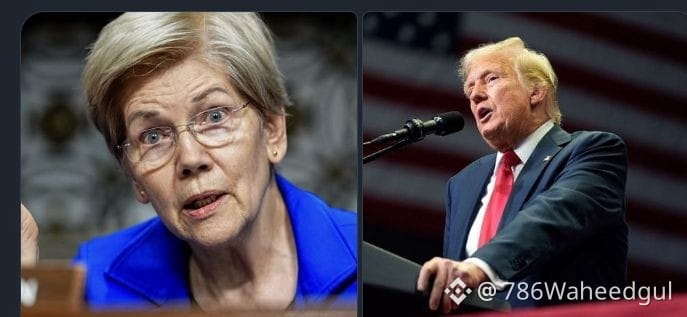
🇺🇸 Elizabeth Warren is urging President Trump to disclose his 2026 crypto earnings by July 23, even though current filing rules don't require a financial disclosure until May 2027.
The request comes as the Senate prepares to debate the CLARITY Act, with Warren arguing that lawmakers and the public should know the extent of Trump's crypto interests before considering legislation that could affect digital asset values.
Trump's 2025 financial disclosure reportedly listed $1.4 billion in crypto-related income, making the timing of the debate a major point of discussion.
$NEO
{spot}(NEOUSDT)
$QTUM
{spot}(QTUMUSDT)
$GAS
{spot}(GASUSDT)
#Crypto #CLARITYAct #Trump's #ElizabethWarren
🇺🇸 Elizabeth Warren is urging President Trump to disclose his 2026 crypto earnings by July 23, even though current filing rules don't require a financial disclosure until May 2027.
The request comes as the Senate prepares to debate the CLARITY Act, with Warren arguing that lawmakers and the public should know the extent of Trump's crypto interests before considering legislation that could affect digital asset values.
Trump's 2025 financial disclosure reportedly listed $1.4 billion in crypto-related income, making the timing of the debate a major point of discussion.
$NEO
$QTUM
$GAS
#Crypto #CLARITYAct #Trump's #ElizabethWarren
The request comes as the Senate prepares to debate the CLARITY Act, with Warren arguing that lawmakers and the public should know the extent of Trump's crypto interests before considering legislation that could affect digital asset values.
Trump's 2025 financial disclosure reportedly listed $1.4 billion in crypto-related income, making the timing of the debate a major point of discussion.
$NEO
$QTUM
$GAS
#Crypto #CLARITYAct #Trump's #ElizabethWarren
67


·
--
Bullish
🚨 BREAKING: WARREN REJECTS THE CURRENT CLARITY ACT — CRYPTO REGULATION BATTLE JUST GOT HOTTER 🔥
Sen. Elizabeth Warren says she supports having crypto legislation, but she is firmly against the current CLARITY Act. Her criticism is that the bill is too industry-friendly and does not adequately protect investors, financial stability, and national security.
⚡ WHY THIS MATTERS FOR CRYPTO
The CLARITY Act is designed to establish clearer rules for digital assets and define regulatory responsibilities between the SEC and CFTC. Supporters argue it could reduce regulatory uncertainty and encourage innovation, while critics—including Warren—argue the current version contains major loopholes.
And now comes the big market problem 👇
🇺🇸 The Senate has delayed the CLARITY Act vote until after the August recess, increasing uncertainty around whether the bill can pass this year. Prediction-market odds for passage in 2026 have reportedly fallen sharply to around 14%.
📉 BEARISH MARKET IMPACT:
More political uncertainty = less regulatory clarity. That can pressure speculative altcoins and increase volatility, especially if traders start pricing in a prolonged delay.
🚀 BULLISH POSSIBILITY:
If lawmakers eventually reach a bipartisan compromise and the bill advances, regulatory clarity could become a major positive catalyst for the broader crypto market.
🔥 WATCHLIST:
$ACE | $HFT | $ACE
These tokens could see amplified moves if the market suddenly shifts from “legislation delayed” → “legislation progressing.”
🎯 Bottom line:
This isn't simply crypto vs. anti-crypto. Warren is saying she wants legislation—but not the current version. The real battle is now over what the final regulatory framework looks like and whether lawmakers can find enough common ground.
⚠️ Expect volatility. Headlines can move altcoins fast in both directions. Don't blindly chase the first green or red candle—wait for confirmation.
#Crypto #CLARITYAct #ElizabethWarren #bitcoin #CryptoNewss
🚨 BREAKING: WARREN REJECTS THE CURRENT CLARITY ACT — CRYPTO REGULATION BATTLE JUST GOT HOTTER 🔥
Sen. Elizabeth Warren says she supports having crypto legislation, but she is firmly against the current CLARITY Act. Her criticism is that the bill is too industry-friendly and does not adequately protect investors, financial stability, and national security.
⚡ WHY THIS MATTERS FOR CRYPTO
The CLARITY Act is designed to establish clearer rules for digital assets and define regulatory responsibilities between the SEC and CFTC. Supporters argue it could reduce regulatory uncertainty and encourage innovation, while critics—including Warren—argue the current version contains major loopholes.
And now comes the big market problem 👇
🇺🇸 The Senate has delayed the CLARITY Act vote until after the August recess, increasing uncertainty around whether the bill can pass this year. Prediction-market odds for passage in 2026 have reportedly fallen sharply to around 14%.
📉 BEARISH MARKET IMPACT:
More political uncertainty = less regulatory clarity. That can pressure speculative altcoins and increase volatility, especially if traders start pricing in a prolonged delay.
🚀 BULLISH POSSIBILITY:
If lawmakers eventually reach a bipartisan compromise and the bill advances, regulatory clarity could become a major positive catalyst for the broader crypto market.
🔥 WATCHLIST:
$ACE | $HFT | $ACE
These tokens could see amplified moves if the market suddenly shifts from “legislation delayed” → “legislation progressing.”
🎯 Bottom line:
This isn't simply crypto vs. anti-crypto. Warren is saying she wants legislation—but not the current version. The real battle is now over what the final regulatory framework looks like and whether lawmakers can find enough common ground.
⚠️ Expect volatility. Headlines can move altcoins fast in both directions. Don't blindly chase the first green or red candle—wait for confirmation.
#Crypto #CLARITYAct #ElizabethWarren #bitcoin #CryptoNewss
Sen. Elizabeth Warren says she supports having crypto legislation, but she is firmly against the current CLARITY Act. Her criticism is that the bill is too industry-friendly and does not adequately protect investors, financial stability, and national security.
⚡ WHY THIS MATTERS FOR CRYPTO
The CLARITY Act is designed to establish clearer rules for digital assets and define regulatory responsibilities between the SEC and CFTC. Supporters argue it could reduce regulatory uncertainty and encourage innovation, while critics—including Warren—argue the current version contains major loopholes.
And now comes the big market problem 👇
🇺🇸 The Senate has delayed the CLARITY Act vote until after the August recess, increasing uncertainty around whether the bill can pass this year. Prediction-market odds for passage in 2026 have reportedly fallen sharply to around 14%.
📉 BEARISH MARKET IMPACT:
More political uncertainty = less regulatory clarity. That can pressure speculative altcoins and increase volatility, especially if traders start pricing in a prolonged delay.
🚀 BULLISH POSSIBILITY:
If lawmakers eventually reach a bipartisan compromise and the bill advances, regulatory clarity could become a major positive catalyst for the broader crypto market.
🔥 WATCHLIST:
$ACE | $HFT | $ACE
These tokens could see amplified moves if the market suddenly shifts from “legislation delayed” → “legislation progressing.”
🎯 Bottom line:
This isn't simply crypto vs. anti-crypto. Warren is saying she wants legislation—but not the current version. The real battle is now over what the final regulatory framework looks like and whether lawmakers can find enough common ground.
⚠️ Expect volatility. Headlines can move altcoins fast in both directions. Don't blindly chase the first green or red candle—wait for confirmation.
#Crypto #CLARITYAct #ElizabethWarren #bitcoin #CryptoNewss
1
321
·
--

Article
Elizabeth Warren Renews Crypto Criticism, Claims Digital Assets Help U.S. Adversaries Evade SanctionU.S. Senator Elizabeth Warren has once again criticized cryptocurrencies, arguing that digital assets pose a growing national security risk by allowing countries hostile to the United States to move billions of dollars outside the traditional financial system.
The Massachusetts Democrat also warned that pending cryptocurrency legislation could make the problem even worse by creating new regulatory loopholes.
Warren Calls for Tougher Crypto Regulations
Elizabeth Warren was responding to a report by The Wall Street Journal, which alleged that cryptocurrency exchange CoinEx has played a significant role in facilitating transactions linked to Iran.
In a post on X, Warren said the report provides further evidence that America's adversaries are using cryptocurrencies to move vast sums of money beyond the reach of traditional financial oversight.
According to Warren, the crypto bills currently under consideration in Congress could weaken existing safeguards instead of addressing these risks.
She urged lawmakers to strengthen the proposed legislation before it becomes law.
CoinEx Allegedly Processed Billions in Transactions
According to The Wall Street Journal, CoinEx has become an increasingly important gateway connecting Iranian cryptocurrency activity with global financial markets.
The report claims that wallets hosted by the exchange processed more than $3.84 billion in transactions over the past seven years.
Some of those transactions allegedly involved cryptocurrency obtained through hacking operations, as well as digital assets linked to Iran's central bank.
U.S. officials have also reportedly connected certain accounts to the Islamic Revolutionary Guard Corps (IRGC).
CoinEx has previously faced regulatory scrutiny in the United States. In 2023, New York Attorney General Letitia James filed a lawsuit against the exchange, alleging that it operated in the state without the required registration.
Iranian Crypto Platforms Face Growing Scrutiny
Elizabeth Warren has repeatedly argued that cryptocurrencies are being used to help Iran bypass international sanctions.
Beyond CoinEx, U.S. regulators and lawmakers have also focused increasing attention on the Iranian cryptocurrency exchange Nobitex.
According to publicly available estimates, Nobitex handles approximately 70% of all cryptocurrency activity in Iran and claims to serve around 11 million users.
The platform's continued operations during the ongoing regional conflict have further intensified concerns among U.S. policymakers and regulators.
As a result, the debate surrounding cryptocurrencies in the United States is increasingly shifting away from investor protection toward broader issues of national security, sanctions enforcement, and the financing of governments that Washington considers geopolitical adversaries.
#crypto , #CryptoNews , #ElizabethWarren , #USPolitics , #blockchain
Stay one step ahead – follow our profile and stay informed about everything important in the world of cryptocurrencies.
Disclaimer:
The information and opinions presented in this article are for informational and educational purposes only and should not be considered financial or investment advice. Nothing on this page constitutes a recommendation to buy or sell any assets. Cryptocurrency investments are inherently risky and may result in financial loss. Always do your own research before making any investment decisions.
Elizabeth Warren Renews Crypto Criticism, Claims Digital Assets Help U.S. Adversaries Evade Sanction
U.S. Senator Elizabeth Warren has once again criticized cryptocurrencies, arguing that digital assets pose a growing national security risk by allowing countries hostile to the United States to move billions of dollars outside the traditional financial system.
The Massachusetts Democrat also warned that pending cryptocurrency legislation could make the problem even worse by creating new regulatory loopholes.
Warren Calls for Tougher Crypto Regulations
Elizabeth Warren was responding to a report by The Wall Street Journal, which alleged that cryptocurrency exchange CoinEx has played a significant role in facilitating transactions linked to Iran.
In a post on X, Warren said the report provides further evidence that America's adversaries are using cryptocurrencies to move vast sums of money beyond the reach of traditional financial oversight.
According to Warren, the crypto bills currently under consideration in Congress could weaken existing safeguards instead of addressing these risks.
She urged lawmakers to strengthen the proposed legislation before it becomes law.
CoinEx Allegedly Processed Billions in Transactions
According to The Wall Street Journal, CoinEx has become an increasingly important gateway connecting Iranian cryptocurrency activity with global financial markets.
The report claims that wallets hosted by the exchange processed more than $3.84 billion in transactions over the past seven years.
Some of those transactions allegedly involved cryptocurrency obtained through hacking operations, as well as digital assets linked to Iran's central bank.
U.S. officials have also reportedly connected certain accounts to the Islamic Revolutionary Guard Corps (IRGC).
CoinEx has previously faced regulatory scrutiny in the United States. In 2023, New York Attorney General Letitia James filed a lawsuit against the exchange, alleging that it operated in the state without the required registration.
Iranian Crypto Platforms Face Growing Scrutiny
Elizabeth Warren has repeatedly argued that cryptocurrencies are being used to help Iran bypass international sanctions.
Beyond CoinEx, U.S. regulators and lawmakers have also focused increasing attention on the Iranian cryptocurrency exchange Nobitex.
According to publicly available estimates, Nobitex handles approximately 70% of all cryptocurrency activity in Iran and claims to serve around 11 million users.
The platform's continued operations during the ongoing regional conflict have further intensified concerns among U.S. policymakers and regulators.
As a result, the debate surrounding cryptocurrencies in the United States is increasingly shifting away from investor protection toward broader issues of national security, sanctions enforcement, and the financing of governments that Washington considers geopolitical adversaries.
#crypto , #CryptoNews , #ElizabethWarren , #USPolitics , #blockchain
Stay one step ahead – follow our profile and stay informed about everything important in the world of cryptocurrencies.
Disclaimer:
The information and opinions presented in this article are for informational and educational purposes only and should not be considered financial or investment advice. Nothing on this page constitutes a recommendation to buy or sell any assets. Cryptocurrency investments are inherently risky and may result in financial loss. Always do your own research before making any investment decisions.
The Massachusetts Democrat also warned that pending cryptocurrency legislation could make the problem even worse by creating new regulatory loopholes.
Warren Calls for Tougher Crypto Regulations
Elizabeth Warren was responding to a report by The Wall Street Journal, which alleged that cryptocurrency exchange CoinEx has played a significant role in facilitating transactions linked to Iran.
In a post on X, Warren said the report provides further evidence that America's adversaries are using cryptocurrencies to move vast sums of money beyond the reach of traditional financial oversight.
According to Warren, the crypto bills currently under consideration in Congress could weaken existing safeguards instead of addressing these risks.
She urged lawmakers to strengthen the proposed legislation before it becomes law.
CoinEx Allegedly Processed Billions in Transactions
According to The Wall Street Journal, CoinEx has become an increasingly important gateway connecting Iranian cryptocurrency activity with global financial markets.
The report claims that wallets hosted by the exchange processed more than $3.84 billion in transactions over the past seven years.
Some of those transactions allegedly involved cryptocurrency obtained through hacking operations, as well as digital assets linked to Iran's central bank.
U.S. officials have also reportedly connected certain accounts to the Islamic Revolutionary Guard Corps (IRGC).
CoinEx has previously faced regulatory scrutiny in the United States. In 2023, New York Attorney General Letitia James filed a lawsuit against the exchange, alleging that it operated in the state without the required registration.
Iranian Crypto Platforms Face Growing Scrutiny
Elizabeth Warren has repeatedly argued that cryptocurrencies are being used to help Iran bypass international sanctions.
Beyond CoinEx, U.S. regulators and lawmakers have also focused increasing attention on the Iranian cryptocurrency exchange Nobitex.
According to publicly available estimates, Nobitex handles approximately 70% of all cryptocurrency activity in Iran and claims to serve around 11 million users.
The platform's continued operations during the ongoing regional conflict have further intensified concerns among U.S. policymakers and regulators.
As a result, the debate surrounding cryptocurrencies in the United States is increasingly shifting away from investor protection toward broader issues of national security, sanctions enforcement, and the financing of governments that Washington considers geopolitical adversaries.
#crypto , #CryptoNews , #ElizabethWarren , #USPolitics , #blockchain
Stay one step ahead – follow our profile and stay informed about everything important in the world of cryptocurrencies.
Disclaimer:
The information and opinions presented in this article are for informational and educational purposes only and should not be considered financial or investment advice. Nothing on this page constitutes a recommendation to buy or sell any assets. Cryptocurrency investments are inherently risky and may result in financial loss. Always do your own research before making any investment decisions.
134

·
--
Bullish
Crypto just got another political flashpoint.
Senator Elizabeth Warren is calling for new disclosures of President Trump's crypto-related income after his 2025 financial filing reportedly revealed around $1.4 billion tied to crypto ventures. She is also pushing for stronger ethics guardrails in the CLARITY Act to prevent a sitting president and their family from profiting from crypto businesses while in office.
This debate could have a major impact on how crypto regulation evolves in the U.S. Markets will be watching every development closely.
$TRUMP
{future}(TRUMPUSDT)
$XAUT
{future}(XAUTUSDT)
$XAI
{future}(XAIUSDT)
#Crypto #CLARITYAct #Trump #ElizabethWarren
Crypto just got another political flashpoint.
Senator Elizabeth Warren is calling for new disclosures of President Trump's crypto-related income after his 2025 financial filing reportedly revealed around $1.4 billion tied to crypto ventures. She is also pushing for stronger ethics guardrails in the CLARITY Act to prevent a sitting president and their family from profiting from crypto businesses while in office.
This debate could have a major impact on how crypto regulation evolves in the U.S. Markets will be watching every development closely.
$TRUMP
$XAUT
$XAI
#Crypto #CLARITYAct #Trump #ElizabethWarren
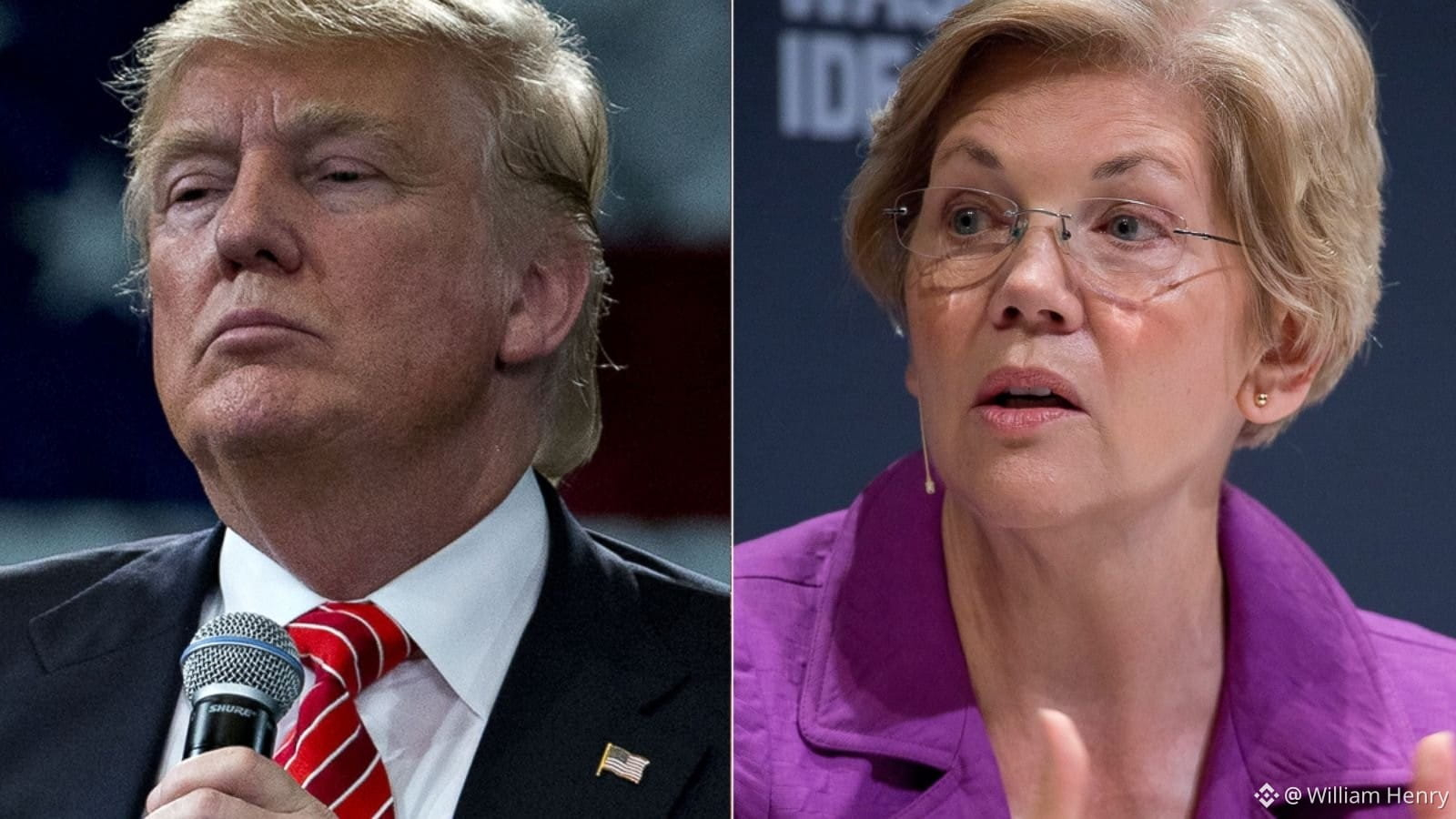
Senator Elizabeth Warren is calling for new disclosures of President Trump's crypto-related income after his 2025 financial filing reportedly revealed around $1.4 billion tied to crypto ventures. She is also pushing for stronger ethics guardrails in the CLARITY Act to prevent a sitting president and their family from profiting from crypto businesses while in office.
This debate could have a major impact on how crypto regulation evolves in the U.S. Markets will be watching every development closely.
$TRUMP
$XAUT
$XAI
#Crypto #CLARITYAct #Trump #ElizabethWarren
1
826

·
--
🚨 BREAKING: Elizabeth Warren Pushes Back Against SpaceX IPO
While millions of investors eagerly await what could become the largest IPO in history, Senator Elizabeth Warren is calling on the SEC to delay or block the upcoming SpaceX public offering.
Warren argues that the IPO raises serious concerns, including:
🔹 Elon Musk’s concentrated control over the company and its governance structure.
🔹 Potential risks to public investors, particularly retail shareholders and passive index fund investors.
🔹 National security concerns surrounding reports of possible foreign investment, including Chinese-linked capital, in a company that plays a critical role in U.S. defense and space infrastructure. �
Barron's +1
Critics see Warren's move as another attempt to increase regulatory oversight of major technology companies, while supporters argue that an IPO of this size deserves heightened scrutiny to protect investors and safeguard market integrity. Warren has formally urged the SEC to review valuation disclosures, governance risks, and investor protections before allowing the offering to proceed. �
banking.senate.gov +1
With SpaceX targeting a valuation near $1.77 trillion and investor demand reportedly exceeding expectations, the debate has quickly become one of the most closely watched battles between Washington regulators and Silicon Valley innovation. �
Yahoo Finance +1
🔥 The big question: Is this responsible investor protection—or another roadblock to American innovation?
$DEGO $BTC
#SpaceX #SPCX #ElonMusk #ElizabethWarren #StockMarket
🚨 BREAKING: Elizabeth Warren Pushes Back Against SpaceX IPO
While millions of investors eagerly await what could become the largest IPO in history, Senator Elizabeth Warren is calling on the SEC to delay or block the upcoming SpaceX public offering.
Warren argues that the IPO raises serious concerns, including:
🔹 Elon Musk’s concentrated control over the company and its governance structure.
🔹 Potential risks to public investors, particularly retail shareholders and passive index fund investors.
🔹 National security concerns surrounding reports of possible foreign investment, including Chinese-linked capital, in a company that plays a critical role in U.S. defense and space infrastructure. �
Barron's +1
Critics see Warren's move as another attempt to increase regulatory oversight of major technology companies, while supporters argue that an IPO of this size deserves heightened scrutiny to protect investors and safeguard market integrity. Warren has formally urged the SEC to review valuation disclosures, governance risks, and investor protections before allowing the offering to proceed. �
banking.senate.gov +1
With SpaceX targeting a valuation near $1.77 trillion and investor demand reportedly exceeding expectations, the debate has quickly become one of the most closely watched battles between Washington regulators and Silicon Valley innovation. �
Yahoo Finance +1
🔥 The big question: Is this responsible investor protection—or another roadblock to American innovation?
$DEGO $BTC
#SpaceX #SPCX #ElonMusk #ElizabethWarren #StockMarket
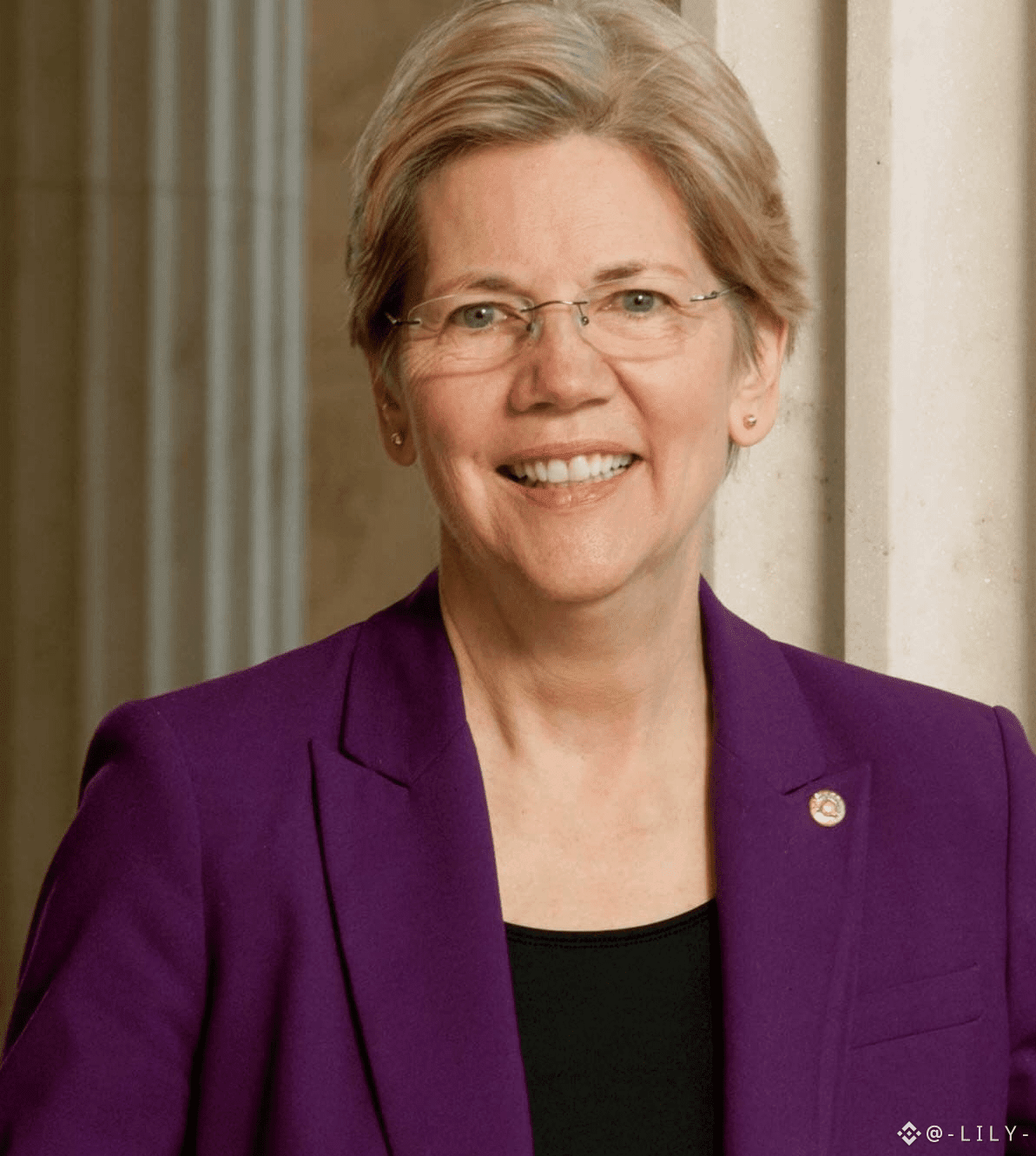
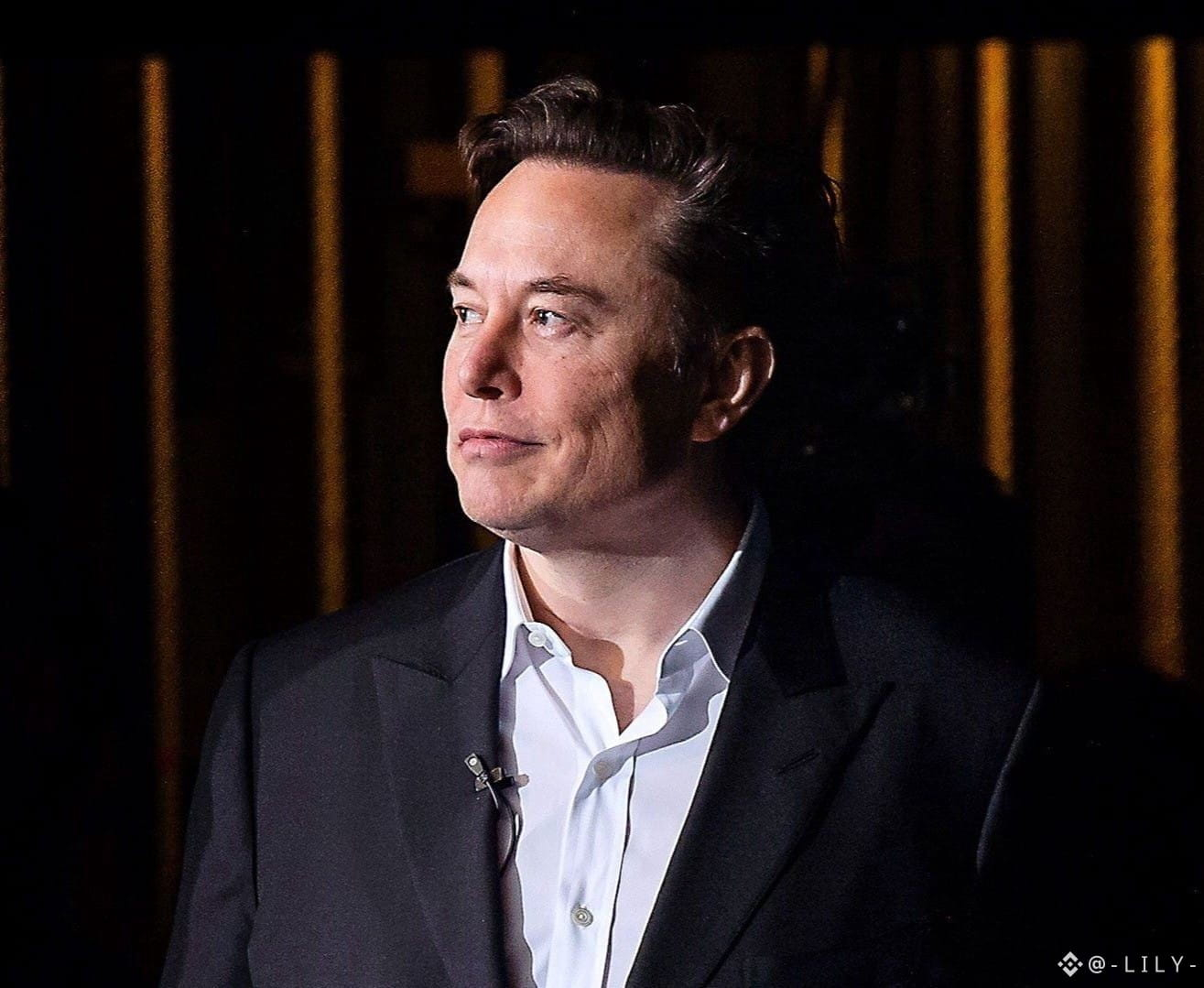
While millions of investors eagerly await what could become the largest IPO in history, Senator Elizabeth Warren is calling on the SEC to delay or block the upcoming SpaceX public offering.
Warren argues that the IPO raises serious concerns, including:
🔹 Elon Musk’s concentrated control over the company and its governance structure.
🔹 Potential risks to public investors, particularly retail shareholders and passive index fund investors.
🔹 National security concerns surrounding reports of possible foreign investment, including Chinese-linked capital, in a company that plays a critical role in U.S. defense and space infrastructure. �
Barron's +1
Critics see Warren's move as another attempt to increase regulatory oversight of major technology companies, while supporters argue that an IPO of this size deserves heightened scrutiny to protect investors and safeguard market integrity. Warren has formally urged the SEC to review valuation disclosures, governance risks, and investor protections before allowing the offering to proceed. �
banking.senate.gov +1
With SpaceX targeting a valuation near $1.77 trillion and investor demand reportedly exceeding expectations, the debate has quickly become one of the most closely watched battles between Washington regulators and Silicon Valley innovation. �
Yahoo Finance +1
🔥 The big question: Is this responsible investor protection—or another roadblock to American innovation?
$DEGO $BTC
#SpaceX #SPCX #ElonMusk #ElizabethWarren #StockMarket
1
405
·
--
Bullish
🚨 MARKET IS DUMPING RIGHT NOW.
$BTC is back below $76K as fear hits the market ahead of the CLARITY Act vote.
#ElizabethWarren is openly calling the bill a risk to families, national security & the economy.
Now the market is asking:
❌ What if the bill fails?
❌ What if the Senate can't get 60 votes?
$ETH , $XRP & the broader crypto market are feeling the pressure.
Today could be wild. 👀
All eyes on the Senate. 👁️
#CLARITYAct
{future}(BTCUSDT)
{future}(ETHUSDT)
{future}(XRPUSDT)
🚨 MARKET IS DUMPING RIGHT NOW.
$BTC is back below $76K as fear hits the market ahead of the CLARITY Act vote.
#ElizabethWarren is openly calling the bill a risk to families, national security & the economy.
Now the market is asking:
❌ What if the bill fails?
❌ What if the Senate can't get 60 votes?
$ETH , $XRP & the broader crypto market are feeling the pressure.
Today could be wild. 👀
All eyes on the Senate. 👁️
#CLARITYAct
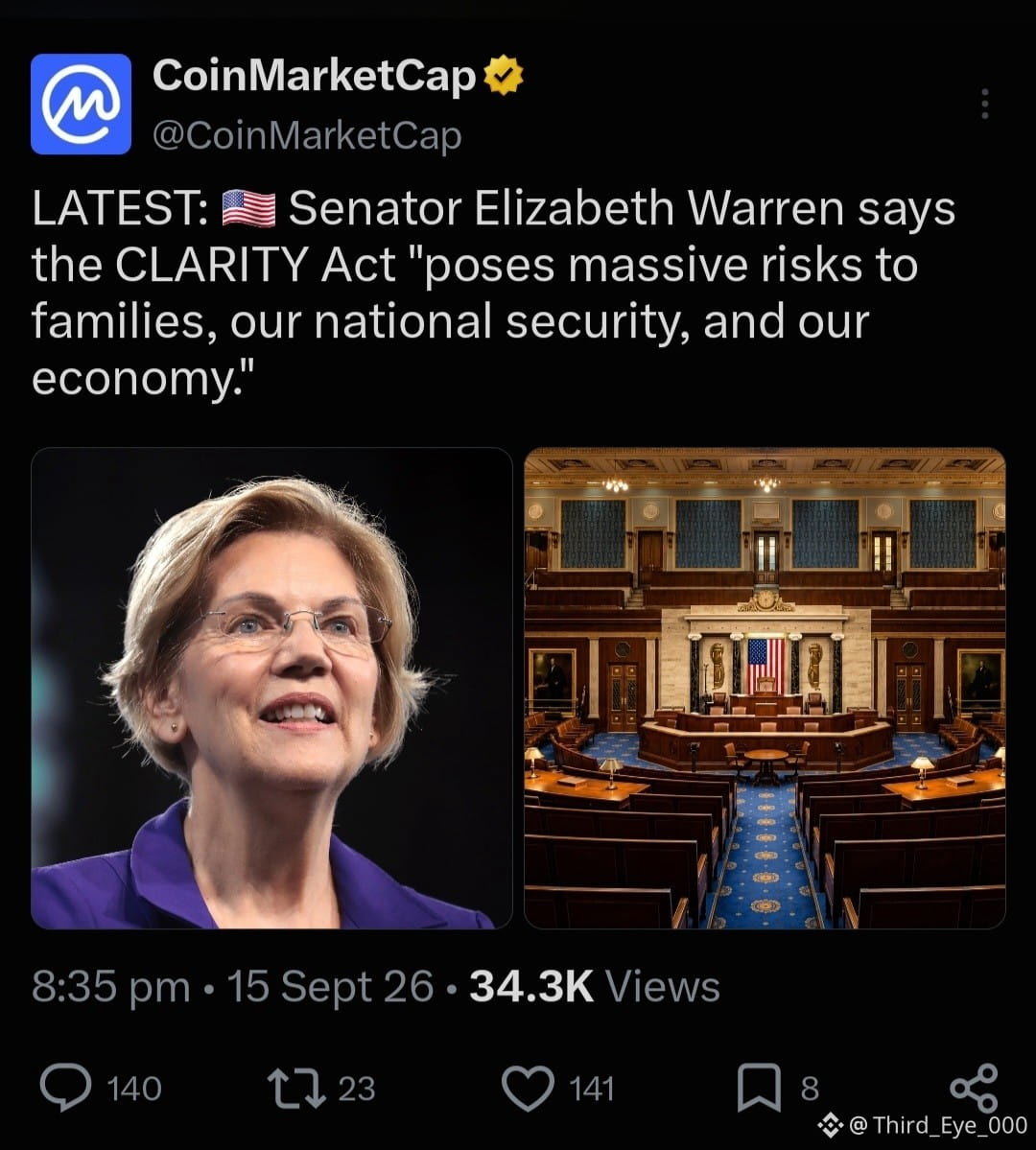
$BTC is back below $76K as fear hits the market ahead of the CLARITY Act vote.
#ElizabethWarren is openly calling the bill a risk to families, national security & the economy.
Now the market is asking:
❌ What if the bill fails?
❌ What if the Senate can't get 60 votes?
$ETH , $XRP & the broader crypto market are feeling the pressure.
Today could be wild. 👀
All eyes on the Senate. 👁️
#CLARITYAct
574

🏛️ Elizabeth Warren presses Trump to disclose his crypto profits!
Senator Elizabeth Warren is calling for more transparency regarding the potential earnings of former President Donald Trump from cryptocurrencies, as debates about regulating the crypto market continue to intensify. This pressure comes as lawmakers work to set new rules for the market.
━━━━━━━━━━━━━━
📊 Impact: 📈 High
🏷️ REGULATION
#CryptoRegulation #ElizabethWarren #DonaldTrump #USPolitics #CryptoTransparency
🔗 Source: https://dailyhodl.com/2026/07/20/sen-warren-pushes-trump-to-reveal-all-crypto-profits-after-1400000000-earnings-haul/
🏛️ Elizabeth Warren presses Trump to disclose his crypto profits!
Senator Elizabeth Warren is calling for more transparency regarding the potential earnings of former President Donald Trump from cryptocurrencies, as debates about regulating the crypto market continue to intensify. This pressure comes as lawmakers work to set new rules for the market.
━━━━━━━━━━━━━━
📊 Impact: 📈 High
🏷️ REGULATION
#CryptoRegulation #ElizabethWarren #DonaldTrump #USPolitics #CryptoTransparency
🔗 Source: https://dailyhodl.com/2026/07/20/sen-warren-pushes-trump-to-reveal-all-crypto-profits-after-1400000000-earnings-haul/
Senator Elizabeth Warren is calling for more transparency regarding the potential earnings of former President Donald Trump from cryptocurrencies, as debates about regulating the crypto market continue to intensify. This pressure comes as lawmakers work to set new rules for the market.
━━━━━━━━━━━━━━
📊 Impact: 📈 High
🏷️ REGULATION
#CryptoRegulation #ElizabethWarren #DonaldTrump #USPolitics #CryptoTransparency
🔗 Source: https://dailyhodl.com/2026/07/20/sen-warren-pushes-trump-to-reveal-all-crypto-profits-after-1400000000-earnings-haul/
25

·
--
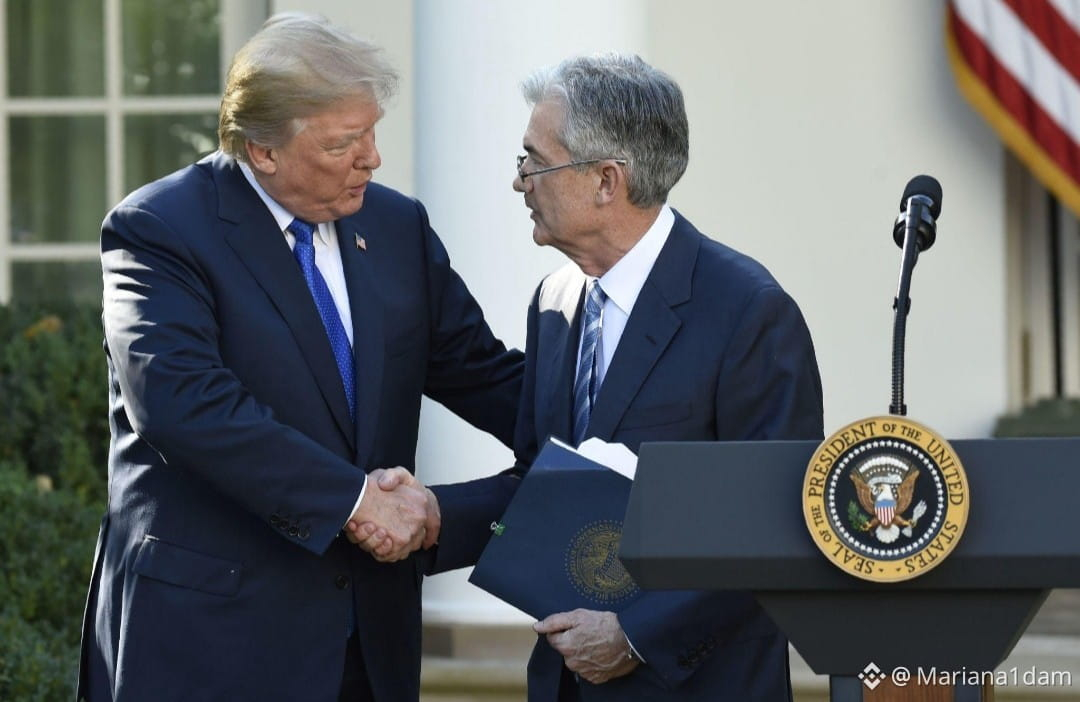
🚨 BOMBSHELL! Trump Puts the Fed in a Tough Spot! 🔥
President Donald Trump is putting the Federal Reserve under massive pressure!
Democratic Senator Elizabeth Warren is already sounding the alarm:
“Trump’s actions are creating serious challenges for the central bank!” ⚠️
The political heat on the Fed is rising fast. Trump clearly doesn’t plan to play by the old rules.
Will the Fed’s independence break under this pressure? Can Powell stand his ground against Trump? 😤
One thing is certain: when politics interferes with monetary policy — expect major volatility, big market moves, and fresh opportunities in crypto!
Are we heading for an epic Trump vs Fed showdown?
Drop your predictions below 👇🔥
#Trump #Fed #ElizabethWarren #Crypto #TrumpVsFed $TRUMP
{spot}(TRUMPUSDT)
$AI
{spot}(AIUSDT)
$BIO
{spot}(BIOUSDT)
🚨 BOMBSHELL! Trump Puts the Fed in a Tough Spot! 🔥
President Donald Trump is putting the Federal Reserve under massive pressure!
Democratic Senator Elizabeth Warren is already sounding the alarm:
“Trump’s actions are creating serious challenges for the central bank!” ⚠️
The political heat on the Fed is rising fast. Trump clearly doesn’t plan to play by the old rules.
Will the Fed’s independence break under this pressure? Can Powell stand his ground against Trump? 😤
One thing is certain: when politics interferes with monetary policy — expect major volatility, big market moves, and fresh opportunities in crypto!
Are we heading for an epic Trump vs Fed showdown?
Drop your predictions below 👇🔥
#Trump #Fed #ElizabethWarren #Crypto #TrumpVsFed $TRUMP
$AI
$BIO
President Donald Trump is putting the Federal Reserve under massive pressure!
Democratic Senator Elizabeth Warren is already sounding the alarm:
“Trump’s actions are creating serious challenges for the central bank!” ⚠️
The political heat on the Fed is rising fast. Trump clearly doesn’t plan to play by the old rules.
Will the Fed’s independence break under this pressure? Can Powell stand his ground against Trump? 😤
One thing is certain: when politics interferes with monetary policy — expect major volatility, big market moves, and fresh opportunities in crypto!
Are we heading for an epic Trump vs Fed showdown?
Drop your predictions below 👇🔥
#Trump #Fed #ElizabethWarren #Crypto #TrumpVsFed $TRUMP
$AI
$BIO
4
1.6k

·
--
Article
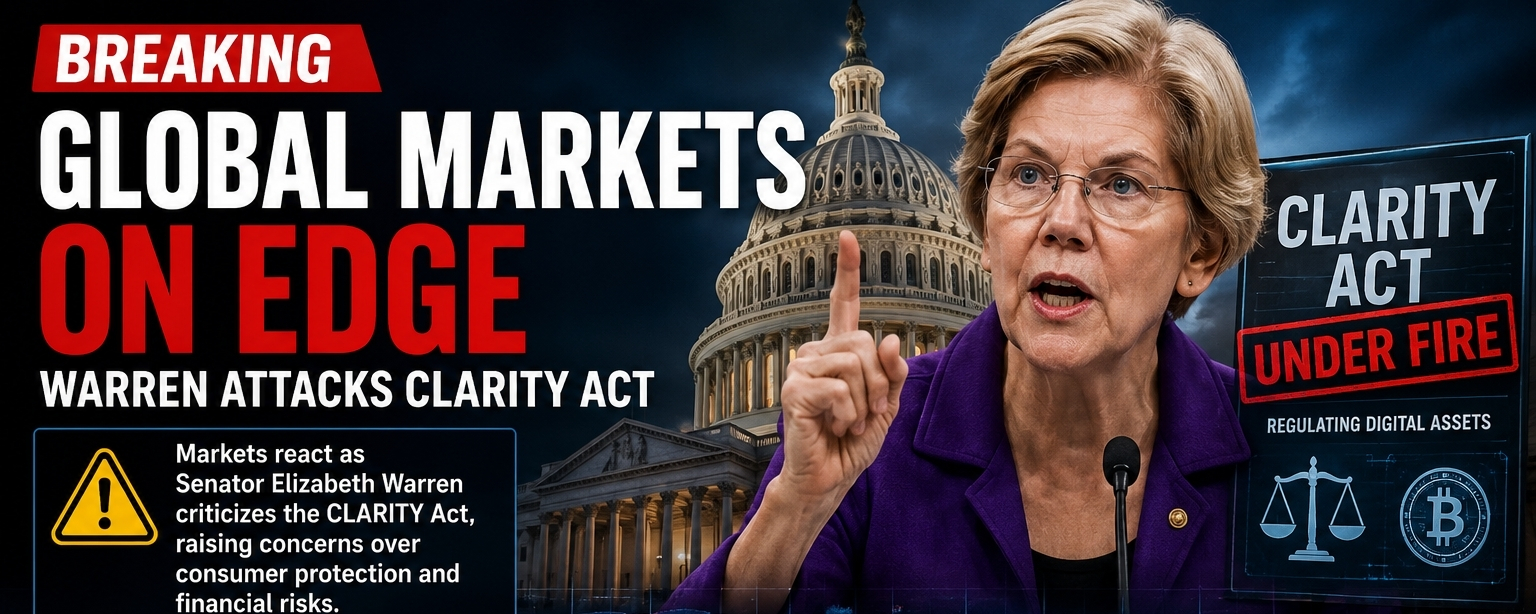
🚨 Breaking: 🌍 Global Market on Edge 📊 Senator Elizabeth Warren Targets The Clarity Act 🎯#ElizabethWarren #ClarityActUpdates
$BNB $DOGE
Financial markets around the world are closely watching the growing political battle in Washington as the controversial CLARITY Act moves through the U.S. Senate. Investors, crypto traders, and major institutions are reacting sharply after Senator Elizabeth Warren strongly criticized the bill, warning that it could create “dangerous loopholes” in digital asset regulation. �
Reuters +1
The proposed legislation is designed to bring clear rules to the cryptocurrency industry by defining which digital assets fall under the authority of the SEC and which belong to the CFTC. Supporters believe the bill could finally end years of confusion that have slowed innovation and frightened investors away from the U.S. market. �
The Economic Times +1
However, Warren and several Democratic lawmakers argue that the legislation may weaken consumer protections and open the door for money laundering risks and political conflicts of interest. Her criticism immediately sparked debate across Wall Street and the crypto sector, sending traders into high alert mode. �
Reuters +1
Despite the political tension, the Senate Banking Committee still advanced the CLARITY Act with bipartisan support in a 15-9 vote. The move boosted confidence across crypto-related stocks, with companies linked to digital assets seeing strong gains after the announcement. �
Blockonomi +2
Meanwhile, Bitcoin also reacted positively as investors viewed the bill as a possible turning point for mainstream crypto adoption in the United States. Analysts say that if the law eventually passes, it could attract billions of dollars in institutional investment and reshape the future of global digital finance. �
MarketWatch +1
Still, uncertainty remains high. Markets fear that political resistance, upcoming elections, and disagreements over stablecoin rules could delay or even block the legislation. With global investors already nervous about inflation, interest rates, and geopolitical tensions, the fight over crypto regulation is adding another layer of pressure to financial markets worldwide. �
Barron's +1
One thing is clear: the battle over the CLARITY Act is no longer just about crypto — it has become a major global market story that could influence the future of finance itself. 🚨📉📈
🚨 Breaking: 🌍 Global Market on Edge 📊 Senator Elizabeth Warren Targets The Clarity Act 🎯
#ElizabethWarren #ClarityActUpdates
$BNB $DOGE
Financial markets around the world are closely watching the growing political battle in Washington as the controversial CLARITY Act moves through the U.S. Senate. Investors, crypto traders, and major institutions are reacting sharply after Senator Elizabeth Warren strongly criticized the bill, warning that it could create “dangerous loopholes” in digital asset regulation. �
Reuters +1
The proposed legislation is designed to bring clear rules to the cryptocurrency industry by defining which digital assets fall under the authority of the SEC and which belong to the CFTC. Supporters believe the bill could finally end years of confusion that have slowed innovation and frightened investors away from the U.S. market. �
The Economic Times +1
However, Warren and several Democratic lawmakers argue that the legislation may weaken consumer protections and open the door for money laundering risks and political conflicts of interest. Her criticism immediately sparked debate across Wall Street and the crypto sector, sending traders into high alert mode. �
Reuters +1
Despite the political tension, the Senate Banking Committee still advanced the CLARITY Act with bipartisan support in a 15-9 vote. The move boosted confidence across crypto-related stocks, with companies linked to digital assets seeing strong gains after the announcement. �
Blockonomi +2
Meanwhile, Bitcoin also reacted positively as investors viewed the bill as a possible turning point for mainstream crypto adoption in the United States. Analysts say that if the law eventually passes, it could attract billions of dollars in institutional investment and reshape the future of global digital finance. �
MarketWatch +1
Still, uncertainty remains high. Markets fear that political resistance, upcoming elections, and disagreements over stablecoin rules could delay or even block the legislation. With global investors already nervous about inflation, interest rates, and geopolitical tensions, the fight over crypto regulation is adding another layer of pressure to financial markets worldwide. �
Barron's +1
One thing is clear: the battle over the CLARITY Act is no longer just about crypto — it has become a major global market story that could influence the future of finance itself. 🚨📉📈
$BNB $DOGE
Financial markets around the world are closely watching the growing political battle in Washington as the controversial CLARITY Act moves through the U.S. Senate. Investors, crypto traders, and major institutions are reacting sharply after Senator Elizabeth Warren strongly criticized the bill, warning that it could create “dangerous loopholes” in digital asset regulation. �
Reuters +1
The proposed legislation is designed to bring clear rules to the cryptocurrency industry by defining which digital assets fall under the authority of the SEC and which belong to the CFTC. Supporters believe the bill could finally end years of confusion that have slowed innovation and frightened investors away from the U.S. market. �
The Economic Times +1
However, Warren and several Democratic lawmakers argue that the legislation may weaken consumer protections and open the door for money laundering risks and political conflicts of interest. Her criticism immediately sparked debate across Wall Street and the crypto sector, sending traders into high alert mode. �
Reuters +1
Despite the political tension, the Senate Banking Committee still advanced the CLARITY Act with bipartisan support in a 15-9 vote. The move boosted confidence across crypto-related stocks, with companies linked to digital assets seeing strong gains after the announcement. �
Blockonomi +2
Meanwhile, Bitcoin also reacted positively as investors viewed the bill as a possible turning point for mainstream crypto adoption in the United States. Analysts say that if the law eventually passes, it could attract billions of dollars in institutional investment and reshape the future of global digital finance. �
MarketWatch +1
Still, uncertainty remains high. Markets fear that political resistance, upcoming elections, and disagreements over stablecoin rules could delay or even block the legislation. With global investors already nervous about inflation, interest rates, and geopolitical tensions, the fight over crypto regulation is adding another layer of pressure to financial markets worldwide. �
Barron's +1
One thing is clear: the battle over the CLARITY Act is no longer just about crypto — it has become a major global market story that could influence the future of finance itself. 🚨📉📈
1
101

·
--
Warren vs. The Clarity Act: Economic Doom or Crypto’s Big Break? ⚔️🔥
Senator Elizabeth Warren is at it again! She just warned that the new Clarity Act will "blow up the economy" because it pushes more money into digital assets. 🛑
Here’s the breakdown:
The Fear: Warren thinks crypto is too risky for the "real" economy and wants to keep the walls high. 🧱
The Reality: The Clarity Act actually creates a rulebook for stablecoins and exchanges, making the space safer for everyone. ✅
The Result: Despite 44 attempts by Warren to change the bill, the Senate Banking Committee voted 15–9 to move it forward! 🗳️
What this means for you:
Expect some noise and "FUD" in the headlines, but remember: Regulation = Legitimacy. When the rules are clear, the big money feels safe to enter. 🏦💰
Senator Warren says "Stop," but the market is screaming "Go!" 🚦
What do you think? Is she right to be worried, or is the "Clarity Act" the fuel we need for the next bull run? 👇
#CryptoNews #ClarityAct #ElizabethWarren #Regulation #BinanceSquare #BullRun
Warren vs. The Clarity Act: Economic Doom or Crypto’s Big Break? ⚔️🔥
Senator Elizabeth Warren is at it again! She just warned that the new Clarity Act will "blow up the economy" because it pushes more money into digital assets. 🛑
Here’s the breakdown:
The Fear: Warren thinks crypto is too risky for the "real" economy and wants to keep the walls high. 🧱
The Reality: The Clarity Act actually creates a rulebook for stablecoins and exchanges, making the space safer for everyone. ✅
The Result: Despite 44 attempts by Warren to change the bill, the Senate Banking Committee voted 15–9 to move it forward! 🗳️
What this means for you:
Expect some noise and "FUD" in the headlines, but remember: Regulation = Legitimacy. When the rules are clear, the big money feels safe to enter. 🏦💰
Senator Warren says "Stop," but the market is screaming "Go!" 🚦
What do you think? Is she right to be worried, or is the "Clarity Act" the fuel we need for the next bull run? 👇
#CryptoNews #ClarityAct #ElizabethWarren #Regulation #BinanceSquare #BullRun
Senator Elizabeth Warren is at it again! She just warned that the new Clarity Act will "blow up the economy" because it pushes more money into digital assets. 🛑
Here’s the breakdown:
The Fear: Warren thinks crypto is too risky for the "real" economy and wants to keep the walls high. 🧱
The Reality: The Clarity Act actually creates a rulebook for stablecoins and exchanges, making the space safer for everyone. ✅
The Result: Despite 44 attempts by Warren to change the bill, the Senate Banking Committee voted 15–9 to move it forward! 🗳️
What this means for you:
Expect some noise and "FUD" in the headlines, but remember: Regulation = Legitimacy. When the rules are clear, the big money feels safe to enter. 🏦💰
Senator Warren says "Stop," but the market is screaming "Go!" 🚦
What do you think? Is she right to be worried, or is the "Clarity Act" the fuel we need for the next bull run? 👇
#CryptoNews #ClarityAct #ElizabethWarren #Regulation #BinanceSquare #BullRun
1
135

Hello Guys I am holding This coin Pleas suddgest Hol Are Close My Tp 0.10000
Hello Guys I am holding This coin Pleas suddgest Hol Are Close My Tp 0.10000
16
🏛️ Warren demands disclosure of Trump’s crypto profits amid transparency law moves
Senator Elizabeth Warren has asked Donald Trump to disclose his cryptocurrency earnings for 2026 before voting on the CLARITY Act. This comes after his announcement of $1.4 billion in crypto income in 2025, raising concerns about potential conflicts of interest.
━━━━━━━━━━━━━━
📊 Impact: 📈 High
🏷️ REGULATION
#CryptoRegulation #ElizabethWarren #DonaldTrump #CryptoPolitics #FinancialTransparency
🔗 Source: https://cryptobriefing.com/warren-trump-crypto-earnings-disclosure/
🏛️ Warren demands disclosure of Trump’s crypto profits amid transparency law moves
Senator Elizabeth Warren has asked Donald Trump to disclose his cryptocurrency earnings for 2026 before voting on the CLARITY Act. This comes after his announcement of $1.4 billion in crypto income in 2025, raising concerns about potential conflicts of interest.
━━━━━━━━━━━━━━
📊 Impact: 📈 High
🏷️ REGULATION
#CryptoRegulation #ElizabethWarren #DonaldTrump #CryptoPolitics #FinancialTransparency
🔗 Source: https://cryptobriefing.com/warren-trump-crypto-earnings-disclosure/
Senator Elizabeth Warren has asked Donald Trump to disclose his cryptocurrency earnings for 2026 before voting on the CLARITY Act. This comes after his announcement of $1.4 billion in crypto income in 2025, raising concerns about potential conflicts of interest.
━━━━━━━━━━━━━━
📊 Impact: 📈 High
🏷️ REGULATION
#CryptoRegulation #ElizabethWarren #DonaldTrump #CryptoPolitics #FinancialTransparency
🔗 Source: https://cryptobriefing.com/warren-trump-crypto-earnings-disclosure/
125

·
--
🚨 BREAKING: WARREN LAUNCHES MASSIVE AMENDMENT ONSLAUGHT AGAINST CLARITY ACT
Sen. Elizabeth Warren is shaking up the crypto world. Ahead of the Senate Banking Committee’s markup vote, over 100 amendments have already been submitted to the CLARITY Act, and Warren alone has filed 40+ amendments.
This is not just pushback—it’s a full-blown political resistance, putting the fate of the most important U.S. crypto legislation in years in serious uncertainty.
💥 What’s at stake? DeFi protections, stablecoin regulation, and institutional access to a $20 trillion market could all hang in the balance.
The markup vote is Thursday, 10:30 AM EST. Expect fireworks. Markets, wallets, and crypto advocates—brace yourselves.
#CryptoPolitics #ClarityAct #SenateShowdown #DeFi #ElizabethWarren
🚨 BREAKING: WARREN LAUNCHES MASSIVE AMENDMENT ONSLAUGHT AGAINST CLARITY ACT
Sen. Elizabeth Warren is shaking up the crypto world. Ahead of the Senate Banking Committee’s markup vote, over 100 amendments have already been submitted to the CLARITY Act, and Warren alone has filed 40+ amendments.
This is not just pushback—it’s a full-blown political resistance, putting the fate of the most important U.S. crypto legislation in years in serious uncertainty.
💥 What’s at stake? DeFi protections, stablecoin regulation, and institutional access to a $20 trillion market could all hang in the balance.
The markup vote is Thursday, 10:30 AM EST. Expect fireworks. Markets, wallets, and crypto advocates—brace yourselves.
#CryptoPolitics #ClarityAct #SenateShowdown #DeFi #ElizabethWarren
Sen. Elizabeth Warren is shaking up the crypto world. Ahead of the Senate Banking Committee’s markup vote, over 100 amendments have already been submitted to the CLARITY Act, and Warren alone has filed 40+ amendments.
This is not just pushback—it’s a full-blown political resistance, putting the fate of the most important U.S. crypto legislation in years in serious uncertainty.
💥 What’s at stake? DeFi protections, stablecoin regulation, and institutional access to a $20 trillion market could all hang in the balance.
The markup vote is Thursday, 10:30 AM EST. Expect fireworks. Markets, wallets, and crypto advocates—brace yourselves.
#CryptoPolitics #ClarityAct #SenateShowdown #DeFi #ElizabethWarren
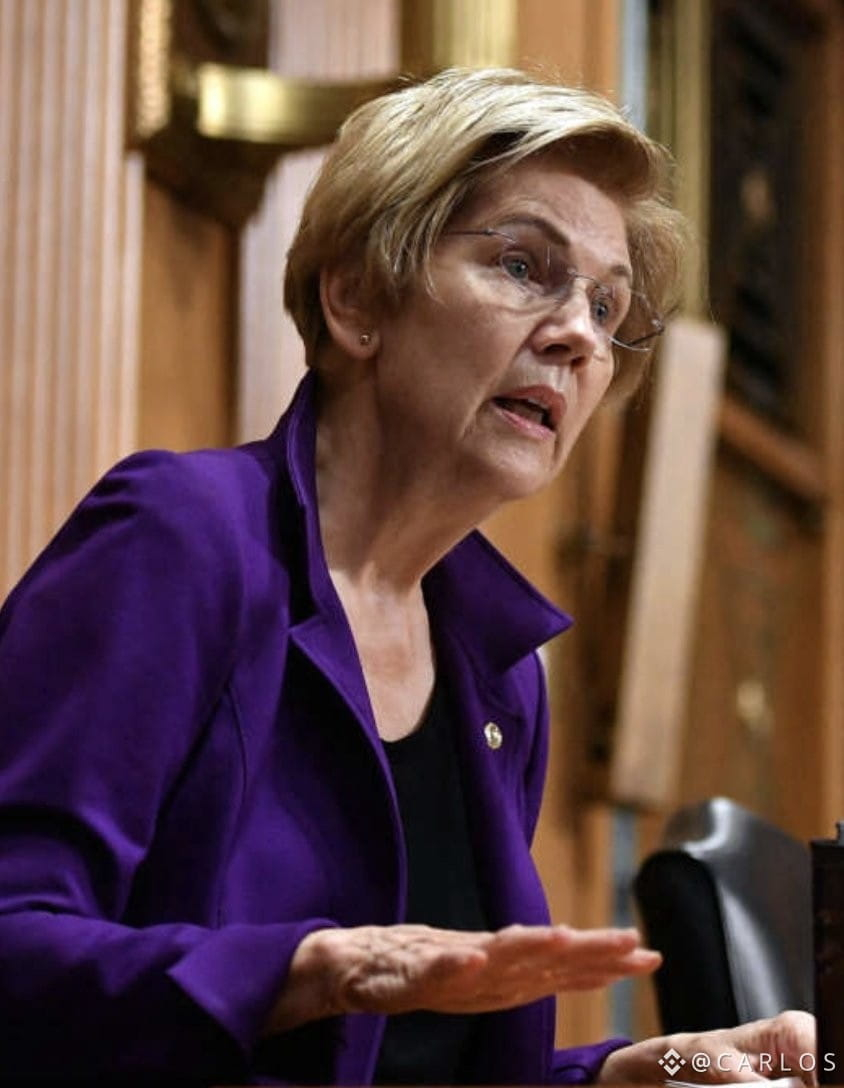
1
64

·
--
🚨🔥 TRUMP PRESSURES THE FED — MARKETS ON EDGE? 😳💥
According to Odaily, Donald Trump is ramping up pressure on the Federal Reserve System, pushing the central bank into an extremely difficult position 👀
Senator Elizabeth Warren is already sounding the alarm 🚨
💬 “Trump is holding a sword over the Fed”
She warns that his actions could undermine the independence of the central bank — a major red flag for global markets
👉 What’s happening:
• political pressure on the Fed is rising 📈
• potential appointment of a new chair 🏛️
• threats of investigations ⚖️
• attempts to influence rates and policy 💸
⚡ WHY IT MATTERS:
If the Fed’s independence weakens, the chances of a more dovish monetary policy increase
That means:
💧 more liquidity
📉 potentially lower interest rates
🚀 stronger market moves
🔥 Markets are entering a phase where politics could drive everything
📊 Stay alert — this could become one of the biggest triggers in the near term
👉 Follow to stay ahead of the hottest market news and signals 🔥
#Trump #Fed #FOMC #ElizabethWarren #Crypto $TRUMP
{spot}(TRUMPUSDT)
$AI
{spot}(AIUSDT)
$BIO
{spot}(BIOUSDT)
🚨🔥 TRUMP PRESSURES THE FED — MARKETS ON EDGE? 😳💥
According to Odaily, Donald Trump is ramping up pressure on the Federal Reserve System, pushing the central bank into an extremely difficult position 👀
Senator Elizabeth Warren is already sounding the alarm 🚨
💬 “Trump is holding a sword over the Fed”
She warns that his actions could undermine the independence of the central bank — a major red flag for global markets
👉 What’s happening:
• political pressure on the Fed is rising 📈
• potential appointment of a new chair 🏛️
• threats of investigations ⚖️
• attempts to influence rates and policy 💸
⚡ WHY IT MATTERS:
If the Fed’s independence weakens, the chances of a more dovish monetary policy increase
That means:
💧 more liquidity
📉 potentially lower interest rates
🚀 stronger market moves
🔥 Markets are entering a phase where politics could drive everything
📊 Stay alert — this could become one of the biggest triggers in the near term
👉 Follow to stay ahead of the hottest market news and signals 🔥
#Trump #Fed #FOMC #ElizabethWarren #Crypto $TRUMP
$AI
$BIO
According to Odaily, Donald Trump is ramping up pressure on the Federal Reserve System, pushing the central bank into an extremely difficult position 👀
Senator Elizabeth Warren is already sounding the alarm 🚨
💬 “Trump is holding a sword over the Fed”
She warns that his actions could undermine the independence of the central bank — a major red flag for global markets
👉 What’s happening:
• political pressure on the Fed is rising 📈
• potential appointment of a new chair 🏛️
• threats of investigations ⚖️
• attempts to influence rates and policy 💸
⚡ WHY IT MATTERS:
If the Fed’s independence weakens, the chances of a more dovish monetary policy increase
That means:
💧 more liquidity
📉 potentially lower interest rates
🚀 stronger market moves
🔥 Markets are entering a phase where politics could drive everything
📊 Stay alert — this could become one of the biggest triggers in the near term
👉 Follow to stay ahead of the hottest market news and signals 🔥
#Trump #Fed #FOMC #ElizabethWarren #Crypto $TRUMP
$AI
$BIO

3
455
Log in to explore more content
Join global crypto users on Binance Square
⚡️ Get latest and useful information about crypto.
💬 Trusted by the world’s largest crypto exchange.
👍 Discover real insights from verified creators.
Email / Phone number
Trending Topics
1
#BinanceLaunchesBinanceIntelligence
43,801 views
573 Discussing
2
#EvernorthXRPTreasuryCompletesSPACMerger
38,231 views
396 Discussing
3
#ADAGains10%Above$0.27
31,966 views
213 Discussing
4
#ETHUp70%InQ3ButLiquidityFalls
229,494 views
1,484 Discussing
5
#EthStakingExitQueueHits2026High
85,164 views
998 Discussing
6
#FedOctoberHoldOdds82.3%
87,600 views
963 Discussing
7
#Nikkei225Jumps2.5%ToThreeMonthHigh
96,325 views
1,247 Discussing
8
#CircleMints$2.75BUSDCOnSolanaIn7Days
2,570 views
58 Discussing
9
#DriftHackVictimsBeginClaims
202,982 views
1,907 Discussing
10
#SolanaTokenizedStockVolumeTops$4.4BInSeptember
14,807 views
136 Discussing