

#cryptoregulationbattle
cryptoregulationbattle
220,913 views
682 Discussing
Hot
Latest

·
--
🌍 South Africa proposes new regulatory frameworks for digital assets!
As part of efforts to regulate the cryptocurrency market and protect investors, South Africa has submitted new legislative proposals to structure the crypto sector. The clearer regulatory environment across the African continent reflects increased financial adoption and helps attract institutional investments.
# #CryptoRegulationBattle #Adoption #CryptoNews
🌍 South Africa proposes new regulatory frameworks for digital assets!
As part of efforts to regulate the cryptocurrency market and protect investors, South Africa has submitted new legislative proposals to structure the crypto sector. The clearer regulatory environment across the African continent reflects increased financial adoption and helps attract institutional investments.
# #CryptoRegulationBattle #Adoption #CryptoNews
As part of efforts to regulate the cryptocurrency market and protect investors, South Africa has submitted new legislative proposals to structure the crypto sector. The clearer regulatory environment across the African continent reflects increased financial adoption and helps attract institutional investments.
# #CryptoRegulationBattle #Adoption #CryptoNews
80

·
--

Article
Vietnam’s 2026 law: “demanding” conditions and a ban that could change the crypto market! ⚠️🇻🇳🇻🇳Vietnam’s new 2026 law: “demanding” licensing conditions that will shake the crypto market!
The outlines of Vietnam’s regulatory framework for cryptocurrencies in 2026 have become officially clear, as the Ministry of Finance has entered the final stages of reviewing license application requests.
This shift ends the “gray era” of the world’s fourth-largest crypto adoption market, but the leaked conditions shocked everyone!
Vietnam’s 2026 law: “demanding” conditions and a ban that could change the crypto market! ⚠️🇻🇳
🇻🇳Vietnam’s new 2026 law: “demanding” licensing conditions that will shake the crypto market!
The outlines of Vietnam’s regulatory framework for cryptocurrencies in 2026 have become officially clear, as the Ministry of Finance has entered the final stages of reviewing license application requests.
This shift ends the “gray era” of the world’s fourth-largest crypto adoption market, but the leaked conditions shocked everyone!
The outlines of Vietnam’s regulatory framework for cryptocurrencies in 2026 have become officially clear, as the Ministry of Finance has entered the final stages of reviewing license application requests.
This shift ends the “gray era” of the world’s fourth-largest crypto adoption market, but the leaked conditions shocked everyone!
2
62

·
--
$XRP — The Catalyst Question
XRP has repeatedly become a major discussion topic whenever U.S. crypto regulation moves into focus.
The key distinction:
Headline ≠ confirmed outcome.
Always separate proposals, political statements and actual enacted rules.
$XRP #CryptoRegulationBattle #XRP
{spot}(XRPUSDT)
$XRP — The Catalyst Question
XRP has repeatedly become a major discussion topic whenever U.S. crypto regulation moves into focus.
The key distinction:
Headline ≠ confirmed outcome.
Always separate proposals, political statements and actual enacted rules.
$XRP #CryptoRegulationBattle #XRP
XRP has repeatedly become a major discussion topic whenever U.S. crypto regulation moves into focus.
The key distinction:
Headline ≠ confirmed outcome.
Always separate proposals, political statements and actual enacted rules.
$XRP #CryptoRegulationBattle #XRP
21

$BTC Bari news!
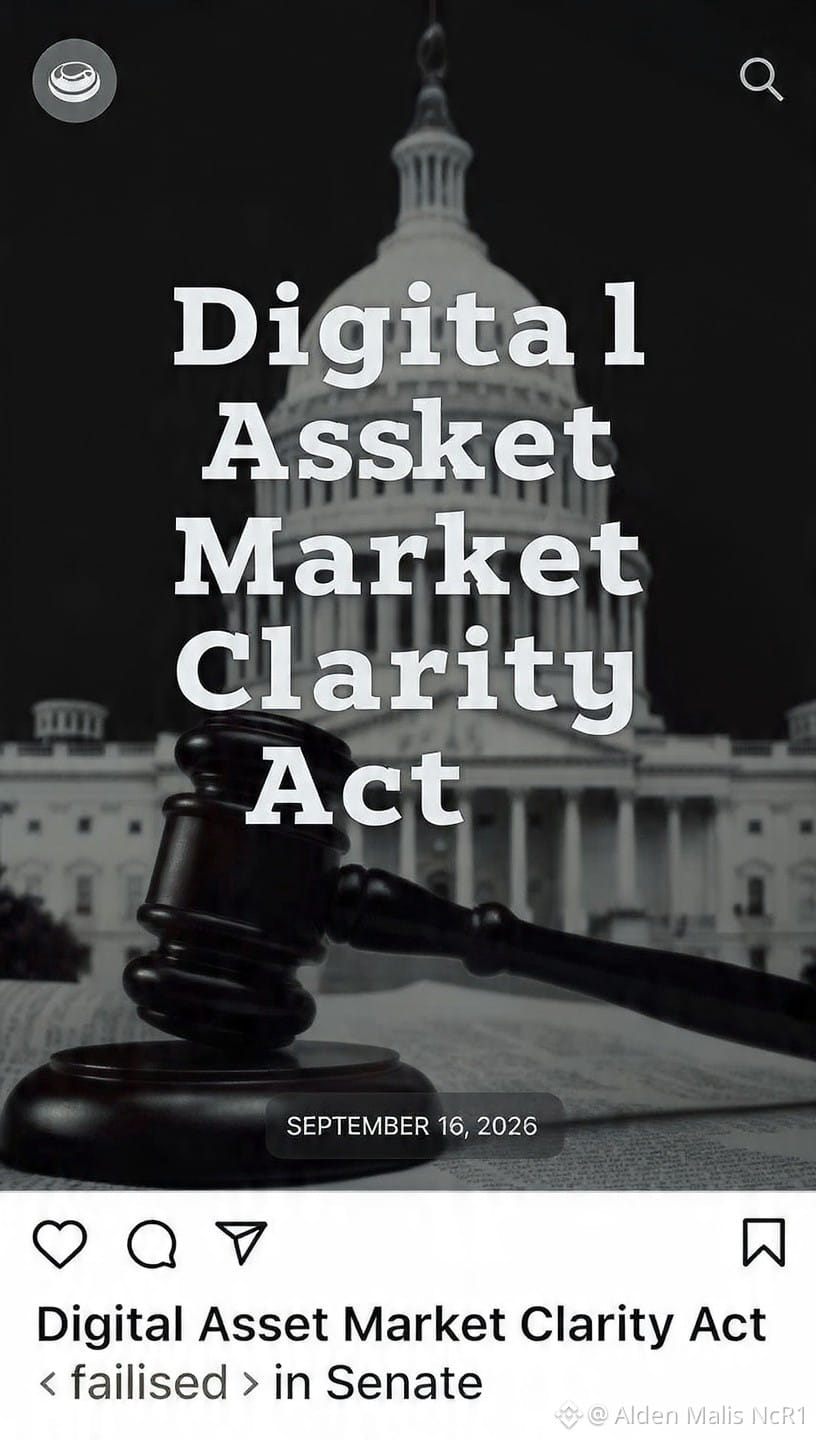
The US Senate did not advance the "Digital Asset Market Clarity Act"
40+ Senators voted against the bill
This ends the market structure law in 2026.
A big blow for crypto companies
Michael Saylor: "Bitcoin needs clarity anyway"
#ClarityAct #CryptoRegulationBattle
$BTC Bari news!
The US Senate did not advance the "Digital Asset Market Clarity Act"
40+ Senators voted against the bill
This ends the market structure law in 2026.
A big blow for crypto companies
Michael Saylor: "Bitcoin needs clarity anyway"
#ClarityAct #CryptoRegulationBattle
The US Senate did not advance the "Digital Asset Market Clarity Act"
40+ Senators voted against the bill
This ends the market structure law in 2026.
A big blow for crypto companies
Michael Saylor: "Bitcoin needs clarity anyway"
#ClarityAct #CryptoRegulationBattle
51

·
--
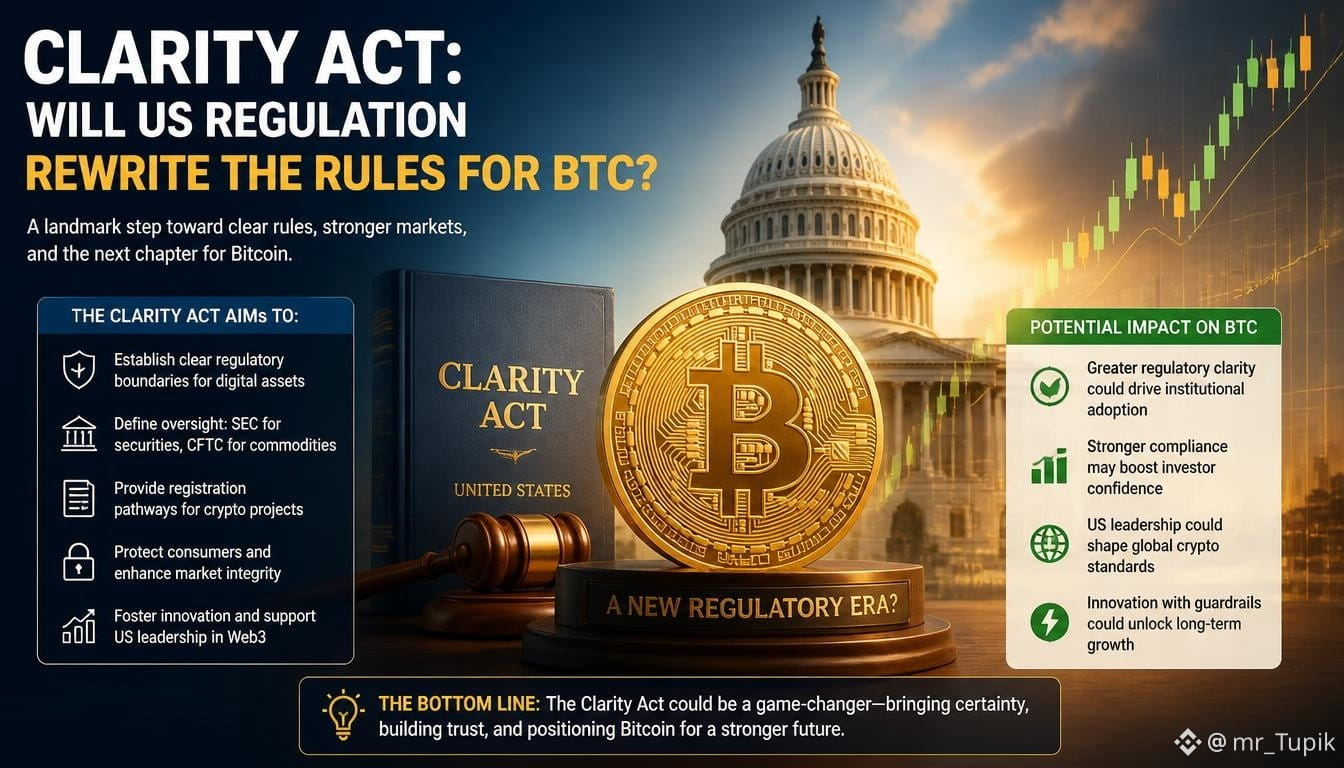
Bitcoin stalled at the level of $77,406 pending the U.S. Senate's adoption of the Clarity Act, which could impose strict government control over the market. Against the backdrop of the upcoming Federal Reserve meeting and an inevitable regulatory crackdown, altcoins are already showing declines, hinting at a possible end to the era of anonymity and freedom in cryptocurrencies
#bitcoin #CryptoRegulationBattle #CLARITYAct #CryptoNews #FedRate
Bitcoin stalled at the level of $77,406 pending the U.S. Senate's adoption of the Clarity Act, which could impose strict government control over the market. Against the backdrop of the upcoming Federal Reserve meeting and an inevitable regulatory crackdown, altcoins are already showing declines, hinting at a possible end to the era of anonymity and freedom in cryptocurrencies
#bitcoin #CryptoRegulationBattle #CLARITYAct #CryptoNews #FedRate
#bitcoin #CryptoRegulationBattle #CLARITYAct #CryptoNews #FedRate
1
372

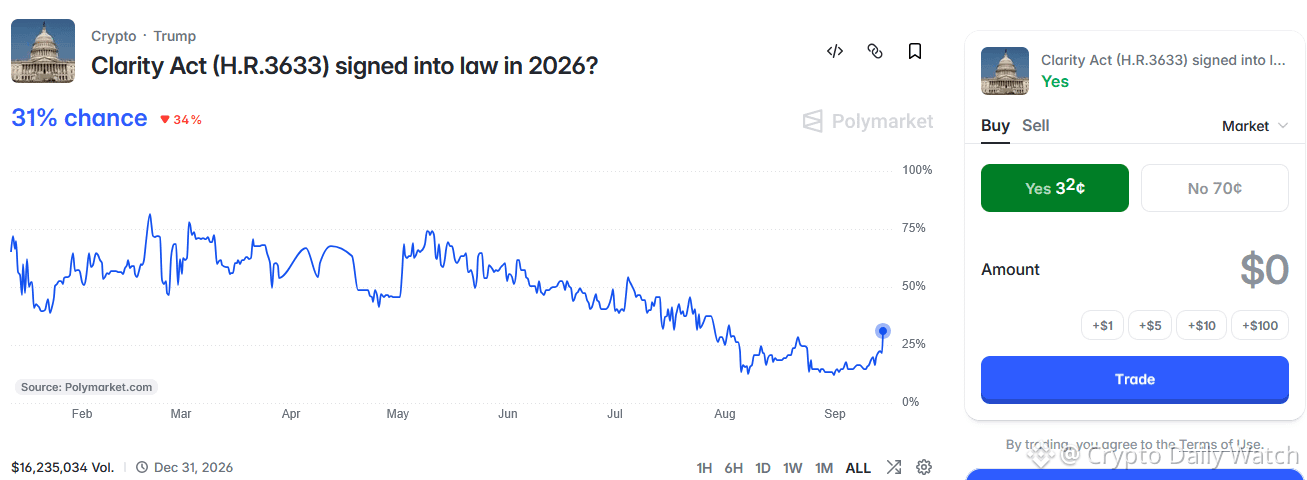
Senate Republicans just released the "final" text of the Digital Asset Market CLARITY Act (H.R. 3633) 📜 ahead of Tuesday's cloture vote on September 15.
The new draft folds in 126 substantive changes requested by Democrats after more than a year of negotiations. The biggest addition: tougher ethics rules 🛡️ (based on the Tillis-Gallego proposal), banning federal officials, judges, and their spouses from holding a "significant financial interest" ($15,000+) in crypto-token businesses, with mandatory divestment or a blind trust.
President Trump voluntarily agreed to these restrictions 🤝, according to Cynthia Lummis.
Now it comes down to the vote count 🗳️: Republicans hold 53 seats and need 60 to invoke cloture, meaning at least 7 Democrats or independents must cross over. A failed vote could effectively shelve the bill until 2029 ⏳
#ClarityAc #CryptoRegulationBattle #HR3633 #crypto
Senate Republicans just released the "final" text of the Digital Asset Market CLARITY Act (H.R. 3633) 📜 ahead of Tuesday's cloture vote on September 15.
The new draft folds in 126 substantive changes requested by Democrats after more than a year of negotiations. The biggest addition: tougher ethics rules 🛡️ (based on the Tillis-Gallego proposal), banning federal officials, judges, and their spouses from holding a "significant financial interest" ($15,000+) in crypto-token businesses, with mandatory divestment or a blind trust.
President Trump voluntarily agreed to these restrictions 🤝, according to Cynthia Lummis.
Now it comes down to the vote count 🗳️: Republicans hold 53 seats and need 60 to invoke cloture, meaning at least 7 Democrats or independents must cross over. A failed vote could effectively shelve the bill until 2029 ⏳
#ClarityAc #CryptoRegulationBattle #HR3633 #crypto
The new draft folds in 126 substantive changes requested by Democrats after more than a year of negotiations. The biggest addition: tougher ethics rules 🛡️ (based on the Tillis-Gallego proposal), banning federal officials, judges, and their spouses from holding a "significant financial interest" ($15,000+) in crypto-token businesses, with mandatory divestment or a blind trust.
President Trump voluntarily agreed to these restrictions 🤝, according to Cynthia Lummis.
Now it comes down to the vote count 🗳️: Republicans hold 53 seats and need 60 to invoke cloture, meaning at least 7 Democrats or independents must cross over. A failed vote could effectively shelve the bill until 2029 ⏳
#ClarityAc #CryptoRegulationBattle #HR3633 #crypto
99

·
--
🚨 BREAKING CRYPTO NEWS 🇺🇸
🔥 Trump Makes Major Move on Crypto Bill!
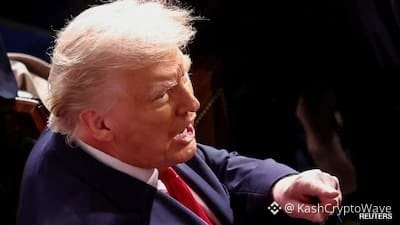
🇺🇸 President Donald Trump has agreed to key ethics provisions in the major U.S. crypto bill known as the CLARITY Act.
📜 The bill could significantly reshape U.S. crypto regulation if it passes.
💰 The crypto industry is now watching the upcoming Senate vote closely.
📈 Could clearer U.S. rules become a bullish catalyst for Bitcoin & crypto?
⚠️ Nothing is guaranteed. Stay informed, manage risk & DYOR.
#Bitcoin #BTC #Binance e #crypto #CryptoNewss ews #CLARITYAct #CryptoRegulationBattle ulation #trading
🚨 BREAKING CRYPTO NEWS 🇺🇸
🔥 Trump Makes Major Move on Crypto Bill!
🇺🇸 President Donald Trump has agreed to key ethics provisions in the major U.S. crypto bill known as the CLARITY Act.
📜 The bill could significantly reshape U.S. crypto regulation if it passes.
💰 The crypto industry is now watching the upcoming Senate vote closely.
📈 Could clearer U.S. rules become a bullish catalyst for Bitcoin & crypto?
⚠️ Nothing is guaranteed. Stay informed, manage risk & DYOR.
#Bitcoin #BTC #Binance e #crypto #CryptoNewss ews #CLARITYAct #CryptoRegulationBattle ulation #trading
🔥 Trump Makes Major Move on Crypto Bill!
🇺🇸 President Donald Trump has agreed to key ethics provisions in the major U.S. crypto bill known as the CLARITY Act.
📜 The bill could significantly reshape U.S. crypto regulation if it passes.
💰 The crypto industry is now watching the upcoming Senate vote closely.
📈 Could clearer U.S. rules become a bullish catalyst for Bitcoin & crypto?
⚠️ Nothing is guaranteed. Stay informed, manage risk & DYOR.
#Bitcoin #BTC #Binance e #crypto #CryptoNewss ews #CLARITYAct #CryptoRegulationBattle ulation #trading

66

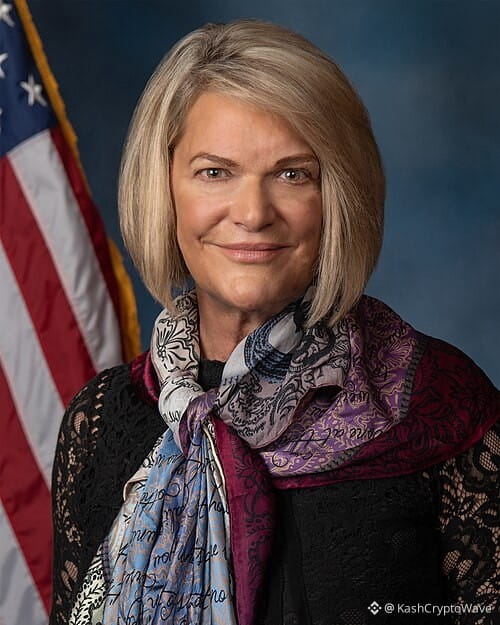
Senator Cynthia Lummis just confirmed the final CLARITY Act text drops over the July 4 weekend, with a Senate vote scheduled for July .
Key Details:
· Text Release: Tomorrow, July 4
· Senate Vote: July 2026
· **The $30T Number:** Senate Banking Chair Tim Scott predicts crypto market cap could hit $30 trillion with regulatory clarity
Reality Check:
· Bill needs 60 votes in the Senate
· Polymarket odds: 39-42% chance of passing this year
· Key Hurdles: DeFi provisions, ethics language, law enforcement concerns on Section 604
If passed: Regulatory clarity could unlock institutional capital. If delayed: August recess pushes timeline to fall 2026 .
👇 Will the CLARITY Act finally pass, or get delayed again?
$BTC $ETH $XRP
#CLARITYAct #CryptoRegulationBattle #Lummis #breakingnews
Senator Cynthia Lummis just confirmed the final CLARITY Act text drops over the July 4 weekend, with a Senate vote scheduled for July .
Key Details:
· Text Release: Tomorrow, July 4
· Senate Vote: July 2026
· **The $30T Number:** Senate Banking Chair Tim Scott predicts crypto market cap could hit $30 trillion with regulatory clarity
Reality Check:
· Bill needs 60 votes in the Senate
· Polymarket odds: 39-42% chance of passing this year
· Key Hurdles: DeFi provisions, ethics language, law enforcement concerns on Section 604
If passed: Regulatory clarity could unlock institutional capital. If delayed: August recess pushes timeline to fall 2026 .
👇 Will the CLARITY Act finally pass, or get delayed again?
$BTC $ETH $XRP
#CLARITYAct #CryptoRegulationBattle #Lummis #breakingnews
Key Details:
· Text Release: Tomorrow, July 4
· Senate Vote: July 2026
· **The $30T Number:** Senate Banking Chair Tim Scott predicts crypto market cap could hit $30 trillion with regulatory clarity
Reality Check:
· Bill needs 60 votes in the Senate
· Polymarket odds: 39-42% chance of passing this year
· Key Hurdles: DeFi provisions, ethics language, law enforcement concerns on Section 604
If passed: Regulatory clarity could unlock institutional capital. If delayed: August recess pushes timeline to fall 2026 .
👇 Will the CLARITY Act finally pass, or get delayed again?
$BTC $ETH $XRP
#CLARITYAct #CryptoRegulationBattle #Lummis #breakingnews
94

·
--
Verified
🇷🇺 Russia Moves Forward with Crypto Tax Legislation
Russia's State Duma is reportedly advancing a cryptocurrency tax bill, marking another step toward integrating digital assets into the country's regulatory framework.
As governments around the world seek to balance innovation with oversight, clear tax regulations can provide greater certainty for investors, businesses, and institutions operating in the crypto sector.
While taxation may not always be welcomed by market participants, regulatory clarity often serves as a foundation for broader adoption and long-term market growth.
Could clearer crypto tax rules encourage more institutional participation in digital assets?
#russiadumaadvancescryptotaxbill #CryptoRegulationBattle #bitcoin #CryptoNews
🇷🇺 Russia Moves Forward with Crypto Tax Legislation
Russia's State Duma is reportedly advancing a cryptocurrency tax bill, marking another step toward integrating digital assets into the country's regulatory framework.
As governments around the world seek to balance innovation with oversight, clear tax regulations can provide greater certainty for investors, businesses, and institutions operating in the crypto sector.
While taxation may not always be welcomed by market participants, regulatory clarity often serves as a foundation for broader adoption and long-term market growth.
Could clearer crypto tax rules encourage more institutional participation in digital assets?
#russiadumaadvancescryptotaxbill #CryptoRegulationBattle #bitcoin #CryptoNews
Russia's State Duma is reportedly advancing a cryptocurrency tax bill, marking another step toward integrating digital assets into the country's regulatory framework.
As governments around the world seek to balance innovation with oversight, clear tax regulations can provide greater certainty for investors, businesses, and institutions operating in the crypto sector.
While taxation may not always be welcomed by market participants, regulatory clarity often serves as a foundation for broader adoption and long-term market growth.
Could clearer crypto tax rules encourage more institutional participation in digital assets?
#russiadumaadvancescryptotaxbill #CryptoRegulationBattle #bitcoin #CryptoNews
1
1
1.1k
·
--
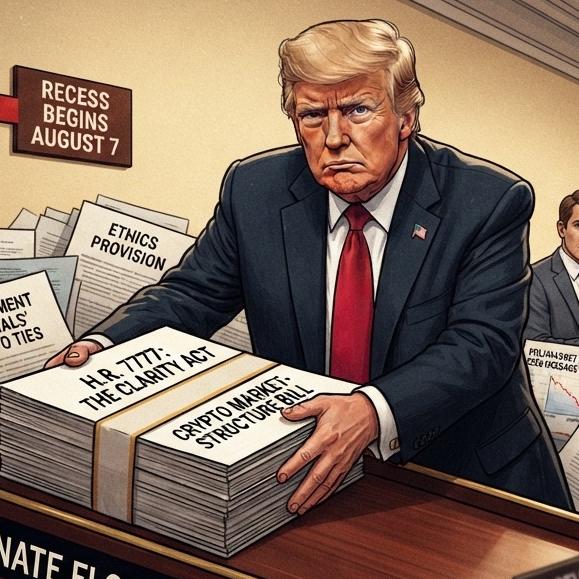
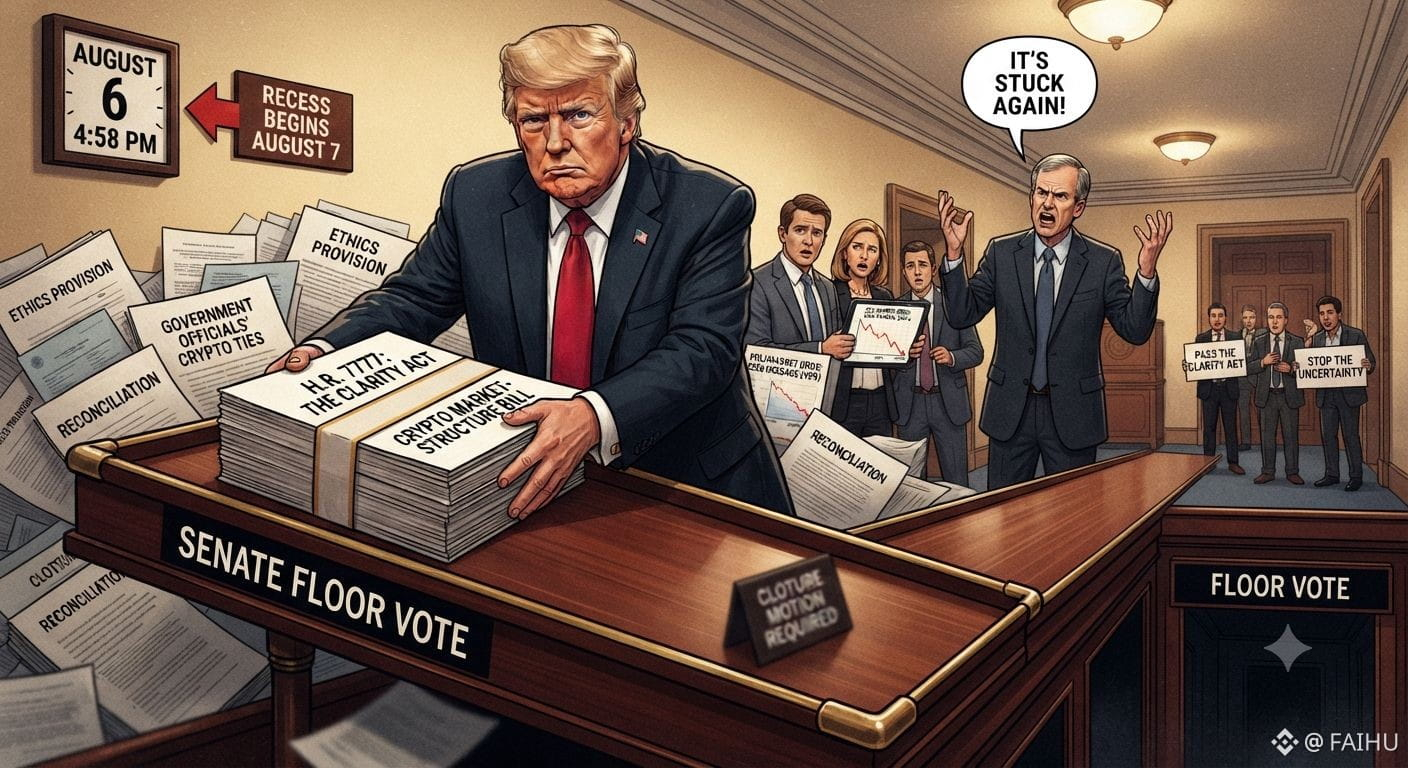
🏛️ The CLARITY Act: So Close, Still Stuck
The most advanced crypto market-structure bill in US history is sitting one floor vote away from becoming law — and running out of runway.
📅 Where it stands: House passed it back in July 2025 (294–134, 70+ Democrats crossing over). Senate Banking advanced it 15–9 in May 2026. It’s been sitting on the Senate calendar since June 1, eligible for a vote at any time. It missed its July 4 target. No cloture motion has been filed. Majority Leader Thune hasn’t given it floor time. The Senate breaks for recess August 7 — after that, the window for 2026 passage closes.
⚖️ What’s actually holding it up: an ethics provision on government officials’ crypto ties. Democrats want it in the bill; the White House has signaled it won’t accept language seen as targeting the president. Senate Republicans released a merged version (Banking + Agriculture Committee text) on July 22 — but the sticking point remains unresolved.
🧭 Why it matters: CLARITY would legally settle what’s currently just agency guidance — which digital assets are CFTC-regulated commodities vs. SEC-regulated securities. The March 2026 SEC/CFTC classification of 16 assets (including XRP, ETH, SOL) is real but reversible by any future administration. Only a statute locks it in. Meanwhile, several crypto projects have reportedly shut down in 2026 citing this exact uncertainty.
📉 Market odds are slipping: Polymarket has 2026 passage priced at ~48%, down from 74% a month ago.
👀 Watch one thing: does Thune file cloture before August 7? No filing, no summer vote — and this fight rolls into the fall.
#CLARITYAct #CryptoRegulationBattle #Binance #trump
🏛️ The CLARITY Act: So Close, Still Stuck
The most advanced crypto market-structure bill in US history is sitting one floor vote away from becoming law — and running out of runway.
📅 Where it stands: House passed it back in July 2025 (294–134, 70+ Democrats crossing over). Senate Banking advanced it 15–9 in May 2026. It’s been sitting on the Senate calendar since June 1, eligible for a vote at any time. It missed its July 4 target. No cloture motion has been filed. Majority Leader Thune hasn’t given it floor time. The Senate breaks for recess August 7 — after that, the window for 2026 passage closes.
⚖️ What’s actually holding it up: an ethics provision on government officials’ crypto ties. Democrats want it in the bill; the White House has signaled it won’t accept language seen as targeting the president. Senate Republicans released a merged version (Banking + Agriculture Committee text) on July 22 — but the sticking point remains unresolved.
🧭 Why it matters: CLARITY would legally settle what’s currently just agency guidance — which digital assets are CFTC-regulated commodities vs. SEC-regulated securities. The March 2026 SEC/CFTC classification of 16 assets (including XRP, ETH, SOL) is real but reversible by any future administration. Only a statute locks it in. Meanwhile, several crypto projects have reportedly shut down in 2026 citing this exact uncertainty.
📉 Market odds are slipping: Polymarket has 2026 passage priced at ~48%, down from 74% a month ago.
👀 Watch one thing: does Thune file cloture before August 7? No filing, no summer vote — and this fight rolls into the fall.
#CLARITYAct #CryptoRegulationBattle #Binance #trump
The most advanced crypto market-structure bill in US history is sitting one floor vote away from becoming law — and running out of runway.
📅 Where it stands: House passed it back in July 2025 (294–134, 70+ Democrats crossing over). Senate Banking advanced it 15–9 in May 2026. It’s been sitting on the Senate calendar since June 1, eligible for a vote at any time. It missed its July 4 target. No cloture motion has been filed. Majority Leader Thune hasn’t given it floor time. The Senate breaks for recess August 7 — after that, the window for 2026 passage closes.
⚖️ What’s actually holding it up: an ethics provision on government officials’ crypto ties. Democrats want it in the bill; the White House has signaled it won’t accept language seen as targeting the president. Senate Republicans released a merged version (Banking + Agriculture Committee text) on July 22 — but the sticking point remains unresolved.
🧭 Why it matters: CLARITY would legally settle what’s currently just agency guidance — which digital assets are CFTC-regulated commodities vs. SEC-regulated securities. The March 2026 SEC/CFTC classification of 16 assets (including XRP, ETH, SOL) is real but reversible by any future administration. Only a statute locks it in. Meanwhile, several crypto projects have reportedly shut down in 2026 citing this exact uncertainty.
📉 Market odds are slipping: Polymarket has 2026 passage priced at ~48%, down from 74% a month ago.
👀 Watch one thing: does Thune file cloture before August 7? No filing, no summer vote — and this fight rolls into the fall.
#CLARITYAct #CryptoRegulationBattle #Binance #trump
1
111

🚨 CIS ALERT | AUGUST 13, 2026
🚨🚨 BREAKING NEWS — THE SEC CANCELS A KEY MEETING ON CRYPTO 🚨🚨
🇺🇸 The SEC unexpectedly canceled the meeting scheduled for tomorrow, where it was expected to move forward on new regulatory proposals related to the digital asset market.
⏳ The SEC said the meeting was canceled due to an “agenda surprise”.
Why does it matter? 👀
The meeting was tied to highly anticipated proposals aimed at enabling certain crypto companies to operate and raise capital under a different regulatory framework.
Additionally, the SEC continues working on an “innovation exemption”, which could help enable new models based on blockchain, including markets and tokenized assets.
⚠️ The context matters:
While the SEC delays this step, the CLARITY Act remains pending in the Senate.
That means the market is still waiting for clarity from two fronts: Congress + the SEC.
🧠 CIS Takeaway
Immediate impact: 🟡 Uncertainty
Regulation: 🟡 Evolving
Catalyst: ⏳ Pending
It doesn’t mean crypto regulation has changed direction.
But it does add uncertainty about timing.
👀 We’re keeping a close eye on this.
CIS — Charles Investment System
Facts first, not narrative.
Source: Reuters · SEC �
Reuters +1
#SEC #CryptoRegulationBattle #BTC #ETH(二饼) #XRPPredictions
🚨 CIS ALERT | AUGUST 13, 2026
🚨🚨 BREAKING NEWS — THE SEC CANCELS A KEY MEETING ON CRYPTO 🚨🚨
🇺🇸 The SEC unexpectedly canceled the meeting scheduled for tomorrow, where it was expected to move forward on new regulatory proposals related to the digital asset market.
⏳ The SEC said the meeting was canceled due to an “agenda surprise”.
Why does it matter? 👀
The meeting was tied to highly anticipated proposals aimed at enabling certain crypto companies to operate and raise capital under a different regulatory framework.
Additionally, the SEC continues working on an “innovation exemption”, which could help enable new models based on blockchain, including markets and tokenized assets.
⚠️ The context matters:
While the SEC delays this step, the CLARITY Act remains pending in the Senate.
That means the market is still waiting for clarity from two fronts: Congress + the SEC.
🧠 CIS Takeaway
Immediate impact: 🟡 Uncertainty
Regulation: 🟡 Evolving
Catalyst: ⏳ Pending
It doesn’t mean crypto regulation has changed direction.
But it does add uncertainty about timing.
👀 We’re keeping a close eye on this.
CIS — Charles Investment System
Facts first, not narrative.
Source: Reuters · SEC �
Reuters +1
#SEC #CryptoRegulationBattle #BTC #ETH(二饼) #XRPPredictions
🚨🚨 BREAKING NEWS — THE SEC CANCELS A KEY MEETING ON CRYPTO 🚨🚨
🇺🇸 The SEC unexpectedly canceled the meeting scheduled for tomorrow, where it was expected to move forward on new regulatory proposals related to the digital asset market.
⏳ The SEC said the meeting was canceled due to an “agenda surprise”.
Why does it matter? 👀
The meeting was tied to highly anticipated proposals aimed at enabling certain crypto companies to operate and raise capital under a different regulatory framework.
Additionally, the SEC continues working on an “innovation exemption”, which could help enable new models based on blockchain, including markets and tokenized assets.
⚠️ The context matters:
While the SEC delays this step, the CLARITY Act remains pending in the Senate.
That means the market is still waiting for clarity from two fronts: Congress + the SEC.
🧠 CIS Takeaway
Immediate impact: 🟡 Uncertainty
Regulation: 🟡 Evolving
Catalyst: ⏳ Pending
It doesn’t mean crypto regulation has changed direction.
But it does add uncertainty about timing.
👀 We’re keeping a close eye on this.
CIS — Charles Investment System
Facts first, not narrative.
Source: Reuters · SEC �
Reuters +1
#SEC #CryptoRegulationBattle #BTC #ETH(二饼) #XRPPredictions

1
491

$BTC 🔥 JAPAN IS GOING FULL BULLISH ON CRYPTO! Big Regulation Changes 🚀
Huge news coming out of Japan for the crypto market! Japan’s House of Representatives has just passed a major bill that is set to completely change the game for the entire industry.
Key Highlights:
Flat 20% Tax: Crypto will officially be treated under the Financial Instruments and Exchange Act, unifying the tax rate at a flat 20%—putting it on par with traditional equities/stocks (Effective: 2028).
Institutional Boom: The Tokyo Stock Exchange is clearing the pathway to potentially launch Crypto ETFs by 2027!
Why This Matters:
When a massive global capital market elevates crypto to the same level as the stock market, a huge influx of institutional money is practically guaranteed. Japan is positioning itself as the ultimate benchmark for transparent, institutional-grade crypto regulation in Asia.
What are your thoughts? Will other Asian countries follow Japan's lead? Let me know in the comments! 👇
#CryptoNews #JapanCrypto #ETF #BinanceSquare #CryptoRegulationBattle $RUNE
$BTC 🔥 JAPAN IS GOING FULL BULLISH ON CRYPTO! Big Regulation Changes 🚀
Huge news coming out of Japan for the crypto market! Japan’s House of Representatives has just passed a major bill that is set to completely change the game for the entire industry.
Key Highlights:
Flat 20% Tax: Crypto will officially be treated under the Financial Instruments and Exchange Act, unifying the tax rate at a flat 20%—putting it on par with traditional equities/stocks (Effective: 2028).
Institutional Boom: The Tokyo Stock Exchange is clearing the pathway to potentially launch Crypto ETFs by 2027!
Why This Matters:
When a massive global capital market elevates crypto to the same level as the stock market, a huge influx of institutional money is practically guaranteed. Japan is positioning itself as the ultimate benchmark for transparent, institutional-grade crypto regulation in Asia.
What are your thoughts? Will other Asian countries follow Japan's lead? Let me know in the comments! 👇
#CryptoNews #JapanCrypto #ETF #BinanceSquare #CryptoRegulationBattle $RUNE
Huge news coming out of Japan for the crypto market! Japan’s House of Representatives has just passed a major bill that is set to completely change the game for the entire industry.
Key Highlights:
Flat 20% Tax: Crypto will officially be treated under the Financial Instruments and Exchange Act, unifying the tax rate at a flat 20%—putting it on par with traditional equities/stocks (Effective: 2028).
Institutional Boom: The Tokyo Stock Exchange is clearing the pathway to potentially launch Crypto ETFs by 2027!
Why This Matters:
When a massive global capital market elevates crypto to the same level as the stock market, a huge influx of institutional money is practically guaranteed. Japan is positioning itself as the ultimate benchmark for transparent, institutional-grade crypto regulation in Asia.
What are your thoughts? Will other Asian countries follow Japan's lead? Let me know in the comments! 👇
#CryptoNews #JapanCrypto #ETF #BinanceSquare #CryptoRegulationBattle $RUNE

1
2
163

·
--

Article
🚨 The game is over.. How did America nationalize crypto and kill the dreams of fast riches?Imagine this scene with me: you’re sitting in front of your screen in 2021, buying an anonymous coin for $100, only to wake up a month later and find it has become $10,000! The game was simple: a savage Wild West, no laws, no taxes, and nobody asking where you got that money from.
But.. wake up now, the dream is over!
The giant of the global economy—the United States of America—stepped into the ring, not to do the game wrong, but to buy the entire playing field!
🚨 The game is over.. How did America nationalize crypto and kill the dreams of fast riches?
Imagine this scene with me: you’re sitting in front of your screen in 2021, buying an anonymous coin for $100, only to wake up a month later and find it has become $10,000! The game was simple: a savage Wild West, no laws, no taxes, and nobody asking where you got that money from.
But.. wake up now, the dream is over!
The giant of the global economy—the United States of America—stepped into the ring, not to do the game wrong, but to buy the entire playing field!
But.. wake up now, the dream is over!
The giant of the global economy—the United States of America—stepped into the ring, not to do the game wrong, but to buy the entire playing field!
1
33

·
--

Article
🏛️ The CLARITY Act on a Tightrope⚖️ The U.S. Final Shot—or an Already Priced-In Mirage?
The U.S. Senate’s hourglass clock runs relentlessly toward the **August 7** recess—and with it, the fate of the most important regulatory framework for digital assets in the country’s history. Just one year after the House of Representatives passed the **CLARITY Act** (Digital Asset Market Clarity Act) with a decisive bipartisan consensus of 294 votes, the bill is back in the spotlight of Wall Street.
🏛️ The CLARITY Act on a Tightrope⚖️
The U.S. Final Shot—or an Already Priced-In Mirage?
The U.S. Senate’s hourglass clock runs relentlessly toward the **August 7** recess—and with it, the fate of the most important regulatory framework for digital assets in the country’s history. Just one year after the House of Representatives passed the **CLARITY Act** (Digital Asset Market Clarity Act) with a decisive bipartisan consensus of 294 votes, the bill is back in the spotlight of Wall Street.
The U.S. Senate’s hourglass clock runs relentlessly toward the **August 7** recess—and with it, the fate of the most important regulatory framework for digital assets in the country’s history. Just one year after the House of Representatives passed the **CLARITY Act** (Digital Asset Market Clarity Act) with a decisive bipartisan consensus of 294 votes, the bill is back in the spotlight of Wall Street.
4
2
349

Congress drags on, while the SEC moves ahead without waiting. Who really writes the rules for crypto?
The CLARITY Act—the law meant to clarify once and for all the legal status of cryptocurrencies in the U.S.—has seen its odds of passing in 2026 drop to about 30%, according to Bernstein and Galaxy Research. They were above 80% in February. The Senate chose to prioritize other bills before the summer recess.
Meanwhile? The SEC is preparing to roll out major new rules, including an offering framework tailored to crypto assets and an innovation exemption that could pave the way for 24/7 trading of tokenized stocks on blockchain.
In other words: while lawmakers negotiate, regulators act.
This shift raises a real underlying question: is it good news (crypto is still moving forward) or a worrying signal (rules being written by unelected agencies, without a full democratic debate)?
Add to that a sensitive political detail: the negotiations also stall over an ethics clause covering crypto interests of senior officials and their families—a topic that goes far beyond technicalities and touches trust in the entire system.
So here’s the question I’m asking you:
A market that advances thanks to agency decisions rather than a democratic vote in Congress—does that reassure you about crypto’s future, or does it worry you about who truly controls the rules of the game?
Let me know in the comments. 👇
#CryptoRegulationBattle #CLARITYAct #Politique
Congress drags on, while the SEC moves ahead without waiting. Who really writes the rules for crypto?
The CLARITY Act—the law meant to clarify once and for all the legal status of cryptocurrencies in the U.S.—has seen its odds of passing in 2026 drop to about 30%, according to Bernstein and Galaxy Research. They were above 80% in February. The Senate chose to prioritize other bills before the summer recess.
Meanwhile? The SEC is preparing to roll out major new rules, including an offering framework tailored to crypto assets and an innovation exemption that could pave the way for 24/7 trading of tokenized stocks on blockchain.
In other words: while lawmakers negotiate, regulators act.
This shift raises a real underlying question: is it good news (crypto is still moving forward) or a worrying signal (rules being written by unelected agencies, without a full democratic debate)?
Add to that a sensitive political detail: the negotiations also stall over an ethics clause covering crypto interests of senior officials and their families—a topic that goes far beyond technicalities and touches trust in the entire system.
So here’s the question I’m asking you:
A market that advances thanks to agency decisions rather than a democratic vote in Congress—does that reassure you about crypto’s future, or does it worry you about who truly controls the rules of the game?
Let me know in the comments. 👇
#CryptoRegulationBattle #CLARITYAct #Politique
The CLARITY Act—the law meant to clarify once and for all the legal status of cryptocurrencies in the U.S.—has seen its odds of passing in 2026 drop to about 30%, according to Bernstein and Galaxy Research. They were above 80% in February. The Senate chose to prioritize other bills before the summer recess.
Meanwhile? The SEC is preparing to roll out major new rules, including an offering framework tailored to crypto assets and an innovation exemption that could pave the way for 24/7 trading of tokenized stocks on blockchain.
In other words: while lawmakers negotiate, regulators act.
This shift raises a real underlying question: is it good news (crypto is still moving forward) or a worrying signal (rules being written by unelected agencies, without a full democratic debate)?
Add to that a sensitive political detail: the negotiations also stall over an ethics clause covering crypto interests of senior officials and their families—a topic that goes far beyond technicalities and touches trust in the entire system.
So here’s the question I’m asking you:
A market that advances thanks to agency decisions rather than a democratic vote in Congress—does that reassure you about crypto’s future, or does it worry you about who truly controls the rules of the game?
Let me know in the comments. 👇
#CryptoRegulationBattle #CLARITYAct #Politique

48


·
--
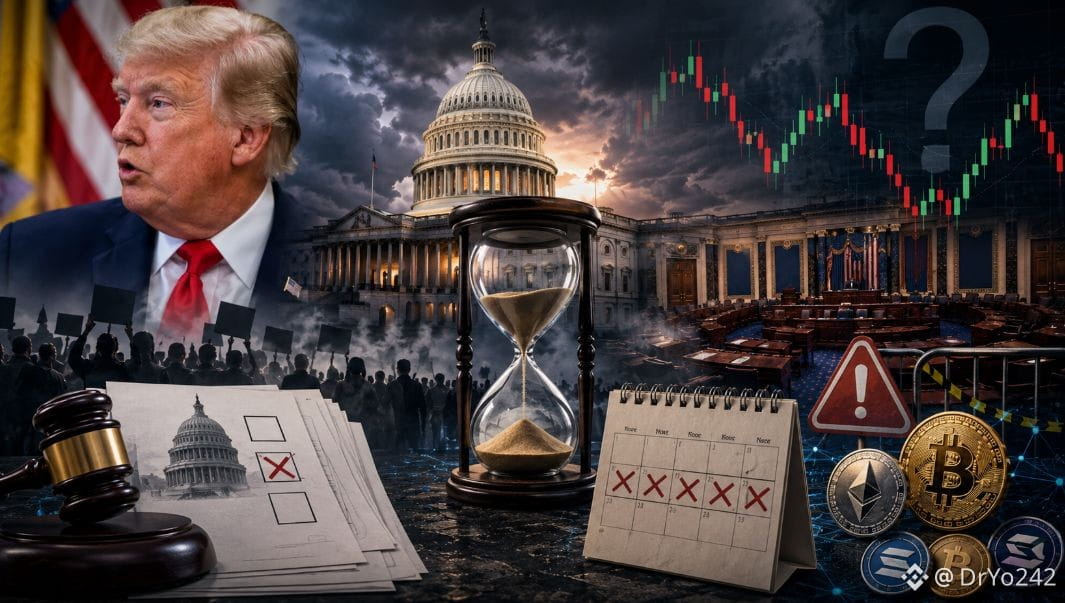
🚨 CLARITY Act: Time is running out and uncertainty hangs in the air. The long-awaited law on the structure of the digital asset markets is absent from the Senate calendar for this Monday, August 3.
What was supposed to be a decisive step now seems to be getting bogged down in Washington’s procedural maze.
What you need to understand:
Legislative blockage: Debates continue behind the scenes, particularly around ethics provisions, restrictions on yield for stablecoins, and the precise definition of DeFi.
The window is closing: With the parliamentary recess starting on August 7, the time available for a Senate vote has become extremely limited.
Market reaction: Expect persistent volatility and sideways moves until regulatory clarity is in place.
Tactical advice: Don’t get swept up by media noise. In this kind of "bureaucratic dance," patience is your best asset.
Manage your risks, stay disciplined, and avoid speculation based on rumors of an immediate vote. Regulatory clarity is necessary, but the market keeps moving, with or without this law today. ⚔️🔋
#DrYo242 : Your shield against volatility
$WAXP $ETH $BTC
#CryptoRegulationBattle #strategy
#clarityactnotonmondaysenateschedule
🚨 CLARITY Act: Time is running out and uncertainty hangs in the air. The long-awaited law on the structure of the digital asset markets is absent from the Senate calendar for this Monday, August 3.
What was supposed to be a decisive step now seems to be getting bogged down in Washington’s procedural maze.
What you need to understand:
Legislative blockage: Debates continue behind the scenes, particularly around ethics provisions, restrictions on yield for stablecoins, and the precise definition of DeFi.
The window is closing: With the parliamentary recess starting on August 7, the time available for a Senate vote has become extremely limited.
Market reaction: Expect persistent volatility and sideways moves until regulatory clarity is in place.
Tactical advice: Don’t get swept up by media noise. In this kind of "bureaucratic dance," patience is your best asset.
Manage your risks, stay disciplined, and avoid speculation based on rumors of an immediate vote. Regulatory clarity is necessary, but the market keeps moving, with or without this law today. ⚔️🔋
#DrYo242 : Your shield against volatility
$WAXP $ETH $BTC
#CryptoRegulationBattle #strategy
#clarityactnotonmondaysenateschedule
What was supposed to be a decisive step now seems to be getting bogged down in Washington’s procedural maze.
What you need to understand:
Legislative blockage: Debates continue behind the scenes, particularly around ethics provisions, restrictions on yield for stablecoins, and the precise definition of DeFi.
The window is closing: With the parliamentary recess starting on August 7, the time available for a Senate vote has become extremely limited.
Market reaction: Expect persistent volatility and sideways moves until regulatory clarity is in place.
Tactical advice: Don’t get swept up by media noise. In this kind of "bureaucratic dance," patience is your best asset.
Manage your risks, stay disciplined, and avoid speculation based on rumors of an immediate vote. Regulatory clarity is necessary, but the market keeps moving, with or without this law today. ⚔️🔋
#DrYo242 : Your shield against volatility
$WAXP $ETH $BTC
#CryptoRegulationBattle #strategy
#clarityactnotonmondaysenateschedule
3
333

#SECRegulationCrypto
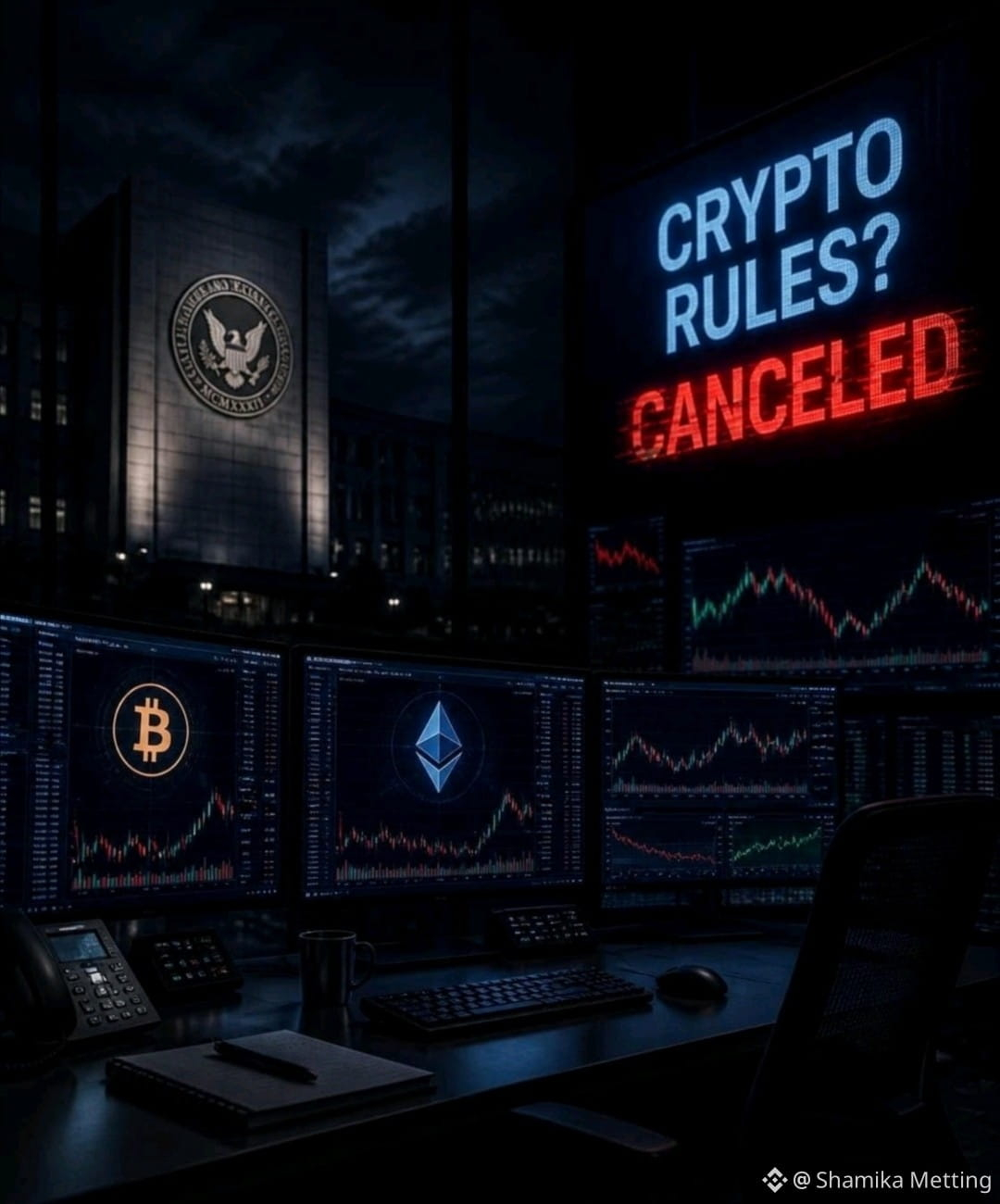
🚨 The U.S. Securities and Exchange Commission (SEC) canceled a special meeting about crypto rules… but why? 👀
Well, this one caught my attention.
The SEC was supposed to discuss a key regulatory framework for cryptocurrencies, but the meeting was canceled due to an “unexpected scheduling issue.”
At the same time, the Senate went into recess without pushing the CLARITY Act forward.
So the question now isn’t only: what happened?
But: why now?
Who’s waiting on clarity?
What does that mean for crypto?
Where will the market go from here?
From a trader’s perspective, I’m not chasing headlines.
I’m watching how BTC reacts to uncertainty.
Because when regulation becomes the story, liquidity and sentiment can move before the fundamentals change.
For me, the interesting part isn’t predicting the next candle.
It’s monitoring whether this uncertainty will get priced in… or become the trigger for the next move.
Markets don’t always move because of good or bad news.
Sometimes they move because the market doesn’t know what’s coming next. 👀
What are you watching here?
Regulation 📜
Liquidity 📈📉
$BTC structure 📊
Follow for more
$BTC
{future}(BTCUSDT)
$ETH
{future}(ETHUSDT)
#CryptoNews #Bitcoin #Ethereum #CryptoRegulationBattle
#SECRegulationCrypto
🚨 The U.S. Securities and Exchange Commission (SEC) canceled a special meeting about crypto rules… but why? 👀
Well, this one caught my attention.
The SEC was supposed to discuss a key regulatory framework for cryptocurrencies, but the meeting was canceled due to an “unexpected scheduling issue.”
At the same time, the Senate went into recess without pushing the CLARITY Act forward.
So the question now isn’t only: what happened?
But: why now?
Who’s waiting on clarity?
What does that mean for crypto?
Where will the market go from here?
From a trader’s perspective, I’m not chasing headlines.
I’m watching how BTC reacts to uncertainty.
Because when regulation becomes the story, liquidity and sentiment can move before the fundamentals change.
For me, the interesting part isn’t predicting the next candle.
It’s monitoring whether this uncertainty will get priced in… or become the trigger for the next move.
Markets don’t always move because of good or bad news.
Sometimes they move because the market doesn’t know what’s coming next. 👀
What are you watching here?
Regulation 📜
Liquidity 📈📉
$BTC structure 📊
Follow for more
$BTC
$ETH
#CryptoNews #Bitcoin #Ethereum #CryptoRegulationBattle
🚨 The U.S. Securities and Exchange Commission (SEC) canceled a special meeting about crypto rules… but why? 👀
Well, this one caught my attention.
The SEC was supposed to discuss a key regulatory framework for cryptocurrencies, but the meeting was canceled due to an “unexpected scheduling issue.”
At the same time, the Senate went into recess without pushing the CLARITY Act forward.
So the question now isn’t only: what happened?
But: why now?
Who’s waiting on clarity?
What does that mean for crypto?
Where will the market go from here?
From a trader’s perspective, I’m not chasing headlines.
I’m watching how BTC reacts to uncertainty.
Because when regulation becomes the story, liquidity and sentiment can move before the fundamentals change.
For me, the interesting part isn’t predicting the next candle.
It’s monitoring whether this uncertainty will get priced in… or become the trigger for the next move.
Markets don’t always move because of good or bad news.
Sometimes they move because the market doesn’t know what’s coming next. 👀
What are you watching here?
Regulation 📜
Liquidity 📈📉
$BTC structure 📊
Follow for more
$BTC
$ETH
#CryptoNews #Bitcoin #Ethereum #CryptoRegulationBattle
1
1
89

Historic! The U.S. officially adopts cryptocurrencies 🇺🇸🚀
A tectonic shift in the global financial order. President Donald Trump has signed a historic executive order to structurally integrate cryptocurrencies into the traditional banking and financial system of the United States. The presidential directive mandates federal agencies to open banking rails for the custody of digital assets and accelerate pro-innovation regulation of dollarized stablecoins. 🏛️💳
✅ The mandate: Allow traditional banking to operate directly with Web3 infrastructure. ✅ The geopolitical goal: Ensure U.S. financial dominance through blockchain technology.
Are we witnessing the start of definitive mass adoption on @Binance? 📊
#TRUMP #ExecutiveOrder #CryptoNews #WallStreet #Binance #CryptoRegulationBattle
Historic! The U.S. officially adopts cryptocurrencies 🇺🇸🚀
A tectonic shift in the global financial order. President Donald Trump has signed a historic executive order to structurally integrate cryptocurrencies into the traditional banking and financial system of the United States. The presidential directive mandates federal agencies to open banking rails for the custody of digital assets and accelerate pro-innovation regulation of dollarized stablecoins. 🏛️💳
✅ The mandate: Allow traditional banking to operate directly with Web3 infrastructure. ✅ The geopolitical goal: Ensure U.S. financial dominance through blockchain technology.
Are we witnessing the start of definitive mass adoption on @Binance? 📊
#TRUMP #ExecutiveOrder #CryptoNews #WallStreet #Binance #CryptoRegulationBattle
A tectonic shift in the global financial order. President Donald Trump has signed a historic executive order to structurally integrate cryptocurrencies into the traditional banking and financial system of the United States. The presidential directive mandates federal agencies to open banking rails for the custody of digital assets and accelerate pro-innovation regulation of dollarized stablecoins. 🏛️💳
✅ The mandate: Allow traditional banking to operate directly with Web3 infrastructure. ✅ The geopolitical goal: Ensure U.S. financial dominance through blockchain technology.
Are we witnessing the start of definitive mass adoption on @Binance? 📊
#TRUMP #ExecutiveOrder #CryptoNews #WallStreet #Binance #CryptoRegulationBattle

1
30

·
--
🚨 BREAKING: US Court Denies Kalshi & Polymarket Pause Request! 🛑
The legal battle for the future of crypto prediction markets just heated up. The U.S. Appeals Court has officially rejected the emergency requests from both Kalshi and Polymarket to put a temporary pause (stay) on state-level lawsuits in Nevada and Washington.
Here is what you need to know right now:
No Breathing Room: The platforms wanted a temporary freeze on these state lawsuits while they battle regulators, but the court said NO.
The Legal Siege Continues: This means both platforms must fight multiple legal battles across different states simultaneously.
Regulatory Heat: U.S. regulators are pushing harder than ever to restrict decentralised and prediction-based trading platforms.
🧠 My Personal Take (Opinion):
In my view, this is a massive wake-up call for the entire Web3 ecosystem. By denying this pause, regulators are trying to drain these platforms' resources through endless, scattered legal battles. However, Polymarket has proven its resilience and massive community volume before. While this brings short-term FUD (Fear, Uncertainty, Doubt) and potential market volatility, the decentralized nature of crypto prediction markets makes them almost impossible to shut down completely. This is a stress test, and the platforms that survive will come out ten times stronger.
What do you think? Will this legal pressure crush Polymarket's trading volume, or is this just another bump in the road for DeFi? Drop your thoughts below! 👇
Trending Tags: $BTC $USDC $BNB #Polymarket #CryptoRegulationBattle #USCourtDeniesKalshiPolymarketPause
🚨 BREAKING: US Court Denies Kalshi & Polymarket Pause Request! 🛑
The legal battle for the future of crypto prediction markets just heated up. The U.S. Appeals Court has officially rejected the emergency requests from both Kalshi and Polymarket to put a temporary pause (stay) on state-level lawsuits in Nevada and Washington.
Here is what you need to know right now:
No Breathing Room: The platforms wanted a temporary freeze on these state lawsuits while they battle regulators, but the court said NO.
The Legal Siege Continues: This means both platforms must fight multiple legal battles across different states simultaneously.
Regulatory Heat: U.S. regulators are pushing harder than ever to restrict decentralised and prediction-based trading platforms.
🧠 My Personal Take (Opinion):
In my view, this is a massive wake-up call for the entire Web3 ecosystem. By denying this pause, regulators are trying to drain these platforms' resources through endless, scattered legal battles. However, Polymarket has proven its resilience and massive community volume before. While this brings short-term FUD (Fear, Uncertainty, Doubt) and potential market volatility, the decentralized nature of crypto prediction markets makes them almost impossible to shut down completely. This is a stress test, and the platforms that survive will come out ten times stronger.
What do you think? Will this legal pressure crush Polymarket's trading volume, or is this just another bump in the road for DeFi? Drop your thoughts below! 👇
Trending Tags: $BTC $USDC $BNB #Polymarket #CryptoRegulationBattle #USCourtDeniesKalshiPolymarketPause
The legal battle for the future of crypto prediction markets just heated up. The U.S. Appeals Court has officially rejected the emergency requests from both Kalshi and Polymarket to put a temporary pause (stay) on state-level lawsuits in Nevada and Washington.
Here is what you need to know right now:
No Breathing Room: The platforms wanted a temporary freeze on these state lawsuits while they battle regulators, but the court said NO.
The Legal Siege Continues: This means both platforms must fight multiple legal battles across different states simultaneously.
Regulatory Heat: U.S. regulators are pushing harder than ever to restrict decentralised and prediction-based trading platforms.
🧠 My Personal Take (Opinion):
In my view, this is a massive wake-up call for the entire Web3 ecosystem. By denying this pause, regulators are trying to drain these platforms' resources through endless, scattered legal battles. However, Polymarket has proven its resilience and massive community volume before. While this brings short-term FUD (Fear, Uncertainty, Doubt) and potential market volatility, the decentralized nature of crypto prediction markets makes them almost impossible to shut down completely. This is a stress test, and the platforms that survive will come out ten times stronger.
What do you think? Will this legal pressure crush Polymarket's trading volume, or is this just another bump in the road for DeFi? Drop your thoughts below! 👇
Trending Tags: $BTC $USDC $BNB #Polymarket #CryptoRegulationBattle #USCourtDeniesKalshiPolymarketPause
116
BREAKING: WHITE HOUSE CONVENES 90-MINUTE EMERGENCY MEETING ON CLARITY ACT
The White House held an urgent closed-door meeting Wednesday to push the CLARITY Act forward.
What happened:
· 📅 June 10, 2026 at Eisenhower Executive Office Building
· ⏱️ ~90 minutes
· 👥 ~20 attendees including White House crypto advisor Patrick Witt, Tom Emmer, David Sacks, Treasury, FinCEN, DOJ, and law enforcement groups
The key issue:
· Debate over Section 604 (Blockchain Regulatory Certainty Act)
· Would protect non-custodial developers from being labeled money transmitters
· Law enforcement concerned about weakening crypto crime cases
The stakes:
· Bill needs 60 votes to pass Senate
· Only 31 session days left before August recess
· Ethics provision collapsed day before
· Two major hurdles remain unresolved
👇 Will CLARITY pass before the August recess – or die until 2030?
$BTC $ETH $XRP
#CLARITYAct #CryptoRegulationBattle #breakingnews
BREAKING: WHITE HOUSE CONVENES 90-MINUTE EMERGENCY MEETING ON CLARITY ACT
The White House held an urgent closed-door meeting Wednesday to push the CLARITY Act forward.
What happened:
· 📅 June 10, 2026 at Eisenhower Executive Office Building
· ⏱️ ~90 minutes
· 👥 ~20 attendees including White House crypto advisor Patrick Witt, Tom Emmer, David Sacks, Treasury, FinCEN, DOJ, and law enforcement groups
The key issue:
· Debate over Section 604 (Blockchain Regulatory Certainty Act)
· Would protect non-custodial developers from being labeled money transmitters
· Law enforcement concerned about weakening crypto crime cases
The stakes:
· Bill needs 60 votes to pass Senate
· Only 31 session days left before August recess
· Ethics provision collapsed day before
· Two major hurdles remain unresolved
👇 Will CLARITY pass before the August recess – or die until 2030?
$BTC $ETH $XRP
#CLARITYAct #CryptoRegulationBattle #breakingnews
The White House held an urgent closed-door meeting Wednesday to push the CLARITY Act forward.
What happened:
· 📅 June 10, 2026 at Eisenhower Executive Office Building
· ⏱️ ~90 minutes
· 👥 ~20 attendees including White House crypto advisor Patrick Witt, Tom Emmer, David Sacks, Treasury, FinCEN, DOJ, and law enforcement groups
The key issue:
· Debate over Section 604 (Blockchain Regulatory Certainty Act)
· Would protect non-custodial developers from being labeled money transmitters
· Law enforcement concerned about weakening crypto crime cases
The stakes:
· Bill needs 60 votes to pass Senate
· Only 31 session days left before August recess
· Ethics provision collapsed day before
· Two major hurdles remain unresolved
👇 Will CLARITY pass before the August recess – or die until 2030?
$BTC $ETH $XRP
#CLARITYAct #CryptoRegulationBattle #breakingnews
176
Log in to explore more content
Join global crypto users on Binance Square
⚡️ Get latest and useful information about crypto.
💬 Trusted by the world’s largest crypto exchange.
👍 Discover real insights from verified creators.
Email / Phone number
Trending Topics
1
#BitcoinParesGainsAfterRallyTo$86.5K
21,478 views
85 Discussing
2
#CerebrasSinksNearly20%OnReportNvidiaToPowerOpenAI
37,399 views
463 Discussing
3
#SECProposesCryptoCustodyRules
67,815 views
641 Discussing
4
#SECApproves3xLongCryptoCommodityETPs
49,248 views
492 Discussing
5
#MASKHitsRecordMarketCapAbove$35M
2,012 views
27 Discussing
6
#G7PlansToReleaseUpTo100MBarrelsOilDiesel
39,409 views
468 Discussing
7
#ICBASuesOCCOverCryptoBankCharters
31,236 views
336 Discussing
8
#USStocksCloseHigherOnWeakJobsData
30,869 views
256 Discussing
9
#AnchorageReportedlyCuts17%Workforce
8,406 views
99 Discussing
10
#NFPWatch
11M views
19,796 Discussing