
#btcvsmarkets
btcvsmarkets
19M views
49,446 Discussing
Bitcoin’s market cap has officially surpassed Google, making it the 5th largest asset in the world—a major milestone in BTC’s path toward mainstream dominance.
💬 What do you think this means for Bitcoin’s future?
Hot
Latest


·
--
Bitcoin News Today: Bitcoin Surpasses Google to Become the Fifth-Largest Global Asset by Market CapBTC Hits $1.86 Trillion, Breaks $94K Amid Tech Rally and Easing Trade TensionsBitcoin (BTC) has officially become the fifth-largest asset in the world by market capitalization, surpassing Google (GOOG) after climbing to a market cap of $1.86 trillion. The milestone comes as Bitcoin breaks above $94,000, driven by a combination of macro optimism, strong technical momentum, and a broader rally in tech assets.This is Bitcoin’s highest-ever position in global asset rankings, overtaking one of the world’s most valuable tech giants despite previously reaching a higher market cap above $2 trillion in late 2024. At that time, valuations for large-cap tech stocks were significantly more elevated than they are today, making the current ranking even more significant.Bitcoin Outpaces Tech as Tariff Relief Fuels RallyBitcoin’s breakout past $94,000 reflects renewed market confidence following easing tensions in the U.S.–China trade standoff. On April 22, U.S. President Donald Trump signaled that import tariffs on Chinese goods would “come down substantially,” prompting a broad risk-on rally across global markets.Nasdaq futures rose 2% on the news, but Bitcoin outperformed, not only breaking resistance but also establishing new highs relative to the Nasdaq index, a key benchmark for high-growth tech assets.Technical Breakout Confirms Macro RepricingFrom a technical standpoint, Bitcoin has now cleared multiple key resistance levels, confirming its breakout across both absolute and relative metrics. Market analysts note that BTC’s strong performance against the Nasdaq signals a broader repricing of Bitcoin as a macro asset, rather than just a risk-on technology trade.“Bitcoin is not just keeping up with tech — it’s breaking out against it,” noted a market strategist on X. “This shift in market cap rankings shows a redefinition of what top-tier global assets look like.”Bitcoin's Market Cap Rankings — April 23, 2025As of today, Bitcoin ranks #5 among global assets, ahead of Google and closing in on the next tier:Gold – $14.4 trillionApple – $2.85 trillionMicrosoft – $2.75 trillionSaudi Aramco – $2.07 trillionBitcoin – $1.86 trillionGoogle (Alphabet) – $1.84 trillionBitcoin as a Macro BenchmarkAnalysts suggest that Bitcoin’s ascension in the global asset rankings reflects its growing role as a hedge, not just against inflation, but against geopolitical and monetary instability. With renewed institutional interest and ETF inflows accelerating, Bitcoin is increasingly viewed as a macroeconomic benchmark, not just a crypto asset.“Bitcoin's rise past Google marks more than a symbolic moment,” said a strategist at 10x Research. “It highlights a shift in how capital allocators are thinking about long-term stores of value.”
Bitcoin News Today: Bitcoin Surpasses Google to Become the Fifth-Largest Global Asset by Market Cap
BTC Hits $1.86 Trillion, Breaks $94K Amid Tech Rally and Easing Trade TensionsBitcoin (BTC) has officially become the fifth-largest asset in the world by market capitalization, surpassing Google (GOOG) after climbing to a market cap of $1.86 trillion. The milestone comes as Bitcoin breaks above $94,000, driven by a combination of macro optimism, strong technical momentum, and a broader rally in tech assets.This is Bitcoin’s highest-ever position in global asset rankings, overtaking one of the world’s most valuable tech giants despite previously reaching a higher market cap above $2 trillion in late 2024. At that time, valuations for large-cap tech stocks were significantly more elevated than they are today, making the current ranking even more significant.Bitcoin Outpaces Tech as Tariff Relief Fuels RallyBitcoin’s breakout past $94,000 reflects renewed market confidence following easing tensions in the U.S.–China trade standoff. On April 22, U.S. President Donald Trump signaled that import tariffs on Chinese goods would “come down substantially,” prompting a broad risk-on rally across global markets.Nasdaq futures rose 2% on the news, but Bitcoin outperformed, not only breaking resistance but also establishing new highs relative to the Nasdaq index, a key benchmark for high-growth tech assets.Technical Breakout Confirms Macro RepricingFrom a technical standpoint, Bitcoin has now cleared multiple key resistance levels, confirming its breakout across both absolute and relative metrics. Market analysts note that BTC’s strong performance against the Nasdaq signals a broader repricing of Bitcoin as a macro asset, rather than just a risk-on technology trade.“Bitcoin is not just keeping up with tech — it’s breaking out against it,” noted a market strategist on X. “This shift in market cap rankings shows a redefinition of what top-tier global assets look like.”Bitcoin's Market Cap Rankings — April 23, 2025As of today, Bitcoin ranks #5 among global assets, ahead of Google and closing in on the next tier:Gold – $14.4 trillionApple – $2.85 trillionMicrosoft – $2.75 trillionSaudi Aramco – $2.07 trillionBitcoin – $1.86 trillionGoogle (Alphabet) – $1.84 trillionBitcoin as a Macro BenchmarkAnalysts suggest that Bitcoin’s ascension in the global asset rankings reflects its growing role as a hedge, not just against inflation, but against geopolitical and monetary instability. With renewed institutional interest and ETF inflows accelerating, Bitcoin is increasingly viewed as a macroeconomic benchmark, not just a crypto asset.“Bitcoin's rise past Google marks more than a symbolic moment,” said a strategist at 10x Research. “It highlights a shift in how capital allocators are thinking about long-term stores of value.”
1
15
11.8k

·
--
WHAT'S NEXT FOR BITCOIN AND STOCKS ANALYSTS SEE A VOLATILE SECOND HALF
Overnight market action 🌃 has been explosive, with BTC pushing 58600.60 and ETH hitting 1571.58, setting the stage for a massive second half 🚀. The fear and greed index is at 11, but smart money is accumulating, ready to propel prices to new heights, with coins like Taiko, Synapse, and Morpho leading the charge, poised to make investors a fortune 💰. Drop your price target below 👇 #Regulation #CryptoLaw #SEC #BTCvsMarkets #Write2Earn.
Overnight market action 🌃 has been explosive, with BTC pushing 58600.60 and ETH hitting 1571.58, setting the stage for a massive second half 🚀. The fear and greed index is at 11, but smart money is accumulating, ready to propel prices to new heights, with coins like Taiko, Synapse, and Morpho leading the charge, poised to make investors a fortune 💰. Drop your price target below 👇 #Regulation #CryptoLaw #SEC #BTCvsMarkets #Write2Earn.
133
·
--
TRUMP POCKETED MORE THAN 1 BILLION FROM CRYPTO TIES AS INDUSTRY HEADED TOWARD SLUMP
Good morning, the crypto market is on high alert as fear grips investors 🚀. A massive slump is looming and whales are quietly positioning themselves for the worst. With Bitcoin and Ethereum already showing signs of weakness, the Fear & Greed index at a low 15, it's clear that the market is on edge 💰. The Black Bull and Synapse are trending, but will they be enough to stem the tide? Where's your stop-loss? 👇 #Regulation #CryptoLaw #SEC #BTCvsMarkets #Write2Earn.
Good morning, the crypto market is on high alert as fear grips investors 🚀. A massive slump is looming and whales are quietly positioning themselves for the worst. With Bitcoin and Ethereum already showing signs of weakness, the Fear & Greed index at a low 15, it's clear that the market is on edge 💰. The Black Bull and Synapse are trending, but will they be enough to stem the tide? Where's your stop-loss? 👇 #Regulation #CryptoLaw #SEC #BTCvsMarkets #Write2Earn.
111

·
--
Bullish
$NIL
Last Price: $0.443
24h Change: +4.98%
NIL matched FUN’s performance with a +4.98% jump. Although detailed information about NIL isn't widely available, its strong move suggests growing speculative interest or potential new developments related to the project.
{future}(NILUSDT)
$NIL #BTCBelow80K #StopLossStrategies #BTCvsMarkets #DiversifyYourAssets #Write2Earn
$NIL
Last Price: $0.443
24h Change: +4.98%
NIL matched FUN’s performance with a +4.98% jump. Although detailed information about NIL isn't widely available, its strong move suggests growing speculative interest or potential new developments related to the project.
$NIL #BTCBelow80K #StopLossStrategies #BTCvsMarkets #DiversifyYourAssets #Write2Earn
1
767

·
--
ETHEREUM FOUNDATION LAYS OUT USE CASES FOR GOVERNMENTS, INSTITUTIONS IN NEW POLICY GUIDE
Overnight market action is hinting at a massive shift in sentiment 🌃. Ethereum's new policy guide is sparking fear that institutions will flood the market, causing a liquidity crisis that will leave retail investors scrambling to keep up 💰.
Ethereum's use cases are expanding rapidly, and this new guide is the catalyst that will propel it to the next level, leaving those who are unprepared in the dust 🚀.
Did you see this coming? Drop your take 👇 #Ethereum #ETH #VitalikButerin #BTCvsMarkets #Write2Earn.
82


·
--
Bearish
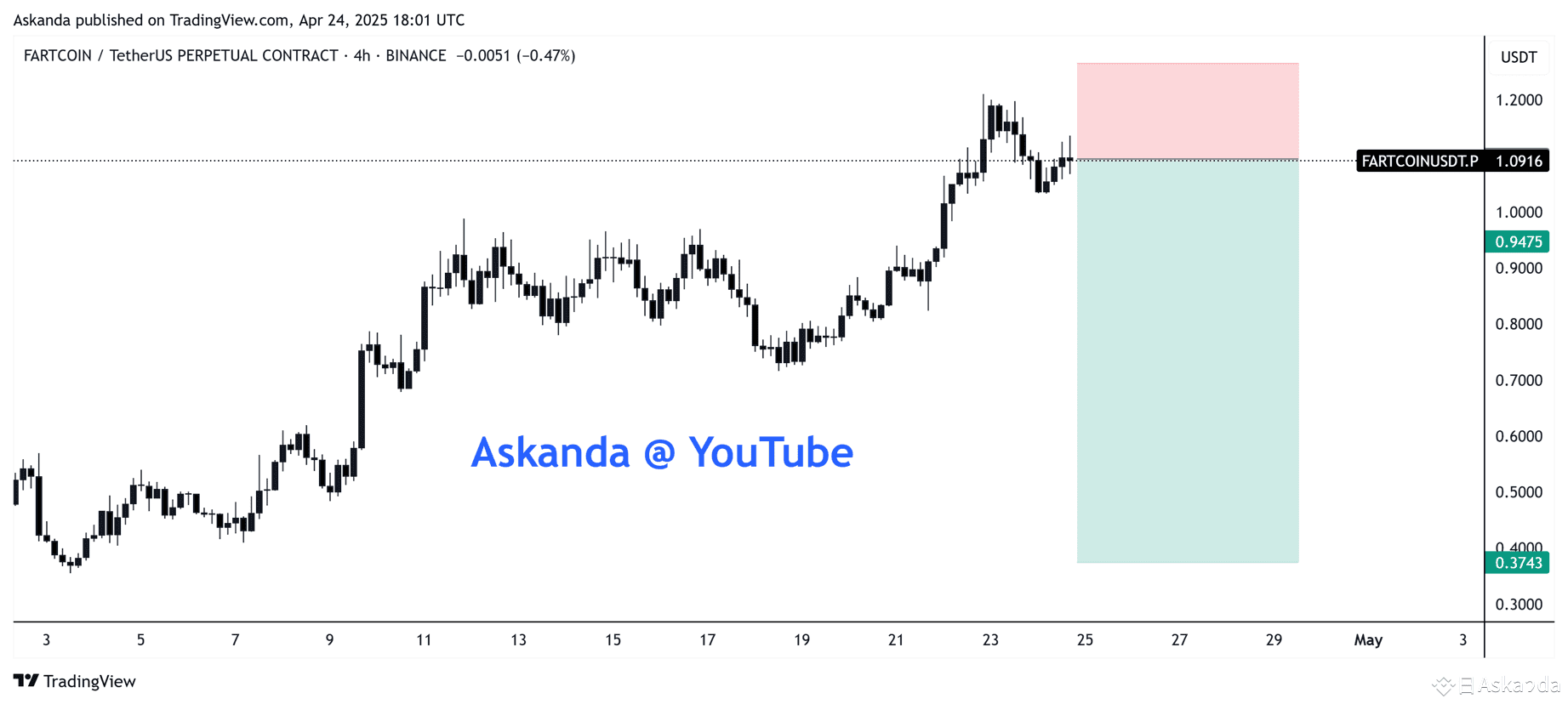
🏧Sell short Fartcoin
✅Follow me: accurate trading signals daily
Market orders
Leverage 25x
Cross margin
1% margin
Entry: 1.0906
Take profit
0.3743
Stop loss
1.2653
#BinanceAlphaAlert
#INitOnBinance
#BTCvsMarkets
$BTC
$XRP
🏧Sell short Fartcoin
✅Follow me: accurate trading signals daily
Market orders
Leverage 25x
Cross margin
1% margin
Entry: 1.0906
Take profit
0.3743
Stop loss
1.2653
#BinanceAlphaAlert
#INitOnBinance
#BTCvsMarkets
$BTC
$XRP
✅Follow me: accurate trading signals daily
Market orders
Leverage 25x
Cross margin
1% margin
Entry: 1.0906
Take profit
0.3743
Stop loss
1.2653
#BinanceAlphaAlert
#INitOnBinance
#BTCvsMarkets
$BTC
$XRP
4
1
4
4.4k

·
--
Bullish
#BTCvsMarkets
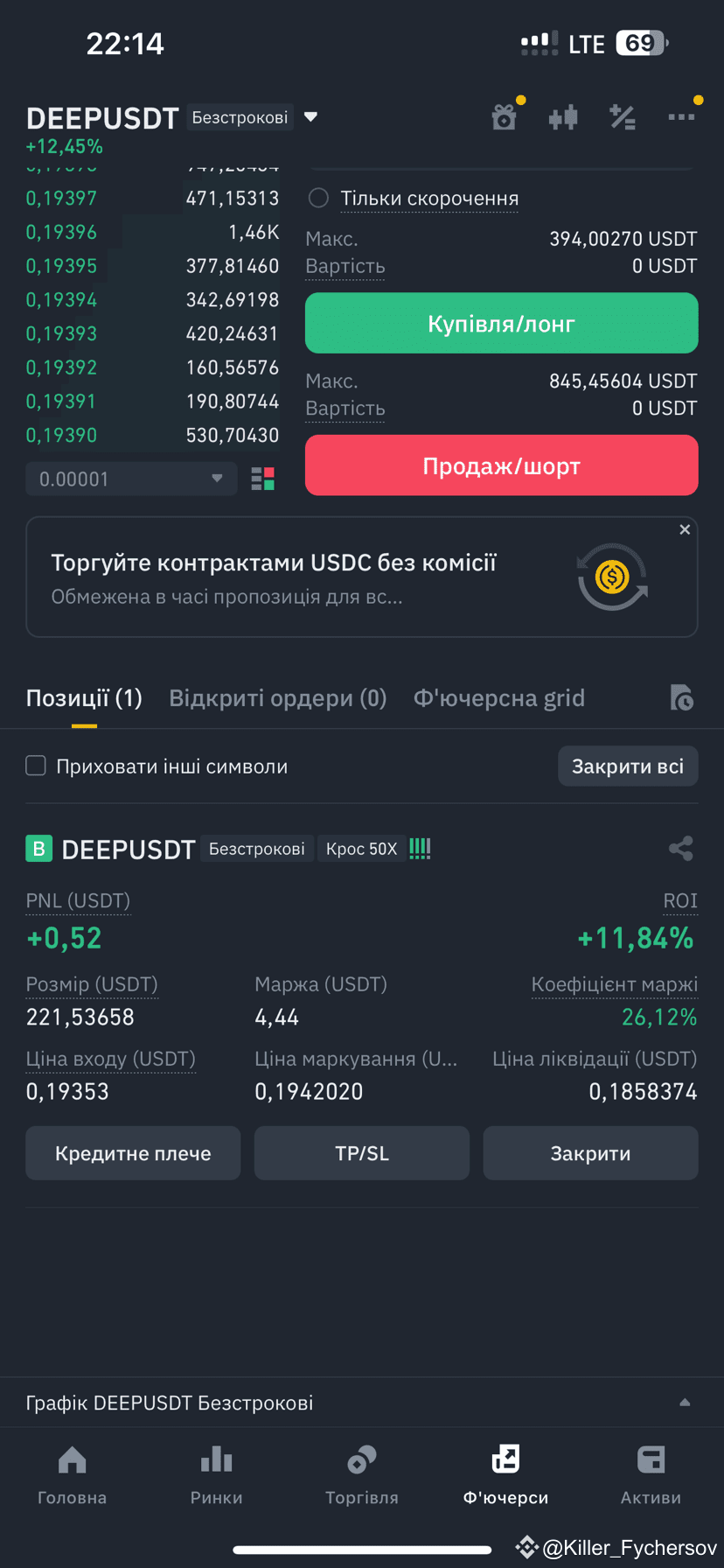
Entered a long position, what do you think?
Will it rise or not? I'm curious what you think.
Everyone's opinion matters, friends.
#BTCvsMarkets
Entered a long position, what do you think?
Will it rise or not? I'm curious what you think.
Everyone's opinion matters, friends.
Entered a long position, what do you think?
Will it rise or not? I'm curious what you think.
Everyone's opinion matters, friends.
1
1
407


·
--
$BTC just rejected the resistance area. The next support zone could be $90000 and if the zone falls then it could fall to 88000 or 89000 but if bulls roared again then we can see an upward shift. Don't drop your liquidity yet. Wait for the confirmation. Do Hedge and call short and long, it can move either ways .
#BTCvsMarkets happy trading !
#BTCvsMarkets happy trading !
51

·
--
Bullish
#BTCvsMarkets Something big is to come soon ,stay steady to see it #BTC .
buying time is here go for it #BNB
#BTCvsMarkets Something big is to come soon ,stay steady to see it #BTC .
buying time is here go for it #BNB
buying time is here go for it #BNB
1
83




·
--
Bullish
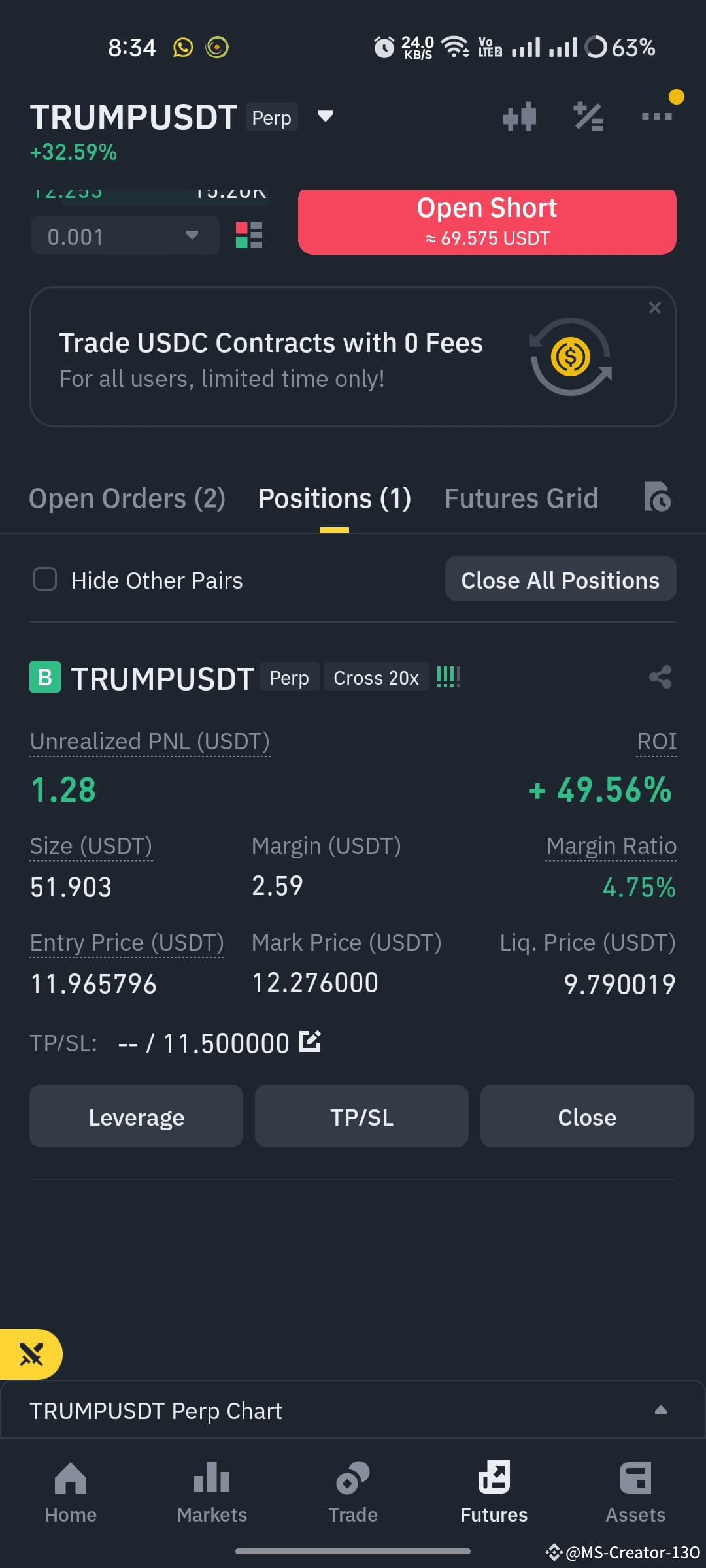
$WCT is a cryptocurrency with great potential,
A useful coin in the Web3 system
Facilitates wallet connectivity.
It is currently in a bearish correction
Don't hesitate to buy and hold this coin that will be talked about in the near future. $BTC $ETH #BTCvsMarkets
$WCT is a cryptocurrency with great potential,
A useful coin in the Web3 system
Facilitates wallet connectivity.
It is currently in a bearish correction
Don't hesitate to buy and hold this coin that will be talked about in the near future. $BTC $ETH #BTCvsMarkets
A useful coin in the Web3 system
Facilitates wallet connectivity.
It is currently in a bearish correction
Don't hesitate to buy and hold this coin that will be talked about in the near future. $BTC $ETH #BTCvsMarkets
407

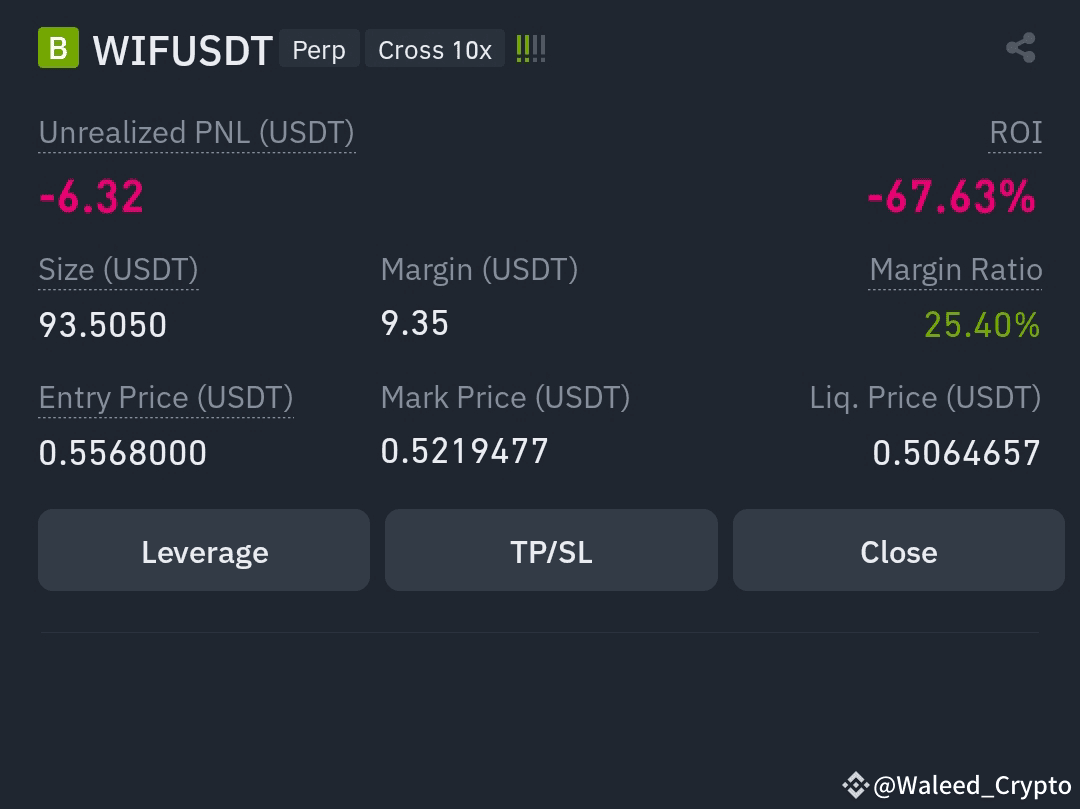

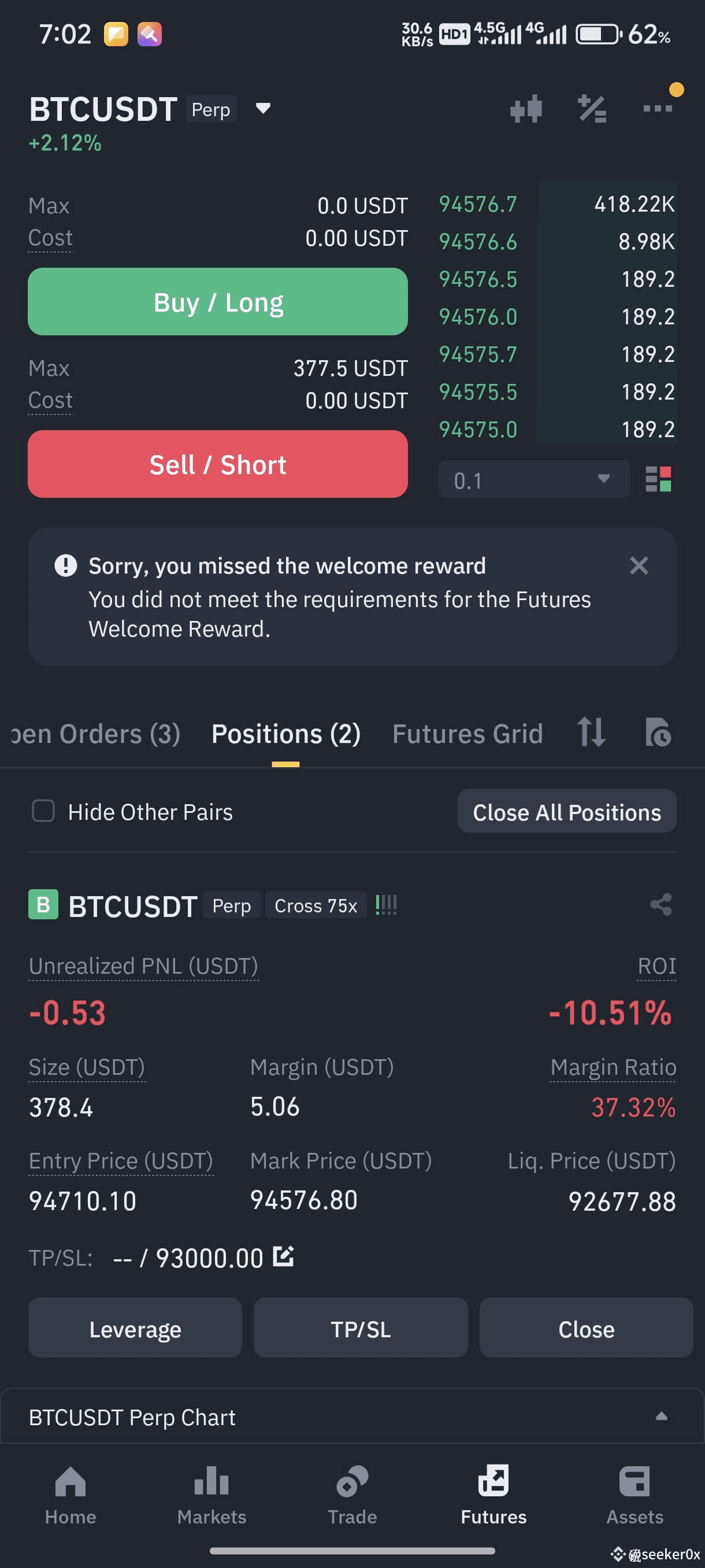
Hey mate,
Hey pro traders.
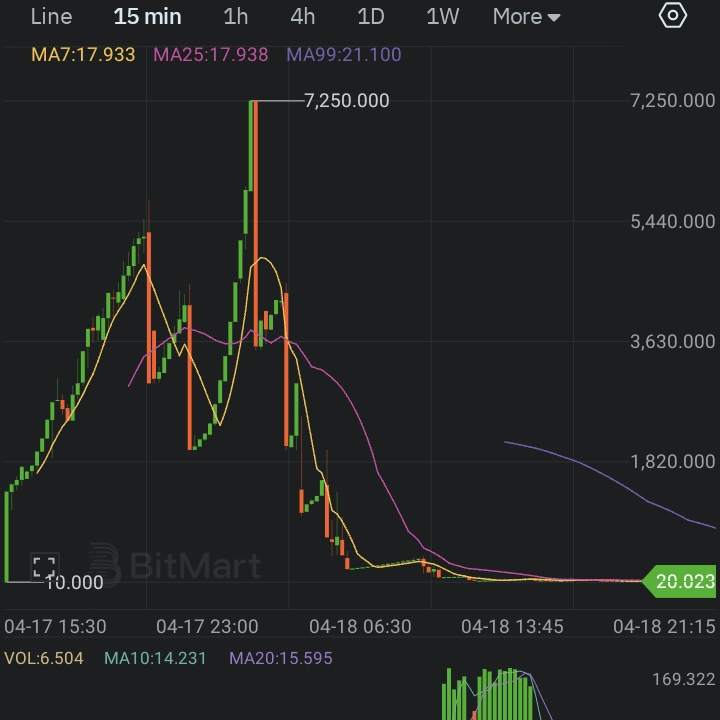
Should I close or wait
I am getting nervous the whole day.
Losing alots and help me to the right way.
Thanks.
#BTCvsMarkets
#Write2Earn
$BTC
Hey mate,
Hey pro traders.
Should I close or wait
I am getting nervous the whole day.
Losing alots and help me to the right way.
Thanks.
#BTCvsMarkets
#Write2Earn
$BTC
Hey pro traders.
Should I close or wait
I am getting nervous the whole day.
Losing alots and help me to the right way.
Thanks.
#BTCvsMarkets
#Write2Earn
$BTC
9
2
1
2.1k

·
--
Bearish
I am a beginner in trading and sometimes I make profits
Will today have a stable correct direction or what
$BTC #BTCvsMarkets
I am a beginner in trading and sometimes I make profits
Will today have a stable correct direction or what
$BTC #BTCvsMarkets
Will today have a stable correct direction or what
$BTC #BTCvsMarkets
8
112

·
--
Bullish
#BTCvsMarkets
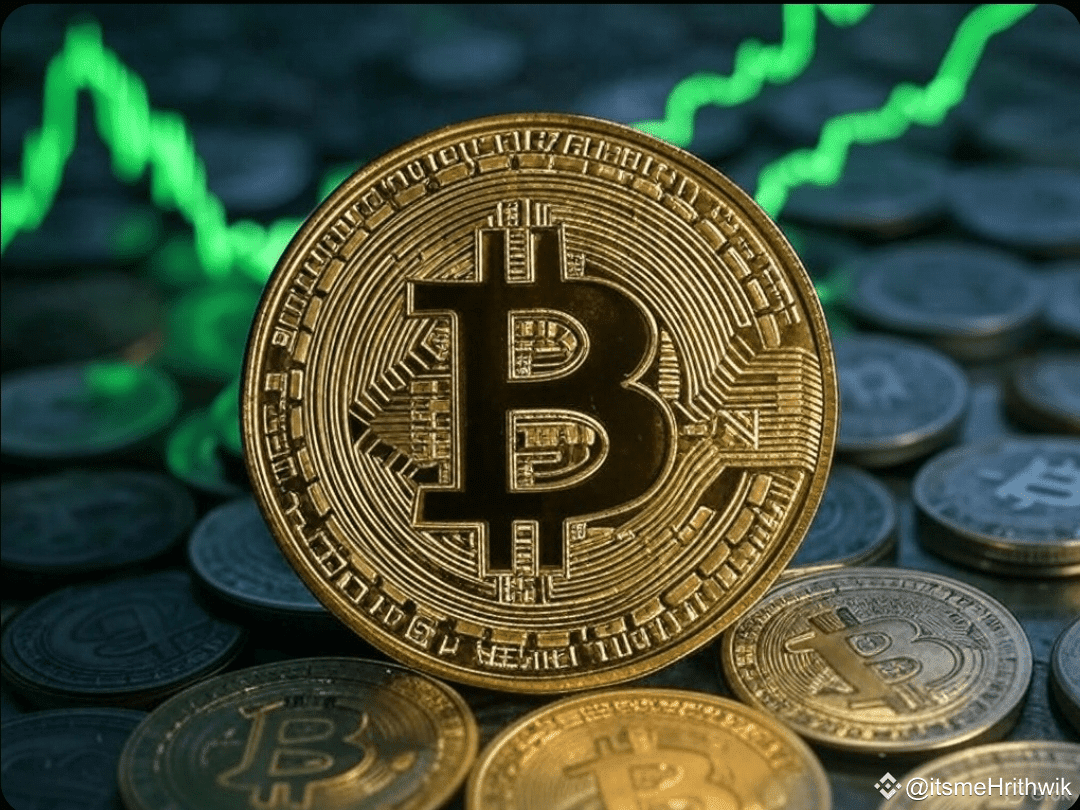
Bitcoin (BTC) has long been a standout in the financial world, often moving independently of traditional markets while still influencing broader trends. As of April 2025, BTC remains the leading cryptocurrency, with its price driven by a mix of investor sentiment, macroeconomic factors, and technological developments. Unlike traditional markets—such as stocks or commodities—BITs operate on a decentralized blockchain, free from central bank control, making it both a hedge against inflation and a speculative asset.
In recent years, BTC’s performance has diverged from the stock market. While equities often react to interest rate hikes or corporate earnings, BTC is more sensitive to crypto-specific events like halving cycles, regulatory news, or adoption by institutions. For instance, when markets dipped due to recession fears, BTC sometimes rallied as investors sought alternatives to fiat currencies. However, it’s not immune to correlation—during major sell-offs, BTC has occasionally mirrored risk-off assets.
The broader crypto market often follows BTC’s lead, with altcoins amplifying its gains or losses. Yet, BTC’s dominance—its share of total crypto market cap—fluctuates as competitors like Ethereum challenge its throne. Ultimately, BTC vs. the market is a tale of volatility, innovation, and a redefinition of value in a digital age.
1
12

#BTCvsMarkets the app is surprising and wsom i like it and also love this app and apps owner i walt to near him
#BTCvsMarkets the app is surprising and wsom i like it and also love this app and apps owner i walt to near him
4
142
Log in to explore more content
Join global crypto users on Binance Square
⚡️ Get latest and useful information about crypto.
💬 Trusted by the world’s largest crypto exchange.
👍 Discover real insights from verified creators.
Email / Phone number
Trending Topics
1
CanMarketsReboundAfterThanksgiving?
0 views
0 Discussing
2
#CouldSpaceX’sOrbitalDataCentersBoostAIChipDemand?
34 views
6 Discussing
3
#EvolveAtBinanceBlockchainWeek
621,515 views
6,093 Discussing
4
#CorePCEBeatLiftsFedHikeOdds
129,934 views
1,064 Discussing
5
#BitcoinAndStocksSlipAgainAmidTrump’sTariffPlans
190,737 views
1,907 Discussing
6
#JensenHuangSaysNvidiaDoesn’tNeedASuccessionPlan
92,962 views
1,154 Discussing
7
#NasdaqFuturesSlideMoreThan3%
34,734 views
303 Discussing
8
#USOctoberPCEPriceIndexAt0.3%MoM
39,326 views
335 Discussing
9
#BitcoinETFsPostRecord$4.94BNovemberOutflows
5,207 views
41 Discussing
10
#TetherInvestsInArgentinasLemon
15,046 views
174 Discussing