
#tst2026
tst2026
1,944 views
30 Discussing
Hot
Latest

Article
TST Coin FuturesThe TST Token Phenomenon: From Tutorial Demo to Viral Meme Asset
Test Token (ticker: TST) represents one of the most unusual chapters in recent cryptocurrency history: an asset originally created with zero financial intent that rapidly transitioned into a multi-million-dollar speculative trading instrument.
1. What Is TST Coin?
Origin as an Educational Dummy Asset: TST was minted on the BNB Smart Chain (BSC) using the BEP-20 token standard. It was deployed solely as a walkthrough asset by developers to illustrate how smart contracts and meme launchpads (like Four.Meme) deploy code on-chain.
The "Accidental" Launch: In early 2025, a developer tutorial video displayed the active contract address on screen. Algorithmic on-chain snipers and opportunistic retail traders picked up the address, assuming an unannounced Binance-ecosystem deployment, and began pouring liquidity into decentralized pools.
Social Amplification: Despite explicit clarifications from figures like Changpeng Zhao (CZ) stating that TST had no official project backing, roadmap, or reserve allocation, speculative traders treated the asset as a narrative-driven meme coin.
2. Core Profile & Technical Data
Attribute
Specification
Asset Name
Test / Test Token
Ticker
TST
Blockchain Network
BNB Smart Chain (BSC)
Token Standard
BEP-20
Verified Contract
0x86Bb94DdD16Efc8bc58e6b056e8df71D9e666429
Core Utility
Purely speculative / meme-driven (no native protocol utility)
3. Market Mechanics: Why Did It Explode?
The BNB Chain Ecosystem Narrative: Because the asset originated in direct BNB Chain instructional material, speculators gambled that major exchanges would feel pressured by sudden liquidity surges to list the token.
Viral Momentum Trading: Within days of its discovery, daily volume spiked dramatically and retail groups fueled parabolic short-term price discovery, outperforming traditional utility altcoins during a broader market lull.
PancakeSwap Liquidity Pools: Community and early whale deposits into automated market maker (AMM) pools sustained initial decentralized trading before secondary and centralized platforms followed.
4. Key Risks and Structural Limitations
Absence of Intrinsic Value or Roadmap: Unlike Layer-1 protocols, DeFi primitives, or governance tokens, TST does not generate revenue, offer staking incentives, or govern an operational protocol.
Delisting & Liquidity Evaporation: As initial speculative interest wanes, exchanges frequently review and delist experimental assets that lack active development teams, leading to sharp declines in liquidity.
Concentrated Whale Ownership: Early snipers who acquired tokens for negligible gas fees hold disproportionate power over order books, exposing late retail buyers to sharp downside risk.#TST&CheemsOnBinance #TST2026 TST
TST Coin Futures
The TST Token Phenomenon: From Tutorial Demo to Viral Meme Asset
Test Token (ticker: TST) represents one of the most unusual chapters in recent cryptocurrency history: an asset originally created with zero financial intent that rapidly transitioned into a multi-million-dollar speculative trading instrument.
1. What Is TST Coin?
Origin as an Educational Dummy Asset: TST was minted on the BNB Smart Chain (BSC) using the BEP-20 token standard. It was deployed solely as a walkthrough asset by developers to illustrate how smart contracts and meme launchpads (like Four.Meme) deploy code on-chain.
The "Accidental" Launch: In early 2025, a developer tutorial video displayed the active contract address on screen. Algorithmic on-chain snipers and opportunistic retail traders picked up the address, assuming an unannounced Binance-ecosystem deployment, and began pouring liquidity into decentralized pools.
Social Amplification: Despite explicit clarifications from figures like Changpeng Zhao (CZ) stating that TST had no official project backing, roadmap, or reserve allocation, speculative traders treated the asset as a narrative-driven meme coin.
2. Core Profile & Technical Data
Attribute
Specification
Asset Name
Test / Test Token
Ticker
TST
Blockchain Network
BNB Smart Chain (BSC)
Token Standard
BEP-20
Verified Contract
0x86Bb94DdD16Efc8bc58e6b056e8df71D9e666429
Core Utility
Purely speculative / meme-driven (no native protocol utility)
3. Market Mechanics: Why Did It Explode?
The BNB Chain Ecosystem Narrative: Because the asset originated in direct BNB Chain instructional material, speculators gambled that major exchanges would feel pressured by sudden liquidity surges to list the token.
Viral Momentum Trading: Within days of its discovery, daily volume spiked dramatically and retail groups fueled parabolic short-term price discovery, outperforming traditional utility altcoins during a broader market lull.
PancakeSwap Liquidity Pools: Community and early whale deposits into automated market maker (AMM) pools sustained initial decentralized trading before secondary and centralized platforms followed.
4. Key Risks and Structural Limitations
Absence of Intrinsic Value or Roadmap: Unlike Layer-1 protocols, DeFi primitives, or governance tokens, TST does not generate revenue, offer staking incentives, or govern an operational protocol.
Delisting & Liquidity Evaporation: As initial speculative interest wanes, exchanges frequently review and delist experimental assets that lack active development teams, leading to sharp declines in liquidity.
Concentrated Whale Ownership: Early snipers who acquired tokens for negligible gas fees hold disproportionate power over order books, exposing late retail buyers to sharp downside risk.#TST&CheemsOnBinance #TST2026 TST
132

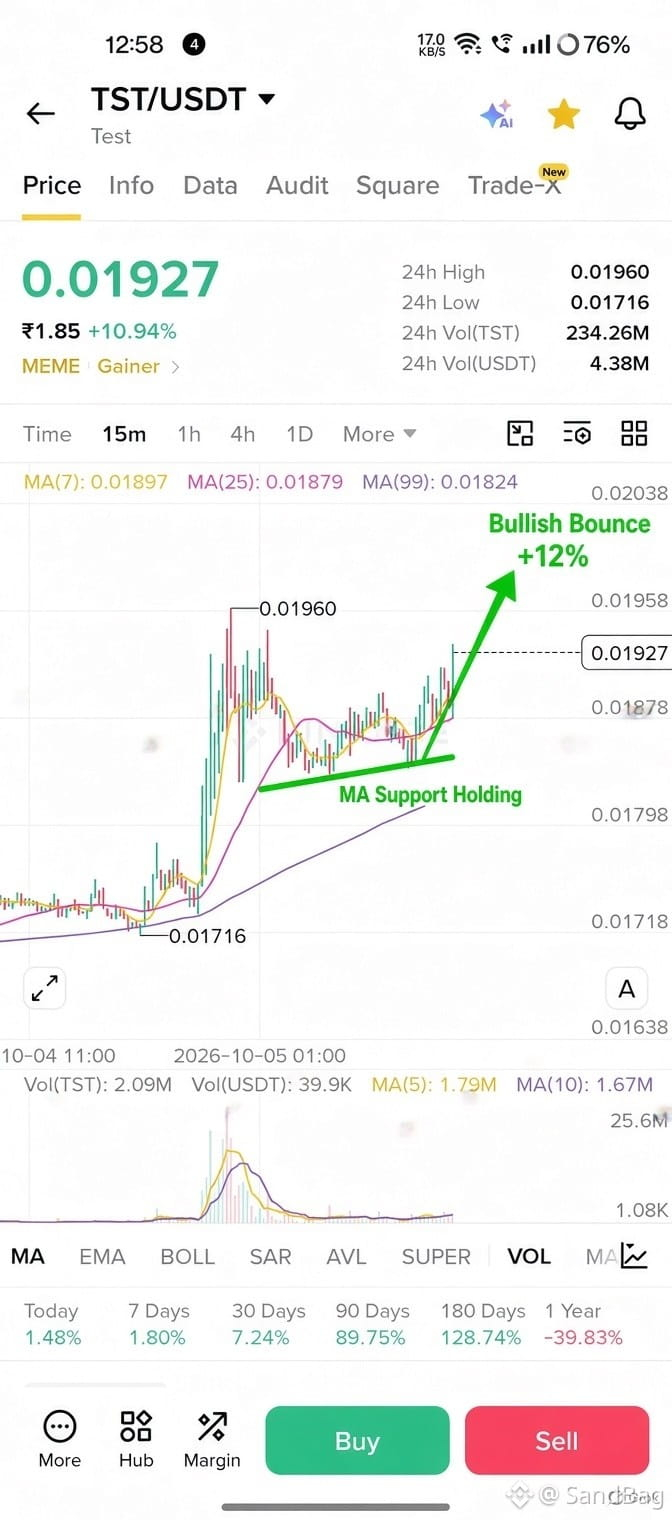
🚀🔥 $TST is waking up — and the chart is SCREAMING opportunity right now! 💎
Looking at both the daily and 15-minute charts, the only direction that matters is UP 📈
From the deep bottom near 0.00934, $TST T blasted higher with a clean parabolic spike to 0.02637 💥 That move left a powerful higher-low structure and price is now holding firmly above all key moving averages 💪
On the 15-minute chart the same story continues: a sharp bounce from 0.01716 straight into the current zone near 0.01927 🚀 Short-term MAs flipping bullish + volume confirming the push 📊
24h performance already showing +10.9% while most of the market sleeps 😴➡️🔥 Meme momentum + reclaiming higher levels = the classic early stage of the next leg 🌙
This is the kind of setup where waiting for “perfect” confirmation often means missing the move ⏳ The path of least resistance is clearly higher ⬆️
#TST2026 #TrenddingTopic #TrendingPredictions #TSTanalaysis
{spot}(TSTUSDT)
🚀🔥 $TST is waking up — and the chart is SCREAMING opportunity right now! 💎
Looking at both the daily and 15-minute charts, the only direction that matters is UP 📈
From the deep bottom near 0.00934, $TST T blasted higher with a clean parabolic spike to 0.02637 💥 That move left a powerful higher-low structure and price is now holding firmly above all key moving averages 💪
On the 15-minute chart the same story continues: a sharp bounce from 0.01716 straight into the current zone near 0.01927 🚀 Short-term MAs flipping bullish + volume confirming the push 📊
24h performance already showing +10.9% while most of the market sleeps 😴➡️🔥 Meme momentum + reclaiming higher levels = the classic early stage of the next leg 🌙
This is the kind of setup where waiting for “perfect” confirmation often means missing the move ⏳ The path of least resistance is clearly higher ⬆️
#TST2026 #TrenddingTopic #TrendingPredictions #TSTanalaysis
1
181



·
--
Bullish
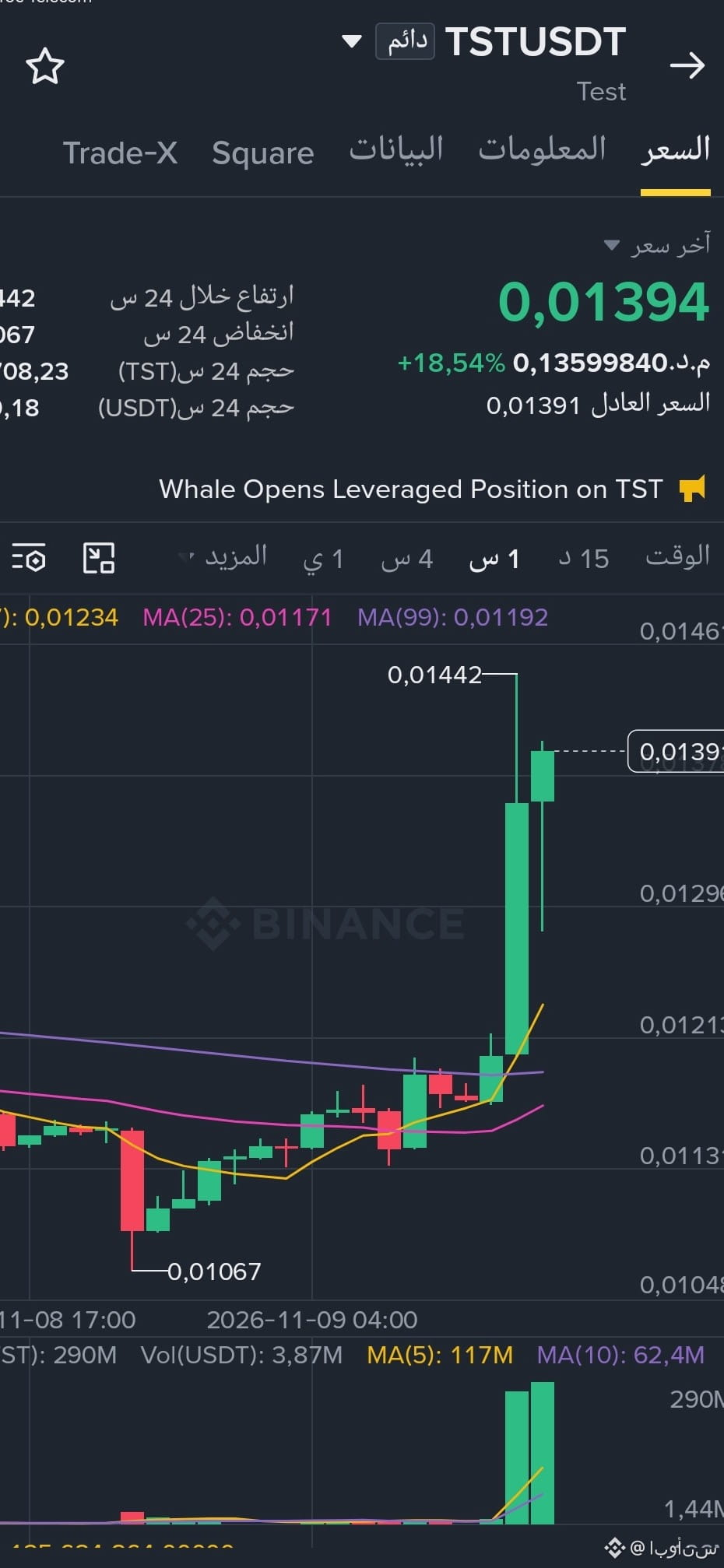
$TST pumping today, up 25%, with gains potentially reaching 40% in the coming hours.
{spot}(TSTUSDT)
Currently at $0.014, targeting $0.021 🔥
So, are you holding this asset? Will you hold, sell, or buy more?
#Write2Earn #TST2026 #BinanceSquareTalks
$TST pumping today, up 25%, with gains potentially reaching 40% in the coming hours.
Currently at $0.014, targeting $0.021 🔥
So, are you holding this asset? Will you hold, sell, or buy more?
#Write2Earn #TST2026 #BinanceSquareTalks
Currently at $0.014, targeting $0.021 🔥
So, are you holding this asset? Will you hold, sell, or buy more?
#Write2Earn #TST2026 #BinanceSquareTalks

239

·
--
Bullish
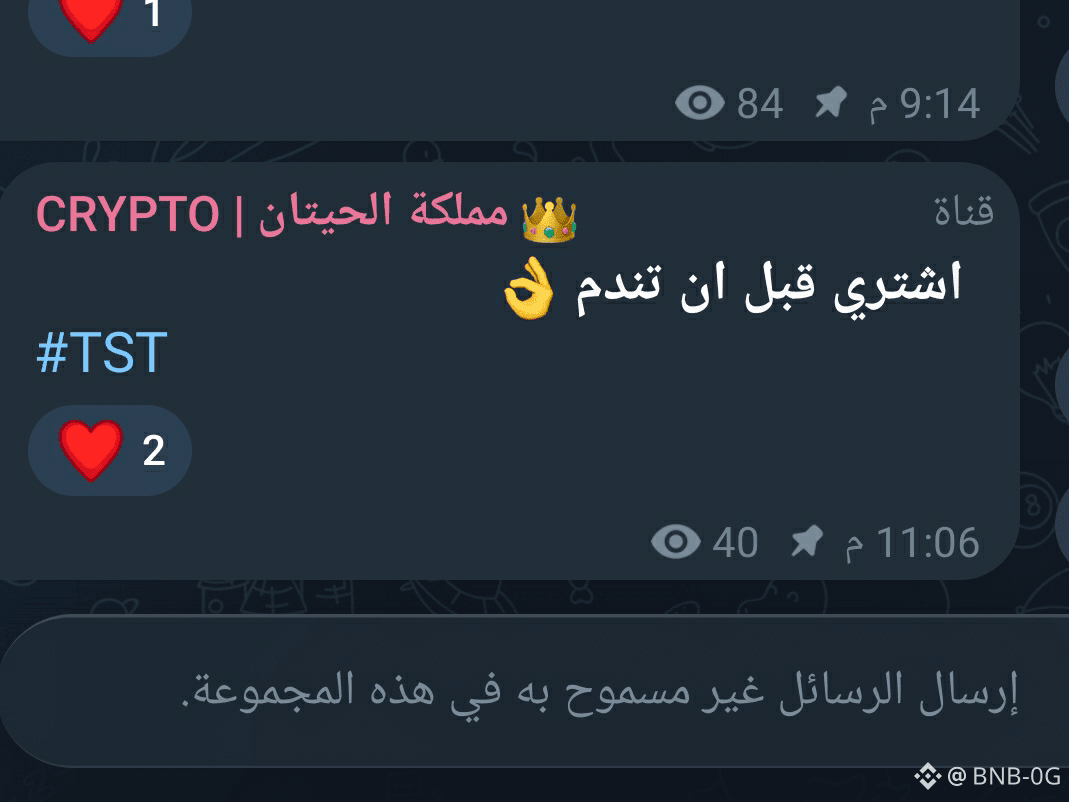
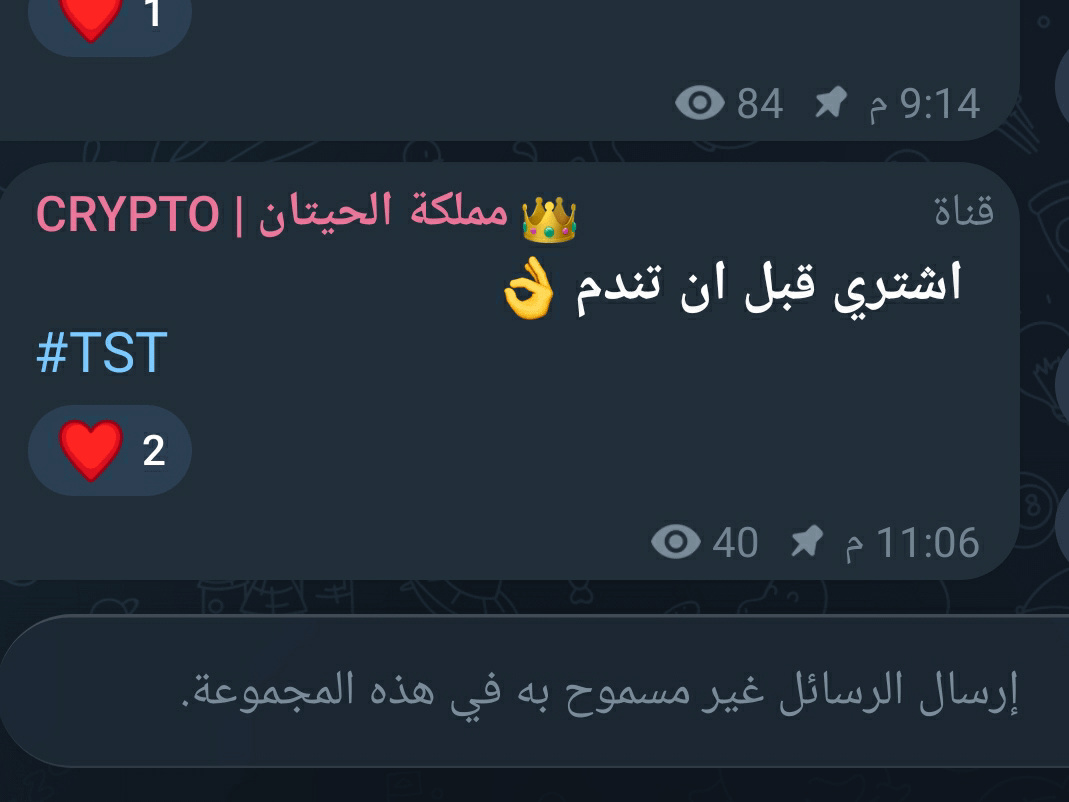
👀Look at the advice of one whale 🐳
It says: “Buy before regret” 👌#TST
$TST
?? What do you think about this—will you take the opportunity? $TST
#TST2026
#TST2025
#tstanalaysis🔥🔥🔥🔥
👀Look at the advice of one whale 🐳
It says: “Buy before regret” 👌#TST
$TST
?? What do you think about this—will you take the opportunity? $TST
#TST2026
#TST2025
#tstanalaysis🔥🔥🔥🔥
It says: “Buy before regret” 👌#TST
$TST
?? What do you think about this—will you take the opportunity? $TST
#TST2026
#TST2025
#tstanalaysis🔥🔥🔥🔥
2
3
430
·
--
Bullish
Wait wait wait, my community $TST may be preparing for a big step…!!
$TST has kept the 0.01510 area for a long time after consolidation, with the support zone 0.01250 protecting the structure. If buyers gain strength, the next targets could be 0.01949 and 0.02300 while keeping 0.01250 as the main support
#TST2026 #tstanalaysis🔥🔥🔥🔥 #bnb #TradingCommunity
$TST has kept the 0.01510 area for a long time after consolidation, with the support zone 0.01250 protecting the structure. If buyers gain strength, the next targets could be 0.01949 and 0.02300 while keeping 0.01250 as the main support
#TST2026 #tstanalaysis🔥🔥🔥🔥 #bnb #TradingCommunity
67

·
--
Bullish
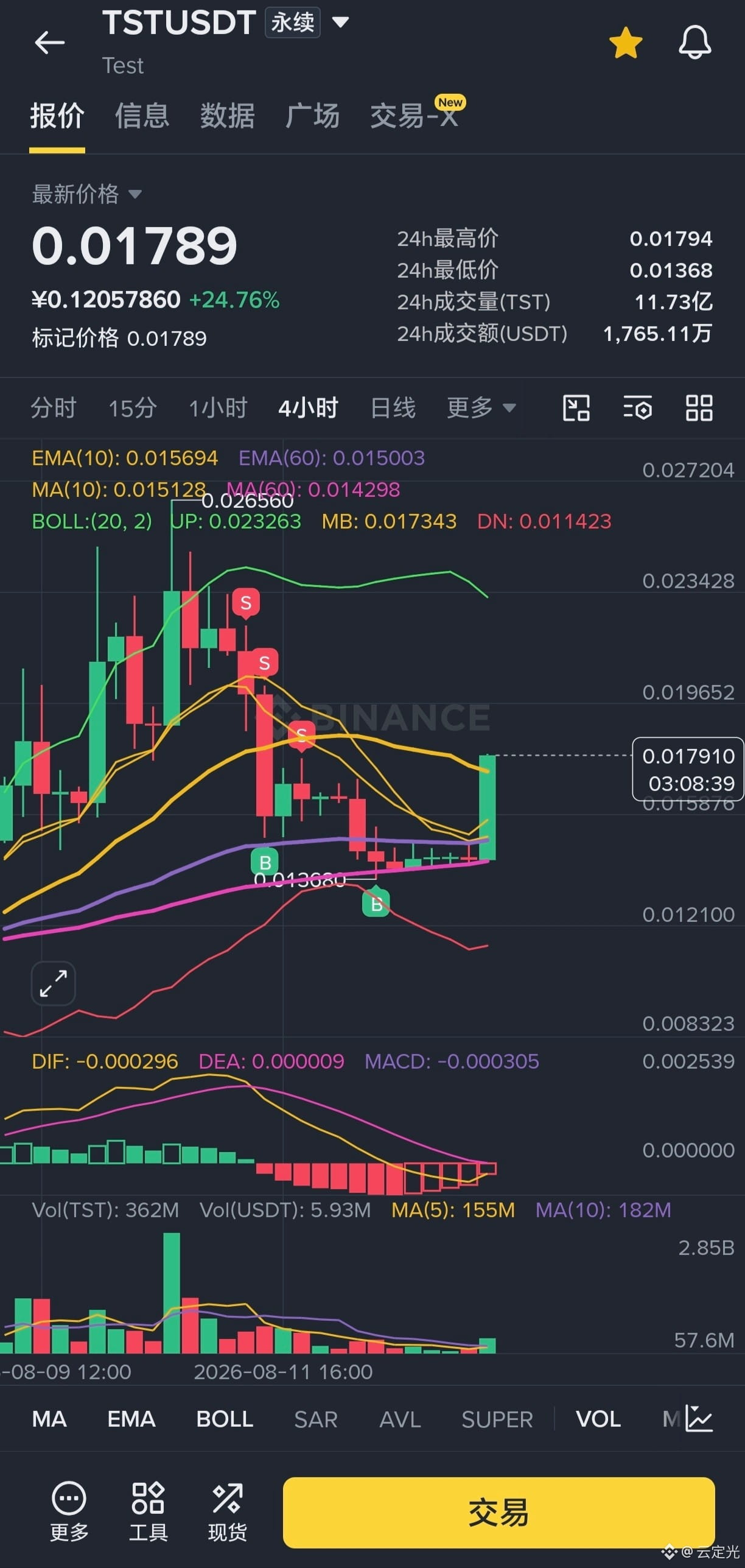
$TST Haha, you really did give me a surprise. This round, I love it—love it. No topic? Then I’ll create an opportunity myself #TST2026
$TST Haha, you really did give me a surprise. This round, I love it—love it. No topic? Then I’ll create an opportunity myself #TST2026
233

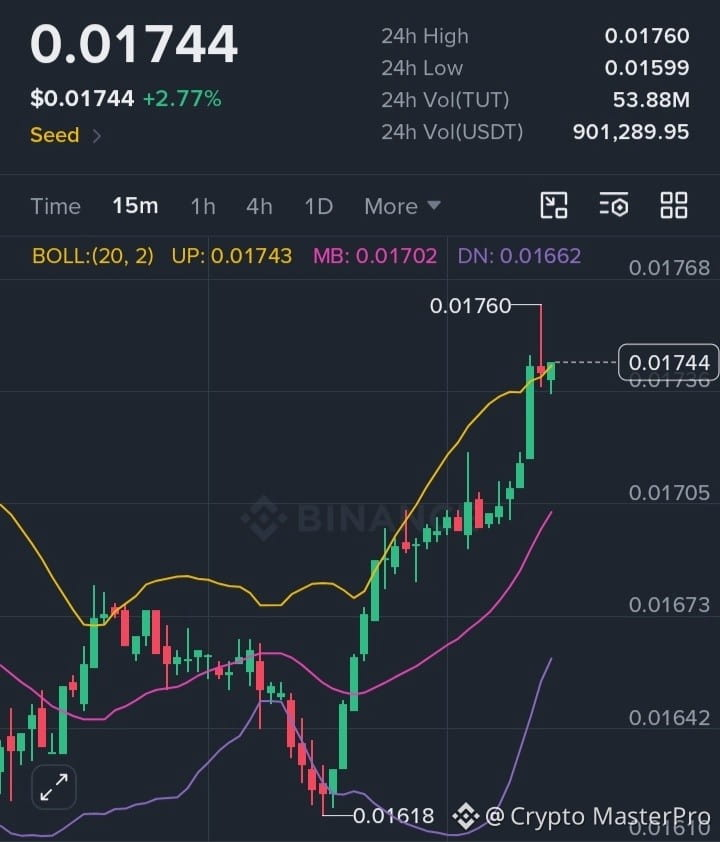
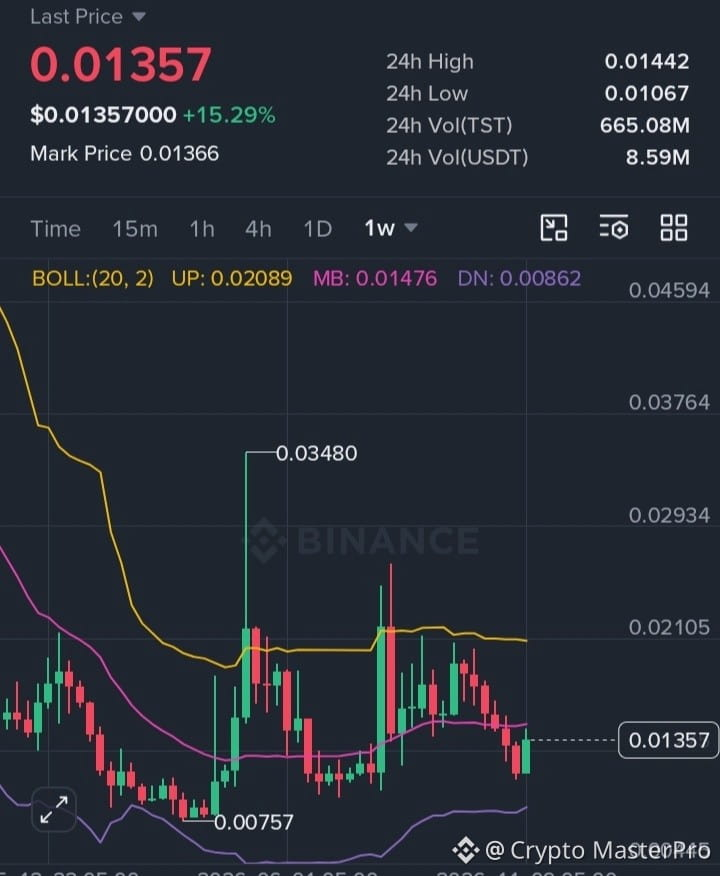

$TST Every time I feel like I’m finally getting close to breaking even, this thing gets smashed down again. 😭 It’s like the market just refuses to let me escape.
I look at the chart and my position isn’t even that big, so why does it feel like $TST is personally targeting me? 😂
#TST #TST2026 #TST&CheemsOnBinance
I look at the chart and my position isn’t even that big, so why does it feel like $TST is personally targeting me? 😂
#TST #TST2026 #TST&CheemsOnBinance
91

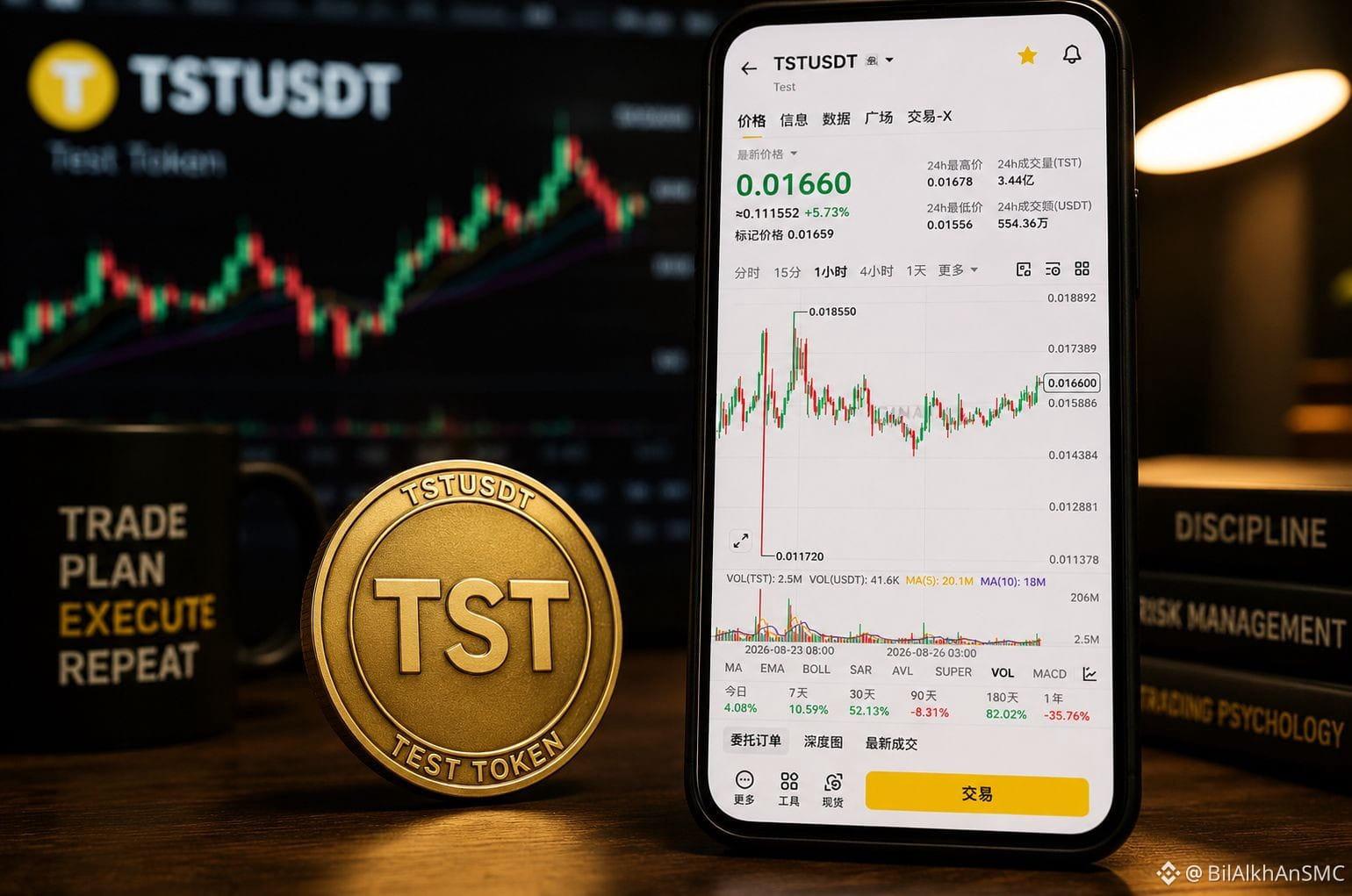
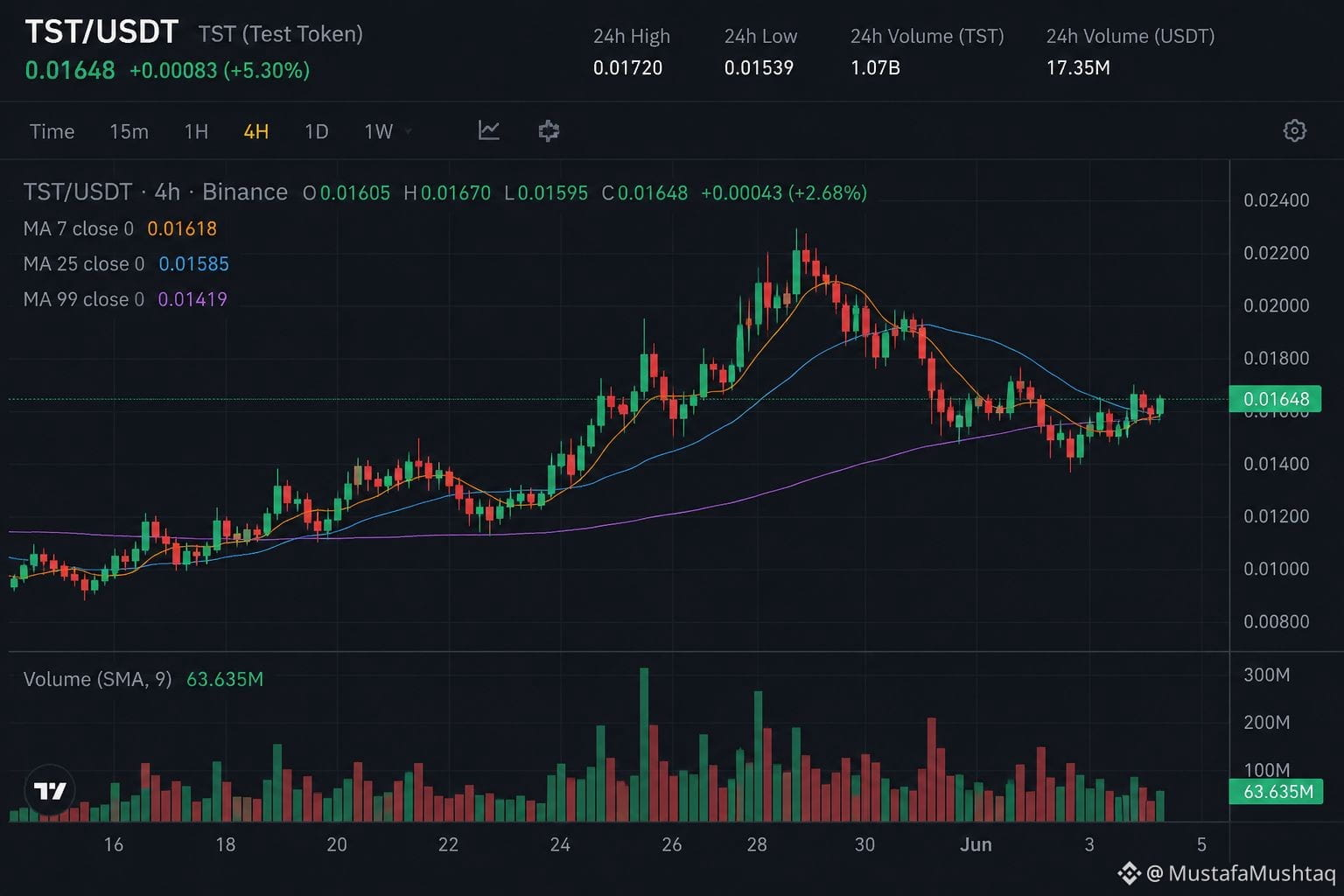
$TST is a high-volatility BNB Chain meme token. Current market data places it around $0.016–$0.017, with roughly $15–16M market cap and substantial 24-hour trading volume. �
CoinMarketCap +1
Technical view:
Support: ~$0.015–$0.016
Resistance: ~$0.019–$0.020
A sustained move above $0.020 could signal stronger momentum.
Losing $0.015 would weaken the short-term setup.
TST remains far below its 2025 all-time high, so price swings can be sharp.
#TST2026 #ADPJobsSurge #PrivacyJobsSurge
{future}(TSTUSDT)
$TST is a high-volatility BNB Chain meme token. Current market data places it around $0.016–$0.017, with roughly $15–16M market cap and substantial 24-hour trading volume. �
CoinMarketCap +1
Technical view:
Support: ~$0.015–$0.016
Resistance: ~$0.019–$0.020
A sustained move above $0.020 could signal stronger momentum.
Losing $0.015 would weaken the short-term setup.
TST remains far below its 2025 all-time high, so price swings can be sharp.
#TST2026 #ADPJobsSurge #PrivacyJobsSurge
1
227

·
--
$TST entering into a short in 1h taking advantage that the 7,25 and 99 EMA are above the price in a descending channel. #Write2Earn! #BinanceSquare #TST2026
$TST entering into a short in 1h taking advantage that the 7,25 and 99 EMA are above the price in a descending channel. #Write2Earn! #BinanceSquare #TST2026
2
354
🚨 $TST IS QUIETLY STARTING TO WAKE UP AGAIN… 👀🔥
Look at what just happened:
📈 ~+9% today
💰 ~$4M 24H volume
🔥 200M+ TST traded
👀 Price pushed from ~$0.017 → ~$0.0196
But here's what REALLY caught my attention…
Yesterday's volume exploded to ~206M TST — after several much quieter sessions. 👀
And today?
The price is still holding around $0.019.
That's interesting.
Because TST already showed it can move violently when liquidity arrives.
🎯 Key level: $0.0196–$0.0200
Break that with volume?
🚀 The momentum could accelerate VERY quickly.
Lose ~$0.018?
⚠️ Then this could turn into another rejection.
$TST is a meme coin, so there's no need to invent some crazy fundamental story.
The story is simply:
ATTENTION + VOLUME + SMALL MARKET CAP + MOMENTUM.
And right now…
👀 I'm watching.
Not financial advice. DYOR.
#TST2026 #TSTanalaysis #tstanalysis #TrendingHot #TrenddingTopic
{spot}(TSTUSDT)
🚨 $TST IS QUIETLY STARTING TO WAKE UP AGAIN… 👀🔥
Look at what just happened:
📈 ~+9% today
💰 ~$4M 24H volume
🔥 200M+ TST traded
👀 Price pushed from ~$0.017 → ~$0.0196
But here's what REALLY caught my attention…
Yesterday's volume exploded to ~206M TST — after several much quieter sessions. 👀
And today?
The price is still holding around $0.019.
That's interesting.
Because TST already showed it can move violently when liquidity arrives.
🎯 Key level: $0.0196–$0.0200
Break that with volume?
🚀 The momentum could accelerate VERY quickly.
Lose ~$0.018?
⚠️ Then this could turn into another rejection.
$TST is a meme coin, so there's no need to invent some crazy fundamental story.
The story is simply:
ATTENTION + VOLUME + SMALL MARKET CAP + MOMENTUM.
And right now…
👀 I'm watching.
Not financial advice. DYOR.
#TST2026 #TSTanalaysis #tstanalysis #TrendingHot #TrenddingTopic
2
130
🚨 TODAY'S TOP 5 GAINERS ARE GETTING INTERESTING 👀🔥
The market is throwing some serious moves today:
🥇 $GTC — +~59%
💰 ~$14M market cap
📊 ~$30M+ volume
🏛️ Gitcoin ecosystem + fresh Techne reboot narrative
🥈 $NIL — +~25%
💰 ~$54M market cap
📊 ~$47M volume
🔥 Blacklight mainnet launch + NIL staking narrative
🥉 $MUBARAK — +~16%
💰 ~$77M market cap
📊 $100M+ volume
😂 Meme momentum is still VERY much alive
4️⃣ $FET — +~14%
🤖 AI / ASI Alliance
💰 ~$600M market cap
📊 $325M+ volume
🔥 One of the strongest liquidity plays among today's gainers
5️⃣ $TST — +~9%
💰 Small-cap meme
📊 200M+ TST traded
🔥 Yesterday saw ~206M TST volume
👀 Price testing the $0.0196–$0.0200 zone
And that's what makes today's market interesting:
🏛️ GTC → ecosystem reboot
🔐 NIL → mainnet catalyst
😂 MUBARAK → meme momentum
🤖 FET → AI narrative + huge liquidity
🔥 TST → volume + breakout attempt
The question isn't simply:
“Which one is green?”
It's:
👀 WHICH ONE HAS ENOUGH VOLUME TO KEEP THE MOVE ALIVE?
That's what I'm watching today. 📊🔥
⚠️ Big green candles can reverse just as quickly. DYOR.
#TST2026 #GTCUSDT #MUBARAK #TrenddingTopic #TrendingInvestments
{spot}(MUBARAKUSDT)
{spot}(GTCUSDT)
{spot}(TSTUSDT)
🚨 TODAY'S TOP 5 GAINERS ARE GETTING INTERESTING 👀🔥
The market is throwing some serious moves today:
🥇 $GTC — +~59%
💰 ~$14M market cap
📊 ~$30M+ volume
🏛️ Gitcoin ecosystem + fresh Techne reboot narrative
🥈 $NIL — +~25%
💰 ~$54M market cap
📊 ~$47M volume
🔥 Blacklight mainnet launch + NIL staking narrative
🥉 $MUBARAK — +~16%
💰 ~$77M market cap
📊 $100M+ volume
😂 Meme momentum is still VERY much alive
4️⃣ $FET — +~14%
🤖 AI / ASI Alliance
💰 ~$600M market cap
📊 $325M+ volume
🔥 One of the strongest liquidity plays among today's gainers
5️⃣ $TST — +~9%
💰 Small-cap meme
📊 200M+ TST traded
🔥 Yesterday saw ~206M TST volume
👀 Price testing the $0.0196–$0.0200 zone
And that's what makes today's market interesting:
🏛️ GTC → ecosystem reboot
🔐 NIL → mainnet catalyst
😂 MUBARAK → meme momentum
🤖 FET → AI narrative + huge liquidity
🔥 TST → volume + breakout attempt
The question isn't simply:
“Which one is green?”
It's:
👀 WHICH ONE HAS ENOUGH VOLUME TO KEEP THE MOVE ALIVE?
That's what I'm watching today. 📊🔥
⚠️ Big green candles can reverse just as quickly. DYOR.
#TST2026 #GTCUSDT #MUBARAK #TrenddingTopic #TrendingInvestments
1
401

we have a result, very cool, #TST2026
we have a result, very cool, #TST2026
Quoted content has been removed
3

·
--
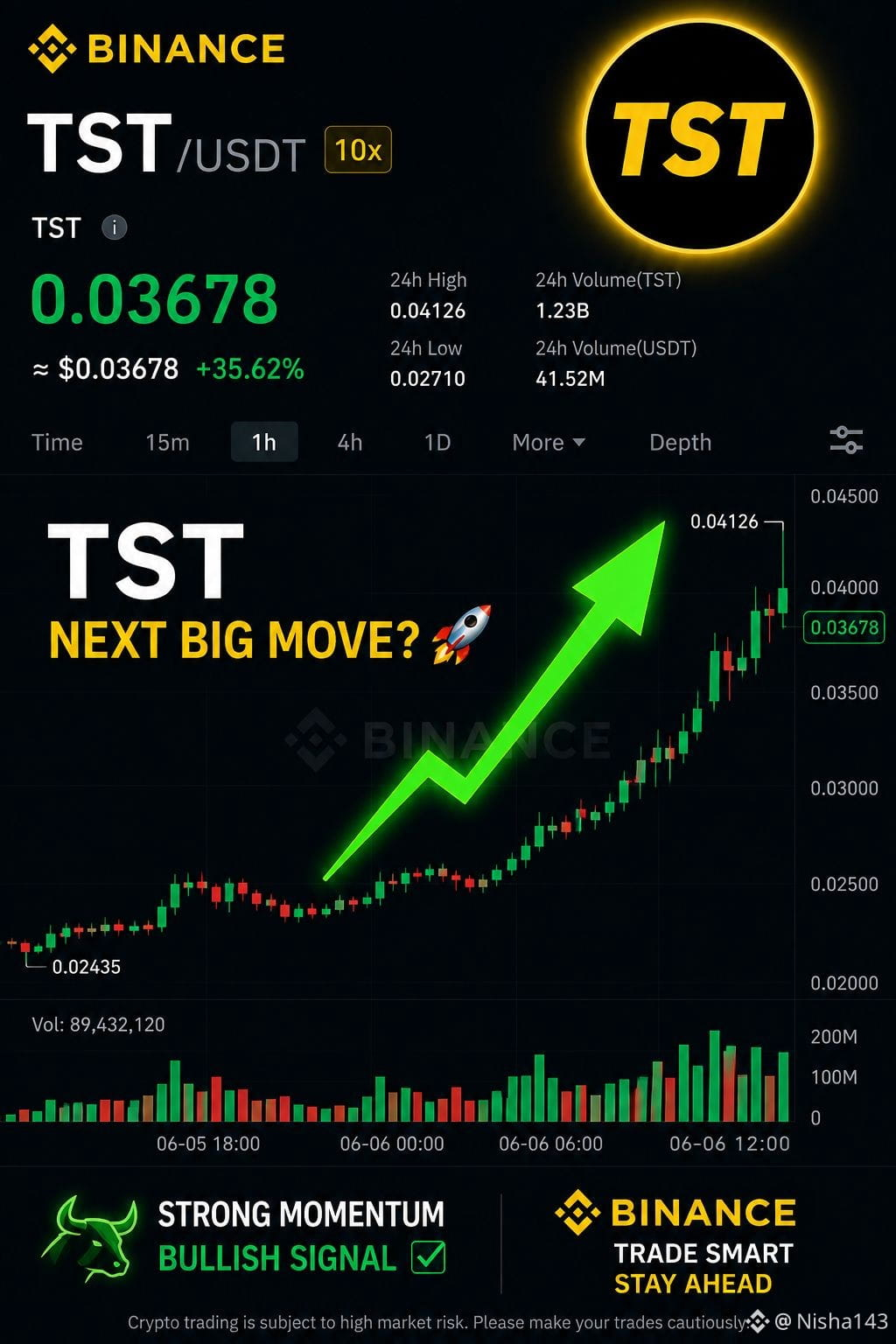
$TST TST is catching fresh attention in the crypto market 👀🔥 Traders are keeping a close eye on its price action 📈⚡ Could TST be preparing for another big move? 🚀 Momentum and trading volume will be important signals to watch 👀 A strong breakout could bring fresh attention to TST 🔥 The chart could become interesting if buying pressure continues 📊 Traders are watching key support and resistance levels closely 🎯 TST may become one of the coins to watch as market activity increases 🚀 But remember, crypto can be highly volatile ⚠️ Price can move quickly in either direction 📉📈 Smart traders focus on market structure instead of blindly chasing pumps 🧠 Volume confirmation can make the next move more interesting 👀 Overall market sentiment could also influence TST’s direction 🌐 Keep an eye on the chart and manage your risk carefully 🛡️ Always DYOR before making any investment decision 🔍 Could TST surprise the market with its next move? 👀🔥 Keep TST on your watchlist and stay alert 🚀
#TST2026 #Crypto_Jobs🎯 #bianance200million #TradingSignals ##CryptoNews #Bullish #DYOR
#TST2026 #Crypto_Jobs🎯 #bianance200million #TradingSignals ##CryptoNews #Bullish #DYOR
90


心月势不可挡
·
--
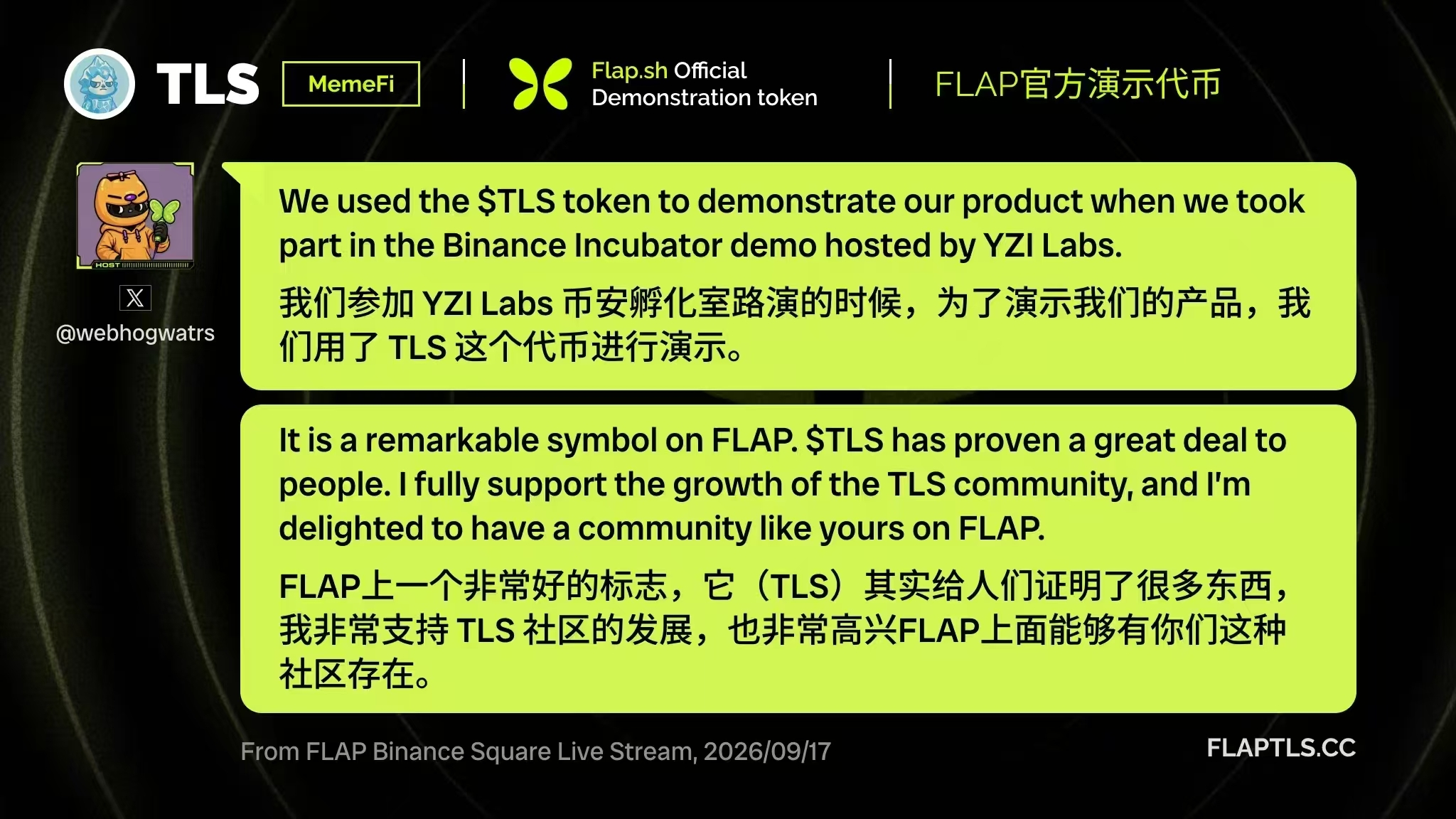
🔥 April Milestone|$TLS Official Identity Confirmed
✅ FLAP official test token
In April, we focused deeply on the #MemeFi track—pure construction, zero hype—until official recognition came through!
A three-tier lineup of major official test tokens in the BNBChain ecosystem has taken shape:
TST: 500M+ USD market value|TUT: 200M+ USD market value
The newly established core target $TLS, leveraging the top-tier FLAP platform, with full potential poised for release!
A track with strong certainty + an officially scarce identity—rare turnaround opportunity!
10
·
--

LuckyWhale
·
--
[Replay] 🎙️ Keep pace with trends, be friends with time, and reap compounding in steadiness.
05 h 59 m 47 s · 398 listens
1
64
Log in to explore more content
Join global crypto users on Binance Square
⚡️ Get latest and useful information about crypto.
💬 Trusted by the world’s largest crypto exchange.
👍 Discover real insights from verified creators.
Email / Phone number
Trending Topics
1
#NvidiaInvestigatesAfterHuang’sAffairApology
215,813 views
1,746 Discussing
2
#CPITestsDecemberRateOutlook
667,386 views
2,836 Discussing
3
#AnthropicRejectsIPODelayValuationinQuestion
42,326 views
428 Discussing
4
#BitcoinFiveWeeklyLosses
242,547 views
2,197 Discussing
5
#AIChipSlumpNasdaq
133,241 views
1,349 Discussing
6
#CryptoLiquidationsReach$1.16BIn24Hours
14,899 views
52 Discussing
7
#StrategyBuys1037BTCLastWeek
4 views
3 Discussing
8
#BlackRockIBITTakesInOver$5BOfHoldersBitcoin
0 views
0 Discussing
9
#NYSEToUseAvalancheToSettleTokenizedStocks
0 views
0 Discussing
10
#TradFiForBeginners
364,434 views
2,621 Discussing