
#paymentsecurity
paymentsecurity
8,695 views
3 Discussing
Hot
Latest

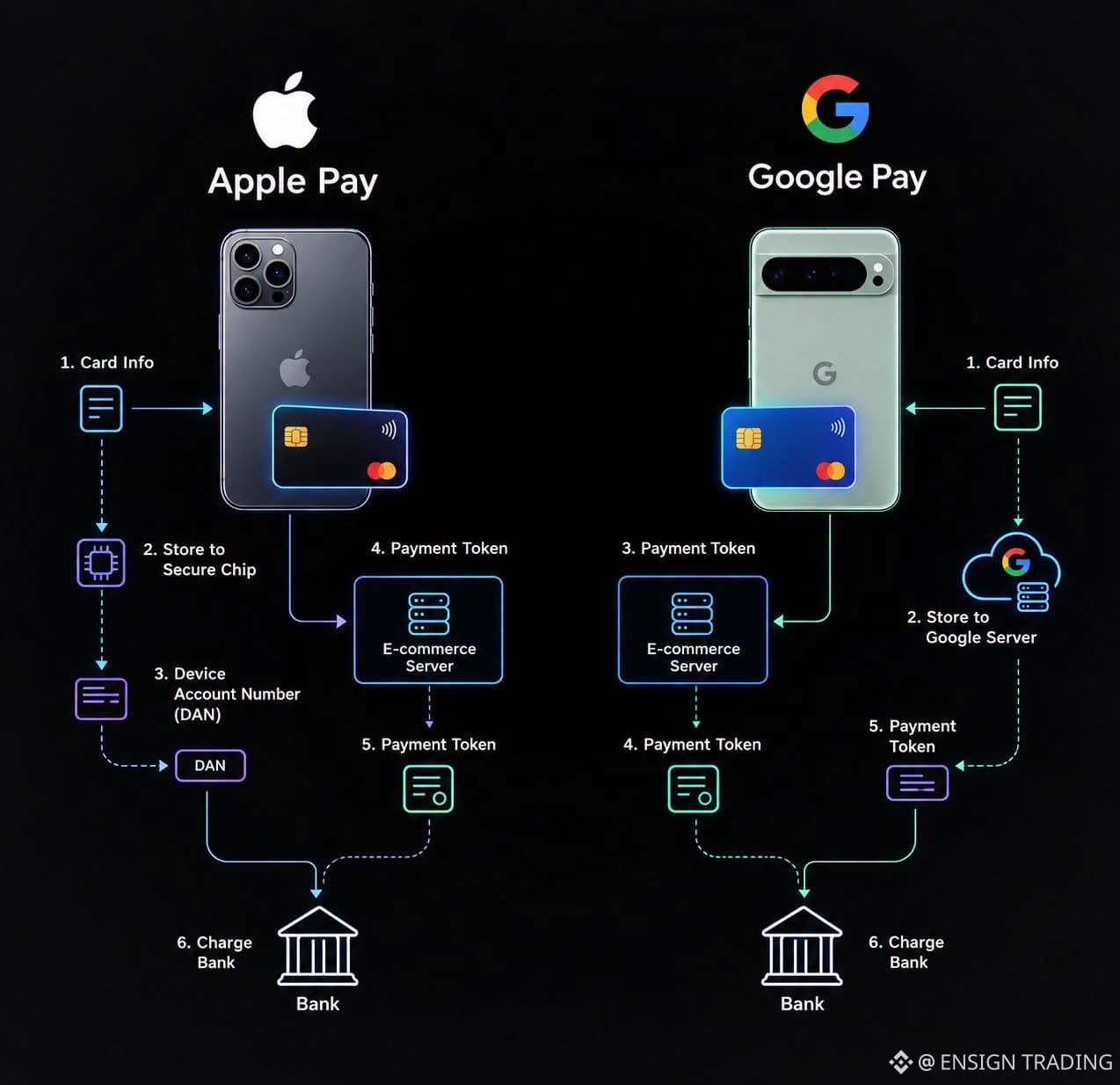
Both Apple Pay and Google Pay use a technology called tokenization. Instead of sharing your real card number with merchants, they use a secure digital substitute.
🍎 Apple Pay
• Stores payment credentials in a secure chip.
• Uses a unique security code for transactions.
• Keeps your actual card number hidden from merchants.
🌐 Google Pay
• Uses digital payment tokens instead of real card numbers.
• Protects transactions through device security and tokenization.
• Helps keep sensitive card details private.
🔐 The main difference?
Apple Pay uses a dedicated Secure Element, while Google Pay combines device security with Google's payment services.
#ApplePay #GooglePay #CyberSecurity #DigitalPayments #Tokenization #FinTech #PaymentSecurity
1
16
15.8k

Bitcoin's average block time is not a delivery promise for your payment.
Blocks arrive roughly every 10 minutes on average, but individual waits can be much shorter or longer. A transaction waiting for its first confirmation may also be delayed if its fee is below what the network is prioritizing.
Before treating a payment as settled, check its confirmation count—not just whether your wallet shows it as sent. Agree on the required confirmations with the recipient before transferring, especially for a large payment.
The risk: an unconfirmed transaction is not final. More confirmations make reversal increasingly difficult, but a countdown based on average block time cannot guarantee when they arrive.
Source: Bitcoin.org — https://bitcoin.org/en/you-need-to-know
#Bitcoin #BTC #CryptoEducation #Blockchain #PaymentSecurity
65
Log in to explore more content
Join global crypto users on Binance Square
⚡️ Get latest and useful information about crypto.
💬 Trusted by the world’s largest crypto exchange.
👍 Discover real insights from verified creators.
Email / Phone number
Trending Topics
1
#BinanceWithdrawalScamWarning
17,770 views
459 Discussing
2
#USMidtermElections
570,264 views
3,023 Discussing
3
#USOctoberNFP-AreRateCutsStillPossible
25,855 views
422 Discussing
4
#AppleEarningsAhead-CanStockHitNewHigh
9,358 views
305 Discussing
5
#Verify1to1BinanceReserves
23,798 views
336 Discussing
6
#BinanceRestores28FiatWithdrawals
112,139 views
966 Discussing
7
#StrategyRepurchases$208MSTRCAdds811Bitcoin
4,523 views
15 Discussing
8
#FATFLaunchesReviewOfCryptoHubsMoneyLaunderingControls
523 views
10 Discussing
9
#BinanceProcesses$4.65BWithdrawals
101,928 views
359 Discussing
10
#HKMALaunchesSAGEAgenticFinanceProject
3,055 views
155 Discussing