

#japanbondyieldsrise
japanbondyieldsrise
23,108 views
126 Discussing
Hot
Latest

·
--
Bearish
#japanbondyieldsrise #EVAA
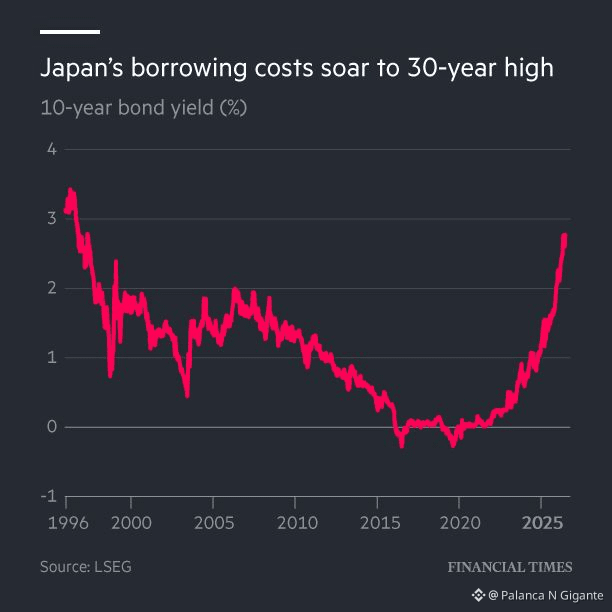
🇯🇵 JAPAN BOND YIELDS HIT 1996 HIGH – MARKET ALERT!
📈 Japan's 10-year bond yield has surged to its highest level since 1996, increasing pressure on global markets and risk assets.
✅ Rising bond yields signal tighter financial conditions
✅ Higher volatility could impact stocks and crypto
✅ Safe-haven demand may increase
📊 Trading View: SELL high-risk assets on rallies or wait before buying. Rising yields often create short-term pressure on risk markets."CLICK ON THE BELOW YELLOW COIN TAG TO GO TO DESIRED TRADING PAGE TO GET BENEFIT TRADE 👇👇👇👇👇👇👇👇👇👇
$EVAA $CLO
#NewsGURUU #CryptoNews
{future}(CLOUSDT)
{future}(EVAAUSDT)
#japanbondyieldsrise #EVAA
🇯🇵 JAPAN BOND YIELDS HIT 1996 HIGH – MARKET ALERT!
📈 Japan's 10-year bond yield has surged to its highest level since 1996, increasing pressure on global markets and risk assets.
✅ Rising bond yields signal tighter financial conditions
✅ Higher volatility could impact stocks and crypto
✅ Safe-haven demand may increase
📊 Trading View: SELL high-risk assets on rallies or wait before buying. Rising yields often create short-term pressure on risk markets."CLICK ON THE BELOW YELLOW COIN TAG TO GO TO DESIRED TRADING PAGE TO GET BENEFIT TRADE 👇👇👇👇👇👇👇👇👇👇
$EVAA $CLO
#NewsGURUU #CryptoNews
🇯🇵 JAPAN BOND YIELDS HIT 1996 HIGH – MARKET ALERT!
📈 Japan's 10-year bond yield has surged to its highest level since 1996, increasing pressure on global markets and risk assets.
✅ Rising bond yields signal tighter financial conditions
✅ Higher volatility could impact stocks and crypto
✅ Safe-haven demand may increase
📊 Trading View: SELL high-risk assets on rallies or wait before buying. Rising yields often create short-term pressure on risk markets."CLICK ON THE BELOW YELLOW COIN TAG TO GO TO DESIRED TRADING PAGE TO GET BENEFIT TRADE 👇👇👇👇👇👇👇👇👇👇
$EVAA $CLO
#NewsGURUU #CryptoNews
2
2
7
14.6k

Verified
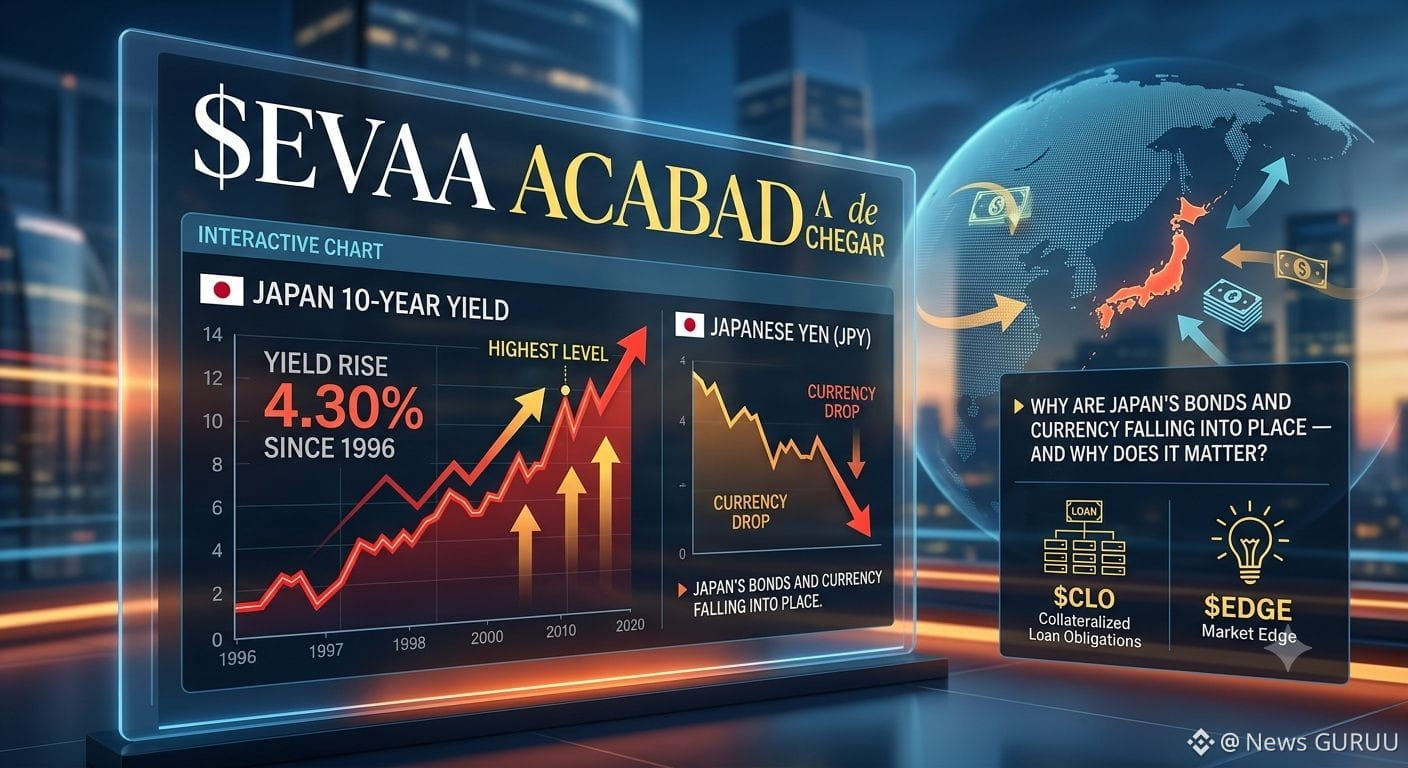
$EVAA ACABADO de CHEGAR
A strong drop in Japanese government bonds this year has lifted the 10-year benchmark yield to its highest level since 1996. $CLO
Why are Japan’s bonds and currency falling into place — and why does it matter? $EDGE
{future}(EDGEUSDT)
{future}(CLOUSDT)
{future}(EVAAUSDT)
#JapanBondYieldsRise #news #USLaunchesNewStrikesAgainstIran #KoreanStocksSlide20%FromPeak #SpotGoldFallsBelow$4100
$EVAA ACABADO de CHEGAR
A strong drop in Japanese government bonds this year has lifted the 10-year benchmark yield to its highest level since 1996. $CLO
Why are Japan’s bonds and currency falling into place — and why does it matter? $EDGE
#JapanBondYieldsRise #news #USLaunchesNewStrikesAgainstIran #KoreanStocksSlide20%FromPeak #SpotGoldFallsBelow$4100
A strong drop in Japanese government bonds this year has lifted the 10-year benchmark yield to its highest level since 1996. $CLO
Why are Japan’s bonds and currency falling into place — and why does it matter? $EDGE
#JapanBondYieldsRise #news #USLaunchesNewStrikesAgainstIran #KoreanStocksSlide20%FromPeak #SpotGoldFallsBelow$4100
2
3.2k

Based on today's activity on Binance Square, these are among the most trending topics:
1. #JapanBondYieldsRise – Rising Japanese bond yields are driving discussions about their impact on Bitcoin, BNB, and the broader crypto market.
2. Bitcoin (BTC) – Traders are closely watching BTC's price action and potential breakout, making it one of the hottest discussion topics today.
3. BNB – BNB is trending as analysts discuss its consolidation and possible move toward higher resistance levels.
4. DeFi & Institutional On-Chain Adoption – A popular Binance Square livestream today focuses on why institutional money is increasingly moving on-chain. $BNB
{spot}(BNBUSDT)
$BTC
{spot}(BTCUSDT)
#OilTankersGoDarkAsHormuzShippingSlows #IEACutsRussiaOilOutputForecast OracleFlags$20BAdditionalCapitalRaise
Based on today's activity on Binance Square, these are among the most trending topics:
1. #JapanBondYieldsRise – Rising Japanese bond yields are driving discussions about their impact on Bitcoin, BNB, and the broader crypto market.
2. Bitcoin (BTC) – Traders are closely watching BTC's price action and potential breakout, making it one of the hottest discussion topics today.
3. BNB – BNB is trending as analysts discuss its consolidation and possible move toward higher resistance levels.
4. DeFi & Institutional On-Chain Adoption – A popular Binance Square livestream today focuses on why institutional money is increasingly moving on-chain. $BNB
$BTC
#OilTankersGoDarkAsHormuzShippingSlows #IEACutsRussiaOilOutputForecast OracleFlags$20BAdditionalCapitalRaise
1. #JapanBondYieldsRise – Rising Japanese bond yields are driving discussions about their impact on Bitcoin, BNB, and the broader crypto market.
2. Bitcoin (BTC) – Traders are closely watching BTC's price action and potential breakout, making it one of the hottest discussion topics today.
3. BNB – BNB is trending as analysts discuss its consolidation and possible move toward higher resistance levels.
4. DeFi & Institutional On-Chain Adoption – A popular Binance Square livestream today focuses on why institutional money is increasingly moving on-chain. $BNB
$BTC
#OilTankersGoDarkAsHormuzShippingSlows #IEACutsRussiaOilOutputForecast OracleFlags$20BAdditionalCapitalRaise
1
50

·
--
Bullish
#japanbondyieldsrise
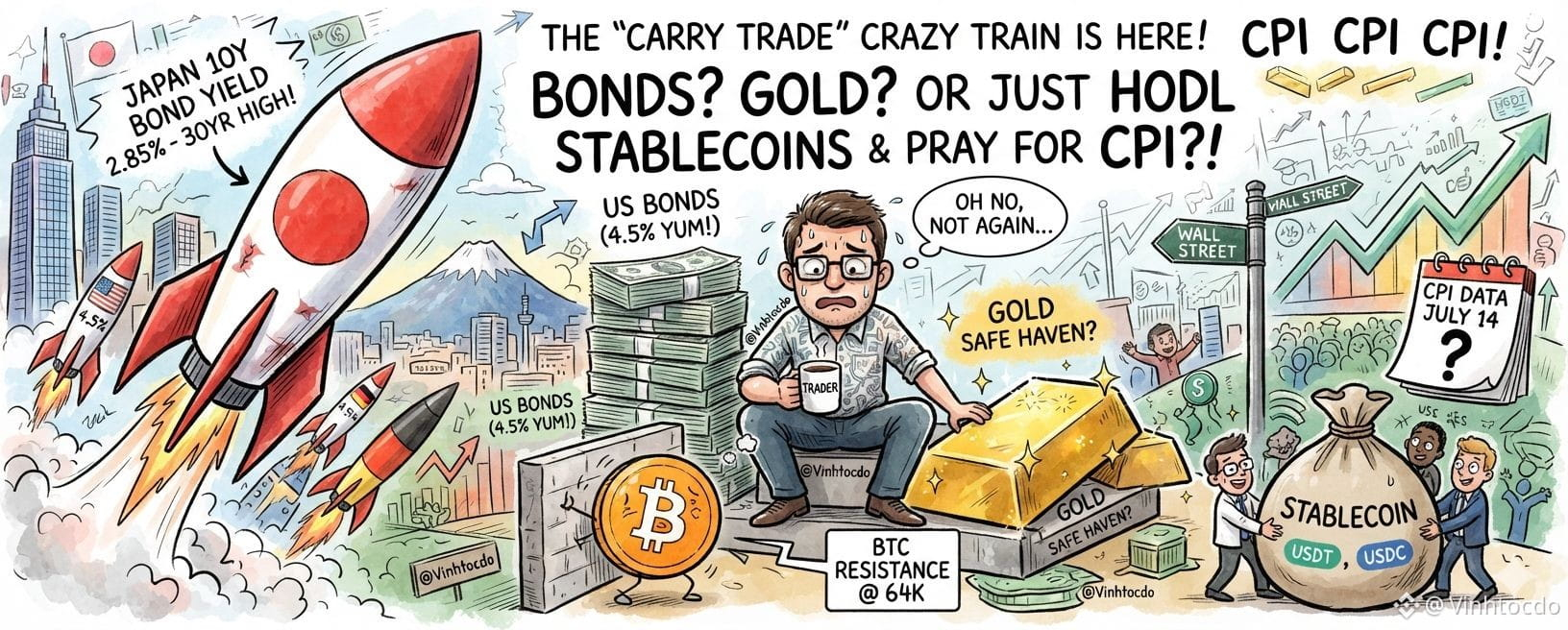
📈 Japanese Government Bond (JGB) yields jump to a record 30-year high (2.85%), dragging U.S. and German yields up too! When yields rise, cheap “Carry Trade” capital gets pulled back home, instantly stalling Bitcoin right around the 64k zone.
So which is safer for shelter right now: bonds or gold, folks? U.S. bonds are hitting 4.5%—that’s extremely tempting—but gold isn’t far behind.
What should we traders do? At times like this, stay calm, endure the loss, hold tight to stablecoins, and wait for the “final blow” from the CPI data on July 14! 😎
⚠️ This is not financial advice. Use code VINHTOCDO to support me, please!
#Japan #JGB #Binance #VINHTOCDO
$BTC
{future}(BTCUSDT)
$ETH
{future}(ETHUSDT)
$AIOT
{future}(AIOTUSDT)
#japanbondyieldsrise
📈 Japanese Government Bond (JGB) yields jump to a record 30-year high (2.85%), dragging U.S. and German yields up too! When yields rise, cheap “Carry Trade” capital gets pulled back home, instantly stalling Bitcoin right around the 64k zone.
So which is safer for shelter right now: bonds or gold, folks? U.S. bonds are hitting 4.5%—that’s extremely tempting—but gold isn’t far behind.
What should we traders do? At times like this, stay calm, endure the loss, hold tight to stablecoins, and wait for the “final blow” from the CPI data on July 14! 😎
⚠️ This is not financial advice. Use code VINHTOCDO to support me, please!
#Japan #JGB #Binance #VINHTOCDO
$BTC
$ETH
$AIOT
📈 Japanese Government Bond (JGB) yields jump to a record 30-year high (2.85%), dragging U.S. and German yields up too! When yields rise, cheap “Carry Trade” capital gets pulled back home, instantly stalling Bitcoin right around the 64k zone.
So which is safer for shelter right now: bonds or gold, folks? U.S. bonds are hitting 4.5%—that’s extremely tempting—but gold isn’t far behind.
What should we traders do? At times like this, stay calm, endure the loss, hold tight to stablecoins, and wait for the “final blow” from the CPI data on July 14! 😎
⚠️ This is not financial advice. Use code VINHTOCDO to support me, please!
#Japan #JGB #Binance #VINHTOCDO
$BTC
$ETH
$AIOT
204

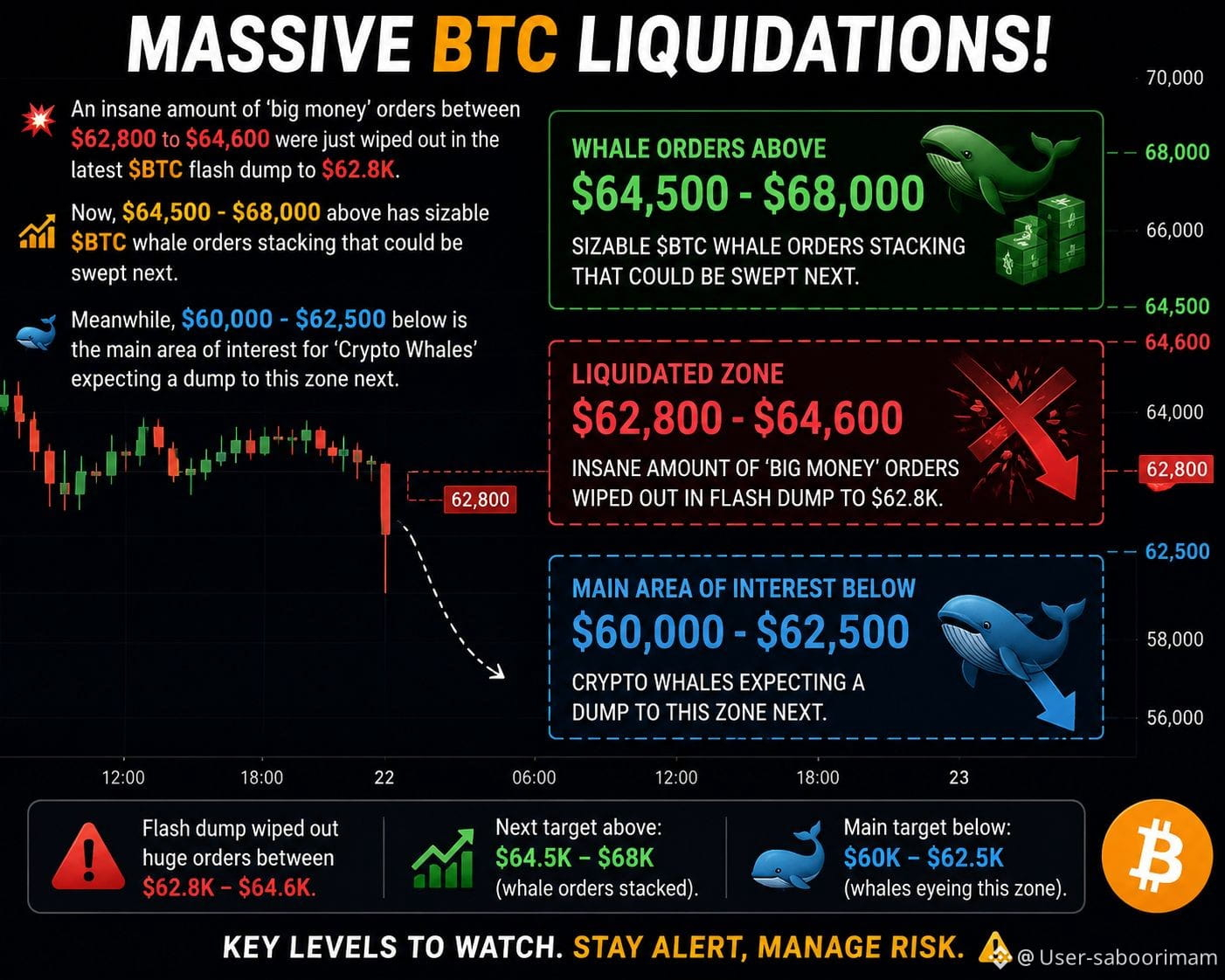
huge chunk of big-money $BTC orders between $62.8K and $64.6K got wiped out during the latest flash drop to $62.8K.
Now, the next key zone to watch is $64.5K to $68K, where large whale orders are starting to build and could be targeted next if $Bitcoin pushes higher.
On the downside, $60K to $62.5K remains the main area of interest, as crypto whales may be positioning for another drop into that range.#BitcoinTradesLower #JapanBondYieldsRise #USStrikesIranRevokesOilWaiver
huge chunk of big-money $BTC orders between $62.8K and $64.6K got wiped out during the latest flash drop to $62.8K.
Now, the next key zone to watch is $64.5K to $68K, where large whale orders are starting to build and could be targeted next if $Bitcoin pushes higher.
On the downside, $60K to $62.5K remains the main area of interest, as crypto whales may be positioning for another drop into that range.#BitcoinTradesLower #JapanBondYieldsRise #USStrikesIranRevokesOilWaiver
Now, the next key zone to watch is $64.5K to $68K, where large whale orders are starting to build and could be targeted next if $Bitcoin pushes higher.
On the downside, $60K to $62.5K remains the main area of interest, as crypto whales may be positioning for another drop into that range.#BitcoinTradesLower #JapanBondYieldsRise #USStrikesIranRevokesOilWaiver
83

·
--
Bullish
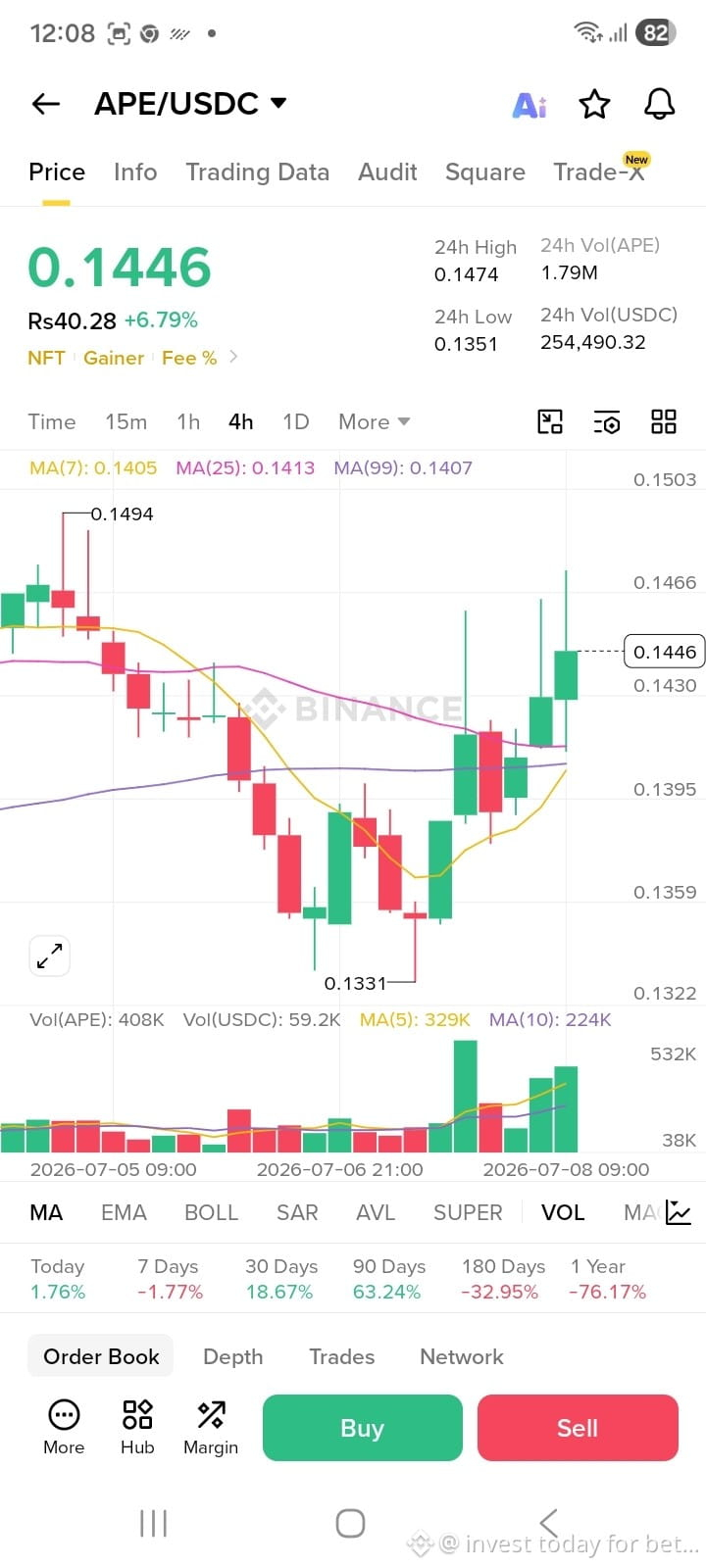
$APE 🚀 This Setup Is Quietly Turning Bullish!
Momentum trends higher.
Buyers stay committed.
Watch the breakout zone 👀
{spot}(APEUSDT)
$SYRUP
$LDO
#JapanBondYieldsRise
$APE 🚀 This Setup Is Quietly Turning Bullish!
Momentum trends higher.
Buyers stay committed.
Watch the breakout zone 👀
$SYRUP
$LDO
#JapanBondYieldsRise
Momentum trends higher.
Buyers stay committed.
Watch the breakout zone 👀
$SYRUP
$LDO
#JapanBondYieldsRise
1
51

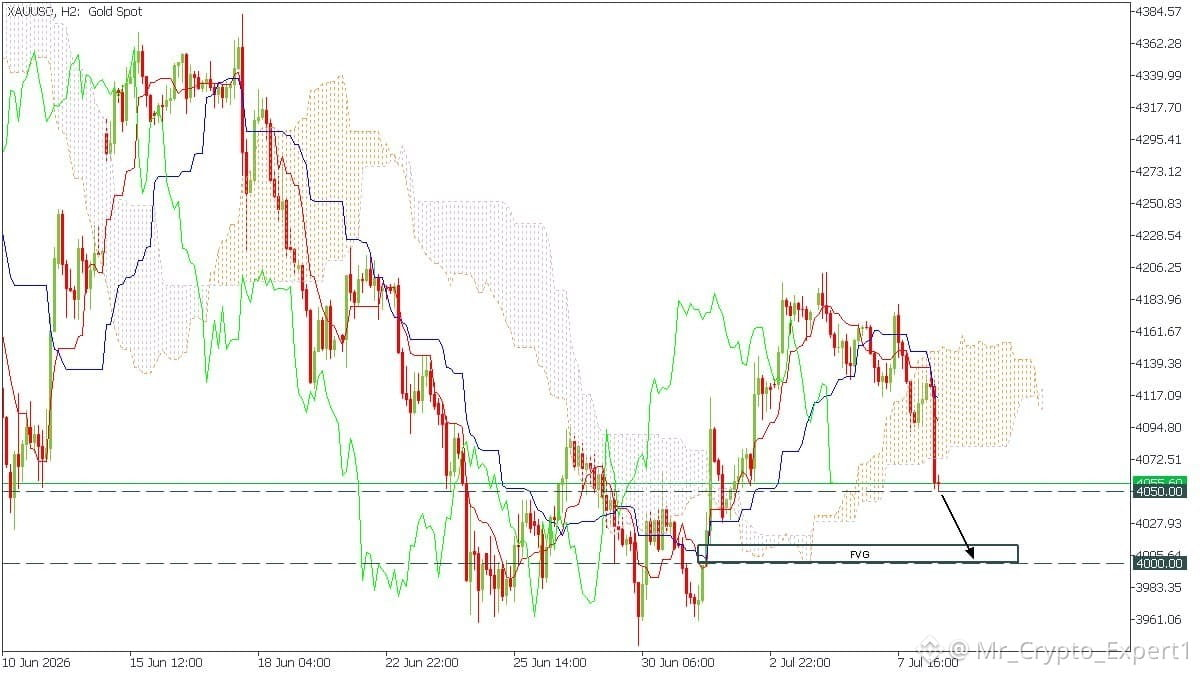
Gold is plummeting on news from the Middle East, and the price has broken out of the cloud, with the Kijun above the Tenkan. There is an uncovered imbalance below.
We are considering selling XAUUSD ONLY if it consolidates below 4050;
Target: 4000$XAU
{future}(XAUUSDT)
$BTC
{future}(BTCUSDT)
#USLaunchesNewStrikesAgainstIran #OilRises5%OnUSIranTensions #SouthKoreaHoldsEmergencyStockMeeting #JapanBondYieldsRise
Gold is plummeting on news from the Middle East, and the price has broken out of the cloud, with the Kijun above the Tenkan. There is an uncovered imbalance below.
We are considering selling XAUUSD ONLY if it consolidates below 4050;
Target: 4000$XAU
$BTC
#USLaunchesNewStrikesAgainstIran #OilRises5%OnUSIranTensions #SouthKoreaHoldsEmergencyStockMeeting #JapanBondYieldsRise
We are considering selling XAUUSD ONLY if it consolidates below 4050;
Target: 4000$XAU
$BTC
#USLaunchesNewStrikesAgainstIran #OilRises5%OnUSIranTensions #SouthKoreaHoldsEmergencyStockMeeting #JapanBondYieldsRise
137

·
--
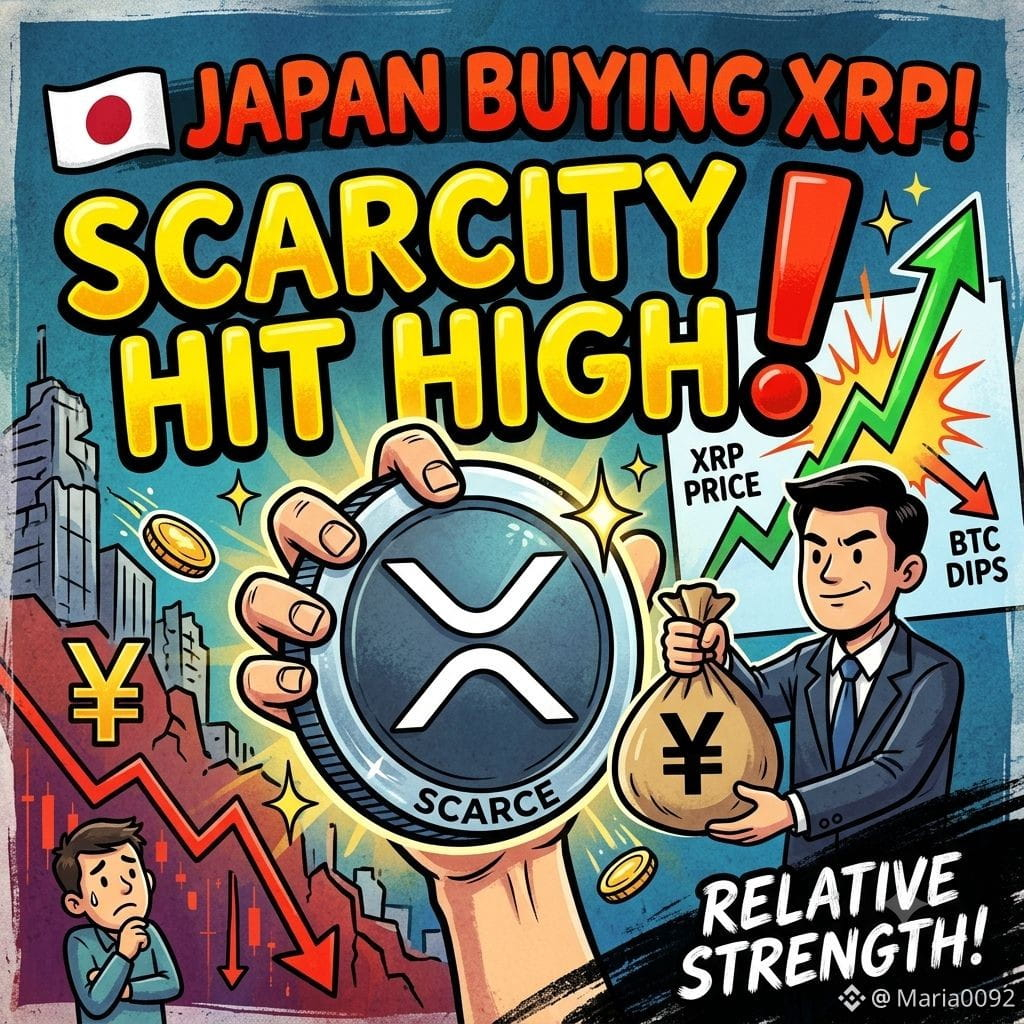
🇯🇵 JAPAN IS BUYING XRP: SCARCITY HITS 2-YEAR HIGH
While the market bleeds, XRP is showing strength. Japanese institutions are reportedly flocking to XRP and Bitcoin as the Yen weakens, and the XRP scarcity index just hit a 2024-2026 high.
Why It Matters:
Institutional adoption in Japan is a massive bullish catalyst."Scarcity" suggests holders are accumulating, not selling.Divergence from the broader market (BTC down, XRP resilient) is a strong signal.
💡 Trader Insight:
Relative strength is the #1 indicator to watch during a downtrend. If XRP holds its ground while BTC dips, it will likely lead the recovery when the market turns.
Watch the XRP/BTC pair closely for a breakout.
👇 Follow for top coin analysis!@TheSoloTrader
#XRP #Ripple #JapanBondYieldsRise #altcoins $XRP
{spot}(XRPUSDT)
🇯🇵 JAPAN IS BUYING XRP: SCARCITY HITS 2-YEAR HIGH
While the market bleeds, XRP is showing strength. Japanese institutions are reportedly flocking to XRP and Bitcoin as the Yen weakens, and the XRP scarcity index just hit a 2024-2026 high.
Why It Matters:
Institutional adoption in Japan is a massive bullish catalyst."Scarcity" suggests holders are accumulating, not selling.Divergence from the broader market (BTC down, XRP resilient) is a strong signal.
💡 Trader Insight:
Relative strength is the #1 indicator to watch during a downtrend. If XRP holds its ground while BTC dips, it will likely lead the recovery when the market turns.
Watch the XRP/BTC pair closely for a breakout.
👇 Follow for top coin analysis!@Maria0092
#XRP #Ripple #JapanBondYieldsRise #altcoins $XRP
While the market bleeds, XRP is showing strength. Japanese institutions are reportedly flocking to XRP and Bitcoin as the Yen weakens, and the XRP scarcity index just hit a 2024-2026 high.
Why It Matters:
Institutional adoption in Japan is a massive bullish catalyst."Scarcity" suggests holders are accumulating, not selling.Divergence from the broader market (BTC down, XRP resilient) is a strong signal.
💡 Trader Insight:
Relative strength is the #1 indicator to watch during a downtrend. If XRP holds its ground while BTC dips, it will likely lead the recovery when the market turns.
Watch the XRP/BTC pair closely for a breakout.
👇 Follow for top coin analysis!@Maria0092
#XRP #Ripple #JapanBondYieldsRise #altcoins $XRP
1
138

·
--
Bullish
$CLO
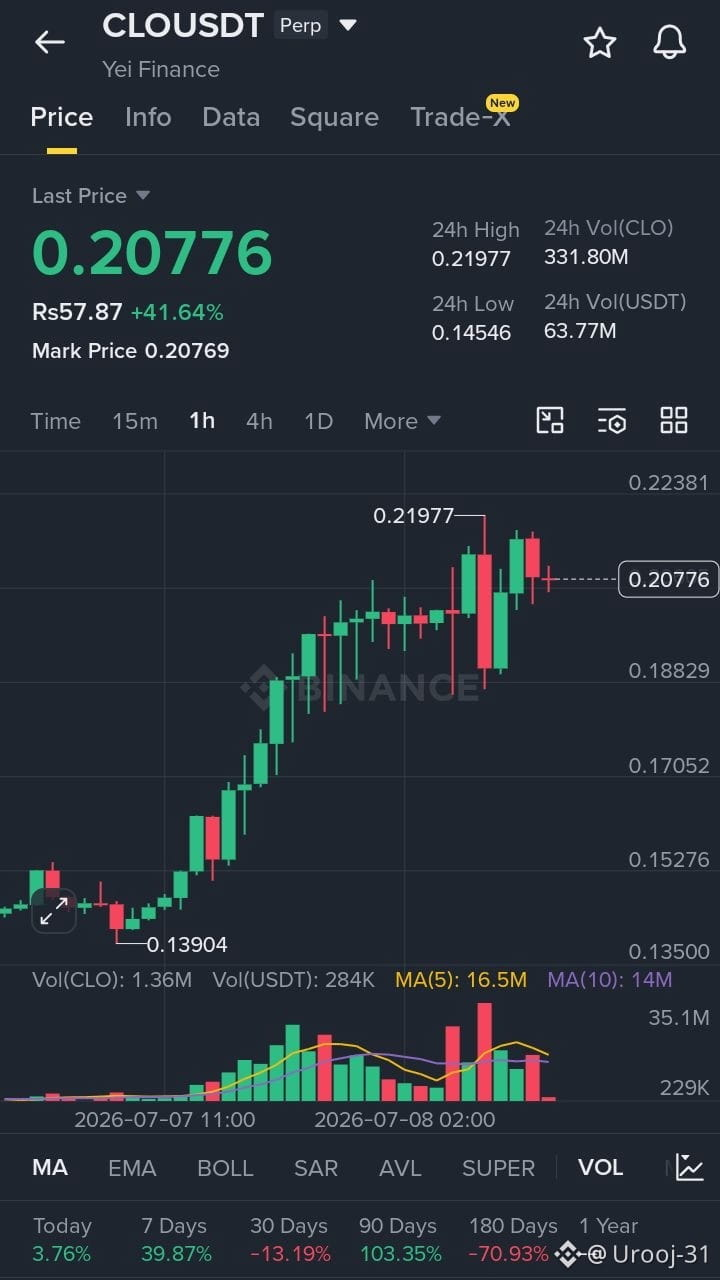
LONG SIGNAL ACTIVATED
Price reclaiming key EMA support after a brutal -34% washout. Volume surging 3.7x above average. Momentum shift confirmed on 4H.
EP: 0.2077
TP1: 0.2198
TP2: 0.2350
SL: 0.1883
Risk 1R : Reward 4.2R.
Break above 0.2200 opens 0.2350.
Discipline wins.
$CLO
SpotGoldFallsBelow$4100
#JapanBondYieldsRise
{future}(CLOUSDT)
$CLO
LONG SIGNAL ACTIVATED
Price reclaiming key EMA support after a brutal -34% washout. Volume surging 3.7x above average. Momentum shift confirmed on 4H.
EP: 0.2077
TP1: 0.2198
TP2: 0.2350
SL: 0.1883
Risk 1R : Reward 4.2R.
Break above 0.2200 opens 0.2350.
Discipline wins.
$CLO
SpotGoldFallsBelow$4100
#JapanBondYieldsRise
LONG SIGNAL ACTIVATED
Price reclaiming key EMA support after a brutal -34% washout. Volume surging 3.7x above average. Momentum shift confirmed on 4H.
EP: 0.2077
TP1: 0.2198
TP2: 0.2350
SL: 0.1883
Risk 1R : Reward 4.2R.
Break above 0.2200 opens 0.2350.
Discipline wins.
$CLO
SpotGoldFallsBelow$4100
#JapanBondYieldsRise
28

·
--
Bullish
Peace be upon you. Who teaches trading $NVDAB #JapanBondYieldsRise ?
Peace be upon you. Who teaches trading $NVDAB #JapanBondYieldsRise ?
92

·
--
Bullish
$ENSO
{future}(ENSOUSDT)
#ENSOUSDC
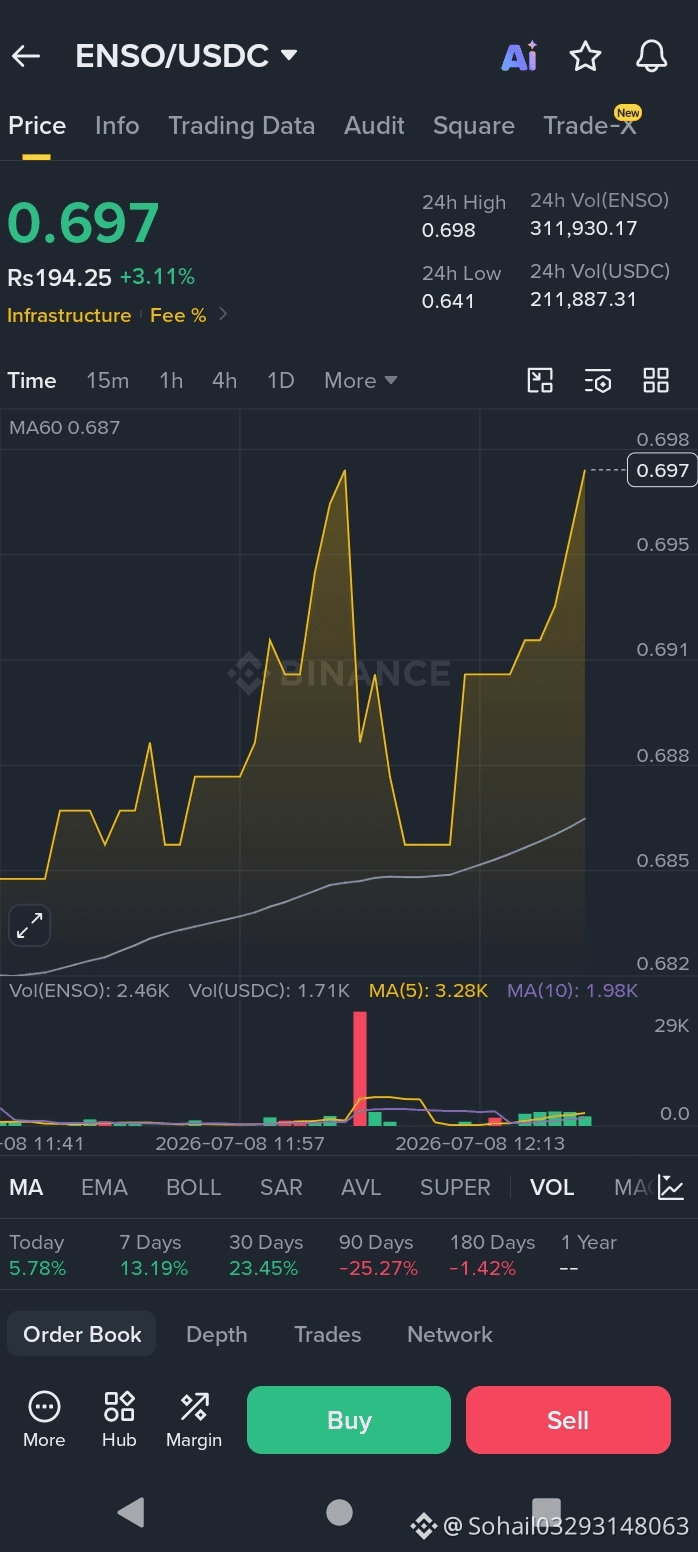
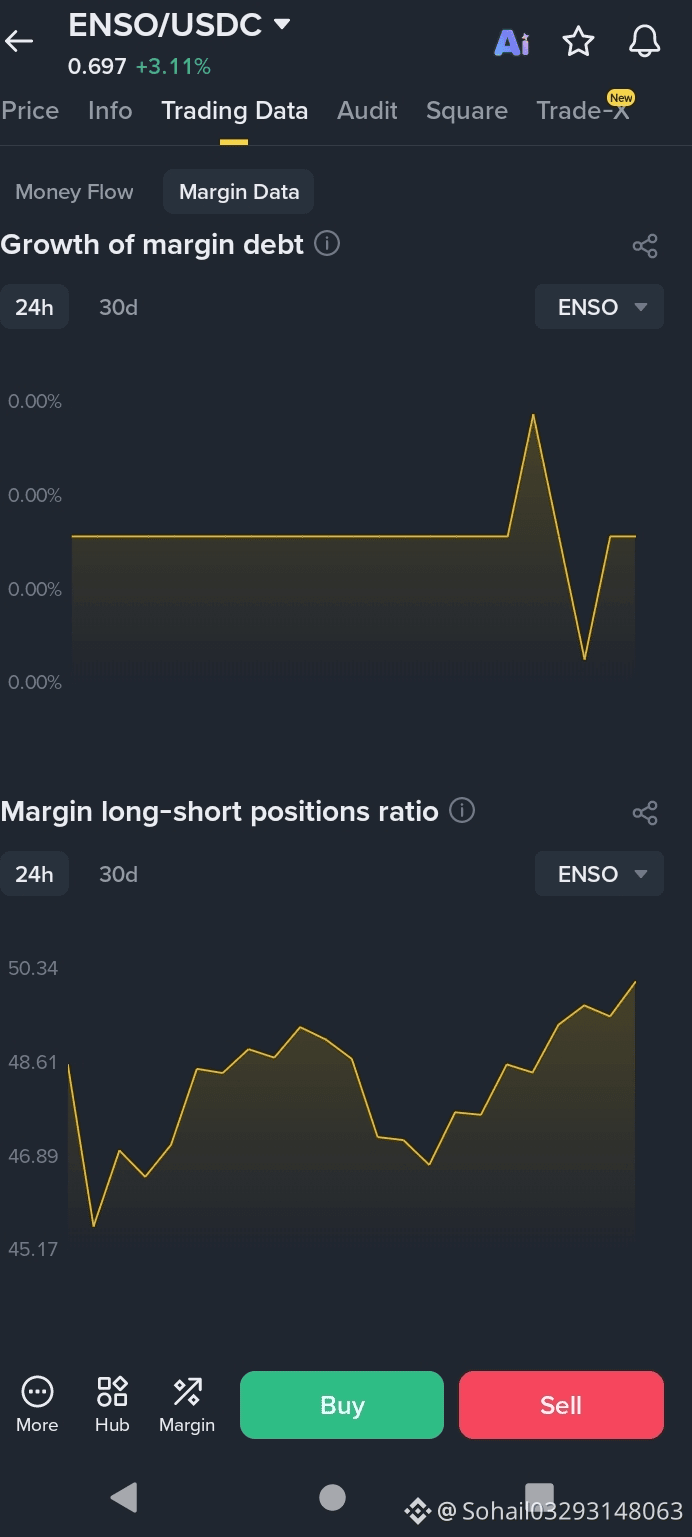
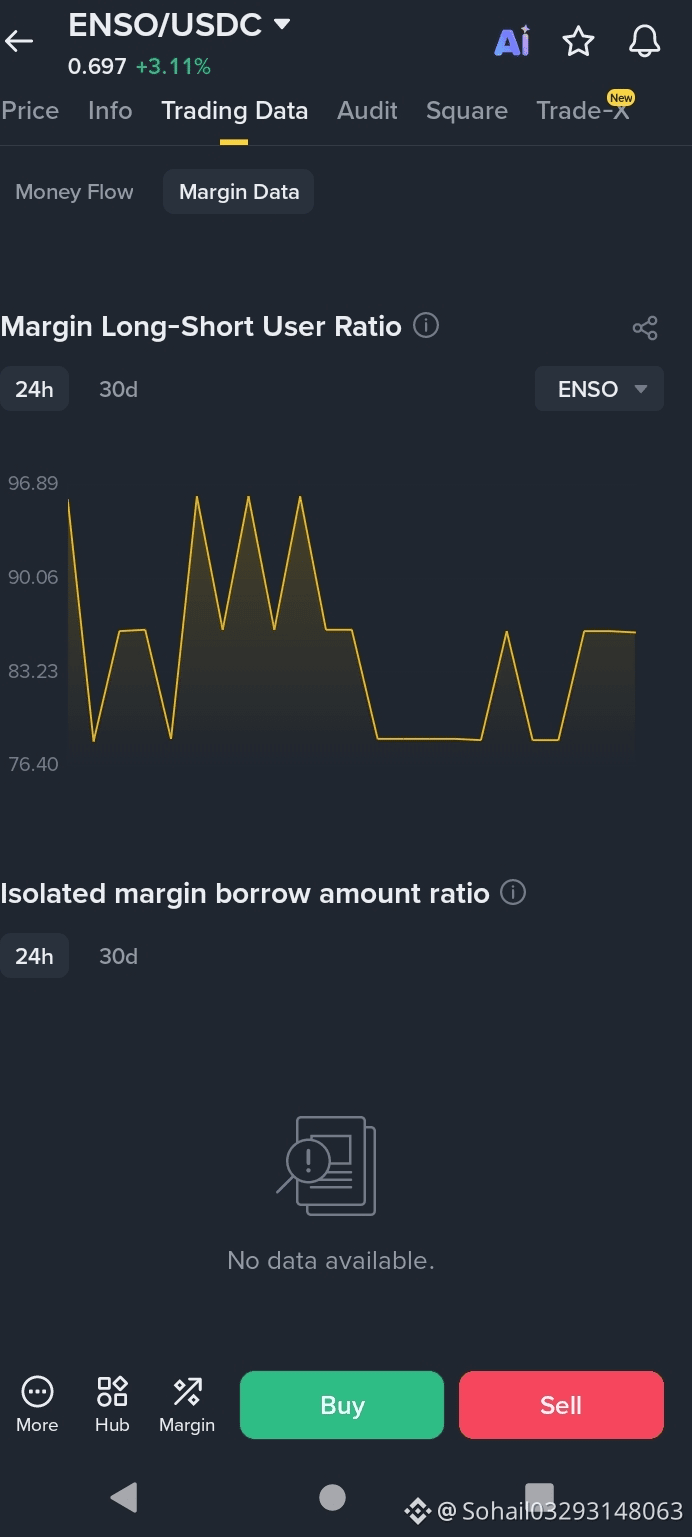
ENSO (ENSOUSDC) currently trades near $0.66 to $0.68, hovering just below crucial short-term resistance. The primary trade strategy involves a "bullish breakout or support bounce." Key upside targets sit at $0.75, $0.85, and $0.94, while a drop below $0.58 invalidates the setup.
Current Chart Structure & Price ActionKey Support: The $0.58 - $0.65 zone serves as a strong base where buyers have previously stepped in.Resistance: The immediate price barrier is at $0.69, with major structural resistance forming near $0.75.Momentum: The Relative Strength Index (RSI, a tool that measures speed and change of price movements) is sitting cleanly around 59. This shows steady buying interest with room to stretch upward before hitting structural resistance
Bullish Scenario (Breakout Strategy)If buyers manage to push ENSO above the $0.69 resistance zone, it signals aggressive buying .
Entry trigger: Close a candle above $0.75.
Take Profit Target 1 🎯 (TP1): $0.85.
Take Profit Target 2 🎯 (TP2): $0.94 (the 50-day moving average).
Bearish Scenario (Support-Sweep Strategy)If the broader market dips or selling pressure increases, watch for a "sweep" of the $0.52 - $0.58 lows.
If price dips to $0.58, watch for a strong-reversal candle (e.g., a "Hammer"—a candle with a long lower wick that indicates buyers rejected lower prices).Invalidation/Stop Loss: Place a stop loss below $0.52. If the price breaks this level, the bullish thesis is void.
#KoreanStocksSlide20%FromPeak
#GoldSlumps
#JapanBondYieldsRise
#USStrikesIranRevokesOilWaiver
like 👍 and follow
$ENSO
#ENSOUSDC
ENSO (ENSOUSDC) currently trades near $0.66 to $0.68, hovering just below crucial short-term resistance. The primary trade strategy involves a "bullish breakout or support bounce." Key upside targets sit at $0.75, $0.85, and $0.94, while a drop below $0.58 invalidates the setup.
Current Chart Structure & Price ActionKey Support: The $0.58 - $0.65 zone serves as a strong base where buyers have previously stepped in.Resistance: The immediate price barrier is at $0.69, with major structural resistance forming near $0.75.Momentum: The Relative Strength Index (RSI, a tool that measures speed and change of price movements) is sitting cleanly around 59. This shows steady buying interest with room to stretch upward before hitting structural resistance
Bullish Scenario (Breakout Strategy)If buyers manage to push ENSO above the $0.69 resistance zone, it signals aggressive buying .
Entry trigger: Close a candle above $0.75.
Take Profit Target 1 🎯 (TP1): $0.85.
Take Profit Target 2 🎯 (TP2): $0.94 (the 50-day moving average).
Bearish Scenario (Support-Sweep Strategy)If the broader market dips or selling pressure increases, watch for a "sweep" of the $0.52 - $0.58 lows.
If price dips to $0.58, watch for a strong-reversal candle (e.g., a "Hammer"—a candle with a long lower wick that indicates buyers rejected lower prices).Invalidation/Stop Loss: Place a stop loss below $0.52. If the price breaks this level, the bullish thesis is void.
#KoreanStocksSlide20%FromPeak
#GoldSlumps
#JapanBondYieldsRise
#USStrikesIranRevokesOilWaiver
like 👍 and follow
#ENSOUSDC
ENSO (ENSOUSDC) currently trades near $0.66 to $0.68, hovering just below crucial short-term resistance. The primary trade strategy involves a "bullish breakout or support bounce." Key upside targets sit at $0.75, $0.85, and $0.94, while a drop below $0.58 invalidates the setup.
Current Chart Structure & Price ActionKey Support: The $0.58 - $0.65 zone serves as a strong base where buyers have previously stepped in.Resistance: The immediate price barrier is at $0.69, with major structural resistance forming near $0.75.Momentum: The Relative Strength Index (RSI, a tool that measures speed and change of price movements) is sitting cleanly around 59. This shows steady buying interest with room to stretch upward before hitting structural resistance
Bullish Scenario (Breakout Strategy)If buyers manage to push ENSO above the $0.69 resistance zone, it signals aggressive buying .
Entry trigger: Close a candle above $0.75.
Take Profit Target 1 🎯 (TP1): $0.85.
Take Profit Target 2 🎯 (TP2): $0.94 (the 50-day moving average).
Bearish Scenario (Support-Sweep Strategy)If the broader market dips or selling pressure increases, watch for a "sweep" of the $0.52 - $0.58 lows.
If price dips to $0.58, watch for a strong-reversal candle (e.g., a "Hammer"—a candle with a long lower wick that indicates buyers rejected lower prices).Invalidation/Stop Loss: Place a stop loss below $0.52. If the price breaks this level, the bullish thesis is void.
#KoreanStocksSlide20%FromPeak
#GoldSlumps
#JapanBondYieldsRise
#USStrikesIranRevokesOilWaiver
like 👍 and follow
1
89

·
--
Bearish
$LDO - Rejection may lead to a pullback.
Summary $LDO
Entry: 0.3260-0.3300
SL: 0.3490
TP1: 0.3100
TP2: 0.2950
TP3: 0.2750
Sellers’ defense may strengthen here, as the momentum appears extended. If rejection is confirmed, a broader corrective move may follow.
The trade $LDO here 👇#JapanBondYieldsRise
$LDO - Rejection may lead to a pullback.
Summary $LDO
Entry: 0.3260-0.3300
SL: 0.3490
TP1: 0.3100
TP2: 0.2950
TP3: 0.2750
Sellers’ defense may strengthen here, as the momentum appears extended. If rejection is confirmed, a broader corrective move may follow.
The trade $LDO here 👇#JapanBondYieldsRise
Summary $LDO
Entry: 0.3260-0.3300
SL: 0.3490
TP1: 0.3100
TP2: 0.2950
TP3: 0.2750
Sellers’ defense may strengthen here, as the momentum appears extended. If rejection is confirmed, a broader corrective move may follow.
The trade $LDO here 👇#JapanBondYieldsRise

1
50

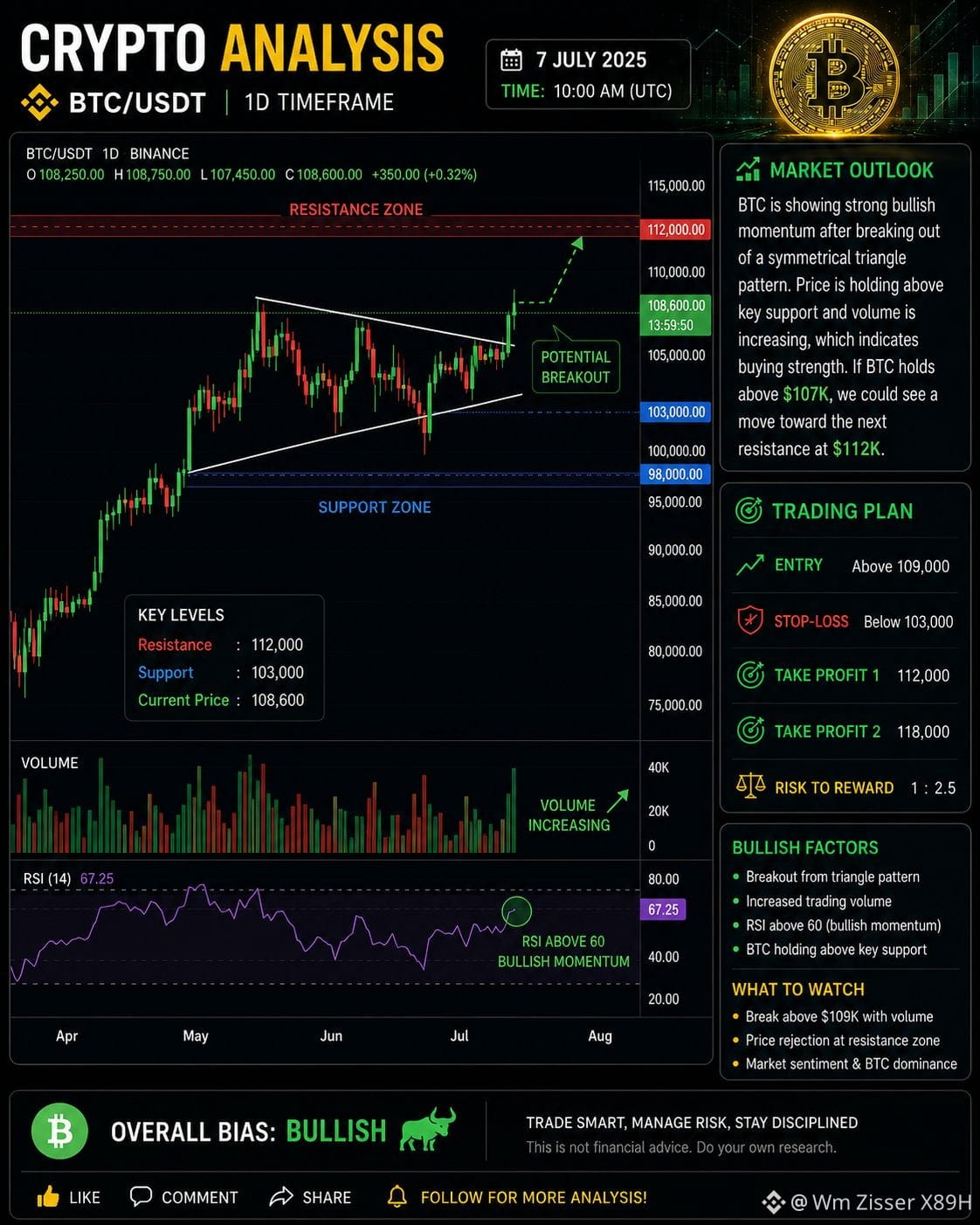
$BTC Market Outlook:
The crypto market remains cautiously bullish as major cryptocurrencies hold above key support levels. Buyers are showing strength, and increased trading volume could push prices toward higher resistance zones.
📈 Bias: Bullish
✅ Entry: On a confirmed breakout above resistance
🛑 Stop-Loss: Below the nearest support level
🎯 Take Profit: At the next resistance zone
⚠️ Risk Management: Risk only 1–2% of your capital per trade.
🖼️ Crypto Analysis Image:
Use the trading infographic shown above as a professional crypto market analysis graphic, featuring candlestick charts, support and resistance levels, volume, RSI, and a bullish breakout setup.
#BitcoinTradesLower
#JapanBondYieldsRise
$BTC Market Outlook:
The crypto market remains cautiously bullish as major cryptocurrencies hold above key support levels. Buyers are showing strength, and increased trading volume could push prices toward higher resistance zones.
📈 Bias: Bullish
✅ Entry: On a confirmed breakout above resistance
🛑 Stop-Loss: Below the nearest support level
🎯 Take Profit: At the next resistance zone
⚠️ Risk Management: Risk only 1–2% of your capital per trade.
🖼️ Crypto Analysis Image:
Use the trading infographic shown above as a professional crypto market analysis graphic, featuring candlestick charts, support and resistance levels, volume, RSI, and a bullish breakout setup.
#BitcoinTradesLower
#JapanBondYieldsRise
The crypto market remains cautiously bullish as major cryptocurrencies hold above key support levels. Buyers are showing strength, and increased trading volume could push prices toward higher resistance zones.
📈 Bias: Bullish
✅ Entry: On a confirmed breakout above resistance
🛑 Stop-Loss: Below the nearest support level
🎯 Take Profit: At the next resistance zone
⚠️ Risk Management: Risk only 1–2% of your capital per trade.
🖼️ Crypto Analysis Image:
Use the trading infographic shown above as a professional crypto market analysis graphic, featuring candlestick charts, support and resistance levels, volume, RSI, and a bullish breakout setup.
#BitcoinTradesLower
#JapanBondYieldsRise
1
123

July 1998 → -23.71%
July 2002 → -32.41%
July 2006 → -9.60%
July 2010 → -18.94%
July 2014 → -11.05%
July 2018 → -19.27%
July 2022 → -19.92%
July 2026 → -**.**%
Red July Loading….
#USLaunchesNewStrikesAgainstIran
#BitcoinTradesLower #JapanBondYieldsRise #SpotGoldFallsBelow$4100 #SKHynixUSListingOversubscribed
July 1998 → -23.71%
July 2002 → -32.41%
July 2006 → -9.60%
July 2010 → -18.94%
July 2014 → -11.05%
July 2018 → -19.27%
July 2022 → -19.92%
July 2026 → -**.**%
Red July Loading….
#USLaunchesNewStrikesAgainstIran
#BitcoinTradesLower #JapanBondYieldsRise #SpotGoldFallsBelow$4100 #SKHynixUSListingOversubscribed
July 2002 → -32.41%
July 2006 → -9.60%
July 2010 → -18.94%
July 2014 → -11.05%
July 2018 → -19.27%
July 2022 → -19.92%
July 2026 → -**.**%
Red July Loading….
#USLaunchesNewStrikesAgainstIran
#BitcoinTradesLower #JapanBondYieldsRise #SpotGoldFallsBelow$4100 #SKHynixUSListingOversubscribed

2
1
525

·
--
Article
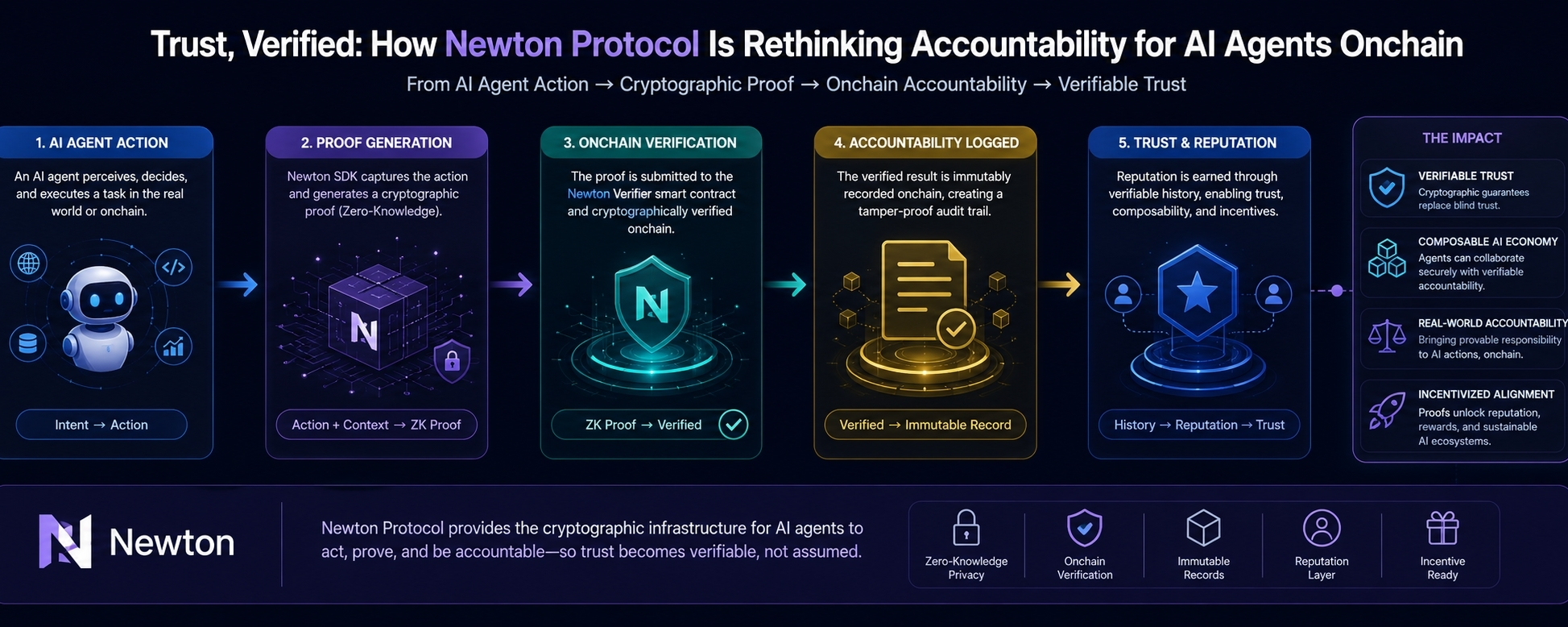
Trust,Verified:How Newton Protocol Is Rethinking Accountability for AI Agents OnchainWhat first caught my attention about Newton Protocol wasn't the token price or the exchange listings — it was a narrower, more technical claim: that autonomous AI agents shouldn't be trusted onchain unless their actions can be mathematically verified. That's a modest-sounding idea, but it points at something real. As trading bots and AI-driven strategies proliferate in crypto, almost none of them let a user actually confirm that the agent did what it was supposed to do, within the limits it was supposed to respect. Newton is built around closing that gap.
What the project actually does
Stripped of jargon, Newton is infrastructure for letting people delegate financial tasks to AI agents without handing over blind trust. A user sets rules — spend no more than X, trade only if a certain condition is met, rebalance under specific thresholds — and an agent executes within those boundaries. The system is designed so those boundaries are cryptographically enforced rather than just promised in a terms-of-service page.
Three pieces do the work. Smart accounts, built on account-abstraction standards, let a user delegate narrow permissions instead of full wallet control. A "keystore rollup" manages those permissions and session keys across multiple chains, so an agent can act in more than one ecosystem without the user re-authorizing everything each time. And a model registry acts as a marketplace where developers publish agent strategies that others can activate, stake against, or build on top of. Execution can happen inside trusted hardware enclaves, with zero-knowledge proofs afterward confirming that what happened matched what was authorized — without necessarily revealing the private details of the strategy itself.
The industry problems this is responding to
Automated trading in DeFi has always had a trust problem. Most bots are closed systems: you fund them, they act, and you're left inferring whether they behaved correctly from the outcome alone. That's a governance failure as much as a technical one — there's no way to hold an agent accountable to a rule it may have silently broken.
There's also a scalability and interoperability problem. Verifying complex conditions cheaply, and doing so across multiple chains, is expensive and awkward with today's tooling. And there's a compliance dimension that's easy to overlook: as institutions get closer to onchain automation, they need a way to enforce policy — sanctions checks, position limits, jurisdictional rules — without manually reviewing every transaction after the fact.
How Newton's design addresses these
The permissioning model is the clearest answer to the accountability problem. Instead of an agent having unrestricted access to funds, it operates inside a narrow, revocable scope, and every action it takes can be checked against that scope after execution. That's a meaningfully different posture than "trust the operator."
The rollup and proof layer is the answer to scalability and cross-chain friction. By handling verification off the base layer and only settling proofs, the system aims to make constant policy checks affordable rather than something only large institutions could justify. And the more recent direction the project has taken — framing itself around "compliance as code," where builders write policy rules in a language like Rego and a decentralized operator network evaluates them inside secure enclaves — suggests the team sees regulatory enforcement as a core product surface, not an afterthought bolted onto a trading protocol. That's a more ambitious and, I think, more interesting bet than "AI agents but with better dashboards."
Governance, ethics, and sustainability
Governance here runs through the NEWT token: staking secures the network under a delegated proof-of-stake model, and token holders vote on upgrades and fee structures. The validator set is still transitioning from foundation control toward broader, eventually permissionless participation — a common and reasonable path for early-stage networks, but one that means current decentralization is more aspirational than actual.
The ethical case for verifiable automation is fairly strong on its face: if agents are going to manage real capital, being able to audit their behavior against explicit rules is better than opacity. But I don't think that resolves the harder question of who writes the rules in the first place, and how disputes about ambiguous conditions get settled when a proof shows an action was "technically" within bounds but produced a bad outcome. Verifiability constrains behavior; it doesn't guarantee good judgment.
Long-term sustainability depends heavily on adoption of the marketplace and the cross-chain rollup, both of which are still rolling out rather than fully proven in production. A fixed token supply with a large share allocated to community incentives is a sensible structure on paper, but scheduled unlocks create real supply pressure that has nothing to do with whether the technology works.
Risks and open questions
A few things give me pause. First, complexity itself is a risk — combining smart accounts, zero-knowledge proofs, trusted execution environments, and a cross-chain rollup multiplies the surface area for bugs or subtle design flaws, and DeFi's history with novel smart contract systems isn't reassuring. Second, an agent's decisions are only as good as its inputs; verifying that an agent followed its rules doesn't verify that the oracle data or price feed it relied on was accurate. Third, the competitive landscape isn't empty — larger, more established DeFi protocols could implement similar verifiability features themselves, and Newton's advantage may be more about being early than being structurally hard to replicate. Finally, the pivot toward compliance infrastructure raises a values question worth sitting with: a system designed to let institutions and regulators enforce rules programmatically is a different kind of infrastructure than one designed purely to give individual users more control, even if the same cryptography underlies both.
A closing thought
I don't think Newton Protocol has proven itself yet, and I'd be cautious about anyone who tells you it has. What I find genuinely worth watching is the underlying premise: that automation in finance needs verification built in from the start, not audited in after something goes wrong. Whether this particular protocol becomes the layer that delivers that, or simply an early attempt that others learn from, the problem it's pointing at seems like one the industry will have to solve one way or another.
#USLaunchesNewStrikesAgainstIran
#AIRotationKoreanChipmakersSlumpChinaTechSurges #JapanBondYieldsRise
#GoldSlumps #Newt $NEWT $EVAA
$LAB @NewtonProtocol
Trust,Verified:How Newton Protocol Is Rethinking Accountability for AI Agents Onchain
What first caught my attention about Newton Protocol wasn't the token price or the exchange listings — it was a narrower, more technical claim: that autonomous AI agents shouldn't be trusted onchain unless their actions can be mathematically verified. That's a modest-sounding idea, but it points at something real. As trading bots and AI-driven strategies proliferate in crypto, almost none of them let a user actually confirm that the agent did what it was supposed to do, within the limits it was supposed to respect. Newton is built around closing that gap.
What the project actually does
Stripped of jargon, Newton is infrastructure for letting people delegate financial tasks to AI agents without handing over blind trust. A user sets rules — spend no more than X, trade only if a certain condition is met, rebalance under specific thresholds — and an agent executes within those boundaries. The system is designed so those boundaries are cryptographically enforced rather than just promised in a terms-of-service page.
Three pieces do the work. Smart accounts, built on account-abstraction standards, let a user delegate narrow permissions instead of full wallet control. A "keystore rollup" manages those permissions and session keys across multiple chains, so an agent can act in more than one ecosystem without the user re-authorizing everything each time. And a model registry acts as a marketplace where developers publish agent strategies that others can activate, stake against, or build on top of. Execution can happen inside trusted hardware enclaves, with zero-knowledge proofs afterward confirming that what happened matched what was authorized — without necessarily revealing the private details of the strategy itself.
The industry problems this is responding to
Automated trading in DeFi has always had a trust problem. Most bots are closed systems: you fund them, they act, and you're left inferring whether they behaved correctly from the outcome alone. That's a governance failure as much as a technical one — there's no way to hold an agent accountable to a rule it may have silently broken.
There's also a scalability and interoperability problem. Verifying complex conditions cheaply, and doing so across multiple chains, is expensive and awkward with today's tooling. And there's a compliance dimension that's easy to overlook: as institutions get closer to onchain automation, they need a way to enforce policy — sanctions checks, position limits, jurisdictional rules — without manually reviewing every transaction after the fact.
How Newton's design addresses these
The permissioning model is the clearest answer to the accountability problem. Instead of an agent having unrestricted access to funds, it operates inside a narrow, revocable scope, and every action it takes can be checked against that scope after execution. That's a meaningfully different posture than "trust the operator."
The rollup and proof layer is the answer to scalability and cross-chain friction. By handling verification off the base layer and only settling proofs, the system aims to make constant policy checks affordable rather than something only large institutions could justify. And the more recent direction the project has taken — framing itself around "compliance as code," where builders write policy rules in a language like Rego and a decentralized operator network evaluates them inside secure enclaves — suggests the team sees regulatory enforcement as a core product surface, not an afterthought bolted onto a trading protocol. That's a more ambitious and, I think, more interesting bet than "AI agents but with better dashboards."
Governance, ethics, and sustainability
Governance here runs through the NEWT token: staking secures the network under a delegated proof-of-stake model, and token holders vote on upgrades and fee structures. The validator set is still transitioning from foundation control toward broader, eventually permissionless participation — a common and reasonable path for early-stage networks, but one that means current decentralization is more aspirational than actual.
The ethical case for verifiable automation is fairly strong on its face: if agents are going to manage real capital, being able to audit their behavior against explicit rules is better than opacity. But I don't think that resolves the harder question of who writes the rules in the first place, and how disputes about ambiguous conditions get settled when a proof shows an action was "technically" within bounds but produced a bad outcome. Verifiability constrains behavior; it doesn't guarantee good judgment.
Long-term sustainability depends heavily on adoption of the marketplace and the cross-chain rollup, both of which are still rolling out rather than fully proven in production. A fixed token supply with a large share allocated to community incentives is a sensible structure on paper, but scheduled unlocks create real supply pressure that has nothing to do with whether the technology works.
Risks and open questions
A few things give me pause. First, complexity itself is a risk — combining smart accounts, zero-knowledge proofs, trusted execution environments, and a cross-chain rollup multiplies the surface area for bugs or subtle design flaws, and DeFi's history with novel smart contract systems isn't reassuring. Second, an agent's decisions are only as good as its inputs; verifying that an agent followed its rules doesn't verify that the oracle data or price feed it relied on was accurate. Third, the competitive landscape isn't empty — larger, more established DeFi protocols could implement similar verifiability features themselves, and Newton's advantage may be more about being early than being structurally hard to replicate. Finally, the pivot toward compliance infrastructure raises a values question worth sitting with: a system designed to let institutions and regulators enforce rules programmatically is a different kind of infrastructure than one designed purely to give individual users more control, even if the same cryptography underlies both.
A closing thought
I don't think Newton Protocol has proven itself yet, and I'd be cautious about anyone who tells you it has. What I find genuinely worth watching is the underlying premise: that automation in finance needs verification built in from the start, not audited in after something goes wrong. Whether this particular protocol becomes the layer that delivers that, or simply an early attempt that others learn from, the problem it's pointing at seems like one the industry will have to solve one way or another.
#USLaunchesNewStrikesAgainstIran
#AIRotationKoreanChipmakersSlumpChinaTechSurges #JapanBondYieldsRise
#GoldSlumps #Newt $NEWT $EVAA
$LAB @NewtonProtocol
What the project actually does
Stripped of jargon, Newton is infrastructure for letting people delegate financial tasks to AI agents without handing over blind trust. A user sets rules — spend no more than X, trade only if a certain condition is met, rebalance under specific thresholds — and an agent executes within those boundaries. The system is designed so those boundaries are cryptographically enforced rather than just promised in a terms-of-service page.
Three pieces do the work. Smart accounts, built on account-abstraction standards, let a user delegate narrow permissions instead of full wallet control. A "keystore rollup" manages those permissions and session keys across multiple chains, so an agent can act in more than one ecosystem without the user re-authorizing everything each time. And a model registry acts as a marketplace where developers publish agent strategies that others can activate, stake against, or build on top of. Execution can happen inside trusted hardware enclaves, with zero-knowledge proofs afterward confirming that what happened matched what was authorized — without necessarily revealing the private details of the strategy itself.
The industry problems this is responding to
Automated trading in DeFi has always had a trust problem. Most bots are closed systems: you fund them, they act, and you're left inferring whether they behaved correctly from the outcome alone. That's a governance failure as much as a technical one — there's no way to hold an agent accountable to a rule it may have silently broken.
There's also a scalability and interoperability problem. Verifying complex conditions cheaply, and doing so across multiple chains, is expensive and awkward with today's tooling. And there's a compliance dimension that's easy to overlook: as institutions get closer to onchain automation, they need a way to enforce policy — sanctions checks, position limits, jurisdictional rules — without manually reviewing every transaction after the fact.
How Newton's design addresses these
The permissioning model is the clearest answer to the accountability problem. Instead of an agent having unrestricted access to funds, it operates inside a narrow, revocable scope, and every action it takes can be checked against that scope after execution. That's a meaningfully different posture than "trust the operator."
The rollup and proof layer is the answer to scalability and cross-chain friction. By handling verification off the base layer and only settling proofs, the system aims to make constant policy checks affordable rather than something only large institutions could justify. And the more recent direction the project has taken — framing itself around "compliance as code," where builders write policy rules in a language like Rego and a decentralized operator network evaluates them inside secure enclaves — suggests the team sees regulatory enforcement as a core product surface, not an afterthought bolted onto a trading protocol. That's a more ambitious and, I think, more interesting bet than "AI agents but with better dashboards."
Governance, ethics, and sustainability
Governance here runs through the NEWT token: staking secures the network under a delegated proof-of-stake model, and token holders vote on upgrades and fee structures. The validator set is still transitioning from foundation control toward broader, eventually permissionless participation — a common and reasonable path for early-stage networks, but one that means current decentralization is more aspirational than actual.
The ethical case for verifiable automation is fairly strong on its face: if agents are going to manage real capital, being able to audit their behavior against explicit rules is better than opacity. But I don't think that resolves the harder question of who writes the rules in the first place, and how disputes about ambiguous conditions get settled when a proof shows an action was "technically" within bounds but produced a bad outcome. Verifiability constrains behavior; it doesn't guarantee good judgment.
Long-term sustainability depends heavily on adoption of the marketplace and the cross-chain rollup, both of which are still rolling out rather than fully proven in production. A fixed token supply with a large share allocated to community incentives is a sensible structure on paper, but scheduled unlocks create real supply pressure that has nothing to do with whether the technology works.
Risks and open questions
A few things give me pause. First, complexity itself is a risk — combining smart accounts, zero-knowledge proofs, trusted execution environments, and a cross-chain rollup multiplies the surface area for bugs or subtle design flaws, and DeFi's history with novel smart contract systems isn't reassuring. Second, an agent's decisions are only as good as its inputs; verifying that an agent followed its rules doesn't verify that the oracle data or price feed it relied on was accurate. Third, the competitive landscape isn't empty — larger, more established DeFi protocols could implement similar verifiability features themselves, and Newton's advantage may be more about being early than being structurally hard to replicate. Finally, the pivot toward compliance infrastructure raises a values question worth sitting with: a system designed to let institutions and regulators enforce rules programmatically is a different kind of infrastructure than one designed purely to give individual users more control, even if the same cryptography underlies both.
A closing thought
I don't think Newton Protocol has proven itself yet, and I'd be cautious about anyone who tells you it has. What I find genuinely worth watching is the underlying premise: that automation in finance needs verification built in from the start, not audited in after something goes wrong. Whether this particular protocol becomes the layer that delivers that, or simply an early attempt that others learn from, the problem it's pointing at seems like one the industry will have to solve one way or another.
#USLaunchesNewStrikesAgainstIran
#AIRotationKoreanChipmakersSlumpChinaTechSurges #JapanBondYieldsRise
#GoldSlumps #Newt $NEWT $EVAA
$LAB @NewtonProtocol
13
11
553
·
--
Bullish
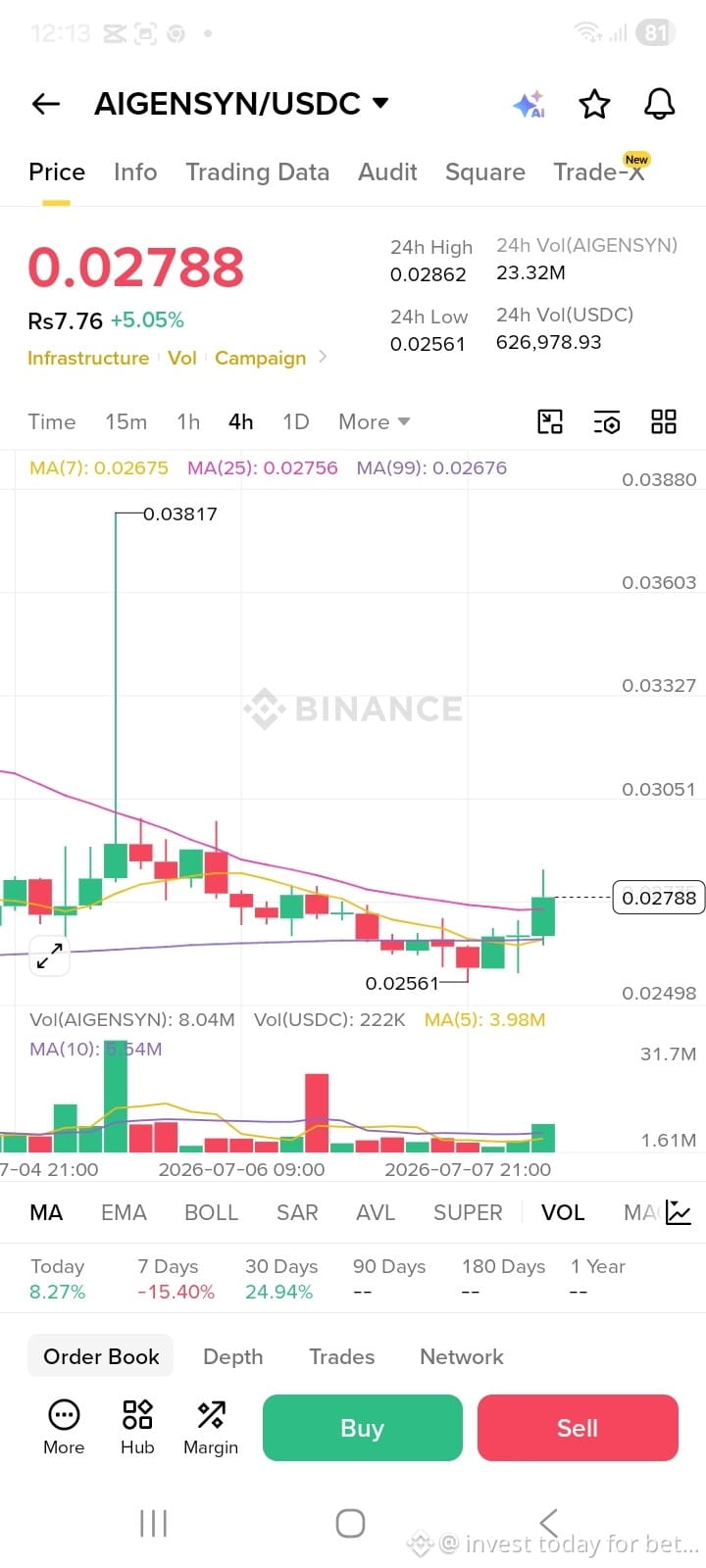
$AIGENSYN Every Bounce Adds Confidence!
Momentum trends upward.
Price remains above support.
Watch for acceleration 🚀
{spot}(AIGENSYNUSDT)
$MMT
$LDO
#JapanBondYieldsRise
$AIGENSYN Every Bounce Adds Confidence!
Momentum trends upward.
Price remains above support.
Watch for acceleration 🚀
$MMT
$LDO
#JapanBondYieldsRise
Momentum trends upward.
Price remains above support.
Watch for acceleration 🚀
$MMT
$LDO
#JapanBondYieldsRise
1
68

·
--
Bearish
Partly True
Urgent: Global gold prices move into losses and drop by more than 2%.. Why?
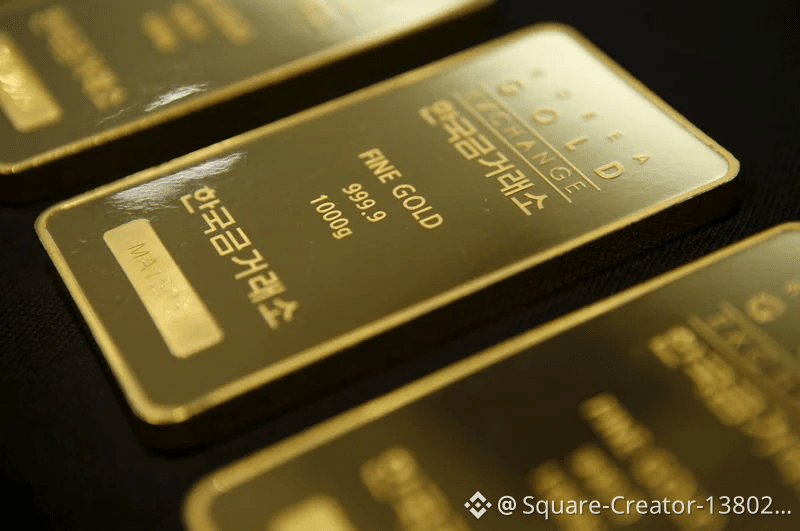
Gold prices fell sharply during Wednesday’s trading, deepening losses by more than 2% after U.S. President Donald Trump made statements indicating that the temporary ceasefire agreement with Iran has, in his view, ended. This strengthened market uncertainty, but it also prompted investors to reprice expectations for inflation and monetary policy.
The price of gold for delivery dropped by more than 2% to around $4,067 per ounce during trading, while U.S. spot gold contracts fell by 1.3% to about $4,057 per ounce after prices had recorded only a limited rise earlier in the session.#USStrikesIranRevokesOilWaiver #RussiaToRecognizeCryptoAsLegalProperty #RussiaToRecognizeCryptoAsLegalProperty #JapanBondYieldsRise #SpotGoldFallsBelow$4100 $XAU
{future}(XAUUSDT)
Urgent: Global gold prices move into losses and drop by more than 2%.. Why?
Gold prices fell sharply during Wednesday’s trading, deepening losses by more than 2% after U.S. President Donald Trump made statements indicating that the temporary ceasefire agreement with Iran has, in his view, ended. This strengthened market uncertainty, but it also prompted investors to reprice expectations for inflation and monetary policy.
The price of gold for delivery dropped by more than 2% to around $4,067 per ounce during trading, while U.S. spot gold contracts fell by 1.3% to about $4,057 per ounce after prices had recorded only a limited rise earlier in the session.#USStrikesIranRevokesOilWaiver #RussiaToRecognizeCryptoAsLegalProperty #RussiaToRecognizeCryptoAsLegalProperty #JapanBondYieldsRise #SpotGoldFallsBelow$4100 $XAU
Gold prices fell sharply during Wednesday’s trading, deepening losses by more than 2% after U.S. President Donald Trump made statements indicating that the temporary ceasefire agreement with Iran has, in his view, ended. This strengthened market uncertainty, but it also prompted investors to reprice expectations for inflation and monetary policy.
The price of gold for delivery dropped by more than 2% to around $4,067 per ounce during trading, while U.S. spot gold contracts fell by 1.3% to about $4,057 per ounce after prices had recorded only a limited rise earlier in the session.#USStrikesIranRevokesOilWaiver #RussiaToRecognizeCryptoAsLegalProperty #RussiaToRecognizeCryptoAsLegalProperty #JapanBondYieldsRise #SpotGoldFallsBelow$4100 $XAU

720
·
--
Bullish
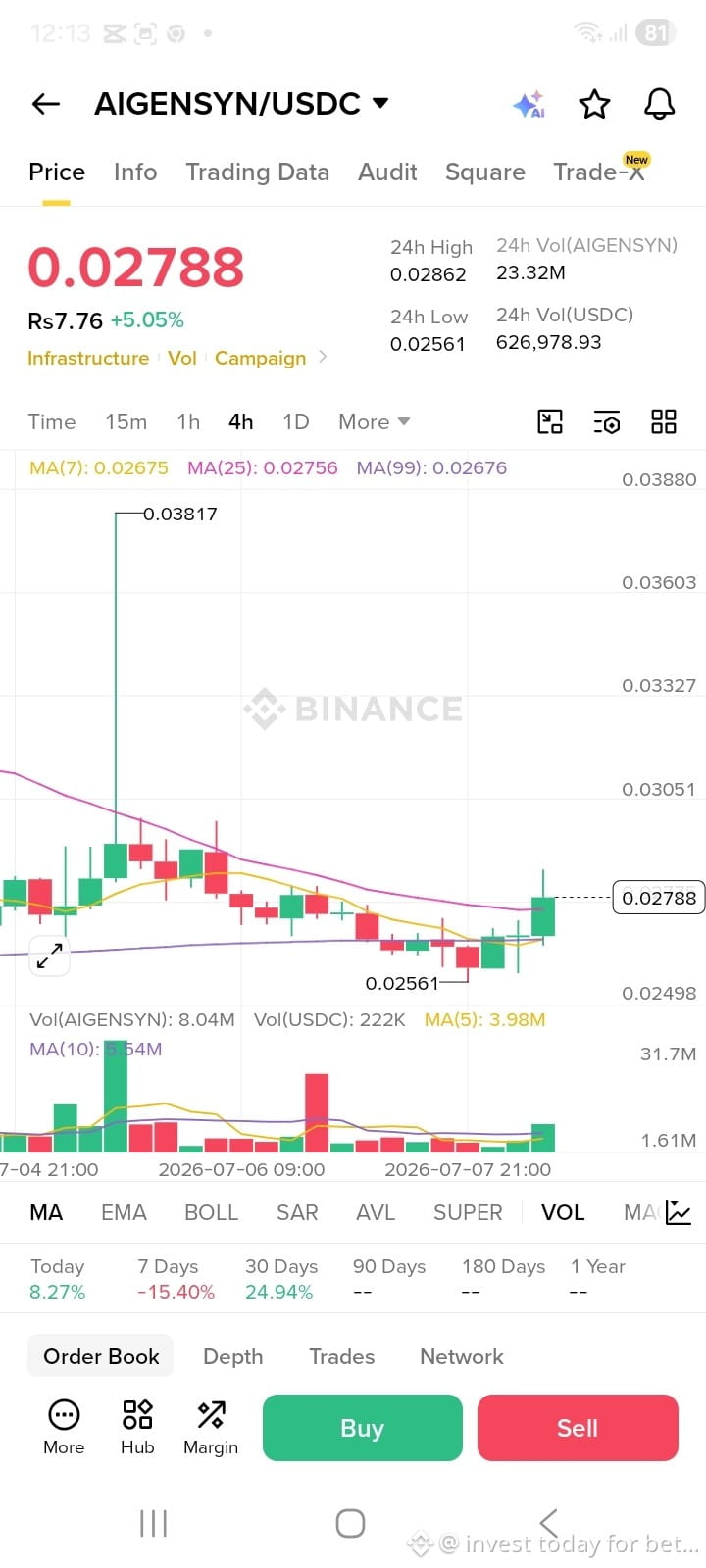
$AIGENSYN 👀 Quiet Charts Can Deliver Loud Moves!
Trend remains positive.
Support stays respected.
Interesting days may be ahead 🔥
{spot}(AIGENSYNUSDT)
$UNI
$APE
#JapanBondYieldsRise
$AIGENSYN 👀 Quiet Charts Can Deliver Loud Moves!
Trend remains positive.
Support stays respected.
Interesting days may be ahead 🔥
$UNI
$APE
#JapanBondYieldsRise
Trend remains positive.
Support stays respected.
Interesting days may be ahead 🔥
$UNI
$APE
#JapanBondYieldsRise
1
55


·
--
Bullish
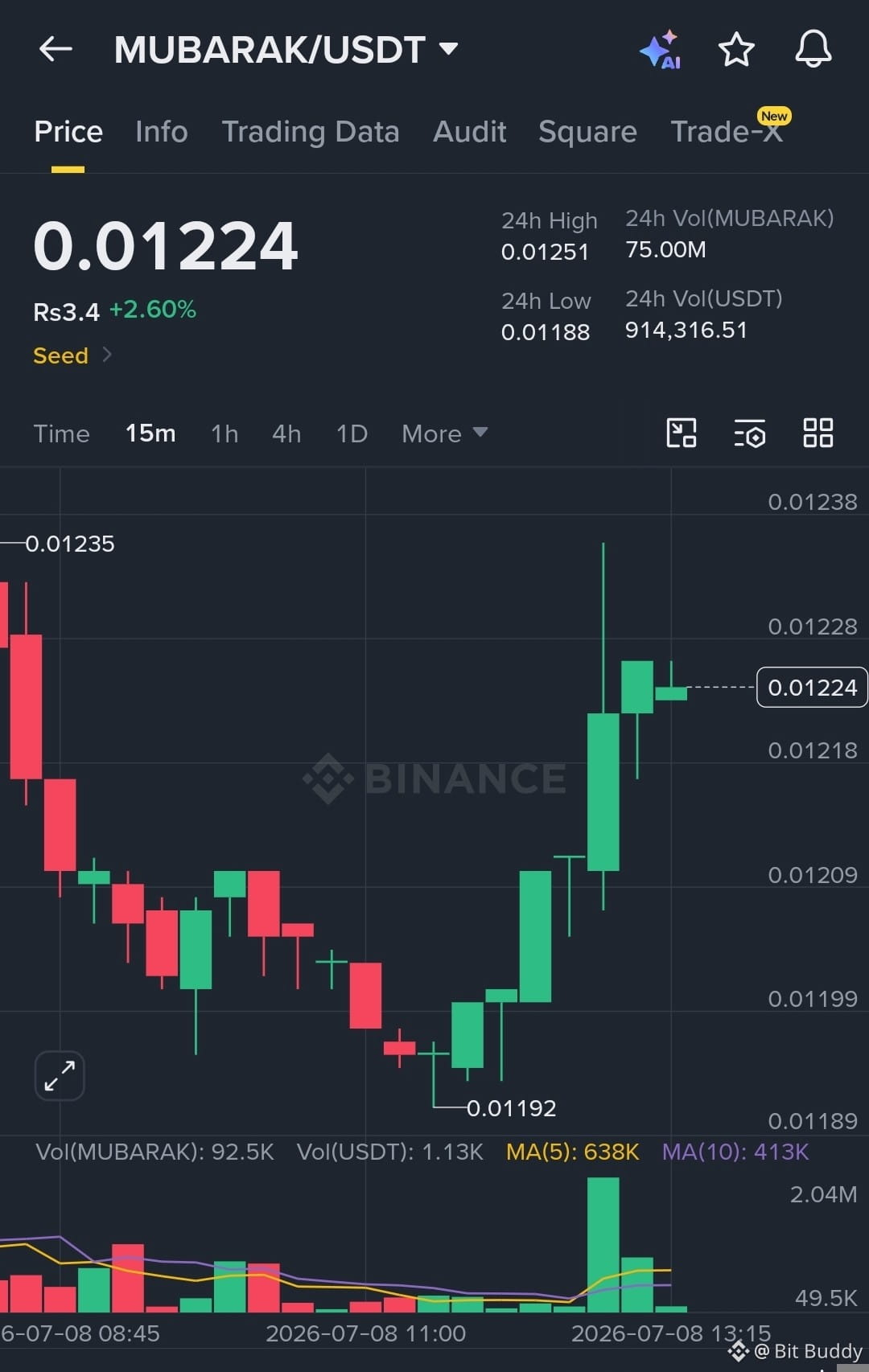
$MUBARAK
{spot}(MUBARAKUSDT)
/USDT
🚨 TRADE SETUP
Momentum is building and buyers just stepped in with strong volume. Eyes on the breakout! 📈🔥
📍Entry Zone: 0.01218 – 0.01224
🎯Targets:
• TP1: 0.01238
• TP2: 0.01255
• TP3: 0.01280
🛑Stop Loss: 0.01190
Trade with proper risk management. Wait for candle confirmation before entering. 💯
#USStrikesIranRevokesOilWaiver #USLaunchesNewStrikesAgainstIran #RussiaToRecognizeCryptoAsLegalProperty #JapanBondYieldsRise
$MUBARAK
/USDT
🚨 TRADE SETUP
Momentum is building and buyers just stepped in with strong volume. Eyes on the breakout! 📈🔥
📍Entry Zone: 0.01218 – 0.01224
🎯Targets:
• TP1: 0.01238
• TP2: 0.01255
• TP3: 0.01280
🛑Stop Loss: 0.01190
Trade with proper risk management. Wait for candle confirmation before entering. 💯
#USStrikesIranRevokesOilWaiver #USLaunchesNewStrikesAgainstIran #RussiaToRecognizeCryptoAsLegalProperty #JapanBondYieldsRise
/USDT
🚨 TRADE SETUP
Momentum is building and buyers just stepped in with strong volume. Eyes on the breakout! 📈🔥
📍Entry Zone: 0.01218 – 0.01224
🎯Targets:
• TP1: 0.01238
• TP2: 0.01255
• TP3: 0.01280
🛑Stop Loss: 0.01190
Trade with proper risk management. Wait for candle confirmation before entering. 💯
#USStrikesIranRevokesOilWaiver #USLaunchesNewStrikesAgainstIran #RussiaToRecognizeCryptoAsLegalProperty #JapanBondYieldsRise
182

·
--
Bullish
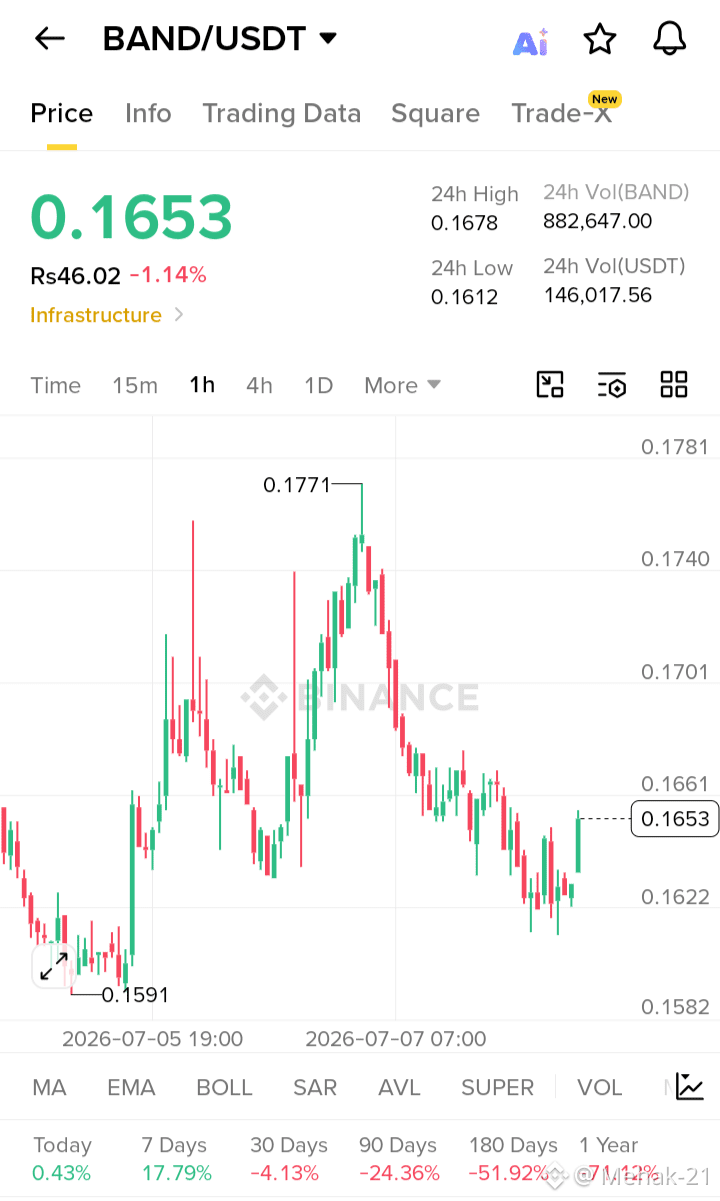
$BAND
LONG SIGNAL — BREAKOUT WATCH
BAND is consolidating tightly above the 24H low of 0.1612, with higher lows forming on the 4H chart. Price is holding the 0.1653 support zone despite broader market weakness. Volume is steady, and the 15m structure shows bullish divergence building against the downtrend.
Momentum is shifting. A clean reclaim above 0.1678 opens the door for a swift move toward the mid-range resistance. Risk-to-reward remains favorable at current levels.
EP (Entry): 0.1653 – 0.1660
TP1: 0.1700
TP2: 0.1740
TP3: 0.1780
SL: 0.1610 (firm below 24H low)
CONVICTION: HIGH
RISK: 1.5% per trade
Stick to the plan. Let the price come to you. Manage risk aggressively.
$BAND
#JapanBondYieldsRise
#JapanBondYieldsRise
{future}(BANDUSDT)
$BAND
LONG SIGNAL — BREAKOUT WATCH
BAND is consolidating tightly above the 24H low of 0.1612, with higher lows forming on the 4H chart. Price is holding the 0.1653 support zone despite broader market weakness. Volume is steady, and the 15m structure shows bullish divergence building against the downtrend.
Momentum is shifting. A clean reclaim above 0.1678 opens the door for a swift move toward the mid-range resistance. Risk-to-reward remains favorable at current levels.
EP (Entry): 0.1653 – 0.1660
TP1: 0.1700
TP2: 0.1740
TP3: 0.1780
SL: 0.1610 (firm below 24H low)
CONVICTION: HIGH
RISK: 1.5% per trade
Stick to the plan. Let the price come to you. Manage risk aggressively.
$BAND
#JapanBondYieldsRise
#JapanBondYieldsRise
LONG SIGNAL — BREAKOUT WATCH
BAND is consolidating tightly above the 24H low of 0.1612, with higher lows forming on the 4H chart. Price is holding the 0.1653 support zone despite broader market weakness. Volume is steady, and the 15m structure shows bullish divergence building against the downtrend.
Momentum is shifting. A clean reclaim above 0.1678 opens the door for a swift move toward the mid-range resistance. Risk-to-reward remains favorable at current levels.
EP (Entry): 0.1653 – 0.1660
TP1: 0.1700
TP2: 0.1740
TP3: 0.1780
SL: 0.1610 (firm below 24H low)
CONVICTION: HIGH
RISK: 1.5% per trade
Stick to the plan. Let the price come to you. Manage risk aggressively.
$BAND
#JapanBondYieldsRise
#JapanBondYieldsRise
36
Log in to explore more content
Join global crypto users on Binance Square
⚡️ Get latest and useful information about crypto.
💬 Trusted by the world’s largest crypto exchange.
👍 Discover real insights from verified creators.
Email / Phone number
Trending Topics
1
#EarningsSeason
385,998 views
2,937 Discussing
2
#SECChairWantsStockMarketsOnChain
753 views
44 Discussing
3
#MulticoinInvestsInGrass
63 views
28 Discussing
4
#CEARenamesToBNBStandardUnderBNC
819 views
58 Discussing
5
#BitwiseLaunchesFirstSpotNEARETF
45,495 views
687 Discussing
6
#USJobOpeningsFallToFiveMonthLow
50,983 views
532 Discussing
7
#ECBToTestAIAgentsInDigitalEuroPayments
34,565 views
596 Discussing
8
#JapanFSABacksFourthStablecoinTradeSettlementPilot
39,261 views
623 Discussing
9
#BitgetHackerFailsToMoveStolenFunds
56,245 views
679 Discussing
10
#BitMineETHHoldingsTop6Million
44,109 views
748 Discussing