
#follow4more
follow4more
2.7M views
8,374 Discussing
Hot
Latest

·
--
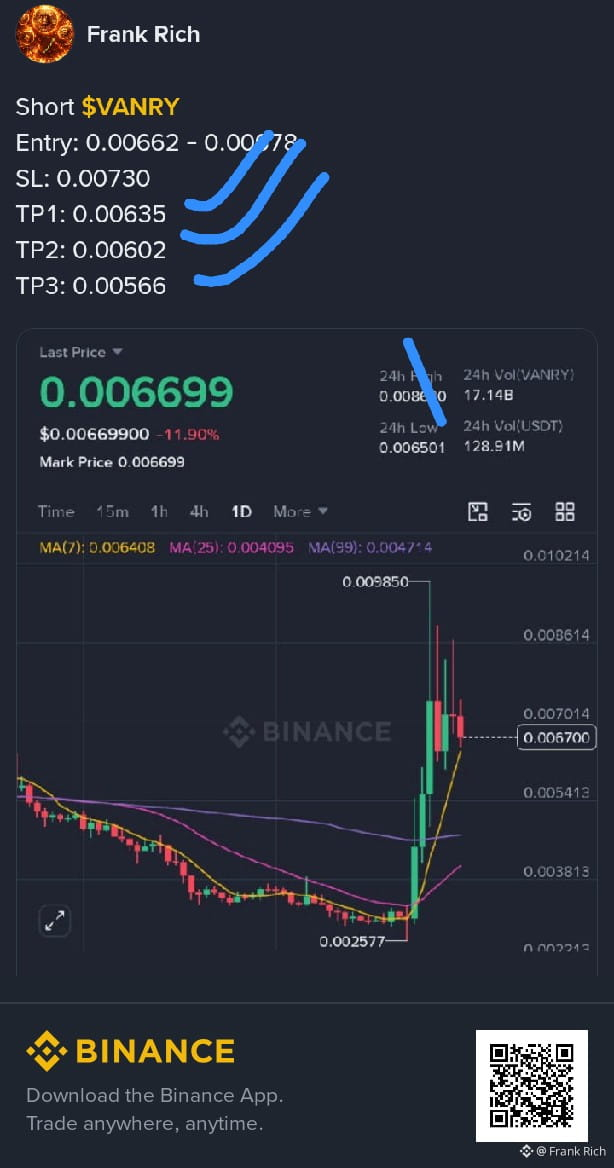
Congratulations to my follows all target 🎯 hitted 🔥💯 #VANRYUSDT $VANRY #Follow4more
Congratulations to my follows all target 🎯 hitted 🔥💯 #VANRYUSDT $VANRY #Follow4more
219

·
--
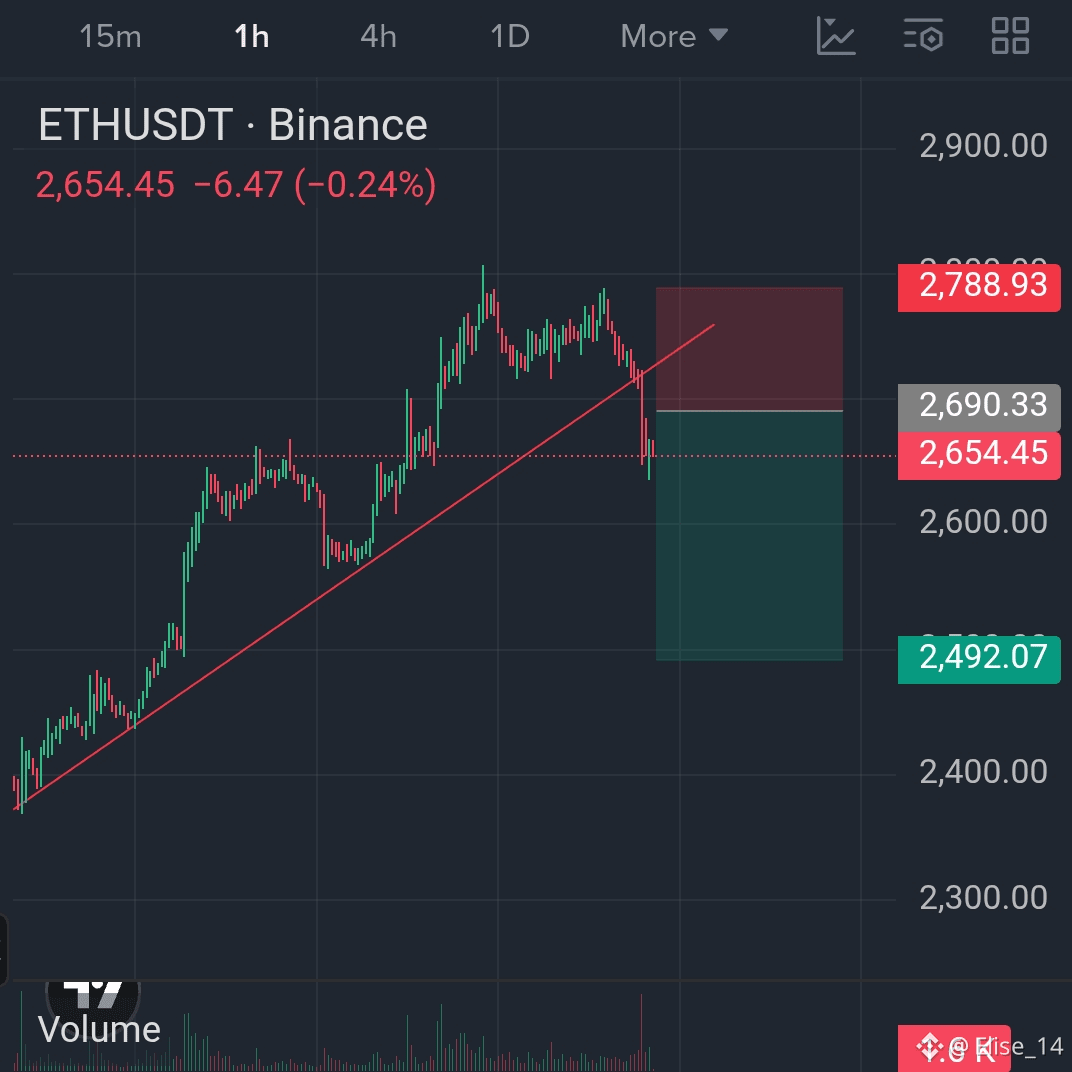
Bearish
$ETH
{future}(ETHUSDT)
short
leverage : 30x
entry : 2690 - 2710
target
2670
2645
2610
2580
stop loss : 2788
#Follow4more #ETH🔥🔥🔥🔥🔥🔥 #HotTrends
$ETH
short
leverage : 30x
entry : 2690 - 2710
target
2670
2645
2610
2580
stop loss : 2788
#Follow4more #ETH🔥🔥🔥🔥🔥🔥 #HotTrends
short
leverage : 30x
entry : 2690 - 2710
target
2670
2645
2610
2580
stop loss : 2788
#Follow4more #ETH🔥🔥🔥🔥🔥🔥 #HotTrends
3

·
--
60


·
--


戒赌哥
·
--
$龙虾 is still awesome lobster, it's a pity that I sold when my market value was over 10 million, damn it, take it #哈基米

·
--
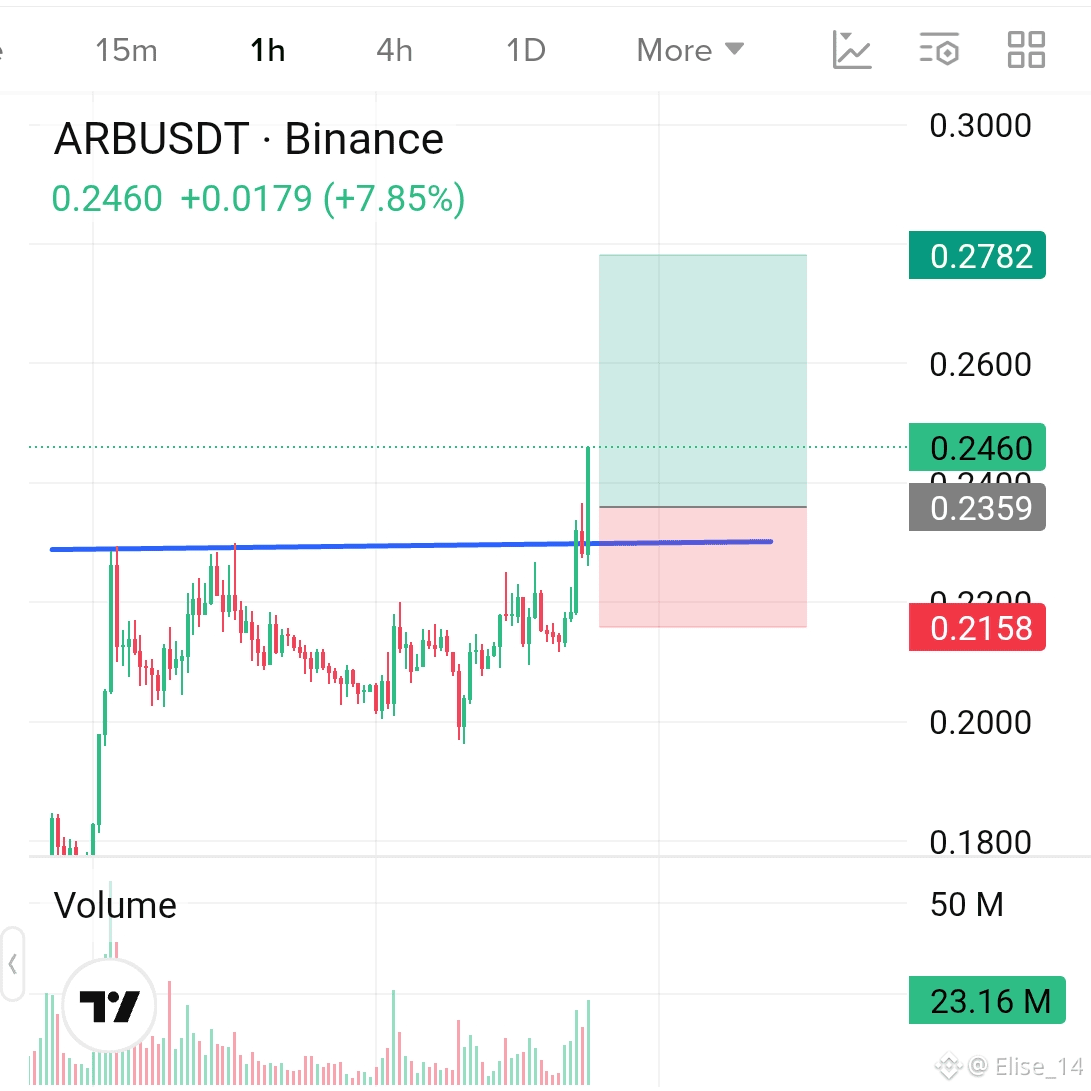
Bullish
$ARB
{future}(ARBUSDT)
long
leverage : 30x
entry : 0.2250 - 0.2350
target
0.2450
0.2550
0.2700
stop loss : 0.2158
#Follow4more
$ARB
long
leverage : 30x
entry : 0.2250 - 0.2350
target
0.2450
0.2550
0.2700
stop loss : 0.2158
#Follow4more
long
leverage : 30x
entry : 0.2250 - 0.2350
target
0.2450
0.2550
0.2700
stop loss : 0.2158
#Follow4more
27

·
--
Bullish
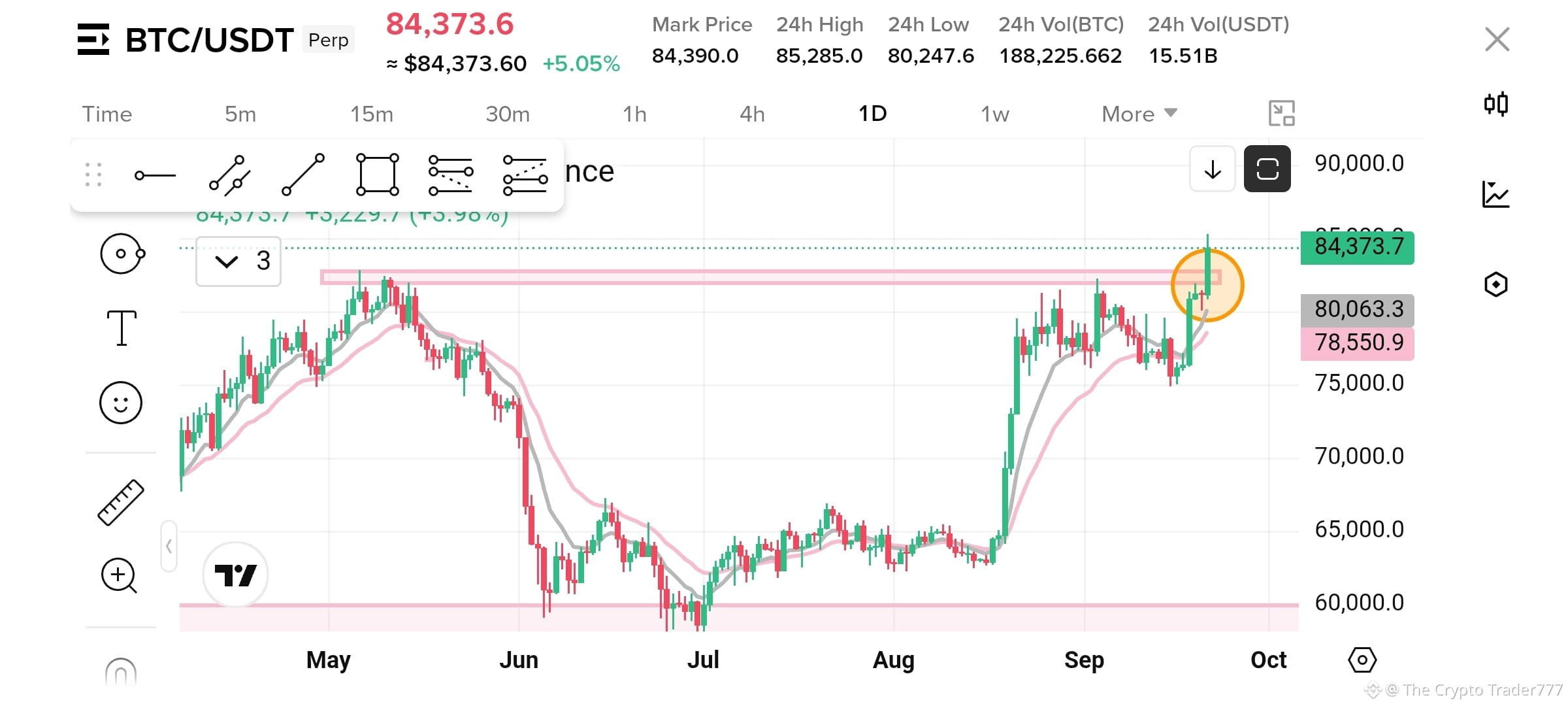
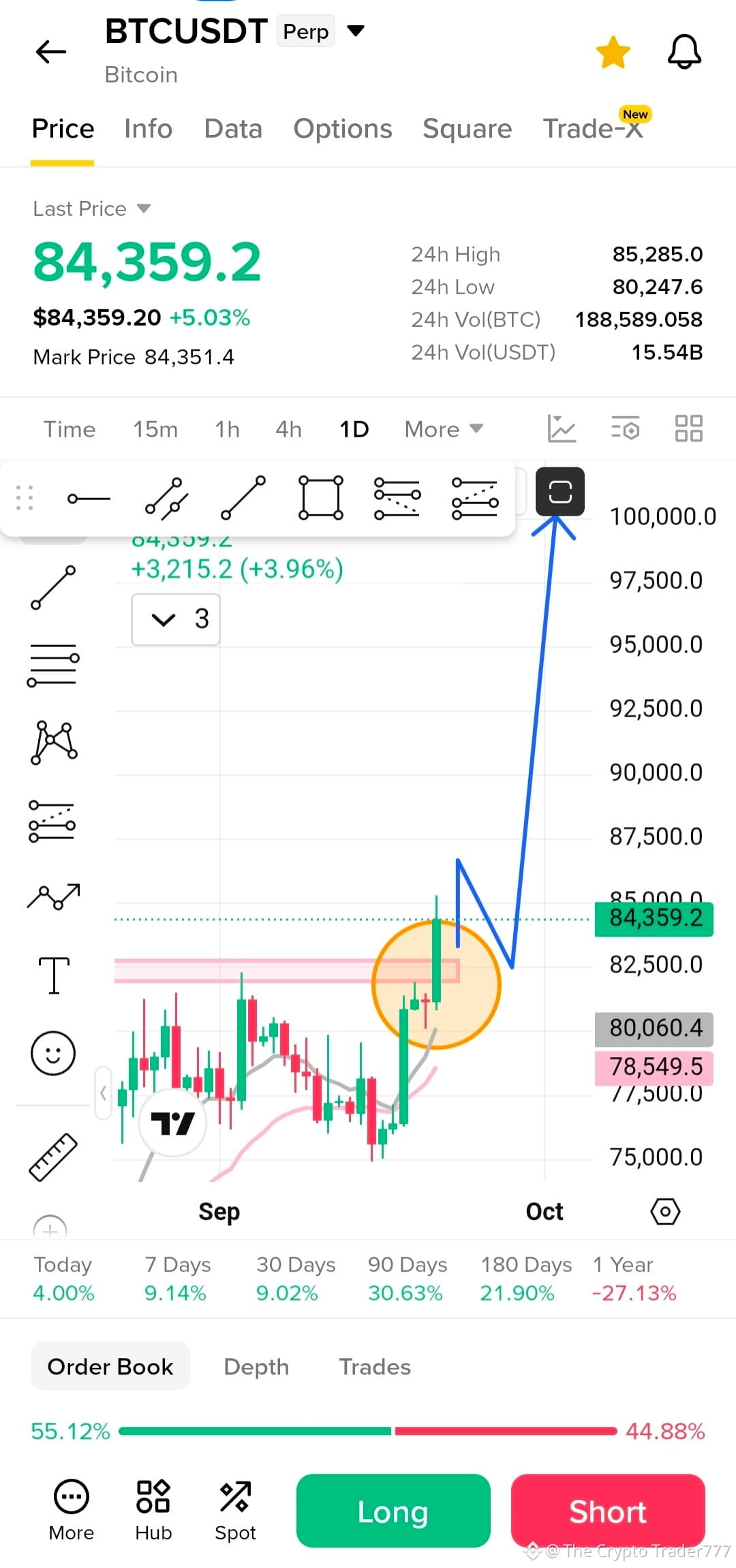
#BTCBUYNOW BREAKOUT THE RESISTANCE ZONE#BUYNOW
$BTC is bullish bitcoin touch the 1000,000$ in a few days #Follow4more
BTC BREAK OUT THE RESISTANCE AND MOVEMENT IS FAST
#BTCBUYNOW BREAKOUT THE RESISTANCE ZONE#BUYNOW
$BTC is bullish bitcoin touch the 1000,000$ in a few days #Follow4more
BTC BREAK OUT THE RESISTANCE AND MOVEMENT IS FAST
$BTC is bullish bitcoin touch the 1000,000$ in a few days #Follow4more
BTC BREAK OUT THE RESISTANCE AND MOVEMENT IS FAST
84

·
--
Bullish
ZEC is trading at $1,515.87 on 2026-09-21, up +4.72% over the past 24 hours. Its 24h range is $1,427.50–$1,548.33, so it is currently trading below the session high but well above the open.$ZEC
{spot}(ZECUSDT)
#viralpost #like_comment_follow #Follow4more #today
ZEC is trading at $1,515.87 on 2026-09-21, up +4.72% over the past 24 hours. Its 24h range is $1,427.50–$1,548.33, so it is currently trading below the session high but well above the open.$ZEC
#viralpost #like_comment_follow #Follow4more #today
#viralpost #like_comment_follow #Follow4more #today
252

Holding $USDT 3.1 USDT

90
#thiscoinisboommmm🚀📈
#BUYANDHOID to buy this coin or hold it, just do that—there will be extra profit
$XRP $TRX $HYPE
#Follow4more
#thiscoinisboommmm🚀📈
#BUYANDHOID to buy this coin or hold it, just do that—there will be extra profit
$XRP $TRX $HYPE
#Follow4more
#BUYANDHOID to buy this coin or hold it, just do that—there will be extra profit
$XRP $TRX $HYPE
#Follow4more

1
25


·
--
Bullish

Follow
From dark web boy
134

·
--
❤️ FOLLOW ME → I’LL FOLLOW BACK 100%! 🔥
🚨 ROAD TO 10K FOLLOWERS! 🔥
🤝 You follow → I follow back!
💥 Let’s grow together!
🎯 10K — LET’S GO! 🚀
#folllowformore #Follow_Like_Comment #followfor #Follow4more #FollowMeAndGetReward
❤️ FOLLOW ME → I’LL FOLLOW BACK 100%! 🔥
🚨 ROAD TO 10K FOLLOWERS! 🔥
🤝 You follow → I follow back!
💥 Let’s grow together!
🎯 10K — LET’S GO! 🚀
#folllowformore #Follow_Like_Comment #followfor #Follow4more #FollowMeAndGetReward
🚨 ROAD TO 10K FOLLOWERS! 🔥
🤝 You follow → I follow back!
💥 Let’s grow together!
🎯 10K — LET’S GO! 🚀
#folllowformore #Follow_Like_Comment #followfor #Follow4more #FollowMeAndGetReward

Bernetta Sandelius EEGA:
ok
28
23
664



·
--
Bullish
🚀 $SYN LONG SETUP
Strong momentum after a sharp move. Watching for a pullback into the entry zone.
📍 Entry: $0.240–$0.248
🎯 TP: $0.300
🛑 SL: $0.216
📈 CMP: ~$0.254 (+40.31%)
⚠️ High volatility — manage risk and DYOR.
#SYN #BTCBreaks80K #SOLJumpsAbout10% #Follow4more #TradingSignals
TRADE HERE 👇
{future}(SYNUSDT)
🚀 $SYN LONG SETUP
Strong momentum after a sharp move. Watching for a pullback into the entry zone.
📍 Entry: $0.240–$0.248
🎯 TP: $0.300
🛑 SL: $0.216
📈 CMP: ~$0.254 (+40.31%)
⚠️ High volatility — manage risk and DYOR.
#SYN #BTCBreaks80K #SOLJumpsAbout10% #Follow4more #TradingSignals
TRADE HERE 👇
Strong momentum after a sharp move. Watching for a pullback into the entry zone.
📍 Entry: $0.240–$0.248
🎯 TP: $0.300
🛑 SL: $0.216
📈 CMP: ~$0.254 (+40.31%)
⚠️ High volatility — manage risk and DYOR.
#SYN #BTCBreaks80K #SOLJumpsAbout10% #Follow4more #TradingSignals
TRADE HERE 👇
1
80
·
--
Bullish
🔥 $ETC — Fresh Analysis
Price: ~$7.8
Trend: 🟢 Bullish above $7.55, but short-term indicators are getting overbought.
🎯 TP1: $8.04
🚀 TP2: $8.26
🔥 TP3: $8.55
🛡️ Support: $7.55 / $7.24
❌ Invalidation: Below $7.24
Key: Hold $7.55 → bullish continuation; break $8.04 with volume → next targets.
#ETC #BOJHikesRatesTo31YearHigh #TradingSignals #TrenddingTopic #Follow4more
TRADE HERE 👇
{future}(ETCUSDT)
🔥 $ETC — Fresh Analysis
Price: ~$7.8
Trend: 🟢 Bullish above $7.55, but short-term indicators are getting overbought.
🎯 TP1: $8.04
🚀 TP2: $8.26
🔥 TP3: $8.55
🛡️ Support: $7.55 / $7.24
❌ Invalidation: Below $7.24
Key: Hold $7.55 → bullish continuation; break $8.04 with volume → next targets.
#ETC #BOJHikesRatesTo31YearHigh #TradingSignals #TrenddingTopic #Follow4more
TRADE HERE 👇
Price: ~$7.8
Trend: 🟢 Bullish above $7.55, but short-term indicators are getting overbought.
🎯 TP1: $8.04
🚀 TP2: $8.26
🔥 TP3: $8.55
🛡️ Support: $7.55 / $7.24
❌ Invalidation: Below $7.24
Key: Hold $7.55 → bullish continuation; break $8.04 with volume → next targets.
#ETC #BOJHikesRatesTo31YearHigh #TradingSignals #TrenddingTopic #Follow4more
TRADE HERE 👇
1
17
·
--
Bullish
🔥 $AR — Fresh Analysis
Price: ~$3.21 | 24h: +23.9%
Trend: 🟢 Bullish momentum with strong volume.
🎯 TP1: $3.40
🚀 TP2: $3.70
🔥 TP3: $4.00
🛡️ Support: $2.90–$3.00
❌ Invalidation: Below $2.75
⚠️ AR has already made a sharp move, so a pullback/retest is possible. Watch $3.24 breakout + volume confirmation.
#ar #BOJHikesRatesTo31YearHigh #Follow4more #TradingSignals #TrendingInvestments
TRADE HERE 👇
{spot}(ARUSDT)
🔥 $AR — Fresh Analysis
Price: ~$3.21 | 24h: +23.9%
Trend: 🟢 Bullish momentum with strong volume.
🎯 TP1: $3.40
🚀 TP2: $3.70
🔥 TP3: $4.00
🛡️ Support: $2.90–$3.00
❌ Invalidation: Below $2.75
⚠️ AR has already made a sharp move, so a pullback/retest is possible. Watch $3.24 breakout + volume confirmation.
#ar #BOJHikesRatesTo31YearHigh #Follow4more #TradingSignals #TrendingInvestments
TRADE HERE 👇
Price: ~$3.21 | 24h: +23.9%
Trend: 🟢 Bullish momentum with strong volume.
🎯 TP1: $3.40
🚀 TP2: $3.70
🔥 TP3: $4.00
🛡️ Support: $2.90–$3.00
❌ Invalidation: Below $2.75
⚠️ AR has already made a sharp move, so a pullback/retest is possible. Watch $3.24 breakout + volume confirmation.
#ar #BOJHikesRatesTo31YearHigh #Follow4more #TradingSignals #TrendingInvestments
TRADE HERE 👇
1
66

·
--
Bullish
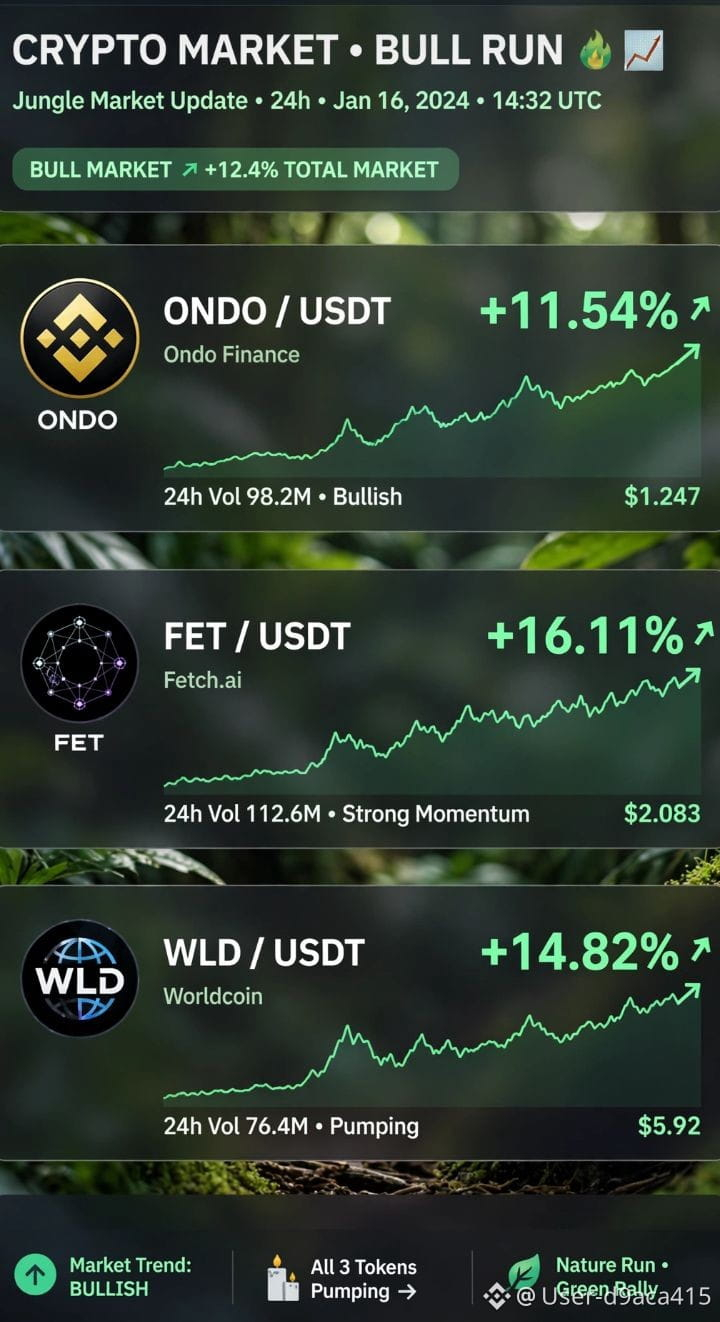
Market is pumping today! 🚀
$ONDO +11.54%
$FET +16.11%
$WLD +14.82%
I called ONDO at $0.35 when everyone was sleeping.
My Fed week watchlist:
1. ONDO - holding strong
2. FET - AI narrative is back
3. WLD - volume increasing
Who is next in your opinion?
$ONDO$FET$WLD
#Write2Earn
Market is pumping today! 🚀
$ONDO +11.54%
$FET +16.11%
$WLD +14.82%
I called ONDO at $0.35 when everyone was sleeping.
My Fed week watchlist:
1. ONDO - holding strong
2. FET - AI narrative is back
3. WLD - volume increasing
Who is next in your opinion?
$ONDO $FET $WLD
#Write2Earn
$ONDO +11.54%
$FET +16.11%
$WLD +14.82%
I called ONDO at $0.35 when everyone was sleeping.
My Fed week watchlist:
1. ONDO - holding strong
2. FET - AI narrative is back
3. WLD - volume increasing
Who is next in your opinion?
$ONDO $FET $WLD
#Write2Earn
1
415
Log in to explore more content
Join global crypto users on Binance Square
⚡️ Get latest and useful information about crypto.
💬 Trusted by the world’s largest crypto exchange.
👍 Discover real insights from verified creators.
Email / Phone number
Trending Topics
1
#USWeighsPromotingDollarStablecoinsAbroad
616 views
61 Discussing
2
#US10YTreasuryYieldHits19YearHigh
955 views
65 Discussing
3
#SpotBitcoinETFsInflow$2.31BInFourDays
226 views
18 Discussing
4
#BitcoinRejectedAt$87,300Twice
0 views
0 Discussing
5
#BCHJumps28%OnCMEFuturesListing
39,512 views
838 Discussing
6
#WallStreetEarningsRevisionsTurnBearish
27,888 views
615 Discussing
7
#DollarIndexReclaims101
23,651 views
528 Discussing
8
#21SharesLaunchesEuropesFirstZcashETP
67,144 views
1,310 Discussing
9
#CardanoJoinsX402PaymentStandard
41,887 views
919 Discussing
10
#BitcoinTops$87KAtEightMonthHigh
16,386 views
141 Discussing