

#clarity_act
clarity_act
4,972 views
27 Discussing
Hot
Latest

·
--
White House: the crypto market structure cannot wait for a CLARITY law opportunity after the electionsOfficials from the White House and the U.S. Treasury agreed that the legislative period known as the “lame duck session” following the midterm elections does not hold enough promise to revive the Digital Assets Clarity Act (Clarity Act), and that the focus should now shift to the ongoing work by U.S. market regulators.
White House: the crypto market structure cannot wait for a CLARITY law opportunity after the elections
Officials from the White House and the U.S. Treasury agreed that the legislative period known as the “lame duck session” following the midterm elections does not hold enough promise to revive the Digital Assets Clarity Act (Clarity Act), and that the focus should now shift to the ongoing work by U.S. market regulators.
13


·
--
The “CLARITY Act” initiative was approved after it failed to gain Senate approval by a margin of 49 to 50, leaving Senator Tom Tillis’s proposal to reopen the door for another vote during this session.
Seven of the Democrats who voted against passing the bill say they are still committed to enacting legislation to regulate the cryptocurrency market.
However, as ethical aspects remain a key point of contention, and as the Senate heads into a recess starting October 2, the time available to reach an agreement by 2026 is shrinking.
#CLARITY_ACT
The “CLARITY Act” initiative was approved after it failed to gain Senate approval by a margin of 49 to 50, leaving Senator Tom Tillis’s proposal to reopen the door for another vote during this session.
Seven of the Democrats who voted against passing the bill say they are still committed to enacting legislation to regulate the cryptocurrency market.
However, as ethical aspects remain a key point of contention, and as the Senate heads into a recess starting October 2, the time available to reach an agreement by 2026 is shrinking.
#CLARITY_ACT
Seven of the Democrats who voted against passing the bill say they are still committed to enacting legislation to regulate the cryptocurrency market.
However, as ethical aspects remain a key point of contention, and as the Senate heads into a recess starting October 2, the time available to reach an agreement by 2026 is shrinking.
#CLARITY_ACT
2
1
8
6.9k


Article
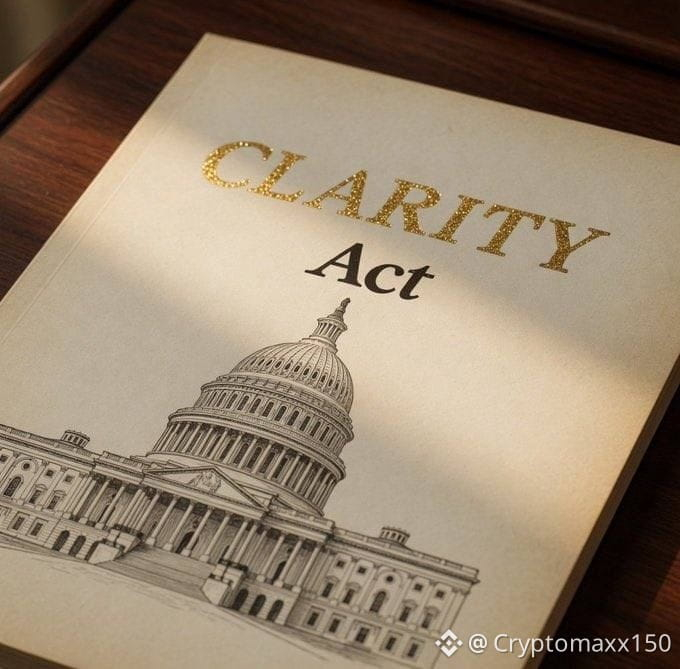
Don’t just look at the Bitcoin chart.. This law in Washington will change everythingThe CLARITY law is stuck.. Why should the crypto market care?
Guys, this is one of the most important stories in crypto right now and you shouldn’t ignore it.
Everyone is focused on the Bitcoin and Ethereum charts—where is the next move heading?—but behind the scenes, something big is happening in Washington.
The CLARITY law hit a dead end again.
Don’t just look at the Bitcoin chart.. This law in Washington will change everything
The CLARITY law is stuck.. Why should the crypto market care?
Guys, this is one of the most important stories in crypto right now and you shouldn’t ignore it.
Everyone is focused on the Bitcoin and Ethereum charts—where is the next move heading?—but behind the scenes, something big is happening in Washington.
The CLARITY law hit a dead end again.
Guys, this is one of the most important stories in crypto right now and you shouldn’t ignore it.
Everyone is focused on the Bitcoin and Ethereum charts—where is the next move heading?—but behind the scenes, something big is happening in Washington.
The CLARITY law hit a dead end again.
1
25

Washington is nearing a decision that could reshape crypto’s future ⚖️
🏛 Coinbase is defending the CLARITY Act and says the law will bring more crypto activity under federal oversight.
⚠️ Elizabeth Warren believes that some DeFi loopholes could create risks related to sanctions and national security.
But the most important part?
The market isn’t only watching laws…
it’s watching whether the United States is moving closer to its first comprehensive regulatory framework that could change how institutions handle digital assets.
Is clear regulation the next step toward market maturity? 👀
#CLARITY_ACT
#THE_X_LAST_ONE
$BTC
{spot}(BTCUSDT)
$ETH
{spot}(ETHUSDT)
$BNB
{spot}(BNBUSDT)
Washington is nearing a decision that could reshape crypto’s future ⚖️
🏛 Coinbase is defending the CLARITY Act and says the law will bring more crypto activity under federal oversight.
⚠️ Elizabeth Warren believes that some DeFi loopholes could create risks related to sanctions and national security.
But the most important part?
The market isn’t only watching laws…
it’s watching whether the United States is moving closer to its first comprehensive regulatory framework that could change how institutions handle digital assets.
Is clear regulation the next step toward market maturity? 👀
#CLARITY_ACT
#THE_X_LAST_ONE
$BTC
$ETH
$BNB
🏛 Coinbase is defending the CLARITY Act and says the law will bring more crypto activity under federal oversight.
⚠️ Elizabeth Warren believes that some DeFi loopholes could create risks related to sanctions and national security.
But the most important part?
The market isn’t only watching laws…
it’s watching whether the United States is moving closer to its first comprehensive regulatory framework that could change how institutions handle digital assets.
Is clear regulation the next step toward market maturity? 👀
#CLARITY_ACT
#THE_X_LAST_ONE
$BTC
$ETH
$BNB

1
136

Article
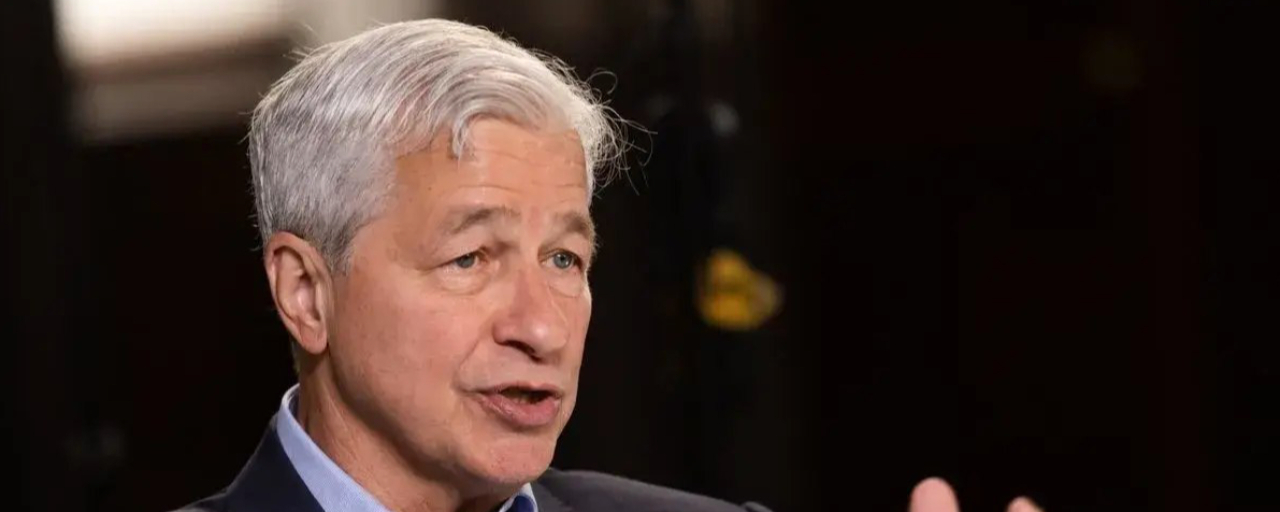
Jamie Dimon Says the Banks Won't Accept the Clarity ActJPMorgan's CEO says the Clarity Act has serious problems for banks and promises to fight it, while naming Brian Armstrong as the person spending hundreds of millions to shape crypto legislation his way.
Key Takeaways:
Dimon: Clarity Act allows stablecoin deposit-like yields without equivalent banking oversight.Bill cleared Senate Banking Committee May 14 but now faces heavy Wall Street resistance.Dimon calls out Brian Armstrong directly for spending hundreds of millions lobbying Washington.Coinbase counters banks are engaging in regulatory capture to protect net interest margins.Dimon: stablecoin is legitimate payment technology but must face the same rules as banks.
The CLARITY Act cleared the Senate Banking Committee on May 14, 2026. Jamie Dimon, CEO of JPMorgan, has a message for everyone involved in getting it to the floor: the banks are going to fight it.
Speaking on Fox Business, Dimon laid out his objections clearly. The bill as written allows crypto platforms to pay interest-like rewards on stablecoin balances, functioning like a bank account, without the regulatory framework that actual banks are required to maintain. No equivalent capital requirements. No equivalent liquidity rules. No equivalent AML, Bank Secrecy Act, or KYC compliance standards. A stablecoin issuer gets to do what a bank does without being treated like one.
"The banks will not accept it that way."
His core argument is straightforward. If you take deposits and pay yields, you're in the banking business. And if you're in the banking business, you should face the same oversight as everyone else in that business. The current version of the Clarity Act doesn't require that. In Dimon's view that creates a structural advantage for crypto firms that has nothing to do with innovation and everything to do with regulatory arbitrage.
Why every bank in the country is paying attention
The consequence of that regulatory arbitrage isn't abstract. If stablecoin platforms can offer yields on balances without the overhead of full banking regulation, consumers have a rational incentive to move money out of traditional bank accounts and into stablecoin accounts. The banks bear the cost of compliance. The stablecoin issuers don't. The customer gets a better yield. The math isn't complicated, and the threat isn't limited to JPMorgan.
This is why Dimon was careful to frame the opposition as an industry-wide position. The American Bankers Association, small community banks, and credit unions are all aligned against the current version. "It's not just the big guys," he said. Small banks and credit unions face the same deposit migration risk with far less capacity to absorb it. The bill passed committee with crypto industry support. What it's now running into is the organized resistance of the entire traditional banking system.
Where that resistance is pointing
That organized resistance has a specific target. The person who has been the most visible force pushing the Clarity Act through Washington is Coinbase CEO Brian Armstrong, who has spent heavily on lobbying and crypto-friendly political campaigns to advance legislation favorable to the industry. Dimon went after him directly on air. "He said he's representing the whole industry. He's full of shit."
The accusation is that Armstrong has been spending hundreds of millions of dollars in Washington to shape a bill that benefits Coinbase's specific business model rather than the industry broadly, and presenting that effort as representing the entire crypto ecosystem. Dimon's point is that nobody elected Armstrong to speak for the industry and the bill he's been pushing would create an unlevel playing field at the expense of everyone operating under existing financial regulation.
Armstrong and Coinbase's response is the mirror image. Their argument is that banks are engaging in regulatory capture, using political relationships to protect net interest margins and prevent competition rather than protect consumers. Crypto advocacy groups have maintained that stablecoin rewards programs are essential to US competitiveness in financial innovation and that restricting them is protectionism dressed up as prudential regulation.
"We'll fight it. If we lose, we lose and we'll live. But it will be fought."
What Dimon actually thinks about the technology
Before drawing the wrong conclusion from all of this, Dimon isn't fighting stablecoins. He's fighting the rules being built around them. That distinction matters.
JPMorgan has been building on distributed ledger technology for years. JPM Coin, its internal settlement system, has been processing institutional transactions since 2019. The bank isn't anti-blockchain and Dimon said as much directly: "I think it's a legitimate technology. I think stablecoin can be legitimate. Payment system."
His personal position is more cautious, he said he personally wants nothing to do with stablecoins and believes that without proper oversight they would "eventually blow up on their own." But he acknowledged that's his personal view and separate from the policy question. On the policy question his position is consistent: stablecoins operating as financial products should face financial regulation. The same AML rules. The same KYC requirements. The same capital standards as any institution taking deposits and paying yields. Not a lighter version designed to give one set of competitors a structural advantage over another.
The fight Dimon is promising isn't just about one bill. The Senate Banking Committee passed the Clarity Act on May 14. What it didn't anticipate was JPMorgan, the ABA, every small bank, and every credit union in the country deciding to treat it as an existential threat worth spending real resources to stop. That's what Dimon is signaling. The markup is coming. The fight already started.
#CLARITY_ACT
Jamie Dimon Says the Banks Won't Accept the Clarity Act
JPMorgan's CEO says the Clarity Act has serious problems for banks and promises to fight it, while naming Brian Armstrong as the person spending hundreds of millions to shape crypto legislation his way.
Key Takeaways:
Dimon: Clarity Act allows stablecoin deposit-like yields without equivalent banking oversight.Bill cleared Senate Banking Committee May 14 but now faces heavy Wall Street resistance.Dimon calls out Brian Armstrong directly for spending hundreds of millions lobbying Washington.Coinbase counters banks are engaging in regulatory capture to protect net interest margins.Dimon: stablecoin is legitimate payment technology but must face the same rules as banks.
The CLARITY Act cleared the Senate Banking Committee on May 14, 2026. Jamie Dimon, CEO of JPMorgan, has a message for everyone involved in getting it to the floor: the banks are going to fight it.
Speaking on Fox Business, Dimon laid out his objections clearly. The bill as written allows crypto platforms to pay interest-like rewards on stablecoin balances, functioning like a bank account, without the regulatory framework that actual banks are required to maintain. No equivalent capital requirements. No equivalent liquidity rules. No equivalent AML, Bank Secrecy Act, or KYC compliance standards. A stablecoin issuer gets to do what a bank does without being treated like one.
"The banks will not accept it that way."
His core argument is straightforward. If you take deposits and pay yields, you're in the banking business. And if you're in the banking business, you should face the same oversight as everyone else in that business. The current version of the Clarity Act doesn't require that. In Dimon's view that creates a structural advantage for crypto firms that has nothing to do with innovation and everything to do with regulatory arbitrage.
Why every bank in the country is paying attention
The consequence of that regulatory arbitrage isn't abstract. If stablecoin platforms can offer yields on balances without the overhead of full banking regulation, consumers have a rational incentive to move money out of traditional bank accounts and into stablecoin accounts. The banks bear the cost of compliance. The stablecoin issuers don't. The customer gets a better yield. The math isn't complicated, and the threat isn't limited to JPMorgan.
This is why Dimon was careful to frame the opposition as an industry-wide position. The American Bankers Association, small community banks, and credit unions are all aligned against the current version. "It's not just the big guys," he said. Small banks and credit unions face the same deposit migration risk with far less capacity to absorb it. The bill passed committee with crypto industry support. What it's now running into is the organized resistance of the entire traditional banking system.
Where that resistance is pointing
That organized resistance has a specific target. The person who has been the most visible force pushing the Clarity Act through Washington is Coinbase CEO Brian Armstrong, who has spent heavily on lobbying and crypto-friendly political campaigns to advance legislation favorable to the industry. Dimon went after him directly on air. "He said he's representing the whole industry. He's full of shit."
The accusation is that Armstrong has been spending hundreds of millions of dollars in Washington to shape a bill that benefits Coinbase's specific business model rather than the industry broadly, and presenting that effort as representing the entire crypto ecosystem. Dimon's point is that nobody elected Armstrong to speak for the industry and the bill he's been pushing would create an unlevel playing field at the expense of everyone operating under existing financial regulation.
Armstrong and Coinbase's response is the mirror image. Their argument is that banks are engaging in regulatory capture, using political relationships to protect net interest margins and prevent competition rather than protect consumers. Crypto advocacy groups have maintained that stablecoin rewards programs are essential to US competitiveness in financial innovation and that restricting them is protectionism dressed up as prudential regulation.
"We'll fight it. If we lose, we lose and we'll live. But it will be fought."
What Dimon actually thinks about the technology
Before drawing the wrong conclusion from all of this, Dimon isn't fighting stablecoins. He's fighting the rules being built around them. That distinction matters.
JPMorgan has been building on distributed ledger technology for years. JPM Coin, its internal settlement system, has been processing institutional transactions since 2019. The bank isn't anti-blockchain and Dimon said as much directly: "I think it's a legitimate technology. I think stablecoin can be legitimate. Payment system."
His personal position is more cautious, he said he personally wants nothing to do with stablecoins and believes that without proper oversight they would "eventually blow up on their own." But he acknowledged that's his personal view and separate from the policy question. On the policy question his position is consistent: stablecoins operating as financial products should face financial regulation. The same AML rules. The same KYC requirements. The same capital standards as any institution taking deposits and paying yields. Not a lighter version designed to give one set of competitors a structural advantage over another.
The fight Dimon is promising isn't just about one bill. The Senate Banking Committee passed the Clarity Act on May 14. What it didn't anticipate was JPMorgan, the ABA, every small bank, and every credit union in the country deciding to treat it as an existential threat worth spending real resources to stop. That's what Dimon is signaling. The markup is coming. The fight already started.
#CLARITY_ACT
Key Takeaways:
Dimon: Clarity Act allows stablecoin deposit-like yields without equivalent banking oversight.Bill cleared Senate Banking Committee May 14 but now faces heavy Wall Street resistance.Dimon calls out Brian Armstrong directly for spending hundreds of millions lobbying Washington.Coinbase counters banks are engaging in regulatory capture to protect net interest margins.Dimon: stablecoin is legitimate payment technology but must face the same rules as banks.
The CLARITY Act cleared the Senate Banking Committee on May 14, 2026. Jamie Dimon, CEO of JPMorgan, has a message for everyone involved in getting it to the floor: the banks are going to fight it.
Speaking on Fox Business, Dimon laid out his objections clearly. The bill as written allows crypto platforms to pay interest-like rewards on stablecoin balances, functioning like a bank account, without the regulatory framework that actual banks are required to maintain. No equivalent capital requirements. No equivalent liquidity rules. No equivalent AML, Bank Secrecy Act, or KYC compliance standards. A stablecoin issuer gets to do what a bank does without being treated like one.
"The banks will not accept it that way."
His core argument is straightforward. If you take deposits and pay yields, you're in the banking business. And if you're in the banking business, you should face the same oversight as everyone else in that business. The current version of the Clarity Act doesn't require that. In Dimon's view that creates a structural advantage for crypto firms that has nothing to do with innovation and everything to do with regulatory arbitrage.
Why every bank in the country is paying attention
The consequence of that regulatory arbitrage isn't abstract. If stablecoin platforms can offer yields on balances without the overhead of full banking regulation, consumers have a rational incentive to move money out of traditional bank accounts and into stablecoin accounts. The banks bear the cost of compliance. The stablecoin issuers don't. The customer gets a better yield. The math isn't complicated, and the threat isn't limited to JPMorgan.
This is why Dimon was careful to frame the opposition as an industry-wide position. The American Bankers Association, small community banks, and credit unions are all aligned against the current version. "It's not just the big guys," he said. Small banks and credit unions face the same deposit migration risk with far less capacity to absorb it. The bill passed committee with crypto industry support. What it's now running into is the organized resistance of the entire traditional banking system.
Where that resistance is pointing
That organized resistance has a specific target. The person who has been the most visible force pushing the Clarity Act through Washington is Coinbase CEO Brian Armstrong, who has spent heavily on lobbying and crypto-friendly political campaigns to advance legislation favorable to the industry. Dimon went after him directly on air. "He said he's representing the whole industry. He's full of shit."
The accusation is that Armstrong has been spending hundreds of millions of dollars in Washington to shape a bill that benefits Coinbase's specific business model rather than the industry broadly, and presenting that effort as representing the entire crypto ecosystem. Dimon's point is that nobody elected Armstrong to speak for the industry and the bill he's been pushing would create an unlevel playing field at the expense of everyone operating under existing financial regulation.
Armstrong and Coinbase's response is the mirror image. Their argument is that banks are engaging in regulatory capture, using political relationships to protect net interest margins and prevent competition rather than protect consumers. Crypto advocacy groups have maintained that stablecoin rewards programs are essential to US competitiveness in financial innovation and that restricting them is protectionism dressed up as prudential regulation.
"We'll fight it. If we lose, we lose and we'll live. But it will be fought."
What Dimon actually thinks about the technology
Before drawing the wrong conclusion from all of this, Dimon isn't fighting stablecoins. He's fighting the rules being built around them. That distinction matters.
JPMorgan has been building on distributed ledger technology for years. JPM Coin, its internal settlement system, has been processing institutional transactions since 2019. The bank isn't anti-blockchain and Dimon said as much directly: "I think it's a legitimate technology. I think stablecoin can be legitimate. Payment system."
His personal position is more cautious, he said he personally wants nothing to do with stablecoins and believes that without proper oversight they would "eventually blow up on their own." But he acknowledged that's his personal view and separate from the policy question. On the policy question his position is consistent: stablecoins operating as financial products should face financial regulation. The same AML rules. The same KYC requirements. The same capital standards as any institution taking deposits and paying yields. Not a lighter version designed to give one set of competitors a structural advantage over another.
The fight Dimon is promising isn't just about one bill. The Senate Banking Committee passed the Clarity Act on May 14. What it didn't anticipate was JPMorgan, the ABA, every small bank, and every credit union in the country deciding to treat it as an existential threat worth spending real resources to stop. That's what Dimon is signaling. The markup is coming. The fight already started.
#CLARITY_ACT
255

·
--
🌅【July 26 Morning Market Brief】Low volatility brewing for a big move? CLARITY Act heads into the Senate window
Major coins continue to consolidate in a range, with structural signals building up:
🔹 $BTC at $64,069 (-0.46%), 24H range $63,737–$64,325. ARK data shows BTC’s one-year realized volatility has fallen to 42%, nearing multi-year lows—low vol often precedes major rallies.
🔹 $ETH at $1,862.64 (-0.17%), 24H range $1,851–$1,864, tracking Bitcoin’s weaker performance.
🔹 $BNB around $588 (+2.19%). Market cap remains 4th, with 24H trading volume of $895 million—liquidity looks relatively active.
📌 Key reminders for today:
1)🇺🇸 《CLARITY Act》 is entering the sprint phase—on July 21, the White House and the Senate reportedly aligned on the ethics provisions. The text may be released soon, and the Senate must complete the vote before the August recess. If it takes effect, it would be the first clear delineation of the SEC and CFTC’s regulatory authority over digital assets, viewed as the biggest potential positive catalyst for 2026.
2)🇪🇺 The EU crypto sanctions list may be expanded again, adding new code names related to Russian-linked networks.
3)🏛️ In just one day, the DOJ seized $25 million worth of crypto assets from the “Big Five” fraud networks—regulatory “sweeps” continue.
Key levels to watch: BTC support at 63,700 in the near term; resistance 64,500–65,000. ETH support 1,850; resistance 1,900.
📊 Data sources: Ethereum Market Watch Station (sd-songshan.com), PANews, bitc126, coingabbar.com
💬 Interact: If the CLARITY Act clears the Senate before August, do you think BTC will first push toward 70k, or dip back to 60k before moving higher? Share your view in the comments 👇
$BTC $ETH $BNB #行情 #加密货币 #CLARITY_Act #Bitcoin
🌅【July 26 Morning Market Brief】Low volatility brewing for a big move? CLARITY Act heads into the Senate window
Major coins continue to consolidate in a range, with structural signals building up:
🔹 $BTC at $64,069 (-0.46%), 24H range $63,737–$64,325. ARK data shows BTC’s one-year realized volatility has fallen to 42%, nearing multi-year lows—low vol often precedes major rallies.
🔹 $ETH at $1,862.64 (-0.17%), 24H range $1,851–$1,864, tracking Bitcoin’s weaker performance.
🔹 $BNB around $588 (+2.19%). Market cap remains 4th, with 24H trading volume of $895 million—liquidity looks relatively active.
📌 Key reminders for today:
1)🇺🇸 《CLARITY Act》 is entering the sprint phase—on July 21, the White House and the Senate reportedly aligned on the ethics provisions. The text may be released soon, and the Senate must complete the vote before the August recess. If it takes effect, it would be the first clear delineation of the SEC and CFTC’s regulatory authority over digital assets, viewed as the biggest potential positive catalyst for 2026.
2)🇪🇺 The EU crypto sanctions list may be expanded again, adding new code names related to Russian-linked networks.
3)🏛️ In just one day, the DOJ seized $25 million worth of crypto assets from the “Big Five” fraud networks—regulatory “sweeps” continue.
Key levels to watch: BTC support at 63,700 in the near term; resistance 64,500–65,000. ETH support 1,850; resistance 1,900.
📊 Data sources: Ethereum Market Watch Station (sd-songshan.com), PANews, bitc126, coingabbar.com
💬 Interact: If the CLARITY Act clears the Senate before August, do you think BTC will first push toward 70k, or dip back to 60k before moving higher? Share your view in the comments 👇
$BTC $ETH $BNB #行情 #加密货币 #CLARITY_Act #Bitcoin
Major coins continue to consolidate in a range, with structural signals building up:
🔹 $BTC at $64,069 (-0.46%), 24H range $63,737–$64,325. ARK data shows BTC’s one-year realized volatility has fallen to 42%, nearing multi-year lows—low vol often precedes major rallies.
🔹 $ETH at $1,862.64 (-0.17%), 24H range $1,851–$1,864, tracking Bitcoin’s weaker performance.
🔹 $BNB around $588 (+2.19%). Market cap remains 4th, with 24H trading volume of $895 million—liquidity looks relatively active.
📌 Key reminders for today:
1)🇺🇸 《CLARITY Act》 is entering the sprint phase—on July 21, the White House and the Senate reportedly aligned on the ethics provisions. The text may be released soon, and the Senate must complete the vote before the August recess. If it takes effect, it would be the first clear delineation of the SEC and CFTC’s regulatory authority over digital assets, viewed as the biggest potential positive catalyst for 2026.
2)🇪🇺 The EU crypto sanctions list may be expanded again, adding new code names related to Russian-linked networks.
3)🏛️ In just one day, the DOJ seized $25 million worth of crypto assets from the “Big Five” fraud networks—regulatory “sweeps” continue.
Key levels to watch: BTC support at 63,700 in the near term; resistance 64,500–65,000. ETH support 1,850; resistance 1,900.
📊 Data sources: Ethereum Market Watch Station (sd-songshan.com), PANews, bitc126, coingabbar.com
💬 Interact: If the CLARITY Act clears the Senate before August, do you think BTC will first push toward 70k, or dip back to 60k before moving higher? Share your view in the comments 👇
$BTC $ETH $BNB #行情 #加密货币 #CLARITY_Act #Bitcoin
142

·
--
Bearish
$UB
It's tough at the start, guys
It's either me or you
And today, I expect a major dip
But if you've got patience, keep it open
And try to snag the opportunity to ride it out
From now on
#BTC #Haroonalwareeth #clarity_Act #FedRatesUnchanged #التداول
$UB
It's tough at the start, guys
It's either me or you
And today, I expect a major dip
But if you've got patience, keep it open
And try to snag the opportunity to ride it out
From now on
#BTC #Haroonalwareeth #clarity_Act #FedRatesUnchanged #التداول
It's tough at the start, guys
It's either me or you
And today, I expect a major dip
But if you've got patience, keep it open
And try to snag the opportunity to ride it out
From now on
#BTC #Haroonalwareeth #clarity_Act #FedRatesUnchanged #التداول


1
152
·
--
Bullish
In-depth study of all the details in the following coins
Hey guys, I've got a group of coins that I've been tracking and studying for over a year now.
Of course, this is a deep dive into the largest historical accumulation of the following coins, and they are set to explode 🟢🟢🟢🟢🟢🟢🟢🔥🔥 in ways that the mind can't even fathom.
The movement started after Trump signed the Clarity Act.
That was the green light for the bull run, along with the massive influx of liquidity over the past couple of days.
This study follows the analysis of whale movements,
and the buy orders with huge amounts that weren’t sold off indicate significant accumulation, with assets safely tucked away in cold wallets. They were shuffled around last year and this year, looking at 2026/2025.
Of course, indicators were analyzed deeply, including CVD, FVG,
and cycles of institutional money movement, which were transferred and divided across multiple wallets to avoid detection, activating trading bots for these wallets to stabilize price action, ensuring neither a pump nor a dump, maintaining relative stability over a certain timeframe. News analysis was conducted continuously until the signing of the Clarity Act by Trump.
Every movement was studied through all programs; I truly believe it's a 🟢🟢🟢🟢🟢 major bullish signal, indicating a big surge and sweet explosion with massive profits.
📢📢📢📢📢📢
I’m not writing this post for fame, but to educate and bring people into golden coins that have really sweet gains to make up for past losses.
Are you ready to dive in?
💸💸💸💸💸🚨🚨🚨🚨🚨🔥🔥🔥
#clarity_Act #pullish #altcoin2026 #BTC #CryptoVCFundingFalls74%inApril
In-depth study of all the details in the following coins
Hey guys, I've got a group of coins that I've been tracking and studying for over a year now.
Of course, this is a deep dive into the largest historical accumulation of the following coins, and they are set to explode 🟢🟢🟢🟢🟢🟢🟢🔥🔥 in ways that the mind can't even fathom.
The movement started after Trump signed the Clarity Act.
That was the green light for the bull run, along with the massive influx of liquidity over the past couple of days.
This study follows the analysis of whale movements,
and the buy orders with huge amounts that weren’t sold off indicate significant accumulation, with assets safely tucked away in cold wallets. They were shuffled around last year and this year, looking at 2026/2025.
Of course, indicators were analyzed deeply, including CVD, FVG,
and cycles of institutional money movement, which were transferred and divided across multiple wallets to avoid detection, activating trading bots for these wallets to stabilize price action, ensuring neither a pump nor a dump, maintaining relative stability over a certain timeframe. News analysis was conducted continuously until the signing of the Clarity Act by Trump.
Every movement was studied through all programs; I truly believe it's a 🟢🟢🟢🟢🟢 major bullish signal, indicating a big surge and sweet explosion with massive profits.
📢📢📢📢📢📢
I’m not writing this post for fame, but to educate and bring people into golden coins that have really sweet gains to make up for past losses.
Are you ready to dive in?
💸💸💸💸💸🚨🚨🚨🚨🚨🔥🔥🔥
#clarity_Act #pullish #altcoin2026 #BTC #CryptoVCFundingFalls74%inApril
Hey guys, I've got a group of coins that I've been tracking and studying for over a year now.
Of course, this is a deep dive into the largest historical accumulation of the following coins, and they are set to explode 🟢🟢🟢🟢🟢🟢🟢🔥🔥 in ways that the mind can't even fathom.
The movement started after Trump signed the Clarity Act.
That was the green light for the bull run, along with the massive influx of liquidity over the past couple of days.
This study follows the analysis of whale movements,
and the buy orders with huge amounts that weren’t sold off indicate significant accumulation, with assets safely tucked away in cold wallets. They were shuffled around last year and this year, looking at 2026/2025.
Of course, indicators were analyzed deeply, including CVD, FVG,
and cycles of institutional money movement, which were transferred and divided across multiple wallets to avoid detection, activating trading bots for these wallets to stabilize price action, ensuring neither a pump nor a dump, maintaining relative stability over a certain timeframe. News analysis was conducted continuously until the signing of the Clarity Act by Trump.
Every movement was studied through all programs; I truly believe it's a 🟢🟢🟢🟢🟢 major bullish signal, indicating a big surge and sweet explosion with massive profits.
📢📢📢📢📢📢
I’m not writing this post for fame, but to educate and bring people into golden coins that have really sweet gains to make up for past losses.
Are you ready to dive in?
💸💸💸💸💸🚨🚨🚨🚨🚨🔥🔥🔥
#clarity_Act #pullish #altcoin2026 #BTC #CryptoVCFundingFalls74%inApril




1
119

·
--

Article
🚨 Is crypto finally entering the era of legal clarity?For years, the biggest enemy of the crypto market hasn't been the dip... but regulatory uncertainty.
But now, the United States is getting closer to discussing the Clarity Act, a law that might finally define:
Who regulates the crypto market?
What qualifies as a security?
So, what qualifies as a real digital asset?
This could change the game entirely.
Why does this matter?
🚨 Is crypto finally entering the era of legal clarity?
For years, the biggest enemy of the crypto market hasn't been the dip... but regulatory uncertainty.
But now, the United States is getting closer to discussing the Clarity Act, a law that might finally define:
Who regulates the crypto market?
What qualifies as a security?
So, what qualifies as a real digital asset?
This could change the game entirely.
Why does this matter?
But now, the United States is getting closer to discussing the Clarity Act, a law that might finally define:
Who regulates the crypto market?
What qualifies as a security?
So, what qualifies as a real digital asset?
This could change the game entirely.
Why does this matter?
1
3
280

🚨 BREAKING: The America's Senate Banking Committee has approved the Crypto CLARITY Act with a 15-9 vote!
This bill establishes a comprehensive federal framework for the US $3 Trillion crypto market. Both Democrats and Republicans voted together — bipartisan support!
BTC is currently hovering around $78K. Once this act fully passes, we could see a moonshot!
#CLARITY_ACT #Bitcoin❗ #CryptoNews🔒📰🚫 #BinanceSquareTalks #BTC #Crypto2026 #CryptoLaw #BinanceSquare
🚨 BREAKING: The America's Senate Banking Committee has approved the Crypto CLARITY Act with a 15-9 vote!
This bill establishes a comprehensive federal framework for the US $3 Trillion crypto market. Both Democrats and Republicans voted together — bipartisan support!
BTC is currently hovering around $78K. Once this act fully passes, we could see a moonshot!
#CLARITY_ACT #Bitcoin❗ #CryptoNews🔒📰🚫 #BinanceSquareTalks #BTC #Crypto2026 #CryptoLaw #BinanceSquare
This bill establishes a comprehensive federal framework for the US $3 Trillion crypto market. Both Democrats and Republicans voted together — bipartisan support!
BTC is currently hovering around $78K. Once this act fully passes, we could see a moonshot!
#CLARITY_ACT #Bitcoin❗ #CryptoNews🔒📰🚫 #BinanceSquareTalks #BTC #Crypto2026 #CryptoLaw #BinanceSquare

157
Log in to explore more content
Join global crypto users on Binance Square
⚡️ Get latest and useful information about crypto.
💬 Trusted by the world’s largest crypto exchange.
👍 Discover real insights from verified creators.
Email / Phone number
Trending Topics
1
#BitcoinSpotETFsDraw$6.34BInflowsInQ3
7,267 views
109 Discussing
2
#EthereumValidatorExitQueueJumps392%
131,277 views
1,083 Discussing
3
#IMFApprovesElSalvador$138MWithBitcoinWaiver
15,043 views
71 Discussing
4
#SECHaltsCryptoETFReviewsAmidFundingLapse
282,151 views
1,916 Discussing
5
#ZcashETFPostsFirstWeeklyOutflow$93.6M
98,384 views
257 Discussing
6
#GreekPoliceBustCryptoScamRingArrest17
398,177 views
2,541 Discussing
7
#BitcoinRejectedAt$87K
229,680 views
325 Discussing
8
#FedOctoberRateHikeOddsFallTo17%
411,428 views
2,662 Discussing
9
#NvidiaHitsRecordHighUp2.4%
236,901 views
1,489 Discussing
10
#CanaryFilesAmendedS1ForPEPEETF
77,558 views
903 Discussing