

#binancesecurityincident
binancesecurityincident
901 views
4 Discussing
Hot
Latest

·
--
Article
SAFU Transfers Out 7,499 BTC: This Shows Emergency Reserves Are Being Deployed, Not a Buying SignalSAFU Transfers Out 7,499 BTC: This Shows Emergency Reserves Are Being Deployed, Not a Buying Signal
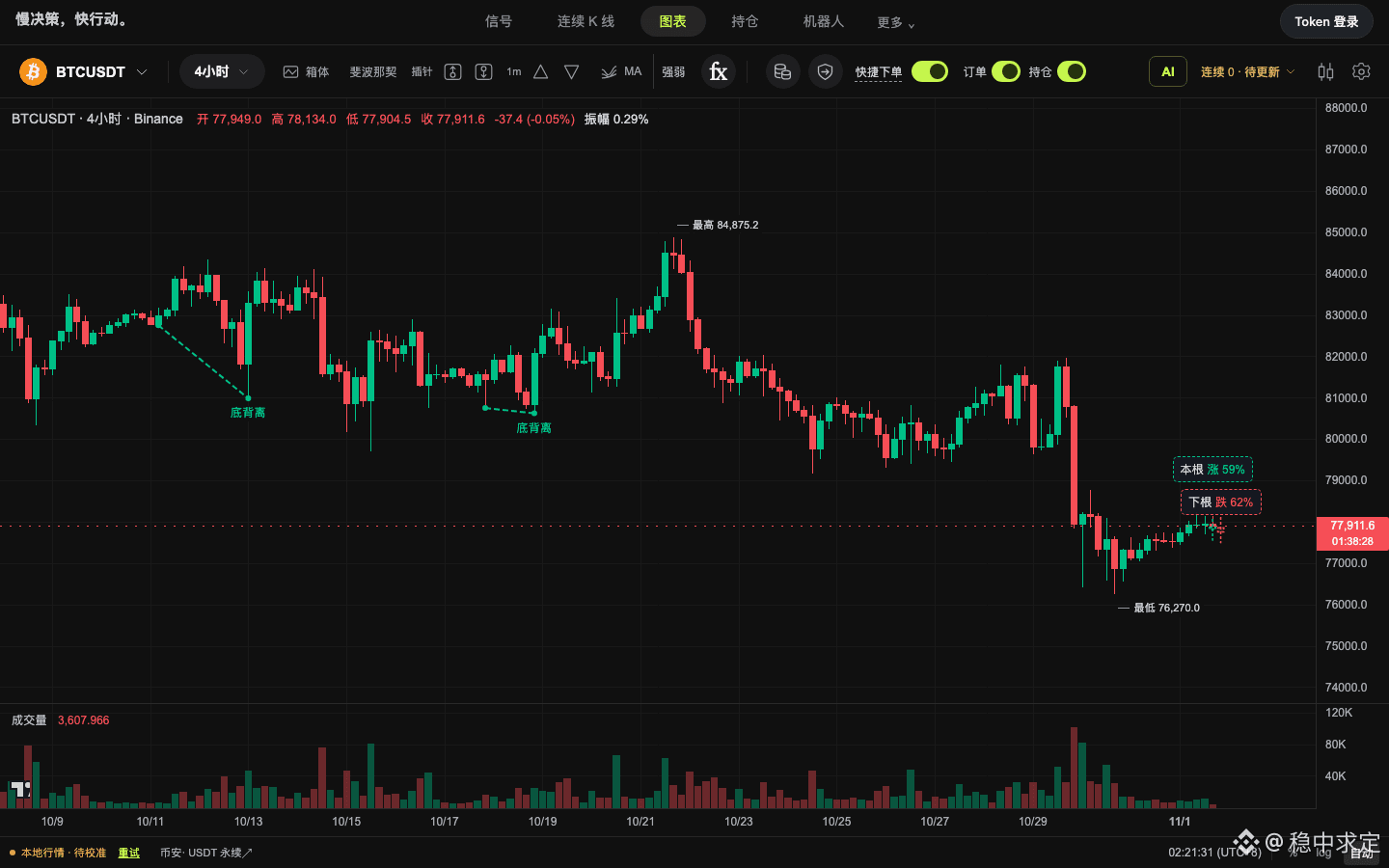
On October 31, Beijing time, Binance officially confirmed that the transfer of funds from the SAFU Fund had been completed. The on-chain transaction, which can be independently verified, involved 7,499 BTC, worth about $581 million at the time of the transfer. That is a substantial amount, but this is also where it is easiest to misread the situation: BTC leaving a SAFU address first indicates that emergency reserves are being deployed. It does not mean that all 7,499 BTC have been sold, nor does it mean that an additional $581 million in buying pressure has suddenly entered the market.
The official background is that, after the security incident on October 29, Binance said it had raised the replenishment rate for affected assets from about 80% to about 90%. BTC, ETH, USDT, BNB, SOL, USDC, XRP, USD1, RLUSD, and ZEC had reached 100% coverage, while the remaining assets would be replenished through market and over-the-counter transactions. Binance also pledged to restore SAFU to about $1 billion. In other words, this transfer looks more like a balance-sheet and emergency-fund allocation than something that can be directly interpreted as “bullish for BTC” or “bearish for BTC.”
SAFU Transfers Out 7,499 BTC: This Shows Emergency Reserves Are Being Deployed, Not a Buying Signal
SAFU Transfers Out 7,499 BTC: This Shows Emergency Reserves Are Being Deployed, Not a Buying Signal
On October 31, Beijing time, Binance officially confirmed that the transfer of funds from the SAFU Fund had been completed. The on-chain transaction, which can be independently verified, involved 7,499 BTC, worth about $581 million at the time of the transfer. That is a substantial amount, but this is also where it is easiest to misread the situation: BTC leaving a SAFU address first indicates that emergency reserves are being deployed. It does not mean that all 7,499 BTC have been sold, nor does it mean that an additional $581 million in buying pressure has suddenly entered the market.
The official background is that, after the security incident on October 29, Binance said it had raised the replenishment rate for affected assets from about 80% to about 90%. BTC, ETH, USDT, BNB, SOL, USDC, XRP, USD1, RLUSD, and ZEC had reached 100% coverage, while the remaining assets would be replenished through market and over-the-counter transactions. Binance also pledged to restore SAFU to about $1 billion. In other words, this transfer looks more like a balance-sheet and emergency-fund allocation than something that can be directly interpreted as “bullish for BTC” or “bearish for BTC.”
252
·
--
Article
FBI confirms North Korea’s involvement in Binance attack: ETH becomes a key focus of tracking, but attribution is no signal that prices have bottomedFBI confirms North Korea’s involvement in Binance attack: ETH becomes a key focus of tracking, but attribution is no signal that prices have bottomed
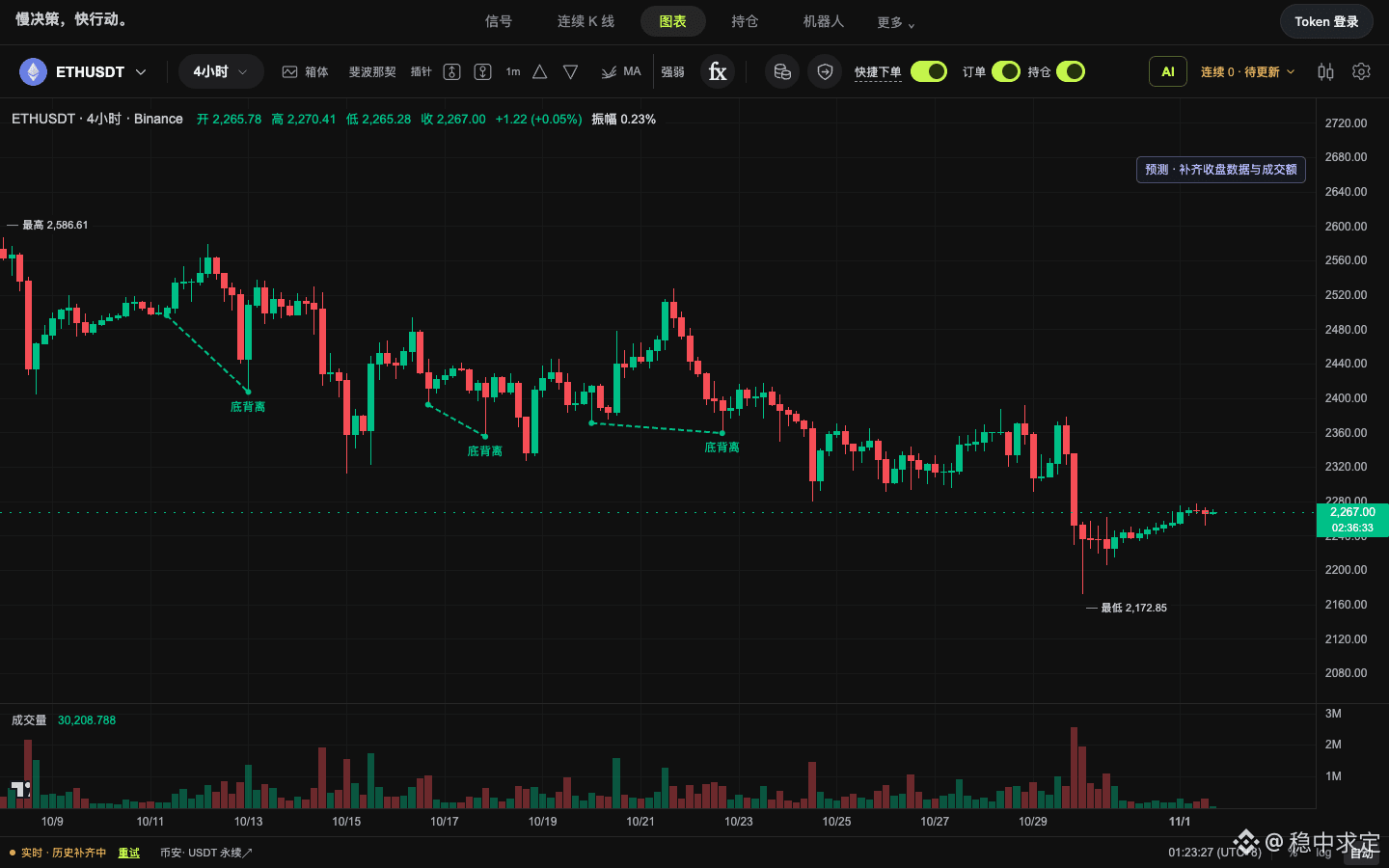
On October 31, Beijing time, the FBI issued an official notice stating that North Korea was responsible for stealing more than $6 billion in virtual assets from Binance around October 29, and referred to these activities as TraderTraitor. What matters more to the market than the conclusion of “who did it” is the FBI’s statement that the attackers primarily converted the stolen assets into ETH, and may next continue laundering them through DeFi and instant exchange services.
This makes ETH two things at once: a key on-chain asset to track, and a window into whether the market thinks the stolen funds could create selling pressure. The FBI also urged nodes, DeFi platforms, instant exchange services, and other virtual asset service providers to block transactions associated with the relevant addresses. But “observed being converted into ETH” does not mean the funds have reached an exchange, nor does it mean ETH spot markets are about to be hit with a sell-off.
FBI confirms North Korea’s involvement in Binance attack: ETH becomes a key focus of tracking, but attribution is no signal that prices have bottomed
FBI confirms North Korea’s involvement in Binance attack: ETH becomes a key focus of tracking, but attribution is no signal that prices have bottomed
On October 31, Beijing time, the FBI issued an official notice stating that North Korea was responsible for stealing more than $6 billion in virtual assets from Binance around October 29, and referred to these activities as TraderTraitor. What matters more to the market than the conclusion of “who did it” is the FBI’s statement that the attackers primarily converted the stolen assets into ETH, and may next continue laundering them through DeFi and instant exchange services.
This makes ETH two things at once: a key on-chain asset to track, and a window into whether the market thinks the stolen funds could create selling pressure. The FBI also urged nodes, DeFi platforms, instant exchange services, and other virtual asset service providers to block transactions associated with the relevant addresses. But “observed being converted into ETH” does not mean the funds have reached an exchange, nor does it mean ETH spot markets are about to be hit with a sell-off.
249

·
--
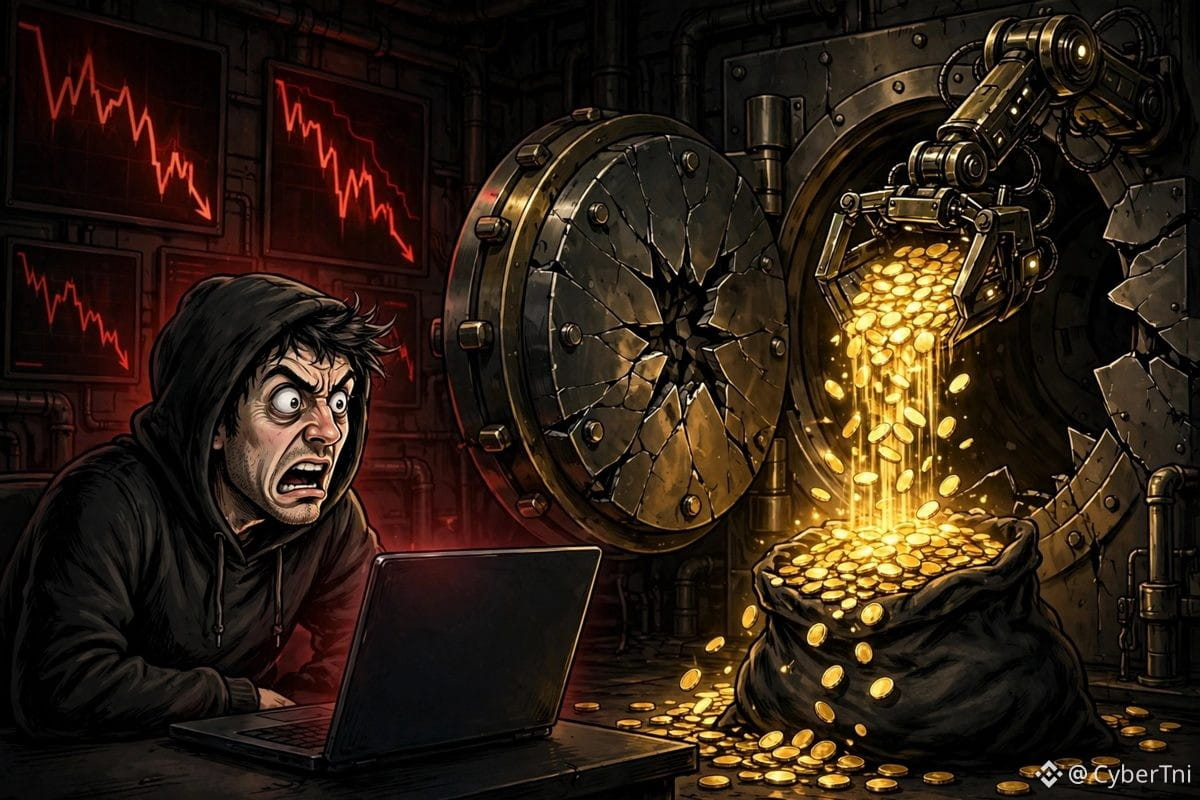
Put simply, this wasn’t a case of private keys being stolen—the signing system was used as an ATM. TRM Labs’ timeline: the attack began at 20:05 UTC on October 29. In 20 minutes, $6.36 billion was moved out of Binance wallets across 10 chains—more than four times the $1.5 billion stolen from Bybit. Binance’s preliminary investigation lines up: an operations engineer’s computer was hacked, and the attacker got into an internal service container and submitted withdrawal requests. No private key leak was found. The wildest part was on Ethereum: the attacker got Binance’s signing system to approve 50 EIP-7702 authorizations in one go, arranged sequentially so one was bound to hit. Binance 14 instantly became the attacker’s vacuum cleaner, sweeping up 167,464 $ETH and 1.615 billion USDT in a single transaction, leaving just 1 ETH behind. After the wallet was replenished, it was swept again. TRM and Chainalysis both point to North Korea’s TraderTraitor, though Binance hasn’t named anyone yet. The roughly $3 billion frozen was all in freezeable stablecoins: Tether froze $1.567 billion, and Circle froze over $800 million. The roughly $2.4 billion in unfreezable $BTC and $ETH is already gone. SAFU holds 15,000 $BTC worth about $1.2 billion—less than a fifth of the losses. The rest will have to be covered by Binance’s own reserves. This is just my personal opinion, for reference only. Once withdrawals resume, will you withdraw to self-custody right away, or keep your funds on Binance and bet it will make everyone whole? Pick a side in the comments.
#$1.5BInLeveragedCryptoBetsLiquidated #BinanceSecurityIncident #TraderTraitor #EIP7702
#$1.5BInLeveragedCryptoBetsLiquidated #BinanceSecurityIncident #TraderTraitor #EIP7702
Padfoot:
先别急着站队,63.6亿这种级别得核对官方公告和链上证据😂 吃瓜可以,别让假瓜把自己的钱包吓跑了。
1
2
1.3k
Log in to explore more content
Join global crypto users on Binance Square
⚡️ Get latest and useful information about crypto.
💬 Trusted by the world’s largest crypto exchange.
👍 Discover real insights from verified creators.
Email / Phone number
Trending Topics
1
#BinanceProcesses$4.65BWithdrawals
32,585 views
138 Discussing
2
#WithdrawalsBack: 15 networks live
8,678 views
134 Discussing
3
#BTCPayServerUrgesOperatorsToShutDownInstances
0 views
0 Discussing
4
#BankOfKoreaSurveysFinancialFirmsOnVirtualAssetRisks
0 views
0 Discussing
5
#BinanceUpdatesProofofReservesAddresses
142,940 views
1,644 Discussing
6
#BinanceToResumePhaseOneOfWithdrawals
177,808 views
1,676 Discussing
7
#StudyFindsCircleAIAgentWalletLimitsCanBeBypassed
0 views
0 Discussing
8
#BinanceHadAlreadyCovered$6BofHackLoss
11,888 views
144 Discussing
9
#FBIConfirmsNorthKoreaIsResponsibleForBinanceCryptoHack
55,827 views
160 Discussing
10
#CZDismissesClaimsBinanceHackWasPredicted
92,058 views
814 Discussing