

#adopcioncripto
adopcioncripto
13,651 views
79 Discussing
Hot
Latest

BCI opens an account for Buda: the bank that used to ignore you now wants you 🏦
Forget the noise of whales migrating to ETH; this is what really moves the needle in Chile. BCI, the bank that historically denied you access for 'reputational risk,' has just opened a current account for Buda. This isn’t an experiment: it’s definitive institutional validation. My thesis is clear: Chilean retail doesn’t need more trading apps—it needs its money to not have to flee to gray apps. If BCI normalizes the crypto flow, the barrier to entry becomes nonexistent for the middle class. Do you think other Chilean banks will follow suit, or is BCI alone? I’ll read what you say in the comments.
#Buda #BCI #FintechChile #AdopcionCripto
Not financial advice. Verify before investing.
BCI opens an account for Buda: the bank that used to ignore you now wants you 🏦
Forget the noise of whales migrating to ETH; this is what really moves the needle in Chile. BCI, the bank that historically denied you access for 'reputational risk,' has just opened a current account for Buda. This isn’t an experiment: it’s definitive institutional validation. My thesis is clear: Chilean retail doesn’t need more trading apps—it needs its money to not have to flee to gray apps. If BCI normalizes the crypto flow, the barrier to entry becomes nonexistent for the middle class. Do you think other Chilean banks will follow suit, or is BCI alone? I’ll read what you say in the comments.
#Buda #BCI #FintechChile #AdopcionCripto
Not financial advice. Verify before investing.
Forget the noise of whales migrating to ETH; this is what really moves the needle in Chile. BCI, the bank that historically denied you access for 'reputational risk,' has just opened a current account for Buda. This isn’t an experiment: it’s definitive institutional validation. My thesis is clear: Chilean retail doesn’t need more trading apps—it needs its money to not have to flee to gray apps. If BCI normalizes the crypto flow, the barrier to entry becomes nonexistent for the middle class. Do you think other Chilean banks will follow suit, or is BCI alone? I’ll read what you say in the comments.
#Buda #BCI #FintechChile #AdopcionCripto
Not financial advice. Verify before investing.
460

·
--
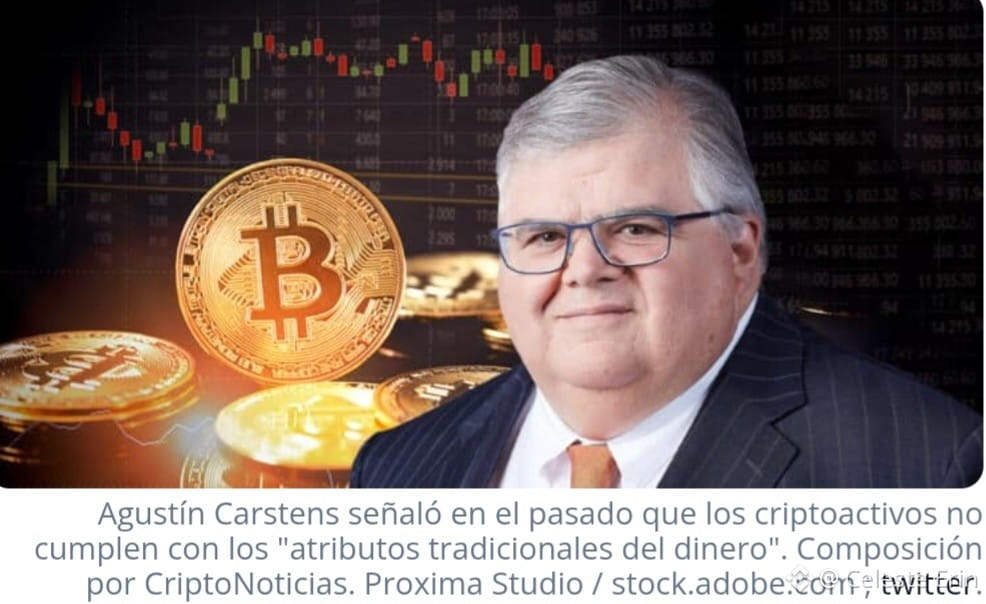
🏦 FROM SKEPTICISM TO ADOPTION: Agustín Carstens now defends Stablecoins 🪙🔄
In a radical twist, the former head of the Bank for International Settlements (BIS), Agustín Carstens, has shifted his historically skeptical stance on crypto assets and is now advocating for the integration of stablecoins into the traditional financial system.
After years of maintaining a critical view and warning about the supposed risks of stable digital currencies, the ex-BIS chief seems to have "discovered" the real potential and utility of these assets in the modern economy. According to his current statements, stablecoins can bring efficiency and complement the banking ecosystem, as long as they operate under a strict regulatory framework that ensures their 1:1 backing.
This narrative shift from one of the most influential central bankers in the world marks a milestone in institutional adoption, demonstrating that even the most traditional sectors are yielding to crypto innovation.
#BinanceSquare #Stablecoins #AdopcionCripto #BIS
$FDUSD
{spot}(FDUSDUSDT)
$USDC
{spot}(USDCUSDT)
$BTC
{spot}(BTCUSDT)
🏦 FROM SKEPTICISM TO ADOPTION: Agustín Carstens now defends Stablecoins 🪙🔄
In a radical twist, the former head of the Bank for International Settlements (BIS), Agustín Carstens, has shifted his historically skeptical stance on crypto assets and is now advocating for the integration of stablecoins into the traditional financial system.
After years of maintaining a critical view and warning about the supposed risks of stable digital currencies, the ex-BIS chief seems to have "discovered" the real potential and utility of these assets in the modern economy. According to his current statements, stablecoins can bring efficiency and complement the banking ecosystem, as long as they operate under a strict regulatory framework that ensures their 1:1 backing.
This narrative shift from one of the most influential central bankers in the world marks a milestone in institutional adoption, demonstrating that even the most traditional sectors are yielding to crypto innovation.
#BinanceSquare #Stablecoins #AdopcionCripto #BIS
$FDUSD
$USDC
$BTC
In a radical twist, the former head of the Bank for International Settlements (BIS), Agustín Carstens, has shifted his historically skeptical stance on crypto assets and is now advocating for the integration of stablecoins into the traditional financial system.
After years of maintaining a critical view and warning about the supposed risks of stable digital currencies, the ex-BIS chief seems to have "discovered" the real potential and utility of these assets in the modern economy. According to his current statements, stablecoins can bring efficiency and complement the banking ecosystem, as long as they operate under a strict regulatory framework that ensures their 1:1 backing.
This narrative shift from one of the most influential central bankers in the world marks a milestone in institutional adoption, demonstrating that even the most traditional sectors are yielding to crypto innovation.
#BinanceSquare #Stablecoins #AdopcionCripto #BIS
$FDUSD
$USDC
$BTC
99

·
--
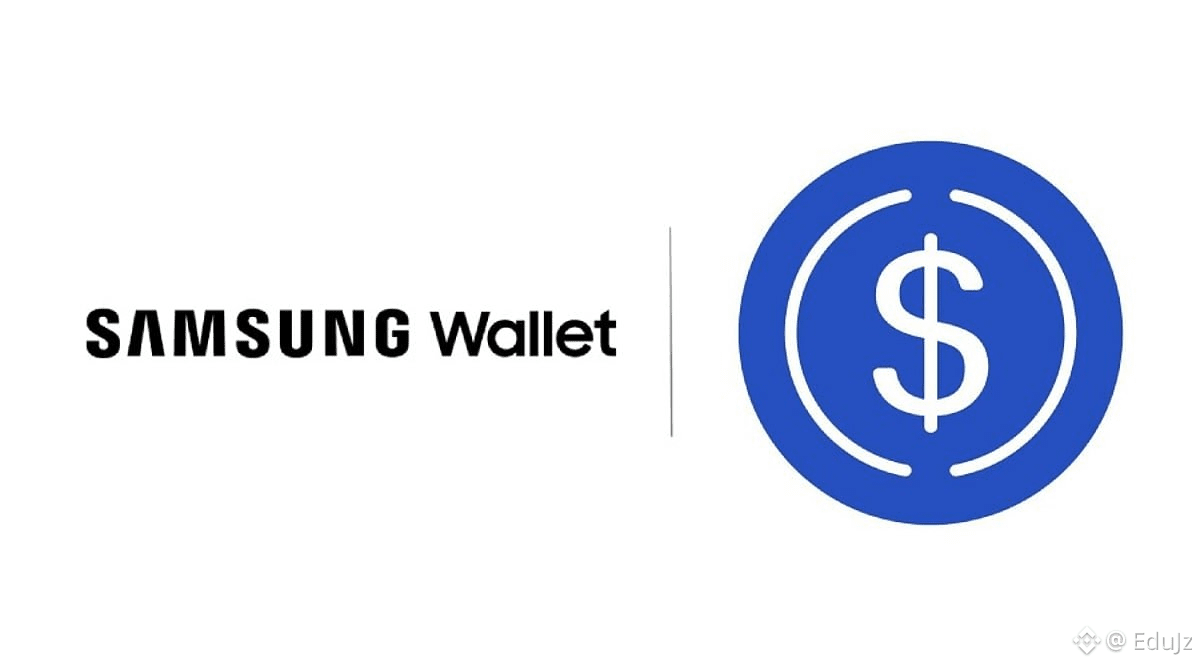
📲 Samsung will integrate stablecoins natively into its phones! 🚀
At Galaxy Unpacked 2026, Samsung announced that Samsung Wallet will incorporate native support for stablecoins, becoming one of the first major mobile players to do so.
💡 Highlights:💵 Use of $USDC : In the demo, they showed the integrated interface for Send, Receive, and Reload.
🌐 Mass adoption: More than 1,000 million Galaxy devices will have direct access without installing third-party apps.
💳 Full ecosystem: It joins the Samsung Galaxy Card to turn the phone into a unified financial hub (payments, keys, cards, and crypto).
Is this the definitive step toward widespread everyday adoption of stablecoins? Share your thoughts below! 👇
#Samsung #Stablecoins #AdopcionCripto #BinanceSquare
📲 Samsung will integrate stablecoins natively into its phones! 🚀
At Galaxy Unpacked 2026, Samsung announced that Samsung Wallet will incorporate native support for stablecoins, becoming one of the first major mobile players to do so.
💡 Highlights:💵 Use of $USDC : In the demo, they showed the integrated interface for Send, Receive, and Reload.
🌐 Mass adoption: More than 1,000 million Galaxy devices will have direct access without installing third-party apps.
💳 Full ecosystem: It joins the Samsung Galaxy Card to turn the phone into a unified financial hub (payments, keys, cards, and crypto).
Is this the definitive step toward widespread everyday adoption of stablecoins? Share your thoughts below! 👇
#Samsung #Stablecoins #AdopcionCripto #BinanceSquare
At Galaxy Unpacked 2026, Samsung announced that Samsung Wallet will incorporate native support for stablecoins, becoming one of the first major mobile players to do so.
💡 Highlights:💵 Use of $USDC : In the demo, they showed the integrated interface for Send, Receive, and Reload.
🌐 Mass adoption: More than 1,000 million Galaxy devices will have direct access without installing third-party apps.
💳 Full ecosystem: It joins the Samsung Galaxy Card to turn the phone into a unified financial hub (payments, keys, cards, and crypto).
Is this the definitive step toward widespread everyday adoption of stablecoins? Share your thoughts below! 👇
#Samsung #Stablecoins #AdopcionCripto #BinanceSquare
290

·
--
Article
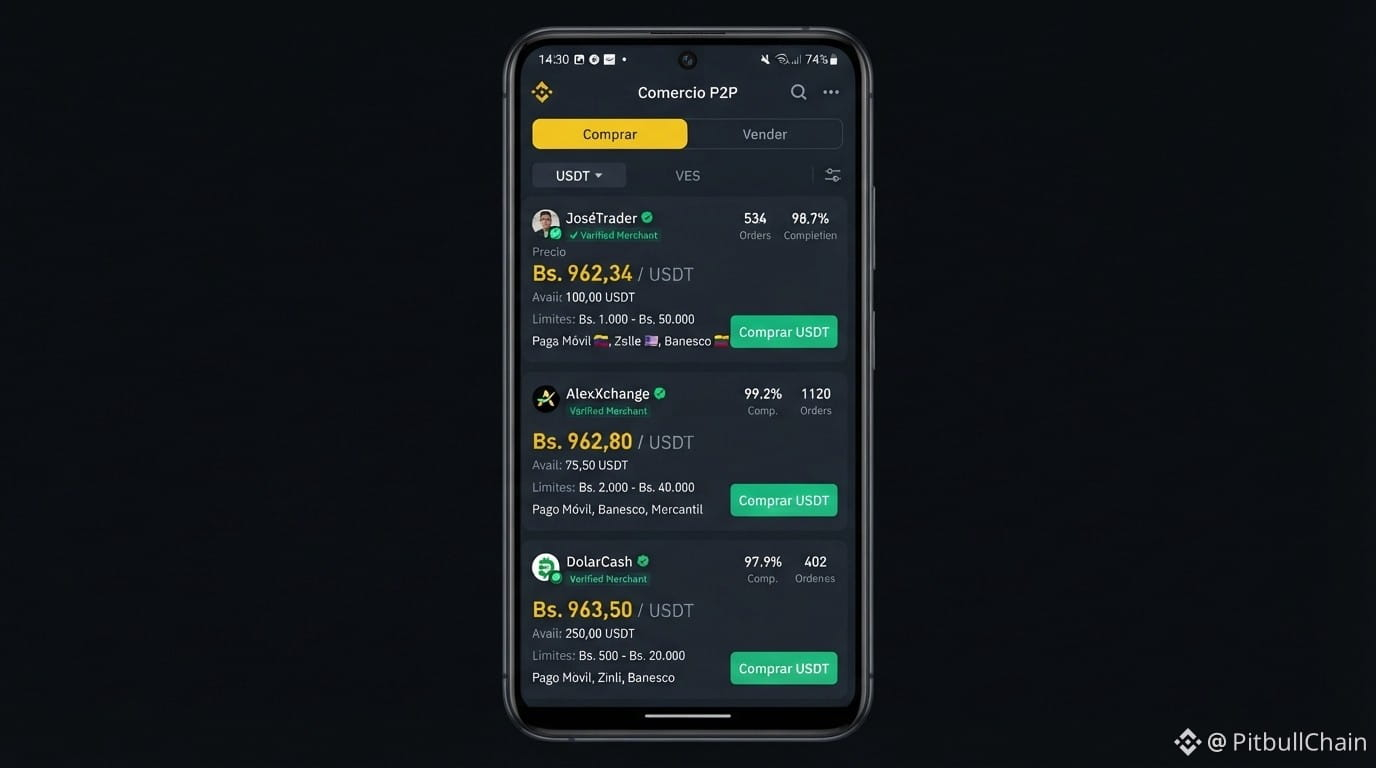
Record imbalance in Venezuelan P2P: 89.7% of volume seeks USDTThe peer-to-peer (P2P) cryptocurrency market in Venezuela is experiencing a day of marked asymmetry. According to data from PitbullChain’s real-time monitor, the order book shows dominant buying pressure: 89.7% of the total available volume corresponds to users looking to acquire USDT with bolivars, totaling more than 1.23 million USDT in buy positions, versus just 67,198.76 USDT placed for direct sale. This behavior evidences intense absorption of stablecoin liquidity across major platforms such as Binance P2P, other platforms and other platforms, in a context where the transactional use of digital assets continues to expand in everyday Venezuelan commerce. Strong buying pressure: 1.23 million USDT in the order book The market depth breakdown reveals a notable disparity between supply and demand: Registered buy volume: 1,237,798.52 USDT distributed across 39 active orders analyzed. Registered sell volume: 67,198.76 USDT distributed across 33 active orders. Buying imbalance (Imbalance): 89.7% skewed toward USDT demand. The order book stands out for institutional and large-operator positions on other platforms and Binance, with individual blocks exceeding 300,000 and 590,000 USDT at price levels between 952.00 and 953.00 VES per USDT. Meanwhile, sell-side supply is fragmented into smaller orders (with average ceilings between 1,000 and 14,800 USDT), which leads to rapid absorption of retail sell listings. Exchange gap and real-time market quotes The average quote to buy USDT in the P2P circuit stands at 965.51 VES, while the selling price for those liquidating the digital currency is 937.98 VES. This creates a gross spread of 27.52 VES (2.93%). When comparing these values with the official reference exchange rate from the Central Bank of Venezuela (BCV), set at 813.74 VES/USD, the USDT exchange premium reaches 18.65%. Meanwhile, the unofficial dollar averages 959.44 VES, closely aligning with the median P2P value. With these numbers, a person or business looking to liquidate 100 USDT receives approximately 93,798.26 VES, while acquiring 1,000 USDT requires about 965,507.50 VES according to the captured market prices. P2P signal in yellow: high liquidity with moderate spread PitbullChain’s P2P Signal places the market state at 71 points (Yellow / Moderate caution). Although the banking availability (95/100) and overall liquidity (95/100) metrics are optimal, the width of the spread (20/100 score) and the depth of sell-side supply (45/100) advise caution when executing instant orders. The ranking of the most used payment channels with the best execution rate is distributed as follows: Banesco: Leads liquidity with 26% participation in listings and a health score of 97/100. It records an average buy price of 962.17 VES and sell price of 953.94 VES (spread of 0.86%). Mobile Payment: Concentrates 18.1% of offers with an average spread of 0.91% (buy 961.92 VES / sell 953.22 VES). Banco de Venezuela (BDV): Represents 11% of listings with a narrow differential of 0.46% (buy 962.23 VES / sell 957.86 VES). Other entities: Mercantil, Bancamiga, BBVA Provincial and BNC maintain active operations with competitive spreads below 0.50% on Binance P2P. Factors behind the acceleration in stablecoin demand The observed volume matches estimates from analysis firms such as Ecoanalítica, which calculate that more than 44 million dollars are transacted daily in Venezuela in USDT solely through P2P platforms. In turn, reports from blockchain intelligence firms such as TRM Labs have noted that Venezuela remains among the leading regional crypto adoption markets, driven by the use of USDT. Added to this structural dynamic is the recent expansion of crypto-linked payment products, such as the rollout of crypto debit cards announced by international exchanges. These tools allow users to fund purchases in local physical stores directly with stablecoin balances, encouraging merchants and consumers to accumulate USDT inventory to protect their purchasing power and facilitate everyday payments. Recommendations for operating under high-demand conditions In a market with strong buyer dominance and widened spreads, it is advisable to apply the following practical guidelines: Compare across platforms: Review effective rates on Binance, other platforms and other platforms before accepting a counterparty, as entry prices can vary by 5 to 10 bolivars per USDT. Use limit orders as a maker: If immediacy is not required, posting your own buy or sell order helps reduce the impact of the 2.93% spread versus taking open market orders (taker). Verify the trader’s reputation: Prioritize profiles with a completion rate above 98% and more than 100 completed transactions in the last 30 days. Monitor the premium versus the BCV: Taking into account the 18.65% gap allows you to correctly calculate inventory replenishment for businesses that invoice formally in bolivars.
Record imbalance in Venezuelan P2P: 89.7% of volume seeks USDT
The peer-to-peer (P2P) cryptocurrency market in Venezuela is experiencing a day of marked asymmetry. According to data from PitbullChain’s real-time monitor, the order book shows dominant buying pressure: 89.7% of the total available volume corresponds to users looking to acquire USDT with bolivars, totaling more than 1.23 million USDT in buy positions, versus just 67,198.76 USDT placed for direct sale. This behavior evidences intense absorption of stablecoin liquidity across major platforms such as Binance P2P, other platforms and other platforms, in a context where the transactional use of digital assets continues to expand in everyday Venezuelan commerce. Strong buying pressure: 1.23 million USDT in the order book The market depth breakdown reveals a notable disparity between supply and demand: Registered buy volume: 1,237,798.52 USDT distributed across 39 active orders analyzed. Registered sell volume: 67,198.76 USDT distributed across 33 active orders. Buying imbalance (Imbalance): 89.7% skewed toward USDT demand. The order book stands out for institutional and large-operator positions on other platforms and Binance, with individual blocks exceeding 300,000 and 590,000 USDT at price levels between 952.00 and 953.00 VES per USDT. Meanwhile, sell-side supply is fragmented into smaller orders (with average ceilings between 1,000 and 14,800 USDT), which leads to rapid absorption of retail sell listings. Exchange gap and real-time market quotes The average quote to buy USDT in the P2P circuit stands at 965.51 VES, while the selling price for those liquidating the digital currency is 937.98 VES. This creates a gross spread of 27.52 VES (2.93%). When comparing these values with the official reference exchange rate from the Central Bank of Venezuela (BCV), set at 813.74 VES/USD, the USDT exchange premium reaches 18.65%. Meanwhile, the unofficial dollar averages 959.44 VES, closely aligning with the median P2P value. With these numbers, a person or business looking to liquidate 100 USDT receives approximately 93,798.26 VES, while acquiring 1,000 USDT requires about 965,507.50 VES according to the captured market prices. P2P signal in yellow: high liquidity with moderate spread PitbullChain’s P2P Signal places the market state at 71 points (Yellow / Moderate caution). Although the banking availability (95/100) and overall liquidity (95/100) metrics are optimal, the width of the spread (20/100 score) and the depth of sell-side supply (45/100) advise caution when executing instant orders. The ranking of the most used payment channels with the best execution rate is distributed as follows: Banesco: Leads liquidity with 26% participation in listings and a health score of 97/100. It records an average buy price of 962.17 VES and sell price of 953.94 VES (spread of 0.86%). Mobile Payment: Concentrates 18.1% of offers with an average spread of 0.91% (buy 961.92 VES / sell 953.22 VES). Banco de Venezuela (BDV): Represents 11% of listings with a narrow differential of 0.46% (buy 962.23 VES / sell 957.86 VES). Other entities: Mercantil, Bancamiga, BBVA Provincial and BNC maintain active operations with competitive spreads below 0.50% on Binance P2P. Factors behind the acceleration in stablecoin demand The observed volume matches estimates from analysis firms such as Ecoanalítica, which calculate that more than 44 million dollars are transacted daily in Venezuela in USDT solely through P2P platforms. In turn, reports from blockchain intelligence firms such as TRM Labs have noted that Venezuela remains among the leading regional crypto adoption markets, driven by the use of USDT. Added to this structural dynamic is the recent expansion of crypto-linked payment products, such as the rollout of crypto debit cards announced by international exchanges. These tools allow users to fund purchases in local physical stores directly with stablecoin balances, encouraging merchants and consumers to accumulate USDT inventory to protect their purchasing power and facilitate everyday payments. Recommendations for operating under high-demand conditions In a market with strong buyer dominance and widened spreads, it is advisable to apply the following practical guidelines: Compare across platforms: Review effective rates on Binance, other platforms and other platforms before accepting a counterparty, as entry prices can vary by 5 to 10 bolivars per USDT. Use limit orders as a maker: If immediacy is not required, posting your own buy or sell order helps reduce the impact of the 2.93% spread versus taking open market orders (taker). Verify the trader’s reputation: Prioritize profiles with a completion rate above 98% and more than 100 completed transactions in the last 30 days. Monitor the premium versus the BCV: Taking into account the 18.65% gap allows you to correctly calculate inventory replenishment for businesses that invoice formally in bolivars.
79

·
--
Why is $USDT still the king in Venezuela this 2026? 🇻🇪
The economic reality in Venezuela has made $USDT much more than a digital asset; it's our 'hard currency' for daily life. While the global market watches $BTC approach $100,000, in the streets of Caracas, Maracaibo, or Valencia, the focus is on the stability of the crypto dollar.
What trends are we seeing at the start of this year?
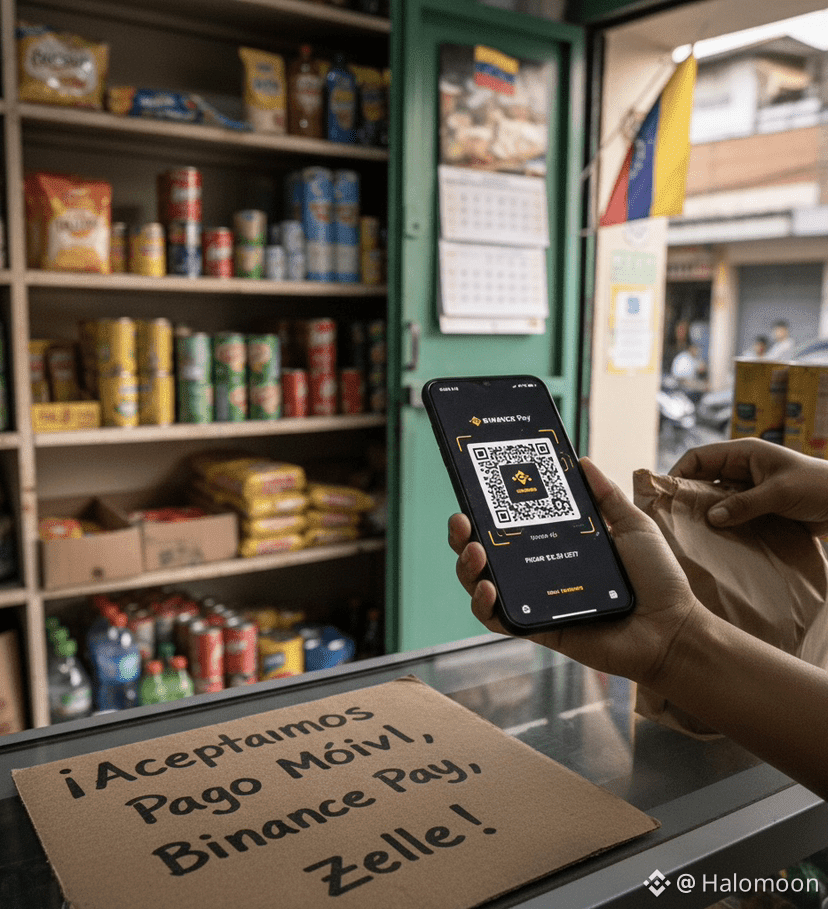
1. Full Digital Dollarization: With a lack of physical low-denomination bills, paying via Binance Pay with $USDT has become normalized in businesses, from pharmacies to spare parts.
2. Shelter from Volatility: With the current exchange rate gap, converting bolívares to $USDT remains the top strategy to protect household budgets.
3. Instant Remittances: The ease of receiving funds from abroad and settling them via P2P remains unbeatable compared to traditional methods.
And you? Have you started using Binance Pay for your daily purchases, or do you prefer saving in $BTC? Share your experience below! 👇"$
#Venezuela #USDT #BinancePay #adopcioncripto
Why is $USDT still the king in Venezuela this 2026? 🇻🇪
The economic reality in Venezuela has made $USDT much more than a digital asset; it's our 'hard currency' for daily life. While the global market watches $BTC approach $100,000, in the streets of Caracas, Maracaibo, or Valencia, the focus is on the stability of the crypto dollar.
What trends are we seeing at the start of this year?
1. Full Digital Dollarization: With a lack of physical low-denomination bills, paying via Binance Pay with $USDT has become normalized in businesses, from pharmacies to spare parts.
2. Shelter from Volatility: With the current exchange rate gap, converting bolívares to $USDT remains the top strategy to protect household budgets.
3. Instant Remittances: The ease of receiving funds from abroad and settling them via P2P remains unbeatable compared to traditional methods.
And you? Have you started using Binance Pay for your daily purchases, or do you prefer saving in $BTC? Share your experience below! 👇"$
#Venezuela #USDT #BinancePay #adopcioncripto
The economic reality in Venezuela has made $USDT much more than a digital asset; it's our 'hard currency' for daily life. While the global market watches $BTC approach $100,000, in the streets of Caracas, Maracaibo, or Valencia, the focus is on the stability of the crypto dollar.
What trends are we seeing at the start of this year?
1. Full Digital Dollarization: With a lack of physical low-denomination bills, paying via Binance Pay with $USDT has become normalized in businesses, from pharmacies to spare parts.
2. Shelter from Volatility: With the current exchange rate gap, converting bolívares to $USDT remains the top strategy to protect household budgets.
3. Instant Remittances: The ease of receiving funds from abroad and settling them via P2P remains unbeatable compared to traditional methods.
And you? Have you started using Binance Pay for your daily purchases, or do you prefer saving in $BTC? Share your experience below! 👇"$
#Venezuela #USDT #BinancePay #adopcioncripto
10
323

·
--
🌐 What's moving the crypto market today? 2 Key Factors 🔑
Beyond the candlestick, two narratives are dominating the conversation:
1️⃣ Geopolitics and Gold 🆚 Crypto: Today we're seeing a dip in traditional safe havens like Gold and Silver. Interestingly, Bitcoin is also facing bearish pressure. The markets are recalibrating after news of tensions between the U.S. and Iran. Will BTC decouple from risk assets soon?
2️⃣ Spotlight on Las Vegas: Bitcoin 2026 is kicking off! With over 40,000 attendees, all eyes are on announcements from figures like Michael Saylor. Historically, these events bring volatility and institutional adoption announcements. 🚀
What do you think will be the most impactful announcement from the conference this year? We're listening! 🗣️
#Bitcoin2026 #Geopolitics #Finance #Investment #AdopcionCripto
🌐 What's moving the crypto market today? 2 Key Factors 🔑
Beyond the candlestick, two narratives are dominating the conversation:
1️⃣ Geopolitics and Gold 🆚 Crypto: Today we're seeing a dip in traditional safe havens like Gold and Silver. Interestingly, Bitcoin is also facing bearish pressure. The markets are recalibrating after news of tensions between the U.S. and Iran. Will BTC decouple from risk assets soon?
2️⃣ Spotlight on Las Vegas: Bitcoin 2026 is kicking off! With over 40,000 attendees, all eyes are on announcements from figures like Michael Saylor. Historically, these events bring volatility and institutional adoption announcements. 🚀
What do you think will be the most impactful announcement from the conference this year? We're listening! 🗣️
#Bitcoin2026 #Geopolitics #Finance #Investment #AdopcionCripto
Beyond the candlestick, two narratives are dominating the conversation:
1️⃣ Geopolitics and Gold 🆚 Crypto: Today we're seeing a dip in traditional safe havens like Gold and Silver. Interestingly, Bitcoin is also facing bearish pressure. The markets are recalibrating after news of tensions between the U.S. and Iran. Will BTC decouple from risk assets soon?
2️⃣ Spotlight on Las Vegas: Bitcoin 2026 is kicking off! With over 40,000 attendees, all eyes are on announcements from figures like Michael Saylor. Historically, these events bring volatility and institutional adoption announcements. 🚀
What do you think will be the most impactful announcement from the conference this year? We're listening! 🗣️
#Bitcoin2026 #Geopolitics #Finance #Investment #AdopcionCripto

54

·
--
The end of cash
While New York debates the future of cryptocurrencies amid regulations and theories, the future has already arrived on the streets of Latin America through the phones of everyday people. The first world theorizes, but here we live the biggest experiment in financial digitalization on the planet, born from pure necessity.
The street paradox
We were taught that technology is adopted top-down, but with crypto, the rules have flipped. In economies where devaluation pulverizes incomes or obtaining physical cash is an odyssey, digitalization didn't come as a luxury; it became a shield. When traditional banks fell short, people found their exit in digital cash.
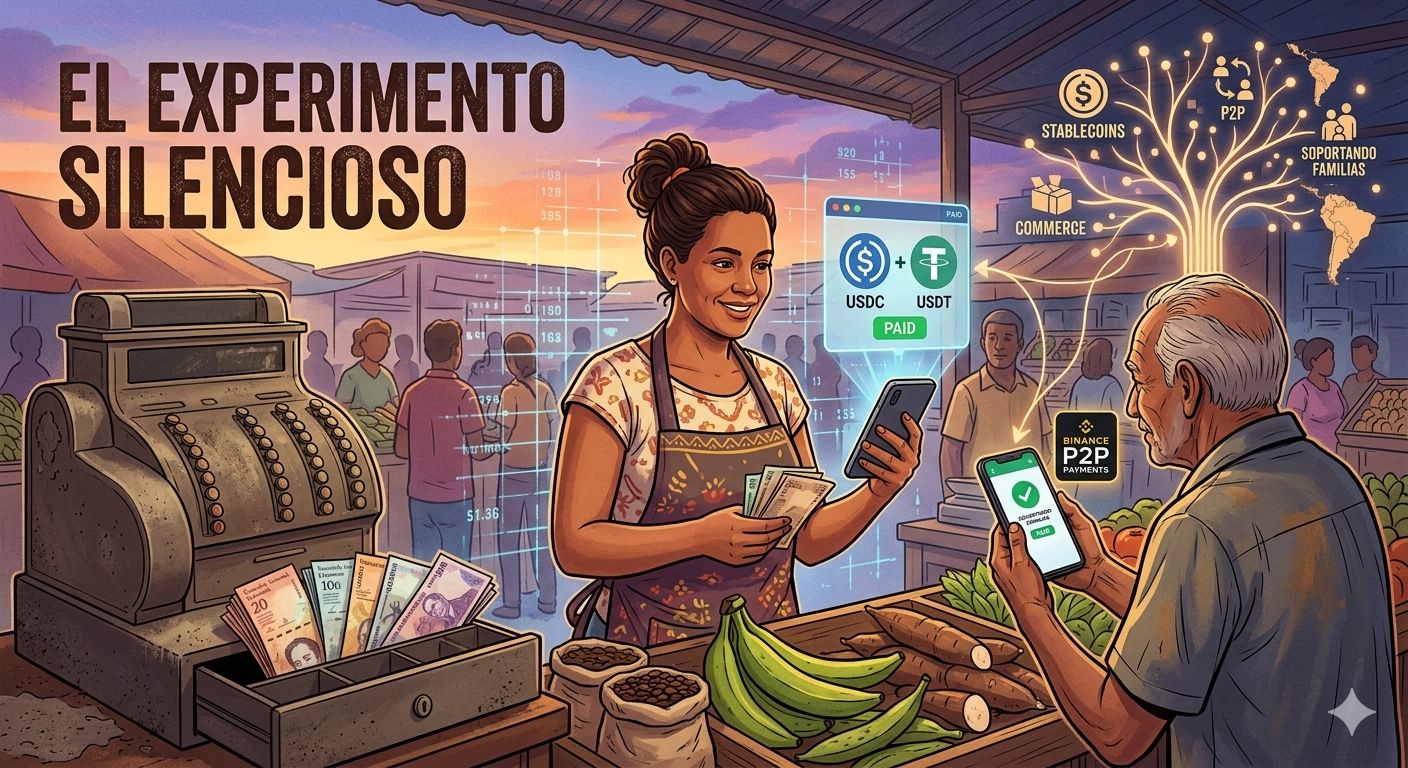
Here, the real engine isn't speculation, but the daily use of stablecoins and direct P2P payments. Getting paid for a job, making purchases at the corner store, or sending money to family has transformed. The phone has become the vault and the point of sale, without slow processes or outrageous fees.
A lesson for the world
The true utility of a technology is measured by how it solves a person's life on a Tuesday afternoon. The average citizen doesn’t care if a candlestick chart goes up or down before making a payment; they seek speed, liquidity, and control over their own money.
Traditional cash is losing the battle against more efficient community alternatives. While powers seek to stifle the ecosystem with outdated laws, the streets move at their own pace. Necessity is the mother of innovation, and here we’ve already learned to walk without asking for permission.
#AdopcionCripto #Web3Latam
The end of cash
While New York debates the future of cryptocurrencies amid regulations and theories, the future has already arrived on the streets of Latin America through the phones of everyday people. The first world theorizes, but here we live the biggest experiment in financial digitalization on the planet, born from pure necessity.
The street paradox
We were taught that technology is adopted top-down, but with crypto, the rules have flipped. In economies where devaluation pulverizes incomes or obtaining physical cash is an odyssey, digitalization didn't come as a luxury; it became a shield. When traditional banks fell short, people found their exit in digital cash.
Here, the real engine isn't speculation, but the daily use of stablecoins and direct P2P payments. Getting paid for a job, making purchases at the corner store, or sending money to family has transformed. The phone has become the vault and the point of sale, without slow processes or outrageous fees.
A lesson for the world
The true utility of a technology is measured by how it solves a person's life on a Tuesday afternoon. The average citizen doesn’t care if a candlestick chart goes up or down before making a payment; they seek speed, liquidity, and control over their own money.
Traditional cash is losing the battle against more efficient community alternatives. While powers seek to stifle the ecosystem with outdated laws, the streets move at their own pace. Necessity is the mother of innovation, and here we’ve already learned to walk without asking for permission.
#AdopcionCripto #Web3Latam
While New York debates the future of cryptocurrencies amid regulations and theories, the future has already arrived on the streets of Latin America through the phones of everyday people. The first world theorizes, but here we live the biggest experiment in financial digitalization on the planet, born from pure necessity.
The street paradox
We were taught that technology is adopted top-down, but with crypto, the rules have flipped. In economies where devaluation pulverizes incomes or obtaining physical cash is an odyssey, digitalization didn't come as a luxury; it became a shield. When traditional banks fell short, people found their exit in digital cash.
Here, the real engine isn't speculation, but the daily use of stablecoins and direct P2P payments. Getting paid for a job, making purchases at the corner store, or sending money to family has transformed. The phone has become the vault and the point of sale, without slow processes or outrageous fees.
A lesson for the world
The true utility of a technology is measured by how it solves a person's life on a Tuesday afternoon. The average citizen doesn’t care if a candlestick chart goes up or down before making a payment; they seek speed, liquidity, and control over their own money.
Traditional cash is losing the battle against more efficient community alternatives. While powers seek to stifle the ecosystem with outdated laws, the streets move at their own pace. Necessity is the mother of innovation, and here we’ve already learned to walk without asking for permission.
#AdopcionCripto #Web3Latam
1
2
9
3.1k

·
--
Bullish
The hidden engine of Venezuela in 2026! Why the tourism sector is on investors' radar.
The economic landscape in Venezuela is shifting towards multi-active sectors, and there's a clear standout this year: nature and adventure tourism.
According to the latest reports from Conseturismo and projections for this quarter of 2026, domestic and inbound tourism is set for steady growth, firmly supported by the progressive normalization of international flight routes and the strengthening of trade and investment ties with key markets (including recent work sessions with the Netherlands).
Why does this matter in the Web3 and Cryptocurrency world? 💡
Multi-Active Economy: Moving away from exclusive reliance on the rentier model opens doors to more dynamic and digital local businesses.
Global Payments Without Friction: International tourism (especially from neighboring countries like Colombia and Brazil) demands fast payment gateways. This is where cryptocurrencies and solutions like Binance Pay shine, eliminating traditional currency exchange barriers for hotels, inns, and tour operators.
Growing Infrastructure: With a projected increase in national and international mobilization, businesses adopting blockchain technology gain a massive competitive edge over traditional tourism.
Venezuela continues to demonstrate that its greatest resource is resilience and its stunning geography. Proximity and adventure tourism is laying the groundwork for a more open and tech-savvy economy.
Do you think the tourism sector will further drive crypto adoption in the regions of the country this year? I’d love to hear your thoughts in the comments! 👇
#Venezuela2026 #turismo #AdopcionCripto #BinancePayPay #EconomiaDigital $ENA $DOGE $USDC
{spot}(ENAUSDT)
{spot}(DOGEUSDT)
{spot}(XRPUSDT)
The hidden engine of Venezuela in 2026! Why the tourism sector is on investors' radar.
The economic landscape in Venezuela is shifting towards multi-active sectors, and there's a clear standout this year: nature and adventure tourism.
According to the latest reports from Conseturismo and projections for this quarter of 2026, domestic and inbound tourism is set for steady growth, firmly supported by the progressive normalization of international flight routes and the strengthening of trade and investment ties with key markets (including recent work sessions with the Netherlands).
Why does this matter in the Web3 and Cryptocurrency world? 💡
Multi-Active Economy: Moving away from exclusive reliance on the rentier model opens doors to more dynamic and digital local businesses.
Global Payments Without Friction: International tourism (especially from neighboring countries like Colombia and Brazil) demands fast payment gateways. This is where cryptocurrencies and solutions like Binance Pay shine, eliminating traditional currency exchange barriers for hotels, inns, and tour operators.
Growing Infrastructure: With a projected increase in national and international mobilization, businesses adopting blockchain technology gain a massive competitive edge over traditional tourism.
Venezuela continues to demonstrate that its greatest resource is resilience and its stunning geography. Proximity and adventure tourism is laying the groundwork for a more open and tech-savvy economy.
Do you think the tourism sector will further drive crypto adoption in the regions of the country this year? I’d love to hear your thoughts in the comments! 👇
#Venezuela2026 #turismo #AdopcionCripto #BinancePayPay #EconomiaDigital $ENA $DOGE $USDC
The economic landscape in Venezuela is shifting towards multi-active sectors, and there's a clear standout this year: nature and adventure tourism.
According to the latest reports from Conseturismo and projections for this quarter of 2026, domestic and inbound tourism is set for steady growth, firmly supported by the progressive normalization of international flight routes and the strengthening of trade and investment ties with key markets (including recent work sessions with the Netherlands).
Why does this matter in the Web3 and Cryptocurrency world? 💡
Multi-Active Economy: Moving away from exclusive reliance on the rentier model opens doors to more dynamic and digital local businesses.
Global Payments Without Friction: International tourism (especially from neighboring countries like Colombia and Brazil) demands fast payment gateways. This is where cryptocurrencies and solutions like Binance Pay shine, eliminating traditional currency exchange barriers for hotels, inns, and tour operators.
Growing Infrastructure: With a projected increase in national and international mobilization, businesses adopting blockchain technology gain a massive competitive edge over traditional tourism.
Venezuela continues to demonstrate that its greatest resource is resilience and its stunning geography. Proximity and adventure tourism is laying the groundwork for a more open and tech-savvy economy.
Do you think the tourism sector will further drive crypto adoption in the regions of the country this year? I’d love to hear your thoughts in the comments! 👇
#Venezuela2026 #turismo #AdopcionCripto #BinancePayPay #EconomiaDigital $ENA $DOGE $USDC
218
Log in to explore more content
Join global crypto users on Binance Square
⚡️ Get latest and useful information about crypto.
💬 Trusted by the world’s largest crypto exchange.
👍 Discover real insights from verified creators.
Email / Phone number
Trending Topics
1
#TrumpRejectsIranHormuzReopening
2,175 views
137 Discussing
2
#CircleTetherFreezeBitgetHackerWallet
26,400 views
362 Discussing
3
#SECSaysTokenBuybacksNotAutoSecurities
6,559 views
148 Discussing
4
#ChinaUSAgreeOn$30BTariffCut
345 views
9 Discussing
5
#CoinMarketCapCompletesCoinglassAcquisition
25,501 views
304 Discussing
6
#CircleMints500MUSDCOnSolana
173,851 views
2,854 Discussing
7
#PolymarketBankFailureBetsDrawFDICConcern
152,291 views
2,250 Discussing
8
#BlackRockBuildsTokenizedPortfoliosForOndo
144,271 views
1,630 Discussing
9
#BitwiseFilesToListNEARETFOnNYSEArca
101,316 views
1,284 Discussing
10
#SECSaysBuybacksUpgradesDontMakeTokenSecurity
79,557 views
740 Discussing