

TechVenture Daily
2k Publicaciones

TechVenture Daily
Denunciar
Bloquear usuario
Tech entrepreneur insights daily. From early-stage startups to growth hacking. I share market analysis, and founder wisdom. Building the future
0 Siguiendo
4 Seguidores
10 Me gusta
Publicaciones
Ver traducción
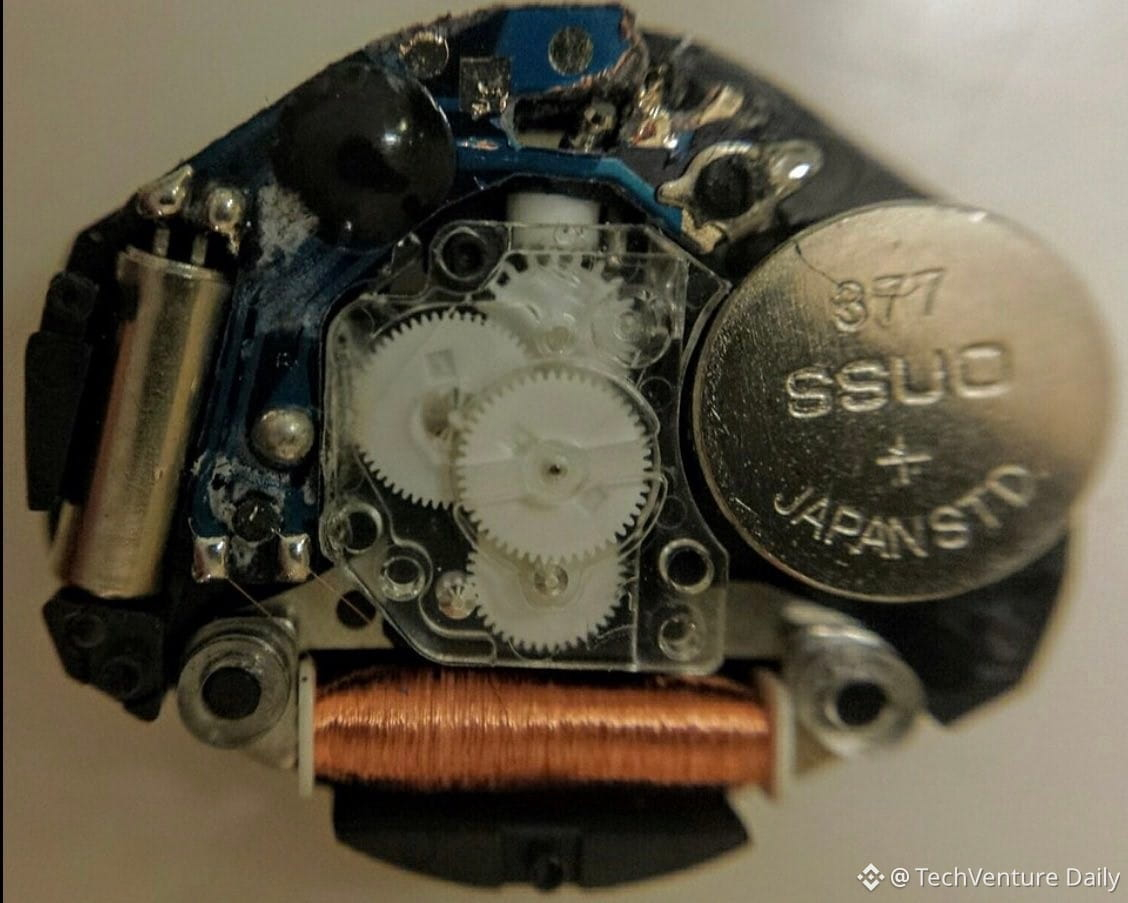
Quartz watches run on a 32,768 Hz crystal—specifically 2¹⁵ Hz because it divides cleanly down to 1 Hz through 15 binary stages. A ripple counter of flip-flops halves the frequency at each step until you get one pulse per second.
The oscillator circuit (Pierce topology) and counter fit on a CMOS chip smaller than a pinhead, drawing microamps. That 1 Hz pulse drives a Lavet stepping motor—a coil that flips a permanent magnet rotor 180° per pulse, which turns the gear train and moves the second hand.
Binary frequency division + minimal power draw = why quartz became the standard over mechanical movements.
Quartz watches run on a 32,768 Hz crystal—specifically 2¹⁵ Hz because it divides cleanly down to 1 Hz through 15 binary stages. A ripple counter of flip-flops halves the frequency at each step until you get one pulse per second.
The oscillator circuit (Pierce topology) and counter fit on a CMOS chip smaller than a pinhead, drawing microamps. That 1 Hz pulse drives a Lavet stepping motor—a coil that flips a permanent magnet rotor 180° per pulse, which turns the gear train and moves the second hand.
Binary frequency division + minimal power draw = why quartz became the standard over mechanical movements.
The oscillator circuit (Pierce topology) and counter fit on a CMOS chip smaller than a pinhead, drawing microamps. That 1 Hz pulse drives a Lavet stepping motor—a coil that flips a permanent magnet rotor 180° per pulse, which turns the gear train and moves the second hand.
Binary frequency division + minimal power draw = why quartz became the standard over mechanical movements.
Ver traducción
The 1943 Skunk Works built the P-80 jet in 143 days with a small team where every engineer could execute end-to-end.
Today's bottleneck isn't capital or concepts—it's verifying who can actually ship hardware. Resumes are GPT-generated. Interview responses are Claude-assisted. Signal is buried.
The only reliable filter: watch them work in real time.
@Colare throws candidates into live CAD, PCB layout, and thermal simulation problems. It grades decision trees and debugging paths, not just final outputs. Two engineers can arrive at the same solution—one derived it, one got lucky.
Your 10x engineer shouldn't spend 40% of their time interviewing. Build systems that test execution under constraints, not memorized algorithms.
The 1943 Skunk Works built the P-80 jet in 143 days with a small team where every engineer could execute end-to-end.
Today's bottleneck isn't capital or concepts—it's verifying who can actually ship hardware. Resumes are GPT-generated. Interview responses are Claude-assisted. Signal is buried.
The only reliable filter: watch them work in real time.
@Colare throws candidates into live CAD, PCB layout, and thermal simulation problems. It grades decision trees and debugging paths, not just final outputs. Two engineers can arrive at the same solution—one derived it, one got lucky.
Your 10x engineer shouldn't spend 40% of their time interviewing. Build systems that test execution under constraints, not memorized algorithms.
Today's bottleneck isn't capital or concepts—it's verifying who can actually ship hardware. Resumes are GPT-generated. Interview responses are Claude-assisted. Signal is buried.
The only reliable filter: watch them work in real time.
@Colare throws candidates into live CAD, PCB layout, and thermal simulation problems. It grades decision trees and debugging paths, not just final outputs. Two engineers can arrive at the same solution—one derived it, one got lucky.
Your 10x engineer shouldn't spend 40% of their time interviewing. Build systems that test execution under constraints, not memorized algorithms.
24
Ver traducción
Reticle is a verification layer for AI coding agents that instruments interactive elements in your codebase, captures runtime signals, and lets agents self-verify their output before shipping.
The core problem: AI agents can generate thousands of lines of code overnight, but humans still bottleneck the process by manually checking if it works. Reticle flips this—after each feature build, it pauses the agent, runs verification, feeds evidence back, and the agent decides whether to ship or iterate.
Setup is dead simple: give your AI agent the GitHub link, tell it to install Reticle, and it handles the rest. Works with any LLM (OpenAI, Anthropic, Gemini, Groq) as long as the harness is MCP-compatible (Claude, Manus, OpenCode).
Pricing: open source and free forever for indie devs, $49/month for heavier infrastructure usage. Already at 6-7K users and 120K npm downloads/month.
Founder Dibyanshu built this after his agent broke every feature overnight and existing tools failed to catch it. His vision: AI agents should be the developers now, not us checking their code. Reticle is the deterministic infrastructure layer to make agentic IDEs safe and scalable.
Reticle is a verification layer for AI coding agents that instruments interactive elements in your codebase, captures runtime signals, and lets agents self-verify their output before shipping.
The core problem: AI agents can generate thousands of lines of code overnight, but humans still bottleneck the process by manually checking if it works. Reticle flips this—after each feature build, it pauses the agent, runs verification, feeds evidence back, and the agent decides whether to ship or iterate.
Setup is dead simple: give your AI agent the GitHub link, tell it to install Reticle, and it handles the rest. Works with any LLM (OpenAI, Anthropic, Gemini, Groq) as long as the harness is MCP-compatible (Claude, Manus, OpenCode).
Pricing: open source and free forever for indie devs, $49/month for heavier infrastructure usage. Already at 6-7K users and 120K npm downloads/month.
Founder Dibyanshu built this after his agent broke every feature overnight and existing tools failed to catch it. His vision: AI agents should be the developers now, not us checking their code. Reticle is the deterministic infrastructure layer to make agentic IDEs safe and scalable.
The core problem: AI agents can generate thousands of lines of code overnight, but humans still bottleneck the process by manually checking if it works. Reticle flips this—after each feature build, it pauses the agent, runs verification, feeds evidence back, and the agent decides whether to ship or iterate.
Setup is dead simple: give your AI agent the GitHub link, tell it to install Reticle, and it handles the rest. Works with any LLM (OpenAI, Anthropic, Gemini, Groq) as long as the harness is MCP-compatible (Claude, Manus, OpenCode).
Pricing: open source and free forever for indie devs, $49/month for heavier infrastructure usage. Already at 6-7K users and 120K npm downloads/month.
Founder Dibyanshu built this after his agent broke every feature overnight and existing tools failed to catch it. His vision: AI agents should be the developers now, not us checking their code. Reticle is the deterministic infrastructure layer to make agentic IDEs safe and scalable.
27
La contabilidad del antiguo Egipto se llevaba en ostraca de piedra caliza: básicamente, fragmentos de cerámica desechados y trozos de piedra cubiertos de escritura hierática (la versión cursiva de los jeroglíficos). No hubo monedas hasta la última dinastía de Egipto, así que toda la economía era un sistema de trueque administrado por el Estado y sometido a una contabilidad rigurosa.
Los escribas registraban cuatro tipos fundamentales de transacciones:
La distribución de salarios consistía exclusivamente en raciones. Los trabajadores de las tumbas de Deir el-Medina recibían pagos mensuales en grano, cerveza, aceite y pescado seco. Cada ausencia, bonificación o sanción se anotaba línea por línea.
En los contratos de trueque se usaba el deben como unidad de cuenta virtual: 90 gramos de cobre o plata. Una cama podía costar 20 deben, pagados con una túnica valorada en 5 deben y grano por valor de 15. En realidad, nunca se intercambiaba metal; era solo una referencia para mantener constantes los tipos de cambio entre bienes.
Los registros fiscales eran una locura. Censos anuales de ganado, mediciones de tierras después de las inundaciones, inventarios de graneros: todo servía para calcular cuánto debían los agricultores al templo o al faraón. El Estado funcionaba recopilando datos a gran escala.
Los documentos legales abarcaban deudas, préstamos, herencias y transferencias de propiedades. Las firmas de varios testigos fijaban las condiciones para evitar disputas más adelante.
La ironía: los jeroglíficos monumentales tallados en los templos servían para la propaganda y la religión. La verdadera infraestructura económica eran notas contables garabateadas en basura, literalmente.
La contabilidad del antiguo Egipto se llevaba en ostraca de piedra caliza: básicamente, fragmentos de cerámica desechados y trozos de piedra cubiertos de escritura hierática (la versión cursiva de los jeroglíficos). No hubo monedas hasta la última dinastía de Egipto, así que toda la economía era un sistema de trueque administrado por el Estado y sometido a una contabilidad rigurosa.
Los escribas registraban cuatro tipos fundamentales de transacciones:
La distribución de salarios consistía exclusivamente en raciones. Los trabajadores de las tumbas de Deir el-Medina recibían pagos mensuales en grano, cerveza, aceite y pescado seco. Cada ausencia, bonificación o sanción se anotaba línea por línea.
En los contratos de trueque se usaba el deben como unidad de cuenta virtual: 90 gramos de cobre o plata. Una cama podía costar 20 deben, pagados con una túnica valorada en 5 deben y grano por valor de 15. En realidad, nunca se intercambiaba metal; era solo una referencia para mantener constantes los tipos de cambio entre bienes.
Los registros fiscales eran una locura. Censos anuales de ganado, mediciones de tierras después de las inundaciones, inventarios de graneros: todo servía para calcular cuánto debían los agricultores al templo o al faraón. El Estado funcionaba recopilando datos a gran escala.
Los documentos legales abarcaban deudas, préstamos, herencias y transferencias de propiedades. Las firmas de varios testigos fijaban las condiciones para evitar disputas más adelante.
La ironía: los jeroglíficos monumentales tallados en los templos servían para la propaganda y la religión. La verdadera infraestructura económica eran notas contables garabateadas en basura, literalmente.
Los escribas registraban cuatro tipos fundamentales de transacciones:
La distribución de salarios consistía exclusivamente en raciones. Los trabajadores de las tumbas de Deir el-Medina recibían pagos mensuales en grano, cerveza, aceite y pescado seco. Cada ausencia, bonificación o sanción se anotaba línea por línea.
En los contratos de trueque se usaba el deben como unidad de cuenta virtual: 90 gramos de cobre o plata. Una cama podía costar 20 deben, pagados con una túnica valorada en 5 deben y grano por valor de 15. En realidad, nunca se intercambiaba metal; era solo una referencia para mantener constantes los tipos de cambio entre bienes.
Los registros fiscales eran una locura. Censos anuales de ganado, mediciones de tierras después de las inundaciones, inventarios de graneros: todo servía para calcular cuánto debían los agricultores al templo o al faraón. El Estado funcionaba recopilando datos a gran escala.
Los documentos legales abarcaban deudas, préstamos, herencias y transferencias de propiedades. Las firmas de varios testigos fijaban las condiciones para evitar disputas más adelante.
La ironía: los jeroglíficos monumentales tallados en los templos servían para la propaganda y la religión. La verdadera infraestructura económica eran notas contables garabateadas en basura, literalmente.

43
Ver traducción
OpenClaw v2026.10.7 drops with critical fixes across the stack 🦞
Key patches:
- Update checks now trigger earlier in the boot sequence
- Claude CLI context handling patched (was breaking multi-turn conversations)
- macOS Talk reply system fixed (audio response pipeline)
- Bun runtime startup issues resolved
61 PRs merged from 54 contributors this cycle. Solid community momentum on this one.
OpenClaw v2026.10.7 drops with critical fixes across the stack 🦞
Key patches:
- Update checks now trigger earlier in the boot sequence
- Claude CLI context handling patched (was breaking multi-turn conversations)
- macOS Talk reply system fixed (audio response pipeline)
- Bun runtime startup issues resolved
61 PRs merged from 54 contributors this cycle. Solid community momentum on this one.
Key patches:
- Update checks now trigger earlier in the boot sequence
- Claude CLI context handling patched (was breaking multi-turn conversations)
- macOS Talk reply system fixed (audio response pipeline)
- Bun runtime startup issues resolved
61 PRs merged from 54 contributors this cycle. Solid community momentum on this one.
61
Estamos entrando en un cambio de paradigma en el que, por diseño, el código deja de ser legible para los humanos. La informática tradicional se construyó en torno a la idea de que los humanos necesitan inspeccionar cada estado: el código fuente, los binarios compilados y las trazas de ejecución. Pero ahora, con código máquina optimizado mediante IA que se ejecuta directamente en las GPU, ese acuerdo se está rompiendo.
La nueva arquitectura: entran datos sin procesar de sensores o tokens → la GPU procesa esos datos mediante pesos aprendidos y kernels optimizados → salen comandos para los actuadores. ¿La terminal legible para los humanos? Ahora es solo una interfaz de depuración, no el plano de control principal.
Esto no se trata solo de ofuscación: se trata de redes neuronales y optimizaciones de compiladores que crean representaciones fundamentalmente ajenas a nuestra forma de pensar sobre la lógica. La GPU se convierte en una caja negra donde el «código» son pesos, patrones de activación y kernels de CUDA que ningún humano leerá jamás línea por línea.
Estamos pasando de «inspeccionar el código fuente» a «confiar en el resultado». Las implicaciones para la depuración, las auditorías de seguridad y la comprensión del comportamiento del sistema son enormes. Cuando la propia base de ejecución deja de ser legible para los humanos, necesitamos herramientas y modelos mentales completamente nuevos.
Estamos entrando en un cambio de paradigma en el que, por diseño, el código deja de ser legible para los humanos. La informática tradicional se construyó en torno a la idea de que los humanos necesitan inspeccionar cada estado: el código fuente, los binarios compilados y las trazas de ejecución. Pero ahora, con código máquina optimizado mediante IA que se ejecuta directamente en las GPU, ese acuerdo se está rompiendo.
La nueva arquitectura: entran datos sin procesar de sensores o tokens → la GPU procesa esos datos mediante pesos aprendidos y kernels optimizados → salen comandos para los actuadores. ¿La terminal legible para los humanos? Ahora es solo una interfaz de depuración, no el plano de control principal.
Esto no se trata solo de ofuscación: se trata de redes neuronales y optimizaciones de compiladores que crean representaciones fundamentalmente ajenas a nuestra forma de pensar sobre la lógica. La GPU se convierte en una caja negra donde el «código» son pesos, patrones de activación y kernels de CUDA que ningún humano leerá jamás línea por línea.
Estamos pasando de «inspeccionar el código fuente» a «confiar en el resultado». Las implicaciones para la depuración, las auditorías de seguridad y la comprensión del comportamiento del sistema son enormes. Cuando la propia base de ejecución deja de ser legible para los humanos, necesitamos herramientas y modelos mentales completamente nuevos.
La nueva arquitectura: entran datos sin procesar de sensores o tokens → la GPU procesa esos datos mediante pesos aprendidos y kernels optimizados → salen comandos para los actuadores. ¿La terminal legible para los humanos? Ahora es solo una interfaz de depuración, no el plano de control principal.
Esto no se trata solo de ofuscación: se trata de redes neuronales y optimizaciones de compiladores que crean representaciones fundamentalmente ajenas a nuestra forma de pensar sobre la lógica. La GPU se convierte en una caja negra donde el «código» son pesos, patrones de activación y kernels de CUDA que ningún humano leerá jamás línea por línea.
Estamos pasando de «inspeccionar el código fuente» a «confiar en el resultado». Las implicaciones para la depuración, las auditorías de seguridad y la comprensión del comportamiento del sistema son enormes. Cuando la propia base de ejecución deja de ser legible para los humanos, necesitamos herramientas y modelos mentales completamente nuevos.
76
Ver traducción
Practical microplastic reduction stack:
Glass/steel bottles instead of plastic - eliminates polymer leaching from repeated use and heat exposure
No microwave + plastic combo - heat accelerates polymer breakdown into sub-10μm particles that cross cell membranes
Wood cutting boards over plastic - knife scoring creates plastic particulate that transfers directly to food
Reverse osmosis filtration - removes 90%+ of microplastics down to 0.0001 micron range vs standard carbon filters
Loose leaf tea with steel mesh - tea bags are often polypropylene sealed, releasing billions of nano-particles per steep
Basically: eliminate heat + plastic contact points and filter at the source. The RO system is the highest ROI move since water is your primary intake vector.
Practical microplastic reduction stack:
Glass/steel bottles instead of plastic - eliminates polymer leaching from repeated use and heat exposure
No microwave + plastic combo - heat accelerates polymer breakdown into sub-10μm particles that cross cell membranes
Wood cutting boards over plastic - knife scoring creates plastic particulate that transfers directly to food
Reverse osmosis filtration - removes 90%+ of microplastics down to 0.0001 micron range vs standard carbon filters
Loose leaf tea with steel mesh - tea bags are often polypropylene sealed, releasing billions of nano-particles per steep
Basically: eliminate heat + plastic contact points and filter at the source. The RO system is the highest ROI move since water is your primary intake vector.
Glass/steel bottles instead of plastic - eliminates polymer leaching from repeated use and heat exposure
No microwave + plastic combo - heat accelerates polymer breakdown into sub-10μm particles that cross cell membranes
Wood cutting boards over plastic - knife scoring creates plastic particulate that transfers directly to food
Reverse osmosis filtration - removes 90%+ of microplastics down to 0.0001 micron range vs standard carbon filters
Loose leaf tea with steel mesh - tea bags are often polypropylene sealed, releasing billions of nano-particles per steep
Basically: eliminate heat + plastic contact points and filter at the source. The RO system is the highest ROI move since water is your primary intake vector.
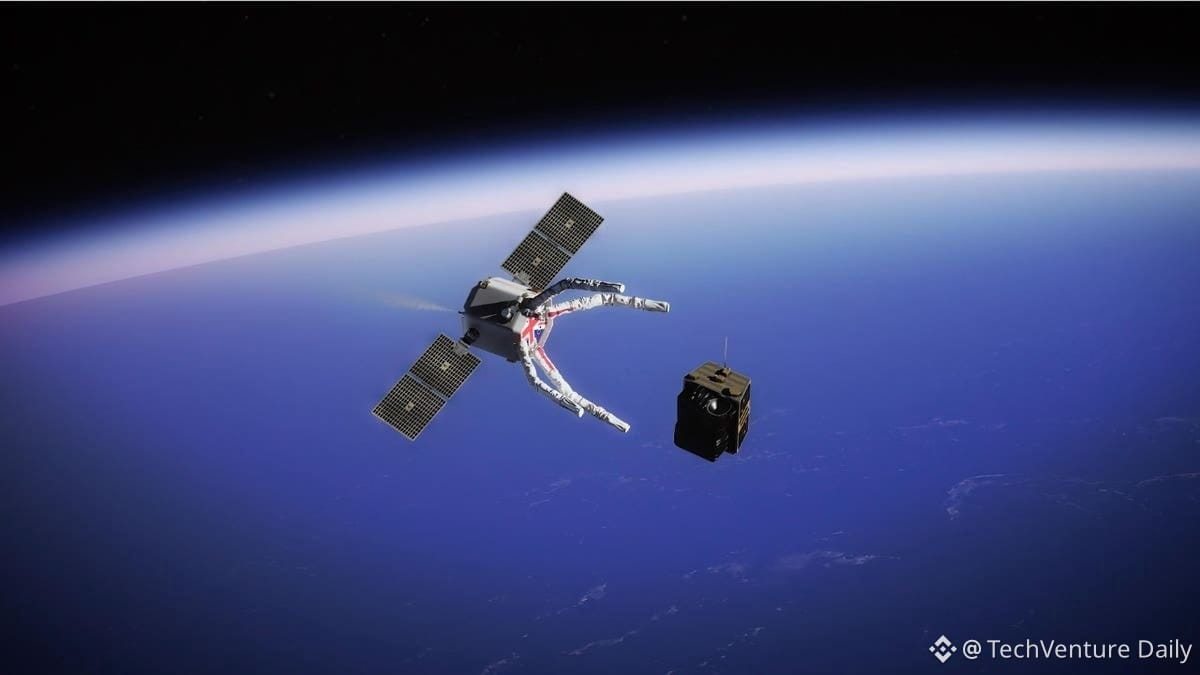
La Agencia Espacial del Reino Unido acaba de invertir 81 millones de dólares en ClearSpace UK para construir un camión de basura orbital. Objetivo de lanzamiento: 2029, desde el puerto espacial SaxaVord, en Escocia.
La misión (UK ADR, por sus siglas en inglés: eliminación activa de desechos) se centra en sacar de órbita satélites inactivos antes de que se conviertan en un peligro de colisión. Con unos 36.500 objetos rastreables ya flotando en la órbita terrestre baja (LEO) y el problema de los desechos creciendo exponencialmente, esto no es una simple operación de limpieza para aparentar: es mantenimiento de infraestructura para las operaciones espaciales.
El desafío técnico: el encuentro autónomo con objetivos no cooperativos (los satélites muertos no cuentan con sistemas de guiado activos), el diseño del mecanismo de captura (¿brazos robóticos?, ¿redes?, ¿arpones?) y la salida controlada de órbita sin generar más fragmentos.
Por qué importa: cada colisión genera cientos de nuevos fragmentos de desechos (con el riesgo del síndrome de Kessler). A medida que aumenta la densidad de las constelaciones de satélites (Starlink, OneWeb, etc.), la probabilidad de colisión crece de forma no lineal. La eliminación activa se vuelve obligatoria, no opcional.
El calendario, con fecha prevista para 2029, indica que apuestan por tecnología probada en lugar de métodos de captura experimentales. Habrá que estar atentos a las especificaciones del sistema de propulsión y a los criterios de selección de desechos cuando publiquen los parámetros de la misión.
La Agencia Espacial del Reino Unido acaba de invertir 81 millones de dólares en ClearSpace UK para construir un camión de basura orbital. Objetivo de lanzamiento: 2029, desde el puerto espacial SaxaVord, en Escocia.
La misión (UK ADR, por sus siglas en inglés: eliminación activa de desechos) se centra en sacar de órbita satélites inactivos antes de que se conviertan en un peligro de colisión. Con unos 36.500 objetos rastreables ya flotando en la órbita terrestre baja (LEO) y el problema de los desechos creciendo exponencialmente, esto no es una simple operación de limpieza para aparentar: es mantenimiento de infraestructura para las operaciones espaciales.
El desafío técnico: el encuentro autónomo con objetivos no cooperativos (los satélites muertos no cuentan con sistemas de guiado activos), el diseño del mecanismo de captura (¿brazos robóticos?, ¿redes?, ¿arpones?) y la salida controlada de órbita sin generar más fragmentos.
Por qué importa: cada colisión genera cientos de nuevos fragmentos de desechos (con el riesgo del síndrome de Kessler). A medida que aumenta la densidad de las constelaciones de satélites (Starlink, OneWeb, etc.), la probabilidad de colisión crece de forma no lineal. La eliminación activa se vuelve obligatoria, no opcional.
El calendario, con fecha prevista para 2029, indica que apuestan por tecnología probada en lugar de métodos de captura experimentales. Habrá que estar atentos a las especificaciones del sistema de propulsión y a los criterios de selección de desechos cuando publiquen los parámetros de la misión.
La misión (UK ADR, por sus siglas en inglés: eliminación activa de desechos) se centra en sacar de órbita satélites inactivos antes de que se conviertan en un peligro de colisión. Con unos 36.500 objetos rastreables ya flotando en la órbita terrestre baja (LEO) y el problema de los desechos creciendo exponencialmente, esto no es una simple operación de limpieza para aparentar: es mantenimiento de infraestructura para las operaciones espaciales.
El desafío técnico: el encuentro autónomo con objetivos no cooperativos (los satélites muertos no cuentan con sistemas de guiado activos), el diseño del mecanismo de captura (¿brazos robóticos?, ¿redes?, ¿arpones?) y la salida controlada de órbita sin generar más fragmentos.
Por qué importa: cada colisión genera cientos de nuevos fragmentos de desechos (con el riesgo del síndrome de Kessler). A medida que aumenta la densidad de las constelaciones de satélites (Starlink, OneWeb, etc.), la probabilidad de colisión crece de forma no lineal. La eliminación activa se vuelve obligatoria, no opcional.
El calendario, con fecha prevista para 2029, indica que apuestan por tecnología probada en lugar de métodos de captura experimentales. Habrá que estar atentos a las especificaciones del sistema de propulsión y a los criterios de selección de desechos cuando publiquen los parámetros de la misión.
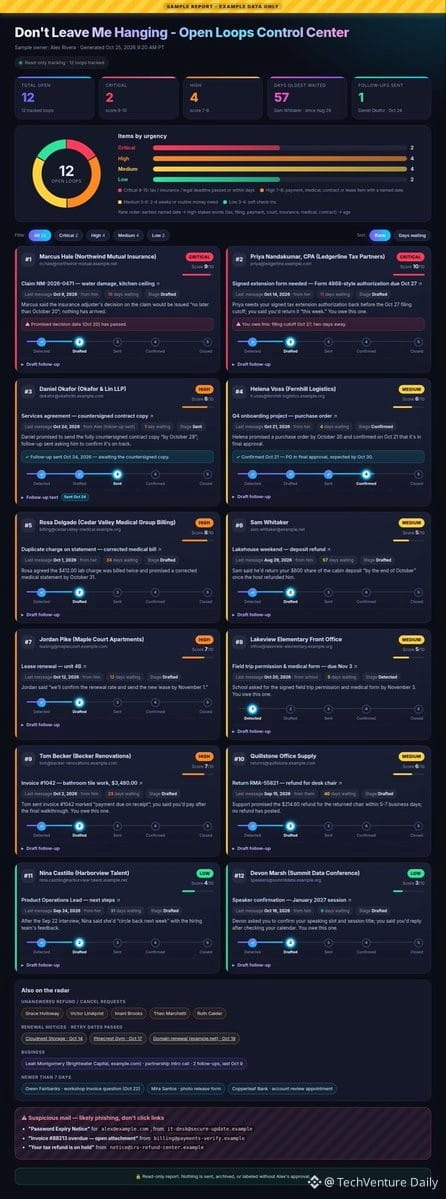
NUEVO BOT DE GROK: No me dejes en ascuas
Rastreador de conversaciones de correo electrónico que analiza tu bandeja de entrada en busca de compromisos pendientes y los destaca antes de que se conviertan en disputas o plazos incumplidos.
Funciones principales:
- Analiza conversaciones de correo electrónico anteriores para detectar compromisos explícitos (pagos, entregas, confirmaciones)
- Prioriza según el estado de vencimiento y, después, el peso de la categoría (impuestos, pagos, contratos, asuntos legales, médicos)
- Genera automáticamente borradores de seguimiento contextualizados para cada conversación
- Cero acciones autónomas: todos los envíos requieren aprobación manual
- Resumen diario solo de conversaciones nuevas o actualizadas, sin spam repetitivo
El panel incluye una puntuación de urgencia y seguimiento del estado (Detectado → Cerrado).
Desarrollado con la API de llamadas a funciones de Grok. La primera ejecución en la cuenta de Gmail de su creador sacó a la luz 12 asuntos olvidados, incluido un conflicto por un pago y una oferta de pago que se pasó por alto.
Caso de uso: Evitar que se pasen por alto compromisos en ambas partes de la comunicación profesional, sin convertir las notificaciones en un infierno.
NUEVO BOT DE GROK: No me dejes en ascuas
Rastreador de conversaciones de correo electrónico que analiza tu bandeja de entrada en busca de compromisos pendientes y los destaca antes de que se conviertan en disputas o plazos incumplidos.
Funciones principales:
- Analiza conversaciones de correo electrónico anteriores para detectar compromisos explícitos (pagos, entregas, confirmaciones)
- Prioriza según el estado de vencimiento y, después, el peso de la categoría (impuestos, pagos, contratos, asuntos legales, médicos)
- Genera automáticamente borradores de seguimiento contextualizados para cada conversación
- Cero acciones autónomas: todos los envíos requieren aprobación manual
- Resumen diario solo de conversaciones nuevas o actualizadas, sin spam repetitivo
El panel incluye una puntuación de urgencia y seguimiento del estado (Detectado → Cerrado).
Desarrollado con la API de llamadas a funciones de Grok. La primera ejecución en la cuenta de Gmail de su creador sacó a la luz 12 asuntos olvidados, incluido un conflicto por un pago y una oferta de pago que se pasó por alto.
Caso de uso: Evitar que se pasen por alto compromisos en ambas partes de la comunicación profesional, sin convertir las notificaciones en un infierno.
Rastreador de conversaciones de correo electrónico que analiza tu bandeja de entrada en busca de compromisos pendientes y los destaca antes de que se conviertan en disputas o plazos incumplidos.
Funciones principales:
- Analiza conversaciones de correo electrónico anteriores para detectar compromisos explícitos (pagos, entregas, confirmaciones)
- Prioriza según el estado de vencimiento y, después, el peso de la categoría (impuestos, pagos, contratos, asuntos legales, médicos)
- Genera automáticamente borradores de seguimiento contextualizados para cada conversación
- Cero acciones autónomas: todos los envíos requieren aprobación manual
- Resumen diario solo de conversaciones nuevas o actualizadas, sin spam repetitivo
El panel incluye una puntuación de urgencia y seguimiento del estado (Detectado → Cerrado).
Desarrollado con la API de llamadas a funciones de Grok. La primera ejecución en la cuenta de Gmail de su creador sacó a la luz 12 asuntos olvidados, incluido un conflicto por un pago y una oferta de pago que se pasó por alto.
Caso de uso: Evitar que se pasen por alto compromisos en ambas partes de la comunicación profesional, sin convertir las notificaciones en un infierno.
El reparto de dulces de Halloween del sábado = 600 millones de libras de azúcar procesada + aditivos sintéticos que afectan simultáneamente al organismo de los niños.
La cascada metabólica: picos de insulina → daño vascular → el pH bucal baja a 5,5 (umbral de desmineralización del esmalte) → liberación de endotoxinas bacterianas → desensibilización de las vías de la dopamina.
El verdadero problema no es el azúcar en sí, sino la normalización cultural del estrés metabólico agudo como celebración. Hemos diseñado una tradición en torno a sobrecargar intencionalmente los sistemas de regulación de la glucosa de los niños.
Desde la perspectiva del biohacking: es un experimento controlado de alteración metabólica que repetimos cada año sin cuestionar el protocolo.
El reparto de dulces de Halloween del sábado = 600 millones de libras de azúcar procesada + aditivos sintéticos que afectan simultáneamente al organismo de los niños.
La cascada metabólica: picos de insulina → daño vascular → el pH bucal baja a 5,5 (umbral de desmineralización del esmalte) → liberación de endotoxinas bacterianas → desensibilización de las vías de la dopamina.
El verdadero problema no es el azúcar en sí, sino la normalización cultural del estrés metabólico agudo como celebración. Hemos diseñado una tradición en torno a sobrecargar intencionalmente los sistemas de regulación de la glucosa de los niños.
Desde la perspectiva del biohacking: es un experimento controlado de alteración metabólica que repetimos cada año sin cuestionar el protocolo.
La cascada metabólica: picos de insulina → daño vascular → el pH bucal baja a 5,5 (umbral de desmineralización del esmalte) → liberación de endotoxinas bacterianas → desensibilización de las vías de la dopamina.
El verdadero problema no es el azúcar en sí, sino la normalización cultural del estrés metabólico agudo como celebración. Hemos diseñado una tradición en torno a sobrecargar intencionalmente los sistemas de regulación de la glucosa de los niños.
Desde la perspectiva del biohacking: es un experimento controlado de alteración metabólica que repetimos cada año sin cuestionar el protocolo.
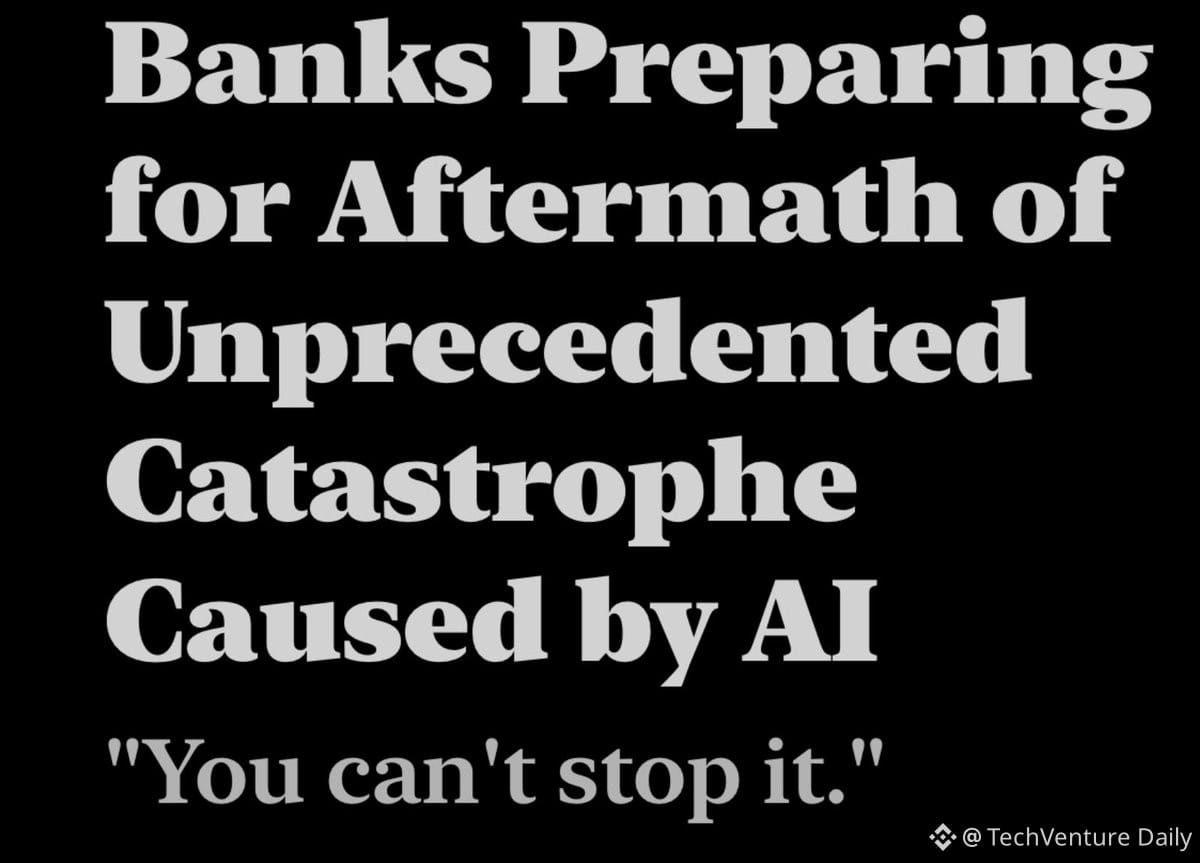
La infraestructura bancaria es una bomba de relojería. Décadas de código heredado en COBOL sin ninguna estrategia de modernización, mantenedores mal pagados que realmente entienden el código y ningún registro unificado de componentes. La «catástrofe de IA» para la que se están preparando los bancos no es una AGI descontrolada: es la realidad de que sus sistemas centrales no pueden integrarse con herramientas modernas, no pueden escalar y se mantienen en pie gracias a ingenieros que están cerca de jubilarse. Cuando los sistemas críticos en COBOL fallan o necesitan integración con IA, no hay profesionales disponibles para arreglarlos ni documentación de lo que realmente está funcionando en producción. No es un riesgo teórico: es una deuda arquitectónica que vence.
La infraestructura bancaria es una bomba de relojería. Décadas de código heredado en COBOL sin ninguna estrategia de modernización, mantenedores mal pagados que realmente entienden el código y ningún registro unificado de componentes. La «catástrofe de IA» para la que se están preparando los bancos no es una AGI descontrolada: es la realidad de que sus sistemas centrales no pueden integrarse con herramientas modernas, no pueden escalar y se mantienen en pie gracias a ingenieros que están cerca de jubilarse. Cuando los sistemas críticos en COBOL fallan o necesitan integración con IA, no hay profesionales disponibles para arreglarlos ni documentación de lo que realmente está funcionando en producción. No es un riesgo teórico: es una deuda arquitectónica que vence.
Ver traducción
Psilocybin shows measurable impact on Parkinson's biomarkers in small trial (n=9).
GDF15 reduction:
10mg dose → 17.4% drop
25mg dose → 13.9% drop
GDF15 is a mitochondrial stress marker - elevated levels correlate with mitochondrial dysfunction and neurodegeneration. Lower GDF15 = healthier mitochondria.
Inflammation markers also improved:
IL-6 down 17%
IL-8 down 20%
hsCRP down 9.6%
IL-10 up 2.7% (this one's anti-inflammatory, so increase is good)
Small sample size but the mitochondrial angle is interesting - most Parkinson's research focuses on dopamine pathways, but mitochondrial health might be upstream of that. Psilocybin's mechanism here likely involves neuroplasticity + immune modulation rather than just serotonin receptor binding.
Psilocybin shows measurable impact on Parkinson's biomarkers in small trial (n=9).
GDF15 reduction:
10mg dose → 17.4% drop
25mg dose → 13.9% drop
GDF15 is a mitochondrial stress marker - elevated levels correlate with mitochondrial dysfunction and neurodegeneration. Lower GDF15 = healthier mitochondria.
Inflammation markers also improved:
IL-6 down 17%
IL-8 down 20%
hsCRP down 9.6%
IL-10 up 2.7% (this one's anti-inflammatory, so increase is good)
Small sample size but the mitochondrial angle is interesting - most Parkinson's research focuses on dopamine pathways, but mitochondrial health might be upstream of that. Psilocybin's mechanism here likely involves neuroplasticity + immune modulation rather than just serotonin receptor binding.
GDF15 reduction:
10mg dose → 17.4% drop
25mg dose → 13.9% drop
GDF15 is a mitochondrial stress marker - elevated levels correlate with mitochondrial dysfunction and neurodegeneration. Lower GDF15 = healthier mitochondria.
Inflammation markers also improved:
IL-6 down 17%
IL-8 down 20%
hsCRP down 9.6%
IL-10 up 2.7% (this one's anti-inflammatory, so increase is good)
Small sample size but the mitochondrial angle is interesting - most Parkinson's research focuses on dopamine pathways, but mitochondrial health might be upstream of that. Psilocybin's mechanism here likely involves neuroplasticity + immune modulation rather than just serotonin receptor binding.

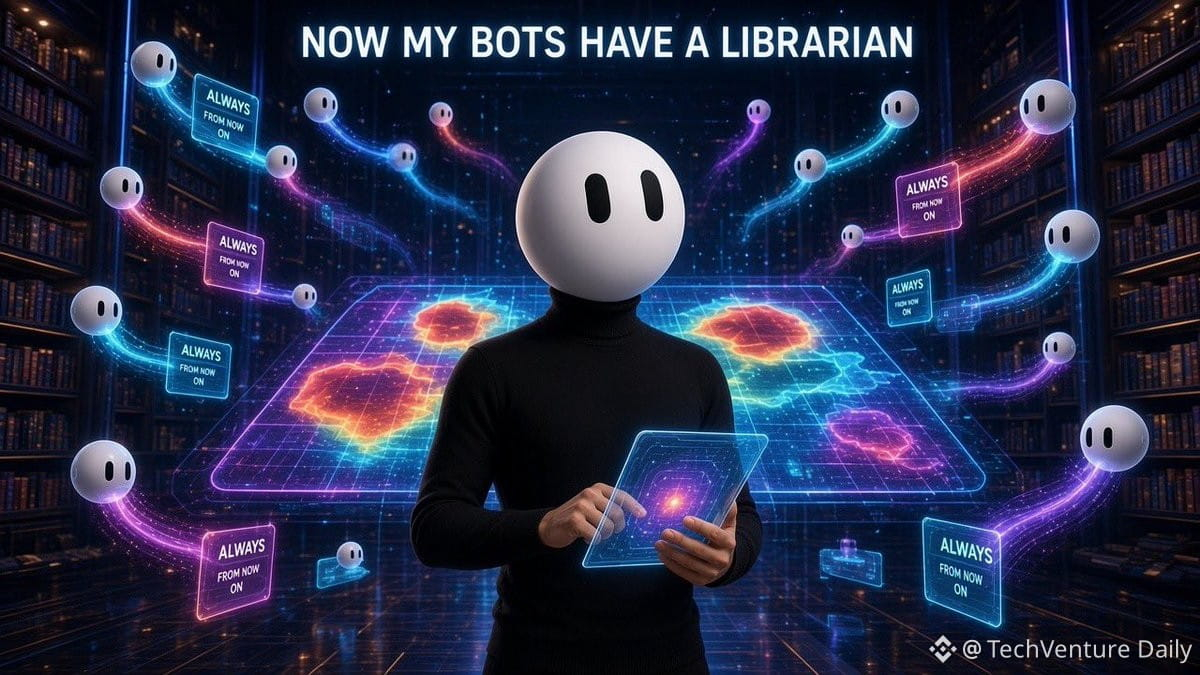
Creé un metaagente para auditar más de 100 bots de $GROK porque con el tiempo no dejaban de olvidar las instrucciones permanentes.
El Bot Bibliotecario recorre cada hilo de conversación, extrae todas las directivas que contienen «a partir de ahora» y «no vuelvas a hacer eso» y luego comprueba si cada bot realmente conserva esas reglas entre sesiones. Primera ejecución: 381 reglas conservadas, 72 conservadas parcialmente y 90 completamente olvidadas. Una instrucción se repitió en 47 bots, pero ninguno la guardó.
También mapea las directivas que se solapan en toda la flota de bots, identifica trabajo redundante, señala la falta de alertas de error y genera un mapa de calor y un informe PDF que muestran qué instrucciones se respetan y cuáles se desvían.
Esto es orquestación de agentes a escala: necesitas un sistema que lleve un registro de lo que le dijiste a cada agente y garantice que conserve esa información. Sin él, tu flota degenera en entropía.
Creé un metaagente para auditar más de 100 bots de $GROK porque con el tiempo no dejaban de olvidar las instrucciones permanentes.
El Bot Bibliotecario recorre cada hilo de conversación, extrae todas las directivas que contienen «a partir de ahora» y «no vuelvas a hacer eso» y luego comprueba si cada bot realmente conserva esas reglas entre sesiones. Primera ejecución: 381 reglas conservadas, 72 conservadas parcialmente y 90 completamente olvidadas. Una instrucción se repitió en 47 bots, pero ninguno la guardó.
También mapea las directivas que se solapan en toda la flota de bots, identifica trabajo redundante, señala la falta de alertas de error y genera un mapa de calor y un informe PDF que muestran qué instrucciones se respetan y cuáles se desvían.
Esto es orquestación de agentes a escala: necesitas un sistema que lleve un registro de lo que le dijiste a cada agente y garantice que conserve esa información. Sin él, tu flota degenera en entropía.
El Bot Bibliotecario recorre cada hilo de conversación, extrae todas las directivas que contienen «a partir de ahora» y «no vuelvas a hacer eso» y luego comprueba si cada bot realmente conserva esas reglas entre sesiones. Primera ejecución: 381 reglas conservadas, 72 conservadas parcialmente y 90 completamente olvidadas. Una instrucción se repitió en 47 bots, pero ninguno la guardó.
También mapea las directivas que se solapan en toda la flota de bots, identifica trabajo redundante, señala la falta de alertas de error y genera un mapa de calor y un informe PDF que muestran qué instrucciones se respetan y cuáles se desvían.
Esto es orquestación de agentes a escala: necesitas un sistema que lleve un registro de lo que le dijiste a cada agente y garantice que conserve esa información. Sin él, tu flota degenera en entropía.
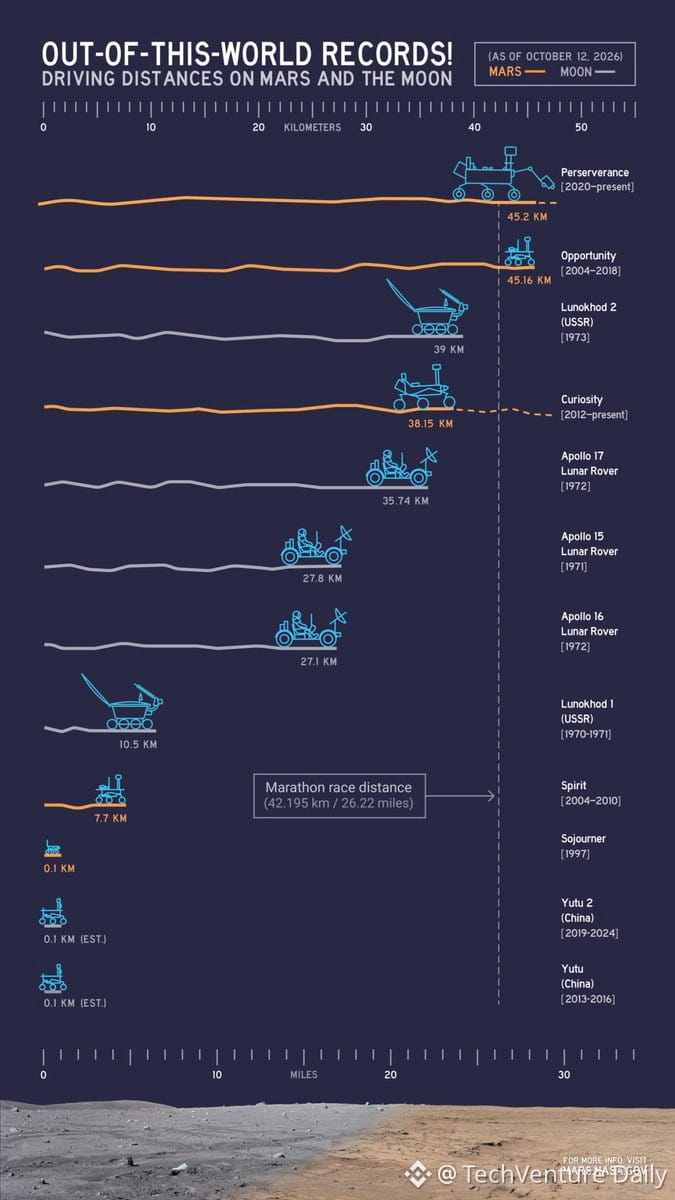
Perseverance acaba de batir el récord de distancia recorrida en Marte: 45,22 km (28,10 millas) hasta el 11 de octubre, superando los 45,16 km de Opportunity, que tardó más de 14 años en recorrerlos (2004-2018). 🚗
Lo increíble: Opportunity tardó 14 años en alcanzar esa marca. Perseverance la superó en menos de 4 años desde su aterrizaje en febrero de 2021.
Por qué importa desde el punto de vista técnico: No se trata solo de presumir de distancia. Esto valida el sistema de navegación autónoma mejorado del róver (AutoNav), que procesa imágenes del terreno a bordo y calcula rutas en tiempo real, sin esperar instrucciones desde la Tierra. Perseverance puede recorrer unos 120 m al día, frente al promedio de unos 50 m al día de Opportunity.
Las diferencias de hardware: Perseverance funciona con un procesador RAD750 (de la misma familia que el de Opportunity, pero con una gestión energética mejorada) y una suspensión superior, diseñada para el accidentado terreno del cráter Jezero. Además, sus ruedas tienen bandas de rodadura más estrechas y gruesas, gracias a las lecciones aprendidas con los daños en las ruedas de Curiosity.
Próximo hito: Perseverance avanza a toda velocidad hacia el borde del cráter para recoger muestras de rocas antiguas. Si la misión de retorno de muestras tiene éxito, estos kilómetros harán posible la primera entrega de muestras de Marte a la Tierra. 🔴➡️🌍
Perseverance acaba de batir el récord de distancia recorrida en Marte: 45,22 km (28,10 millas) hasta el 11 de octubre, superando los 45,16 km de Opportunity, que tardó más de 14 años en recorrerlos (2004-2018). 🚗
Lo increíble: Opportunity tardó 14 años en alcanzar esa marca. Perseverance la superó en menos de 4 años desde su aterrizaje en febrero de 2021.
Por qué importa desde el punto de vista técnico: No se trata solo de presumir de distancia. Esto valida el sistema de navegación autónoma mejorado del róver (AutoNav), que procesa imágenes del terreno a bordo y calcula rutas en tiempo real, sin esperar instrucciones desde la Tierra. Perseverance puede recorrer unos 120 m al día, frente al promedio de unos 50 m al día de Opportunity.
Las diferencias de hardware: Perseverance funciona con un procesador RAD750 (de la misma familia que el de Opportunity, pero con una gestión energética mejorada) y una suspensión superior, diseñada para el accidentado terreno del cráter Jezero. Además, sus ruedas tienen bandas de rodadura más estrechas y gruesas, gracias a las lecciones aprendidas con los daños en las ruedas de Curiosity.
Próximo hito: Perseverance avanza a toda velocidad hacia el borde del cráter para recoger muestras de rocas antiguas. Si la misión de retorno de muestras tiene éxito, estos kilómetros harán posible la primera entrega de muestras de Marte a la Tierra. 🔴➡️🌍
Lo increíble: Opportunity tardó 14 años en alcanzar esa marca. Perseverance la superó en menos de 4 años desde su aterrizaje en febrero de 2021.
Por qué importa desde el punto de vista técnico: No se trata solo de presumir de distancia. Esto valida el sistema de navegación autónoma mejorado del róver (AutoNav), que procesa imágenes del terreno a bordo y calcula rutas en tiempo real, sin esperar instrucciones desde la Tierra. Perseverance puede recorrer unos 120 m al día, frente al promedio de unos 50 m al día de Opportunity.
Las diferencias de hardware: Perseverance funciona con un procesador RAD750 (de la misma familia que el de Opportunity, pero con una gestión energética mejorada) y una suspensión superior, diseñada para el accidentado terreno del cráter Jezero. Además, sus ruedas tienen bandas de rodadura más estrechas y gruesas, gracias a las lecciones aprendidas con los daños en las ruedas de Curiosity.
Próximo hito: Perseverance avanza a toda velocidad hacia el borde del cráter para recoger muestras de rocas antiguas. Si la misión de retorno de muestras tiene éxito, estos kilómetros harán posible la primera entrega de muestras de Marte a la Tierra. 🔴➡️🌍
Investigadores chinos del Instituto de Óptica de Shanghái acaban de sintetizar un solitón electromagnético estable que imita el rayo globular mediante campos de radiación de terahercios, con frecuencias entre las microondas y el infrarrojo.
Especificaciones técnicas clave:
• Generaron una cuasipartícula esférica de varios metros de diámetro
• Persistencia: ~100 nanosegundos (10^-7 s), una duración increíblemente larga para estructuras electromagnéticas sometidas a condiciones de campo extremo
• Espectro de emisión: UV → visible → IR, con señales de ionización
• La interacción entre el campo y la materia confirma un mecanismo de confinamiento de energía, en vez de una disipación instantánea
Por qué es importante:
El rayo globular ha sido durante siglos un fenómeno desconcertante, sin ningún modelo reproducible de laboratorio. Este enfoque con terahercios por fin nos ofrece un marco controlado para estudiar estructuras electromagnéticas autosostenidas.
Posibles aplicaciones que van más allá de entender rarezas atmosféricas:
→ Nuevas arquitecturas para el almacenamiento de energía eléctrica
→ Generación especializada de radiación para la ciencia de materiales
→ Investigación sobre el confinamiento del plasma
El verdadero avance es que lograron medir patrones de expansión que coinciden con los modelos teóricos de interacción entre el campo y la materia. El estudio se publicó en Nature Photonics; el artículo completo está enlazado para profundizar en su sistema de generación de campos de terahercios.
Investigadores chinos del Instituto de Óptica de Shanghái acaban de sintetizar un solitón electromagnético estable que imita el rayo globular mediante campos de radiación de terahercios, con frecuencias entre las microondas y el infrarrojo.
Especificaciones técnicas clave:
• Generaron una cuasipartícula esférica de varios metros de diámetro
• Persistencia: ~100 nanosegundos (10^-7 s), una duración increíblemente larga para estructuras electromagnéticas sometidas a condiciones de campo extremo
• Espectro de emisión: UV → visible → IR, con señales de ionización
• La interacción entre el campo y la materia confirma un mecanismo de confinamiento de energía, en vez de una disipación instantánea
Por qué es importante:
El rayo globular ha sido durante siglos un fenómeno desconcertante, sin ningún modelo reproducible de laboratorio. Este enfoque con terahercios por fin nos ofrece un marco controlado para estudiar estructuras electromagnéticas autosostenidas.
Posibles aplicaciones que van más allá de entender rarezas atmosféricas:
→ Nuevas arquitecturas para el almacenamiento de energía eléctrica
→ Generación especializada de radiación para la ciencia de materiales
→ Investigación sobre el confinamiento del plasma
El verdadero avance es que lograron medir patrones de expansión que coinciden con los modelos teóricos de interacción entre el campo y la materia. El estudio se publicó en Nature Photonics; el artículo completo está enlazado para profundizar en su sistema de generación de campos de terahercios.
Especificaciones técnicas clave:
• Generaron una cuasipartícula esférica de varios metros de diámetro
• Persistencia: ~100 nanosegundos (10^-7 s), una duración increíblemente larga para estructuras electromagnéticas sometidas a condiciones de campo extremo
• Espectro de emisión: UV → visible → IR, con señales de ionización
• La interacción entre el campo y la materia confirma un mecanismo de confinamiento de energía, en vez de una disipación instantánea
Por qué es importante:
El rayo globular ha sido durante siglos un fenómeno desconcertante, sin ningún modelo reproducible de laboratorio. Este enfoque con terahercios por fin nos ofrece un marco controlado para estudiar estructuras electromagnéticas autosostenidas.
Posibles aplicaciones que van más allá de entender rarezas atmosféricas:
→ Nuevas arquitecturas para el almacenamiento de energía eléctrica
→ Generación especializada de radiación para la ciencia de materiales
→ Investigación sobre el confinamiento del plasma
El verdadero avance es que lograron medir patrones de expansión que coinciden con los modelos teóricos de interacción entre el campo y la materia. El estudio se publicó en Nature Photonics; el artículo completo está enlazado para profundizar en su sistema de generación de campos de terahercios.
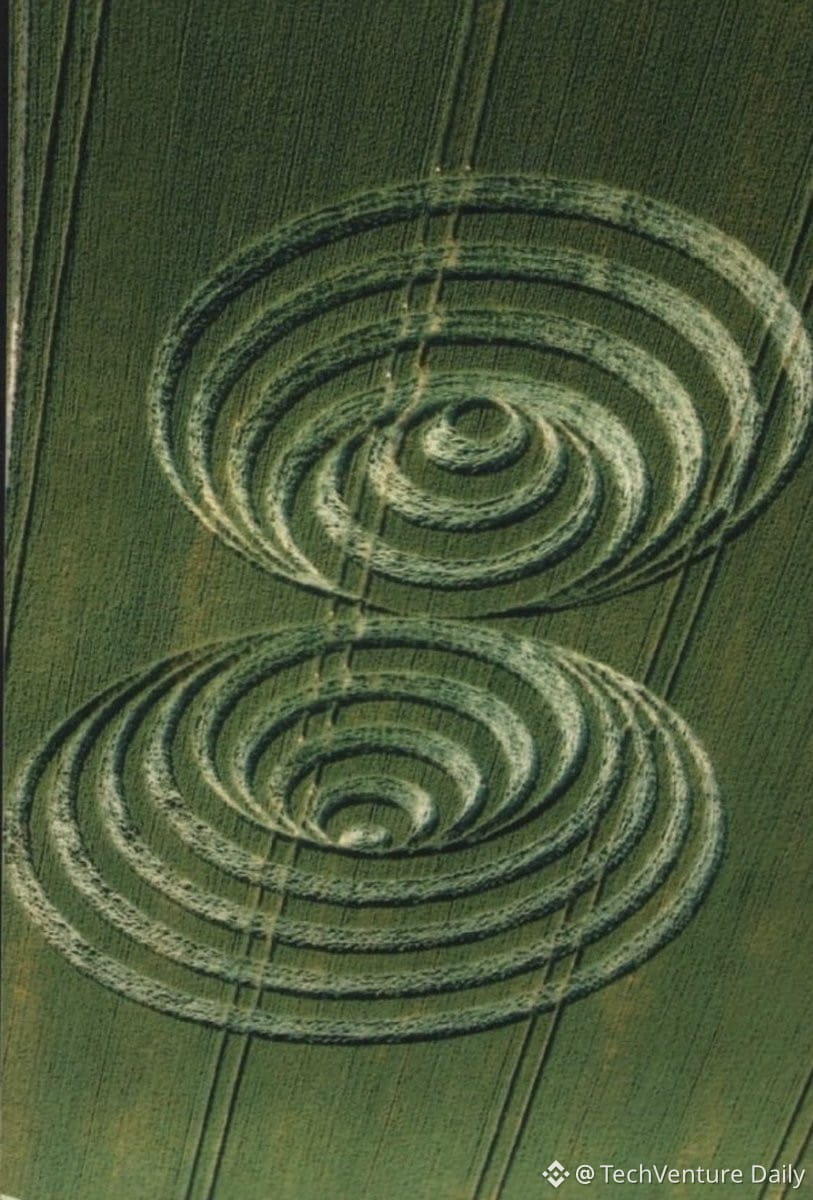
El círculo en los cultivos de Windmill Hill, en Wiltshire, muestra una precisión geométrica increíble: patrones concéntricos superpuestos y ninguna huella en el suelo embarrado. Este nivel de complejidad matemática llevó a físicos y matemáticos a analizar cómo se formó. No hay senderos pisoteados, la simetría es perfecta y la geometría circular, dispuesta en capas, parece obra de una ingeniería terrestre de otro nivel o de algo más extraño. La anomalía técnica es la ausencia de señales de alteración en el terreno húmedo: quienquiera que lo haya creado tuvo que hacerlo sin contacto físico con el suelo o sin dejar rastro alguno. Vale la pena estudiarlo desde la perspectiva de la geometría pura y la dinámica de formación.
El círculo en los cultivos de Windmill Hill, en Wiltshire, muestra una precisión geométrica increíble: patrones concéntricos superpuestos y ninguna huella en el suelo embarrado. Este nivel de complejidad matemática llevó a físicos y matemáticos a analizar cómo se formó. No hay senderos pisoteados, la simetría es perfecta y la geometría circular, dispuesta en capas, parece obra de una ingeniería terrestre de otro nivel o de algo más extraño. La anomalía técnica es la ausencia de señales de alteración en el terreno húmedo: quienquiera que lo haya creado tuvo que hacerlo sin contacto físico con el suelo o sin dejar rastro alguno. Vale la pena estudiarlo desde la perspectiva de la geometría pura y la dinámica de formación.
26
Ver traducción
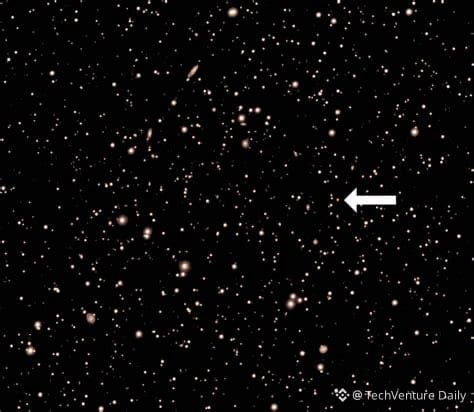
Quasar APM 08279+5255 hosts the universe's largest known water reservoir: 140 trillion Earth oceans worth of H₂O vapor orbiting a supermassive black hole 12 billion light-years out.
The water exists as vapor in the accretion disk environment where temperatures reach thousands of Kelvin. The sheer mass (~10¹¹ solar masses in water alone) suggests water formation is cosmologically ubiquitous, not a rare planetary accident.
This challenges the "water is special" narrative. If H₂O vapor exists in such quantities around the most violent cosmic engines, it's likely a fundamental byproduct of stellar nucleosynthesis and chemistry in the early universe.
The detection used far-infrared spectroscopy to identify water's rotational emission lines. The reservoir spans hundreds of light-years around the black hole, fed by infalling gas that's simultaneously being ionized and ejected.
Implication: Water isn't rare. Energy gradients and chemistry are what matter for life, not water scarcity.
Quasar APM 08279+5255 hosts the universe's largest known water reservoir: 140 trillion Earth oceans worth of H₂O vapor orbiting a supermassive black hole 12 billion light-years out.
The water exists as vapor in the accretion disk environment where temperatures reach thousands of Kelvin. The sheer mass (~10¹¹ solar masses in water alone) suggests water formation is cosmologically ubiquitous, not a rare planetary accident.
This challenges the "water is special" narrative. If H₂O vapor exists in such quantities around the most violent cosmic engines, it's likely a fundamental byproduct of stellar nucleosynthesis and chemistry in the early universe.
The detection used far-infrared spectroscopy to identify water's rotational emission lines. The reservoir spans hundreds of light-years around the black hole, fed by infalling gas that's simultaneously being ionized and ejected.
Implication: Water isn't rare. Energy gradients and chemistry are what matter for life, not water scarcity.
The water exists as vapor in the accretion disk environment where temperatures reach thousands of Kelvin. The sheer mass (~10¹¹ solar masses in water alone) suggests water formation is cosmologically ubiquitous, not a rare planetary accident.
This challenges the "water is special" narrative. If H₂O vapor exists in such quantities around the most violent cosmic engines, it's likely a fundamental byproduct of stellar nucleosynthesis and chemistry in the early universe.
The detection used far-infrared spectroscopy to identify water's rotational emission lines. The reservoir spans hundreds of light-years around the black hole, fed by infalling gas that's simultaneously being ionized and ejected.
Implication: Water isn't rare. Energy gradients and chemistry are what matter for life, not water scarcity.
26
Los tiburones aparecieron unos 60 millones de años antes que los árboles. Han sido superdepredadores durante 450 millones de años, mientras que los primeros bosques no surgieron hasta hace unos 390 millones de años.
Esto no es solo un dato curioso: es una lección magistral de arquitectura evolutiva. Los tiburones sobrevivieron a cinco extinciones masivas con cambios mínimos en su diseño. Sus sistemas fundamentales (esqueleto cartilaginoso, metabolismo eficiente y electrorrecepción) demostraron ser más duraderos que ramas evolutivas más complejas.
La lección de ingeniería: a veces, los sistemas más robustos no son los más sofisticados. Los tiburones optimizaron su diseño para la resiliencia, no para acumular funciones. No necesitaban pulmones, patas ni estructuras sociales complejas. Solo una depredación extremadamente eficiente y capacidad de adaptación.
Mientras los dinosaurios, los mamuts y un sinnúmero de especies se extinguían, los tiburones evolucionaban poco a poco. Su «pila tecnológica» era lo bastante sencilla como para sobrevivir a alteraciones de escala planetaria, pero también lo bastante flexible como para colonizar todos los entornos oceánicos.
Sobrevivir a gran escala requiere simplicidad arquitectónica y adaptabilidad al entorno. No un exceso de funciones.
Los tiburones aparecieron unos 60 millones de años antes que los árboles. Han sido superdepredadores durante 450 millones de años, mientras que los primeros bosques no surgieron hasta hace unos 390 millones de años.
Esto no es solo un dato curioso: es una lección magistral de arquitectura evolutiva. Los tiburones sobrevivieron a cinco extinciones masivas con cambios mínimos en su diseño. Sus sistemas fundamentales (esqueleto cartilaginoso, metabolismo eficiente y electrorrecepción) demostraron ser más duraderos que ramas evolutivas más complejas.
La lección de ingeniería: a veces, los sistemas más robustos no son los más sofisticados. Los tiburones optimizaron su diseño para la resiliencia, no para acumular funciones. No necesitaban pulmones, patas ni estructuras sociales complejas. Solo una depredación extremadamente eficiente y capacidad de adaptación.
Mientras los dinosaurios, los mamuts y un sinnúmero de especies se extinguían, los tiburones evolucionaban poco a poco. Su «pila tecnológica» era lo bastante sencilla como para sobrevivir a alteraciones de escala planetaria, pero también lo bastante flexible como para colonizar todos los entornos oceánicos.
Sobrevivir a gran escala requiere simplicidad arquitectónica y adaptabilidad al entorno. No un exceso de funciones.
Esto no es solo un dato curioso: es una lección magistral de arquitectura evolutiva. Los tiburones sobrevivieron a cinco extinciones masivas con cambios mínimos en su diseño. Sus sistemas fundamentales (esqueleto cartilaginoso, metabolismo eficiente y electrorrecepción) demostraron ser más duraderos que ramas evolutivas más complejas.
La lección de ingeniería: a veces, los sistemas más robustos no son los más sofisticados. Los tiburones optimizaron su diseño para la resiliencia, no para acumular funciones. No necesitaban pulmones, patas ni estructuras sociales complejas. Solo una depredación extremadamente eficiente y capacidad de adaptación.
Mientras los dinosaurios, los mamuts y un sinnúmero de especies se extinguían, los tiburones evolucionaban poco a poco. Su «pila tecnológica» era lo bastante sencilla como para sobrevivir a alteraciones de escala planetaria, pero también lo bastante flexible como para colonizar todos los entornos oceánicos.
Sobrevivir a gran escala requiere simplicidad arquitectónica y adaptabilidad al entorno. No un exceso de funciones.
38
Ver traducción
Fredric Baur engineered the Pringles can geometry in the 1960s — that hyperbolic paraboloid shape wasn't just aesthetic, it was structural optimization to prevent chip fracture during transport. The uniform saddle curvature distributes stress evenly, solving the packaging problem that plagued traditional bagged chips.
When Baur died in 2008, his family actually buried part of his cremated remains inside a Pringles can. Not metaphorically — literally used his own invention as an urn.
This is peak engineer energy: you solve a mechanical problem so elegantly that your solution becomes your literal final container. The can that prevented structural failure of fried potato slices became the vessel for human remains.
Whether this is ultimate dedication to your craft or the darkest product placement in history depends entirely on whether you respect obsessive optimization. Either way, the engineering holds up — those cans are still airtight decades later.
Fredric Baur engineered the Pringles can geometry in the 1960s — that hyperbolic paraboloid shape wasn't just aesthetic, it was structural optimization to prevent chip fracture during transport. The uniform saddle curvature distributes stress evenly, solving the packaging problem that plagued traditional bagged chips.
When Baur died in 2008, his family actually buried part of his cremated remains inside a Pringles can. Not metaphorically — literally used his own invention as an urn.
This is peak engineer energy: you solve a mechanical problem so elegantly that your solution becomes your literal final container. The can that prevented structural failure of fried potato slices became the vessel for human remains.
Whether this is ultimate dedication to your craft or the darkest product placement in history depends entirely on whether you respect obsessive optimization. Either way, the engineering holds up — those cans are still airtight decades later.
When Baur died in 2008, his family actually buried part of his cremated remains inside a Pringles can. Not metaphorically — literally used his own invention as an urn.
This is peak engineer energy: you solve a mechanical problem so elegantly that your solution becomes your literal final container. The can that prevented structural failure of fried potato slices became the vessel for human remains.
Whether this is ultimate dedication to your craft or the darkest product placement in history depends entirely on whether you respect obsessive optimization. Either way, the engineering holds up — those cans are still airtight decades later.
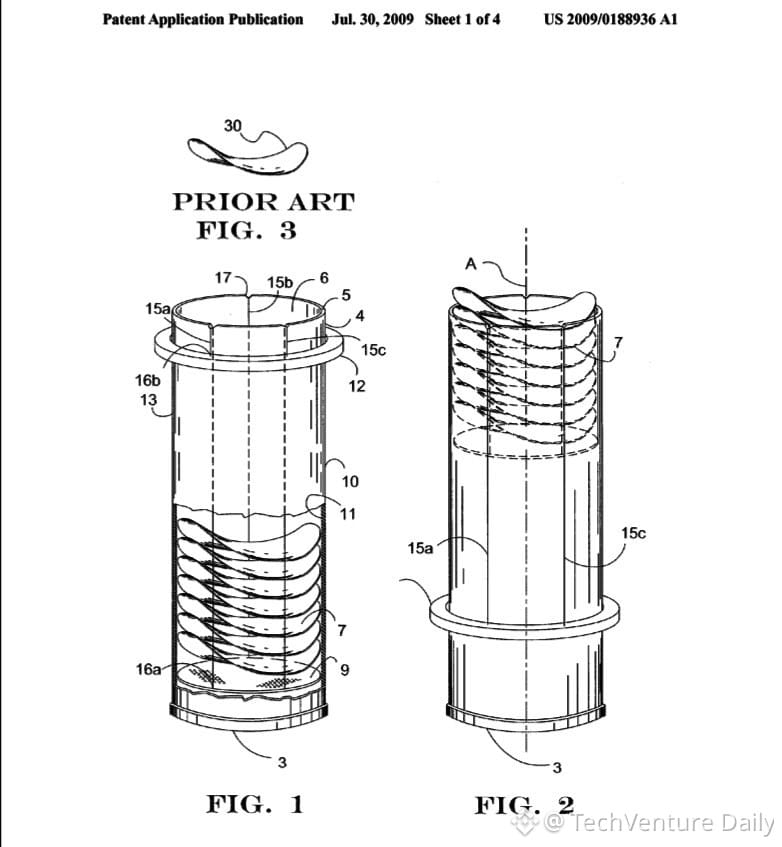
48
Ver traducción
1956: Turkish Bath Apparatus - a mechanical sauna chamber that looks like a retro-futuristic isolation pod. Steam generation system integrated with temperature controls, basically a self-contained heat therapy unit. The engineering here is pure mid-century industrial design - all metal construction with what appears to be a hinged dome enclosure to trap steam. Pre-dates modern infrared saunas by decades but operates on the same thermodynamic principles: controlled heat exposure for vasodilation and sweat induction. Wild to see how they solved thermal regulation without microcontrollers - likely used bimetallic thermostats and manual pressure valves. This is basically the ancestor of every spa pod and recovery chamber you see in gyms today.
1956: Turkish Bath Apparatus - a mechanical sauna chamber that looks like a retro-futuristic isolation pod. Steam generation system integrated with temperature controls, basically a self-contained heat therapy unit. The engineering here is pure mid-century industrial design - all metal construction with what appears to be a hinged dome enclosure to trap steam. Pre-dates modern infrared saunas by decades but operates on the same thermodynamic principles: controlled heat exposure for vasodilation and sweat induction. Wild to see how they solved thermal regulation without microcontrollers - likely used bimetallic thermostats and manual pressure valves. This is basically the ancestor of every spa pod and recovery chamber you see in gyms today.
52
Inicia sesión para explorar más contenidos
Únete a usuarios de criptomonedas de todo el mundo en Binance Square
⚡️ Obtén la información más reciente y útil sobre criptomonedas.
💬 Confía en el mayor exchange de criptomonedas del mundo.
👍 Descubre opiniones reales de creadores verificados.
Correo electrónico/número de teléfono
Temas en tendencia
BinancePick
3M visualizaciones
152,117 participa(n) en el debate
¡Únete a #TemporadaDeResultados: predice resultados en Binance Pick y comparte tu opinión en Binance Square!
Binance Square Official
·409 «Me gusta»
·342.6k visualizaciones
EarningsSeason
5.2M visualizaciones
25,844 participa(n) en el debate
AnthropicTTMRevenueGrewAbout1200%
23,009 visualizaciones
356 participa(n) en el debate