

Xaif-Crypto
8.9k Posts

Xaif-Crypto
 Square Verified
Report
Block User
X @Xaif-Crypto | CQ verified analyst | Investor | Trader | In Cryptos since 2017 | BINANCE Creator | Youtuber
Open Trade

XRP Holder
Occasional Trader
3.6 Years
293 Following
9.3K+ Followers
11.1K+ Liked
Posts
Portfolio
All
Quotes
Videos
PINNED
·
--
First time experienced this so much tiltttt.
Im done with trading. 🥹
First time experienced this so much tiltttt.
Im done with trading. 🥹
Im done with trading. 🥹

120
23
325
333.9k
·
--
SEC Chair Paul Atkins noted that the crypto market has evolved from a niche curiosity to a multi‑trillion‑dollar asset class, underscoring the growing institutional interest and the need for robust regulatory frameworks. This shift highlights the importance of clear oversight as digital assets become integral to global finance.
SEC Chair Paul Atkins noted that the crypto market has evolved from a niche curiosity to a multi‑trillion‑dollar asset class, underscoring the growing institutional interest and the need for robust regulatory frameworks. This shift highlights the importance of clear oversight as digital assets become integral to global finance.
1
·
--
Jan3 CEO Samson Mow predicts Bitcoin’s next rally will be “the most hated rally of all time,” citing investors’ missed dip and delayed entry at $40,000 in October. This comment highlights the market’s volatility and the potential for significant price swings ahead.
$BTC
Jan3 CEO Samson Mow predicts Bitcoin’s next rally will be “the most hated rally of all time,” citing investors’ missed dip and delayed entry at $40,000 in October. This comment highlights the market’s volatility and the potential for significant price swings ahead.
$BTC
$BTC

24
·
--
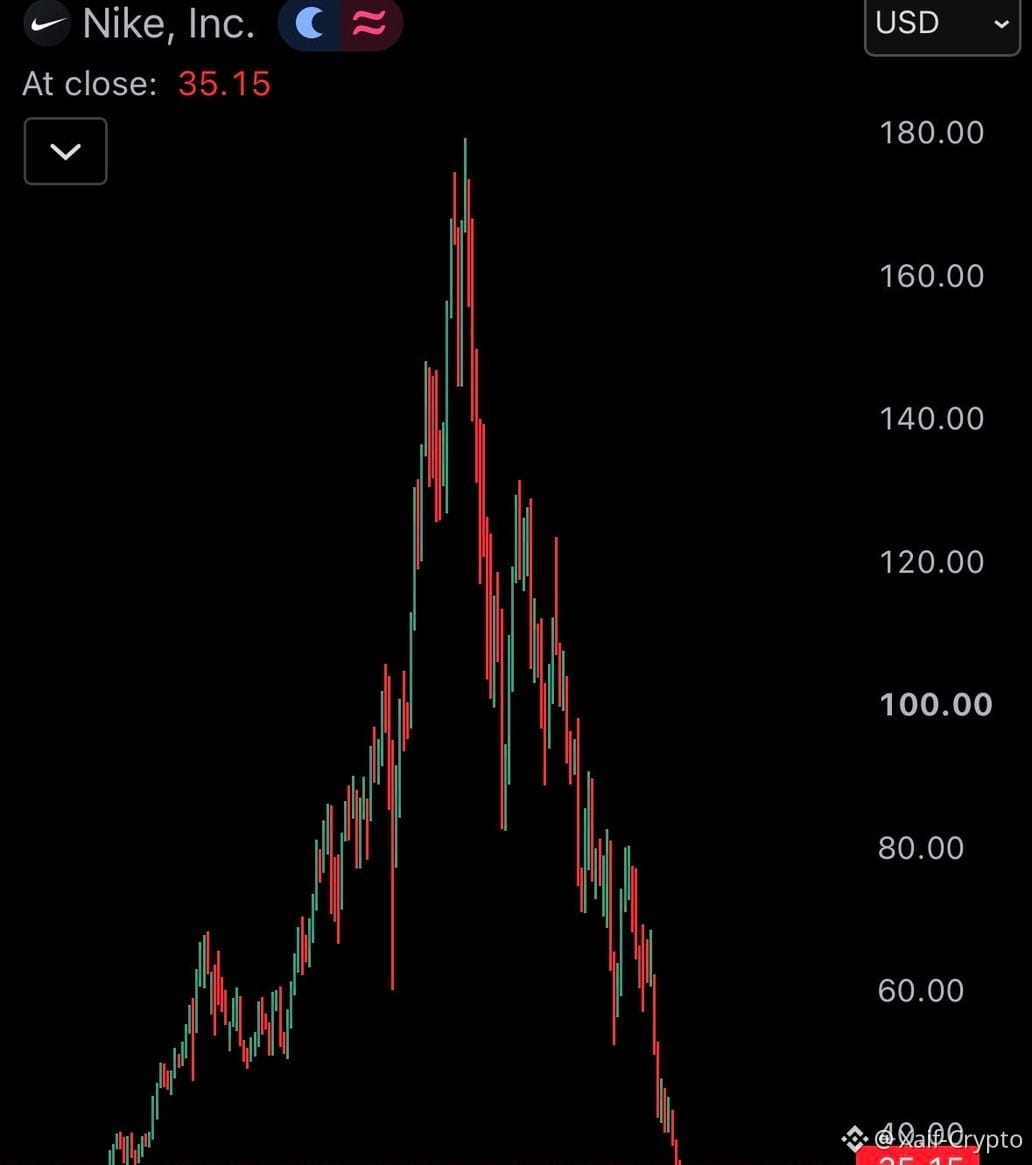
Nike shares fell to a new 10‑year low after the company missed earnings expectations, prompting a sharp sell‑off in the stock. The decline highlights the sensitivity of large-cap equities to earnings performance and could influence broader market sentiment.
Nike shares fell to a new 10‑year low after the company missed earnings expectations, prompting a sharp sell‑off in the stock. The decline highlights the sensitivity of large-cap equities to earnings performance and could influence broader market sentiment.

NKEUS-8.67%
69
·
--
Oil prices have risen 4% after China halted fuel exports, reflecting tighter supply conditions that could influence global energy markets and related asset valuations. This shift may affect the cost structure for companies reliant on oil and could prompt adjustments in energy‑related investment strategies.
Oil prices have risen 4% after China halted fuel exports, reflecting tighter supply conditions that could influence global energy markets and related asset valuations. This shift may affect the cost structure for companies reliant on oil and could prompt adjustments in energy‑related investment strategies.
242
·
--
The list of today’s top trending coins includes a mix of established projects like Near and Zcash, alongside newer tokens such as QNT and DRV. This trend highlights ongoing market interest in both infrastructure and utility tokens, which could influence liquidity and trading volume in the broader crypto ecosystem.
The list of today’s top trending coins includes a mix of established projects like Near and Zcash, alongside newer tokens such as QNT and DRV. This trend highlights ongoing market interest in both infrastructure and utility tokens, which could influence liquidity and trading volume in the broader crypto ecosystem.
811
·
--
The SEC has proposed a new custody framework aimed at investment advisers and regulated funds, seeking to clarify how digital asset holdings should be safeguarded. This move could standardize custody practices and reduce regulatory uncertainty for institutional investors.
The SEC has proposed a new custody framework aimed at investment advisers and regulated funds, seeking to clarify how digital asset holdings should be safeguarded. This move could standardize custody practices and reduce regulatory uncertainty for institutional investors.
4
·
--
US Treasury has imposed new sanctions on Iran’s auto and rail sectors, tightening restrictions on companies that rely on U.S. financial infrastructure. This move could limit the ability of Iranian firms to access global payment systems and affect related supply chains.
US Treasury has imposed new sanctions on Iran’s auto and rail sectors, tightening restrictions on companies that rely on U.S. financial infrastructure. This move could limit the ability of Iranian firms to access global payment systems and affect related supply chains.

17
·
--
Russian President Vladimir Putin stated that the advancement of artificial intelligence cannot be halted, underscoring the global momentum behind AI development and its potential impact on financial markets and regulatory frameworks.
Russian President Vladimir Putin stated that the advancement of artificial intelligence cannot be halted, underscoring the global momentum behind AI development and its potential impact on financial markets and regulatory frameworks.
19
·
--
US military deployment of up to 10,000 additional troops to the Middle East may increase geopolitical risk, potentially affecting market volatility and investor sentiment toward digital assets. This move underscores the importance of monitoring macro‑economic and geopolitical developments that can influence crypto market dynamics.
US military deployment of up to 10,000 additional troops to the Middle East may increase geopolitical risk, potentially affecting market volatility and investor sentiment toward digital assets. This move underscores the importance of monitoring macro‑economic and geopolitical developments that can influence crypto market dynamics.
11
·
--
Trump has alleged that Iran was involved in the flydubai incident in which a co‑pilot stabbed the captain on a flight to Tel Aviv. The claim adds a new geopolitical dimension to an already complex aviation security issue.
Trump has alleged that Iran was involved in the flydubai incident in which a co‑pilot stabbed the captain on a flight to Tel Aviv. The claim adds a new geopolitical dimension to an already complex aviation security issue.
13
·
--
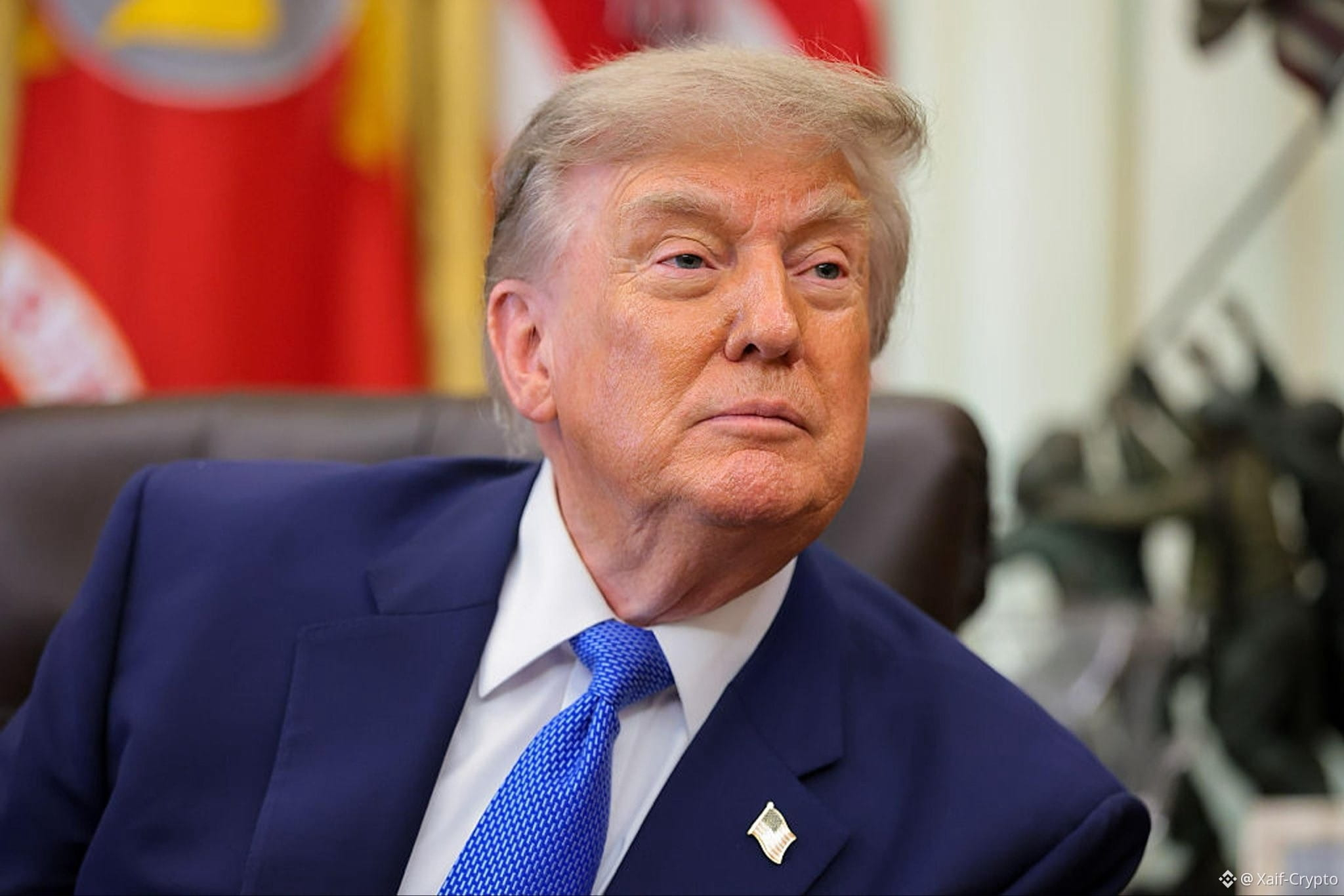
President Trump has stated that inflation is "totally under control," a claim that could influence market expectations for U.S. monetary policy and impact the broader crypto market. This statement may affect investor sentiment and the valuation of digital assets.
President Trump has stated that inflation is "totally under control," a claim that could influence market expectations for U.S. monetary policy and impact the broader crypto market. This statement may affect investor sentiment and the valuation of digital assets.
91
·
--
Congress is exploring new regulations that would enable banks and credit unions to hold digital assets, issue stablecoins, and adopt blockchain technology, potentially expanding institutional participation in the crypto market. This move could streamline compliance and broaden access to digital asset services for traditional financial institutions.
Congress is exploring new regulations that would enable banks and credit unions to hold digital assets, issue stablecoins, and adopt blockchain technology, potentially expanding institutional participation in the crypto market. This move could streamline compliance and broaden access to digital asset services for traditional financial institutions.
22
·
--
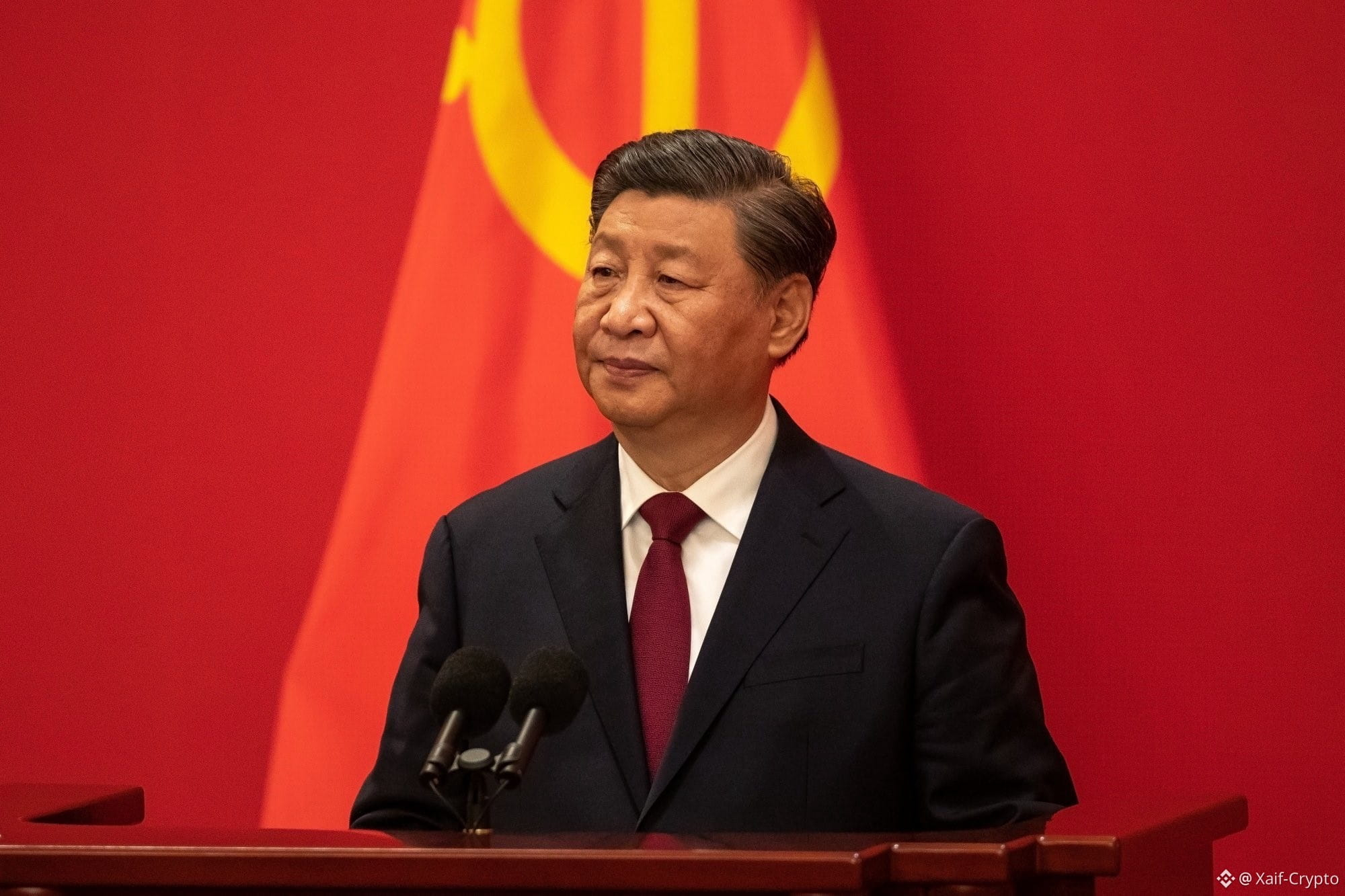
China has halted all fuel exports pending further notice, a move that could tighten global supply chains and affect energy markets. This development may influence cross‑border payments for energy trade, a sector where Ripple’s settlement solutions are increasingly adopted.
China has halted all fuel exports pending further notice, a move that could tighten global supply chains and affect energy markets. This development may influence cross‑border payments for energy trade, a sector where Ripple’s settlement solutions are increasingly adopted.
116
·
--
US mortgage rates climbed to 7.6%, the highest since 2023, while the 10‑year Treasury yield hit a 2002 peak, signaling tighter credit conditions that could dampen risk‑seeking appetite in both traditional and digital asset markets.
US mortgage rates climbed to 7.6%, the highest since 2023, while the 10‑year Treasury yield hit a 2002 peak, signaling tighter credit conditions that could dampen risk‑seeking appetite in both traditional and digital asset markets.
IEFETF-0.15%
14
·
--
Illinois has delayed its proposal to tax all crypto transactions, regardless of profit or loss, giving market participants more time to assess the impact on trading and compliance. This postponement may influence how institutional investors structure their crypto holdings in the state.
Illinois has delayed its proposal to tax all crypto transactions, regardless of profit or loss, giving market participants more time to assess the impact on trading and compliance. This postponement may influence how institutional investors structure their crypto holdings in the state.
6
·
--
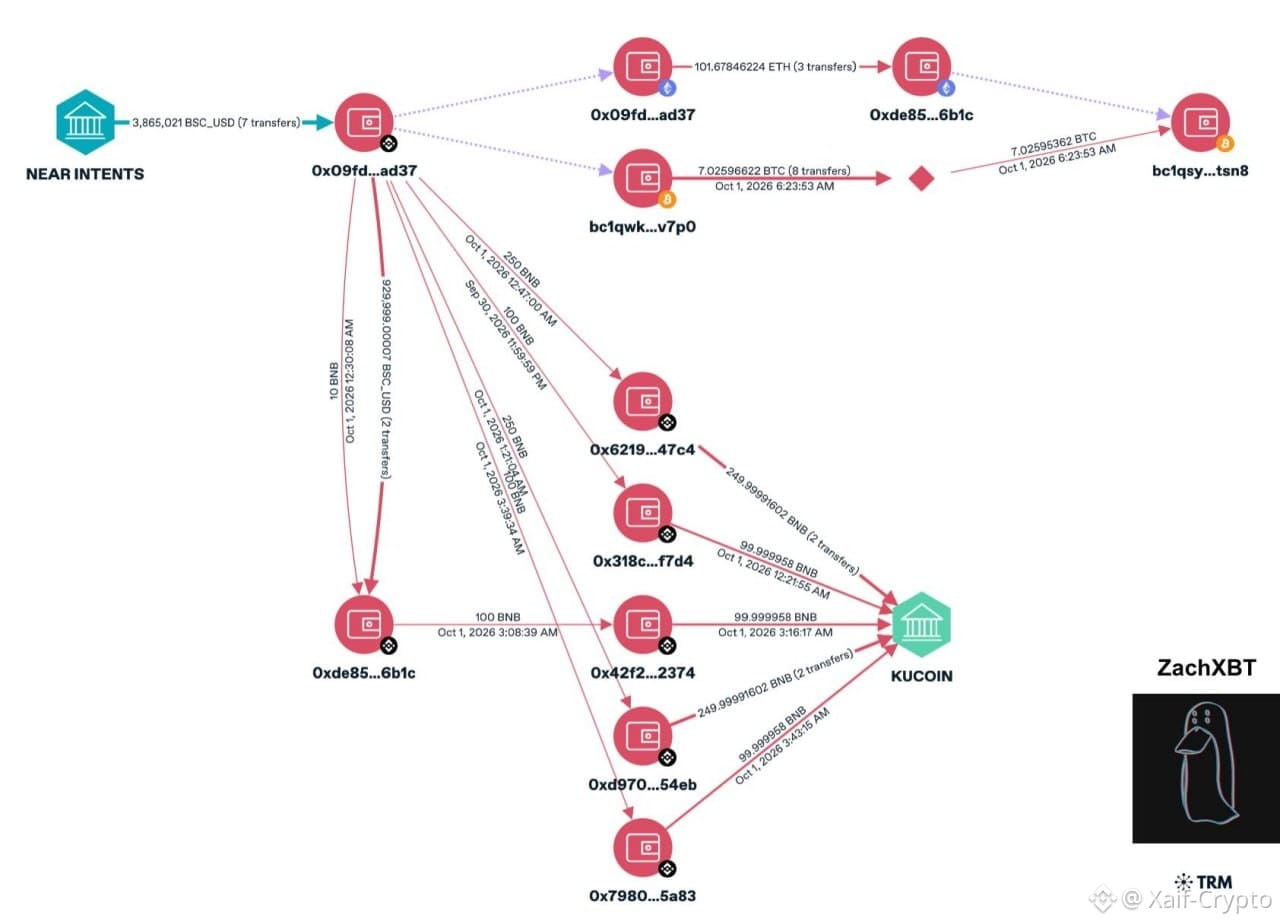
NEAR Intents was exploited for over $3.8 million, with the stolen funds transferred to KuCoin and then bridged to Bitcoin. This incident highlights the ongoing risk of cross‑chain attacks and the importance of robust security measures for institutional custodians.
$BTC
NEAR Intents was exploited for over $3.8 million, with the stolen funds transferred to KuCoin and then bridged to Bitcoin. This incident highlights the ongoing risk of cross‑chain attacks and the importance of robust security measures for institutional custodians.
$BTC
$BTC
369
·
--
BTC trades at $83,696, ETH at $2,692, BNB at $768, and SOL at $117, with total market cap near $2.88 trillion and 24‑hour volume $100.6 billion, indicating a stable but active market. The Greed index at 74 and $212 million in 24‑hour liquidations suggest a cautious but optimistic sentiment among traders.
$BTC
BTC trades at $83,696, ETH at $2,692, BNB at $768, and SOL at $117, with total market cap near $2.88 trillion and 24‑hour volume $100.6 billion, indicating a stable but active market. The Greed index at 74 and $212 million in 24‑hour liquidations suggest a cautious but optimistic sentiment among traders.
$BTC
$BTC
20
·
--
Citi forecasts Bitcoin could hit $113,000 by next year, valuing the market at $2.8 trillion. This projection underscores the growing institutional confidence in Bitcoin as a potential store of value.
$BTC
Citi forecasts Bitcoin could hit $113,000 by next year, valuing the market at $2.8 trillion. This projection underscores the growing institutional confidence in Bitcoin as a potential store of value.
$BTC
$BTC
1
51
·
--
US threatens to ban exports to France and Germany unless they release emergency diesel reserves, a move that could impact European energy markets and highlight the U.S. leverage over critical fuel supplies.
US threatens to ban exports to France and Germany unless they release emergency diesel reserves, a move that could impact European energy markets and highlight the U.S. leverage over critical fuel supplies.
11
Log in to explore more content
Join global crypto users on Binance Square
⚡️ Get latest and useful information about crypto.
💬 Trusted by the world’s largest crypto exchange.
👍 Discover real insights from verified creators.
Email / Phone number
Trending Topics
EtherGains70.9%InQ3
154,199 views
1,137 Discussing
One of the best third quarters in history 💰
September closed out last night, and with it, the quarter. For the quarter, BTC is up 42%—the second-best Q3 on record. ETH had a record-breaking Q3 overall, up 70%.
Looking at the chart, things are still looking good: we’re holding support, but we’re testing it more and more often. Plus, ETF momentum is weakening — inflows are gradually declining, and yesterday saw outflows for the first time in a long while.
Yes, historically, October has been a good month for crypto — it’s not called “Uptober” for nothing. But it’s also one of the most volatile months. Last year, for example, we managed to hit a new all-time high (ATH) and experience a flash crash.
🚀 High Accuracy Trades.
$BTC
$ETH
$SOL
#EtherGains70.9%InQ3 #DollarIndexHitsHighestSinceMay2025 #CFTCSubmitsTwoEventContractRulesToWhiteHouse #MicronBeatsEarningsLiftsGuidance
Knowledge is Power
·0 Likes
·232 views
TreasuryLetsStatesFileStablecoinCertificationsEarly
8,441 views
82 Discussing
US10YearYieldNears5.3%
150,699 views
1,130 Discussing