

Thomas Reid Dr
10.5k Posts

Thomas Reid Dr
 Square Verified+
Report
Block User
@ThomasReidBtc X address
Occasional Trader
3 Years
27.7K+ Following
37.7K+ Followers
11.7K+ Liked
Posts
All
Quotes
Videos
Live
·
--
Bullish
The $BTC Analysis
{spot}(BTCUSDT)
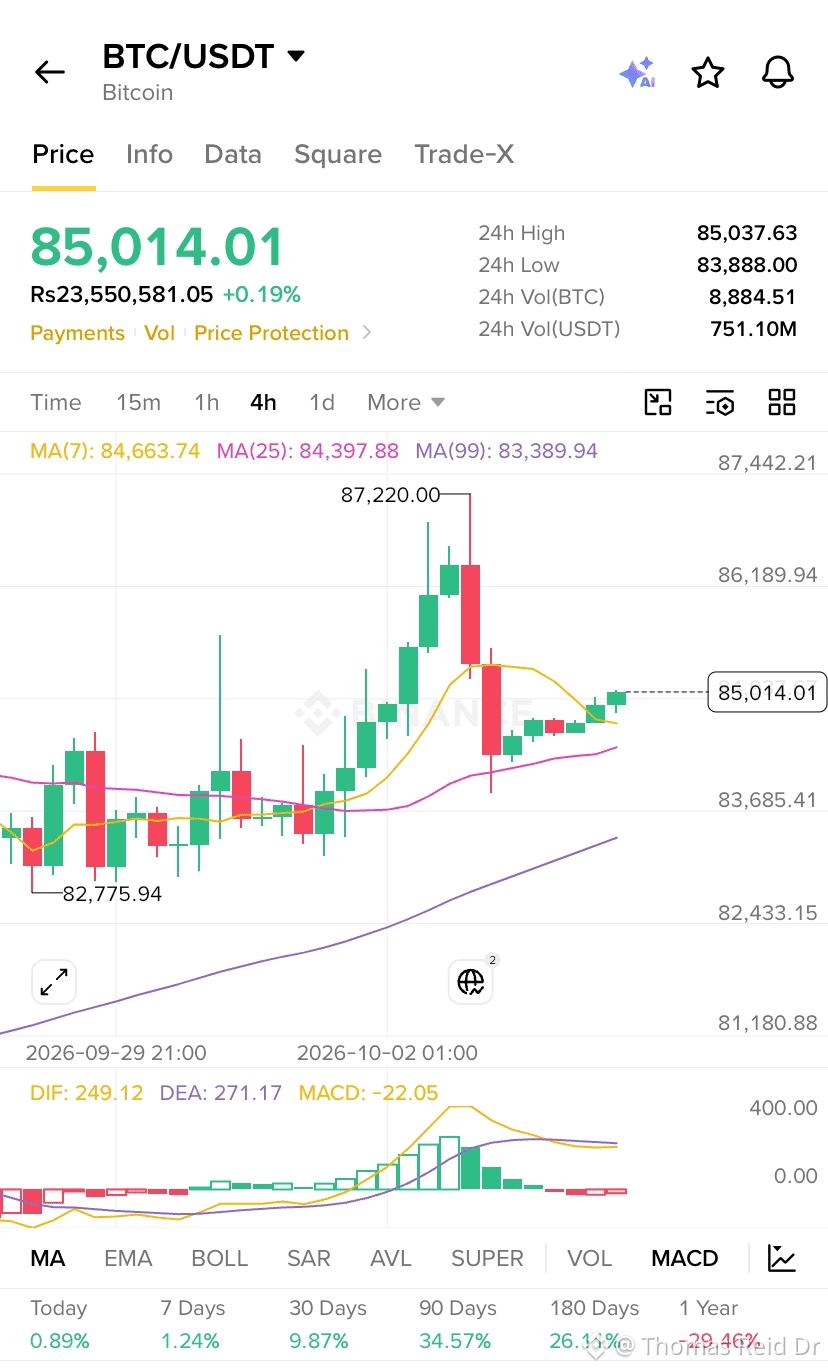
#bitcoin holding $85k after $87,220 rejection, above MAs, MACD slightly negative, momentum cooling, but uptrend intact, watching $83,888 support strongly.
Stay Tuned
The $BTC Analysis
#bitcoin holding $85k after $87,220 rejection, above MAs, MACD slightly negative, momentum cooling, but uptrend intact, watching $83,888 support strongly.
Stay Tuned
#bitcoin holding $85k after $87,220 rejection, above MAs, MACD slightly negative, momentum cooling, but uptrend intact, watching $83,888 support strongly.
Stay Tuned
92
·
--
Bullish
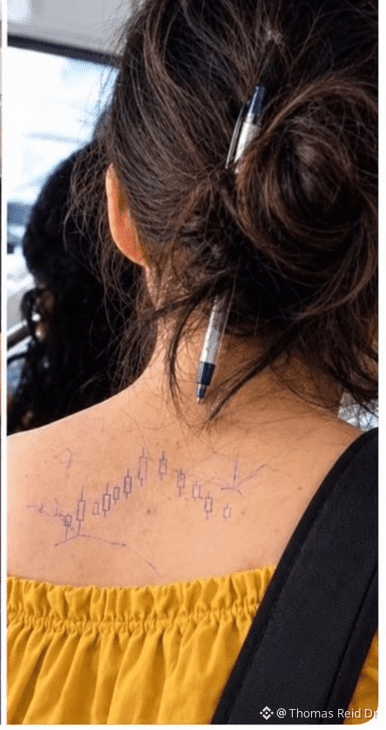
How is my trade of interest is going on ?
Let me show you $BTC
{spot}(BTCUSDT)
How is my trade of interest is going on ?
Let me show you $BTC
Let me show you $BTC
1
202
·
--
Bullish
The $NVDA STORY
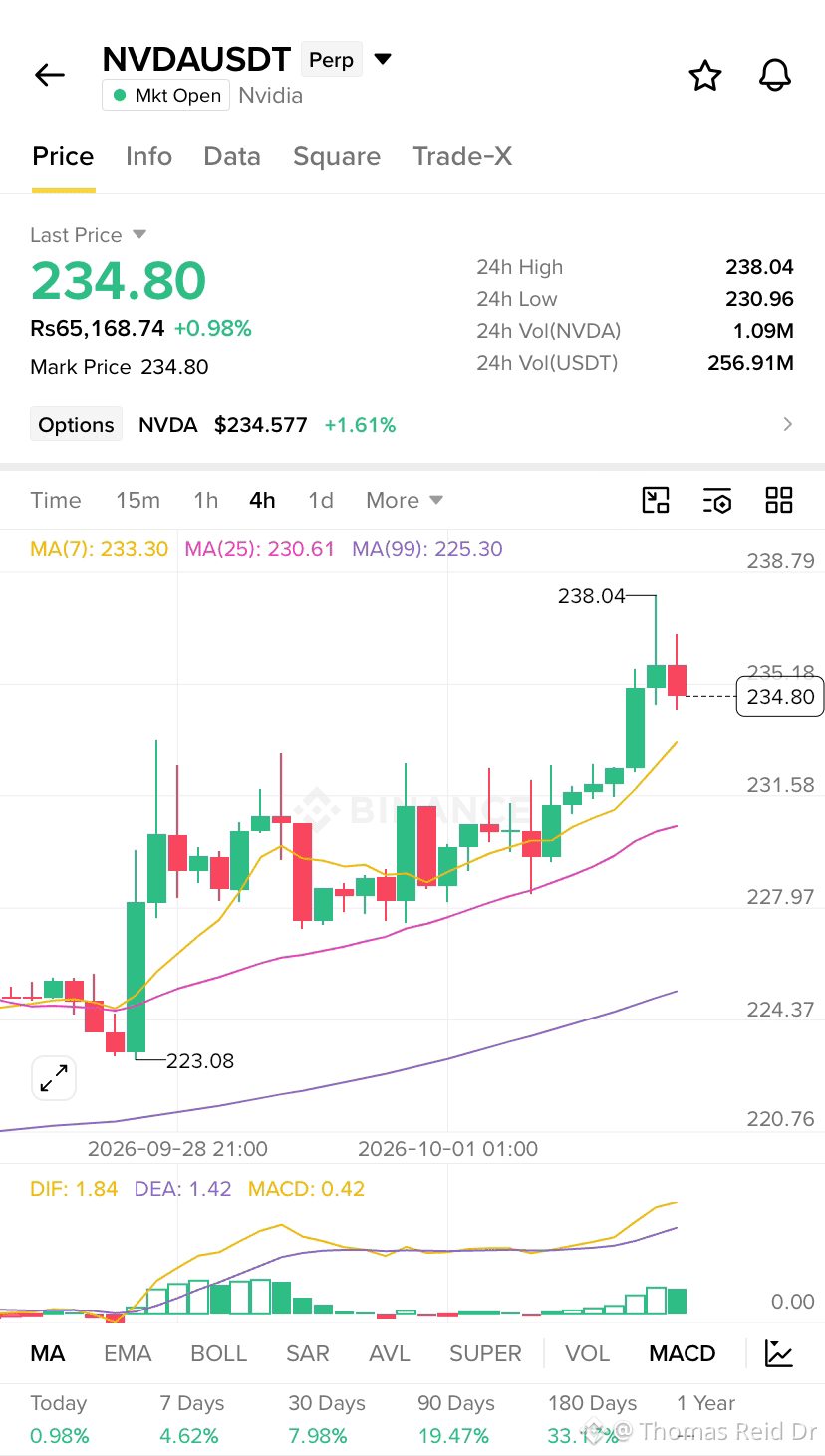
NVDA at 234.80 up 0.98%, near 24h high $238.04 low 230.96. Above MA7 $233.30, MA25 $230.61, MA99 $225.30, strong uptrend. MACD 0.42 bullish, DIF 1.84 above DEA 1.42. Rally from $223.08 low, but rejection at $238.04 signals short term pullback
The $NVDA STORY
NVDA at 234.80 up 0.98%, near 24h high $238.04 low 230.96. Above MA7 $233.30, MA25 $230.61, MA99 $225.30, strong uptrend. MACD 0.42 bullish, DIF 1.84 above DEA 1.42. Rally from $223.08 low, but rejection at $238.04 signals short term pullback
NVDA at 234.80 up 0.98%, near 24h high $238.04 low 230.96. Above MA7 $233.30, MA25 $230.61, MA99 $225.30, strong uptrend. MACD 0.42 bullish, DIF 1.84 above DEA 1.42. Rally from $223.08 low, but rejection at $238.04 signals short term pullback
120
·
--
Bullish
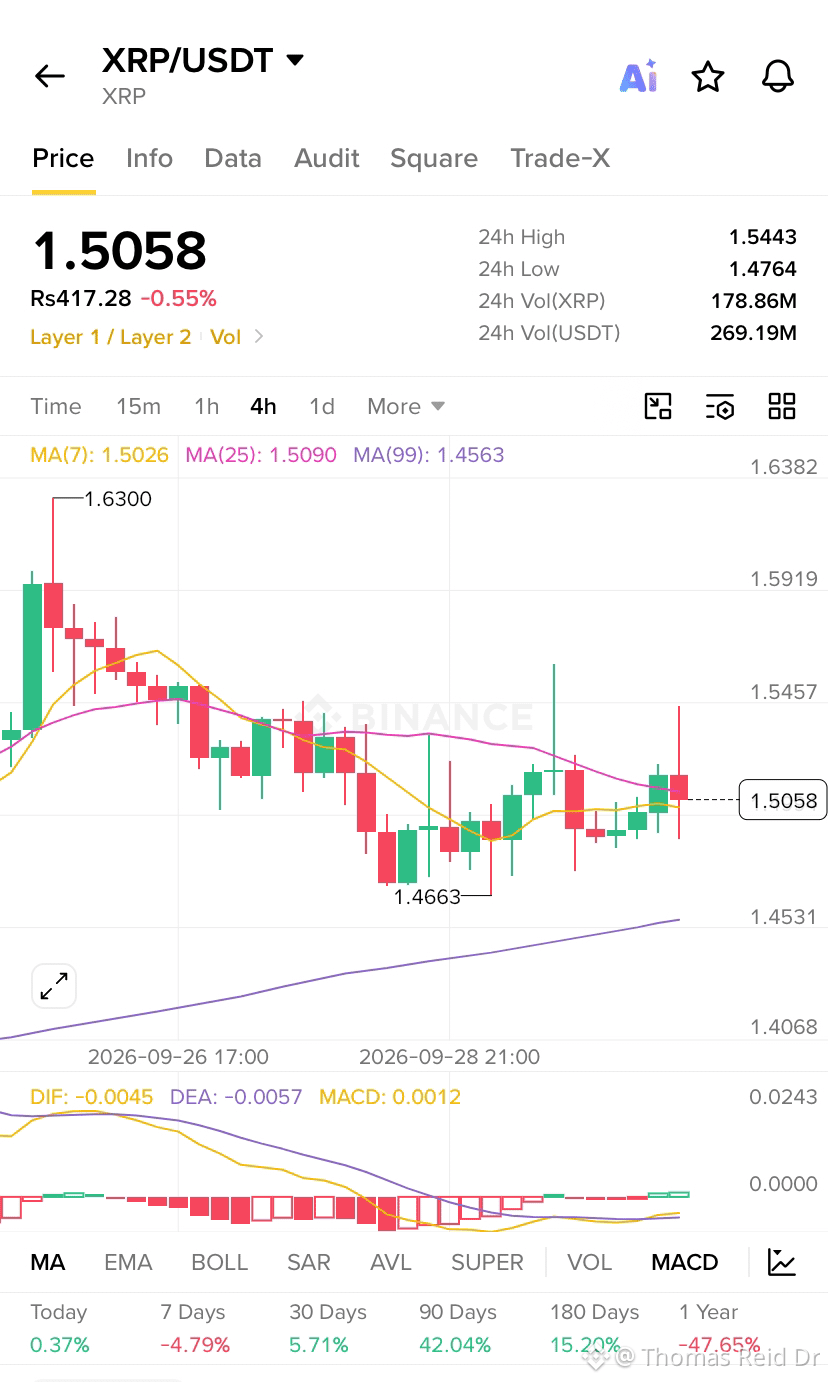
The $XRP at 1.5058 down 0.55%, range 1.4764-1.5443 after 1.63 peak, low 1.4663. Above MA7 1.5026, below MA25 1.5090, above MA99 1.4563. MACD 0.0012 slightly bullish, DIF above DEA, sideways recovery.
{spot}(XRPUSDT)
The $XRP at 1.5058 down 0.55%, range 1.4764-1.5443 after 1.63 peak, low 1.4663. Above MA7 1.5026, below MA25 1.5090, above MA99 1.4563. MACD 0.0012 slightly bullish, DIF above DEA, sideways recovery.
1
75
·
--
Bullish
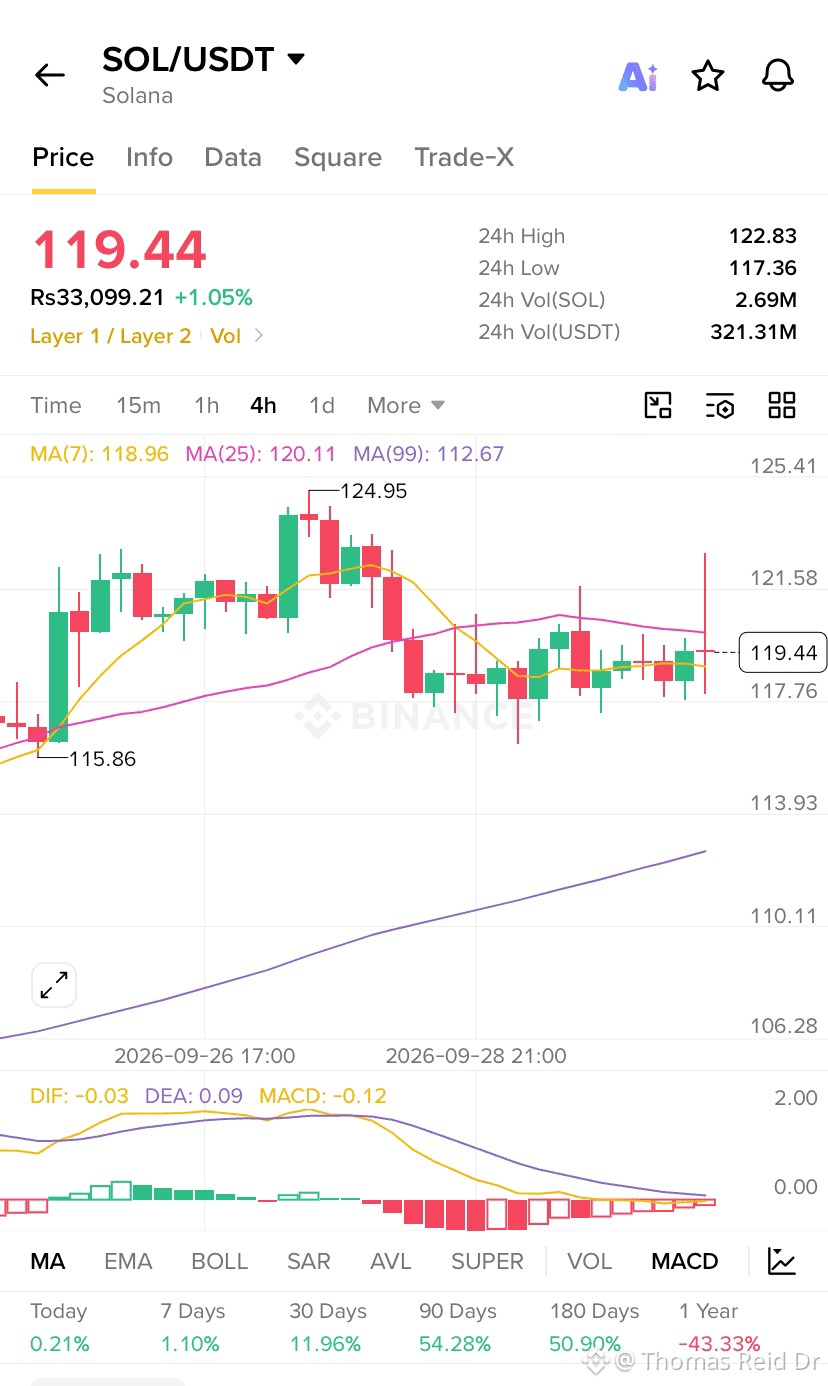
The $SOL at 119.44 up 1.05%, range 117.36-122.83 after 124.95 peak. Near MA7 118.96, below MA25 120.11, above MA99 112.67. MACD -0.12 bearish, DIF below DEA, consolidation sideways with weak momentum.
{spot}(SOLUSDT)
The $SOL at 119.44 up 1.05%, range 117.36-122.83 after 124.95 peak. Near MA7 118.96, below MA25 120.11, above MA99 112.67. MACD -0.12 bearish, DIF below DEA, consolidation sideways with weak momentum.
1
100
·
--
Bullish
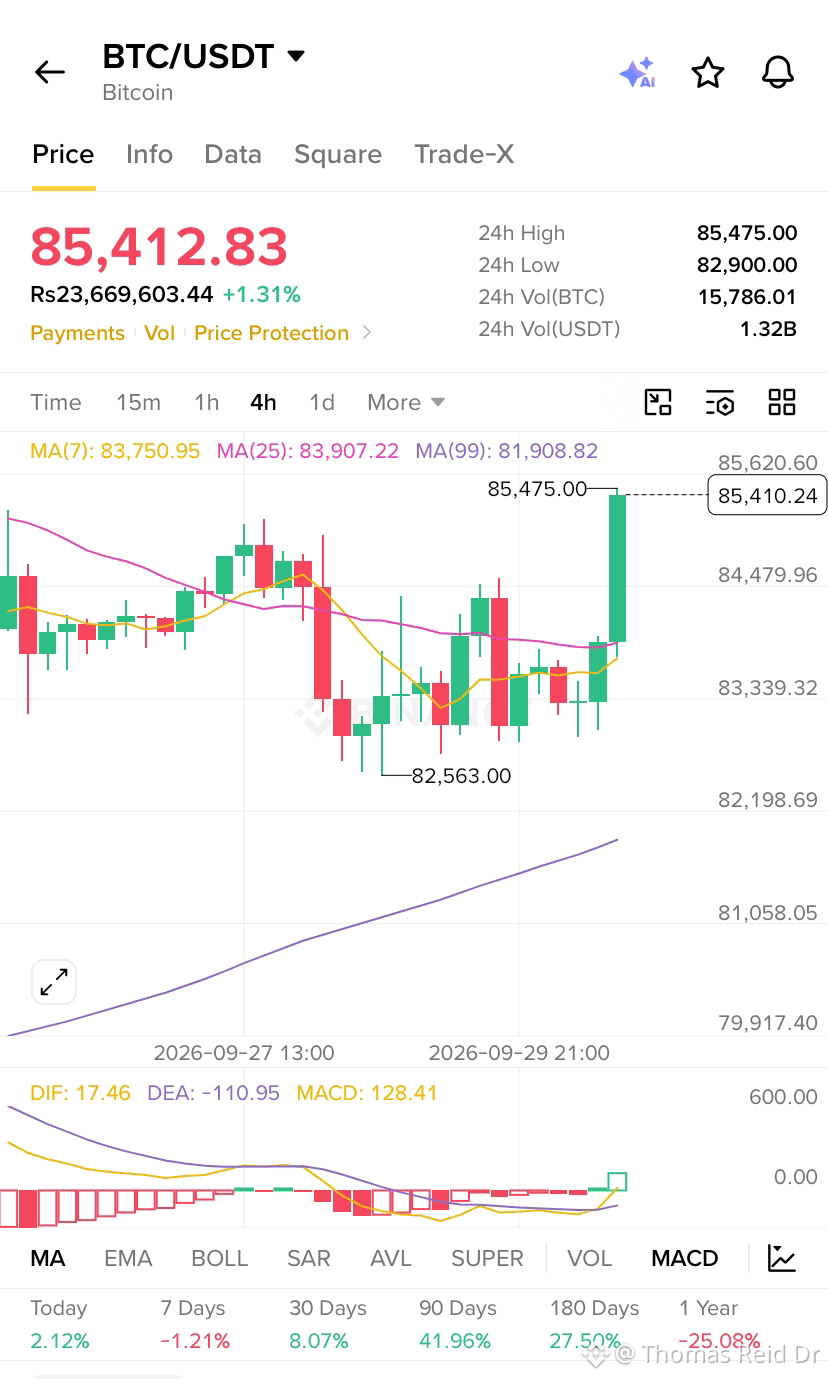
The $BTC at 85412.83 up 1.31% breaking to 85475 high, range 82900-85475. Crossed above MA7 83750 and MA25 83907, above MA99 81908. MACD 128.41 bullish crossover, DIF above DEA, strong reversal.
{spot}(BTCUSDT)
The $BTC at 85412.83 up 1.31% breaking to 85475 high, range 82900-85475. Crossed above MA7 83750 and MA25 83907, above MA99 81908. MACD 128.41 bullish crossover, DIF above DEA, strong reversal.
1
142
·
--
Bullish
The LATEST: ⚡️ #SharpLink CEO Joseph Chalom told The Rollup future onchain transaction values won't be "measured in trillions" but in "hundreds of trillions."
The LATEST: ⚡️ #SharpLink CEO Joseph Chalom told The Rollup future onchain transaction values won't be "measured in trillions" but in "hundreds of trillions."


1
117
·
--
Bullish
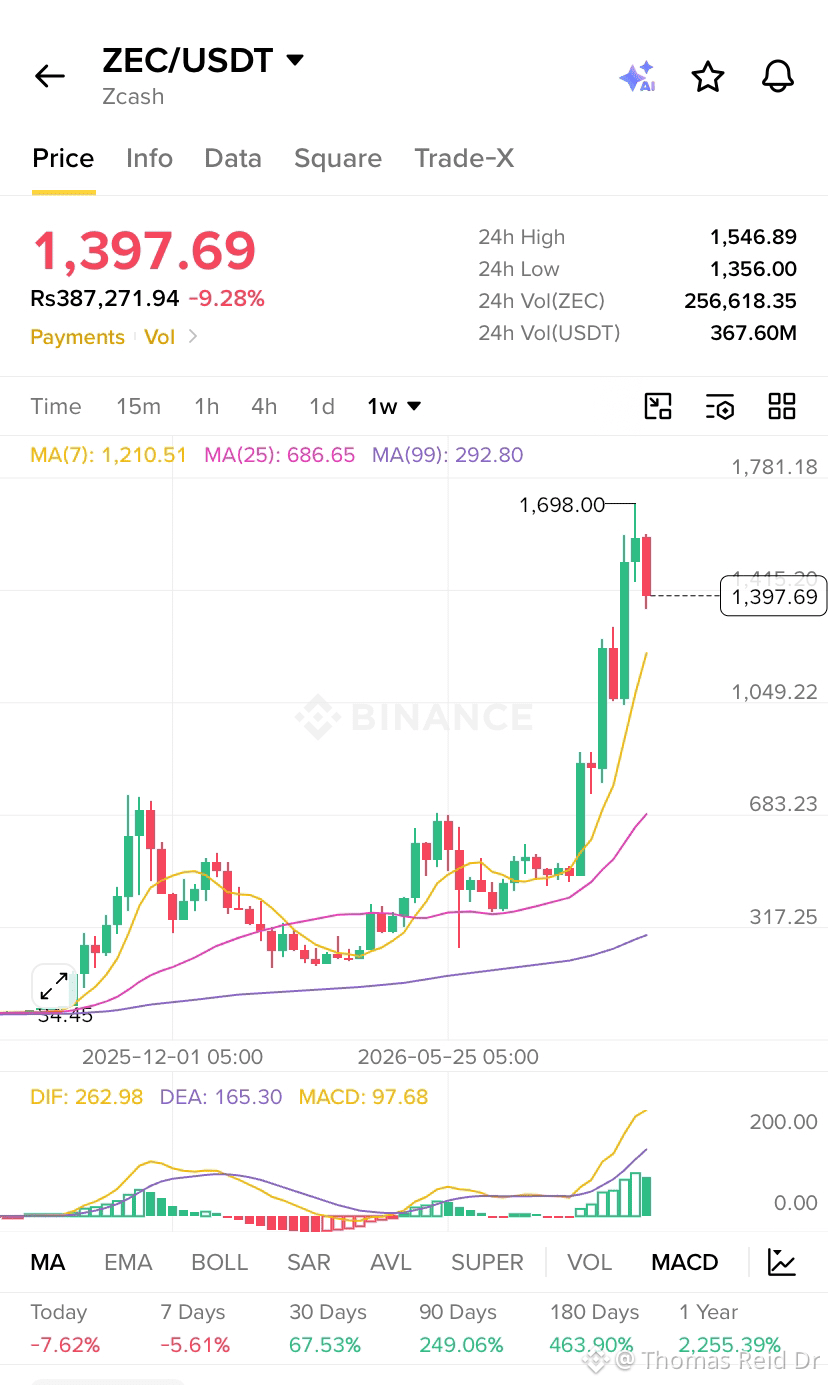
My favourite $ZEC is trading at a$1397.69 down 9.28% after 1698 peak, range $1356-$1546.89. Holds above MA7 $1210, MA25 $686, MA99 $292. MACD $97.68 bullish, DIF above DEA. Parabolic uptrend, short-term correction, highly overextended.
Stay Tuned
My favourite $ZEC is trading at a$1397.69 down 9.28% after 1698 peak, range $1356-$1546.89. Holds above MA7 $1210, MA25 $686, MA99 $292. MACD $97.68 bullish, DIF above DEA. Parabolic uptrend, short-term correction, highly overextended.
Stay Tuned
Stay Tuned
8
1
4
367
·
--
Bullish
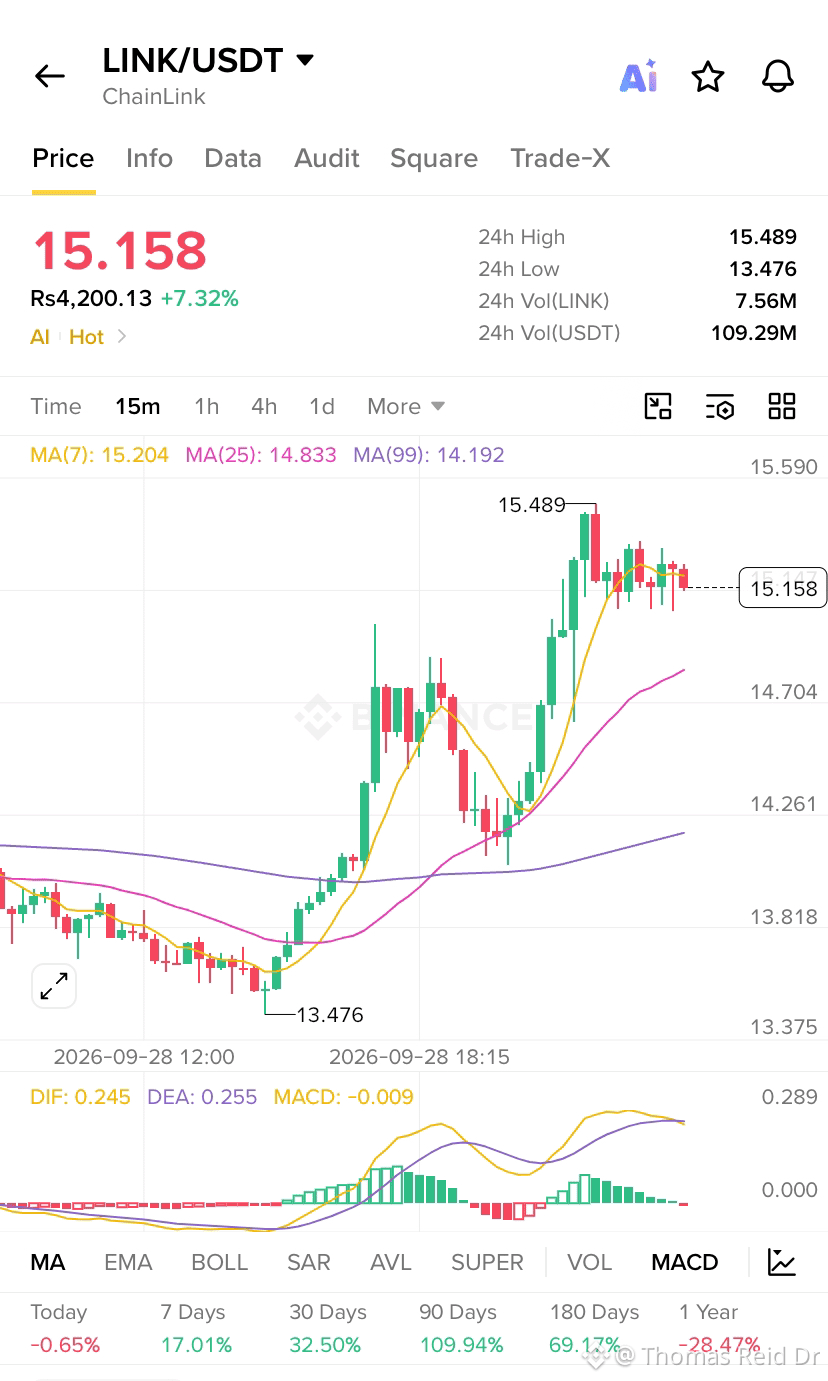
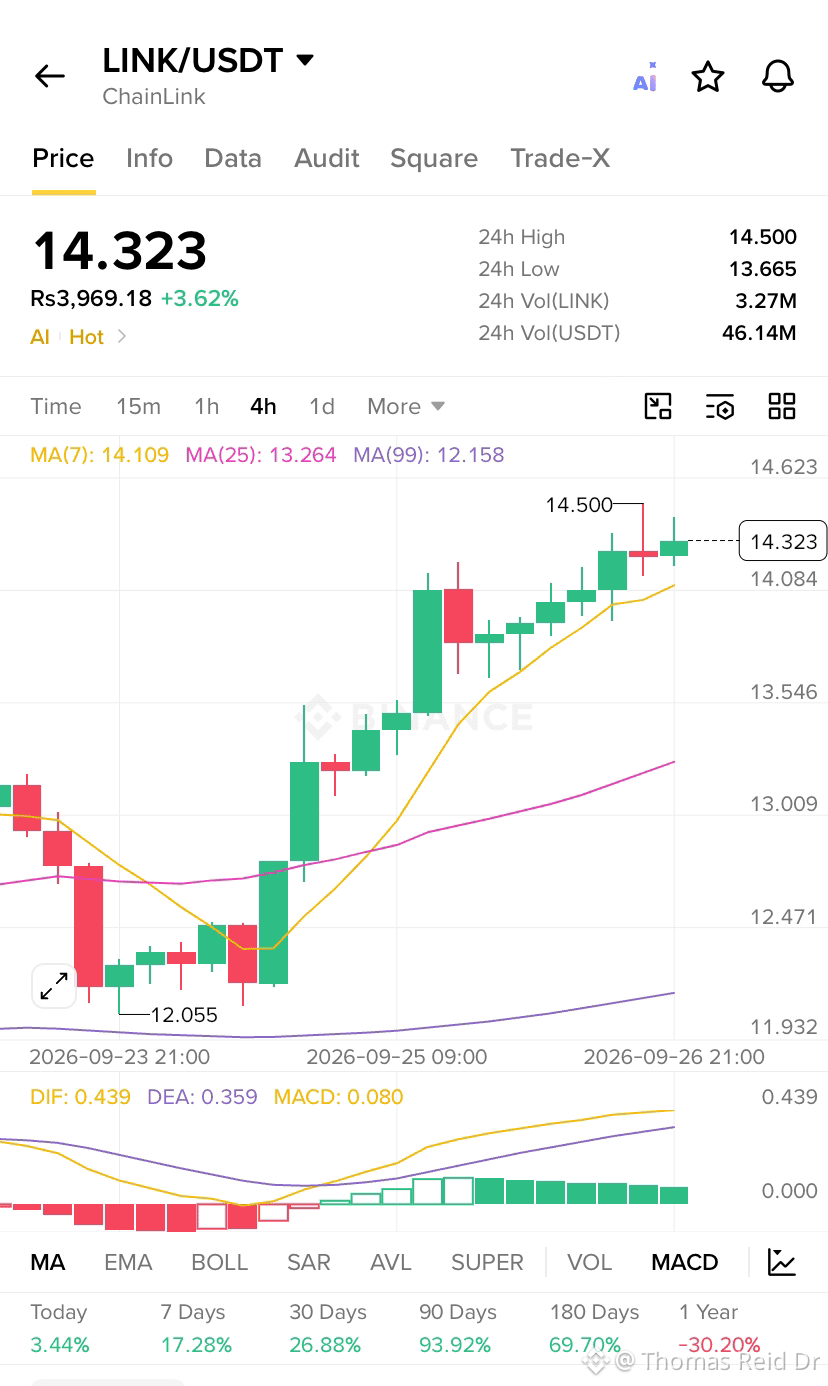
The $LINK
{spot}(LINKUSDT)
Is establishing bullish momentum
Stay Tuned
The $LINK
Is establishing bullish momentum
Stay Tuned
Is establishing bullish momentum
Stay Tuned
2
184
🎙️ Welcome to visit the Tangbao Live Room—come chat with us and explore the Web3 wealth password

End
03 h 35 m 37 s
4.2k
43
74
·
--
Bullish
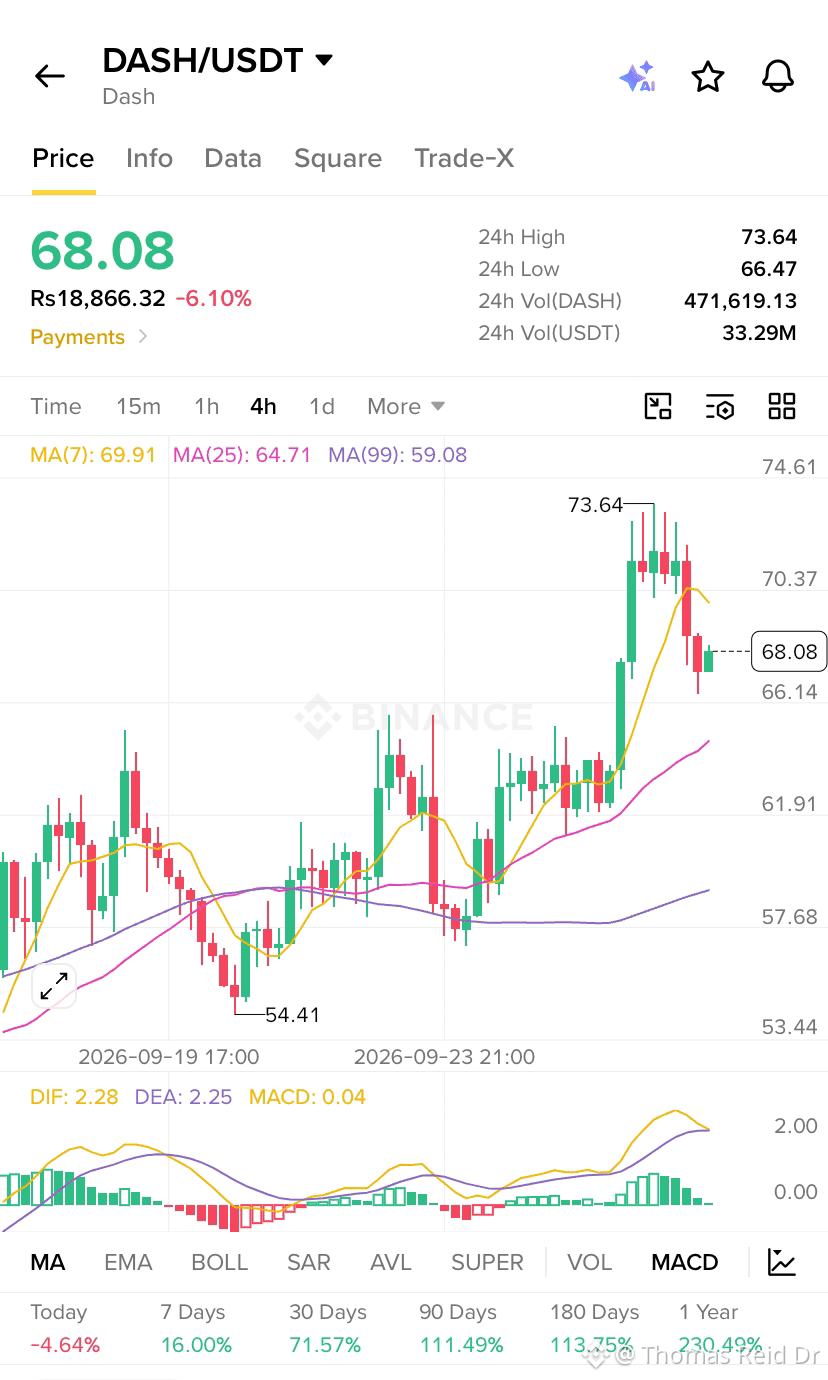
The $DASH at $68.08 down 6.10% after hitting $73.64 high, range $66.47-$73.64. Below MA7 $69.91 but above MA25 $64.71 and MA99 $59.08, MACD 0.04 bullish but fading, pullback healthy in uptrend.
{spot}(DASHUSDT)
The $DASH at $68.08 down 6.10% after hitting $73.64 high, range $66.47-$73.64. Below MA7 $69.91 but above MA25 $64.71 and MA99 $59.08, MACD 0.04 bullish but fading, pullback healthy in uptrend.
1
114
·
--
Bullish
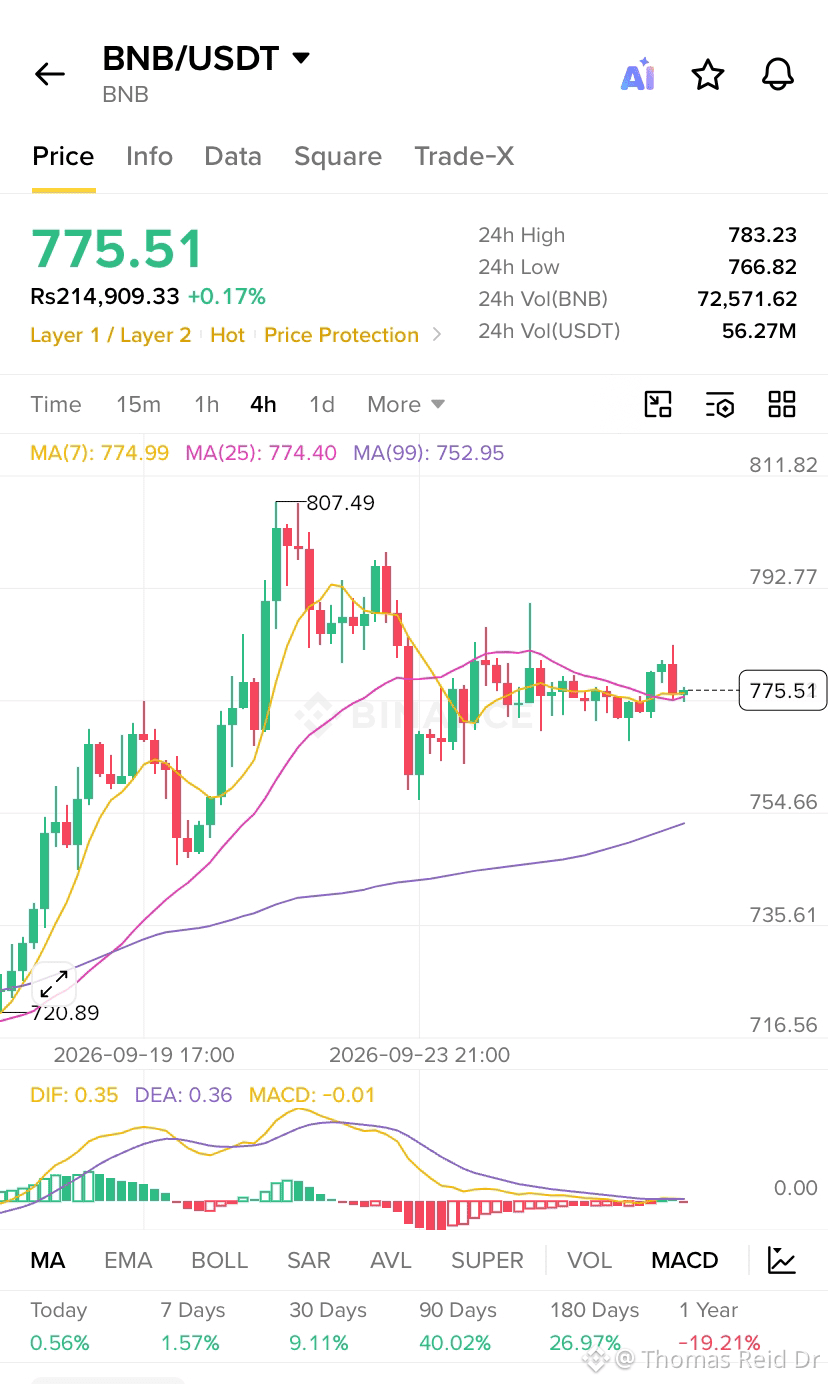
The $BNB at $775.51 up 0.17% range $766.82-$783.23 near $807.49 top. Holding just above MA7 774.99 and MA25 774.40 well above MA99 $752.95. MACD -0.01 flat, consolidation, bullish momentum needs break above $783.23.
The $BNB at $775.51 up 0.17% range $766.82-$783.23 near $807.49 top. Holding just above MA7 774.99 and MA25 774.40 well above MA99 $752.95. MACD -0.01 flat, consolidation, bullish momentum needs break above $783.23.
1
192
·
--
Bullish
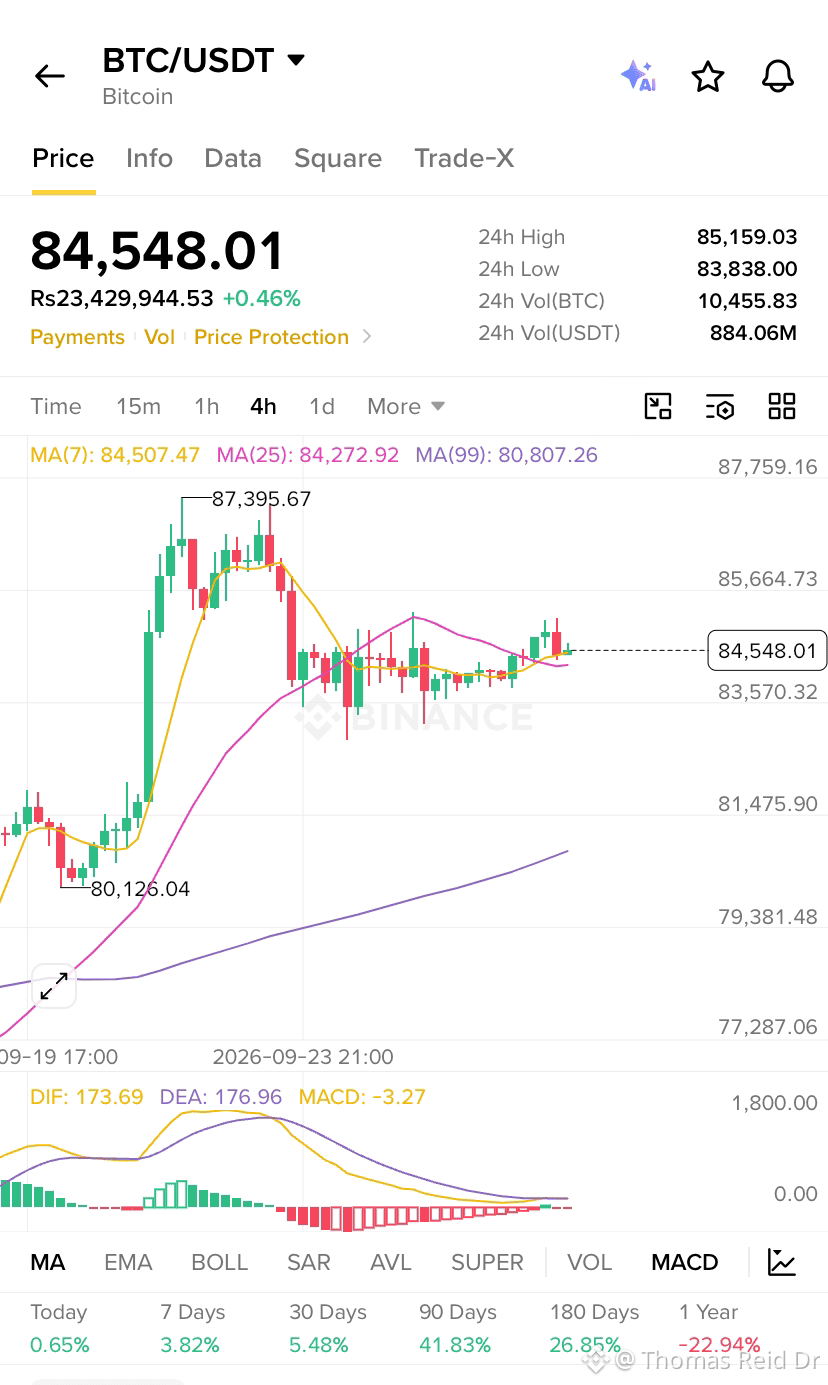
The $BTC at $84,548, up 0.46%, between $83,838-$85,159 after rebound from $80,126 low to $87,395 high. Holding above MA7 and MA25, MACD -3.27 near crossover. Consolidation, bullish if holds above $84,500.
The $BTC at $84,548, up 0.46%, between $83,838-$85,159 after rebound from $80,126 low to $87,395 high. Holding above MA7 and MA25, MACD -3.27 near crossover. Consolidation, bullish if holds above $84,500.
2
143
·
--
Bullish
The $LINK Analysis
{spot}(LINKUSDT)
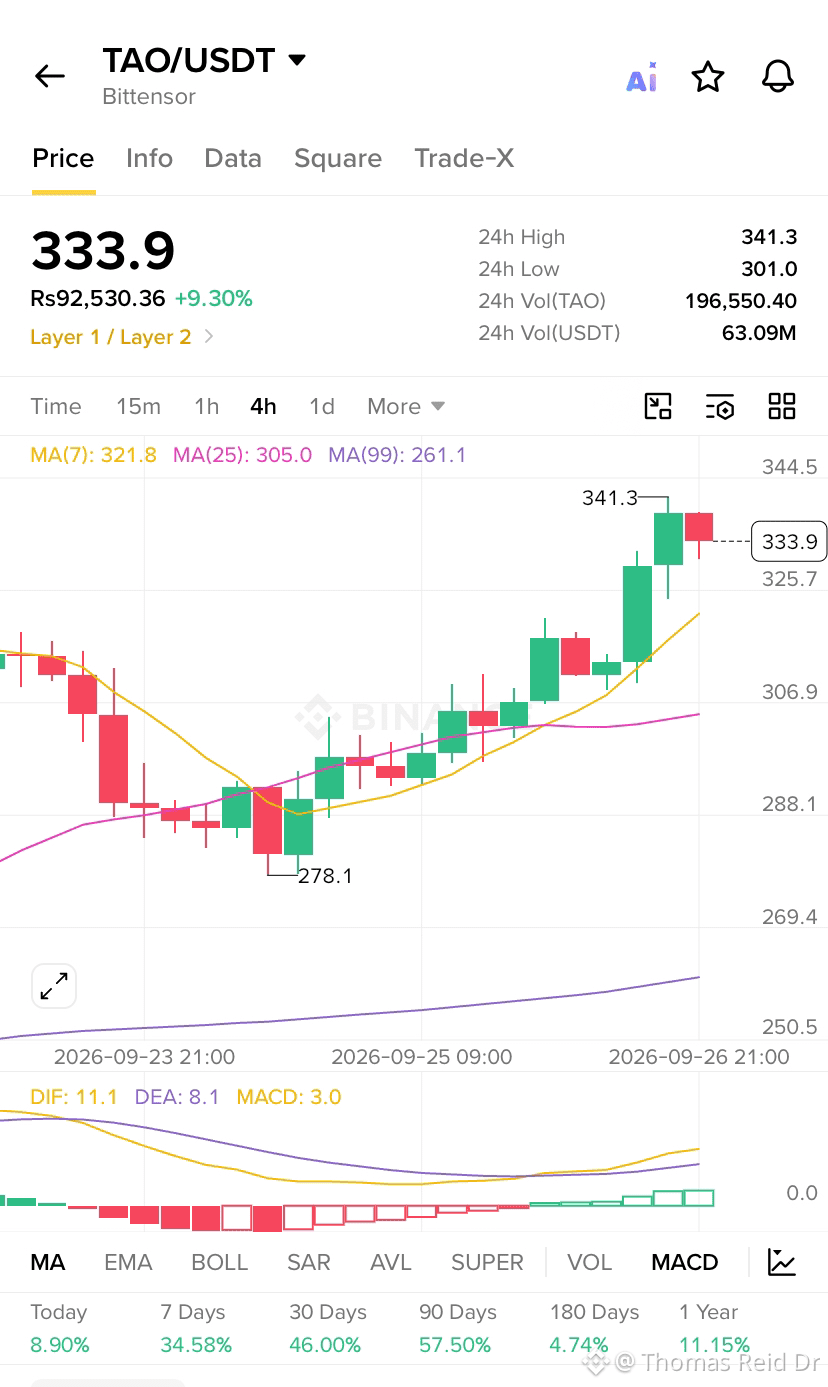
TAO at $333.9, up 9.30%, ranging $301-$341.3, strong rally from $278.1 low. Above all MAs, MACD positive 3.0 bullish crossover. Uptrend intact, pullback to $321.8 MA7 likely healthy for continuation.
The $LINK Analysis
TAO at $333.9, up 9.30%, ranging $301-$341.3, strong rally from $278.1 low. Above all MAs, MACD positive 3.0 bullish crossover. Uptrend intact, pullback to $321.8 MA7 likely healthy for continuation.
TAO at $333.9, up 9.30%, ranging $301-$341.3, strong rally from $278.1 low. Above all MAs, MACD positive 3.0 bullish crossover. Uptrend intact, pullback to $321.8 MA7 likely healthy for continuation.
138
·
--
Bullish
The $TAO ANALYSIS
{spot}(TAOUSDT)
TAO at $333.9, up 9.30%, ranging $301-$341.3, strong rally from $278.1 low. Above all MAs, MACD positive 3.0 bullish crossover. Uptrend intact, pullback to $321.8 MA7 likely healthy for continuation.
The $TAO ANALYSIS
TAO at $333.9, up 9.30%, ranging $301-$341.3, strong rally from $278.1 low. Above all MAs, MACD positive 3.0 bullish crossover. Uptrend intact, pullback to $321.8 MA7 likely healthy for continuation.
TAO at $333.9, up 9.30%, ranging $301-$341.3, strong rally from $278.1 low. Above all MAs, MACD positive 3.0 bullish crossover. Uptrend intact, pullback to $321.8 MA7 likely healthy for continuation.
140
·
--
Bullish
The $BNB Analysis
{spot}(BNBUSDT)
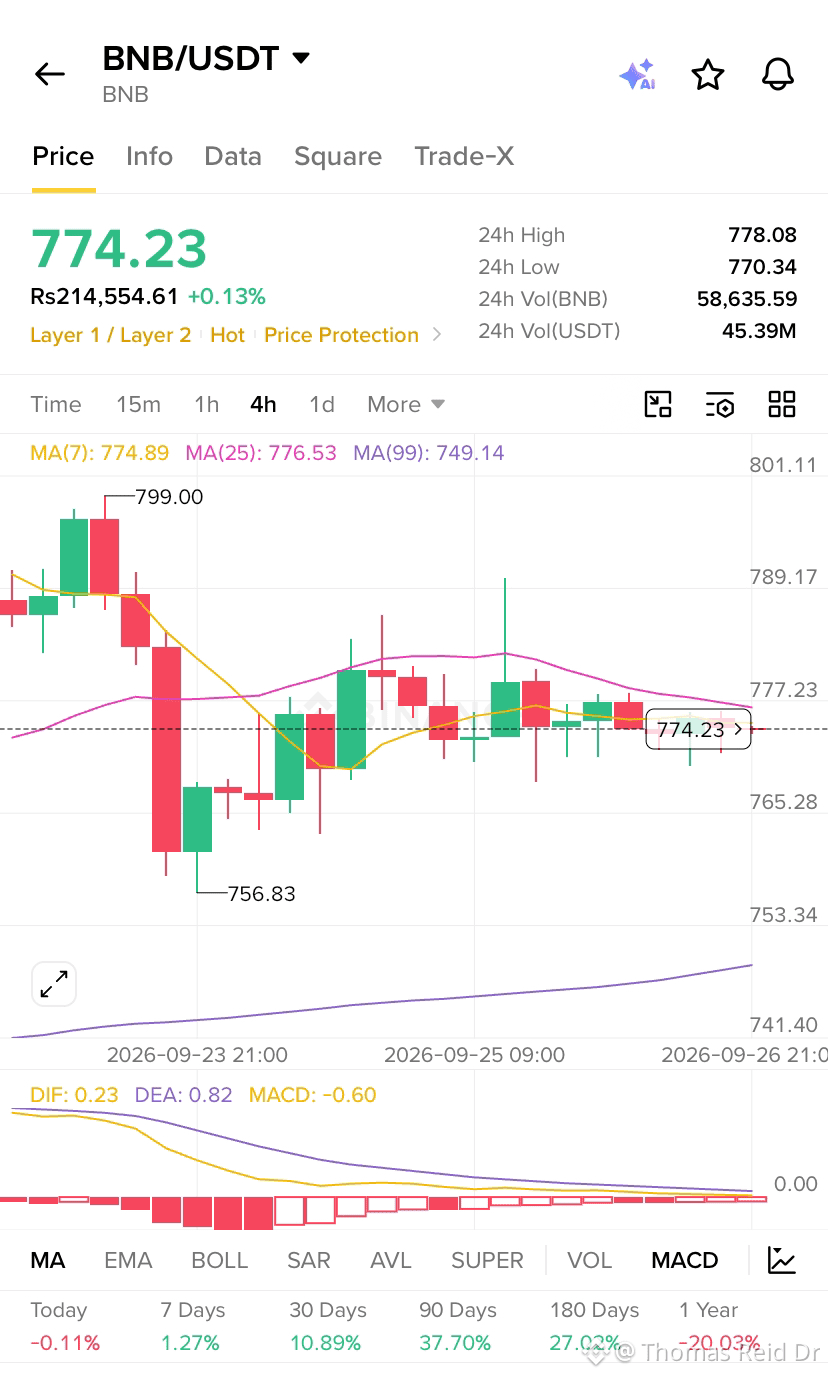
BNB at $774.23, up 0.13%, ranging $770.34-$778.08, recovering from $756.83 low after $799 top. Below MA7 and MA25, MACD negative but flattening. Consolidation phase, needs break above $776.53 for momentum.
The $BNB Analysis
BNB at $774.23, up 0.13%, ranging $770.34-$778.08, recovering from $756.83 low after $799 top. Below MA7 and MA25, MACD negative but flattening. Consolidation phase, needs break above $776.53 for momentum.
BNB at $774.23, up 0.13%, ranging $770.34-$778.08, recovering from $756.83 low after $799 top. Below MA7 and MA25, MACD negative but flattening. Consolidation phase, needs break above $776.53 for momentum.
88
·
--
Bullish
130
·
--
Bullish
The $BTC Analysis
{spot}(BTCUSDT)
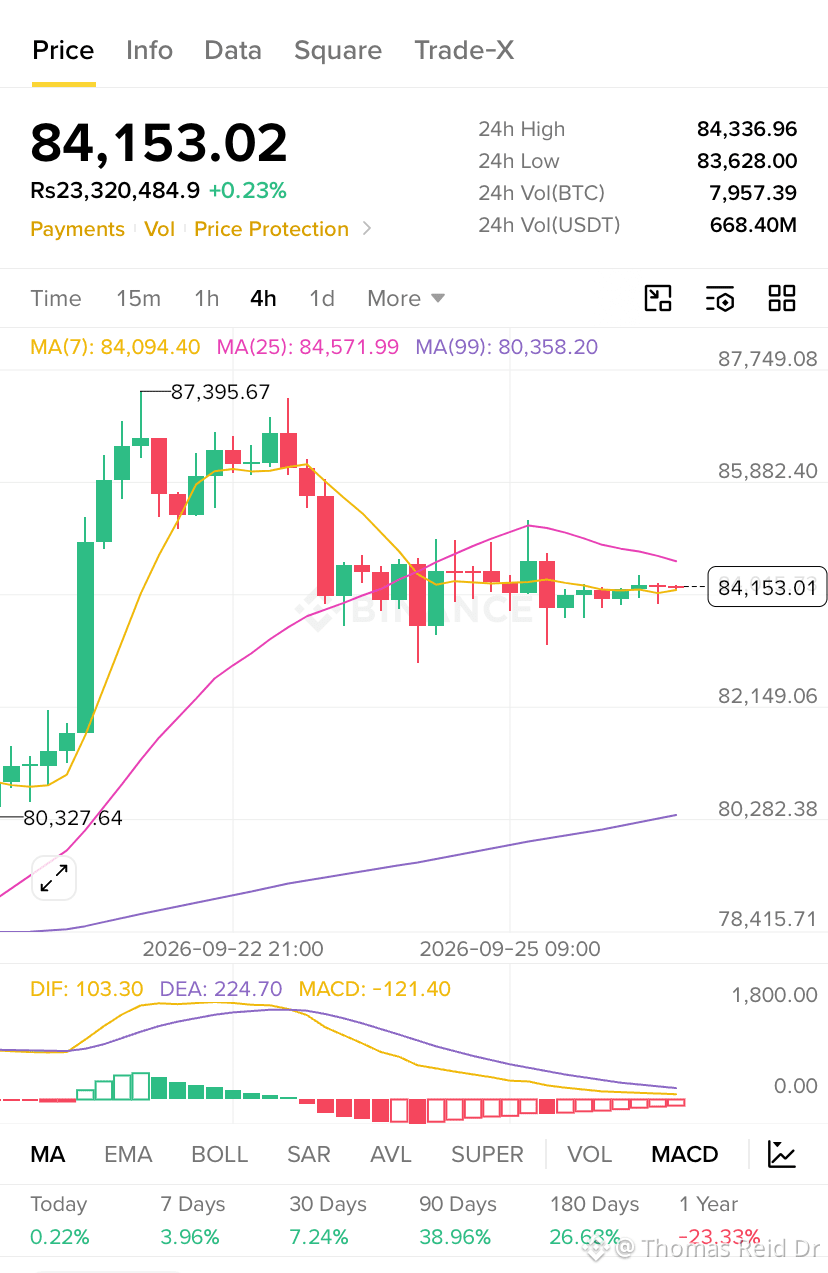
BTC at 84,153, up 0.23%, trading between 83,628-84,336. Above MA7, below MA25, MACD negative but histogram improving. Sideways consolidation after correction, bullish attempt needs break above 84,571 for momentum confirmation.
The $BTC Analysis
BTC at 84,153, up 0.23%, trading between 83,628-84,336. Above MA7, below MA25, MACD negative but histogram improving. Sideways consolidation after correction, bullish attempt needs break above 84,571 for momentum confirmation.
BTC at 84,153, up 0.23%, trading between 83,628-84,336. Above MA7, below MA25, MACD negative but histogram improving. Sideways consolidation after correction, bullish attempt needs break above 84,571 for momentum confirmation.
97
Log in to explore more content
Join global crypto users on Binance Square
⚡️ Get latest and useful information about crypto.
💬 Trusted by the world’s largest crypto exchange.
👍 Discover real insights from verified creators.
Email / Phone number
Trending Topics
SECHaltsCryptoETFReviewsAmidFundingLapse
259 views
36 Discussing
Everyone Was Waiting for the Next Crypto ETF… Then Washington Hit PAUSE 👀
This one caught my attention this morning.
The SEC has paused reviews of new crypto ETFs during the U.S. funding lapse.
Important part: this is not a rejection.
Existing ETFs keep trading.
New applications are basically stuck waiting for the SEC machinery to restart.
And reportedly 90+ applications were sitting in the pipeline as October began.
So I’m not watching this as bearish news.
I’m watching what happens when that pipeline starts moving again. 👀
Sometimes the bigger move comes after the pause, not during it.
—Master CX
$BTC $ETH
#SECHaltsCryptoETFReviewsAmidFundingLapse
Master CX
·2 Likes
·19 views
ZcashETFPostsFirstWeeklyOutflow$93.6M
52,943 views
157 Discussing
GreekPoliceBustCryptoScamRingArrest17
150,114 views
1,065 Discussing