

TF_bnb
17.1k Posts

TF_bnb
 Square Verified+
Report
Block User
Project Ambassador & Advisor | DM For Work on Binance Square
High-Frequency Trader
5.2 Years
154 Following
51.1K+ Followers
73.8K+ Liked
Posts
All
Quotes
Videos
Live
PINNED
·
--
Bullish
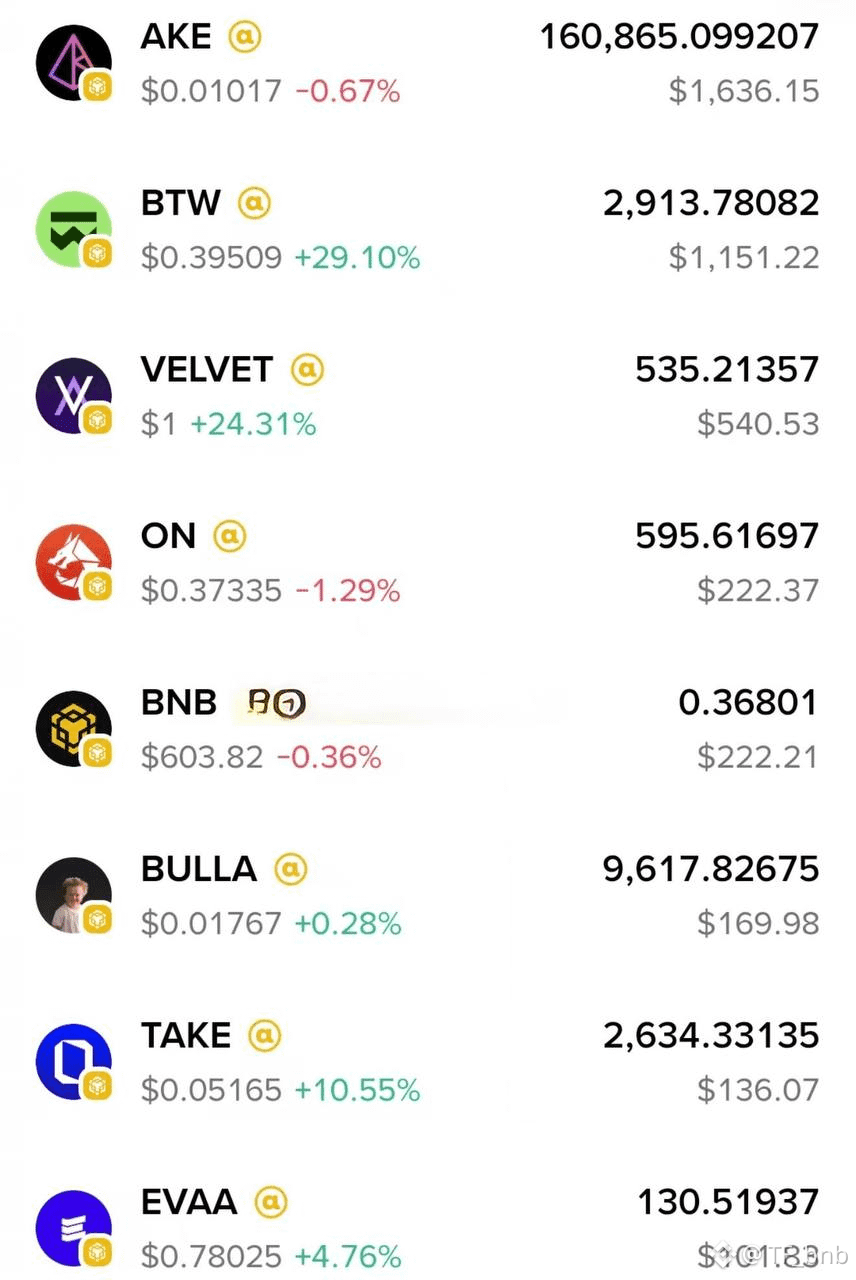
What coins are you currently holding? 👀
I’m continuing to hunt for potential plays with CZ on Binance Web3 — moving fast, tracking money flows, and catching new tokens as they launch.
Besides trading Futures, I also want to explore more opportunities in Binance Web3 : [https://web3.binance.com/](https://web3.binance.com/referral?ref=DC20NRAZ)
Next target: $50K — hopefully I can reach it sooner than expected. 🚀
My mindset is simple:
If something has the potential to make money, research it carefully, manage the risk, and look for opportunities early.
What about you?
What are you holding?
$AKE $BTW $VELVET
{future}(VELVETUSDT)
{future}(BTWUSDT)
{future}(AKEUSDT)
What coins are you currently holding? 👀
I’m continuing to hunt for potential plays with CZ on Binance Web3 — moving fast, tracking money flows, and catching new tokens as they launch.
Besides trading Futures, I also want to explore more opportunities in Binance Web3 : https://web3.binance.com/
Next target: $50K — hopefully I can reach it sooner than expected. 🚀
My mindset is simple:
If something has the potential to make money, research it carefully, manage the risk, and look for opportunities early.
What about you?
What are you holding?
$AKE $BTW $VELVET
I’m continuing to hunt for potential plays with CZ on Binance Web3 — moving fast, tracking money flows, and catching new tokens as they launch.
Besides trading Futures, I also want to explore more opportunities in Binance Web3 : https://web3.binance.com/
Next target: $50K — hopefully I can reach it sooner than expected. 🚀
My mindset is simple:
If something has the potential to make money, research it carefully, manage the risk, and look for opportunities early.
What about you?
What are you holding?
$AKE $BTW $VELVET
11
5
48
8k
PINNED
·
--
Bullish
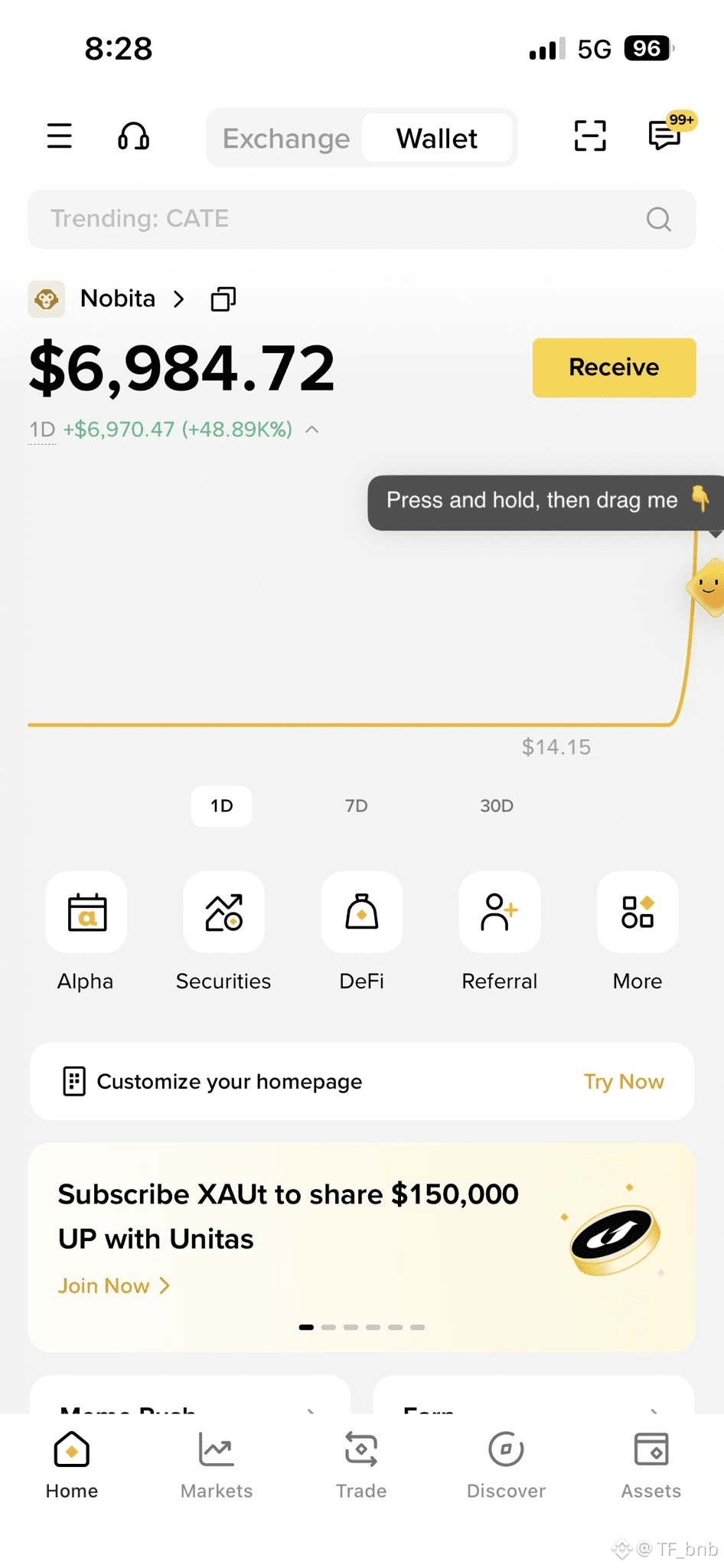
My friend randomly bought a meme coin on Binance Wallet… and ended up making an incredible profit.
Maybe it's time to quit the 9-to-5 and start hunting for the next big opportunity on Binance Wallet.
The early hunters always have the biggest advantage.
Join early and don't miss the next one : [https://web3.binance.com/](https://web3.binance.com/referral?ref=DC20NRAZ)
My friend randomly bought a meme coin on Binance Wallet… and ended up making an incredible profit.
Maybe it's time to quit the 9-to-5 and start hunting for the next big opportunity on Binance Wallet.
The early hunters always have the biggest advantage.
Join early and don't miss the next one : https://web3.binance.com/
Maybe it's time to quit the 9-to-5 and start hunting for the next big opportunity on Binance Wallet.
The early hunters always have the biggest advantage.
Join early and don't miss the next one : https://web3.binance.com/
37
4
104
38.4k
·
--
Bearish
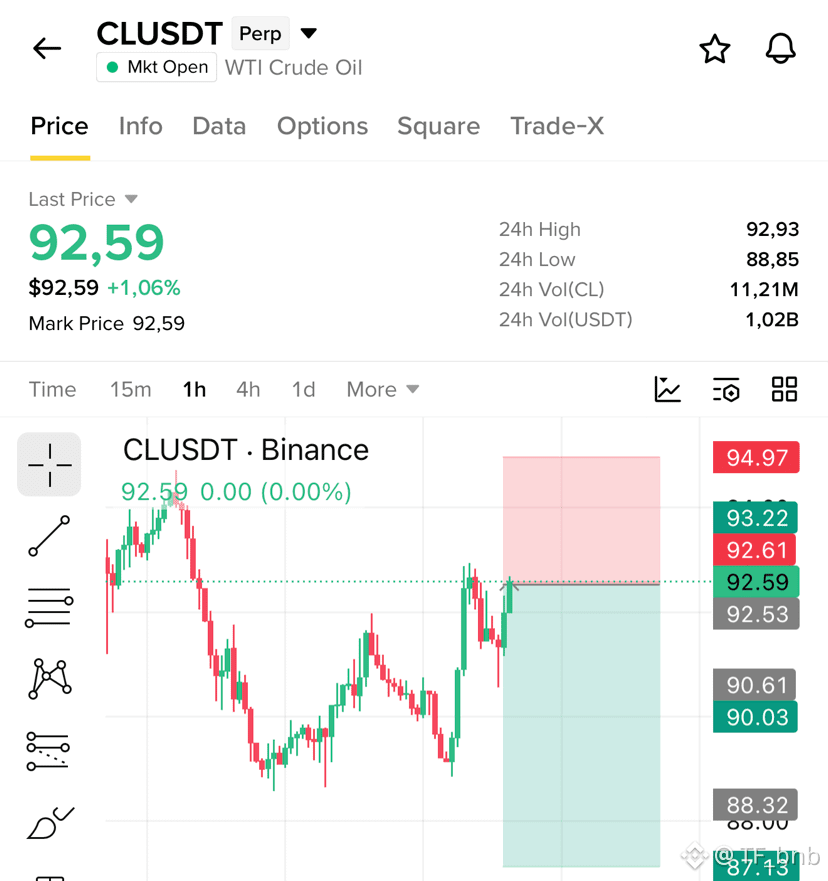
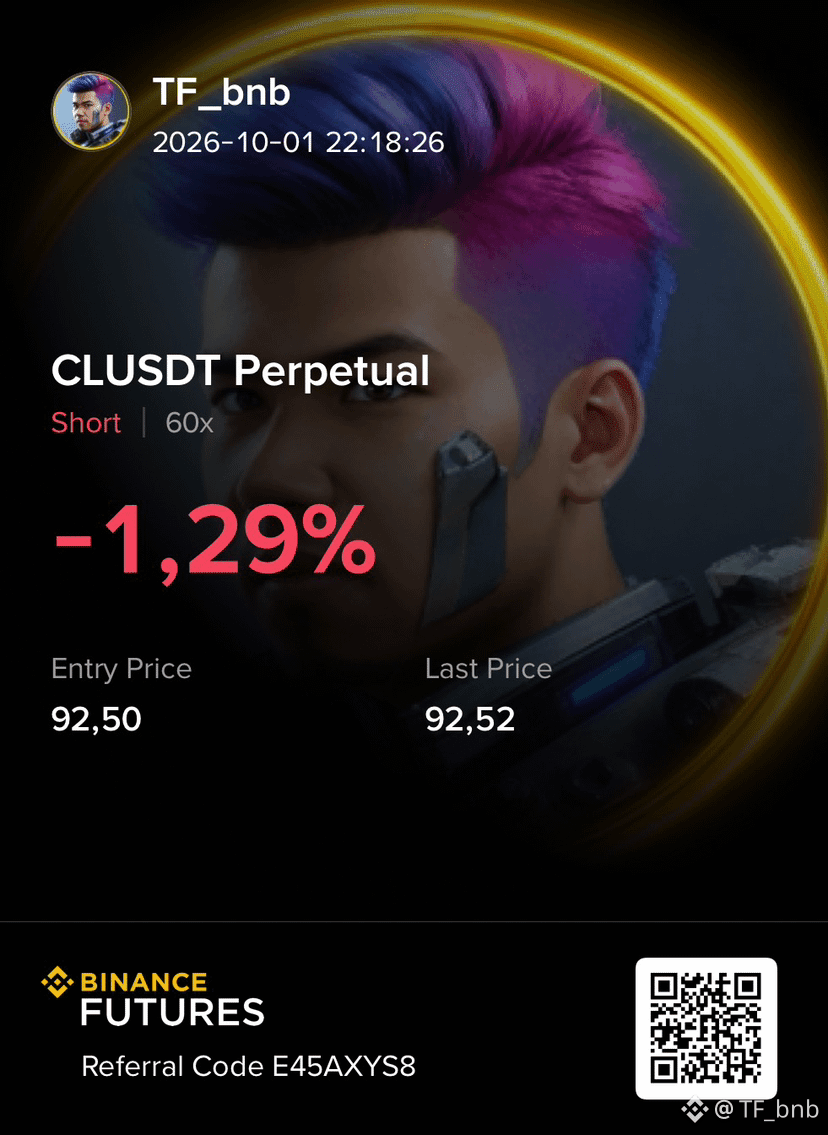
$CL setup big short again, thank me later
Stoploss : 96
Take profit : 86
Short $CL now 👇
{future}(CLUSDT)
$CL setup big short again, thank me later
Stoploss : 96
Take profit : 86
Short $CL now 👇
Stoploss : 96
Take profit : 86
Short $CL now 👇
3
1.2k
·
--
Bearish
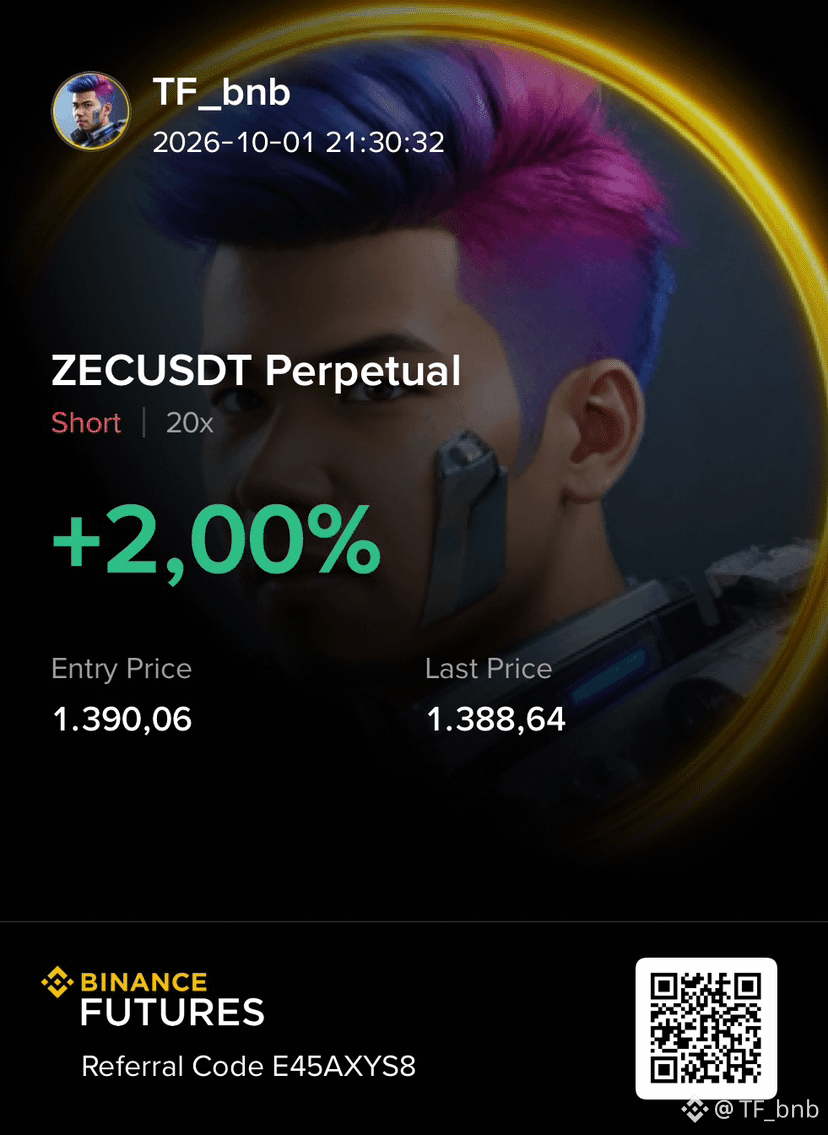
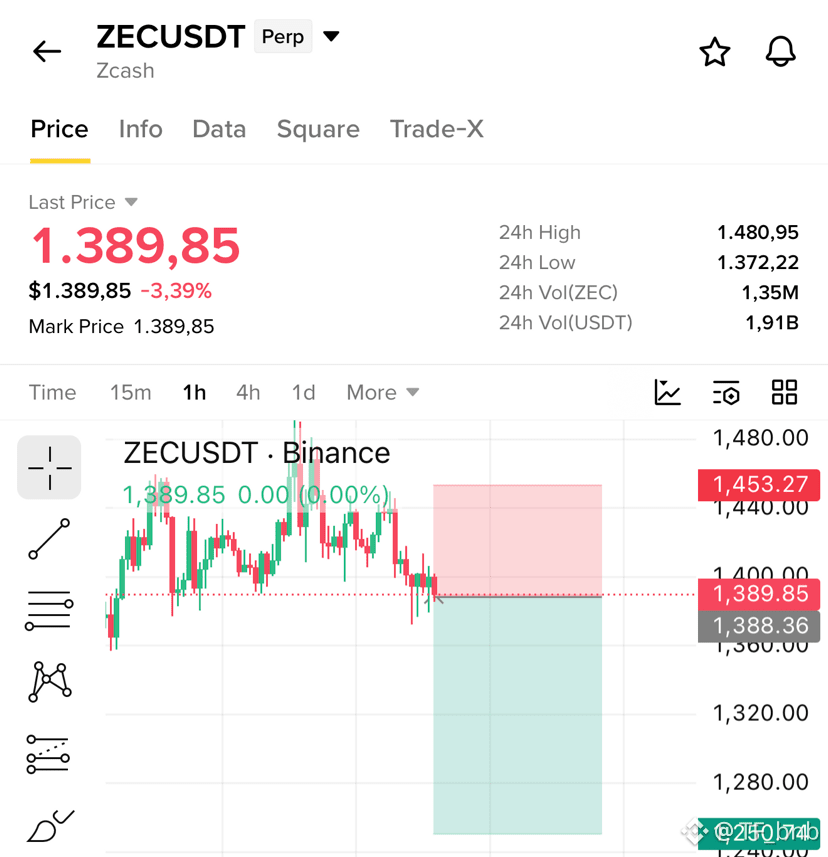
$ZEC setup big short again, thank TF later
Stoploss : 1450
Take profit : 1250
Short $ZEC now 👇
{future}(ZECUSDT)
$ZEC setup big short again, thank TF later
Stoploss : 1450
Take profit : 1250
Short $ZEC now 👇
Stoploss : 1450
Take profit : 1250
Short $ZEC now 👇
2
4
1.7k
·
--
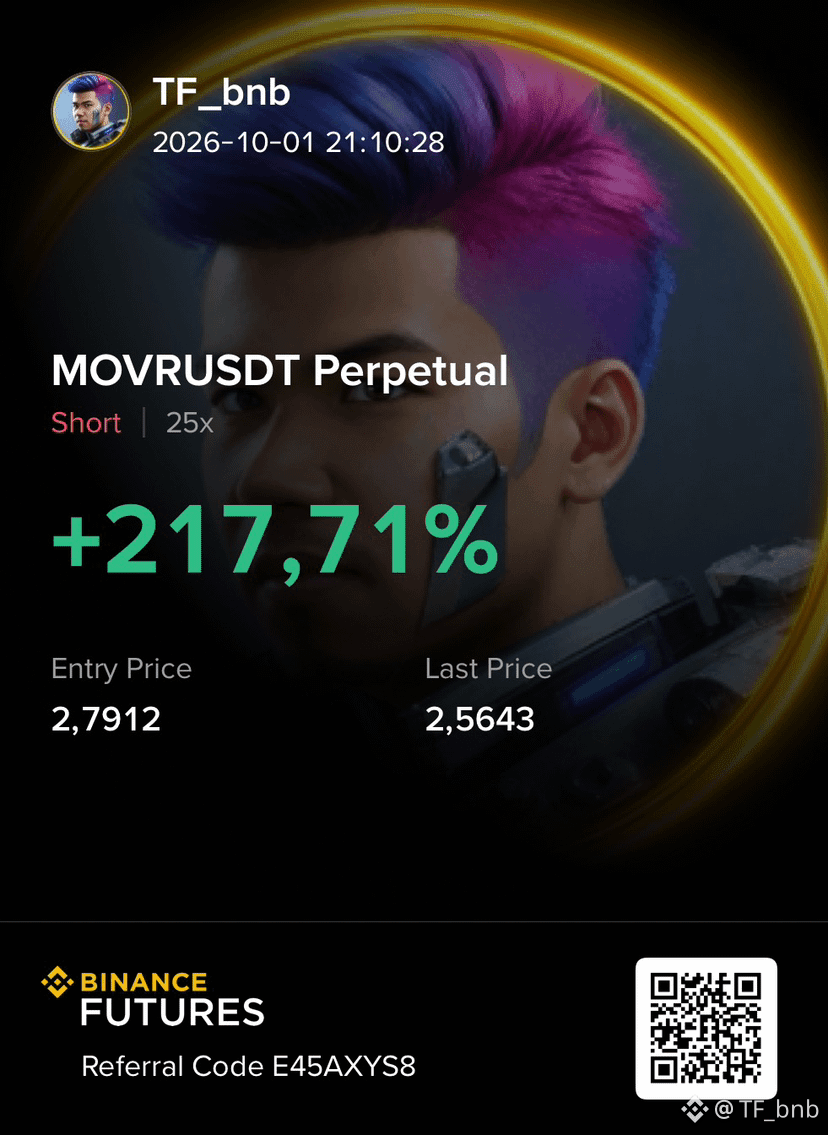
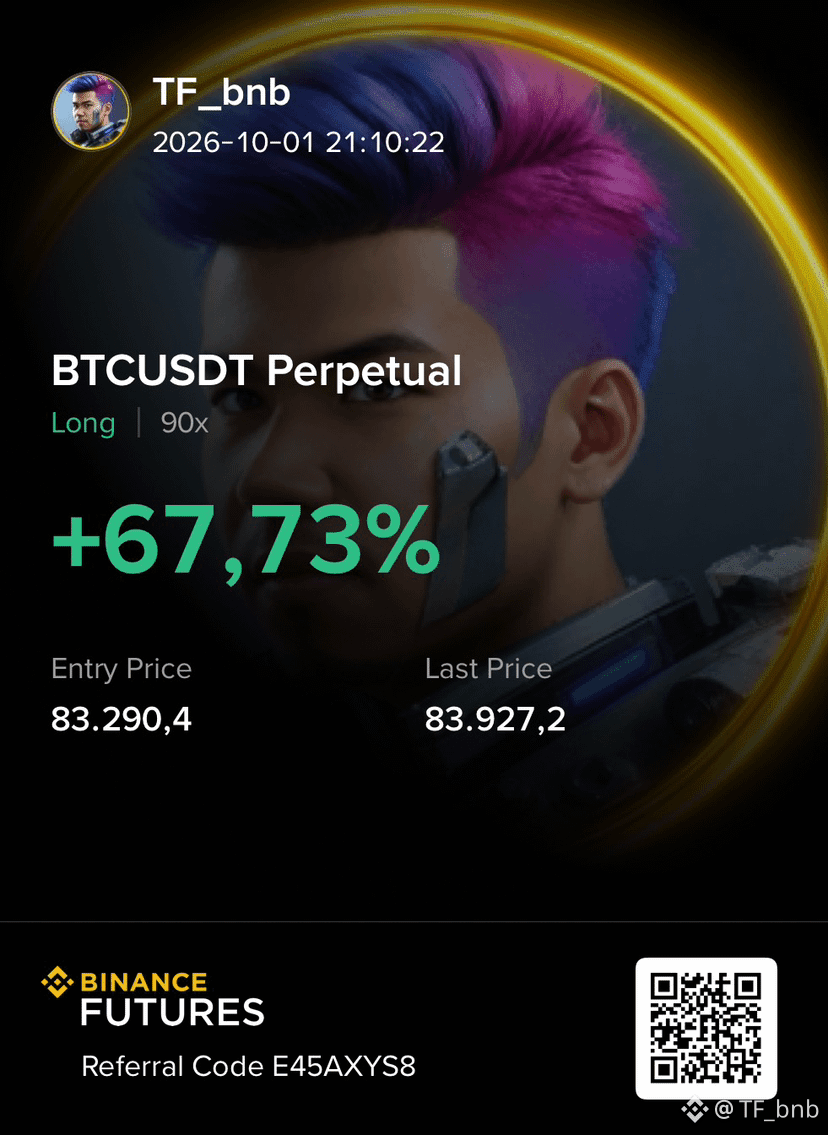
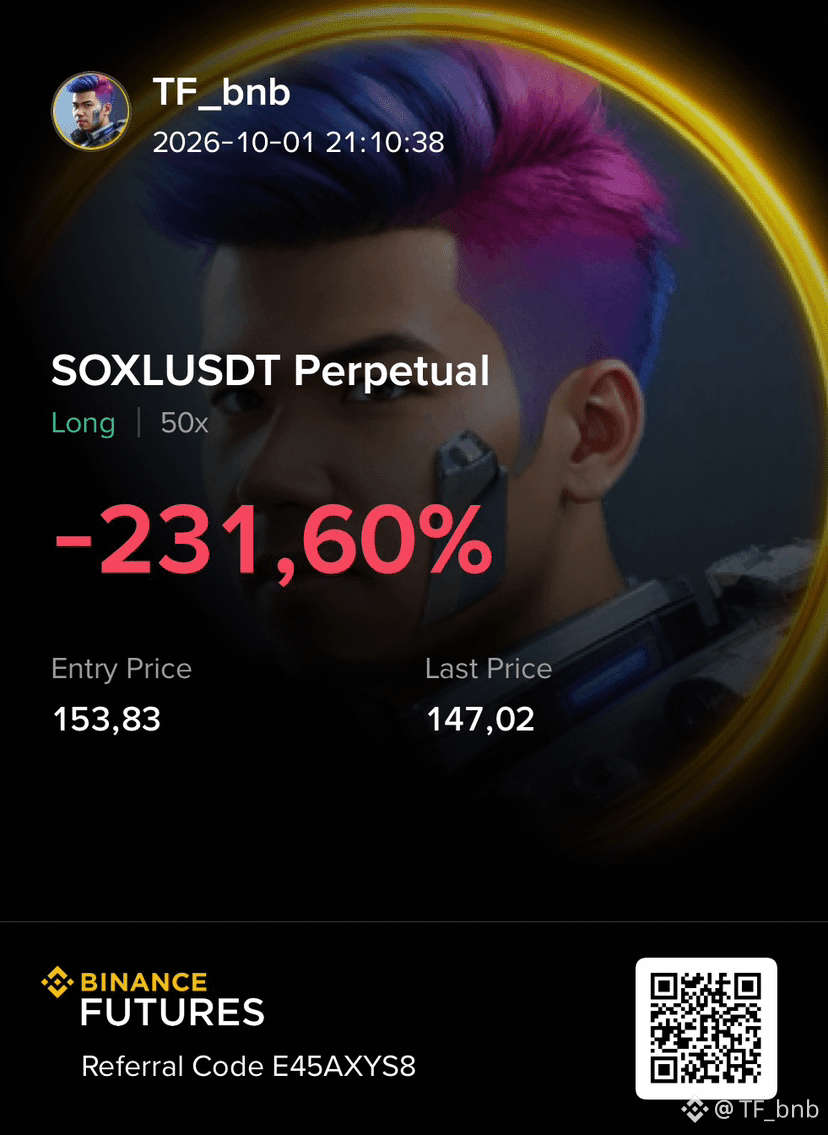
Update profit $MOVR $BTC and loss $SOXL
High winrate today
{future}(SOXLUSDT)
{future}(BTCUSDT)
{future}(MOVRUSDT)
Update profit $MOVR $BTC and loss $SOXL
High winrate today
High winrate today
TF_bnb
·
--
Bearish$MOVR listen , setup big short again, thank me soon
Stoploss : 3.2
Take profit : 1.3 - 2 - 2.5
Short $MOVR now 👇
Stoploss : 3.2
Take profit : 1.3 - 2 - 2.5
Short $MOVR now 👇
4
761
·
--
Bullish
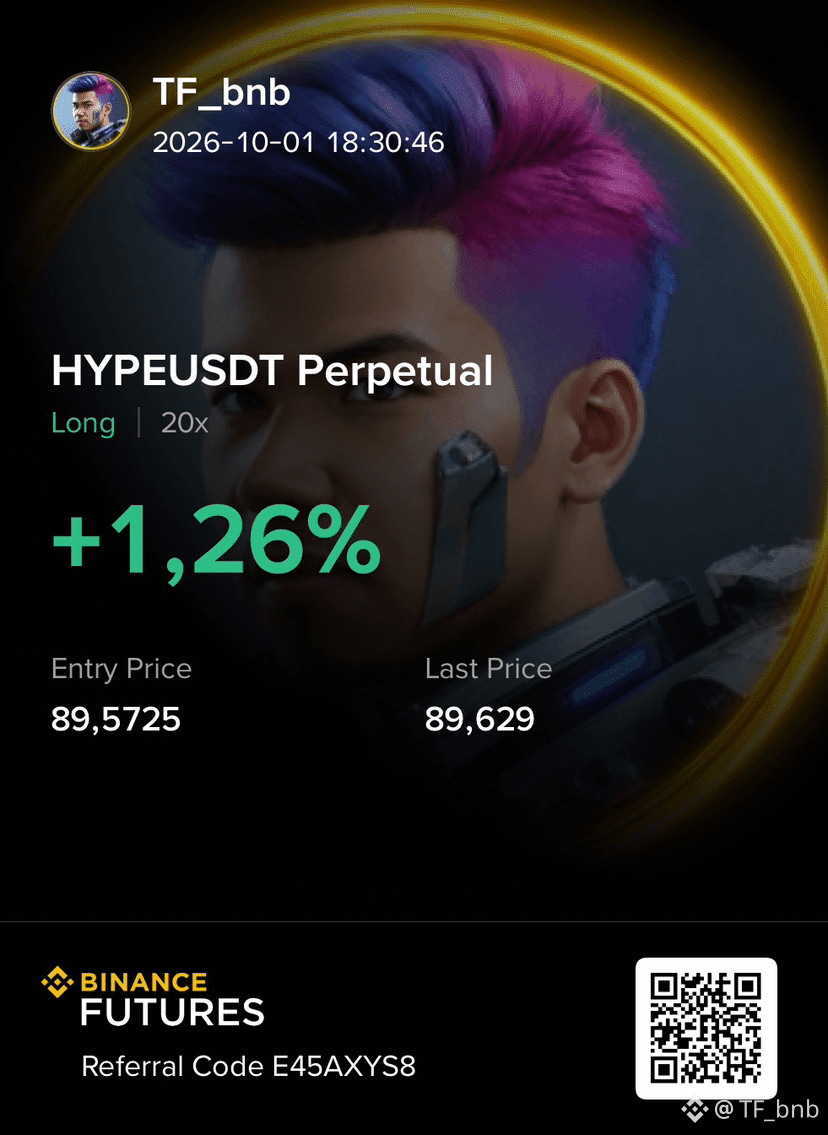
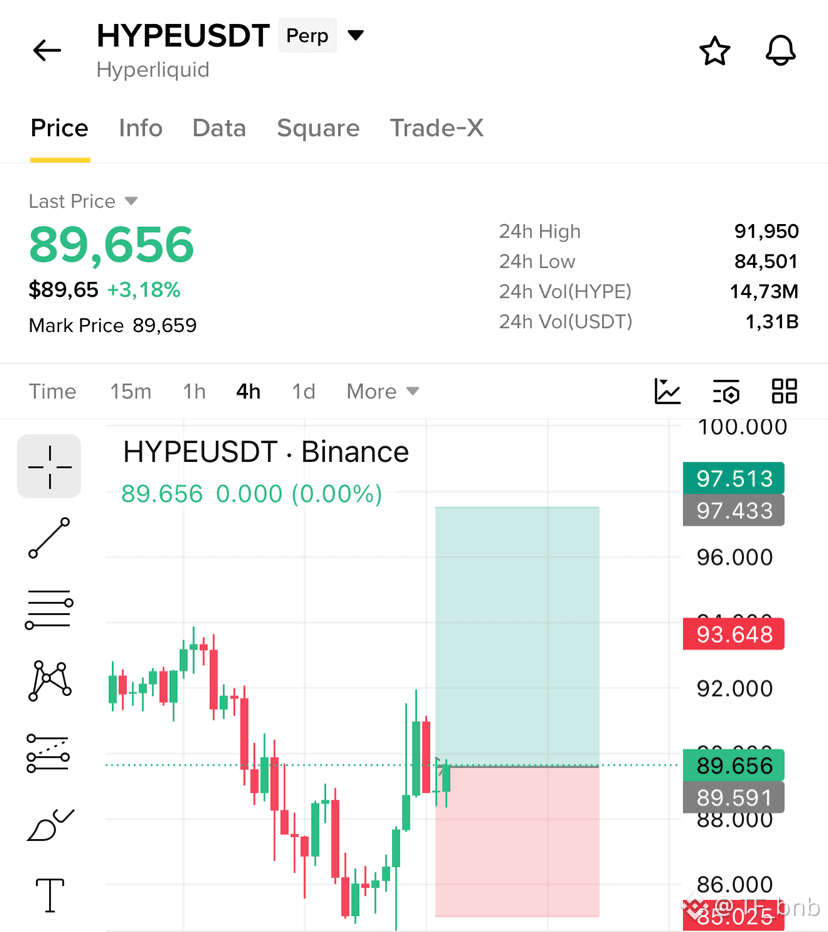
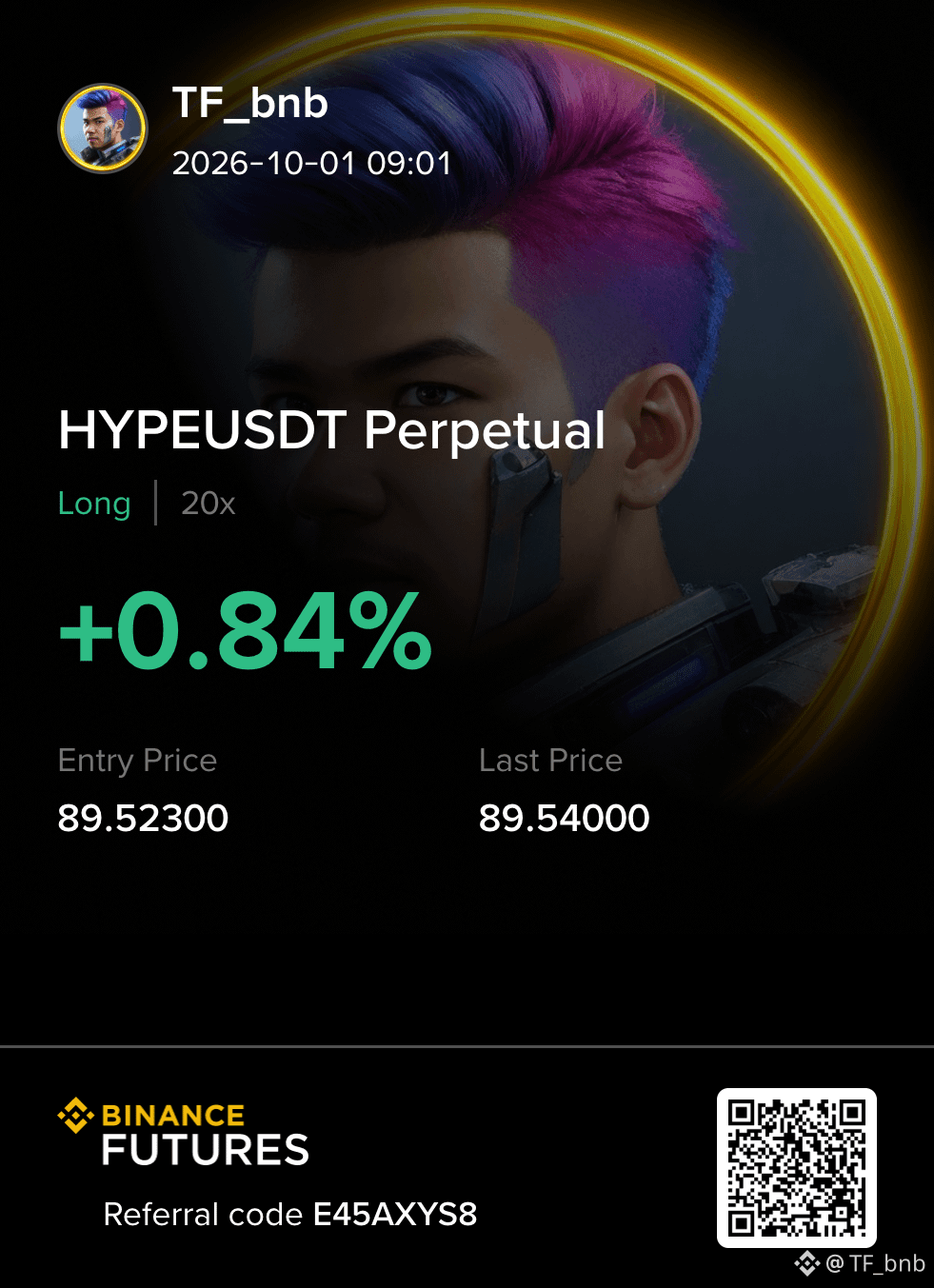
$HYPE setup big long round 3, print money later
Stoploss : 85
Take profit : 96
Long $HYPE now 👇
{future}(HYPEUSDT)
$HYPE setup big long round 3, print money later
Stoploss : 85
Take profit : 96
Long $HYPE now 👇
Stoploss : 85
Take profit : 96
Long $HYPE now 👇
2
3
1.2k
·
--
Bullish
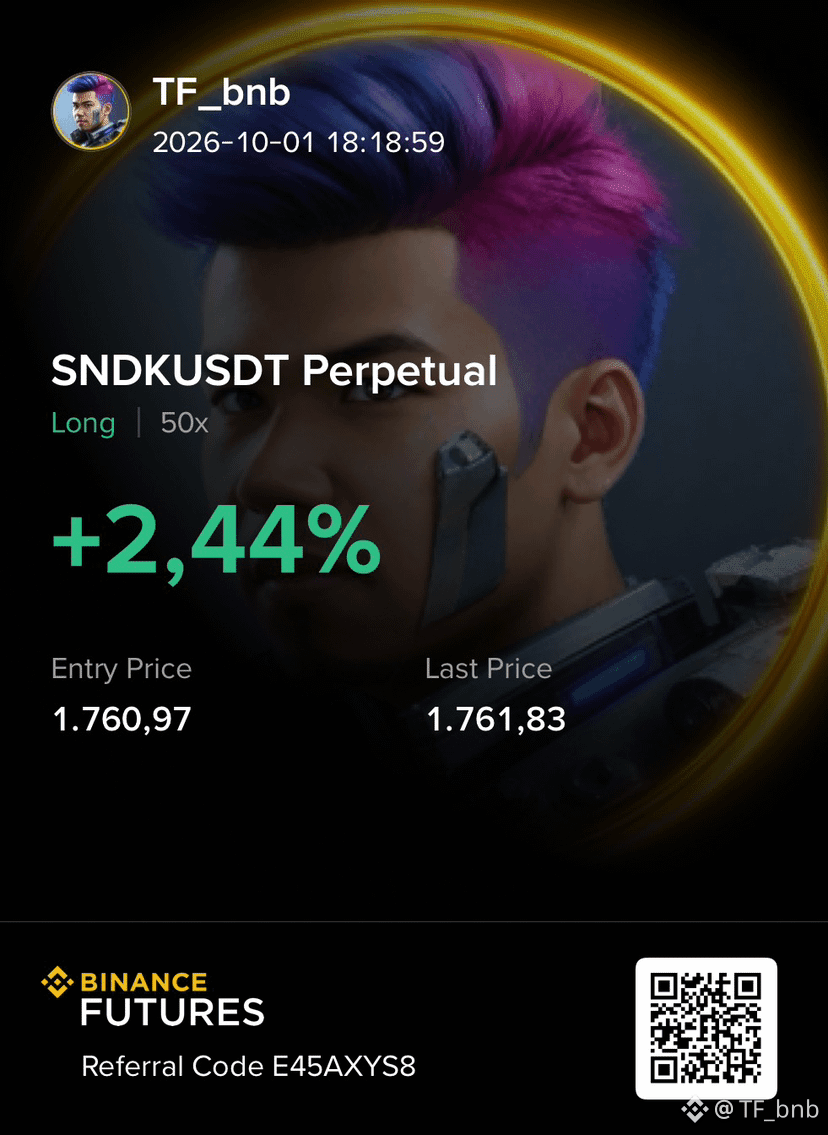
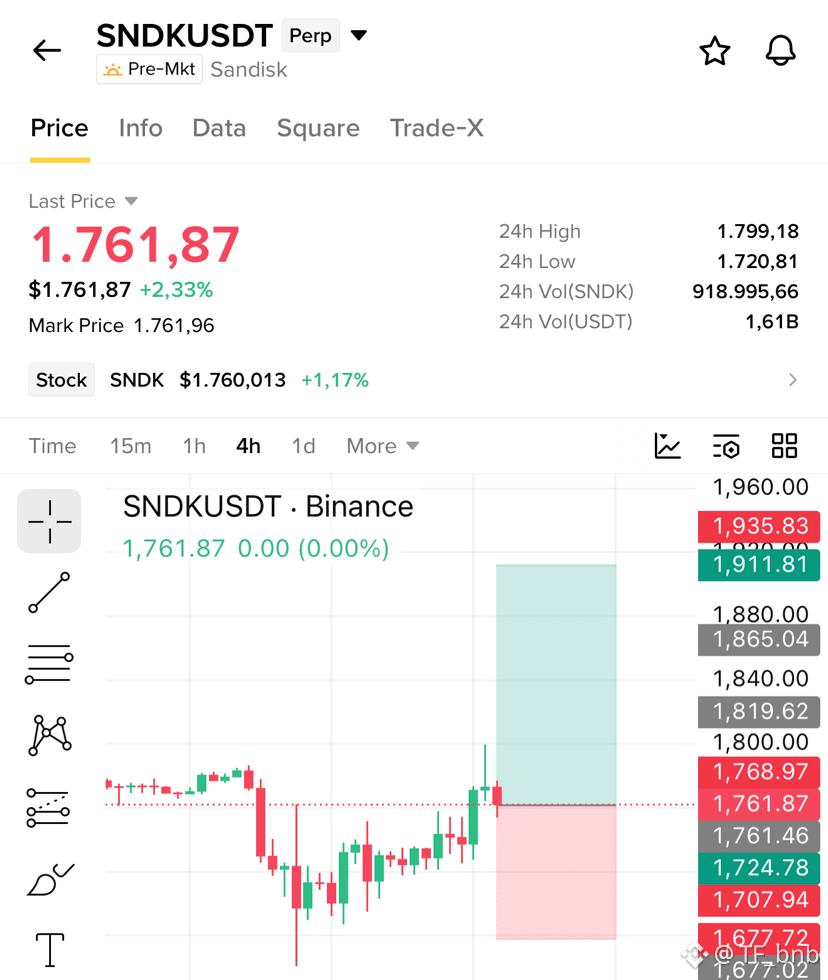
$SNDK open big long again round 3, big profit coming soon
Stoploss : 1677
Take profit : 1911
Long $SNDK now 👇
{future}(SNDKUSDT)
$SNDK open big long again round 3, big profit coming soon
Stoploss : 1677
Take profit : 1911
Long $SNDK now 👇
Stoploss : 1677
Take profit : 1911
Long $SNDK now 👇
3
1.3k
·
--
Bullish
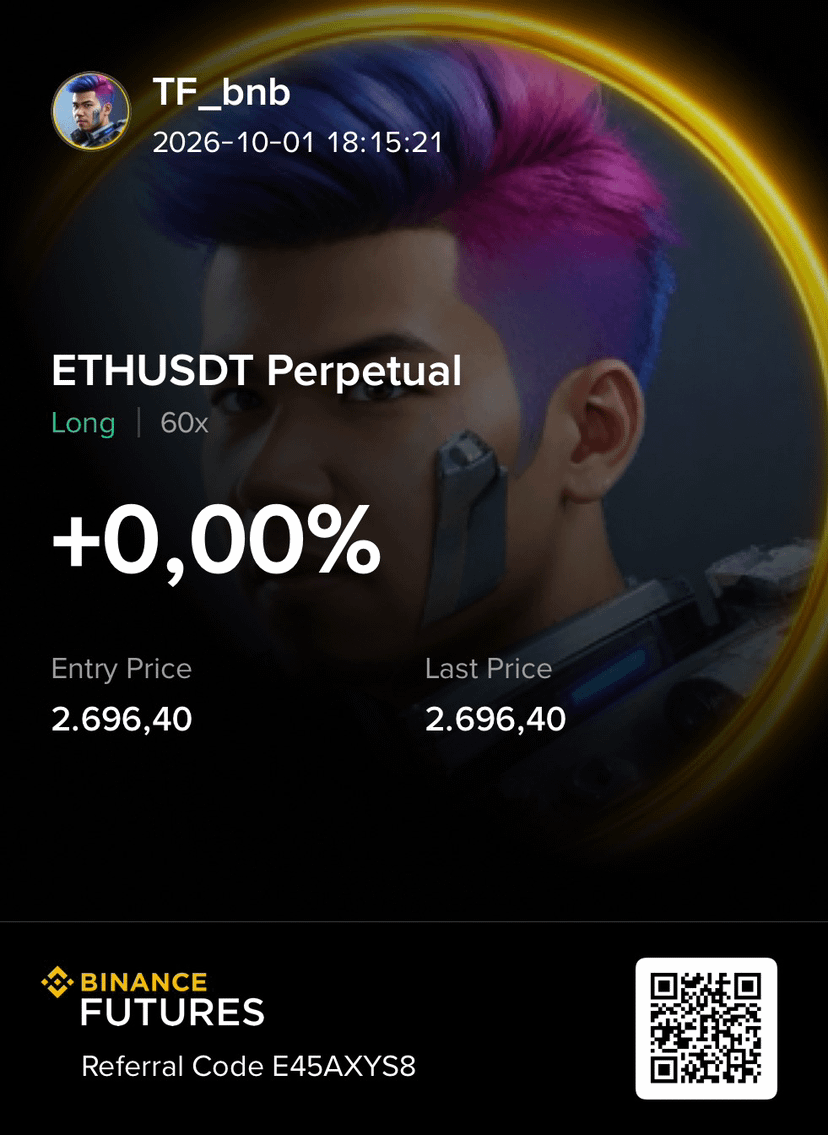
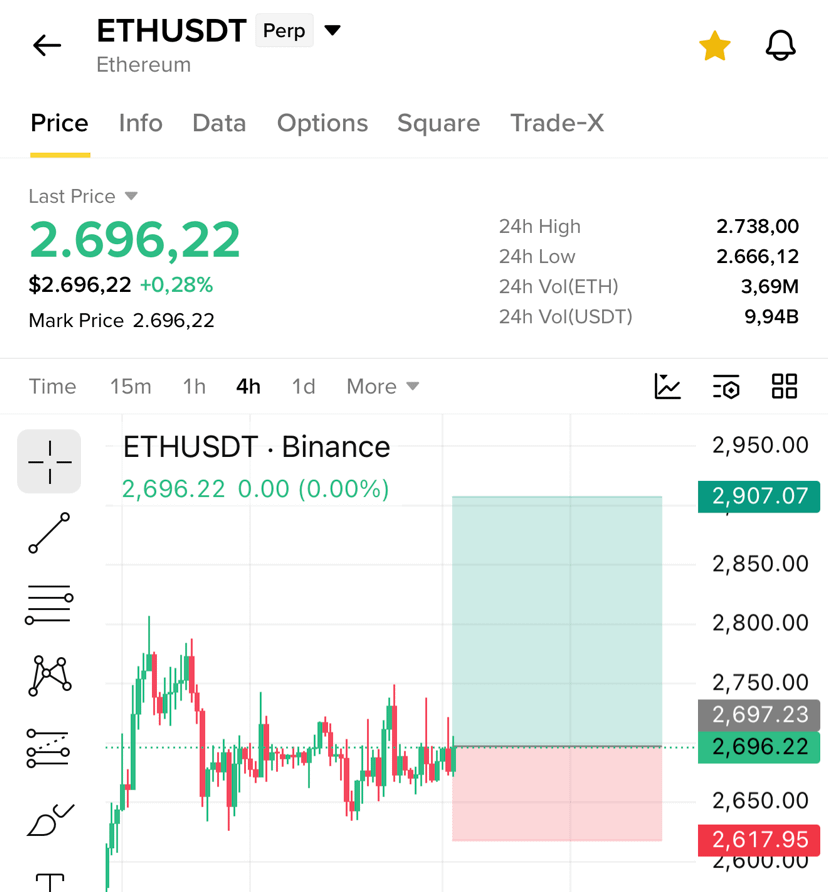
$ETH listen open big long again, thank TF later
Stoploss : 2600
Take profit : 2900
Long $ETH now 👇
{future}(ETHUSDT)
$ETH listen open big long again, thank TF later
Stoploss : 2600
Take profit : 2900
Long $ETH now 👇
Stoploss : 2600
Take profit : 2900
Long $ETH now 👇
2
4
1.5k
·
--
Bullish
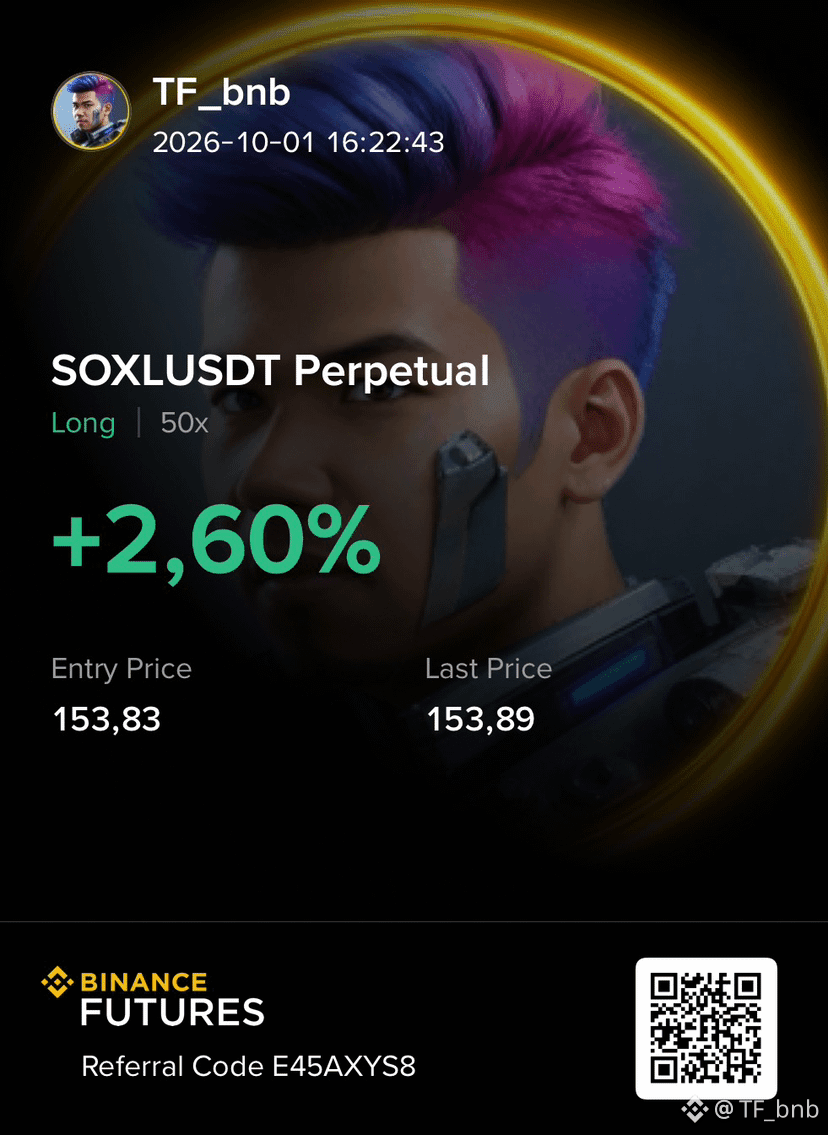
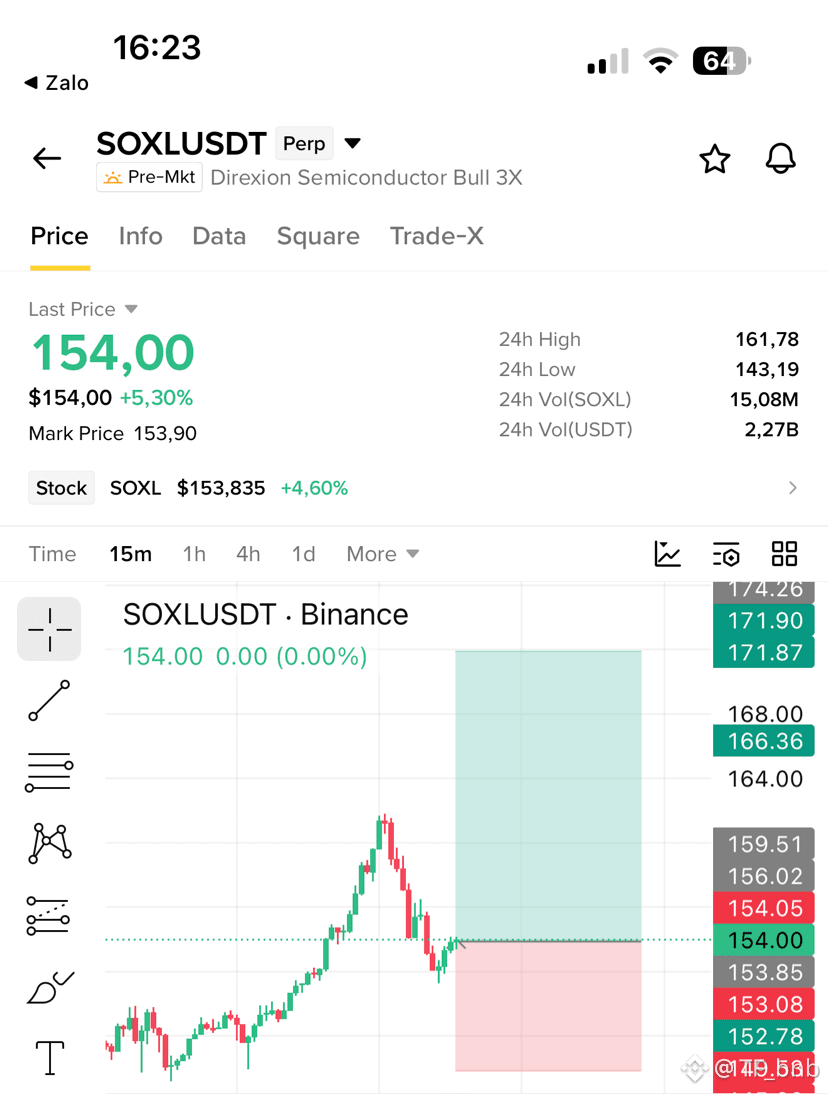
$SOXL trust me, open big long again, thank later
Stoploss : 149
Take profit : 169
Long $SOXL now 👇
{future}(SOXLUSDT)
$SOXL trust me, open big long again, thank later
Stoploss : 149
Take profit : 169
Long $SOXL now 👇
Stoploss : 149
Take profit : 169
Long $SOXL now 👇
9
5
1.5k
·
--
Bullish
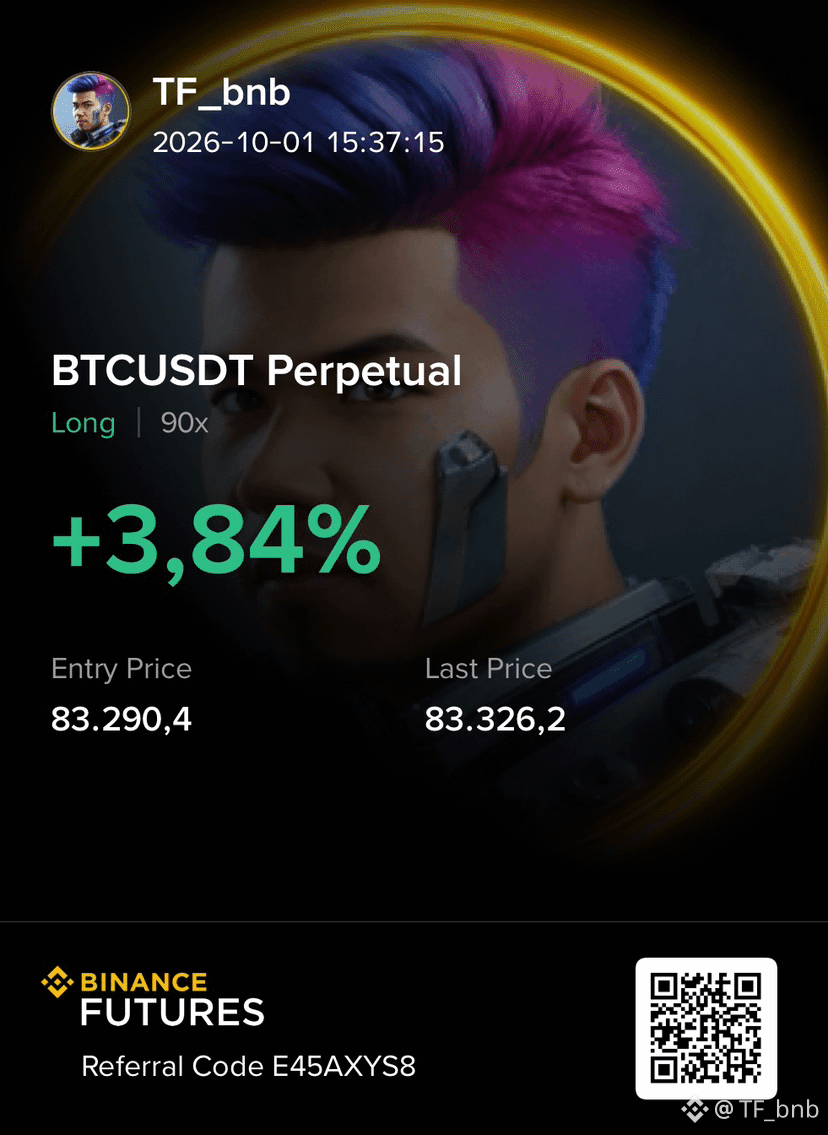
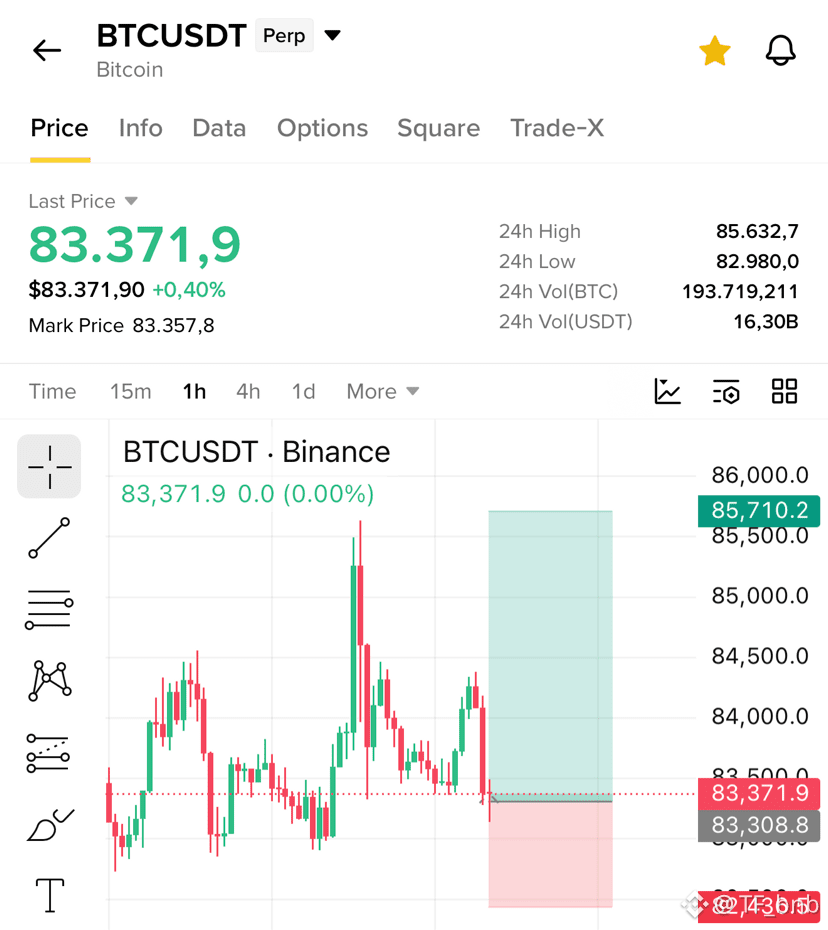
$BTC pay attention, setup big long, thank me later
Stoploss : 82400
Take profit : 85600
Long $BTC now 👇
{future}(BTCUSDT)
$BTC pay attention, setup big long, thank me later
Stoploss : 82400
Take profit : 85600
Long $BTC now 👇
Stoploss : 82400
Take profit : 85600
Long $BTC now 👇
1
5
1.3k
·
--
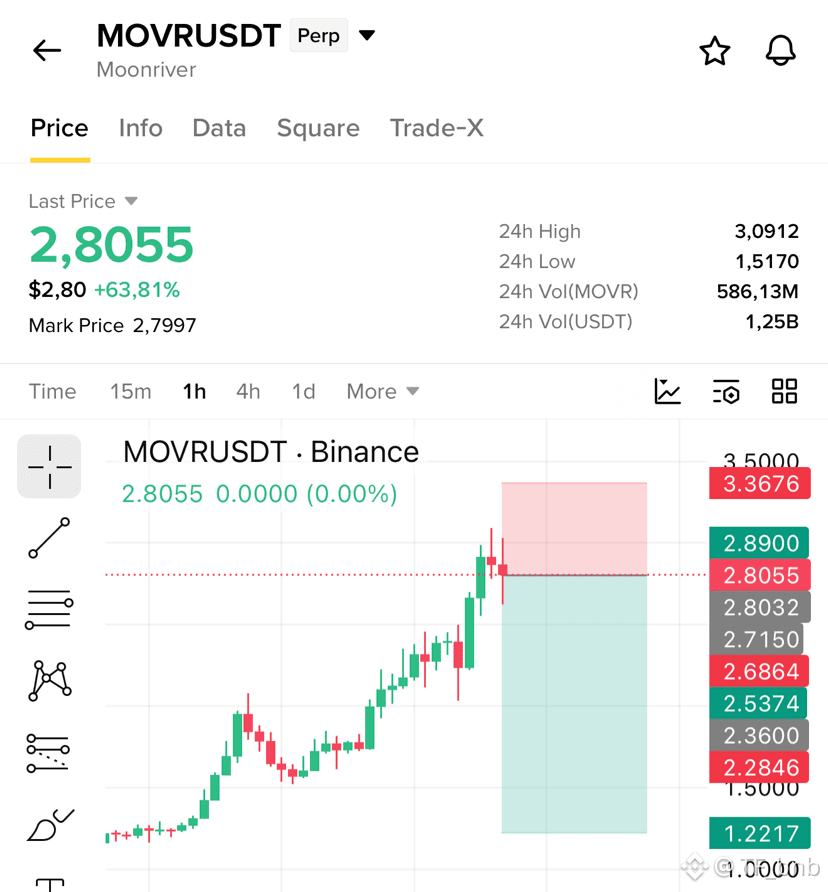
Bearish
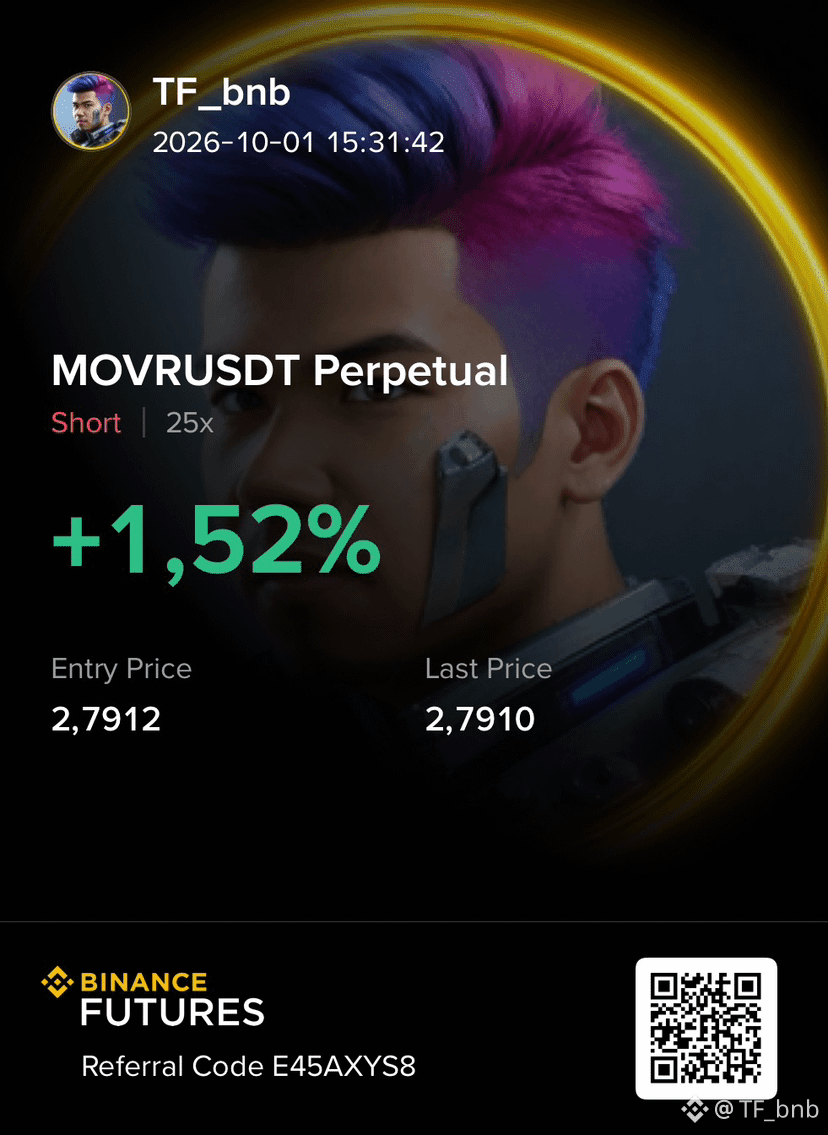
$MOVR listen , setup big short again, thank me soon
Stoploss : 3.2
Take profit : 1.3 - 2 - 2.5
Short $MOVR now 👇
{future}(MOVRUSDT)
$MOVR listen , setup big short again, thank me soon
Stoploss : 3.2
Take profit : 1.3 - 2 - 2.5
Short $MOVR now 👇
Stoploss : 3.2
Take profit : 1.3 - 2 - 2.5
Short $MOVR now 👇
7
1
8
3.1k
·
--
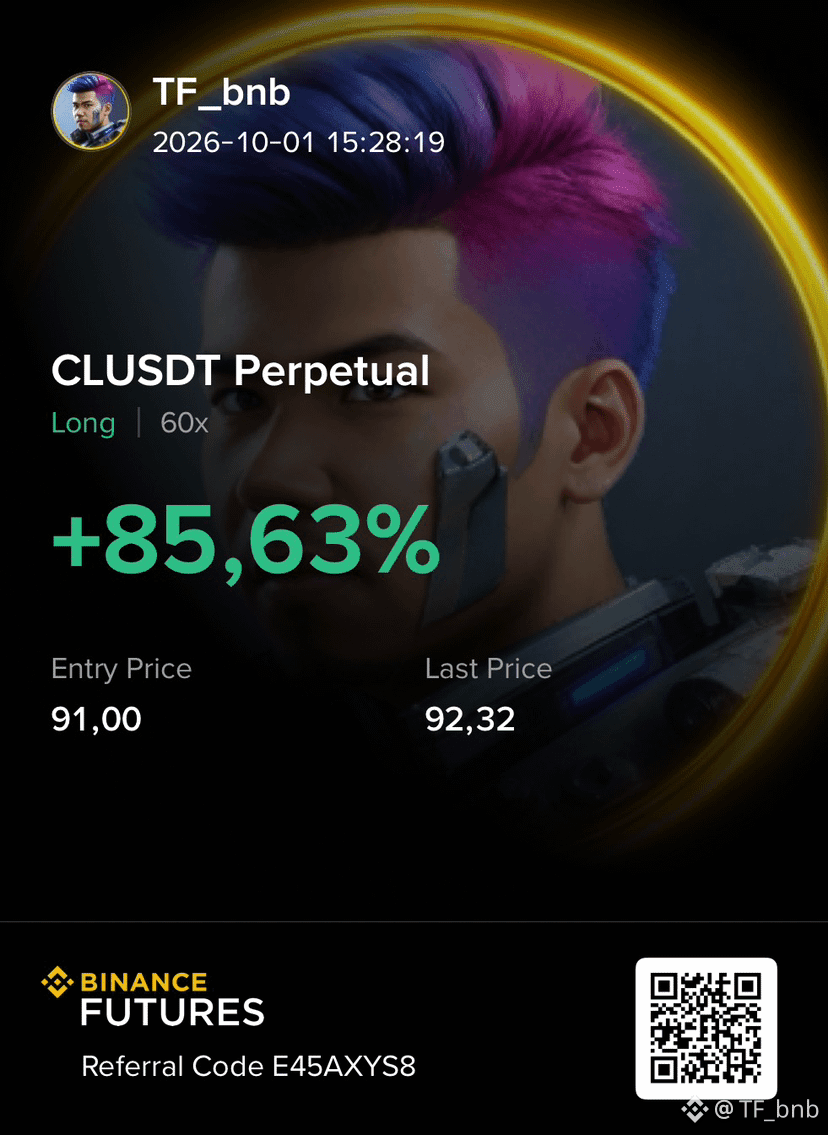
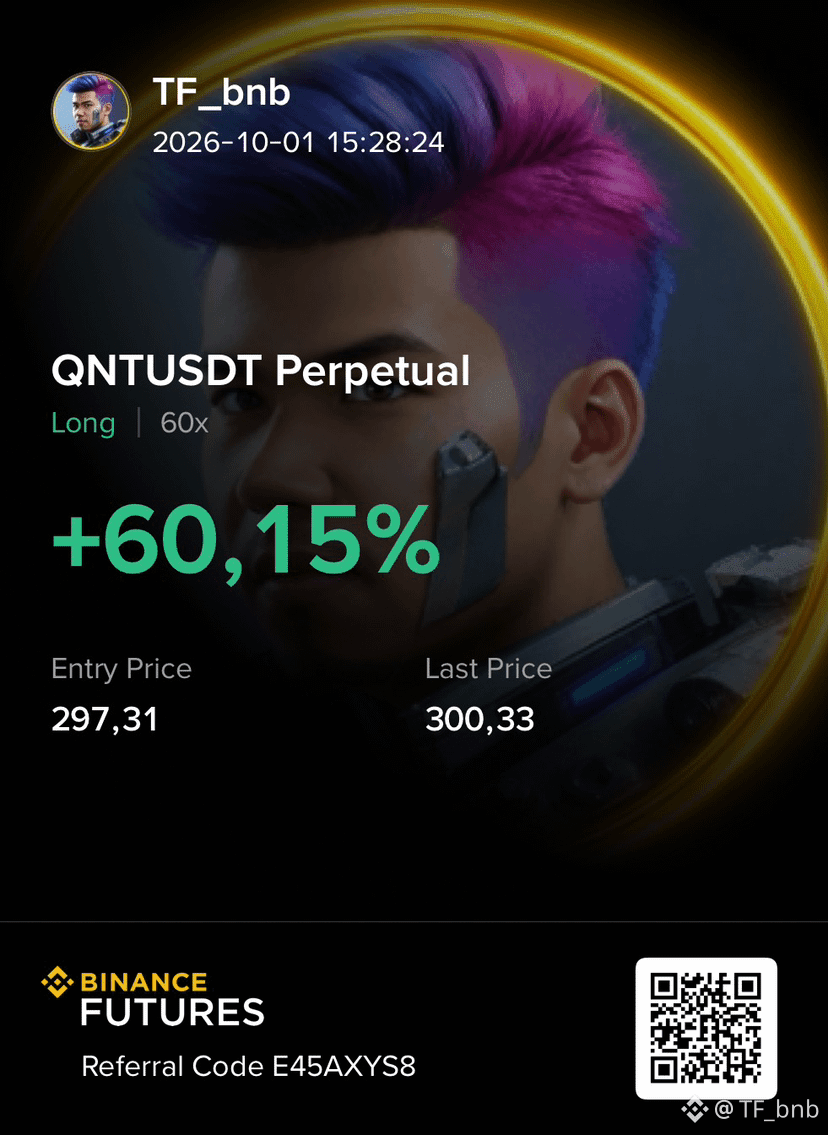
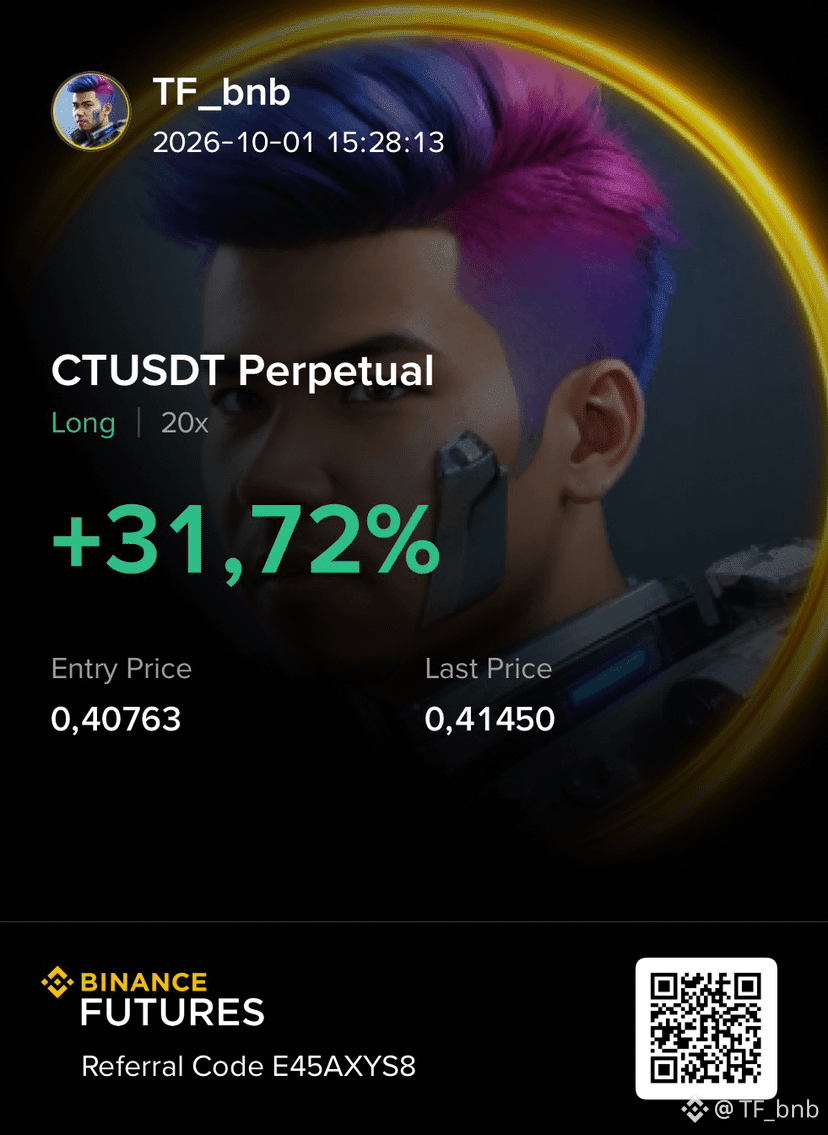
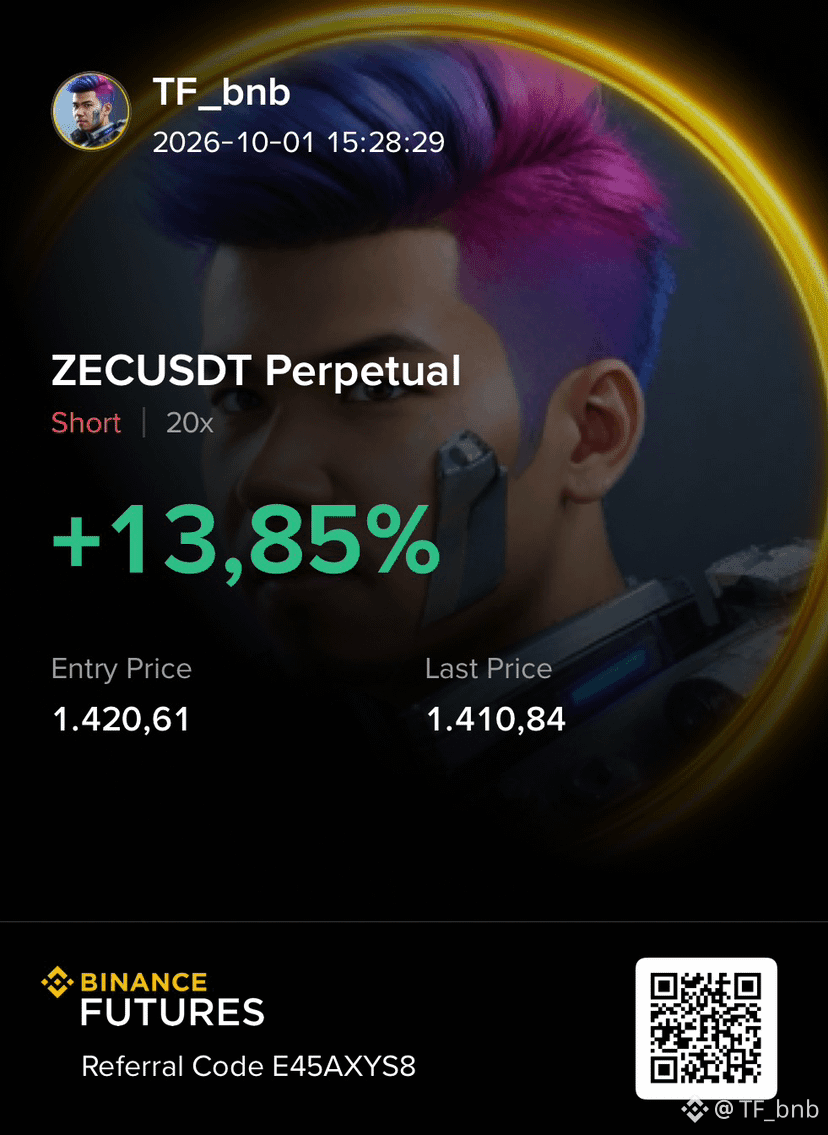
I just share 4 signal : 4 win 0 loss 🤑
Super high winrate
Follow my plan and thank me later guys.
Big trade big profit coming soon❤️
I just share 4 signal : 4 win 0 loss 🤑
Super high winrate
Follow my plan and thank me later guys.
Big trade big profit coming soon❤️
Super high winrate
Follow my plan and thank me later guys.
Big trade big profit coming soon❤️
TF_bnb
·
--
Bullish$QNT fast trade, open big long, thank TF later
Stoploss : 280
Take profit : 330
Long $QNT now 👇
Stoploss : 280
Take profit : 330
Long $QNT now 👇
2
7
579
·
--
Bullish
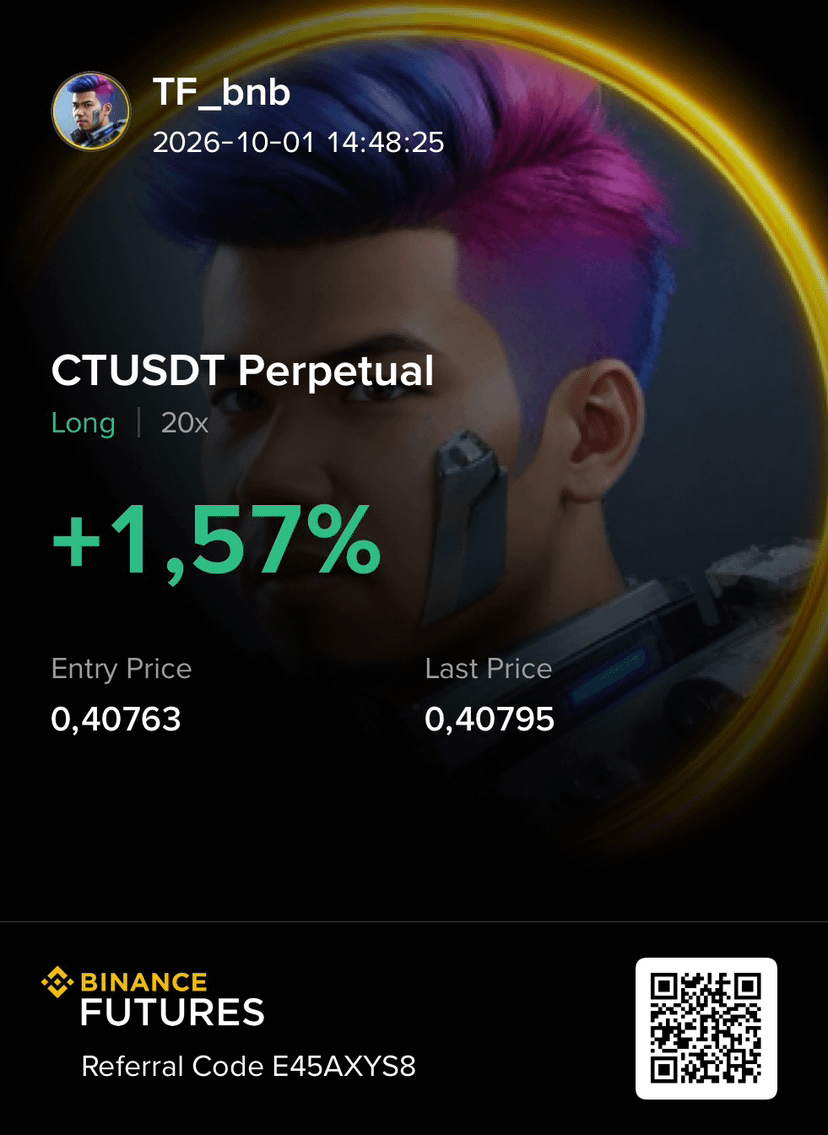
$CT setup plan big long again, thank me later
Stoploss : 0.35
Take profit : 0.45
Long $CT now 👇
{future}(CTUSDT)
$CT setup plan big long again, thank me later
Stoploss : 0.35
Take profit : 0.45
Long $CT now 👇
Stoploss : 0.35
Take profit : 0.45
Long $CT now 👇
2
5
1.5k
·
--
Bearish
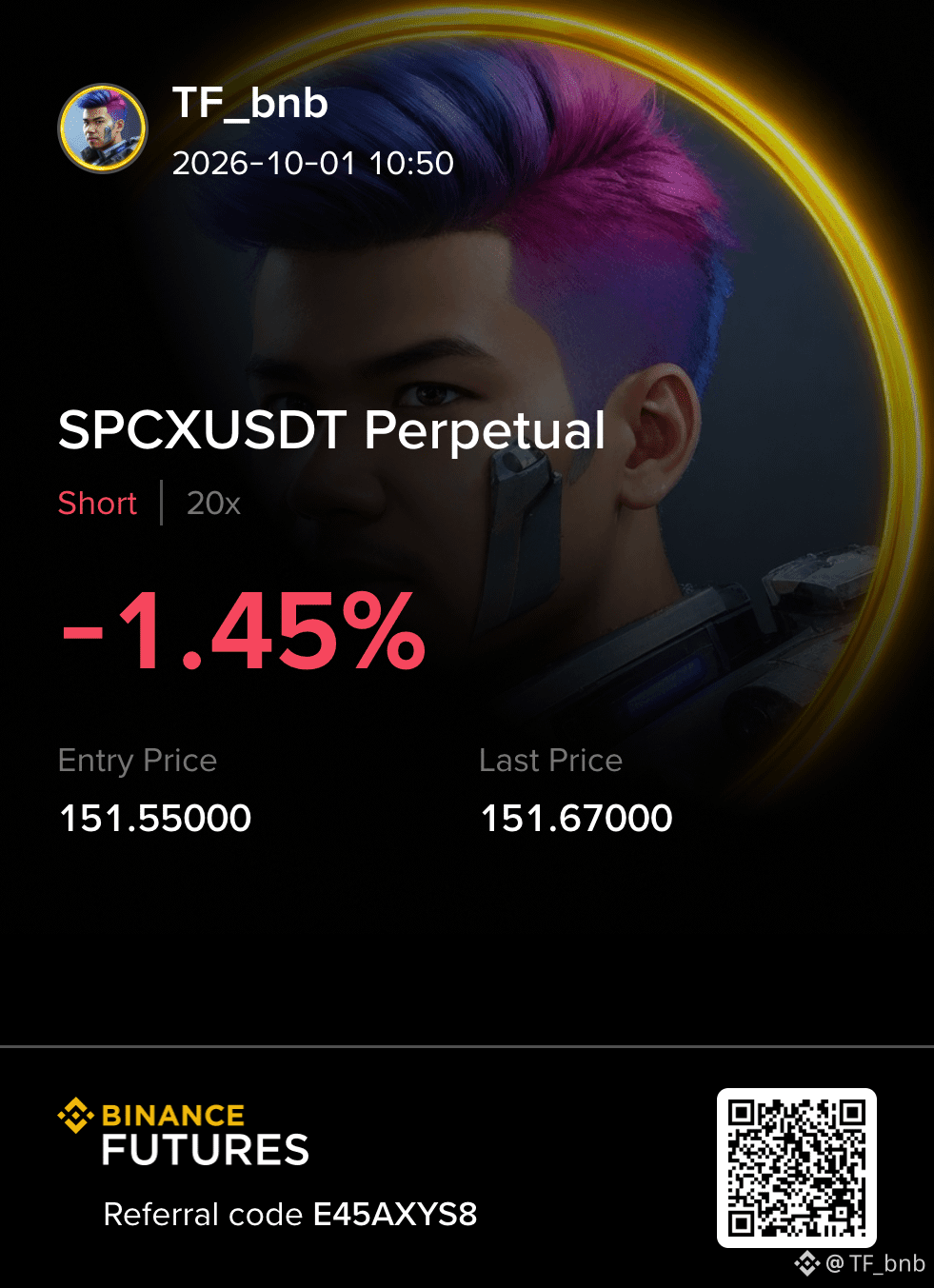
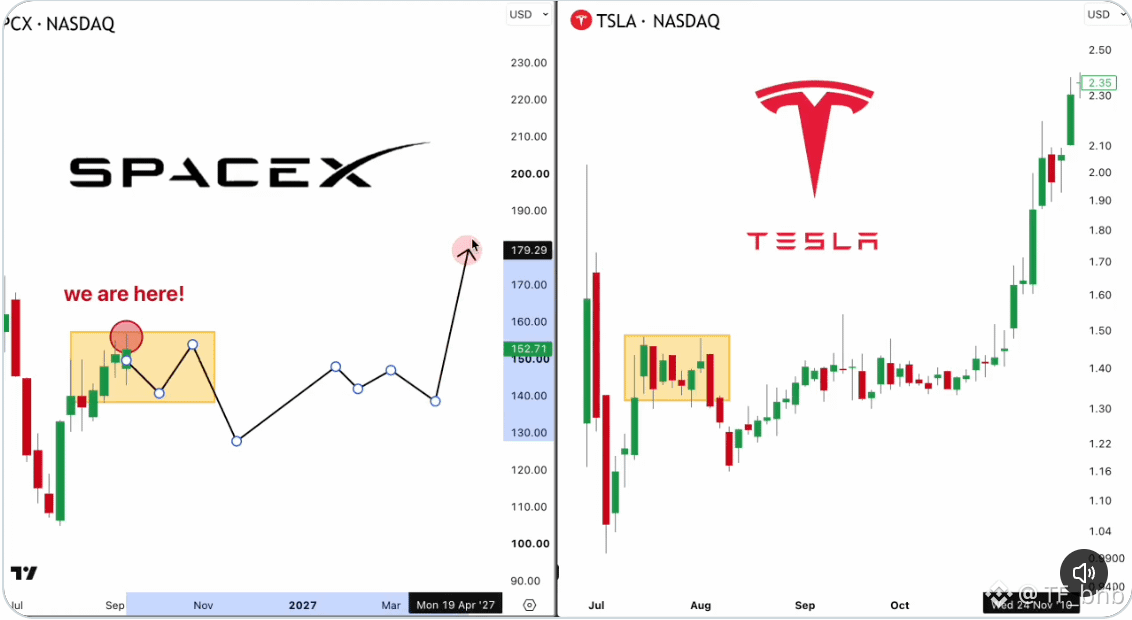
$SPCX is starting to look a lot like $TSLA did before the big move
Pump → flush → recovery → accumulation → one more dip.
Setup big short $SPCX again, print money later.
Stoploss : 159
Take profit : 120
If $124 gets swept, that’s the zone I’m watching closely.
Could be the final shakeout before price gets interesting.
{future}(SPCXUSDT)
{future}(TSLAUSDT)
$SPCX is starting to look a lot like $TSLA did before the big move
Pump → flush → recovery → accumulation → one more dip.
Setup big short $SPCX again, print money later.
Stoploss : 159
Take profit : 120
If $124 gets swept, that’s the zone I’m watching closely.
Could be the final shakeout before price gets interesting.
Pump → flush → recovery → accumulation → one more dip.
Setup big short $SPCX again, print money later.
Stoploss : 159
Take profit : 120
If $124 gets swept, that’s the zone I’m watching closely.
Could be the final shakeout before price gets interesting.
1
5
860
·
--
Bullish
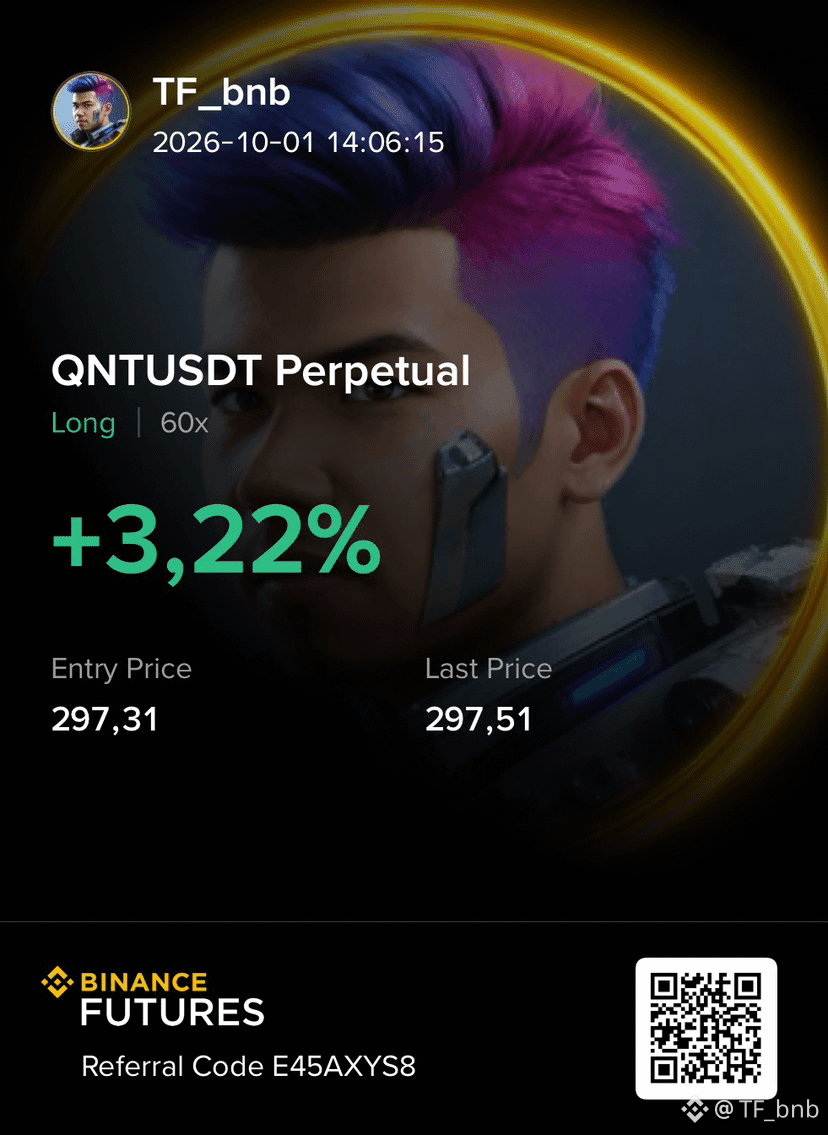
$QNT fast trade, open big long, thank TF later
Stoploss : 280
Take profit : 330
Long $QNT now 👇
{future}(QNTUSDT)
$QNT fast trade, open big long, thank TF later
Stoploss : 280
Take profit : 330
Long $QNT now 👇
Stoploss : 280
Take profit : 330
Long $QNT now 👇
5
1
6
1.6k
·
--
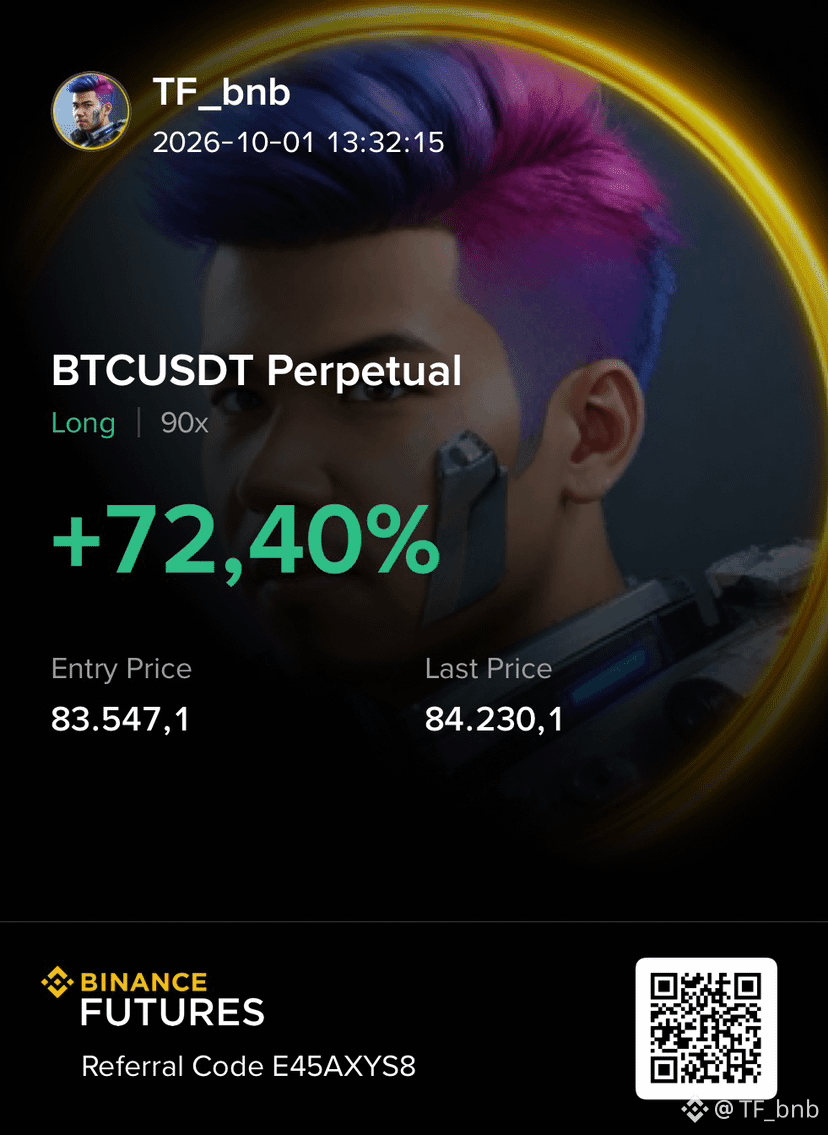
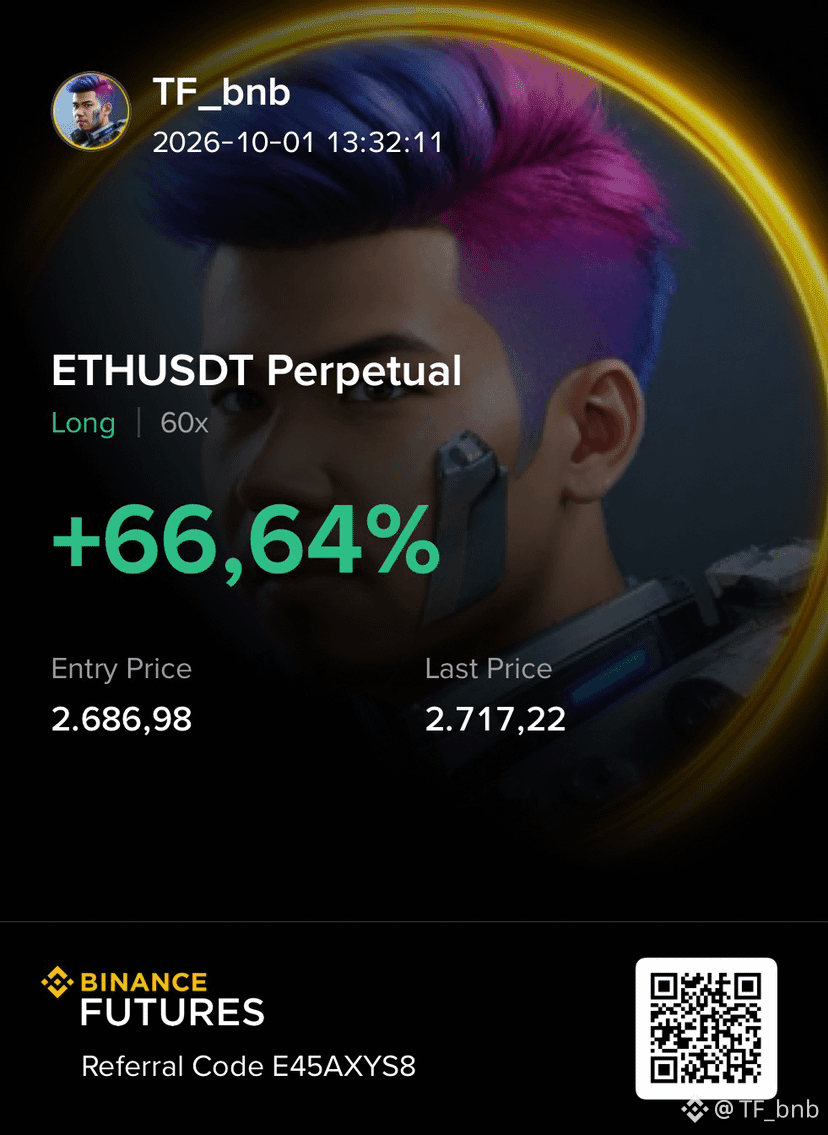
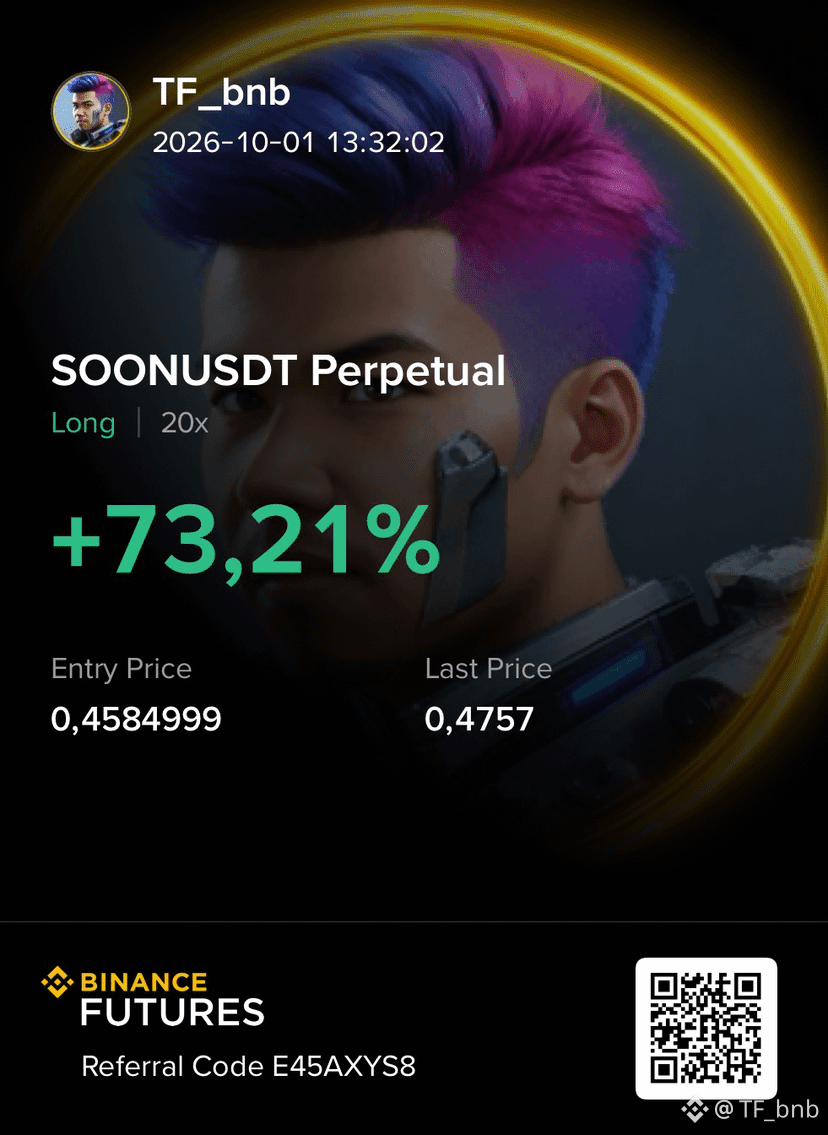
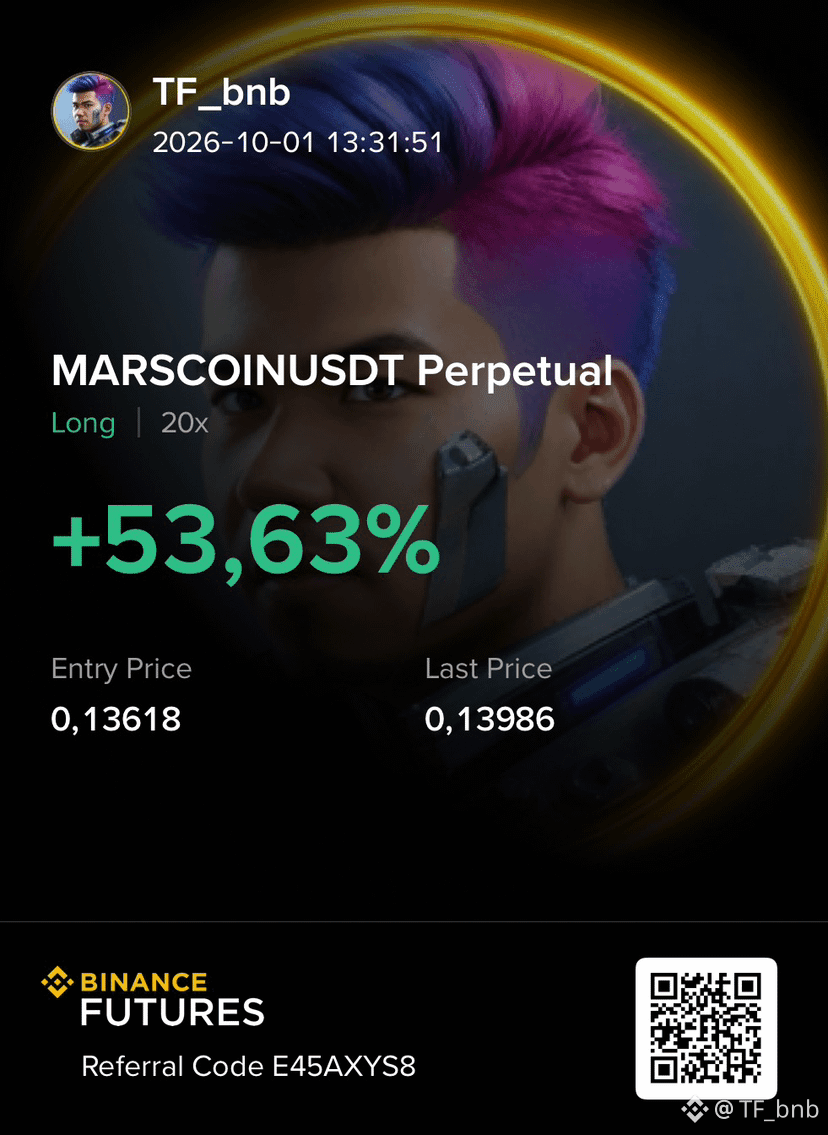
Done profit $BTC $ETH $SOON $MARSCOIN
Super high winrate today
I just share 4 signal 4 win 0 loss
Show me your profit and thank me later ❤️
{future}(SOONUSDT)
{future}(ETHUSDT)
{future}(BTCUSDT)
Done profit $BTC $ETH $SOON $MARSCOIN
Super high winrate today
I just share 4 signal 4 win 0 loss
Show me your profit and thank me later ❤️
Super high winrate today
I just share 4 signal 4 win 0 loss
Show me your profit and thank me later ❤️
TF_bnb
·
--
Bullish$BTC OCTOBER UPDATE 👀
$83,500 held exactly as expected, but BTC still needs to reclaim $85,800 to unlock the next move higher.
Here’s what I’m watching:
• $82,800 → key LTF liquidity below
• $85,800 → key breakout level
• Reclaim $85,800 → $87,000 becomes the next target
• Lose $82,500 → $80K–$81K comes into play
The interesting part: whales have stacked heavy buy orders around $81.5K–$83K, suggesting strong interest in buying the dip.
There’s still plenty of liquidity above, while leverage remains active.
For me, the setup is bullish as long as $83,500 holds.
Now I want to see $BTC reclaim $85,800 and start pushing higher. 🚀
NFA. DYOR.
$83,500 held exactly as expected, but BTC still needs to reclaim $85,800 to unlock the next move higher.
Here’s what I’m watching:
• $82,800 → key LTF liquidity below
• $85,800 → key breakout level
• Reclaim $85,800 → $87,000 becomes the next target
• Lose $82,500 → $80K–$81K comes into play
The interesting part: whales have stacked heavy buy orders around $81.5K–$83K, suggesting strong interest in buying the dip.
There’s still plenty of liquidity above, while leverage remains active.
For me, the setup is bullish as long as $83,500 holds.
Now I want to see $BTC reclaim $85,800 and start pushing higher. 🚀
NFA. DYOR.
1
6
810
·
--
Bullish
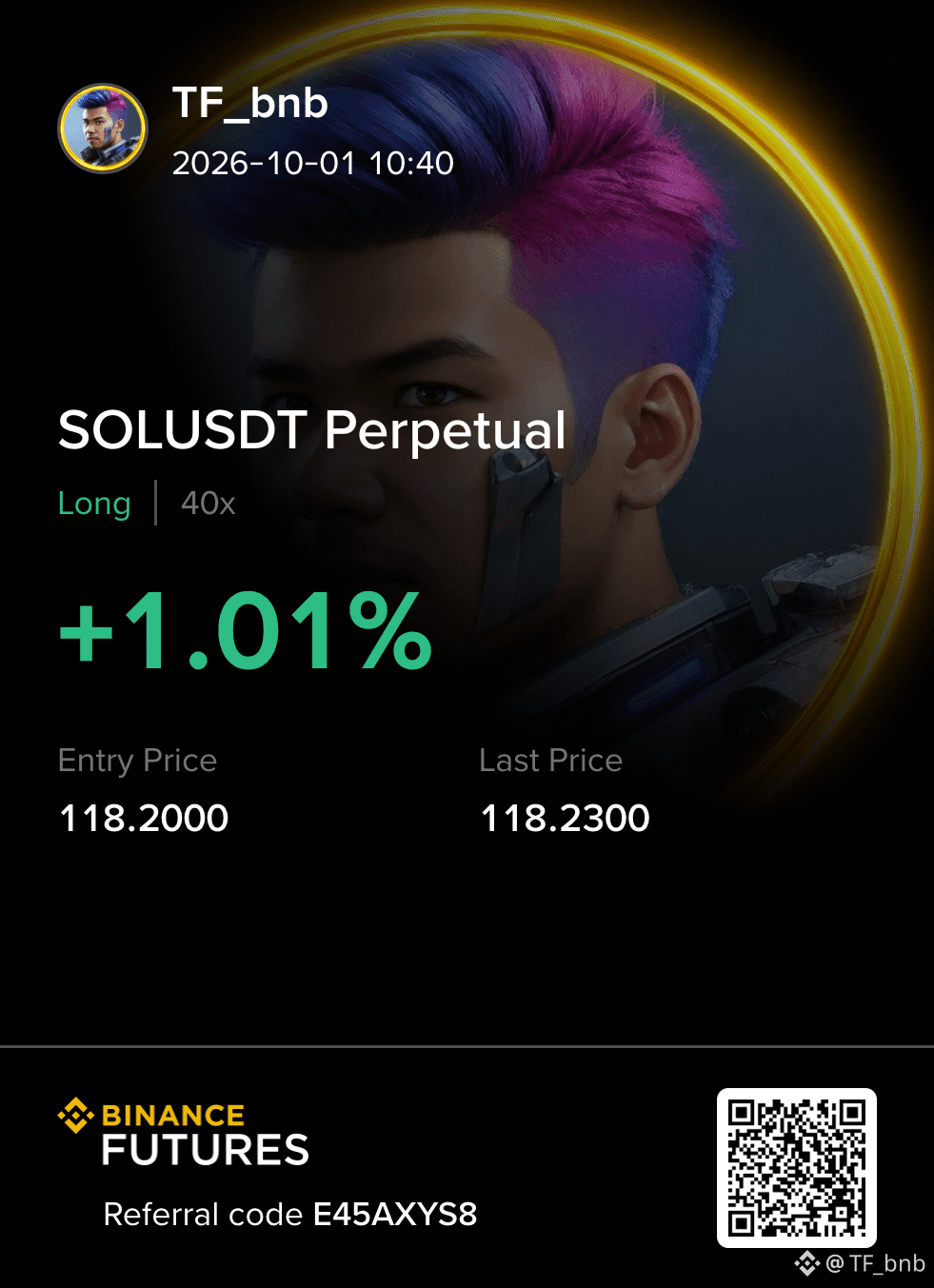
CAN $SOL REALLY HIT $1,000 THIS CYCLE? 👀📈
The math says it’s possible, but the conditions would need to be extreme.
One bullish scenario projects SOL at around $993 by Q3 2029, assuming:
→ Crypto reaches a $12T total market cap
→ Liquidity conditions become significantly more favorable
→ SOL captures around 5.3% of the entire crypto market
→ ~645M SOL is circulating after future unlocks
At that supply, SOL would need roughly a $645B market cap to trade above $1,000.
So yes, $1,000 is mathematically possible.
But this is a scenario, not a prediction.
For the upcoming cycle, I’m watching the $500–$600 area as a potential major ATH zone rather than assuming $1,000 is guaranteed.
The bigger question isn’t whether SOL can reach $1,000.
It’s whether the entire crypto market can grow enough to justify the valuation. 👀
{future}(SOLUSDT)
CAN $SOL REALLY HIT $1,000 THIS CYCLE? 👀📈
The math says it’s possible, but the conditions would need to be extreme.
One bullish scenario projects SOL at around $993 by Q3 2029, assuming:
→ Crypto reaches a $12T total market cap
→ Liquidity conditions become significantly more favorable
→ SOL captures around 5.3% of the entire crypto market
→ ~645M SOL is circulating after future unlocks
At that supply, SOL would need roughly a $645B market cap to trade above $1,000.
So yes, $1,000 is mathematically possible.
But this is a scenario, not a prediction.
For the upcoming cycle, I’m watching the $500–$600 area as a potential major ATH zone rather than assuming $1,000 is guaranteed.
The bigger question isn’t whether SOL can reach $1,000.
It’s whether the entire crypto market can grow enough to justify the valuation. 👀
The math says it’s possible, but the conditions would need to be extreme.
One bullish scenario projects SOL at around $993 by Q3 2029, assuming:
→ Crypto reaches a $12T total market cap
→ Liquidity conditions become significantly more favorable
→ SOL captures around 5.3% of the entire crypto market
→ ~645M SOL is circulating after future unlocks
At that supply, SOL would need roughly a $645B market cap to trade above $1,000.
So yes, $1,000 is mathematically possible.
But this is a scenario, not a prediction.
For the upcoming cycle, I’m watching the $500–$600 area as a potential major ATH zone rather than assuming $1,000 is guaranteed.
The bigger question isn’t whether SOL can reach $1,000.
It’s whether the entire crypto market can grow enough to justify the valuation. 👀
6
1.3k
·
--
Bullish
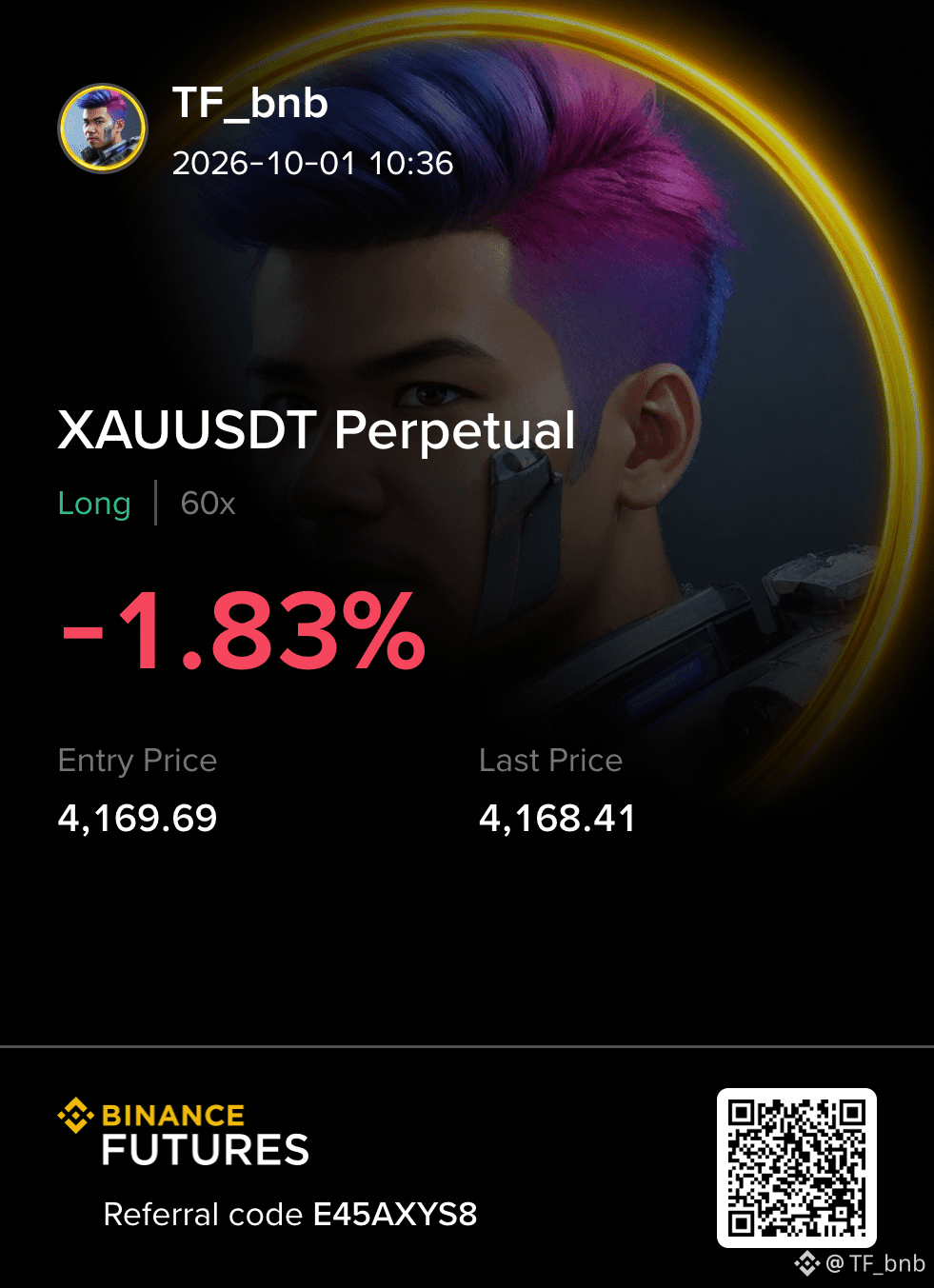
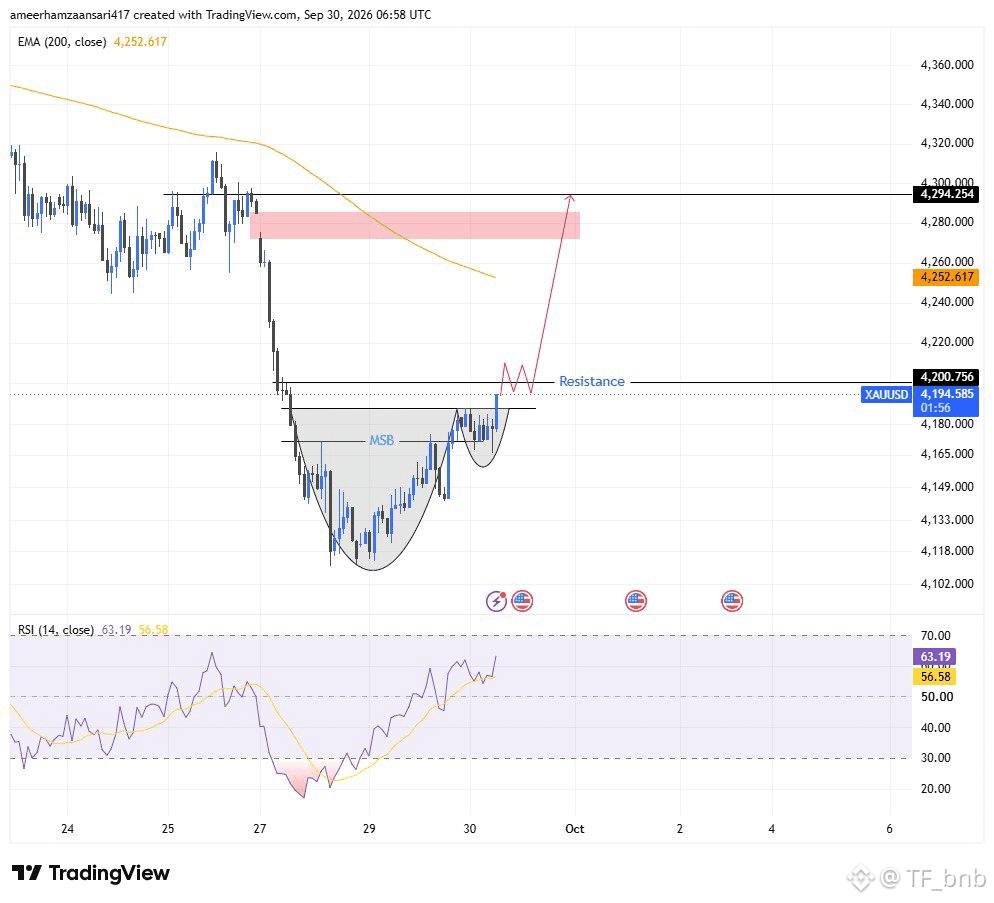
$XAU IS SETTING UP FOR ANOTHER LEG HIGHER 👀
The 1H chart has formed a clean Cup & Handle pattern, and price has already broken above the neckline.
Now there’s only one major confirmation left: $4,200 resistance.
If $XAU breaks and holds above $4,200, I’ll be looking for a long setup targeting $4,300.
For now, I’m waiting for confirmation rather than chasing the breakout.
$4,200 is the level to watch. 📈
NFA. DYOR.
{future}(XAUUSDT)
$XAU IS SETTING UP FOR ANOTHER LEG HIGHER 👀
The 1H chart has formed a clean Cup & Handle pattern, and price has already broken above the neckline.
Now there’s only one major confirmation left: $4,200 resistance.
If $XAU breaks and holds above $4,200, I’ll be looking for a long setup targeting $4,300.
For now, I’m waiting for confirmation rather than chasing the breakout.
$4,200 is the level to watch. 📈
NFA. DYOR.
The 1H chart has formed a clean Cup & Handle pattern, and price has already broken above the neckline.
Now there’s only one major confirmation left: $4,200 resistance.
If $XAU breaks and holds above $4,200, I’ll be looking for a long setup targeting $4,300.
For now, I’m waiting for confirmation rather than chasing the breakout.
$4,200 is the level to watch. 📈
NFA. DYOR.
2
7
966
·
--
Bullish
LOOK AT $HYPE TO UNDERSTAND WHAT MATTERS MOST IN AN ALTCOIN 👀
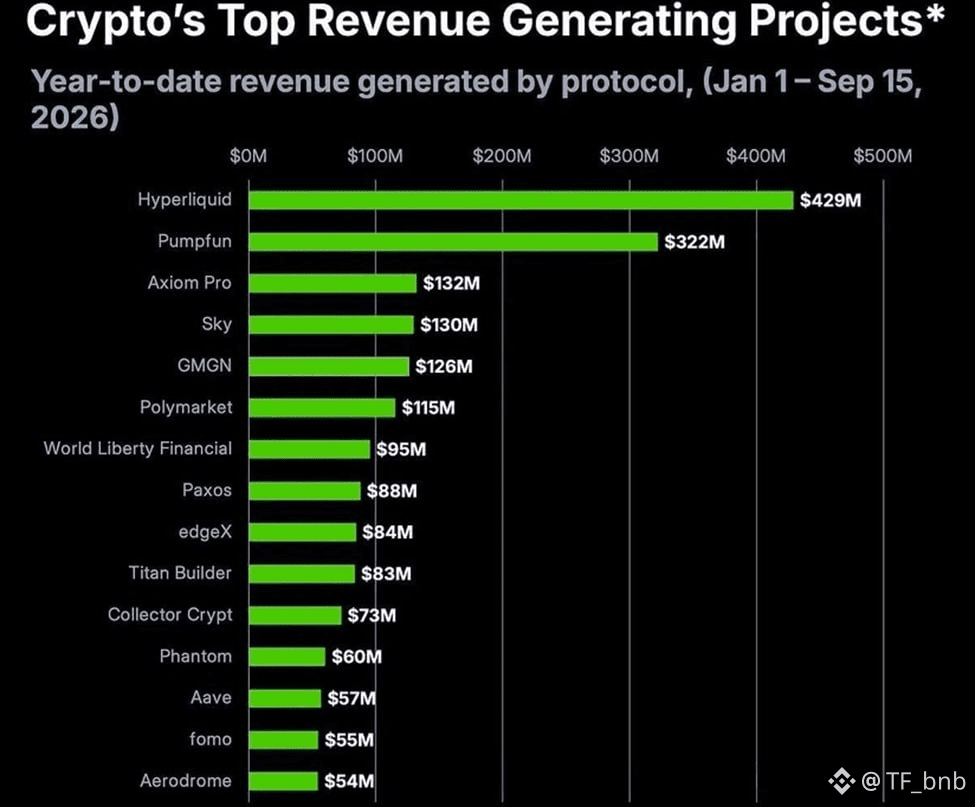
If I had to choose one factor to evaluate an altcoin for the long term, I would look at its ability to generate real revenue and cash flow.
In 2026, Hyperliquid is leading with around $429M in revenue, followed by Pump.fun with around $322M.
What matters most to me about both projects:
→ Real products with real usage
→ Users generating fees and revenue
→ Cash flow to sustain the business
→ Less dependence on selling tokens to fund the team
That’s a huge difference compared with projects that survive mainly on narratives and new liquidity.
That’s why Perp DEXs and meme launchpads are two sectors I’m paying close attention to this cycle.
For $HYPE, I’m still bullish.
I’m looking to buy at reasonable levels, stay patient, and let the market pay me for the thesis.
You don’t need to catch the exact top.
If the thesis remains intact → hold the position → let it run → take profits gradually when targets are reached.
$HYPE remains one of the altcoins I want to accumulate and wait for a bigger repricing. 👀
NFA. DYOR.
{future}(HYPEUSDT)
LOOK AT $HYPE TO UNDERSTAND WHAT MATTERS MOST IN AN ALTCOIN 👀
If I had to choose one factor to evaluate an altcoin for the long term, I would look at its ability to generate real revenue and cash flow.
In 2026, Hyperliquid is leading with around $429M in revenue, followed by Pump.fun with around $322M.
What matters most to me about both projects:
→ Real products with real usage
→ Users generating fees and revenue
→ Cash flow to sustain the business
→ Less dependence on selling tokens to fund the team
That’s a huge difference compared with projects that survive mainly on narratives and new liquidity.
That’s why Perp DEXs and meme launchpads are two sectors I’m paying close attention to this cycle.
For $HYPE , I’m still bullish.
I’m looking to buy at reasonable levels, stay patient, and let the market pay me for the thesis.
You don’t need to catch the exact top.
If the thesis remains intact → hold the position → let it run → take profits gradually when targets are reached.
$HYPE remains one of the altcoins I want to accumulate and wait for a bigger repricing. 👀
NFA. DYOR.
If I had to choose one factor to evaluate an altcoin for the long term, I would look at its ability to generate real revenue and cash flow.
In 2026, Hyperliquid is leading with around $429M in revenue, followed by Pump.fun with around $322M.
What matters most to me about both projects:
→ Real products with real usage
→ Users generating fees and revenue
→ Cash flow to sustain the business
→ Less dependence on selling tokens to fund the team
That’s a huge difference compared with projects that survive mainly on narratives and new liquidity.
That’s why Perp DEXs and meme launchpads are two sectors I’m paying close attention to this cycle.
For $HYPE , I’m still bullish.
I’m looking to buy at reasonable levels, stay patient, and let the market pay me for the thesis.
You don’t need to catch the exact top.
If the thesis remains intact → hold the position → let it run → take profits gradually when targets are reached.
$HYPE remains one of the altcoins I want to accumulate and wait for a bigger repricing. 👀
NFA. DYOR.
1
4
1.1k
·
--
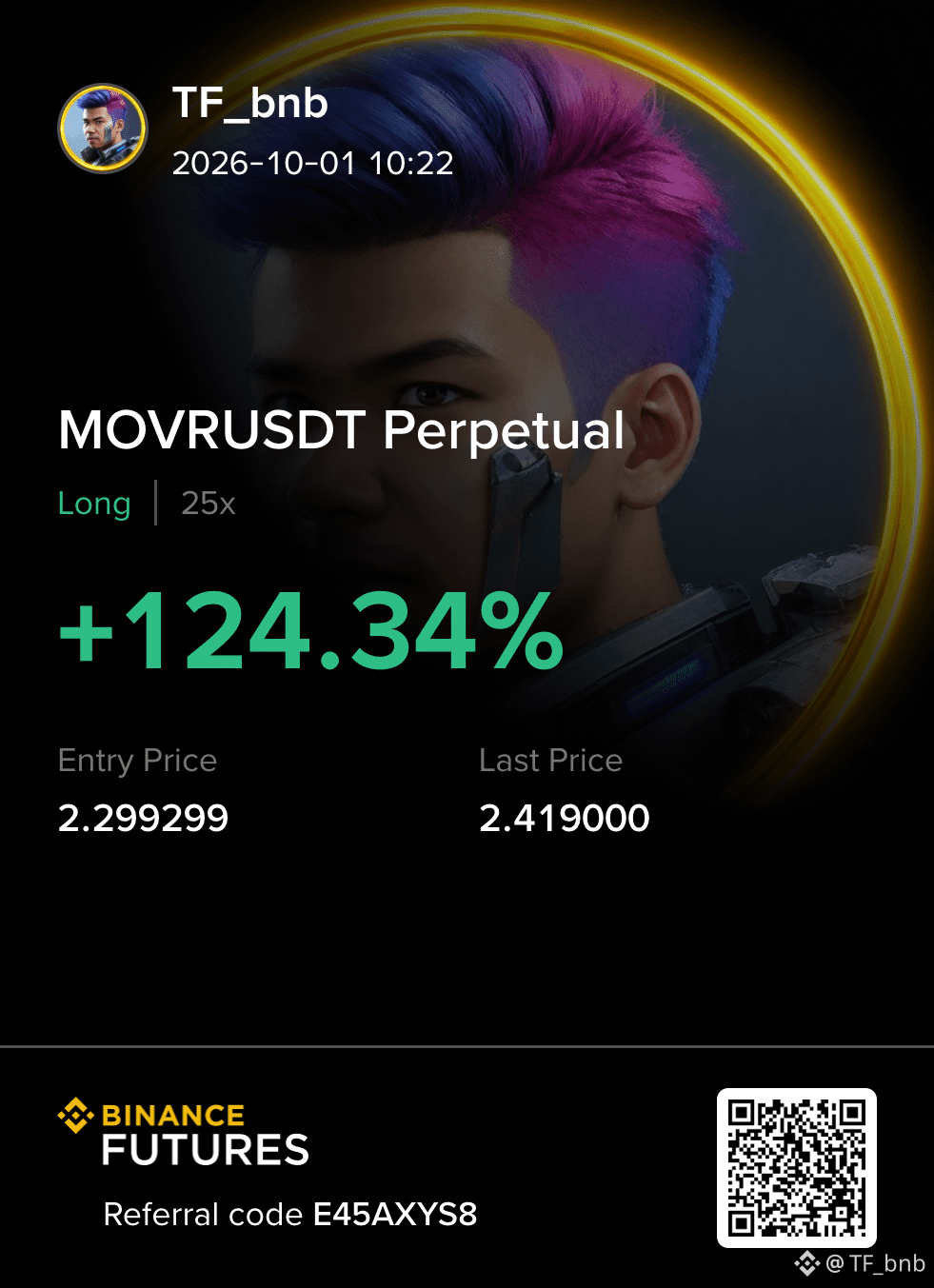
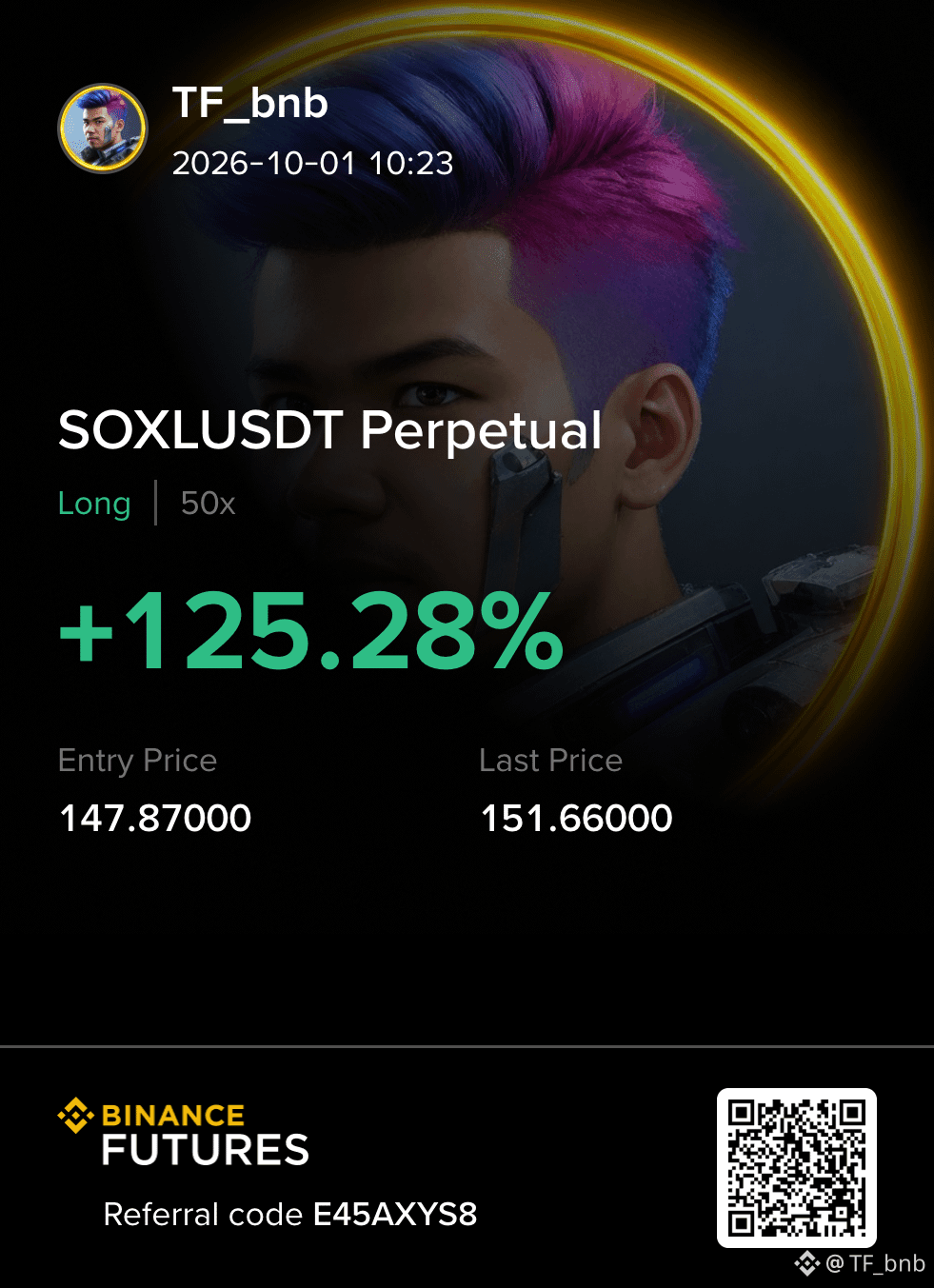
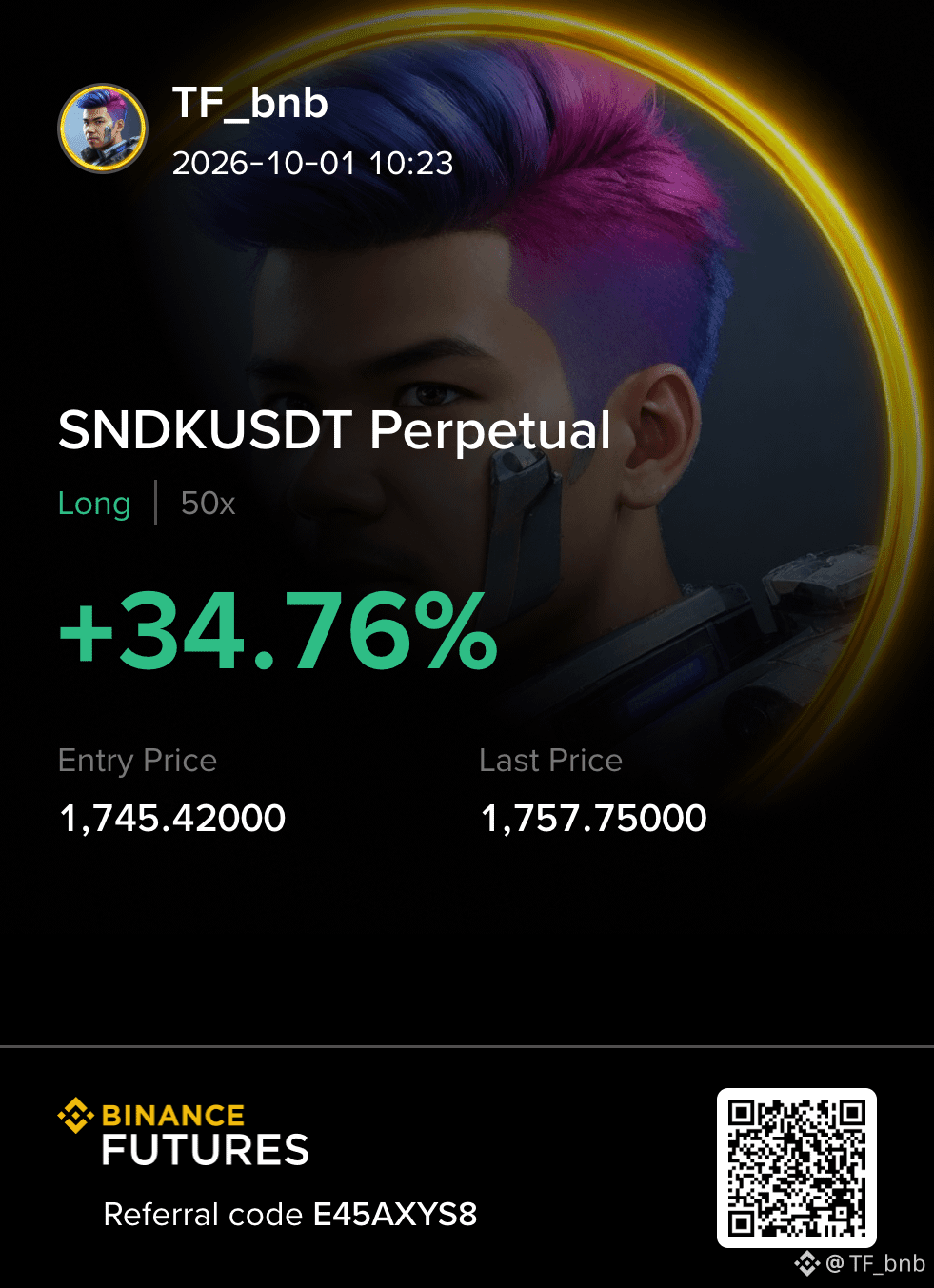
Done closed profit $MOVR $SOXL $SNDK
Super high winrate > 80%
Follow & trade my signal and print money later guys.
{future}(SNDKUSDT)
{future}(SOXLUSDT)
{future}(MOVRUSDT)
Done closed profit $MOVR $SOXL $SNDK
Super high winrate > 80%
Follow & trade my signal and print money later guys.
Super high winrate > 80%
Follow & trade my signal and print money later guys.
TF_bnb
·
--
Bullish$MOVR setup big long again, love profit later
Stoploss : 1.6
Take profit : 3.8
Long $MOVR now 👇
Stoploss : 1.6
Take profit : 3.8
Long $MOVR now 👇
1
6
976
Log in to explore more content
Join global crypto users on Binance Square
⚡️ Get latest and useful information about crypto.
💬 Trusted by the world’s largest crypto exchange.
👍 Discover real insights from verified creators.
Email / Phone number
Trending Topics
EtherGains70.9%InQ3
52,493 views
641 Discussing
One of the best third quarters in history 💰
September closed out last night, and with it, the quarter. For the quarter, BTC is up 42%—the second-best Q3 on record. ETH had a record-breaking Q3 overall, up 70%.
Looking at the chart, things are still looking good: we’re holding support, but we’re testing it more and more often. Plus, ETF momentum is weakening — inflows are gradually declining, and yesterday saw outflows for the first time in a long while.
Yes, historically, October has been a good month for crypto — it’s not called “Uptober” for nothing. But it’s also one of the most volatile months. Last year, for example, we managed to hit a new all-time high (ATH) and experience a flash crash.
🚀 High Accuracy Trades.
$BTC
$ETH
$SOL
#EtherGains70.9%InQ3 #DollarIndexHitsHighestSinceMay2025 #CFTCSubmitsTwoEventContractRulesToWhiteHouse #MicronBeatsEarningsLiftsGuidance
Knowledge is Power
·0 Likes
·130 views
TreasuryLetsStatesFileStablecoinCertificationsEarly
1,864 views
25 Discussing
US10YearYieldNears5.3%
86,055 views
810 Discussing