
Addy_ incrypto
278 Posts

Addy_ incrypto
Report
Block User
死磕SpaceX,Tesla,挑战500U做到10000U。
12 Following
63 Followers
179 Liked
Posts
All
Quotes
Videos
From the global top five to outside the top fifteen: just how brutal was Bitcoin’s market cap plunge this year? $BTC
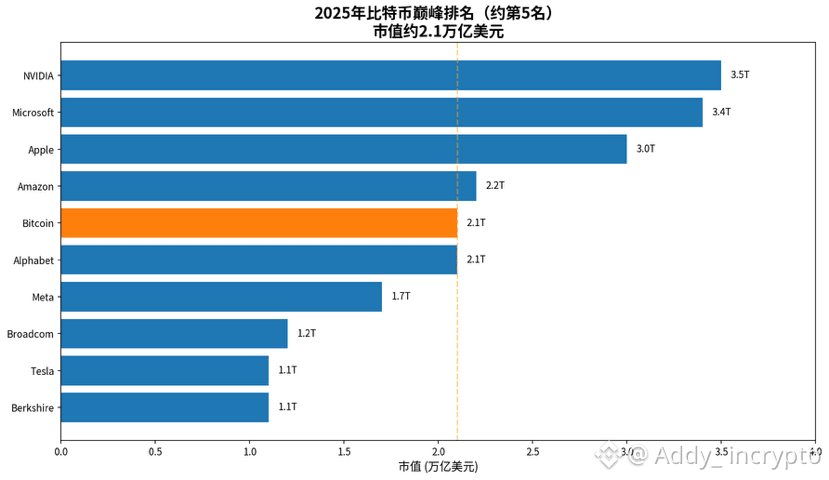
🧩In October 2025, Bitcoin’s price surged to around $126,000, and its market cap easily topped $2.5 trillion.
At that moment, it wasn’t just “the number one cryptocurrency”—
it ranked among the top ten global assets (companies + tokens),
and even broke into the top five for a while.
It directly overtook Amazon, Meta, and Tesla, with only Nvidia, Microsoft, Apple, and Amazon ahead of it.
The entire crypto world was celebrating: digital gold had finally reached the same level as tech giants.
🧩November 28, 2026.
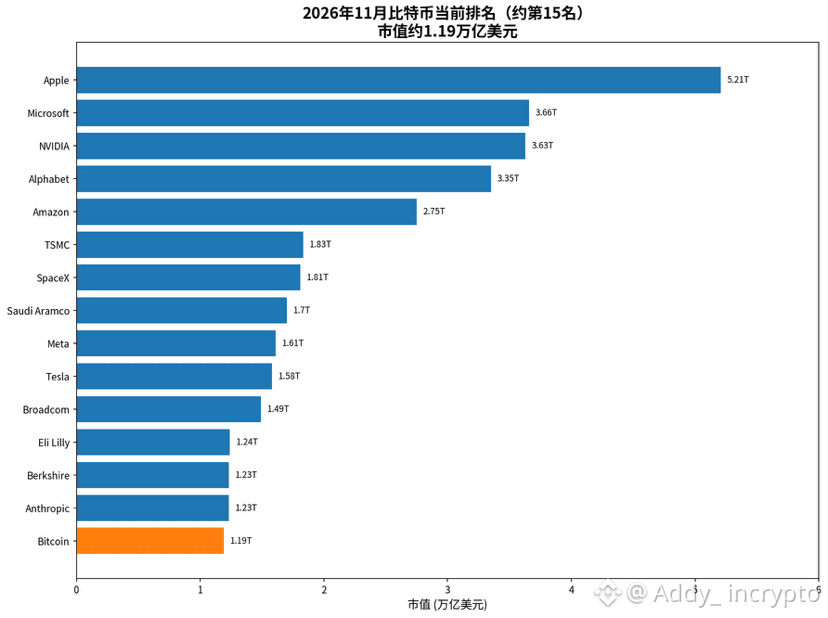
Bitcoin was trading at around $59,000, and its market cap had shrunk to about $1.19–1.2 trillion.
It had slid straight from the global top five to 14th or 15th place.
Tesla has now overtaken it, and SpaceX, Anthropic, Eli Lilly, and Berkshire are all ranked ahead of it. Companies it once crushed are now stepping over it one by one.
How big is the gap?
- More than $1.3 trillion in market cap wiped out
- The price more than halved (from $126,000 to $59,000, a drop of about 53%)
The market has no sentimentality; it only cares about market cap.
And market cap has made the answer crystal clear.
{future}(BTCUSDT)
From the global top five to outside the top fifteen: just how brutal was Bitcoin’s market cap plunge this year? $BTC
🧩In October 2025, Bitcoin’s price surged to around $126,000, and its market cap easily topped $2.5 trillion.
At that moment, it wasn’t just “the number one cryptocurrency”—
it ranked among the top ten global assets (companies + tokens),
and even broke into the top five for a while.
It directly overtook Amazon, Meta, and Tesla, with only Nvidia, Microsoft, Apple, and Amazon ahead of it.
The entire crypto world was celebrating: digital gold had finally reached the same level as tech giants.
🧩November 28, 2026.
Bitcoin was trading at around $59,000, and its market cap had shrunk to about $1.19–1.2 trillion.
It had slid straight from the global top five to 14th or 15th place.
Tesla has now overtaken it, and SpaceX, Anthropic, Eli Lilly, and Berkshire are all ranked ahead of it. Companies it once crushed are now stepping over it one by one.
How big is the gap?
- More than $1.3 trillion in market cap wiped out
- The price more than halved (from $126,000 to $59,000, a drop of about 53%)
The market has no sentimentality; it only cares about market cap.
And market cap has made the answer crystal clear.
472
#因投资海力士2倍杠杆产品而破产的韩国人
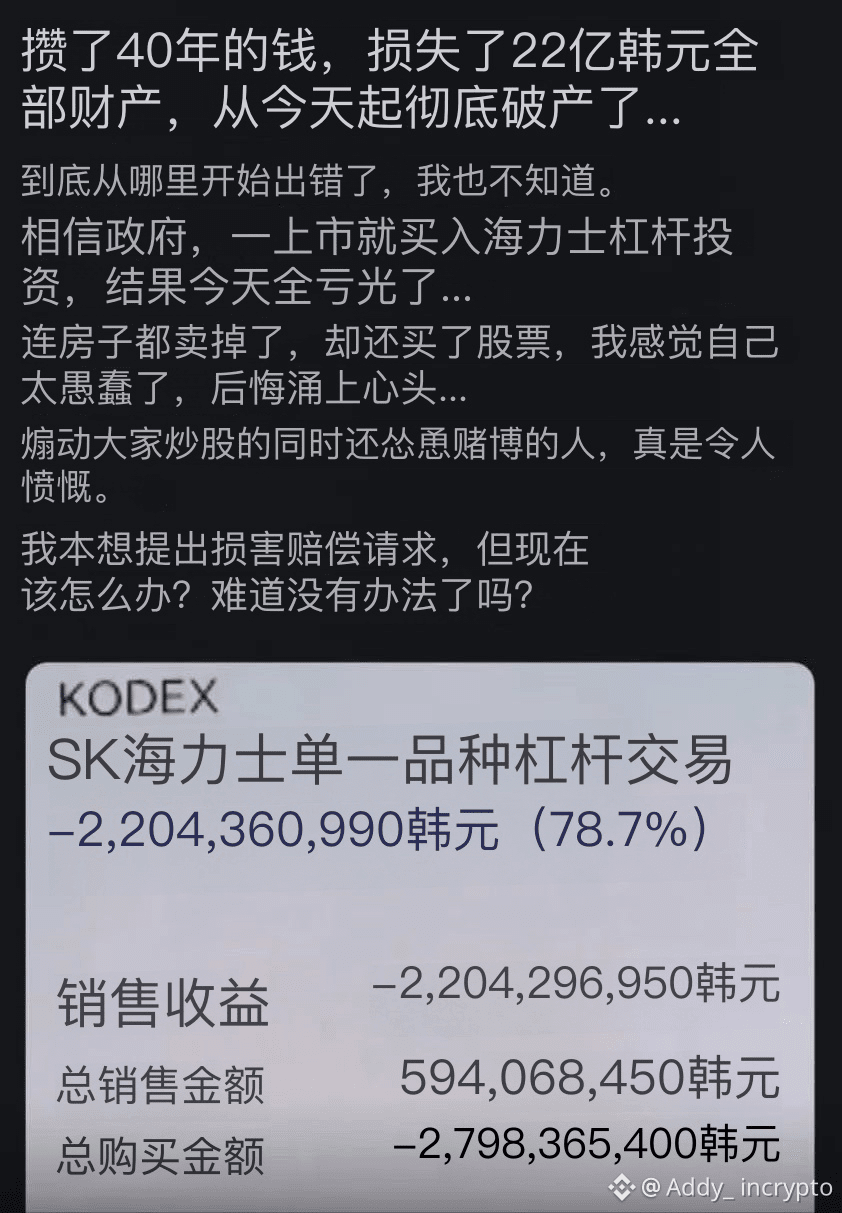
He bought in immediately after Hynix launched leveraged products.
That day was May 27.
At the time, Hynix’s share price was 2.24 million won;
now it has halved to 1.11 million won.
If you had invested everything at the time with 2x leverage,
a loss rate this high would be normal.
$SKHYNIX
{future}(SKHYNIXUSDT)
#因投资海力士2倍杠杆产品而破产的韩国人
He bought in immediately after Hynix launched leveraged products.
That day was May 27.
At the time, Hynix’s share price was 2.24 million won;
now it has halved to 1.11 million won.
If you had invested everything at the time with 2x leverage,
a loss rate this high would be normal.
$SKHYNIX
He bought in immediately after Hynix launched leveraged products.
That day was May 27.
At the time, Hynix’s share price was 2.24 million won;
now it has halved to 1.11 million won.
If you had invested everything at the time with 2x leverage,
a loss rate this high would be normal.
$SKHYNIX
673
Verified
Overview of WLF’s crash (with: the LUNA crash)
1. First, the conclusion: “Ethereum holders” should pay attention
2. Since noon today, WLF has plunged, with its price “cut in half”
A. Justin Sun has applied to have it delisted
B. The project’s lending liquidation price was revealed to be close to $0.021
3. WLF has dumped the 12,000 ETH it held onto the market
4. The new liquidation price this creates ≈ $0.0118
5. This is exactly like the situation during LUNA’s crash, when it kept itself afloat by selling Bitcoin
6. If WLF falls below $0.0118, it could become the next LUNA
7. The coin at the heart of this issue = ETH (Ethereum)
8. The WLF team holds Ethereum, not Bitcoin (If liquidated, around 5,000 ETH will be forcibly sold on the market)
In short, if WLF is liquidated, ETH could see a short-term decline.
$WLFI $ETH
{future}(ETHUSDT)
{future}(WLFIUSDT)
Overview of WLF’s crash (with: the LUNA crash)
1. First, the conclusion: “Ethereum holders” should pay attention
2. Since noon today, WLF has plunged, with its price “cut in half”
A. Justin Sun has applied to have it delisted
B. The project’s lending liquidation price was revealed to be close to $0.021
3. WLF has dumped the 12,000 ETH it held onto the market
4. The new liquidation price this creates ≈ $0.0118
5. This is exactly like the situation during LUNA’s crash, when it kept itself afloat by selling Bitcoin
6. If WLF falls below $0.0118, it could become the next LUNA
7. The coin at the heart of this issue = ETH (Ethereum)
8. The WLF team holds Ethereum, not Bitcoin (If liquidated, around 5,000 ETH will be forcibly sold on the market)
In short, if WLF is liquidated, ETH could see a short-term decline.
$WLFI $ETH
3
5.5k
#SK海力士大概率会跌破600美元
The downward direction of the Korean stock market in the fourth quarter was clear long ago. The real sell-off hasn’t even started. Once NAND prices officially start to fall, the chain reaction will be straightforward:
Operating margins get squeezed
→ Overseas institutions cut their target prices for SK Hynix and Samsung
→ Selling pressure intensifies
The memory supercycle is over, and prices have already largely reflected that. No matter how good the results are, it will be hard for them to drive further upside—this is something I’ve been saying all along.
Those so-called experts fixated on “How could the stock not rise when results are this good?” simply don’t understand expectations or what it means for something to be priced in. Their talking points are basically poison for investors.
$SKHYNIX
{future}(SKHYNIXUSDT)
#SK海力士大概率会跌破600美元
The downward direction of the Korean stock market in the fourth quarter was clear long ago. The real sell-off hasn’t even started. Once NAND prices officially start to fall, the chain reaction will be straightforward:
Operating margins get squeezed
→ Overseas institutions cut their target prices for SK Hynix and Samsung
→ Selling pressure intensifies
The memory supercycle is over, and prices have already largely reflected that. No matter how good the results are, it will be hard for them to drive further upside—this is something I’ve been saying all along.
Those so-called experts fixated on “How could the stock not rise when results are this good?” simply don’t understand expectations or what it means for something to be priced in. Their talking points are basically poison for investors.
$SKHYNIX
1
105
#牺牲股市救美元 ?
Bitcoin was cut in half from around $125,000, while gold and silver fell in tandem. Around November 25, more than $4 trillion was wiped from global assets in 24 hours, and U.S. stocks closed lower. At the same time, the 10-year Treasury yield fell and the dollar strengthened.
There is no dispute that risk assets were sold off and money flowed into the dollar and Treasuries. But concluding from this that “the U.S. deliberately sacrificed the stock market to save the dollar,” then asking whether it was Trump, the Fed, or a “hidden hand” behind it, clearly overestimates the consistency and control of policymaking.
The central assessment: the outcome is real, but it was the combined result of several forces bearing down at once—not a carefully crafted script.
I. Liquidity is indeed tightening
The Fed continues to shrink its balance sheet, the Treasury is issuing large amounts of debt to replenish the TGA, overnight reverse repos are nearly depleted, and bank reserves are approaching $3 trillion. Liquidity fuels valuations. When it diminishes, Bitcoin tends to peak first, gold and silver follow, and stocks then come under pressure. This is a mechanical consequence of the cycle, not a deliberate design.
II. The three forces are not all pulling in the same direction
- Warsh’s balance-sheet reduction is not intended to crash the stock market
Kevin Warsh argues that “the printing press must be quiet for interest rates to be lower.” Shrinking the balance sheet is a prerequisite for rate cuts, and he opposes the central bank continuing to backstop asset prices. “Not rescuing” does not mean “wanting to harm.” Trump is pushing for lower rates, the opposite of a script in which he “coordinates tightening to save the dollar.”
- The stock market has its own script
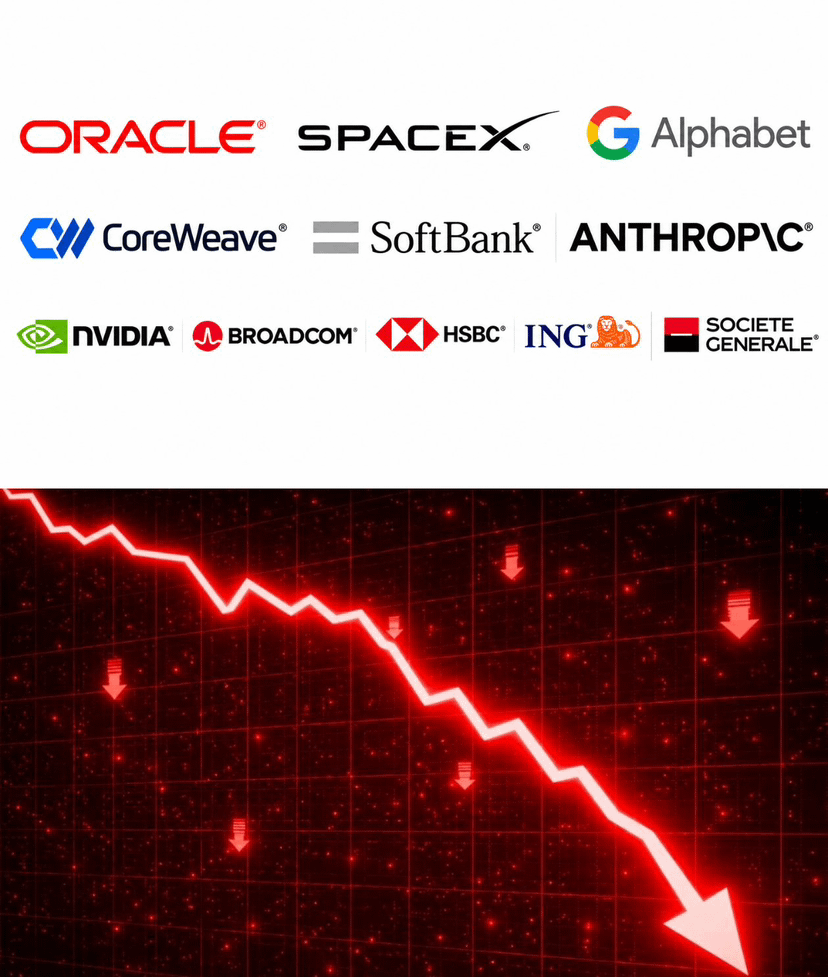
At the heart of the AI revaluation is whether astronomical capital expenditures can deliver returns. Nvidia has shed about $2.65 trillion from its peak valuation of nearly $6 trillion. Liquidity has amplified the decline, but it is not the root cause. Treasuries and the dollar are beneficiaries of the outcome, not the target in advance.
- “Rothschild” has no factual role here
Attributing events to an unnamed family only leads to an unfalsifiable narrative, obscuring the real tensions: the conflict between Warsh’s discipline on balance-sheet reduction and Trump’s desire for rate cuts, and the vulnerability of AI valuations as liquidity recedes.
III. The bottom depends on equilibrium, not on anyone “backing off”
If a single actor controlled a button, simply backing off would mark the bottom. But reality is:
- Warsh will not change course just because stocks fall;
- Trump’s rate cuts cannot solve the problem of AI returns;
- AI revaluation follows its own timeline.
No single party determines the bottom. It depends on when these forces find a point of coexistence at new prices. Calling the bottom too soon is dangerous; so is mistaking their combined impact for a conspiracy.
$BTC $QQQ $ETH
463
Partly True
Absolutely shocking
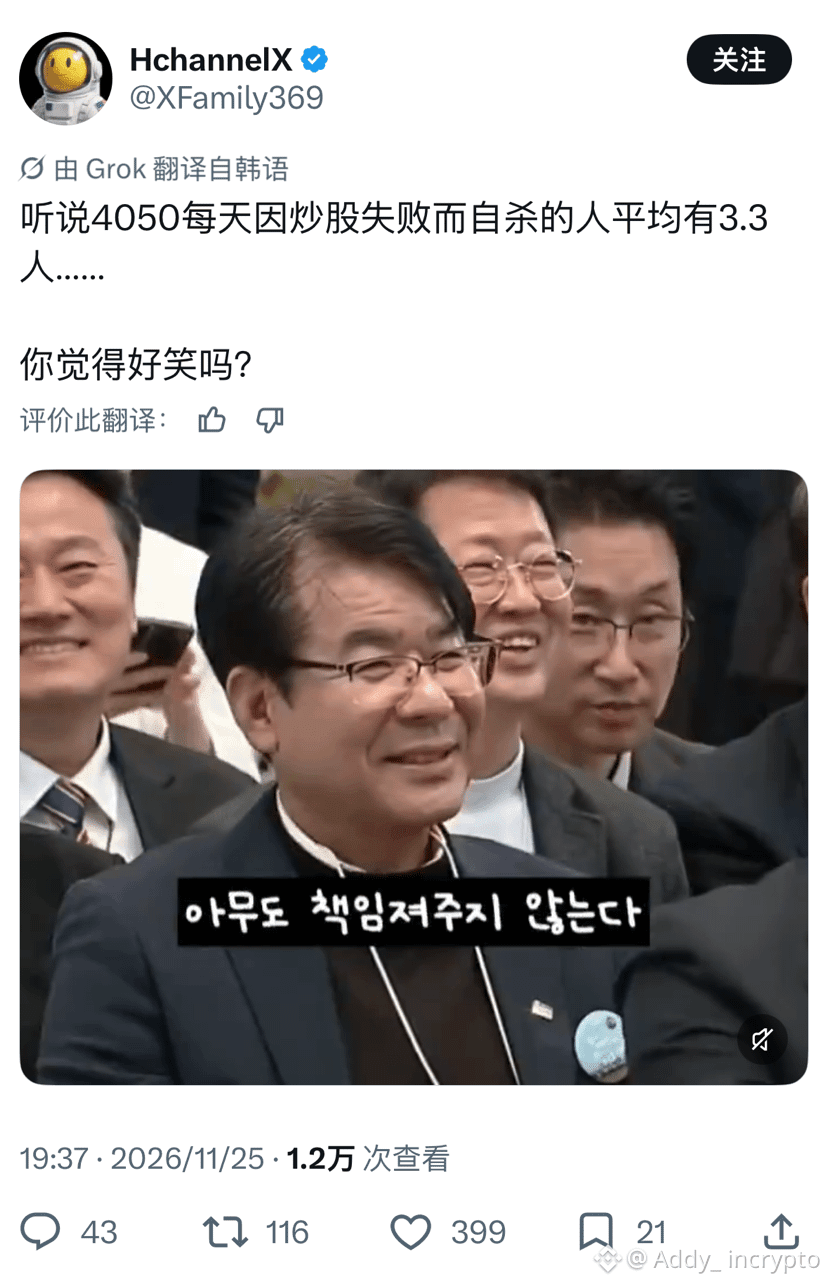
According to Korean netizens, an average of 3.3 investors aged 40–50 die by suicide every day now… That’s a huge number for a country with a population of only 50 million.
South Korea’s stock market has been swept by foreign short-selling firms. Many people have lost everything and, seeing no way out, have chosen to take their own lives…
Even if the current government follows through on its promise to provide 10 trillion won to stabilize the market, it may still be unable to save South Korea’s stock market. The market will enter a long period of recovery.
$KORU
{future}(KORUUSDT)
Absolutely shocking
According to Korean netizens, an average of 3.3 investors aged 40–50 die by suicide every day now… That’s a huge number for a country with a population of only 50 million.
South Korea’s stock market has been swept by foreign short-selling firms. Many people have lost everything and, seeing no way out, have chosen to take their own lives…
Even if the current government follows through on its promise to provide 10 trillion won to stabilize the market, it may still be unable to save South Korea’s stock market. The market will enter a long period of recovery.
$KORU
4
9.5k
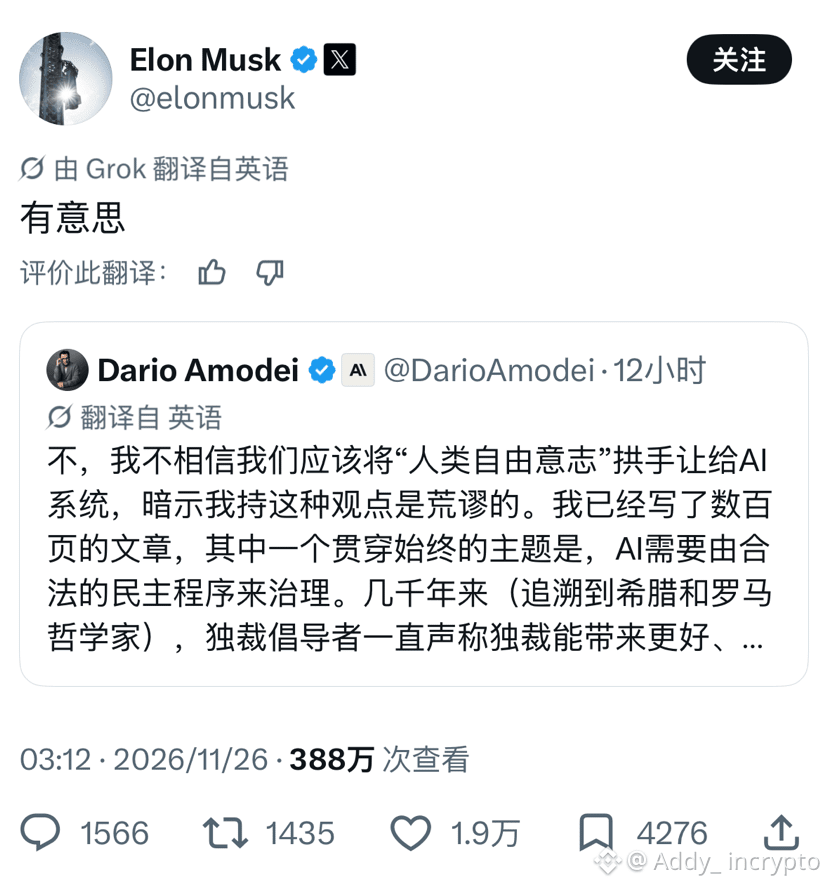
😂Nobody understands social media better than Musk😂
Musk is here online to show you hands-on
The best way to drive your opponent up the wall:
Reply without even reading
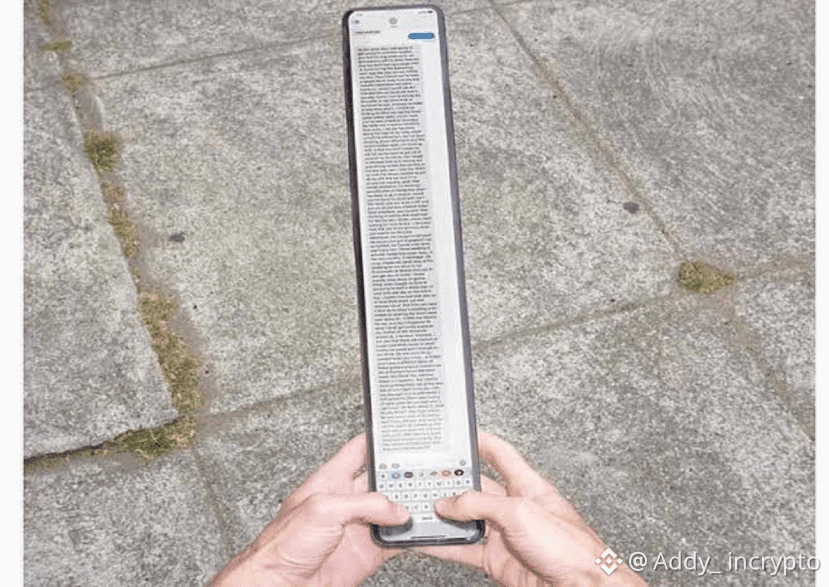
Boss Dario at #Anthropic spent the night painstakingly writing a thousand-word essay to defend himself, racking up 6 million views.
Musk turned around and reposted it, adding just one word:
Interesting.
$ANT $TSLA
{future}(ANTUSDT)
😂Nobody understands social media better than Musk😂
Musk is here online to show you hands-on
The best way to drive your opponent up the wall:
Reply without even reading
Boss Dario at #Anthropic spent the night painstakingly writing a thousand-word essay to defend himself, racking up 6 million views.
Musk turned around and reposted it, adding just one word:
Interesting.
$ANT $TSLA
419
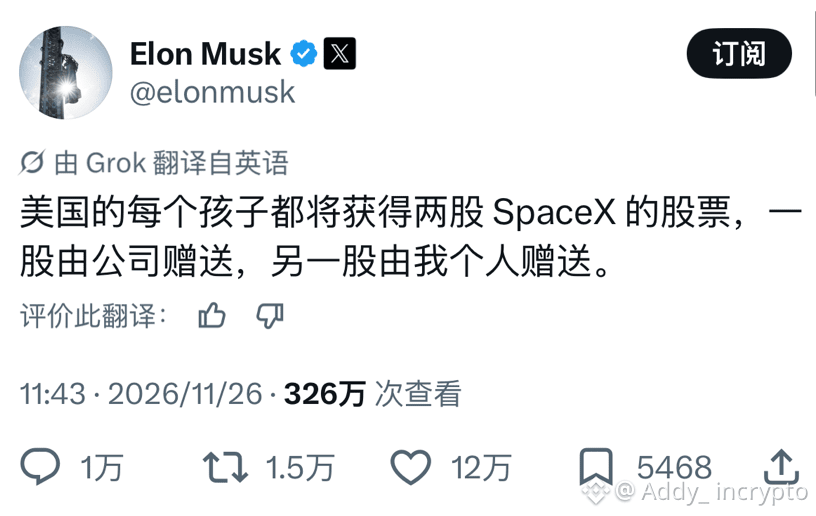
Musk posted again, saying he wants #给每个美国儿童两股SpaceX股份 !
The company contributes one share, and he personally matches it with another.
This is a highly newsworthy move, effectively tying SpaceX directly to the future of the next generation of Americans. More importantly, if the shares really go into children’s accounts, that’s a transfer of ownership—not just empty rhetoric.
He has long said he wants to give people a direct stake in the future economy, and this can be seen as a concrete step toward that goal. His idealism is also pretty clear: a multiplanetary civilization, sustainable energy, freedom of expression, and now letting children own shares in the space industry. He also has a special sense of identification with America, seeing it as the most important place for advancing humanity, which is why the shares are being given to American children first.
Of course, his motives aren’t purely altruistic; there are ideals involved, as well as long-term personal and corporate interests.
But judging by actions rather than intentions, he is willing to take enormous risks on projects with extremely long time horizons and high uncertainty—putting him beyond the realm of ordinary, purely profit-driven businessmen.
$SPCX
{future}(SPCXUSDT)
Musk posted again, saying he wants #给每个美国儿童两股SpaceX股份 !
The company contributes one share, and he personally matches it with another.
This is a highly newsworthy move, effectively tying SpaceX directly to the future of the next generation of Americans. More importantly, if the shares really go into children’s accounts, that’s a transfer of ownership—not just empty rhetoric.
He has long said he wants to give people a direct stake in the future economy, and this can be seen as a concrete step toward that goal. His idealism is also pretty clear: a multiplanetary civilization, sustainable energy, freedom of expression, and now letting children own shares in the space industry. He also has a special sense of identification with America, seeing it as the most important place for advancing humanity, which is why the shares are being given to American children first.
Of course, his motives aren’t purely altruistic; there are ideals involved, as well as long-term personal and corporate interests.
But judging by actions rather than intentions, he is willing to take enormous risks on projects with extremely long time horizons and high uncertainty—putting him beyond the realm of ordinary, purely profit-driven businessmen.
$SPCX
130
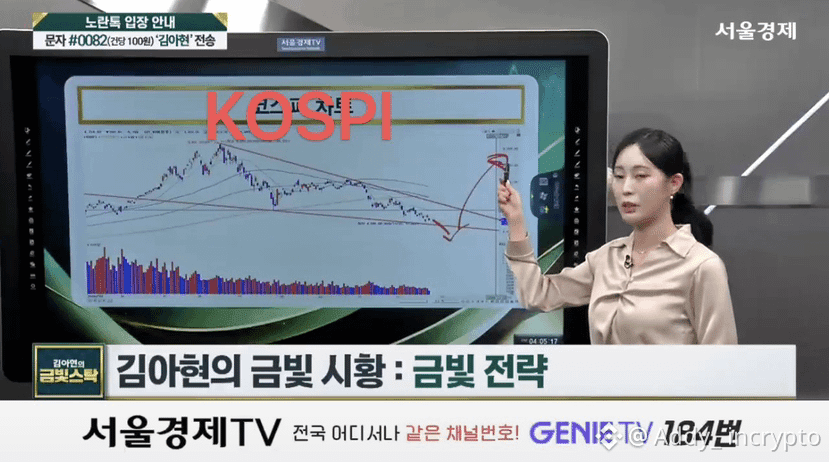
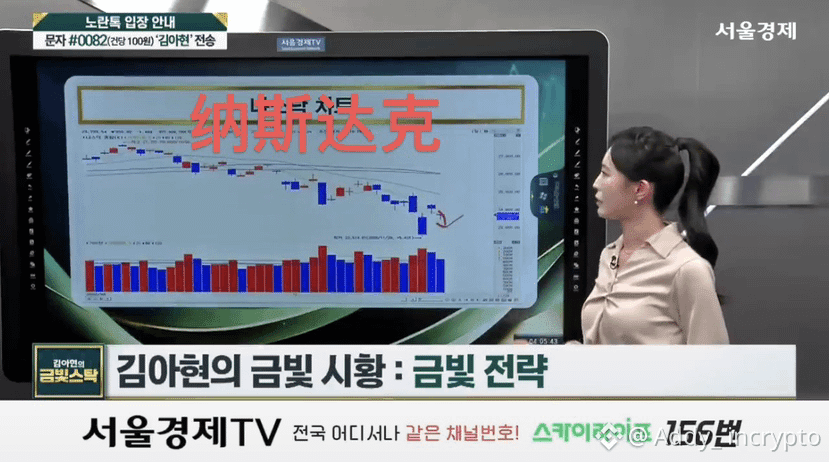
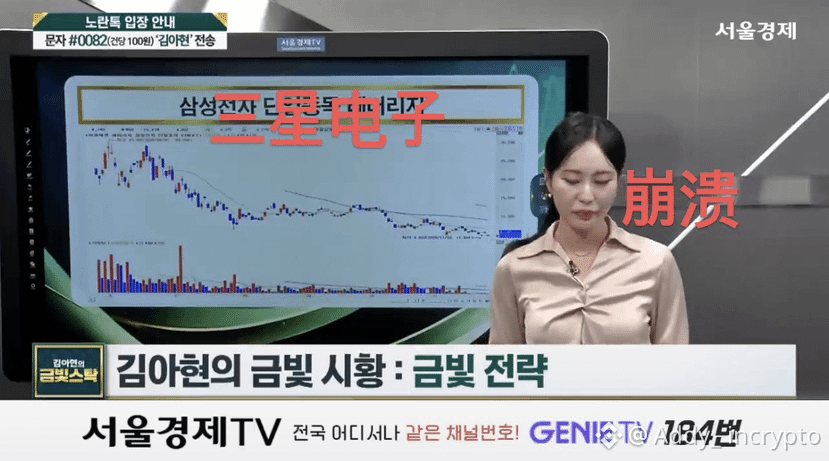
#韩国经济栏目首尔经济的主持人在节目直播中崩溃哽咽
This host and expert broke down in tears during a live broadcast at around 4 p.m. on the afternoon of November 25. Just how much must have been lost… sigh.
1. She first explained the Nasdaq chart, saying the market was extremely tough and the Nasdaq might fall a little further, and encouraged viewers to “hang in there.”
2. Then, when she switched to the chart for a single-stock leveraged product tied to Samsung Electronics, the screen showed it had plunged about -15.21% that day.
3. Seeing the devastating drop, she suddenly couldn’t speak and choked up. Her eyes reddened, tears rolled down her face, and she instinctively looked off-camera to the director for help.
South Korea’s KOSPI also plunged by more than 6% that day, and the overall market mood was deeply depressing. Semiconductor stocks plummeted. How many retail investors were trapped in leveraged products? How many families were torn apart? How many people saw their retirement savings wiped out? It’s truly heartbreaking!
As the saying goes: Markets involve risk, so invest with caution!
$KORU $SKHY $SAMSUNG
{future}(SAMSUNGUSDT)
{future}(KORUUSDT)
#韩国经济栏目首尔经济的主持人在节目直播中崩溃哽咽
This host and expert broke down in tears during a live broadcast at around 4 p.m. on the afternoon of November 25. Just how much must have been lost… sigh.
1. She first explained the Nasdaq chart, saying the market was extremely tough and the Nasdaq might fall a little further, and encouraged viewers to “hang in there.”
2. Then, when she switched to the chart for a single-stock leveraged product tied to Samsung Electronics, the screen showed it had plunged about -15.21% that day.
3. Seeing the devastating drop, she suddenly couldn’t speak and choked up. Her eyes reddened, tears rolled down her face, and she instinctively looked off-camera to the director for help.
South Korea’s KOSPI also plunged by more than 6% that day, and the overall market mood was deeply depressing. Semiconductor stocks plummeted. How many retail investors were trapped in leveraged products? How many families were torn apart? How many people saw their retirement savings wiped out? It’s truly heartbreaking!
As the saying goes: Markets involve risk, so invest with caution!
$KORU $SKHY $SAMSUNG
303
Verified
🚨 The truth behind Jensen Huang’s lightning-fast return to Nvidia: It’s not nostalgia—it’s a “money-printing” mission!
Musk just sounded the alarm:
AI computing power will face a severe cash crunch next year.
Powering, cooling, and keeping massive computing infrastructure running reliably is incredibly difficult. Even a delay of a few months could burn through hundreds of millions of dollars more in working capital alone—where will the money come from?
Here’s the answer:
1️⃣ Musk has made it clear: cash will be the biggest bottleneck next year
2️⃣ Under Jensen Huang, Nvidia is the market’s cash bank
3️⃣ Demand is exploding, but without cash, AI development itself will grind to a halt
4️⃣ The US-China AI race is a “battle for supremacy,” and neither side dares to bow out easily
5️⃣ The interim CEO said cash support would be tightened, and the market immediately felt as if the Fed had suddenly raised interest rates
6️⃣ So Jensen Huang has to come back—to personally inject cash back into the market
Jensen Huang isn’t “coming back to work”;
he’s returning on a mission to flood the market with liquidity.
$NVDA Every fluctuation now is part of this cash war.
Who do you think will be the first to buckle under this cash crunch?
$QQQ $SOXL
{future}(SOXLUSDT)
{future}(NVDAUSDT)
🚨 The truth behind Jensen Huang’s lightning-fast return to Nvidia: It’s not nostalgia—it’s a “money-printing” mission!
Musk just sounded the alarm:
AI computing power will face a severe cash crunch next year.
Powering, cooling, and keeping massive computing infrastructure running reliably is incredibly difficult. Even a delay of a few months could burn through hundreds of millions of dollars more in working capital alone—where will the money come from?
Here’s the answer:
1️⃣ Musk has made it clear: cash will be the biggest bottleneck next year
2️⃣ Under Jensen Huang, Nvidia is the market’s cash bank
3️⃣ Demand is exploding, but without cash, AI development itself will grind to a halt
4️⃣ The US-China AI race is a “battle for supremacy,” and neither side dares to bow out easily
5️⃣ The interim CEO said cash support would be tightened, and the market immediately felt as if the Fed had suddenly raised interest rates
6️⃣ So Jensen Huang has to come back—to personally inject cash back into the market
Jensen Huang isn’t “coming back to work”;
he’s returning on a mission to flood the market with liquidity.
$NVDA Every fluctuation now is part of this cash war.
Who do you think will be the first to buckle under this cash crunch?
$QQQ $SOXL
1
3.1k
SOXS surged more than 24% today (closing at $60.96), with volume topping 110 million, once again proving that semiconductors are currently the most “emotional” battleground.
The surface-level explanation is simple: Jensen Huang’s return on Monday ignited an AI frenzy (NVDA +30%+), followed immediately on Tuesday by large-scale profit-taking. The SOX Index plunged nearly 8%, and the triple-leveraged inverse product directly amplified the gains.
But looking deeper, there are several noteworthy and distinct perspectives:
1. This isn’t simply “bearishness”—it’s an eruption in hedging demand after sentiment gets overheated
A surge in volume and price for an extreme product like SOXS often doesn’t mean institutions are genuinely bearish on semiconductors over the long term. Rather, it reflects many longs—especially leveraged and options traders—rushing to hedge after a sharp rally. It’s more like a market “sentiment thermometer” than a directional bet.
2. The “path dependency trap” in a highly volatile environment
Semiconductors have recently entered a period of extreme volatility, where 10% moves in a single day are not unusual. In this environment, SOXS’s daily reset means that even if holders get the direction right, they may still lose money from being whipsawed. Yesterday’s -41% and today’s +24% roller coaster is a textbook accelerator of volatility decay.
3. The lag in retail investor sentiment and its contrarian indicator effect
Historically, a prolonged surge in SOXS is often followed by a short-term oversold bounce in the sector. By the time ordinary investors start talking en masse about “shorting semiconductors,” smart money may already be preparing to trade in the opposite direction. The current high level of interest in SOXS could instead be one signal that the sector is nearing a short-term bottom.
$SOXS remains a high-risk tool suitable only for professional short-term traders. It can precisely amplify one-day sentiment, but can hardly support any medium-term view. It’s about volatility, not trend.
{future}(SOXSUSDT)
SOXS surged more than 24% today (closing at $60.96), with volume topping 110 million, once again proving that semiconductors are currently the most “emotional” battleground.
The surface-level explanation is simple: Jensen Huang’s return on Monday ignited an AI frenzy (NVDA +30%+), followed immediately on Tuesday by large-scale profit-taking. The SOX Index plunged nearly 8%, and the triple-leveraged inverse product directly amplified the gains.
But looking deeper, there are several noteworthy and distinct perspectives:
1. This isn’t simply “bearishness”—it’s an eruption in hedging demand after sentiment gets overheated
A surge in volume and price for an extreme product like SOXS often doesn’t mean institutions are genuinely bearish on semiconductors over the long term. Rather, it reflects many longs—especially leveraged and options traders—rushing to hedge after a sharp rally. It’s more like a market “sentiment thermometer” than a directional bet.
2. The “path dependency trap” in a highly volatile environment
Semiconductors have recently entered a period of extreme volatility, where 10% moves in a single day are not unusual. In this environment, SOXS’s daily reset means that even if holders get the direction right, they may still lose money from being whipsawed. Yesterday’s -41% and today’s +24% roller coaster is a textbook accelerator of volatility decay.
3. The lag in retail investor sentiment and its contrarian indicator effect
Historically, a prolonged surge in SOXS is often followed by a short-term oversold bounce in the sector. By the time ordinary investors start talking en masse about “shorting semiconductors,” smart money may already be preparing to trade in the opposite direction. The current high level of interest in SOXS could instead be one signal that the sector is nearing a short-term bottom.
$SOXS remains a high-risk tool suitable only for professional short-term traders. It can precisely amplify one-day sentiment, but can hardly support any medium-term view. It’s about volatility, not trend.
368
BIGTIME (Big Time)
Price increase of approximately +70%–80%
Big Time is a free-to-play multiplayer action RPG developed by a team that includes former Decentraland co-founders. It features a time-travel theme and a player-driven economy.
BIGTIME is the game’s core utility token, used for things like crafting NFTs and entering special areas. It’s been around for a long time.
The price has rebounded sharply recently, with a significant increase in trading volume. Funding rates are negative, suggesting that short sellers are being squeezed.
A recovery in sentiment toward gaming tokens is the main driver, but the market cap is still relatively small, and volatility is extremely high. Be wary of a pullback and token unlock pressure.
Suitable for short-term monitoring of sentiment and trading volume changes.
$BIGTIME
{future}(BIGTIMEUSDT)
BIGTIME (Big Time)
Price increase of approximately +70%–80%
Big Time is a free-to-play multiplayer action RPG developed by a team that includes former Decentraland co-founders. It features a time-travel theme and a player-driven economy.
BIGTIME is the game’s core utility token, used for things like crafting NFTs and entering special areas. It’s been around for a long time.
The price has rebounded sharply recently, with a significant increase in trading volume. Funding rates are negative, suggesting that short sellers are being squeezed.
A recovery in sentiment toward gaming tokens is the main driver, but the market cap is still relatively small, and volatility is extremely high. Be wary of a pullback and token unlock pressure.
Suitable for short-term monitoring of sentiment and trading volume changes.
$BIGTIME

407
Tomorrow is Thanksgiving. Here’s an obscure fact:
Thanksgiving is the most shameless holiday in the world.
It’s not about the Puritans who fled England for the Americas giving thanks to the Indigenous people who had once helped them enormously out of kindness,
but about thanking God for bringing them to a fertile land where they could brutally massacre the Indigenous people and plunder their land. It’s a pretty gloss over acts of banditry.
And tomorrow, Thanksgiving comes around once again. The people of this land will celebrate and thank God for everything they’ve received over the past year.
$BTC $ANT
{future}(ANTUSDT)
Tomorrow is Thanksgiving. Here’s an obscure fact:
Thanksgiving is the most shameless holiday in the world.
It’s not about the Puritans who fled England for the Americas giving thanks to the Indigenous people who had once helped them enormously out of kindness,
but about thanking God for bringing them to a fertile land where they could brutally massacre the Indigenous people and plunder their land. It’s a pretty gloss over acts of banditry.
And tomorrow, Thanksgiving comes around once again. The people of this land will celebrate and thank God for everything they’ve received over the past year.
$BTC $ANT

439
Verified
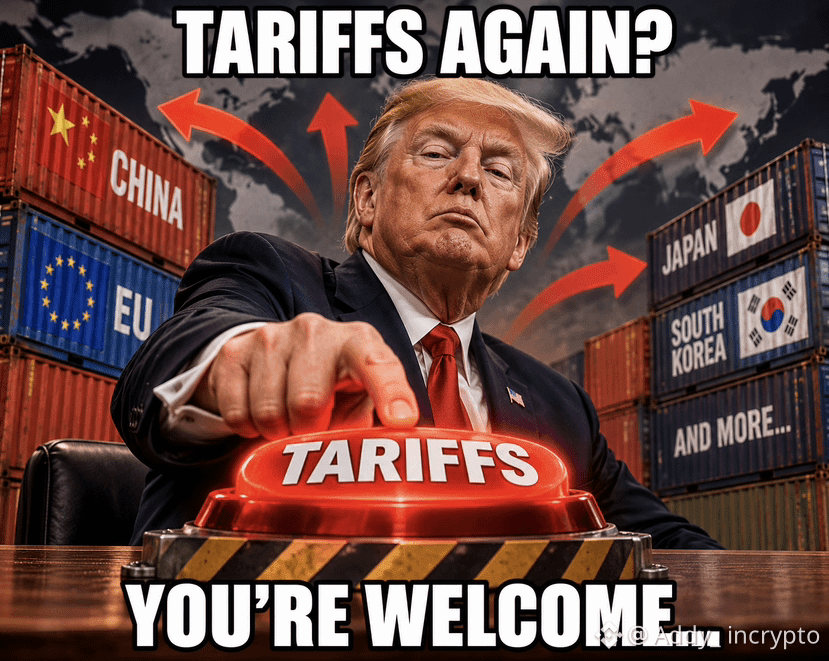
Trump’s tariff game is back again, damn 😅
The Trump administration is preparing to raise tariffs on China, the EU, and 14 other countries/economies. U.S. Trade Representative Jamieson Greer is expected to announce the findings of a months-long investigation as early as this week (some reports say as soon as Tuesday). The investigation targets industrial subsidies and excess capacity in these economies, arguing that subsidies for domestic production have created overcapacity and that cheap goods are hurting U.S. manufacturing.
Specific details include:
• The targets include China, the EU, and 14 other economies (about 16 in total).
• The new tariffs could apply to most products, but goods such as steel, aluminum, and automobiles that are already covered by national security tariffs may be excluded.
• The rates have not been finalized. Countries with agreements (such as the EU, Japan, and South Korea) may be capped at 15% or less, while China could face higher rates. These measures are intended to replace some of the tariffs previously struck down by the Supreme Court.
• The timeline may still change. For now, this is at the “in preparation/announcement forthcoming” stage, rather than officially implemented.
Markets have already reacted, with U.S. stock futures and other markets showing volatility. For now, this is still based on reports from people familiar with the matter; no official documents have been released. Keep an eye on WSJ, Bloomberg, or official USTR channels for further updates.
$BTC $SPY $XAU
{future}(XAUUSDT)
Trump’s tariff game is back again, damn 😅
The Trump administration is preparing to raise tariffs on China, the EU, and 14 other countries/economies. U.S. Trade Representative Jamieson Greer is expected to announce the findings of a months-long investigation as early as this week (some reports say as soon as Tuesday). The investigation targets industrial subsidies and excess capacity in these economies, arguing that subsidies for domestic production have created overcapacity and that cheap goods are hurting U.S. manufacturing.
Specific details include:
• The targets include China, the EU, and 14 other economies (about 16 in total).
• The new tariffs could apply to most products, but goods such as steel, aluminum, and automobiles that are already covered by national security tariffs may be excluded.
• The rates have not been finalized. Countries with agreements (such as the EU, Japan, and South Korea) may be capped at 15% or less, while China could face higher rates. These measures are intended to replace some of the tariffs previously struck down by the Supreme Court.
• The timeline may still change. For now, this is at the “in preparation/announcement forthcoming” stage, rather than officially implemented.
Markets have already reacted, with U.S. stock futures and other markets showing volatility. For now, this is still based on reports from people familiar with the matter; no official documents have been released. Keep an eye on WSJ, Bloomberg, or official USTR channels for further updates.
$BTC $SPY $XAU
1
549
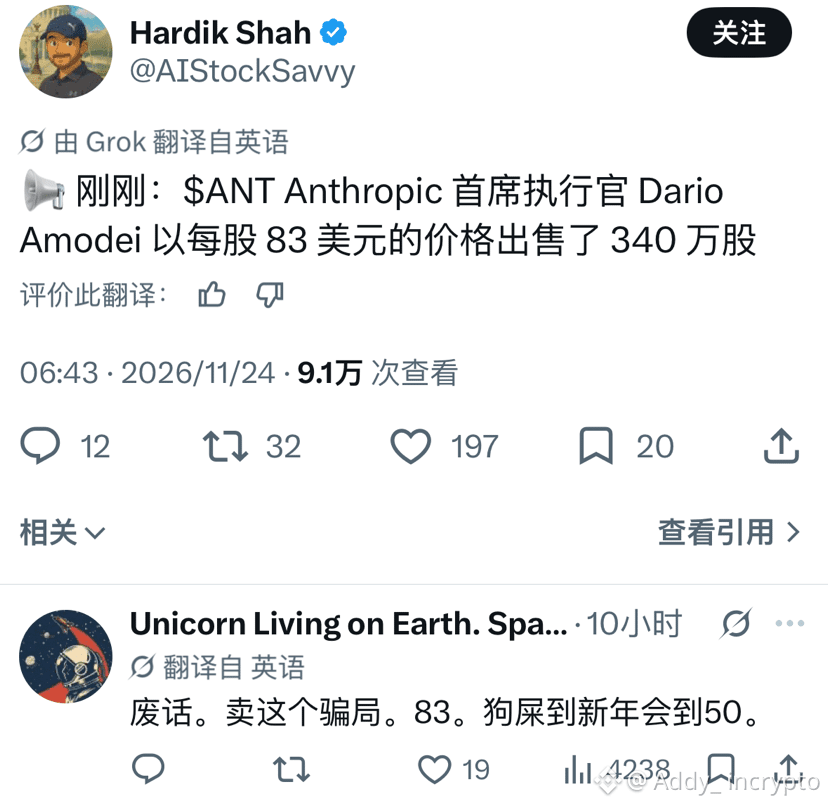
⚠️After Anthropic went public, CEO Dario Amodei cashed out about 280 million. What good could it be when the founder leads the sell-off? 🤫
$ANT
{future}(ANTUSDT)
⚠️After Anthropic went public, CEO Dario Amodei cashed out about 280 million. What good could it be when the founder leads the sell-off? 🤫
$ANT
$ANT

1
1.9k
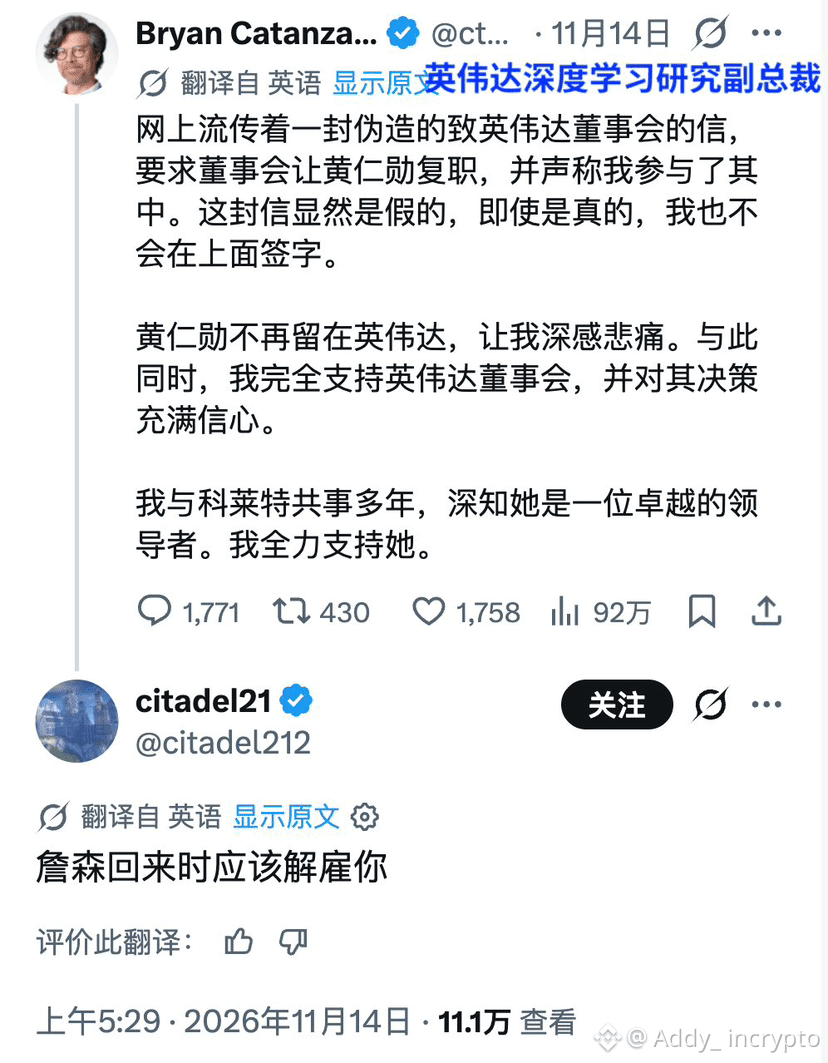
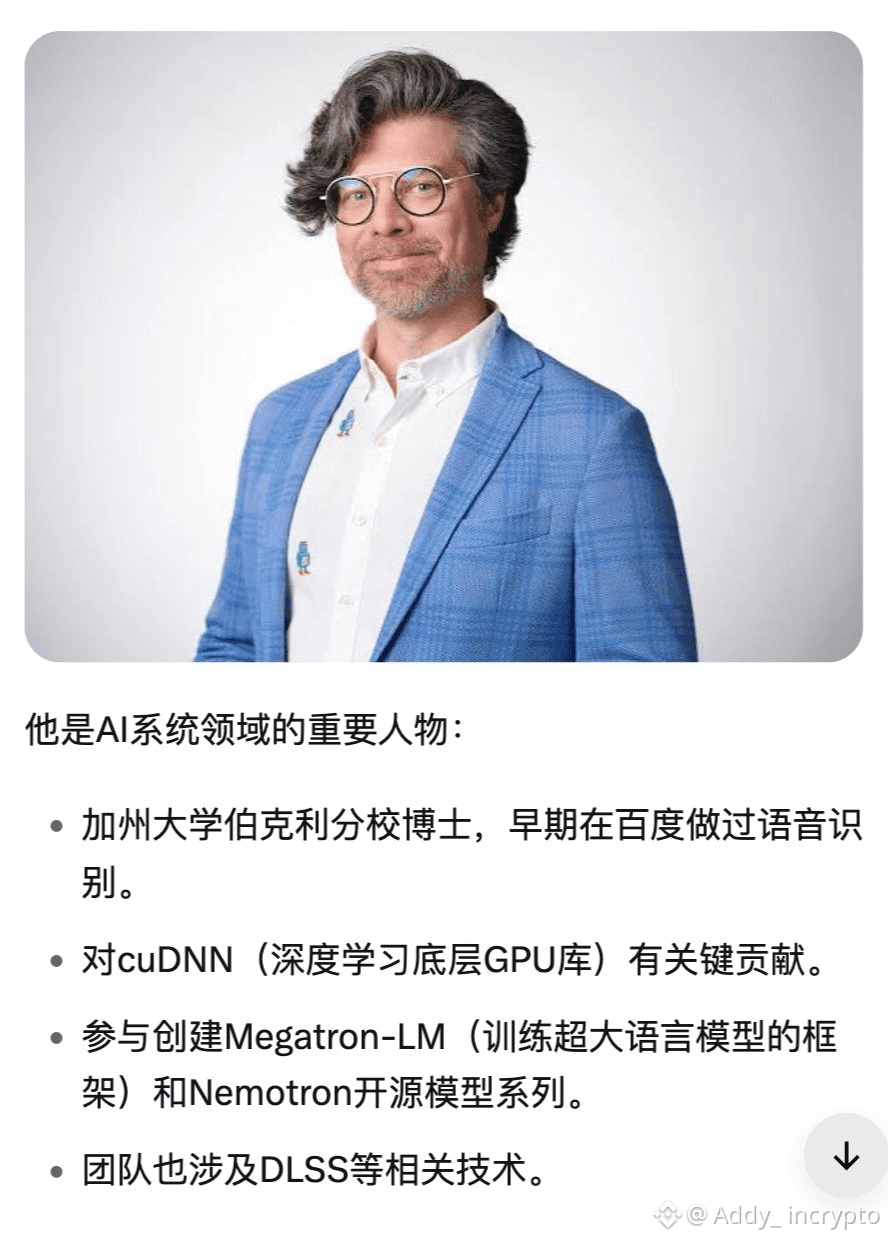
Would those going against the tide of history know they were doing so?
Joined the Nazi Party in Germany in 1945
Joined the Nationalist army in 1949
Became a Soviet citizen in 1991
Started a travel agency in 2020
Entered the education and training industry in 2021
Made a huge bet on Evergrande in 2022
Drove Jensen Huang away in 2026
$NVDA $BTC
{future}(NVDAUSDT)
Would those going against the tide of history know they were doing so?
Joined the Nazi Party in Germany in 1945
Joined the Nationalist army in 1949
Became a Soviet citizen in 1991
Started a travel agency in 2020
Entered the education and training industry in 2021
Made a huge bet on Evergrande in 2022
Drove Jensen Huang away in 2026
$NVDA $BTC
Joined the Nazi Party in Germany in 1945
Joined the Nationalist army in 1949
Became a Soviet citizen in 1991
Started a travel agency in 2020
Entered the education and training industry in 2021
Made a huge bet on Evergrande in 2022
Drove Jensen Huang away in 2026
$NVDA $BTC
167
Jensen Huang vs. Dario Amodei
They have clear disagreements, both publicly and privately:
• AI safety views: Dario places greater emphasis on risks and slowing down, while Huang is more accelerationist.
• Chip exports to China: Dario advocates strict restrictions (even likening the sale of high-end chips to “selling nuclear weapons to North Korea”), while Huang takes a more open stance.
• Open source vs. closed source: Huang strongly supports the open-source/open-weight model ecosystem, directly challenging the business model of high-margin closed-source models like Anthropic’s.
$NVDA $ANT
{future}(ANTUSDT)
{future}(NVDAUSDT)
Jensen Huang vs. Dario Amodei
They have clear disagreements, both publicly and privately:
• AI safety views: Dario places greater emphasis on risks and slowing down, while Huang is more accelerationist.
• Chip exports to China: Dario advocates strict restrictions (even likening the sale of high-end chips to “selling nuclear weapons to North Korea”), while Huang takes a more open stance.
• Open source vs. closed source: Huang strongly supports the open-source/open-weight model ecosystem, directly challenging the business model of high-margin closed-source models like Anthropic’s.
$NVDA $ANT

522
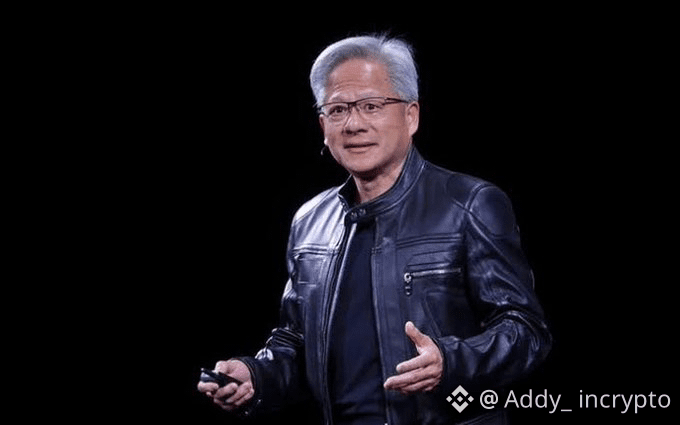
Nvidia’s deposed emperor Jensen Huang is back on the throne—surely an aggressive pump to celebrate wouldn’t be too much to ask?
$NVDA $SOXL
{future}(SOXLUSDT)
{future}(SOXSUSDT)
{future}(NVDAUSDT)
Nvidia’s deposed emperor Jensen Huang is back on the throne—surely an aggressive pump to celebrate wouldn’t be too much to ask?
$NVDA $SOXL
$NVDA $SOXL
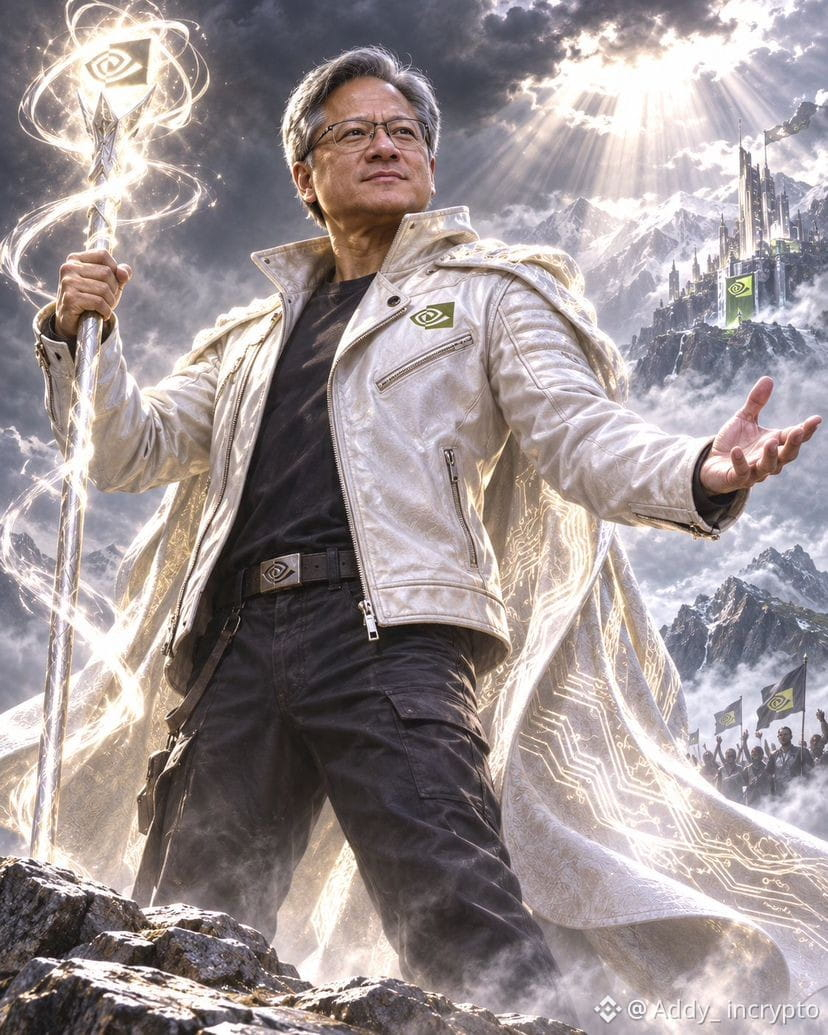
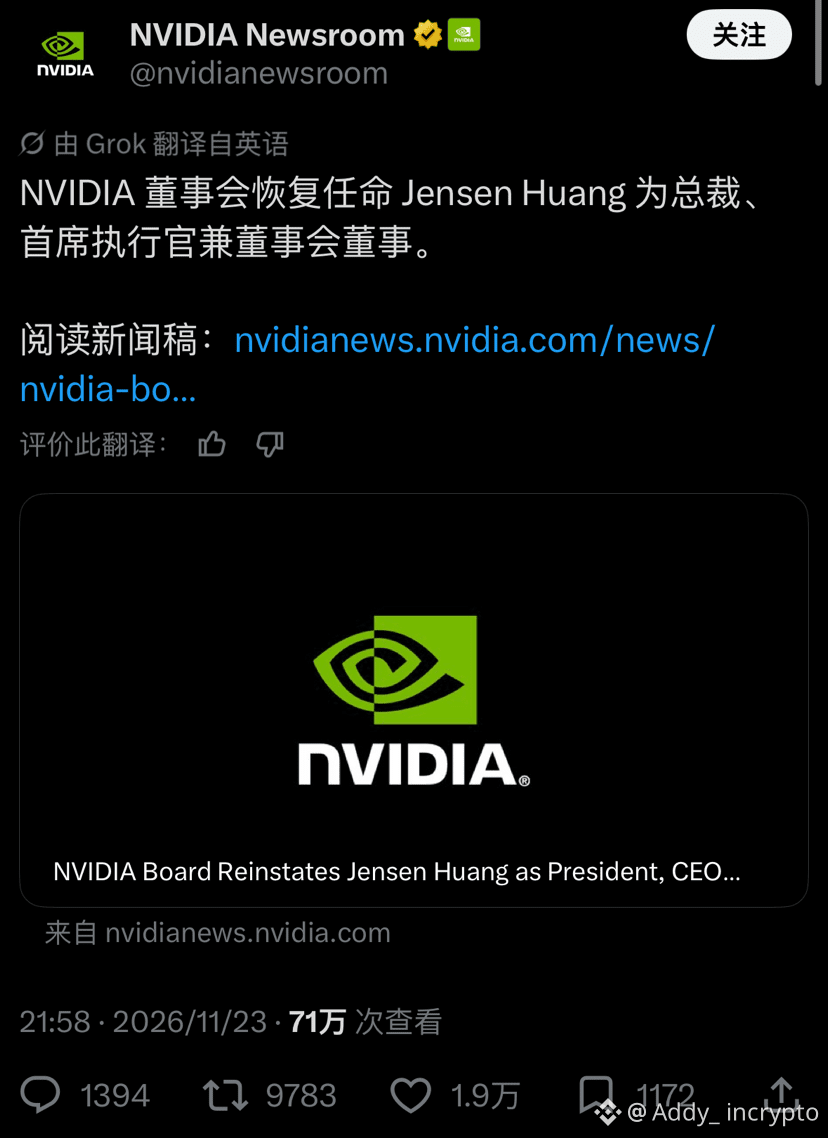
142
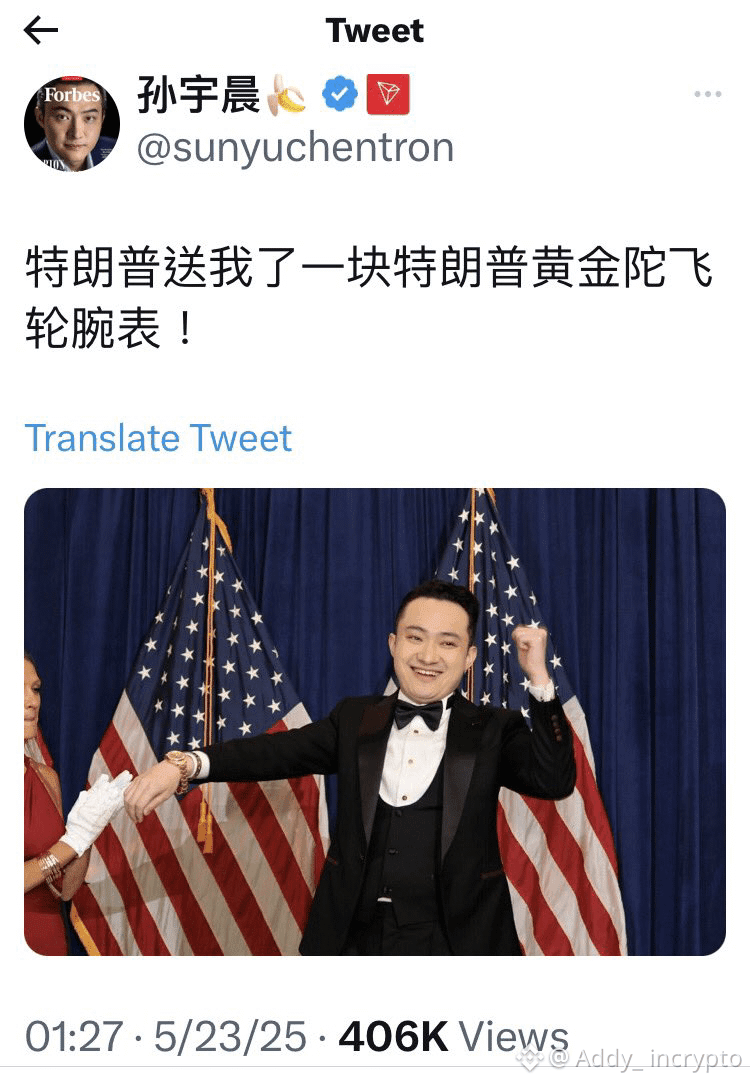
💥Trump meet-and-greet ticket prices plummet📉
2025.05.22: Sun Yuchen spent $100 million
2026.11.22: Can't even hire enough staff for $500
$TRUMP $TRX
{future}(TRXUSDT)
💥Trump meet-and-greet ticket prices plummet📉
2025.05.22: Sun Yuchen spent $100 million
2026.11.22: Can't even hire enough staff for $500
$TRUMP $TRX
2025.05.22: Sun Yuchen spent $100 million
2026.11.22: Can't even hire enough staff for $500
$TRUMP $TRX
722
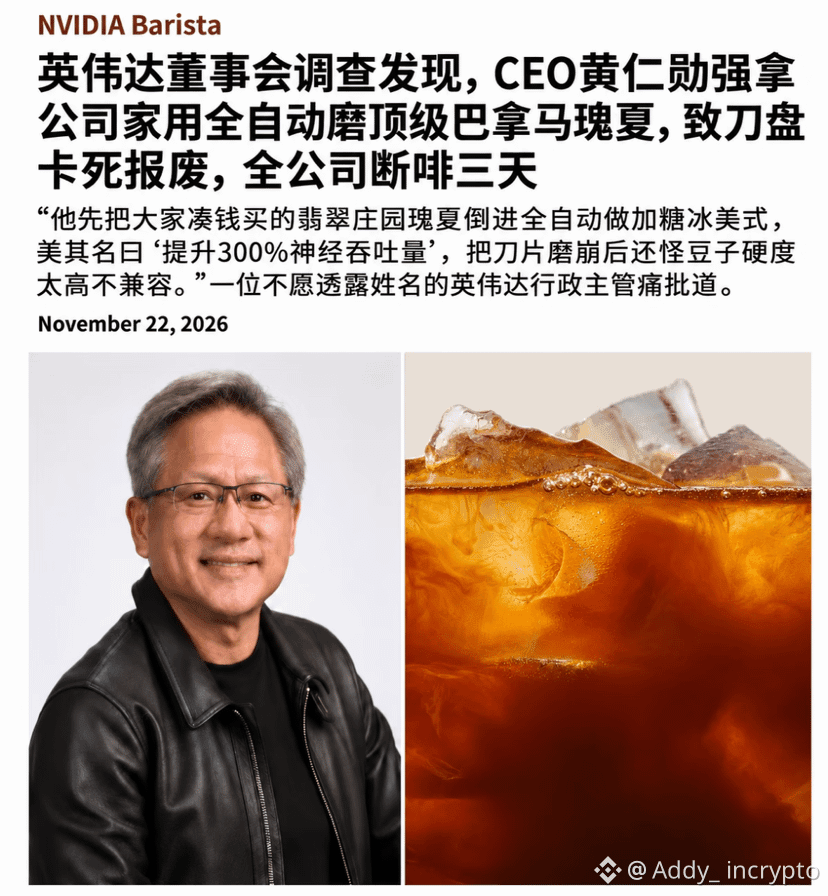
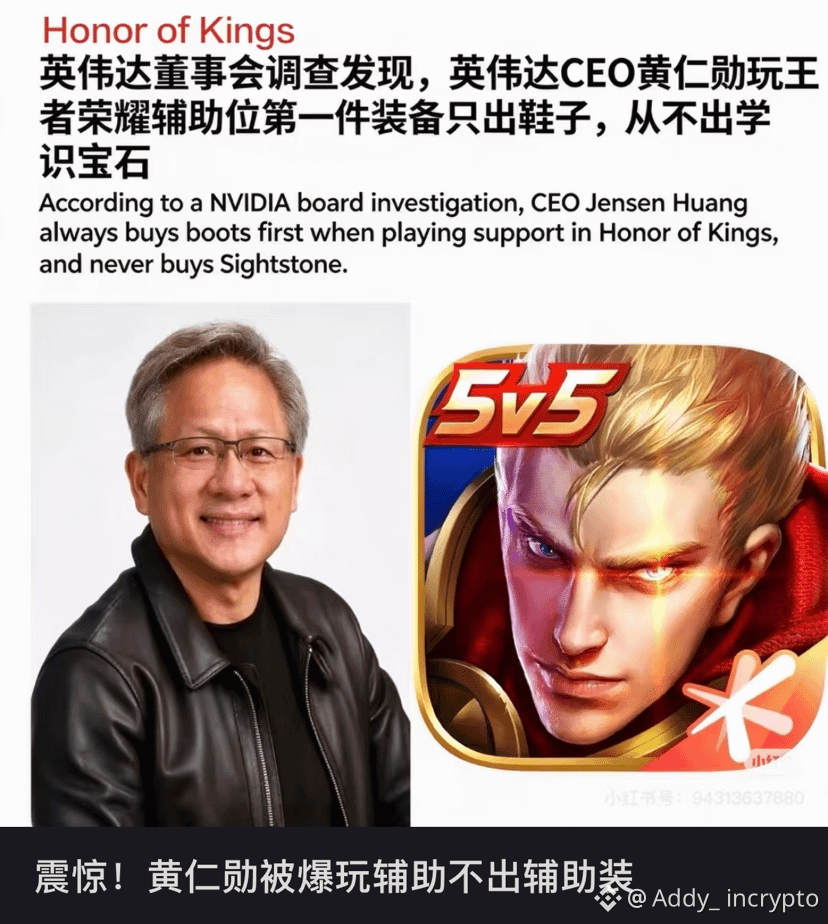
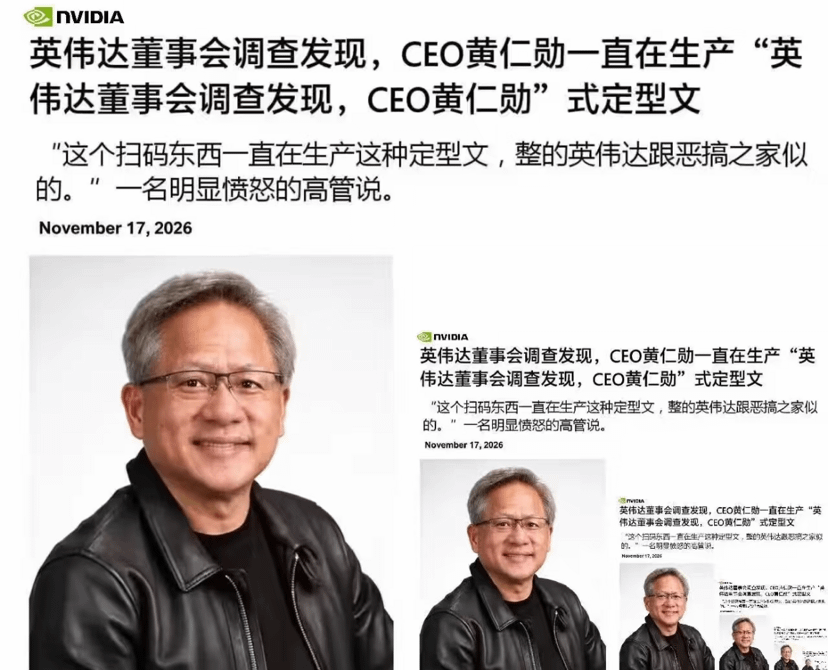
Nvidia board investigation finds
Jensen Huang has been making matryoshka dolls
Jensen Huang says: Are you ever going to stop? 😂
$NVDA
{future}(NVDAUSDT)
Nvidia board investigation finds
Jensen Huang has been making matryoshka dolls
Jensen Huang says: Are you ever going to stop? 😂
$NVDA
Jensen Huang has been making matryoshka dolls
Jensen Huang says: Are you ever going to stop? 😂
$NVDA
1.2k
Log in to explore more content
Join global crypto users on Binance Square
⚡️ Get latest and useful information about crypto.
💬 Trusted by the world’s largest crypto exchange.
👍 Discover real insights from verified creators.
Email / Phone number
Trending Topics
EvolveAtBinanceBlockchainWeek
2.5M views
20,800 Discussing
Binance Blockchain Week is officially underway! 🌍
On November 28–29, whether you’re in Bangkok or joining from afar, tune in to the livestreams and join the conversation on Binance Square!
Here’s what’s in store 👇
📺 Watch the main stage live
Tune in throughout both days as industry speakers share their perspectives on this year’s theme, “Evolve” From technological innovation to real-world applications, explore what’s next for crypto.
⚔️ Watch two trading competitions
The Aster Open Qualifier and the Binance Trading Master Tournament will both be streamed live. Tune in to follow the traders in action.
🏆 Watch The Blockchain 100 Awards Ceremony
The Blockchain 100 list was selected by the community. Join us in celebrating the creators and the ideas they share!
💬 Join the community conversation
Use #EvolveAtBinanceBlockchainWeek in a post with a photo to share what you’re looking forward to, your views on the industry, or your favorite moments from the event.
The event page is now live! Subscribe to all livestreams with one click so you don’t miss a moment 👏
Binance Blockchain Week
·619 Likes
·972.5k views
IBSGovAccountMints1BTokensDrains5.71M
4,617 views
65 Discussing
WorldLibertyActsToCutLiquidationRisk
42,723 views
434 Discussing