Discover
News
Notification
Profile
Bookmarks
Chats
History
Creator Center
Settings
Emile Carridine DXZ3
3 Posts

Emile Carridine DXZ3
Report
Block User
Follow
4
Following
5
Followers
6
Liked
Posts
All
Quotes
Emile Carridine DXZ3
·
--
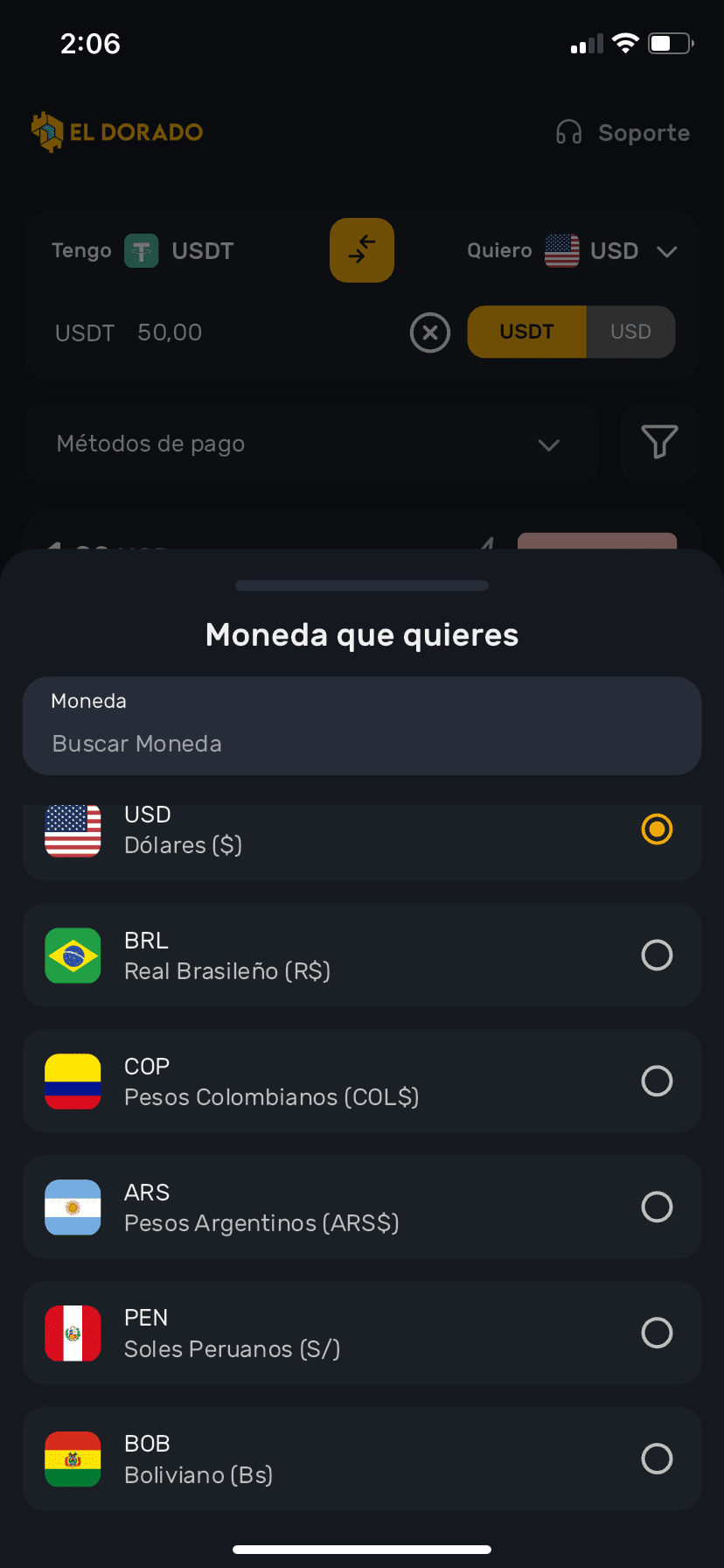
Who can tell me why I don't see the USD method on bpay, but only the Ukrainian currency #Bpay #venezuela ?
Who can tell me why I don't see the USD method on bpay, but only the Ukrainian currency
#Bpay
#venezuela
?
Emile Carridine DXZ3
·
--
that's what I was asked, you know?
Cripto_osmita
·
--
They removed the bolívar from El Dorado, do you think it is likely that they will remove it from Binance and other exchanges as well?
Log in to explore more content
Sign up / Log in
Join global crypto users on Binance Square
⚡️ Get latest and useful information about crypto.
💬 Trusted by the world’s largest crypto exchange.
👍 Discover real insights from verified creators.
Email / Phone number
Sign up to earn rewards
Login
Trending Topics
JPMorganBofACitiPlanTokenizedDepositNetwork
73,965 views
855 Discussing
The main story here is that major U.S. banks are moving aggressively into blockchain to compete directly with stablecoins. Institutions like JPMorgan Chase, Bank of America, and Citigroup are planning to launch a shared tokenized deposit network through The Clearing House by 2027. This system would allow bank deposits to move on blockchain infrastructure with 24/7 settlement, essentially bringing traditional money into the same technological space that crypto has been dominating. The key goal is to counter the rapid rise of stablecoins like USD Coin and Tether. These digital dollars have become widely used for trading, payments, and even savings, raising concerns among banks that customer deposits could gradually shift out of traditional accounts and into crypto wallets. By offering tokenized deposits, banks aim to deliver the same speed and efficiency while keeping funds داخل the regulated financial system. Tokenized deposits work by representing a customer’s bank balance as a digital token that can move across blockchain rails. Unlike stablecoins, however, the underlying money never leaves the banking system. This allows banks to maintain control, compliance, and regulatory oversight while still improving payment speed, reducing costs, and enabling near-instant global transfers—something traditional wire systems struggle to achieve. This move also highlights a broader shift: traditional finance is no longer resisting blockchain—it is adopting it. However, the approach is very different from crypto’s open, decentralized model. Bank-led systems are typically permissioned and controlled, meaning access and transactions are tightly managed. In contrast, stablecoins operate on public blockchains where anyone can participate, making them more flexible but less controlled. #Stablecoins #JPMorganBofACitiPlanTokenizedDepositNetwork #JPMorganBofACitiTokenizedDepositPlan
MPrince
·
1 Likes
·
109 views
JPMorganBofACitiTokenizedDepositPlan
40,811 views
397 Discussing
SatoshiEraBitcoinDormantAddressMoves
40,288 views
439 Discussing
View More
Sitemap
Cookie Preferences
Platform T&Cs