

Ryder-23
421 Posts

Ryder-23
Best Contant Creater | Best Crypto Analyst
Open Trade
3.6 Months
14 Following
16 Followers
43 Liked
Posts
Portfolio
All
Quotes

Alex Roden
·
--
🎁♥️Hey Everyone❤️🎁
Today I'm Soooo Happy☺️🌹 in this Excitement I'm sending You a grand Gift🎁
🧧How to participate:
✅Follow my id
✅Comment with Yes
✅Share with 2 friends
Good luck everyone 🎉🎊
Today I'm Soooo Happy☺️🌹 in this Excitement I'm sending You a grand Gift🎁
🧧How to participate:
✅Follow my id
✅Comment with Yes
✅Share with 2 friends
Good luck everyone 🎉🎊

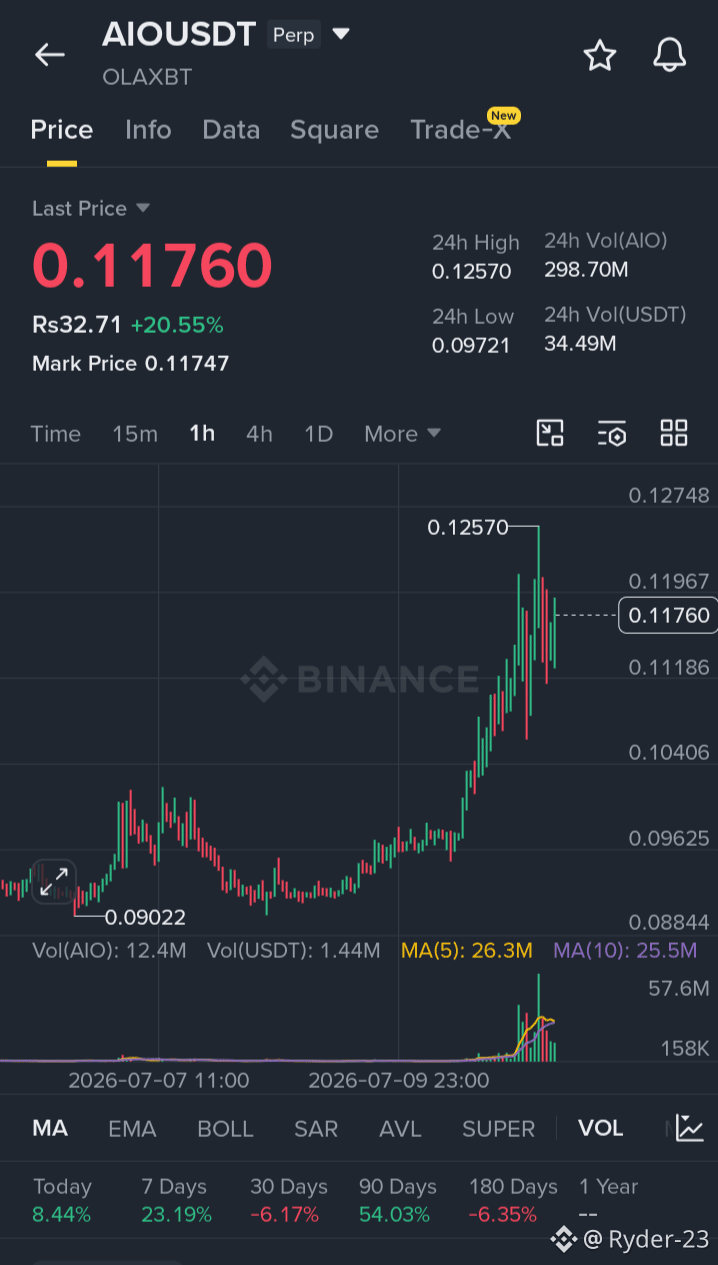
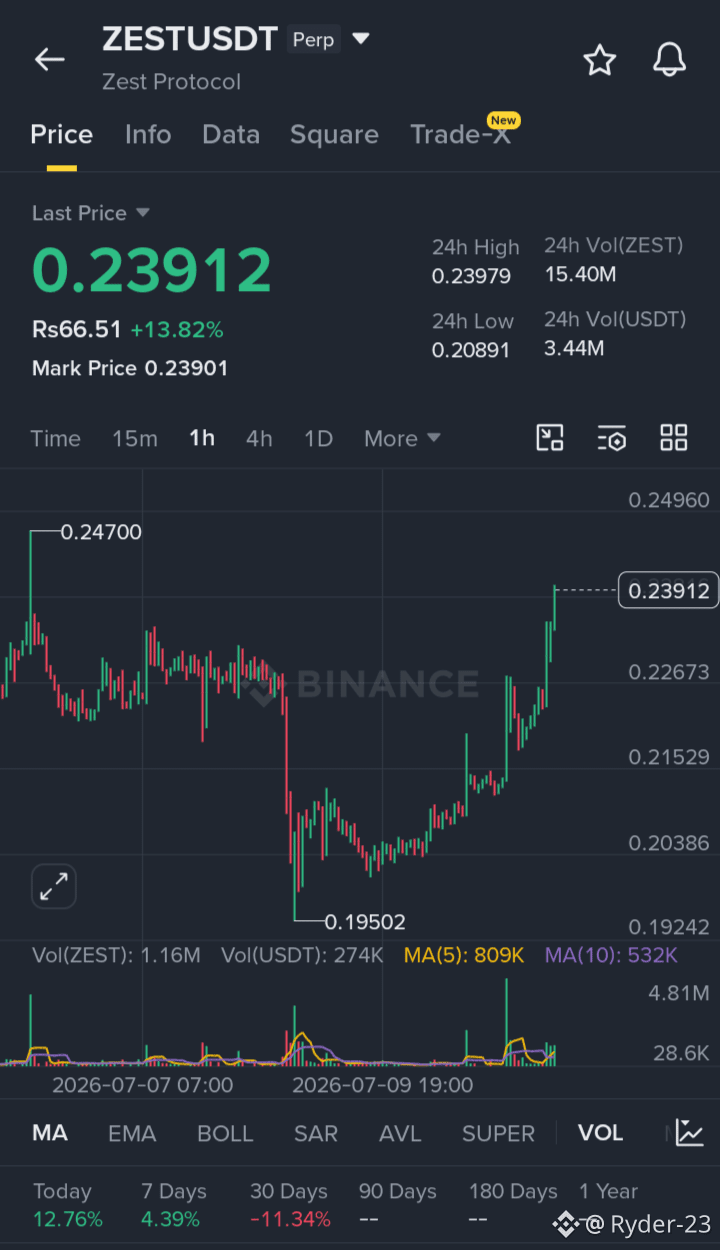
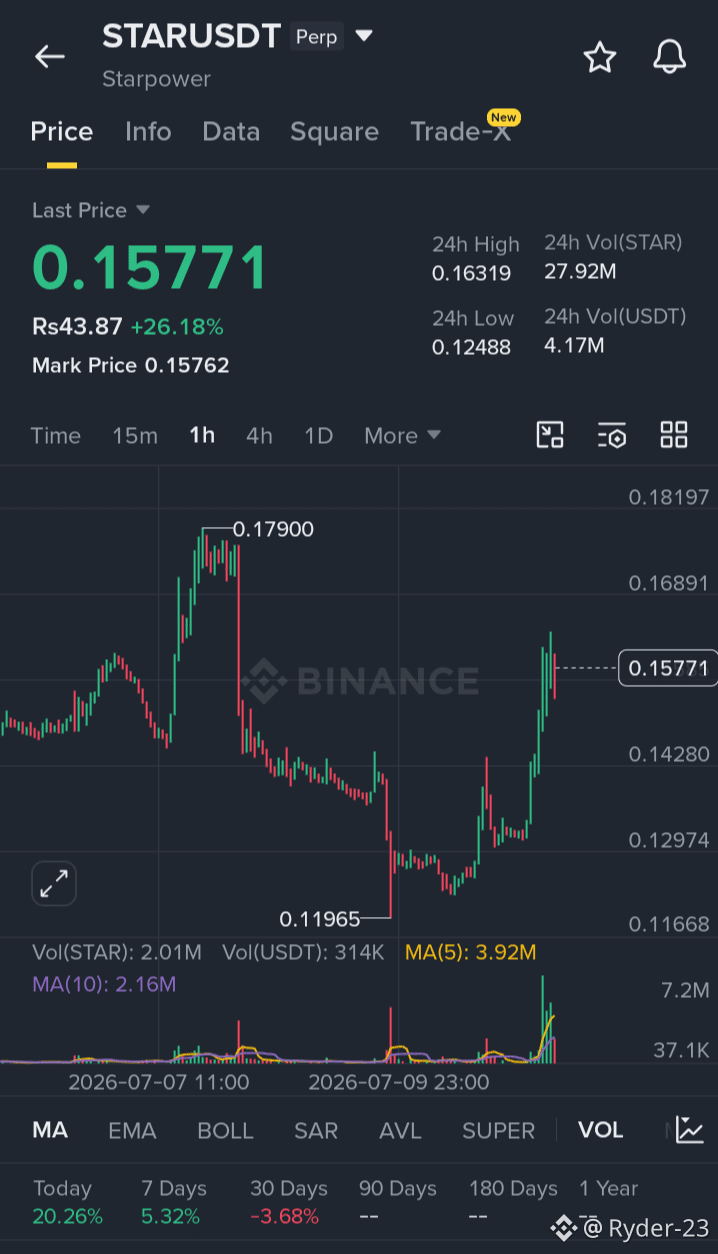
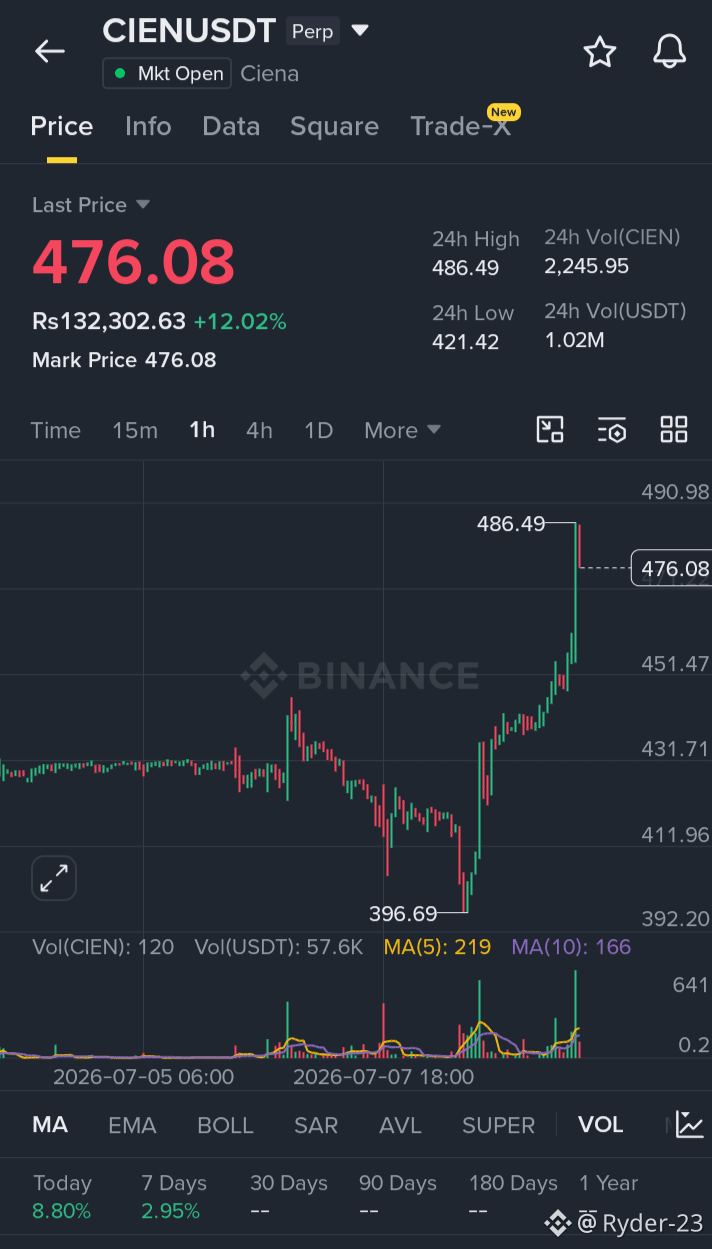
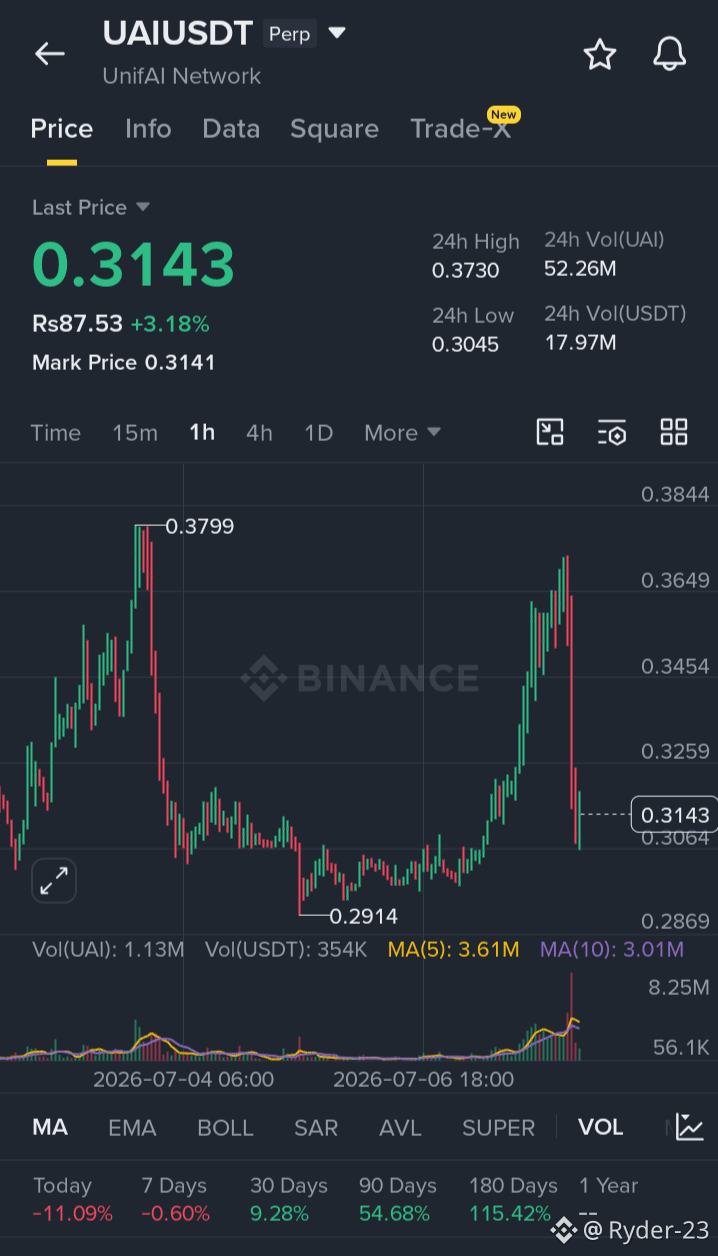
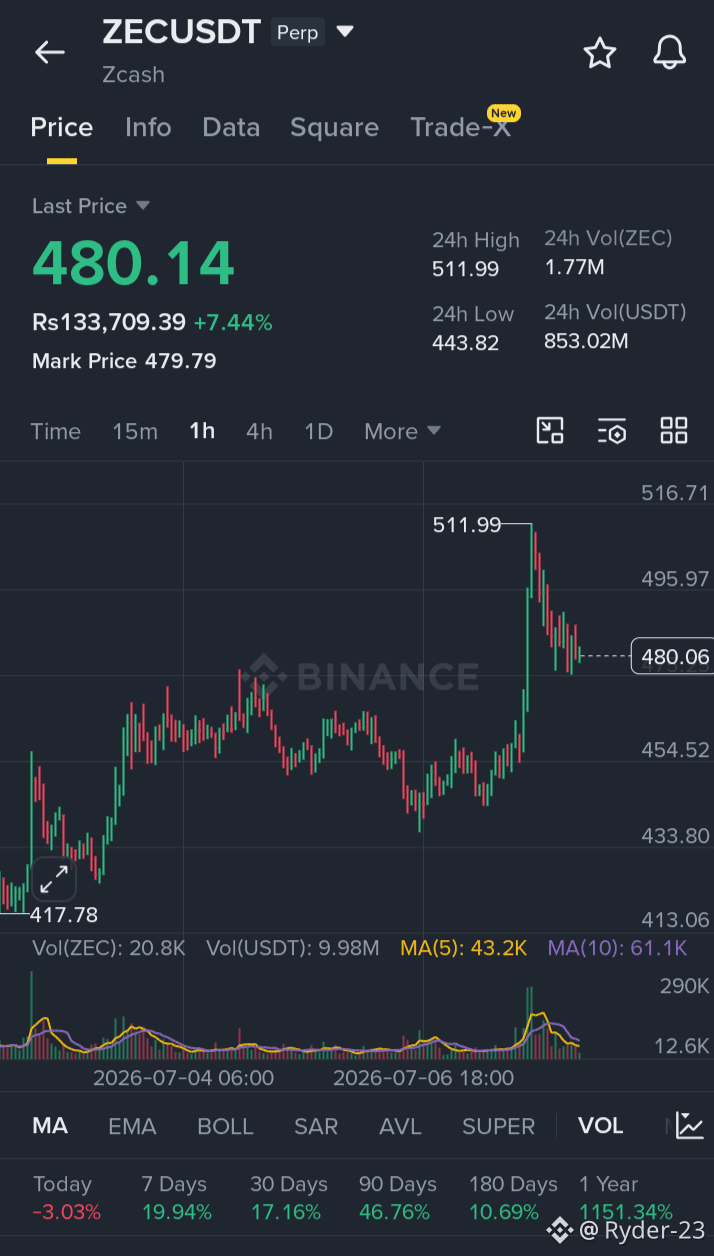
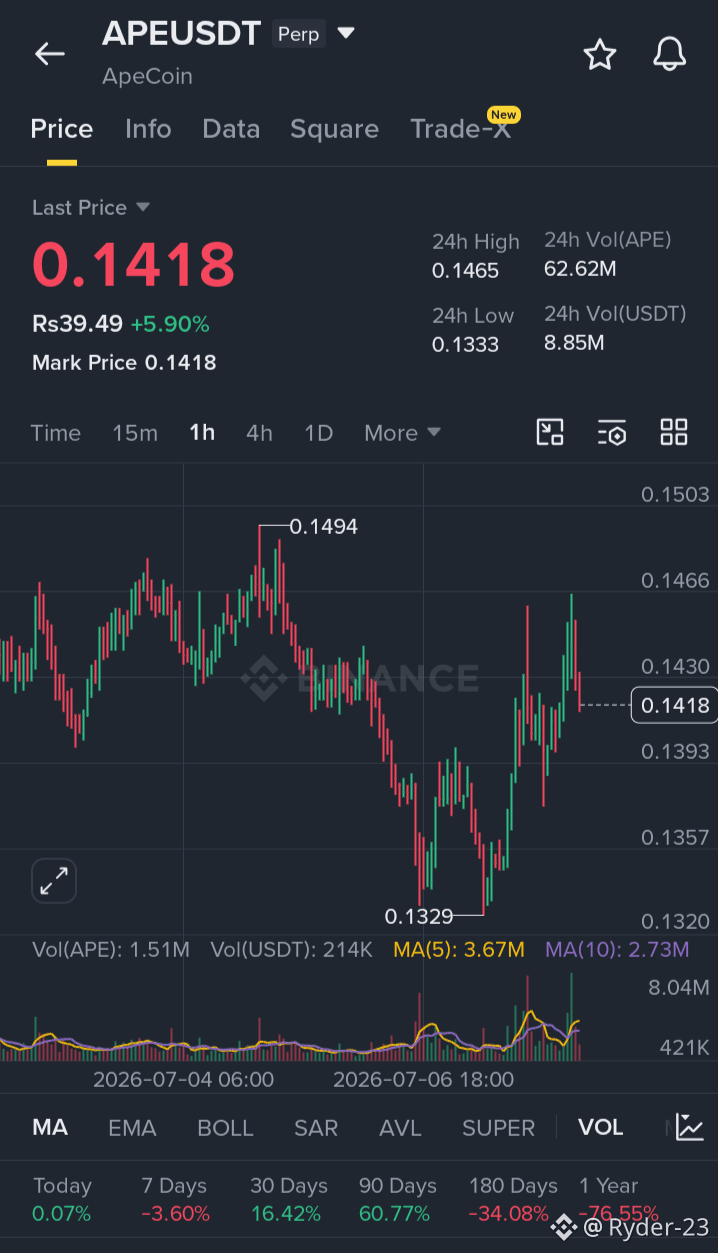
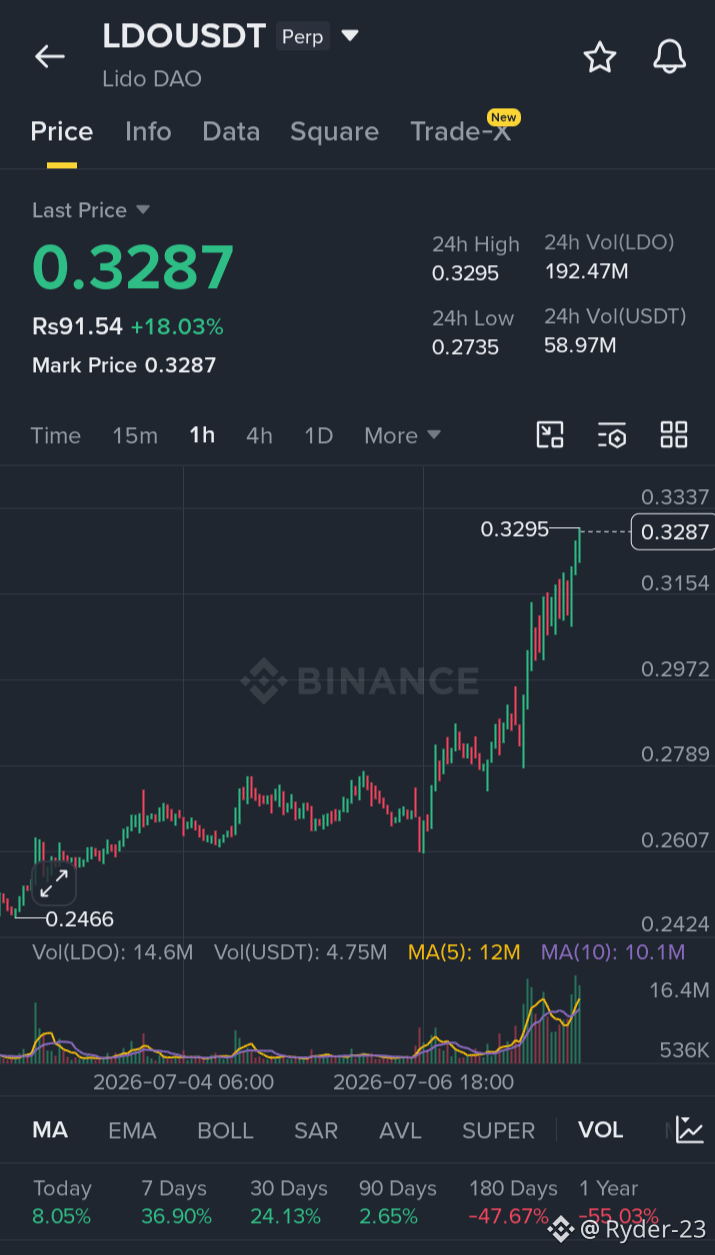
Alex Roden
·
--
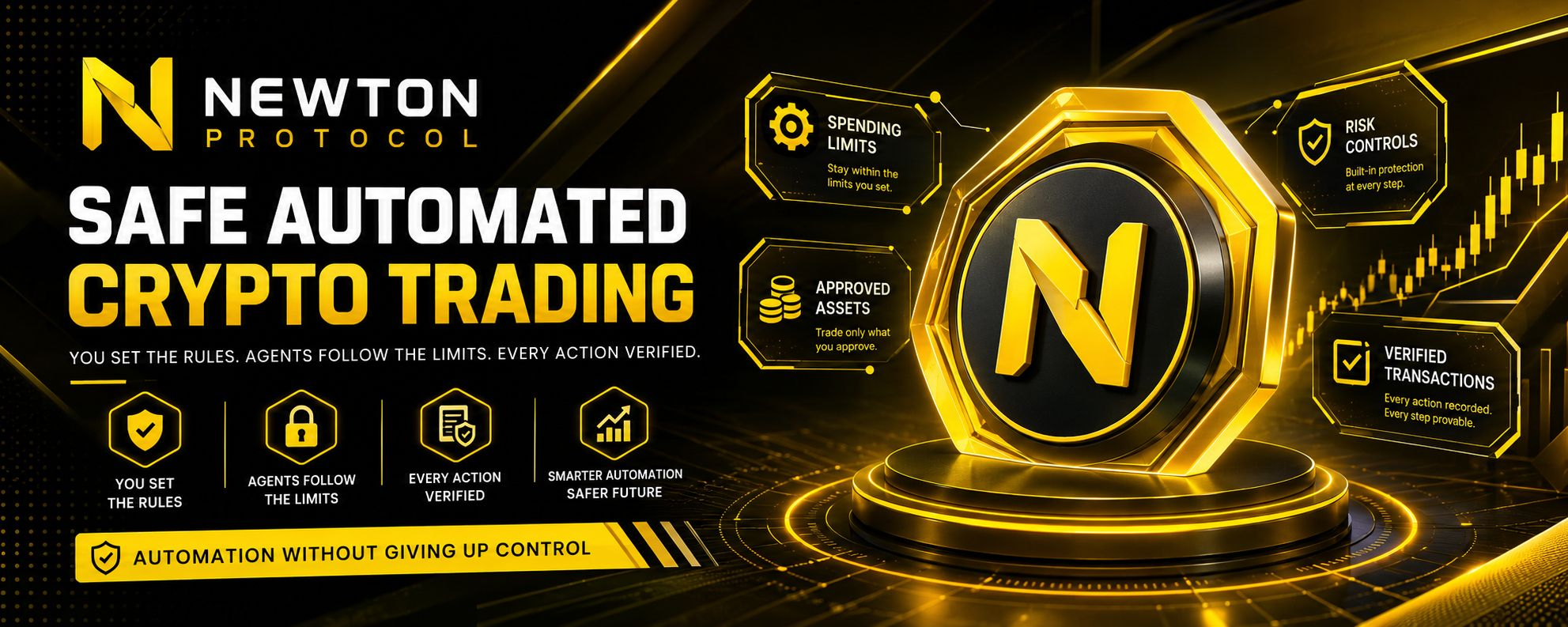
Why I Think Newton Protocol Could Make Automated Crypto Trading Safer
I’ve spent time studying automated crypto trading, and one thing has become clear to me: the biggest problem isn’t speed or smart technology.
It’s trust.
Crypto markets never close.
Trading bots can watch prices, manage portfolios, and react to new opportunities while we’re working or sleeping.
As AI tools become smarter, automated trading is also changing.
These systems can now study information, compare different opportunities, and make financial decisions with less human help.
That sounds useful, but I keep asking myself one simple question: if I give software access to my money, how can I be sure it’ll only do what I’ve allowed it to do?
That’s what made Newton Protocol interesting to me.
From my research, I don’t see Newton as just another trading bot.
I see it as a system that aims to put clear rules and limits around automatic financial actions.
The basic idea is simple: a bot or AI agent can suggest a transaction, but that doesn’t mean the transaction should happen without being checked first.
For example, imagine I want an AI agent to manage part of my crypto portfolio.
I may allow it to trade a few selected coins, but I don’t want it to put all my money into one risky token.
I may allow it to search for better earning opportunities in DeFi, but I don’t want it to connect with every unknown smart contract it finds.
This is where Newton’s rule based system becomes useful.
I can set spending limits, choose approved assets, select trusted applications, and set limits on how much money can go into one asset.
The agent can still work for me, but it has to stay inside those rules.
For me, keeping smart decision-making separate from full control of money is Newton’s most important idea.
As AI agents become more independent, I think these safety limits will become even more important.
I’m comfortable with an AI system studying the market, finding opportunities, and suggesting actions.
But when real money is involved, I’d want another safety layer to check whether those actions are actually allowed.
The timing of these checks is also important.
Finding out that a bot broke my rules after a transaction has already happened isn’t enough. Crypto transactions usually can’t be reversed.
Imagine an AI agent tries to put 80% of my portfolio into one highly risky asset.
If I’ve already created a rule that no single asset can be more than 25% of my portfolio, the transaction should be stopped before it happens.
The system doesn’t need to predict whether the asset’s price will rise or fall.
It only needs to follow the limit I’ve already chosen.
That’s an important difference. Newton can’t remove normal trading risk, and I wouldn’t trust any project that claims it can.
Even a properly checked trade can still lose money.
What Newton is trying to reduce is another type of risk: an automated system doing something outside the rules given by its user.
I also find Newton’s focus on proof and checking very interesting.
If an AI agent completes hundreds of transactions for me, I don’t want to depend only on a promise that it followed my instructions.
I’d want to know whether it stayed within the spending limit, used only approved smart contracts, and followed the rules I had set.
Newton’s bigger direction is also worth watching.
The project is moving beyond basic automated trading and working toward becoming a safety and permission layer for blockchain finance.
This could be useful for trading agents, DeFi systems, crypto treasury management, stablecoins, and other financial tools where software manages money automatically.
The NEWT token is an important part of this system.
Its total supply is fixed at one billion tokens.
The token is designed to support network security, staking, rewards for network operators, system fees, and voting on future project decisions.
Still, I don’t believe that having useful features automatically means a token’s price will rise.
When I study a project, I prefer to look at real progress.
Are developers using it?
Are new applications connecting to it? Is the network active? Is there real demand for the service?
These are the questions I’d continue watching with Newton Protocol.
The project also faces challenges.
It needs more users, strong partnerships, safe connections with other applications, reliable market data, well designed rules, and regular security testing.
Even if a system follows rules perfectly, badly designed rules can still lead to poor results.
After studying Newton Protocol, I don’t see it as a magic solution to every risk in crypto trading.
Instead, I see it as an attempt to solve a real problem that could become much bigger as AI and crypto continue to grow together.
I believe the future of automated trading will depend on giving AI agents limited and controlled access.
An agent should have enough permission to complete its job, but it shouldn’t have unlimited control over a user’s money.
That’s why Newton Protocol stands out to me.
Its strongest idea isn’t simply automation.
It’s safer automation built around clear rules, limits, and proof.
As AI agents become smarter and crypto trading becomes more automatic, I think the biggest question won’t be what machines can do.
It’ll be what we allow them to do and whether we can make sure they stay within those limits.
@NewtonProtocol
$NEWT
#Newt
It’s trust.
Crypto markets never close.
Trading bots can watch prices, manage portfolios, and react to new opportunities while we’re working or sleeping.
As AI tools become smarter, automated trading is also changing.
These systems can now study information, compare different opportunities, and make financial decisions with less human help.
That sounds useful, but I keep asking myself one simple question: if I give software access to my money, how can I be sure it’ll only do what I’ve allowed it to do?
That’s what made Newton Protocol interesting to me.
From my research, I don’t see Newton as just another trading bot.
I see it as a system that aims to put clear rules and limits around automatic financial actions.
The basic idea is simple: a bot or AI agent can suggest a transaction, but that doesn’t mean the transaction should happen without being checked first.
For example, imagine I want an AI agent to manage part of my crypto portfolio.
I may allow it to trade a few selected coins, but I don’t want it to put all my money into one risky token.
I may allow it to search for better earning opportunities in DeFi, but I don’t want it to connect with every unknown smart contract it finds.
This is where Newton’s rule based system becomes useful.
I can set spending limits, choose approved assets, select trusted applications, and set limits on how much money can go into one asset.
The agent can still work for me, but it has to stay inside those rules.
For me, keeping smart decision-making separate from full control of money is Newton’s most important idea.
As AI agents become more independent, I think these safety limits will become even more important.
I’m comfortable with an AI system studying the market, finding opportunities, and suggesting actions.
But when real money is involved, I’d want another safety layer to check whether those actions are actually allowed.
The timing of these checks is also important.
Finding out that a bot broke my rules after a transaction has already happened isn’t enough. Crypto transactions usually can’t be reversed.
Imagine an AI agent tries to put 80% of my portfolio into one highly risky asset.
If I’ve already created a rule that no single asset can be more than 25% of my portfolio, the transaction should be stopped before it happens.
The system doesn’t need to predict whether the asset’s price will rise or fall.
It only needs to follow the limit I’ve already chosen.
That’s an important difference. Newton can’t remove normal trading risk, and I wouldn’t trust any project that claims it can.
Even a properly checked trade can still lose money.
What Newton is trying to reduce is another type of risk: an automated system doing something outside the rules given by its user.
I also find Newton’s focus on proof and checking very interesting.
If an AI agent completes hundreds of transactions for me, I don’t want to depend only on a promise that it followed my instructions.
I’d want to know whether it stayed within the spending limit, used only approved smart contracts, and followed the rules I had set.
Newton’s bigger direction is also worth watching.
The project is moving beyond basic automated trading and working toward becoming a safety and permission layer for blockchain finance.
This could be useful for trading agents, DeFi systems, crypto treasury management, stablecoins, and other financial tools where software manages money automatically.
The NEWT token is an important part of this system.
Its total supply is fixed at one billion tokens.
The token is designed to support network security, staking, rewards for network operators, system fees, and voting on future project decisions.
Still, I don’t believe that having useful features automatically means a token’s price will rise.
When I study a project, I prefer to look at real progress.
Are developers using it?
Are new applications connecting to it? Is the network active? Is there real demand for the service?
These are the questions I’d continue watching with Newton Protocol.
The project also faces challenges.
It needs more users, strong partnerships, safe connections with other applications, reliable market data, well designed rules, and regular security testing.
Even if a system follows rules perfectly, badly designed rules can still lead to poor results.
After studying Newton Protocol, I don’t see it as a magic solution to every risk in crypto trading.
Instead, I see it as an attempt to solve a real problem that could become much bigger as AI and crypto continue to grow together.
I believe the future of automated trading will depend on giving AI agents limited and controlled access.
An agent should have enough permission to complete its job, but it shouldn’t have unlimited control over a user’s money.
That’s why Newton Protocol stands out to me.
Its strongest idea isn’t simply automation.
It’s safer automation built around clear rules, limits, and proof.
As AI agents become smarter and crypto trading becomes more automatic, I think the biggest question won’t be what machines can do.
It’ll be what we allow them to do and whether we can make sure they stay within those limits.
@NewtonProtocol
$NEWT
#Newt
Alex Roden
·
--
From Blind Trust to Verifiable Truth: How Newton Protocol is Redefining AI Security in DeFi
When I first started exploring AI and blockchain, one question kept me up at night: how do we trust an AI agent with our money?
Over the past few years, I've watched the industry struggle with this paradox.
We want automation, but we're terrified of the consequences when something goes wrong.
In my research, I've seen that traditional systems force you to sacrifice control for efficiency.
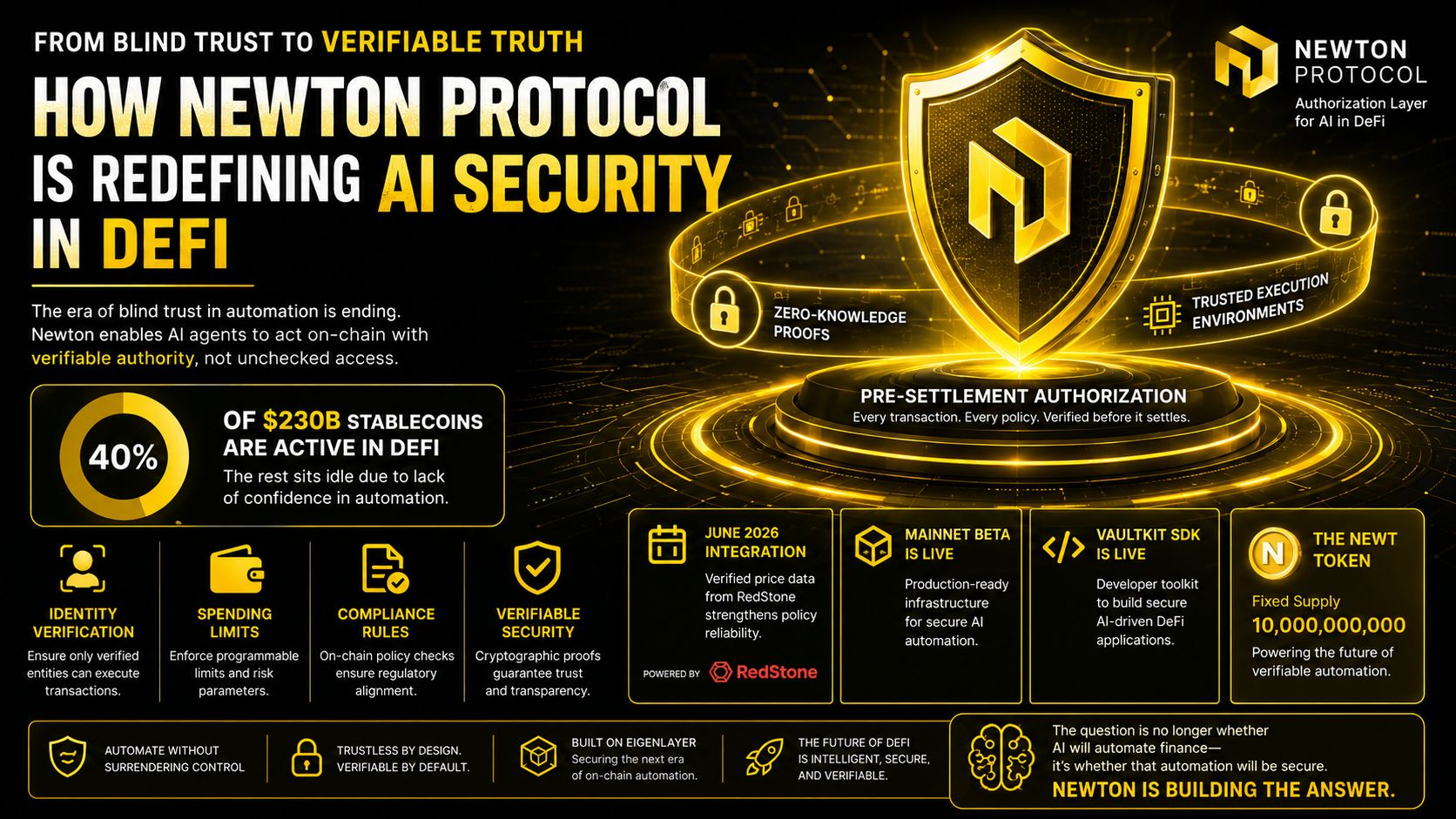
The statistics are telling only about 40 percent of the $230 billion in stablecoins is actively deployed in DeFi.
The rest sits idle because users lack confidence to automate securely.
That's when I stumbled upon Newton Protocol.
It's a decentralised authorisation layer built on EigenLayer that combines zero knowledge proofs with trusted execution environments.
What impressed me most is their pre-settlement authorisation model.
Every transaction is evaluated against programmable policies before it settles on chain, checking identity requirements, spending limits, and compliance rules.
In June 2026, Newton integrated verified price data from RedStone, making policy rules even more reliable.
The Mainnet Beta and VaultKit SDK are already live for developers.
The NEWT token powers this ecosystem with a fixed supply of 10 billion.
Challenges remain, but I'm encouraged by the project's strong track record.
The era of blind trust in automation is ending. Newton offers what the industry desperately needs: a way to automate without surrendering control.
The question is no longer whether AI will automate finance it's whether that automation will be secure.
From my perspective, Newton is building the answer, one cryptographic proof at a time.
@NewtonProtocol $NEWT
#Newt
When I first started exploring AI and blockchain, one question kept me up at night: how do we trust an AI agent with our money?
Over the past few years, I've watched the industry struggle with this paradox.
We want automation, but we're terrified of the consequences when something goes wrong.
In my research, I've seen that traditional systems force you to sacrifice control for efficiency.
The statistics are telling only about 40 percent of the $230 billion in stablecoins is actively deployed in DeFi.
The rest sits idle because users lack confidence to automate securely.
That's when I stumbled upon Newton Protocol.
It's a decentralised authorisation layer built on EigenLayer that combines zero knowledge proofs with trusted execution environments.
What impressed me most is their pre-settlement authorisation model.
Every transaction is evaluated against programmable policies before it settles on chain, checking identity requirements, spending limits, and compliance rules.
In June 2026, Newton integrated verified price data from RedStone, making policy rules even more reliable.
The Mainnet Beta and VaultKit SDK are already live for developers.
The NEWT token powers this ecosystem with a fixed supply of 10 billion.
Challenges remain, but I'm encouraged by the project's strong track record.
The era of blind trust in automation is ending. Newton offers what the industry desperately needs: a way to automate without surrendering control.
The question is no longer whether AI will automate finance it's whether that automation will be secure.
From my perspective, Newton is building the answer, one cryptographic proof at a time.
@NewtonProtocol $NEWT
#Newt
Log in to explore more content