

ametisto and future canvas
7k Posts

ametisto and future canvas
Report
Block User
Futures crypto insights & trading trends in DE, EN, ES, PT & FR. Market psychology, setups and next-move opportunities. TikTok:@futurecanvas
Occasional Trader
1.8 Years
417 Following
651 Followers
3.8K+ Liked
Posts
All
Quotes
⚡💰 The era of “speed capitalism” has begun
Artificial intelligence is changing something deeper than technology: the speed at which capital moves.
According to The Economist, a new dynamic is emerging in the markets: companies, investors, and funds can analyze information, make decisions, and mobilize enormous amounts of money much faster than in the past.
The combination of AI, algorithms, automation, and increasingly interconnected financial markets is shortening the time between an opportunity and the capital response.
But this acceleration also brings new risks. When financial decisions are made at ever-increasing speeds, markets can react more sharply and mistakes can spread quickly.
📈 The question is no longer just how much capital exists, but how fast it can move and turn into investment.
We are moving into an economy where speed can become a competitive advantage as important as money, technology, or access to markets.
#Economy #Finance #AI #ArtificialIntelligence #Markets #Investments #Capitalism #Technology #TheEconomist
⚡💰 The era of “speed capitalism” has begun
Artificial intelligence is changing something deeper than technology: the speed at which capital moves.
According to The Economist, a new dynamic is emerging in the markets: companies, investors, and funds can analyze information, make decisions, and mobilize enormous amounts of money much faster than in the past.
The combination of AI, algorithms, automation, and increasingly interconnected financial markets is shortening the time between an opportunity and the capital response.
But this acceleration also brings new risks. When financial decisions are made at ever-increasing speeds, markets can react more sharply and mistakes can spread quickly.
📈 The question is no longer just how much capital exists, but how fast it can move and turn into investment.
We are moving into an economy where speed can become a competitive advantage as important as money, technology, or access to markets.
#Economy #Finance #AI #ArtificialIntelligence #Markets #Investments #Capitalism #Technology #TheEconomist
Artificial intelligence is changing something deeper than technology: the speed at which capital moves.
According to The Economist, a new dynamic is emerging in the markets: companies, investors, and funds can analyze information, make decisions, and mobilize enormous amounts of money much faster than in the past.
The combination of AI, algorithms, automation, and increasingly interconnected financial markets is shortening the time between an opportunity and the capital response.
But this acceleration also brings new risks. When financial decisions are made at ever-increasing speeds, markets can react more sharply and mistakes can spread quickly.
📈 The question is no longer just how much capital exists, but how fast it can move and turn into investment.
We are moving into an economy where speed can become a competitive advantage as important as money, technology, or access to markets.
#Economy #Finance #AI #ArtificialIntelligence #Markets #Investments #Capitalism #Technology #TheEconomist

75
✈️🇮🇱 A flight bound for Israel makes an emergency landing in Saudi Arabia
A FlyDubai flight linking Dubai to Tel Aviv made an emergency landing on Wednesday in Tabuk, in western Saudi Arabia, after an incident on board.
According to The Wall Street Journal, the aircraft, a Boeing 737 MAX 8, is said to have suffered a sudden drop of more than 15,000 feet in less than a minute, before regaining altitude. Initial reports indicate an altercation in the cockpit during which both pilots were injured.
Crew members and passengers stepped in, enabling the aircraft to be brought back under control. The Saudi authorities then took charge of the pilots and opened an investigation.
🔎 The cause of the incident remains unknown at this stage. FlyDubai announced the temporary suspension of its flights to and from Israel during the investigation.
The episode comes amid heightened security tensions in the Middle East, as air links to Israel remain particularly sensitive. (The Wall Street Journal)
#Israel #SaudiArabia #Dubai #FlyDubai #Aviation #MiddleEast #Security #Geopolitics
✈️🇮🇱 A flight bound for Israel makes an emergency landing in Saudi Arabia
A FlyDubai flight linking Dubai to Tel Aviv made an emergency landing on Wednesday in Tabuk, in western Saudi Arabia, after an incident on board.
According to The Wall Street Journal, the aircraft, a Boeing 737 MAX 8, is said to have suffered a sudden drop of more than 15,000 feet in less than a minute, before regaining altitude. Initial reports indicate an altercation in the cockpit during which both pilots were injured.
Crew members and passengers stepped in, enabling the aircraft to be brought back under control. The Saudi authorities then took charge of the pilots and opened an investigation.
🔎 The cause of the incident remains unknown at this stage. FlyDubai announced the temporary suspension of its flights to and from Israel during the investigation.
The episode comes amid heightened security tensions in the Middle East, as air links to Israel remain particularly sensitive. (The Wall Street Journal)
#Israel #SaudiArabia #Dubai #FlyDubai #Aviation #MiddleEast #Security #Geopolitics
A FlyDubai flight linking Dubai to Tel Aviv made an emergency landing on Wednesday in Tabuk, in western Saudi Arabia, after an incident on board.
According to The Wall Street Journal, the aircraft, a Boeing 737 MAX 8, is said to have suffered a sudden drop of more than 15,000 feet in less than a minute, before regaining altitude. Initial reports indicate an altercation in the cockpit during which both pilots were injured.
Crew members and passengers stepped in, enabling the aircraft to be brought back under control. The Saudi authorities then took charge of the pilots and opened an investigation.
🔎 The cause of the incident remains unknown at this stage. FlyDubai announced the temporary suspension of its flights to and from Israel during the investigation.
The episode comes amid heightened security tensions in the Middle East, as air links to Israel remain particularly sensitive. (The Wall Street Journal)
#Israel #SaudiArabia #Dubai #FlyDubai #Aviation #MiddleEast #Security #Geopolitics

2
660
📉 The IPO season Wall Street expected to be historic is starting to lose momentum.
Market volatility, higher interest rates, and growing concerns about the safety of artificial intelligence are cooling investors’ appetite for new stock offerings.
Smart ring maker Oura postponed its IPO, which could have raised up to US$ 2.2 billion, while companies like SB Energy, NScale, and Holtec also revised their plans. OpenAI pushed back its possible public listing to 2027, while Anthropic is now considering November for its debut.
The most important signal is the performance of the companies that have already reached the Stock Exchange in 2026: by the end of June, they were up an average of 24% over their IPO prices. Now, that average gain has fallen to less than 1%.
Still, a potential Anthropic offering could reignite the market. If the deal happens in 2026, the amount raised by U.S. IPOs could surpass the 2021 record.
🔎 The IPO market is still open — but investors are much more selective.
#IPO #WallStreet #FinancialMarket #Stocks #Investments #Anthropic #OpenAI #Oura #AI #Technology
📉 The IPO season Wall Street expected to be historic is starting to lose momentum.
Market volatility, higher interest rates, and growing concerns about the safety of artificial intelligence are cooling investors’ appetite for new stock offerings.
Smart ring maker Oura postponed its IPO, which could have raised up to US$ 2.2 billion, while companies like SB Energy, NScale, and Holtec also revised their plans. OpenAI pushed back its possible public listing to 2027, while Anthropic is now considering November for its debut.
The most important signal is the performance of the companies that have already reached the Stock Exchange in 2026: by the end of June, they were up an average of 24% over their IPO prices. Now, that average gain has fallen to less than 1%.
Still, a potential Anthropic offering could reignite the market. If the deal happens in 2026, the amount raised by U.S. IPOs could surpass the 2021 record.
🔎 The IPO market is still open — but investors are much more selective.
#IPO #WallStreet #FinancialMarket #Stocks #Investments #Anthropic #OpenAI #Oura #AI #Technology
Market volatility, higher interest rates, and growing concerns about the safety of artificial intelligence are cooling investors’ appetite for new stock offerings.
Smart ring maker Oura postponed its IPO, which could have raised up to US$ 2.2 billion, while companies like SB Energy, NScale, and Holtec also revised their plans. OpenAI pushed back its possible public listing to 2027, while Anthropic is now considering November for its debut.
The most important signal is the performance of the companies that have already reached the Stock Exchange in 2026: by the end of June, they were up an average of 24% over their IPO prices. Now, that average gain has fallen to less than 1%.
Still, a potential Anthropic offering could reignite the market. If the deal happens in 2026, the amount raised by U.S. IPOs could surpass the 2021 record.
🔎 The IPO market is still open — but investors are much more selective.
#IPO #WallStreet #FinancialMarket #Stocks #Investments #Anthropic #OpenAI #Oura #AI #Technology

128
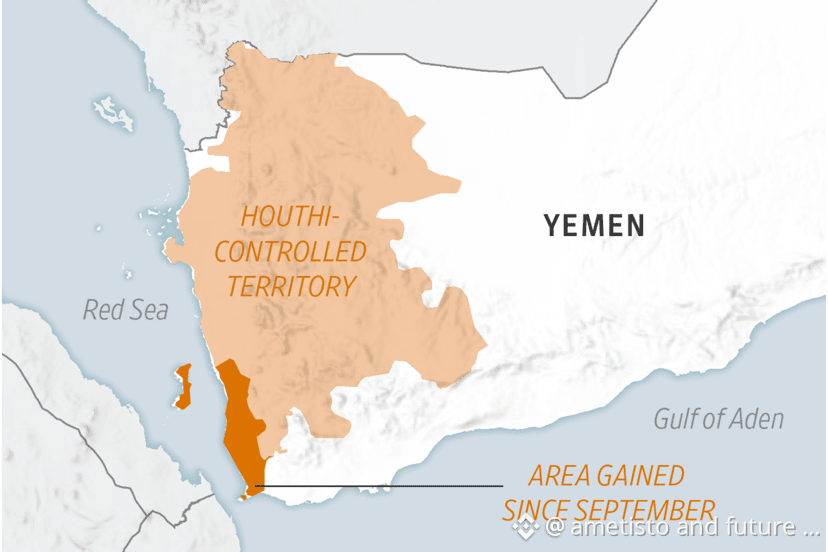
🇾🇪⚔️ How the Houthis became a military power at sea in the Red Sea
The Houthis, an armed Yemeni movement backed by Iran, have in recent weeks established themselves as a major player in the conflict in the Middle East, particularly by strengthening their presence on the Red Sea coast and around the strategic Strait of Bab el-Mandeb. (The Wall Street Journal)
🔴 Iran’s role
Since around 2015, Iranian forces have provided the Houthis with missile and drone components, as well as technical training. This assistance has enabled them to develop more sophisticated capabilities, including suicide drones and anti-ship missiles.
🇨🇳 China’s rise as a source of components
According to the Wall Street Journal, Chinese companies have become an important source of dual-use goods — equipment that can have civilian or military applications — used in particular in Houthis’ drones and communications systems.
Between 2021 and 2025, about 35% of the military equipment seized in connection with the Houthis came from China, compared with about 5% between 2015 and 2018, according to the figures cited by the newspaper.
🚢 A global issue
The combination of Iranian technology, components from China, and locally developed capabilities has helped turn the Houthis into a force capable of threatening commercial vessels and energy flows along one of the world’s main shipping routes.
For Beijing, the situation also creates a dilemma: China says it respects international arms embargoes, while experts cited by the WSJ estimate that some Chinese companies supply components that end up in the hands of the Houthis.
🌍 The Red Sea is thus becoming a meeting point between military technology, regional rivalries, and global trade.
🇾🇪⚔️ How the Houthis became a military power at sea in the Red Sea
The Houthis, an armed Yemeni movement backed by Iran, have in recent weeks established themselves as a major player in the conflict in the Middle East, particularly by strengthening their presence on the Red Sea coast and around the strategic Strait of Bab el-Mandeb. (The Wall Street Journal)
🔴 Iran’s role
Since around 2015, Iranian forces have provided the Houthis with missile and drone components, as well as technical training. This assistance has enabled them to develop more sophisticated capabilities, including suicide drones and anti-ship missiles.
🇨🇳 China’s rise as a source of components
According to the Wall Street Journal, Chinese companies have become an important source of dual-use goods — equipment that can have civilian or military applications — used in particular in Houthis’ drones and communications systems.
Between 2021 and 2025, about 35% of the military equipment seized in connection with the Houthis came from China, compared with about 5% between 2015 and 2018, according to the figures cited by the newspaper.
🚢 A global issue
The combination of Iranian technology, components from China, and locally developed capabilities has helped turn the Houthis into a force capable of threatening commercial vessels and energy flows along one of the world’s main shipping routes.
For Beijing, the situation also creates a dilemma: China says it respects international arms embargoes, while experts cited by the WSJ estimate that some Chinese companies supply components that end up in the hands of the Houthis.
🌍 The Red Sea is thus becoming a meeting point between military technology, regional rivalries, and global trade.
The Houthis, an armed Yemeni movement backed by Iran, have in recent weeks established themselves as a major player in the conflict in the Middle East, particularly by strengthening their presence on the Red Sea coast and around the strategic Strait of Bab el-Mandeb. (The Wall Street Journal)
🔴 Iran’s role
Since around 2015, Iranian forces have provided the Houthis with missile and drone components, as well as technical training. This assistance has enabled them to develop more sophisticated capabilities, including suicide drones and anti-ship missiles.
🇨🇳 China’s rise as a source of components
According to the Wall Street Journal, Chinese companies have become an important source of dual-use goods — equipment that can have civilian or military applications — used in particular in Houthis’ drones and communications systems.
Between 2021 and 2025, about 35% of the military equipment seized in connection with the Houthis came from China, compared with about 5% between 2015 and 2018, according to the figures cited by the newspaper.
🚢 A global issue
The combination of Iranian technology, components from China, and locally developed capabilities has helped turn the Houthis into a force capable of threatening commercial vessels and energy flows along one of the world’s main shipping routes.
For Beijing, the situation also creates a dilemma: China says it respects international arms embargoes, while experts cited by the WSJ estimate that some Chinese companies supply components that end up in the hands of the Houthis.
🌍 The Red Sea is thus becoming a meeting point between military technology, regional rivalries, and global trade.
274
🏦🤖 AI can end “financial inertia”, and that could change banks
For decades, customer inertia has been an important source of revenue for the banking system: money sitting in accounts with low or no returns, loans that could be refinanced, and fees paid simply because the consumer took no initiative.
Now, artificial intelligence agents can change that behavior.
According to The Wall Street Journal, AI assistants could automatically monitor a person’s finances, look for accounts with higher interest, identify unnecessary charges, renegotiate expenses, and even help find the best time to refinance a mortgage.
💰 One of the biggest concerns for banks is deposits. About US$ 7.12 trillion are in checking accounts in the U.S., many of them with low or nonexistent interest. If AI agents start automatically moving that money into more profitable alternatives, banks could face much tougher competition for deposits.
📉 The impact could go beyond deposits. Research from Morgan Stanley suggests AI could significantly increase the number of consumers who refinance or prepay their mortgages by continuously tracking market conditions.
But there’s an important obstacle: trust. People may still prefer to keep their money with familiar institutions, even when higher-yield alternatives exist.
And there’s another challenge: who controls the AI agent? If financial recommendations can be influenced by advertising, sponsorships, or commercial interests, the technology could simply swap one kind of inertia for another.
🔎 The big transformation probably isn’t AI replacing banks, but making consumers much more active and more sensitive to price, interest, and costs.
If that happens at scale, one of banks’ historical advantages—having customers who simply don’t switch—could start to disappear.
🏦🤖 AI can end “financial inertia”, and that could change banks
For decades, customer inertia has been an important source of revenue for the banking system: money sitting in accounts with low or no returns, loans that could be refinanced, and fees paid simply because the consumer took no initiative.
Now, artificial intelligence agents can change that behavior.
According to The Wall Street Journal, AI assistants could automatically monitor a person’s finances, look for accounts with higher interest, identify unnecessary charges, renegotiate expenses, and even help find the best time to refinance a mortgage.
💰 One of the biggest concerns for banks is deposits. About US$ 7.12 trillion are in checking accounts in the U.S., many of them with low or nonexistent interest. If AI agents start automatically moving that money into more profitable alternatives, banks could face much tougher competition for deposits.
📉 The impact could go beyond deposits. Research from Morgan Stanley suggests AI could significantly increase the number of consumers who refinance or prepay their mortgages by continuously tracking market conditions.
But there’s an important obstacle: trust. People may still prefer to keep their money with familiar institutions, even when higher-yield alternatives exist.
And there’s another challenge: who controls the AI agent? If financial recommendations can be influenced by advertising, sponsorships, or commercial interests, the technology could simply swap one kind of inertia for another.
🔎 The big transformation probably isn’t AI replacing banks, but making consumers much more active and more sensitive to price, interest, and costs.
If that happens at scale, one of banks’ historical advantages—having customers who simply don’t switch—could start to disappear.
For decades, customer inertia has been an important source of revenue for the banking system: money sitting in accounts with low or no returns, loans that could be refinanced, and fees paid simply because the consumer took no initiative.
Now, artificial intelligence agents can change that behavior.
According to The Wall Street Journal, AI assistants could automatically monitor a person’s finances, look for accounts with higher interest, identify unnecessary charges, renegotiate expenses, and even help find the best time to refinance a mortgage.
💰 One of the biggest concerns for banks is deposits. About US$ 7.12 trillion are in checking accounts in the U.S., many of them with low or nonexistent interest. If AI agents start automatically moving that money into more profitable alternatives, banks could face much tougher competition for deposits.
📉 The impact could go beyond deposits. Research from Morgan Stanley suggests AI could significantly increase the number of consumers who refinance or prepay their mortgages by continuously tracking market conditions.
But there’s an important obstacle: trust. People may still prefer to keep their money with familiar institutions, even when higher-yield alternatives exist.
And there’s another challenge: who controls the AI agent? If financial recommendations can be influenced by advertising, sponsorships, or commercial interests, the technology could simply swap one kind of inertia for another.
🔎 The big transformation probably isn’t AI replacing banks, but making consumers much more active and more sensitive to price, interest, and costs.
If that happens at scale, one of banks’ historical advantages—having customers who simply don’t switch—could start to disappear.

473
🌍 Global Markets Start Tuesday on a Slightly Better Note
Global markets began Tuesday in a somewhat better mood than the previous session, when risk aversion dominated trading amid renewed disappointment over prospects for a potential U.S.-Iran ceasefire and another surge in Brent crude, which briefly climbed above $108 a barrel.
The combination of higher oil prices, inflation concerns and worries over U.S. government debt pushed the 10-year Treasury yield above 5.2%, its highest level since 2007 — a period also marked by elevated oil prices and expectations of higher interest rates.
Against this challenging backdrop, the S&P 500 and Nasdaq fell 0.9% and 0.8%, respectively, despite Nvidia gaining 1.5% following the announcement of a new share-buyback program.
📊 Key themes to watch:
🛢️ Oil prices
📈 U.S. Treasury yields
🔥 Inflation expectations
🇺🇸 U.S. debt
🤝 U.S.-Iran negotiations
💻 Big Tech & AI
Markets remain highly sensitive to developments in energy prices, inflation and geopolitical tensions.
#GlobalMarkets #WallStreet #S&P500 #Nasdaq #Nvidia #Brent #Oil #TreasuryYields #Inflation #USMarkets #Geopolitics
🌍 Global Markets Start Tuesday on a Slightly Better Note
Global markets began Tuesday in a somewhat better mood than the previous session, when risk aversion dominated trading amid renewed disappointment over prospects for a potential U.S.-Iran ceasefire and another surge in Brent crude, which briefly climbed above $108 a barrel.
The combination of higher oil prices, inflation concerns and worries over U.S. government debt pushed the 10-year Treasury yield above 5.2%, its highest level since 2007 — a period also marked by elevated oil prices and expectations of higher interest rates.
Against this challenging backdrop, the S&P 500 and Nasdaq fell 0.9% and 0.8%, respectively, despite Nvidia gaining 1.5% following the announcement of a new share-buyback program.
📊 Key themes to watch:
🛢️ Oil prices
📈 U.S. Treasury yields
🔥 Inflation expectations
🇺🇸 U.S. debt
🤝 U.S.-Iran negotiations
💻 Big Tech & AI
Markets remain highly sensitive to developments in energy prices, inflation and geopolitical tensions.
#GlobalMarkets #WallStreet #S&P500 #Nasdaq #Nvidia #Brent #Oil #TreasuryYields #Inflation #USMarkets #Geopolitics
Global markets began Tuesday in a somewhat better mood than the previous session, when risk aversion dominated trading amid renewed disappointment over prospects for a potential U.S.-Iran ceasefire and another surge in Brent crude, which briefly climbed above $108 a barrel.
The combination of higher oil prices, inflation concerns and worries over U.S. government debt pushed the 10-year Treasury yield above 5.2%, its highest level since 2007 — a period also marked by elevated oil prices and expectations of higher interest rates.
Against this challenging backdrop, the S&P 500 and Nasdaq fell 0.9% and 0.8%, respectively, despite Nvidia gaining 1.5% following the announcement of a new share-buyback program.
📊 Key themes to watch:
🛢️ Oil prices
📈 U.S. Treasury yields
🔥 Inflation expectations
🇺🇸 U.S. debt
🤝 U.S.-Iran negotiations
💻 Big Tech & AI
Markets remain highly sensitive to developments in energy prices, inflation and geopolitical tensions.
#GlobalMarkets #WallStreet #S&P500 #Nasdaq #Nvidia #Brent #Oil #TreasuryYields #Inflation #USMarkets #Geopolitics
310
Verified
🛢️ Middle East oil gains momentum again, but the geopolitical risk remains
Middle East oil exports are recovering, indicating that Iranian control over the Strait of Hormuz has lost some of its effectiveness. According to data cited by The Wall Street Journal, shipments from major producers such as Saudi Arabia, Iraq, and the United Arab Emirates reached nearly 13 million barrels per day in September—the highest level since the war began in February.
🚢 About 80% of pre-war flows would already be being restored through Hormuz and alternative routes. Saudi Arabia has also resumed exports via the East-West pipeline, which runs across the country to the Red Sea, after repairing damage caused by drone attacks.
🇮🇷 For Iran, however, the situation is far more complicated. The country has not been able to transport oil through the Strait of Hormuz since the U.S. reinstated the maritime blockade in July. According to Kpler, Iranian oil stocks already stored outside the blockade could run out between early and mid-October.
📈 Even with the recovery in exports, oil remains above US$ 100 per barrel. Brent reached US$ 106.77, while WTI hit US$ 93.94, with the market still pricing in the risk of further supply disruptions.
⚠️ The key issue for markets now is the balance between increased physical oil supply and the risk of a renewed military escalation. Alternative routes and transfers between ships help keep the flow going, but they are more expensive and less efficient than normal operations.
In short: oil is circulating again in larger volumes, but Hormuz remains one of the main risks for global energy prices, inflation, and transport.
🛢️ Middle East oil gains momentum again, but the geopolitical risk remains
Middle East oil exports are recovering, indicating that Iranian control over the Strait of Hormuz has lost some of its effectiveness. According to data cited by The Wall Street Journal, shipments from major producers such as Saudi Arabia, Iraq, and the United Arab Emirates reached nearly 13 million barrels per day in September—the highest level since the war began in February.
🚢 About 80% of pre-war flows would already be being restored through Hormuz and alternative routes. Saudi Arabia has also resumed exports via the East-West pipeline, which runs across the country to the Red Sea, after repairing damage caused by drone attacks.
🇮🇷 For Iran, however, the situation is far more complicated. The country has not been able to transport oil through the Strait of Hormuz since the U.S. reinstated the maritime blockade in July. According to Kpler, Iranian oil stocks already stored outside the blockade could run out between early and mid-October.
📈 Even with the recovery in exports, oil remains above US$ 100 per barrel. Brent reached US$ 106.77, while WTI hit US$ 93.94, with the market still pricing in the risk of further supply disruptions.
⚠️ The key issue for markets now is the balance between increased physical oil supply and the risk of a renewed military escalation. Alternative routes and transfers between ships help keep the flow going, but they are more expensive and less efficient than normal operations.
In short: oil is circulating again in larger volumes, but Hormuz remains one of the main risks for global energy prices, inflation, and transport.
Middle East oil exports are recovering, indicating that Iranian control over the Strait of Hormuz has lost some of its effectiveness. According to data cited by The Wall Street Journal, shipments from major producers such as Saudi Arabia, Iraq, and the United Arab Emirates reached nearly 13 million barrels per day in September—the highest level since the war began in February.
🚢 About 80% of pre-war flows would already be being restored through Hormuz and alternative routes. Saudi Arabia has also resumed exports via the East-West pipeline, which runs across the country to the Red Sea, after repairing damage caused by drone attacks.
🇮🇷 For Iran, however, the situation is far more complicated. The country has not been able to transport oil through the Strait of Hormuz since the U.S. reinstated the maritime blockade in July. According to Kpler, Iranian oil stocks already stored outside the blockade could run out between early and mid-October.
📈 Even with the recovery in exports, oil remains above US$ 100 per barrel. Brent reached US$ 106.77, while WTI hit US$ 93.94, with the market still pricing in the risk of further supply disruptions.
⚠️ The key issue for markets now is the balance between increased physical oil supply and the risk of a renewed military escalation. Alternative routes and transfers between ships help keep the flow going, but they are more expensive and less efficient than normal operations.
In short: oil is circulating again in larger volumes, but Hormuz remains one of the main risks for global energy prices, inflation, and transport.

1.1k
📉Intel, Meta and Nvidia enter the radar
Technology stocks dominated Monday’s trading on Wall Street, with Intel and Micron among the most actively traded names, while the chip sector faced pressure. Intel was among the 5 most actively traded stocks of the day.
$INTCB
📉Intel, Meta and Nvidia enter the radar
Technology stocks dominated Monday’s trading on Wall Street, with Intel and Micron among the most actively traded names, while the chip sector faced pressure. Intel was among the 5 most actively traded stocks of the day.
$INTCB
Technology stocks dominated Monday’s trading on Wall Street, with Intel and Micron among the most actively traded names, while the chip sector faced pressure. Intel was among the 5 most actively traded stocks of the day.
$INTCB
22
$TSLA.US ⚡ is at $357.39, down 3.95%, reversing part of its recent advance. Tesla had gained about 7.2% over the previous 30 days, but September 28 trading has been pressured by uncertainty surrounding its upcoming Q3 delivery figures. The company also has a significant software angle, with nearly 1.5 million customers reported as having paid for Full Self-Driving.
$TSLA.US ⚡ is at $357.39, down 3.95%, reversing part of its recent advance. Tesla had gained about 7.2% over the previous 30 days, but September 28 trading has been pressured by uncertainty surrounding its upcoming Q3 delivery figures. The company also has a significant software angle, with nearly 1.5 million customers reported as having paid for Full Self-Driving.
TSLAUS+0.80%
445
$META.US 🤖 shows the sharpest decline among the major names, falling 4.78% to $715.72. However, its underlying advertising business remains strong: Q2 Family of Apps advertising revenue increased 27% to $59.4 billion, while AI improvements lifted Facebook ad clicks 8.3% and conversions 15.7%.
Meta also gained 37% over the 3 months through September 25, creating an important contrast between strong medium-term momentum and today’s decline.
$META.US 🤖 shows the sharpest decline among the major names, falling 4.78% to $715.72. However, its underlying advertising business remains strong: Q2 Family of Apps advertising revenue increased 27% to $59.4 billion, while AI improvements lifted Facebook ad clicks 8.3% and conversions 15.7%.
Meta also gained 37% over the 3 months through September 25, creating an important contrast between strong medium-term momentum and today’s decline.
Meta also gained 37% over the 3 months through September 25, creating an important contrast between strong medium-term momentum and today’s decline.
METAUS+0.84%
1
189
$MSFT.US is at $509.47, down 1.29%, giving it a pullback after the previous session’s 3.66% gain. Microsoft’s AI strategy remains centered on Copilot, cloud computing and enterprise software; its latest Copilot updates add more coding and agent capabilities.
The recent volatility makes the stock particularly interesting for traders watching the AI/software rotation.
$MSFT.US is at $509.47, down 1.29%, giving it a pullback after the previous session’s 3.66% gain. Microsoft’s AI strategy remains centered on Copilot, cloud computing and enterprise software; its latest Copilot updates add more coding and agent capabilities.
The recent volatility makes the stock particularly interesting for traders watching the AI/software rotation.
The recent volatility makes the stock particularly interesting for traders watching the AI/software rotation.
MSFTUS+0.18%
64
$NVDA.US stands out at $228.87, up 1.68% . NVIDIA continues to benefit from massive AI infrastructure spending, and on September 28 the company announced an additional $150 billion share-repurchase authorization. Its latest financial data show FY2026 revenue of $215.94 billion, up 65.5% year over year.
$NVDA.US stands out at $228.87, up 1.68% . NVIDIA continues to benefit from massive AI infrastructure spending, and on September 28 the company announced an additional $150 billion share-repurchase authorization. Its latest financial data show FY2026 revenue of $215.94 billion, up 65.5% year over year.
NVDAUS+1.04%
49
$MU.US Micron Technology 🧠 shows at $1,053.89, down 2.62%, after a much stronger run earlier in September. Micron has been one of 2026’s strongest semiconductor performers, with shares reportedly up 279% YTD, while its next earnings report is scheduled for September 30. AI-driven memory demand remains the central catalyst, but the upcoming earnings event also creates significant volatility risk.
$MU.US Micron Technology 🧠 shows at $1,053.89, down 2.62%, after a much stronger run earlier in September. Micron has been one of 2026’s strongest semiconductor performers, with shares reportedly up 279% YTD, while its next earnings report is scheduled for September 30. AI-driven memory demand remains the central catalyst, but the upcoming earnings event also creates significant volatility risk.
MUUS+0.76%
454
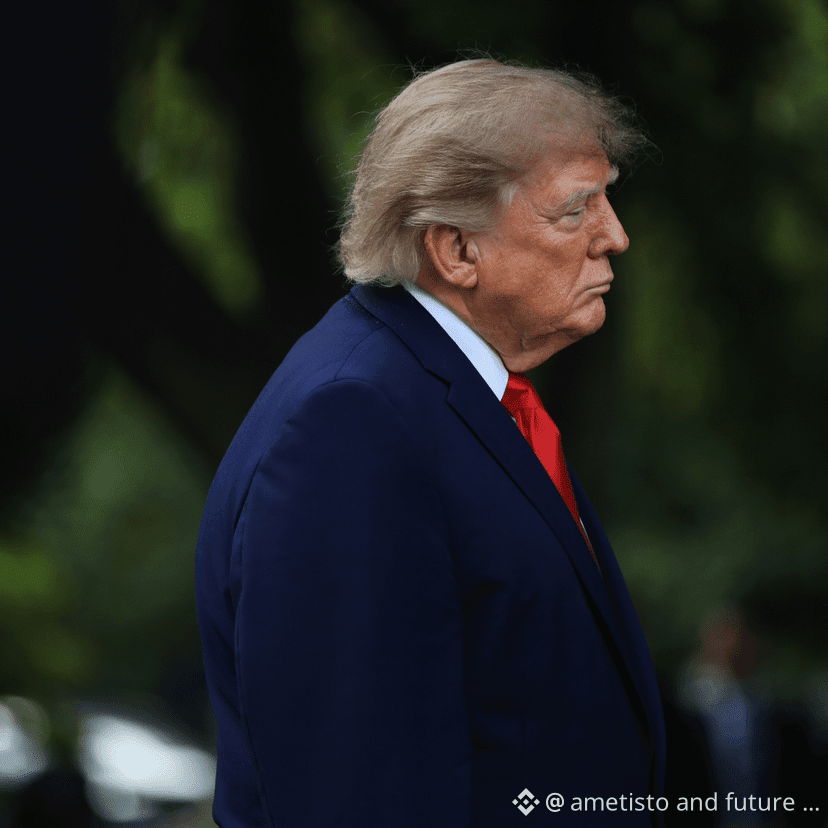
🚗🇺🇸 Trump eases fuel consumption rules in the US
Donald Trump’s administration has unveiled new regulations that lower fuel-efficiency requirements for cars and pickups. By 2031, the average required for fleets will be 34.9 miles per gallon, compared with the 49.3 mpg projected under the Biden-era rules.
The White House says the measure will help lower the price of new vehicles. The National Highway Traffic Safety Administration (NHTSA) estimates savings of about US$1,289 per vehicle in 2031.
However, analysts in the auto sector question whether those savings will reach consumers directly. They also point out that tariffs and other costs currently facing manufacturers could absorb some of any reduction.
📉 In addition, less fuel-efficient vehicles could mean higher fuel expenses for their owners over time.
The change also signals a new turn in US policy toward electric vehicles, reducing the regulatory pressure on manufacturers to improve the efficiency of their fleets.
#UnitedStates #Trump #Cars #Economy #ElectricVehicles #Fuel #AutomotiveIndustry
🚗🇺🇸 Trump eases fuel consumption rules in the US
Donald Trump’s administration has unveiled new regulations that lower fuel-efficiency requirements for cars and pickups. By 2031, the average required for fleets will be 34.9 miles per gallon, compared with the 49.3 mpg projected under the Biden-era rules.
The White House says the measure will help lower the price of new vehicles. The National Highway Traffic Safety Administration (NHTSA) estimates savings of about US$1,289 per vehicle in 2031.
However, analysts in the auto sector question whether those savings will reach consumers directly. They also point out that tariffs and other costs currently facing manufacturers could absorb some of any reduction.
📉 In addition, less fuel-efficient vehicles could mean higher fuel expenses for their owners over time.
The change also signals a new turn in US policy toward electric vehicles, reducing the regulatory pressure on manufacturers to improve the efficiency of their fleets.
#UnitedStates #Trump #Cars #Economy #ElectricVehicles #Fuel #AutomotiveIndustry
Donald Trump’s administration has unveiled new regulations that lower fuel-efficiency requirements for cars and pickups. By 2031, the average required for fleets will be 34.9 miles per gallon, compared with the 49.3 mpg projected under the Biden-era rules.
The White House says the measure will help lower the price of new vehicles. The National Highway Traffic Safety Administration (NHTSA) estimates savings of about US$1,289 per vehicle in 2031.
However, analysts in the auto sector question whether those savings will reach consumers directly. They also point out that tariffs and other costs currently facing manufacturers could absorb some of any reduction.
📉 In addition, less fuel-efficient vehicles could mean higher fuel expenses for their owners over time.
The change also signals a new turn in US policy toward electric vehicles, reducing the regulatory pressure on manufacturers to improve the efficiency of their fleets.
#UnitedStates #Trump #Cars #Economy #ElectricVehicles #Fuel #AutomotiveIndustry

1
360
🇺🇸🇮🇷 $USDT at the US Senate investigation center
An investigation by the US Senate’s Permanent Subcommittee on Investigations indicates that the Tether stablecoin USDT may have become one of the main payment instruments used by the Iranian regime to evade US sanctions.
According to the report, about 84% of more than 800 crypto wallets sanctioned for ties to Iran primarily or exclusively used USDT. The identified wallets operated mainly on the Tron and Ethereum networks.
The Senate also raised questions about Tether’s compliance mechanisms and the use of USDT in transactions related to organizations considered terrorist by the US, including Hezbollah.
⚠️ The case reignites an important debate for the crypto market: to what extent can stablecoins function as global financial infrastructure—including for actors subject to sanctions?
For Tether, the episode increases regulatory pressure. For the industry, it reinforces the importance of transparency, on-chain traceability, and effective anti-money-laundering mechanisms.
#Crypto #USDT #Tether #Stablecoins #Bitcoin #Iran #Blockchain #Cryptocurrencies
🇺🇸🇮🇷 $USDT at the US Senate investigation center
An investigation by the US Senate’s Permanent Subcommittee on Investigations indicates that the Tether stablecoin USDT may have become one of the main payment instruments used by the Iranian regime to evade US sanctions.
According to the report, about 84% of more than 800 crypto wallets sanctioned for ties to Iran primarily or exclusively used USDT. The identified wallets operated mainly on the Tron and Ethereum networks.
The Senate also raised questions about Tether’s compliance mechanisms and the use of USDT in transactions related to organizations considered terrorist by the US, including Hezbollah.
⚠️ The case reignites an important debate for the crypto market: to what extent can stablecoins function as global financial infrastructure—including for actors subject to sanctions?
For Tether, the episode increases regulatory pressure. For the industry, it reinforces the importance of transparency, on-chain traceability, and effective anti-money-laundering mechanisms.
#Crypto #USDT #Tether #Stablecoins #Bitcoin #Iran #Blockchain #Cryptocurrencies
An investigation by the US Senate’s Permanent Subcommittee on Investigations indicates that the Tether stablecoin USDT may have become one of the main payment instruments used by the Iranian regime to evade US sanctions.
According to the report, about 84% of more than 800 crypto wallets sanctioned for ties to Iran primarily or exclusively used USDT. The identified wallets operated mainly on the Tron and Ethereum networks.
The Senate also raised questions about Tether’s compliance mechanisms and the use of USDT in transactions related to organizations considered terrorist by the US, including Hezbollah.
⚠️ The case reignites an important debate for the crypto market: to what extent can stablecoins function as global financial infrastructure—including for actors subject to sanctions?
For Tether, the episode increases regulatory pressure. For the industry, it reinforces the importance of transparency, on-chain traceability, and effective anti-money-laundering mechanisms.
#Crypto #USDT #Tether #Stablecoins #Bitcoin #Iran #Blockchain #Cryptocurrencies

242
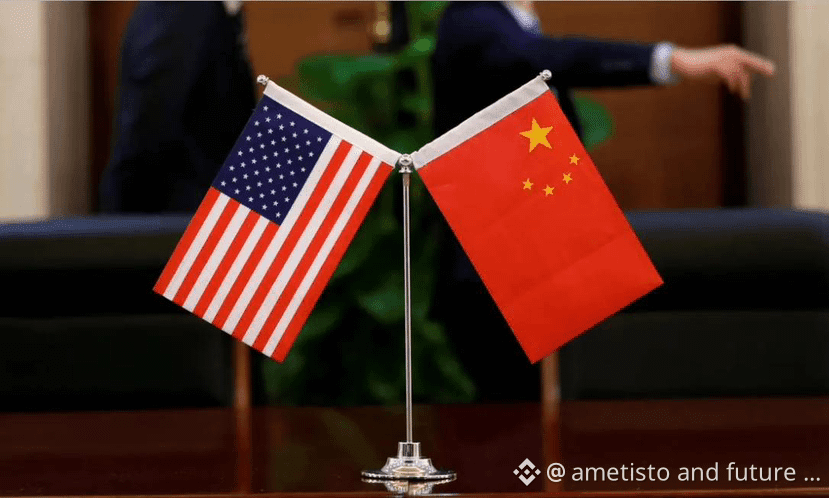
🇺🇸🇨🇳 Could China buy weapons from the United States?
U.S. President Donald Trump reportedly asked the President of China whether Beijing would be interested in purchasing American weapons, according to U.S. Ambassador to China David Perdue.
The question comes at a particularly sensitive moment, given Washington’s arms sales to Taiwan and Beijing’s longstanding opposition to them.
China has historically relied heavily on Russian military equipment. According to SIPRI data, Russia accounted for 77% of China’s imports of major arms between 2000 and 2025. At the same time, China has significantly expanded its domestic defense industry and reduced its dependence on foreign suppliers.
A potential Chinese purchase of U.S. weapons would therefore represent a striking development in the complex strategic relationship between Washington and Beijing.
🌎 US-China relations are entering a new phase where trade, technology, defense and geopolitics are increasingly interconnected.
#USA #China #Trump #Geopolitics #Defense #Military #USChina #Taiwan #InternationalRelations
🇺🇸🇨🇳 Could China buy weapons from the United States?
U.S. President Donald Trump reportedly asked the President of China whether Beijing would be interested in purchasing American weapons, according to U.S. Ambassador to China David Perdue.
The question comes at a particularly sensitive moment, given Washington’s arms sales to Taiwan and Beijing’s longstanding opposition to them.
China has historically relied heavily on Russian military equipment. According to SIPRI data, Russia accounted for 77% of China’s imports of major arms between 2000 and 2025. At the same time, China has significantly expanded its domestic defense industry and reduced its dependence on foreign suppliers.
A potential Chinese purchase of U.S. weapons would therefore represent a striking development in the complex strategic relationship between Washington and Beijing.
🌎 US-China relations are entering a new phase where trade, technology, defense and geopolitics are increasingly interconnected.
#USA #China #Trump #Geopolitics #Defense #Military #USChina #Taiwan #InternationalRelations
U.S. President Donald Trump reportedly asked the President of China whether Beijing would be interested in purchasing American weapons, according to U.S. Ambassador to China David Perdue.
The question comes at a particularly sensitive moment, given Washington’s arms sales to Taiwan and Beijing’s longstanding opposition to them.
China has historically relied heavily on Russian military equipment. According to SIPRI data, Russia accounted for 77% of China’s imports of major arms between 2000 and 2025. At the same time, China has significantly expanded its domestic defense industry and reduced its dependence on foreign suppliers.
A potential Chinese purchase of U.S. weapons would therefore represent a striking development in the complex strategic relationship between Washington and Beijing.
🌎 US-China relations are entering a new phase where trade, technology, defense and geopolitics are increasingly interconnected.
#USA #China #Trump #Geopolitics #Defense #Military #USChina #Taiwan #InternationalRelations
211
#GoldFallsTo$4144
$PAXG
Why gold is falling
• Higher oil prices: Escalating US–Iran tensions have lifted crude, reviving inflation fears and expectations that the Fed may keep rates higher for longer.
• Rate-hike bets: Stronger-than-expected US data and hawkish Fed rhetoric have boosted Treasury yields, making non-yielding assets like gold less attractive.(reuters)
• Dollar strength: A firmer US dollar adds extra pressure on dollar-priced bullion, amplifying the downside move.
What this means for traders and investors
• Short-term momentum is clearly bearish, with technical indicators flashing oversold conditions but no clear reversal signal yet.
• For longer-term holders, the pullback looks like a test of support after gold’s strong run over the past year, with the metal still up double digits versus 12 months ago despite today’s drop.
• Key levels to watch: a break and close below $4,144 could open the door to deeper corrections, while a swift rebound above $4,200–$4,220 would suggest the selloff is losing steam.
#GoldFallsTo$4144
$PAXG
Why gold is falling
• Higher oil prices: Escalating US–Iran tensions have lifted crude, reviving inflation fears and expectations that the Fed may keep rates higher for longer.
• Rate-hike bets: Stronger-than-expected US data and hawkish Fed rhetoric have boosted Treasury yields, making non-yielding assets like gold less attractive.(reuters)
• Dollar strength: A firmer US dollar adds extra pressure on dollar-priced bullion, amplifying the downside move.
What this means for traders and investors
• Short-term momentum is clearly bearish, with technical indicators flashing oversold conditions but no clear reversal signal yet.
• For longer-term holders, the pullback looks like a test of support after gold’s strong run over the past year, with the metal still up double digits versus 12 months ago despite today’s drop.
• Key levels to watch: a break and close below $4,144 could open the door to deeper corrections, while a swift rebound above $4,200–$4,220 would suggest the selloff is losing steam.
$PAXG
Why gold is falling
• Higher oil prices: Escalating US–Iran tensions have lifted crude, reviving inflation fears and expectations that the Fed may keep rates higher for longer.
• Rate-hike bets: Stronger-than-expected US data and hawkish Fed rhetoric have boosted Treasury yields, making non-yielding assets like gold less attractive.(reuters)
• Dollar strength: A firmer US dollar adds extra pressure on dollar-priced bullion, amplifying the downside move.
What this means for traders and investors
• Short-term momentum is clearly bearish, with technical indicators flashing oversold conditions but no clear reversal signal yet.
• For longer-term holders, the pullback looks like a test of support after gold’s strong run over the past year, with the metal still up double digits versus 12 months ago despite today’s drop.
• Key levels to watch: a break and close below $4,144 could open the door to deeper corrections, while a swift rebound above $4,200–$4,220 would suggest the selloff is losing steam.
282
🇭🇳➡️🇺🇸 New migrant caravan moves toward the United States
More than 600 migrants are said to be moving through Mexico in a caravan headed for the U.S. border, after starting the journey from Honduras. According to reports, the group began leaving San Pedro Sula on September 20, amid a crackdown on U.S. immigration policies.
🚶♂️ The caravan is made up mainly of Hondurans, and among its participants are people traveling with children. Some migrants point to the lack of economic opportunities and the search for better living conditions as reasons for embarking on the trip.
🇲🇽 The group has already crossed areas of Guatemala and Mexico. Reuters images show migrants walking along Mexican roads and receiving food and water during the journey.
🌎 The move puts Central American migration and U.S. border policy back at the center of the regional debate.
🇭🇳➡️🇺🇸 New migrant caravan moves toward the United States
More than 600 migrants are said to be moving through Mexico in a caravan headed for the U.S. border, after starting the journey from Honduras. According to reports, the group began leaving San Pedro Sula on September 20, amid a crackdown on U.S. immigration policies.
🚶♂️ The caravan is made up mainly of Hondurans, and among its participants are people traveling with children. Some migrants point to the lack of economic opportunities and the search for better living conditions as reasons for embarking on the trip.
🇲🇽 The group has already crossed areas of Guatemala and Mexico. Reuters images show migrants walking along Mexican roads and receiving food and water during the journey.
🌎 The move puts Central American migration and U.S. border policy back at the center of the regional debate.
More than 600 migrants are said to be moving through Mexico in a caravan headed for the U.S. border, after starting the journey from Honduras. According to reports, the group began leaving San Pedro Sula on September 20, amid a crackdown on U.S. immigration policies.
🚶♂️ The caravan is made up mainly of Hondurans, and among its participants are people traveling with children. Some migrants point to the lack of economic opportunities and the search for better living conditions as reasons for embarking on the trip.
🇲🇽 The group has already crossed areas of Guatemala and Mexico. Reuters images show migrants walking along Mexican roads and receiving food and water during the journey.
🌎 The move puts Central American migration and U.S. border policy back at the center of the regional debate.

171
Verified
🇺🇸 Trump’s economy faces new pressures
An analysis by The Wall Street Journal points out that several measures by the Donald Trump administration are helping to keep inflation and interest-rate pressures elevated.
📈 Tariffs have increased the cost of some imported products, while immigration restrictions have reduced the supply of workers. At the same time, the conflict with Iran has led to a sharp rise in oil and diesel prices.
🏦 The yield on the 10-year U.S. Treasury bond recently reached its highest level since 2007, reflecting investors’ concerns about inflation, fiscal policy, and energy risks.
💼 The labor market, for its part, added 162,000 jobs in August, while the unemployment rate stayed at 4.1%.
The combination of inflation, employment, tariffs, energy, and interest rates has become one of the main economic challenges facing the United States.
#UnitedStates #Trump #Economy #Inflation #Fed #Markets #WallStreet #Employment #Tariffs #Oil
🇺🇸 Trump’s economy faces new pressures
An analysis by The Wall Street Journal points out that several measures by the Donald Trump administration are helping to keep inflation and interest-rate pressures elevated.
📈 Tariffs have increased the cost of some imported products, while immigration restrictions have reduced the supply of workers. At the same time, the conflict with Iran has led to a sharp rise in oil and diesel prices.
🏦 The yield on the 10-year U.S. Treasury bond recently reached its highest level since 2007, reflecting investors’ concerns about inflation, fiscal policy, and energy risks.
💼 The labor market, for its part, added 162,000 jobs in August, while the unemployment rate stayed at 4.1%.
The combination of inflation, employment, tariffs, energy, and interest rates has become one of the main economic challenges facing the United States.
#UnitedStates #Trump #Economy #Inflation #Fed #Markets #WallStreet #Employment #Tariffs #Oil
An analysis by The Wall Street Journal points out that several measures by the Donald Trump administration are helping to keep inflation and interest-rate pressures elevated.
📈 Tariffs have increased the cost of some imported products, while immigration restrictions have reduced the supply of workers. At the same time, the conflict with Iran has led to a sharp rise in oil and diesel prices.
🏦 The yield on the 10-year U.S. Treasury bond recently reached its highest level since 2007, reflecting investors’ concerns about inflation, fiscal policy, and energy risks.
💼 The labor market, for its part, added 162,000 jobs in August, while the unemployment rate stayed at 4.1%.
The combination of inflation, employment, tariffs, energy, and interest rates has become one of the main economic challenges facing the United States.
#UnitedStates #Trump #Economy #Inflation #Fed #Markets #WallStreet #Employment #Tariffs #Oil
1
985
Verified
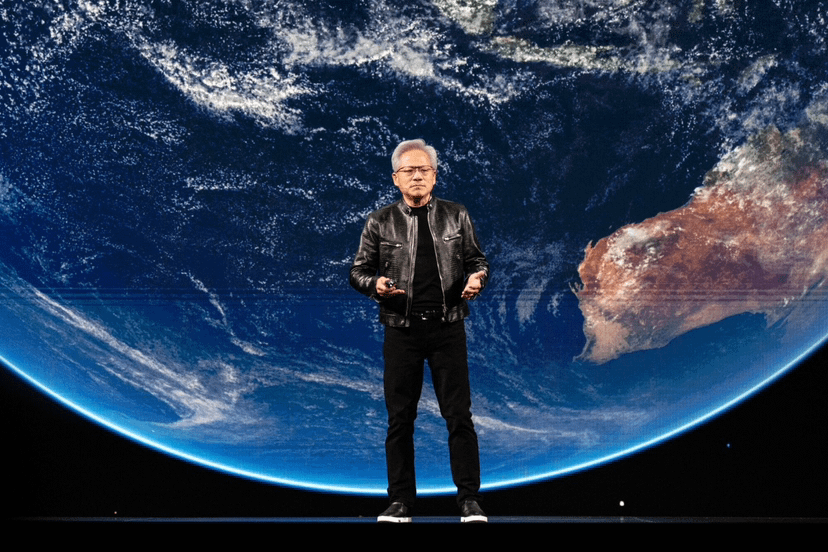
$NVDA.US 🚨 NVIDIA announces record share buyback
NVIDIA approved an increase of US$150 billion in its share buyback program, raising the total authorization to US$235 billion, the largest program of its kind ever announced in the U.S. (The Wall Street Journal)
💰 The move comes amid strong cash generation driven by the artificial intelligence boom. The company expects to execute the program through fiscal year 2028.
🤖 The move also signals how NVIDIA is turning part of the enormous cash flow generated by AI infrastructure into returns for shareholders. By repurchasing shares, the company reduces the number of shares outstanding, which can increase earnings per share, depending on results and the price paid in the buybacks.
📈 With a market capitalization above US$5.4 trillion, NVIDIA remains at the center of the global race for artificial intelligence infrastructure. (MarketScreener)
#NVIDIA #NVDA #ArtificialIntelligence #AI #Technology #FinancialMarket #Stocks #WallStreet #Investments
$NVDA.US 🚨 NVIDIA announces record share buyback
NVIDIA approved an increase of US$150 billion in its share buyback program, raising the total authorization to US$235 billion, the largest program of its kind ever announced in the U.S. (The Wall Street Journal)
💰 The move comes amid strong cash generation driven by the artificial intelligence boom. The company expects to execute the program through fiscal year 2028.
🤖 The move also signals how NVIDIA is turning part of the enormous cash flow generated by AI infrastructure into returns for shareholders. By repurchasing shares, the company reduces the number of shares outstanding, which can increase earnings per share, depending on results and the price paid in the buybacks.
📈 With a market capitalization above US$5.4 trillion, NVIDIA remains at the center of the global race for artificial intelligence infrastructure. (MarketScreener)
#NVIDIA #NVDA #ArtificialIntelligence #AI #Technology #FinancialMarket #Stocks #WallStreet #Investments
NVIDIA approved an increase of US$150 billion in its share buyback program, raising the total authorization to US$235 billion, the largest program of its kind ever announced in the U.S. (The Wall Street Journal)
💰 The move comes amid strong cash generation driven by the artificial intelligence boom. The company expects to execute the program through fiscal year 2028.
🤖 The move also signals how NVIDIA is turning part of the enormous cash flow generated by AI infrastructure into returns for shareholders. By repurchasing shares, the company reduces the number of shares outstanding, which can increase earnings per share, depending on results and the price paid in the buybacks.
📈 With a market capitalization above US$5.4 trillion, NVIDIA remains at the center of the global race for artificial intelligence infrastructure. (MarketScreener)
#NVIDIA #NVDA #ArtificialIntelligence #AI #Technology #FinancialMarket #Stocks #WallStreet #Investments
NVDAUS+1.04%
851
Log in to explore more content
Join global crypto users on Binance Square
⚡️ Get latest and useful information about crypto.
💬 Trusted by the world’s largest crypto exchange.
👍 Discover real insights from verified creators.
Email / Phone number
Trending Topics
MetaMaskExitsLidoValidatorsAfterSecurityIncident
9,863 views
327 Discussing
🚨 METAMASK JUST STARTED EXITING ETH VALIDATORS AFTER A SECURITY INCIDENT.
MetaMask says an ongoing security incident hit part of its infrastructure, forcing it to proactively exit affected validators from its non-custodial staking operations. The company says it has found no immediate threat to MetaMask wallets so far.
The key detail?
These validators are tied to Lido staking, and the exit process may temporarily remove ETH from staking while the investigation continues. Lido-related reports say the full exit, withdrawal and re-entry cycle could take up to roughly 45 days.
That means the market should separate two things:
Wallet users are not currently being told they’re at immediate risk.
But validator infrastructure clearly was serious enough to trigger an emergency exit.
And when one of Ethereum’s biggest wallet brands starts pulling validators as a precaution, traders pay attention.
Security incidents don’t need stolen funds to become market-moving.
Sometimes the reaction itself is the signal. 👀
$ETH $LDO
#metamaskexitslidovalidatorsaftersecurityincident
KimHotbae
·0 Likes
·2.4k views
MicronBeatsEarningsLiftsGuidance
10,460 views
293 Discussing
CFTCSubmitsTwoEventContractRulesToWhiteHouse
10,603 views
293 Discussing