
IAmInevitable
292 Posts

IAmInevitable
Report
Block User
Crypto investor
Open Trade

BNB Holder
Occasional Trader
4.6 Years
14 Following
74 Followers
128 Liked
Posts
Portfolio
All
Quotes
Videos
What could be the reason for free fall like behaviour of KernelDAO supported KERNEL token?
#KernelSignal $KERNEL
What could be the reason for free fall like behaviour of KernelDAO supported KERNEL token?
#KernelSignal $KERNEL
#KernelSignal $KERNEL
1
194
As of June 4, 2026, the Genius (GENIUS) cryptocurrency token, associated with Genius Terminal, is trading at approximately $0.46 USD. It has experienced a notable decline of around 13-19% over the past 24 hours, with prices fluctuating between roughly $0.44 and $0.53.
The token maintains a solid market capitalization of about $155-157 million and a circulating supply of roughly 335 million GENIUS tokens. Trading activity remains robust, with 24-hour volume exceeding $32-55 million across major exchanges like Binance, indicating strong liquidity despite the bearish daily performance and a steeper weekly drop of over 30%.
This reflects ongoing volatility in the broader crypto market for mid-cap tokens.
@GeniusOfficial #genius $GENIUS
As of June 4, 2026, the Genius (GENIUS) cryptocurrency token, associated with Genius Terminal, is trading at approximately $0.46 USD. It has experienced a notable decline of around 13-19% over the past 24 hours, with prices fluctuating between roughly $0.44 and $0.53.
The token maintains a solid market capitalization of about $155-157 million and a circulating supply of roughly 335 million GENIUS tokens. Trading activity remains robust, with 24-hour volume exceeding $32-55 million across major exchanges like Binance, indicating strong liquidity despite the bearish daily performance and a steeper weekly drop of over 30%.
This reflects ongoing volatility in the broader crypto market for mid-cap tokens.
@GeniusOfficial #genius $GENIUS
The token maintains a solid market capitalization of about $155-157 million and a circulating supply of roughly 335 million GENIUS tokens. Trading activity remains robust, with 24-hour volume exceeding $32-55 million across major exchanges like Binance, indicating strong liquidity despite the bearish daily performance and a steeper weekly drop of over 30%.
This reflects ongoing volatility in the broader crypto market for mid-cap tokens.
@GeniusOfficial #genius $GENIUS
84
Genesis token has declined ~36% from my entry at $0.07 to the current ~$0.045 level, reflecting typical altcoin volatility.
It likely hit an all-time high near launch or during a hype cycle (possibly above $0.07–0.10), driven by initial market enthusiasm, listings, or broader crypto rallies. The drop stems from profit-taking, low liquidity, reduced project momentum, and overall bearish market sentiment. All-time lows for similar micro-cap tokens often fall below $0.01–0.03 amid waning interest. Hold for potential recovery tied to developments.
#genius $GENIUS @GeniusOfficial
Genesis token has declined ~36% from my entry at $0.07 to the current ~$0.045 level, reflecting typical altcoin volatility.
It likely hit an all-time high near launch or during a hype cycle (possibly above $0.07–0.10), driven by initial market enthusiasm, listings, or broader crypto rallies. The drop stems from profit-taking, low liquidity, reduced project momentum, and overall bearish market sentiment. All-time lows for similar micro-cap tokens often fall below $0.01–0.03 amid waning interest. Hold for potential recovery tied to developments.
#genius $GENIUS @GeniusOfficial
It likely hit an all-time high near launch or during a hype cycle (possibly above $0.07–0.10), driven by initial market enthusiasm, listings, or broader crypto rallies. The drop stems from profit-taking, low liquidity, reduced project momentum, and overall bearish market sentiment. All-time lows for similar micro-cap tokens often fall below $0.01–0.03 amid waning interest. Hold for potential recovery tied to developments.
#genius $GENIUS @GeniusOfficial
1
103
Recent discussions highlight Genius Terminal as a promising on-chain, multi-chain trading platform that acts like a decentralized CEX. Users praise its unified interface for spot, perps, copy trading, and cross-chain swaps without constant bridging, calling it a smarter way to trade across Solana, Ethereum, BNB Chain, and more.
Many are excited about smart money inflows, potential for growth (with mentions of past ATH around $0.95), and its PropAMM liquidity engine competing with Uniswap/PancakeSwap. Shillers and holders are actively pushing votes on platforms like CoinMarketCap and farming airdrops.
However, sentiment is mixed due to launch drama — including a controversial airdrop with burn/lock rules that split opinions, early bugs like glitching charts and failed trades, plus warnings about fake airdrop sites and phishing. Some view it as high-risk/high-reward for active DeFi traders but advise caution for long-term holds until execution improves. Overall, the vibe is optimistic hype around utility, tempered by typical crypto volatility and teething issues.
This reflects a typical emerging project: strong product vision drawing traders, but community divided on risks and delivery.
#genius $GENIUS @GeniusOfficial
Recent discussions highlight Genius Terminal as a promising on-chain, multi-chain trading platform that acts like a decentralized CEX. Users praise its unified interface for spot, perps, copy trading, and cross-chain swaps without constant bridging, calling it a smarter way to trade across Solana, Ethereum, BNB Chain, and more.
Many are excited about smart money inflows, potential for growth (with mentions of past ATH around $0.95), and its PropAMM liquidity engine competing with Uniswap/PancakeSwap. Shillers and holders are actively pushing votes on platforms like CoinMarketCap and farming airdrops.
However, sentiment is mixed due to launch drama — including a controversial airdrop with burn/lock rules that split opinions, early bugs like glitching charts and failed trades, plus warnings about fake airdrop sites and phishing. Some view it as high-risk/high-reward for active DeFi traders but advise caution for long-term holds until execution improves. Overall, the vibe is optimistic hype around utility, tempered by typical crypto volatility and teething issues.
This reflects a typical emerging project: strong product vision drawing traders, but community divided on risks and delivery.
#genius $GENIUS @GeniusOfficial
Many are excited about smart money inflows, potential for growth (with mentions of past ATH around $0.95), and its PropAMM liquidity engine competing with Uniswap/PancakeSwap. Shillers and holders are actively pushing votes on platforms like CoinMarketCap and farming airdrops.
However, sentiment is mixed due to launch drama — including a controversial airdrop with burn/lock rules that split opinions, early bugs like glitching charts and failed trades, plus warnings about fake airdrop sites and phishing. Some view it as high-risk/high-reward for active DeFi traders but advise caution for long-term holds until execution improves. Overall, the vibe is optimistic hype around utility, tempered by typical crypto volatility and teething issues.
This reflects a typical emerging project: strong product vision drawing traders, but community divided on risks and delivery.
#genius $GENIUS @GeniusOfficial
1
1
107
#genius $GENIUS @GeniusOfficial
Genius Terminal (GENIUS) is a professional-grade, non-custodial on-chain trading platform designed as a unified terminal for advanced DeFi users. It aggregates access to over 300 decentralized exchanges across multiple blockchains (including BNB Chain and others), enabling seamless spot trading, perpetual futures, cross-chain swaps, and private "Ghost Orders" without constant wallet pop-ups.
The native GENIUS token, a BEP-20 on BNB Smart Chain with a max supply of 1 billion, powers governance, premium features, and incentives. Recently listed on major platforms and featured in Binance HODLer airdrops, it has seen significant trading volume in the hundreds of millions daily, though its price remains volatile like most new crypto projects.
This positions Genius Terminal as an ambitious "trading OS" aiming to bridge CEX-like UX with full on-chain control and privacy for pro traders.
#genius $GENIUS @GeniusOfficial
Genius Terminal (GENIUS) is a professional-grade, non-custodial on-chain trading platform designed as a unified terminal for advanced DeFi users. It aggregates access to over 300 decentralized exchanges across multiple blockchains (including BNB Chain and others), enabling seamless spot trading, perpetual futures, cross-chain swaps, and private "Ghost Orders" without constant wallet pop-ups.
The native GENIUS token, a BEP-20 on BNB Smart Chain with a max supply of 1 billion, powers governance, premium features, and incentives. Recently listed on major platforms and featured in Binance HODLer airdrops, it has seen significant trading volume in the hundreds of millions daily, though its price remains volatile like most new crypto projects.
This positions Genius Terminal as an ambitious "trading OS" aiming to bridge CEX-like UX with full on-chain control and privacy for pro traders.
Genius Terminal (GENIUS) is a professional-grade, non-custodial on-chain trading platform designed as a unified terminal for advanced DeFi users. It aggregates access to over 300 decentralized exchanges across multiple blockchains (including BNB Chain and others), enabling seamless spot trading, perpetual futures, cross-chain swaps, and private "Ghost Orders" without constant wallet pop-ups.
The native GENIUS token, a BEP-20 on BNB Smart Chain with a max supply of 1 billion, powers governance, premium features, and incentives. Recently listed on major platforms and featured in Binance HODLer airdrops, it has seen significant trading volume in the hundreds of millions daily, though its price remains volatile like most new crypto projects.
This positions Genius Terminal as an ambitious "trading OS" aiming to bridge CEX-like UX with full on-chain control and privacy for pro traders.
2
2
47
Article
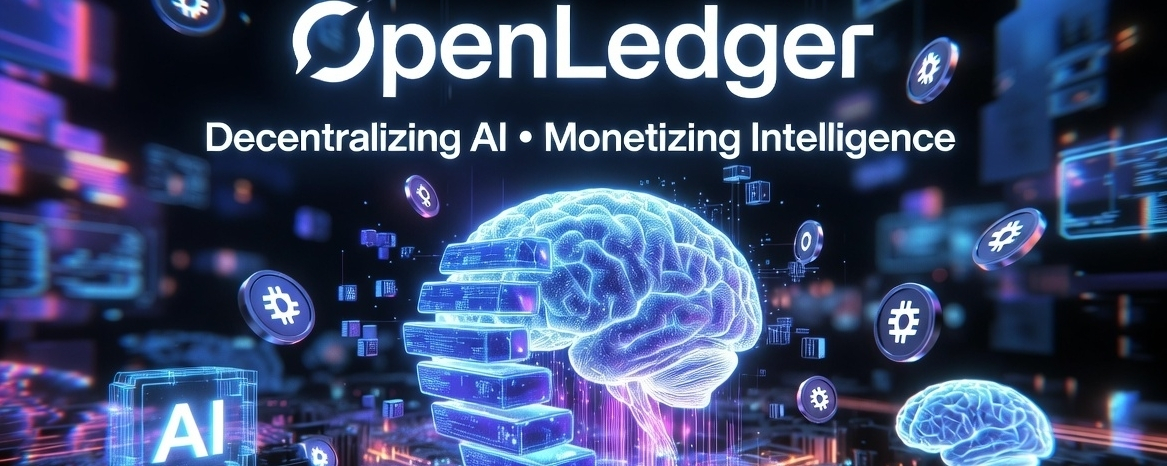
OpenLedger: Revolutionizing AI Through Decentralized Blockchain InfrastructureOpenLedger is an innovative AI-native blockchain platform specifically engineered to decentralize and monetize the development of artificial intelligence. Unlike traditional centralized AI systems dominated by big tech companies that often exploit user data without fair compensation, OpenLedger creates a transparent, equitable ecosystem where data contributors, model creators, and AI agents can participate meaningfully and earn rewards.
At its core, OpenLedger functions as a purpose-built Layer-2 EVM-compatible blockchain that brings every stage of the AI lifecycle on-chain. This includes data collection, model training, fine-tuning, deployment, and usage tracking. The platform addresses one of the biggest pain points in the AI industry today — the $500 billion "data problem," where high-quality datasets remain siloed, uncompensated, and inaccessible to most developers and creators.
Key Components: Datanets and Specialized AI
A standout feature of OpenLedger is Datanets — community-owned, decentralized data networks. These are specialized repositories where users can contribute domain-specific datasets (such as medical records, legal documents, gaming data, or financial information). Contributors receive verifiable attribution and rewards through the platform’s innovative Proof of Attribution (PoA) mechanism. This system tracks exactly how individual data points influence model training and distributes incentives accordingly.
Once data is secured in Datanets, users leverage tools like ModelFactory for no-code training and fine-tuning of Specialized Language Models (SLMs). These models are more efficient, accurate, and tailored than general-purpose large language models. The platform also supports OpenLoRA for efficient, low-cost model deployment and inference. All actions — from uploading datasets to publishing models — are recorded transparently on the blockchain, ensuring provenance, ownership rights, and composability.
The OPEN Token Economy
The native OPEN token powers the entire ecosystem. It serves multiple critical functions:
- Paying gas fees for transactions
- Accessing AI services such as training and inference
- Rewarding contributors via Proof of Attribution
- Participating in governance decisions
- Staking for network security
With a maximum supply of 1 billion tokens, OPEN transforms data, models, and AI agents into liquid, tradable assets that can be bought, sold, or composed into new applications.
Why OpenLedger Matters
In a world where AI development is increasingly concentrated in the hands of a few powerful entities, OpenLedger promotes a more democratic future. By making intelligence itself programmable and ownable on-chain, it fosters innovation in specialized domains while ensuring creators are fairly compensated. This "Payable AI" model could fundamentally shift how we build, share, and benefit from artificial intelligence technologies.
As the platform continues to grow with features like real-time AI agents (such as OctoClaw) and expanded Datanets, OpenLedger positions itself as foundational infrastructure for the next generation of trusted, decentralized AI applications. Whether you're a data contributor, developer, or AI enthusiast, OpenLedger offers new opportunities to participate in and profit from the AI economy.
#OpenLedger $OPEN @Openledger
OpenLedger: Revolutionizing AI Through Decentralized Blockchain Infrastructure
OpenLedger is an innovative AI-native blockchain platform specifically engineered to decentralize and monetize the development of artificial intelligence. Unlike traditional centralized AI systems dominated by big tech companies that often exploit user data without fair compensation, OpenLedger creates a transparent, equitable ecosystem where data contributors, model creators, and AI agents can participate meaningfully and earn rewards.
At its core, OpenLedger functions as a purpose-built Layer-2 EVM-compatible blockchain that brings every stage of the AI lifecycle on-chain. This includes data collection, model training, fine-tuning, deployment, and usage tracking. The platform addresses one of the biggest pain points in the AI industry today — the $500 billion "data problem," where high-quality datasets remain siloed, uncompensated, and inaccessible to most developers and creators.
Key Components: Datanets and Specialized AI
A standout feature of OpenLedger is Datanets — community-owned, decentralized data networks. These are specialized repositories where users can contribute domain-specific datasets (such as medical records, legal documents, gaming data, or financial information). Contributors receive verifiable attribution and rewards through the platform’s innovative Proof of Attribution (PoA) mechanism. This system tracks exactly how individual data points influence model training and distributes incentives accordingly.
Once data is secured in Datanets, users leverage tools like ModelFactory for no-code training and fine-tuning of Specialized Language Models (SLMs). These models are more efficient, accurate, and tailored than general-purpose large language models. The platform also supports OpenLoRA for efficient, low-cost model deployment and inference. All actions — from uploading datasets to publishing models — are recorded transparently on the blockchain, ensuring provenance, ownership rights, and composability.
The OPEN Token Economy
The native OPEN token powers the entire ecosystem. It serves multiple critical functions:
- Paying gas fees for transactions
- Accessing AI services such as training and inference
- Rewarding contributors via Proof of Attribution
- Participating in governance decisions
- Staking for network security
With a maximum supply of 1 billion tokens, OPEN transforms data, models, and AI agents into liquid, tradable assets that can be bought, sold, or composed into new applications.
Why OpenLedger Matters
In a world where AI development is increasingly concentrated in the hands of a few powerful entities, OpenLedger promotes a more democratic future. By making intelligence itself programmable and ownable on-chain, it fosters innovation in specialized domains while ensuring creators are fairly compensated. This "Payable AI" model could fundamentally shift how we build, share, and benefit from artificial intelligence technologies.
As the platform continues to grow with features like real-time AI agents (such as OctoClaw) and expanded Datanets, OpenLedger positions itself as foundational infrastructure for the next generation of trusted, decentralized AI applications. Whether you're a data contributor, developer, or AI enthusiast, OpenLedger offers new opportunities to participate in and profit from the AI economy.
#OpenLedger $OPEN @Openledger
At its core, OpenLedger functions as a purpose-built Layer-2 EVM-compatible blockchain that brings every stage of the AI lifecycle on-chain. This includes data collection, model training, fine-tuning, deployment, and usage tracking. The platform addresses one of the biggest pain points in the AI industry today — the $500 billion "data problem," where high-quality datasets remain siloed, uncompensated, and inaccessible to most developers and creators.
Key Components: Datanets and Specialized AI
A standout feature of OpenLedger is Datanets — community-owned, decentralized data networks. These are specialized repositories where users can contribute domain-specific datasets (such as medical records, legal documents, gaming data, or financial information). Contributors receive verifiable attribution and rewards through the platform’s innovative Proof of Attribution (PoA) mechanism. This system tracks exactly how individual data points influence model training and distributes incentives accordingly.
Once data is secured in Datanets, users leverage tools like ModelFactory for no-code training and fine-tuning of Specialized Language Models (SLMs). These models are more efficient, accurate, and tailored than general-purpose large language models. The platform also supports OpenLoRA for efficient, low-cost model deployment and inference. All actions — from uploading datasets to publishing models — are recorded transparently on the blockchain, ensuring provenance, ownership rights, and composability.
The OPEN Token Economy
The native OPEN token powers the entire ecosystem. It serves multiple critical functions:
- Paying gas fees for transactions
- Accessing AI services such as training and inference
- Rewarding contributors via Proof of Attribution
- Participating in governance decisions
- Staking for network security
With a maximum supply of 1 billion tokens, OPEN transforms data, models, and AI agents into liquid, tradable assets that can be bought, sold, or composed into new applications.
Why OpenLedger Matters
In a world where AI development is increasingly concentrated in the hands of a few powerful entities, OpenLedger promotes a more democratic future. By making intelligence itself programmable and ownable on-chain, it fosters innovation in specialized domains while ensuring creators are fairly compensated. This "Payable AI" model could fundamentally shift how we build, share, and benefit from artificial intelligence technologies.
As the platform continues to grow with features like real-time AI agents (such as OctoClaw) and expanded Datanets, OpenLedger positions itself as foundational infrastructure for the next generation of trusted, decentralized AI applications. Whether you're a data contributor, developer, or AI enthusiast, OpenLedger offers new opportunities to participate in and profit from the AI economy.
#OpenLedger $OPEN @Openledger
1
1
62
#openledger $OPEN @Openledger
OpenLedger is an AI-native blockchain platform designed to decentralize and monetize artificial intelligence development. It enables the training, deployment, and on-chain tracking of specialized AI models using community-owned datasets called Datanets, while providing transparent attribution, verifiable provenance, and programmable incentives for data contributors and model creators.
The native OPEN token powers the ecosystem for gas fees, AI services, rewards, and governance. By making data, models, and agents liquid and composable assets on an EVM-compatible chain, OpenLedger tackles the $500B data problem where high-value datasets are typically siloed and uncompensated, fostering a more equitable AI economy.
#openledger $OPEN @OpenLedger
OpenLedger is an AI-native blockchain platform designed to decentralize and monetize artificial intelligence development. It enables the training, deployment, and on-chain tracking of specialized AI models using community-owned datasets called Datanets, while providing transparent attribution, verifiable provenance, and programmable incentives for data contributors and model creators.
The native OPEN token powers the ecosystem for gas fees, AI services, rewards, and governance. By making data, models, and agents liquid and composable assets on an EVM-compatible chain, OpenLedger tackles the $500B data problem where high-value datasets are typically siloed and uncompensated, fostering a more equitable AI economy.
OpenLedger is an AI-native blockchain platform designed to decentralize and monetize artificial intelligence development. It enables the training, deployment, and on-chain tracking of specialized AI models using community-owned datasets called Datanets, while providing transparent attribution, verifiable provenance, and programmable incentives for data contributors and model creators.
The native OPEN token powers the ecosystem for gas fees, AI services, rewards, and governance. By making data, models, and agents liquid and composable assets on an EVM-compatible chain, OpenLedger tackles the $500B data problem where high-value datasets are typically siloed and uncompensated, fostering a more equitable AI economy.
1
67
#genius $GENIUS @GeniusOfficial
Genius Terminal revolutionizes DeFi trading with its seamless on-chain terminal, blending privacy, speed, and unified liquidity across multiple blockchains. The $GENIUS token powers this ecosystem, rewarding active traders through points and governance while enabling signatureless executions and cross-chain efficiency.
Unlike traditional platforms, Genius eliminates bridging hassles and approval fatigue, delivering CEX-like performance in a decentralized environment. As adoption surges, $GENIUS holders benefit from growing trading volumes and ecosystem expansions. This innovative crypto project stands out for professionals seeking true sovereignty and superior UX in volatile markets.
#genius $GENIUS @GeniusOfficial
Genius Terminal revolutionizes DeFi trading with its seamless on-chain terminal, blending privacy, speed, and unified liquidity across multiple blockchains. The $GENIUS token powers this ecosystem, rewarding active traders through points and governance while enabling signatureless executions and cross-chain efficiency.
Unlike traditional platforms, Genius eliminates bridging hassles and approval fatigue, delivering CEX-like performance in a decentralized environment. As adoption surges, $GENIUS holders benefit from growing trading volumes and ecosystem expansions. This innovative crypto project stands out for professionals seeking true sovereignty and superior UX in volatile markets.
Genius Terminal revolutionizes DeFi trading with its seamless on-chain terminal, blending privacy, speed, and unified liquidity across multiple blockchains. The $GENIUS token powers this ecosystem, rewarding active traders through points and governance while enabling signatureless executions and cross-chain efficiency.
Unlike traditional platforms, Genius eliminates bridging hassles and approval fatigue, delivering CEX-like performance in a decentralized environment. As adoption surges, $GENIUS holders benefit from growing trading volumes and ecosystem expansions. This innovative crypto project stands out for professionals seeking true sovereignty and superior UX in volatile markets.
1
1
99
**TradFi**
With the Mag 7 diverging sharply at these elevated levels, the split between genuine compounders and hype-driven names has never been more visible. Nvidia continues to stand out as the ultimate stalwart — its AI infrastructure dominance, explosive revenue growth, and massive moat in GPUs make it a long-term core holding that actually delivers on the promise of transformative technology.
On the flip side, Tesla increasingly feels like pure hype for many investors. While Elon Musk's vision is inspiring, execution has been inconsistent, competition in EVs is intensifying globally, and valuation still prices in perfection across multiple unproven frontiers like robotaxis and Optimus.
In TradFi, this divergence is a healthy reminder: don't chase narrative alone — demand sustainable competitive advantages and real cash flow generation.
What's your take — which Mag 7 name is your forever hold, and which one feels most overrated right now?
#PostonTradFi
**TradFi**
With the Mag 7 diverging sharply at these elevated levels, the split between genuine compounders and hype-driven names has never been more visible. Nvidia continues to stand out as the ultimate stalwart — its AI infrastructure dominance, explosive revenue growth, and massive moat in GPUs make it a long-term core holding that actually delivers on the promise of transformative technology.
On the flip side, Tesla increasingly feels like pure hype for many investors. While Elon Musk's vision is inspiring, execution has been inconsistent, competition in EVs is intensifying globally, and valuation still prices in perfection across multiple unproven frontiers like robotaxis and Optimus.
In TradFi, this divergence is a healthy reminder: don't chase narrative alone — demand sustainable competitive advantages and real cash flow generation.
What's your take — which Mag 7 name is your forever hold, and which one feels most overrated right now?
#PostonTradFi
With the Mag 7 diverging sharply at these elevated levels, the split between genuine compounders and hype-driven names has never been more visible. Nvidia continues to stand out as the ultimate stalwart — its AI infrastructure dominance, explosive revenue growth, and massive moat in GPUs make it a long-term core holding that actually delivers on the promise of transformative technology.
On the flip side, Tesla increasingly feels like pure hype for many investors. While Elon Musk's vision is inspiring, execution has been inconsistent, competition in EVs is intensifying globally, and valuation still prices in perfection across multiple unproven frontiers like robotaxis and Optimus.
In TradFi, this divergence is a healthy reminder: don't chase narrative alone — demand sustainable competitive advantages and real cash flow generation.
What's your take — which Mag 7 name is your forever hold, and which one feels most overrated right now?
#PostonTradFi
2
1
216
#genius $GENIUS @GeniusOfficial
In the fast-evolving world of decentralized finance, Genius crypto stands out as a revolutionary force redefining how traders interact with blockchain markets. At its core, Genius Terminal empowers users with a seamless, signatureless trading experience that eliminates traditional pain points like endless approvals, bridging hassles, and fragmented portfolios. This innovative platform unifies spot trading, perpetuals, pre-launch opportunities, and yield farming across multiple chains into one intuitive interface, allowing professionals to execute complex strategies with lightning speed and minimal friction.
What sets Genius crypto apart is its emphasis on user-centric design blended with powerful on-chain capabilities. Traders no longer juggle multiple wallets or face clunky UX; instead, they benefit from programmatic behaviors that adapt across ecosystems, ensuring chain-invisible operations and enhanced privacy through features like ghost orders. The native $GENIUS token fuels this ecosystem, offering governance rights, fee discounts, and participation in revenue-sharing models that reward active users and liquidity providers. As adoption grows, Genius is paving the way for mainstream DeFi accessibility, attracting both seasoned institutions and ambitious retail traders seeking efficiency without compromising security. Its forward-thinking approach addresses key industry challenges, fostering a more inclusive and performant trading environment that could shape the future of crypto finance for years to come. By prioritizing innovation over complexity, Genius crypto isn't just another token—it's a comprehensive solution driving real utility and value in the blockchain space.
#genius $GENIUS @GeniusOfficial
In the fast-evolving world of decentralized finance, Genius crypto stands out as a revolutionary force redefining how traders interact with blockchain markets. At its core, Genius Terminal empowers users with a seamless, signatureless trading experience that eliminates traditional pain points like endless approvals, bridging hassles, and fragmented portfolios. This innovative platform unifies spot trading, perpetuals, pre-launch opportunities, and yield farming across multiple chains into one intuitive interface, allowing professionals to execute complex strategies with lightning speed and minimal friction.
What sets Genius crypto apart is its emphasis on user-centric design blended with powerful on-chain capabilities. Traders no longer juggle multiple wallets or face clunky UX; instead, they benefit from programmatic behaviors that adapt across ecosystems, ensuring chain-invisible operations and enhanced privacy through features like ghost orders. The native $GENIUS token fuels this ecosystem, offering governance rights, fee discounts, and participation in revenue-sharing models that reward active users and liquidity providers. As adoption grows, Genius is paving the way for mainstream DeFi accessibility, attracting both seasoned institutions and ambitious retail traders seeking efficiency without compromising security. Its forward-thinking approach addresses key industry challenges, fostering a more inclusive and performant trading environment that could shape the future of crypto finance for years to come. By prioritizing innovation over complexity, Genius crypto isn't just another token—it's a comprehensive solution driving real utility and value in the blockchain space.
In the fast-evolving world of decentralized finance, Genius crypto stands out as a revolutionary force redefining how traders interact with blockchain markets. At its core, Genius Terminal empowers users with a seamless, signatureless trading experience that eliminates traditional pain points like endless approvals, bridging hassles, and fragmented portfolios. This innovative platform unifies spot trading, perpetuals, pre-launch opportunities, and yield farming across multiple chains into one intuitive interface, allowing professionals to execute complex strategies with lightning speed and minimal friction.
What sets Genius crypto apart is its emphasis on user-centric design blended with powerful on-chain capabilities. Traders no longer juggle multiple wallets or face clunky UX; instead, they benefit from programmatic behaviors that adapt across ecosystems, ensuring chain-invisible operations and enhanced privacy through features like ghost orders. The native $GENIUS token fuels this ecosystem, offering governance rights, fee discounts, and participation in revenue-sharing models that reward active users and liquidity providers. As adoption grows, Genius is paving the way for mainstream DeFi accessibility, attracting both seasoned institutions and ambitious retail traders seeking efficiency without compromising security. Its forward-thinking approach addresses key industry challenges, fostering a more inclusive and performant trading environment that could shape the future of crypto finance for years to come. By prioritizing innovation over complexity, Genius crypto isn't just another token—it's a comprehensive solution driving real utility and value in the blockchain space.
1
2
71
#openledger $OPEN @Openledger
OpenLedger represents a groundbreaking fusion of artificial intelligence and blockchain technology, designed to revolutionize how data, models, and autonomous agents are created, shared, and monetized in a decentralized ecosystem. At its core, OpenLedger functions as an AI-native blockchain that empowers users to build community-owned datasets known as Datanets, enabling transparent and verifiable contributions from individuals worldwide.
This platform addresses longstanding issues in the AI industry, such as data silos and unfair compensation, by implementing on-chain mechanisms for tracking provenance, attributing value, and distributing rewards through its native OPEN token. Developers can leverage its EVM-compatible infrastructure to train specialized language models with no-code tools like ModelFactory, while ensuring every step—from data uploads to model deployment—occurs securely on the ledger.
By unlocking liquidity for AI assets, OpenLedger fosters innovation in fields ranging from personalized healthcare diagnostics to real-time autonomous trading agents. Participants earn incentives for providing high-quality data or computational resources, creating a collaborative economy that prioritizes trust and fairness. As adoption grows, OpenLedger stands poised to become the foundational layer for trusted, decentralized AI systems, bridging the gap between cutting-edge machine learning and blockchain's immutable transparency. Its emphasis on programmable incentives ensures sustainable growth, making it an essential tool for builders seeking ethical and efficient AI development in the Web3 era.
{spot}(OPENUSDT)
#openledger $OPEN @OpenLedger
OpenLedger represents a groundbreaking fusion of artificial intelligence and blockchain technology, designed to revolutionize how data, models, and autonomous agents are created, shared, and monetized in a decentralized ecosystem. At its core, OpenLedger functions as an AI-native blockchain that empowers users to build community-owned datasets known as Datanets, enabling transparent and verifiable contributions from individuals worldwide.
This platform addresses longstanding issues in the AI industry, such as data silos and unfair compensation, by implementing on-chain mechanisms for tracking provenance, attributing value, and distributing rewards through its native OPEN token. Developers can leverage its EVM-compatible infrastructure to train specialized language models with no-code tools like ModelFactory, while ensuring every step—from data uploads to model deployment—occurs securely on the ledger.
By unlocking liquidity for AI assets, OpenLedger fosters innovation in fields ranging from personalized healthcare diagnostics to real-time autonomous trading agents. Participants earn incentives for providing high-quality data or computational resources, creating a collaborative economy that prioritizes trust and fairness. As adoption grows, OpenLedger stands poised to become the foundational layer for trusted, decentralized AI systems, bridging the gap between cutting-edge machine learning and blockchain's immutable transparency. Its emphasis on programmable incentives ensures sustainable growth, making it an essential tool for builders seeking ethical and efficient AI development in the Web3 era.
OpenLedger represents a groundbreaking fusion of artificial intelligence and blockchain technology, designed to revolutionize how data, models, and autonomous agents are created, shared, and monetized in a decentralized ecosystem. At its core, OpenLedger functions as an AI-native blockchain that empowers users to build community-owned datasets known as Datanets, enabling transparent and verifiable contributions from individuals worldwide.
This platform addresses longstanding issues in the AI industry, such as data silos and unfair compensation, by implementing on-chain mechanisms for tracking provenance, attributing value, and distributing rewards through its native OPEN token. Developers can leverage its EVM-compatible infrastructure to train specialized language models with no-code tools like ModelFactory, while ensuring every step—from data uploads to model deployment—occurs securely on the ledger.
By unlocking liquidity for AI assets, OpenLedger fosters innovation in fields ranging from personalized healthcare diagnostics to real-time autonomous trading agents. Participants earn incentives for providing high-quality data or computational resources, creating a collaborative economy that prioritizes trust and fairness. As adoption grows, OpenLedger stands poised to become the foundational layer for trusted, decentralized AI systems, bridging the gap between cutting-edge machine learning and blockchain's immutable transparency. Its emphasis on programmable incentives ensures sustainable growth, making it an essential tool for builders seeking ethical and efficient AI development in the Web3 era.
1
1
85
Article
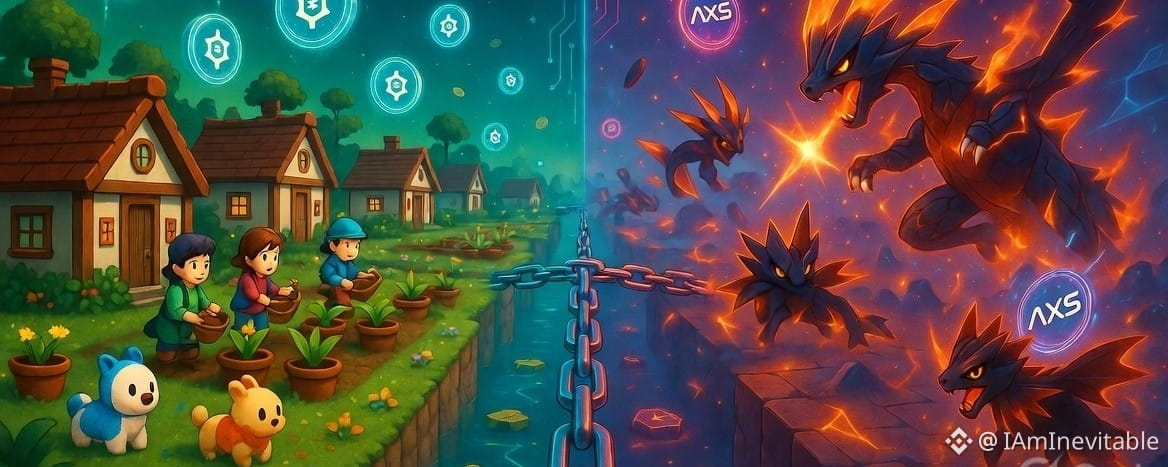
PIXEL vs. Axie Infinity: Ronin’s Gaming Titans ComparedTwo flagship Web3 games on the Ronin Network—Pixels (powered by PIXEL) and Axie Infinity (led by AXS)—highlight contrasting visions for blockchain gaming. Axie Infinity ignited the 2021 play-to-earn explosion, while Pixels, launched in 2024, has emerged as a more accessible and sustainable alternative. As of late April 2026, here’s how they stack up.
Gameplay and Target Audience
Pixels delivers a relaxing social farming/life-sim MMO with Stardew Valley-inspired pixel-art charm. Players grow crops, raise pets, build land, complete quests, join guilds, and socialize in a true free-to-play experience. Blockchain ownership of land, pets, and assets feels natural and optional—no upfront NFT purchase required.
Axie Infinity, by contrast, is a competitive turn-based creature battler. Players must buy starter Axies (NFTs) to breed, battle, and earn rewards. It offers deeper strategy but demands a higher entry barrier and leans into a grindier play-to-earn loop.
Token Roles
PIXEL functions as a premium “hard” currency and future governance token. It powers high-value actions: minting NFTs, creating guilds, VIP Battle Passes (extra energy, slots, and perks), cosmetics, and speed-ups. By design, it replaced the old inflationary $BERRY token to minimize sell pressure and create strong spending sinks.
AXS serves primarily as a governance and staking token. Holders vote on game direction, stake for rewards, and participate in ecosystem utilities. Recent updates (including SLP emission cuts and non-transferable bAXS) aim to stabilize the economy after years of volatility.
Market Snapshot
AXS remains the larger player with a $243 million market cap, $1.43 price, and strong liquidity. PIXEL is smaller ($6.29M market cap, $0.008 price) but trades with impressive relative volume and built-in deflationary mechanics through premium sinks.
Adoption and Activity
Pixels currently leads on Ronin with 150K+ daily active players and high retention, driven by its social features. Axie Infinity, once peaking at 2.7 million daily users, has seen a significant decline but retains a dedicated global community and deeper NFT ecosystem.
Sustainability Edge
Pixels was engineered to avoid classic P2E pitfalls—free-to-play core loop, premium-only PIXEL utility, and focus on long-term player enjoyment. Axie pioneered the model but battled hyper-inflation and “farm-and-dump” issues; 2026 overhauls seek to restore balance.
In summary, PIXEL powers a casual, social, and player-friendly experience that makes Web3 ownership feel fun and accessible. AXS represents the battle-hardened veteran with greater scale and brand recognition. Both benefit from Ronin’s infrastructure, yet Pixels is stealing daily activity headlines while Axie focuses on stabilization.
Casual farmers will likely prefer Pixels; competitive collectors may stick with Axie. The choice ultimately depends on whether you seek relaxed social play or strategic battling in the blockchain gaming arena.
#pixel @pixels $PIXEL
{spot}(PIXELUSDT)
PIXEL vs. Axie Infinity: Ronin’s Gaming Titans Compared
Two flagship Web3 games on the Ronin Network—Pixels (powered by PIXEL) and Axie Infinity (led by AXS)—highlight contrasting visions for blockchain gaming. Axie Infinity ignited the 2021 play-to-earn explosion, while Pixels, launched in 2024, has emerged as a more accessible and sustainable alternative. As of late April 2026, here’s how they stack up.
Gameplay and Target Audience
Pixels delivers a relaxing social farming/life-sim MMO with Stardew Valley-inspired pixel-art charm. Players grow crops, raise pets, build land, complete quests, join guilds, and socialize in a true free-to-play experience. Blockchain ownership of land, pets, and assets feels natural and optional—no upfront NFT purchase required.
Axie Infinity, by contrast, is a competitive turn-based creature battler. Players must buy starter Axies (NFTs) to breed, battle, and earn rewards. It offers deeper strategy but demands a higher entry barrier and leans into a grindier play-to-earn loop.
Token Roles
PIXEL functions as a premium “hard” currency and future governance token. It powers high-value actions: minting NFTs, creating guilds, VIP Battle Passes (extra energy, slots, and perks), cosmetics, and speed-ups. By design, it replaced the old inflationary $BERRY token to minimize sell pressure and create strong spending sinks.
AXS serves primarily as a governance and staking token. Holders vote on game direction, stake for rewards, and participate in ecosystem utilities. Recent updates (including SLP emission cuts and non-transferable bAXS) aim to stabilize the economy after years of volatility.
Market Snapshot
AXS remains the larger player with a $243 million market cap, $1.43 price, and strong liquidity. PIXEL is smaller ($6.29M market cap, $0.008 price) but trades with impressive relative volume and built-in deflationary mechanics through premium sinks.
Adoption and Activity
Pixels currently leads on Ronin with 150K+ daily active players and high retention, driven by its social features. Axie Infinity, once peaking at 2.7 million daily users, has seen a significant decline but retains a dedicated global community and deeper NFT ecosystem.
Sustainability Edge
Pixels was engineered to avoid classic P2E pitfalls—free-to-play core loop, premium-only PIXEL utility, and focus on long-term player enjoyment. Axie pioneered the model but battled hyper-inflation and “farm-and-dump” issues; 2026 overhauls seek to restore balance.
In summary, PIXEL powers a casual, social, and player-friendly experience that makes Web3 ownership feel fun and accessible. AXS represents the battle-hardened veteran with greater scale and brand recognition. Both benefit from Ronin’s infrastructure, yet Pixels is stealing daily activity headlines while Axie focuses on stabilization.
Casual farmers will likely prefer Pixels; competitive collectors may stick with Axie. The choice ultimately depends on whether you seek relaxed social play or strategic battling in the blockchain gaming arena.
#pixel @Pixels $PIXEL
Gameplay and Target Audience
Pixels delivers a relaxing social farming/life-sim MMO with Stardew Valley-inspired pixel-art charm. Players grow crops, raise pets, build land, complete quests, join guilds, and socialize in a true free-to-play experience. Blockchain ownership of land, pets, and assets feels natural and optional—no upfront NFT purchase required.
Axie Infinity, by contrast, is a competitive turn-based creature battler. Players must buy starter Axies (NFTs) to breed, battle, and earn rewards. It offers deeper strategy but demands a higher entry barrier and leans into a grindier play-to-earn loop.
Token Roles
PIXEL functions as a premium “hard” currency and future governance token. It powers high-value actions: minting NFTs, creating guilds, VIP Battle Passes (extra energy, slots, and perks), cosmetics, and speed-ups. By design, it replaced the old inflationary $BERRY token to minimize sell pressure and create strong spending sinks.
AXS serves primarily as a governance and staking token. Holders vote on game direction, stake for rewards, and participate in ecosystem utilities. Recent updates (including SLP emission cuts and non-transferable bAXS) aim to stabilize the economy after years of volatility.
Market Snapshot
AXS remains the larger player with a $243 million market cap, $1.43 price, and strong liquidity. PIXEL is smaller ($6.29M market cap, $0.008 price) but trades with impressive relative volume and built-in deflationary mechanics through premium sinks.
Adoption and Activity
Pixels currently leads on Ronin with 150K+ daily active players and high retention, driven by its social features. Axie Infinity, once peaking at 2.7 million daily users, has seen a significant decline but retains a dedicated global community and deeper NFT ecosystem.
Sustainability Edge
Pixels was engineered to avoid classic P2E pitfalls—free-to-play core loop, premium-only PIXEL utility, and focus on long-term player enjoyment. Axie pioneered the model but battled hyper-inflation and “farm-and-dump” issues; 2026 overhauls seek to restore balance.
In summary, PIXEL powers a casual, social, and player-friendly experience that makes Web3 ownership feel fun and accessible. AXS represents the battle-hardened veteran with greater scale and brand recognition. Both benefit from Ronin’s infrastructure, yet Pixels is stealing daily activity headlines while Axie focuses on stabilization.
Casual farmers will likely prefer Pixels; competitive collectors may stick with Axie. The choice ultimately depends on whether you seek relaxed social play or strategic battling in the blockchain gaming arena.
#pixel @Pixels $PIXEL
1
1
222
PIXEL vs AXS: Ronin’s top gaming tokens compared!
Pixels (PIXEL): Casual social farming MMO (Stardew vibes). Free-to-play, high retention (150K+ DAU). PIXEL is a premium utility for guilds, NFT minting & VIP perks — sustainable, spend-focused design.
Axie Infinity (AXS): Competitive creature battles. Higher entry (buy Axies). AXS for governance/staking. Much larger mcap ($243M vs $6M) but lower recent activity.
Pixels = accessible & growing.
Axie = battle-hardened veteran.
Casual fun or competitive grind?
#pixel $PIXEL @pixels $AXS
{spot}(AXSUSDT)
{spot}(PIXELUSDT)
PIXEL vs AXS: Ronin’s top gaming tokens compared!
Pixels (PIXEL): Casual social farming MMO (Stardew vibes). Free-to-play, high retention (150K+ DAU). PIXEL is a premium utility for guilds, NFT minting & VIP perks — sustainable, spend-focused design.
Axie Infinity (AXS): Competitive creature battles. Higher entry (buy Axies). AXS for governance/staking. Much larger mcap ($243M vs $6M) but lower recent activity.
Pixels = accessible & growing.
Axie = battle-hardened veteran.
Casual fun or competitive grind?
#pixel $PIXEL @Pixels $AXS
Pixels (PIXEL): Casual social farming MMO (Stardew vibes). Free-to-play, high retention (150K+ DAU). PIXEL is a premium utility for guilds, NFT minting & VIP perks — sustainable, spend-focused design.
Axie Infinity (AXS): Competitive creature battles. Higher entry (buy Axies). AXS for governance/staking. Much larger mcap ($243M vs $6M) but lower recent activity.
Pixels = accessible & growing.
Axie = battle-hardened veteran.
Casual fun or competitive grind?
#pixel $PIXEL @Pixels $AXS
1
1
201
Article
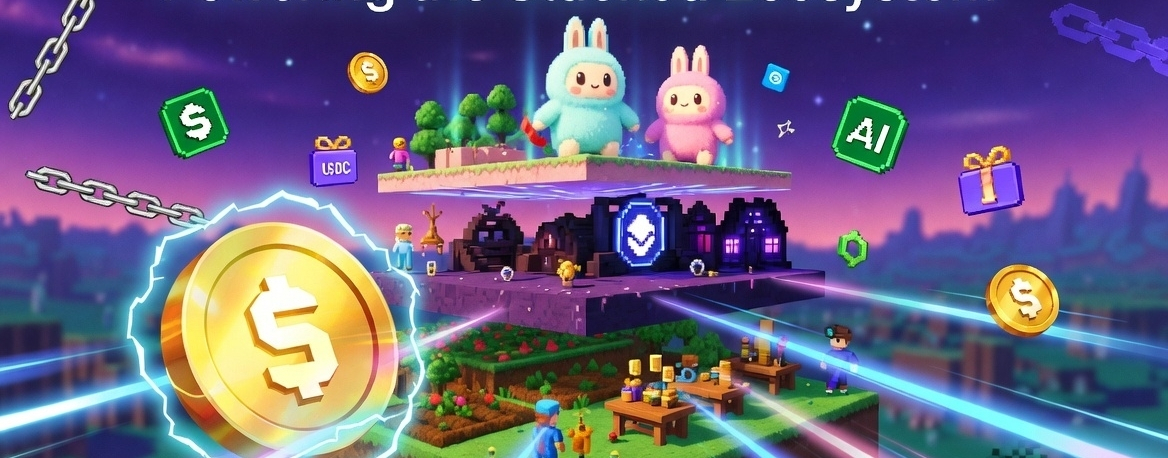
Pixels Layer-2 Innovations: Powering the Stacked EcosystemPixels has emerged as a trailblazer in Web3 gaming by fully embracing Layer-2 technology, creating a seamless, high-speed foundation that elevates the entire $PIXEL-powered Stacked ecosystem. Initially anchored on Ronin’s battle-tested L2 chain, Pixels has layered advanced zkEVM optimizations and custom rollup architecture to achieve sub-second finality and near-zero gas fees. This infrastructure isn’t merely technical—it’s the invisible engine that lets players focus on fun while every action accrues real on-chain value through the PIXEL token.
The Stacked rewards engine represents the pinnacle of these Layer-2 breakthroughs. As a unified L2 settlement layer shared across Pixels and its sister titles—Pixel Dungeons, Sleepagotchi, Chubkins, and upcoming expansions—Stacked synchronizes gameplay data in real time. AI-driven LiveOps scan player behavior across the chain, dynamically generating personalized missions, daily streaks, and achievement multipliers. Because everything settles on the efficient L2, rewards flow instantly: $PIXEL, USDC, or even fiat via integrated gift cards and PayPal off-ramps. No more waiting for mainnet congestion or exorbitant fees that kill player momentum.
Central to this innovation is the complete transition of PIXEL to a stake-only governance and utility asset. Stakers now directly fund ecosystem growth—new game development, user-generated content tools, and cross-title events—while enjoying exclusive zero-fee staking pools and priority access to rare in-game assets. A dual-token model further refines the economy: $PIXEL remains the staked backbone for ownership and revenue sharing, while vPIXEL serves as a pure spend token for crafting, trading, and social features. This separation, enforced at the L2 smart-contract level, dramatically reduces sell pressure and creates a self-sustaining flywheel where staking liquidity fuels innovation without diluting token value.
Layer-2 also unlocks true cross-game ownership. Players can migrate pixelated farmland plots, crafted tools, or rare NFTs between titles in a single atomic transaction, all secured by zero-knowledge proofs that maintain privacy and scalability. Social hubs within Stacked become vibrant on-chain marketplaces where friends co-build virtual villages or compete in leaderboards, with every interaction logged transparently yet cost-effectively.
Security remains paramount. The L2 leverages Ronin’s proven validator set combined with emerging zk-rollup bridges, ensuring that even as player counts surge into the millions, the network stays resilient against exploits. Developers gain powerful SDKs to launch new Stacked-compatible experiences, lowering the barrier for indie creators to tap into the PIXEL economy.
Ultimately, Pixels Layer-2 innovations transform the Stacked ecosystem from a collection of games into a cohesive, player-owned metaverse. Every click, craft, and collaboration now contributes to a virtuous cycle: more engagement drives more staking, which funds more content, which attracts more players. In this high-throughput environment, PIXEL isn’t just a token—it’s the lifeblood of a decentralized gaming renaissance where ownership, rewards, and endless creativity stack higher with every block. The future of play-to-own is here, lightning-fast and built to last.
@pixels #Pixel $PIXEL
{spot}(PIXELUSDT)
Pixels Layer-2 Innovations: Powering the Stacked Ecosystem
Pixels has emerged as a trailblazer in Web3 gaming by fully embracing Layer-2 technology, creating a seamless, high-speed foundation that elevates the entire $PIXEL -powered Stacked ecosystem. Initially anchored on Ronin’s battle-tested L2 chain, Pixels has layered advanced zkEVM optimizations and custom rollup architecture to achieve sub-second finality and near-zero gas fees. This infrastructure isn’t merely technical—it’s the invisible engine that lets players focus on fun while every action accrues real on-chain value through the PIXEL token.
The Stacked rewards engine represents the pinnacle of these Layer-2 breakthroughs. As a unified L2 settlement layer shared across Pixels and its sister titles—Pixel Dungeons, Sleepagotchi, Chubkins, and upcoming expansions—Stacked synchronizes gameplay data in real time. AI-driven LiveOps scan player behavior across the chain, dynamically generating personalized missions, daily streaks, and achievement multipliers. Because everything settles on the efficient L2, rewards flow instantly: $PIXEL , USDC, or even fiat via integrated gift cards and PayPal off-ramps. No more waiting for mainnet congestion or exorbitant fees that kill player momentum.
Central to this innovation is the complete transition of PIXEL to a stake-only governance and utility asset. Stakers now directly fund ecosystem growth—new game development, user-generated content tools, and cross-title events—while enjoying exclusive zero-fee staking pools and priority access to rare in-game assets. A dual-token model further refines the economy: $PIXEL remains the staked backbone for ownership and revenue sharing, while vPIXEL serves as a pure spend token for crafting, trading, and social features. This separation, enforced at the L2 smart-contract level, dramatically reduces sell pressure and creates a self-sustaining flywheel where staking liquidity fuels innovation without diluting token value.
Layer-2 also unlocks true cross-game ownership. Players can migrate pixelated farmland plots, crafted tools, or rare NFTs between titles in a single atomic transaction, all secured by zero-knowledge proofs that maintain privacy and scalability. Social hubs within Stacked become vibrant on-chain marketplaces where friends co-build virtual villages or compete in leaderboards, with every interaction logged transparently yet cost-effectively.
Security remains paramount. The L2 leverages Ronin’s proven validator set combined with emerging zk-rollup bridges, ensuring that even as player counts surge into the millions, the network stays resilient against exploits. Developers gain powerful SDKs to launch new Stacked-compatible experiences, lowering the barrier for indie creators to tap into the PIXEL economy.
Ultimately, Pixels Layer-2 innovations transform the Stacked ecosystem from a collection of games into a cohesive, player-owned metaverse. Every click, craft, and collaboration now contributes to a virtuous cycle: more engagement drives more staking, which funds more content, which attracts more players. In this high-throughput environment, PIXEL isn’t just a token—it’s the lifeblood of a decentralized gaming renaissance where ownership, rewards, and endless creativity stack higher with every block. The future of play-to-own is here, lightning-fast and built to last.
@Pixels #Pixel $PIXEL
The Stacked rewards engine represents the pinnacle of these Layer-2 breakthroughs. As a unified L2 settlement layer shared across Pixels and its sister titles—Pixel Dungeons, Sleepagotchi, Chubkins, and upcoming expansions—Stacked synchronizes gameplay data in real time. AI-driven LiveOps scan player behavior across the chain, dynamically generating personalized missions, daily streaks, and achievement multipliers. Because everything settles on the efficient L2, rewards flow instantly: $PIXEL , USDC, or even fiat via integrated gift cards and PayPal off-ramps. No more waiting for mainnet congestion or exorbitant fees that kill player momentum.
Central to this innovation is the complete transition of PIXEL to a stake-only governance and utility asset. Stakers now directly fund ecosystem growth—new game development, user-generated content tools, and cross-title events—while enjoying exclusive zero-fee staking pools and priority access to rare in-game assets. A dual-token model further refines the economy: $PIXEL remains the staked backbone for ownership and revenue sharing, while vPIXEL serves as a pure spend token for crafting, trading, and social features. This separation, enforced at the L2 smart-contract level, dramatically reduces sell pressure and creates a self-sustaining flywheel where staking liquidity fuels innovation without diluting token value.
Layer-2 also unlocks true cross-game ownership. Players can migrate pixelated farmland plots, crafted tools, or rare NFTs between titles in a single atomic transaction, all secured by zero-knowledge proofs that maintain privacy and scalability. Social hubs within Stacked become vibrant on-chain marketplaces where friends co-build virtual villages or compete in leaderboards, with every interaction logged transparently yet cost-effectively.
Security remains paramount. The L2 leverages Ronin’s proven validator set combined with emerging zk-rollup bridges, ensuring that even as player counts surge into the millions, the network stays resilient against exploits. Developers gain powerful SDKs to launch new Stacked-compatible experiences, lowering the barrier for indie creators to tap into the PIXEL economy.
Ultimately, Pixels Layer-2 innovations transform the Stacked ecosystem from a collection of games into a cohesive, player-owned metaverse. Every click, craft, and collaboration now contributes to a virtuous cycle: more engagement drives more staking, which funds more content, which attracts more players. In this high-throughput environment, PIXEL isn’t just a token—it’s the lifeblood of a decentralized gaming renaissance where ownership, rewards, and endless creativity stack higher with every block. The future of play-to-own is here, lightning-fast and built to last.
@Pixels #Pixel $PIXEL
1
109
Good morning crypto community
$SXT $KGST $RLUSD
{spot}(SXTUSDT)
Good morning crypto community
$SXT $KGST $RLUSD
$SXT $KGST $RLUSD
260
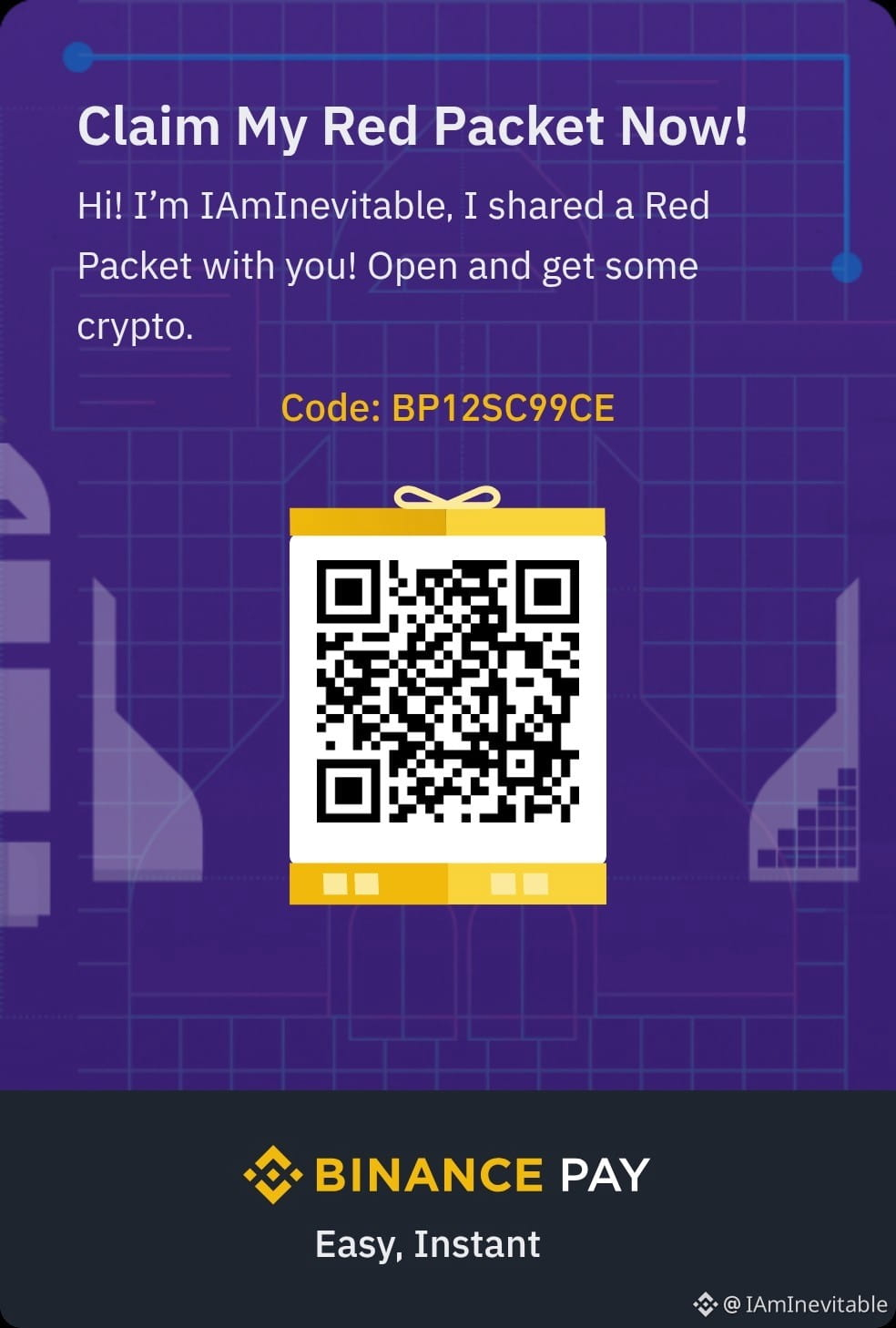
🎁🎁 1 Red packet of $AXS 🎁🎁
code: **BP12SC99CE**
[https://app.binance.com/uni-qr/Tq7cWBAH?utm_medium=web_share_copy](https://app.binance.com/uni-qr/Tq7cWBAH?utm_medium=web_share_copy)
#AXS
{spot}(AXSUSDT)
🎁🎁 1 Red packet of $AXS 🎁🎁
code: **BP12SC99CE**
https://app.binance.com/uni-qr/Tq7cWBAH?utm_medium=web_share_copy
#AXS
code: **BP12SC99CE**
https://app.binance.com/uni-qr/Tq7cWBAH?utm_medium=web_share_copy
#AXS
3
Google's Quantum AI team recently warned about risks to Bitcoin and Ethereum from future quantum computers. In a paper released at the end of March 2026, they explained how these machines could break the main security system protecting crypto wallets and transactions.
What is the issue?
Bitcoin and Ethereum rely on elliptic curve cryptography for signing transactions. This math makes it nearly impossible today to guess a private key from a public one. But Shor's algorithm on a powerful quantum computer could solve this problem quickly. The team created smarter versions of the algorithm that needed far fewer resources than earlier guesses—under 1,500 logical qubits and execution in just minutes on realistic hardware. This is about 20 times better than old estimates.
For Bitcoin, around 6.9 million BTC have exposed public keys. This includes old coins that could be stolen once quantum computers arrive. Ethereum faces even broader risks in wallets, smart contracts, staking, and more, putting over $100 billion at potential risk.
Why does it matter?
Blockchains openly share public keys with every transaction, and there is no central body to quickly fix or freeze affected funds. The new research shows the threat could arrive sooner than many expected. Google has been preparing for quantum-safe methods for years and wants the crypto world to start moving now.
When will this happen?
There is no danger today. Current quantum computers are still small and too error-prone. However, Google has set 2029 as its own deadline to switch its systems to quantum-resistant security. Experts now see a real possibility of capable machines appearing in the early 2030s.
Simple steps for now include avoiding reuse of addresses and rotating keys where possible. In the long run, blockchains will need to adopt new quantum-safe signature methods. The message is calm but clear: the crypto community should begin preparing without delay.
#Write2Earn $SIGN
{spot}(SIGNUSDT)
Google's Quantum AI team recently warned about risks to Bitcoin and Ethereum from future quantum computers. In a paper released at the end of March 2026, they explained how these machines could break the main security system protecting crypto wallets and transactions.
What is the issue?
Bitcoin and Ethereum rely on elliptic curve cryptography for signing transactions. This math makes it nearly impossible today to guess a private key from a public one. But Shor's algorithm on a powerful quantum computer could solve this problem quickly. The team created smarter versions of the algorithm that needed far fewer resources than earlier guesses—under 1,500 logical qubits and execution in just minutes on realistic hardware. This is about 20 times better than old estimates.
For Bitcoin, around 6.9 million BTC have exposed public keys. This includes old coins that could be stolen once quantum computers arrive. Ethereum faces even broader risks in wallets, smart contracts, staking, and more, putting over $100 billion at potential risk.
Why does it matter?
Blockchains openly share public keys with every transaction, and there is no central body to quickly fix or freeze affected funds. The new research shows the threat could arrive sooner than many expected. Google has been preparing for quantum-safe methods for years and wants the crypto world to start moving now.
When will this happen?
There is no danger today. Current quantum computers are still small and too error-prone. However, Google has set 2029 as its own deadline to switch its systems to quantum-resistant security. Experts now see a real possibility of capable machines appearing in the early 2030s.
Simple steps for now include avoiding reuse of addresses and rotating keys where possible. In the long run, blockchains will need to adopt new quantum-safe signature methods. The message is calm but clear: the crypto community should begin preparing without delay.
#Write2Earn $SIGN
What is the issue?
Bitcoin and Ethereum rely on elliptic curve cryptography for signing transactions. This math makes it nearly impossible today to guess a private key from a public one. But Shor's algorithm on a powerful quantum computer could solve this problem quickly. The team created smarter versions of the algorithm that needed far fewer resources than earlier guesses—under 1,500 logical qubits and execution in just minutes on realistic hardware. This is about 20 times better than old estimates.
For Bitcoin, around 6.9 million BTC have exposed public keys. This includes old coins that could be stolen once quantum computers arrive. Ethereum faces even broader risks in wallets, smart contracts, staking, and more, putting over $100 billion at potential risk.
Why does it matter?
Blockchains openly share public keys with every transaction, and there is no central body to quickly fix or freeze affected funds. The new research shows the threat could arrive sooner than many expected. Google has been preparing for quantum-safe methods for years and wants the crypto world to start moving now.
When will this happen?
There is no danger today. Current quantum computers are still small and too error-prone. However, Google has set 2029 as its own deadline to switch its systems to quantum-resistant security. Experts now see a real possibility of capable machines appearing in the early 2030s.
Simple steps for now include avoiding reuse of addresses and rotating keys where possible. In the long run, blockchains will need to adopt new quantum-safe signature methods. The message is calm but clear: the crypto community should begin preparing without delay.
#Write2Earn $SIGN
1
1
38
#BinanceAIProBeta
#BinanceAIProBeta


Binance Announcement
·
--
Introducing Binance Ai Pro Beta
This is a general announcement. Products and services referred to here may not be available in your region.
Fellow Binancians,
We are excited to announce the launch of the Beta version of Binance Ai Pro, a one-stop artificial intelligence Agent built on the OpenClaw open-source ecosystem. You can activate this intelligent trading assistant via the current Binance Ai (AI Chatbot) feature on the Android version of Binance App, or via the Binance web homepage. Access to this service will only be made available from 2026-03-25 07:00 (UTC) onwards.
Key Features and Advantages
Users can enjoy one-click activation and automatic cloud-based service setup – easily configure models and link trading accounts for a seamless start.
The AI models include advanced engines such as ChatGPT, Claude, Qwen, MiniMax, and Kimi, integrated with commonly used third party AI skills and all Binance Skills.
The system automatically creates a Binance Ai Pro Account (virtual sub-account) for you and binds it with an AI API key. The AI API key has no withdrawal or transfer permissions, thereby minimizing operational risks and ensuring fund segregation between your main Binance account and Binance Ai Pro Account.
You can manually transfer funds from your main Binance account to the AI Account, enabling Binance Ai Pro to execute related strategies, trades, or asset monitoring functions. Binance Ai Pro can assist with a variety of operations, including but not limited to:
Spot and perpetual contract orders; leveraged borrowing;Cryptocurrency market price analysis;On-chain wallet address token distribution queries; andCustom trading strategy execution.
How to Get Started
The Beta version will be available to a limited number of users, and will be gradually rolled out to more users in the future.
On the App:
Find the Binance Ai entry point on the homepage (via the Binance Ai logo) or through the Messages tab in the top-left corner.Tap [Activate] in the top-right corner to upgrade to Binance Ai Pro.Note: Activation is currently available on Android only. iOS activation support is coming soon.
On the Web:
Navigate to the Binance Ai entry point via the top navigation bar [more] on the Binance homepage.Click [Activate] in the top-right corner to upgrade to Binance Ai Pro.
Once Binance Ai Pro is activated on any platform, your Binance Ai Pro access applies across Android and Web.
Activation Process
The initial activation charge during this Beta version phase is at a discounted charge of $9.99 per month (regular monthly charge is $29.99/month), payable via Binance Pay, with automatic monthly renewal and the option to deactivate anytime.
First-time activators can enjoy a 7-day free trial with no charges incurred if the service is disabled during the trial period.
Upon activation of Binance Ai Pro (Beta), you will receive 5 million usage credits which are then refreshed monthly when the billing cycle has ended. The credits allow access to advanced AI models for handling complex tasks. Once all your credits are exhausted, the system will automatically switch to the basic AI models to allow for continued operations without usage restrictions. Credit usage depends on AI models used.
Notes:
Leftover credits will not roll over to the next month. Users will start each month with 5 million usage credits once the new billing cycle begins for that month.
Security and Risk Notice
Binance Ai Pro strictly limits AI API key permissions to ensure the AI Account operates only within authorized scopes, mitigating risks that might arise from having excessive access.
In addition, the main account and AI Account are isolated for independent management to enhance security.
Please note that AI trading is automated; Binance does not control specific AI trading actions; Binance does not provide any strategies or advice and assumes no responsibility for outcomes resulting from AI trades.
AI-assisted trading carries inherent risks so please use AI products responsibly and make informed decisions.
Future developments
Binance highly values and welcomes your feedback to help us improve its AI products. Going forward, we plan to allow users to manually purchase additional advanced credits during the usage cycle that would provide greater flexibility in interacting with the advanced model, continuously enrich and add new Binance Skills, and permit user customization of certain third party AI skills, further enhancing the intelligence and personalization of Binance Ai Pro.
For more information on Binance Ai Pro, please refer to this FAQ.
Note: There may be discrepancies between this original content in English and any translated versions. Please refer to the original English version for the most accurate information, in case any discrepancies arise.
Thank you for your support!
Binance Team
2026-03-24
Note: This announcement was amended on 2026-03-25 to add access clarifications to Binance Ai Pro Beta.
USDC is an e-money token issued by Circle Internet Financial Europe SAS (https://www.circle.com/). USDC’s whitepaper is available here. You may contact Circle using the following contact information: +33(1)59000130 and EEA-Customer-Support@circle.com.
Holders of USDC have a legal claim against Circle SAS as the EU issuer of USDC. These holders are entitled to request redemption of their USDC from Circle SAS. Such redemption will be made at any time and at par value.
Trade on-the-go with Binance’s crypto trading app (iOS/Android)
Find us on
TelegramWhatsAppXFacebookInstagramDiscord
Binance reserves the right in its sole discretion to amend or cancel this announcement at any time and for any reasons without prior notice.
Disclaimer: Your use of this Binance Ai is at your own risk and is provided to you on an “as is” and “as available” basis, without representation or warranty of any kind. You are fully responsible for all of your Prompts. AI Inputs may include various unvetted third party sourced content. Binance sourced content is provided “as is” without any guarantee. Binance does not endorse or guarantee any AI Outputs. AI Outputs may include or reflect content, positions, views and opinions of third parties unknown to Binance, which may also include errors, biases, synthetic data and or outdated information. Any AI Output should not be solely relied on for decision making. AI Outputs do not constitute any kind of advice by Binance nor any other intermediary services. Binance Ai may use or make available third party AI Tools without any guarantee. Where AI Tools are configured by yourself or a third-party, you indemnify Binance against all liability. Binance does not guarantee any AI Tools. Binance Ai may respond to your requests, but without any guarantee that your request will be fulfilled satisfactorily or at all. Digital asset prices can be volatile. You are solely responsible for your investment decisions and Binance is not liable for any losses. Use of Binance Ai may be subject to additional Binance Product Terms, where applicable. For more information, see our Terms of Use, Risk Warning and AI Policy and Terms.
Fellow Binancians,
We are excited to announce the launch of the Beta version of Binance Ai Pro, a one-stop artificial intelligence Agent built on the OpenClaw open-source ecosystem. You can activate this intelligent trading assistant via the current Binance Ai (AI Chatbot) feature on the Android version of Binance App, or via the Binance web homepage. Access to this service will only be made available from 2026-03-25 07:00 (UTC) onwards.
Key Features and Advantages
Users can enjoy one-click activation and automatic cloud-based service setup – easily configure models and link trading accounts for a seamless start.
The AI models include advanced engines such as ChatGPT, Claude, Qwen, MiniMax, and Kimi, integrated with commonly used third party AI skills and all Binance Skills.
The system automatically creates a Binance Ai Pro Account (virtual sub-account) for you and binds it with an AI API key. The AI API key has no withdrawal or transfer permissions, thereby minimizing operational risks and ensuring fund segregation between your main Binance account and Binance Ai Pro Account.
You can manually transfer funds from your main Binance account to the AI Account, enabling Binance Ai Pro to execute related strategies, trades, or asset monitoring functions. Binance Ai Pro can assist with a variety of operations, including but not limited to:
Spot and perpetual contract orders; leveraged borrowing;Cryptocurrency market price analysis;On-chain wallet address token distribution queries; andCustom trading strategy execution.
How to Get Started
The Beta version will be available to a limited number of users, and will be gradually rolled out to more users in the future.
On the App:
Find the Binance Ai entry point on the homepage (via the Binance Ai logo) or through the Messages tab in the top-left corner.Tap [Activate] in the top-right corner to upgrade to Binance Ai Pro.Note: Activation is currently available on Android only. iOS activation support is coming soon.
On the Web:
Navigate to the Binance Ai entry point via the top navigation bar [more] on the Binance homepage.Click [Activate] in the top-right corner to upgrade to Binance Ai Pro.
Once Binance Ai Pro is activated on any platform, your Binance Ai Pro access applies across Android and Web.
Activation Process
The initial activation charge during this Beta version phase is at a discounted charge of $9.99 per month (regular monthly charge is $29.99/month), payable via Binance Pay, with automatic monthly renewal and the option to deactivate anytime.
First-time activators can enjoy a 7-day free trial with no charges incurred if the service is disabled during the trial period.
Upon activation of Binance Ai Pro (Beta), you will receive 5 million usage credits which are then refreshed monthly when the billing cycle has ended. The credits allow access to advanced AI models for handling complex tasks. Once all your credits are exhausted, the system will automatically switch to the basic AI models to allow for continued operations without usage restrictions. Credit usage depends on AI models used.
Notes:
Leftover credits will not roll over to the next month. Users will start each month with 5 million usage credits once the new billing cycle begins for that month.
Security and Risk Notice
Binance Ai Pro strictly limits AI API key permissions to ensure the AI Account operates only within authorized scopes, mitigating risks that might arise from having excessive access.
In addition, the main account and AI Account are isolated for independent management to enhance security.
Please note that AI trading is automated; Binance does not control specific AI trading actions; Binance does not provide any strategies or advice and assumes no responsibility for outcomes resulting from AI trades.
AI-assisted trading carries inherent risks so please use AI products responsibly and make informed decisions.
Future developments
Binance highly values and welcomes your feedback to help us improve its AI products. Going forward, we plan to allow users to manually purchase additional advanced credits during the usage cycle that would provide greater flexibility in interacting with the advanced model, continuously enrich and add new Binance Skills, and permit user customization of certain third party AI skills, further enhancing the intelligence and personalization of Binance Ai Pro.
For more information on Binance Ai Pro, please refer to this FAQ.
Note: There may be discrepancies between this original content in English and any translated versions. Please refer to the original English version for the most accurate information, in case any discrepancies arise.
Thank you for your support!
Binance Team
2026-03-24
Note: This announcement was amended on 2026-03-25 to add access clarifications to Binance Ai Pro Beta.
USDC is an e-money token issued by Circle Internet Financial Europe SAS (https://www.circle.com/). USDC’s whitepaper is available here. You may contact Circle using the following contact information: +33(1)59000130 and EEA-Customer-Support@circle.com.
Holders of USDC have a legal claim against Circle SAS as the EU issuer of USDC. These holders are entitled to request redemption of their USDC from Circle SAS. Such redemption will be made at any time and at par value.
Trade on-the-go with Binance’s crypto trading app (iOS/Android)
Find us on
TelegramWhatsAppXFacebookInstagramDiscord
Binance reserves the right in its sole discretion to amend or cancel this announcement at any time and for any reasons without prior notice.
Disclaimer: Your use of this Binance Ai is at your own risk and is provided to you on an “as is” and “as available” basis, without representation or warranty of any kind. You are fully responsible for all of your Prompts. AI Inputs may include various unvetted third party sourced content. Binance sourced content is provided “as is” without any guarantee. Binance does not endorse or guarantee any AI Outputs. AI Outputs may include or reflect content, positions, views and opinions of third parties unknown to Binance, which may also include errors, biases, synthetic data and or outdated information. Any AI Output should not be solely relied on for decision making. AI Outputs do not constitute any kind of advice by Binance nor any other intermediary services. Binance Ai may use or make available third party AI Tools without any guarantee. Where AI Tools are configured by yourself or a third-party, you indemnify Binance against all liability. Binance does not guarantee any AI Tools. Binance Ai may respond to your requests, but without any guarantee that your request will be fulfilled satisfactorily or at all. Digital asset prices can be volatile. You are solely responsible for your investment decisions and Binance is not liable for any losses. Use of Binance Ai may be subject to additional Binance Product Terms, where applicable. For more information, see our Terms of Use, Risk Warning and AI Policy and Terms.
1
24
Article
Unlocking the Future: Fabric Foundation and the Rise of ROBO in Decentralized RoboticsThe Fabric Foundation is an independent non-profit organization committed to advancing open robotics and artificial general intelligence (AGI) for the collective benefit of humanity. Established in collaboration with OpenMind AGI Labs as its initial contributor, the foundation focuses on creating a decentralized infrastructure that enables safe, verifiable interactions between humans and intelligent machines. Its core mission addresses the challenges of AI entering the physical world, including physical safety, real-time decision-making, energy efficiency, and human-machine alignment. By building public-good tools for machine identity, decentralized task allocation, location-based payments, and machine-to-machine communication, Fabric aims to foster a "Robot Economy" where robots become autonomous economic actors without legal personhood. This involves supporting research on interpretability, governance, and economic frameworks, while convening global stakeholders like policymakers and researchers to establish norms for intelligent machine deployment. Success for Fabric is envisioned as a world where AI is observable, aligned with human intent, and decentralizes power, allowing broad participation in solving global challenges.
Historically, Fabric evolved from OpenMind's efforts in robotics software, with key milestones including the launch of the OM1 operating system in 2025, which abstracts robot skills into portable JSON configurations, enabling seamless transfer across hardware like TurtleBot or Unitree without vendor lock-in. By late 2025, Fabric had minted over 150,000 human IDs and 90,000 machine IDs on the Base blockchain, quantifying trust through verifiable reputations. This infrastructure, detailed in whitepapers like "The Fabric of a New Machine Economy," provides robots with ERC-7777 identities, on-chain action logs, and shared learning capabilities, allowing machines to publish skills for reuse. Partnerships bolster its credibility: strategic ties with NVIDIA for hardware acceleration, Circle for stablecoin integrations, and inclusion in Coinbase's roadmap for enhanced compliance and liquidity. OpenMind's $20 million funding round in 2025, led by Pantera Capital, further fueled development, positioning Fabric at the intersection of AI, DePIN (Decentralized Physical Infrastructure Networks), and blockchain.
The ROBO token serves as the native utility and governance asset of the Fabric Protocol, powering transactions, incentives, and decision-making. With a fixed total supply of 10 billion tokens, ROBO facilitates network fees for identities, verifications, and payments; crowdsourced coordination where users stake tokens for priority task access (without ownership claims); ecosystem entry for developers requiring staked ROBO to build applications; and governance over fees and policies. Tokenomics emphasize long-term alignment: 24.3% allocated to investors (12-month cliff, 36-month vesting), 20% to team and advisors (similar vesting), 18% to foundation reserves (30% at TGE, 40-month linear), 29.7% for ecosystem and community (including Proof of Robotic Work rewards), 5% for airdrops (fully unlocked at TGE), 2.5% for liquidity, and 0.5% for public sale. This structure funds growth, resources the foundation, and rewards contributors, with protocol revenue creating buy pressure through open-market ROBO repurchases.
Launched on February 27, 2026, via Kaito's Capital Launchpad at a $400 million fully diluted valuation (FDV), ROBO debuted around $0.035-$0.04 with a 2.23 billion circulating supply, achieving an initial market cap of $89 million. Trading volumes surged past $49 million in the first day, reflecting hype in AI-robotics sectors, and it's now listed on exchanges like Binance Alpha, Coinbase, KuCoin, Bybit, Phemex, and MEXC. As of 6:53 PM IST, the price hovers at $0.039-$0.041, up 10-20% in 24 hours, with a market cap of $88-92 million and volumes exceeding $55 million. An airdrop claim portal remains open until March 13, distributing 5% of supply to eligible users, potentially introducing sell pressure.
Community sentiment on X is largely positive, highlighting ROBO's clean tokenomics, low-noise potential, and role in bridging AI gaps like machine coordination. Experts praise its interoperability across manufacturers (e.g., UBTech, AgiBot) and composable intelligence, with Polymarket odds favoring a $200-300 million FDV in the first 24 hours post-launch. Price predictions vary: short-term forecasts suggest 60-70% gains from listing if adoption grows, driven by narrative strength; long-term potential hinges on execution, with analysts optimistic about utility in scaling robot networks but cautious on volatility and pre-market positioning. Risks include airdrop dumps and broader crypto sentiment, yet strong backers and infrastructure position ROBO as a frontrunner in decentralized robotics innovation.
#robo @FabricFND $ROBO
Unlocking the Future: Fabric Foundation and the Rise of ROBO in Decentralized Robotics
The Fabric Foundation is an independent non-profit organization committed to advancing open robotics and artificial general intelligence (AGI) for the collective benefit of humanity. Established in collaboration with OpenMind AGI Labs as its initial contributor, the foundation focuses on creating a decentralized infrastructure that enables safe, verifiable interactions between humans and intelligent machines. Its core mission addresses the challenges of AI entering the physical world, including physical safety, real-time decision-making, energy efficiency, and human-machine alignment. By building public-good tools for machine identity, decentralized task allocation, location-based payments, and machine-to-machine communication, Fabric aims to foster a "Robot Economy" where robots become autonomous economic actors without legal personhood. This involves supporting research on interpretability, governance, and economic frameworks, while convening global stakeholders like policymakers and researchers to establish norms for intelligent machine deployment. Success for Fabric is envisioned as a world where AI is observable, aligned with human intent, and decentralizes power, allowing broad participation in solving global challenges.
Historically, Fabric evolved from OpenMind's efforts in robotics software, with key milestones including the launch of the OM1 operating system in 2025, which abstracts robot skills into portable JSON configurations, enabling seamless transfer across hardware like TurtleBot or Unitree without vendor lock-in. By late 2025, Fabric had minted over 150,000 human IDs and 90,000 machine IDs on the Base blockchain, quantifying trust through verifiable reputations. This infrastructure, detailed in whitepapers like "The Fabric of a New Machine Economy," provides robots with ERC-7777 identities, on-chain action logs, and shared learning capabilities, allowing machines to publish skills for reuse. Partnerships bolster its credibility: strategic ties with NVIDIA for hardware acceleration, Circle for stablecoin integrations, and inclusion in Coinbase's roadmap for enhanced compliance and liquidity. OpenMind's $20 million funding round in 2025, led by Pantera Capital, further fueled development, positioning Fabric at the intersection of AI, DePIN (Decentralized Physical Infrastructure Networks), and blockchain.
The ROBO token serves as the native utility and governance asset of the Fabric Protocol, powering transactions, incentives, and decision-making. With a fixed total supply of 10 billion tokens, ROBO facilitates network fees for identities, verifications, and payments; crowdsourced coordination where users stake tokens for priority task access (without ownership claims); ecosystem entry for developers requiring staked ROBO to build applications; and governance over fees and policies. Tokenomics emphasize long-term alignment: 24.3% allocated to investors (12-month cliff, 36-month vesting), 20% to team and advisors (similar vesting), 18% to foundation reserves (30% at TGE, 40-month linear), 29.7% for ecosystem and community (including Proof of Robotic Work rewards), 5% for airdrops (fully unlocked at TGE), 2.5% for liquidity, and 0.5% for public sale. This structure funds growth, resources the foundation, and rewards contributors, with protocol revenue creating buy pressure through open-market ROBO repurchases.
Launched on February 27, 2026, via Kaito's Capital Launchpad at a $400 million fully diluted valuation (FDV), ROBO debuted around $0.035-$0.04 with a 2.23 billion circulating supply, achieving an initial market cap of $89 million. Trading volumes surged past $49 million in the first day, reflecting hype in AI-robotics sectors, and it's now listed on exchanges like Binance Alpha, Coinbase, KuCoin, Bybit, Phemex, and MEXC. As of 6:53 PM IST, the price hovers at $0.039-$0.041, up 10-20% in 24 hours, with a market cap of $88-92 million and volumes exceeding $55 million. An airdrop claim portal remains open until March 13, distributing 5% of supply to eligible users, potentially introducing sell pressure.
Community sentiment on X is largely positive, highlighting ROBO's clean tokenomics, low-noise potential, and role in bridging AI gaps like machine coordination. Experts praise its interoperability across manufacturers (e.g., UBTech, AgiBot) and composable intelligence, with Polymarket odds favoring a $200-300 million FDV in the first 24 hours post-launch. Price predictions vary: short-term forecasts suggest 60-70% gains from listing if adoption grows, driven by narrative strength; long-term potential hinges on execution, with analysts optimistic about utility in scaling robot networks but cautious on volatility and pre-market positioning. Risks include airdrop dumps and broader crypto sentiment, yet strong backers and infrastructure position ROBO as a frontrunner in decentralized robotics innovation.
#robo @Fabric Foundation $ROBO
Historically, Fabric evolved from OpenMind's efforts in robotics software, with key milestones including the launch of the OM1 operating system in 2025, which abstracts robot skills into portable JSON configurations, enabling seamless transfer across hardware like TurtleBot or Unitree without vendor lock-in. By late 2025, Fabric had minted over 150,000 human IDs and 90,000 machine IDs on the Base blockchain, quantifying trust through verifiable reputations. This infrastructure, detailed in whitepapers like "The Fabric of a New Machine Economy," provides robots with ERC-7777 identities, on-chain action logs, and shared learning capabilities, allowing machines to publish skills for reuse. Partnerships bolster its credibility: strategic ties with NVIDIA for hardware acceleration, Circle for stablecoin integrations, and inclusion in Coinbase's roadmap for enhanced compliance and liquidity. OpenMind's $20 million funding round in 2025, led by Pantera Capital, further fueled development, positioning Fabric at the intersection of AI, DePIN (Decentralized Physical Infrastructure Networks), and blockchain.
The ROBO token serves as the native utility and governance asset of the Fabric Protocol, powering transactions, incentives, and decision-making. With a fixed total supply of 10 billion tokens, ROBO facilitates network fees for identities, verifications, and payments; crowdsourced coordination where users stake tokens for priority task access (without ownership claims); ecosystem entry for developers requiring staked ROBO to build applications; and governance over fees and policies. Tokenomics emphasize long-term alignment: 24.3% allocated to investors (12-month cliff, 36-month vesting), 20% to team and advisors (similar vesting), 18% to foundation reserves (30% at TGE, 40-month linear), 29.7% for ecosystem and community (including Proof of Robotic Work rewards), 5% for airdrops (fully unlocked at TGE), 2.5% for liquidity, and 0.5% for public sale. This structure funds growth, resources the foundation, and rewards contributors, with protocol revenue creating buy pressure through open-market ROBO repurchases.
Launched on February 27, 2026, via Kaito's Capital Launchpad at a $400 million fully diluted valuation (FDV), ROBO debuted around $0.035-$0.04 with a 2.23 billion circulating supply, achieving an initial market cap of $89 million. Trading volumes surged past $49 million in the first day, reflecting hype in AI-robotics sectors, and it's now listed on exchanges like Binance Alpha, Coinbase, KuCoin, Bybit, Phemex, and MEXC. As of 6:53 PM IST, the price hovers at $0.039-$0.041, up 10-20% in 24 hours, with a market cap of $88-92 million and volumes exceeding $55 million. An airdrop claim portal remains open until March 13, distributing 5% of supply to eligible users, potentially introducing sell pressure.
Community sentiment on X is largely positive, highlighting ROBO's clean tokenomics, low-noise potential, and role in bridging AI gaps like machine coordination. Experts praise its interoperability across manufacturers (e.g., UBTech, AgiBot) and composable intelligence, with Polymarket odds favoring a $200-300 million FDV in the first 24 hours post-launch. Price predictions vary: short-term forecasts suggest 60-70% gains from listing if adoption grows, driven by narrative strength; long-term potential hinges on execution, with analysts optimistic about utility in scaling robot networks but cautious on volatility and pre-market positioning. Risks include airdrop dumps and broader crypto sentiment, yet strong backers and infrastructure position ROBO as a frontrunner in decentralized robotics innovation.
#robo @Fabric Foundation $ROBO
2
72
Log in to explore more content
Join global crypto users on Binance Square
⚡️ Get latest and useful information about crypto.
💬 Trusted by the world’s largest crypto exchange.
👍 Discover real insights from verified creators.
Email / Phone number
Trending Topics
AIStocksWhatNext
518,585 views
3,863 Discussing
Share & Win Traffic Reward in our Trending Hashtag Campaign
✨Topic: What Other Investment Opportunities Remain as AI Stocks Keep Rising?
👉How to Join:
Publish a short post or article with hashtag #AIStocksWhatNext
Share whether you’re bullish or bearish, and post your AI stock holdings or trade — using the trade widget may improve your eligibility.
You can also strengthen your post by sharing data or charts, and avoiding AI-generated images.
✍️Create content based on the below angles:
- Nvidia says chip sales will double next year, and top AI companies keep hitting record revenue, the compute spend behind it is just as staggering. Is AI demand really taking off? And how long can it last? AI stocks are up across the board. Is this a real breakout, or just a short-term bounce?
- Industry leaders are calling to slow down AI development, while Trump plans to build an “AI Force”, claiming AI could account for 25% of U.S. GDP in the future. Whose side are you on? Will state-level backing be a long-term win for AI stocks?
- Are you buying AI stocks? Share your AI-related trade/holdings with our trade sharing widget.
⏰Campaign Period:
- 2026-09-22 7:00 - 2026-09-24 4:00 UTC
🎁Reward:
- Qualified posts that comply with the above guidelines and contain more than 100 words will be reviewed and may receive a random traffic boost of 500 to 3,000 views. You will receive a notification from your feed secretary if your post is selected.
- Get a chance to have your article featured on Binance Square Official
Need ideas for your post? Visit the topic page #AIStocksWhatNext or the Square Guide on How to Post for Better Reach.
Binance Square Official
·435 Likes
·1.1M views
BitcoinTops$87KAtEightMonthHigh
1,326 views
38 Discussing
ZECBreaksAbove$1600AtRecordHigh
613 views
25 Discussing