

RazorEc
505 Posts

RazorEc
Report
Block User
💼 Senior Art Director | 📸 Photographer | 🏂 Snowboarder | 🔸 Web3 Researcher | 🔸Crypto Content Creator | Opinions are my own #BNBhodler

Content Master Angel

Binance Square Angels
Open Trade

BNB Holder
Occasional Trader
8.7 Years
76 Following
3.5K+ Followers
1.6K+ Liked
2 Badges
Posts
Portfolio
All
Quotes
Videos
Live
PINNED
·
--
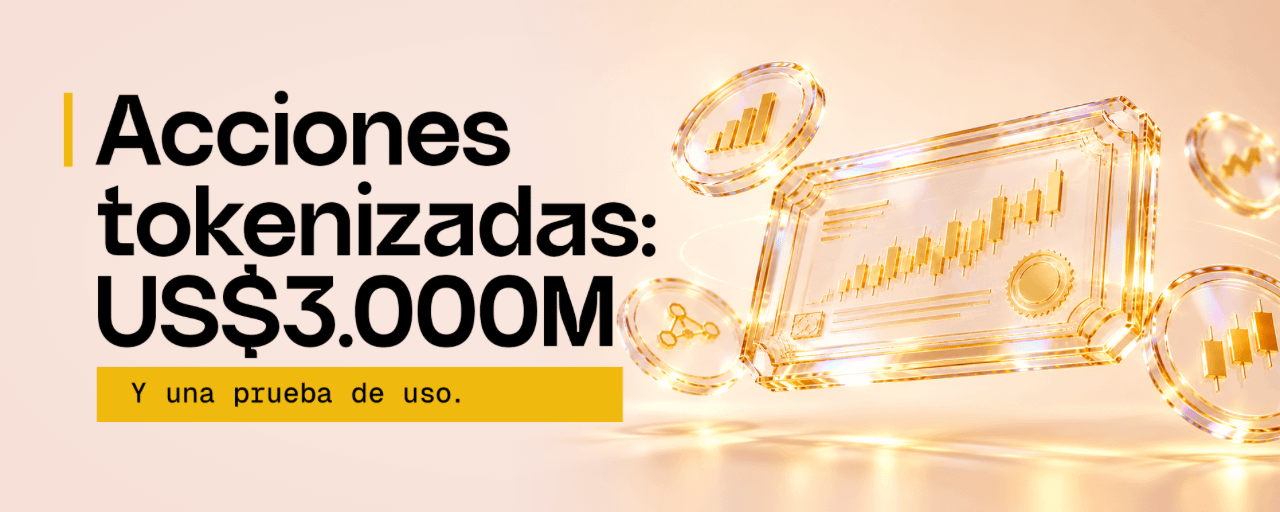
Article
Tokenized equities: US$3.0 billion and a test of useThe number that opens the conversation
US$3.0 billion. That was the threshold that tokenized equity market capitalization crossed in the fourth week of September, according to data from RWA.xyz collected by Binance Research. In early January, it was around US$700 million. In less than nine months, the segment multiplied by more than four.
Source: RWA.xyz, Binance Research, data as of September 28, 2026.
Context also matters: the broader market for tokenized real-world assets, known as RWA, reached US$38.0 billion, up 50% year-to-date in 2026. Tokenized equities account for close to 8% of that figure. They are still a small part of the overall picture, but their growth raises an interesting question: are we just seeing more tokens issued, or a market that already uses them?
Tokenized equities: US$3.0 billion and a test of use
The number that opens the conversation
US$3.0 billion. That was the threshold that tokenized equity market capitalization crossed in the fourth week of September, according to data from RWA.xyz collected by Binance Research. In early January, it was around US$700 million. In less than nine months, the segment multiplied by more than four.
Source: RWA.xyz, Binance Research, data as of September 28, 2026.
Context also matters: the broader market for tokenized real-world assets, known as RWA, reached US$38.0 billion, up 50% year-to-date in 2026. Tokenized equities account for close to 8% of that figure. They are still a small part of the overall picture, but their growth raises an interesting question: are we just seeing more tokens issued, or a market that already uses them?
US$3.0 billion. That was the threshold that tokenized equity market capitalization crossed in the fourth week of September, according to data from RWA.xyz collected by Binance Research. In early January, it was around US$700 million. In less than nine months, the segment multiplied by more than four.
Source: RWA.xyz, Binance Research, data as of September 28, 2026.
Context also matters: the broader market for tokenized real-world assets, known as RWA, reached US$38.0 billion, up 50% year-to-date in 2026. Tokenized equities account for close to 8% of that figure. They are still a small part of the overall picture, but their growth raises an interesting question: are we just seeing more tokens issued, or a market that already uses them?
2
150
·
--
New Friday, new Drop. 🧧
FRIDAY DROP · FD.06
A question. An answer. A Drop.
Tomorrow - 13:00 Ecuador 🇪🇨 | 18:00 UTC 🌐
#FridayDrop
New Friday, new Drop. 🧧
FRIDAY DROP · FD.06
A question. An answer. A Drop.
Tomorrow - 13:00 Ecuador 🇪🇨 | 18:00 UTC 🌐
#FridayDrop
FRIDAY DROP · FD.06
A question. An answer. A Drop.
Tomorrow - 13:00 Ecuador 🇪🇨 | 18:00 UTC 🌐
#FridayDrop

111
·
--
MetaMask responds to an incident affecting part of its infrastructure and, as a precaution, removes the Ethereum validator it runs in Lido $ETH . About 17,000 validators and nearly 523,000 ETH—around $1.4 billion.
The wallets do not show any immediate threat. Anyone who has stETH doesn’t need to do anything, although the ETH may take up to 45 days to start producing again.
Performance was slowed down by the operator’s keys, with the user’s seed remaining intact.
How much third-party infrastructure are you willing to tolerate in exchange for not running a node?
Source: Decrypt
#Metamask
{future}(ETHUSDT)
MetaMask responds to an incident affecting part of its infrastructure and, as a precaution, removes the Ethereum validator it runs in Lido $ETH . About 17,000 validators and nearly 523,000 ETH—around $1.4 billion.
The wallets do not show any immediate threat. Anyone who has stETH doesn’t need to do anything, although the ETH may take up to 45 days to start producing again.
Performance was slowed down by the operator’s keys, with the user’s seed remaining intact.
How much third-party infrastructure are you willing to tolerate in exchange for not running a node?
Source: Decrypt
#Metamask
The wallets do not show any immediate threat. Anyone who has stETH doesn’t need to do anything, although the ETH may take up to 45 days to start producing again.
Performance was slowed down by the operator’s keys, with the user’s seed remaining intact.
How much third-party infrastructure are you willing to tolerate in exchange for not running a node?
Source: Decrypt
#Metamask

178
·
--
Verified
CSD BR, with about US$4 billion in registered assets, began mirroring BTG Pactual fund quotas on the XRP Ledger $XRP . The legal record remains with the custodian. On-chain, copies travel using the Multi-Purpose Token standard, with KYC and freeze.
A Brazilian CSD chose a public chain to reconcile in near real time. If the mirror holds up, the next step is to issue native.
How many big markets will copy this model before moving on to full issuance?
Source: CoinDesk
{future}(XRPUSDT)
CSD BR, with about US$4 billion in registered assets, began mirroring BTG Pactual fund quotas on the XRP Ledger $XRP . The legal record remains with the custodian. On-chain, copies travel using the Multi-Purpose Token standard, with KYC and freeze.
A Brazilian CSD chose a public chain to reconcile in near real time. If the mirror holds up, the next step is to issue native.
How many big markets will copy this model before moving on to full issuance?
Source: CoinDesk
A Brazilian CSD chose a public chain to reconcile in near real time. If the mirror holds up, the next step is to issue native.
How many big markets will copy this model before moving on to full issuance?
Source: CoinDesk

2
2
4.5k
·
--
Robinhood will add crypto perps in the app already used by U.S. retail: up to 10x on Bitcoin $BTC and Ethereum $ETH , and an AI agent with its own account.
The agent researches, builds a strategy, and trades within the limits you set. More than 27 million funded accounts. Leverage stops being a niche product and moves to the top of the phone.
Would you give a model a real risk budget?
Source: CoinDesk
{future}(BTCUSDT)
{future}(ETHUSDT)
Robinhood will add crypto perps in the app already used by U.S. retail: up to 10x on Bitcoin $BTC and Ethereum $ETH , and an AI agent with its own account.
The agent researches, builds a strategy, and trades within the limits you set. More than 27 million funded accounts. Leverage stops being a niche product and moves to the top of the phone.
Would you give a model a real risk budget?
Source: CoinDesk
The agent researches, builds a strategy, and trades within the limits you set. More than 27 million funded accounts. Leverage stops being a niche product and moves to the top of the phone.
Would you give a model a real risk budget?
Source: CoinDesk

2
44
·
--
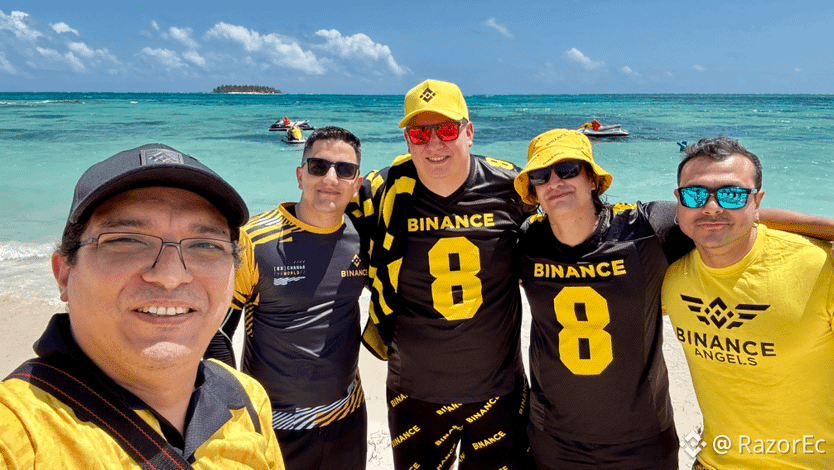
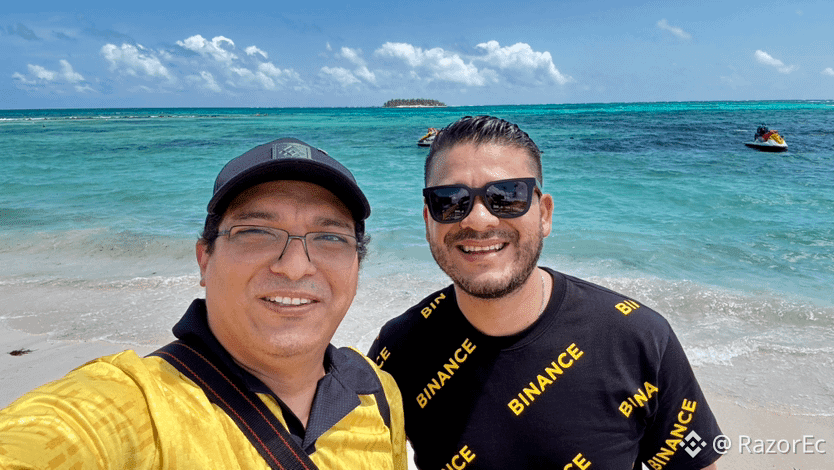
After several days a bit disconnected from social media, it’s time to come back and catch up. 👀
The reason was totally worth it: I spent a few incredible days sharing with my fellow Angels.
They were days to talk, learn from other Angels’ experiences, share what each one has built from their own experience and, above all, to get to know each other much more than just through a screen.
Because being #BinanceAngels is also about that: learning together, sharing knowledge, and building community.
I’m back with new ideas, lessons learned, and really great memories.
Now then… it’s time to review everything that happened while I was disconnected. 😅
@Binance_Angels @Binancelatam @-TheZ- @Tineoysidro7
After several days a bit disconnected from social media, it’s time to come back and catch up. 👀
The reason was totally worth it: I spent a few incredible days sharing with my fellow Angels.
They were days to talk, learn from other Angels’ experiences, share what each one has built from their own experience and, above all, to get to know each other much more than just through a screen.
Because being #BinanceAngels is also about that: learning together, sharing knowledge, and building community.
I’m back with new ideas, lessons learned, and really great memories.
Now then… it’s time to review everything that happened while I was disconnected. 😅
@Binance Angels @Binance LATAM Official @_ZPro_ @Tineoysidro7
The reason was totally worth it: I spent a few incredible days sharing with my fellow Angels.
They were days to talk, learn from other Angels’ experiences, share what each one has built from their own experience and, above all, to get to know each other much more than just through a screen.
Because being #BinanceAngels is also about that: learning together, sharing knowledge, and building community.
I’m back with new ideas, lessons learned, and really great memories.
Now then… it’s time to review everything that happened while I was disconnected. 😅
@Binance Angels @Binance LATAM Official @_ZPro_ @Tineoysidro7

1
1
3
311
·
--
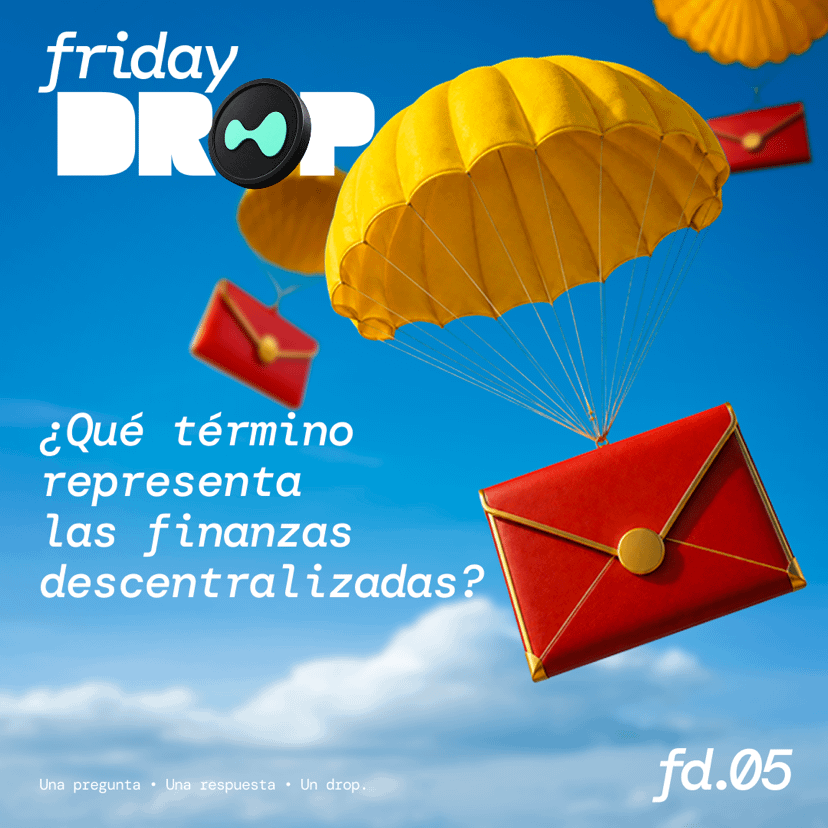
FRIDAY DROP · FD.05 🧧
A question. An answer. A Drop.
QUIZ
What term represents decentralized finance?
Answer correctly in the comments to unlock the Drop.
Good luck.
#FridayDrop
FRIDAY DROP · FD.05 🧧
A question. An answer. A Drop.
QUIZ
What term represents decentralized finance?
Answer correctly in the comments to unlock the Drop.
Good luck.
#FridayDrop
A question. An answer. A Drop.
QUIZ
What term represents decentralized finance?
Answer correctly in the comments to unlock the Drop.
Good luck.
#FridayDrop
217
1
18
217
·
--
Tomorrow there is a new Drop. 🧧
FRIDAY DROP · FD.05
One question. One answer. One Drop.
Tomorrow - 13:00 Ecuador 🇪🇨 | 18:00 UTC 🌐
#FridayDrop
Tomorrow there is a new Drop. 🧧
FRIDAY DROP · FD.05
One question. One answer. One Drop.
Tomorrow - 13:00 Ecuador 🇪🇨 | 18:00 UTC 🌐
#FridayDrop
FRIDAY DROP · FD.05
One question. One answer. One Drop.
Tomorrow - 13:00 Ecuador 🇪🇨 | 18:00 UTC 🌐
#FridayDrop

2
308
·
--
Verified
Binance has just put $100 million into Circle and has signed a five-year deal to push USDC $USDC .
The world’s largest exchange is betting capital and distribution on a regulated issuer. USDT $USDT is still leading by supply; USDC is entering the biggest channel there is.
Does this really shift the stablecoin war, or is it just speeding up something that was already coming?
Source: The Block
Binance has just put $100 million into Circle and has signed a five-year deal to push USDC $USDC .
The world’s largest exchange is betting capital and distribution on a regulated issuer. USDT $USDT is still leading by supply; USDC is entering the biggest channel there is.
Does this really shift the stablecoin war, or is it just speeding up something that was already coming?
Source: The Block
The world’s largest exchange is betting capital and distribution on a regulated issuer. USDT $USDT is still leading by supply; USDC is entering the biggest channel there is.
Does this really shift the stablecoin war, or is it just speeding up something that was already coming?
Source: The Block

1
14
1.7k
·
--
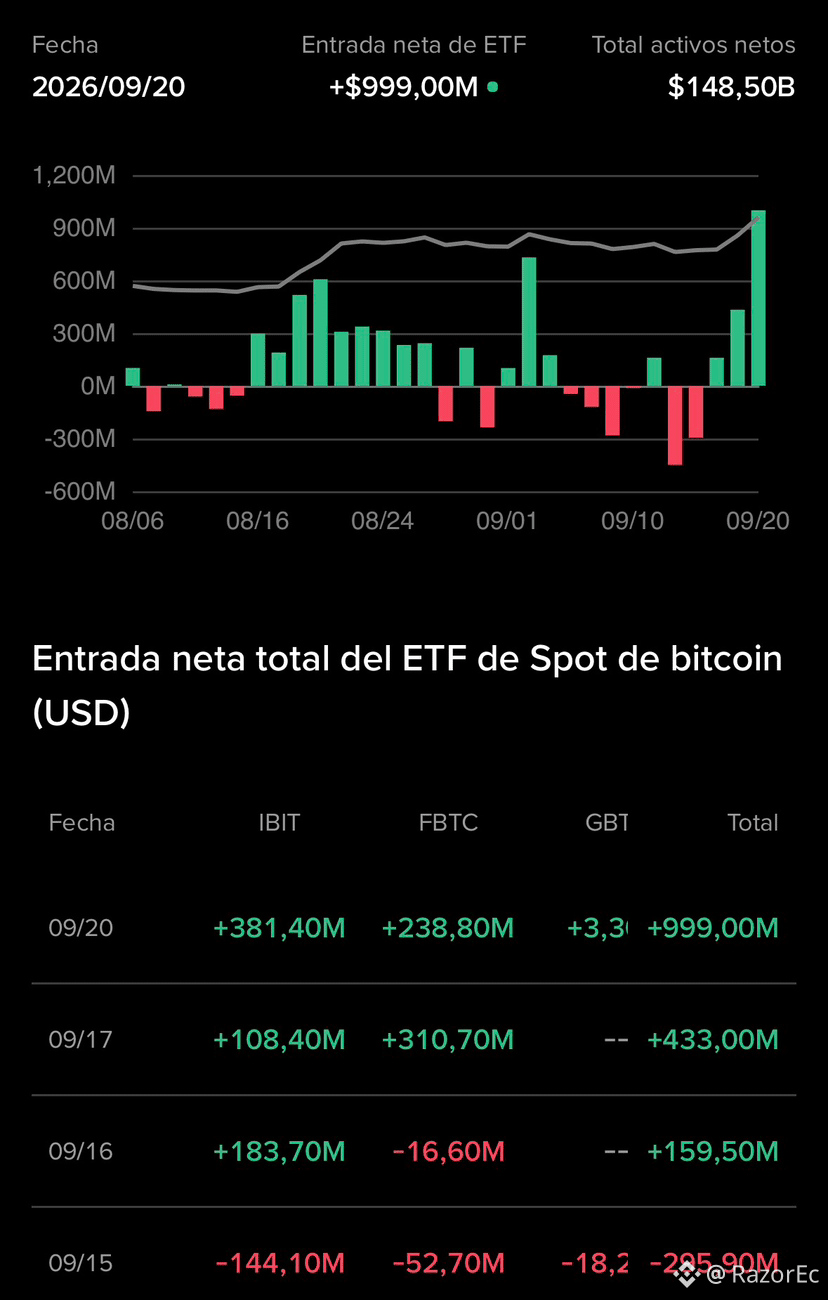
The $BTC spot Bitcoin ETFs in the US saw inflows of $998.95 million on Monday. This is the best day of inflows since October 2025. The Ethereum ones $ETH added around $270 million.
Yesterday the price reached 87,000 and this morning it holds near 85,500. The squeeze explains the speed. This flow explains who was buying at the same time.
Do you think this is enough to hold the level, or is it still just one strong data point?
Source: The Block
{future}(ETHUSDT)
{future}(BTCUSDT)
The $BTC spot Bitcoin ETFs in the US saw inflows of $998.95 million on Monday. This is the best day of inflows since October 2025. The Ethereum ones $ETH added around $270 million.
Yesterday the price reached 87,000 and this morning it holds near 85,500. The squeeze explains the speed. This flow explains who was buying at the same time.
Do you think this is enough to hold the level, or is it still just one strong data point?
Source: The Block
Yesterday the price reached 87,000 and this morning it holds near 85,500. The squeeze explains the speed. This flow explains who was buying at the same time.
Do you think this is enough to hold the level, or is it still just one strong data point?
Source: The Block
3
4
3.4k
·
--
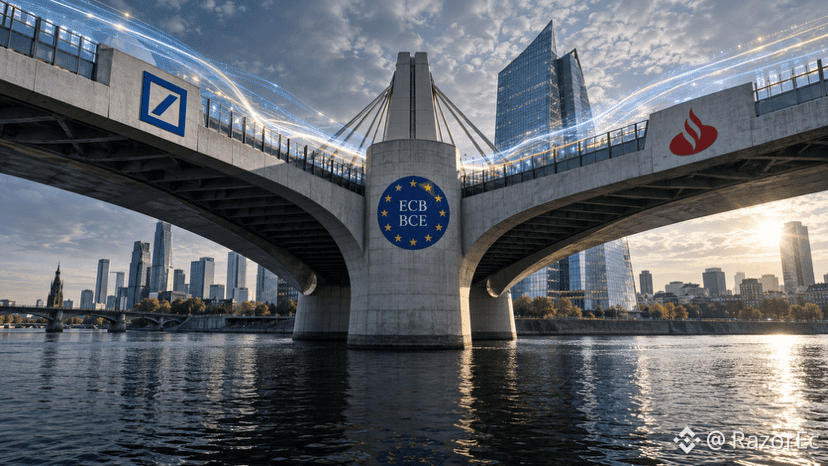
The European Central Bank activated Pontes, the platform for settling tokenized assets with central bank money.
Thirteen entities are already connected, including Deutsche Bank and Santander. The ECB itself announced that it will invest part of its funds in tokenized securities through this route.
A central bank of this size has just switched on infrastructure, not a press release. That moves up the timeline for tokenization in Europe.
How long will it take the rest of the system to actually use it?
Source: ECB
#EuropeanCentralBank
The European Central Bank activated Pontes, the platform for settling tokenized assets with central bank money.
Thirteen entities are already connected, including Deutsche Bank and Santander. The ECB itself announced that it will invest part of its funds in tokenized securities through this route.
A central bank of this size has just switched on infrastructure, not a press release. That moves up the timeline for tokenization in Europe.
How long will it take the rest of the system to actually use it?
Source: ECB
#EuropeanCentralBank
Thirteen entities are already connected, including Deutsche Bank and Santander. The ECB itself announced that it will invest part of its funds in tokenized securities through this route.
A central bank of this size has just switched on infrastructure, not a press release. That moves up the timeline for tokenization in Europe.
How long will it take the rest of the system to actually use it?
Source: ECB
#EuropeanCentralBank
2
524
·
--
Due to special circumstances, it was not possible to publish the scheduled drop for today; however, I will do it tomorrow Saturday at the same time, so stay tuned.
#FridayDrop
Due to special circumstances, it was not possible to publish the scheduled drop for today; however, I will do it tomorrow Saturday at the same time, so stay tuned.
#FridayDrop
#FridayDrop
RazorEc
·
--
Tomorrow returns
FRIDAY DROP. 🧧
FD.04 A question. An answer. A Drop.
13:00 Ecuador 🇪🇨 | 18:00 UTC 🌐
#FridayDrop
FRIDAY DROP. 🧧
FD.04 A question. An answer. A Drop.
13:00 Ecuador 🇪🇨 | 18:00 UTC 🌐
#FridayDrop

135
·
--
Tomorrow returns
FRIDAY DROP. 🧧
FD.04 A question. An answer. A Drop.
13:00 Ecuador 🇪🇨 | 18:00 UTC 🌐
#FridayDrop
Tomorrow returns
FRIDAY DROP. 🧧
FD.04 A question. An answer. A Drop.
13:00 Ecuador 🇪🇨 | 18:00 UTC 🌐
#FridayDrop
FRIDAY DROP. 🧧
FD.04 A question. An answer. A Drop.
13:00 Ecuador 🇪🇨 | 18:00 UTC 🌐
#FridayDrop

1
2
76

·
--
🔴🔉 Without complicating things, today we’ll talk about the basics of Futures and how to get started step by step.
See you in a few minutes at #BinanceSquare of @Binancelatam
🔴🔉 Without complicating things, today we’ll talk about the basics of Futures and how to get started step by step.
See you in a few minutes at #BinanceSquare of @Binance LATAM Official
See you in a few minutes at #BinanceSquare of @Binance LATAM Official


Binance LATAM Official
·
--
[Replay] 🎙️ TG Chat #15: Trading for Beginners, Futures.
01 h 17 m 38 s · 44.4k listens
117
·
--
Verified
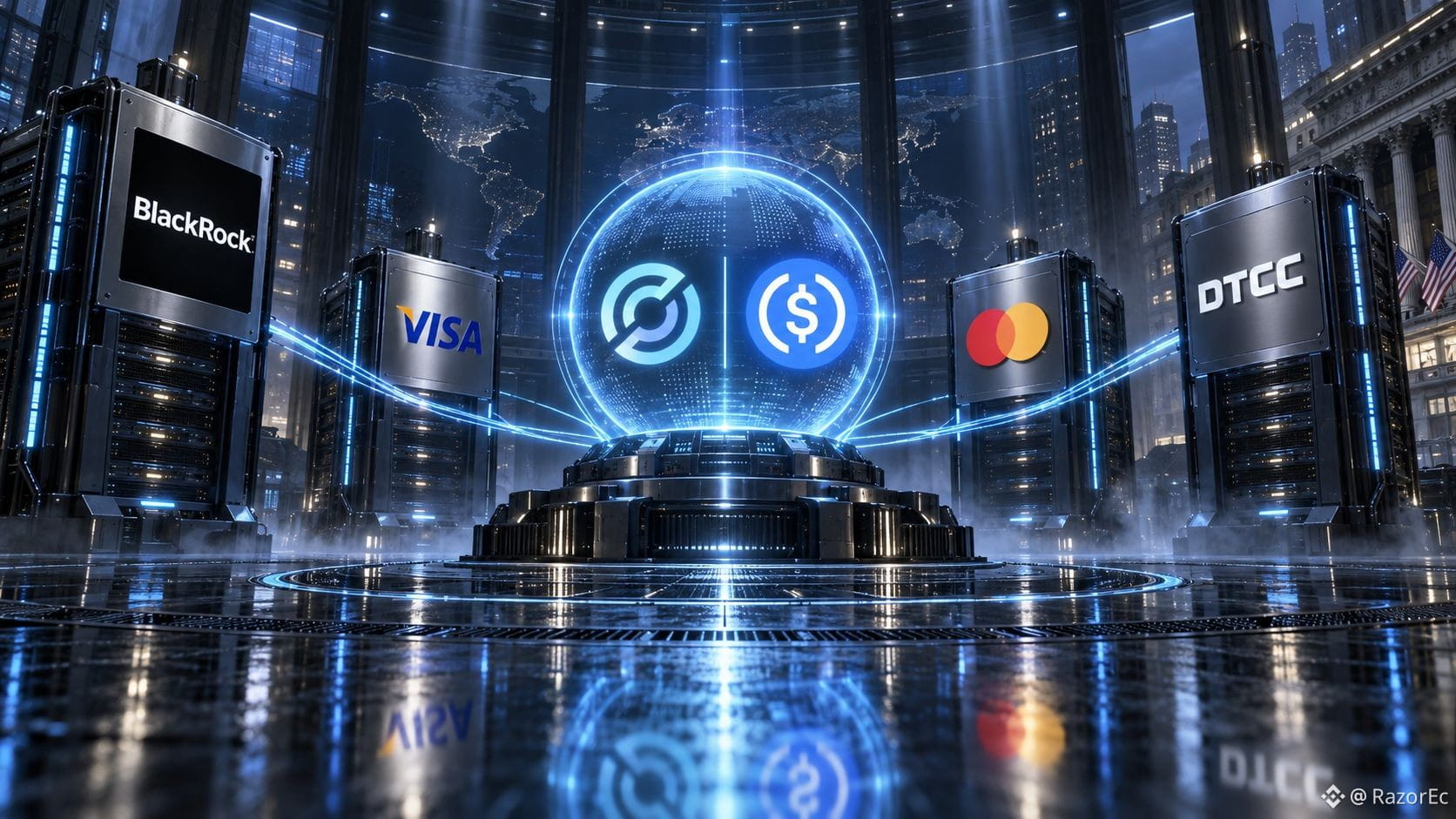
Circle launched Arc, its Layer 1, with BlackRock, Visa, DTCC and Mastercard as validators. More than 100 live apps since day one and $USDC as native gas.
The detail that matters: the same institutions that already move traditional money now secure the network. Sub-second finality, fees in dollars, and a hand-picked validator set.
If this model scales, the debate stops being “just another chain” and becomes about who controls the rails of onchain money. Do you give more weight to institutional pedigree or to the network being open?
Source: The Block
{spot}(USDCUSDT)
Circle launched Arc, its Layer 1, with BlackRock, Visa, DTCC and Mastercard as validators. More than 100 live apps since day one and $USDC as native gas.
The detail that matters: the same institutions that already move traditional money now secure the network. Sub-second finality, fees in dollars, and a hand-picked validator set.
If this model scales, the debate stops being “just another chain” and becomes about who controls the rails of onchain money. Do you give more weight to institutional pedigree or to the network being open?
Source: The Block
The detail that matters: the same institutions that already move traditional money now secure the network. Sub-second finality, fees in dollars, and a hand-picked validator set.
If this model scales, the debate stops being “just another chain” and becomes about who controls the rails of onchain money. Do you give more weight to institutional pedigree or to the network being open?
Source: The Block
1
3
10.8k
·
--
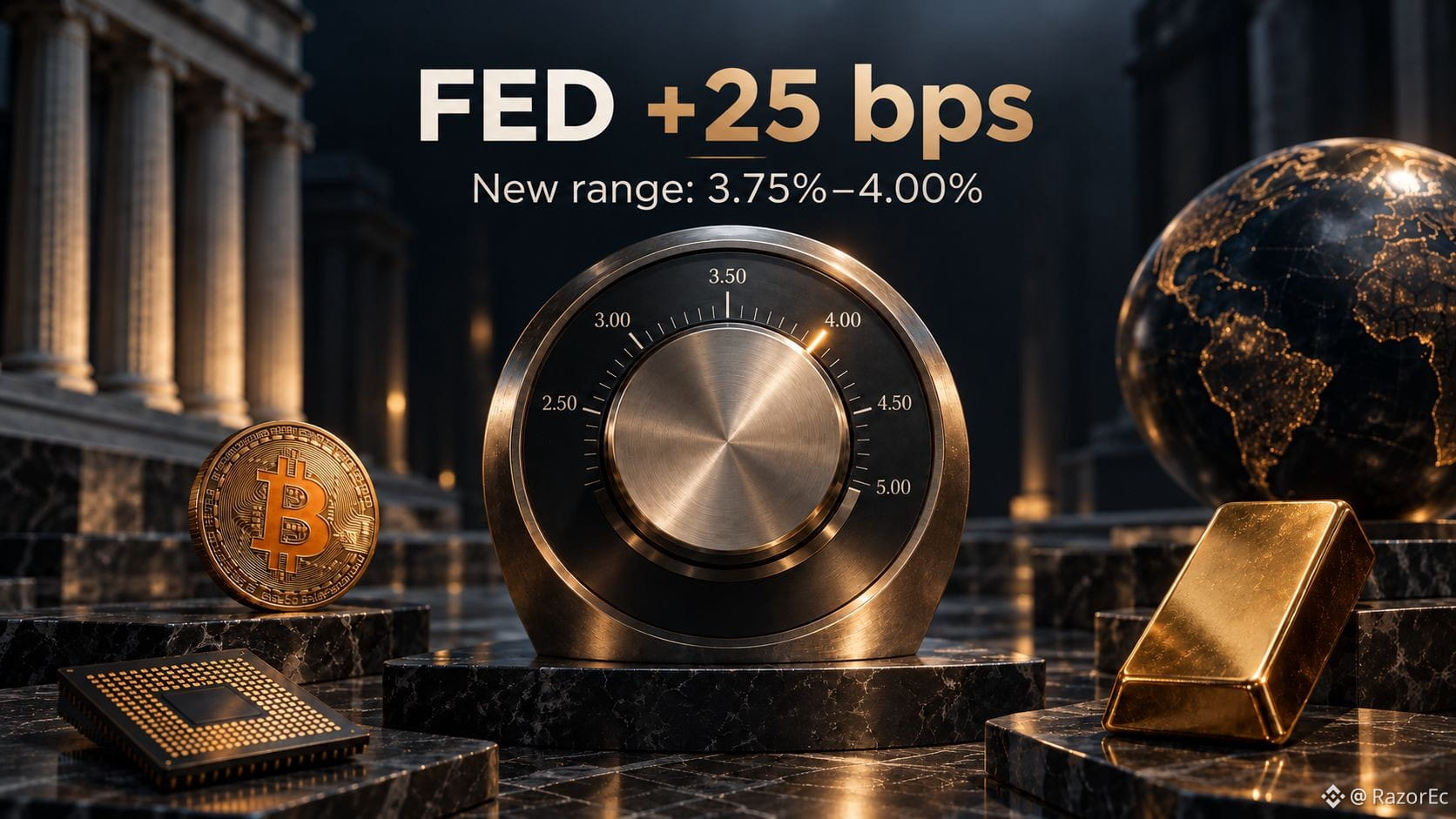
The Fed has already made its move, but for me the most important thing isn’t just today’s increase.
Raising 25 basis points was something the market had already priced in, especially after August’s core CPI showed that inflation still hasn’t cooled off entirely. Now attention shifts to another question: what message does this decision send about what could come in the next few months.
If rates stay elevated for longer, the market may continue to react cautiously. In that context, $BTC could continue to move sensitively to any changes in macro expectations. Tech stocks could also feel pressure if the market starts pricing in a less comfortable monetary environment. And gold remains an interesting asset to watch when uncertainty hasn’t gone away.
My takeaway is simple: more than focusing only on today’s rate hike, it’s worth keeping an eye on how expectations change from here. Many times, that’s the part that truly moves the market.
Which asset are you watching most after this decision?
#fedratewatch #FedRateWatch
{spot}(BTCUSDT)
The Fed has already made its move, but for me the most important thing isn’t just today’s increase.
Raising 25 basis points was something the market had already priced in, especially after August’s core CPI showed that inflation still hasn’t cooled off entirely. Now attention shifts to another question: what message does this decision send about what could come in the next few months.
If rates stay elevated for longer, the market may continue to react cautiously. In that context, $BTC could continue to move sensitively to any changes in macro expectations. Tech stocks could also feel pressure if the market starts pricing in a less comfortable monetary environment. And gold remains an interesting asset to watch when uncertainty hasn’t gone away.
My takeaway is simple: more than focusing only on today’s rate hike, it’s worth keeping an eye on how expectations change from here. Many times, that’s the part that truly moves the market.
Which asset are you watching most after this decision?
#fedratewatch #FedRateWatch
Raising 25 basis points was something the market had already priced in, especially after August’s core CPI showed that inflation still hasn’t cooled off entirely. Now attention shifts to another question: what message does this decision send about what could come in the next few months.
If rates stay elevated for longer, the market may continue to react cautiously. In that context, $BTC could continue to move sensitively to any changes in macro expectations. Tech stocks could also feel pressure if the market starts pricing in a less comfortable monetary environment. And gold remains an interesting asset to watch when uncertainty hasn’t gone away.
My takeaway is simple: more than focusing only on today’s rate hike, it’s worth keeping an eye on how expectations change from here. Many times, that’s the part that truly moves the market.
Which asset are you watching most after this decision?
#fedratewatch #FedRateWatch
3
303
·
--
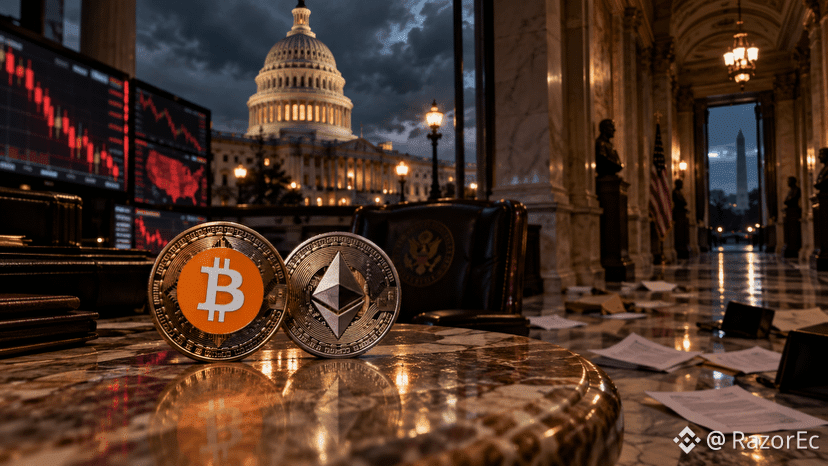
The Clarity Act stalled at 49-50. It didn’t even reach a formal debate. Four Republicans crossed and the Democratic bloc voted against it, with Trump’s conflict of interest as the central argument.
Bitcoin $BTC neared $75,000, Ethereum $ETH lost the 2,400 level, and spot ETFs recorded one of the worst days of outflows since June. The market had bought the idea that this week would bring a federal framework. Instead, it ended with a headcount and an election calendar on top.
If this path cools off until 2027, who sets the rules in the meantime: the SEC, the CFTC, or the market itself?
Source: CoinDesk
{spot}(ETHUSDT)
{spot}(BTCUSDT)
The Clarity Act stalled at 49-50. It didn’t even reach a formal debate. Four Republicans crossed and the Democratic bloc voted against it, with Trump’s conflict of interest as the central argument.
Bitcoin $BTC neared $75,000, Ethereum $ETH lost the 2,400 level, and spot ETFs recorded one of the worst days of outflows since June. The market had bought the idea that this week would bring a federal framework. Instead, it ended with a headcount and an election calendar on top.
If this path cools off until 2027, who sets the rules in the meantime: the SEC, the CFTC, or the market itself?
Source: CoinDesk
Bitcoin $BTC neared $75,000, Ethereum $ETH lost the 2,400 level, and spot ETFs recorded one of the worst days of outflows since June. The market had bought the idea that this week would bring a federal framework. Instead, it ended with a headcount and an election calendar on top.
If this path cools off until 2027, who sets the rules in the meantime: the SEC, the CFTC, or the market itself?
Source: CoinDesk
1
192
·
--
Verified
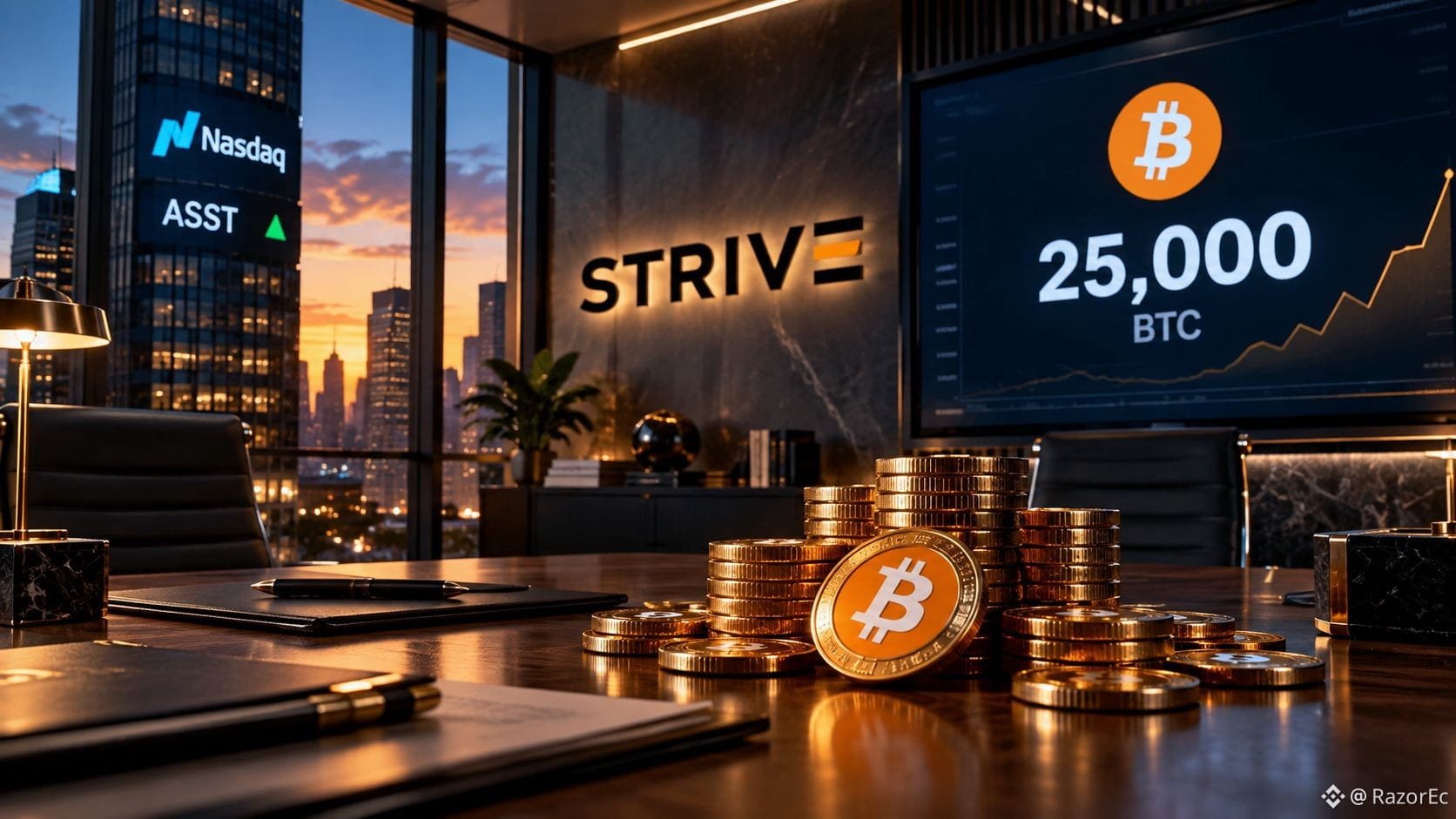
Strive crossed a number it had been chasing: 25,000 Bitcoin $BTC in treasury. It added 469 coins for 36.6 million, at an average of about 77,954 dollars, and paid everything with its preferred stock SATA.
Cash on hand: more than 200 million. While Strategy didn’t buy this week, this Nasdaq firm keeps stacking. How many public treasuries will continue down this path for the rest of 2026?
Source: Decrypt
{spot}(BTCUSDT)
Strive crossed a number it had been chasing: 25,000 Bitcoin $BTC in treasury. It added 469 coins for 36.6 million, at an average of about 77,954 dollars, and paid everything with its preferred stock SATA.
Cash on hand: more than 200 million. While Strategy didn’t buy this week, this Nasdaq firm keeps stacking. How many public treasuries will continue down this path for the rest of 2026?
Source: Decrypt
Cash on hand: more than 200 million. While Strategy didn’t buy this week, this Nasdaq firm keeps stacking. How many public treasuries will continue down this path for the rest of 2026?
Source: Decrypt
227
·
--
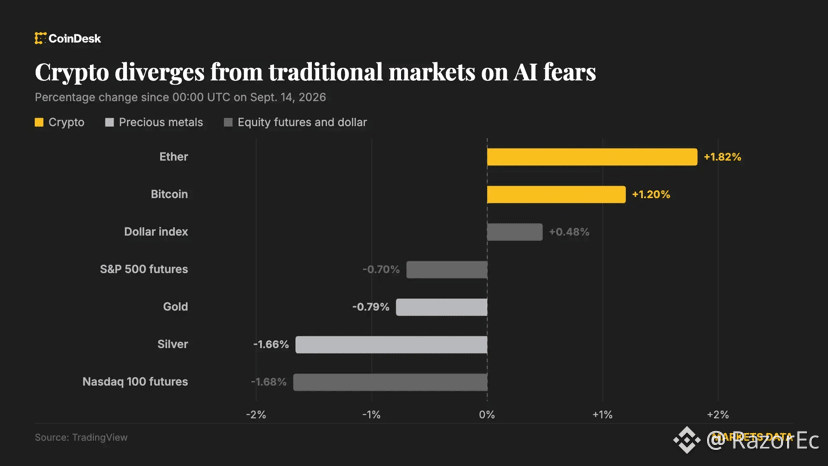
Bitcoin $BTC reached $78,280 while AI shares fell and Nasdaq 100 futures lost 1.65%. Ether $ETH and XRP $XRP also closed the session in the green.
The trigger for the tech selloff was a call from several AI CEOs to slow the development of more powerful models. Crypto, on the other hand, kicked off the week higher, with 94 out of 100 names in the CoinDesk 100 in positive territory.
Do you give this decoupling more than a day’s life with the Fed on the calendar?
Image & Source: CoinDesk
{spot}(XRPUSDT)
{spot}(ETHUSDT)
{spot}(BTCUSDT)
Bitcoin $BTC reached $78,280 while AI shares fell and Nasdaq 100 futures lost 1.65%. Ether $ETH and XRP $XRP also closed the session in the green.
The trigger for the tech selloff was a call from several AI CEOs to slow the development of more powerful models. Crypto, on the other hand, kicked off the week higher, with 94 out of 100 names in the CoinDesk 100 in positive territory.
Do you give this decoupling more than a day’s life with the Fed on the calendar?
Image & Source: CoinDesk
The trigger for the tech selloff was a call from several AI CEOs to slow the development of more powerful models. Crypto, on the other hand, kicked off the week higher, with 94 out of 100 names in the CoinDesk 100 in positive territory.
Do you give this decoupling more than a day’s life with the Fed on the calendar?
Image & Source: CoinDesk
267
Log in to explore more content
Join global crypto users on Binance Square
⚡️ Get latest and useful information about crypto.
💬 Trusted by the world’s largest crypto exchange.
👍 Discover real insights from verified creators.
Email / Phone number
Trending Topics
EtherGains70.9%InQ3
148,820 views
1,128 Discussing
One of the best third quarters in history 💰
September closed out last night, and with it, the quarter. For the quarter, BTC is up 42%—the second-best Q3 on record. ETH had a record-breaking Q3 overall, up 70%.
Looking at the chart, things are still looking good: we’re holding support, but we’re testing it more and more often. Plus, ETF momentum is weakening — inflows are gradually declining, and yesterday saw outflows for the first time in a long while.
Yes, historically, October has been a good month for crypto — it’s not called “Uptober” for nothing. But it’s also one of the most volatile months. Last year, for example, we managed to hit a new all-time high (ATH) and experience a flash crash.
🚀 High Accuracy Trades.
$BTC
$ETH
$SOL
#EtherGains70.9%InQ3 #DollarIndexHitsHighestSinceMay2025 #CFTCSubmitsTwoEventContractRulesToWhiteHouse #MicronBeatsEarningsLiftsGuidance
Knowledge is Power
·0 Likes
·230 views
TreasuryLetsStatesFileStablecoinCertificationsEarly
8,145 views
79 Discussing
US10YearYieldNears5.3%
148,491 views
1,122 Discussing