

CRYPTO MAFIOSO
1.5k Posts

CRYPTO MAFIOSO
Report
Block User
CRYPTO ANALYST || CRYPTO STRATEGIST || DIGITAL INVESTOR ||
Open Trade
High-Frequency Trader
1.5 Years
171 Following
169 Followers
177 Liked
Posts
Portfolio
All
Quotes
PINNED

Article
A REAL TRADER KNOWS WHEN TO CALL IT QUITSA Trader’s Greatest Skill: Knowing When to Call It Quits
In the fast-moving world of trading—whether stocks, forex, options, or cryptocurrencies—success is often misunderstood. Many believe it lies in finding the perfect entry, mastering indicators, or predicting market direction. In reality, long-term survival in the market depends on something far less glamorous, yet far more critical: knowing when to walk away.
The ability to call it quits—on a trade, a session, or even the market temporarily—is one of the most important disciplines a trader can develop. It is the line that separates those who endure from those who burn out.
Quitting Is Not Weakness—It’s Professionalism
Markets are indifferent. They do not reward conviction, effort, or belief. Prices move based on supply, demand, and countless external forces beyond any trader’s control. Holding onto a losing position in the hope of being “right” is not strength—it is often the beginning of unnecessary losses.
Professional traders approach the market as a business. Just as a business owner cuts unprofitable operations or pauses during unfavorable conditions, a trader must know when to step back. Walking away is not failure; it is a strategic decision to preserve capital and clarity.
Knowing When to Exit a Trade
Every trade should begin with a clear exit plan. Without one, decisions become emotional rather than logical.
A trader should exit when:
The stop-loss is hit
This rule should never be negotiable. Adjusting stops mid-trade to avoid taking a loss often leads to much larger damage.The original thesis is invalidated
If the reason for entering the trade no longer exists—whether due to new information or a breakdown in structure—there is no justification to stay in.Risk-to-reward shifts unfavorably
As the trade evolves, so should your assessment. If the remaining upside no longer justifies the risk, it’s time to close the position.The trade exceeds its time window
Every setup has a lifespan. If price fails to move as expected within that period, the opportunity may no longer be valid.
Knowing When to Step Away from the Market
Sometimes the right decision isn’t just exiting a trade—it’s stepping away entirely.
Consider pausing when:
You’re on a losing streak
Multiple consecutive losses can cloud judgment and lead to impulsive decisions.Emotions take control
Feelings like frustration, anxiety, or the urge to “win back” losses are clear warning signs.You hit a maximum drawdown
Setting strict limits—such as stopping after a 10–20% loss—helps prevent deeper damage.Life circumstances interfere
Stress, fatigue, or personal issues reduce focus, and trading without clarity increases risk.Market conditions change
Strategies perform differently across environments. When your edge disappears, patience becomes your advantage.Confidence in your system declines
If your approach stops working over time, it may be necessary to step back, study, and refine.
Rules That Protect Long-Term Success
Discipline is built on structure. Traders who last in the market follow clear, predefined rules:
Define exit strategies before entering any trade.Limit risk to 1–2% of total capital per position.Set daily and weekly loss limits—and respect them.Maintain a trading journal that tracks both performance and emotions.Take regular breaks, especially after significant wins or losses.
LASTLY,
Knowing when to call it quits is not about avoiding losses—it is about respecting the nature of the market, your capital, and your mental well-being.
The traders who succeed long-term are not those who avoid losing altogether. They are the ones who keep losses small, adapt quickly, and preserve the ability to continue.
Sometimes, the most profitable move is no move at all.
Define your exit rules. Commit to them. Review them often. Because in trading, survival is the foundation of success—and knowing when to step away is what makes survival possible.
$BTC $LAB $XRP
#StrategySellsBTCForFirstTimeIn4Years
A REAL TRADER KNOWS WHEN TO CALL IT QUITS
A Trader’s Greatest Skill: Knowing When to Call It Quits
In the fast-moving world of trading—whether stocks, forex, options, or cryptocurrencies—success is often misunderstood. Many believe it lies in finding the perfect entry, mastering indicators, or predicting market direction. In reality, long-term survival in the market depends on something far less glamorous, yet far more critical: knowing when to walk away.
The ability to call it quits—on a trade, a session, or even the market temporarily—is one of the most important disciplines a trader can develop. It is the line that separates those who endure from those who burn out.
Quitting Is Not Weakness—It’s Professionalism
Markets are indifferent. They do not reward conviction, effort, or belief. Prices move based on supply, demand, and countless external forces beyond any trader’s control. Holding onto a losing position in the hope of being “right” is not strength—it is often the beginning of unnecessary losses.
Professional traders approach the market as a business. Just as a business owner cuts unprofitable operations or pauses during unfavorable conditions, a trader must know when to step back. Walking away is not failure; it is a strategic decision to preserve capital and clarity.
Knowing When to Exit a Trade
Every trade should begin with a clear exit plan. Without one, decisions become emotional rather than logical.
A trader should exit when:
The stop-loss is hit
This rule should never be negotiable. Adjusting stops mid-trade to avoid taking a loss often leads to much larger damage.The original thesis is invalidated
If the reason for entering the trade no longer exists—whether due to new information or a breakdown in structure—there is no justification to stay in.Risk-to-reward shifts unfavorably
As the trade evolves, so should your assessment. If the remaining upside no longer justifies the risk, it’s time to close the position.The trade exceeds its time window
Every setup has a lifespan. If price fails to move as expected within that period, the opportunity may no longer be valid.
Knowing When to Step Away from the Market
Sometimes the right decision isn’t just exiting a trade—it’s stepping away entirely.
Consider pausing when:
You’re on a losing streak
Multiple consecutive losses can cloud judgment and lead to impulsive decisions.Emotions take control
Feelings like frustration, anxiety, or the urge to “win back” losses are clear warning signs.You hit a maximum drawdown
Setting strict limits—such as stopping after a 10–20% loss—helps prevent deeper damage.Life circumstances interfere
Stress, fatigue, or personal issues reduce focus, and trading without clarity increases risk.Market conditions change
Strategies perform differently across environments. When your edge disappears, patience becomes your advantage.Confidence in your system declines
If your approach stops working over time, it may be necessary to step back, study, and refine.
Rules That Protect Long-Term Success
Discipline is built on structure. Traders who last in the market follow clear, predefined rules:
Define exit strategies before entering any trade.Limit risk to 1–2% of total capital per position.Set daily and weekly loss limits—and respect them.Maintain a trading journal that tracks both performance and emotions.Take regular breaks, especially after significant wins or losses.
LASTLY,
Knowing when to call it quits is not about avoiding losses—it is about respecting the nature of the market, your capital, and your mental well-being.
The traders who succeed long-term are not those who avoid losing altogether. They are the ones who keep losses small, adapt quickly, and preserve the ability to continue.
Sometimes, the most profitable move is no move at all.
Define your exit rules. Commit to them. Review them often. Because in trading, survival is the foundation of success—and knowing when to step away is what makes survival possible.
$BTC $LAB $XRP
#StrategySellsBTCForFirstTimeIn4Years
In the fast-moving world of trading—whether stocks, forex, options, or cryptocurrencies—success is often misunderstood. Many believe it lies in finding the perfect entry, mastering indicators, or predicting market direction. In reality, long-term survival in the market depends on something far less glamorous, yet far more critical: knowing when to walk away.
The ability to call it quits—on a trade, a session, or even the market temporarily—is one of the most important disciplines a trader can develop. It is the line that separates those who endure from those who burn out.
Quitting Is Not Weakness—It’s Professionalism
Markets are indifferent. They do not reward conviction, effort, or belief. Prices move based on supply, demand, and countless external forces beyond any trader’s control. Holding onto a losing position in the hope of being “right” is not strength—it is often the beginning of unnecessary losses.
Professional traders approach the market as a business. Just as a business owner cuts unprofitable operations or pauses during unfavorable conditions, a trader must know when to step back. Walking away is not failure; it is a strategic decision to preserve capital and clarity.
Knowing When to Exit a Trade
Every trade should begin with a clear exit plan. Without one, decisions become emotional rather than logical.
A trader should exit when:
The stop-loss is hit
This rule should never be negotiable. Adjusting stops mid-trade to avoid taking a loss often leads to much larger damage.The original thesis is invalidated
If the reason for entering the trade no longer exists—whether due to new information or a breakdown in structure—there is no justification to stay in.Risk-to-reward shifts unfavorably
As the trade evolves, so should your assessment. If the remaining upside no longer justifies the risk, it’s time to close the position.The trade exceeds its time window
Every setup has a lifespan. If price fails to move as expected within that period, the opportunity may no longer be valid.
Knowing When to Step Away from the Market
Sometimes the right decision isn’t just exiting a trade—it’s stepping away entirely.
Consider pausing when:
You’re on a losing streak
Multiple consecutive losses can cloud judgment and lead to impulsive decisions.Emotions take control
Feelings like frustration, anxiety, or the urge to “win back” losses are clear warning signs.You hit a maximum drawdown
Setting strict limits—such as stopping after a 10–20% loss—helps prevent deeper damage.Life circumstances interfere
Stress, fatigue, or personal issues reduce focus, and trading without clarity increases risk.Market conditions change
Strategies perform differently across environments. When your edge disappears, patience becomes your advantage.Confidence in your system declines
If your approach stops working over time, it may be necessary to step back, study, and refine.
Rules That Protect Long-Term Success
Discipline is built on structure. Traders who last in the market follow clear, predefined rules:
Define exit strategies before entering any trade.Limit risk to 1–2% of total capital per position.Set daily and weekly loss limits—and respect them.Maintain a trading journal that tracks both performance and emotions.Take regular breaks, especially after significant wins or losses.
LASTLY,
Knowing when to call it quits is not about avoiding losses—it is about respecting the nature of the market, your capital, and your mental well-being.
The traders who succeed long-term are not those who avoid losing altogether. They are the ones who keep losses small, adapt quickly, and preserve the ability to continue.
Sometimes, the most profitable move is no move at all.
Define your exit rules. Commit to them. Review them often. Because in trading, survival is the foundation of success—and knowing when to step away is what makes survival possible.
$BTC $LAB $XRP
#StrategySellsBTCForFirstTimeIn4Years
1
1
248
·
--
Bullish
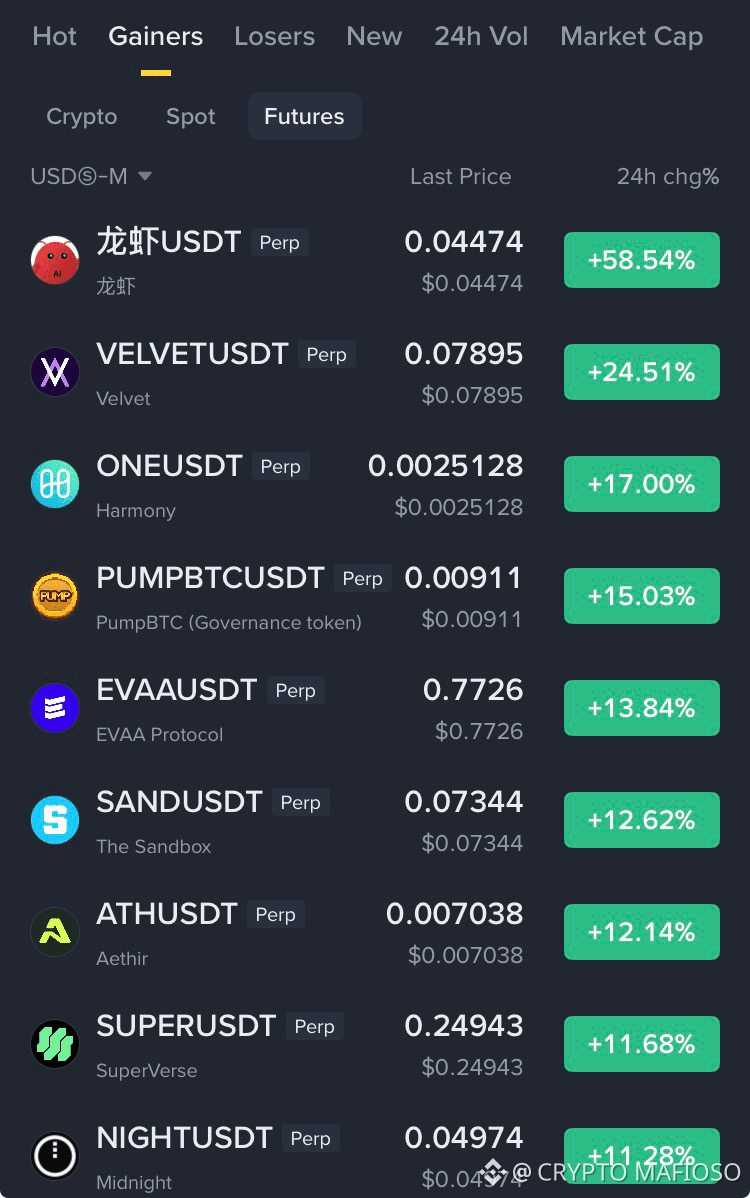
Which coins are you guys buying??
$龙虾 >> $VELVET >> $ONE
Which coins are you guys buying??
$龙虾 >> $VELVET >> $ONE
$龙虾 >> $VELVET >> $ONE
638
·
--
Bullish
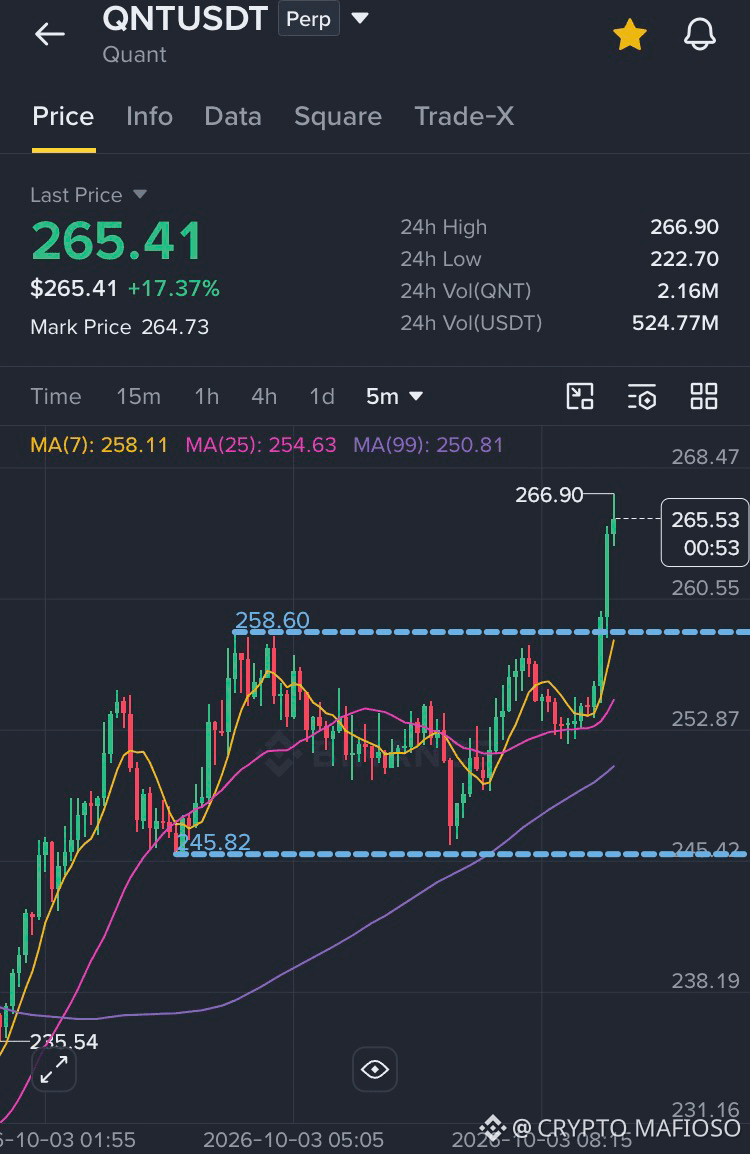
$QNT has broke through th 258 resistance, if the momentum remains strong we are more likely to see $QNT retesting $300
{future}(QNTUSDT)
$QNT has broke through th 258 resistance, if the momentum remains strong we are more likely to see $QNT retesting $300
302
·
--
Bullish
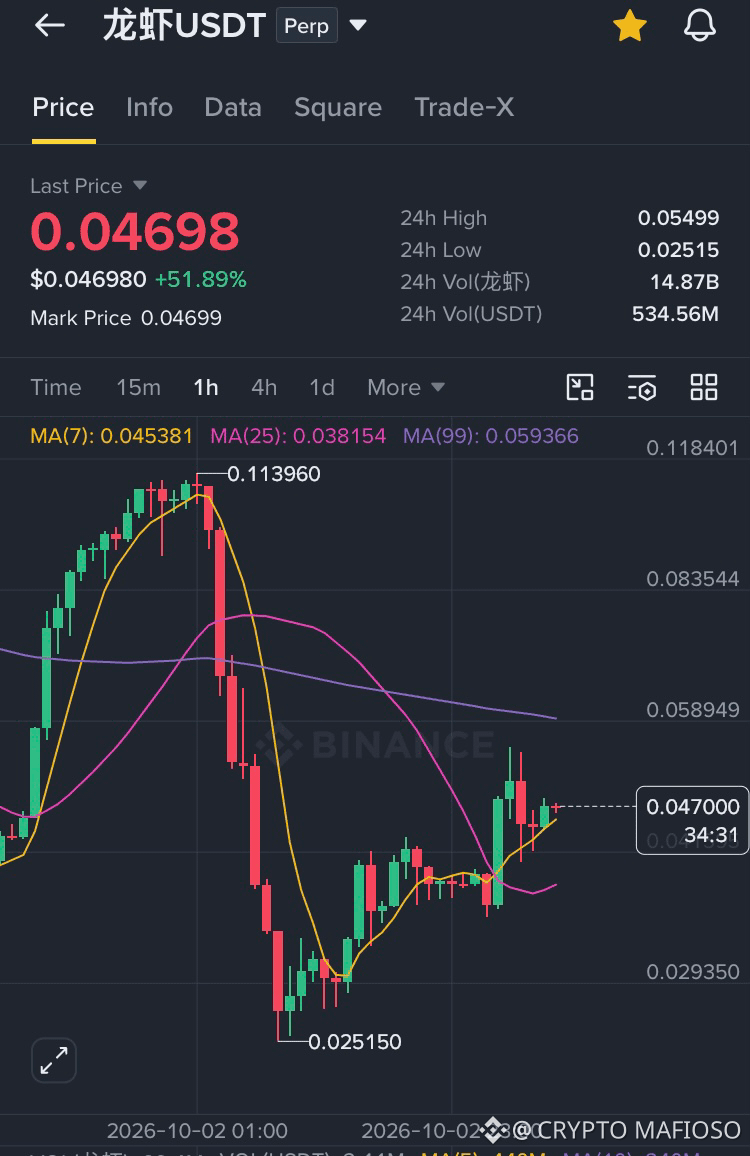
$龙虾 LONG TRADE PLAN
ENTRY:
0.04550 – 0.04650
STOP LOSS:
0.04320
TAKE PROFIT TARGETS
TP1: 0.05070
TP2: 0.05499
TP3: 0.05930
{future}(龙虾USDT)
$龙虾 LONG TRADE PLAN
ENTRY:
0.04550 – 0.04650
STOP LOSS:
0.04320
TAKE PROFIT TARGETS
TP1: 0.05070
TP2: 0.05499
TP3: 0.05930
ENTRY:
0.04550 – 0.04650
STOP LOSS:
0.04320
TAKE PROFIT TARGETS
TP1: 0.05070
TP2: 0.05499
TP3: 0.05930
2
596
·
--
Bullish
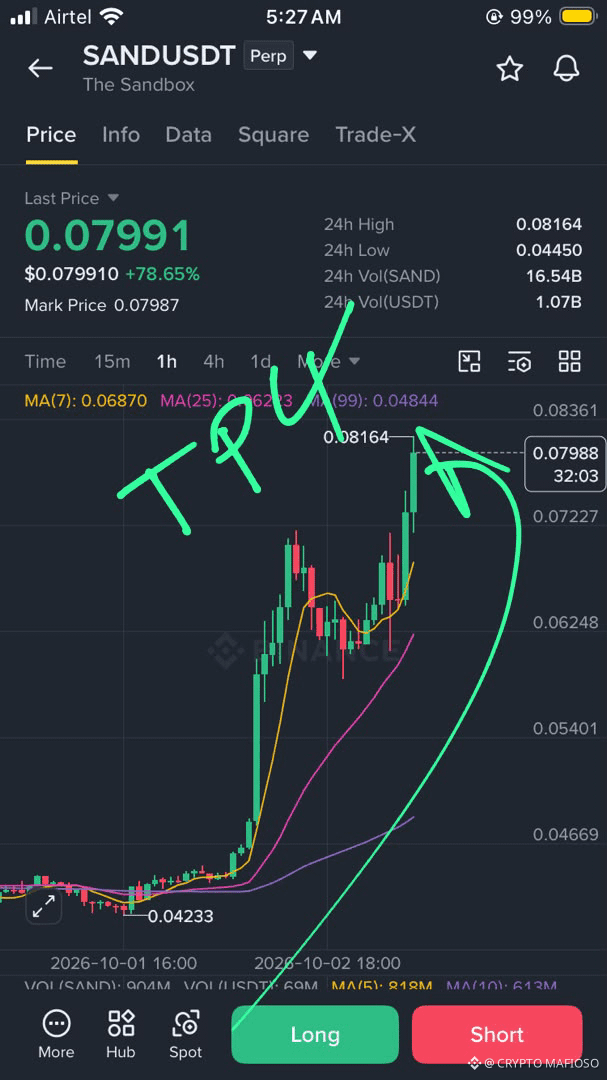
Congratulations to everyone that managed to hold their $SAND position. Patience has now paid off. All positions closed. Tragets reached🚀🎉🎉🔥
{future}(SANDUSDT)
Congratulations to everyone that managed to hold their $SAND position. Patience has now paid off. All positions closed. Tragets reached🚀🎉🎉🔥
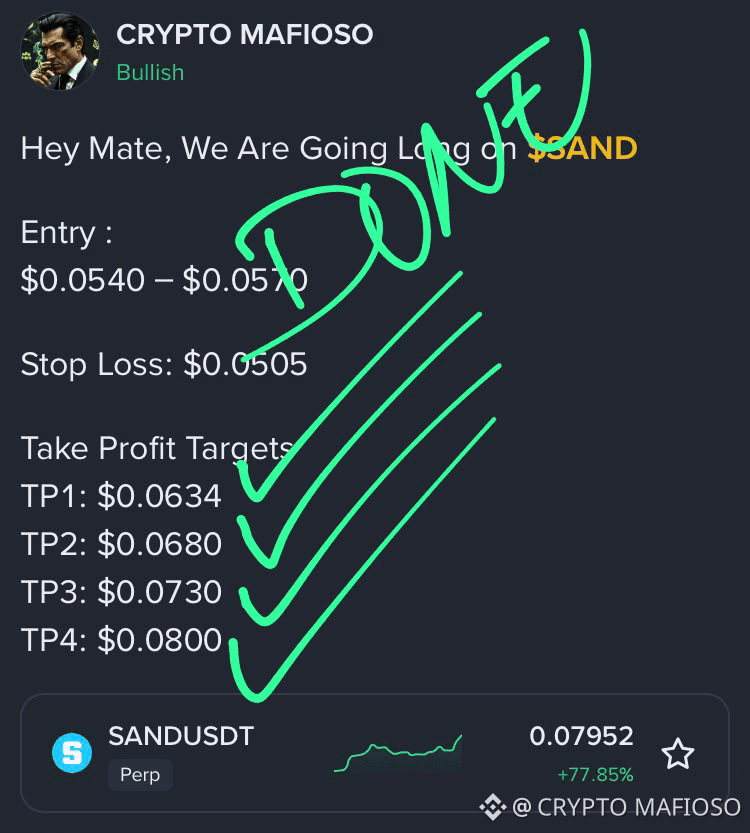
CRYPTO MAFIOSO
·
--
BullishHey Mate, We Are Going Long on $SAND
Entry :
$0.0540 – $0.0570
Stop Loss: $0.0505
Take Profit Targets
TP1: $0.0634
TP2: $0.0680
TP3: $0.0730
TP4: $0.0800
Entry :
$0.0540 – $0.0570
Stop Loss: $0.0505
Take Profit Targets
TP1: $0.0634
TP2: $0.0680
TP3: $0.0730
TP4: $0.0800
260
·
--
Bullish
$SAND IS COMING THROUGH. TP1 DONE
{future}(SANDUSDT)
$SAND IS COMING THROUGH. TP1 DONE
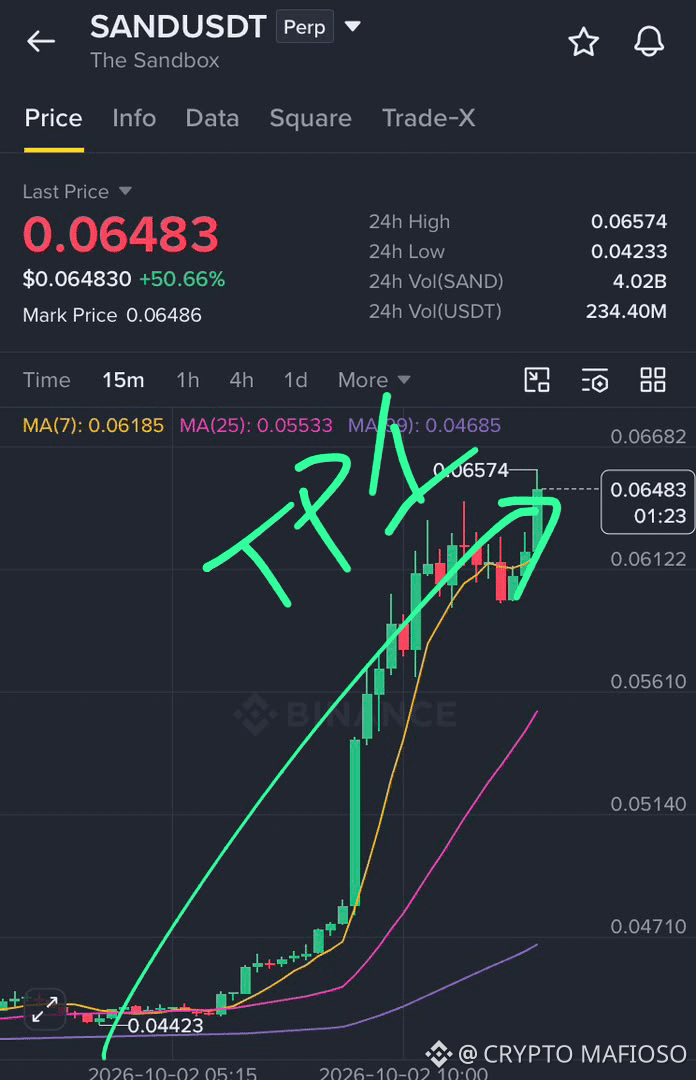
CRYPTO MAFIOSO
·
--
BullishHey Mate, We Are Going Long on $SAND
Entry :
$0.0540 – $0.0570
Stop Loss: $0.0505
Take Profit Targets
TP1: $0.0634
TP2: $0.0680
TP3: $0.0730
TP4: $0.0800
Entry :
$0.0540 – $0.0570
Stop Loss: $0.0505
Take Profit Targets
TP1: $0.0634
TP2: $0.0680
TP3: $0.0730
TP4: $0.0800
177
·
--
Bearish
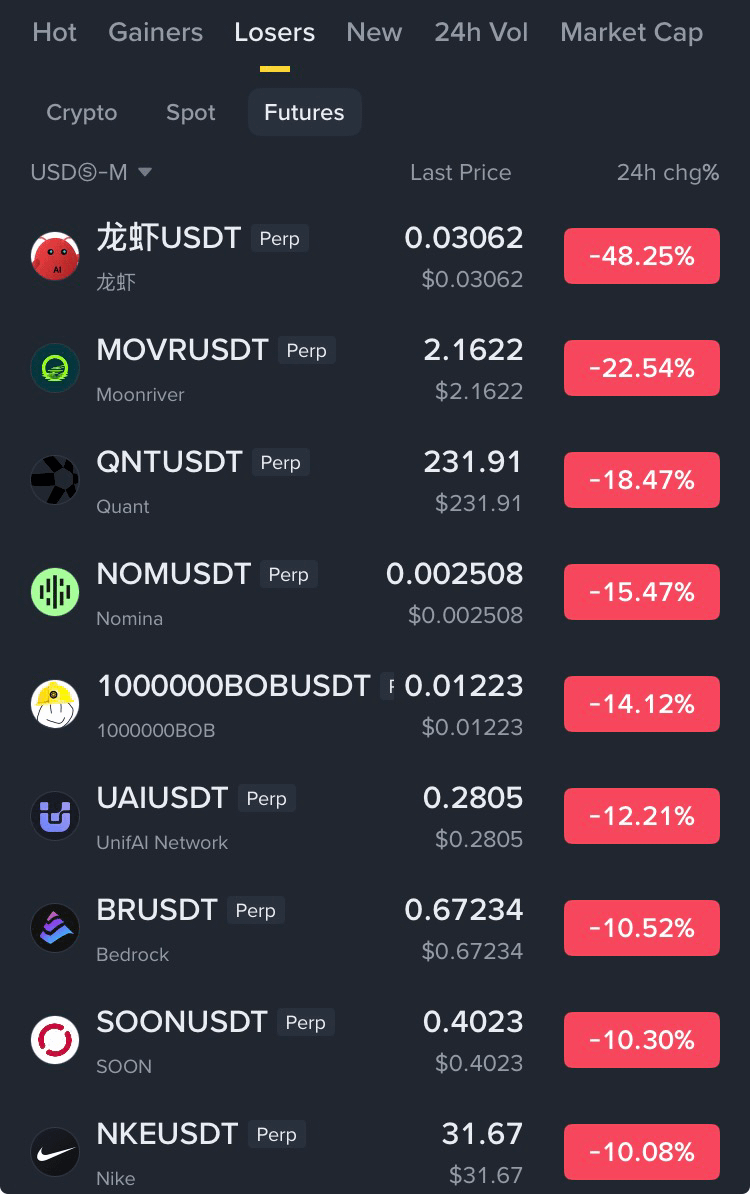
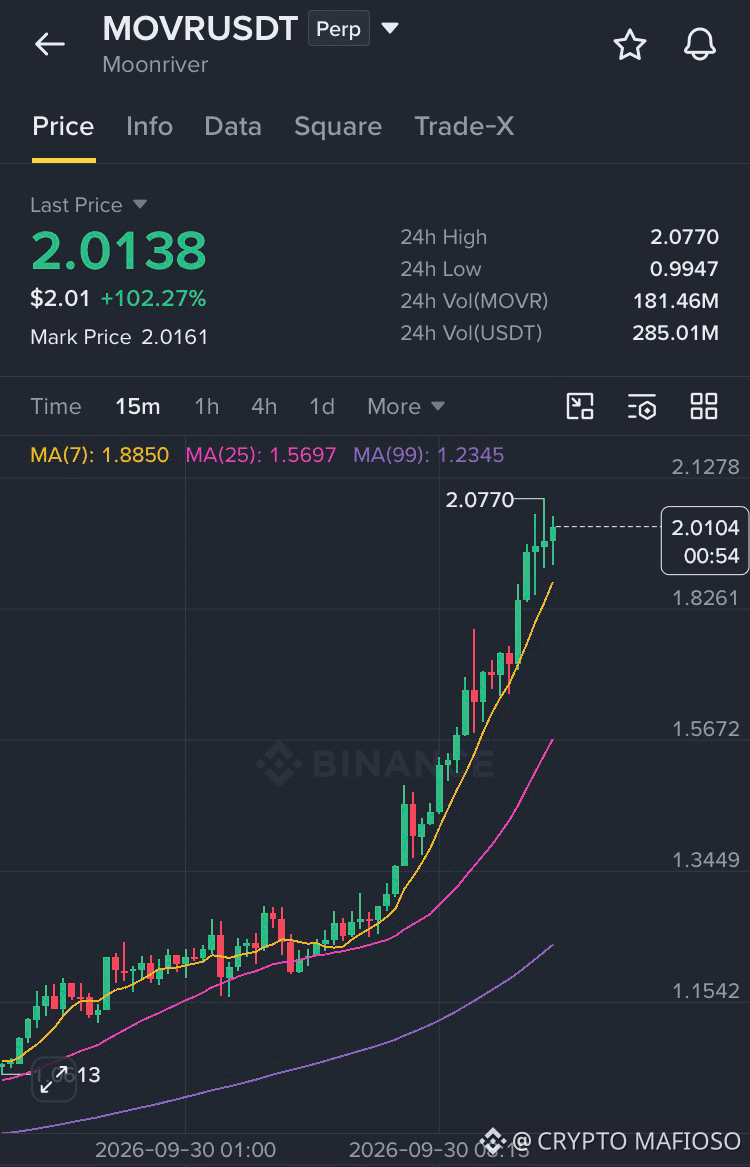
What are your expections on NFP today??
$龙虾 << $MOVR << $QNT
{future}(QNTUSDT)
{future}(MOVRUSDT)
{future}(龙虾USDT)
What are your expections on NFP today??
$龙虾 << $MOVR << $QNT
$龙虾 << $MOVR << $QNT

1.7k
·
--
Bullish
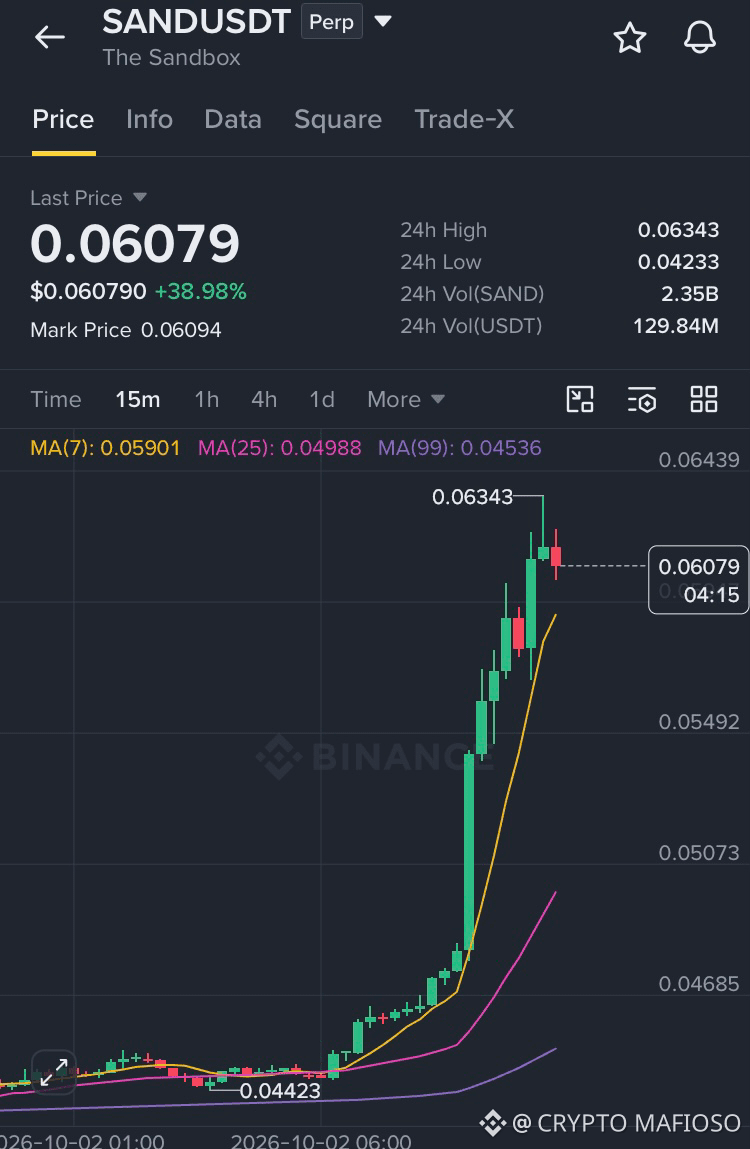
Hey Mate, We Are Going Long on $SAND
Entry :
$0.0540 – $0.0570
Stop Loss: $0.0505
Take Profit Targets
TP1: $0.0634
TP2: $0.0680
TP3: $0.0730
TP4: $0.0800
{future}(SANDUSDT)
Hey Mate, We Are Going Long on $SAND
Entry :
$0.0540 – $0.0570
Stop Loss: $0.0505
Take Profit Targets
TP1: $0.0634
TP2: $0.0680
TP3: $0.0730
TP4: $0.0800
Entry :
$0.0540 – $0.0570
Stop Loss: $0.0505
Take Profit Targets
TP1: $0.0634
TP2: $0.0680
TP3: $0.0730
TP4: $0.0800
2
1
279
·
--
Bullish
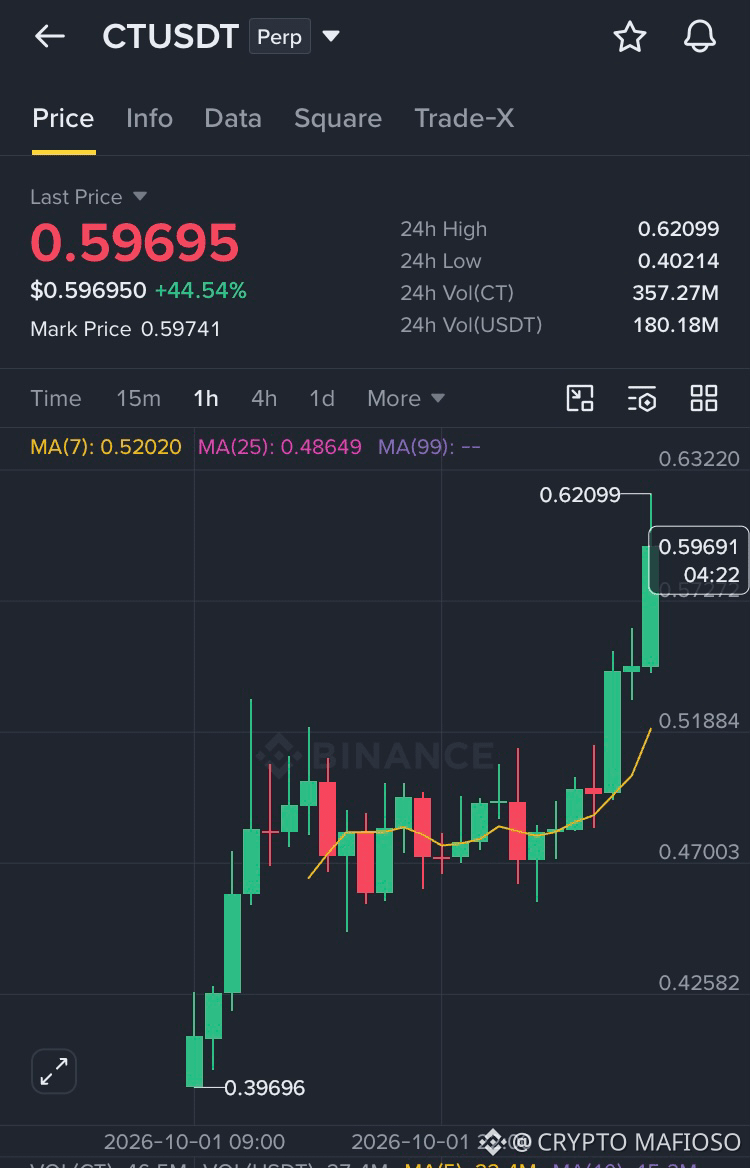
$CT LONG ENTRY TRADE PLAN
ENTRY:
$0.555 – $0.570
STOP LOSS:
$0.535
TAKE PROFIT TARGETS
TP1: $0.621
TP2: $0.660
TP3: $0.700
TP4: $0.750
{future}(CTUSDT)
$CT LONG ENTRY TRADE PLAN
ENTRY:
$0.555 – $0.570
STOP LOSS:
$0.535
TAKE PROFIT TARGETS
TP1: $0.621
TP2: $0.660
TP3: $0.700
TP4: $0.750
ENTRY:
$0.555 – $0.570
STOP LOSS:
$0.535
TAKE PROFIT TARGETS
TP1: $0.621
TP2: $0.660
TP3: $0.700
TP4: $0.750
394
·
--
Bearish
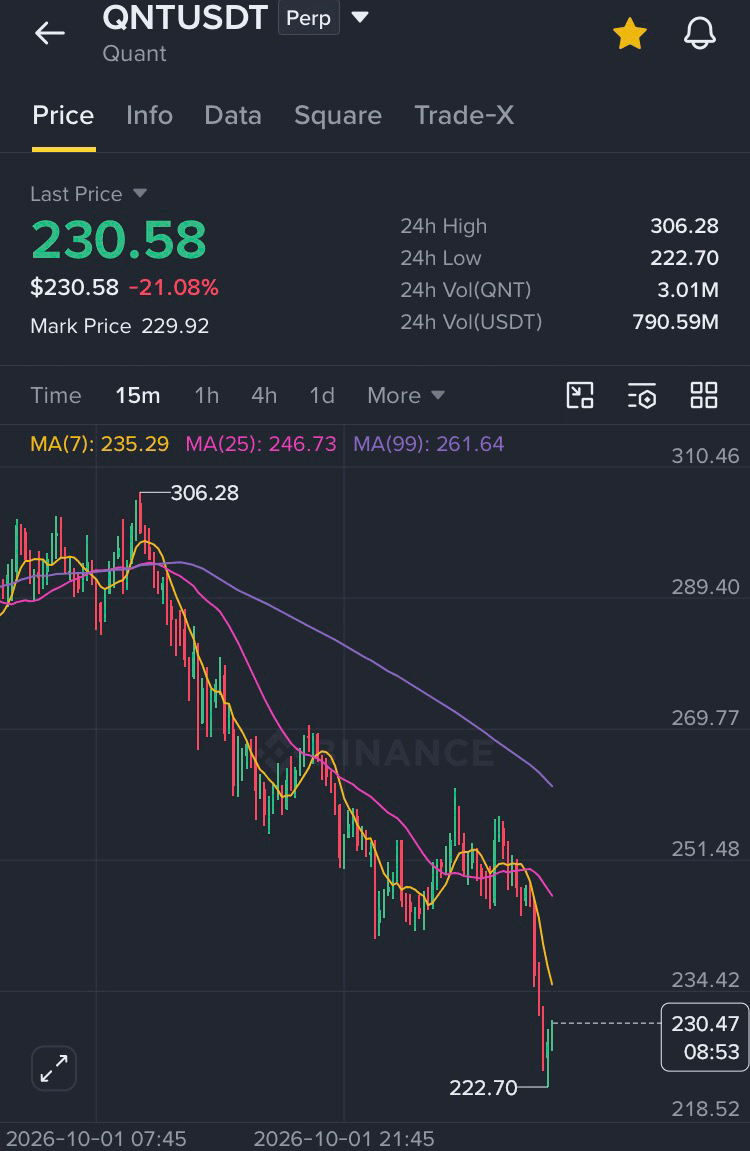
I have given up on $QNT , it has wiped out my little money🥹🥲
I have given up on $QNT , it has wiped out my little money🥹🥲
1
2
738
·
--
Bullish
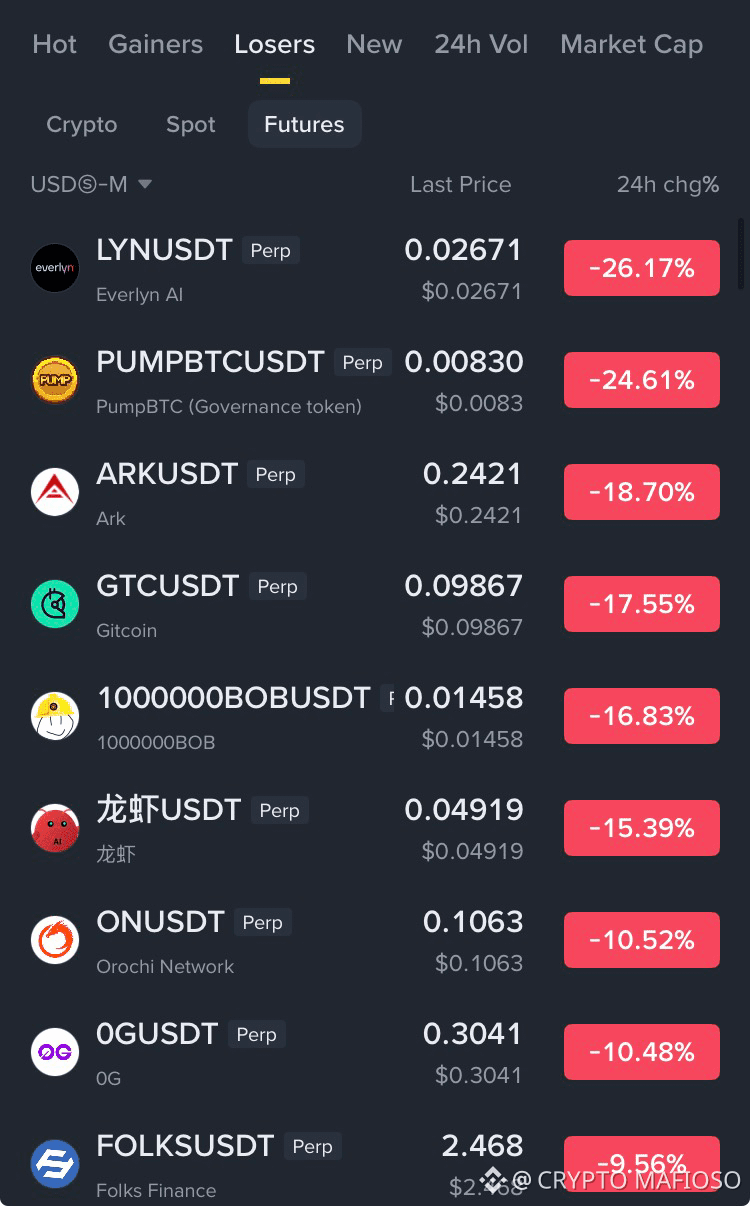
This is how the losers are looking like today
$LYN << $PUMPBTC << $ARK
{future}(ARKUSDT)
{future}(PUMPBTCUSDT)
{future}(LYNUSDT)
This is how the losers are looking like today
$LYN << $PUMPBTC << $ARK
$LYN << $PUMPBTC << $ARK
2
2.1k
·
--
Bullish
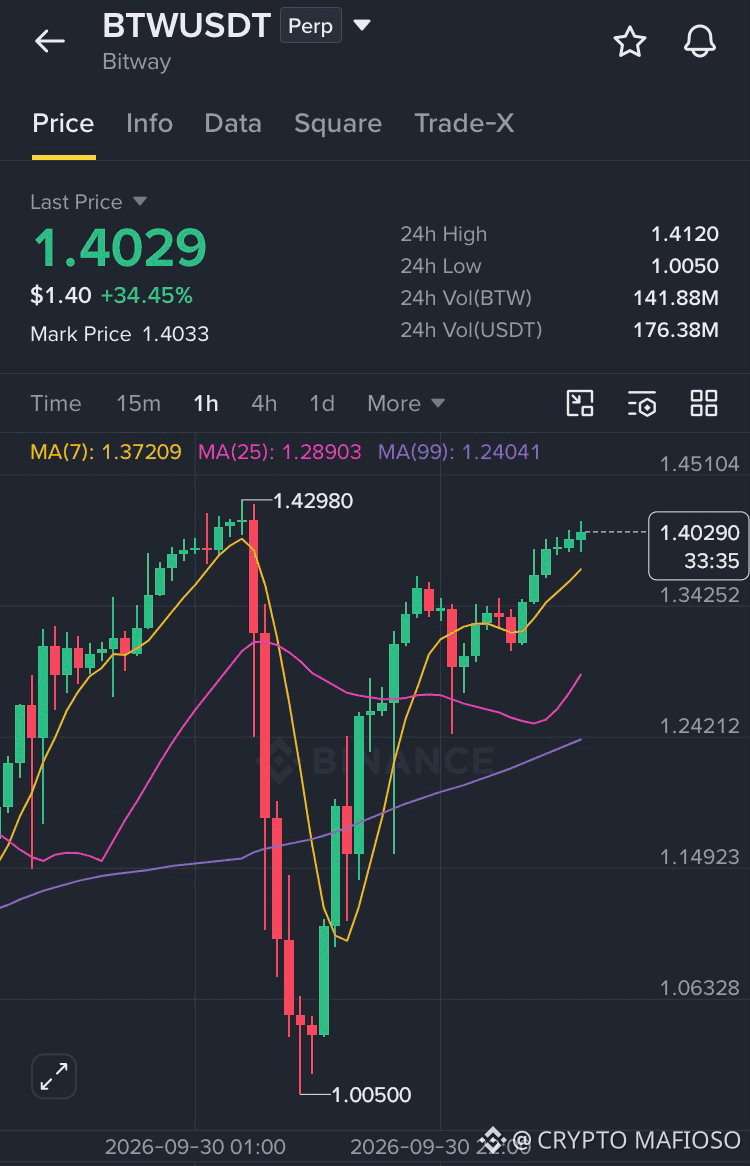
$BTW LONG TRADE PLAN
ENTRY:
$1.375–1.395 (pullback to rising MA7 / prior structure)
STOP LOSS:
Below $1.34
TAKE PROFIT TARGETS
TP1: $1.45
TP2: $1.55
TP3: $1.80+ if volume expands and BTCFi narrative stays hot
$BTW
#BTW
{future}(BTWUSDT)
$BTW LONG TRADE PLAN
ENTRY:
$1.375–1.395 (pullback to rising MA7 / prior structure)
STOP LOSS:
Below $1.34
TAKE PROFIT TARGETS
TP1: $1.45
TP2: $1.55
TP3: $1.80+ if volume expands and BTCFi narrative stays hot
$BTW
#BTW
ENTRY:
$1.375–1.395 (pullback to rising MA7 / prior structure)
STOP LOSS:
Below $1.34
TAKE PROFIT TARGETS
TP1: $1.45
TP2: $1.55
TP3: $1.80+ if volume expands and BTCFi narrative stays hot
$BTW
#BTW
1
378
·
--
Bullish
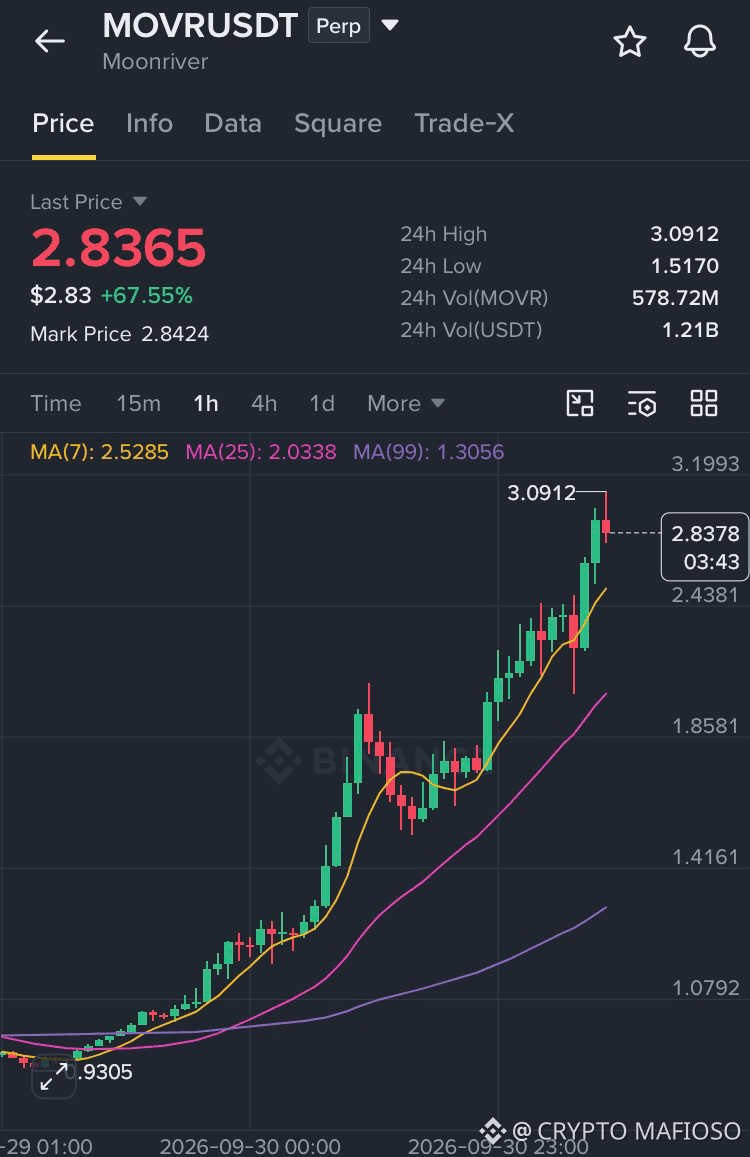
$MOVR LONG TRADE PLAN📉
ENTRY:
$2.55 – 2.68
STOP LOSS:
$2.38
TP1: $3.09
TP2: $3.35
TP3: $3.70
{future}(MOVRUSDT)
$MOVR LONG TRADE PLAN📉
ENTRY:
$2.55 – 2.68
STOP LOSS:
$2.38
TP1: $3.09
TP2: $3.35
TP3: $3.70
ENTRY:
$2.55 – 2.68
STOP LOSS:
$2.38
TP1: $3.09
TP2: $3.35
TP3: $3.70
272
·
--
Bullish
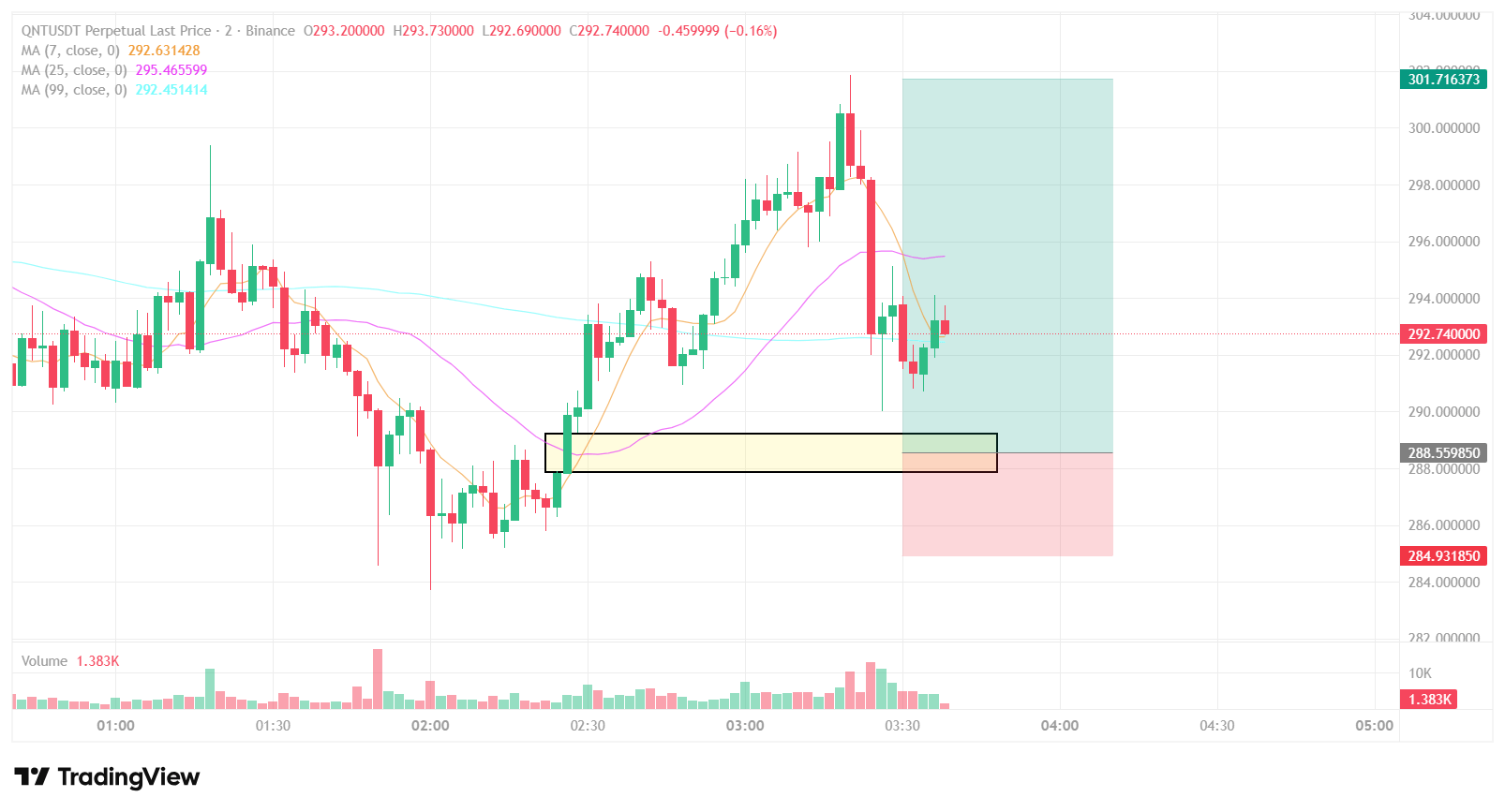
$QNT LONG TRADE PLAN
ENTRY:
On a retest, from 287.23 -288.59
STOP LOSS:
284.00
TAKE PROFIT TARGETS
TP1: $295.00
TP2: $305.00
TP3: $315.00
{future}(QNTUSDT)
$QNT LONG TRADE PLAN
ENTRY:
On a retest, from 287.23 -288.59
STOP LOSS:
284.00
TAKE PROFIT TARGETS
TP1: $295.00
TP2: $305.00
TP3: $315.00
ENTRY:
On a retest, from 287.23 -288.59
STOP LOSS:
284.00
TAKE PROFIT TARGETS
TP1: $295.00
TP2: $305.00
TP3: $315.00
438
·
--
Bearish
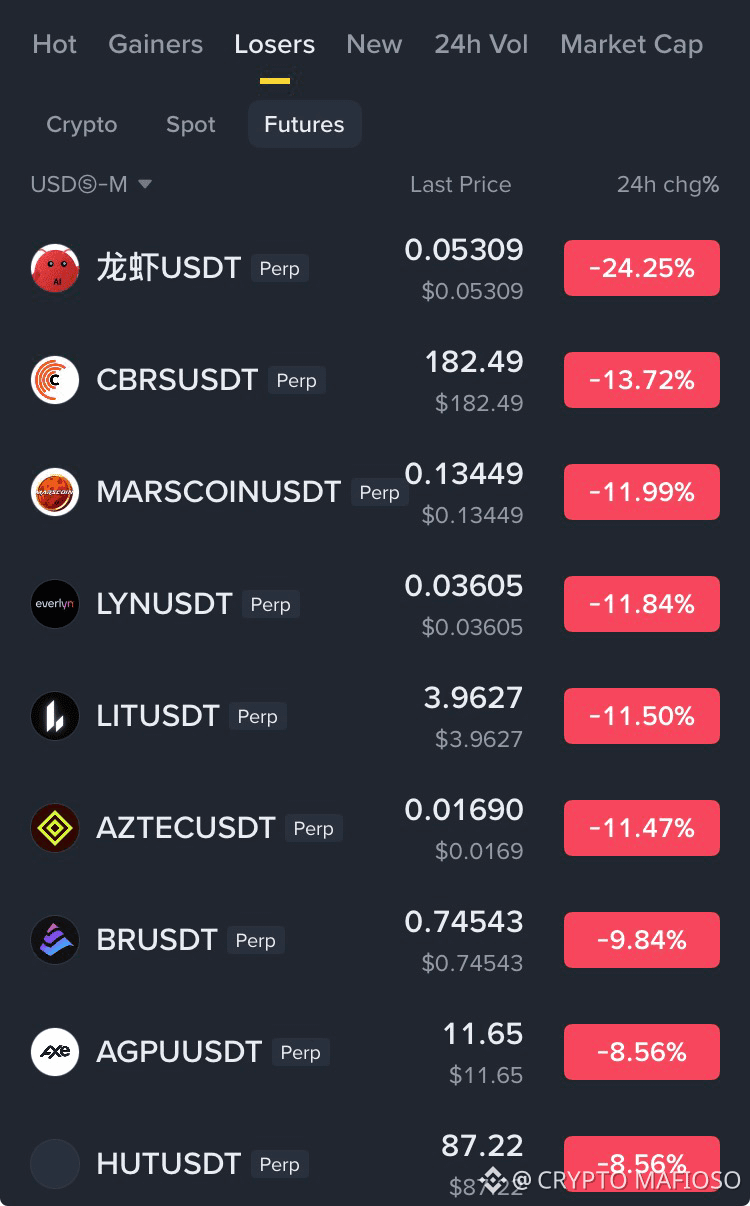
Meanwhile the losers📈
$龙虾 << $CBRS << $MARSCOIN
{future}(MARSCOINUSDT)
{future}(CBRSUSDT)
{future}(龙虾USDT)
Meanwhile the losers📈
$龙虾 << $CBRS << $MARSCOIN
$龙虾 << $CBRS << $MARSCOIN
2.5k
·
--
Bullish
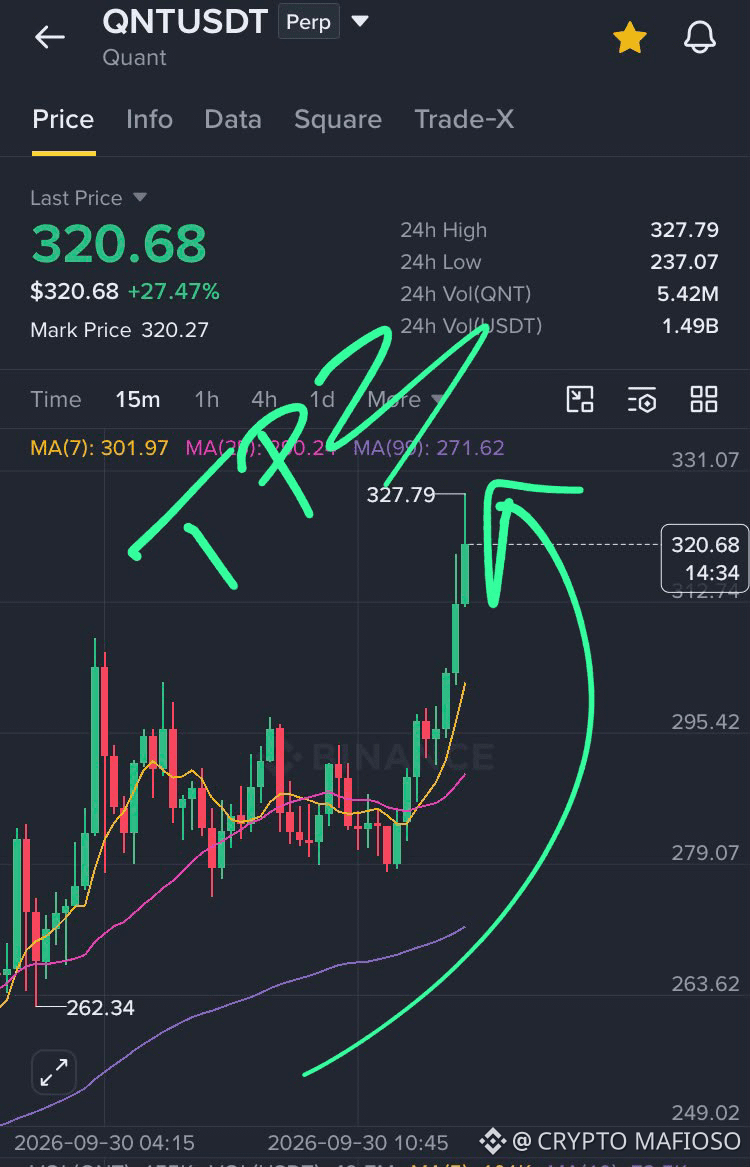
Tp3 done on $QNT 🔥🔥🚀
{future}(QNTUSDT)
Tp3 done on $QNT 🔥🔥🚀
CRYPTO MAFIOSO
·
--
Bullish$QNT BULLISH SETUP 🚀
QNT is holding above the 1H MA7/MA25 and maintaining a strong bullish structure. I'm watching for a pullback rather than chasing the current pump.
ENTRY:
282.00 – 288.00
STOP LOSS:
271.00
TAKE PROFIT TARGETS
TP1: 298.00
TP2: 307.93
TP3: 320.00
FINAL TP: 340.00
QNT is holding above the 1H MA7/MA25 and maintaining a strong bullish structure. I'm watching for a pullback rather than chasing the current pump.
ENTRY:
282.00 – 288.00
STOP LOSS:
271.00
TAKE PROFIT TARGETS
TP1: 298.00
TP2: 307.93
TP3: 320.00
FINAL TP: 340.00
187
·
--
Bullish
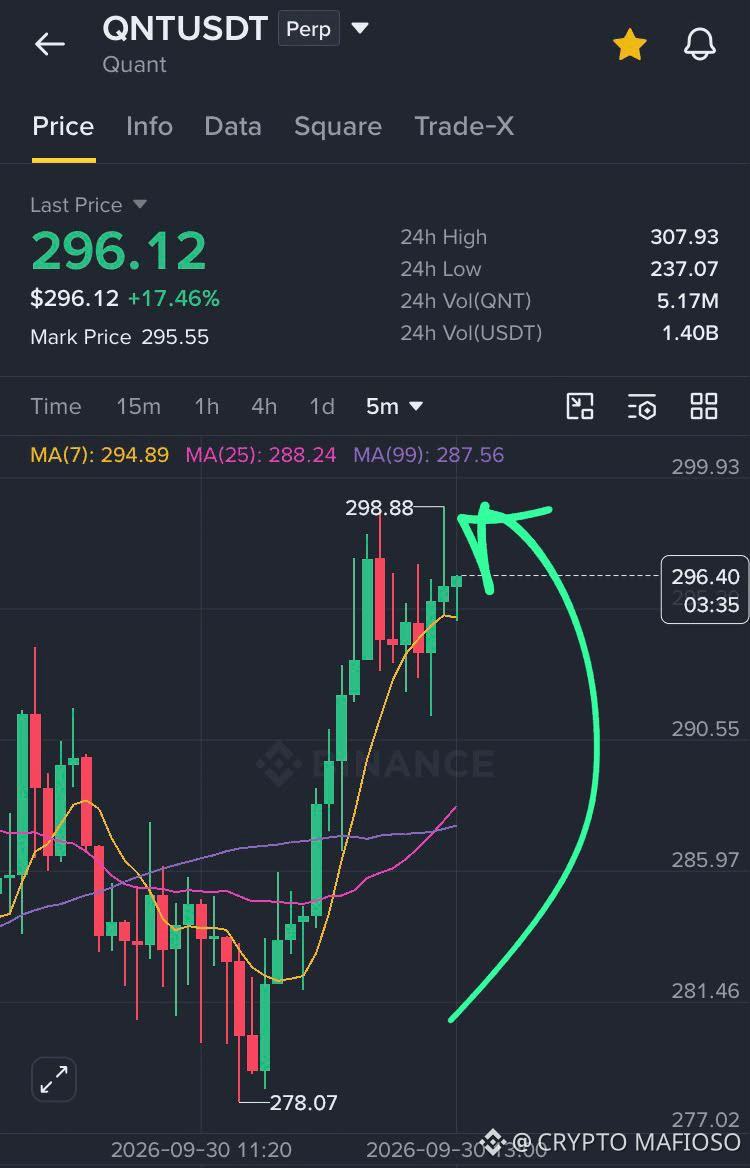
$QNT Tp1 DONE🔥🔥🔥
{future}(QNTUSDT)
$QNT Tp1 DONE🔥🔥🔥
CRYPTO MAFIOSO
·
--
Bullish$QNT BULLISH SETUP 🚀
QNT is holding above the 1H MA7/MA25 and maintaining a strong bullish structure. I'm watching for a pullback rather than chasing the current pump.
ENTRY:
282.00 – 288.00
STOP LOSS:
271.00
TAKE PROFIT TARGETS
TP1: 298.00
TP2: 307.93
TP3: 320.00
FINAL TP: 340.00
QNT is holding above the 1H MA7/MA25 and maintaining a strong bullish structure. I'm watching for a pullback rather than chasing the current pump.
ENTRY:
282.00 – 288.00
STOP LOSS:
271.00
TAKE PROFIT TARGETS
TP1: 298.00
TP2: 307.93
TP3: 320.00
FINAL TP: 340.00
212
·
--
Bullish
236
·
--
Bullish
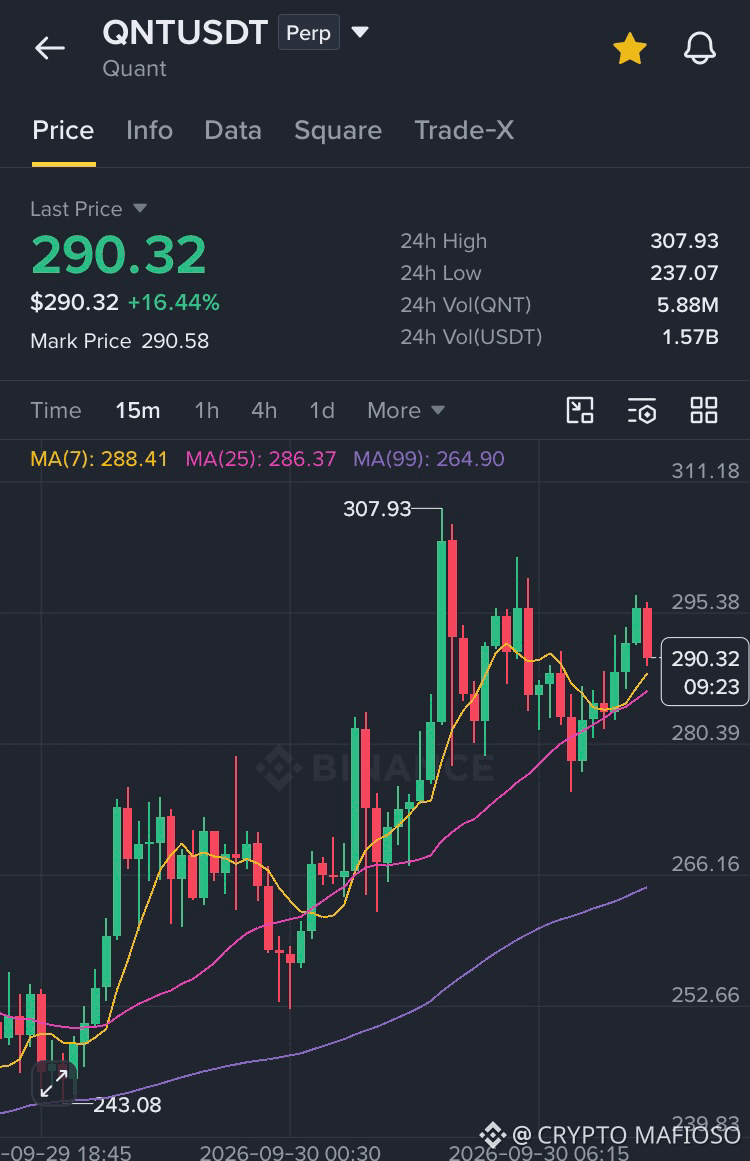
$QNT BULLISH SETUP 🚀
QNT is holding above the 1H MA7/MA25 and maintaining a strong bullish structure. I'm watching for a pullback rather than chasing the current pump.
ENTRY:
282.00 – 288.00
STOP LOSS:
271.00
TAKE PROFIT TARGETS
TP1: 298.00
TP2: 307.93
TP3: 320.00
FINAL TP: 340.00
{future}(QNTUSDT)
$QNT BULLISH SETUP 🚀
QNT is holding above the 1H MA7/MA25 and maintaining a strong bullish structure. I'm watching for a pullback rather than chasing the current pump.
ENTRY:
282.00 – 288.00
STOP LOSS:
271.00
TAKE PROFIT TARGETS
TP1: 298.00
TP2: 307.93
TP3: 320.00
FINAL TP: 340.00
QNT is holding above the 1H MA7/MA25 and maintaining a strong bullish structure. I'm watching for a pullback rather than chasing the current pump.
ENTRY:
282.00 – 288.00
STOP LOSS:
271.00
TAKE PROFIT TARGETS
TP1: 298.00
TP2: 307.93
TP3: 320.00
FINAL TP: 340.00

2
272
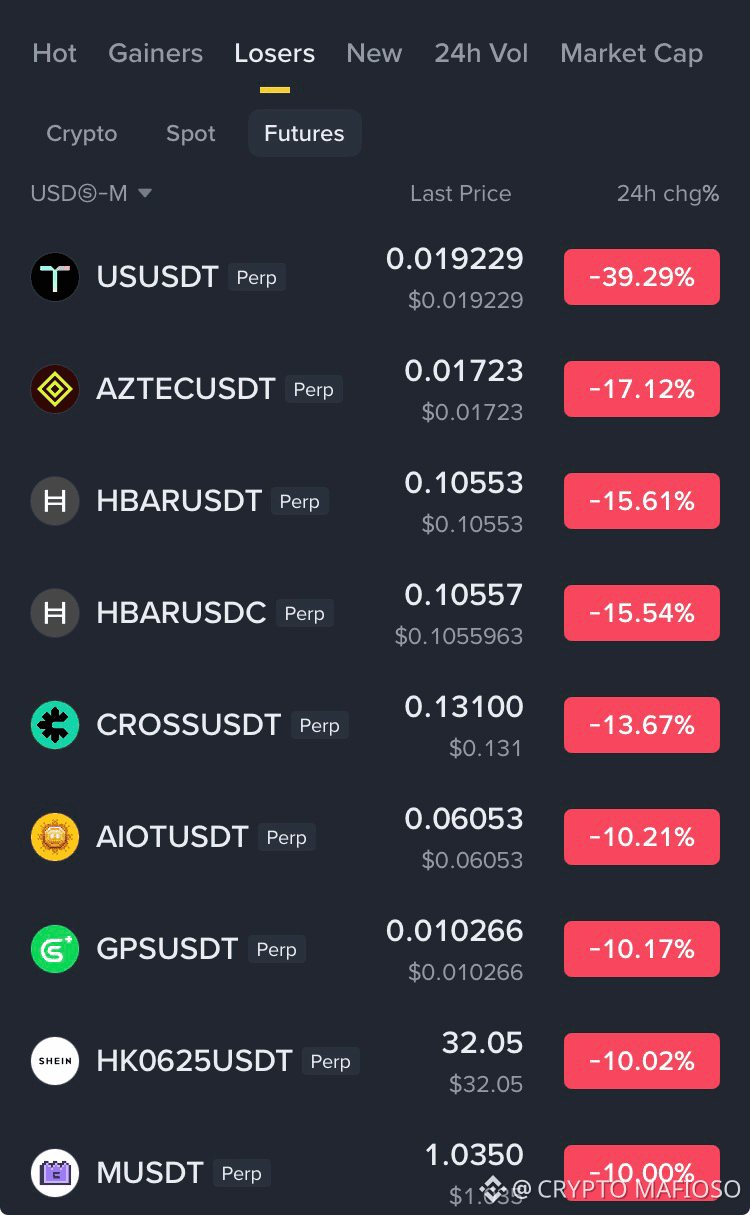
MEANWHILE THE LOSERS😊
$US << $AZTEC <<$HBAR
{future}(HBARUSDT)
{future}(AZTECUSDT)
MEANWHILE THE LOSERS😊
$US << $AZTEC <<$HBAR
$US << $AZTEC <<$HBAR
724
Log in to explore more content
Join global crypto users on Binance Square
⚡️ Get latest and useful information about crypto.
💬 Trusted by the world’s largest crypto exchange.
👍 Discover real insights from verified creators.
Email / Phone number
Trending Topics
ZcashETFPostsFirstWeeklyOutflow$93.6M
18 views
16 Discussing
ZCASH ETF UPDATE
Zcash’s ETF has recorded its first weekly net outflow since launching in August.
Investors withdrew $93.6M as $ZEC fell toward $1,300. Grayscale’s ZCSH had attracted $98.2M two weeks earlier, but no daily net inflows have been recorded since September 22, according to SoSoValue.
ZEC was around $1,308 on October 3, down about 17.5% for the week and roughly 23% from its recent $1,690 peak.
$ZEC
Vicky-143
·0 Likes
·127 views
GreekPoliceBustCryptoScamRingArrest17
29 views
19 Discussing
BitcoinRejectedAt$87K
43,979 views
82 Discussing