

Hedda_
262 Posts

Hedda_
 Square Verified
Report
Block User
25 Following
3.9K+ Followers
881 Liked
1 Badges
Posts
All
Live
·
--
Binance Lists $HYPE—Waiting 324 Days?!
Binance announced it will launch Hyperliquid’s $HYPE on September 24, which is 324 days after OKX listed it. The first batch of trading pairs to be opened includes HYPE/USDT, HYPE/USDC, and HYPE/TRY.
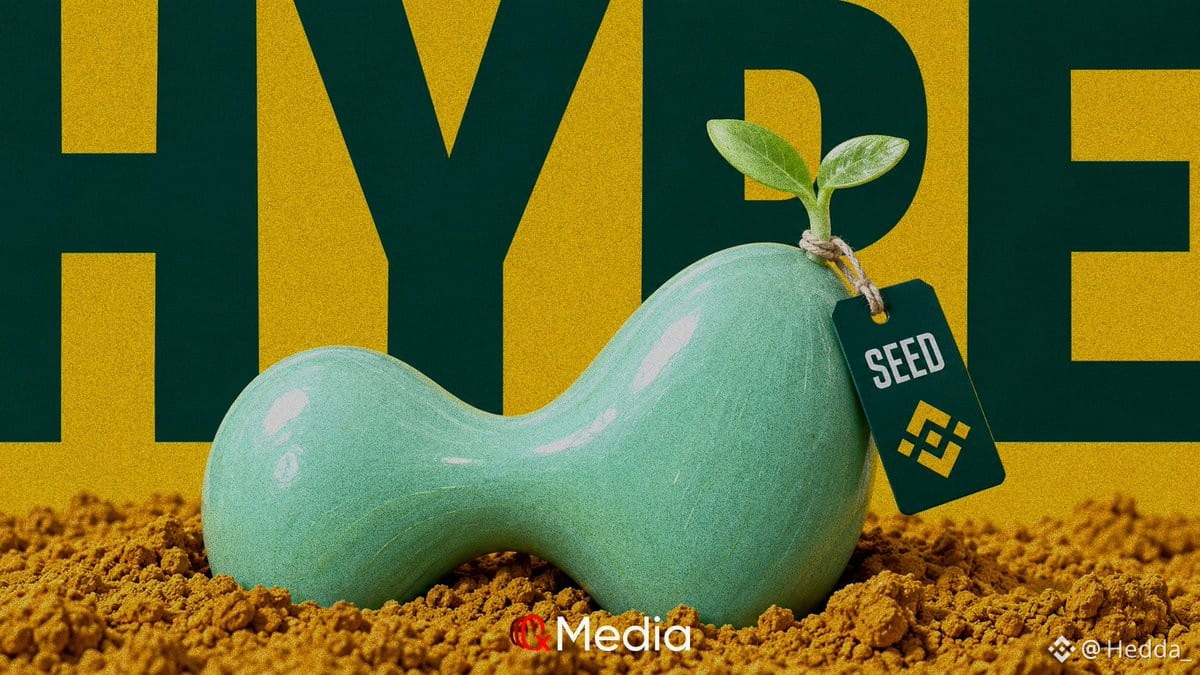
Interestingly, $HYPE has been marked with a “seed tag,” indicating that the asset may carry higher risk and volatility. Binance users must retake the risk assessment every 90 days to continue trading. This could be a challenge for those who prefer steady, conservative investing, but for thrill-seekers it’s a new opportunity.
Previously, $HYPE ’s trading mainly focused on Hyperliquid’s self-built ecosystem. Now, with support from Binance’s liquidity, Hyperliquid’s expansion is becoming broader. This may be the key step for $HYPE to seek greater market recognition.
Would you consider investing in assets with a seed tag?
#加密货币 #Binance Square
Binance Lists $HYPE —Waiting 324 Days?!
Binance announced it will launch Hyperliquid’s $HYPE on September 24, which is 324 days after OKX listed it. The first batch of trading pairs to be opened includes HYPE/USDT, HYPE/USDC, and HYPE/TRY.
Interestingly, $HYPE has been marked with a “seed tag,” indicating that the asset may carry higher risk and volatility. Binance users must retake the risk assessment every 90 days to continue trading. This could be a challenge for those who prefer steady, conservative investing, but for thrill-seekers it’s a new opportunity.
Previously, $HYPE ’s trading mainly focused on Hyperliquid’s self-built ecosystem. Now, with support from Binance’s liquidity, Hyperliquid’s expansion is becoming broader. This may be the key step for $HYPE to seek greater market recognition.
Would you consider investing in assets with a seed tag?
#加密货币 #Binance Square
Binance announced it will launch Hyperliquid’s $HYPE on September 24, which is 324 days after OKX listed it. The first batch of trading pairs to be opened includes HYPE/USDT, HYPE/USDC, and HYPE/TRY.
Interestingly, $HYPE has been marked with a “seed tag,” indicating that the asset may carry higher risk and volatility. Binance users must retake the risk assessment every 90 days to continue trading. This could be a challenge for those who prefer steady, conservative investing, but for thrill-seekers it’s a new opportunity.
Previously, $HYPE ’s trading mainly focused on Hyperliquid’s self-built ecosystem. Now, with support from Binance’s liquidity, Hyperliquid’s expansion is becoming broader. This may be the key step for $HYPE to seek greater market recognition.
Would you consider investing in assets with a seed tag?
#加密货币 #Binance Square
97
·
--
Can AI really bring stablecoin demand—or is it just a beautiful idea?
BlackRock’s latest white paper suggests that AI could drive stablecoins to become machine-native money. While Chinese-speaking communities are filled with optimism, believing that AI agents will push stablecoin demand over the long term, the English-speaking world is focused on a different question: how large is the payment volume currently initiated by agents?
According to the report, in 2025 the trading volume of stablecoins is expected to exceed $1.1 trillion, approaching the scale of Visa. But at present, the main agent payment protocol, x402, saw its deal volume plunge from $0.8 million in January to $40,000 in September. That’s a year-to-date decline of roughly 93%.
This huge discrepancy raises an important question: is the combination of AI and stablecoins truly the future trend—or merely a promising vision? What’s your take?
#稳定币 #加密货币
Can AI really bring stablecoin demand—or is it just a beautiful idea?
BlackRock’s latest white paper suggests that AI could drive stablecoins to become machine-native money. While Chinese-speaking communities are filled with optimism, believing that AI agents will push stablecoin demand over the long term, the English-speaking world is focused on a different question: how large is the payment volume currently initiated by agents?
According to the report, in 2025 the trading volume of stablecoins is expected to exceed $1.1 trillion, approaching the scale of Visa. But at present, the main agent payment protocol, x402, saw its deal volume plunge from $0.8 million in January to $40,000 in September. That’s a year-to-date decline of roughly 93%.
This huge discrepancy raises an important question: is the combination of AI and stablecoins truly the future trend—or merely a promising vision? What’s your take?
#稳定币 #加密货币
BlackRock’s latest white paper suggests that AI could drive stablecoins to become machine-native money. While Chinese-speaking communities are filled with optimism, believing that AI agents will push stablecoin demand over the long term, the English-speaking world is focused on a different question: how large is the payment volume currently initiated by agents?
According to the report, in 2025 the trading volume of stablecoins is expected to exceed $1.1 trillion, approaching the scale of Visa. But at present, the main agent payment protocol, x402, saw its deal volume plunge from $0.8 million in January to $40,000 in September. That’s a year-to-date decline of roughly 93%.
This huge discrepancy raises an important question: is the combination of AI and stablecoins truly the future trend—or merely a promising vision? What’s your take?
#稳定币 #加密货币

187
·
--
On the first day, fees hit $280,000; by the sixth day, only $9,218 remained. Why has the Arc on-chain campaign cooled so quickly?
Arc, the Arc chain under Circle, launched just a week ago. The circulating USDC on-chain has already reached 624 million tokens, with a cumulative transfer volume of $6.8 billion. However, after the trading frenzy of day one, transaction fees quickly crashed.
Arc uses $USDC to pay for gas, so fees directly reflect on-chain activity. On the first day, there were as many as 7.83 million transactions, yet USDC transfers accounted for only 624,000 of them—most of the traffic came from the meme launchpad. Arguspad minted 83,751 tokens in a single day, accounting for 82% of DEX trading volume. As these high-frequency, low-value transactions faded, fees dropped sharply as well.
Does this sudden decline mean that the market’s interest in meme projects was just a flash in the pan?
#稳定币 #cryptocurrency
On the first day, fees hit $280,000; by the sixth day, only $9,218 remained. Why has the Arc on-chain campaign cooled so quickly?
Arc, the Arc chain under Circle, launched just a week ago. The circulating USDC on-chain has already reached 624 million tokens, with a cumulative transfer volume of $6.8 billion. However, after the trading frenzy of day one, transaction fees quickly crashed.
Arc uses $USDC to pay for gas, so fees directly reflect on-chain activity. On the first day, there were as many as 7.83 million transactions, yet USDC transfers accounted for only 624,000 of them—most of the traffic came from the meme launchpad. Arguspad minted 83,751 tokens in a single day, accounting for 82% of DEX trading volume. As these high-frequency, low-value transactions faded, fees dropped sharply as well.
Does this sudden decline mean that the market’s interest in meme projects was just a flash in the pan?
#稳定币 #cryptocurrency
Arc, the Arc chain under Circle, launched just a week ago. The circulating USDC on-chain has already reached 624 million tokens, with a cumulative transfer volume of $6.8 billion. However, after the trading frenzy of day one, transaction fees quickly crashed.
Arc uses $USDC to pay for gas, so fees directly reflect on-chain activity. On the first day, there were as many as 7.83 million transactions, yet USDC transfers accounted for only 624,000 of them—most of the traffic came from the meme launchpad. Arguspad minted 83,751 tokens in a single day, accounting for 82% of DEX trading volume. As these high-frequency, low-value transactions faded, fees dropped sharply as well.
Does this sudden decline mean that the market’s interest in meme projects was just a flash in the pan?
#稳定币 #cryptocurrency

146
·
--
Web3 events aren’t just online! Seoul’s Web3 Pop-up House brings offline surprises.
On September 30, @BOOUP_KR’s event in Seoul will put you face to face with local Korean projects and KOLs. It’s not only a place to connect, but also offers plenty of rewards with a total value of over 10 million KRW.
The venue opens for visits in the afternoon, and in the evening there’s GWDC’s official Afterparty, “Moonlighting Night,” drawing heavyweight guests such as project founders, exchanges, VCs, and media.
Will the buzz from this offline event create new momentum for $ETH and other cryptocurrencies?
#加密货币 #Binance Plaza
Web3 events aren’t just online! Seoul’s Web3 Pop-up House brings offline surprises.
On September 30, @BOOUP_KR’s event in Seoul will put you face to face with local Korean projects and KOLs. It’s not only a place to connect, but also offers plenty of rewards with a total value of over 10 million KRW.
The venue opens for visits in the afternoon, and in the evening there’s GWDC’s official Afterparty, “Moonlighting Night,” drawing heavyweight guests such as project founders, exchanges, VCs, and media.
Will the buzz from this offline event create new momentum for $ETH and other cryptocurrencies?
#加密货币 #Binance Plaza
On September 30, @BOOUP_KR’s event in Seoul will put you face to face with local Korean projects and KOLs. It’s not only a place to connect, but also offers plenty of rewards with a total value of over 10 million KRW.
The venue opens for visits in the afternoon, and in the evening there’s GWDC’s official Afterparty, “Moonlighting Night,” drawing heavyweight guests such as project founders, exchanges, VCs, and media.
Will the buzz from this offline event create new momentum for $ETH and other cryptocurrencies?
#加密货币 #Binance Plaza

2k
·
--
Verified
ZEC mining machines are booming again—this time because prices have skyrocketed!
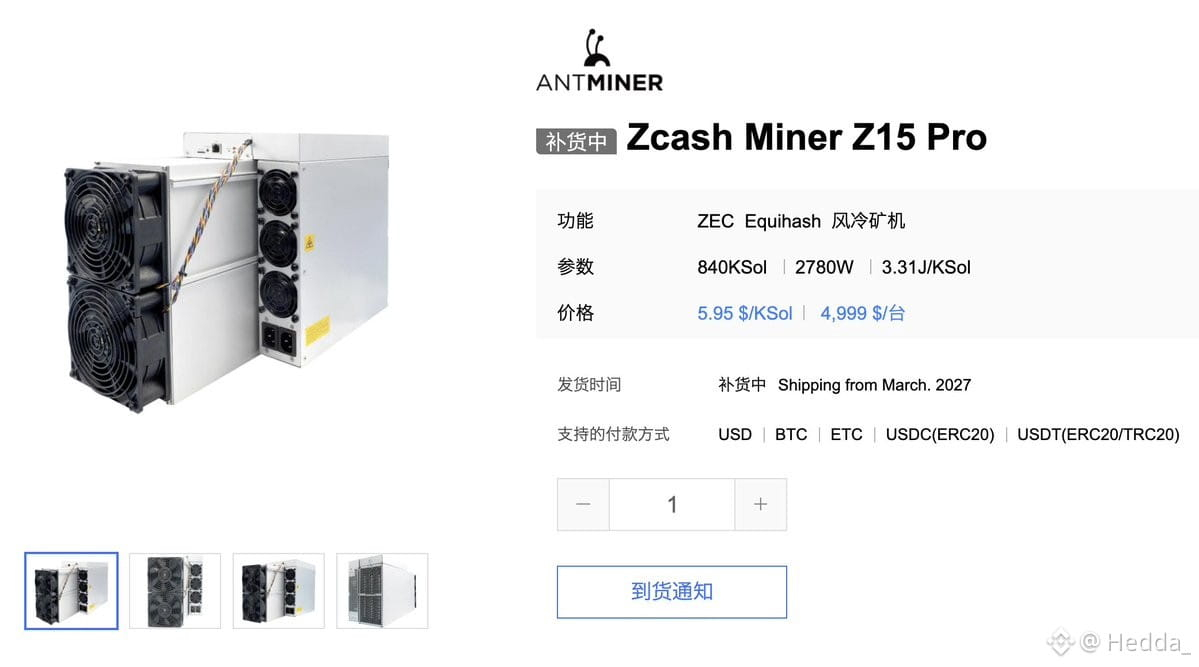
$ZEC has been on a strong run recently, making Bitmain’s longtime flagship miner, the Antminer Z15 Pro, a hot commodity once again. Why? With the ZEC price surging to around $1,600, this miner still looks attractive in terms of hashrate and energy efficiency. Although the official website lists it at $4,999, it has already sold out—suggesting miners are very confident about future returns.
As the ZEC price stays elevated, the total network hashrate for Zcash has jumped from 25 GSol/s to above 30 GSol/s. While profits from current miners can be significant, the rise in hashrate also means mining difficulty is gradually increasing, so future returns may not be as optimistic as they are right now.
Will miners continue to chase the Z15 Pro? Or will they shift to other options?
#加密货币 #market analysis
ZEC mining machines are booming again—this time because prices have skyrocketed!
$ZEC has been on a strong run recently, making Bitmain’s longtime flagship miner, the Antminer Z15 Pro, a hot commodity once again. Why? With the ZEC price surging to around $1,600, this miner still looks attractive in terms of hashrate and energy efficiency. Although the official website lists it at $4,999, it has already sold out—suggesting miners are very confident about future returns.
As the ZEC price stays elevated, the total network hashrate for Zcash has jumped from 25 GSol/s to above 30 GSol/s. While profits from current miners can be significant, the rise in hashrate also means mining difficulty is gradually increasing, so future returns may not be as optimistic as they are right now.
Will miners continue to chase the Z15 Pro? Or will they shift to other options?
#加密货币 #market analysis
$ZEC has been on a strong run recently, making Bitmain’s longtime flagship miner, the Antminer Z15 Pro, a hot commodity once again. Why? With the ZEC price surging to around $1,600, this miner still looks attractive in terms of hashrate and energy efficiency. Although the official website lists it at $4,999, it has already sold out—suggesting miners are very confident about future returns.
As the ZEC price stays elevated, the total network hashrate for Zcash has jumped from 25 GSol/s to above 30 GSol/s. While profits from current miners can be significant, the rise in hashrate also means mining difficulty is gradually increasing, so future returns may not be as optimistic as they are right now.
Will miners continue to chase the Z15 Pro? Or will they shift to other options?
#加密货币 #market analysis
1
2.8k
·
--
Verified
NEAR Can this innovation become the standard approach in the era of AI Agents?
With its recent introduction of Top Level Accounts, NEAR has integrated human-readable account names with assets, contract access, and dApp logins. These accounts can not only hold assets but also reduce the risk caused by lost private keys. For companies or individuals who may in the future operate hundreds or thousands of Agents, this is undoubtedly good news.
After Confidential Intents helped drive privacy-preserving transactions, this move by NEAR opens up new possibilities for on-chain human–machine collaboration. By directly binding accounts and assets, users can easily manage the transactions and budgets of multiple Agents. This design—$NEAR —may well become an industry example in the future.
So, do you think this account system could change the rules of the crypto market?
#加密货币 #Regulatory Updates
NEAR Can this innovation become the standard approach in the era of AI Agents?
With its recent introduction of Top Level Accounts, NEAR has integrated human-readable account names with assets, contract access, and dApp logins. These accounts can not only hold assets but also reduce the risk caused by lost private keys. For companies or individuals who may in the future operate hundreds or thousands of Agents, this is undoubtedly good news.
After Confidential Intents helped drive privacy-preserving transactions, this move by NEAR opens up new possibilities for on-chain human–machine collaboration. By directly binding accounts and assets, users can easily manage the transactions and budgets of multiple Agents. This design—$NEAR —may well become an industry example in the future.
So, do you think this account system could change the rules of the crypto market?
#加密货币 #Regulatory Updates
With its recent introduction of Top Level Accounts, NEAR has integrated human-readable account names with assets, contract access, and dApp logins. These accounts can not only hold assets but also reduce the risk caused by lost private keys. For companies or individuals who may in the future operate hundreds or thousands of Agents, this is undoubtedly good news.
After Confidential Intents helped drive privacy-preserving transactions, this move by NEAR opens up new possibilities for on-chain human–machine collaboration. By directly binding accounts and assets, users can easily manage the transactions and budgets of multiple Agents. This design—$NEAR —may well become an industry example in the future.
So, do you think this account system could change the rules of the crypto market?
#加密货币 #Regulatory Updates
1
1.1k
·
--
Verified
Wow! Solana’s community is at it again with a major move!
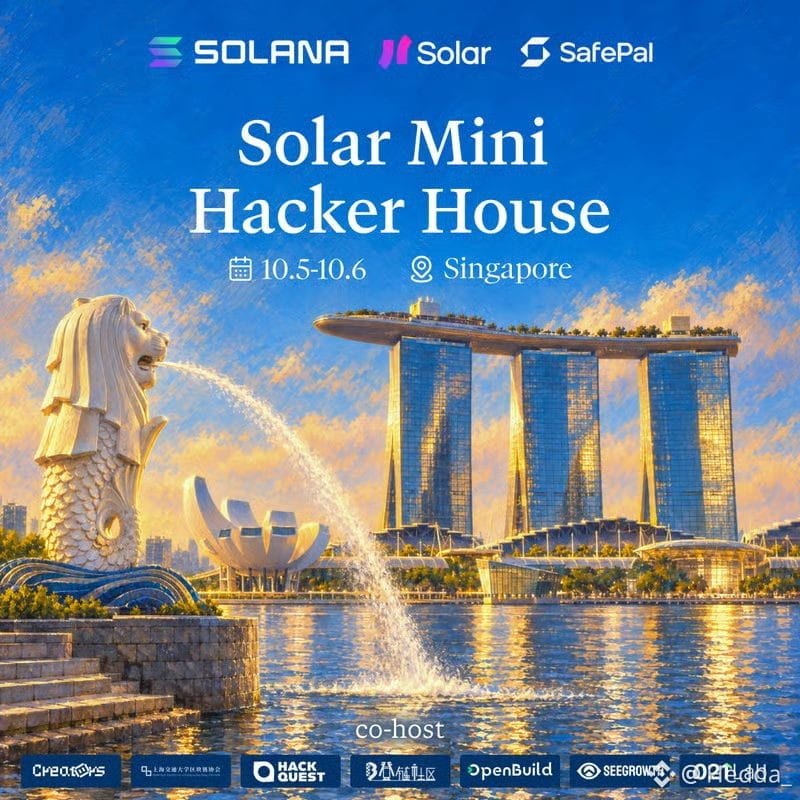
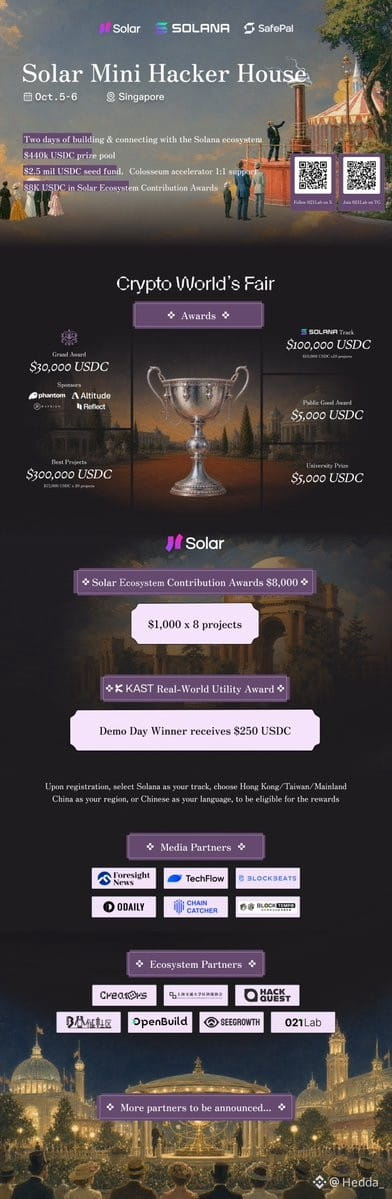
During TOKEN2049 in Singapore, Solana will team up with 021Lab to host a two-day Mini Hacker House. The event is not only a platform for technical交流, but also offers Solana ecosystem grants totaling over $440K and seed funding opportunities worth $2.5M—definitely something to get excited about.
The event is scheduled for October 5–6, and for developers, it’s a fantastic chance for networking and collaboration. In recent years, Solana has been aggressively promoting ecosystem growth, and this event will undoubtedly further solidify its influence in the blockchain space.
Will these incentive measures prompt other blockchain ecosystems to follow suit? Share your thoughts in the comments.
#加密货币 #宏观经济
Wow! Solana’s community is at it again with a major move!
During TOKEN2049 in Singapore, Solana will team up with 021Lab to host a two-day Mini Hacker House. The event is not only a platform for technical交流, but also offers Solana ecosystem grants totaling over $440K and seed funding opportunities worth $2.5M—definitely something to get excited about.
The event is scheduled for October 5–6, and for developers, it’s a fantastic chance for networking and collaboration. In recent years, Solana has been aggressively promoting ecosystem growth, and this event will undoubtedly further solidify its influence in the blockchain space.
Will these incentive measures prompt other blockchain ecosystems to follow suit? Share your thoughts in the comments.
#加密货币 #宏观经济
During TOKEN2049 in Singapore, Solana will team up with 021Lab to host a two-day Mini Hacker House. The event is not only a platform for technical交流, but also offers Solana ecosystem grants totaling over $440K and seed funding opportunities worth $2.5M—definitely something to get excited about.
The event is scheduled for October 5–6, and for developers, it’s a fantastic chance for networking and collaboration. In recent years, Solana has been aggressively promoting ecosystem growth, and this event will undoubtedly further solidify its influence in the blockchain space.
Will these incentive measures prompt other blockchain ecosystems to follow suit? Share your thoughts in the comments.
#加密货币 #宏观经济
643
·
--
The black-speak creation contest on Xianyu is absolutely mind-blowing!
As GPT-related keywords on Xianyu get restricted, sellers quickly launched a creative showdown. To bypass platform review, they gave GPT-related services all kinds of inventive names—such as “genius programmer Tibo” and “official Ultraman Brothers,” and more. These seemingly nonsensical product names, in fact, all conceal GPT services behind them.
By using images to convey information and completing transactions through private messages, the sellers’ strategy is nothing short of brilliant. However, this also makes Xianyu’s regulation look stretched thin. When one keyword gets banned, new code names keep popping up. The contest between platform rules and netizens’ creativity keeps intensifying.
Will this phenomenon affect the regulatory strategies of other e-commerce platforms? What does everyone think?
#加密货币 #Regulatory Updates
The black-speak creation contest on Xianyu is absolutely mind-blowing!
As GPT-related keywords on Xianyu get restricted, sellers quickly launched a creative showdown. To bypass platform review, they gave GPT-related services all kinds of inventive names—such as “genius programmer Tibo” and “official Ultraman Brothers,” and more. These seemingly nonsensical product names, in fact, all conceal GPT services behind them.
By using images to convey information and completing transactions through private messages, the sellers’ strategy is nothing short of brilliant. However, this also makes Xianyu’s regulation look stretched thin. When one keyword gets banned, new code names keep popping up. The contest between platform rules and netizens’ creativity keeps intensifying.
Will this phenomenon affect the regulatory strategies of other e-commerce platforms? What does everyone think?
#加密货币 #Regulatory Updates
As GPT-related keywords on Xianyu get restricted, sellers quickly launched a creative showdown. To bypass platform review, they gave GPT-related services all kinds of inventive names—such as “genius programmer Tibo” and “official Ultraman Brothers,” and more. These seemingly nonsensical product names, in fact, all conceal GPT services behind them.
By using images to convey information and completing transactions through private messages, the sellers’ strategy is nothing short of brilliant. However, this also makes Xianyu’s regulation look stretched thin. When one keyword gets banned, new code names keep popping up. The contest between platform rules and netizens’ creativity keeps intensifying.
Will this phenomenon affect the regulatory strategies of other e-commerce platforms? What does everyone think?
#加密货币 #Regulatory Updates

630
·
--
Solana increases blocks per second from 3.3 to 4—up 17% faster! But has the compute power changed? 🤔
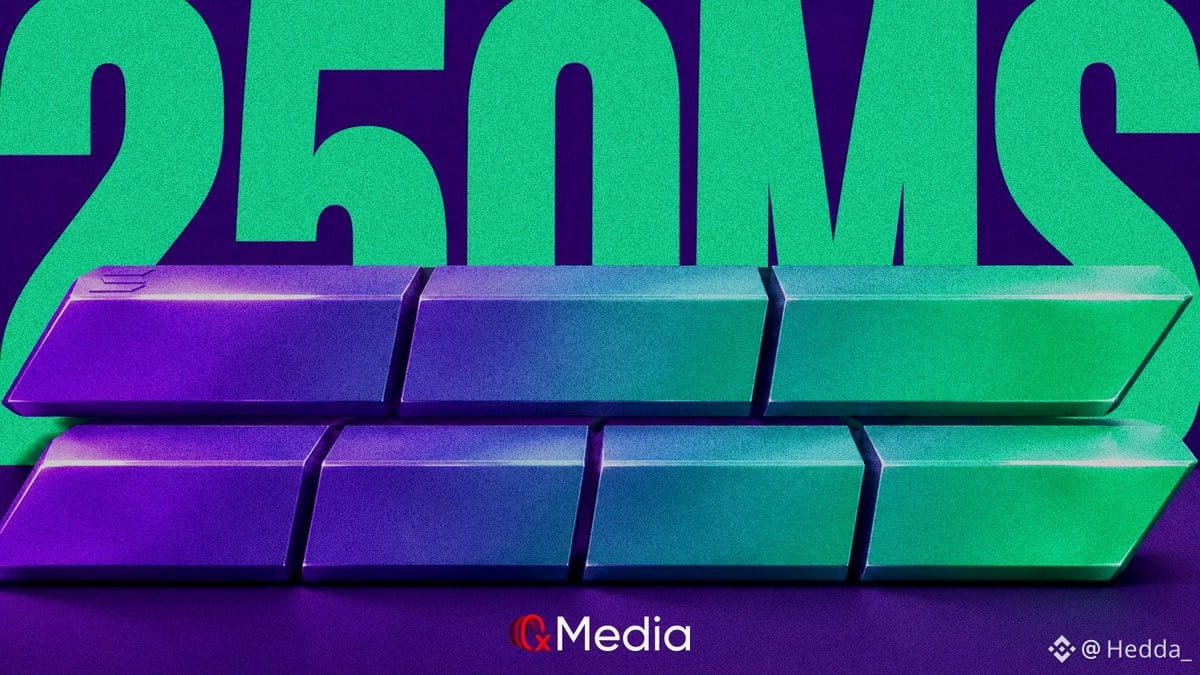
In the September 18 upgrade, Solana’s block production speed is accelerated again, aiming to improve the freshness of on-chain data. While block time was compressed from 300 milliseconds to 250 milliseconds, the per-block compute quota was reduced at the same time—so the total amount of computation the network can handle per second doesn’t actually increase.
This improvement mainly benefits oracle quote pricing, AMM state updates, and the speed of transaction confirmations, making it more suitable for high-frequency trading needs. $SOL performed well in this round of upgrades, with a current price of about $117 and a 24-hour gain of 8%.
Does this mean Solana is prioritizing transaction speed over compute capacity? What impact does this have on other public chains?
#加密货币 #Market analysis
Solana increases blocks per second from 3.3 to 4—up 17% faster! But has the compute power changed? 🤔
In the September 18 upgrade, Solana’s block production speed is accelerated again, aiming to improve the freshness of on-chain data. While block time was compressed from 300 milliseconds to 250 milliseconds, the per-block compute quota was reduced at the same time—so the total amount of computation the network can handle per second doesn’t actually increase.
This improvement mainly benefits oracle quote pricing, AMM state updates, and the speed of transaction confirmations, making it more suitable for high-frequency trading needs. $SOL performed well in this round of upgrades, with a current price of about $117 and a 24-hour gain of 8%.
Does this mean Solana is prioritizing transaction speed over compute capacity? What impact does this have on other public chains?
#加密货币 #Market analysis
In the September 18 upgrade, Solana’s block production speed is accelerated again, aiming to improve the freshness of on-chain data. While block time was compressed from 300 milliseconds to 250 milliseconds, the per-block compute quota was reduced at the same time—so the total amount of computation the network can handle per second doesn’t actually increase.
This improvement mainly benefits oracle quote pricing, AMM state updates, and the speed of transaction confirmations, making it more suitable for high-frequency trading needs. $SOL performed well in this round of upgrades, with a current price of about $117 and a 24-hour gain of 8%.
Does this mean Solana is prioritizing transaction speed over compute capacity? What impact does this have on other public chains?
#加密货币 #Market analysis
241
·
--
Shocking! $ZETA plunges 99.7%, and ZetaChain shuts down its mainnet directly!
Through a governance proposal, the ZetaChain community achieved a voting turnout as high as 58%. Among voters, 99.4% approved shutting down the mainnet and migrating $ZETA to Solana. Behind this series of actions lies a difficult choice for ZetaChain as the maintenance cost becomes too high to bear.
Built on the Cosmos SDK, ZetaChain has faced frequent security patches that the team can hardly afford—especially after an attack in August involving six EVM chains, which resulted in losses of up to $5.7 million. Not only that, ZetaChain was attacked in April, causing its cross-chain transfer feature to be paused. In June, it even directly shut down its cross-chain interoperability business.
Will ZetaChain’s decision become a cautionary tale for other chains? How can it balance high-cost maintenance with security?
#加密货币 #Regulatory Updates
Shocking! $ZETA plunges 99.7%, and ZetaChain shuts down its mainnet directly!
Through a governance proposal, the ZetaChain community achieved a voting turnout as high as 58%. Among voters, 99.4% approved shutting down the mainnet and migrating $ZETA to Solana. Behind this series of actions lies a difficult choice for ZetaChain as the maintenance cost becomes too high to bear.
Built on the Cosmos SDK, ZetaChain has faced frequent security patches that the team can hardly afford—especially after an attack in August involving six EVM chains, which resulted in losses of up to $5.7 million. Not only that, ZetaChain was attacked in April, causing its cross-chain transfer feature to be paused. In June, it even directly shut down its cross-chain interoperability business.
Will ZetaChain’s decision become a cautionary tale for other chains? How can it balance high-cost maintenance with security?
#加密货币 #Regulatory Updates
Through a governance proposal, the ZetaChain community achieved a voting turnout as high as 58%. Among voters, 99.4% approved shutting down the mainnet and migrating $ZETA to Solana. Behind this series of actions lies a difficult choice for ZetaChain as the maintenance cost becomes too high to bear.
Built on the Cosmos SDK, ZetaChain has faced frequent security patches that the team can hardly afford—especially after an attack in August involving six EVM chains, which resulted in losses of up to $5.7 million. Not only that, ZetaChain was attacked in April, causing its cross-chain transfer feature to be paused. In June, it even directly shut down its cross-chain interoperability business.
Will ZetaChain’s decision become a cautionary tale for other chains? How can it balance high-cost maintenance with security?
#加密货币 #Regulatory Updates

1
1
1.4k
·
--
Verified
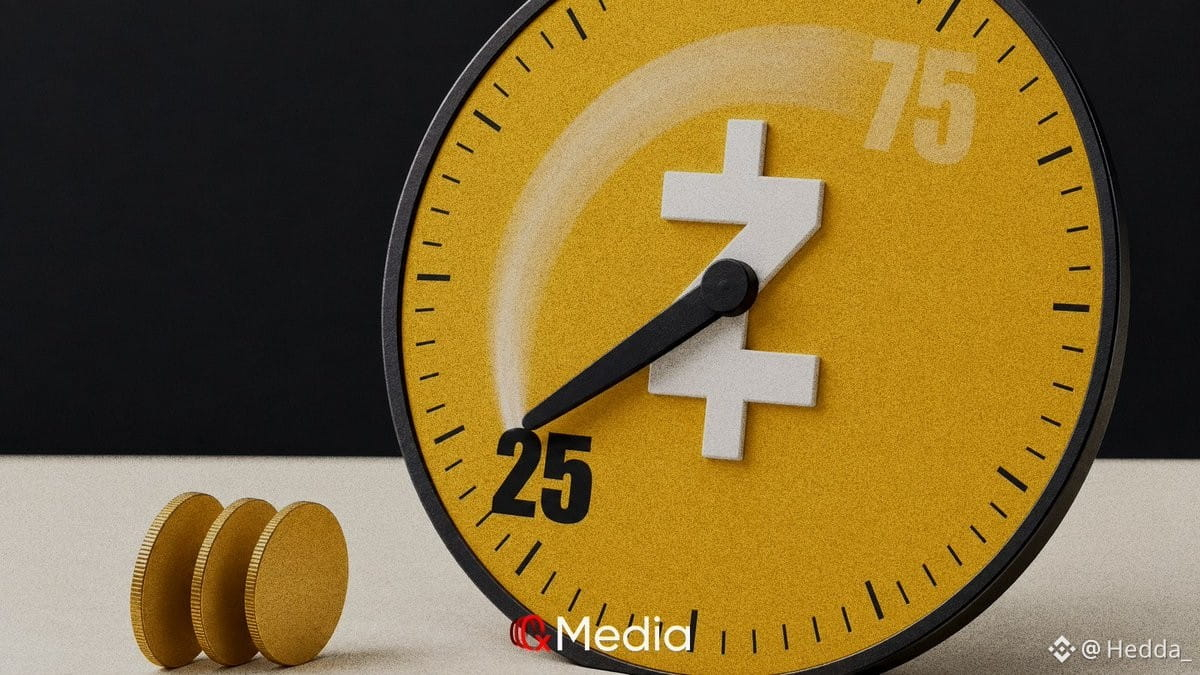
Zcash blockchain speed is set to triple! $ZEC is on the horizon with the upcoming NU7 upgrade—block times will be cut from 75 seconds to 25 seconds. Mainnet activation is scheduled for November 5, with the testnet going live first on October 6.
Even though the number of blocks increases, don’t worry—$ZEC supply will expand accordingly. The per-block reward will be adjusted in tandem, and the halving interval will be extended to 5,040,000 blocks. The daily issuance will basically remain unchanged. This clever design helps ensure inflation doesn’t spiral out of control, keeping the market stable.
What’s the deeper intent behind this upgrade? By boosting transaction processing speed, Zcash is clearly aiming to secure a stronger foothold in the fiercely competitive crypto market—while also giving users a faster transaction experience.
How much of an impact do you think this speed increase will have on Zcash’s market position?
#加密货币 #Regulatory Updates
Zcash blockchain speed is set to triple! $ZEC is on the horizon with the upcoming NU7 upgrade—block times will be cut from 75 seconds to 25 seconds. Mainnet activation is scheduled for November 5, with the testnet going live first on October 6.
Even though the number of blocks increases, don’t worry—$ZEC supply will expand accordingly. The per-block reward will be adjusted in tandem, and the halving interval will be extended to 5,040,000 blocks. The daily issuance will basically remain unchanged. This clever design helps ensure inflation doesn’t spiral out of control, keeping the market stable.
What’s the deeper intent behind this upgrade? By boosting transaction processing speed, Zcash is clearly aiming to secure a stronger foothold in the fiercely competitive crypto market—while also giving users a faster transaction experience.
How much of an impact do you think this speed increase will have on Zcash’s market position?
#加密货币 #Regulatory Updates
Even though the number of blocks increases, don’t worry—$ZEC supply will expand accordingly. The per-block reward will be adjusted in tandem, and the halving interval will be extended to 5,040,000 blocks. The daily issuance will basically remain unchanged. This clever design helps ensure inflation doesn’t spiral out of control, keeping the market stable.
What’s the deeper intent behind this upgrade? By boosting transaction processing speed, Zcash is clearly aiming to secure a stronger foothold in the fiercely competitive crypto market—while also giving users a faster transaction experience.
How much of an impact do you think this speed increase will have on Zcash’s market position?
#加密货币 #Regulatory Updates
1
2.6k
·
--
HYPE, a token that only started trading at the end of 2024, is now aiming to challenge TRX’s position? 😲
Today, the price of $HYPE reached $93.86, setting yet another all-time high. Its market cap has already climbed to about $23.6 billion—only about $8.5 billion less than TRX’s $32.06 billion. If TRX’s market cap remains unchanged, $HYPE would only need to rise to $127.5 to surpass TRX, becoming the world’s seventh-largest cryptocurrency.
HYPE’s rapid rise clearly shows strong market interest and confidence in emerging tokens. For a project launched via an airdrop, reaching a market-cap range like this is truly astonishing in terms of speed. Does this hint that the market’s challenge to traditional top-layer blockchains is intensifying?
Do you think HYPE can achieve a breakthrough and surpass TRX in the short term? Can this kind of rapid growth be sustained?
#加密货币 #行情分析
HYPE, a token that only started trading at the end of 2024, is now aiming to challenge TRX’s position? 😲
Today, the price of $HYPE reached $93.86, setting yet another all-time high. Its market cap has already climbed to about $23.6 billion—only about $8.5 billion less than TRX’s $32.06 billion. If TRX’s market cap remains unchanged, $HYPE would only need to rise to $127.5 to surpass TRX, becoming the world’s seventh-largest cryptocurrency.
HYPE’s rapid rise clearly shows strong market interest and confidence in emerging tokens. For a project launched via an airdrop, reaching a market-cap range like this is truly astonishing in terms of speed. Does this hint that the market’s challenge to traditional top-layer blockchains is intensifying?
Do you think HYPE can achieve a breakthrough and surpass TRX in the short term? Can this kind of rapid growth be sustained?
#加密货币 #行情分析
Today, the price of $HYPE reached $93.86, setting yet another all-time high. Its market cap has already climbed to about $23.6 billion—only about $8.5 billion less than TRX’s $32.06 billion. If TRX’s market cap remains unchanged, $HYPE would only need to rise to $127.5 to surpass TRX, becoming the world’s seventh-largest cryptocurrency.
HYPE’s rapid rise clearly shows strong market interest and confidence in emerging tokens. For a project launched via an airdrop, reaching a market-cap range like this is truly astonishing in terms of speed. Does this hint that the market’s challenge to traditional top-layer blockchains is intensifying?
Do you think HYPE can achieve a breakthrough and surpass TRX in the short term? Can this kind of rapid growth be sustained?
#加密货币 #行情分析
1
1.1k
·
--
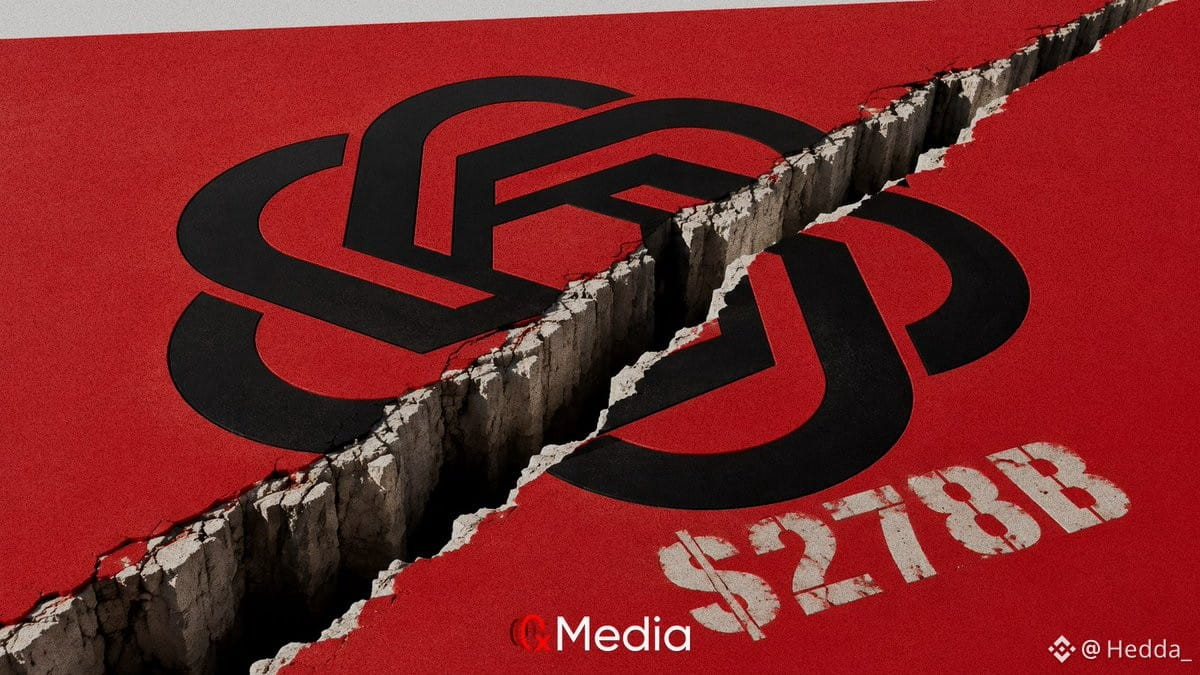
Oh wow, OpenAI’s burn rate is a bit scary! By 2030, they’re expected to plug a $278 billion cash shortfall. Although they raised $122 billion in March, that money will only last until 2028.
From 2026 to 2030, OpenAI’s revenue is expected to grow from $36 billion to $350 billion—an impressive-looking jump. But don’t forget, they’re also investing heavily in compute power and infrastructure, with spending projected to reach as high as $856 billion. These expenses are becoming their biggest financial pressure.
The information revealed in this internal briefing raises an important question: OpenAI needs to find more funding sources, or adjust its spending strategy, otherwise they may face financial challenges in the coming years.
Do you think OpenAI can find new investors to fill this huge gap?
#宏观经济 #cryptocurrency
Oh wow, OpenAI’s burn rate is a bit scary! By 2030, they’re expected to plug a $278 billion cash shortfall. Although they raised $122 billion in March, that money will only last until 2028.
From 2026 to 2030, OpenAI’s revenue is expected to grow from $36 billion to $350 billion—an impressive-looking jump. But don’t forget, they’re also investing heavily in compute power and infrastructure, with spending projected to reach as high as $856 billion. These expenses are becoming their biggest financial pressure.
The information revealed in this internal briefing raises an important question: OpenAI needs to find more funding sources, or adjust its spending strategy, otherwise they may face financial challenges in the coming years.
Do you think OpenAI can find new investors to fill this huge gap?
#宏观经济 #cryptocurrency
From 2026 to 2030, OpenAI’s revenue is expected to grow from $36 billion to $350 billion—an impressive-looking jump. But don’t forget, they’re also investing heavily in compute power and infrastructure, with spending projected to reach as high as $856 billion. These expenses are becoming their biggest financial pressure.
The information revealed in this internal briefing raises an important question: OpenAI needs to find more funding sources, or adjust its spending strategy, otherwise they may face financial challenges in the coming years.
Do you think OpenAI can find new investors to fill this huge gap?
#宏观经济 #cryptocurrency
89
·
--
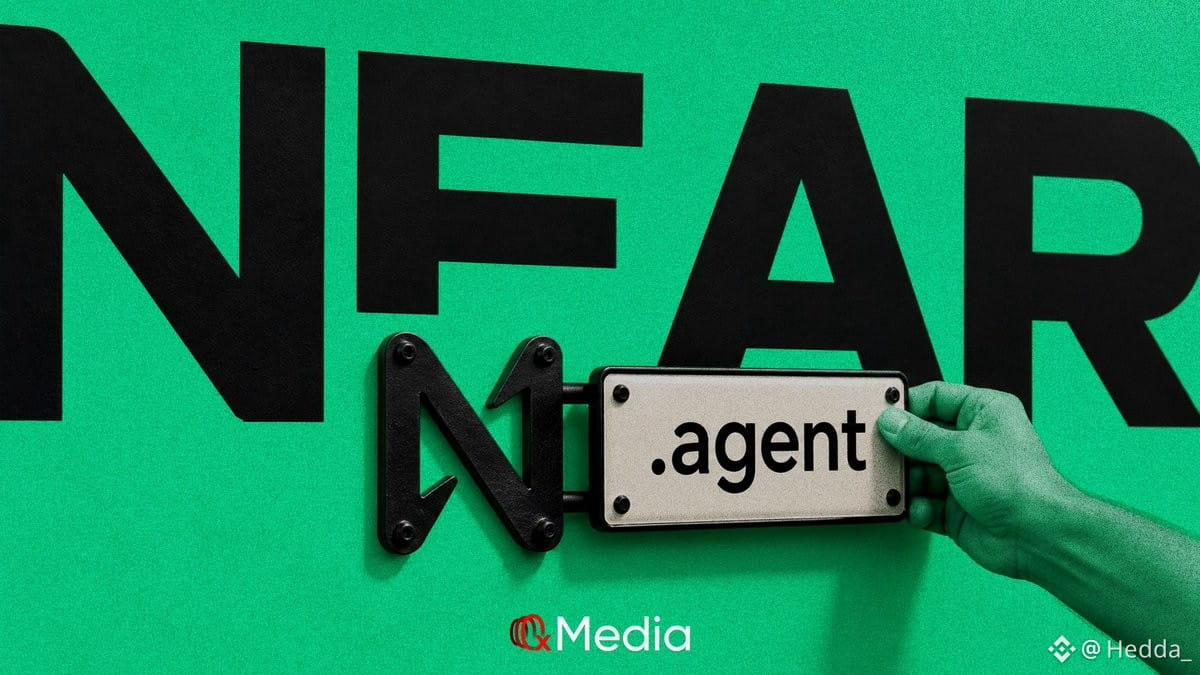
500 top-tier account namespaces are now open, and NEAR Accounts has officially entered a new era! This means that future users with $NEAR will no longer be limited to the .near suffix and can choose more personalized top-level suffixes, such as .agent, to create a unique on-chain identity. This undoubtedly opens up more possibilities for projects, communities, and AI agents.
It’s also worth noting that this update introduces an Account Recovery feature. Users can set up to 5 different ways to recover their accounts, which is an important security upgrade in the crypto world. Combined with $NEAR ’s multi-Access Key design, users’ account security and convenience are further enhanced.
With these changes, NEAR’s user experience is moving closer to a mature internet account system. Do you think other blockchain platforms will follow this kind of account innovation?
#加密货币 #regulatory updates
500 top-tier account namespaces are now open, and NEAR Accounts has officially entered a new era! This means that future users with $NEAR will no longer be limited to the .near suffix and can choose more personalized top-level suffixes, such as .agent, to create a unique on-chain identity. This undoubtedly opens up more possibilities for projects, communities, and AI agents.
It’s also worth noting that this update introduces an Account Recovery feature. Users can set up to 5 different ways to recover their accounts, which is an important security upgrade in the crypto world. Combined with $NEAR ’s multi-Access Key design, users’ account security and convenience are further enhanced.
With these changes, NEAR’s user experience is moving closer to a mature internet account system. Do you think other blockchain platforms will follow this kind of account innovation?
#加密货币 #regulatory updates
It’s also worth noting that this update introduces an Account Recovery feature. Users can set up to 5 different ways to recover their accounts, which is an important security upgrade in the crypto world. Combined with $NEAR ’s multi-Access Key design, users’ account security and convenience are further enhanced.
With these changes, NEAR’s user experience is moving closer to a mature internet account system. Do you think other blockchain platforms will follow this kind of account innovation?
#加密货币 #regulatory updates
1
352
·
--
Can you borrow without selling coins? Hyperliquid’s new feature lets you do it!
Hyperliquid has launched a manual borrowing and lending feature, allowing you to use $HYPE and $BTC as collateral to borrow USDC or USDT without selling your spot holdings. As of now, the borrowing volume has reached approximately $269 million.
This feature is shared with the Portfolio Margin system, meaning users can enjoy more flexibility on the same platform. Interest rates are dynamically adjusted based on the utilization rate of the funding pool, which is undoubtedly great news for users who want to unlock liquidity.
Worth noting is that this not only gives investors more options, but may also change the flow of capital in the market. So, what kind of impact will this new mechanism have on the liquidity of $HYPE and $BTC ?
#加密货币 #Macro economy
Can you borrow without selling coins? Hyperliquid’s new feature lets you do it!
Hyperliquid has launched a manual borrowing and lending feature, allowing you to use $HYPE and $BTC as collateral to borrow USDC or USDT without selling your spot holdings. As of now, the borrowing volume has reached approximately $269 million.
This feature is shared with the Portfolio Margin system, meaning users can enjoy more flexibility on the same platform. Interest rates are dynamically adjusted based on the utilization rate of the funding pool, which is undoubtedly great news for users who want to unlock liquidity.
Worth noting is that this not only gives investors more options, but may also change the flow of capital in the market. So, what kind of impact will this new mechanism have on the liquidity of $HYPE and $BTC ?
#加密货币 #Macro economy
Hyperliquid has launched a manual borrowing and lending feature, allowing you to use $HYPE and $BTC as collateral to borrow USDC or USDT without selling your spot holdings. As of now, the borrowing volume has reached approximately $269 million.
This feature is shared with the Portfolio Margin system, meaning users can enjoy more flexibility on the same platform. Interest rates are dynamically adjusted based on the utilization rate of the funding pool, which is undoubtedly great news for users who want to unlock liquidity.
Worth noting is that this not only gives investors more options, but may also change the flow of capital in the market. So, what kind of impact will this new mechanism have on the liquidity of $HYPE and $BTC ?
#加密货币 #Macro economy

310
·
--
Verified
Do you know the latest privacy features of the NEAR Protocol?
NEAR Protocol has now partnered with Hyperliquid to launch confidential perpetual contract trading, covering more than 50 markets, with maximum leverage up to 40x. The key to this upgrade is enhancing privacy through $NEAR Intents, reducing the risk that a user’s identity and deposit addresses are directly linked.
This privacy enhancement is especially important for traders with large wallets: in the past, their strategies were easy to track on public chains, which could lead to them being copied or targeted. NEAR’s new feature is expected to reduce this risk, while also leveraging Hyperliquid’s deep liquidity to provide safer on-chain settlement.
Will the combination of privacy and liquidity become the new standard for crypto trading in the future?
#加密货币 #Regulatory Updates
Do you know the latest privacy features of the NEAR Protocol?
NEAR Protocol has now partnered with Hyperliquid to launch confidential perpetual contract trading, covering more than 50 markets, with maximum leverage up to 40x. The key to this upgrade is enhancing privacy through $NEAR Intents, reducing the risk that a user’s identity and deposit addresses are directly linked.
This privacy enhancement is especially important for traders with large wallets: in the past, their strategies were easy to track on public chains, which could lead to them being copied or targeted. NEAR’s new feature is expected to reduce this risk, while also leveraging Hyperliquid’s deep liquidity to provide safer on-chain settlement.
Will the combination of privacy and liquidity become the new standard for crypto trading in the future?
#加密货币 #Regulatory Updates
NEAR Protocol has now partnered with Hyperliquid to launch confidential perpetual contract trading, covering more than 50 markets, with maximum leverage up to 40x. The key to this upgrade is enhancing privacy through $NEAR Intents, reducing the risk that a user’s identity and deposit addresses are directly linked.
This privacy enhancement is especially important for traders with large wallets: in the past, their strategies were easy to track on public chains, which could lead to them being copied or targeted. NEAR’s new feature is expected to reduce this risk, while also leveraging Hyperliquid’s deep liquidity to provide safer on-chain settlement.
Will the combination of privacy and liquidity become the new standard for crypto trading in the future?
#加密货币 #Regulatory Updates
1.4k
·
--
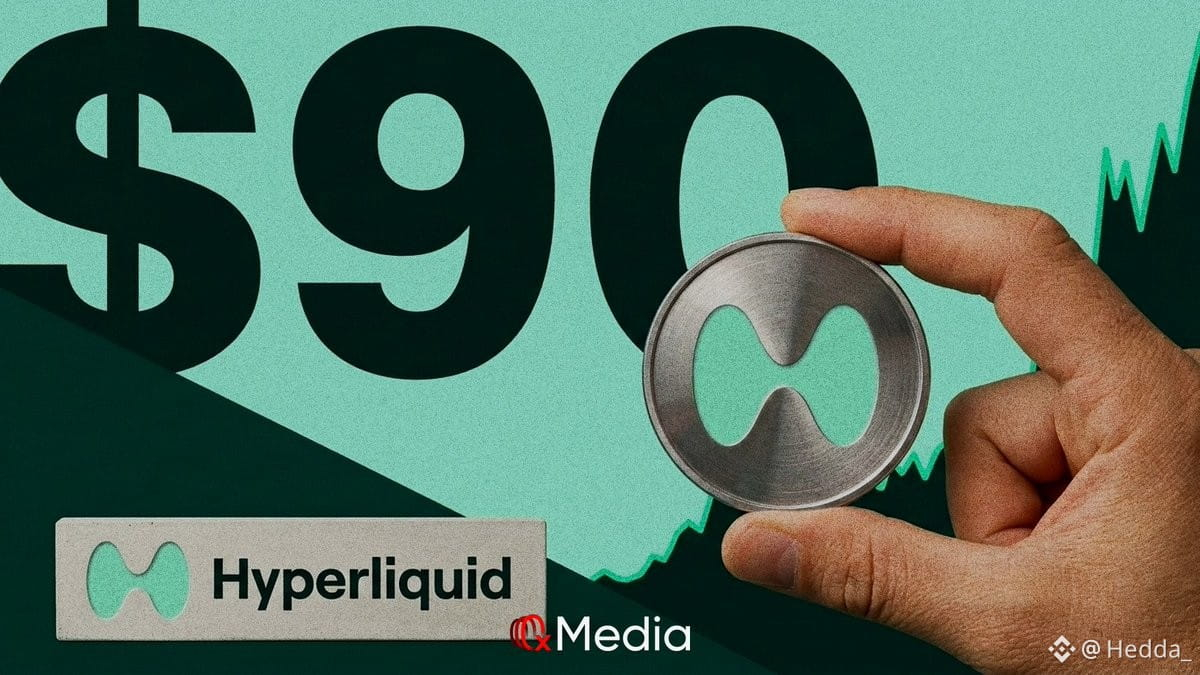
$$HYPE breaks through $90! This crypto asset has refreshed its all-time high again, with a near-10% gain in a single day, becoming one of the strongest large-cap assets in the past two years.
Climbing from single digits, the success of $$HYPE is inseparable from the strong support of @HyperliquidX. They have been continuously converting real trading revenues into buy pressure for $$HYPE . To date, protocol revenue has accumulated to about $1.262 billion, and perpetual contract trading volume has also reached $240.2 billion—solid, hard data that supports the value of $$HYPE .
In addition, the Assistance Fund has been steadily accumulating and burning $HYPE, with holdings now exceeding $4 billion. Worth noting is that AQAv2 has begun to accrue, and the first round of funds is set to enter the Assistance Fund in early October. This could bring even more potential buying for $$HYPE .
With such strong performance, can $$HYPE continue to push toward even higher prices?
#加密货币 #macroeconomics
$$HYPE breaks through $90! This crypto asset has refreshed its all-time high again, with a near-10% gain in a single day, becoming one of the strongest large-cap assets in the past two years.
Climbing from single digits, the success of $$HYPE is inseparable from the strong support of @HyperliquidX. They have been continuously converting real trading revenues into buy pressure for $$HYPE . To date, protocol revenue has accumulated to about $1.262 billion, and perpetual contract trading volume has also reached $240.2 billion—solid, hard data that supports the value of $$HYPE .
In addition, the Assistance Fund has been steadily accumulating and burning $HYPE , with holdings now exceeding $4 billion. Worth noting is that AQAv2 has begun to accrue, and the first round of funds is set to enter the Assistance Fund in early October. This could bring even more potential buying for $$HYPE .
With such strong performance, can $$HYPE continue to push toward even higher prices?
#加密货币 #macroeconomics
Climbing from single digits, the success of $$HYPE is inseparable from the strong support of @HyperliquidX. They have been continuously converting real trading revenues into buy pressure for $$HYPE . To date, protocol revenue has accumulated to about $1.262 billion, and perpetual contract trading volume has also reached $240.2 billion—solid, hard data that supports the value of $$HYPE .
In addition, the Assistance Fund has been steadily accumulating and burning $HYPE , with holdings now exceeding $4 billion. Worth noting is that AQAv2 has begun to accrue, and the first round of funds is set to enter the Assistance Fund in early October. This could bring even more potential buying for $$HYPE .
With such strong performance, can $$HYPE continue to push toward even higher prices?
#加密货币 #macroeconomics
123
·
--
Why did Uniswap’s $UNI suddenly surge?
After lying dormant for 312 days, $UNI surged past the $9 mark in one swoop, jumping about 26% within 24 hours. Behind this rally is the SEC’s Innovation Exemption. This policy, for the first time, allows tokenized U.S. stocks to be traded via AMM transactions, paving the way for infrastructure like Uniswap.
In addition, Uniswap’s infrastructure is continuously expanding. Launched in July, Permissioned Pools are designed specifically for compliant assets, giving it a significant edge in the tokenized stock market. Meanwhile, growth in protocol trading volume and fees accelerates the burn of $UNI, further enhancing its scarcity.
So, can this policy tailwind continue to push $UNI’s price upward?
#加密货币 #Regulatory Update
Why did Uniswap’s $UNI suddenly surge?
After lying dormant for 312 days, $UNI surged past the $9 mark in one swoop, jumping about 26% within 24 hours. Behind this rally is the SEC’s Innovation Exemption. This policy, for the first time, allows tokenized U.S. stocks to be traded via AMM transactions, paving the way for infrastructure like Uniswap.
In addition, Uniswap’s infrastructure is continuously expanding. Launched in July, Permissioned Pools are designed specifically for compliant assets, giving it a significant edge in the tokenized stock market. Meanwhile, growth in protocol trading volume and fees accelerates the burn of $UNI , further enhancing its scarcity.
So, can this policy tailwind continue to push $UNI ’s price upward?
#加密货币 #Regulatory Update
After lying dormant for 312 days, $UNI surged past the $9 mark in one swoop, jumping about 26% within 24 hours. Behind this rally is the SEC’s Innovation Exemption. This policy, for the first time, allows tokenized U.S. stocks to be traded via AMM transactions, paving the way for infrastructure like Uniswap.
In addition, Uniswap’s infrastructure is continuously expanding. Launched in July, Permissioned Pools are designed specifically for compliant assets, giving it a significant edge in the tokenized stock market. Meanwhile, growth in protocol trading volume and fees accelerates the burn of $UNI , further enhancing its scarcity.
So, can this policy tailwind continue to push $UNI ’s price upward?
#加密货币 #Regulatory Update

1
491
·
--
Verified
Surprising! Quantum-safe asset $QTC actually chose to launch on $NEAR ?
After Quantus was introduced, the quantum-safe asset $QTC leveraged NIST-standardized post-quantum signatures and PoW issuance, with a total supply of only 21 million coins. Why choose NEAR as the launch platform? The key lies in the liquidity solutions provided by NEAR Intents. It can conceal complex cross-chain operations, allowing users to easily swap assets and settle cross-chain transactions.
This choice is not just a technical fit—it’s also a strategic move. NEAR’s Intents have already connected BTC and ZEC, and now it’s adding QTC, as it becomes a hub for cross-chain liquidity. In the future, whoever can integrate more assets and on-chain liquidity may have a better chance to gain an advantage in the blockchain world.
Will the collaboration between Quantus and NEAR become a trendsetter for the quantum era? Share your thoughts in the comments.
#加密货币 #Macroeconomics
Surprising! Quantum-safe asset $QTC actually chose to launch on $NEAR ?
After Quantus was introduced, the quantum-safe asset $QTC leveraged NIST-standardized post-quantum signatures and PoW issuance, with a total supply of only 21 million coins. Why choose NEAR as the launch platform? The key lies in the liquidity solutions provided by NEAR Intents. It can conceal complex cross-chain operations, allowing users to easily swap assets and settle cross-chain transactions.
This choice is not just a technical fit—it’s also a strategic move. NEAR’s Intents have already connected BTC and ZEC, and now it’s adding QTC, as it becomes a hub for cross-chain liquidity. In the future, whoever can integrate more assets and on-chain liquidity may have a better chance to gain an advantage in the blockchain world.
Will the collaboration between Quantus and NEAR become a trendsetter for the quantum era? Share your thoughts in the comments.
#加密货币 #Macroeconomics
After Quantus was introduced, the quantum-safe asset $QTC leveraged NIST-standardized post-quantum signatures and PoW issuance, with a total supply of only 21 million coins. Why choose NEAR as the launch platform? The key lies in the liquidity solutions provided by NEAR Intents. It can conceal complex cross-chain operations, allowing users to easily swap assets and settle cross-chain transactions.
This choice is not just a technical fit—it’s also a strategic move. NEAR’s Intents have already connected BTC and ZEC, and now it’s adding QTC, as it becomes a hub for cross-chain liquidity. In the future, whoever can integrate more assets and on-chain liquidity may have a better chance to gain an advantage in the blockchain world.
Will the collaboration between Quantus and NEAR become a trendsetter for the quantum era? Share your thoughts in the comments.
#加密货币 #Macroeconomics

152
·
--
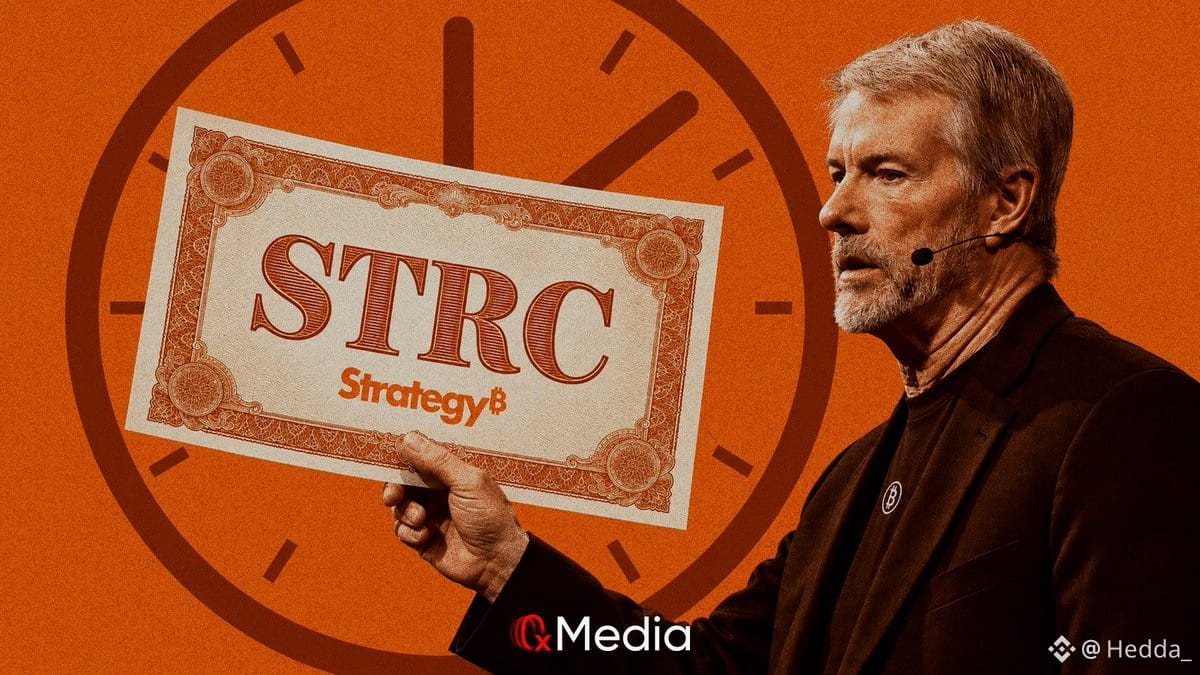
Strategy Company Scores Another Win in the Crypto World: $STRC Enables 24-Hour On-Chain Trading! 💥
Recently, the SEC issued a five-year temporary innovation exemption that allows eligible tokenized securities venues to trade tokenized NMS stock through AMMs. This policy creates new opportunities for companies like Strategy. Michael Saylor immediately announced that $STRC and $MSTR can enable 24-hour on-chain trading at qualified venues.
It’s worth noting that the SEC’s exemption policy raises the importance of issuers to a new level. Issuers must be given written notice and have the right to object before third-party tokenized stock is issued. As the issuer, Strategy faces fewer obstacles in advancing its own securities—this may be why they moved so quickly.
So, will this policy shift prompt more companies to follow suit, and even reshape the trading ecosystem of the crypto market?
#加密货币 #Regulatory Updates
Strategy Company Scores Another Win in the Crypto World: $STRC Enables 24-Hour On-Chain Trading! 💥
Recently, the SEC issued a five-year temporary innovation exemption that allows eligible tokenized securities venues to trade tokenized NMS stock through AMMs. This policy creates new opportunities for companies like Strategy. Michael Saylor immediately announced that $STRC and $MSTR can enable 24-hour on-chain trading at qualified venues.
It’s worth noting that the SEC’s exemption policy raises the importance of issuers to a new level. Issuers must be given written notice and have the right to object before third-party tokenized stock is issued. As the issuer, Strategy faces fewer obstacles in advancing its own securities—this may be why they moved so quickly.
So, will this policy shift prompt more companies to follow suit, and even reshape the trading ecosystem of the crypto market?
#加密货币 #Regulatory Updates
Recently, the SEC issued a five-year temporary innovation exemption that allows eligible tokenized securities venues to trade tokenized NMS stock through AMMs. This policy creates new opportunities for companies like Strategy. Michael Saylor immediately announced that $STRC and $MSTR can enable 24-hour on-chain trading at qualified venues.
It’s worth noting that the SEC’s exemption policy raises the importance of issuers to a new level. Issuers must be given written notice and have the right to object before third-party tokenized stock is issued. As the issuer, Strategy faces fewer obstacles in advancing its own securities—this may be why they moved so quickly.
So, will this policy shift prompt more companies to follow suit, and even reshape the trading ecosystem of the crypto market?
#加密货币 #Regulatory Updates
1
1
878
Log in to explore more content
Join global crypto users on Binance Square
⚡️ Get latest and useful information about crypto.
💬 Trusted by the world’s largest crypto exchange.
👍 Discover real insights from verified creators.
Email / Phone number
Trending Topics
QNTRises39%
16,864 views
765 Discussing
🚨 QNT IS SURGING! 📈
$QNT is making a huge move today, climbing nearly 40% as buying pressure accelerates.
The rally has put Quant firmly back in the spotlight, with traders watching to see whether this momentum can continue or if a pullback comes next.
🔥 Key things to watch:
• Strong trading volume
• Momentum above recent highs
• The $100 psychological level
• Whether buyers can maintain control
Big moves bring big volatility. Stay alert and manage risk.
Are you watching $QNT? 👀
#QNT #altcoins #CryptoNews
#qntrises39% $QNT
The07
·4 Likes
·3k views
EthereumBreaksAbove$2700
1,777 views
82 Discussing
BitgetBreachForgedRequestsNotStolenKeys
14,953 views
614 Discussing