

_Ram
3.4k Posts

_Ram
 Square Verified+
Report
Block User
Follow me if you want knowledge ✨ More you learn, more you earn 🧠=💵

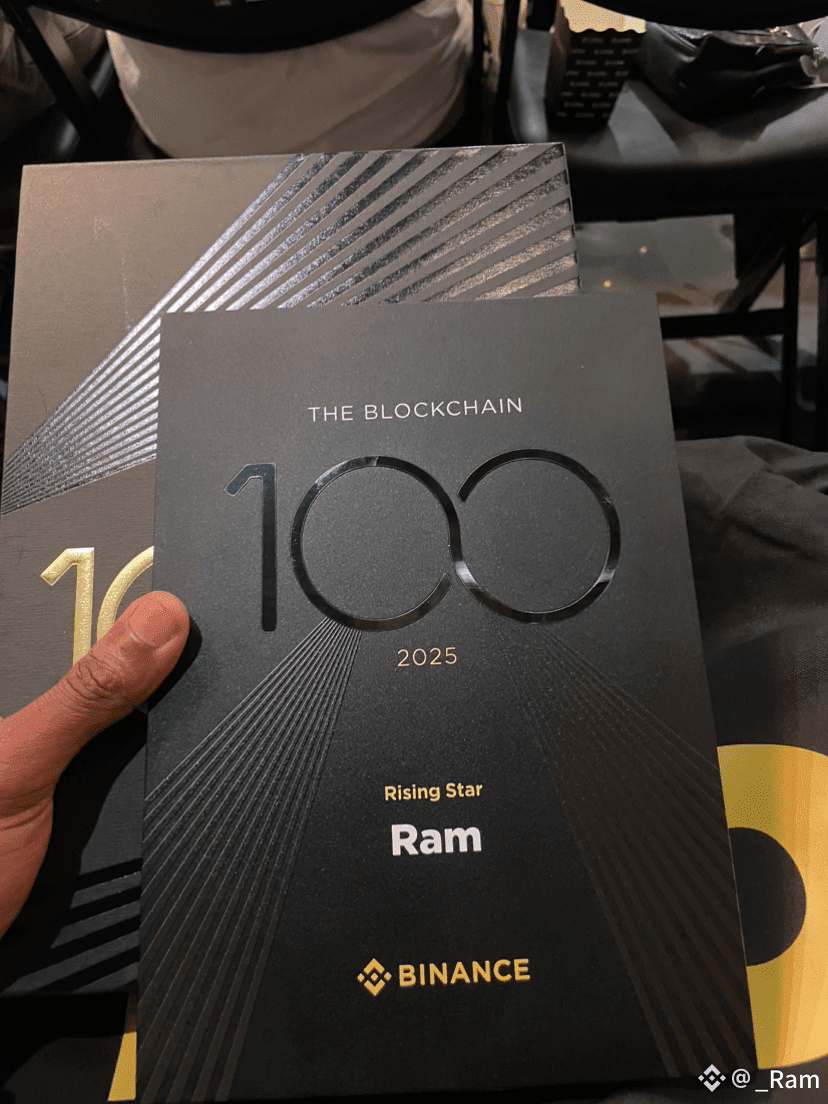
2025 Blockchain 100 — Rising Star

Content Master Angel

Binance Square Angels
193 Following
41.7K+ Followers
32.0K+ Liked
4 Badges
Posts
All
Quotes
Videos
Live
PINNED
·
--
Thank you #Binance and thank you to everyone who supported my journey.
I came to Square with nothing but passion and the desire to help others. This award shows that no matter where you start, your voice can shine if you share with purpose and honesty. I’m very grateful for this platform and for this community 🧡🧡🧡
#BinanceBlockchainWeek
Thank you #Binance and thank you to everyone who supported my journey.
I came to Square with nothing but passion and the desire to help others. This award shows that no matter where you start, your voice can shine if you share with purpose and honesty. I’m very grateful for this platform and for this community 🧡🧡🧡
#BinanceBlockchainWeek
I came to Square with nothing but passion and the desire to help others. This award shows that no matter where you start, your voice can shine if you share with purpose and honesty. I’m very grateful for this platform and for this community 🧡🧡🧡
#BinanceBlockchainWeek

83
13
303
7k
·
--
Since the TL is drowning in Uptober hopium, is $MOVR already sending or what?
{spot}(MOVRUSDT)
Since the TL is drowning in Uptober hopium, is $MOVR already sending or what?
3
390
·
--
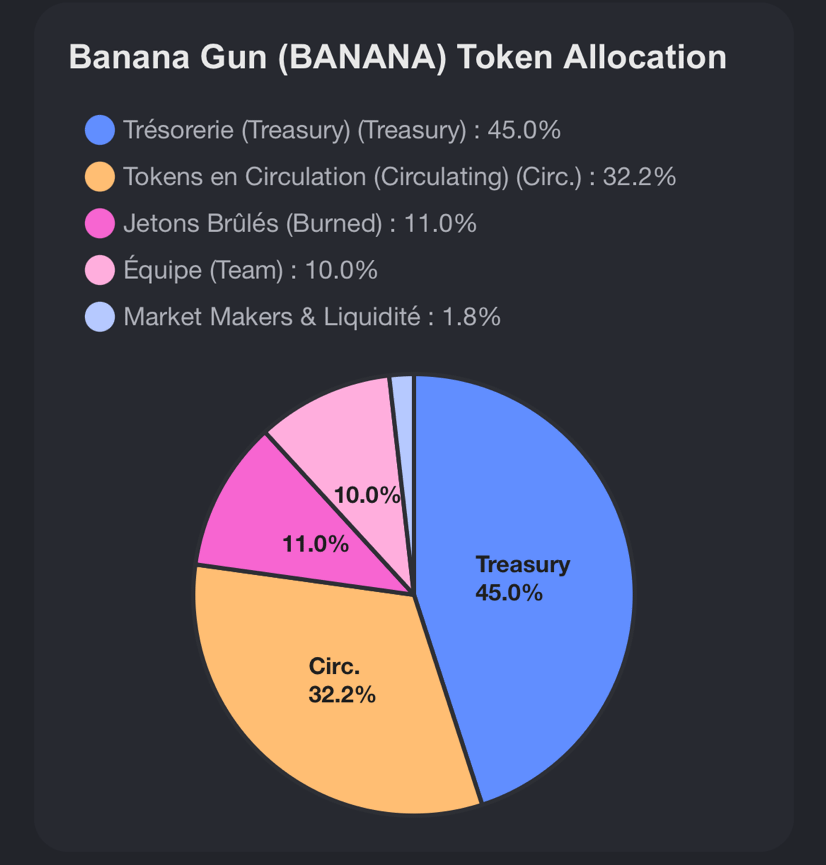
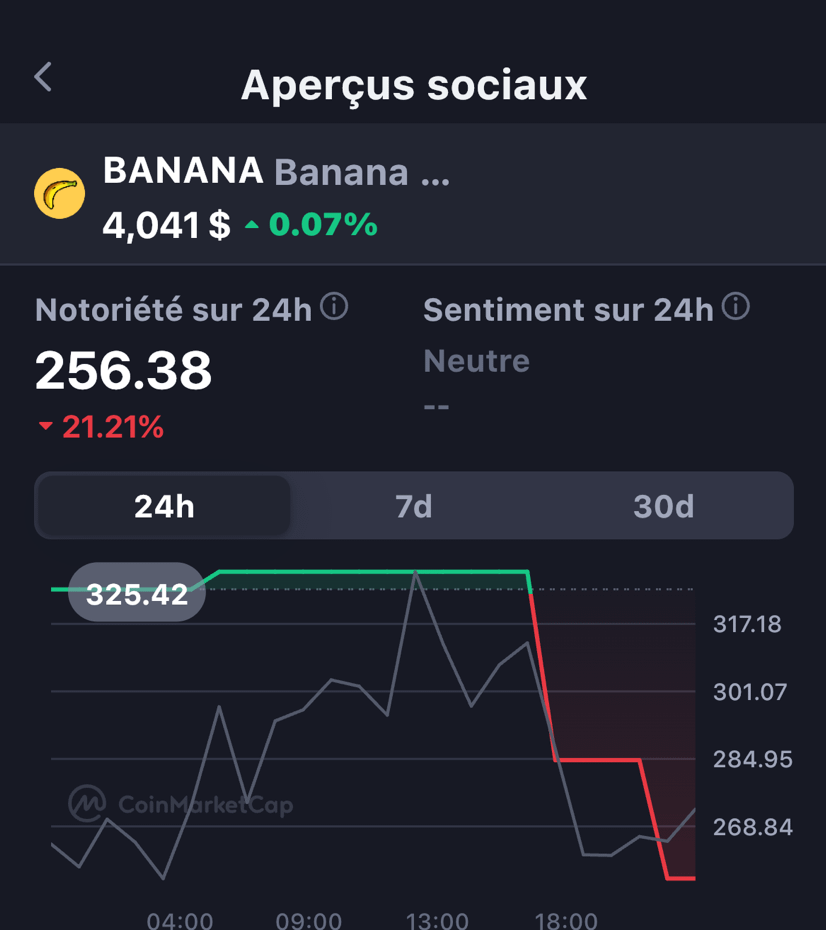
honestly what make you, you so bullish $BANANA gun ?
I’ve been getting it mentioned several times in comments
So a take a look at it !
And to he honest, i think the tokenomics is quite interesting. The only ‘but’ in it there is that it’s kinda all tied back to the volume realized by the bot.
In on line, the more the bot is used to trade, the more likely the token’s gonna pump.
NFA, btw!
honestly what make you, you so bullish $BANANA gun ?
I’ve been getting it mentioned several times in comments
So a take a look at it !
And to he honest, i think the tokenomics is quite interesting. The only ‘but’ in it there is that it’s kinda all tied back to the volume realized by the bot.
In on line, the more the bot is used to trade, the more likely the token’s gonna pump.
NFA, btw!
I’ve been getting it mentioned several times in comments
So a take a look at it !
And to he honest, i think the tokenomics is quite interesting. The only ‘but’ in it there is that it’s kinda all tied back to the volume realized by the bot.
In on line, the more the bot is used to trade, the more likely the token’s gonna pump.
NFA, btw!
5
9
1.5k
·
--
Bullish
One of the best ways to find a good tokens now is to look at these three things.
first, the less it gets diluted, the more likely it is to do well.
You know, just try to keep it simple.
Were they active? Especially during the bear market ?
were they still shipping, developing, improving the product, and actually doing something while the market was down?
third, look at the community sentiment around the project
what are people saying about the project?
are people still interested in it?
Is there still a community around it?
putting together can give very interesting gems that’s gonna do well during the bull run
$BNB
One of the best ways to find a good tokens now is to look at these three things.
first, the less it gets diluted, the more likely it is to do well.
You know, just try to keep it simple.
Were they active? Especially during the bear market ?
were they still shipping, developing, improving the product, and actually doing something while the market was down?
third, look at the community sentiment around the project
what are people saying about the project?
are people still interested in it?
Is there still a community around it?
putting together can give very interesting gems that’s gonna do well during the bull run
$BNB
first, the less it gets diluted, the more likely it is to do well.
You know, just try to keep it simple.
Were they active? Especially during the bear market ?
were they still shipping, developing, improving the product, and actually doing something while the market was down?
third, look at the community sentiment around the project
what are people saying about the project?
are people still interested in it?
Is there still a community around it?
putting together can give very interesting gems that’s gonna do well during the bull run
$BNB
5
12
2.9k
·
--
$BTW did x10 over the past 60 days, si literally two months
Unlike some coordinated similar moves, the contract actually looks pretty
the only one risk in tge dyor hub is about the volatility, so why stay very careful like it’s gonna dump ?
First, there wasn’t really any event behind the move to say it’s an organic fomo like QNT.
Second, i checked one bubblemaps and found that a groupenof linked wallets, usually called “Cluster” control over 500M BTW , which is huge when you know there is only ~2.8B into circulation including the liquidity pools and exchanges.
And it’s not finished, haha. Datas from cmc are mentionning a 101.62M BTW unlocks on October 2, so in two days.
So there are the reasons!
$BTW did x10 over the past 60 days, si literally two months
Unlike some coordinated similar moves, the contract actually looks pretty
the only one risk in tge dyor hub is about the volatility, so why stay very careful like it’s gonna dump ?
First, there wasn’t really any event behind the move to say it’s an organic fomo like QNT.
Second, i checked one bubblemaps and found that a groupenof linked wallets, usually called “Cluster” control over 500M BTW , which is huge when you know there is only ~2.8B into circulation including the liquidity pools and exchanges.
And it’s not finished, haha. Datas from cmc are mentionning a 101.62M BTW unlocks on October 2, so in two days.
So there are the reasons!
Unlike some coordinated similar moves, the contract actually looks pretty
the only one risk in tge dyor hub is about the volatility, so why stay very careful like it’s gonna dump ?
First, there wasn’t really any event behind the move to say it’s an organic fomo like QNT.
Second, i checked one bubblemaps and found that a groupenof linked wallets, usually called “Cluster” control over 500M BTW , which is huge when you know there is only ~2.8B into circulation including the liquidity pools and exchanges.
And it’s not finished, haha. Datas from cmc are mentionning a 101.62M BTW unlocks on October 2, so in two days.
So there are the reasons!
13
5
32
34.2k
·
--
Holding $BTC 4K USDT
Do you know the easiest way to miss huge profits on ur own conviction bag ?
It is paying too much attention to those micro moves from the price
they’re called ‘Noise’ in market analysi. Noise.
panicking after every single dip make you panick sell and once the price starts pumping back, you buy back. again and again… till you realize you are actually airdropping your capital to the market
Blue chips coins down little (less than -2% on btc for now), then what ?
have you ever seen in $BTC price history somewhere it went in daily straight line from a bear market bottom direct to Ath?
Then what happens?
Do you know the easiest way to miss huge profits on ur own conviction bag ?
It is paying too much attention to those micro moves from the price
they’re called ‘Noise’ in market analysi. Noise.
panicking after every single dip make you panick sell and once the price starts pumping back, you buy back. again and again… till you realize you are actually airdropping your capital to the market
Blue chips coins down little (less than -2% on btc for now), then what ?
have you ever seen in $BTC price history somewhere it went in daily straight line from a bear market bottom direct to Ath?
Then what happens?
It is paying too much attention to those micro moves from the price
they’re called ‘Noise’ in market analysi. Noise.
panicking after every single dip make you panick sell and once the price starts pumping back, you buy back. again and again… till you realize you are actually airdropping your capital to the market
Blue chips coins down little (less than -2% on btc for now), then what ?
have you ever seen in $BTC price history somewhere it went in daily straight line from a bear market bottom direct to Ath?
Then what happens?
3
8
891

·
--
Holding $SUI 1.7K USDT
I came across some claim on the timeline saying that $SUI has 10B supply and they’re kinda discussing it
read between lines…
yes, it does! But how do the tokenomics handle/ manage it ?
According to the unlock schedule, the total supply can’t exceed 4.79B before january 2030 and 4.03B is already into the circulation.
So less than quarter to be added during the next 3-4 yrs which is quite good if you want to hold for the bull run
That supply only interest you if you’re holding for >4 years
I think i’ve heard that the foundation do some buy backs, but for long term holding, dyor
I came across some claim on the timeline saying that $SUI has 10B supply and they’re kinda discussing it
read between lines…
yes, it does! But how do the tokenomics handle/ manage it ?
According to the unlock schedule, the total supply can’t exceed 4.79B before january 2030 and 4.03B is already into the circulation.
So less than quarter to be added during the next 3-4 yrs which is quite good if you want to hold for the bull run
That supply only interest you if you’re holding for >4 years
I think i’ve heard that the foundation do some buy backs, but for long term holding, dyor
read between lines…
yes, it does! But how do the tokenomics handle/ manage it ?
According to the unlock schedule, the total supply can’t exceed 4.79B before january 2030 and 4.03B is already into the circulation.
So less than quarter to be added during the next 3-4 yrs which is quite good if you want to hold for the bull run
That supply only interest you if you’re holding for >4 years
I think i’ve heard that the foundation do some buy backs, but for long term holding, dyor
23
5
63
83.4k
·
--
Time to short $QNT ?
It’s probably an organic fomo, so, seamless dump i guess
{future}(QNTUSDT)
Time to short $QNT ?
It’s probably an organic fomo, so, seamless dump i guess
It’s probably an organic fomo, so, seamless dump i guess
12
16
1.9k
·
--
Verified
$QNT did more than 300 % this week and has been in lots of discussion throughout the week, I dig it a bit and found that :
they’re building let say real world asset infra.
The basic idea is that commercial bank deposits can be represented as tokens and moved across blockchain-based infrastructure.
So you can now move ur account balance onchain, instead of swift.
they have been used recently by seven major UK banks in a project and the Clearing House owned by 25 major US banks which settle more than $2 trillion per day select them to connect its new on-chain money network.
So yes, the project itself is definitely interesting, but there, is not the point, since it’s not about stocks. It’s about token.
From what I initially heard, one of the main mechanisms is that software licenses can be paid in QNT.
great, but are banks actually required to use QNT? FAQ says No.
if a bank can pay the software fees in fiat, then why would it necessarily need to buy a token first?
more details to come…
$QNT did more than 300 % this week and has been in lots of discussion throughout the week, I dig it a bit and found that :
they’re building let say real world asset infra.
The basic idea is that commercial bank deposits can be represented as tokens and moved across blockchain-based infrastructure.
So you can now move ur account balance onchain, instead of swift.
they have been used recently by seven major UK banks in a project and the Clearing House owned by 25 major US banks which settle more than $2 trillion per day select them to connect its new on-chain money network.
So yes, the project itself is definitely interesting, but there, is not the point, since it’s not about stocks. It’s about token.
From what I initially heard, one of the main mechanisms is that software licenses can be paid in QNT.
great, but are banks actually required to use QNT? FAQ says No.
if a bank can pay the software fees in fiat, then why would it necessarily need to buy a token first?
more details to come…
they’re building let say real world asset infra.
The basic idea is that commercial bank deposits can be represented as tokens and moved across blockchain-based infrastructure.
So you can now move ur account balance onchain, instead of swift.
they have been used recently by seven major UK banks in a project and the Clearing House owned by 25 major US banks which settle more than $2 trillion per day select them to connect its new on-chain money network.
So yes, the project itself is definitely interesting, but there, is not the point, since it’s not about stocks. It’s about token.
From what I initially heard, one of the main mechanisms is that software licenses can be paid in QNT.
great, but are banks actually required to use QNT? FAQ says No.
if a bank can pay the software fees in fiat, then why would it necessarily need to buy a token first?
more details to come…
8
1
30
30.6k
·
--
Another mistake you can make during this bull run is spreading your capital too thin, across thousands of tokens hoping that at least one of them will eventually explode and do a 100x.
You don’t need it !
You only need to focus, properly analyze a certain number of tokens, and simply choose a small number of them that convince you the most.
That’s much better than spreading your capital across 30, 50, or even 100+ cryptocurrencies.
even if you’re right and you actually find that one 100x, do you really think one 100x is going to save the other 99 tokens that did -50%, -80%, -90%, or worse?
$BNB
Another mistake you can make during this bull run is spreading your capital too thin, across thousands of tokens hoping that at least one of them will eventually explode and do a 100x.
You don’t need it !
You only need to focus, properly analyze a certain number of tokens, and simply choose a small number of them that convince you the most.
That’s much better than spreading your capital across 30, 50, or even 100+ cryptocurrencies.
even if you’re right and you actually find that one 100x, do you really think one 100x is going to save the other 99 tokens that did -50%, -80%, -90%, or worse?
$BNB
You don’t need it !
You only need to focus, properly analyze a certain number of tokens, and simply choose a small number of them that convince you the most.
That’s much better than spreading your capital across 30, 50, or even 100+ cryptocurrencies.
even if you’re right and you actually find that one 100x, do you really think one 100x is going to save the other 99 tokens that did -50%, -80%, -90%, or worse?
$BNB
46
19
137
166.6k
·
--
Verified
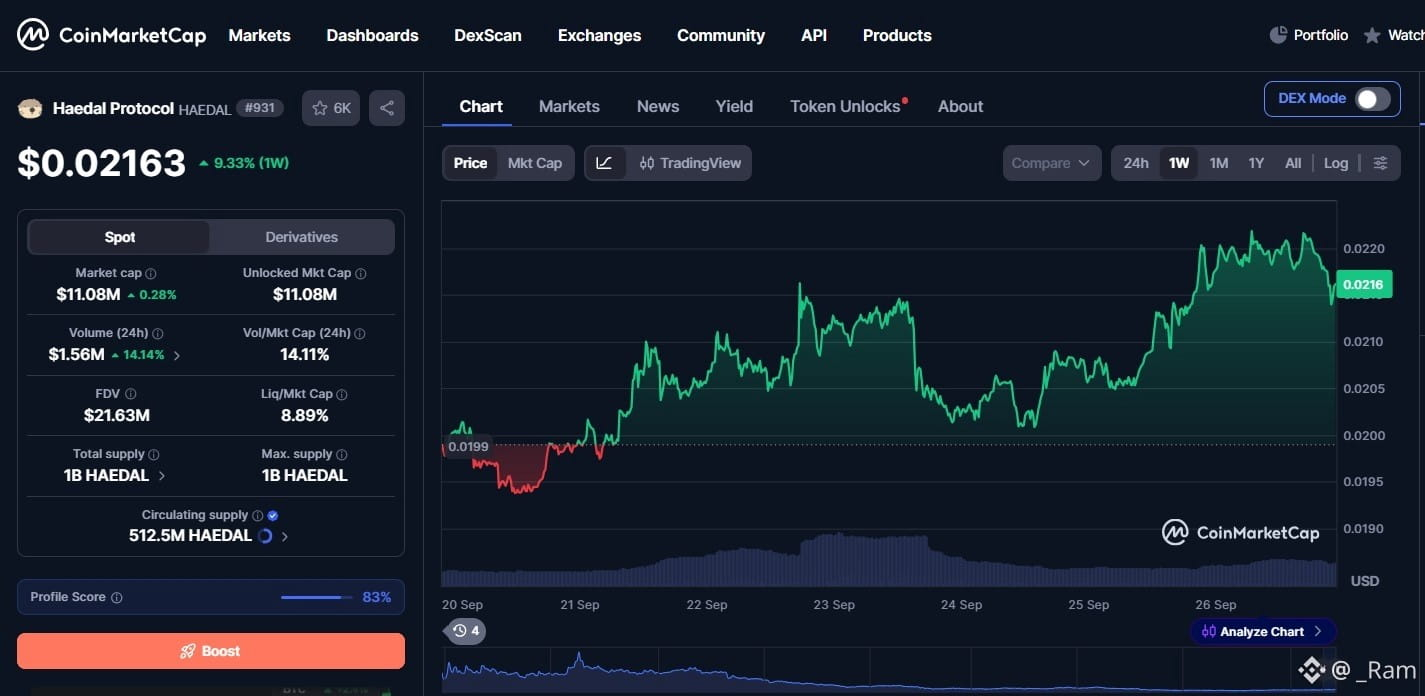
$HAEDAL recorded nearly +10% this week, with the large part happened from September 24, just two days after the new Lending Vault launch
Worth mentioning the the way that vault's usdc limit get filled quickly. It was moved at least three times already. And te concept of the vault is actually very cool. If you lend your capital in DeFi on Sui, you'll definitely want to subscribe. The base offer 5% base + 10% in Haedal tokens, you see ?
$HAEDAL recorded nearly +10% this week, with the large part happened from September 24, just two days after the new Lending Vault launch
Worth mentioning the the way that vault's usdc limit get filled quickly. It was moved at least three times already. And te concept of the vault is actually very cool. If you lend your capital in DeFi on Sui, you'll definitely want to subscribe. The base offer 5% base + 10% in Haedal tokens, you see ?
Worth mentioning the the way that vault's usdc limit get filled quickly. It was moved at least three times already. And te concept of the vault is actually very cool. If you lend your capital in DeFi on Sui, you'll definitely want to subscribe. The base offer 5% base + 10% in Haedal tokens, you see ?
7
1
14
3.1k
·
--
Holding $BTC 4.1K USDT
$BTC will definitely hit $1M , very soon…
I believe, yes!
Only one supercycle is enough to get it there
CZ hinted it alot (the supercycle) but dunno when it’s gonna happen
Once in, $1M in one single cycle is doable!
It’s just x10 from 100k 😂
Bitcoin is big but it’s doable
maybe in two cycles if the 4 years one continue, but anyway , it gets matured every cycle
Just don’t panic sell and buy it now if you haven’t already! Even if, dca
Disclaimer : it’s my personal opinion and the post is in ‘bullish’ vibe.
$BTC will definitely hit $1M , very soon…
I believe, yes!
Only one supercycle is enough to get it there
CZ hinted it alot (the supercycle) but dunno when it’s gonna happen
Once in, $1M in one single cycle is doable!
It’s just x10 from 100k 😂
Bitcoin is big but it’s doable
maybe in two cycles if the 4 years one continue, but anyway , it gets matured every cycle
Just don’t panic sell and buy it now if you haven’t already! Even if, dca
Disclaimer : it’s my personal opinion and the post is in ‘bullish’ vibe.
I believe, yes!
Only one supercycle is enough to get it there
CZ hinted it alot (the supercycle) but dunno when it’s gonna happen
Once in, $1M in one single cycle is doable!
It’s just x10 from 100k 😂
Bitcoin is big but it’s doable
maybe in two cycles if the 4 years one continue, but anyway , it gets matured every cycle
Just don’t panic sell and buy it now if you haven’t already! Even if, dca
Disclaimer : it’s my personal opinion and the post is in ‘bullish’ vibe.
32
17
103
90.4k
·
--
I’ve bought some bucks of Solana today
Like i said, its bull run seems to have structurally confirmed
that’s with interesting probability
besides that, it’s also a blue chips so will probably be following the global market
which is, if a blue chip coins hasn’t confirmed it’s bull market structurallly yet, it’ll probably follow the broader market and confirm it on the way
So, the theory is expecting $SOL to largely pumps than dumps. that’s it !
I’ve bought some bucks of Solana today
Like i said, its bull run seems to have structurally confirmed
that’s with interesting probability
besides that, it’s also a blue chips so will probably be following the global market
which is, if a blue chip coins hasn’t confirmed it’s bull market structurallly yet, it’ll probably follow the broader market and confirm it on the way
So, the theory is expecting $SOL to largely pumps than dumps. that’s it !
Like i said, its bull run seems to have structurally confirmed
that’s with interesting probability
besides that, it’s also a blue chips so will probably be following the global market
which is, if a blue chip coins hasn’t confirmed it’s bull market structurallly yet, it’ll probably follow the broader market and confirm it on the way
So, the theory is expecting $SOL to largely pumps than dumps. that’s it !
8
20
6.4k
·
--
Holding $SOL 506.7 USDT
One of the biggest mistakes you can make in this bull run is passing through the entire cycle and still ending up losing money just because you wanted to earn more.
And that’s very possible if you keep doing leverage trading without risk management.
the fact about a bull run is that price will potentially go from a local bottom to a new all time high for blue-chip coins
For example, if you invested $100 in $SUI now at $1 and it go to $5, your $100 would become $500, that’s $400 in profit already.
But if you go into the futures or leveraged market, where you’re essentially borrowing capital to trade, you now have another problem:
how do you predict the price variation and volatility before the price actually takes off?
you could be liquidated before the price makes the move.
So before using leverage, think about it and manage your risk.
$SOL
One of the biggest mistakes you can make in this bull run is passing through the entire cycle and still ending up losing money just because you wanted to earn more.
And that’s very possible if you keep doing leverage trading without risk management.
the fact about a bull run is that price will potentially go from a local bottom to a new all time high for blue-chip coins
For example, if you invested $100 in $SUI now at $1 and it go to $5, your $100 would become $500, that’s $400 in profit already.
But if you go into the futures or leveraged market, where you’re essentially borrowing capital to trade, you now have another problem:
how do you predict the price variation and volatility before the price actually takes off?
you could be liquidated before the price makes the move.
So before using leverage, think about it and manage your risk.
$SOL
And that’s very possible if you keep doing leverage trading without risk management.
the fact about a bull run is that price will potentially go from a local bottom to a new all time high for blue-chip coins
For example, if you invested $100 in $SUI now at $1 and it go to $5, your $100 would become $500, that’s $400 in profit already.
But if you go into the futures or leveraged market, where you’re essentially borrowing capital to trade, you now have another problem:
how do you predict the price variation and volatility before the price actually takes off?
you could be liquidated before the price makes the move.
So before using leverage, think about it and manage your risk.
$SOL
106
43
306
360.1k
·
--
Have you got the news ?
It has been announced : a major exchange got hacked $350M
I heard it was flash tokens’s stuffs : fake tokens where deposited to withdraw reals, related to $USDT $ETH … , but not sure
The CEO is suspecting the North Korea group : LAZARUS
So far, more than$2B has been hacked in 2026
Actually, dunno if it’s already the total amount but i don’t think it will have effect on the price
Have you got the news ?
It has been announced : a major exchange got hacked $350M
I heard it was flash tokens’s stuffs : fake tokens where deposited to withdraw reals, related to $USDT $ETH … , but not sure
The CEO is suspecting the North Korea group : LAZARUS
So far, more than$2B has been hacked in 2026
Actually, dunno if it’s already the total amount but i don’t think it will have effect on the price
It has been announced : a major exchange got hacked $350M
I heard it was flash tokens’s stuffs : fake tokens where deposited to withdraw reals, related to $USDT $ETH … , but not sure
The CEO is suspecting the North Korea group : LAZARUS
So far, more than$2B has been hacked in 2026
Actually, dunno if it’s already the total amount but i don’t think it will have effect on the price


7
1
13
7.2k
·
--
$BR is gonna skyrocket very soon to liquidate that short you’re cherishing
yeah… that’s a theory/ assumption but here are some reasons why it’s very credible :
It has been consolidating with little price down for 4 days now and you may be tempted to anticipate a dip, but ask urself : why do they will want you to know they’re are gonna dump ? Unless it’s a trap, I don’t think they’ve advantage letting you. If it was a sharp dump, yeah it may be rug. But that one, pfff
To exit liquidity, they try to dump when you’re not probably expecting it, that’s how they rug. And again, It’s still a theory
$BR is gonna skyrocket very soon to liquidate that short you’re cherishing
yeah… that’s a theory/ assumption but here are some reasons why it’s very credible :
It has been consolidating with little price down for 4 days now and you may be tempted to anticipate a dip, but ask urself : why do they will want you to know they’re are gonna dump ? Unless it’s a trap, I don’t think they’ve advantage letting you. If it was a sharp dump, yeah it may be rug. But that one, pfff
To exit liquidity, they try to dump when you’re not probably expecting it, that’s how they rug. And again, It’s still a theory
yeah… that’s a theory/ assumption but here are some reasons why it’s very credible :
It has been consolidating with little price down for 4 days now and you may be tempted to anticipate a dip, but ask urself : why do they will want you to know they’re are gonna dump ? Unless it’s a trap, I don’t think they’ve advantage letting you. If it was a sharp dump, yeah it may be rug. But that one, pfff
To exit liquidity, they try to dump when you’re not probably expecting it, that’s how they rug. And again, It’s still a theory
26
5
42
37.9k
·
--
Verified
Holding $USDC 562.7 USDT
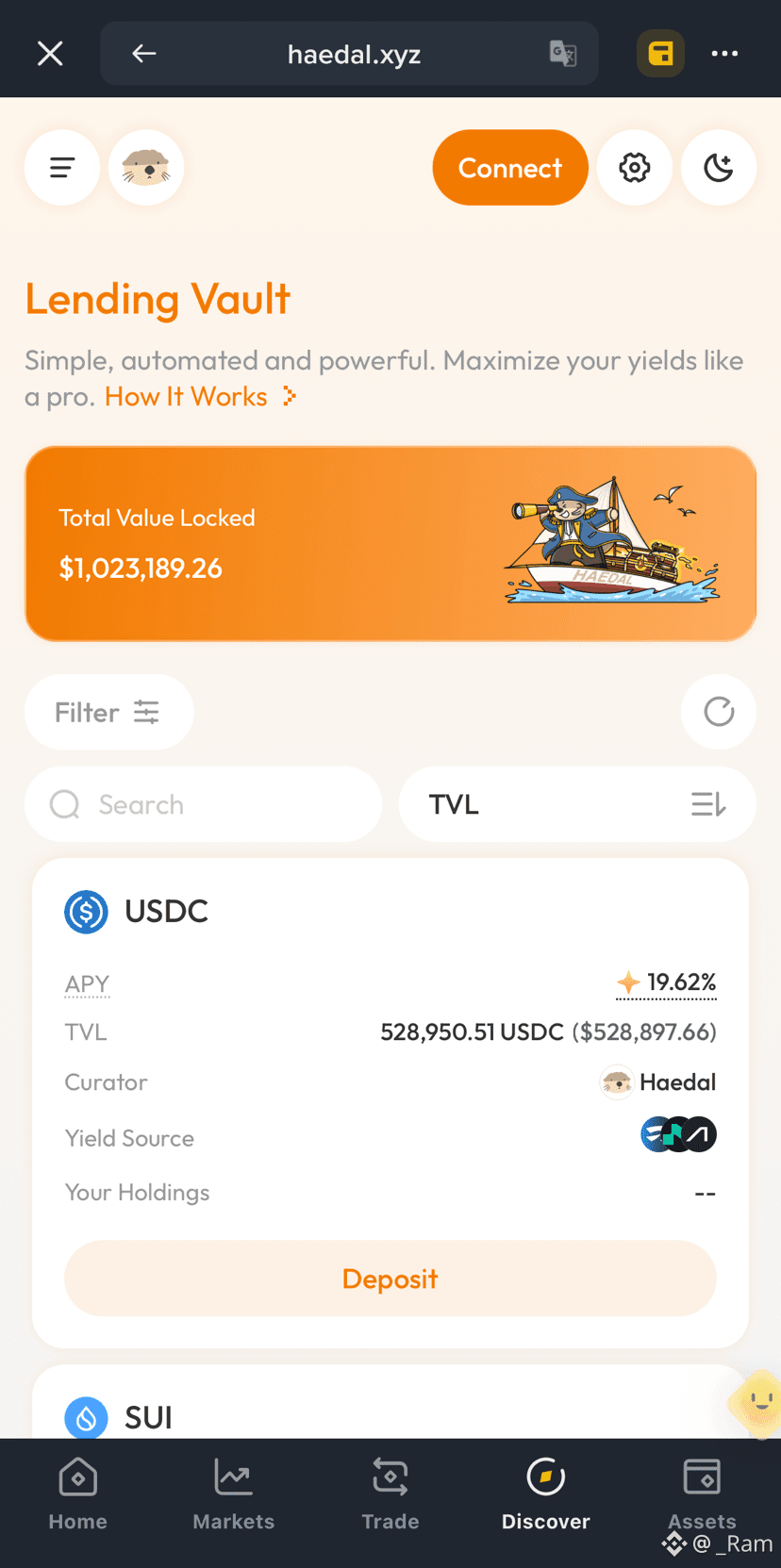
It surpassed $1M. Wow !
In less than 72h, the $USDC limit alone has been lifted more than thrice
Actually, the lending vault of $HAEDAL is huge because it opens the yield infra to stablecoins, which connect it to the global crypto users besides the native LST
haSUI lst for example you have to be sui based or being holding Sui for it to make sense for you
that APR, is honestly tempting 🤣
It surpassed $1M. Wow !
In less than 72h, the $USDC limit alone has been lifted more than thrice
Actually, the lending vault of $HAEDAL is huge because it opens the yield infra to stablecoins, which connect it to the global crypto users besides the native LST
haSUI lst for example you have to be sui based or being holding Sui for it to make sense for you
that APR, is honestly tempting 🤣
In less than 72h, the $USDC limit alone has been lifted more than thrice
Actually, the lending vault of $HAEDAL is huge because it opens the yield infra to stablecoins, which connect it to the global crypto users besides the native LST
haSUI lst for example you have to be sui based or being holding Sui for it to make sense for you
that APR, is honestly tempting 🤣

12
20
7.7k
·
--
Holding $USDC 562.7 USDT
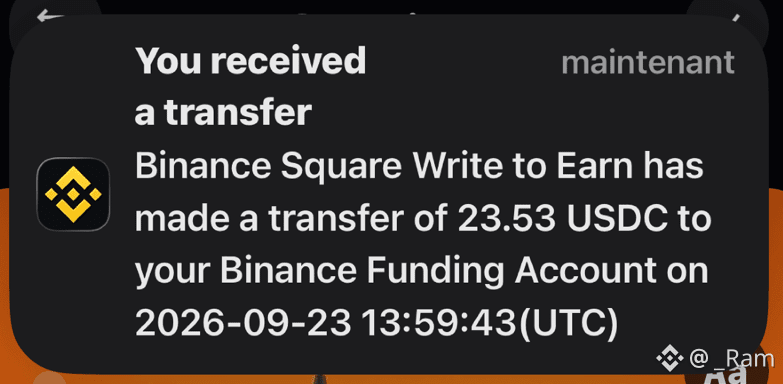
I have received 23.53 $USDC from Binance Square’s write-to-earn today. How much jave you received ?
Btw, if you want support about growth on Square (followers, exposure, etc) , i have created a dedicated approval based chatroom where we discuss the topics. The ‘join’ button is attached to this post. Send your request now !
I have received 23.53 $USDC from Binance Square’s write-to-earn today. How much jave you received ?
Btw, if you want support about growth on Square (followers, exposure, etc) , i have created a dedicated approval based chatroom where we discuss the topics. The ‘join’ button is attached to this post. Send your request now !
Btw, if you want support about growth on Square (followers, exposure, etc) , i have created a dedicated approval based chatroom where we discuss the topics. The ‘join’ button is attached to this post. Send your request now !
33
43
5.5k
·
--
Can $SUI hit $2.5 again ?
that’s a question one of you ask me recently
i think it can can even reach $3 again
honestly speaking 😂
some reasons below :
despite the new evolution of the network wwhich support attractivity, the supply at the $5 ath was 3B the current ath is 4. something and the max ath on January 2030 will be 4.73 a most
which dilute the offer for roughly 1.6
If you dilute the ath with the same, it’s stil around $3
So, i think 2.5 is very conservative for sui
By, subscribing ur bags on Haedal you extract yields across the whole network
which literally increases your sui holdings
Can $SUI hit $2.5 again ?
that’s a question one of you ask me recently
i think it can can even reach $3 again
honestly speaking 😂
some reasons below :
despite the new evolution of the network wwhich support attractivity, the supply at the $5 ath was 3B the current ath is 4. something and the max ath on January 2030 will be 4.73 a most
which dilute the offer for roughly 1.6
If you dilute the ath with the same, it’s stil around $3
So, i think 2.5 is very conservative for sui
By, subscribing ur bags on Haedal you extract yields across the whole network
which literally increases your sui holdings
that’s a question one of you ask me recently
i think it can can even reach $3 again
honestly speaking 😂
some reasons below :
despite the new evolution of the network wwhich support attractivity, the supply at the $5 ath was 3B the current ath is 4. something and the max ath on January 2030 will be 4.73 a most
which dilute the offer for roughly 1.6
If you dilute the ath with the same, it’s stil around $3
So, i think 2.5 is very conservative for sui
By, subscribing ur bags on Haedal you extract yields across the whole network
which literally increases your sui holdings
17
34
25.8k
Log in to explore more content
Join global crypto users on Binance Square
⚡️ Get latest and useful information about crypto.
💬 Trusted by the world’s largest crypto exchange.
👍 Discover real insights from verified creators.
Email / Phone number
Trending Topics
EtherGains70.9%InQ3
2,533 views
157 Discussing
$ETH Just Posted Its Best Quarter in Years; Up 70.9% in Q3 🚀
Real ETF inflows, institutions quietly building, and ETH still trading well below its all-time high. This run feels backed by substance, not just hype.
Still holding, or taking profit?
#ethergains70.9%inq3 #ETH #Ethereum #BinanceSquare
Master Xploder
·2 Likes
·1.4k views
US10YearYieldNears5.3%
35,545 views
380 Discussing
DollarIndexHitsHighestSinceMay2025
1,460 views
94 Discussing