
浩宇BNB
3.1k Posts

浩宇BNB
Report
Block User
Be Polite 🙏
2.1K+ Following
10.2K+ Followers
5.6K+ Liked
Posts
All
Quotes
Live
·
--
🚨 EUROPEAN BANKING IS GOING CRYPTO.
Raiffeisen Bank International is taking digital assets deeper into mainstream finance, expanding crypto access across 11 Central and Eastern European markets through its partnership with Bitpanda.
The potential reach: ~18 million customers.
And this isn’t just about buying Bitcoin.
The bigger story is banking infrastructure—crypto trading, custody, liquidity and compliance moving closer to traditional financial rails.
As Europe’s MiCA framework reshapes the market, major banks integrating digital assets could accelerate institutional adoption.
Crypto isn’t knocking on the bank’s door anymore. It’s entering through the front door. 🚀
$BTC
{spot}(BTCUSDT)
$BCH
{spot}(BCHUSDT)
$LINK
{spot}(LINKUSDT)
🚨 EUROPEAN BANKING IS GOING CRYPTO.
Raiffeisen Bank International is taking digital assets deeper into mainstream finance, expanding crypto access across 11 Central and Eastern European markets through its partnership with Bitpanda.
The potential reach: ~18 million customers.
And this isn’t just about buying Bitcoin.
The bigger story is banking infrastructure—crypto trading, custody, liquidity and compliance moving closer to traditional financial rails.
As Europe’s MiCA framework reshapes the market, major banks integrating digital assets could accelerate institutional adoption.
Crypto isn’t knocking on the bank’s door anymore. It’s entering through the front door. 🚀
$BTC
$BCH
$LINK
Raiffeisen Bank International is taking digital assets deeper into mainstream finance, expanding crypto access across 11 Central and Eastern European markets through its partnership with Bitpanda.
The potential reach: ~18 million customers.
And this isn’t just about buying Bitcoin.
The bigger story is banking infrastructure—crypto trading, custody, liquidity and compliance moving closer to traditional financial rails.
As Europe’s MiCA framework reshapes the market, major banks integrating digital assets could accelerate institutional adoption.
Crypto isn’t knocking on the bank’s door anymore. It’s entering through the front door. 🚀
$BTC
$BCH
$LINK
1
395
·
--
🚨 AI AGENTS COULD BECOME CRYPTO’S NEXT BIG DEMAND ENGINE
BlackRock is pointing toward a future where AI agents don’t just generate information—they transact, pay, and interact economically on their own.
That could supercharge demand for stablecoins and blockchain payments, giving autonomous AI systems a 24/7, programmable financial layer.
But the bigger narrative is even more interesting: AI compute itself could eventually be tokenized.
Imagine AI agents paying for computing power, data, and digital services automatically—using blockchain rails.
The next crypto cycle may not be just about humans using crypto.
It could be about machines using crypto. 🤖⚡
$ETH
{spot}(ETHUSDT)
$TAO
{spot}(TAOUSDT)
$AI
{spot}(AIUSDT)
🚨 AI AGENTS COULD BECOME CRYPTO’S NEXT BIG DEMAND ENGINE
BlackRock is pointing toward a future where AI agents don’t just generate information—they transact, pay, and interact economically on their own.
That could supercharge demand for stablecoins and blockchain payments, giving autonomous AI systems a 24/7, programmable financial layer.
But the bigger narrative is even more interesting: AI compute itself could eventually be tokenized.
Imagine AI agents paying for computing power, data, and digital services automatically—using blockchain rails.
The next crypto cycle may not be just about humans using crypto.
It could be about machines using crypto. 🤖⚡
$ETH
$TAO
$AI
BlackRock is pointing toward a future where AI agents don’t just generate information—they transact, pay, and interact economically on their own.
That could supercharge demand for stablecoins and blockchain payments, giving autonomous AI systems a 24/7, programmable financial layer.
But the bigger narrative is even more interesting: AI compute itself could eventually be tokenized.
Imagine AI agents paying for computing power, data, and digital services automatically—using blockchain rails.
The next crypto cycle may not be just about humans using crypto.
It could be about machines using crypto. 🤖⚡
$ETH
$TAO
$AI
1
219
·
--
🚨 BINANCE JUST MADE A $100 MILLION BET ON THE FUTURE OF DIGITAL DOLLARS.
Binance invested $100M in Circle through a private placement at a 5% discount, while renewing their strategic partnership for another 5 years.
But the money isn’t the biggest story. 👀
Distribution is.
Binance will push USDC adoption across its global ecosystem, with emerging markets a major target.
Circle brings the infrastructure.
Binance brings the users, liquidity, and global reach.
That combination could significantly expand USDC’s role in crypto payments, trading, and dollar-based financial activity.
🔥 Capital + distribution + stablecoin infrastructure = a powerful strategic alignment.
The bigger question:
Is Binance positioning USDC as one of the dominant digital-dollar rails for the next phase of crypto adoption? 💵
$USDC
{spot}(USDCUSDT)
$BNB
{spot}(BNBUSDT)
🚨 BINANCE JUST MADE A $100 MILLION BET ON THE FUTURE OF DIGITAL DOLLARS.
Binance invested $100M in Circle through a private placement at a 5% discount, while renewing their strategic partnership for another 5 years.
But the money isn’t the biggest story. 👀
Distribution is.
Binance will push USDC adoption across its global ecosystem, with emerging markets a major target.
Circle brings the infrastructure.
Binance brings the users, liquidity, and global reach.
That combination could significantly expand USDC’s role in crypto payments, trading, and dollar-based financial activity.
🔥 Capital + distribution + stablecoin infrastructure = a powerful strategic alignment.
The bigger question:
Is Binance positioning USDC as one of the dominant digital-dollar rails for the next phase of crypto adoption? 💵
$USDC
$BNB
Binance invested $100M in Circle through a private placement at a 5% discount, while renewing their strategic partnership for another 5 years.
But the money isn’t the biggest story. 👀
Distribution is.
Binance will push USDC adoption across its global ecosystem, with emerging markets a major target.
Circle brings the infrastructure.
Binance brings the users, liquidity, and global reach.
That combination could significantly expand USDC’s role in crypto payments, trading, and dollar-based financial activity.
🔥 Capital + distribution + stablecoin infrastructure = a powerful strategic alignment.
The bigger question:
Is Binance positioning USDC as one of the dominant digital-dollar rails for the next phase of crypto adoption? 💵
$USDC
$BNB

2
152
·
--
🤝👀 Infosys × Chainlink: A Quiet Institutional Signal
Infosys partnering with Chainlink could mark a meaningful step toward blockchain becoming enterprise infrastructure rather than simply a crypto narrative.
The key is connectivity. Chainlink’s oracle infrastructure is designed to connect blockchain networks with real-world data and existing systems, while Infosys brings decades of enterprise integration experience.
If this relationship scales across financial institutions, the bigger opportunity is tokenized assets, automated settlement, cross-chain interoperability, and verifiable data flows.
For $LINK
{spot}(LINKUSDT)
institutional infrastructure adoption matters because utility—not speculation—can become the long-term growth driver.😎
🤝👀 Infosys × Chainlink: A Quiet Institutional Signal
Infosys partnering with Chainlink could mark a meaningful step toward blockchain becoming enterprise infrastructure rather than simply a crypto narrative.
The key is connectivity. Chainlink’s oracle infrastructure is designed to connect blockchain networks with real-world data and existing systems, while Infosys brings decades of enterprise integration experience.
If this relationship scales across financial institutions, the bigger opportunity is tokenized assets, automated settlement, cross-chain interoperability, and verifiable data flows.
For $LINK
institutional infrastructure adoption matters because utility—not speculation—can become the long-term growth driver.😎
Infosys partnering with Chainlink could mark a meaningful step toward blockchain becoming enterprise infrastructure rather than simply a crypto narrative.
The key is connectivity. Chainlink’s oracle infrastructure is designed to connect blockchain networks with real-world data and existing systems, while Infosys brings decades of enterprise integration experience.
If this relationship scales across financial institutions, the bigger opportunity is tokenized assets, automated settlement, cross-chain interoperability, and verifiable data flows.
For $LINK
institutional infrastructure adoption matters because utility—not speculation—can become the long-term growth driver.😎
3
196
·
--
Friends keep your eyes on $MEW
{alpha}(CT_501MEW1gQWJ3nEXg2qgERiKu7FAFj79PHvQVREQUzScPP5)
🚀🚀🚀🚀
Friends keep your eyes on $MEW
🚀🚀🚀🚀
🚀🚀🚀🚀
2
106
·
--
🚨 APPLE MAY BE COMING FOR CRYPTO PAYMENTS.
A new Apple job listing specifically mentions stablecoins, tokenized deposits and blockchain for an Apple Pay strategy role—with compensation reaching $280K.
That doesn’t confirm stablecoin payments are coming to Apple Pay. But it’s a serious signal that Apple is studying the infrastructure behind digital-dollar payments.
And Samsung is moving in the same direction, with plans to integrate USDC into Samsung Wallet.
Think about the scale:
🍎 Apple
📱 Samsung
🌎 Billions of devices
If stablecoins become native to the wallets people already use every day, crypto payments could shift from a niche feature to invisible financial infrastructure.
The real battle may not be between crypto apps.
It may be for the wallet inside your phone. 👀
$BTC
{spot}(BTCUSDT)
$ETH
{spot}(ETHUSDT)
$XRP
{spot}(XRPUSDT)
🚨 APPLE MAY BE COMING FOR CRYPTO PAYMENTS.
A new Apple job listing specifically mentions stablecoins, tokenized deposits and blockchain for an Apple Pay strategy role—with compensation reaching $280K.
That doesn’t confirm stablecoin payments are coming to Apple Pay. But it’s a serious signal that Apple is studying the infrastructure behind digital-dollar payments.
And Samsung is moving in the same direction, with plans to integrate USDC into Samsung Wallet.
Think about the scale:
🍎 Apple
📱 Samsung
🌎 Billions of devices
If stablecoins become native to the wallets people already use every day, crypto payments could shift from a niche feature to invisible financial infrastructure.
The real battle may not be between crypto apps.
It may be for the wallet inside your phone. 👀
$BTC
$ETH
$XRP
A new Apple job listing specifically mentions stablecoins, tokenized deposits and blockchain for an Apple Pay strategy role—with compensation reaching $280K.
That doesn’t confirm stablecoin payments are coming to Apple Pay. But it’s a serious signal that Apple is studying the infrastructure behind digital-dollar payments.
And Samsung is moving in the same direction, with plans to integrate USDC into Samsung Wallet.
Think about the scale:
🍎 Apple
📱 Samsung
🌎 Billions of devices
If stablecoins become native to the wallets people already use every day, crypto payments could shift from a niche feature to invisible financial infrastructure.
The real battle may not be between crypto apps.
It may be for the wallet inside your phone. 👀
$BTC
$ETH
$XRP

1
190
·
--
💥 BOOM! 🇺🇸 The U.S. Crypto Era Is Accelerating
The SEC is taking major steps toward bringing digital assets deeper into the U.S. financial system.
From clearer treatment of crypto assets to proposed tailored fundraising rules, the regulatory direction is increasingly focused on creating defined pathways for crypto businesses rather than leaving the industry in uncertainty.
And now, the SEC’s latest “Innovation Exemption” is facilitating on-chain trading of certain tokenized U.S. stocks under a temporary framework.
🔥 This is bigger than crypto.
It’s the beginning of a deeper blockchain + traditional finance convergence.
The digital financial era is moving from experimentation toward infrastructure. 😎
$BTC
{spot}(BTCUSDT)
$ETH
{spot}(ETHUSDT)
$BNB
{spot}(BNBUSDT)
💥 BOOM! 🇺🇸 The U.S. Crypto Era Is Accelerating
The SEC is taking major steps toward bringing digital assets deeper into the U.S. financial system.
From clearer treatment of crypto assets to proposed tailored fundraising rules, the regulatory direction is increasingly focused on creating defined pathways for crypto businesses rather than leaving the industry in uncertainty.
And now, the SEC’s latest “Innovation Exemption” is facilitating on-chain trading of certain tokenized U.S. stocks under a temporary framework.
🔥 This is bigger than crypto.
It’s the beginning of a deeper blockchain + traditional finance convergence.
The digital financial era is moving from experimentation toward infrastructure. 😎
$BTC
$ETH
$BNB
The SEC is taking major steps toward bringing digital assets deeper into the U.S. financial system.
From clearer treatment of crypto assets to proposed tailored fundraising rules, the regulatory direction is increasingly focused on creating defined pathways for crypto businesses rather than leaving the industry in uncertainty.
And now, the SEC’s latest “Innovation Exemption” is facilitating on-chain trading of certain tokenized U.S. stocks under a temporary framework.
🔥 This is bigger than crypto.
It’s the beginning of a deeper blockchain + traditional finance convergence.
The digital financial era is moving from experimentation toward infrastructure. 😎
$BTC
$ETH
$BNB
2
433
·
--
Verified
🚨 $70 MILLION AND STILL BUYING? 👀
Chainlink’s official reserve has just crossed the $70M milestone, after another $1.1M worth of LINK was added.
What makes this even more interesting? The reserve reportedly hasn’t sold a single LINK despite continued additions since August last year.
That steady accumulation is putting Chainlink’s treasury strategy firmly under the spotlight.
The reserve now sits at roughly $70.5M — and the big question is: how large can it get from here? 😎
$LINK
{spot}(LINKUSDT)
🚨 $70 MILLION AND STILL BUYING? 👀
Chainlink’s official reserve has just crossed the $70M milestone, after another $1.1M worth of LINK was added.
What makes this even more interesting? The reserve reportedly hasn’t sold a single LINK despite continued additions since August last year.
That steady accumulation is putting Chainlink’s treasury strategy firmly under the spotlight.
The reserve now sits at roughly $70.5M — and the big question is: how large can it get from here? 😎
$LINK
Chainlink’s official reserve has just crossed the $70M milestone, after another $1.1M worth of LINK was added.
What makes this even more interesting? The reserve reportedly hasn’t sold a single LINK despite continued additions since August last year.
That steady accumulation is putting Chainlink’s treasury strategy firmly under the spotlight.
The reserve now sits at roughly $70.5M — and the big question is: how large can it get from here? 😎
$LINK

6
2.1k
·
--
🔥 Circle built Arc for stablecoins. Crypto traders may have other plans.
Felix Fan says Arc is better suited to stablecoins and institutional finance than the high-speed “PvP” trading culture surrounding memecoins.
Yet memecoin activity is already picking up on the newly launched blockchain, with creators seemingly trying to bring the trenches-style trading culture seen around Robinhood Crypto onto Arc.
Now the big question: Can Arc stay focused on institutional finance while retail traders push it toward memecoin culture?
Crypto moves fast. Arc’s identity may be decided by its users.😎
$ARC
{future}(ARCUSDT)
🔥 Circle built Arc for stablecoins. Crypto traders may have other plans.
Felix Fan says Arc is better suited to stablecoins and institutional finance than the high-speed “PvP” trading culture surrounding memecoins.
Yet memecoin activity is already picking up on the newly launched blockchain, with creators seemingly trying to bring the trenches-style trading culture seen around Robinhood Crypto onto Arc.
Now the big question: Can Arc stay focused on institutional finance while retail traders push it toward memecoin culture?
Crypto moves fast. Arc’s identity may be decided by its users.😎
$ARC
Felix Fan says Arc is better suited to stablecoins and institutional finance than the high-speed “PvP” trading culture surrounding memecoins.
Yet memecoin activity is already picking up on the newly launched blockchain, with creators seemingly trying to bring the trenches-style trading culture seen around Robinhood Crypto onto Arc.
Now the big question: Can Arc stay focused on institutional finance while retail traders push it toward memecoin culture?
Crypto moves fast. Arc’s identity may be decided by its users.😎
$ARC

343
23
343
·
--
⚡️ TRON’s Stablecoin Liquidity Is Sending a Serious Signal
TRON’s stablecoin market cap has surged by $4.8B in just 90 days — and this isn’t simply another TVL headline.
The bigger story is liquidity concentration.
Stablecoins are the backbone of on-chain payments, trading, and dollar-denominated settlement. When billions of additional stablecoin liquidity move onto TRON, it suggests growing demand for the network’s low-cost, high-throughput infrastructure.
With USDT dominating TRON’s stablecoin ecosystem, the network is increasingly becoming a major settlement layer for digital dollars.
If this trajectory continues, TRON could strengthen its position as one of crypto’s most important stablecoin rails.
$4.8B in 90 days. Watch the liquidity, not the noise. 🚀
$TRX
{spot}(TRXUSDT)
⚡️ TRON’s Stablecoin Liquidity Is Sending a Serious Signal
TRON’s stablecoin market cap has surged by $4.8B in just 90 days — and this isn’t simply another TVL headline.
The bigger story is liquidity concentration.
Stablecoins are the backbone of on-chain payments, trading, and dollar-denominated settlement. When billions of additional stablecoin liquidity move onto TRON, it suggests growing demand for the network’s low-cost, high-throughput infrastructure.
With USDT dominating TRON’s stablecoin ecosystem, the network is increasingly becoming a major settlement layer for digital dollars.
If this trajectory continues, TRON could strengthen its position as one of crypto’s most important stablecoin rails.
$4.8B in 90 days. Watch the liquidity, not the noise. 🚀
$TRX
TRON’s stablecoin market cap has surged by $4.8B in just 90 days — and this isn’t simply another TVL headline.
The bigger story is liquidity concentration.
Stablecoins are the backbone of on-chain payments, trading, and dollar-denominated settlement. When billions of additional stablecoin liquidity move onto TRON, it suggests growing demand for the network’s low-cost, high-throughput infrastructure.
With USDT dominating TRON’s stablecoin ecosystem, the network is increasingly becoming a major settlement layer for digital dollars.
If this trajectory continues, TRON could strengthen its position as one of crypto’s most important stablecoin rails.
$4.8B in 90 days. Watch the liquidity, not the noise. 🚀
$TRX


4
712
·
--
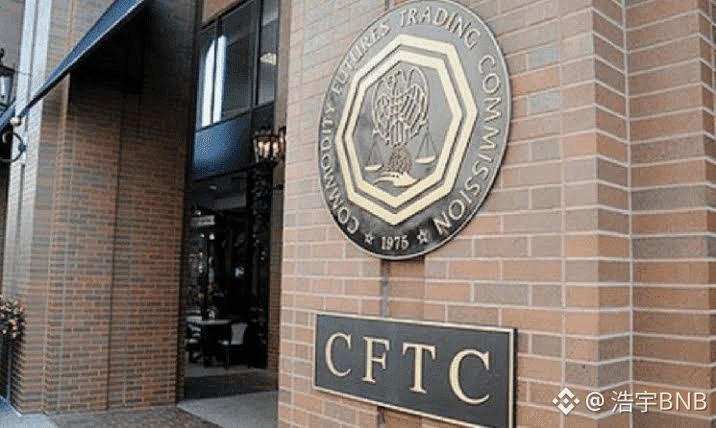
🚨U.S. CRYPTO MARKET STRUCTURE MAY BE ENTERING A NEW ERA 🇺🇸
The CFTC has reportedly sent a major rulemaking package — “Regulation Crypto Asset Transactions and Regulation Crypto Asset Markets” — to White House review.
Why does this matter? 👀
The proposal could define how crypto markets operate under CFTC oversight, potentially covering areas such as digital-asset trading venues, derivatives, leverage and market structure.
The biggest detail? The full proposal isn’t public yet.
If the rules move forward, this could become one of the most important U.S. regulatory developments for crypto markets in 2026. 🔥
$SOL
{spot}(SOLUSDT)
$ETH
{spot}(ETHUSDT)
$XRP
{spot}(XRPUSDT)
🚨U.S. CRYPTO MARKET STRUCTURE MAY BE ENTERING A NEW ERA 🇺🇸
The CFTC has reportedly sent a major rulemaking package — “Regulation Crypto Asset Transactions and Regulation Crypto Asset Markets” — to White House review.
Why does this matter? 👀
The proposal could define how crypto markets operate under CFTC oversight, potentially covering areas such as digital-asset trading venues, derivatives, leverage and market structure.
The biggest detail? The full proposal isn’t public yet.
If the rules move forward, this could become one of the most important U.S. regulatory developments for crypto markets in 2026. 🔥
$SOL
$ETH
$XRP
The CFTC has reportedly sent a major rulemaking package — “Regulation Crypto Asset Transactions and Regulation Crypto Asset Markets” — to White House review.
Why does this matter? 👀
The proposal could define how crypto markets operate under CFTC oversight, potentially covering areas such as digital-asset trading venues, derivatives, leverage and market structure.
The biggest detail? The full proposal isn’t public yet.
If the rules move forward, this could become one of the most important U.S. regulatory developments for crypto markets in 2026. 🔥
$SOL
$ETH
$XRP
456
2
17
456
·
--
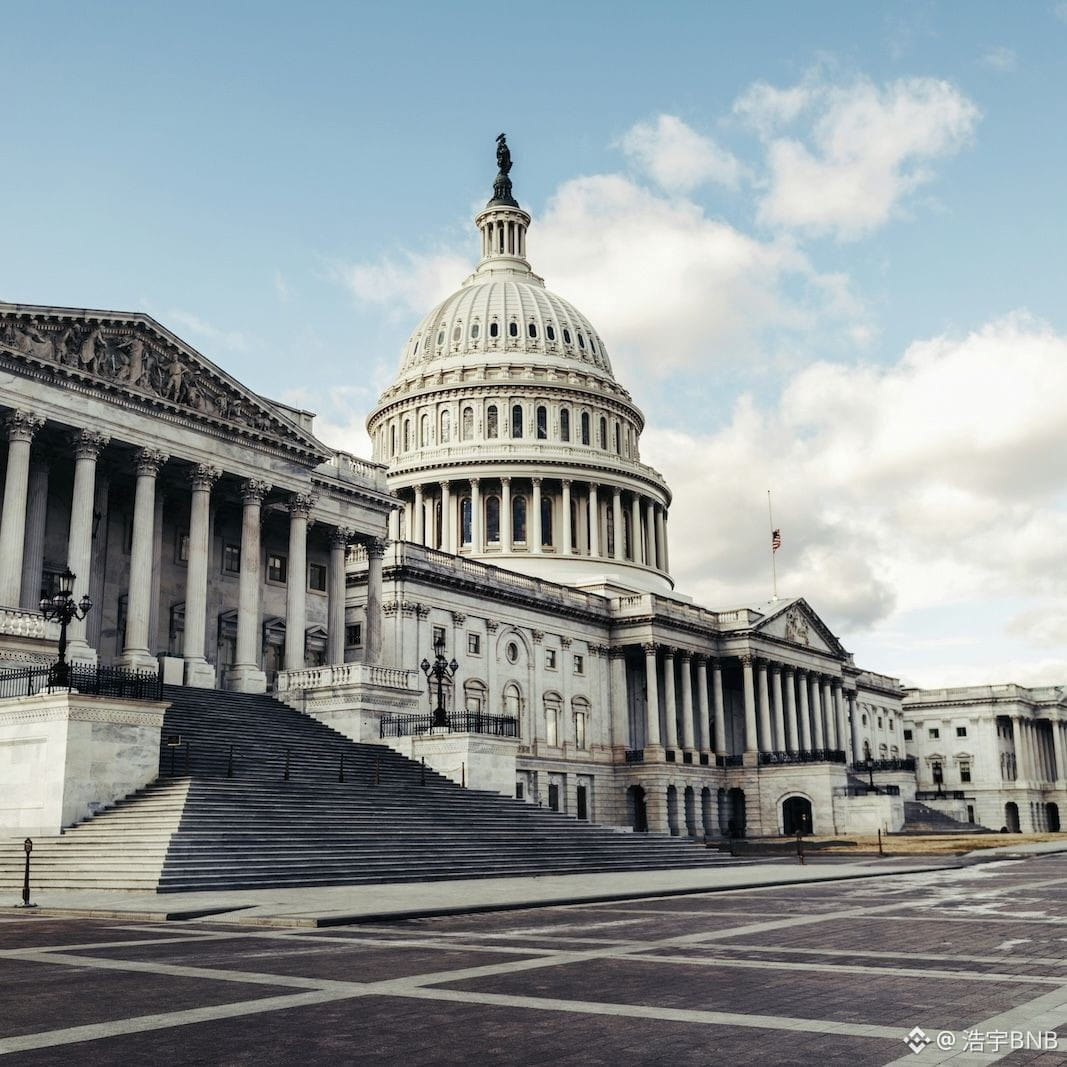
This week started rough, with CLARITY failing to advance.
But zoom out.
Crypto still made real progress.
Two major crypto bills moved forward. The SEC is opening the door to regulated 24/7 tokenized stock trading, while the CFTC is working toward clearer rules for digital assets.
Yes, the Fed raised rates.
Yes, CLARITY hit another roadblock.
And yet Bitcoin is still holding strong.
That matters.
Markets price fear quickly, but real adoption takes time. The bigger picture is simple: regulation is slowly moving from uncertainty toward clearer frameworks.
We may not be at the finish line.
But the foundation is getting stronger.
Stay patient. 📈
$BTC
{spot}(BTCUSDT)
$AMP
{spot}(AMPUSDT)
$MEW
{alpha}(CT_501MEW1gQWJ3nEXg2qgERiKu7FAFj79PHvQVREQUzScPP5)
This week started rough, with CLARITY failing to advance.
But zoom out.
Crypto still made real progress.
Two major crypto bills moved forward. The SEC is opening the door to regulated 24/7 tokenized stock trading, while the CFTC is working toward clearer rules for digital assets.
Yes, the Fed raised rates.
Yes, CLARITY hit another roadblock.
And yet Bitcoin is still holding strong.
That matters.
Markets price fear quickly, but real adoption takes time. The bigger picture is simple: regulation is slowly moving from uncertainty toward clearer frameworks.
We may not be at the finish line.
But the foundation is getting stronger.
Stay patient. 📈
$BTC
$AMP
$MEW
But zoom out.
Crypto still made real progress.
Two major crypto bills moved forward. The SEC is opening the door to regulated 24/7 tokenized stock trading, while the CFTC is working toward clearer rules for digital assets.
Yes, the Fed raised rates.
Yes, CLARITY hit another roadblock.
And yet Bitcoin is still holding strong.
That matters.
Markets price fear quickly, but real adoption takes time. The bigger picture is simple: regulation is slowly moving from uncertainty toward clearer frameworks.
We may not be at the finish line.
But the foundation is getting stronger.
Stay patient. 📈
$BTC
$AMP
$MEW
1
118
·
--
$AMD
{future}(AMDUSDT)
is breaking out big time. 🚀
Sometimes the chart gives you a setup that is hard to ignore.
The first entry may already be gone, but that doesn’t mean the opportunity is over.
Keep $530 on your radar. That’s the level I’m watching for a potential second entry.
Trading isn’t about chasing every green candle. It’s about patience, planning, and knowing where you want to act before the market gets there.
I’ve always believed in paying it forward.
If something is working for me, I’d rather share the idea and help others prepare for what could come next.
Stay focused. Stay ready. 📈
$AMD
is breaking out big time. 🚀
Sometimes the chart gives you a setup that is hard to ignore.
The first entry may already be gone, but that doesn’t mean the opportunity is over.
Keep $530 on your radar. That’s the level I’m watching for a potential second entry.
Trading isn’t about chasing every green candle. It’s about patience, planning, and knowing where you want to act before the market gets there.
I’ve always believed in paying it forward.
If something is working for me, I’d rather share the idea and help others prepare for what could come next.
Stay focused. Stay ready. 📈
is breaking out big time. 🚀
Sometimes the chart gives you a setup that is hard to ignore.
The first entry may already be gone, but that doesn’t mean the opportunity is over.
Keep $530 on your radar. That’s the level I’m watching for a potential second entry.
Trading isn’t about chasing every green candle. It’s about patience, planning, and knowing where you want to act before the market gets there.
I’ve always believed in paying it forward.
If something is working for me, I’d rather share the idea and help others prepare for what could come next.
Stay focused. Stay ready. 📈
1
155
·
--
JP Morgan says Bitcoin could potentially outperform gold, and that’s a narrative worth watching. 📈
But remember: BTC rarely moves in a straight line. A short-term pullback could happen before the next major move, especially after a strong rally.
Nobody knows the exact bottom or the next ATH.
So don’t chase candles. Stay patient, manage risk, and build your position only if it fits your strategy.
Bitcoin rewards patience, not panic.
Keep learning. Keep building. 🚀
$BTC
{spot}(BTCUSDT)
JP Morgan says Bitcoin could potentially outperform gold, and that’s a narrative worth watching. 📈
But remember: BTC rarely moves in a straight line. A short-term pullback could happen before the next major move, especially after a strong rally.
Nobody knows the exact bottom or the next ATH.
So don’t chase candles. Stay patient, manage risk, and build your position only if it fits your strategy.
Bitcoin rewards patience, not panic.
Keep learning. Keep building. 🚀
$BTC
But remember: BTC rarely moves in a straight line. A short-term pullback could happen before the next major move, especially after a strong rally.
Nobody knows the exact bottom or the next ATH.
So don’t chase candles. Stay patient, manage risk, and build your position only if it fits your strategy.
Bitcoin rewards patience, not panic.
Keep learning. Keep building. 🚀
$BTC

3
154
·
--
Verified
🚨 XRP IS ENTERING THE AI ECONOMY. 🤖⚡
Ripple has upgraded its XRPL AI Starter Kit to support the Machine Payments Protocol (MPP), developed by Stripe and Tempo.
That means AI agents can now be built to pay for digital services using XRP and RLUSD— including APIs, computing power, data and other online resources.
Think about the shift:
👤 Humans pay for services today.
🤖 Tomorrow, AI agents may pay autonomously.
And XRP is being positioned as one of the rails they can use.
This isn’t Stripe Checkout suddenly accepting XRP. It’s something potentially bigger for the future: machines paying machines.
The AI + crypto intersection is getting real. 🚀
$XRP
{spot}(XRPUSDT)
🚨 XRP IS ENTERING THE AI ECONOMY. 🤖⚡
Ripple has upgraded its XRPL AI Starter Kit to support the Machine Payments Protocol (MPP), developed by Stripe and Tempo.
That means AI agents can now be built to pay for digital services using XRP and RLUSD— including APIs, computing power, data and other online resources.
Think about the shift:
👤 Humans pay for services today.
🤖 Tomorrow, AI agents may pay autonomously.
And XRP is being positioned as one of the rails they can use.
This isn’t Stripe Checkout suddenly accepting XRP. It’s something potentially bigger for the future: machines paying machines.
The AI + crypto intersection is getting real. 🚀
$XRP
Ripple has upgraded its XRPL AI Starter Kit to support the Machine Payments Protocol (MPP), developed by Stripe and Tempo.
That means AI agents can now be built to pay for digital services using XRP and RLUSD— including APIs, computing power, data and other online resources.
Think about the shift:
👤 Humans pay for services today.
🤖 Tomorrow, AI agents may pay autonomously.
And XRP is being positioned as one of the rails they can use.
This isn’t Stripe Checkout suddenly accepting XRP. It’s something potentially bigger for the future: machines paying machines.
The AI + crypto intersection is getting real. 🚀
$XRP
3
610
·
--
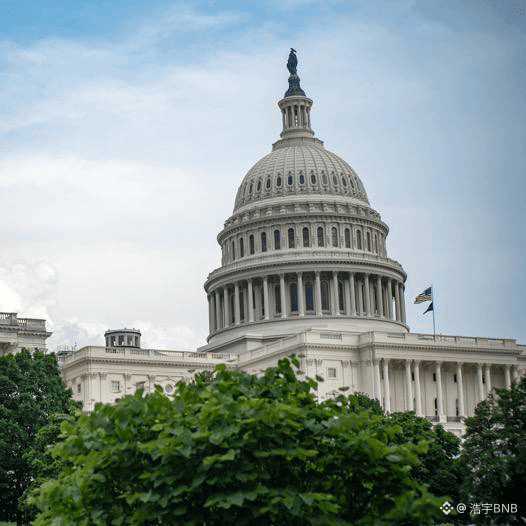
🇺🇸 CLARITY Act: A Critical Signal for Crypto
Senator Elissa Slotkin’s “No” vote on the CLARITY Act highlights a growing tension in U.S. crypto policy: regulatory clarity versus stronger ethics safeguards.
From a crypto-market perspective, the key takeaway is that legislation can face resistance even when policymakers support U.S. leadership in digital assets.
Slotkin remains open to future crypto legislation, suggesting the debate is not necessarily about stopping innovation—but about creating rules that investors, institutions, and the industry can trust.
For Bitcoin and the broader crypto market, the bigger catalyst remains clear, durable regulation. Until lawmakers reach consensus, regulatory uncertainty could continue influencing institutional participation and market sentiment.😎
$BTC
{spot}(BTCUSDT)
$ETH
{spot}(ETHUSDT)
$XMR
{future}(XMRUSDT)
🇺🇸 CLARITY Act: A Critical Signal for Crypto
Senator Elissa Slotkin’s “No” vote on the CLARITY Act highlights a growing tension in U.S. crypto policy: regulatory clarity versus stronger ethics safeguards.
From a crypto-market perspective, the key takeaway is that legislation can face resistance even when policymakers support U.S. leadership in digital assets.
Slotkin remains open to future crypto legislation, suggesting the debate is not necessarily about stopping innovation—but about creating rules that investors, institutions, and the industry can trust.
For Bitcoin and the broader crypto market, the bigger catalyst remains clear, durable regulation. Until lawmakers reach consensus, regulatory uncertainty could continue influencing institutional participation and market sentiment.😎
$BTC
$ETH
$XMR
Senator Elissa Slotkin’s “No” vote on the CLARITY Act highlights a growing tension in U.S. crypto policy: regulatory clarity versus stronger ethics safeguards.
From a crypto-market perspective, the key takeaway is that legislation can face resistance even when policymakers support U.S. leadership in digital assets.
Slotkin remains open to future crypto legislation, suggesting the debate is not necessarily about stopping innovation—but about creating rules that investors, institutions, and the industry can trust.
For Bitcoin and the broader crypto market, the bigger catalyst remains clear, durable regulation. Until lawmakers reach consensus, regulatory uncertainty could continue influencing institutional participation and market sentiment.😎
$BTC
$ETH
$XMR

557
1
24
557
·
--
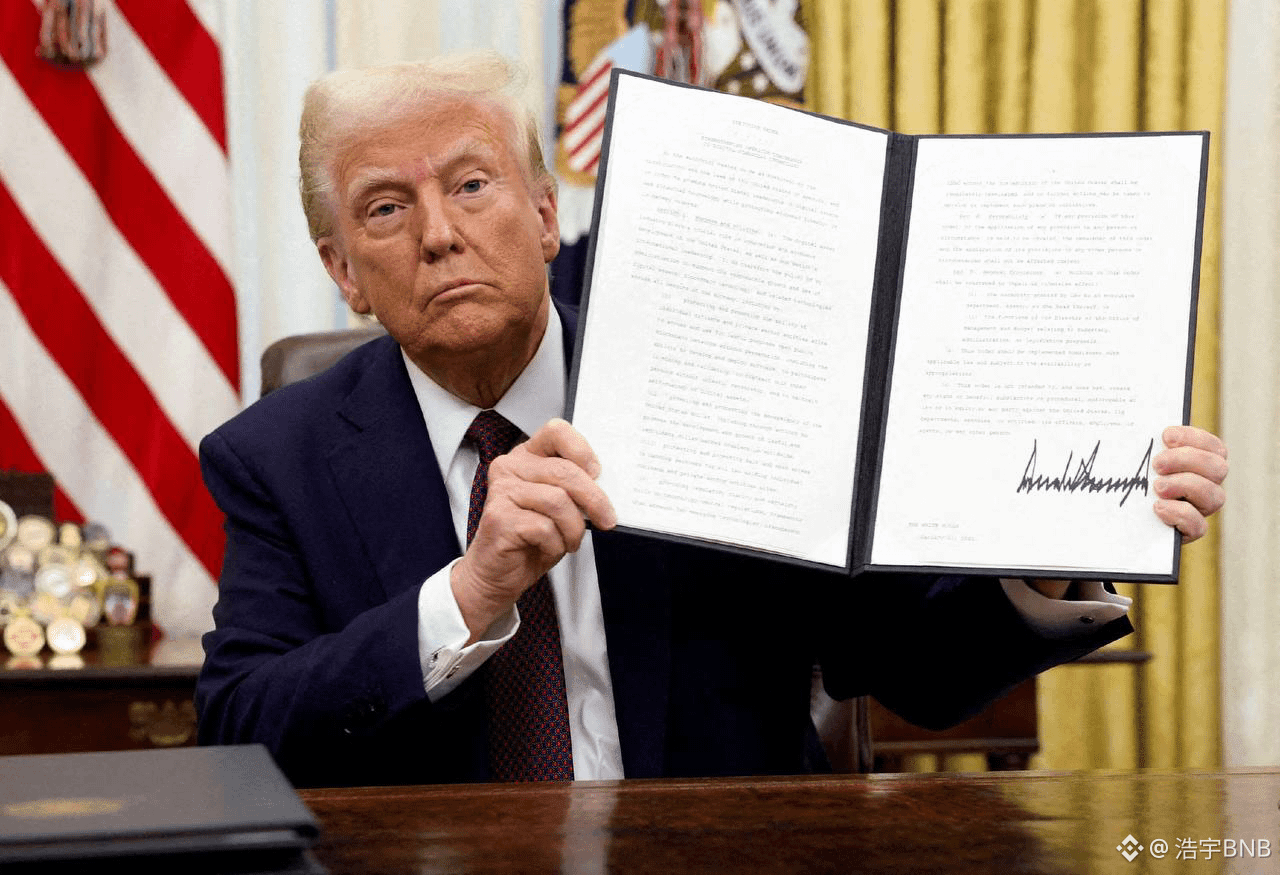
🇺🇸 U.S. Bitcoin Reserve Takes a Major Legislative Step
The U.S. House Financial Services Committee has advanced the American Reserve Modernization Act, a bill designed to establish a formal Strategic Bitcoin Reserve under the Treasury.
The proposal would create secure federal custody for BTC, potentially transforming Bitcoin from a government-held asset into a recognized strategic reserve instrument.
The deeper market implication is institutional: legal codification could strengthen long-term demand expectations, reduce regulatory uncertainty, and reinforce Bitcoin’s emerging role in sovereign treasury strategy.
However, committee approval is not law—the bill still faces further congressional hurdles.😎
$BTC
{spot}(BTCUSDT)
🇺🇸 U.S. Bitcoin Reserve Takes a Major Legislative Step
The U.S. House Financial Services Committee has advanced the American Reserve Modernization Act, a bill designed to establish a formal Strategic Bitcoin Reserve under the Treasury.
The proposal would create secure federal custody for BTC, potentially transforming Bitcoin from a government-held asset into a recognized strategic reserve instrument.
The deeper market implication is institutional: legal codification could strengthen long-term demand expectations, reduce regulatory uncertainty, and reinforce Bitcoin’s emerging role in sovereign treasury strategy.
However, committee approval is not law—the bill still faces further congressional hurdles.😎
$BTC
The U.S. House Financial Services Committee has advanced the American Reserve Modernization Act, a bill designed to establish a formal Strategic Bitcoin Reserve under the Treasury.
The proposal would create secure federal custody for BTC, potentially transforming Bitcoin from a government-held asset into a recognized strategic reserve instrument.
The deeper market implication is institutional: legal codification could strengthen long-term demand expectations, reduce regulatory uncertainty, and reinforce Bitcoin’s emerging role in sovereign treasury strategy.
However, committee approval is not law—the bill still faces further congressional hurdles.😎
$BTC
1
99
·
--
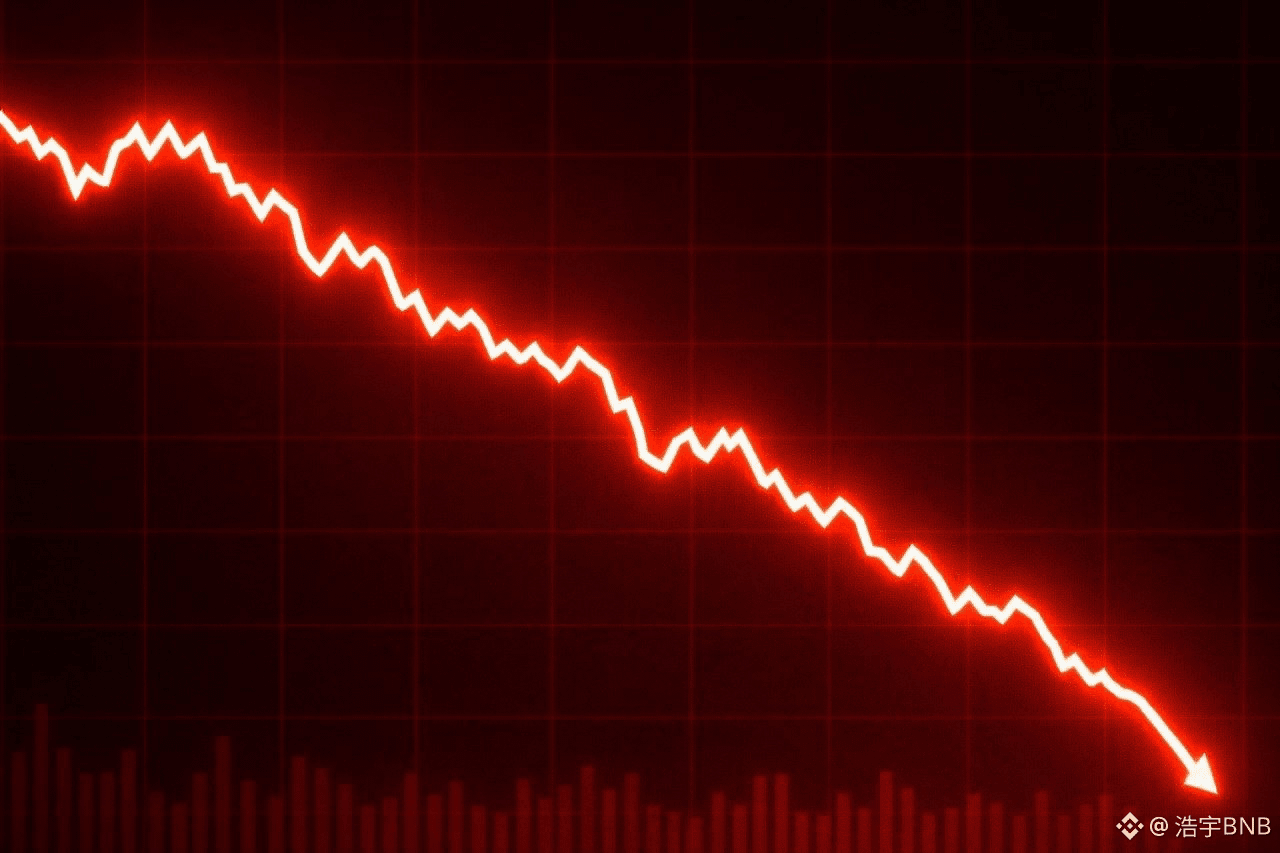
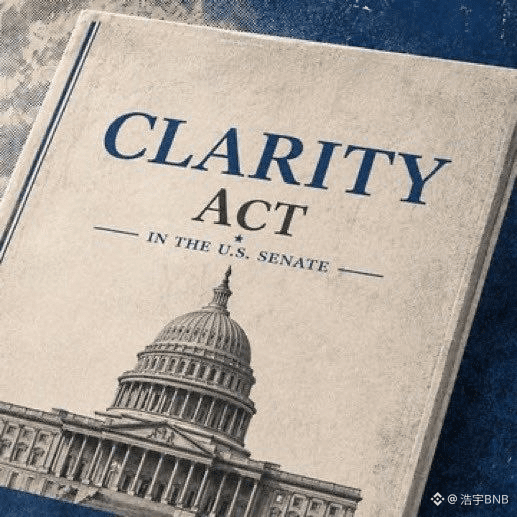
🚨 Crypto Clarity: Politics Wins, Market Waits
The Senate’s Clarity Act procedural vote ended 49–50, falling short of the 60 votes required to move the bill forward. So, the regulatory clarity the crypto market was waiting for has been delayed again.
This is more than just a crypto story. Political negotiations, regulatory control, and policy uncertainty are now weighing on market sentiment.
The next major catalyst is the Fed and rate cuts. If that narrative also turns negative, volatility could increase significantly.
My plan remains unchanged: I’m not panicking. I’m sitting patiently, waiting for the downside and looking for opportunity.
Let’s see what the market gives us. 📉🔥
$BTC
{spot}(BTCUSDT)
$ETH
{spot}(ETHUSDT)
$XRP
{spot}(XRPUSDT)
🚨 Crypto Clarity: Politics Wins, Market Waits
The Senate’s Clarity Act procedural vote ended 49–50, falling short of the 60 votes required to move the bill forward. So, the regulatory clarity the crypto market was waiting for has been delayed again.
This is more than just a crypto story. Political negotiations, regulatory control, and policy uncertainty are now weighing on market sentiment.
The next major catalyst is the Fed and rate cuts. If that narrative also turns negative, volatility could increase significantly.
My plan remains unchanged: I’m not panicking. I’m sitting patiently, waiting for the downside and looking for opportunity.
Let’s see what the market gives us. 📉🔥
$BTC
$ETH
$XRP
The Senate’s Clarity Act procedural vote ended 49–50, falling short of the 60 votes required to move the bill forward. So, the regulatory clarity the crypto market was waiting for has been delayed again.
This is more than just a crypto story. Political negotiations, regulatory control, and policy uncertainty are now weighing on market sentiment.
The next major catalyst is the Fed and rate cuts. If that narrative also turns negative, volatility could increase significantly.
My plan remains unchanged: I’m not panicking. I’m sitting patiently, waiting for the downside and looking for opportunity.
Let’s see what the market gives us. 📉🔥
$BTC
$ETH
$XRP
1
231
·
--
🚨 TRUMP JUST DROPPED A MACRO BOMB 💣
🇺🇸 Trump says the US is open to a deal with Iran — and markets may be underpricing what this could mean.
If tensions cool, the oil risk premium could fall, potentially easing inflation pressure and improving global risk sentiment. That could eventually support liquidity-sensitive assets like Bitcoin and crypto.
📉 Oil ↓
📉 Geopolitical risk ↓
📉 Inflation pressure ↓
💧 Liquidity expectations ↑
₿ BTC risk appetite ↑
But here’s the catch: **talks ≠ deal.** Until a credible agreement emerges, volatility can remain extreme.
🔥 Watch Oil + DXY + US Yields + BTC.
One headline could trigger the next big crypto move.😎
$BTC
{spot}(BTCUSDT)
$ETH
{spot}(ETHUSDT)
$XRP
{spot}(XRPUSDT)
🚨 TRUMP JUST DROPPED A MACRO BOMB 💣
🇺🇸 Trump says the US is open to a deal with Iran — and markets may be underpricing what this could mean.
If tensions cool, the oil risk premium could fall, potentially easing inflation pressure and improving global risk sentiment. That could eventually support liquidity-sensitive assets like Bitcoin and crypto.
📉 Oil ↓
📉 Geopolitical risk ↓
📉 Inflation pressure ↓
💧 Liquidity expectations ↑
₿ BTC risk appetite ↑
But here’s the catch: **talks ≠ deal.** Until a credible agreement emerges, volatility can remain extreme.
🔥 Watch Oil + DXY + US Yields + BTC.
One headline could trigger the next big crypto move.😎
$BTC
$ETH
$XRP
🇺🇸 Trump says the US is open to a deal with Iran — and markets may be underpricing what this could mean.
If tensions cool, the oil risk premium could fall, potentially easing inflation pressure and improving global risk sentiment. That could eventually support liquidity-sensitive assets like Bitcoin and crypto.
📉 Oil ↓
📉 Geopolitical risk ↓
📉 Inflation pressure ↓
💧 Liquidity expectations ↑
₿ BTC risk appetite ↑
But here’s the catch: **talks ≠ deal.** Until a credible agreement emerges, volatility can remain extreme.
🔥 Watch Oil + DXY + US Yields + BTC.
One headline could trigger the next big crypto move.😎
$BTC
$ETH
$XRP
2
267
Log in to explore more content
Join global crypto users on Binance Square
⚡️ Get latest and useful information about crypto.
💬 Trusted by the world’s largest crypto exchange.
👍 Discover real insights from verified creators.
Email / Phone number
Trending Topics
USWeighsPromotingDollarStablecoinsAbroad
1,858 views
190 Discussing
🇺🇸 THE U.S. MAY WANT DOLLAR STABLECOINS ABROAD
A new report says the U.S. administration is considering an initiative to promote dollar-denominated stablecoins internationally.
Why does this matter? 👇
💵 More global use of dollar stablecoins could increase demand for dollar-based assets.
🏦 Stablecoin issuers typically hold reserves in cash and short-term U.S. government debt.
🌎 The move could also strengthen the dollar’s role in the global digital economy.
📈 For crypto, this could be an important development for the stablecoin sector — especially for assets such as USDT and USDC.
The key question:
Could dollar stablecoins become one of the main ways the world uses the U.S. dollar digitally?
What do you think? 👇
#crypto #Stablecoins #USDC $USDT
#usweighspromotingdollarstablecoinsabroad
The07
·0 Likes
·4 views
US10YTreasuryYieldHits19YearHigh
1,866 views
173 Discussing
SpotBitcoinETFsInflow$2.31BInFourDays
310 views
23 Discussing