
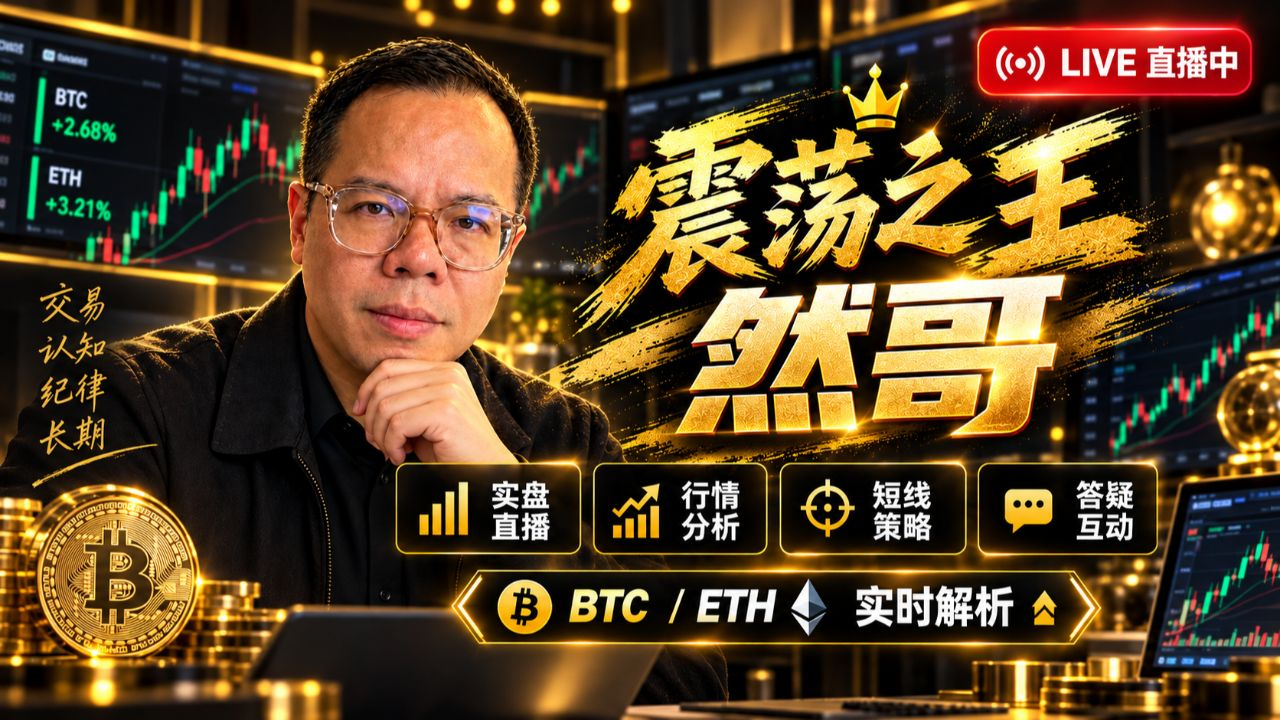
震荡之王然哥
398 Posts
 LIVE
震荡之王然哥
Report
Block User
公众号🔷然哥大吉🔸推特:@rangebtc8🔸跟单返佣进置顶粉丝群!13年全职交易,专注震荡套利与跨市场轮动。白天大A夜间美股全天加密,独创-震荡洗盘破局战法,实盘胜率82%➕,主攻大饼、以太波段。不做死多头也不做死空头,只做顺势收割者!
Open Trade
5.9 Months
9 Following
876 Followers
547 Liked
Posts
Portfolio
All
Videos
Live
PINNED
·
--
👇 Below is the link to Binance’s official group. Click to apply to join [Ran’s Discussion Group]:
[https://app.binance.com/uni-qr/Hkh7fSca](https://app.binance.com/uni-qr/Hkh7fSca?utm_source=gemini) We’re neither blindly bullish nor blindly bearish!
⏰ Livestream schedule:
• Weekdays: We go live promptly at 15:00 every afternoon
• Holidays: We go live promptly at 08:00 every morning
🔹 Discussion group: Share live trading and limit-order strategies, and analyze liquidation charts. No calls that trigger liquidations, and no blindly holding losing positions.
$BTC $ETH
{future}(BTCUSDT)
{future}(ETHUSDT)
👇 Below is the link to Binance’s official group. Click to apply to join [Ran’s Discussion Group]:
https://app.binance.com/uni-qr/Hkh7fSca We’re neither blindly bullish nor blindly bearish!
⏰ Livestream schedule:
• Weekdays: We go live promptly at 15:00 every afternoon
• Holidays: We go live promptly at 08:00 every morning
🔹 Discussion group: Share live trading and limit-order strategies, and analyze liquidation charts. No calls that trigger liquidations, and no blindly holding losing positions.
$BTC $ETH
2
11
267
·
--
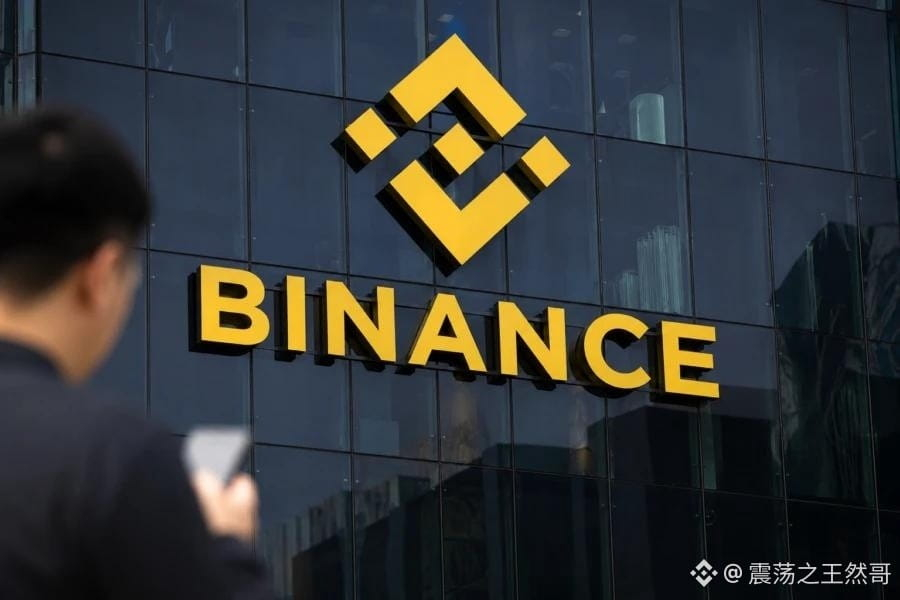
How did the $6.3 billion Binance crypto theft happen?!
On November 3, Binance released more details about its investigation into the security incident.
The attackers didn’t target the exchange directly. They first set their sights on employees.
In June this year, an engineer downloaded a development tool that had been infected with malware.
Then, in September, another engineer was targeted in a fake job interview. The attacker posed as a company recruiter and tricked him into downloading a file containing malicious code.
Even more alarming, the attackers then used the compromised devices to access internal systems and ultimately carry out unauthorized asset transfers.
This didn’t happen overnight—the attackers had been laying the groundwork for months.
The most concerning takeaway is this: cyberattacks today may not even require you to click an unfamiliar link. A seemingly ordinary job interview could become the point of entry.
So be extra cautious when dealing with online interviews, coding tests, or software installations from unfamiliar companies.
#币安 #BTC #黑客攻击 #加密货币 #TraderTraitor
1
3
1.7k
·
--
🎙️ Fearless Trader: Scale Into a Long Position
 LIVE
1.1k listens · 2 in Live Trading
3
0
·
--
Verified
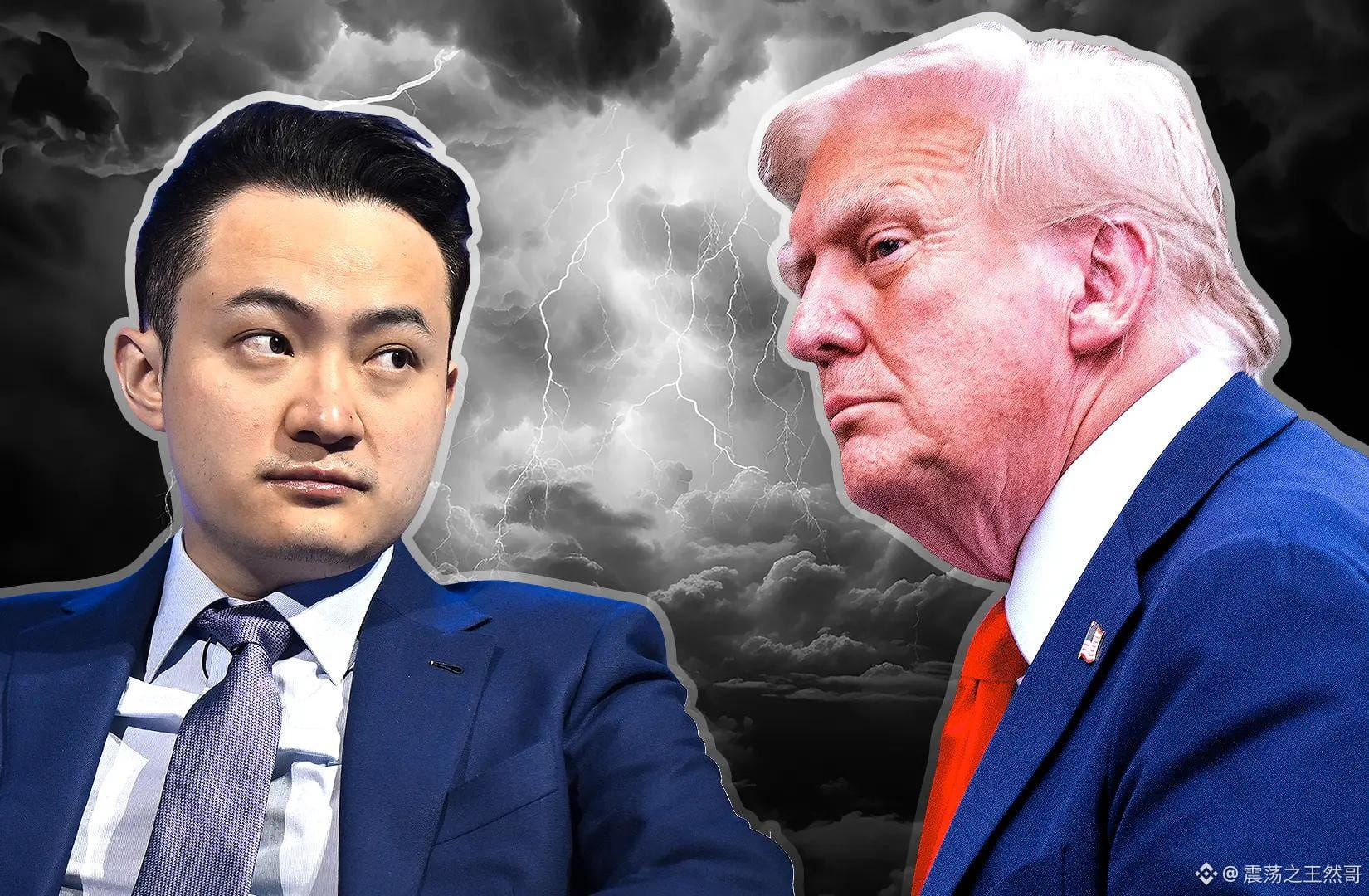
Just got into a 30-million-yuan dowry dispute with Jing Tian, and now he’s fallen out with the Trump family! Sun Ge, you’ve been pretty busy lately 😂
This time, it’s not showbiz—it’s crypto.
Sun Yuchen previously invested about $45 million in World Liberty Financial, a crypto project backed by the Trump family.
But later, the two sides’ relationship completely soured.
Sun Yuchen claims that the project froze the WLFI tokens he holds, leaving him unable to manage them as usual. Now he’s taken the matter straight to a U.S. court, asking it to sanction the other party.
On one side, an investor who put in $45 million; on the other, a crypto project backed by the Trump family.
The dispute is now about more than just tokens: can a project freeze an investor’s assets, and does it have the authority to do so?
Ran thinks this is a reminder for the entire crypto world:
Buying a project’s tokens doesn’t mean you truly have unrestricted control over them.
If you spent $45 million buying a project’s tokens, only to have the project freeze them, would you be okay with that?
#孙割 #WLFI #特朗普拜登 #加密货币 #币安
3
1.2k
·
--
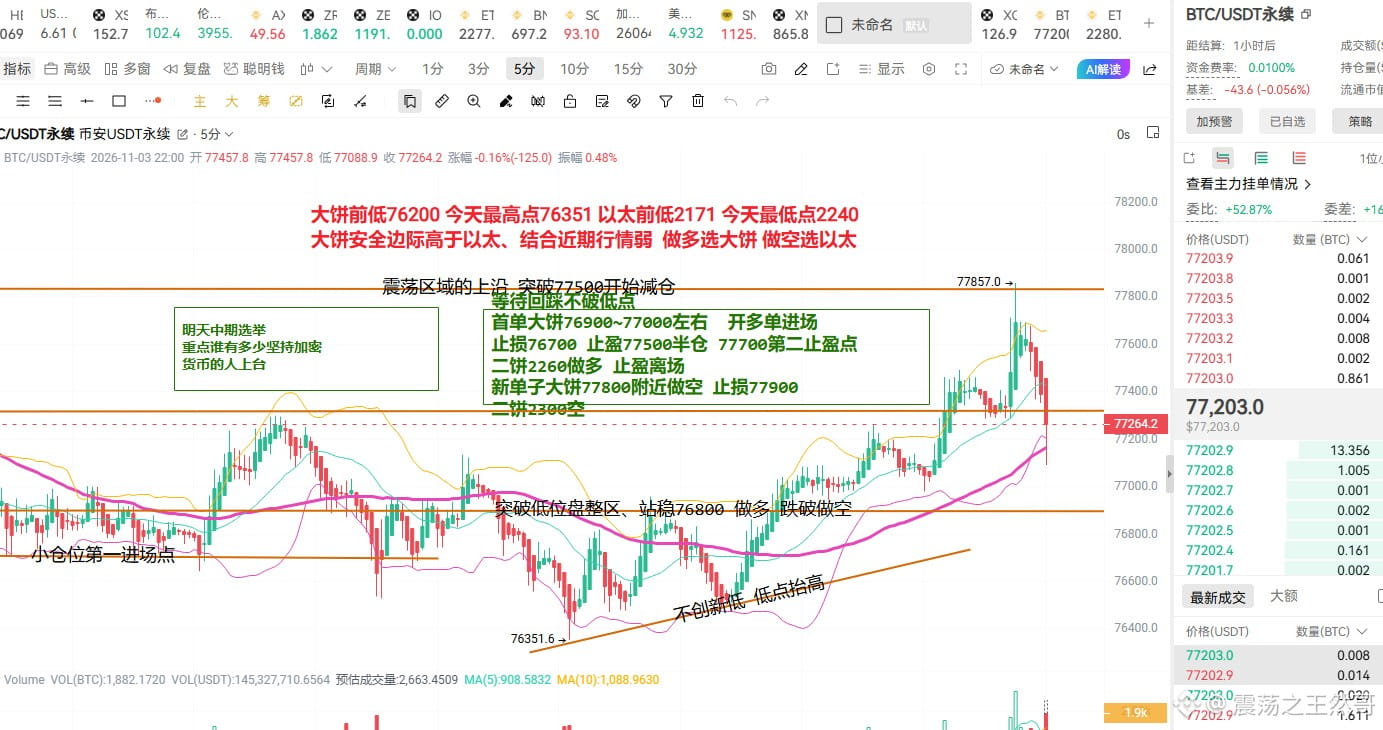
18:30–21:50 Livestreamed for 3 hours and 20 minutes, pulled off the ultimate long-and-short double whammy, and got some pretty good results. Turns out us old folks can still manage once we start using our brains.
18:30–21:50 Livestreamed for 3 hours and 20 minutes, pulled off the ultimate long-and-short double whammy, and got some pretty good results. Turns out us old folks can still manage once we start using our brains.
2
344
·
--
Stole $6.3 billion, and now North Korea is in a hurry to deny it!
This is getting more and more interesting.
On October 31, the FBI officially linked the theft of more than $6.3 billion from Binance to the North Korean hacking group TraderTraitor.
Then, on November 3, North Korea publicly denied it, accusing the United States of trying to smear it for political reasons.
But I think the real thing worth paying attention to isn't who admits to it.
It's how much of the money can still be moved?
According to the Financial Times, about $3.3 billion in assets remain under the hackers' control. Investigators estimate that laundering such a huge sum could take months or even longer.
That's the key.
Money on the blockchain can't just be spent freely as soon as it's stolen. Transaction trails are recorded, and stablecoins can also be frozen.
How much of the money will these hackers ultimately be able to launder??
#BTC #币安 #朝鲜黑客 #TraderTraitor #加密安全


22
44
62.4k
·
--
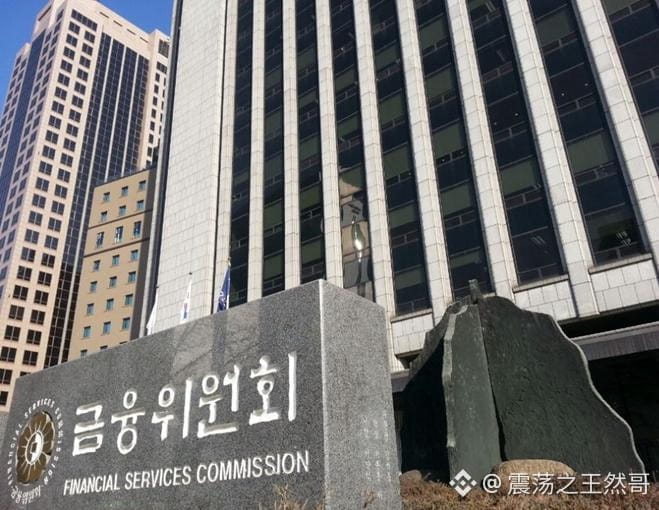
Only now, after the Binance incident, is South Korea getting nervous 😂😂!
Simply put, exchanges store money in two ways.
One is online, making it convenient for users to withdraw their money, but also making it easier for hackers to target.
The other is in offline wallets, like locking money in a safe. They aren't connected to the internet, so they're more secure.
South Korea has long required exchanges to keep at least 80% of users' assets in these offline wallets.
But after the recent security incident at Binance,
South Korean regulators called several major local exchanges to a meeting yesterday and told them to review their wallet management, withdrawal permissions, and security measures.
I think this incident is a wake-up call for all exchanges.
Stop focusing all the time on how to boost trading volume and list new coins. People trust you with their money, so the first thing you need to do is make them feel safe.
#BTC #币安 #韩国监管 #加密安全 #冷钱包
5
5.7k
·
--
I'm a little concerned: could ETH become increasingly dominated by institutions over time?
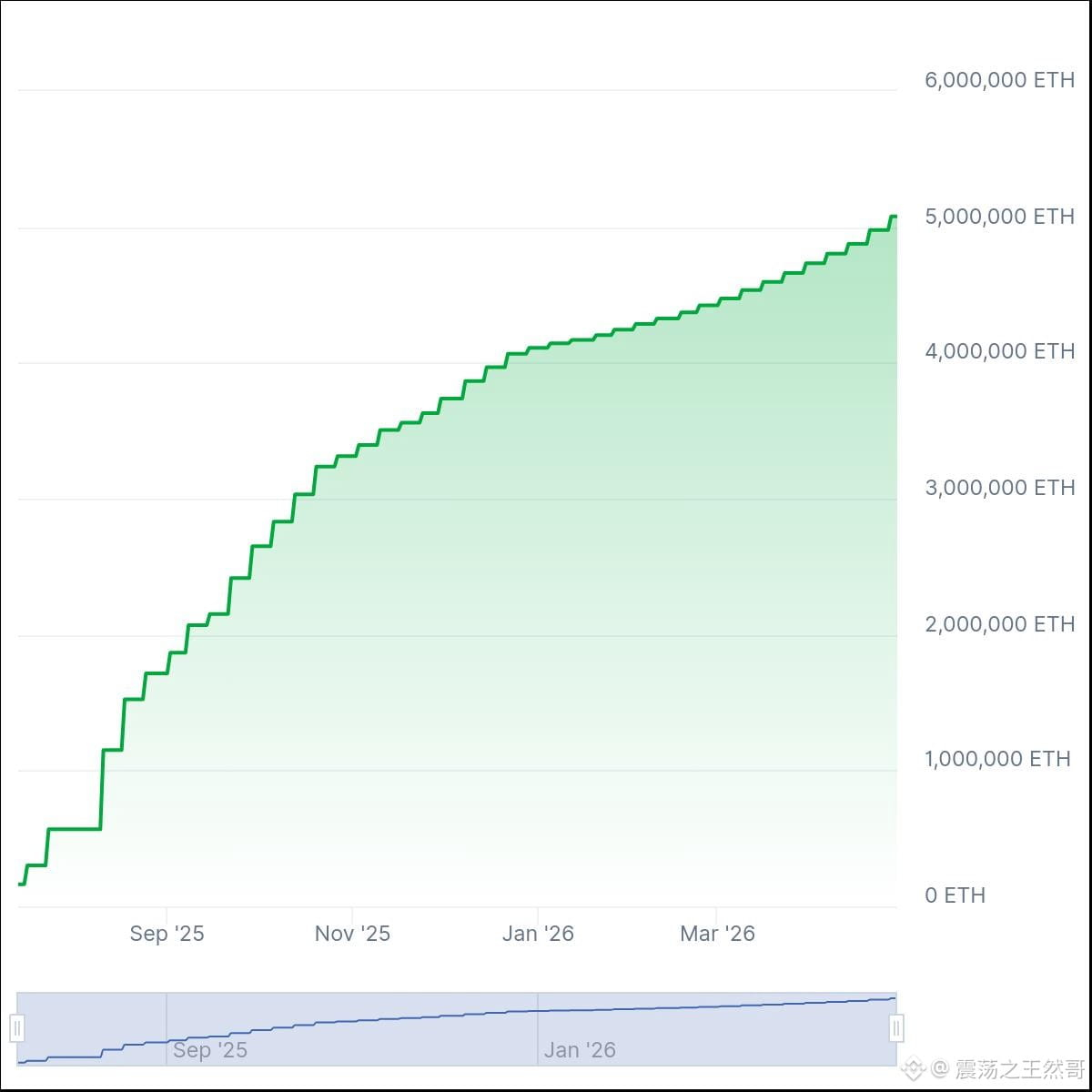
Bitmine previously disclosed that it holds around 6.03 million ETH, of which more than 5.06 million has already been staked.
What does that amount mean? It's close to 4.9% of ETH's total supply.
A lot of people see this and get excited, thinking that with institutions buying so much, ETH is bound to have a bright future.
But I'd like to offer a reminder: don't just look at how much it's buying—look at why it's buying.
Institutions aren't just hoarding ETH to bet on its price going up. They can also earn returns through staking and even build financing and financial services businesses around ETH.
Of course, this benefits the ETH ecosystem.
But there's a very real flip side: if more and more ETH ends up in the hands of a few large institutions, could that create new concentration risks in the market?
I don't think institutional buying necessarily means retail investors are guaranteed to make money.
#ETH #以太 #Bitmine #机构持仓 #币安

2
1.8k
·
--
🎙️ Two short positions closed for a profit this afternoon—can we make another trade tonight?
End
02 h 00 m 18 s
202
0
0
·
--
Verified
Even Nvidia and Nike aren’t on board! 50 companies unite against putting stocks on-chain!
This is pretty interesting.
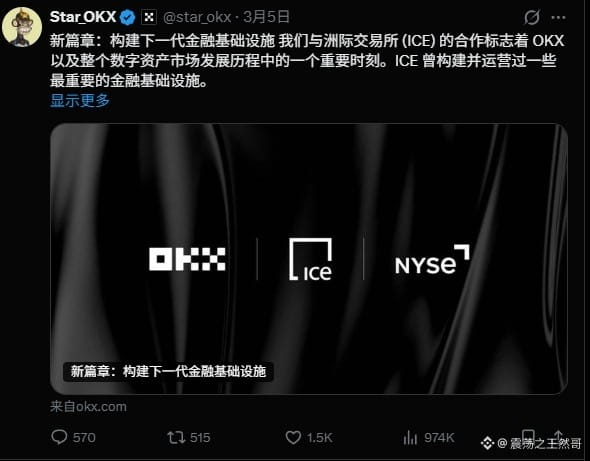
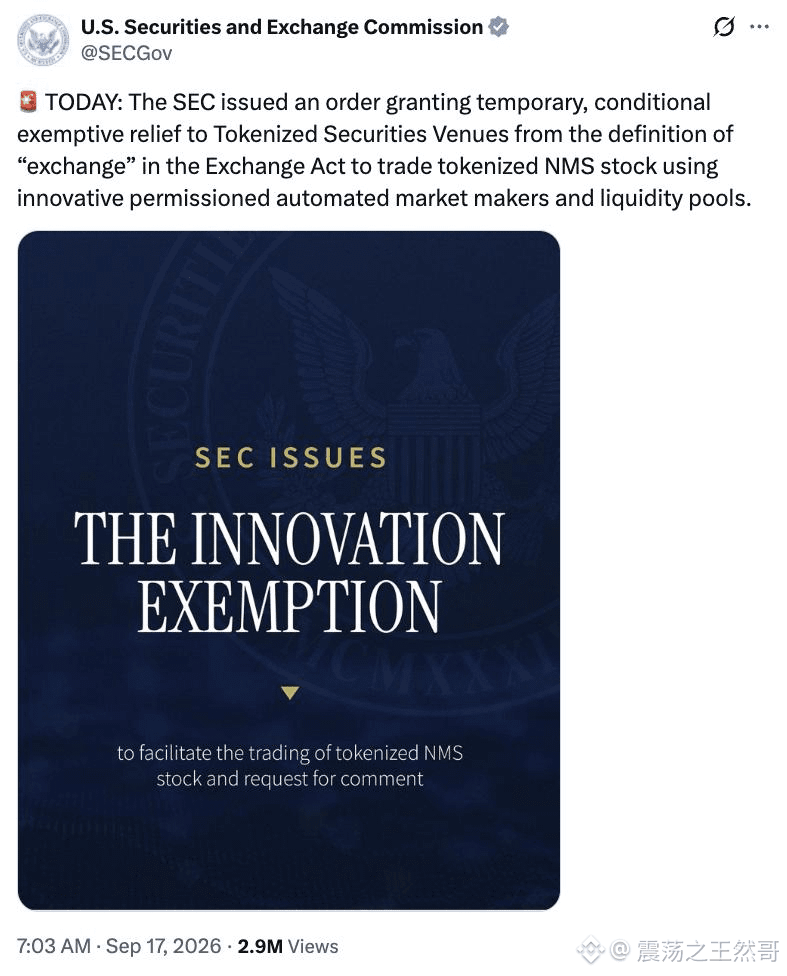
OKX and ICE, the parent company of the New York Stock Exchange, are planning to tokenize stocks, making it possible to trade U.S. stocks on the blockchain.
But the latest list shows that the number of companies opposed has already climbed to 50.
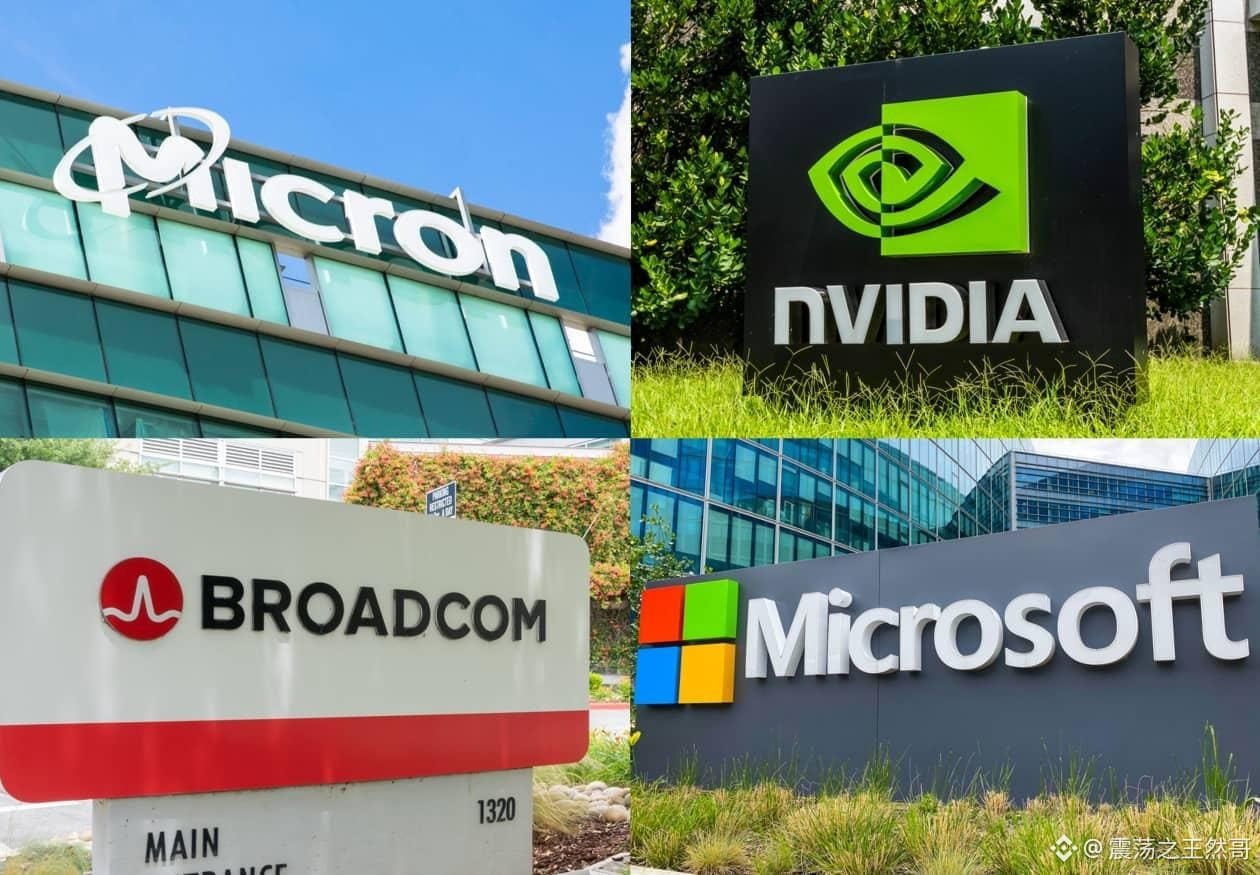
Nvidia, Nike, Microsoft, JPMorgan Chase, and Coca-Cola are among them.
Why are these major companies against it?
Put simply, putting stocks on-chain could change trading hours, liquidity, and trading channels.
For the crypto industry, this is a new market. But for publicly traded companies, how their shares are traded and who manages them are matters of real financial interest.
I think this is more worth paying attention to than just hyping up a new concept.
What do you think: is putting stocks on-chain an upgrade to the financial markets, or just another speculative market?
#OKX #代币化股票 #RWA #NVIDIA #加密货币
11
1
26
50.2k
·
--
🎙️ BABYs, can we get some market action this weekend?
End
05 h 18 m 11 s
796
1
0
·
--
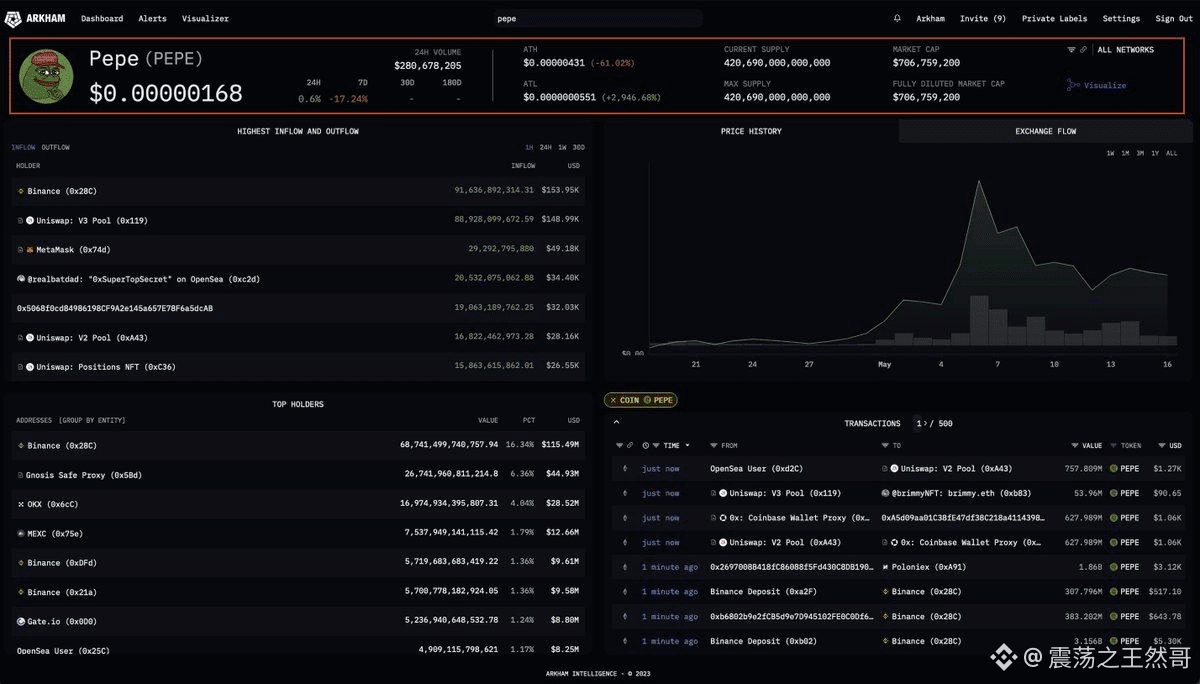
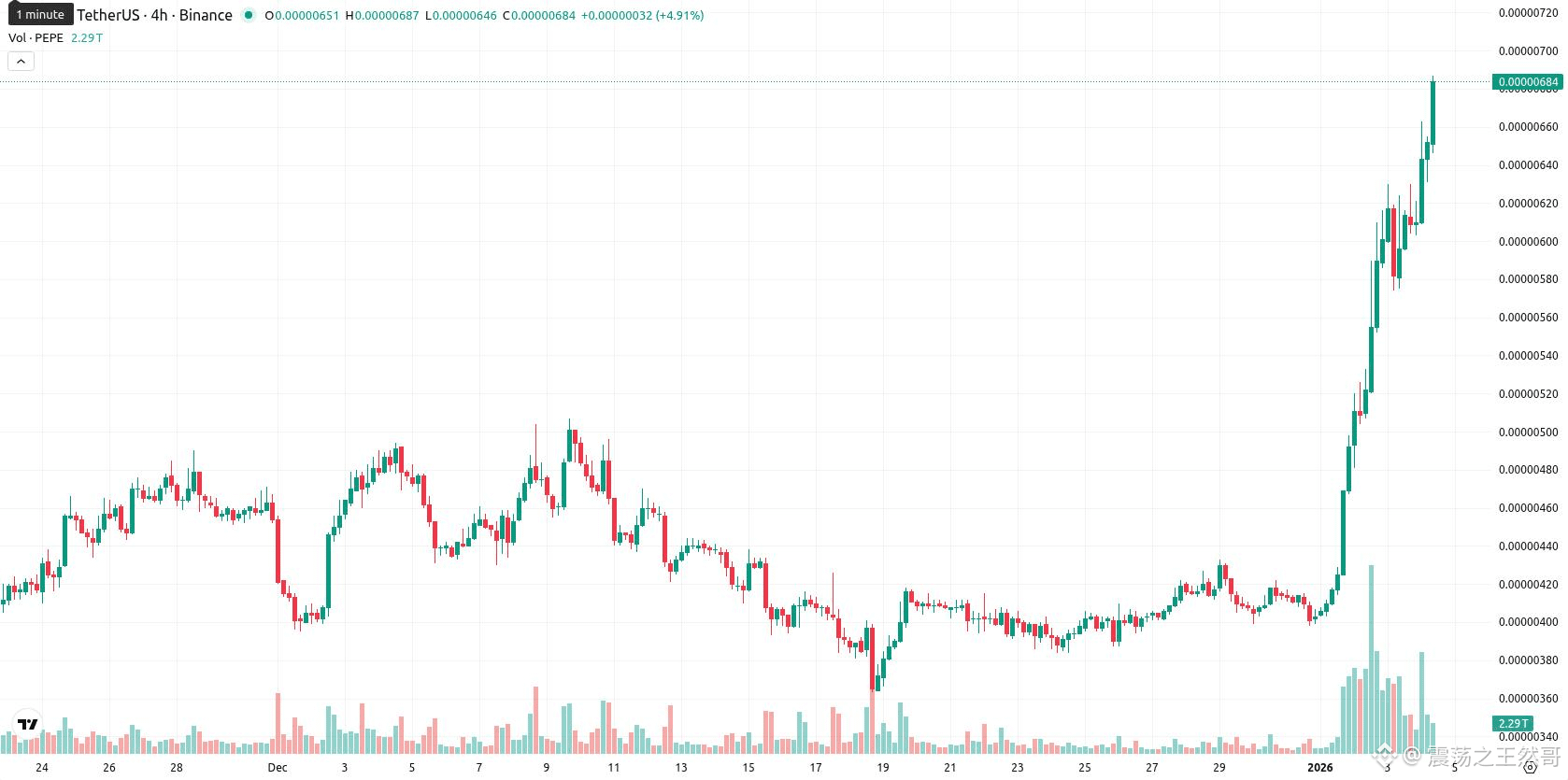
Bitcoin is still grinding sideways, but PEPE has already taken off!
On October 28, PEPE rose more than 9% at one point.
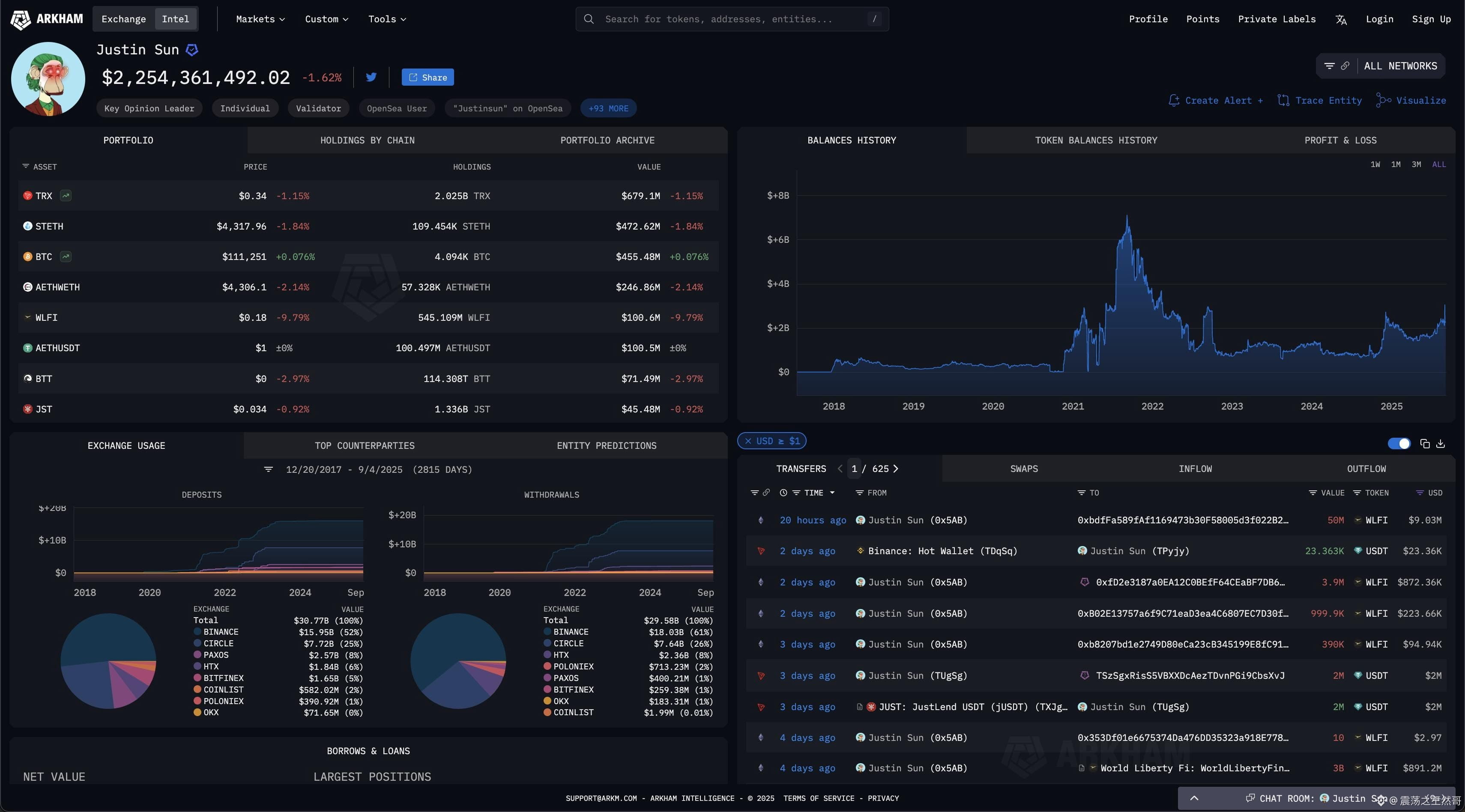
Even more interestingly, Arkham tracked a wallet linked to Justin Sun that holds around $51 million worth of PEPE.
The comments section is probably going to be buzzing again.
But let's be clear: holding it doesn't mean it was bought today, let alone that they're planning to pump the price.
I actually think this is when altcoins are most likely to get people carried away.
You see someone else's coin up 9%, while yours hasn't moved, and you start itching to buy.
Then you jump in, only to realize you've bought into the hype.
#PEPE #孙割 #山寨币 #币安
1
5
2.4k
Log in to explore more content
Join global crypto users on Binance Square
⚡️ Get latest and useful information about crypto.
💬 Trusted by the world’s largest crypto exchange.
👍 Discover real insights from verified creators.
Email / Phone number
Trending Topics
USMidterms-WhatAreMarketsExpecting?
18,228 views
303 Discussing
UBS: Rising Democratic 'Blue Wave' Expectations Deepen Market Risk Aversion
Binance News
·1 Likes
·704 views
USOctoberNFP-AreRateCutsStillPossible
206,643 views
1,622 Discussing
AMDBeatsExpectations-AINarrativeContinues
2,969 views
121 Discussing