
欧鹏
4.8k Posts

欧鹏
Report
Block User
趋势交易|公众号:欧鹏说|邀请码77VIP|
Frequent Trader
2.7 Years
9 Following
2.6K+ Followers
4.7K+ Liked
Posts
All
Quotes
Videos
Live
·
--
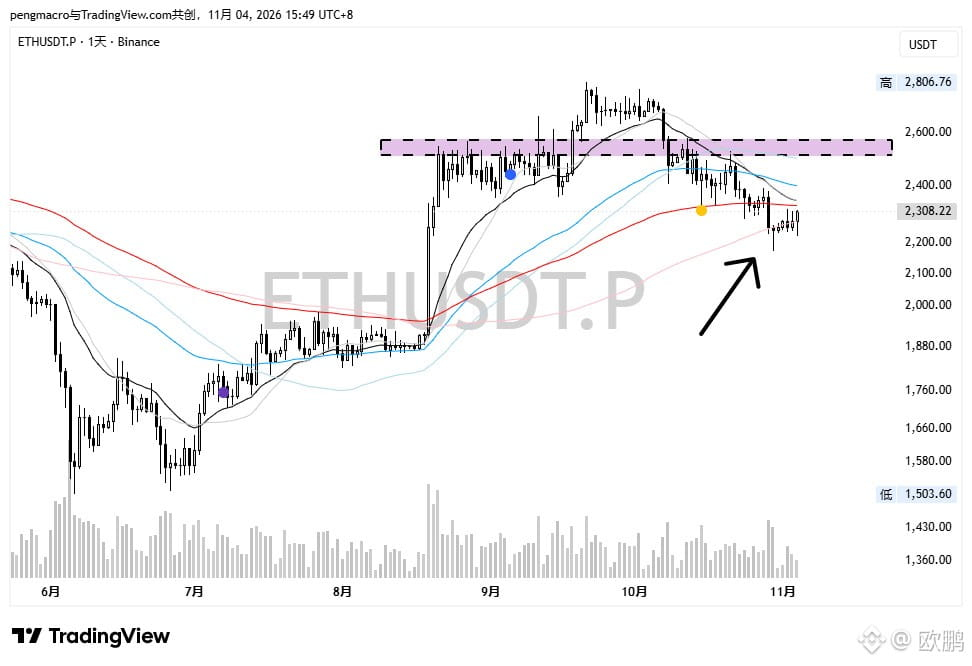
Major cryptocurrencies are starting to rebound. If Ethereum’s price can climb back above all moving averages, the bulls will once again have room to push higher 🚀
$ETH $BTC
{future}(BTCUSDT)
{future}(ETHUSDT)
Major cryptocurrencies are starting to rebound. If Ethereum’s price can climb back above all moving averages, the bulls will once again have room to push higher 🚀
$ETH $BTC
$ETH $BTC
272
·
--
iOS 27.3 Developer Beta update: Apple’s AI finally arrives in China! $AAPL
Apple has released the first developer beta of iOS 27.3, with the public release expected in December. The full suite of system updates, including watchOS, macOS, and iPadOS, is also on the way.
The watch is getting a controversial AI audio feature, supported only on Series 12 and Ultra 4 for now, and currently available in English only.
It can automatically summarize key points from conversations and replay a transcript of the last 15 seconds. Apple emphasizes that all audio is processed on the device, an alert tone will play, and recordings won’t be saved. Even so, concerns remain around privacy and recording laws in some regions.
The arrival of Apple Intelligence in mainland China is finally here—the news everyone has been waiting for.
After years of negotiations, it was approved for release following the integration of Alibaba’s content filter.
Users in mainland China will be able to use notification summaries, custom Genmoji, and Writing Tools.
Advanced image editing, image generation, and the new AI-powered Siri won’t be available in the mainland China version.
The Health app is getting a major redesign.
A new Insights page lets you view heart rate, step count, and other health metrics.
The Longevity section lets you view data related to your heart, hearing, metabolism, and mental health. It also calculates your health age based on your physical condition. Many features are comparable to those offered by health devices such as Whoop and Oura.
211
·
--
After gold and silver plunged, is this really a “once-in-a-decade” buying opportunity? Gold and silver fell sharply last week, posting their worst October performance since 2008. Jen Bawden, founder of Bawden Capital, believes this downturn could instead be a “once-in-a-decade” buying opportunity.
✅ Silver is about 60% below its all-time high, while gold has fallen to a one-year low
✅ Mainstream headlines are calling it a “crash,” but she thinks it looks more like a liquidity vacuum
✅ The Fed held rates steady, while markets still expect a possible rate hike in December
✅ High interest rates raise the opportunity cost of holding non-yielding assets, weighing on gold and silver
✅ Conflict in the Middle East has driven oil prices higher, with Brent crude hovering above $113
✅ The surge in oil prices has boosted demand for the dollar, and a stronger dollar is putting further pressure on precious metals
When risk assets are under pressure and cash is scarce across markets, large funds often sell the assets that are easiest to liquidate. Gold and silver are highly liquid, so they can bear the brunt of the selling. This is similar to the liquidity shocks of October 2008 and March 2020: gold and silver initially plunged in tandem with stocks, then rebounded strongly.
Long-term outlook:
Bawden believes global sovereign debt is unsustainable. Persistently high interest rates will increase the burden of debt repayment and could ultimately force central banks to shift toward easing, sending the dollar lower and redirecting capital toward hard assets. She expects the next decade to favor hard assets such as gold and silver.
But the risks should also be made clear: she cautions that gold and silver could fall further before forming a sustainable bottom. She has placed limit orders and is prepared to buy in stages if mining stocks weaken further, targeting prices 20% to 30% below current levels.
Of course, expert opinions are not certainties. In the short term, the outlook still depends on rate expectations, the dollar, and liquidity. If the sell-off is driven by forced liquidations, historical experience suggests gold and silver often recover first after the panic subsides.
$XAU
{future}(XAUUSDT)
After gold and silver plunged, is this really a “once-in-a-decade” buying opportunity? Gold and silver fell sharply last week, posting their worst October performance since 2008. Jen Bawden, founder of Bawden Capital, believes this downturn could instead be a “once-in-a-decade” buying opportunity.
✅ Silver is about 60% below its all-time high, while gold has fallen to a one-year low
✅ Mainstream headlines are calling it a “crash,” but she thinks it looks more like a liquidity vacuum
✅ The Fed held rates steady, while markets still expect a possible rate hike in December
✅ High interest rates raise the opportunity cost of holding non-yielding assets, weighing on gold and silver
✅ Conflict in the Middle East has driven oil prices higher, with Brent crude hovering above $113
✅ The surge in oil prices has boosted demand for the dollar, and a stronger dollar is putting further pressure on precious metals
When risk assets are under pressure and cash is scarce across markets, large funds often sell the assets that are easiest to liquidate. Gold and silver are highly liquid, so they can bear the brunt of the selling. This is similar to the liquidity shocks of October 2008 and March 2020: gold and silver initially plunged in tandem with stocks, then rebounded strongly.
Long-term outlook:
Bawden believes global sovereign debt is unsustainable. Persistently high interest rates will increase the burden of debt repayment and could ultimately force central banks to shift toward easing, sending the dollar lower and redirecting capital toward hard assets. She expects the next decade to favor hard assets such as gold and silver.
But the risks should also be made clear: she cautions that gold and silver could fall further before forming a sustainable bottom. She has placed limit orders and is prepared to buy in stages if mining stocks weaken further, targeting prices 20% to 30% below current levels.
Of course, expert opinions are not certainties. In the short term, the outlook still depends on rate expectations, the dollar, and liquidity. If the sell-off is driven by forced liquidations, historical experience suggests gold and silver often recover first after the panic subsides.
$XAU
533
·
--
Verified
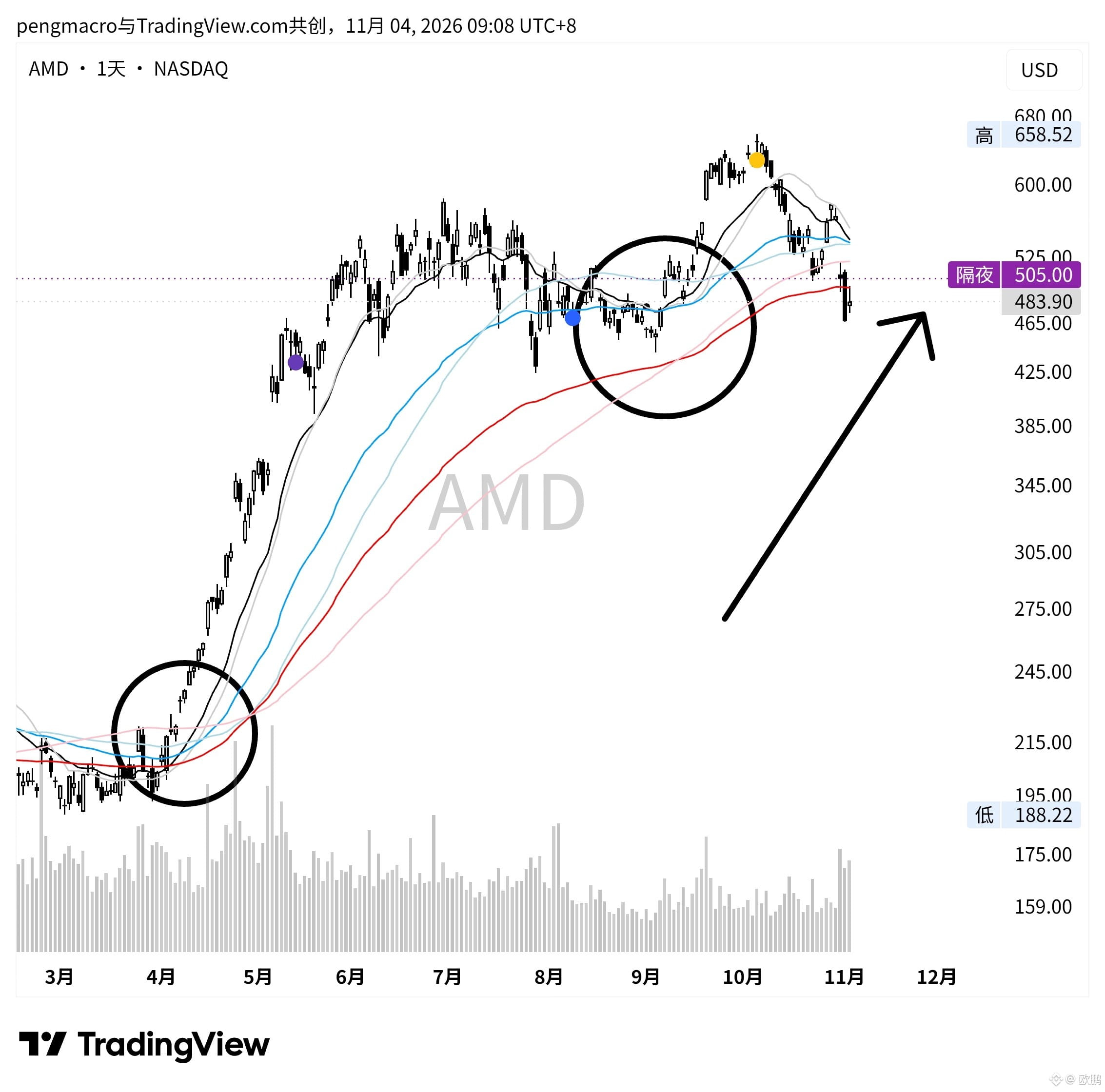
$AMD Did this earnings report ease Wall Street’s AI jitters—for now?
Markets have been worried about returns on AI investment, the sustainability of tech giants’ capital spending, and chip industry valuations. AMD’s Q3 earnings, released after the market closed on November 3, offered at least a somewhat reassuring answer: both results and guidance beat expectations, and the stock rose more than 9% at one point after hours.
Here are the key takeaways:
✅ Revenue of $13.377 billion, up 45% year over year and above market expectations
✅ Adjusted EPS of $2.09, up 74% year over year and above expectations
✅ Q4 revenue guidance of about $17 billion, above the market’s estimate of about $16.23 billion
✅ Data center revenue of $8.55 billion, up 97% year over year and a record high
✅ Data centers accounted for 64% of total revenue, up from about 47% a year ago
Data centers are now AMD’s core growth engine.
Growth is mainly coming from two areas: strong demand for EPYC server CPUs and wider deployment of Instinct-series AI accelerators. AI demand isn’t slowing down—it’s continuing to accelerate.
But growth wasn’t broad-based.
Client and gaming revenue was $3.72 billion, down 8% year over year and below expectations; embedded revenue was about $1.1 billion, up 29% year over year.
In short: strength in data centers more than offset weakness in PC and gaming.
The strategic upgrade is also worth watching.
The Helios rack-scale system has entered production, with output set to ramp up in Q4. It integrates MI450-series/MI455X accelerators, EPYC Venice server chips, networking, and software. The first systems are being tested at Meta.
AMD and Meta previously reached an agreement for AMD to supply Meta with up to $60 billion worth of AI chips over the next five years. Meta may also have the option to buy up to a 10% stake in AMD. Anthropic, Microsoft, OpenAI, and Oracle Cloud Infrastructure are also running models and workloads on the first Helios systems.
That said, the risks shouldn’t be overlooked.
Q4 gross margin guidance is about 55%, down from 56% in Q3. Free cash flow was $554 million, down 64% year over year and below expectations. Tight HBM supply, advanced packaging, system integration, and delivery capacity are all key constraints on further expansion of the AI business.
This earnings report is a validation, not the final verdict. The bigger test will be whether AMD can deliver on its growth in 2027.
{future}(AMDUSDT)
{spot}(AMDBUSDT)
{stock_us}(AMD.US)
$AMD Did this earnings report ease Wall Street’s AI jitters—for now?
Markets have been worried about returns on AI investment, the sustainability of tech giants’ capital spending, and chip industry valuations. AMD’s Q3 earnings, released after the market closed on November 3, offered at least a somewhat reassuring answer: both results and guidance beat expectations, and the stock rose more than 9% at one point after hours.
Here are the key takeaways:
✅ Revenue of $13.377 billion, up 45% year over year and above market expectations
✅ Adjusted EPS of $2.09, up 74% year over year and above expectations
✅ Q4 revenue guidance of about $17 billion, above the market’s estimate of about $16.23 billion
✅ Data center revenue of $8.55 billion, up 97% year over year and a record high
✅ Data centers accounted for 64% of total revenue, up from about 47% a year ago
Data centers are now AMD’s core growth engine.
Growth is mainly coming from two areas: strong demand for EPYC server CPUs and wider deployment of Instinct-series AI accelerators. AI demand isn’t slowing down—it’s continuing to accelerate.
But growth wasn’t broad-based.
Client and gaming revenue was $3.72 billion, down 8% year over year and below expectations; embedded revenue was about $1.1 billion, up 29% year over year.
In short: strength in data centers more than offset weakness in PC and gaming.
The strategic upgrade is also worth watching.
The Helios rack-scale system has entered production, with output set to ramp up in Q4. It integrates MI450-series/MI455X accelerators, EPYC Venice server chips, networking, and software. The first systems are being tested at Meta.
AMD and Meta previously reached an agreement for AMD to supply Meta with up to $60 billion worth of AI chips over the next five years. Meta may also have the option to buy up to a 10% stake in AMD. Anthropic, Microsoft, OpenAI, and Oracle Cloud Infrastructure are also running models and workloads on the first Helios systems.
That said, the risks shouldn’t be overlooked.
Q4 gross margin guidance is about 55%, down from 56% in Q3. Free cash flow was $554 million, down 64% year over year and below expectations. Tight HBM supply, advanced packaging, system integration, and delivery capacity are all key constraints on further expansion of the AI business.
This earnings report is a validation, not the final verdict. The bigger test will be whether AMD can deliver on its growth in 2027.
375
·
--
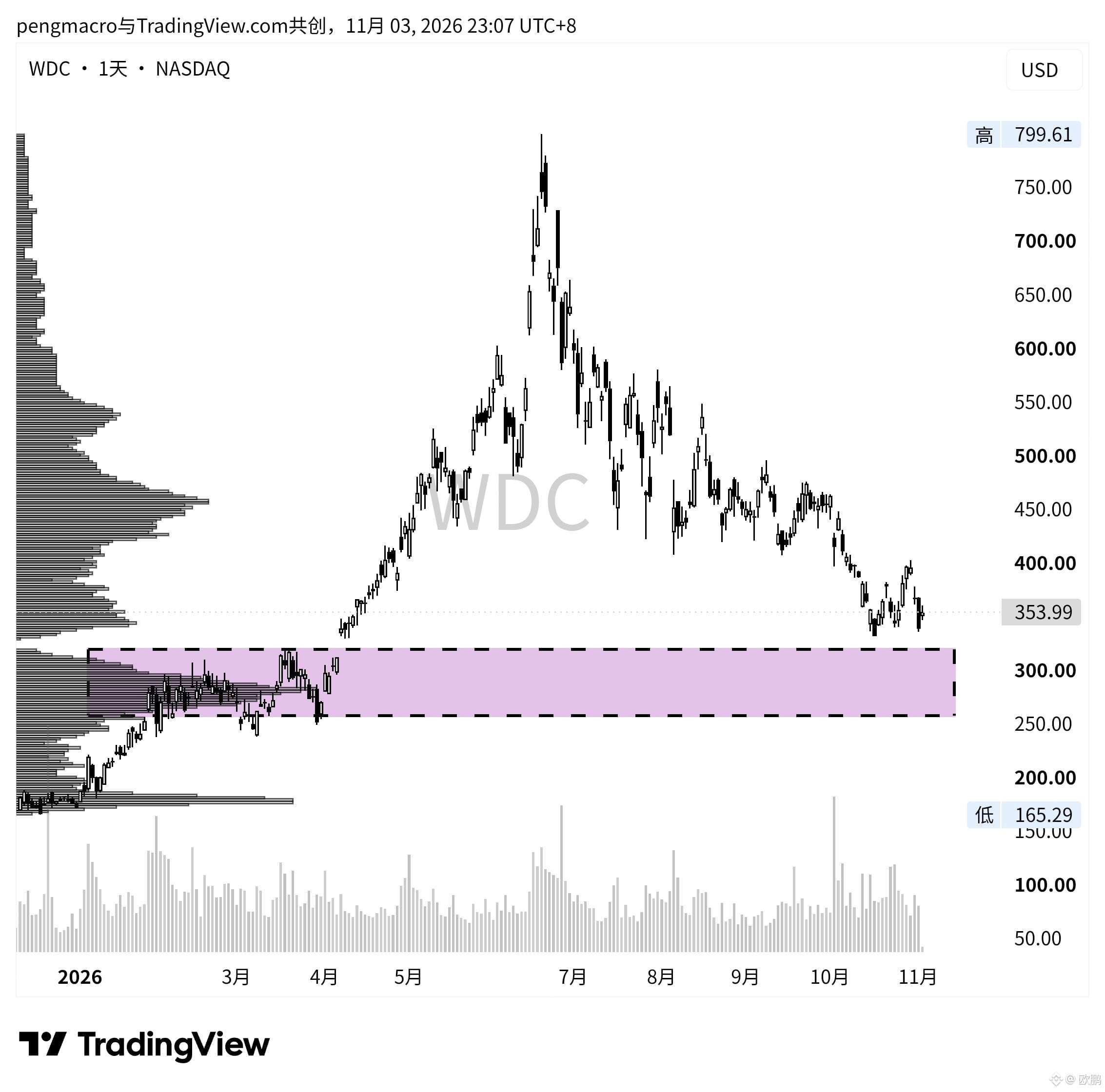
1. 📈 Stock performance: Western Digital $WDC edged up slightly from its lows, as positive earnings news continued to gain traction.
2. 📊 Strong earnings: Adjusted EPS for fiscal Q1 2027 was $4.64, with revenue of $4.38 billion, up 55% year over year and above market expectations. Strong demand from cloud providers and increased shipments of high-capacity hard drives helped lift the average selling price per unit of storage by 28% year over year.
3. 💸 Higher dividend + strong guidance: The quarterly dividend was raised 17% to $0.175. Revenue is forecast to grow 66%–72% year over year next quarter, significantly above analyst expectations.
4. 🧩 Sector confirmation: Data center revenue at spun-off SanDisk surged over the same period, confirming strong momentum in AI storage. Its forward PEG ratio is discounted relative to peers, attracting buyers.
5. 📌 Macroeconomic support: Rate-hike concerns eased, while the Nasdaq and S&P 500 both rose, creating a favorable climate for technology and growth stocks.
6. ⚠️ Note: The current share price remains some distance below its 52-week high. The key variable is whether demand for AI storage can be sustained.
319
·
--
Partly True
1. 🛢️ Market update: Brent crude fell 3% intraday to $100.43 per barrel. The market attributed the trigger to Trump suspending $4 billion in aid to Israel.
2. 📌 Counterintuitive logic: Normally, cutting aid would raise the Middle East risk premium, so oil prices should have risen. Instead, the market plunged. Investors interpreted this as the U.S. pulling back and constraints on the conflict increasing, or as profit-taking by investors at elevated levels.
3. 📅 A look at the year so far: Oil prices have been highly sensitive to Middle East policy. The July blockade of Iran pushed prices up; the Strait of Hormuz in June and Europe’s release of strategic reserves in October weighed on prices. Large swings of around 3% were frequent in September–October, and oil prices remain in an elevated range amid repeated geopolitical risk-premium swings.
4. 👀 What to watch: Whether oil prices continue to price in this political variable in one direction is more worth tracking than the current drop.
$BZ
{future}(BZUSDT)
1. 🛢️ Market update: Brent crude fell 3% intraday to $100.43 per barrel. The market attributed the trigger to Trump suspending $4 billion in aid to Israel.
2. 📌 Counterintuitive logic: Normally, cutting aid would raise the Middle East risk premium, so oil prices should have risen. Instead, the market plunged. Investors interpreted this as the U.S. pulling back and constraints on the conflict increasing, or as profit-taking by investors at elevated levels.
3. 📅 A look at the year so far: Oil prices have been highly sensitive to Middle East policy. The July blockade of Iran pushed prices up; the Strait of Hormuz in June and Europe’s release of strategic reserves in October weighed on prices. Large swings of around 3% were frequent in September–October, and oil prices remain in an elevated range amid repeated geopolitical risk-premium swings.
4. 👀 What to watch: Whether oil prices continue to price in this political variable in one direction is more worth tracking than the current drop.
$BZ
738
·
--
Verified
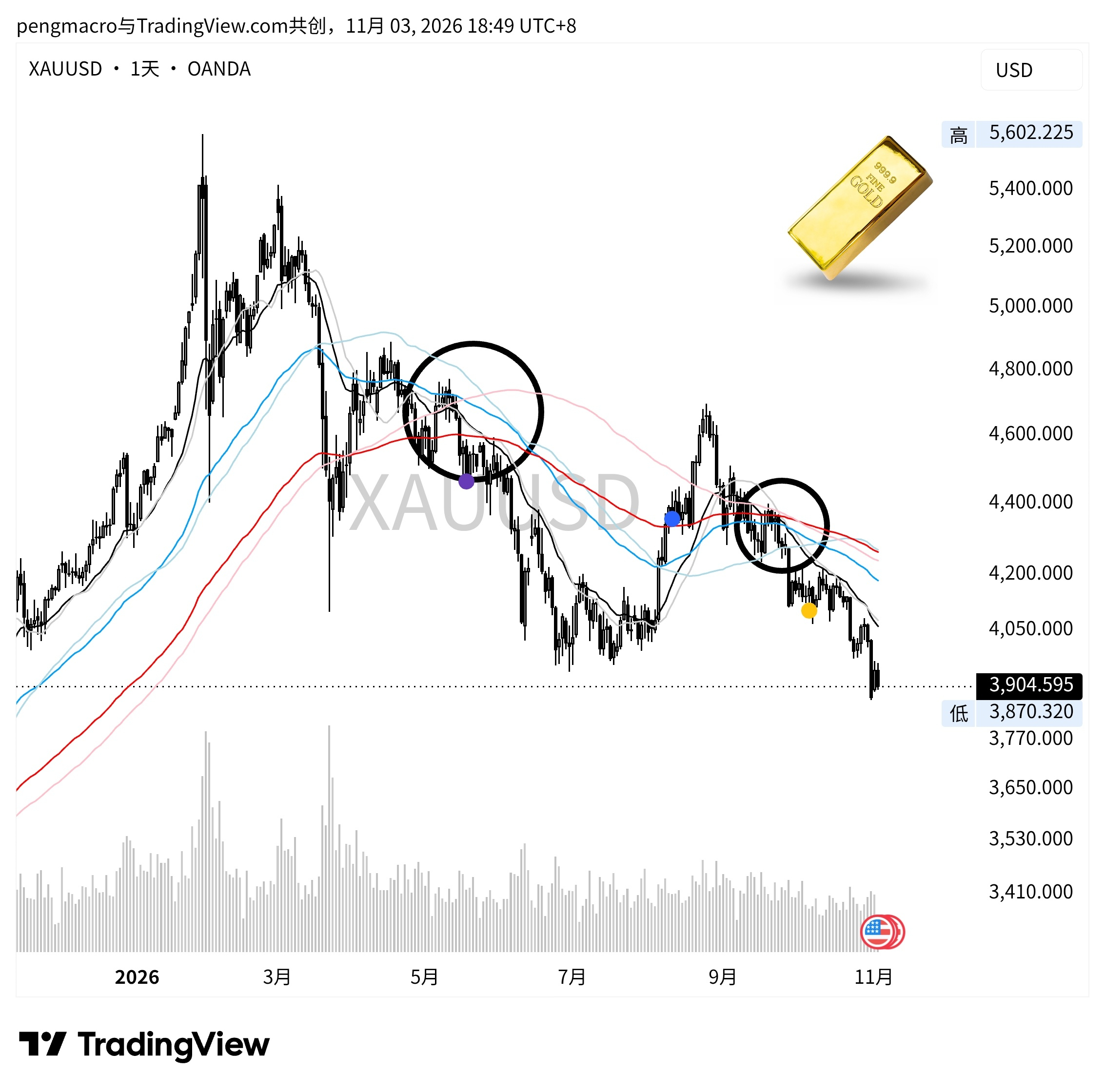
The U.S. suddenly attacks Iran! Gold $XAU unexpectedly plunges below $3,900—watch out for a surprise in the midterm elections!!
1. 📉 Market: Spot gold fell 1% to $3,908.49. It had surged more than 2% on Monday as hopes for easing U.S.-Iran tensions briefly lifted prices. The market reversed after the U.S. military struck Qeshm Island.
2. 🛢️ Unusual market dynamics: The conflict drove oil prices higher and stoked inflation concerns. Market expectations of a December rate hike climbed to 75%. The prospect of higher rates weighed on gold, breaking the usual safe-haven pattern of “buy gold during wartime.”
3. 🗳️ The midterm elections are another key focus right now:
▪️ A sweeping Republican victory: Expectations of tax cuts and increased defense spending could push Treasury yields higher, weighing on gold prices.
▪️ Democrats take both chambers of Congress: Tighter regulation could pressure tech stocks, potentially triggering cross-asset selling that drags down gold.
4. 📊 Demand: The World Gold Council lowered its forecast for growth in demand for gold bars and coins, while raising its forecast for central-bank gold purchases.
5. 📈 Technical levels: Key support at $3,885; resistance above at $3,980.
6. 📅 This week’s data: Job openings, ADP employment, ISM Services PMI, initial jobless claims, and Friday’s nonfarm payrolls.
{future}(XAUTUSDT)
The U.S. suddenly attacks Iran! Gold $XAU unexpectedly plunges below $3,900—watch out for a surprise in the midterm elections!!
1. 📉 Market: Spot gold fell 1% to $3,908.49. It had surged more than 2% on Monday as hopes for easing U.S.-Iran tensions briefly lifted prices. The market reversed after the U.S. military struck Qeshm Island.
2. 🛢️ Unusual market dynamics: The conflict drove oil prices higher and stoked inflation concerns. Market expectations of a December rate hike climbed to 75%. The prospect of higher rates weighed on gold, breaking the usual safe-haven pattern of “buy gold during wartime.”
3. 🗳️ The midterm elections are another key focus right now:
▪️ A sweeping Republican victory: Expectations of tax cuts and increased defense spending could push Treasury yields higher, weighing on gold prices.
▪️ Democrats take both chambers of Congress: Tighter regulation could pressure tech stocks, potentially triggering cross-asset selling that drags down gold.
4. 📊 Demand: The World Gold Council lowered its forecast for growth in demand for gold bars and coins, while raising its forecast for central-bank gold purchases.
5. 📈 Technical levels: Key support at $3,885; resistance above at $3,980.
6. 📅 This week’s data: Job openings, ADP employment, ISM Services PMI, initial jobless claims, and Friday’s nonfarm payrolls.
350
·
--
Bitcoin falls to a more than one-month low of $76,500 as uncertainty over the U.S. midterm elections prompts investors to stay on the sidelines!
1. 📉 Market data: Bitcoin fell 2% to $76,565.9, its lowest level since early September. It is down more than 6% in October, marking the second consecutive year that the usual October rally has failed to materialize.
2. 🔐 Fallout from the Binance hack continues: More than $6 billion in stolen funds has shaken market confidence. Despite the platform’s pledge to fully reimburse users and restore withdrawals, fear persists.
3. 💸 Spot BTC ETFs saw large outflows as institutional investors sought safety, further weighing on prices.
4. 📊 Tech stocks broadly weakened amid concerns about excessive investment in AI. Overall risk appetite cooled, dragging down the crypto sector.
5. 🗳️ The midterm elections have become a key factor: If Democrats win both chambers of Congress, advancing crypto-friendly legislation will become much more difficult. Amid policy uncertainty, investors are choosing to wait and see.
6. ₿ The broader market fell: ETH, SOL, BNB, and meme coins all declined, while XRP held roughly steady.
$BTC $ETH $XRP
{future}(XRPUSDT)
{future}(ETHUSDT)
{future}(BTCUSDT)
Bitcoin falls to a more than one-month low of $76,500 as uncertainty over the U.S. midterm elections prompts investors to stay on the sidelines!
1. 📉 Market data: Bitcoin fell 2% to $76,565.9, its lowest level since early September. It is down more than 6% in October, marking the second consecutive year that the usual October rally has failed to materialize.
2. 🔐 Fallout from the Binance hack continues: More than $6 billion in stolen funds has shaken market confidence. Despite the platform’s pledge to fully reimburse users and restore withdrawals, fear persists.
3. 💸 Spot BTC ETFs saw large outflows as institutional investors sought safety, further weighing on prices.
4. 📊 Tech stocks broadly weakened amid concerns about excessive investment in AI. Overall risk appetite cooled, dragging down the crypto sector.
5. 🗳️ The midterm elections have become a key factor: If Democrats win both chambers of Congress, advancing crypto-friendly legislation will become much more difficult. Amid policy uncertainty, investors are choosing to wait and see.
6. ₿ The broader market fell: ETH, SOL, BNB, and meme coins all declined, while XRP held roughly steady.
$BTC $ETH $XRP
111
·
--
U.S. midterm Election Day is November 3.
1. 🗳️ Election Day: November 3 in the Eastern Time Zone (polling places across the states will close and counting will begin in succession starting in the early hours of November 4 Beijing time)
2. ⏱️ Morning of November 4 Beijing time: Eastern states will be the first to report preliminary results. The media will likely be able to project control of the House of Representatives that day;
3. ⏳ The Senate race is closer, with many mail-in ballots. It may take days or even weeks to confirm the final outcome in some battleground states;
4. ✅ Media projections are not official results. States will certify their results later, and some states may not do so until December. The new Congress will be sworn in in January.
1
399
·
--
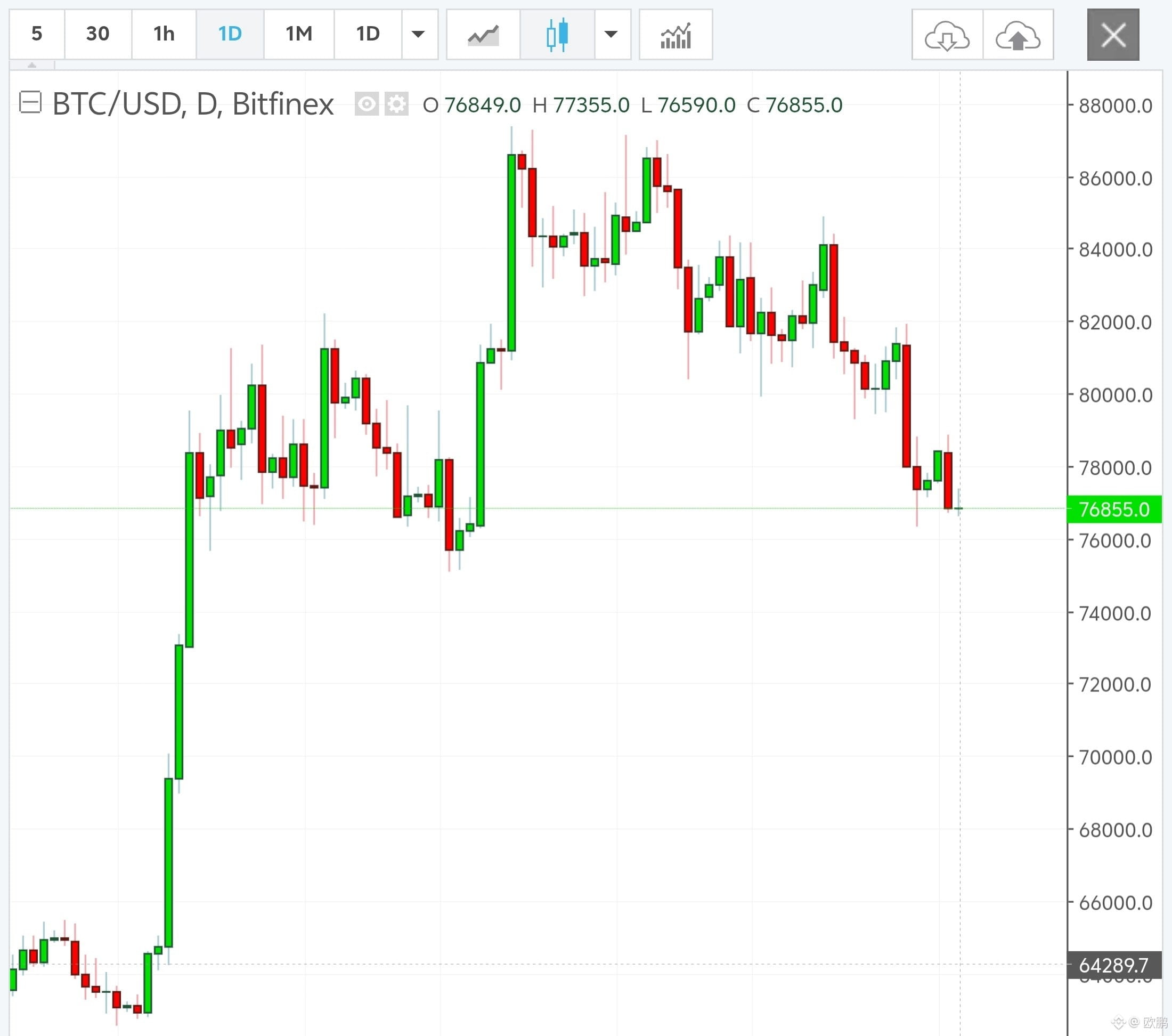
Bitcoin $BTC falls below $77,000 as hacking and macro volatility converge!!
1. 📉Market data: Bitcoin fell below $77,000 to $76,982.35, down 1.35% from the previous day; total market capitalization is about $1.54 trillion, with 24-hour trading volume of $20.03 billion.
2. 🔐Security headwind: Binance was hit by a cyberattack, with massive losses. Hackers are shifting their targets toward Bitcoin, heightening market panic.
3. 📊Macroeconomic drag: The Nasdaq plunged 2.86%. Risk appetite declined ahead of the election and AI earnings reports, and crypto assets weakened along with traditional markets.
4. 🧩Market divergence: Strive and Bitmain increased their BTC and ETH holdings despite the downturn, providing some support to the market; retail and institutional investors are sharply divided over buying strategies.
5. 🇰🇷Regional factors: South Korea’s stock market staged a V-shaped reversal, as capital rotated rapidly between tech stocks and crypto assets; local regulatory scrutiny may indirectly affect the tokenization sector.
6. ⚠️What to watch next: Regulatory uncertainty remains in the crypto sector. Watch whether the daily 120 moving average holds as support and whether Bitcoin can break back above the $80,000 level. The risk of short-term volatility remains high.
{future}(BTCUSDT)
Bitcoin $BTC falls below $77,000 as hacking and macro volatility converge!!
1. 📉Market data: Bitcoin fell below $77,000 to $76,982.35, down 1.35% from the previous day; total market capitalization is about $1.54 trillion, with 24-hour trading volume of $20.03 billion.
2. 🔐Security headwind: Binance was hit by a cyberattack, with massive losses. Hackers are shifting their targets toward Bitcoin, heightening market panic.
3. 📊Macroeconomic drag: The Nasdaq plunged 2.86%. Risk appetite declined ahead of the election and AI earnings reports, and crypto assets weakened along with traditional markets.
4. 🧩Market divergence: Strive and Bitmain increased their BTC and ETH holdings despite the downturn, providing some support to the market; retail and institutional investors are sharply divided over buying strategies.
5. 🇰🇷Regional factors: South Korea’s stock market staged a V-shaped reversal, as capital rotated rapidly between tech stocks and crypto assets; local regulatory scrutiny may indirectly affect the tokenization sector.
6. ⚠️What to watch next: Regulatory uncertainty remains in the crypto sector. Watch whether the daily 120 moving average holds as support and whether Bitcoin can break back above the $80,000 level. The risk of short-term volatility remains high.
188
·
--
Verified
Intel ($INTC ) is still sliding: PC slowdown is just the trigger; foundry woes are the main story
1. 📉The PC market outlook has deteriorated, and Intel shares suffered their biggest single-day drop since the 1970s. They plunged 45% in October and have continued to fall since; PC business accounts for about half of the company’s revenue, while consumers remain reluctant to upgrade their devices.
2. 🏭Progress in the foundry business has been difficult. Over the past five years, Intel has invested heavily to challenge TSMC, but it still lacks major external customers for its advanced chips, producing most chips for its own products.
3. ⚙️Capacity is under pressure: Supply constraints in areas such as wafers and substrates have forced Intel to shift some capacity for its advanced 18A process to older nodes to supply data center products, making its foundry business less attractive to external customers.
4. 🧩Conflicts across multiple businesses: Intel’s own CPU products and foundry services have conflicting interests, while customers that compete with Intel have concerns about confidentiality. This has prompted discussion about spinning off the foundry business.
5. 📊What to watch—and what to worry about: The data center business once grew rapidly, and agentic AI CPUs have potential applications, but insufficient capacity is limiting revenue realization. The market is waiting for new foundry customers to come on board, and the U.S. semiconductor strategy also depends on Intel’s foundry succeeding.
欧鹏
·
--
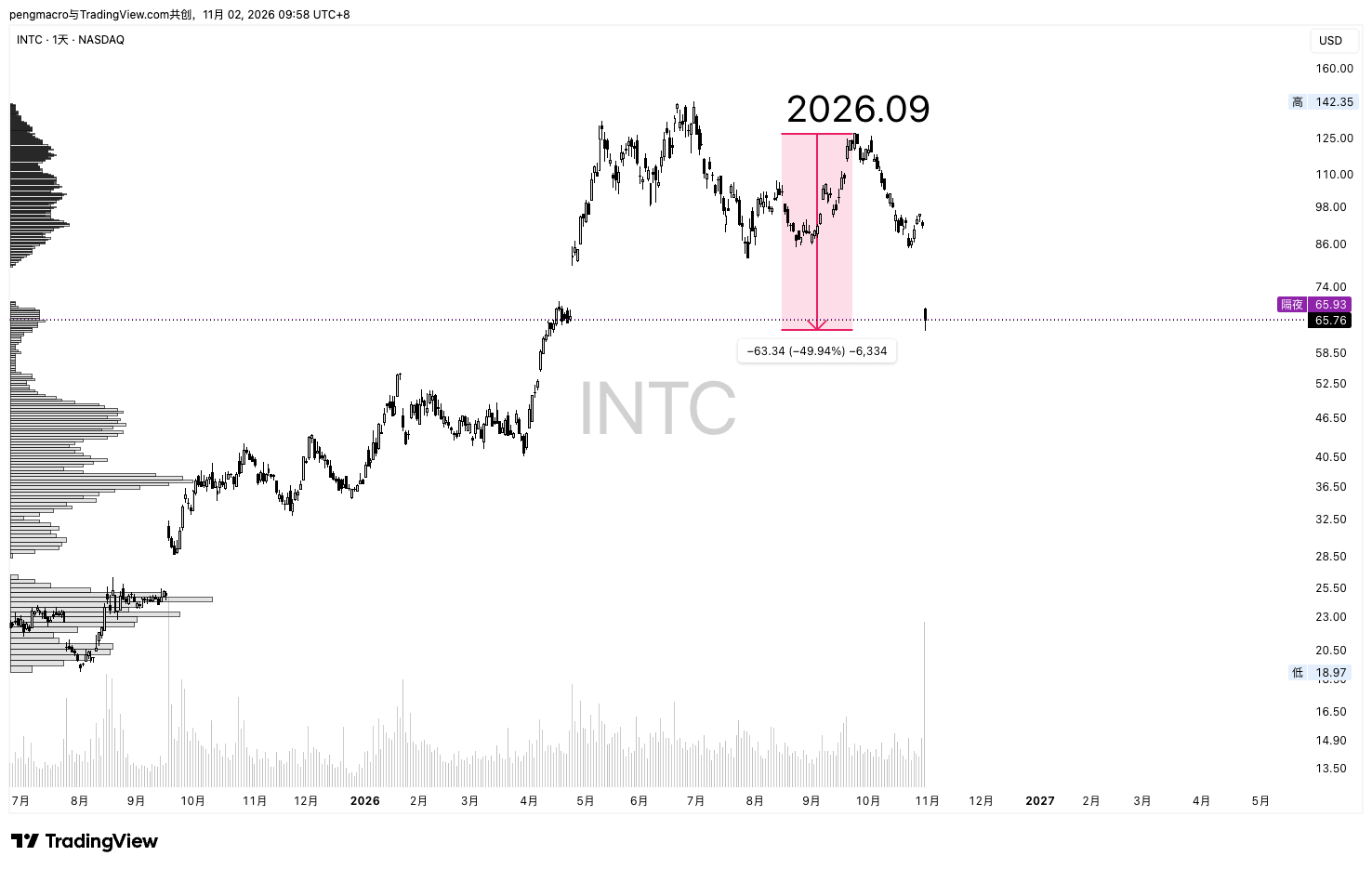
Intel shares stabilized after the market opened following overnight trading
$INTC has fallen about 50% from its September high, and data show that substantial positions have already been built near $65.
$INTC has fallen about 50% from its September high, and data show that substantial positions have already been built near $65.
5
978
·
--
Verified
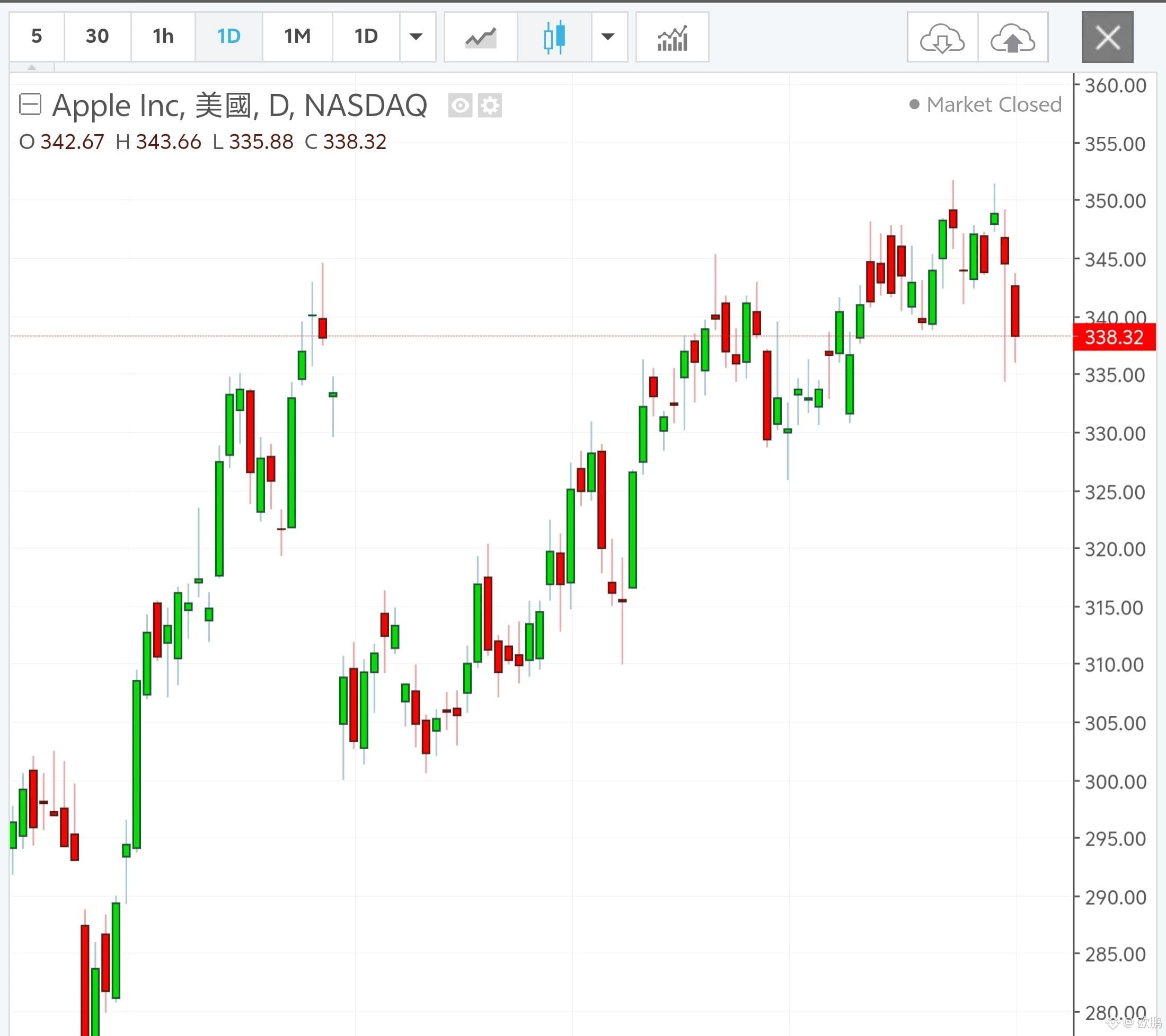
Apple reports earnings: Revenue beats expectations, but growth slows as multiple pressures emerge!!
1. 📊 Apple ($AAPL ) reported Q4 FY2026 revenue of $114.5 billion, up 12% year over year and slightly above market expectations, but growth slowed from 16% last quarter.
2. 🇨🇳 Greater China revenue was $17.53 billion, up 21% year over year but below expectations of $18.75 billion, indicating pressure in the region.
3. ☁️ Services growth slowed, with year-over-year growth below 10% this quarter—the lowest rate since 2022. This segment includes iCloud, the App Store, AppleCare, and Google licensing revenue, among others.
4. 💸 Capital expenditure this quarter was just $2.24 billion, far below the expected $3.33 billion, leaving Apple’s AI infrastructure investment clearly behind that of other major tech companies.
5. ⚠️ Several risks remain: the standard iPhone was not updated as expected in September, product supply is constrained, and progress in AI is lagging. The market is waiting for the foldable iPhone Duo to boost holiday-season sales. Shares edged lower in after-hours trading following the earnings announcement.
{future}(AAPLUSDT)
Apple reports earnings: Revenue beats expectations, but growth slows as multiple pressures emerge!!
1. 📊 Apple ($AAPL ) reported Q4 FY2026 revenue of $114.5 billion, up 12% year over year and slightly above market expectations, but growth slowed from 16% last quarter.
2. 🇨🇳 Greater China revenue was $17.53 billion, up 21% year over year but below expectations of $18.75 billion, indicating pressure in the region.
3. ☁️ Services growth slowed, with year-over-year growth below 10% this quarter—the lowest rate since 2022. This segment includes iCloud, the App Store, AppleCare, and Google licensing revenue, among others.
4. 💸 Capital expenditure this quarter was just $2.24 billion, far below the expected $3.33 billion, leaving Apple’s AI infrastructure investment clearly behind that of other major tech companies.
5. ⚠️ Several risks remain: the standard iPhone was not updated as expected in September, product supply is constrained, and progress in AI is lagging. The market is waiting for the foldable iPhone Duo to boost holiday-season sales. Shares edged lower in after-hours trading following the earnings announcement.
338
·
--
Countdown to the U.S. midterm elections! Six major Wall Street sectors face a shake-up—could the historical pattern of a 23% surge in U.S. stocks repeat?
1. Voting in the U.S. midterm elections begins on November 3. The battle for control of Congress could directly reshape the policy outlook. If Democrats win either the House or the Senate, Trump’s fiscal and regulatory policies will face resistance, putting trillion-dollar investments in defense, healthcare, and AI at risk of adjustment.
2. 📊 Historical pattern: When a Republican president faces a divided Congress, the S&P 500 has averaged gains of 23% the following year—outperforming periods of unified one-party control. But analysts warn that today’s macroeconomic environment is different, so history may not repeat itself.
3. Technology: Apple $AAPL and Nvidia $NVDA could face more congressional investigations, with more executive hearings and document requests raising political risks.
4. 🏥 Healthcare: A proposed $911 billion cut to Medicaid spending is set to become a battleground. Democrats could slow funding cuts, while also tightening oversight of insurance industry profits.
5. ⚔️ Defense: The $1.5 trillion defense budget is up for review, and military spending related to the Middle East could be particularly vulnerable to cuts. Missile defense and defense modernization projects still enjoy bipartisan support, so the sector is likely to see winners and losers.
6. ₿ Crypto and banking: Uncertainty around digital asset legislation is growing, and the likelihood of tighter regulation is rising. Congressional power struggles could also disrupt the timeline for implementing new bank capital rules. $BTC
7. 🖥️ AI infrastructure: Data center construction is facing public opposition. Democrats are likely to push tech companies to bear the cost of grid upgrades, putting earnings expectations for trillion-dollar capital spending under pressure.
873
·
--
Bullish
Partly True
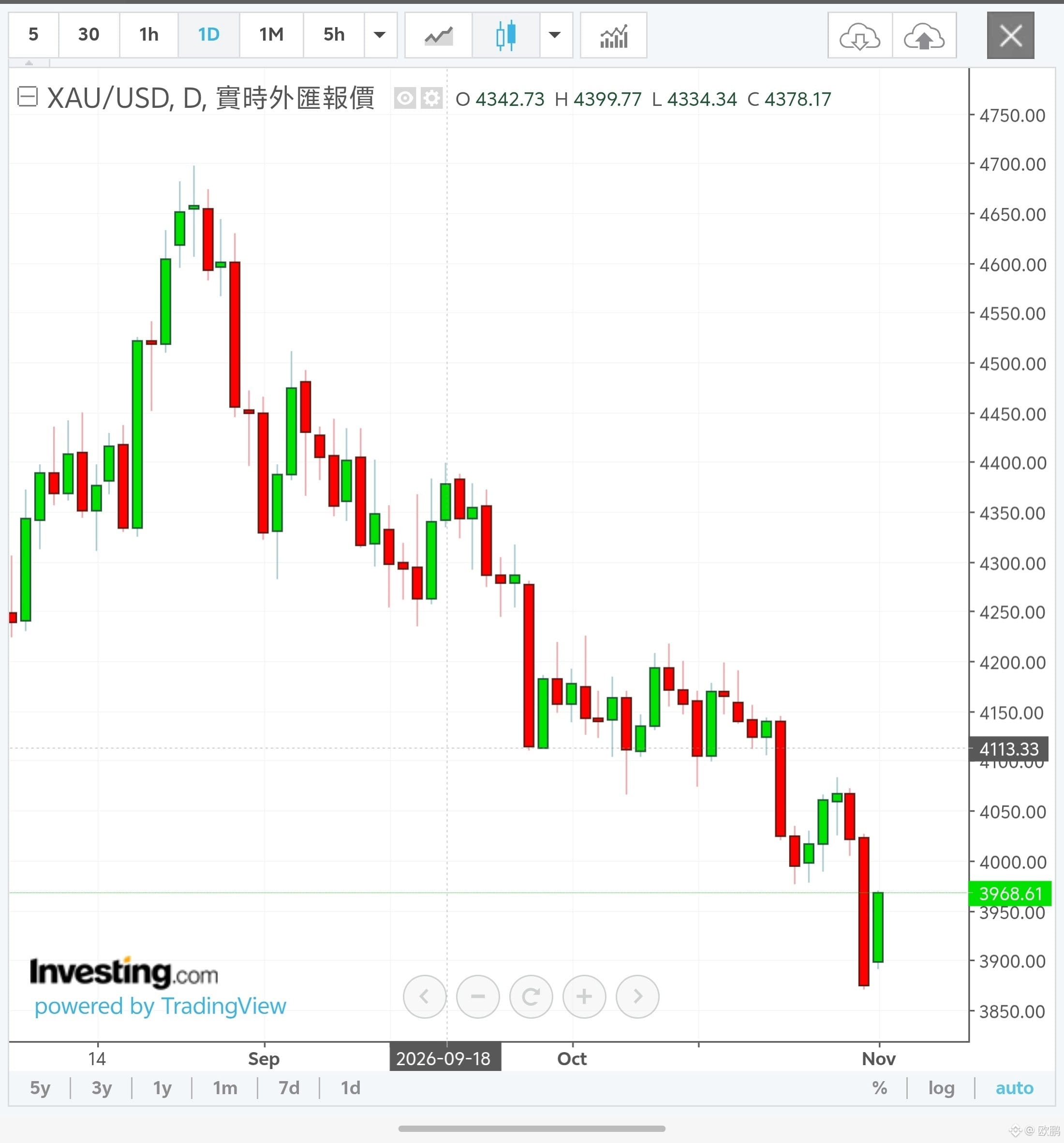
Gold $XAU and silver $XAG rebound, recovering some of their losses!!
Key reasons:
1. 🤝 Progress in diplomacy between Iran and the United States sent crude oil $BZ prices lower
2. 🛢️ Falling oil prices eased market concerns about inflation somewhat, benefiting precious metals
3. ⏫ Spot gold and silver rebounded during early U.S. trading on Monday, recouping some of the ground lost after Friday’s sharp drop
4. 📊 Gold touched a high of $3,965.98 per ounce, up $90 from the previous trading day, a gain of more than 2%
{future}(XAUTUSDT)
Gold $XAU and silver $XAG rebound, recovering some of their losses!!
Key reasons:
1. 🤝 Progress in diplomacy between Iran and the United States sent crude oil $BZ prices lower
2. 🛢️ Falling oil prices eased market concerns about inflation somewhat, benefiting precious metals
3. ⏫ Spot gold and silver rebounded during early U.S. trading on Monday, recouping some of the ground lost after Friday’s sharp drop
4. 📊 Gold touched a high of $3,965.98 per ounce, up $90 from the previous trading day, a gain of more than 2%
1.2k
·
--
Verified
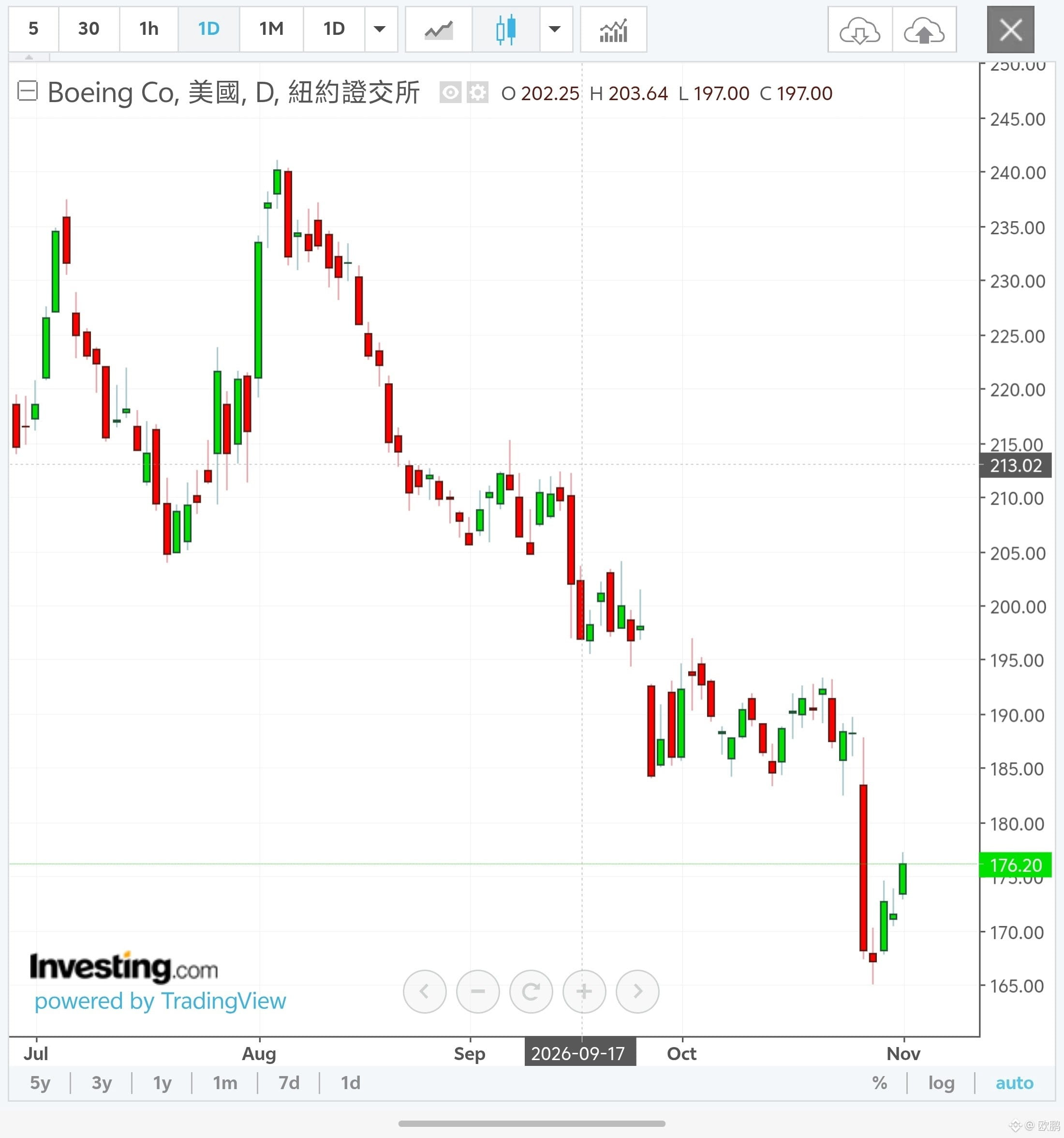
Boeing shares $BA.US rose 2.9% in early trading today, rebounding from a 52-week low touched several days ago. The immediate catalyst for the rally was a prominent investment club’s public announcement that it was actively buying Boeing shares at around $173, explicitly noting that the post-earnings sell-off had created a rare opportunity to buy the dip. Boeing shares had plunged about 10% in a single day last week after CEO Kelly Ortberg disclosed a multiyear free cash flow outlook that was far below analysts’ expectations. The main factors weighing on the outlook included slower-than-expected progress in ramping up 737 MAX production and a sharp increase in capital expenditure commitments related to a major Navy fighter jet contract.
Another piece of news that lifted market sentiment was the U.S. Space Force’s plan to award Boeing a sole-source contract potentially worth up to $945.9 million. It would cover full life-cycle engineering, cybersecurity, and operational support services for Boeing’s Wideband Global SATCOM and Ultra High Frequency Follow-On satellite networks. Boeing has an irreplaceable advantage in competing for the contract because it exclusively owns the proprietary data and software on which these systems rely. Meanwhile, Citi added Boeing to its “90-day upside catalyst watchlist” and maintained its Buy rating, suggesting that institutional investor sentiment has begun to stabilize following the earnings-driven sell-off.
The broader market environment was also positive today, with the S&P 500 up 0.7%, the Dow Jones up 1.0%, and the Nasdaq up 1.0%. Overall risk appetite favored oversold industrial and aerospace stocks. Boeing’s record $745 billion total order backlog and strong 15% growth in defense revenue in the third quarter of 2026 continue to support the long-term bullish investment case, even as recent headwinds to commercial aircraft production persist.
Taken together, dip-buying by a prominent investor group, the catalyst of a major defense contract, positive analyst commentary, and a broadly favorable market environment drove a significant intraday rebound in Boeing shares. However, the stock remains well below its 52-week high of $254.35, and its business turnaround still has a long way to go. If you’re bullish on Boeing, remember to set a stop-loss in case the stock hits a new low.
BAUS+0.27%
107
·
--
Bearish
Verified
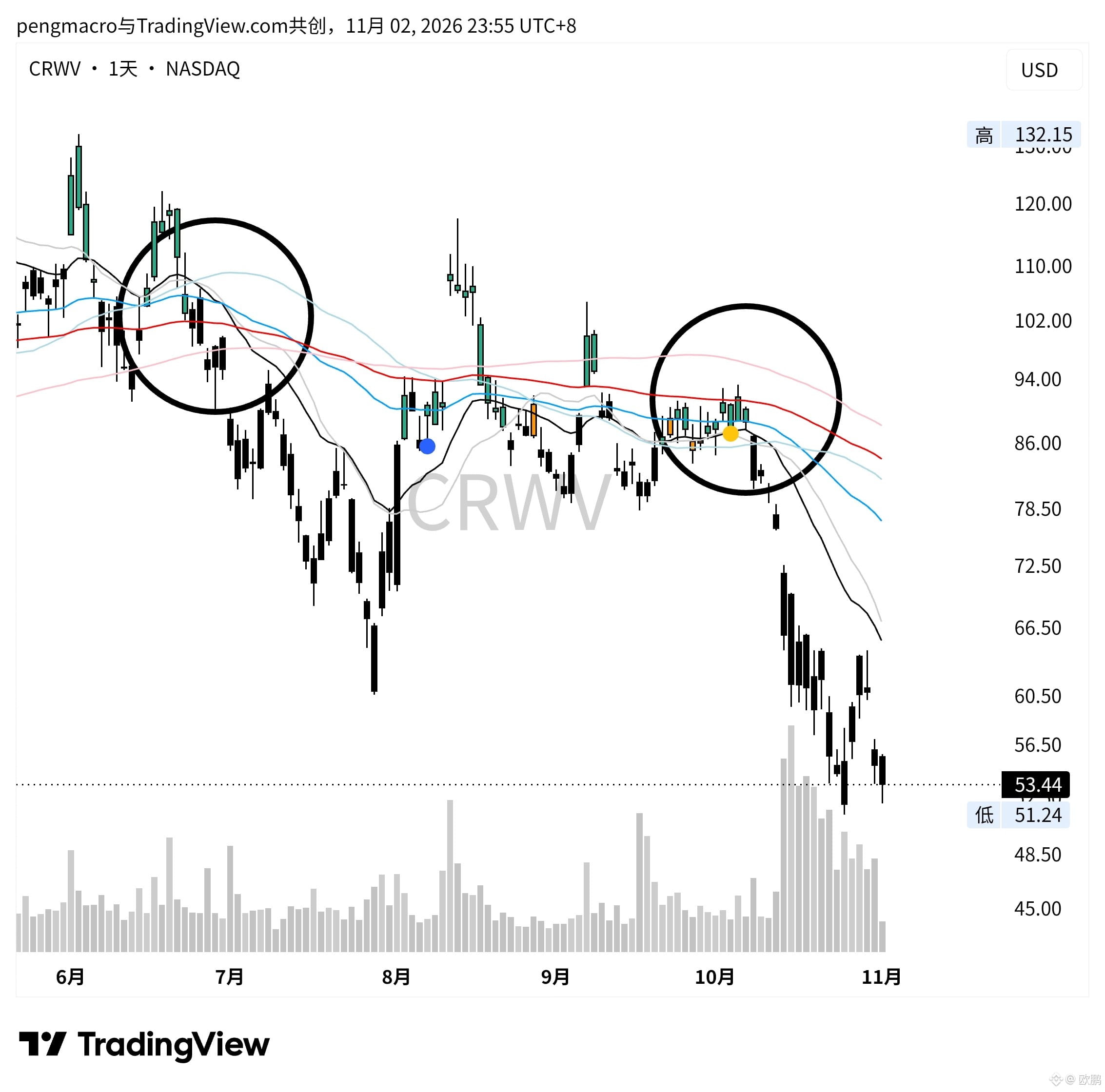
$CRWV (CoreWeave) stock decline analysis:
1. ✅ Despite announcing an expanded AI security partnership with CrowdStrike, the positive news lacked staying power and failed to attract buyers
2. 📌 Oracle ($ORCL ) plans to issue $10 billion in bonds, raising market concerns about debt risks in the cloud/AI infrastructure sector and weighing on highly leveraged CoreWeave
3. 📊 Bearish technical signals: a head-and-shoulders top pattern has emerged; put-option trading volume hit a record; insiders have sold a cumulative $5.35 billion worth of shares over the past year, signaling management caution
4. ⏳ Third-quarter earnings will not be released until November 10, leaving traders on the sidelines and reluctant to open new positions
5. 📉 Negative momentum in AI stocks from earlier in the period continued (Friday’s sharp Nasdaq decline dealt a blow to AI growth stocks). The stock remained weak even though the broader market/Nasdaq closed higher that day
{future}(CRWVUSDT)
$CRWV (CoreWeave) stock decline analysis:
1. ✅ Despite announcing an expanded AI security partnership with CrowdStrike, the positive news lacked staying power and failed to attract buyers
2. 📌 Oracle ($ORCL ) plans to issue $10 billion in bonds, raising market concerns about debt risks in the cloud/AI infrastructure sector and weighing on highly leveraged CoreWeave
3. 📊 Bearish technical signals: a head-and-shoulders top pattern has emerged; put-option trading volume hit a record; insiders have sold a cumulative $5.35 billion worth of shares over the past year, signaling management caution
4. ⏳ Third-quarter earnings will not be released until November 10, leaving traders on the sidelines and reluctant to open new positions
5. 📉 Negative momentum in AI stocks from earlier in the period continued (Friday’s sharp Nasdaq decline dealt a blow to AI growth stocks). The stock remained weak even though the broader market/Nasdaq closed higher that day
817
·
--
Bearish
Verified
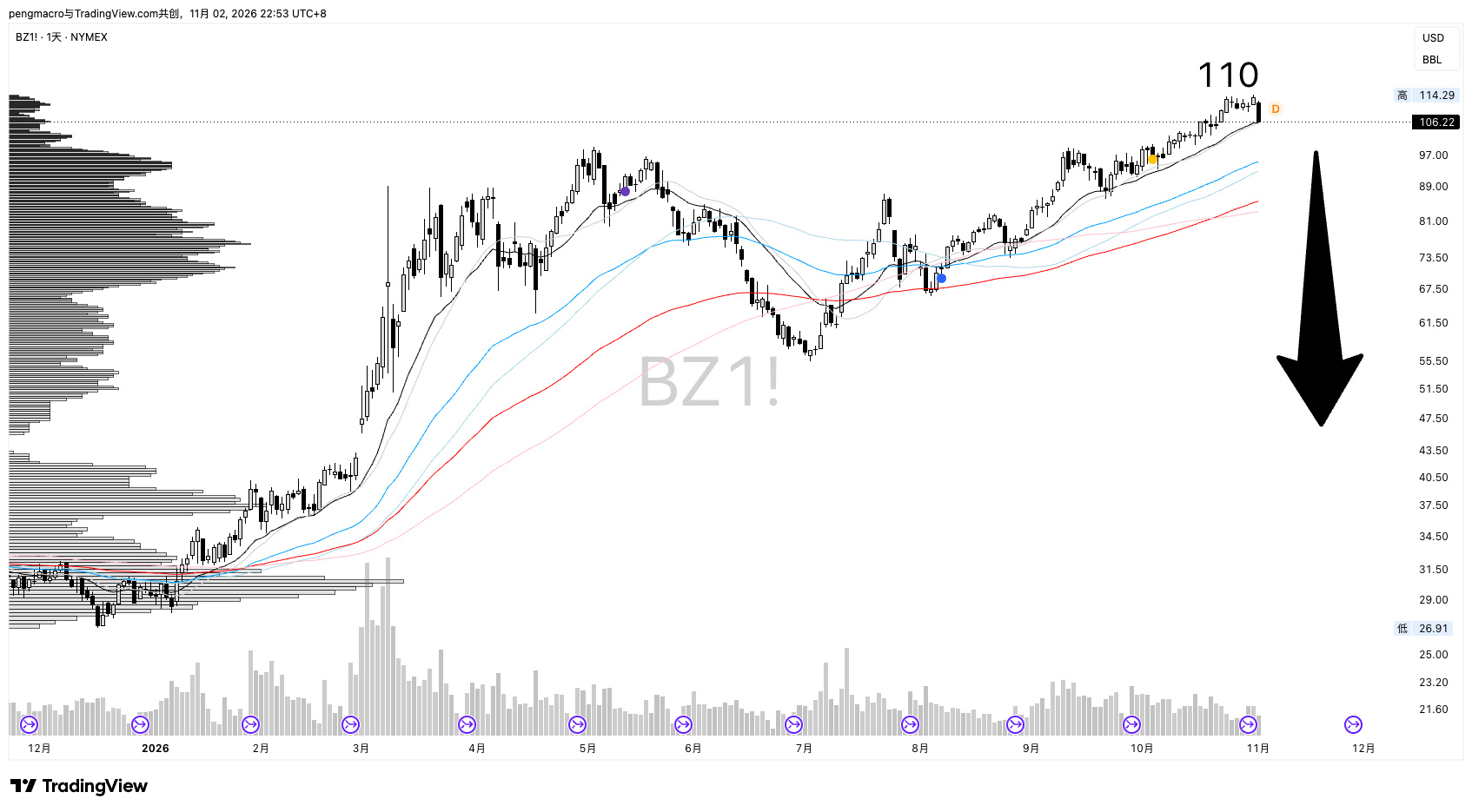
Crude oil has fallen below $110, maintaining the bearish outlook from October 29.
$BZ
{future}(BZUSDT)
Crude oil has fallen below $110, maintaining the bearish outlook from October 29.
$BZ
$BZ
欧鹏
·
--
BearishBrent crude oil $BZ has been moving sideways around 110 for several days, unable to break higher, and the price has started to slowly pull back. Meanwhile, the daily chart has flashed a TD13 overbought signal, and short-term momentum has clearly faded.
Structurally, the failure to move higher at these levels, combined with the overbought signal, points to mounting correction pressure. I’m personally leaning bearish in the short term, and with a very tight stop-loss and plenty of upside potential on a short position, the risk-reward still looks pretty good.
The price is now at $110—let’s leave a 👣 and check back at year-end~
357
·
--
U.S. stocks: Apple $AAPL surpasses Nvidia $NVDA , reclaiming the title of the world's most valuable company.
U.S. stocks: Apple $AAPL surpasses Nvidia $NVDA , reclaiming the title of the world's most valuable company.
3
387
·
--
This week’s unlock data: $BTW , $KITE , $MMT , and others are set for large one-time token unlocks
BTW leads this week in absolute unlock volume (101 million tokens, worth approximately $114 million).
But structurally, MMT is the most noteworthy: 252 million tokens, equal to 294.38% of the current circulating supply. The unlock volume is nearly three times the existing circulating supply, yet is worth only $32.3 million. The mismatch between the circulating-supply base and the unlock’s market value is more noteworthy than the amount itself.
KITE’s 17.42% puts it in the high-percentage tier, while BTW’s 3.37% is a low-percentage, high-absolute-volume unlock.
{future}(BTWUSDT)
{future}(KITEUSDT)
{future}(MMTUSDT)
This week’s unlock data: $BTW , $KITE , $MMT , and others are set for large one-time token unlocks
BTW leads this week in absolute unlock volume (101 million tokens, worth approximately $114 million).
But structurally, MMT is the most noteworthy: 252 million tokens, equal to 294.38% of the current circulating supply. The unlock volume is nearly three times the existing circulating supply, yet is worth only $32.3 million. The mismatch between the circulating-supply base and the unlock’s market value is more noteworthy than the amount itself.
KITE’s 17.42% puts it in the high-percentage tier, while BTW’s 3.37% is a low-percentage, high-absolute-volume unlock.
187
·
--
Partly True
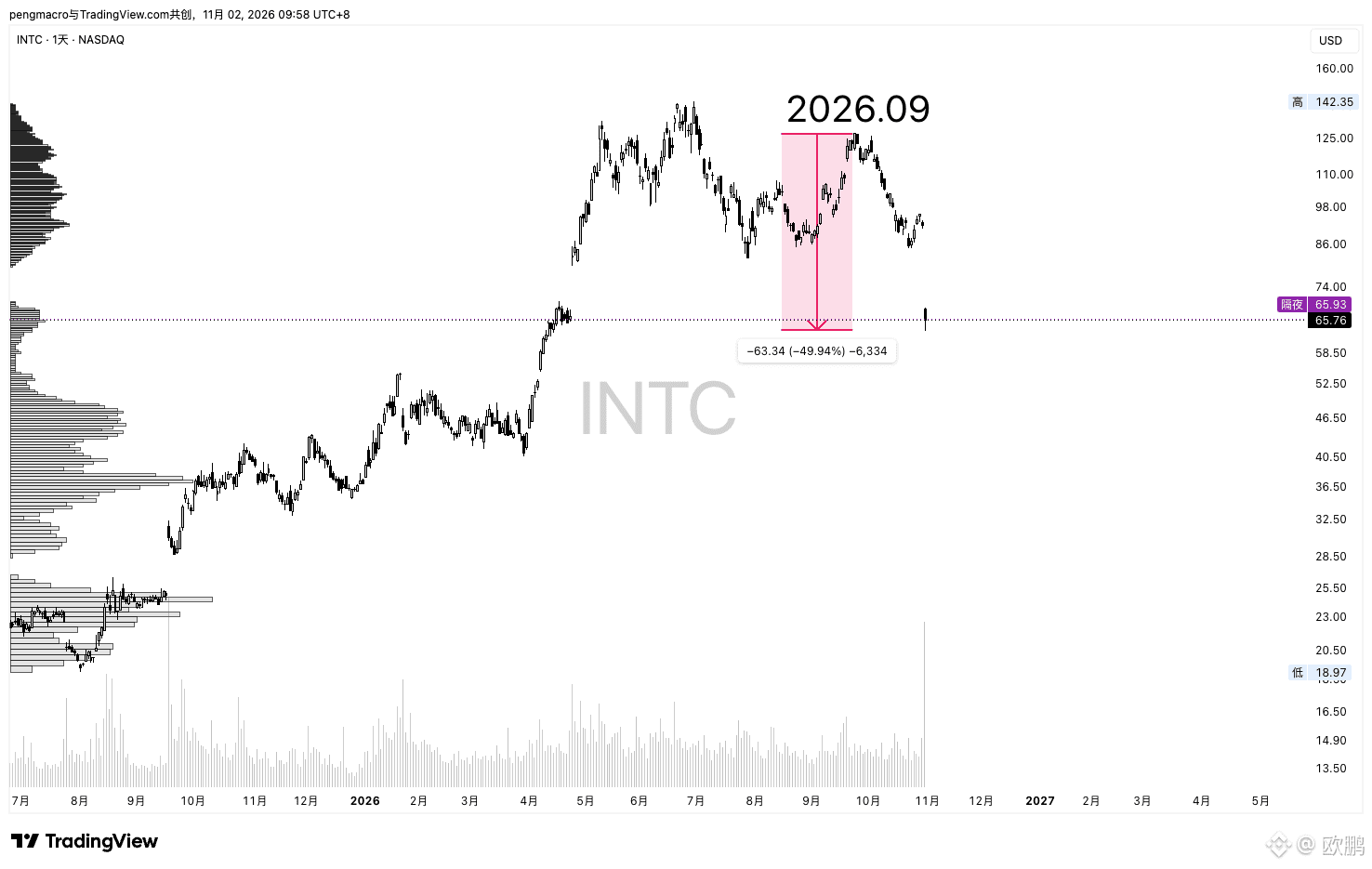
Intel shares stabilized after the market opened following overnight trading
$INTC has fallen about 50% from its September high, and data show that substantial positions have already been built near $65.
{future}(INTCUSDT)
Intel shares stabilized after the market opened following overnight trading
$INTC has fallen about 50% from its September high, and data show that substantial positions have already been built near $65.
$INTC has fallen about 50% from its September high, and data show that substantial positions have already been built near $65.
4
1
1
2.6k
Log in to explore more content
Join global crypto users on Binance Square
⚡️ Get latest and useful information about crypto.
💬 Trusted by the world’s largest crypto exchange.
👍 Discover real insights from verified creators.
Email / Phone number
Trending Topics
USMidterms-WhatAreMarketsExpecting?
53,263 views
564 Discussing
Democratic Congressional Sweep Shakes Trump Trades in AI Stocks and Crypto
Binance News
·8 Likes
·3.2k views
USOctoberNFP-AreRateCutsStillPossible
226,900 views
1,801 Discussing
AMDBeatsExpectations-AINarrativeContinues
11,138 views
208 Discussing