

Velho Nei
825 Posts

Velho Nei
A viagem está só começando.
1.3K+ Following
479 Followers
515 Liked
Posts
All
Quotes

Mood Capital
·
--
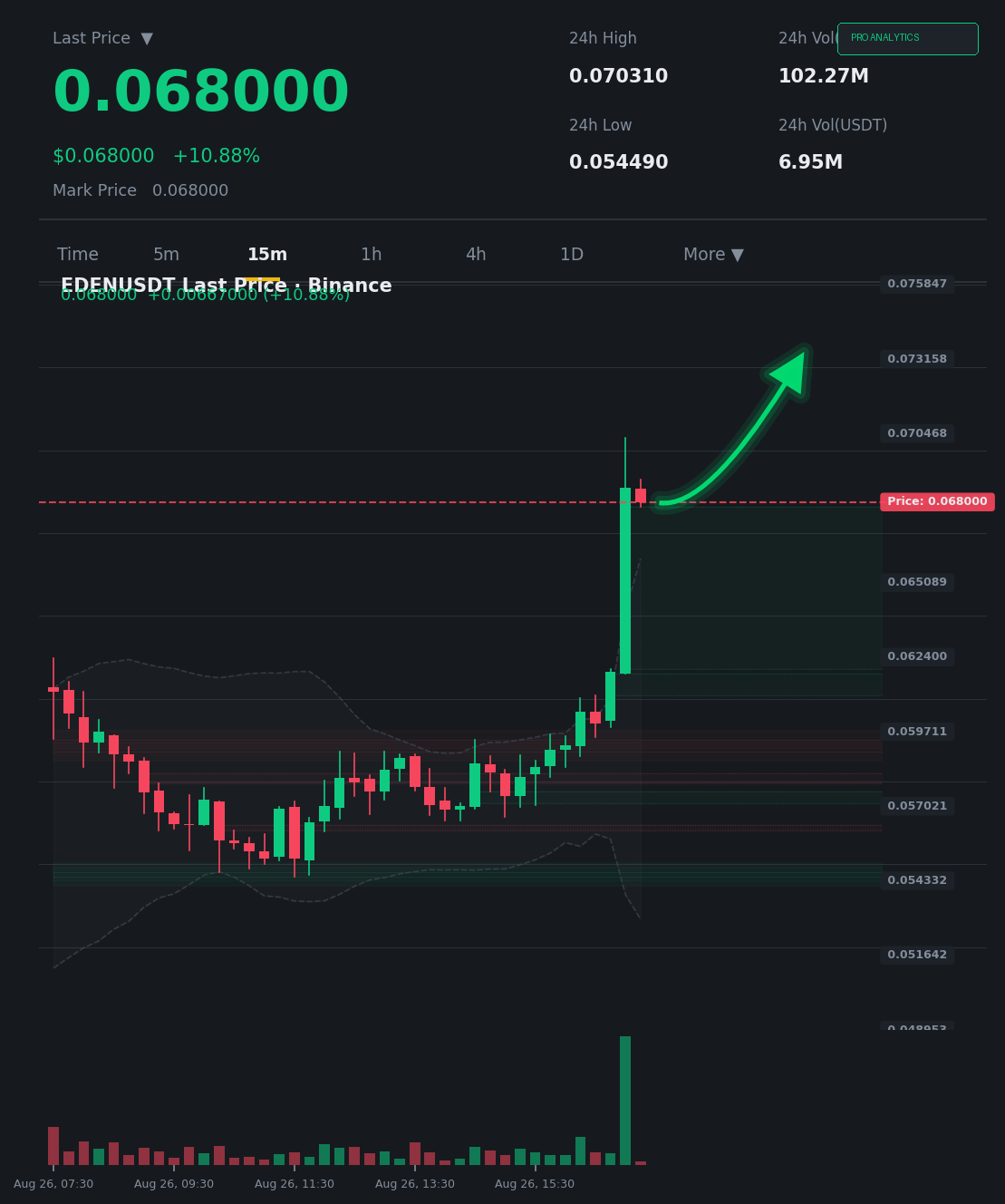
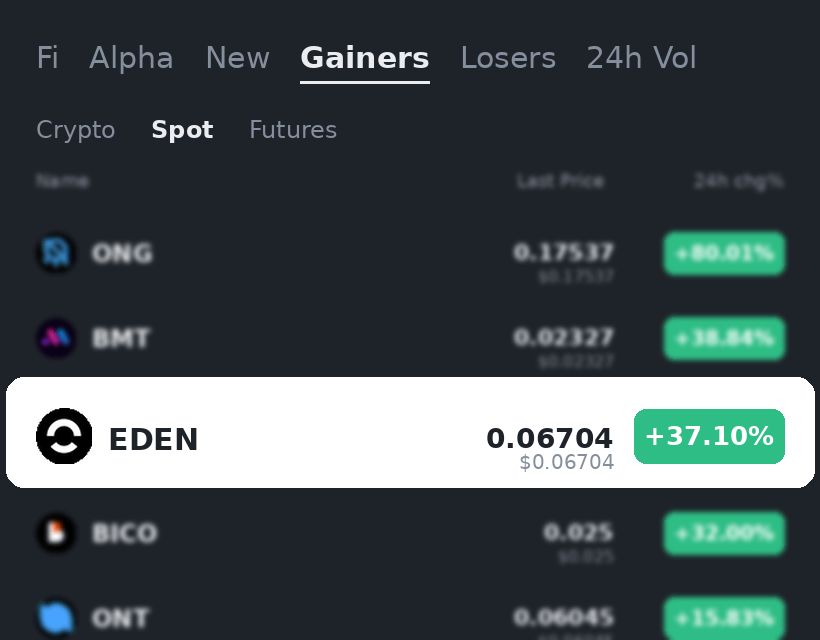
$EDEN Jumps 39.86% in 24 hours... but can the breakout hold with only 28% of the average trading volume?
The price reached $0.068 driven by a sharp buying wave, but the volume ratio of 0.28 reveals the absence of institutional liquidity—price action relies on thin market orders that can vanish at the first sell pressure. On the 15-minute chart, the candles show repeated upper wicks with failure to close above the most recent high.
The bullish scenario: New buyers enter, lifting volume above average and holding the price above $0.065—here the breakout becomes technically complete with full targets.
The bearish scenario: If volume remains muted, the price will test the $0.058–$0.060 demand zone again, with a chance of a 15–20% correction.
The deciding factor: Volume confirmation—without it, the move remains vulnerable to a quick reversal.
Do you see real liquidity entering, or just momentary speculation?
$EDEN
This content is not investment advice; do your own research (DYOR)
The price reached $0.068 driven by a sharp buying wave, but the volume ratio of 0.28 reveals the absence of institutional liquidity—price action relies on thin market orders that can vanish at the first sell pressure. On the 15-minute chart, the candles show repeated upper wicks with failure to close above the most recent high.
The bullish scenario: New buyers enter, lifting volume above average and holding the price above $0.065—here the breakout becomes technically complete with full targets.
The bearish scenario: If volume remains muted, the price will test the $0.058–$0.060 demand zone again, with a chance of a 15–20% correction.
The deciding factor: Volume confirmation—without it, the move remains vulnerable to a quick reversal.
Do you see real liquidity entering, or just momentary speculation?
$EDEN
This content is not investment advice; do your own research (DYOR)

zayyadahmad14
·
--
Sixteen American soldiers are dead.
One is missing.
Four hundred more are reportedly wounded.
And the question Americans should be asking is brutally simple: what were they sent to fight for?
These were not numbers on a military briefing sheet. They were sons, daughters, parents, spouses, friends, and members of communities that will never be the same again.
Yet the United States continues paying the human cost of a conflict many believe primarily serves Israel’s strategic interests—not the direct defense of America.
Supporting an ally should never mean sacrificing American lives without clear objectives, lawful authorization, public accountability, and an honest explanation of how the war protects the United States.
No foreign government should be allowed to treat American troops as an unlimited military resource.
Before another soldier is deployed, Washington must answer:
What is the mission? What does victory look like? How does this protect America? And why are American families paying the price?
Sixteen dead. One missing. Four hundred wounded.
All for a war that was never truly theirs.
$TRUMP
$BANK
$NATGAS
One is missing.
Four hundred more are reportedly wounded.
And the question Americans should be asking is brutally simple: what were they sent to fight for?
These were not numbers on a military briefing sheet. They were sons, daughters, parents, spouses, friends, and members of communities that will never be the same again.
Yet the United States continues paying the human cost of a conflict many believe primarily serves Israel’s strategic interests—not the direct defense of America.
Supporting an ally should never mean sacrificing American lives without clear objectives, lawful authorization, public accountability, and an honest explanation of how the war protects the United States.
No foreign government should be allowed to treat American troops as an unlimited military resource.
Before another soldier is deployed, Washington must answer:
What is the mission? What does victory look like? How does this protect America? And why are American families paying the price?
Sixteen dead. One missing. Four hundred wounded.
All for a war that was never truly theirs.
$TRUMP
$BANK
$NATGAS



Ualifi Araújo
·
--
Bullish🚨 ATTENTION!!!
I NEED TO SAY SOMETHING IMPORTANT TO ALL OF YOU...
In the past few months, I’ve dedicated time, energy, and resources to build a movement where WE WILL DEFEND the interests of Crypto investors in Brazil. The name is: CRYPTO ACTION BRAZIL. And I want everyone to understand one thing with absolute clarity: I am giving my all to make this work—this is for ALL Crypto investors in Brazil.
I’m doing this because I see something that many people are still ignoring:
If we—Brazilian investors in Bitcoin and cryptocurrencies—don’t start organizing now… someone will decide the future of our market for us.
Political and regulatory decisions are being discussed every day in Brasília, and all of them are BAD for investors.
The questions are:
Who is defending our interests?
Who is telling politicians that Brazil can’t suffocate us?
Who is fighting to prevent bad regulations that treat financial freedom as a threat?
Up until now, you’ve never seen desperate posts asking people to follow or support me—on the contrary, I constantly thank you for the long-term support you have voluntarily always given me, and I will be forever grateful for it.
However, today I NEED support. I’m not asking for support for myself. I’m asking for support for a cause that belongs to ALL OF US.
If you believe in Bitcoin…
If you believe in financial freedom…
If you believe that Brazil needs regulation that protects investors instead of pursuing innovation…
I need you to walk with us.
SHARE this message. SUPPORT the Crypto Action Brazil social media channels.
Help build this movement.
Because if we stay silent today…
tomorrow they will decide the future of our Crypto without listening to us. And when that moment comes, complaining will be too late.
This fight isn’t only mine. This fight is for ALL those who believe in the future of the crypto sector in Brazil. 🇧🇷💛
So, who’s in this with me? ✊🏻🚀
I NEED TO SAY SOMETHING IMPORTANT TO ALL OF YOU...
In the past few months, I’ve dedicated time, energy, and resources to build a movement where WE WILL DEFEND the interests of Crypto investors in Brazil. The name is: CRYPTO ACTION BRAZIL. And I want everyone to understand one thing with absolute clarity: I am giving my all to make this work—this is for ALL Crypto investors in Brazil.
I’m doing this because I see something that many people are still ignoring:
If we—Brazilian investors in Bitcoin and cryptocurrencies—don’t start organizing now… someone will decide the future of our market for us.
Political and regulatory decisions are being discussed every day in Brasília, and all of them are BAD for investors.
The questions are:
Who is defending our interests?
Who is telling politicians that Brazil can’t suffocate us?
Who is fighting to prevent bad regulations that treat financial freedom as a threat?
Up until now, you’ve never seen desperate posts asking people to follow or support me—on the contrary, I constantly thank you for the long-term support you have voluntarily always given me, and I will be forever grateful for it.
However, today I NEED support. I’m not asking for support for myself. I’m asking for support for a cause that belongs to ALL OF US.
If you believe in Bitcoin…
If you believe in financial freedom…
If you believe that Brazil needs regulation that protects investors instead of pursuing innovation…
I need you to walk with us.
SHARE this message. SUPPORT the Crypto Action Brazil social media channels.
Help build this movement.
Because if we stay silent today…
tomorrow they will decide the future of our Crypto without listening to us. And when that moment comes, complaining will be too late.
This fight isn’t only mine. This fight is for ALL those who believe in the future of the crypto sector in Brazil. 🇧🇷💛
So, who’s in this with me? ✊🏻🚀


Sienna Leo-你真棒-带我走
·
--
🚨 A Meaningful Statement from Iran:
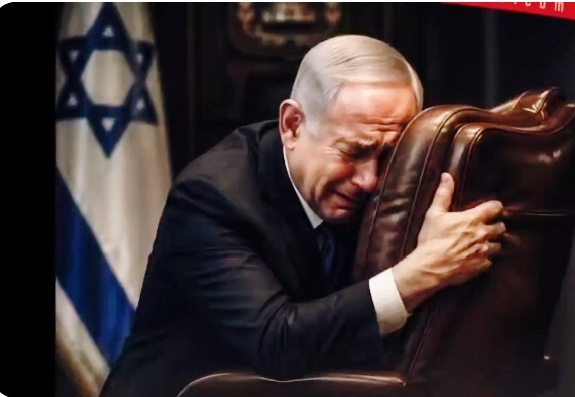
"Benjamin Netanyahu is the worst president America has ever had."
🇮🇷 Iran has never backed down since the first day of the war... 👏
#IranIsraelConflict #iran #OilMarket #GrowWithSAC $NVDAB $SPCXB $TSLAB
"Benjamin Netanyahu is the worst president America has ever had."
🇮🇷 Iran has never backed down since the first day of the war... 👏
#IranIsraelConflict #iran #OilMarket #GrowWithSAC $NVDAB $SPCXB $TSLAB
Quoted content has been removed

bielzinnn
·
--
BullishOobit, backed by Tether, has integrated Brazil's PIX payment network, allowing nearly 170 million users to deposit reais into their app, hold USDT, and spend through PIX.
Has anyone tried it? What's the feedback?
Has anyone tried it? What's the feedback?



BullishBanter
·
--
$HMSTR Showing Signs of Life Again
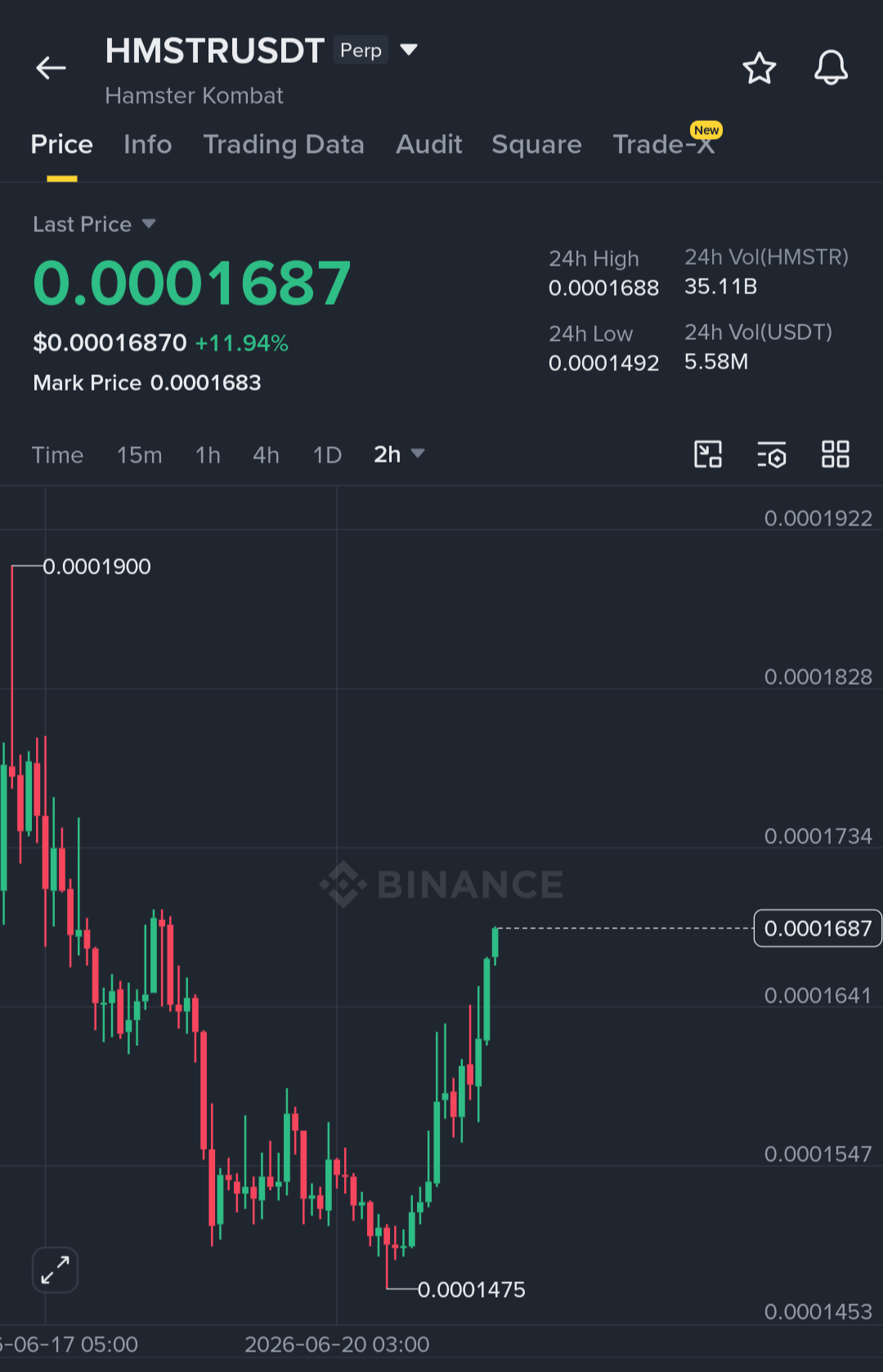
HMSTR has once again defended its key support zone near $0.000147, and buyers are finally stepping back into the market. After a prolonged decline, the chart is now forming higher lows and stronger bullish candles, suggesting that momentum is slowly returning.
The recent bounce from support is important because it confirms that demand is still present at lower levels. If buyers can maintain control, HMSTR may continue recovering toward the next resistance zones.
Key Levels
Resistance: $0.000175 – $0.000190
Support: $0.000160
Major Support: $0.000147
For now, the recovery remains in its early stages, but the structure looks much healthier than it did a few days ago. As long as the recent support holds, HMSTR has room to extend this rebound and challenge higher levels again. Momentum is returning, and the market is starting to pay attention once more.
$HMSTR
HMSTR has once again defended its key support zone near $0.000147, and buyers are finally stepping back into the market. After a prolonged decline, the chart is now forming higher lows and stronger bullish candles, suggesting that momentum is slowly returning.
The recent bounce from support is important because it confirms that demand is still present at lower levels. If buyers can maintain control, HMSTR may continue recovering toward the next resistance zones.
Key Levels
Resistance: $0.000175 – $0.000190
Support: $0.000160
Major Support: $0.000147
For now, the recovery remains in its early stages, but the structure looks much healthier than it did a few days ago. As long as the recent support holds, HMSTR has room to extend this rebound and challenge higher levels again. Momentum is returning, and the market is starting to pay attention once more.
$HMSTR
Log in to explore more content