
NathanWalk
784 Posts

NathanWalk
Report
Block User
3 Following
190 Followers
817 Liked
Posts
All
Quotes
·
--
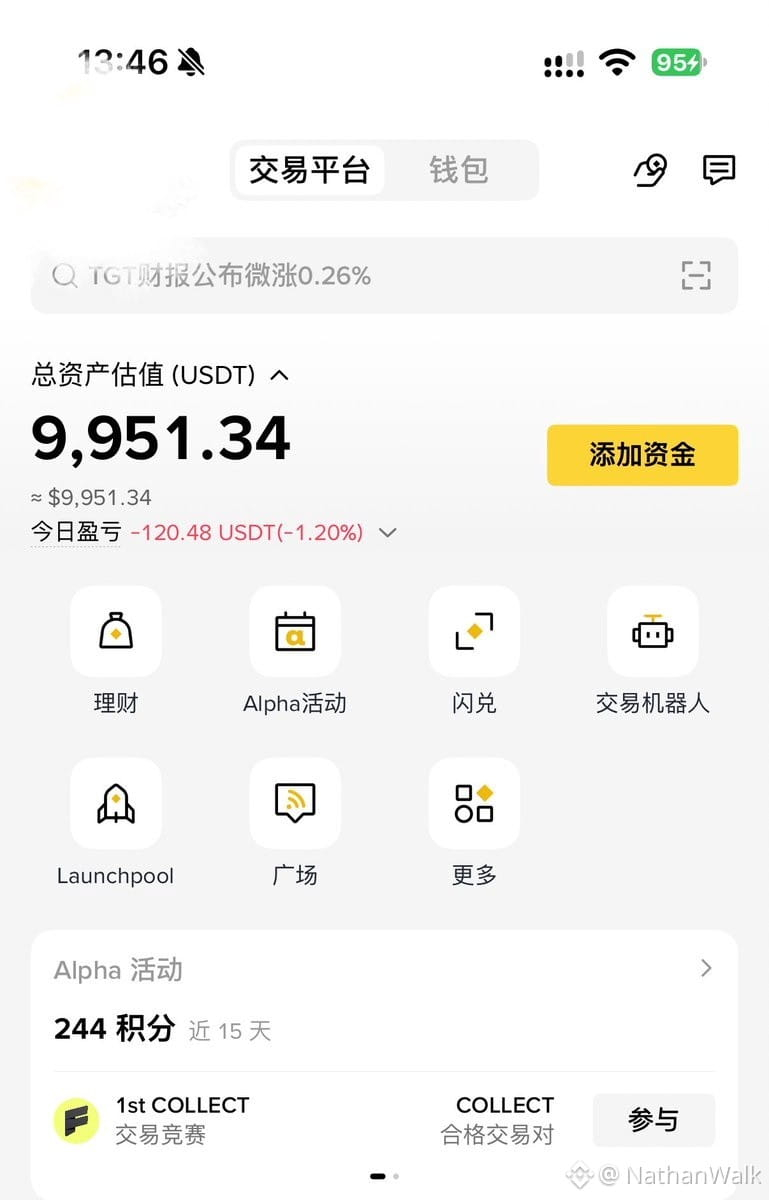
I was hoping to work hard and build up a 10K U Alpha account, but I can’t even keep my old account afloat anymore. (I already put 500U into this account yesterday, and when I woke up, it had dropped below the mark again. 😭
I was hoping to work hard and build up a 10K U Alpha account, but I can’t even keep my old account afloat anymore. (I already put 500U into this account yesterday, and when I woke up, it had dropped below the mark again. 😭
135
·
--
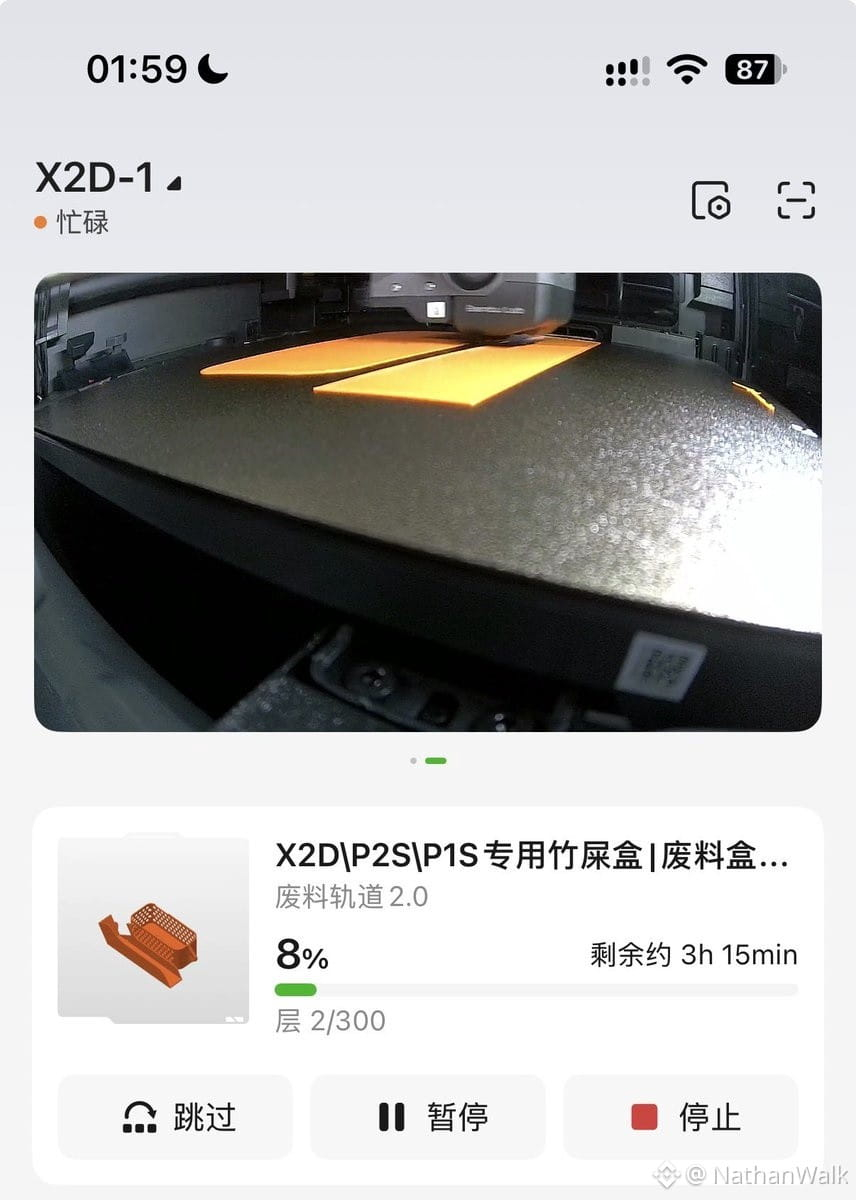
New hires have been assigned night shifts too—working 24 hours a day, with no days off.
Get to work, young folks. The boss needs some rest. 😂
New hires have been assigned night shifts too—working 24 hours a day, with no days off.
Get to work, young folks. The boss needs some rest. 😂
Get to work, young folks. The boss needs some rest. 😂
225
·
--
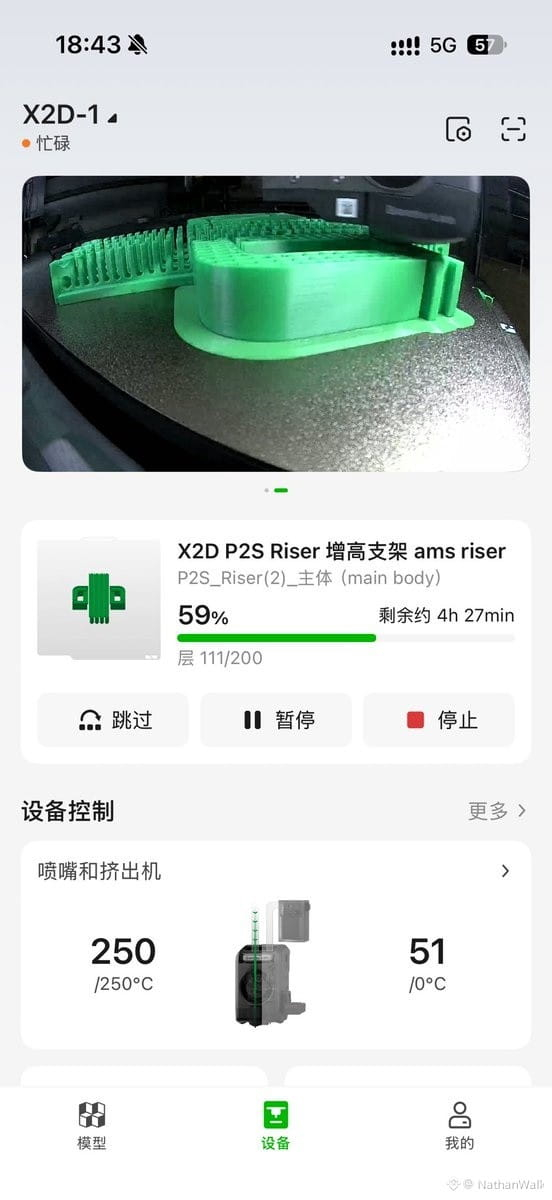
In the AI era, the need to remotely monitor and direct agents at work is growing stronger. The value of large-screen phones lies in meeting the need for phones to shift from entertainment to entertainment plus work.
One more reason to buy the iPhone Duo. 😂
In the AI era, the need to remotely monitor and direct agents at work is growing stronger. The value of large-screen phones lies in meeting the need for phones to shift from entertainment to entertainment plus work.
One more reason to buy the iPhone Duo. 😂
One more reason to buy the iPhone Duo. 😂
1
853
·
--
Binance is killing it!
No airdrops for half a month,
and now it’s started buying back steadily.
I probably won’t make a profit this month.
With the market like this, I’ll be happy to lose a little less. No getting greedy.🤪
Binance is killing it!
No airdrops for half a month,
and now it’s started buying back steadily.
I probably won’t make a profit this month.
With the market like this, I’ll be happy to lose a little less. No getting greedy.🤪
No airdrops for half a month,
and now it’s started buying back steadily.
I probably won’t make a profit this month.
With the market like this, I’ll be happy to lose a little less. No getting greedy.🤪
113
·
--
I highly recommend getting a 3D printer if you have kids at home, are still a kid at heart, and enjoy tinkering.
Playing around with this Bambu Lab X2D printer over the past couple of days has changed some of my previous assumptions.
1> Aren’t 3D printers really expensive?
Not at all. Take Bambu Lab, for example: prices range from around 1,000 yuan for the A series, which has no enclosure, to 15,000 yuan for its newly launched flagship, the 9-nozzle H3C.
The main differences between models aren’t about whether they can print useful things; the higher-priced models mostly offer extra bells and whistles.
For example, they may have a larger build volume, or support multicolor printing that’s faster and uses less material.
The X2D I bought over the past couple of days is a mid-range model. With all the Double 11 coupons, it came to 3,800 yuan, and included several rolls of filament and various little toys.
Bambu Lab is one of the leading brands in home 3D printers, but you can find even cheaper options from other brands.
2> The printer isn’t expensive, but the filament must be, right?
Filament isn’t expensive either. A 1 kg roll of common PLA or PETG filament costs 40 yuan. If you don’t need a spool and buy just the filament, you can get it for 25–35 yuan.
Small things like hooks usually take just 10 or 20 grams to print. Just imagine how big an object would have to be to weigh several kilograms if it were made of plastic.
As long as they’re sturdy enough, large prints are made hollow on the inside rather than solid, which also saves a lot of filament.
3> Doesn’t printing cause pollution?
The manufacturer says it doesn’t cause much pollution, and PLA is made from corn and other plants. There was a slight smell while printing over the past couple of days, but the PM2.5 particle measurement showed nothing.
It could also be because the X2D has a simple filter at the back. I imagine the unenclosed A series models might smell more.
I’ve seen lots of people say it causes pollution, so I’m planning to set up an exhaust to vent the air outside. Safety first.
4> You can’t use one if you don’t know 3D modeling, right?
There are lots of little things designed by other people on Bambu Lab’s official community, MakerWorld. You can download them for free and print them right away.
AI can also help with designing. If something doesn’t meet your needs, just ask AI to modify it.
With AI, technical challenges that used to be a problem are no longer an issue.
5> The machine won’t last long if you use it for a long time, right?
I’ve seen lots of people whose machines have printed for over 10,000 hours. That’s more than a year of nonstop, 24-hour-a-day operation.
If you can keep using the machine until it reaches the end of its life, you’ve definitely gotten your money’s worth.
------------
When the new printer arrived, the first thing I did was print some accessories for it: a spatula, a cable organizer, a Bambu poop container, a riser, and a few little things from MakerWorld. It was also a handy way to get familiar with the software and its features.
Getting the gear you need ready before your new employee starts work—fun! 🤣
79
·
--
Highly recommend a 3D printer for households with kids or for people who are young at heart and willing to tinker.
These past couple of days I’ve been playing with this Bambu X2D printer and it has cleared up some of my earlier biases.
1> A 3D printer should be very expensive, right?
Not at all. Using Bambu as an example, from the A series without an enclosure to the newly released flagship 9-head H3C, prices range from around 1,000 yuan to 15,000 yuan.
The main difference in price is not whether the printed objects are usable, but more the extra features that are the icing on the cake.
For example, print volume, and whether you want multi-color printing, plus faster and more material-efficient multi-color printing.
The X2D I bought these past two days is considered a mid-range model. With various Double 11 coupons it cost 3,800 yuan, and it also came with several spools of filament and various small toys.
Bambu is considered a leading brand in home 3D printers, and other brands can be even cheaper.
2> The printer isn’t expensive, but the consumables must be expensive, right?
Consumables aren’t expensive either. A 1 kg spool of common PLA or PETG costs 40 yuan. If you don’t want the spool, buying the material separately can be done for 25-35 yuan.
Usually you print small things like hooks, using only 10 or 20 grams. Imagine printing a several-kilogram plastic object; how big would that be?
For large objects, as long as the internal support is enough, they are printed hollow, not solid, which also saves a lot of filament.
3> The printing process will produce pollution, right?
The official claim is that there’s basically no pollution. PLA is synthesized from corn plants. During these past two days of printing, there was only a slight smell, and no PM2.5 particles were detected.
It may also be because the X2D has a simple filter on the back. The A series without an enclosure probably smells stronger.
I’ve seen many people say there is pollution, so I’m planning to make an exhaust setup to vent the internal air outside. Safety first.
4> If you can’t do 3D modeling, can’t you play with it?
Bambu’s official community MakerWorld has lots of small items designed by others, available for free download and direct printing.
Also, AI can assist with design, and if some parts don’t meet your needs, you can directly ask AI to modify them.
With AI, technical problems that used to exist are no longer problems.
5> If it works for a long time, won’t the machine have a very short lifespan?
I’ve seen many machines printing for over ten thousand hours. Ten thousand hours means more than a year of nonstop 24/7 operation.
If you can use the machine until it reaches the end of its life, that also counts as good value for money.
------------
After the new machine arrived, I first printed some accessories for it myself: a scraper, a cable organizer, a Bambu poop box, a riser, and some small things from MakerWorld, which also let me get familiar with the software functions and operations.
Preparing the equipment needed for work before an employee starts, fun. 🤣
82
·
--
The joy of 3D printing has more than made up for the pain of a shrinking wallet. I highly recommend picking up a Bambu Lab printer on Singles’ Day to insure your happiness. 😂
The joy of 3D printing has more than made up for the pain of a shrinking wallet. I highly recommend picking up a Bambu Lab printer on Singles’ Day to insure your happiness. 😂
128
·
--
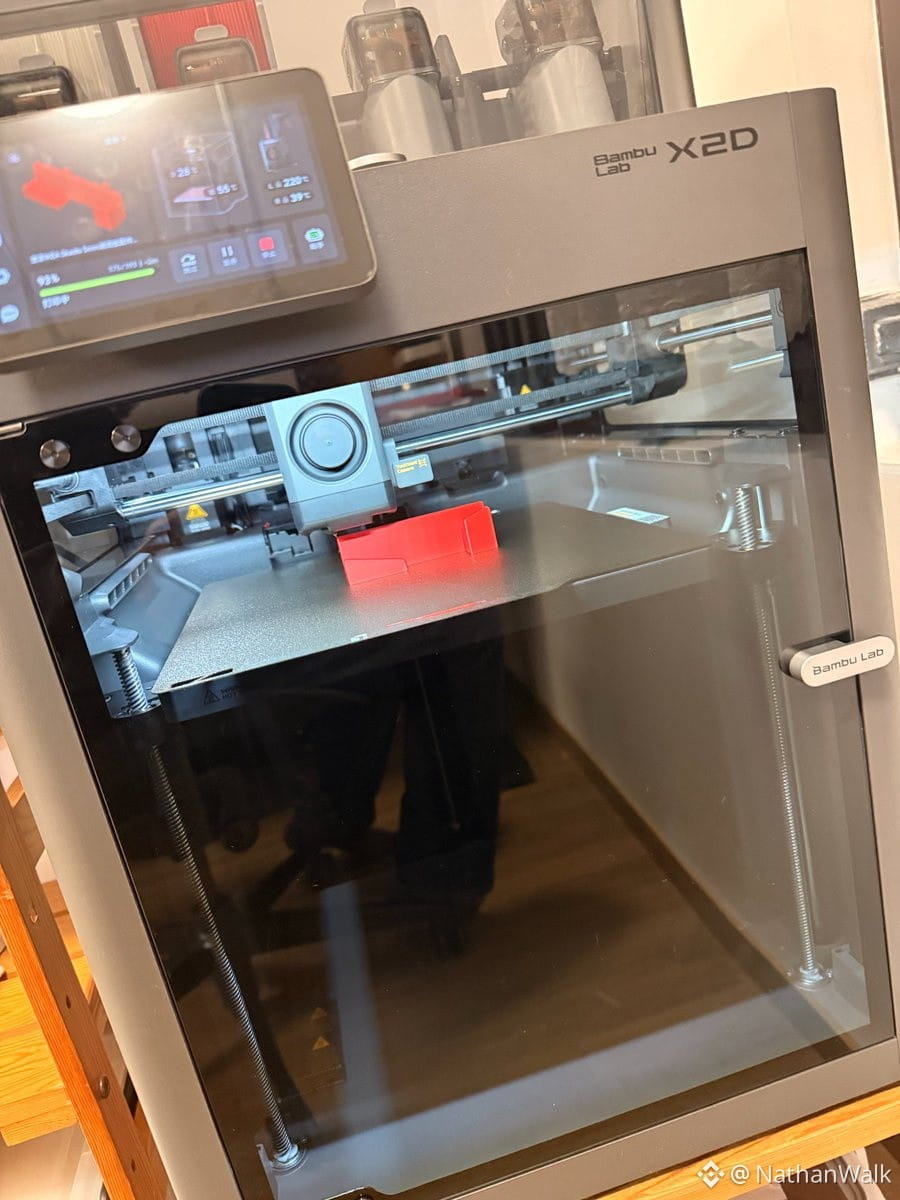
New toy
I actually bought one a few years ago, back when MakerWorld wasn't as powerful as it is now, and the barrier to tinkering with it was pretty high.
Now it's become an AI accessory, and it's a ton of fun.
New toy
I actually bought one a few years ago, back when MakerWorld wasn't as powerful as it is now, and the barrier to tinkering with it was pretty high.
Now it's become an AI accessory, and it's a ton of fun.
I actually bought one a few years ago, back when MakerWorld wasn't as powerful as it is now, and the barrier to tinkering with it was pretty high.
Now it's become an AI accessory, and it's a ton of fun.
177
·
--
If you have money on Matcha, get out ASAP. It’s most likely the exchange that’s going to be sacrificed this time.
And what the hell is this promotion X is pushing? Did they poach the product manager from Pinduoduo?
If you have money on Matcha, get out ASAP. It’s most likely the exchange that’s going to be sacrificed this time.
And what the hell is this promotion X is pushing? Did they poach the product manager from Pinduoduo?
And what the hell is this promotion X is pushing? Did they poach the product manager from Pinduoduo?

1
163
·
--
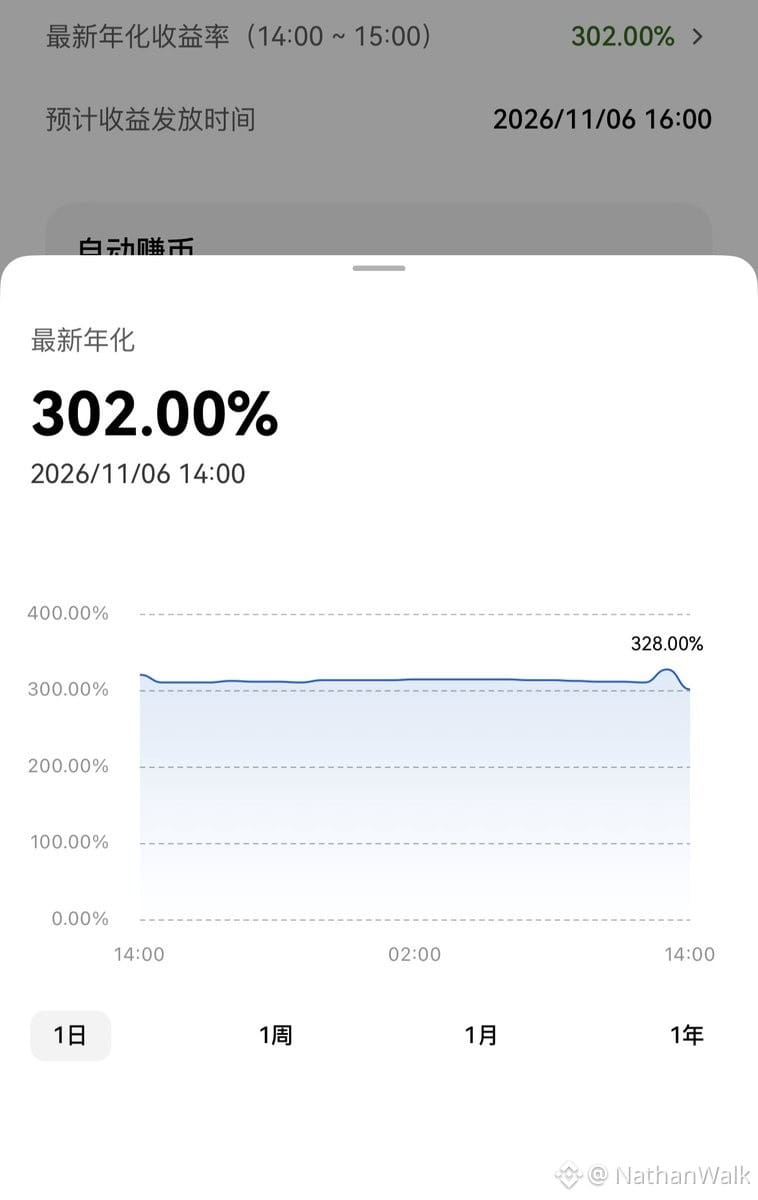
Anyone holding HUMA, hurry over to OKX Earn—the 302% APY has been going for a whole day. You can recoup some losses without selling at a loss.
What a great market! A-shares, US stocks, Web3—thrills everywhere (I've gone crazy 🤪)
Anyone holding HUMA, hurry over to OKX Earn—the 302% APY has been going for a whole day. You can recoup some losses without selling at a loss.
What a great market! A-shares, US stocks, Web3—thrills everywhere (I've gone crazy 🤪)
What a great market! A-shares, US stocks, Web3—thrills everywhere (I've gone crazy 🤪)
91
·
--
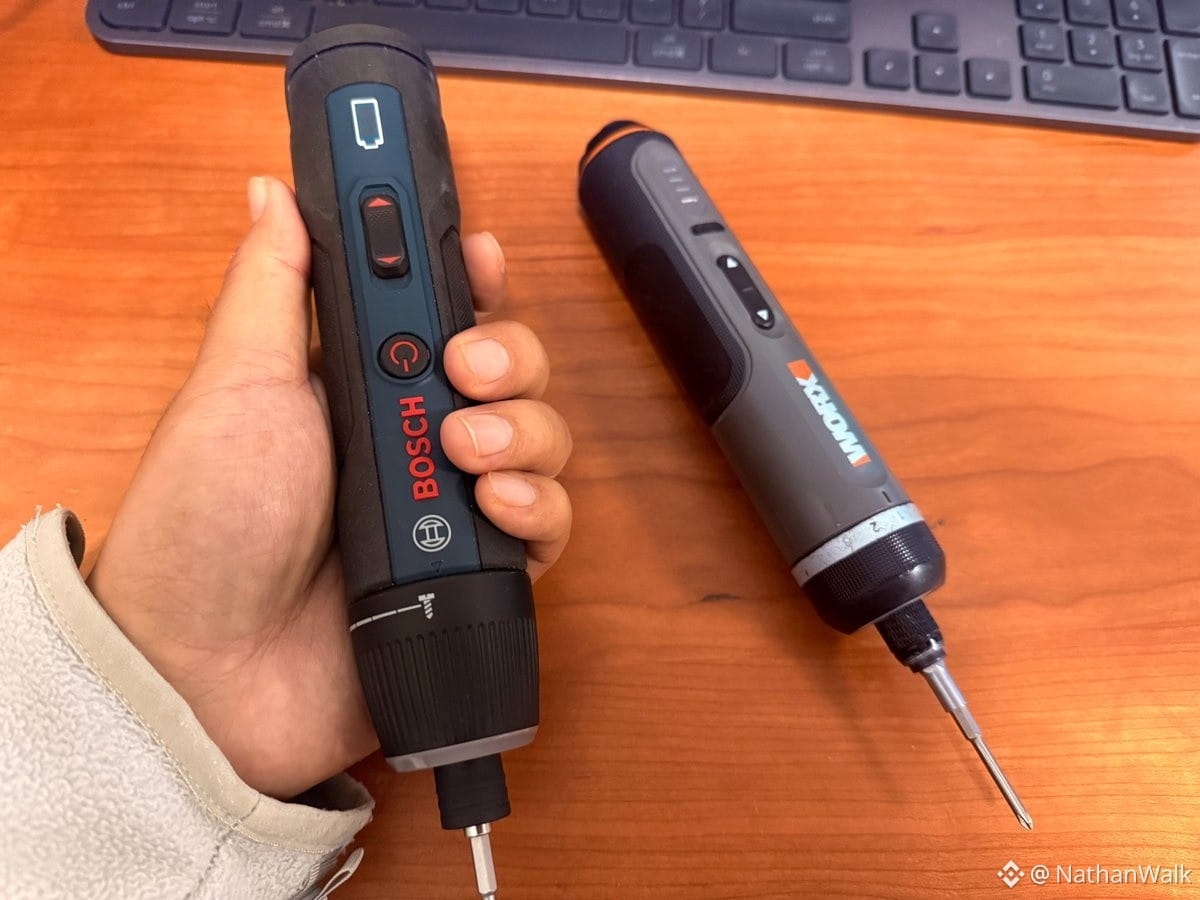
Finally upgraded my screw-driving tool to the Bosch GO4
Just didn't expect it to take more than two years
Now I'm at the stage of looking for screws everywhere 🤣
Finally upgraded my screw-driving tool to the Bosch GO4
Just didn't expect it to take more than two years
Now I'm at the stage of looking for screws everywhere 🤣
Just didn't expect it to take more than two years
Now I'm at the stage of looking for screws everywhere 🤣
217
·
--
After a few days of working a regular job, I’m back and can’t keep up with the pace of crypto anymore. I need to readjust before I can get back into the swing of things. Damn.
After a few days of working a regular job, I’m back and can’t keep up with the pace of crypto anymore. I need to readjust before I can get back into the swing of things. Damn.
159
·
--
I can't imagine how long it would take to handle these problems without AI. AI's greatness speaks for itself.
I can't imagine how long it would take to handle these problems without AI. AI's greatness speaks for itself.

261
·
--
Now I understand why everyone’s using Xiaohongshu
Its recommendation system is completely different from other platforms, and follower count has very little impact on reach. Small accounts can post just about anything—as long as someone’s interested, the views can skyrocket.
For crypto projects looking to attract new users in China, Xiaohongshu should be the best platform. The user base is relatively well-mannered, and there aren’t all those argumentative trolls you see on Weibo. The comment sections are generally harmonious, with people discussing the topic at hand.
The key thing is, the conversion rate is really high. Find a niche product and post a few related things, and somehow you can actually make money selling it. 🥲
1
1
2.2k
·
--
Partly True
Binance is still seriously impressive
They were robbed of 6 billion in the morning and made up for it by evening
Imagine if some other small exchange were robbed of 6 billion
And a big chunk of your net worth was tied up there
Would you be panicking right now?
With AI in the mix, these kinds of black swan events will become more frequent
All exchanges can do is keep strengthening their risk management capabilities
All individuals can do is keep their money somewhere that can afford to compensate them
It’s that simple
1
2
2.2k
·
--
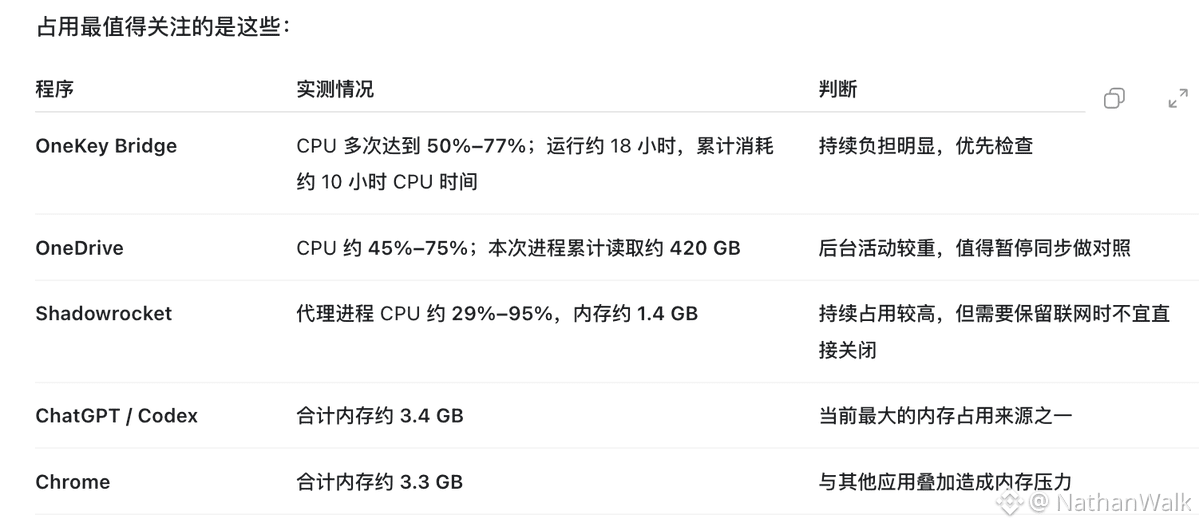
I want to know what the hell this Onekey Bridge is doing in the background. My computer is ridiculously slow, and this thing is using the most CPU.
I want to know what the hell this Onekey Bridge is doing in the background. My computer is ridiculously slow, and this thing is using the most CPU.
1
1.1k
·
--
AI’s rapid iteration is bound to let hackers move faster than the defenses of companies and exchanges.
After all, the drive that comes with entrepreneurship is something employees can’t match. Specifically, hackers will undoubtedly push AI’s capabilities to the absolute limit.
AI’s rapid iteration is bound to let hackers move faster than the defenses of companies and exchanges.
After all, the drive that comes with entrepreneurship is something employees can’t match. Specifically, hackers will undoubtedly push AI’s capabilities to the absolute limit.
After all, the drive that comes with entrepreneurship is something employees can’t match. Specifically, hackers will undoubtedly push AI’s capabilities to the absolute limit.
1.9k
·
--
The Predict token, which launched yesterday, has postponed trading. That’s what I’m most concerned about today.
The Predict token, which launched yesterday, has postponed trading. That’s what I’m most concerned about today.
1
588
·
--
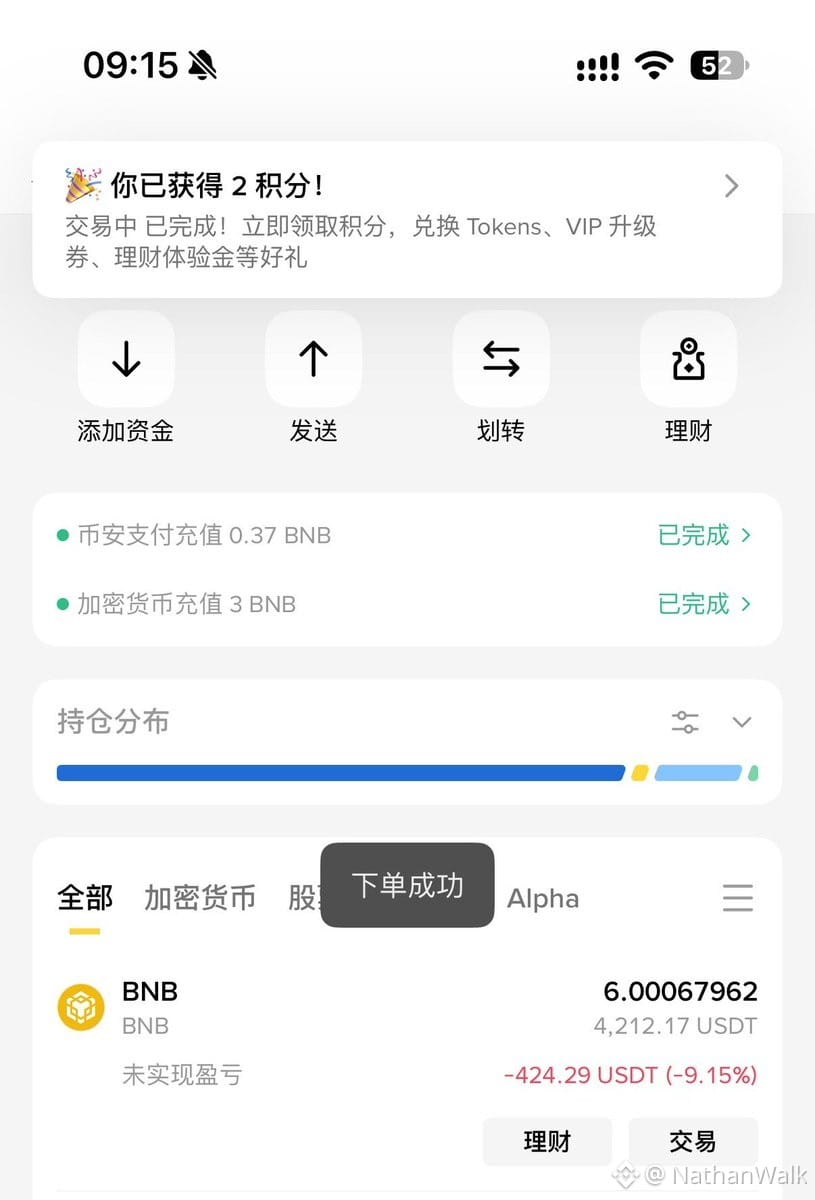
Hey, why do you get points for buying BNB?
I just bought back the BNB I spent yesterday participating in a token launch.
Honestly, if 5 billion had been stolen from another exchange where I had money deposited, I’d be panicking by now.
Unfortunately, I still haven’t broken even on my BNB. 😂
Hey, why do you get points for buying BNB?
I just bought back the BNB I spent yesterday participating in a token launch.
Honestly, if 5 billion had been stolen from another exchange where I had money deposited, I’d be panicking by now.
Unfortunately, I still haven’t broken even on my BNB. 😂
I just bought back the BNB I spent yesterday participating in a token launch.
Honestly, if 5 billion had been stolen from another exchange where I had money deposited, I’d be panicking by now.
Unfortunately, I still haven’t broken even on my BNB. 😂
1
1.8k
Log in to explore more content
Join global crypto users on Binance Square
⚡️ Get latest and useful information about crypto.
💬 Trusted by the world’s largest crypto exchange.
👍 Discover real insights from verified creators.
Email / Phone number
Trending Topics
BitcoinAndStocksSlipAgainAmidTrump’sTariffPlans
726 views
43 Discussing
U.S. Plans New Tariffs on China, EU and Others; Bitcoin Slips Below $60,000 and Nasdaq Falls 1.5%
Binance News
·2 Likes
·578 views
JensenHuangSaysNvidiaDoesn’tNeedASuccessionPlan
2,675 views
51 Discussing
AnthropicBreaksBelowIPOPriceAmidAISlump
88,321 views
828 Discussing